
South coast Iceland: your guide to waterfalls, glaciers and black sand
By Eva Alkemade
Sep 2, 2026
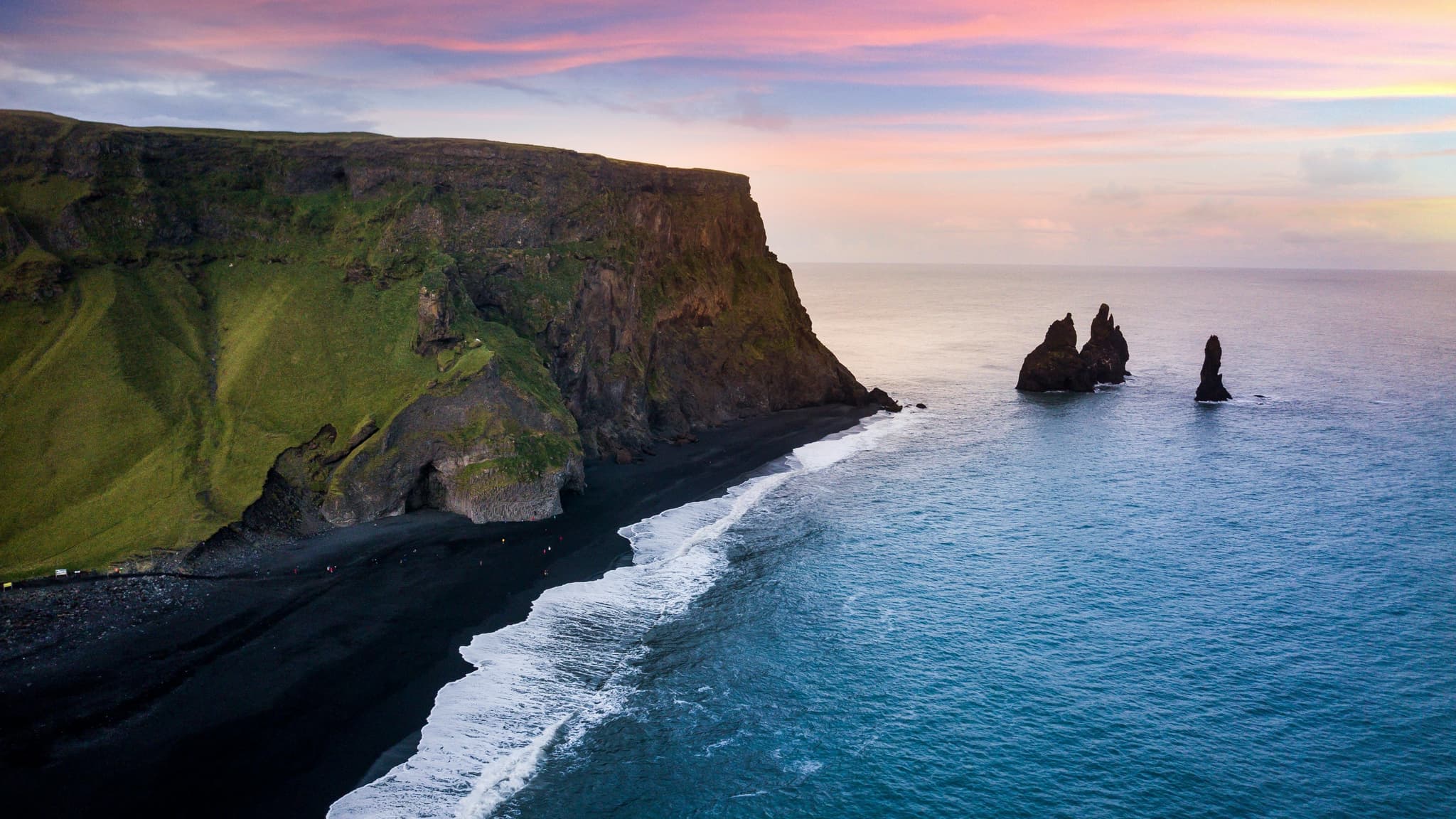
South Iceland is one of the easiest parts of the country to turn into a road trip, mostly because so much sits along the same route. Within a few days, you can walk behind Seljalandsfoss, stop at the black sand around Vík and watch chunks of ice drift across Jökulsárlón Glacier Lagoon. Even the drive between them gives you plenty of reasons to pull over, with glaciers, cliffs and smaller waterfalls appearing along the way. So, how many days do you actually need, and which stops are worth your time? Here’s how you can plan your own south Iceland trip.
Quick facts before your south coast Iceland trip
The south coast follows Route 1, and the drive from the capital to Jökulsárlón takes around 4-5 hours.
Seljalandsfoss, Skógafoss and Reynisfjara black sand beach sit within a couple of hours of each other
Two to three days on the road gives you enough room to reach Jökulsárlón and Diamond Beach
Reynisfjara has a genuine sneaker wave risk; the beach uses a colour-coded flag system
Winter brings ice caves and the northern lights, and summer gives you daylight for exploring.
Starting your trip to the south of Iceland
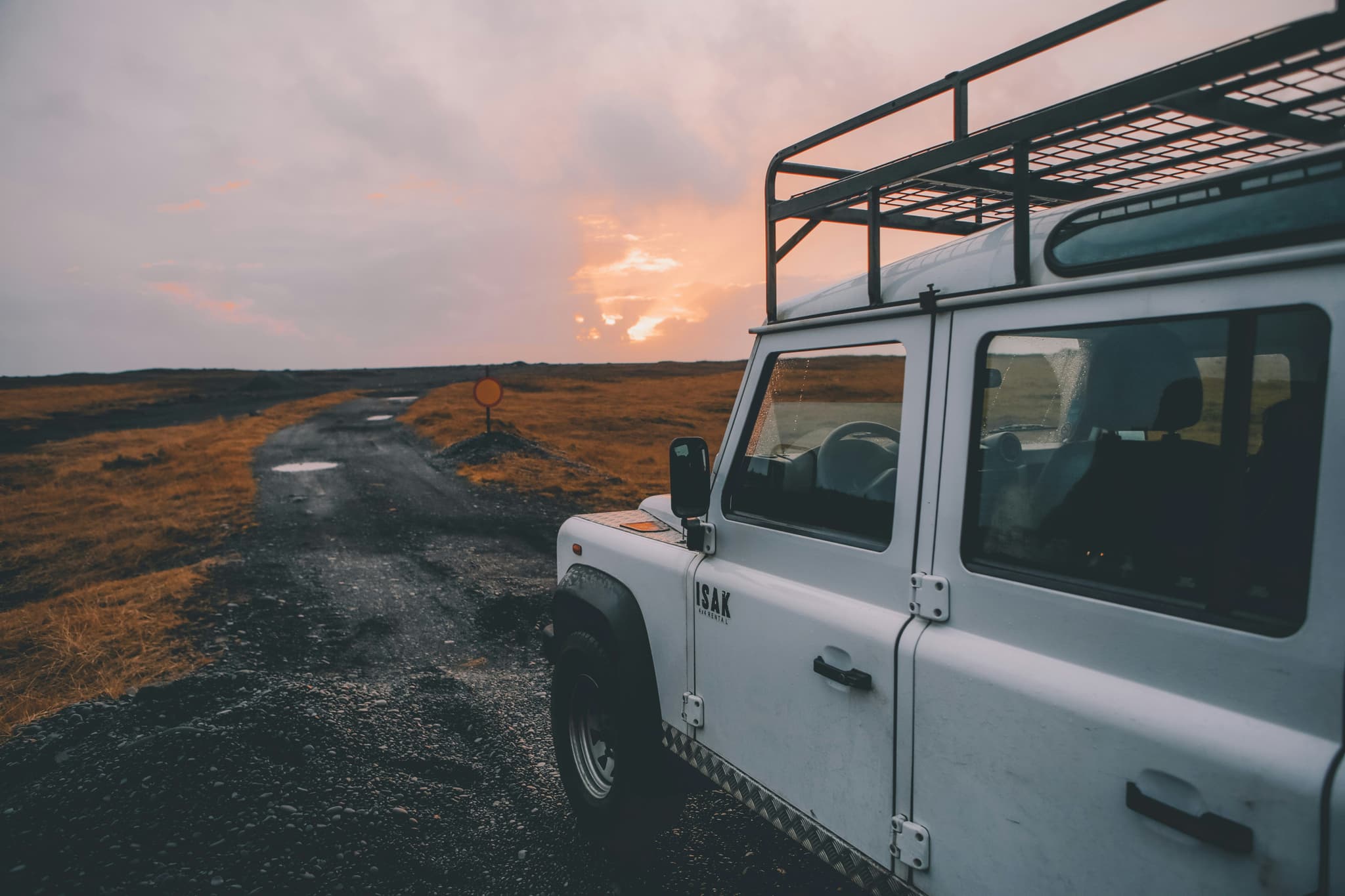
You don't need a 4x4 or any special driving experience for most of this route. A regular rental car handles the south coast of Iceland just fine outside of winter, and even then, a lot of people manage it with a smaller SUV.
How far is it, really?
From Reykjavík, the distances start off pretty manageable. Seljalandsfoss is around two hours away, while Vík takes roughly two and a half hours. Keep going towards Jökulsárlón though, and you're looking at around five hours of driving in total, before you've even stopped anywhere. Trying to do the whole stretch as a day trip means a lot of time in the car, so we'd stay at least one night along the south coast. Vík works particularly well, as it breaks up the route and puts you close to several stops for the next morning.
Planning to continue beyond the south coast? Read our Ring Road Iceland guide for the full route around the island, including stops, driving times and itinerary ideas.
Building a 2-3 day Iceland South Coast trip
With two days, you can cover Seljalandsfoss, Skógafoss and Reynisfjara on the first day, then stay overnight in Vík. The next morning, continue towards Jökulsárlón and Diamond Beach before making your way back. With three days, you'll have much more time to add a glacier walk or ice cave tour, make a few unplanned stops and enjoy the drive without constantly checking the clock.
Curious what you could add after the south coast? Read our guide to things to do in Iceland for more places to visit, including the Golden Circle and Westfjords.
Guided tip: book your accommodation in Vík or nearby Hvolsvöllur weeks ahead if you're travelling in July or August, since rooms along this route sell out fast in high season.
Seljalandsfoss and the hidden waterfall next door
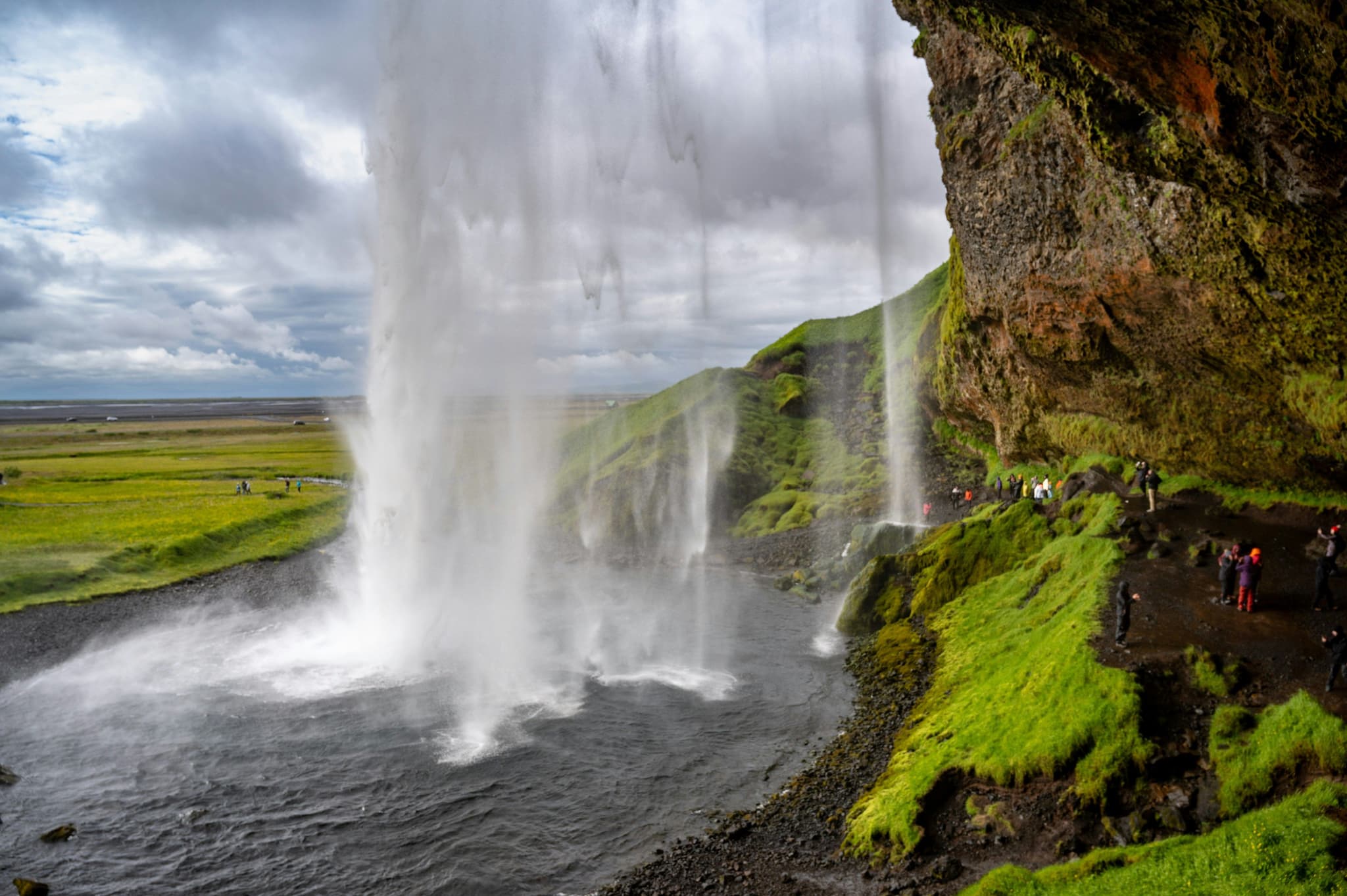
About two hours after leaving Reykjavík, Seljalandsfoss is likely to be your first proper waterfall stop along the south coast. From the road it already looks impressive, but the fun part starts once you get closer. A path runs behind the 60 metre waterfall, so you can actually stand between the falling water and the cliff, although you should expect to get pretty wet in the process.
Walking behind Seljalandsfoss
You will get wet. There's no way around it, so bring a waterproof jacket and shoes with decent grip, because the path gets slippery from the constant spray. The walk itself only takes twenty to thirty minutes, but people tend to linger for photos. If you're travelling solo, this is an easy first stop to manage on your own, since the path is short, well marked, and rarely deserted even outside peak hours.
Gljúfrabúi, the waterfall most people miss
A five-minute walk from the main car park brings you to Gljúfrabúi, a waterfall tucked partly inside a narrow canyon. You'll need to wade a little to get the full view, so pack a spare pair of socks if you'd rather not squelch for the rest of the day.
Guided tip: visit early morning or right before sunset in summer if you want photos without a dozen other people in every shot. Seljalandsfoss is directly on the bus tour route, so midday gets busy fast.
Skógafoss and the climb worth doing
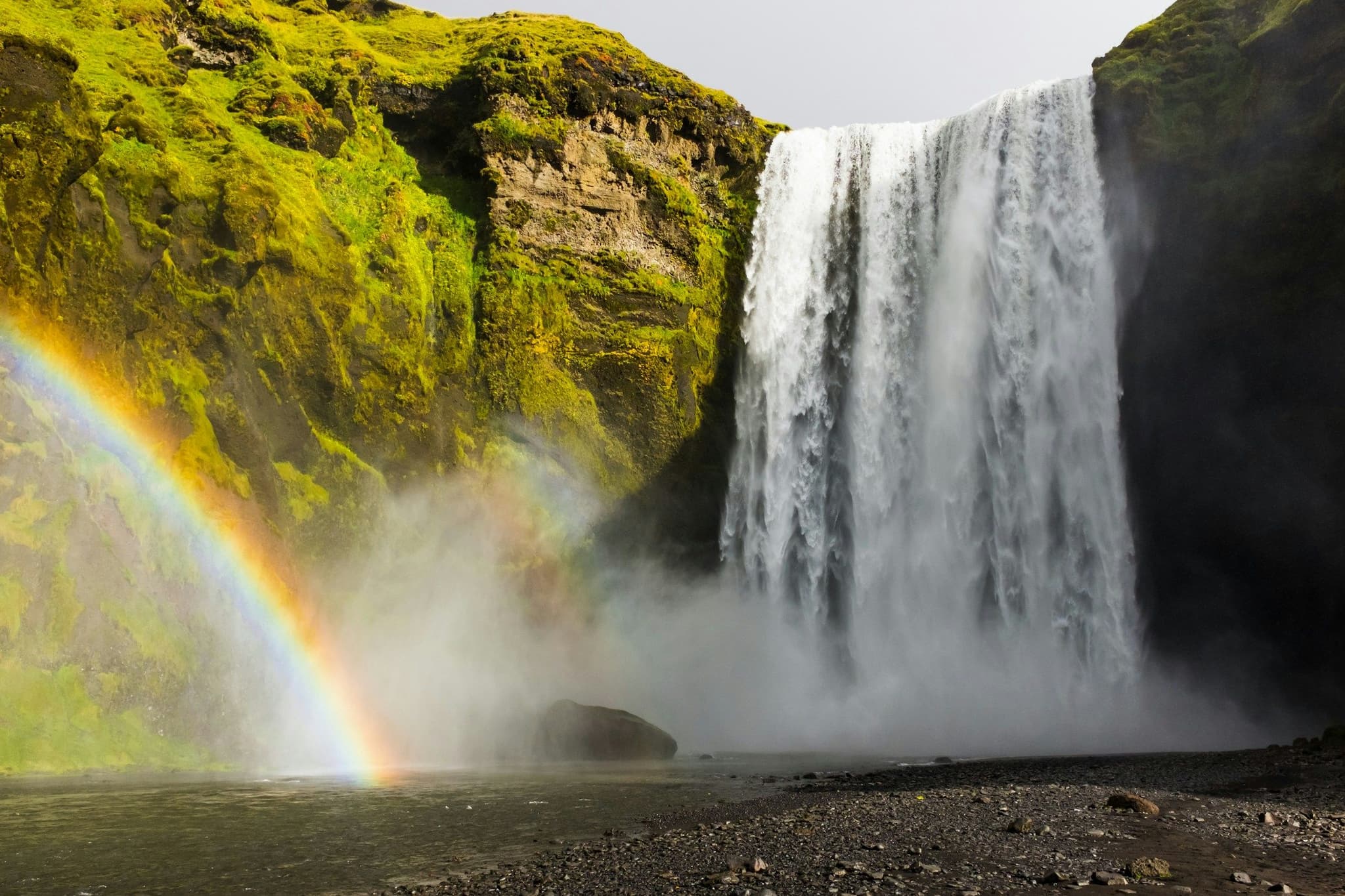
Skógafoss is the one you've probably already seen on Instagram, and pictures genuinely don't do it justice. The waterfall drops 60 metres in a single wide curtain, and the volume of water throwing up mist means rainbows appear here on most sunny days.
Standing at the base versus climbing to the top
Most people plant themselves at the bottom and take it in from there, which works fine and takes maybe twenty minutes. But there's a staircase, around 400 metal steps, that takes you to a viewing platform above the falls, and from up there you can see the start of the Fimmvörðuháls hiking trail reaching into the highlands beyond. It's a proper leg workout, so take it slowly, but the view down into the spray is worth every step.
What else is worth your time here?
The small Skógar Folk Museum stands right by the car park, and it's an interesting stop if you want a break from waterfalls for twenty minutes and a bit of local history instead. There's also a calmer waterfall called Kvernufoss just a short walk away, and you can walk behind that one too, without anywhere near the number of visitors that Skógafoss draws.
Fun fact: legend has it a Viking settler buried a treasure chest behind Skógafoss, and locals say the rainbow you see in the mist marks its resting place.
Vík and Reynisfjara black sand beach
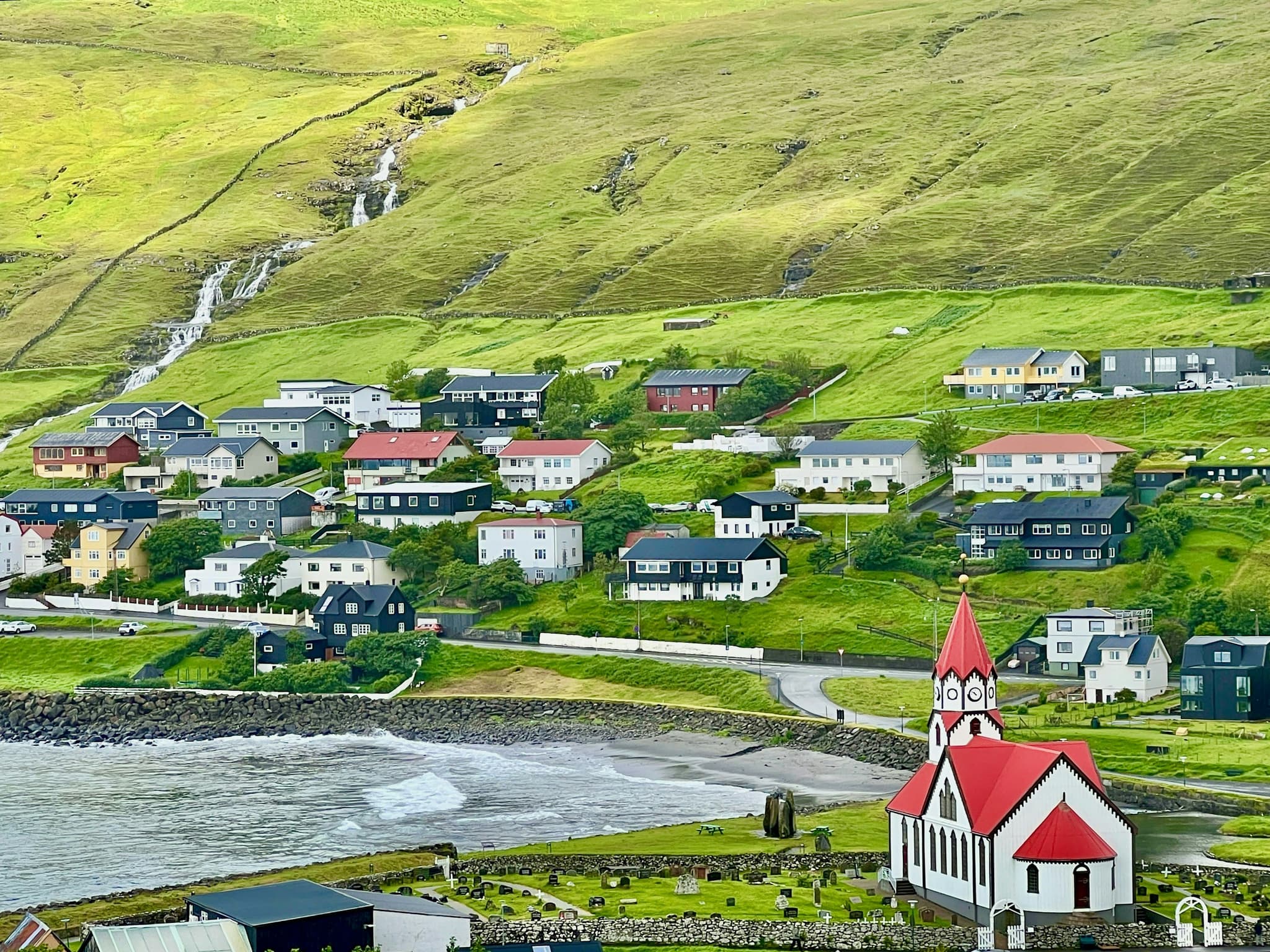
You'll find Vík í Mýrdal, the southernmost village on mainland Iceland, working as a natural halfway point and overnight base for your south Iceland trip. It's small, it has a handful of good places to eat, and its hilltop church gives you one of the better photo spots on the whole route.
Reynisfjara: beautiful, but treat it with respect
This is one of the most photographed black sand beaches on the south coast of Iceland, with basalt columns, sea caves, and a view out to the Reynisdrangar sea stacks rising from the water. It's also pretty dangerous if you ignore the warnings. Sneaker waves genuinely surge further up the sand than they look like they will, and people have been swept out to sea here. The beach now uses a colour-coded flag system, and you should never turn your back on the water, no matter how calm it looks. You can check current conditions on Safetravel.is before you go.
Dyrhólaey, the arch you can drive up to
Just before you reach Vík, a turn off the Ring Road takes you up to Dyrhólaey, a rocky headland overlooking the south coast. From the top, you can see the huge natural arch below, with black sand stretching along the coast on either side. During puffin season, roughly from May into summer, keep an eye on the cliffs too, as this is one of the places where you can spot them surprisingly close to the walking paths. Give yourself around half an hour here, and check the road conditions before heading up, as access can sometimes be restricted during nesting season or bad weather.
Curious what other animals you might spot in southern Iceland? Read our guide to wildlife in Iceland, including puffins, whales, seals and where you're most likely to see them.
Guided tip: stay overnight in Vík rather than pushing straight through. It breaks up the drive and gives you a proper evening in one of the prettiest villages on this entire coast.
Jökulsárlón and Diamond Beach
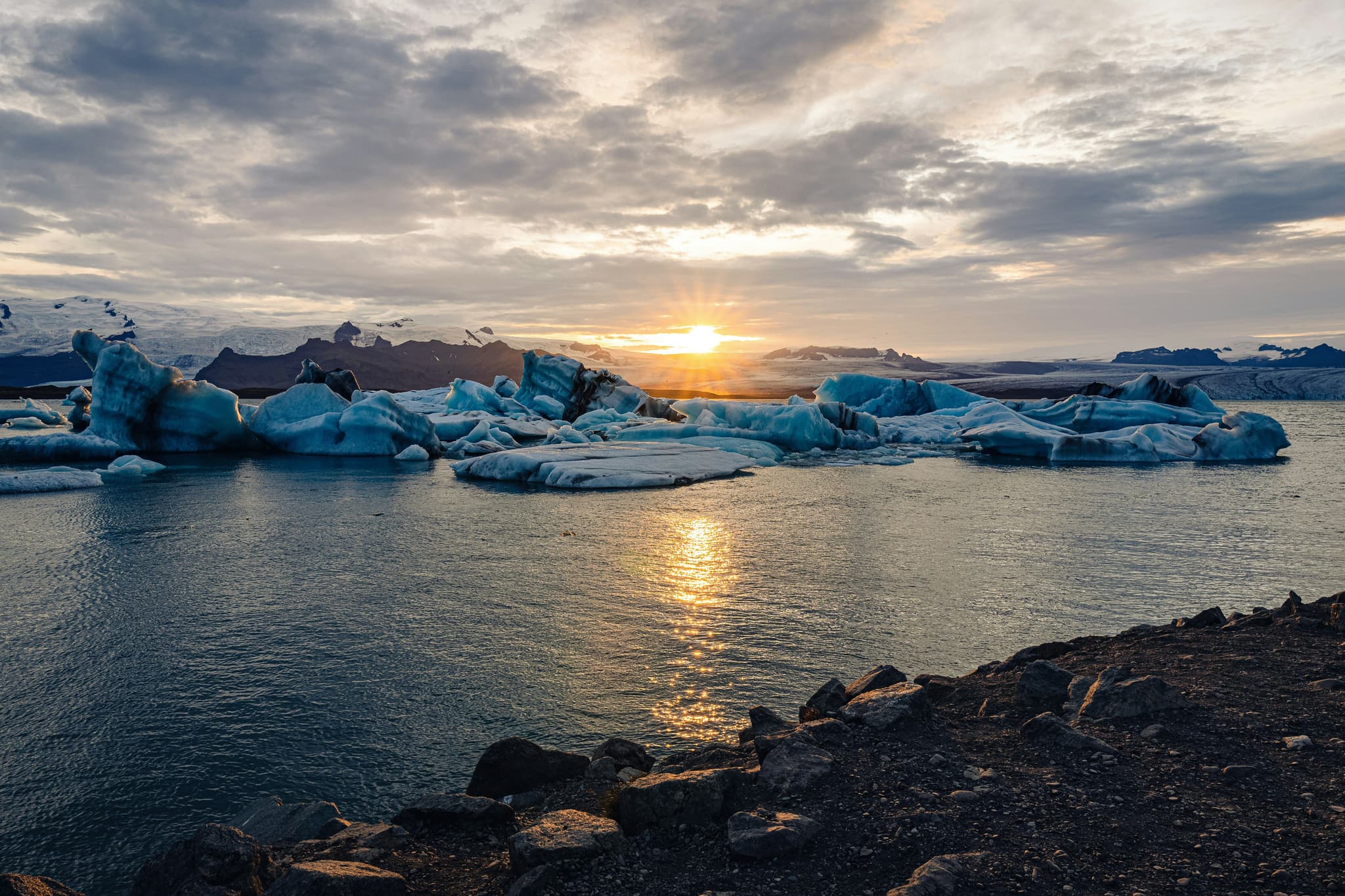
This is the payoff at the far end of the drive, and it's worth every extra hour behind the wheel. This glacial lagoon, fed by the Breiðamerkurjökull outlet glacier, forms part of the vast Vatnajökull ice cap, and it's filled with icebergs that calve off the glacier and drift slowly toward the ocean.
What makes this lagoon so different from everything else on the trip
The ice here ranges from bright white to a deep, almost electric blue, and no two visits look the same, because the icebergs keep moving and melting. You can walk the shoreline for free, or book a boat tour that gets you right up among the floating ice, which is worth the splurge if your budget allows it. You'll want at least an hour here, longer if you're taking photos or waiting for the light to change.
Diamond Beach, right across the road
Just across the road from the lagoon, smaller pieces of ice wash up on the black sand of Diamond Beach. Some are tiny, others are surprisingly huge, and with the waves constantly moving them around, the beach looks a little different every time you visit. Sunrise and sunset can be especially beautiful here, but you really don't need perfect light for this stop to be worth it. With a little more time on your route, stop at Skaftafell on the way too, where several hiking trails take you closer to the glaciers and mountains of Vatnajökull National Park.
Planning to see more of Iceland’s mountain scenery? Read our guide to the mountains in Iceland for more peaks, hiking areas and mountain regions worth adding to your trip.
Guided tip: if you're short on time, Fjaðrárgljúfur canyon makes a nice alternative stop closer to Vík. It's a striking canyon carved by glacial rivers, and it needs far less of a detour than pushing all the way to Jökulsárlón.
Where to stay and when to visit Iceland’s south coast?
Vík is one of the easiest places to base yourself, especially if you want to split the drive between Reykjavík and Jökulsárlón over a couple of days. A little closer to Reykjavík, Hvolsvöllur and Hella also work well for your first night, with Seljalandsfoss and Skógafoss nearby. Further east, Höfn makes more sense if you're continuing past Jökulsárlón and don't fancy turning around for a long drive back the same evening.
Still deciding where to base yourself? Read our guide to the best areas to stay in Iceland, with tips on which places work best for different parts of your trip.
Wondering what staying in Iceland actually costs? Read our Iceland travel guide for practical tips on accommodation, food, costs and planning the rest of your trip.
Picking your season
During summer, you'll get close to 24 hours of daylight, easier driving conditions and the chance to see puffins around Dyrhólaey. Heading there during the warmer months? Read our Iceland in summer guide for fun activities you can do in summer.
Come in winter and the same route looks completely different, with shorter days, snowy landscapes and a much better chance of seeing the northern lights. Winter is also when ice cave tours around Vatnajökull usually run, once conditions on the glacier are suitable.
Still deciding when to go? Read our guide to the best time to visit Iceland to compare the seasons and see which months fit your trip best.
How to plan your Iceland south coast trip?
With so many stops packed along the south coast, the hardest part is usually deciding how much you can realistically fit into your trip. Two or three days gives you time for the main waterfalls, Vík, Reynisfjara and Jökulsárlón, while a little longer leaves room for hikes, glacier tours and those random roadside stops you didn't know existed until you drove past them.
Once you've picked the places you want to see, add them to the Guided app and map out your route. You can check how the stops fit together, see the driving distances and browse trips other travellers have already created for a little inspiration.
Want a route you can use as a starting point? Have a look at our one-week Iceland road trip or Land of Fire and Ice trip itinerary.
Enjoyed This Blog? Continue Reading!
There is more travel inspiration waiting for you on our blog. You can take a look below and start mapping out your next travel adventure!


