
Where to Stay in Iceland: The Best Areas and Towns for Your Trip
By Eva Alkemade
Jun 30, 2026
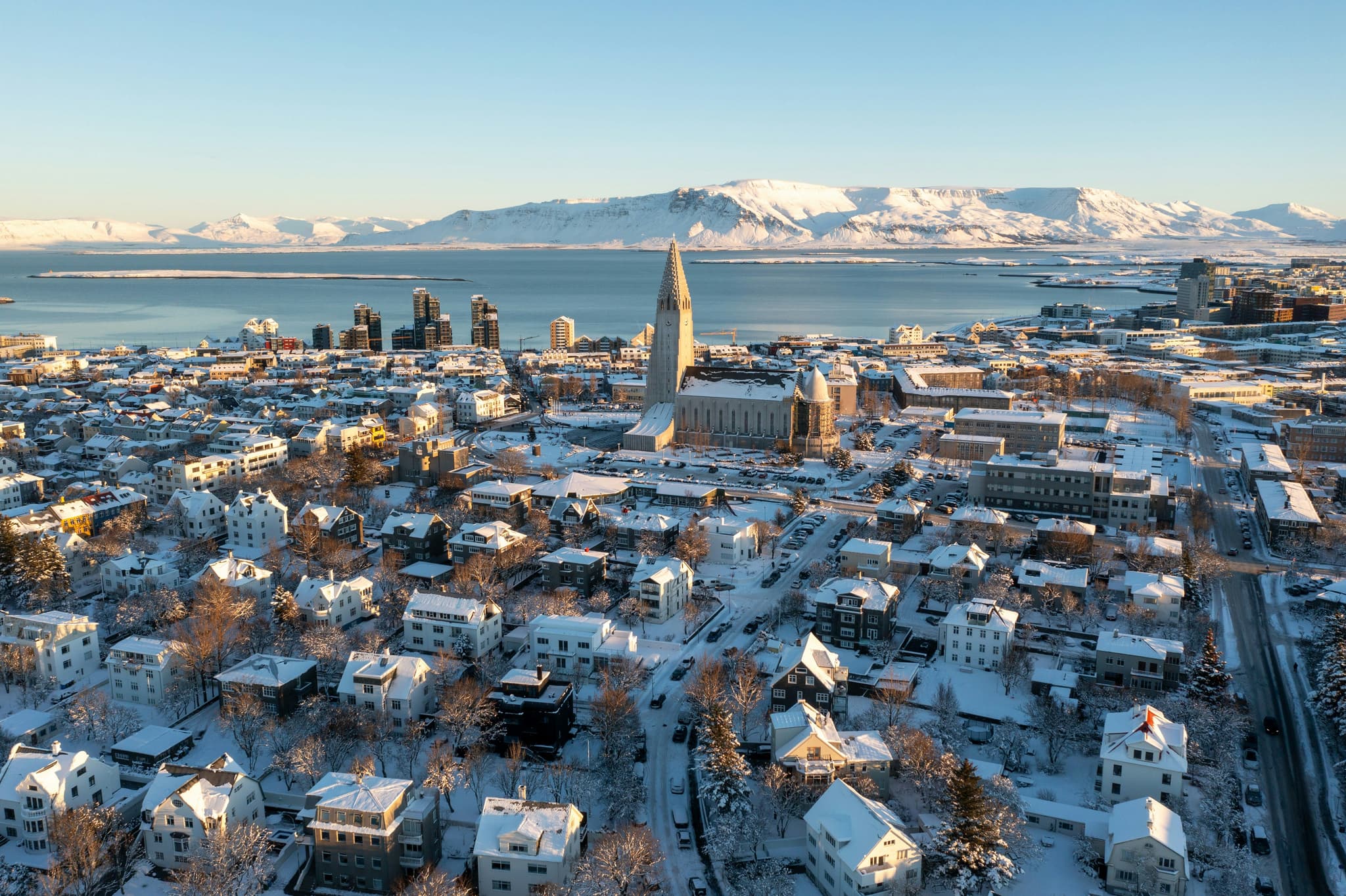
Figuring out where to stay in Iceland can be the trickiest part of planning a trip, because the right base changes everything about your days. Did you know that around 60% of the country lives in and around the capital, so the rest of Iceland is gloriously empty, and that emptiness is what you are choosing between. Pick the wrong town and you lose hours driving to the sights; pick the right one and they are on your doorstep. So how do you choose your base, and what does it all cost? We will walk you through every area, with real prices and a few fun facts along the way.
How to Decide Where to Base Yourself
The biggest question is not which hotel to book, but how you want to travel: from one comfy base, or on the move. Get that decision right, and the rest falls into place quickly.
There are two ways to do this:
Stay in one place and take day trips. This option works well if you're visiting for four to six days and don't want to pack and unpack every night. Reykjavik is the most popular base, with easy day trips to the Golden Circle, South Coast, Blue Lagoon and even the Snæfellsnes Peninsula.
Road trip around Iceland. If you have a week or more, consider staying somewhere different every night or two while following the Ring Road. You'll spend less time driving back and forth, get to experience more of the country and wake up to a new landscape almost every day.
Distances are the catch: the full loop runs roughly 1,330 km, and a short hop on the map can be a two-hour drive, so plan nights around how far you will drive in a day. In winter, check live road conditions at the Icelandic Road Administration before you set off, as routes close fast in bad weather. For choosing the best area to stay in Iceland for your trip, match the base to your itinerary length first, then think about the exact hotel.
Guided Tip: Three nights in the capital for the famous sights, then three moving along the south gives you the easy start and the adventure.
How Much Does Accommodation in Iceland Cost?
Iceland has a reputation for being expensive, and accommodation is one of the main reasons why. The good news is that once you know the usual price ranges, planning your trip becomes a lot easier.
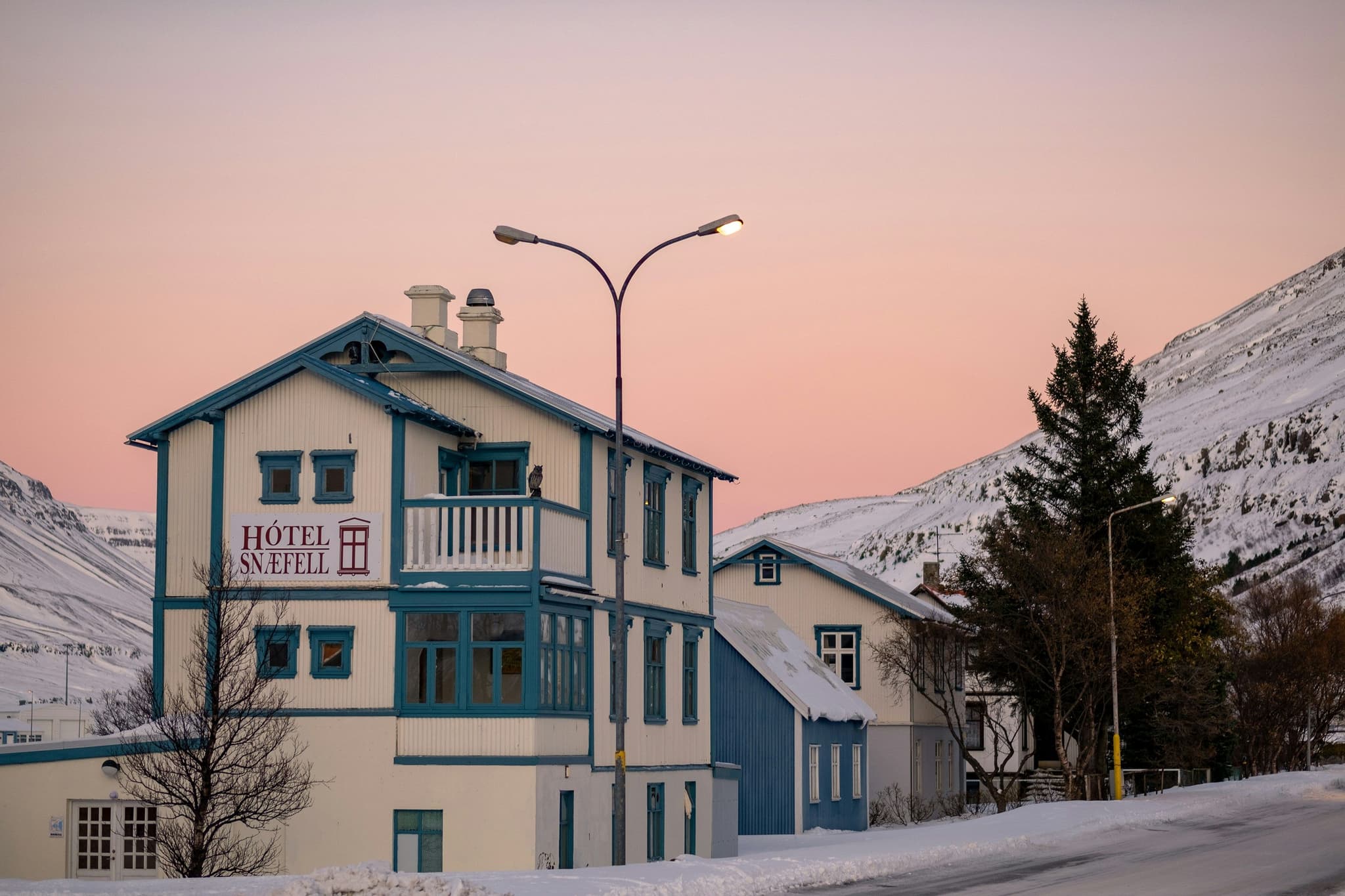
In summer, which is the most expensive season, campsites usually cost around ISK 2,500 per person per night. Budget guesthouses and hostels often sit between ISK 7,500 and ISK 14,500, while a mid-range hotel in Iceland is usually around ISK 14,500 to ISK 28,000 per night. Self-catering cabins often start from about ISK 14,500, glamping domes from around ISK 19,000, and high-end resorts can easily climb above ISK 42,000 per night.
Winter prices can be much lower, sometimes close to half of summer rates. Reykjavik and the south coast are usually the most expensive areas, while the Westfjords and East Iceland tend to be kinder on your budget. Many stays include breakfast, and accommodation prices usually include Iceland’s accommodation tax.
Not sure when to visit yet? Read our Best Time to Visit Iceland guide to compare the seasons, weather and what to expect throughout the year.
Guided Tip: Book a place with a kitchen for at least half your nights. The savings on food alone can cover a tour or two.
The Best Areas to Stay in Iceland
Iceland splits neatly into a handful of regions, each with its own character and its own reason to stay. Here is where to base yourself, and who each area suits best.
Reykjavik
Most trips begin in Reykjavik, and for good reason. The city centre is small and walkable, packed with restaurants, museums and the pick-up points for almost every tour, which makes it the easy choice for a short trip, a winter break, or anyone not renting a car. A stay in Reykjavik also keeps you close to the airport and the south.
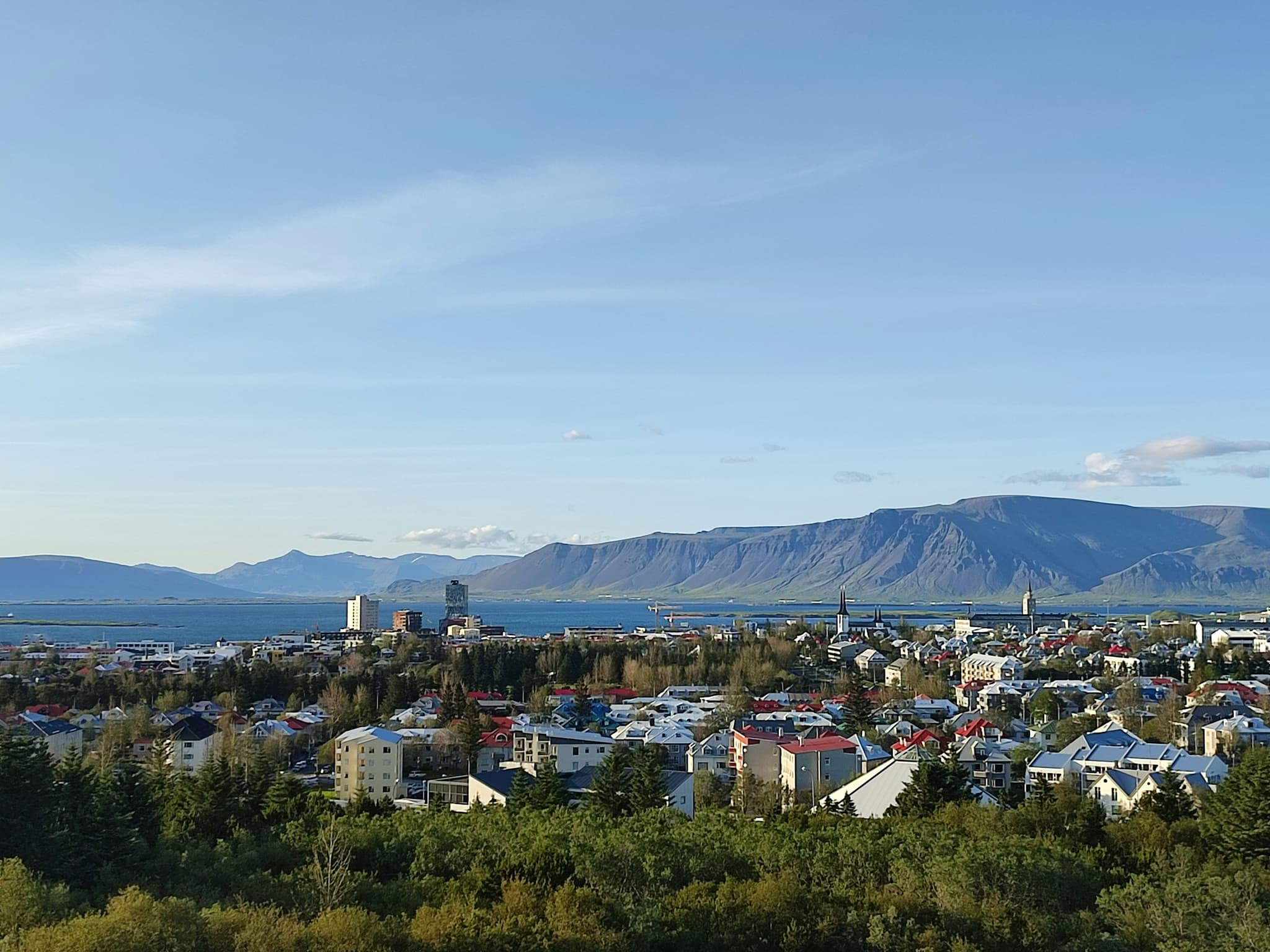
Prices are the trade-off, as hotels in Reykjavik run higher than most of the country, and downtown parking is tight and costly. With a car, a place just outside the middle, like Laugardalur near the big swimming pool, gives you easier parking. Here is a fun one: warm water runs beneath some of the main shopping streets, so they stay clear of snow and ice all winter without a gritter in sight.
The Reykjanes Peninsula, Blue Lagoon and Keflavik
The Reykjanes Peninsula is where you land and where you fly home, so it is the natural pick for your first or last night. It is the home of the famous milky geothermal spa most people tick off on day one or day done, and the whole peninsula is a moonscape of moss-covered lava field running to the sea. Staying near Keflavik airport, at the Courtyard by Marriott or a simple guesthouse, saves a groggy pre-dawn drive before an early flight.
One thing to watch: this peninsula has seen on-and-off volcanic eruptions in recent years, and roads or the spa can close at short notice, so check the latest before you bank on it. You can book your soak and see the current status on the official Blue Lagoon website.
The Golden Circle
This loop of big-hitter sights an hour or so inland from the capital lets you reach them before the tour buses arrive. The route strings together Thingvellir National Park, where two continents pull apart, the spouting Geysir hot springs, and the thundering Gullfoss waterfall. Plenty of farms and cabins out this way come with a private hot tub under properly dark skies.
The South Coast
The South Coast packs in more famous sights per mile than anywhere, which is why its handful of towns book out fast. Around Vik you have tumbling waterfalls like Seljalandsfoss and Skogafoss, the brooding black sand beaches of Reynisfjara, and further east the otherworldly glacier lagoon at Jokulsarlon, where icebergs drift out to sea. Rooms here are limited and can sell out six to nine months ahead.
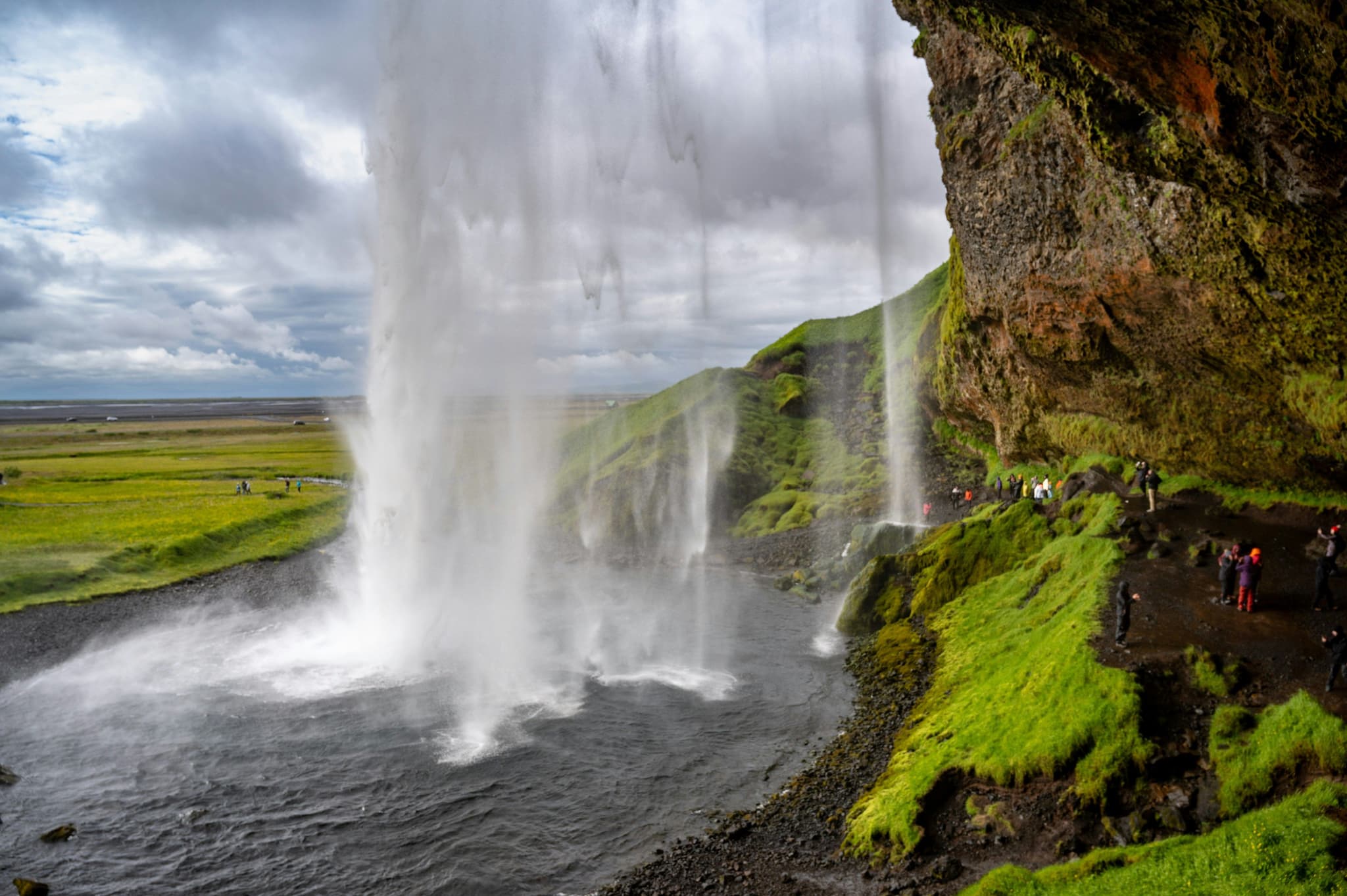
It is the strongest pick for first-timers who want maximum wow in a few days. For trail and conditions updates around the glaciers, the official Vatnajokull National Park site is the one to check.
North Iceland
This region rewards anyone with a week or more to give it. Akureyri is the area's walkable little capital, with cafes, a botanic garden and a pretty fjord, and it makes a comfortable base for the geothermal wonderland around Lake Myvatn, all bubbling mud, craters and nature baths. Skies up here are some of the clearest in the country, so your aurora odds are strong, and you share the sights with far fewer people than down south.
The Snaefellsnes Peninsula and Westfjords
West of the capital, two regions reward the curious. The Snæfellsnes Peninsula is nicknamed 'Iceland in miniature' because it crams glaciers, lava, fishing villages and the photogenic Kirkjufell mountain into one tidy day's drive. Further north, the remote Westfjords are emptier, cheaper and gloriously wild, though many roads there only make sense from June to September.
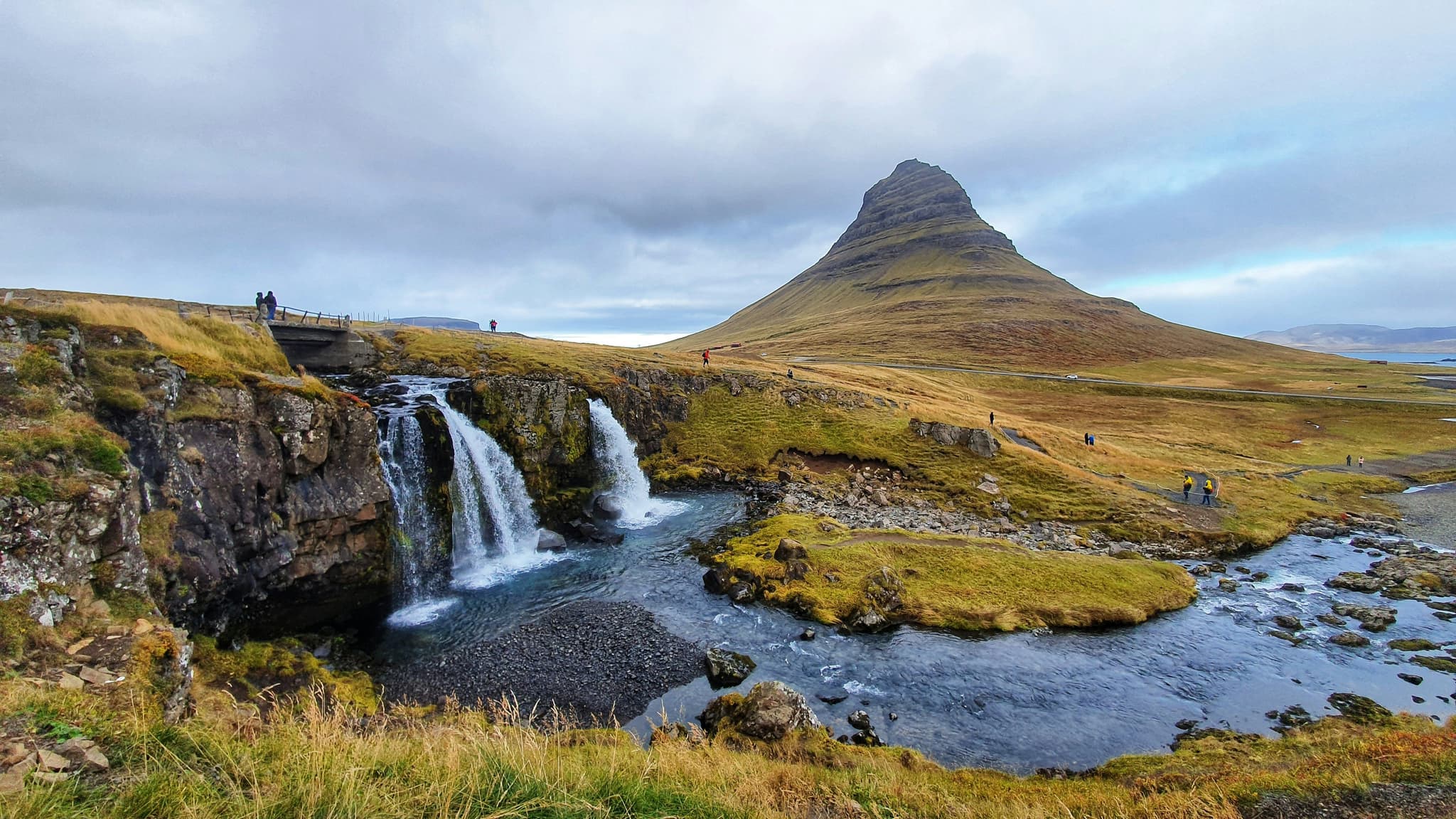
For completeness, the east around Hofn and Egilsstadir is a fjord-laced gateway between south and north, and the central Highlands open only in high summer for 4x4s. The official Visit West Iceland site covers the western routes well.
Planning to explore more of the country? Read our Best Places to Visit in Iceland in Summer for even more waterfalls, hidden gems and unforgettable stops.
Where to Stay for the Northern Lights
Catching the aurora is mostly about darkness and luck, and where you sleep tips the odds in your favour. Base yourself well and you might not even need to join a tour.
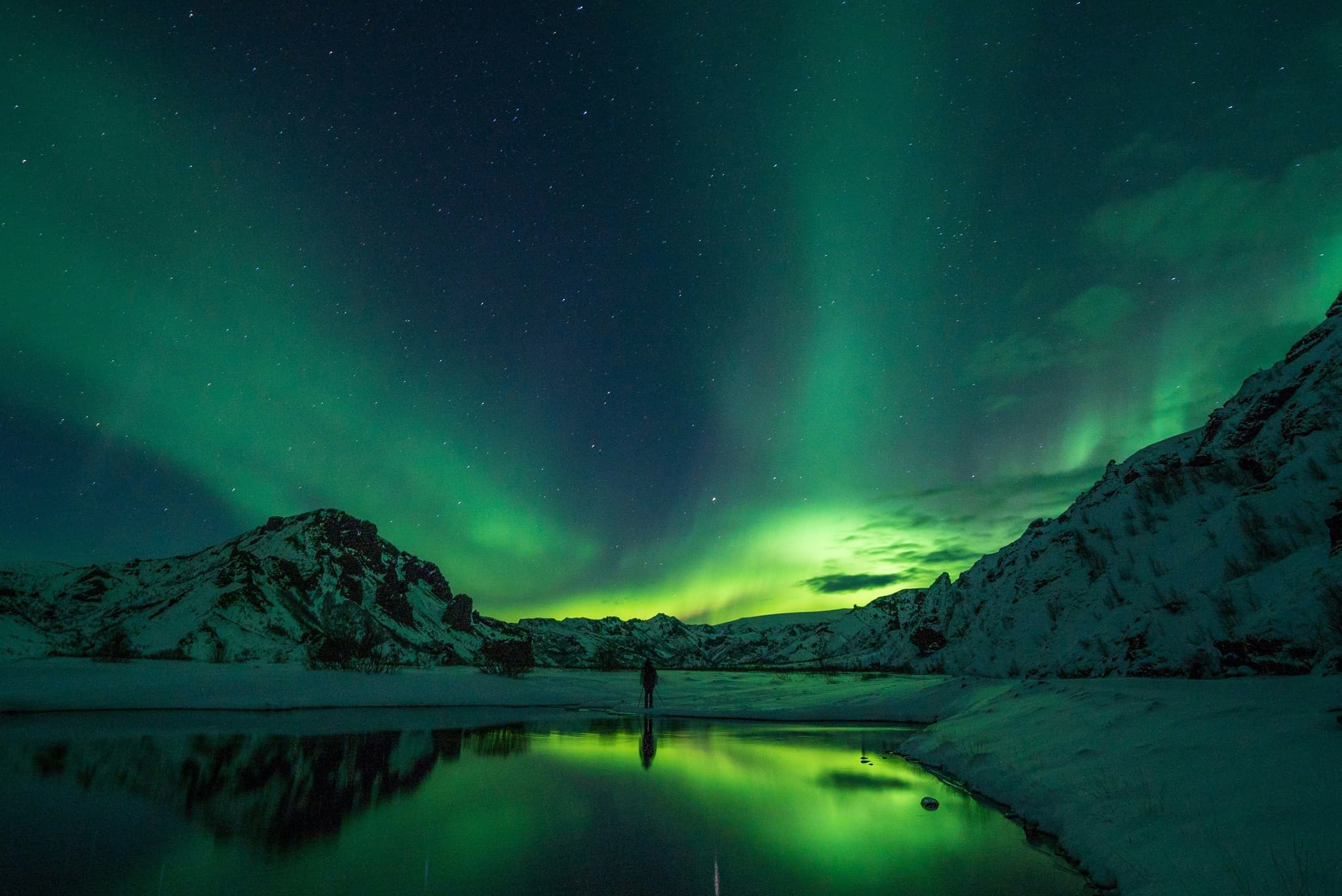
The rule is simple: get away from light pollution. Country hotels and cabins along the south, out west, or up north all give you dark skies right outside the door, and some, like Hotel Ranga with its rooftop observatory, will ring your room with a wake-up call when the lights appear. The season runs from late September to early April. The capital's glow drowns out all but the strongest displays, so do not pin your hopes on a downtown balcony.
Want the best chance of seeing them? Read our guide to the Northern Lights in Iceland for the best viewing spots, months to visit and tips to maximise your chances.
Guided Tip: Give yourself at least three or four nights in aurora season. The lights are shy, and a single clear night is never a promise.
The Best Area to Stay for Your Type of Trip
First time in Iceland? Reykjavik is hard to beat as your base. You can spend your mornings exploring colourful streets, cosy cafés and museums, then head off on day trips to the Golden Circle, the South Coast or the Blue Lagoon without having to change hotels every night.
Travelling solo? Reykjavik is one of the easiest places in Iceland to meet other travellers. Stay in a hostel or social guesthouse, join a few day tours and you'll probably end up swapping travel tips over coffee or happy hour before the day is over.
Travelling on a budget? Iceland will never be the cheapest destination, but there are ways to keep costs down. Hostels, guesthouses, campsites and campervans are usually your best bet, especially if you're visiting outside the busy summer months. Booking well in advance can also make a big difference.
Planning a romantic escape? Treat yourselves to a cosy cabin or boutique hotel out in the countryside. There's something pretty special about soaking in a private hot tub after a day of exploring, then looking up to see the Northern Lights dancing overhead if you're lucky.
Travelling at Christmas? You are in for a treat: Icelandic children are visited by thirteen mischievous 'Yule Lads' over the 26 nights before the big day, so a festive stay comes with its own folklore.
Tips for Booking Your Stay in Iceland
A little booking know-how saves money and stops nasty shocks out on the road. These are the habits that pay off most in Iceland.
Book your accommodation early
Accommodation in Iceland fills up surprisingly quickly, especially along the South Coast, around the Golden Circle and during the summer months. Booking a few months in advance usually gives you the best choice and the lowest prices.
Stay along your route
Driving around Iceland takes longer than many visitors expect, so try to book accommodation that fits naturally into your itinerary. This helps you avoid long detours and gives you more time to enjoy the sights.
Travel outside the peak season
If your dates are flexible, consider visiting in May, September or October. You'll often find lower accommodation prices, fewer crowds and a better chance of booking your first choice.
Look for a kitchen
Restaurants in Iceland are expensive, so accommodation with a shared or private kitchen can save you a surprising amount of money. Even preparing your own breakfast or a few simple dinners makes a difference.
Check what's included
Before booking, see whether breakfast, parking, WiFi or access to hot tubs is included. Sometimes a slightly more expensive hotel ends up offering better value once you factor in the extras.
Think about winter driving
Travelling between October and April? Staying close to the Ring Road or other main roads is usually the safest choice, as these roads are cleared of snow first and are easier to drive in winter conditions.
Thinking about driving the Ring Road? Read our Iceland Road Trip Itinerary to see how to plan the perfect route around the island.
So, what is the best place to stay in Iceland for you?
The best place to stay in Iceland really comes down to three things: how long you have, the season, and if you want one base or a moving one. Short trip or first visit, plant yourself in the capital and let the day excursions come to you. With a week or more, line up two to four bases along the loop and let the country reveal itself mile by mile. Aurora chasers, go rural and dark; families, lean on the bigger towns; couples, find a cabin with a tub and no neighbours. Whatever you choose, sort it sooner rather than later, because Iceland's best beds fill up fast!
Enjoyed This Blog? Continue Reading!
There is more travel inspiration waiting for you on our blog. You can take a look below and start mapping out your next travel adventure!


