
Wildlife in Iceland: animals to spot on your trip
By Eva Alkemade
Jul 15, 2026
Iceland has only one native land mammal, and yet this small island in the North Atlantic manages to pack in more wildlife encounters than countries ten times its size. Cliffs stacked with puffins, whales cruising past fishing boats, foxes trotting across black sand, horses standing in fields that look like they belong on another planet: all of it exists here. Some of these animals arrived under their own power thousands of years ago, others were brought over by settlers a thousand years back, and a few just escaped from fur farms and never looked back. This guide walks you through Iceland’s animals, where you're likely to spot each species, and which months give you the best odds.
What animals live in Iceland?
So what animals live in Iceland, exactly? Land mammals are in short supply here, and the arctic fox is the only species that made its own way to the island before people ever arrived. Everything else you'll spot, from horses to reindeer to the odd mink darting along a riverbank, came over on a boat at some point in the last thousand years.
Birds and marine life more than make up for it. Iceland's position between two oceans draws in seabirds, whales and seals in numbers you won't find in mainland Europe. Domesticated animals count too, since sheep, horses and sheepdogs have shaped daily farm life in Iceland since the Viking age.
These are the animals you'll find in Iceland, and we'll tell you all about where to see them:
Arctic fox
Gyrfalcon, Iceland's national animal
Atlantic puffins
Arctic terns
Golden plovers
Whales and dolphins
Seals
Polar bears
Icelandic horses
Icelandic sheep
Icelandic sheepdogs
Reindeer
Mink
Rabbits
Fun Fact: Iceland has just one native land mammal. Every other land animal you meet, from horses to reindeer, arrived with people.
The arctic fox: Iceland's only native land mammal
The arctic fox reached Iceland by walking across frozen sea ice from Scandinavia during the last ice age, long before any person set foot on the island. Two colour morphs exist: white foxes turn pale in winter and brown-grey in summer, while blue morphs keep a darker, greyish tone all year round. Roughly two-thirds of Iceland's foxes are the blue morph, which is unusually high compared to other Arctic regions.
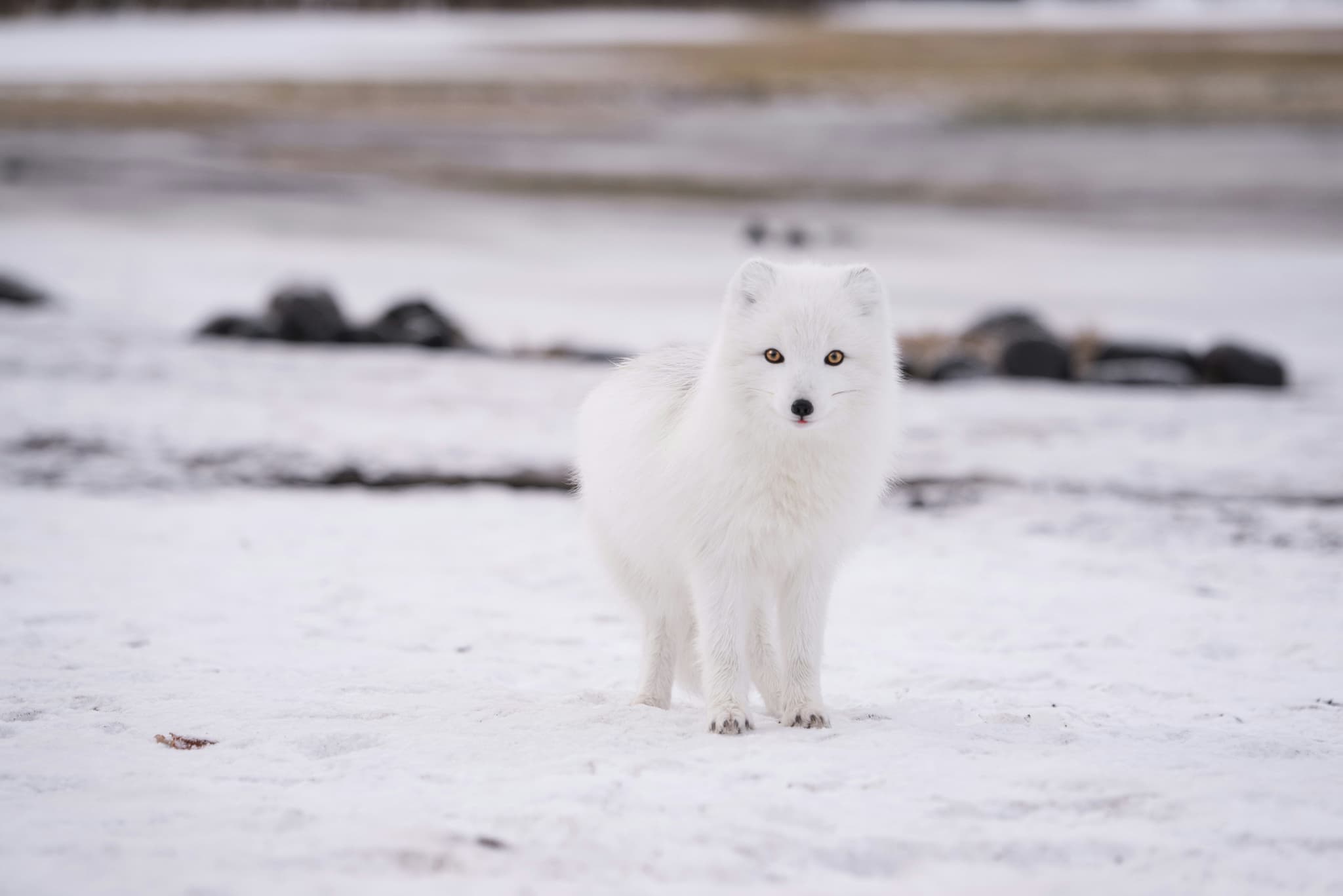
Fox numbers hover somewhere between 8,000 and 10,000 across the country, according to research from the Icelandic Institute of Natural History. Hunting still takes place outside protected zones, so the calmest, most approachable foxes tend to live inside reserves where hunting has been banned since the 1970s.
Where to spot arctic foxes
Hornstrandir Nature Reserve in the Westfjords gives you the best odds of a sighting, largely because foxes there have grown used to quiet hikers and rarely bolt at the first sign of a camera. Boats run from Ísafjörður between mid-June and mid-August. A stop at the Arctic Fox Centre in nearby Súðavík is worth building into the same trip, since it runs a small exhibition alongside its research work. Late June through July gives you the best chance of spotting a family of pups, right as they start venturing outside the den.
Not sure which month suits your trip best? Our guide to the best time to visit Iceland compares every season, including spotting wild animals in Iceland, weather and daylight.
Iceland's national animal: meet the gyrfalcon
Most Icelanders would probably name the fox or the puffin before landing on the true national animal of Iceland: the gyrfalcon. This is the largest falcon species on the planet, with a wingspan that can reach 160 centimetres, and it hunts ptarmigan and small mammals from cliff-top vantage points across the north and east of the country.
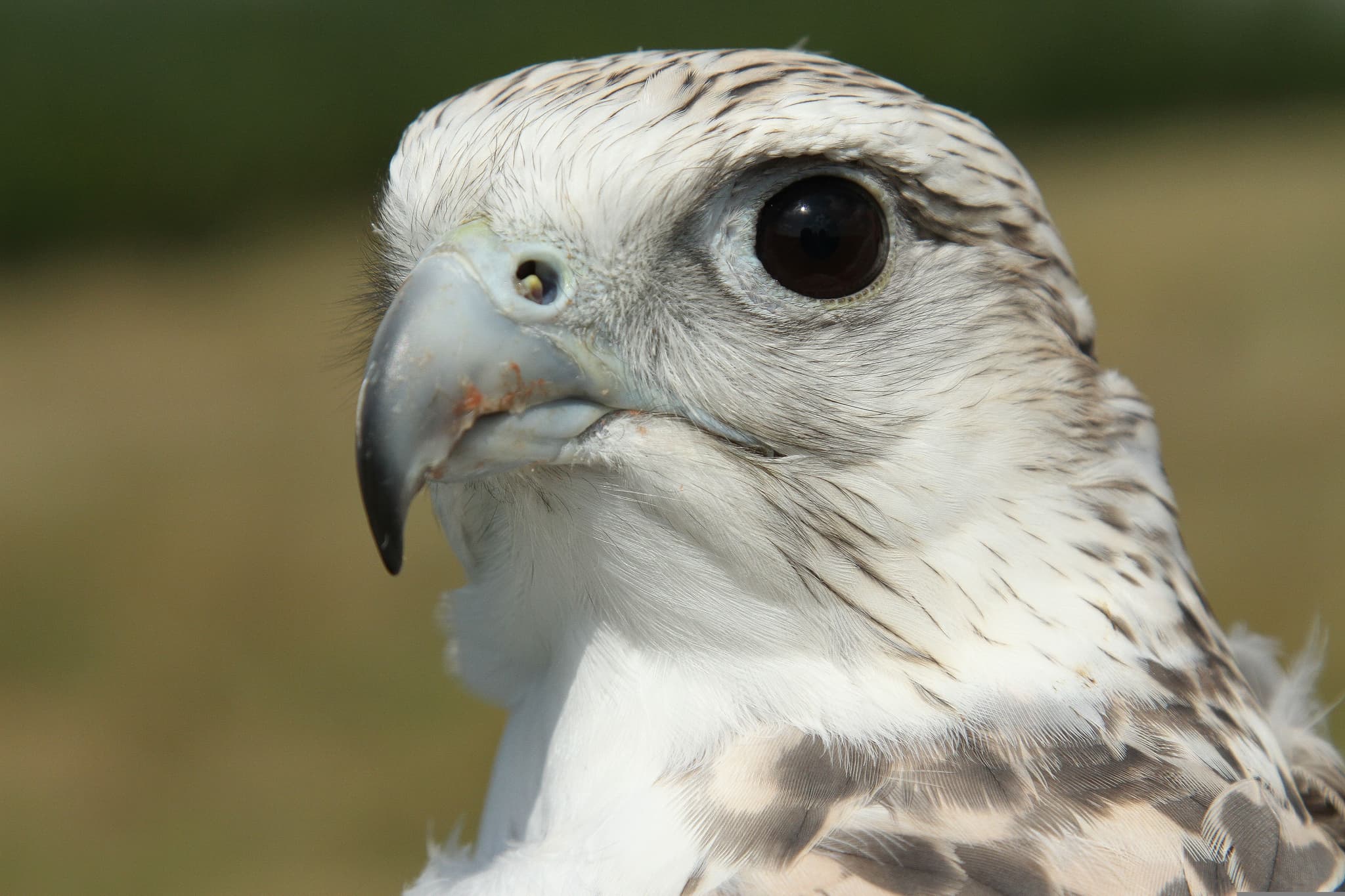
Your best chances to see them are in Northeast Iceland, the Eastfjords and around Lake Mývatn, where open landscapes and rocky cliffs provide ideal hunting grounds. Birdwatchers usually have the most luck during spring and early summer, when the birds of Iceland are actively defending their territories and raising chicks. Remember to keep your distance though, as the species is strictly protected and nesting sites are carefully monitored. Photographing an active nest requires special permission, helping to protect one of Iceland's rarest and most iconic birds.
Where to see puffins and other birds in Iceland
Plenty of bird lovers rate Iceland among the best birdwatching destinations in Europe, and it's easy to see why. Every summer, millions of seabirds return to the country's cliffs, islands and coastlines to breed, creating one of the most spectacular wildlife displays in the North Atlantic. Even if you're not a dedicated birdwatcher, chances are you'll spot several species during a typical Iceland road trip.
Atlantic puffins
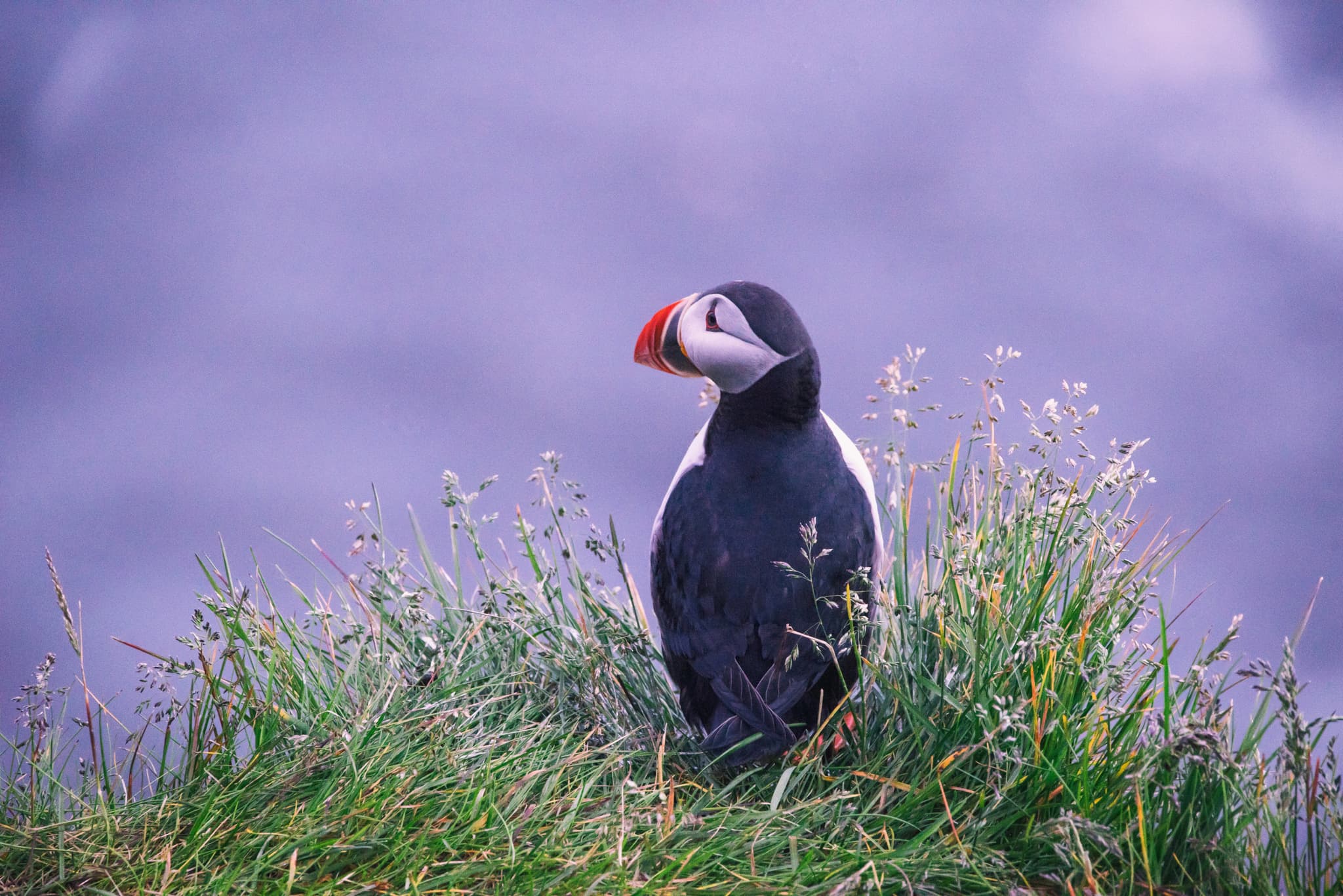
Puffins are without question Iceland's most famous bird. Around eight million Atlantic puffins return to Iceland between April and August, with the largest colonies gathering on dramatic sea cliffs around the country. Their colourful beaks, clumsy walk and surprisingly graceful flight have made them one of Iceland's biggest wildlife attractions.
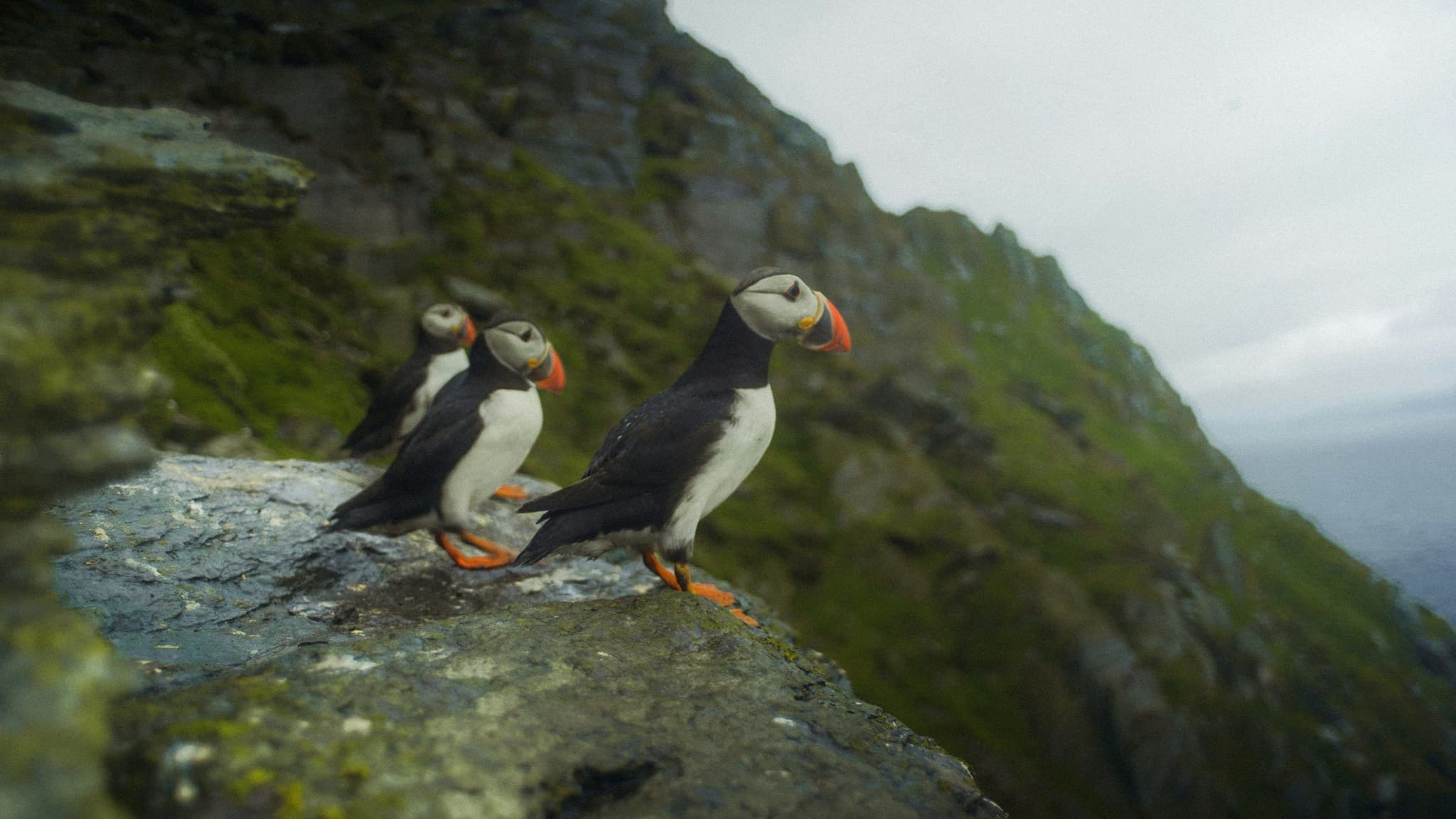
Some of the best places to see the puffin bird in Iceland include Látrabjarg in the Westfjords, Dyrhólaey on the South Coast and the Westman Islands, home to one of the world's largest puffin colonies. Early mornings and evenings are often the best times to visit, as the birds spend much of the day out at sea catching fish before returning to their burrows.
Wondering which part of Iceland suits your trip best? Our guide to where to stay in Iceland compares the country's main regions, from the South Coast and Snæfellsnes to the Westfjords and North Iceland.
Other Icelandic birds worth looking for
Puffins may steal the spotlight, but they're far from the only birds worth watching. The Arctic tern is famous for making the longest migration of any bird, flying between the Arctic and Antarctica every year. During summer, they nest all across Iceland and fiercely protect their eggs, so if one starts circling overhead, it's usually a sign you've wandered a little too close to a nest.
Another species to look out for is the golden plover, whose arrival each spring is considered by many Icelanders to be the unofficial start of summer. If you're lucky, you may also spot guillemots, kittiwakes, fulmars and even a gyrfalcon soaring above the cliffs, particularly in the north and east of the country.
Wondering what else you can do in Iceland during summer? Our guide to summer in Iceland rounds up the best places to visit, things to do and what to expect from the season.
Where to go whale watching in Iceland
One of the best wildlife experiences in Iceland happens out at sea. Thanks to the country's location along a major feeding route in the North Atlantic, whales and dolphins visit Icelandic waters throughout much of the year. Summer offers the calmest seas and the highest chance of sightings, making it one of the best times to head out on a whale watching tour.
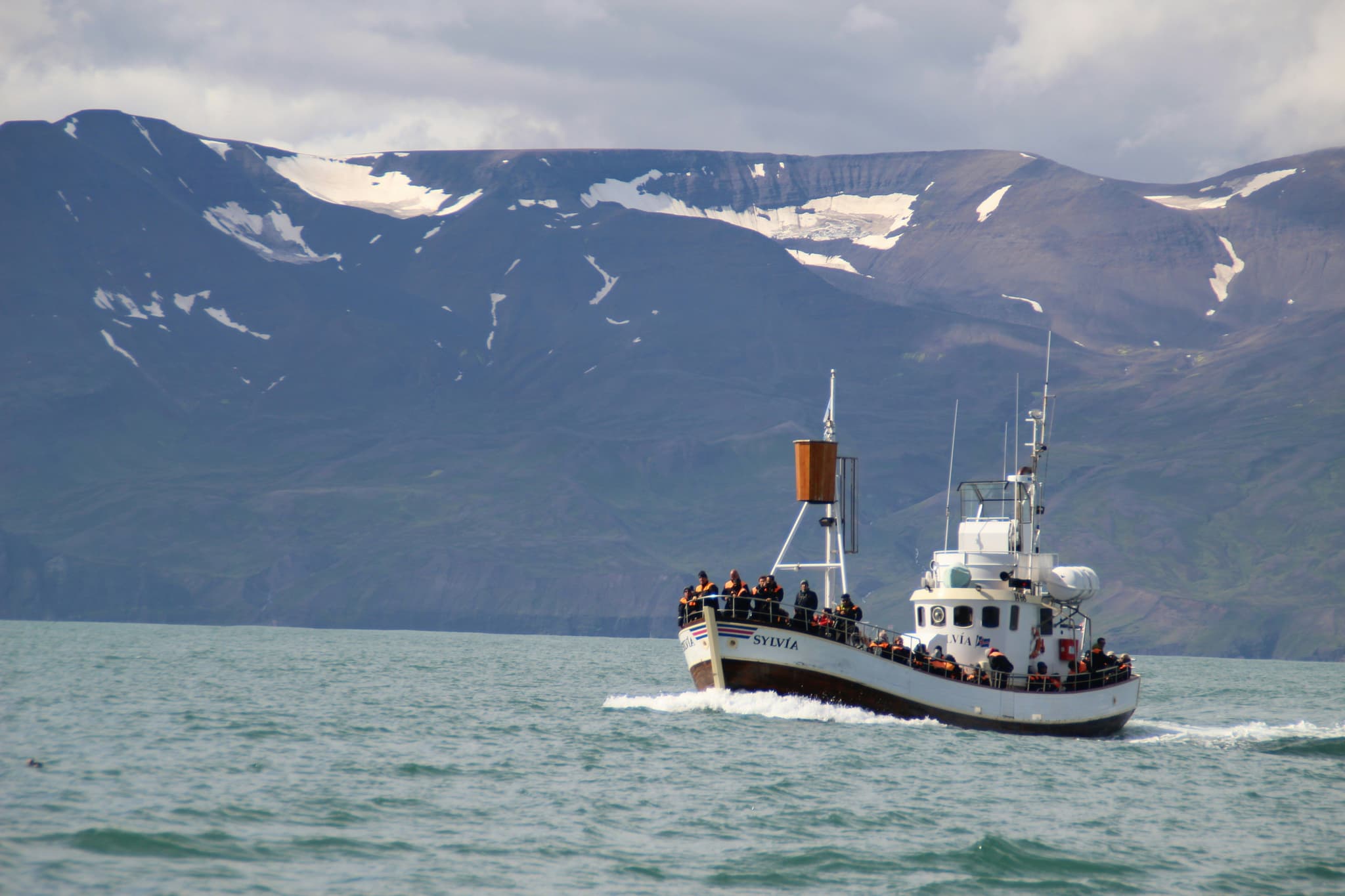
The species you're most likely to spot are minke whales and humpback whales, while white-beaked dolphins are also common on many tours. If you're lucky, you might even see orcas, blue whales, fin whales or sperm whales, although these sightings are far less predictable.
The best places for whale watching
For the highest success rates, head to Húsavík in North Iceland. Often called Iceland's whale watching capital, tours here regularly report sightings throughout the summer, particularly between June and August. The sheltered waters of Skjálfandi Bay attract large numbers of feeding humpbacks and minke whales, making it one of the country's most reliable locations.
Thinking about travelling in winter instead? Our guide to the northern lights in Iceland covers the best months, locations and tips for seeing the aurora.
If you're staying in the capital, Reykjavík is another excellent option. Tours leave directly from the city's Old Harbour, making it easy to combine a whale watching trip with sightseeing. While sightings are slightly less consistent than in Húsavík, many visitors still spot whales or dolphins without travelling further north.
Wondering how to include Húsavík in your itinerary? Our Ring Road itinerary shows where the town fits into a complete drive around Iceland.
Guided tip: Morning tours often offer calmer seas, while evening departures can be quieter and benefit from the soft light of Iceland's long summer days.
Where to see seals in Iceland, and can you spot polar bears?
Seals are among the easiest wild animals to see in Iceland, especially if you're exploring the coastline. Harbour seals are the most common species and can often be spotted resting on rocks or sandy beaches at low tide. Grey seals also live around Iceland but tend to stay in quieter, more remote coastal areas, making them a little harder to find.
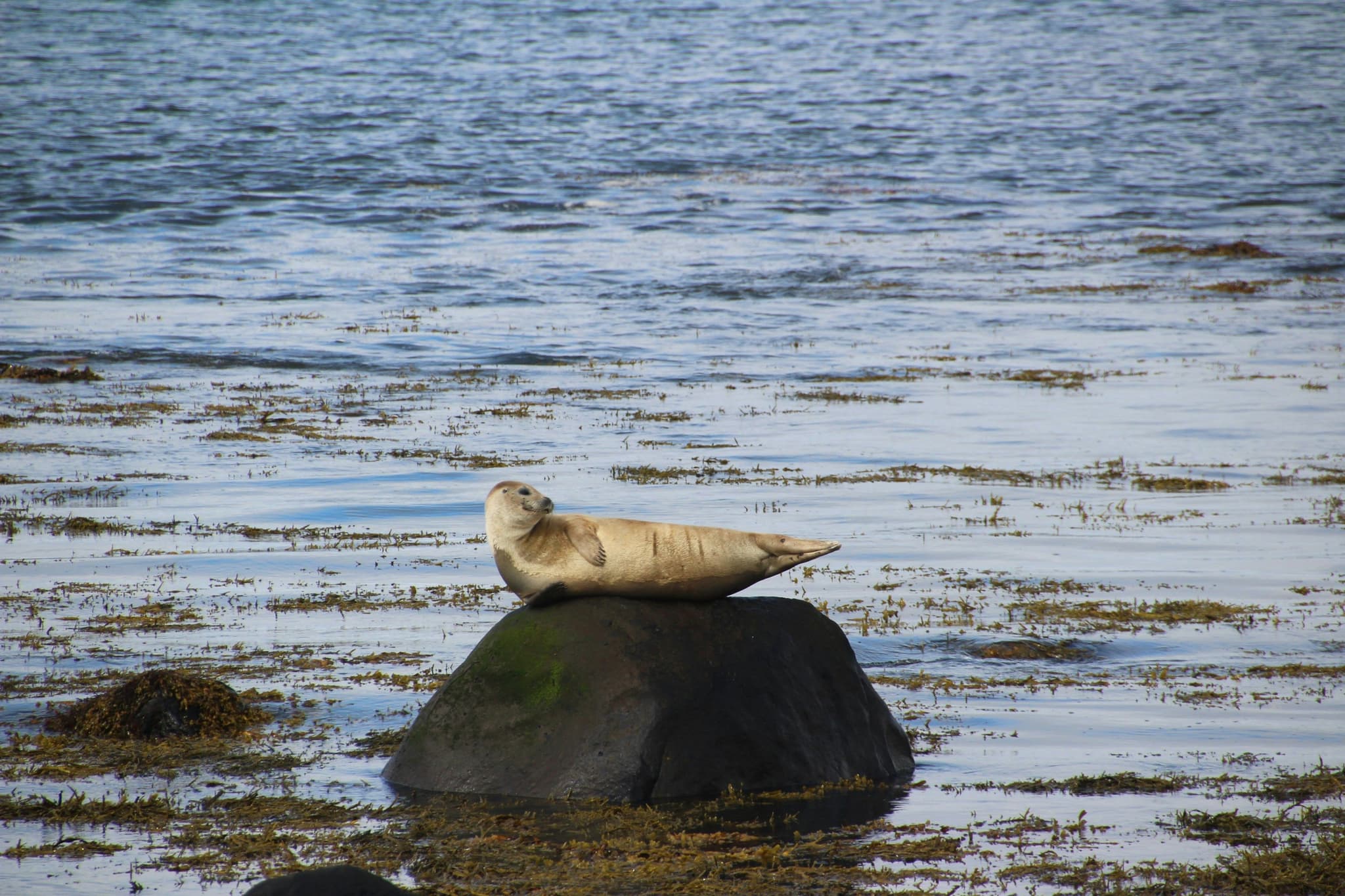
Two of the best places for seal watching are Ytri Tunga Beach on the Snæfellsnes Peninsula and the Vatnsnes Peninsula in North Iceland. Both are easy stops on a road trip, and bringing a pair of binoculars or a zoom lens makes it much easier to observe the seals without disturbing them.
Can you see polar bears in Iceland?
Despite what many people think, polar bears do not live in Iceland. Every now and then, one drifts across on sea ice from Greenland, but these visits are extremely rare, sometimes with years passing between sightings. Because the bears arrive exhausted and hungry, they can pose a danger to people and livestock, so local authorities respond immediately whenever one is reported.
Domesticated animals you'll see while driving around Iceland
Wildlife isn't the only reason Iceland's landscapes feel so unique. As you drive through the countryside, you'll pass thousands of Icelandic horses, sheep and the occasional Icelandic sheepdog. These animals have been part of everyday life here since the Viking Age and are almost impossible to miss on a road trip.
Icelandic horses
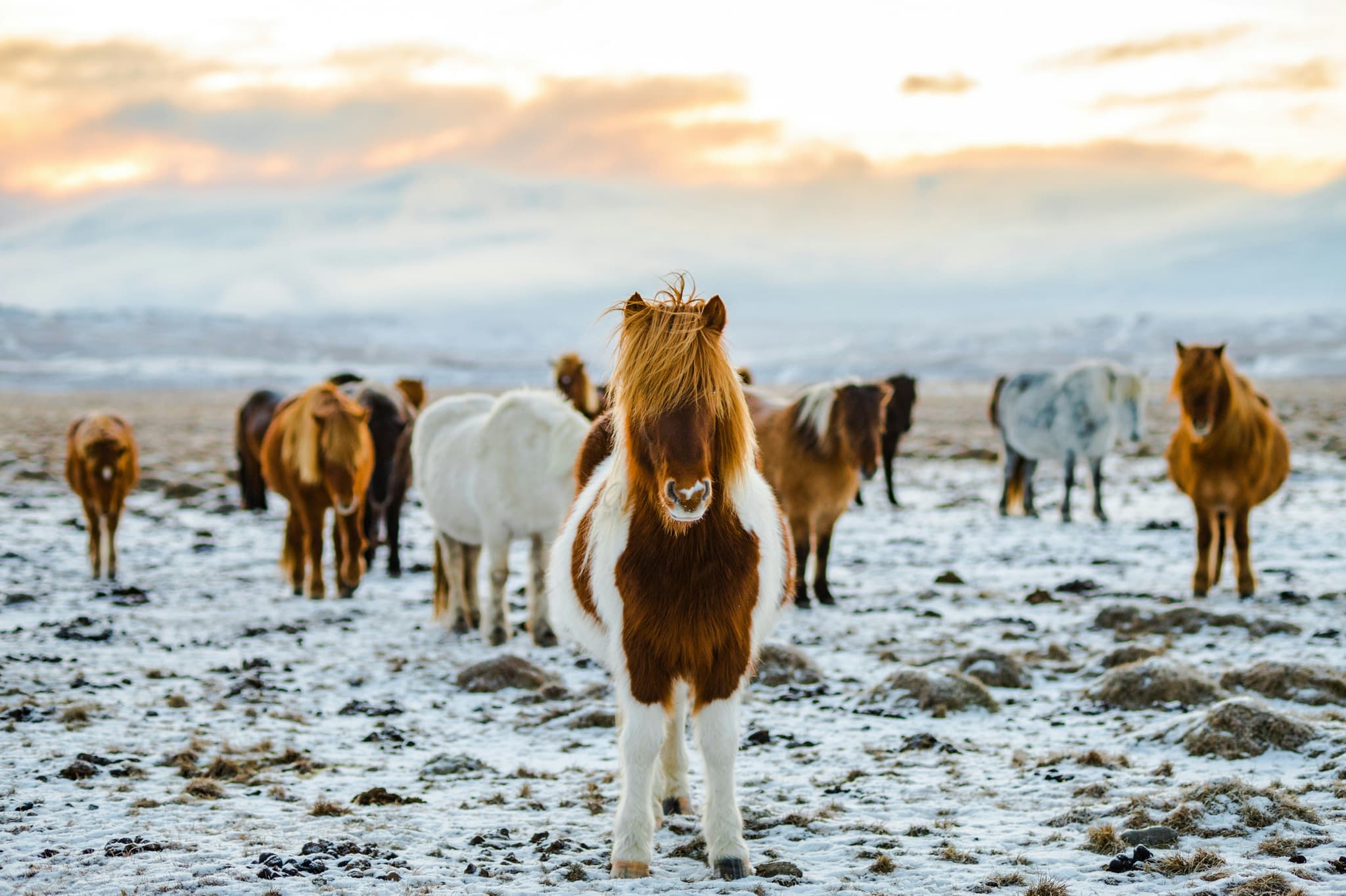
The Icelandic horse is one of the country's most recognisable animals. Although smaller than many other horse breeds, it's incredibly strong and is famous for its unique extra gait, the tölt, which gives riders an exceptionally smooth ride. Icelandic law has banned imported horses for more than a thousand years, keeping the breed one of the purest in the world.
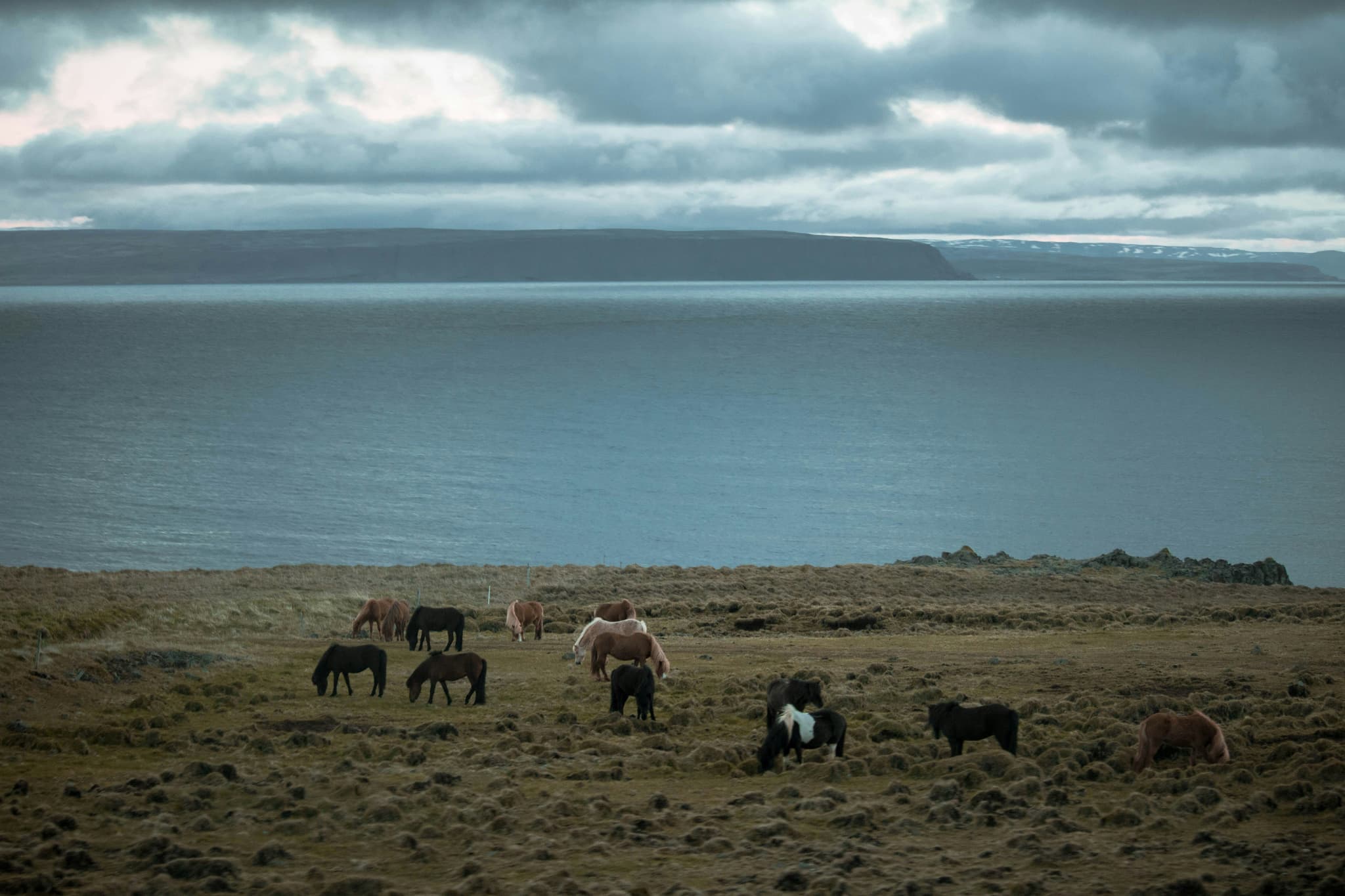
You'll spot Icelandic horses grazing in fields across much of the country, especially along the South Coast, in North Iceland and around the Golden Circle. If you'd like to get a little closer, horseback riding tours are available year-round and are suitable even for beginners.
Icelandic sheep and the Icelandic sheepdog
Sheep are everywhere in Iceland. In fact, they outnumber people and spend much of the summer roaming freely through the mountains, valleys and lava fields before being gathered during the traditional autumn réttir. It's completely normal to come across sheep wandering beside the road, so keep your speed down when driving in rural areas.
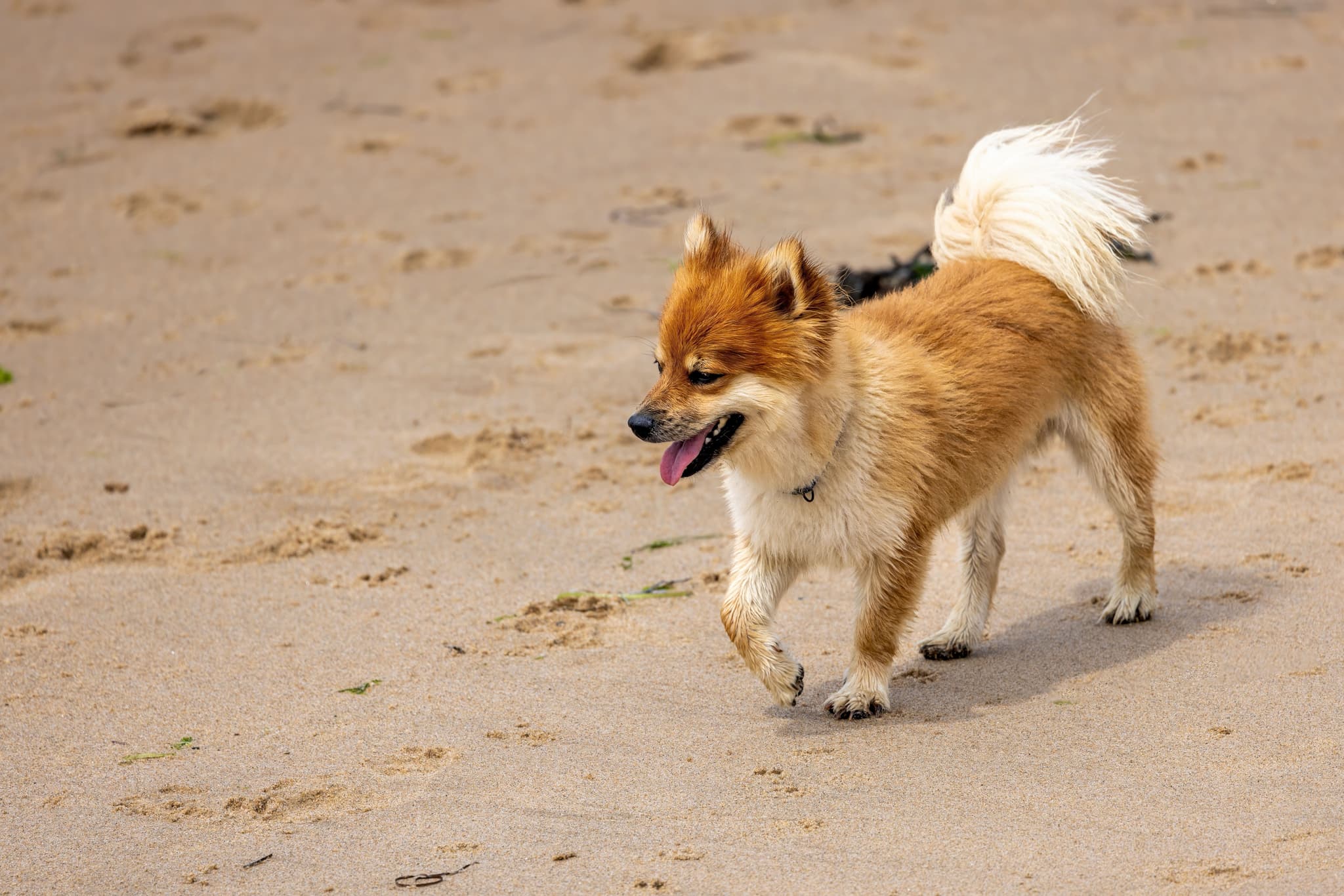
You may also spot the Icelandic sheepdog, a friendly Spitz breed brought to the island by Viking settlers over a thousand years ago. These energetic dogs were bred to herd Iceland's free-roaming sheep and are still commonly seen on farms today.
Wondering where you'll drive past the most farmland? Our one-week Iceland road trip itinerary passes through plenty of regions where horses and sheep are part of the scenery every day.
Where to see reindeer and other introduced animals
Although many people assume reindeer are native to Iceland, they actually arrived from Norway during the late eighteenth century. Today, around 3,000 wild reindeer live exclusively in East Iceland, making this the only region where you're likely to spot them.
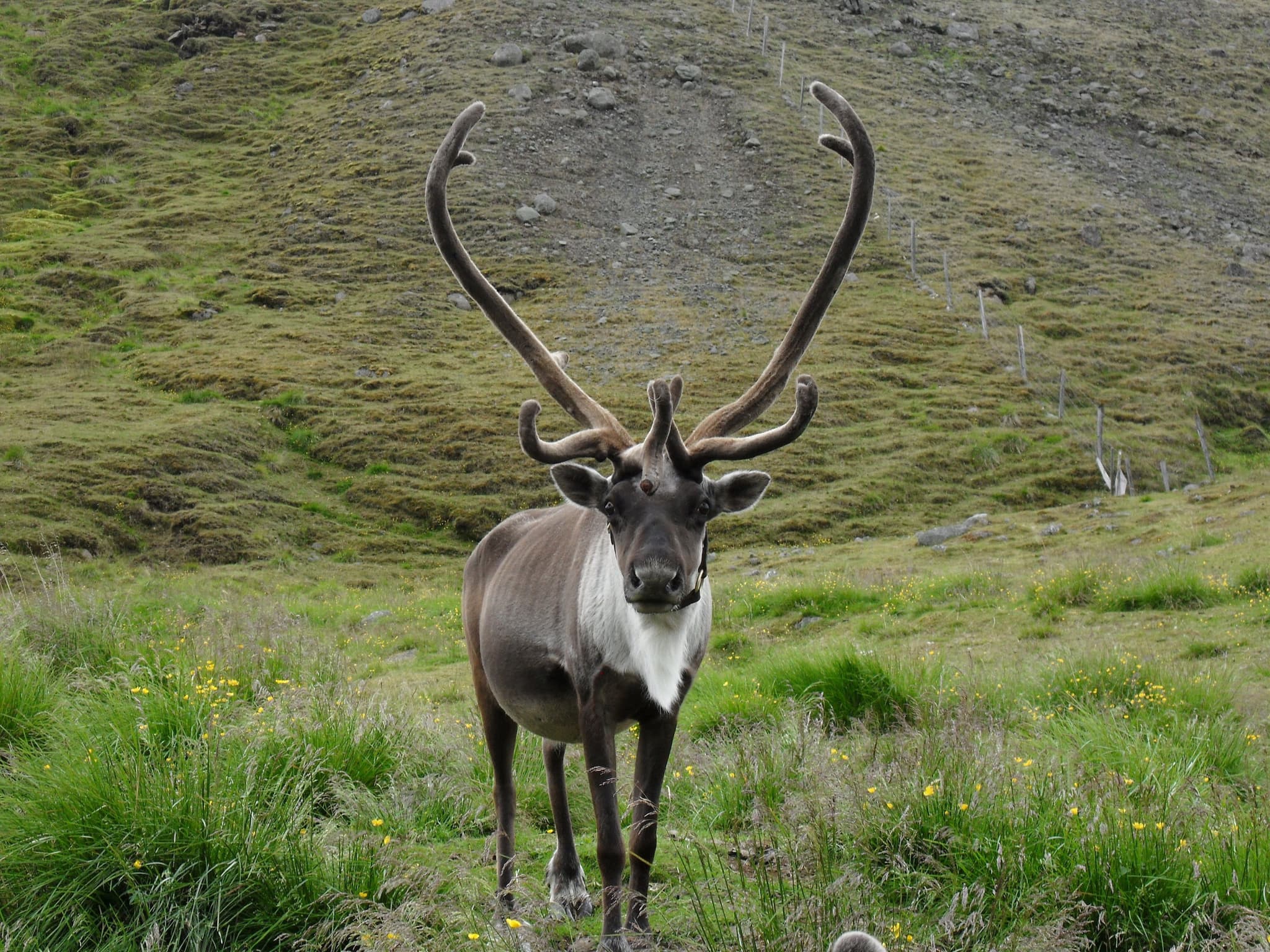
Your best chance of seeing reindeer is while driving through the Eastfjords or around Mount Snæfell, particularly during autumn and winter when snow encourages the herds to move to lower ground. In summer, they often stay higher in the mountains and can be harder to find.
Reindeer aren't the only introduced animals you'll find in Iceland. Mink escaped from fur farms during the twentieth century and are now commonly seen along rivers and coastlines, while wild rabbits descend from released pets that adapted surprisingly well to Iceland's climate.
Keen to see reindeer during your own trip? Our Iceland itinerary takes you through East Iceland, where you're most likely to spot them.
Did You Know: Iceland's entire wild reindeer population lives in the east of the country. You won't find them anywhere else on the island.
Best time to see wildlife in Iceland
Different animals are active throughout the year, so the best time to visit depends on what you'd like to see. If whales and puffins are at the top of your list, summer is the clear winner. If you're hoping to spot reindeer, winter gives you a much better chance.
Spring (April to May): Puffins begin returning to the coast, migratory birds arrive, and the first whale watching tours start operating regularly.
Summer (June to August): The best season for wildlife overall. Puffins nest on coastal cliffs, humpback and minke whales are seen frequently, Arctic fox pups emerge from their dens, and seals are commonly spotted along the coastline.
Autumn (September to October): Puffins leave Iceland, but whales remain active. Reindeer begin moving towards lower ground, making them easier to spot in East Iceland.
Winter (November to March): Reindeer are at their most visible as snow pushes them into valleys, while seals can still be seen around much of the coastline. Whale watching continues from some locations, although tours are more weather-dependent.
Guided tip: If wildlife is your main priority, June and July offer the best combination of puffins, whales, Arctic foxes and long daylight hours, making it the ideal time for a nature-focused road trip.
How to plan your trip?
Iceland doesn't have predators roaming the interior or reptiles hiding under rocks, and yet very few countries pack this much genuine wildlife into such a small stretch of coastline. With cliffs, fjords and harbours all mapped out for puffins, foxes and whales, the rest of your trip more or less plans itself.
Ready to see Iceland's wildlife on a trip? Take a look at our Iceland destination guide for routes, travel tips and practical advice. Next, download the Guided app, where you'll find ready-made itineraries and trips shared by fellow Guided travellers to help you plan your own adventure.
Enjoyed This Blog? Continue Reading!
There is more travel inspiration waiting for you on our blog. You can take a look below and start mapping out your next travel adventure!


