

Iceland
Iceland Travel Guide: Everything You Need to Know Before You Go
Did you know Iceland sits on two tectonic plates that slowly drift apart each year, which you can actually walk between at Þingvellir National Park? Volcanic activity shaped much of the island, with eruptions still happening in recent years, creating new land and changing the terrain over time. Across relatively short distances, you’ll move between glaciers, waterfalls and geothermal areas where steam rises straight from the ground. Because Iceland has almost 24 hours of daylight in summer and only a few hours in winter, you’ll need to plan your days properly. This Iceland travel guide helps you figure out where to go in Iceland, what to do there, and how to turn it into a perfect route.
5 reasons to visit Iceland
You can walk between two tectonic plates at Þingvellir National Park, where the earth is slowly pulling apart.
You’ll see completely different natural sights in one trip, from waterfalls like Skógafoss and Seljalandsfoss to glaciers and black sand beaches near Vík.
Iceland has geothermal areas like Haukadalur, where you can see geysers, hot springs and steam rising straight from the ground.
You can drive the Ring Road, which loops around the country and connects most of the main highlights in one trip.
A trip to Iceland gives you the chance to see the Northern Lights in winter or experience almost 24 hours of daylight in summer.
Love nature? Our wildlife in Iceland guide shows you where to spot the country's most iconic animals throughout the year.
The best places to visit in Iceland
When planning a trip to Iceland, you’ll probably start wondering where to go. Iceland has glaciers, waterfalls, geothermal areas and landscapes that keep changing as you move around. So let’s take a look at what you shouldn’t miss when visiting Iceland.
Drive the Golden Circle and visit Þingvellir National Park
Just outside Reykjavik, the Golden Circle is one of the easiest ways to see several highlights in one day. The full route is around 300 kilometres and connects Þingvellir National Park, the Geysir geothermal area and Gullfoss waterfall. At Þingvellir, you can walk between two tectonic plates where the land slowly shifts apart each year. In the Geysir area, Strokkur erupts every 5 to 10 minutes, sending hot water high into the air, while Gullfoss shows a powerful two-tier waterfall that drops into a deep canyon.
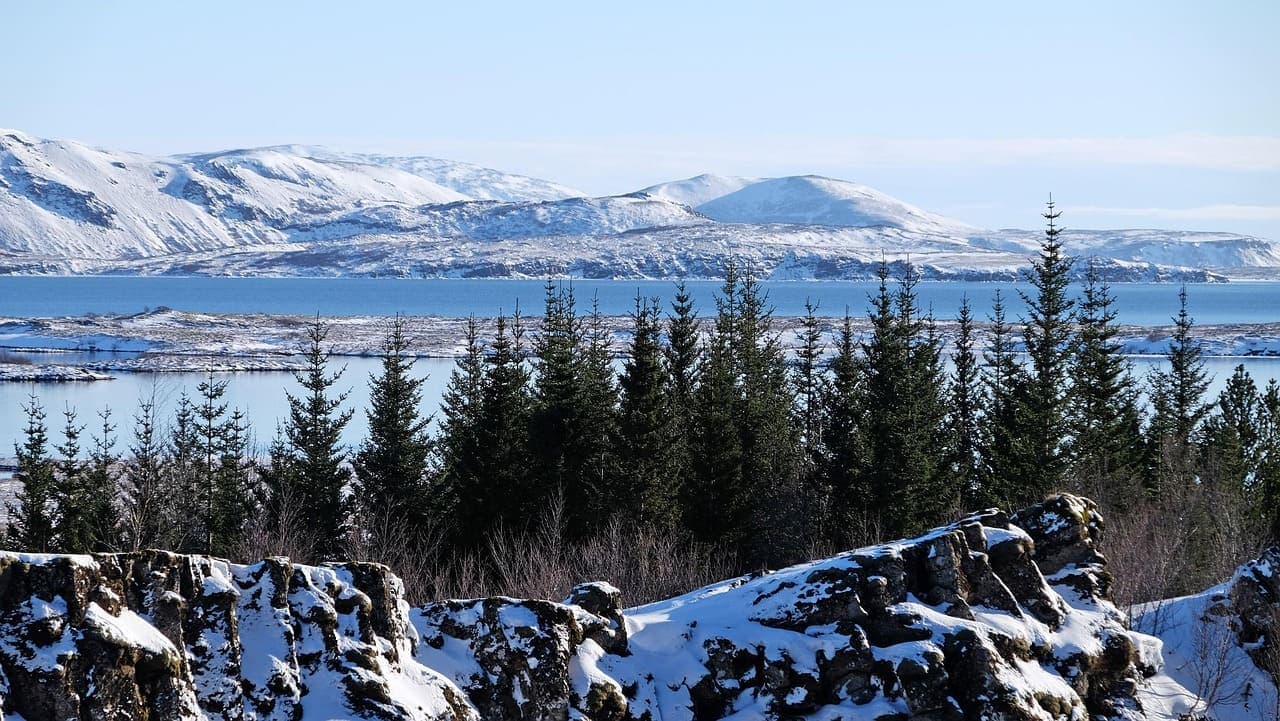
South coast waterfalls and glaciers
Heading east along the South Coast, you will see even more of the natural power of the country. Seljalandsfoss and Skogafoss are two of the most photographed waterfalls. Further on, the black sand beaches near Vik are in sharp contrast to white icebergs floating in Jokulsarlon Glacier Lagoon.
Curious what Iceland is like in summer? Our summer in Iceland guide explains what to expect, from midnight sun to hiking and road trips.
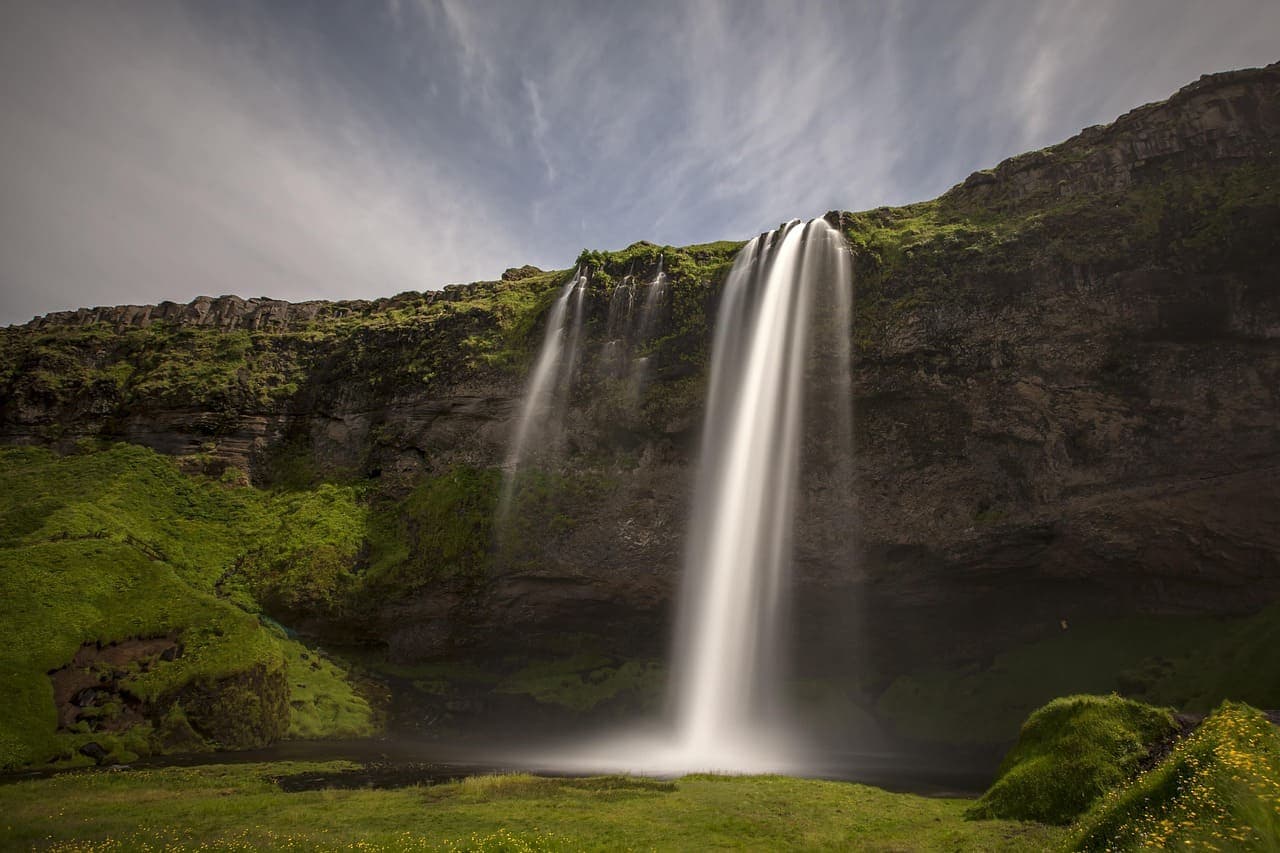
Ring Road
Beyond the Golden Circle, many people like to drive the Ring Road, the main highway that goes around the whole island for about 1,300 kilometres. This route passes fjords, fishing villages and wide open highland views that change by the hour.
Planning a full circle? Read this 1 Week Iceland Road Trip for a complete loop packed with must see stops.
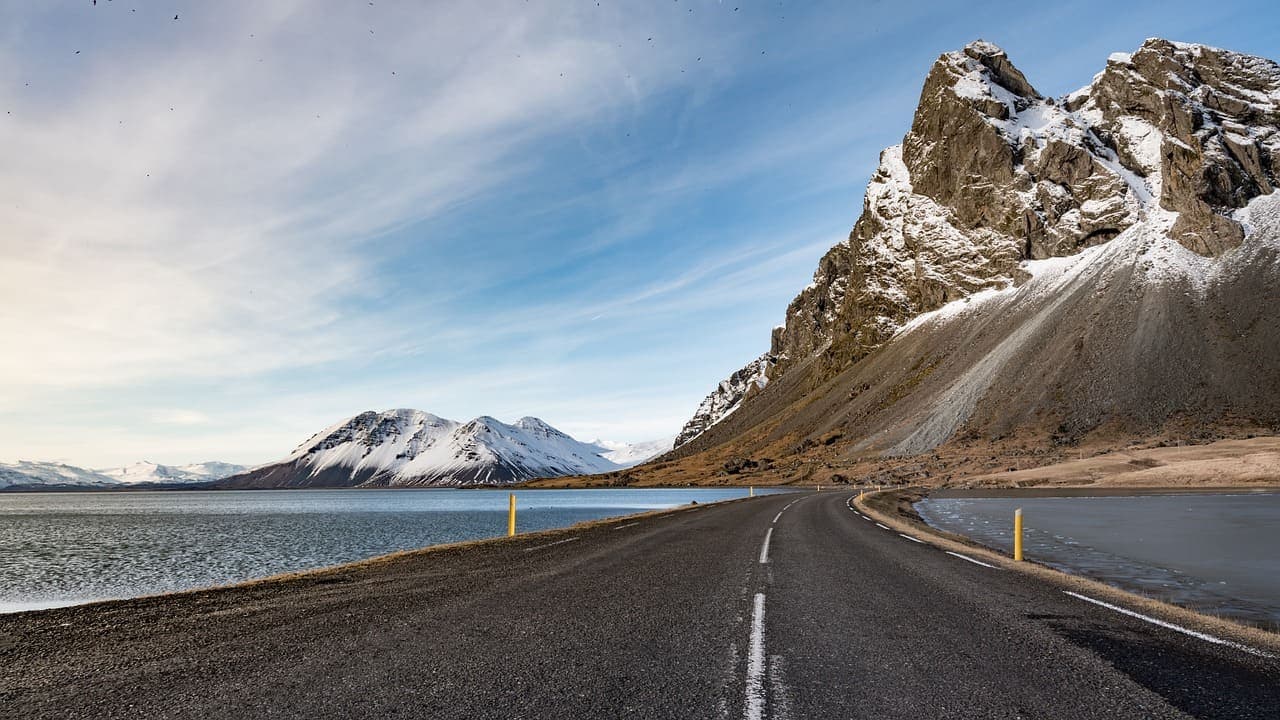
Blue Lagoon and Sky Lagoon
Just outside Keflavík Airport, the Blue Lagoon sits in the middle of black lava fields, which makes it one of the easiest stops at the start or end of your trip. The water gets its bright blue colour from silica and minerals, and stays warm year-round at around 37 to 40°C. Inside, you can move between different sections, try a silica mud mask, and even grab a drink while standing in the water.
For something a bit less busy, places like the Sky Lagoon near Reykjavik or smaller natural hot springs around the country give a similar experience.
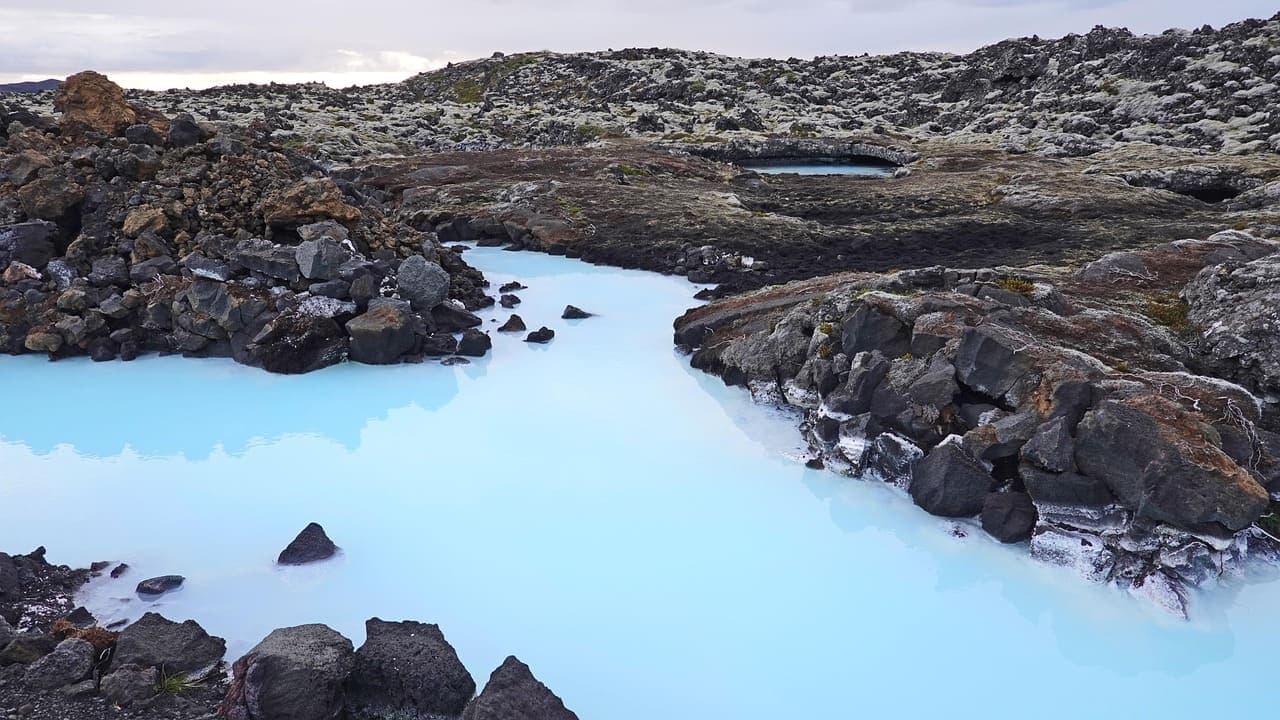
What to do in Reykjavik
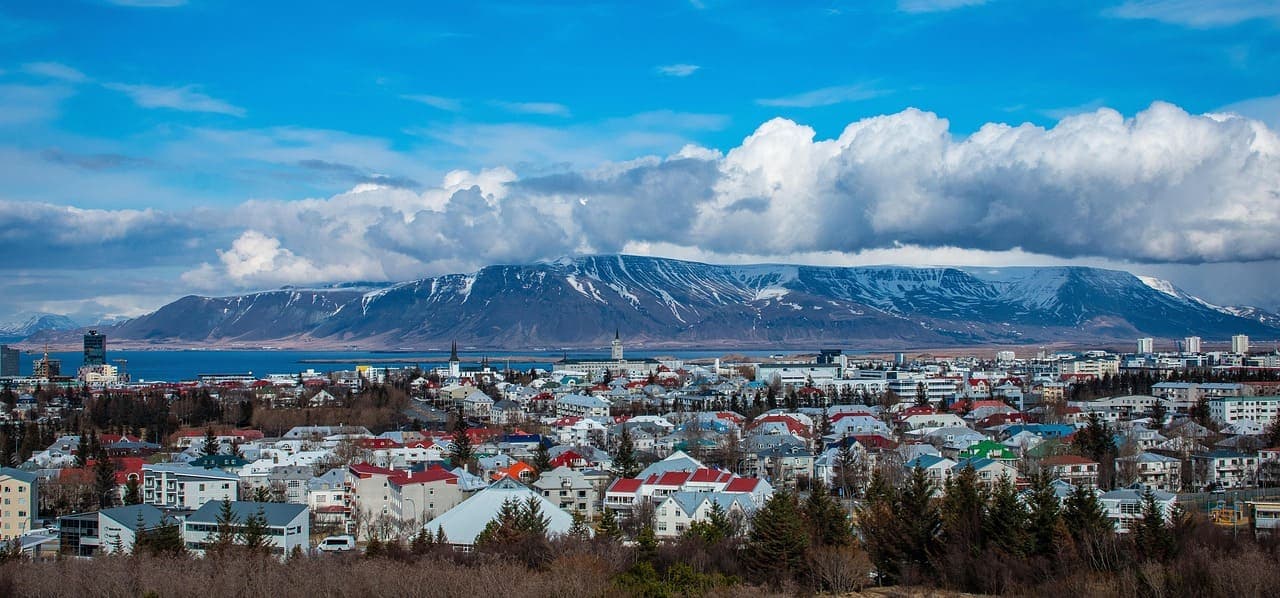
Reykjavik is good as a first stop or last night before flying home. You can visit Harpa Concert Hall, have a walk around the old harbour area and see the modern Icelandic dishes, which focus on local food such as lamb and, of course, seafood. Museums, such as the National Museum of Iceland, give you a good overview of the country’s history from the Viking settlement period to Iceland as we know it today.
Still building your itinerary? Explore our guide to the 10 best things to do in Iceland for even more ideas beyond the highlights.
Ideas for your ideal Iceland itinerary
Now that you’ve got a better idea of the nicest places to visit in Iceland, the next step is connecting them into a trip that actually works. We’ve put together a few Iceland itinerary options based on how much time you have, so you can choose what fits best.
7 to 10 days Iceland itinerary: south coast and highlights
Day 1–2: Reykjavik, explore the city, visit Hallgrímskirkja and relax in the Blue Lagoon or Sky Lagoon
Day 3: Golden Circle, visit Þingvellir National Park, Geysir and Gullfoss waterfall
Day 4–5: South Coast, visit Seljalandsfoss, Skógafoss and the black sand beach at Reynisfjara near Vík
Day 6: Skaftafell and Vatnajökull National Park, walk to glaciers and waterfalls
Day 7–8: Jökulsárlón Glacier Lagoon and Diamond Beach, see icebergs and coastal views
Day 9–10: Return to Reykjavik, with stops along the south coast or a detour to the Snaefellsnes Peninsula
14 to 21 days Iceland itinerary: full Ring Road and beyond
Day 1–2: Reykjavik, visit Hallgrímskirkja and relax in a geothermal spa Blue Lagoon or Sky Lagoon
Day 3: Golden Circle, visit Þingvellir National Park, Geysir and Gullfoss
Day 4–6: South Coast, visit Seljalandsfoss, Skógafoss, Reynisfjara black sand beach, Vík and Vatnajökull Park
Day 7–8: East Fjords, drive through smaller towns like Seyðisfjörður and coastal roads.
Day 9–11: North Iceland, visit Lake Mývatn, Dettifoss waterfall and go whale watching in Húsavík
Day 12–13: West Iceland, explore the Snæfellsnes Peninsula with places like Kirkjufell, Arnarstapi and lava fields
Day 14–16: Westfjords, drive to Ísafjörður, visit Dynjandi waterfall and explore remote fjords and coastal roads
Day 17–18: Westfjords, continue exploring places like Látrabjarg cliffs for birdlife and quiet coastal areas
Day 19–21: Return towards Reykjavik via Hólmavík or Borgarnes, with stops along the way.
Going on a road trip? Read our Iceland Ring Road guide with tips on driving routes, stops and how to plan your trip.
Want more inspiration? Check out the following trips:


When Should You Go to Iceland? A Seasonal Comparison
Did you know that in winter, some days only have 4 to 5 hours of daylight, while in summer the sun barely sets and you can drive or explore late into the night?
Summer: long daylight, best for road trips
Autumn: fewer visitors, early aurora
Winter: Northern Lights and ice caves
Spring: quieter months and increasing daylight
Wondering about the best time to visit Iceland in your situation? We’ve written a complete seasonal guide to Iceland, where you’ll learn exactly what fits you best based on what you like, and when to see the Northern lights.
Can You See the Northern Lights in Iceland?
Many travellers base their entire Iceland visit on a single question: can you see the northern lights in Iceland? The answer is yes, but it is important to take into account timing as well as location. The northern lights can be seen from late August to mid April with the darkest months being from October to March when you have the best chance of seeing the lights. Long nights are your friend here as you want some real darkness, not twilight.
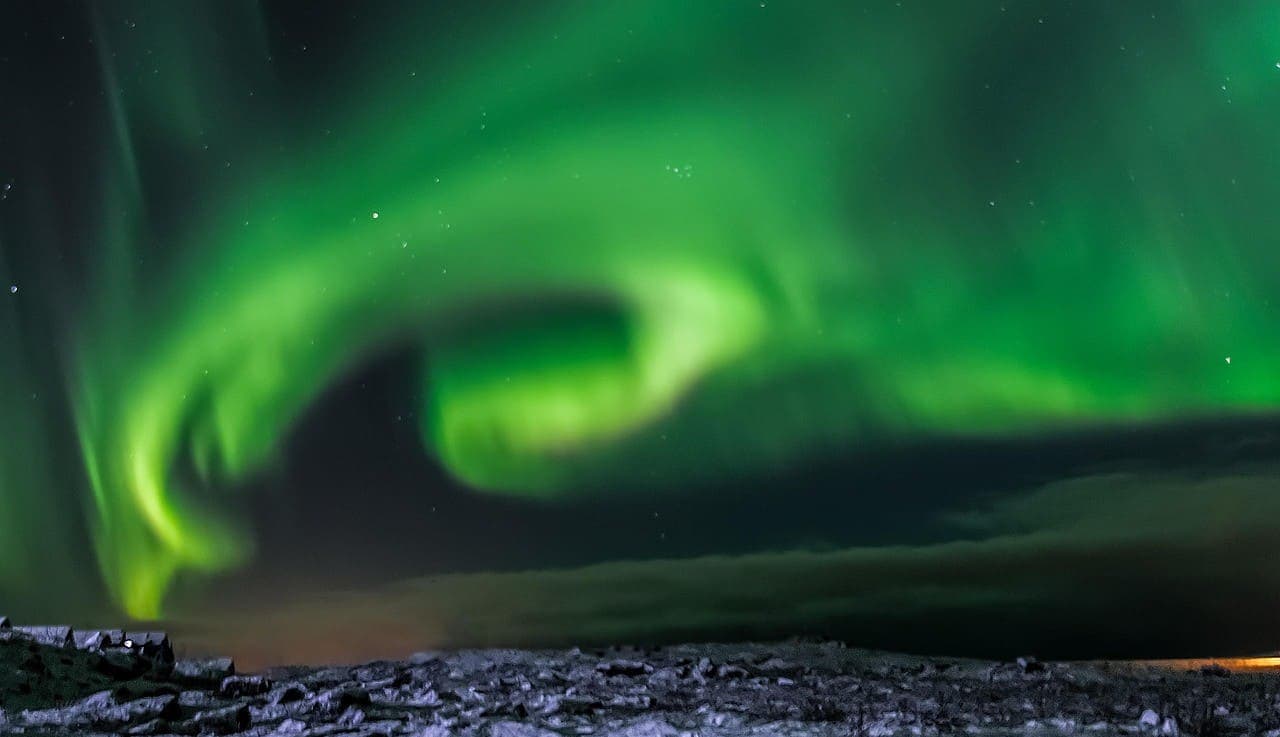
Solar activity also plays a part, so checking the Icelandic Meteorological aurora forecast on the day itself is recommended. Areas outside Reykjavik work best such as Thingvellir National Park along the Golden Circle route or on the open landscape of Vik where there is little light pollution.
Dreaming of seeing the aurora? Our guide to the northern lights in Iceland explains when and where you have the best chance of seeing them.
Where can I stay in Iceland?
When you are planning a trip to Iceland, it helps to think carefully about where you want to stay. Iceland is much bigger than it looks on a map, and distances between places can take longer than expected.
Reykjavík and South Iceland
Reykjavik is the most convenient station for many travellers. It puts you within easy reach of the Golden Circle and the South Coast and there are restaurants, museums and services all close together. From here, day trips to waterfalls and black sand beaches are realistic with no need to change accommodation every night.
South Iceland, including Selfoss, Vík and the glacier regions in the southeast, works well if you want to see waterfalls and ice lagoons. Staying further east brings you closer to Vatnajökull and some of the country’s most impressive coastal viewpoints.
Want to add a mountain adventure to your trip? Our Iceland mountains guide helps you choose the best peaks based on your itinerary, hiking experience and travel style.
North Iceland
North Iceland with Akureyri as its main hub is very different from the capital area. Lake Myvatn is nearby with geothermal areas, volcanic craters and bizarre rock formations. This region is nice for road trips around the island to explore more remote terrains.
Westjords and the East
The Westfjords is a paradise for those that enjoy solitude and winding roads. Villages are small, distances are longer. East Iceland does have some fishing towns and fjords, and these are the ones you might miss on a shorter itinerary.
Wondering which part of Iceland suits you best? Our where to stay in Iceland guide helps you choose between Reykjavík, the South Coast, Snæfellsnes and more.

Did you know you can create your own itinerary?
Now that you have a better idea of the places to see in Iceland and things to do there, you can start creating your own trip. Do you want to travel from north to south, or would you rather spend more time in one area and really get to know it? It’s all up to you. You can easily create your own trip in the Guided app for free, or use trips shared by others.
Getting Around in Iceland: A Guide to Iceland’s Roads
How do you travel around in Iceland? Most of the travelers opt for self-drive since there is limited public transport outside the major routes.
How long does it take to drive around Iceland?
The main road, Route 1, circles the country for 1,300 kilometers. In theory, you could drive it in about 17 to 20 hours without major stops, but this defeats the purpose. Most people take seven to ten days to cover the distance so there's time to stand for waterfalls, coastal calls and small towns along the way.
Thinking about driving around the island? Our Iceland Ring Road itinerary shows you how to plan the ultimate road trip.
What side of the road does Iceland drive on?
Driving in Iceland means driving on the right hand side of the road. Speed limits are generally 50 kilometers per hour in towns, 80 kilometers per hour on gravel roads and 90 kilometers per hour on paved rural roads.
Do you need a car in Iceland?
For most itineraries the answer is yes. Iceland does not have trains. Renting a car enables you to make stops along the way to see viewpoints and to make changes to plans, in case of weather changes, and in locations not covered by standard bus trips.
Guided tip: Check road conditions every day especially in winter when roads close.
Food and drinks to try when travelling to Iceland
Food in Iceland connects to the landscape and climate. Ingredients are often local, with a focus on fish, lamb and dairy. If you want to try something typical, these are a few things to look out for:
Eat Icelandic lamb in traditional dishes
Across Iceland, lamb is one of the most common meats you’ll see on menus. Sheep roam freely across the island, which gives the meat a distinct flavour. Dishes like lamb soup are easy to find in restaurants and roadside stops, especially in colder areas.

Try fresh fish like cod or Arctic char
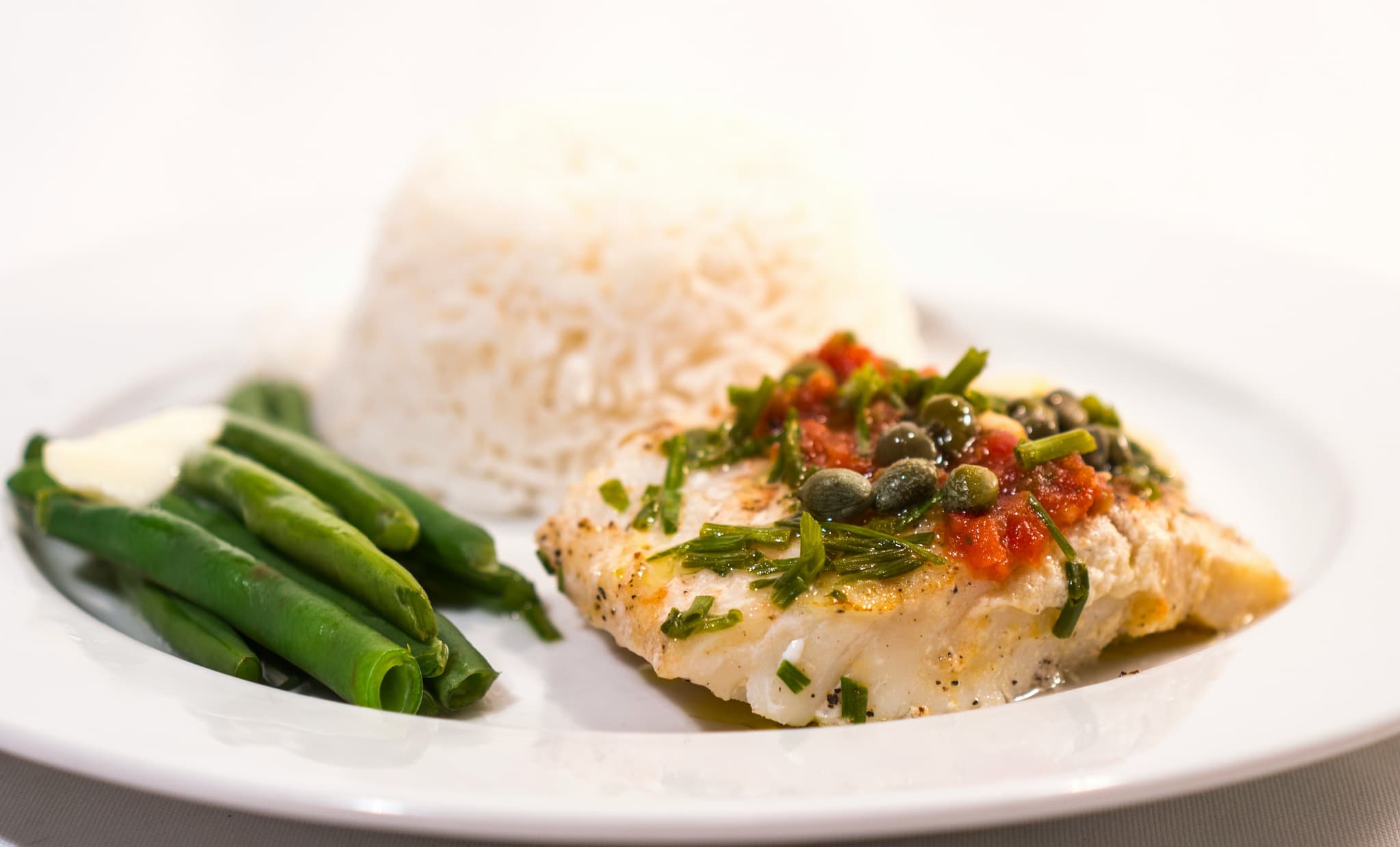
Fishing plays a big role in Iceland, so fresh fish is everywhere. Cod and Arctic char are the most common, often grilled or served with simple sides. Along coastal towns like Reykjavik or Akureyri, small restaurants and harbourside spots are good places to try it.
Taste skyr, Iceland’s traditional dairy product
Skyr looks a bit like yoghurt, but it’s actually a soft cheese that has been part of Icelandic diets for over 1,000 years. It’s thick, high in protein and often served with berries or honey.

Try Icelandic hot dogs from local stands
Hot dogs might not sound traditional, yet they’re one of the most popular foods in Iceland. Made from a mix of lamb, beef and pork, they’re usually served with crispy onions, mustard and remoulade. In Reykjavik, the stand Bæjarins Beztu Pylsur is one of the most well-known places to try one.

Culture in Iceland: shaped by nature and isolation
Around 874 CE, the first Norse settlers arrived in Iceland, coming mainly from Norway and parts of Scotland. Life here was shaped by isolation, harsh weather and a strong connection to the land. By 930 CE, Iceland had established one of the oldest parliaments in the world, the Alþingi, which still exists today. Stories and history were passed down through sagas, written in the 12th and 13th centuries, which described family histories, exploration and survival.
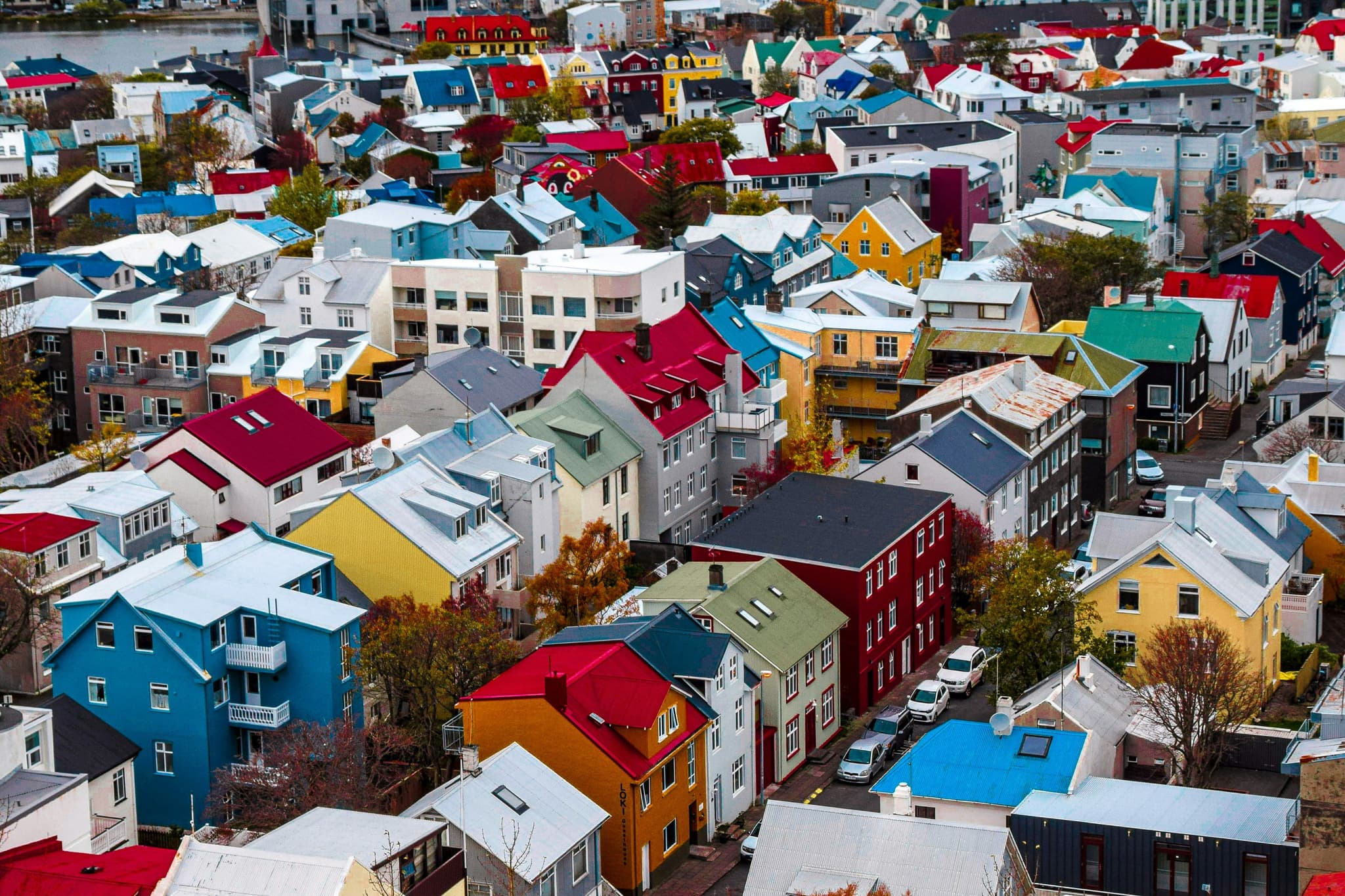
Today, that past still shows up in everyday life. In Reykjavik, modern design and architecture sit next to traditions that go back centuries. Geothermal energy is used to heat homes and public pools, which are part of daily routines across the country. Swimming pools are not just for exercise, but also social places where people meet and talk. Festivals and seasonal traditions also connect back to older beliefs, especially during the long winters and short summers. Across the country, that mix of history, nature and daily habits is something you’ll keep noticing when travelling through Iceland.
Looking for more unique places, trips and activities?
Subscribe to our Guided Newsletter for more travel inspiration.
What does traveling through Iceland cost?
This is a very fair question that people ask before booking flights. Iceland may have a reputation of being expensive, so let’s take a look at the average prices of a trip to Iceland.
Food & Drink

Coffee
500 – 900 ISK
Lunch
2K – 4K ISK
Beer
1,2K – 1,8K ISK
Accommodation

Hotels
25K – 50K ISK
Airbnb
20K – 45K ISK
Hostel dorm
5K – 10K ISK
Transport

Domestic flights
10K – 25K ISK
Public Transport
500 – 1,5K ISK
Car Rental
8K – 20K ISK
Attractions

Museums
2K – 4K ISK
Big Attractions
8K – 15K ISK
Theatre
4K – 10K ISK
Fun facts about Iceland
Iceland has a lot of small details you don’t always expect before arriving. Some of them you’ll notice straight away, others once you’ve spent a bit more time there.
Iceland has no trains at all across the entire country
Nearly all electricity comes from renewable energy like geothermal and hydropower
Iceland sits on two tectonic plates that are slowly moving apart
There are over 10,000 waterfalls across the country
In summer, the sun can stay visible almost 24 hours a day
Iceland has more sheep than people
Volcanic eruptions still happen regularly and can change the landscape
Some of these things will probably become part of your own trip along the way. Iceland stands out in its own way, with days that take you between glaciers, waterfalls and geothermal areas. Each stop brings something different, from nature to small towns and local life. Iceland suits you well if you like big natural contrasts and a trip that keeps changing every day.
Ready to map out your trip to Iceland?
We hope this Iceland travel guide has given you a clear starting point for your trip. Stay tuned for more inspiration, itineraries and practical tips to help you shape your own Iceland trip guide. And don’t forget to check out our Guided app, where you can create your own trip or use trips shared by other travellers for free.
FAQs about travelling through Iceland
- Where is Iceland located?
Iceland is situated in the North Alantic Ocean between Greenland and Norway, just below in the Article Circle. It is part of Europe, but more geographically close to Greenland rather than to mainland Europe.
- What language do they speak in Iceland?
The official language is Icelandic, which is rooted in Old Norse. English language is widely spoken, therefore communication is not problem for UK visitors.
- What to wear in Iceland?
Layers are the best approach, including the thermal base layers and warm mid layer as well waterproof outer jacket. Durable shoes are required for any weather situation.
- Do you need a visa for Iceland?
Iceland is part of the Schengen area. Citizens of the UK can stay with a visa for up to 90 to 180 days. Please check current entry requirements for Iceland before you travel.
- Is there Uber in Iceland?
Uber is not operating in Iceland. However taxis are available in cities. Taxis can be be expensive, that is why many visitors rent a car when travelling through Iceland.