
The Best Time to Visit Iceland: A Complete Seasonal Guide
By Eva Alkemade
Feb 9, 2026
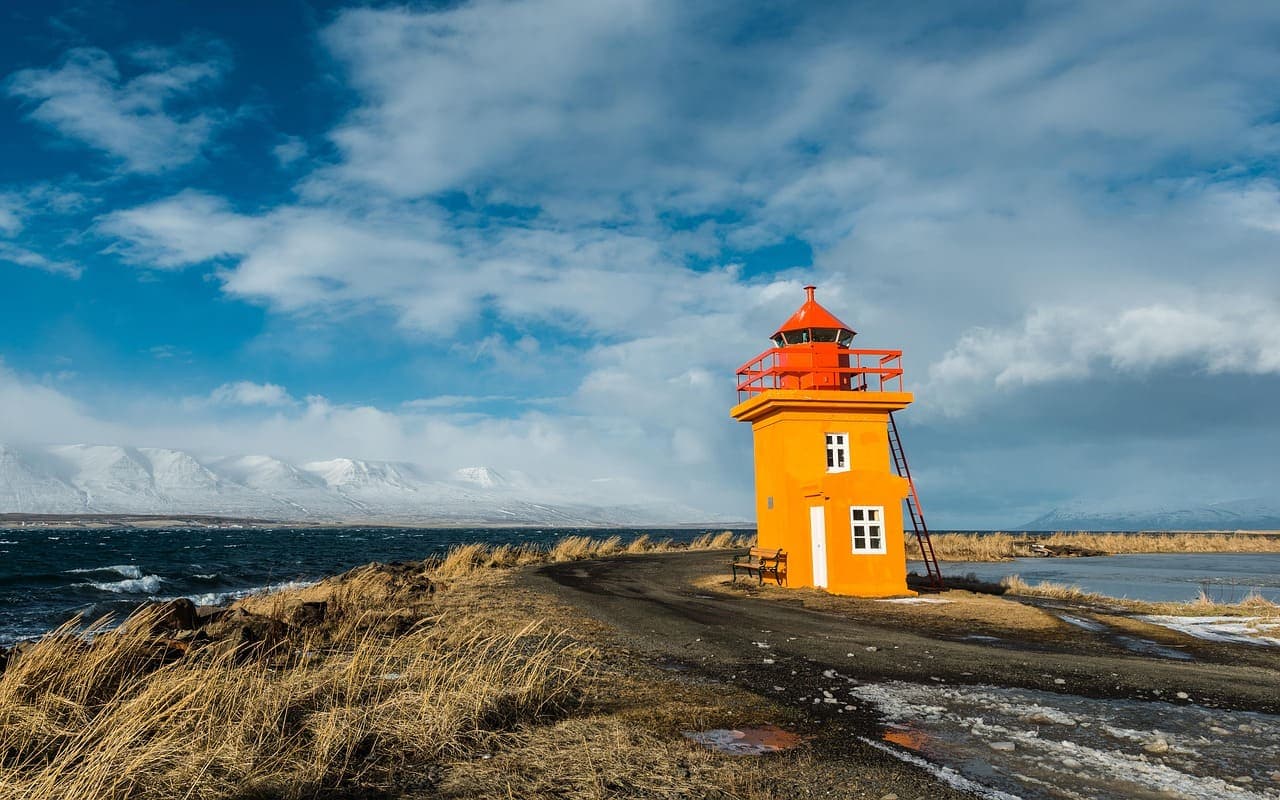
Iceland changes fast. One month you get long daylight hours, the next you may only have a few hours of sun and soft colours in the sky. To plan well you need to know what happens in each season. So when is the best time to visit Iceland in your situation?
Summer in Iceland: Long Daylight Hours and Road Trips
From June the sun doesn't set until late at night. Around 21 June you get 24 hours of light. This changes how you plan your day.
The temperature is usually between 9°C and 13°C. All roads on the island are open including Highland F roads from late June. This makes summer the season for road trips around the Ring Road and to remote areas like the Westfjords.
The best time to visit Iceland depends on what you want to do. Reykjavík has many events, like Fishermens Day on the weekend of June in coastal towns or Reykjavík Pride in August.
Verslunarmannahelgi, the August bank holiday weekend, has music festivals across the country.
Summer Is Ideal for Outdoor Adventures in Iceland
The Laugavegur hiking trail is open in summer. It runs between Landmannalaugar and Þórsmörk. River crossings are safer. Snow is gone from mountain tracks. You can see whales between June and August. Humpback and minke whales are often seen near Húsavík.
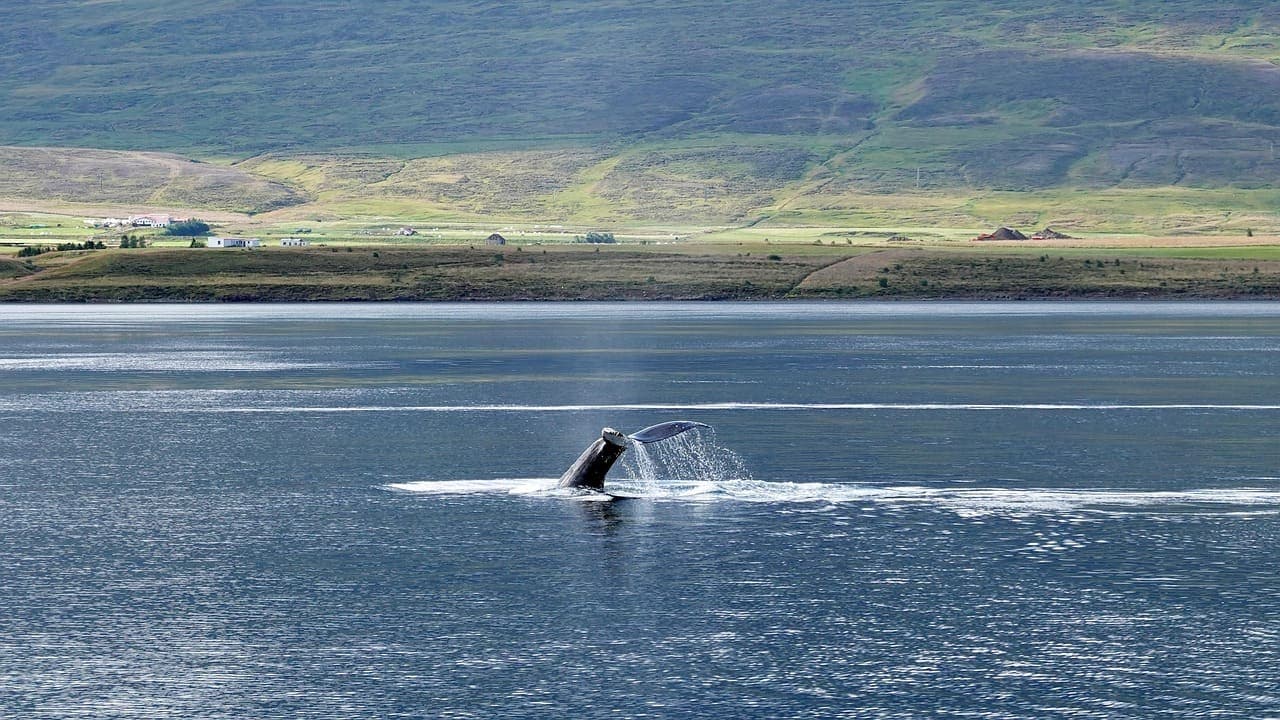
Image by Aline Dassel from Pixabay
Long daylight hours mean you can drive at 10pm and still see everything clearly. This gives you freedom to plan and more time at waterfalls and black sand beaches.
Summer is great for visits and driving around the whole island. Just book your car early and plan your accommodation ahead.
Winter in Iceland: Northern Lights, Ice Caves and Iceland
This is the best time to visit Iceland to see the northern lights. From September to March, and between November and January your chances of seeing the aurora increase.
In December there are about four to five hours of daylight. The temperature is between minus 1°C and 4°C in the south and colder in the north. Snow covers lava fields and glaciers freeze, making guided visits to ice caves near Vatnajökull possible.
Best Time to Visit Iceland for Northern Lights
The northern lights appear when charged particles from the sun hit the Earth's atmosphere. Strong solar activity makes bright displays more likely. You can track aurora forecasts on vedur.is. The KP index shows how strong the display will be.
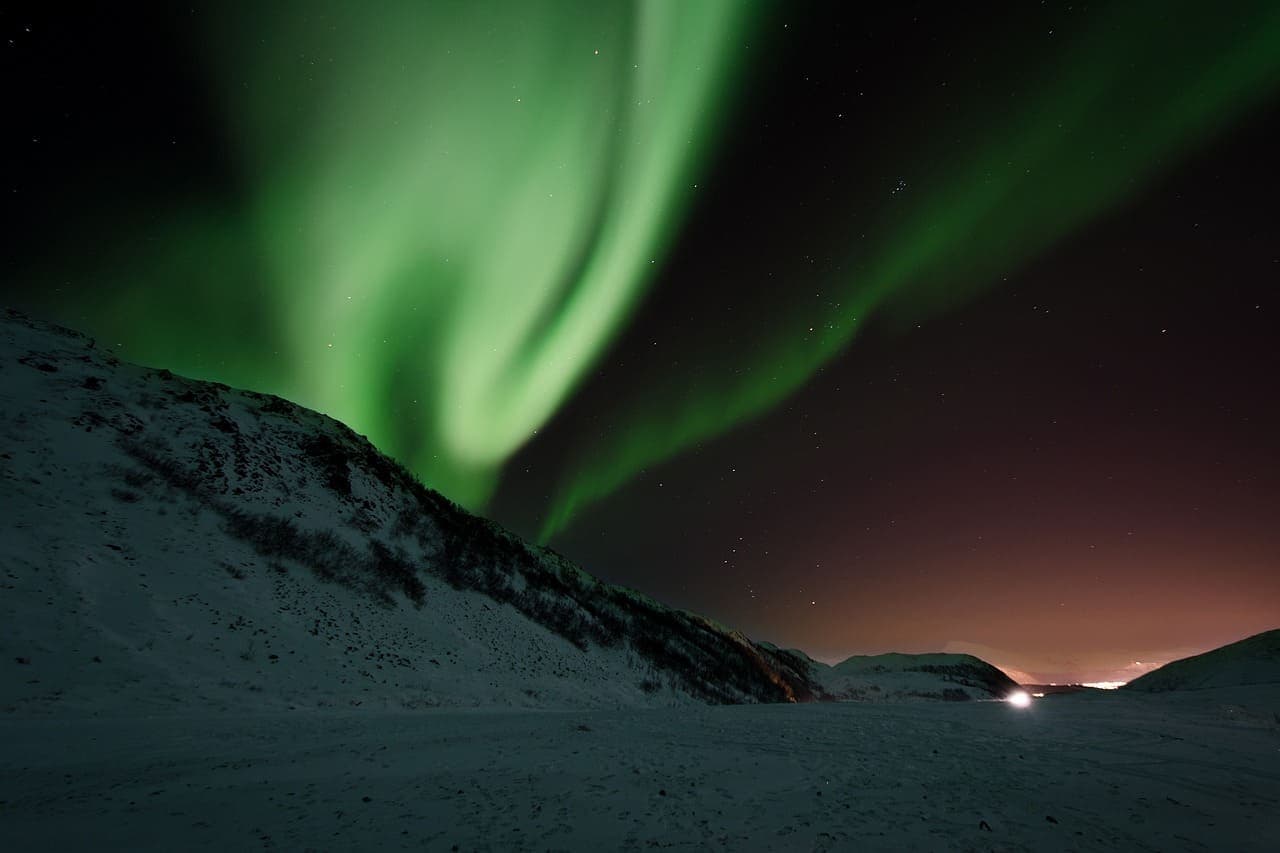
Image by JHGilbert from Pixabay
To see the lights, go to dark areas like Snæfellsnes or the South Coast. Don't stay in Reykjavík and other towns because of light pollution. Between 9pm and 2am is the best time.
Is February a Good Time to Visit Iceland?
Yes, if you want winter experiences at their peak. Iceland in February still has northern lights and snow covered landscapes.
Orcas are often near the Snæfellsnes Peninsula during this period. Daylight increases slowly to seven to nine hours by late February. Roads can close during storms so check road.is every day.
Winter is good for travelers who want to see the lights and glaciers. Plan carefully and dress warmly. You will see Iceland in its most powerful form.
Spring in Iceland: Is April a Good Time to Visit?
April is the time when the snow season is coming to an end. The summer road trips are about to start. The weather in Iceland in April is usually pretty cool. It stays between 3°C and 7°C. By the end of the month you get to see the sun for around 14 hours. You can drive to the Golden Circle and the South Coast without winter tyres. You still need to watch out for strong winds. The roads in the highlands are still closed and near Vík the wind can blow sand over the road.
If you visit Iceland in April you can get a deal on hotels and car rentals. They are usually cheaper than in July. Popular places like Skógafoss are also less crowded. April is a good time to visit Iceland if you want to see more daylight than in the winter but you do not want to deal with all the summer visitors.
You should always check the sunrise and sunset times for Iceland before you decide when to travel. The amount of daylight you get can change a lot and it can affect your plans.
Autumn in Iceland: A Good Time to Visit for Fewer Travellers
Autumn is a good time to visit Iceland, the air is cool and the landscape is beautiful with all the golden colours. You get a balance of daylight and darkness, which makes it a good time to visit.
The temperatures in autumn are usually between 2°C and 10°C. The northern lights start to appear in mid-September and around the autumn equinox, which's near 22 September you can see them even more often.
Cultural Events in Iceland During Autumn
In the autumn there are a lot of things happening in the towns and in the countryside. The Reykjavík International Film Festival takes place in September. It brings a lot of new movies, talks and filmmakers to the city. In November there is the Iceland Airwaves music festival, which fills up all the venues in the city with international musicians.
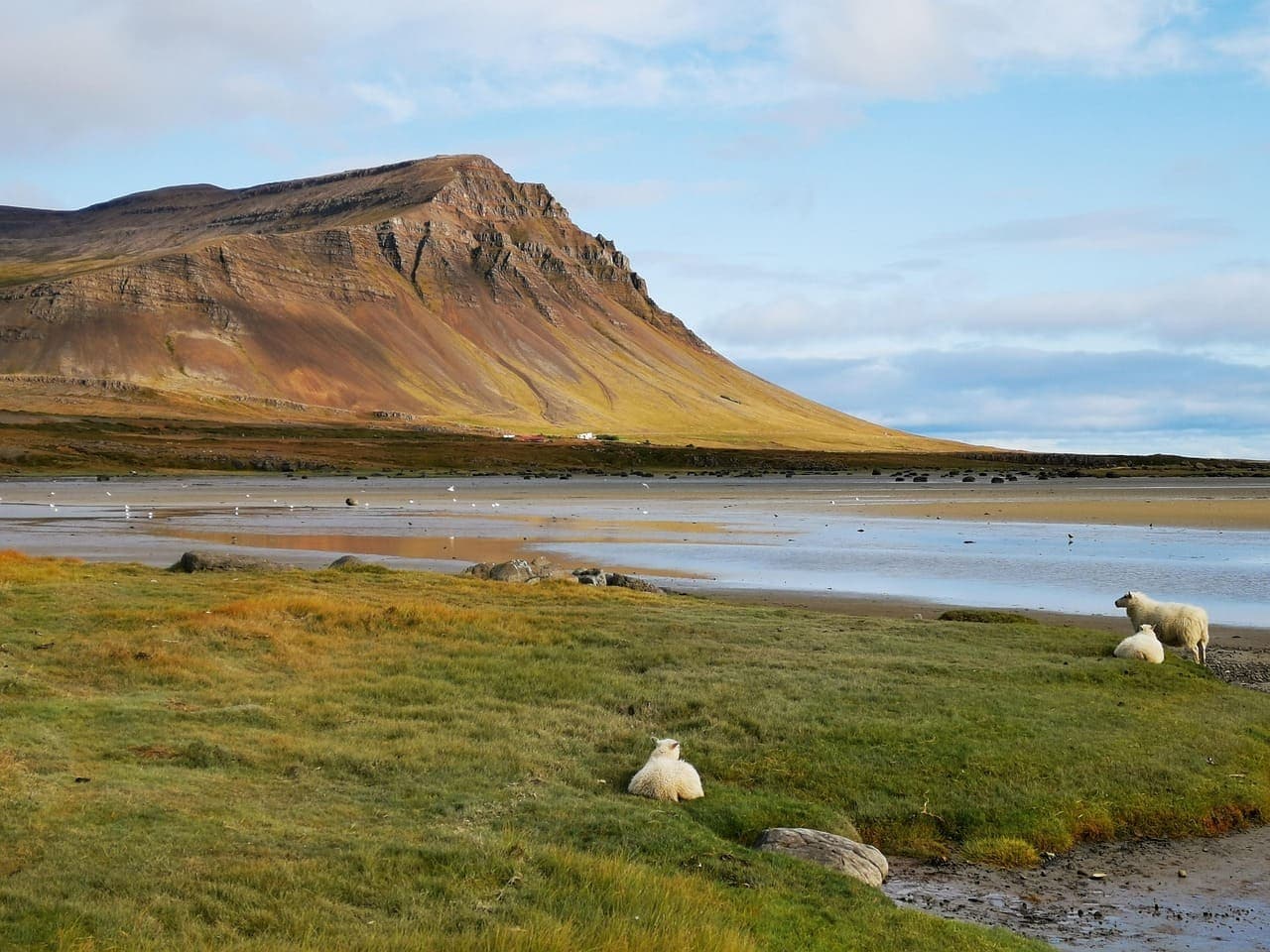
Image by meipakk from Pixabay
In the countryside the Réttir sheep roundups happen in September. The farmers gather all their sheep from the highlands, sort them into groups and you can watch or even help them. You get to stand by the fences, hear the sheep making noise and see the families working together.
Want to know everything you can do in Iceland? Read our complete guide to Iceland and get fully prepared before you go!
Best Time for Road Trips in Iceland Around the Ring Road
If you want to drive around the Ring Road the best time is from May to September. You get to enjoy the daylight hours and in June and July the sun can stay up till 10pm. The highland roads usually open in June, which gives you options for your road trip. In the winter the roads can be closed because of snow and strong winds.
You should plan your trip carefully and check the road conditions every morning before you start driving. The weather in Iceland can change fast so you need to be prepared for your road trip in Iceland.
Thinking about driving the Ring Road? Read our guide on how to plan your Iceland Ring Road trip and make the most of every day.
Best Time to Visit Iceland for Ice Caves and Glacier Hiking
In winter, Iceland is completely different. The glaciers are frozen solid and you can see blue ice caves. The best time to visit the ice caves is from November to March. You can take a guided tour to the caves. They usually take place near Vatnajökull, where the ice is stable and safe to walk on. You should always go with a guide because the routes to the caves can change every year and the conditions can be different every week.
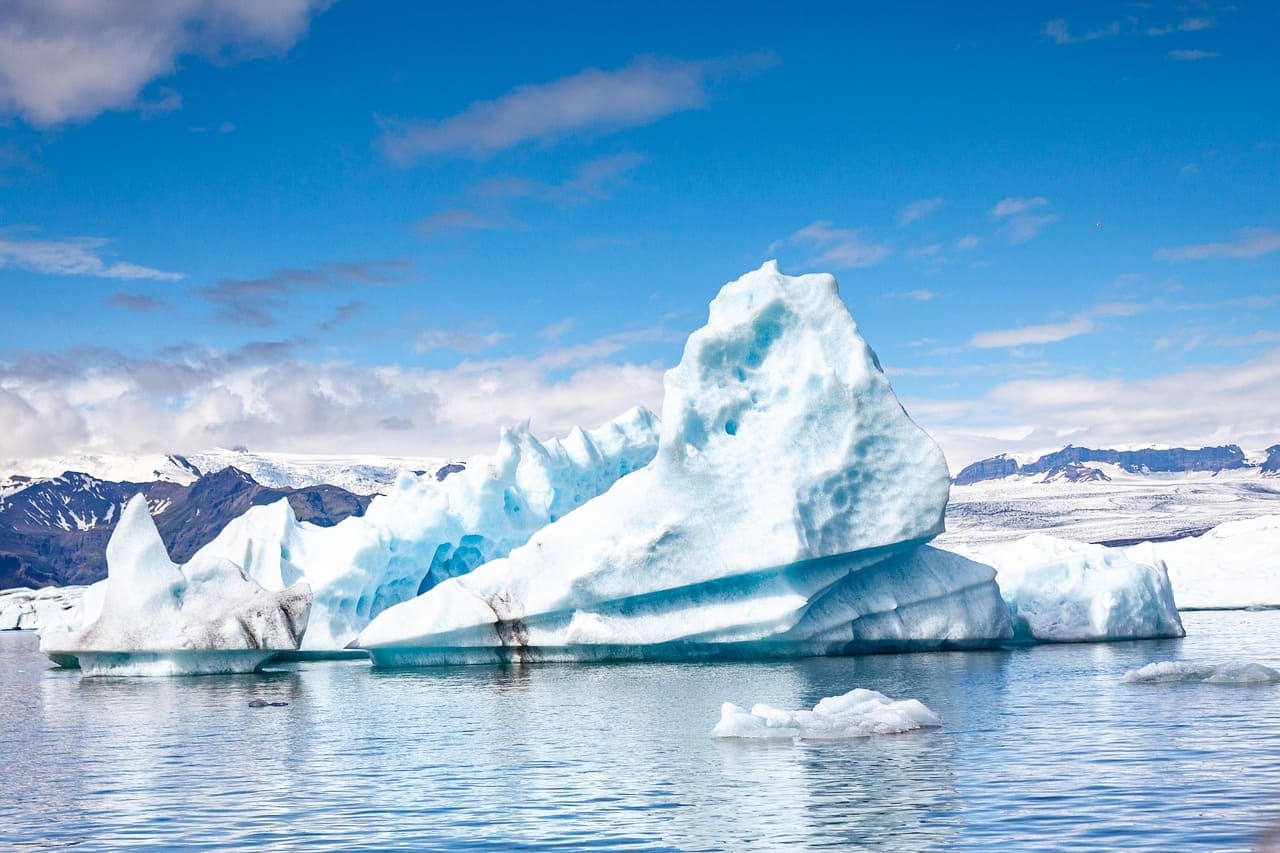
Image by Sebastian Schellbach-Kragh from Pixabay
In the winter you can also do fun things like glacier hiking, snowmobiling on Langjökull and multi-day winter trips in the Highlands. The landscape is covered in snow. The daylight hours are short in December and January, and the temperatures are usually minus 1°C to 4°C in the south.
The ice caves usually close in spring so you should book your tour early to be prepared for changes in the weather in Iceland.
Want to see glaciers, craters and lagoons? This 1 week Iceland itinerary takes you through all the highlights.
What Is the Best Time to Visit Iceland for You?
So what is the best time of year to visit Iceland in your situation? The answer depends on your priorities. You can match your goal to the right season using this simple overview:
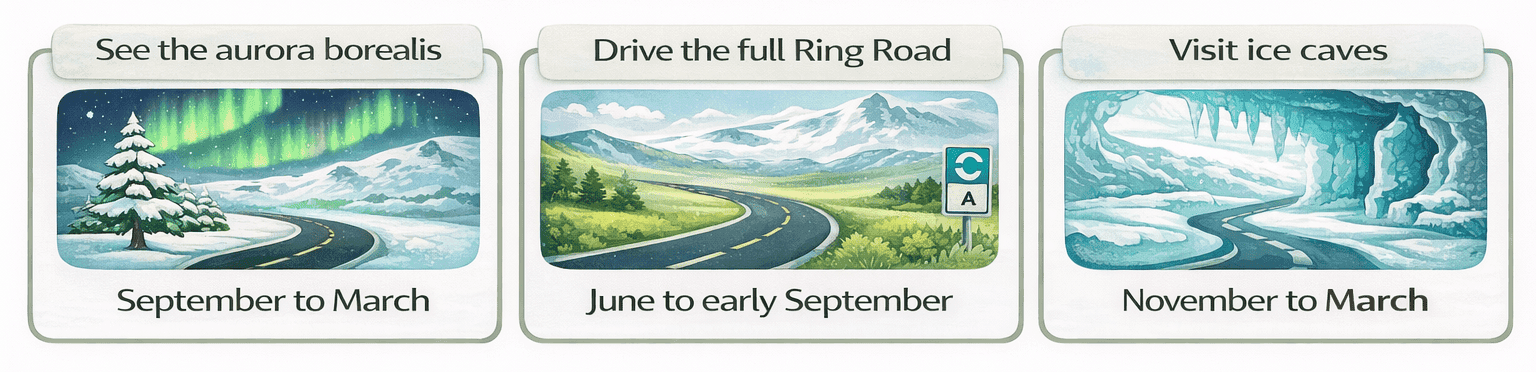
Once you’ve decided on the best time to visit Iceland, you can explore our app to build your own route! You can also use routes from travellers who have already driven the Ring Road and explored the Highlands. Enjoy!
Enjoyed This Blog? Continue Reading!
There is more travel inspiration waiting for you on our blog. You can take a look below and start mapping out your next travel adventure!
