
10 best things to do in Iceland: Fun experiences all year round
By Eva Alkemade
Jul 18, 2026
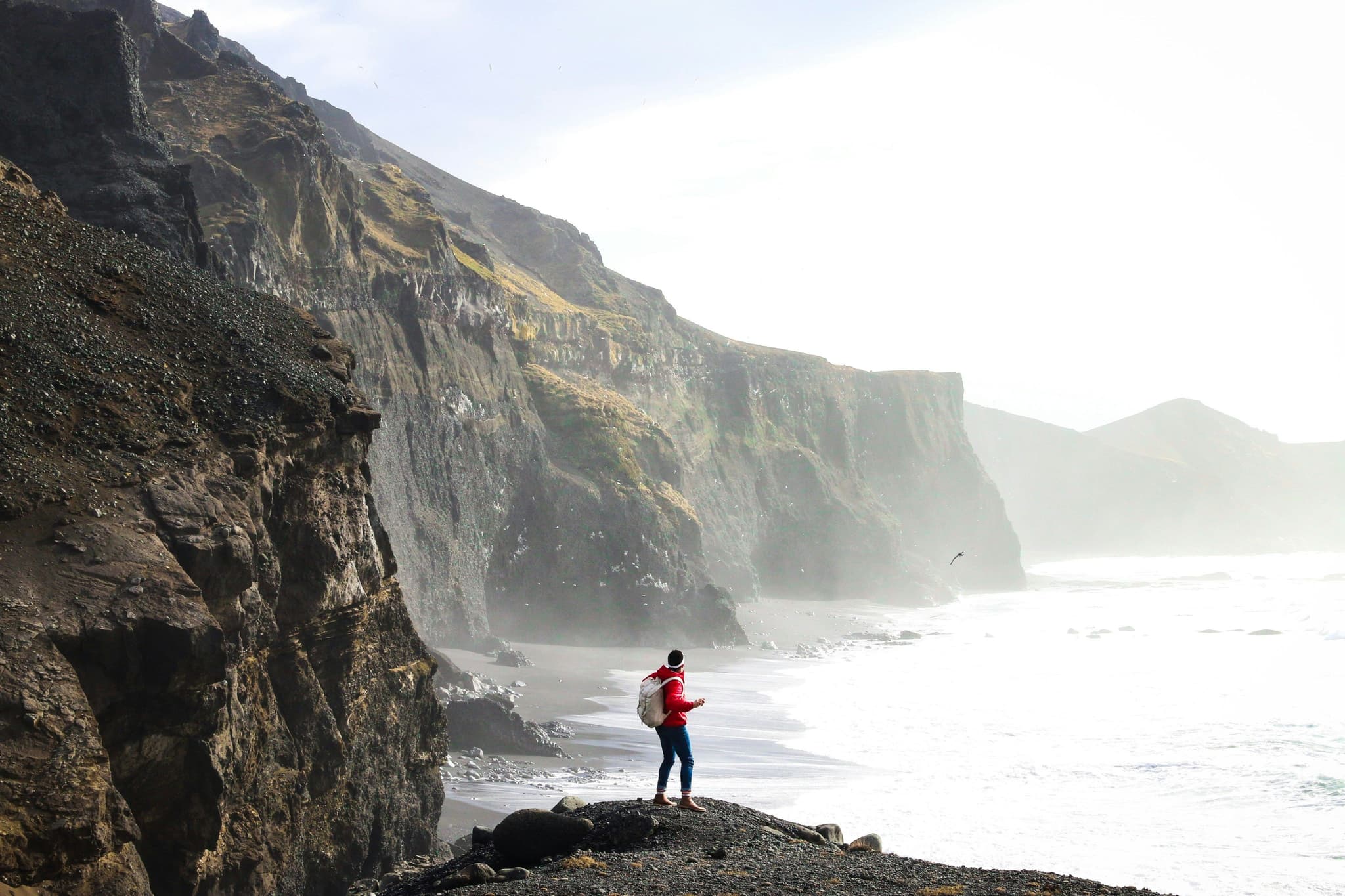
Iceland isn't just about the northern lights. Around almost every corner, you'll discover another incredible landscape: glacier lagoons filled with floating icebergs, towering volcanoes, hidden canyons, black sand beaches, and steaming geothermal valleys. That's exactly what makes travelling here so special, every day feels completely different from the last. We've put together the 10 best things to do in Iceland, covering everything from the Golden Circle and glacier lagoons to whale watching and the Northern Lights.
Drive The Golden Circle: Iceland's most famous day trip
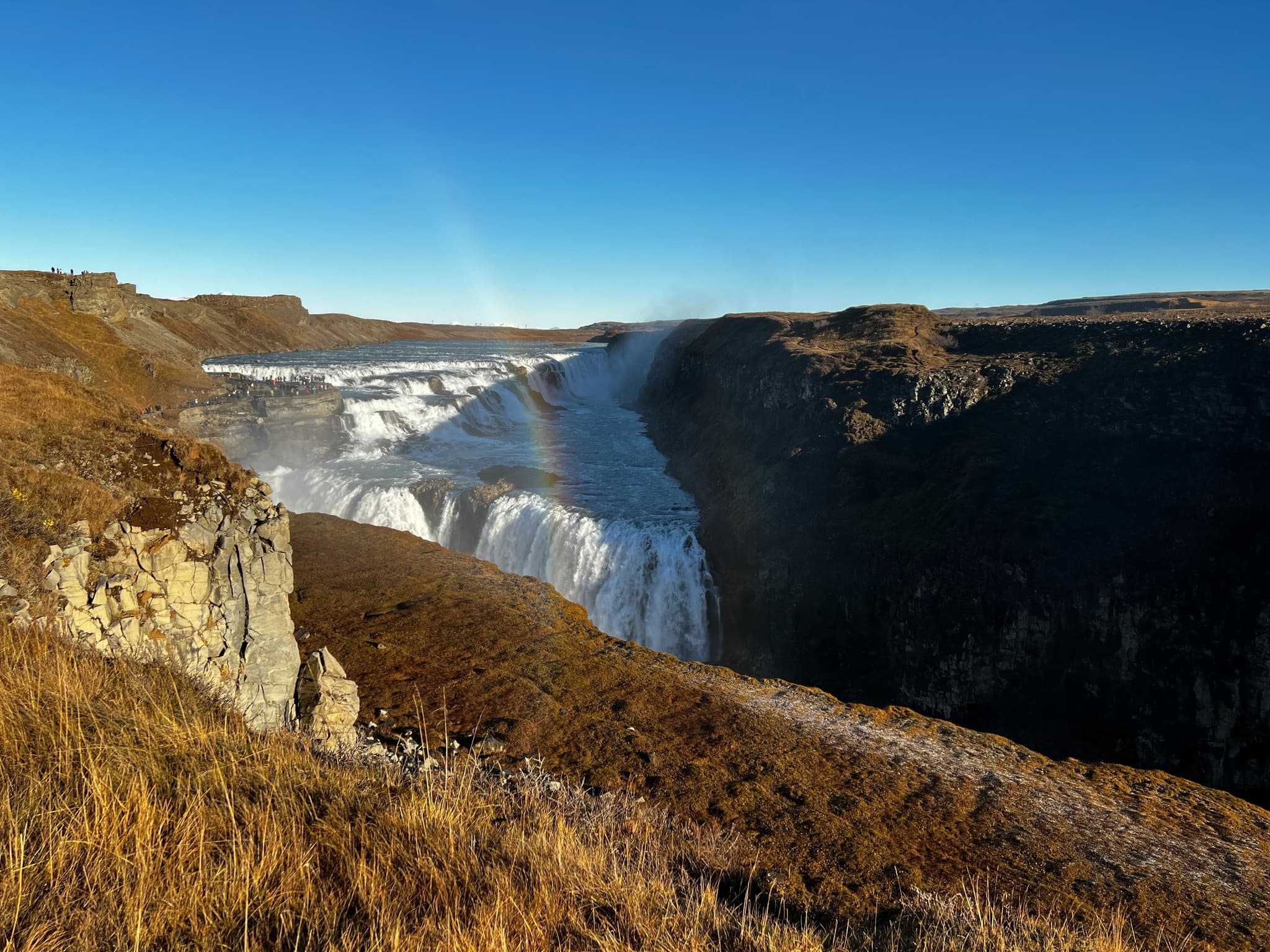
For most Guided travellers, the Golden Circle is where the adventure begins. This 300-kilometre loop from Reykjavík takes you past three of Iceland's most famous sights: Þingvellir National Park, the erupting Strokkur geyser and the powerful Gullfoss waterfall. You can easily drive the route yourself in 6 to 8 hours, although it's worth leaving a little extra time for stops along the way.
Wondering how to fit the Golden Circle into a bigger route? Take a look at our Iceland Ring Road Guide, where we show you how to combine it with the South Coast, glacier lagoons and many more of Iceland's highlights.
Guided tip: Try to leave Reykjavík early in the morning or later in the afternoon to avoid the busiest tour buses. If you've got more than one day, we'd also recommend spreading the Golden Circle over a longer road trip instead of rushing it.
Visit Kirkjufell and explore the Snæfellsnes Peninsula
If you don't have time to drive the entire Ring Road, the Snæfellsnes Peninsula is one of the best places to experience a little bit of everything Iceland has to offer. Just over two hours from Reykjavík, you'll find mountains, lava fields, black sand beaches, charming fishing villages and coastlines, all packed into a relatively small area.
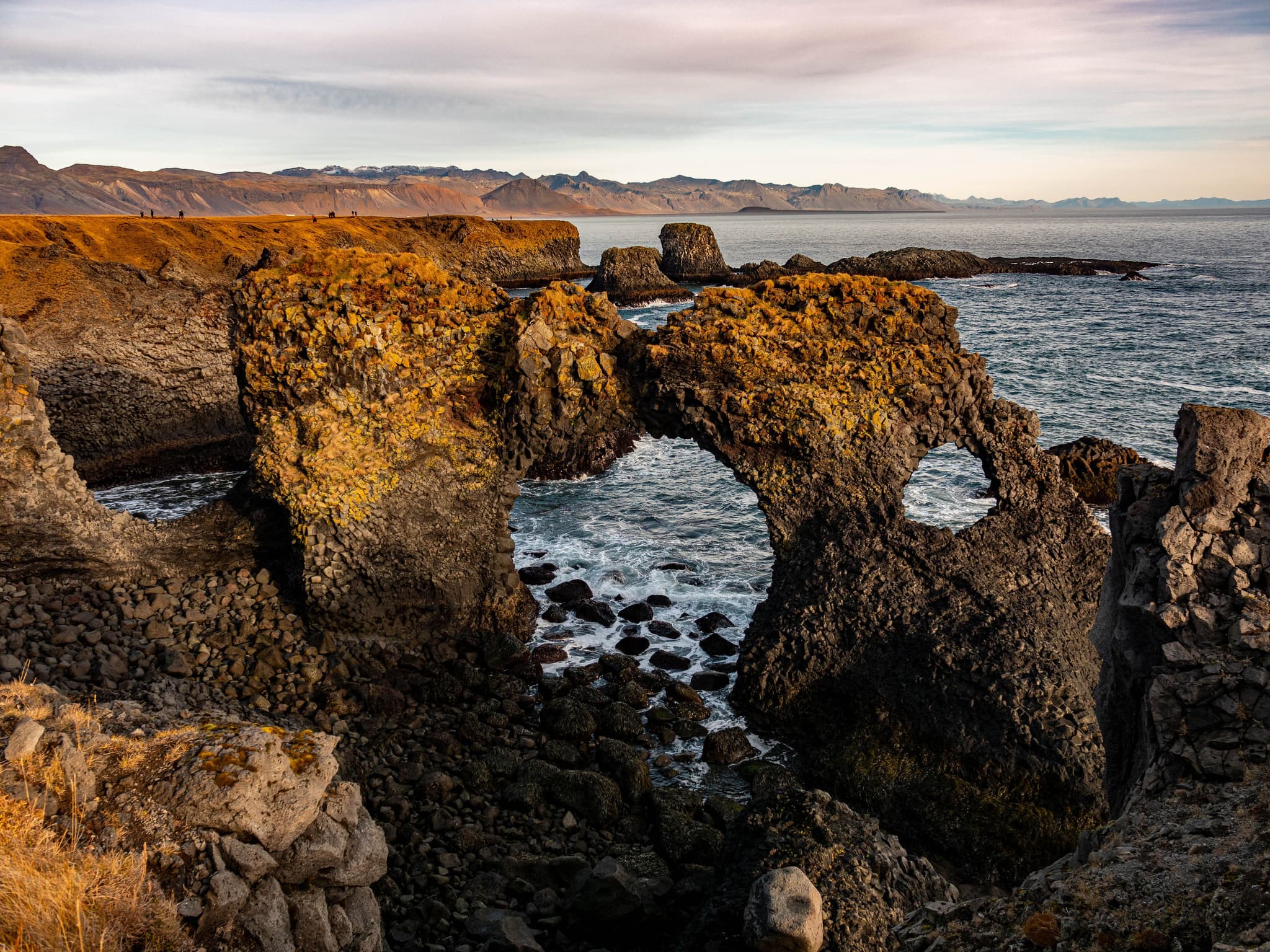
The peninsula's most famous landmark is Kirkjufell, a perfectly shaped mountain. After visiting Kirkjufell, continue to Arnarstapi, where an easy coastal walk takes you past sea cliffs, lava formations, natural arches and nesting seabirds during the summer months.
Wondering what else you can do during the summer months? Read our blog about summer in Iceland for the best seasonal activities, road trips and travel tips.
Swim between two continents at Silfra
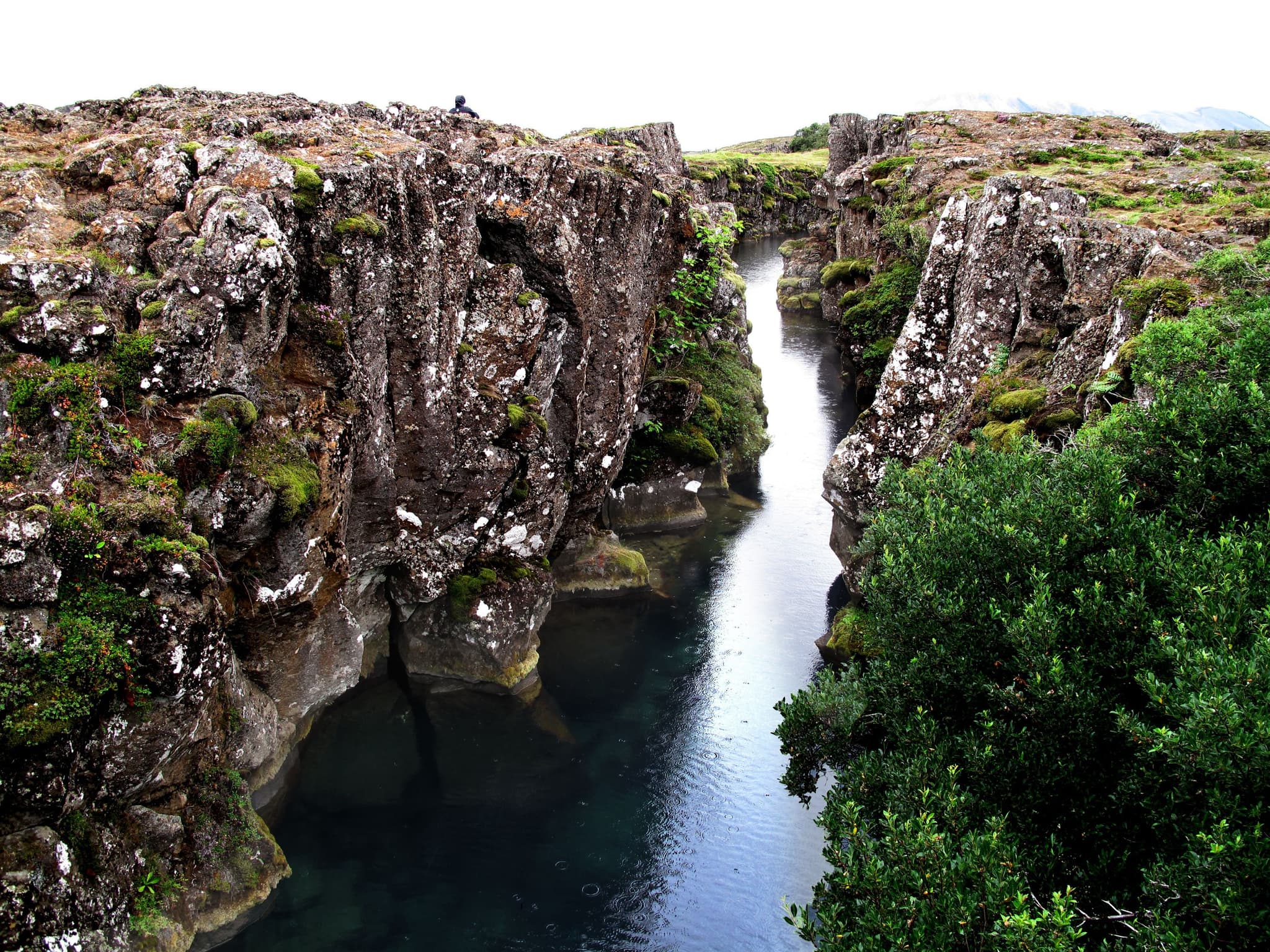
Hidden inside Þingvellir National Park, the Silfra Fissure is one of the few places in the world where you can snorkel or dive between two tectonic plates. The water comes directly from a glacier, filtered through lava rock for decades, making it so clear that visibility can exceed 100 metres.
You don't need a diving licence to snorkel here. You'll wear a dry suit that keeps you warm, even though the water stays between 2 and 4°C all year. If you're a certified diver, you can also explore the deeper parts of the fissure on a guided dive.
Our 1-week Iceland itinerary shows you how to plan the days around it. It's one of the easiest add-ons for anyone renting a car, since Silfra lies right off the main Golden Circle route.
Fun fact: In a few sections of Silfra, the gap narrows enough that you can reach out and touch North America with one hand and Europe with the other.
Climb inside Iceland’s volcano Þríhnúkagígur
Iceland has plenty of volcanoes you can look at, but only one you can actually climb inside. Þríhnúkagígur, about 30 minutes from Reykjavik, is the single spot on the planet where a cable lift carries you down into a dormant magma chamber.
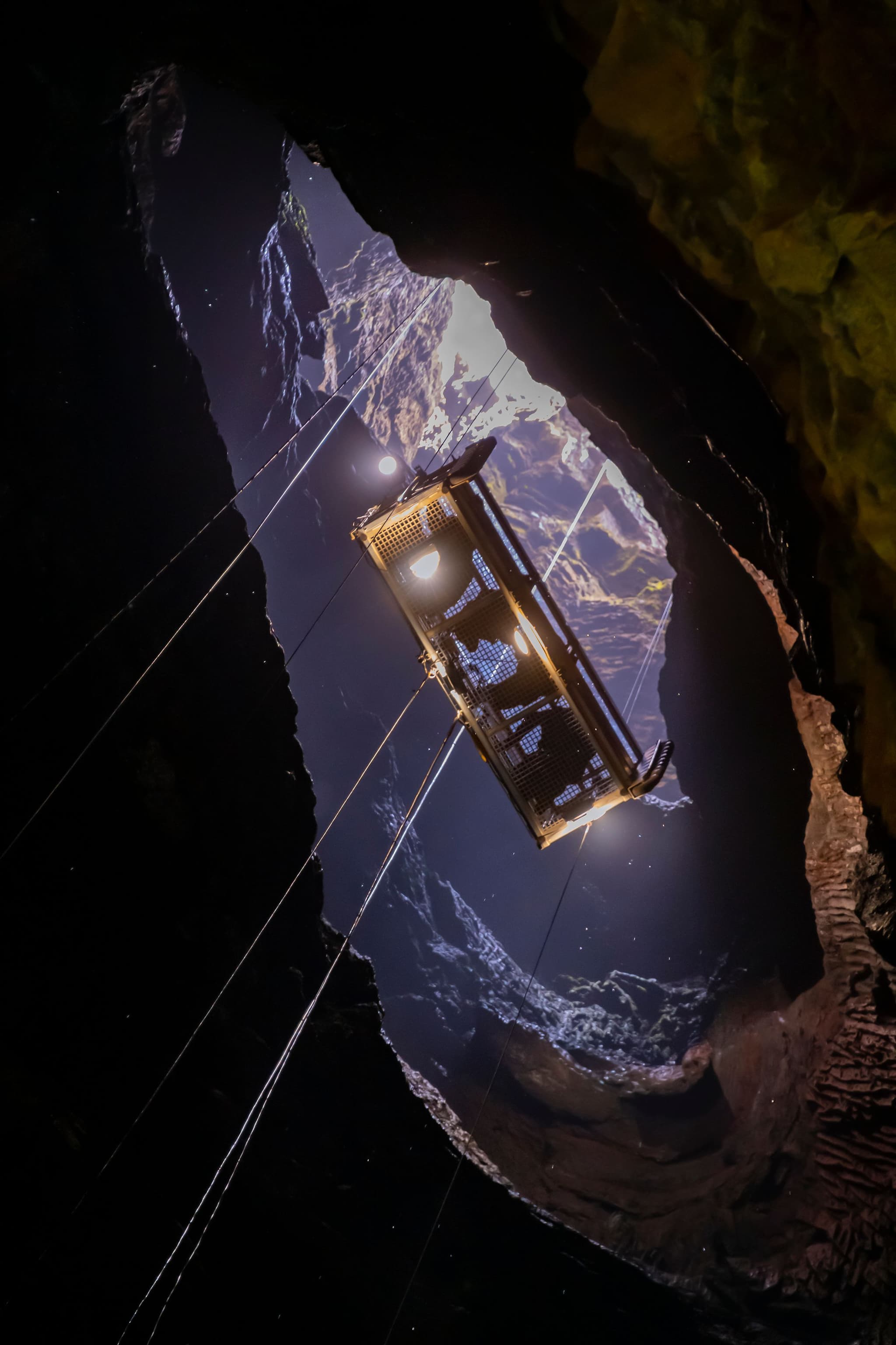
That chamber has been empty for roughly 4,000 years, ever since the magma that filled it drained away and left behind a cavity large enough to fit a small aircraft. After a guided hike across a lava field, you'll step onto an open lift platform and ride down about 120 metres, watching walls streaked with red, yellow and green mineral deposits pass by on the way.
The tours run only in the warmer months; spots fill up well before summer arrives, so this isn't something to leave until the morning of your trip.
Not sure which season suits your trip? Our guide to the best time to visit Iceland explains what you can expect each month, including volcano tours, glacier hikes and winter activities.
Explore waterfalls and black sand beaches on the south coast
If there's one part of Iceland that almost everyone falls in love with, it's the South Coast. Waterfalls tumble from towering cliffs, glaciers stretch towards the sea, and black sand beaches make it feel like you've landed on another planet. It's also one of the easiest regions to explore on a road trip, with many of Iceland's most famous sights just a short drive apart.
Start at Seljalandsfoss, where you can actually walk behind the waterfall, then continue to Skógafoss, one of Iceland's most powerful waterfalls, where rainbows often appear in the mist on sunny days.
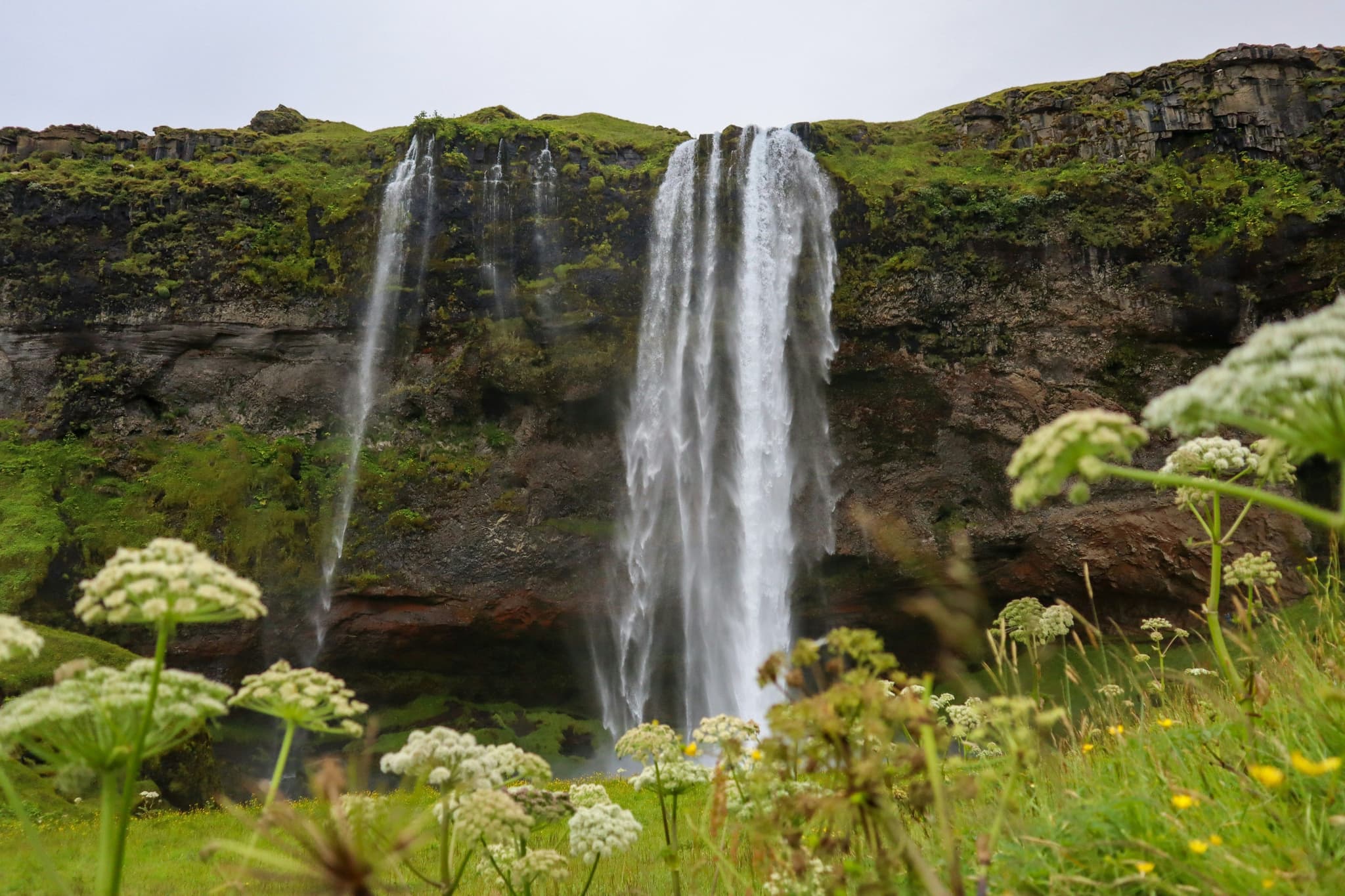
Along the drive, keep an eye on the surrounding fields too, as this is one of the best parts of Iceland to spot the country's famous Icelandic horses grazing. Love spotting wildlife while you travel? Read our wildlife in Iceland guide to discover the best places to see Icelandic horses, puffins, whales, Arctic foxes, and reindeer.
One thing you shouldn't underestimate is Reynisfjara's sneaker waves. They can suddenly surge much further up the beach than expected, so always stay well back from the shoreline and never turn your back on the ocean. For more on staying out of danger around Iceland's coastline, Safetravel.is publishes current alerts and advice from the Icelandic Association for Search and Rescue.
Fun fact: Reynisfjara's basalt columns formed when thick lava flows cooled slowly and cracked into hexagonal shapes, the same process behind the Giant's Causeway in Northern Ireland.
Visit Jokulsarlon Glacier Lagoon and Diamond Beach
Roughly five hours east of Reykjavik along the south coast, Jokulsarlon Glacier Lagoon is where chunks of ice the size of small cars break off Breidamerkurjokull glacier and drift toward the sea.
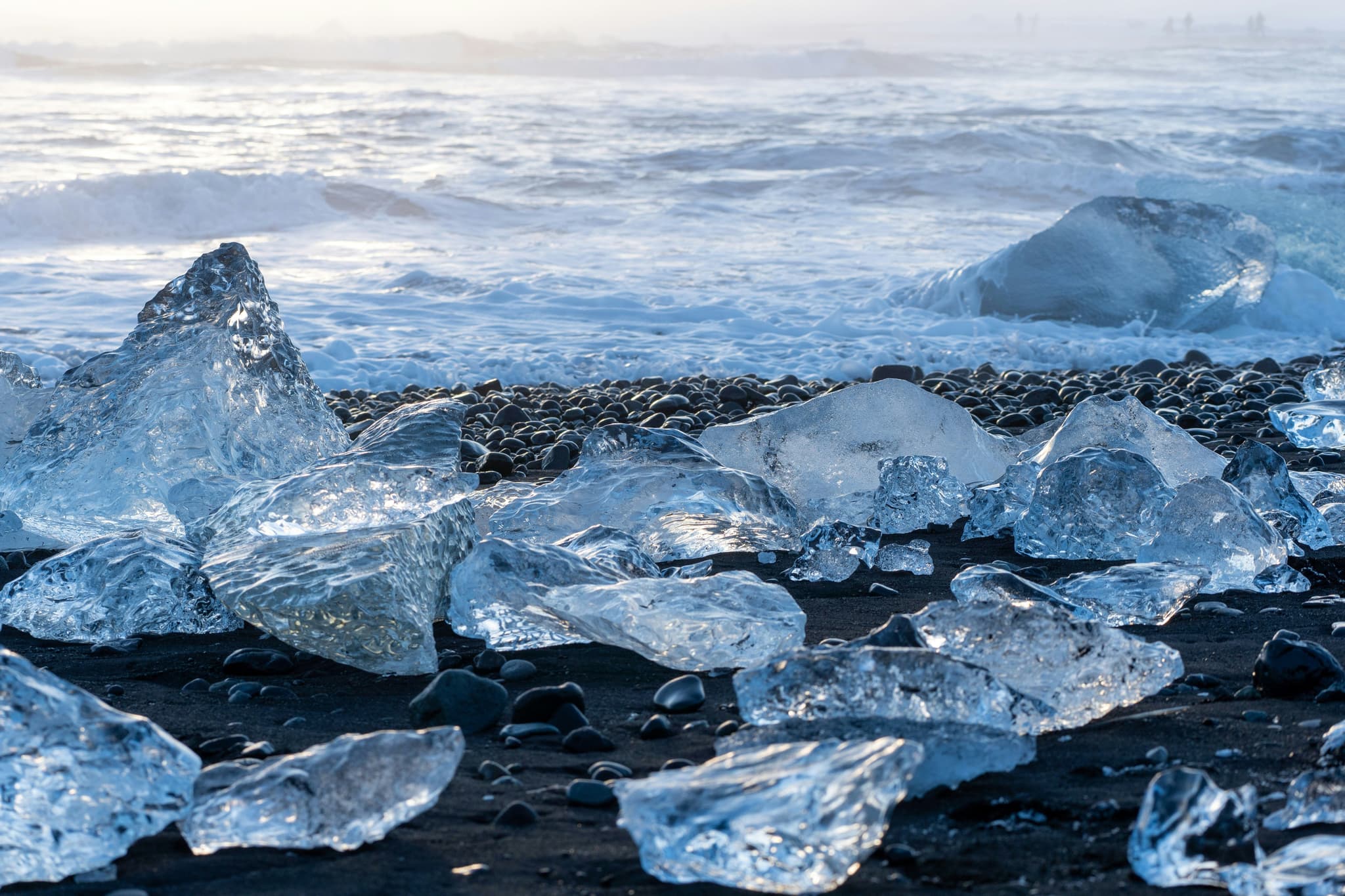
This is one of the best free things to do in Iceland. Though a boat tour gets you right up next to the icebergs and, with some luck, a seal or two. Across the road, Diamond Beach is where the tide pushes those same icebergs onto black sand, where they catch the light like scattered glass.
Jokulsarlon lies about 380 kilometres from Reykjavik, roughly 5 to 6 hours by car, so most people combine it with an overnight stop somewhere along the south coast. You can read all about the best overnight stops in our guide to where to stay in Iceland.
Hike in Vatnajokull National Park: glacier hikes and blue ice caves
Vatnajokull National Park covers close to 15 per cent of Iceland and holds Europe's largest glacier by volume, so there's no shortage of ice to explore here.
Skaftafell Nature Reserve is the usual starting point for guided glacier hikes, where a certified guide fits you with crampons and an ice axe before leading you across crevasses and ridges that look different from one season to the next. In the colder months, the same glaciers hide natural ice caves that only form after meltwater has carved tunnels through the ice over summer, and walking inside one means looking up at walls glowing an almost unreal blue.
For up-to-date trail conditions, Vatnajokull National Park's official site lists closures and route notes before you set out.
Generally, ice cave season runs from November to March, though the Katla ice cave near Vik, formed under Myrdalsjokull glacier, stays open all year. You can read all about Iceland's winter season in our blog about the best time to visit Iceland.
Thinking about tackling the whole south coast and glacier region in one trip? Our Iceland: Land of Fire and Ice trip strings these stops together along a route that's straightforward to follow, even if you've never driven in Iceland before.
See the Northern Lights across Iceland's winter skies
From roughly September through April, dark skies give you a shot at the aurora borealis, one of the main reasons so many people book a trip to Iceland for winter over summer.
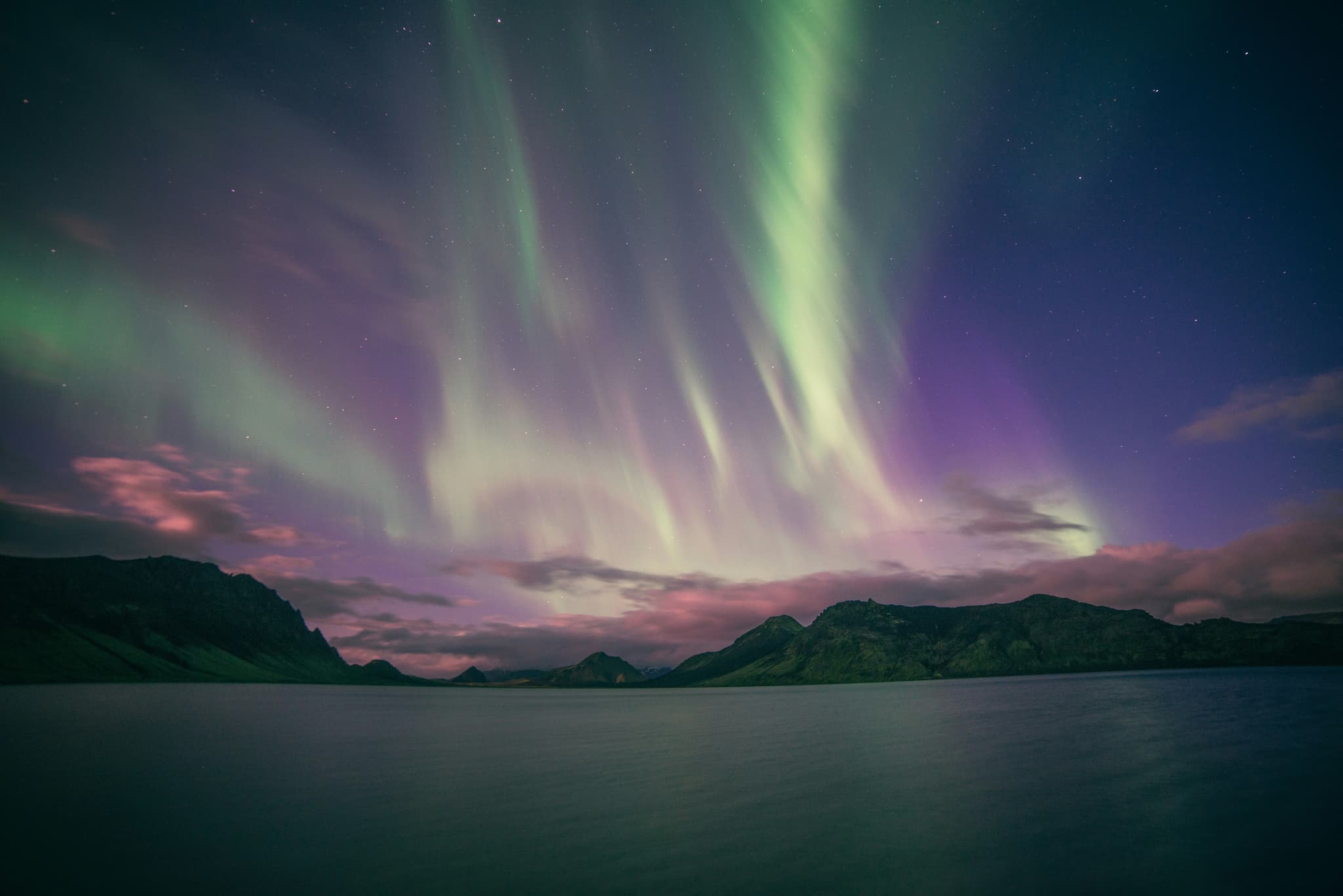
If you get away from Reykjavik's streetlights on a clear, moonless night and check the forecast, that's usually enough on its own. If you'd rather not go it alone, guided tours help, since local drivers who know the roads well can chase clear patches when the sky over one area closes in. Before heading out, check the Icelandic Meteorological Office's aurora forecast, which maps cloud cover and activity levels for the days ahead.
Wondering how to boost your chances of a clear sighting? Our Northern Lights in Iceland guide breaks down the best spots and timing so you're not just hoping for luck. It also covers what to do if clouds roll in on the night you'd planned around.
Relax in the Blue Lagoon or another geothermal spa
No trip to Iceland feels complete without soaking in one of its famous geothermal pools. The Blue Lagoon is the best known and sits conveniently between Keflavík Airport and Reykjavík, making it an easy stop either when you arrive or before your flight home. The warm, mineral rich water stays around 37 to 39°C all year, so it's just as enjoyable in winter as it is in summer.
Because it's one of Iceland's most popular attractions, it's a good idea to book your tickets well in advance, especially if you're visiting during the summer months or around sunset.
If you'd rather avoid the crowds, there are plenty of great alternatives. Sky Lagoon, just outside Reykjavík, is famous for its ocean views and seven step spa ritual, while the Secret Lagoon near Flúðir offers a smaller, more relaxed experience surrounded by natural hot springs.
Guided tip: If your flight times allow it, visiting the Blue Lagoon on your arrival or departure day is an easy way to save driving time and fit one more experience into your itinerary.
Go wildlife spotting around Iceland
Iceland isn't just about waterfalls and volcanoes. Depending on where and when you travel, you could spot humpback whales breaching offshore, thousands of puffins nesting on sea cliffs, playful seals resting on black sand beaches or even wild reindeer roaming East Iceland. Around the Westfjords, you might even be lucky enough to see Iceland's only native land mammal, the Arctic fox.
Wondering where to find each of these animals and when you have the best chance of spotting them? Read our wildlife in Iceland guide, where we cover every species, the best regions and the ideal season to visit.
Enjoyed This Blog? Continue Reading!
There is more travel inspiration waiting for you on our blog. You can take a look below and start mapping out your next travel adventure!


