
Northern lights in Iceland: when to go, where to watch and how to actually see them
By Eva Alkemade
Jun 23, 2026
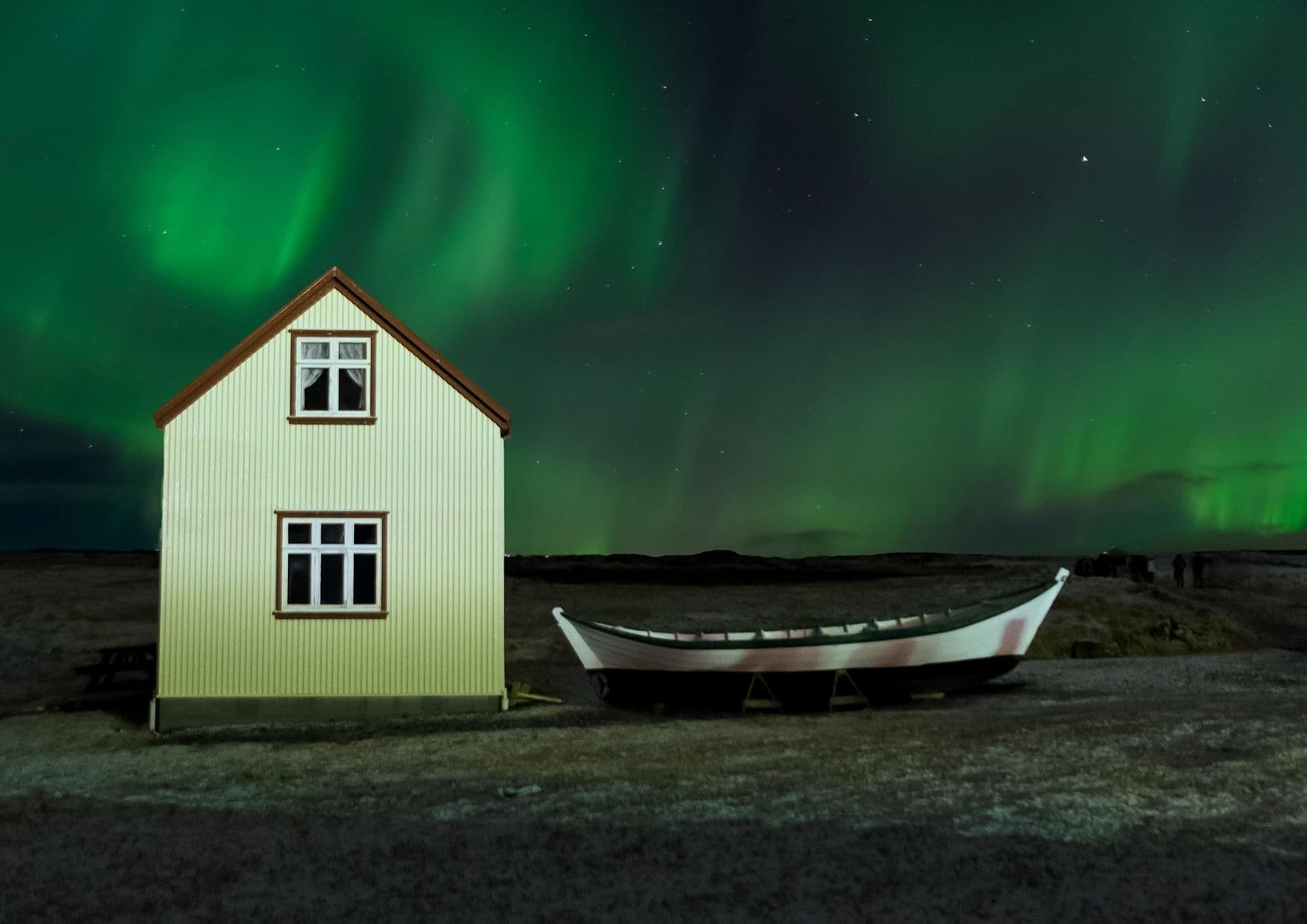
Iceland is one of the few places on the planet where the northern lights are a realistic part of a normal trip, not just a lucky accident. Right inside the auroral oval, the ring around the magnetic pole where the aurora borealis appears most frequently, it gets more action than almost anywhere else in Europe. And 2026 and 2027 happen to fall during a solar maximum, the peak of an 11-year cycle in solar activity, which means aurora displays are stronger and more frequent than usual right now. We'll cover the best time to visit, the top places to see the northern lights, how to improve your chances of spotting them, and a few practical tips that can make or break your aurora hunt.
What are the northern lights and why does Iceland get them so often?
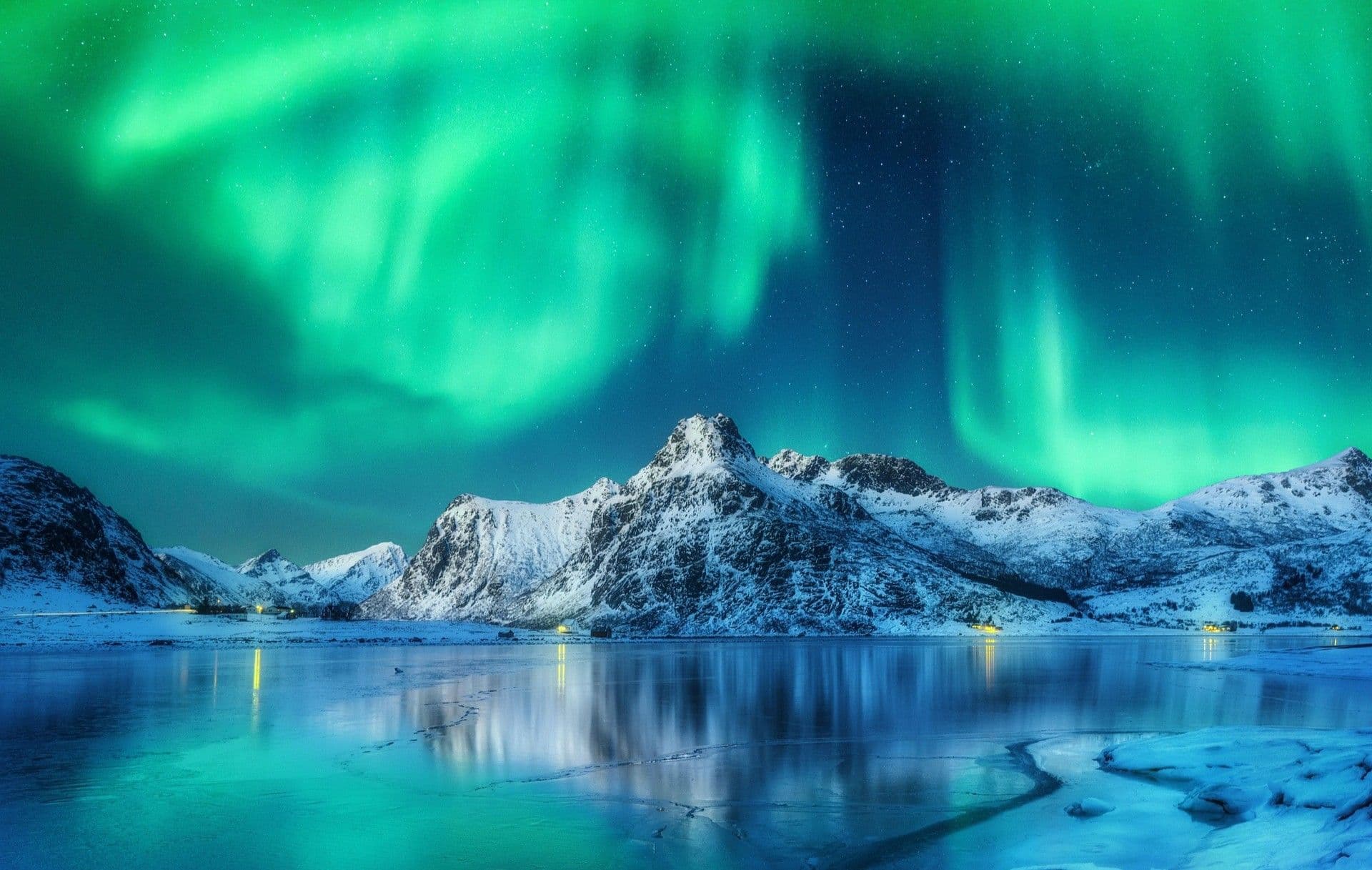
Most people have a rough idea of what the aurora borealis is, but the actual science is worth knowing before you go, because it helps you understand the forecast.
Charged particles from the sun travel through space on the solar wind, and when they hit Earth's magnetic field, some of them get funnelled down towards the poles. That collision with the atmosphere is what produces the light. Green is the most common colour you'll see, caused by oxygen at around 100 kilometres altitude. Red, blue and purple appear too, usually at higher altitudes or during stronger events.
Iceland gets so much aurora activity because of pure geography. At 64 to 66 degrees latitude, it sits directly under the auroral oval, which means the conditions are almost always technically right on a clear, dark night. You'll start hearing about something called the KP index the moment you start researching this trip. It's the scale used to measure geomagnetic activity, from 0 (very calm) to 9 (extreme). In Iceland, even a KP of 2 or 3 can produce a visible display, which is already more than most of Europe will ever see!
Curious about everything else Iceland has to offer beyond the aurora? Our Iceland travel guide covers the best routes, top destinations and practical tips for planning your trip from start to finish.
Fun Fact: Most places in mainland Europe need a KP of at least 5 or 6 to see the northern lights at all. Iceland regularly gets KP 3 and 4 events that produce genuinely impressive displays. During the current solar maximum, KP 5 and above events are happening multiple times per month.
Best time to see northern lights in Iceland
You can't see the aurora borealis in Iceland in summer, and that's not a flaw in the plan, it's just physics. Between late May and late July, the sun barely sets, and you need actual darkness for the lights to be visible. So what is the right time to go?
Which months give you the best odds?
September and March are the months we'd point you towards first. Both fall around the equinox, and there's a well-documented effect where geomagnetic activity statistically peaks twice a year during these periods, thought to be caused by the angle at which Earth's magnetic field aligns with the solar wind. The weather in September and March also tends to be more settled than the depths of January or February, which helps with cloud cover.
October through to February gives you the longest nights and therefore the most hours of darkness to work with, but it also brings more storms, more wind and more unpredictable cloud. That's not a reason to avoid those months, just something to plan around.
Wondering how the northern lights season fits into your Iceland itinerary? Our blog on the best time to visit Iceland breaks down every season month by month, from midnight sun in summer to the quietest winter months.
Did You Know?: The equinox effect on aurora activity was first documented in the late 19th century and is sometimes called the Russell-McPherron effect. Around 20 to 23 March and 21 to 24 September each year, the statistics genuinely shift in your favour.
What time of night should you go out?
The prime window is roughly 10 PM to 2 AM, with midnight being the sweet spot. Your eyes need around 20 to 30 minutes to fully adapt to darkness, so give yourself time before deciding nothing is happening. Even a quick glance at a bright phone screen resets that adaptation, so use night mode or a red-light filter when checking the forecast.
Guided tip: Book at least 4 to 5 nights in Iceland if catching the northern lights is your main reason for going. Cloud cover is genuinely unpredictable, and more nights means more chances.
Best places to see northern lights in Iceland
Getting away from city lights is the single biggest thing you can do to improve your chances. Light pollution from even a small town makes a real difference to what you can see, and Iceland is remarkably dark once you leave its towns behind.
Jökulsárlón glacier lagoon
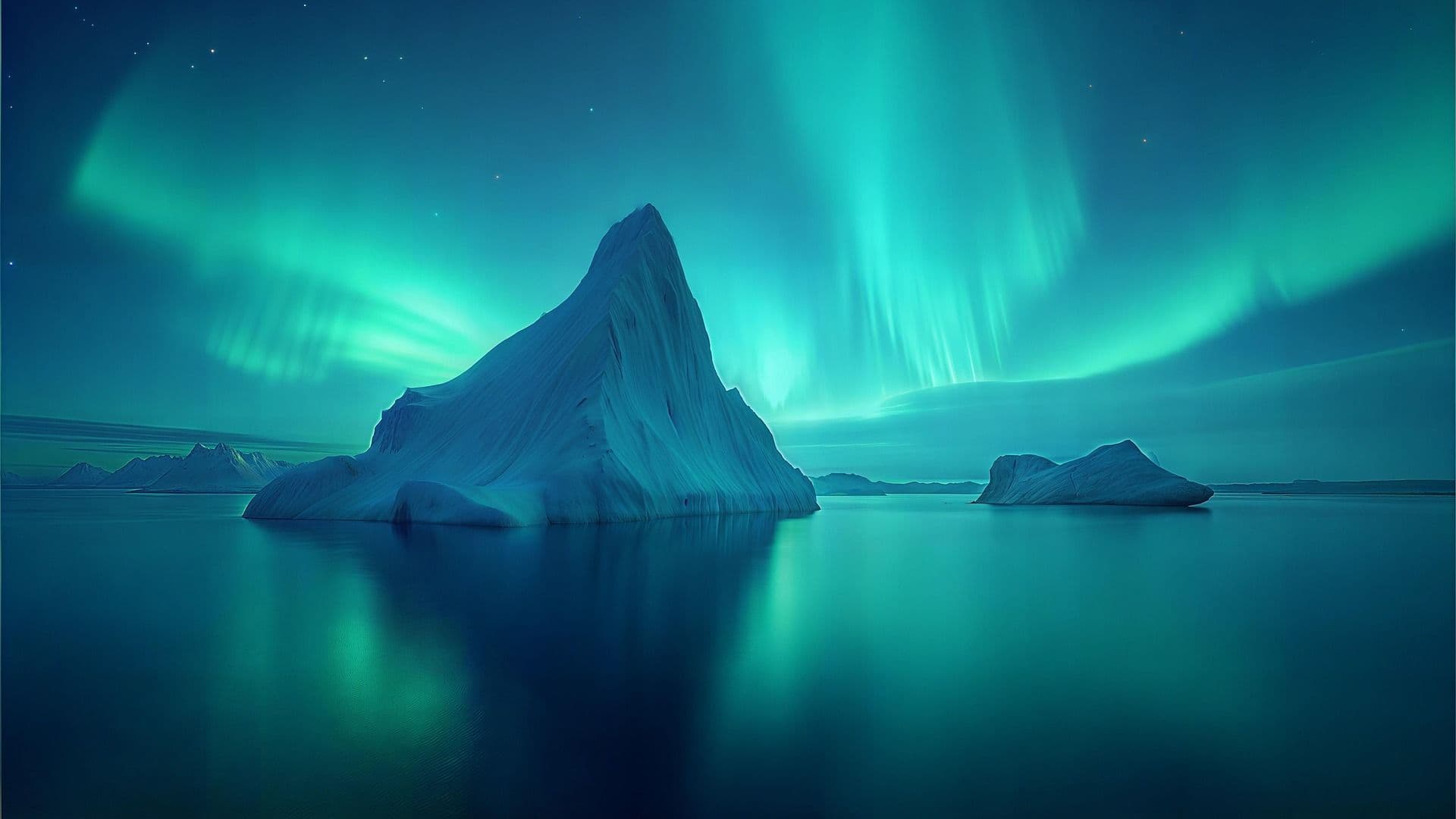
About five hours from Reykjavík along the south coast, Jökulsárlón is one of the best aurora locations anywhere in the world. The icebergs floating in the lagoon reflect the lights above them, and on a clear night with strong aurora activity it's genuinely hard to believe you're looking at something real. Right next door, Diamond Beach, where ice chunks wash up on black sand, is worth including in the same stop.
Snæfellsnes Peninsula and Kirkjufell
Kirkjufell, the distinctive arrow-shaped mountain on the Snæfellsnes Peninsula, is Iceland's most photographed northern lights location. About two and a half hours from Reykjavík, it's realistic as a long evening drive and gives you very low light pollution and a proper dark sky backdrop. The small waterfall just beside the mountain, Kirkjufellsfoss, adds to the reflection options if you're shooting photos.
Þingvellir (Thingvellir) National Park
Part of the Golden Circle route and only 45 minutes from Reykjavík, Þingvellir is a good option when you don't want to commit to a long drive. It's a UNESCO World Heritage Site sitting in a rift valley between the North American and Eurasian tectonic plates, and the dark skies there are surprisingly good given how close it is to the capital. A solid first-night option.
Not sure how to string the best spots together into a proper route? Have a look at our Iceland: Land of Fire and Ice trip, a 3-day itinerary taking you through some of the most spectacular corners of the country.
Can you see the northern lights from Reykjavík?
On nights with a KP of 7 or above, you can catch something from the city itself. The best spot is Grótta lighthouse on the Seltjarnarnes Peninsula, about 10 minutes from the city centre, where light pollution is lower than the main streets. That said, even driving 30 to 40 minutes out of Reykjavík makes an enormous difference, and on average-strength nights the city simply washes out the display.
Guided tip: Before heading out for the night, check the cloud cover map on vedur.is, the Icelandic Met Office website. It shows cloud forecasts by region across the whole country, so you can see in about 30 seconds whether driving east, north or west gives you a clearer sky.
How to read the aurora forecast
Two things have to align for a successful northern lights hunt: aurora activity and clear skies. Both matter equally, and a sky full of cloud beats any KP rating. Get comfortable checking both before you go anywhere.
The best starting point is vedur.is, the Icelandic Met Office. It shows a cloud cover map for the whole country alongside an aurora activity forecast on a scale of 0 to 9. For aurora activity specifically, NOAA's Space Weather Prediction Center publishes 3-day and 27-day forecasts that experienced aurora chasers rely on.
Beyond the KP index, the BZ value is worth understanding if you want to go a step further. A negative BZ (southward-pointing) means Earth's magnetic field is "open" and more solar particles are getting through, which typically produces stronger displays. Solar wind speed is also worth watching, with anything above 400 km per second generally a good sign.
These apps are the ones worth having:
My Aurora Forecast and Alerts: shows KP forecasts, alerts when activity rises and has a simple cloud cover overlay
Hello Aurora: clean interface, good for quick checks, shows aurora probability by location
SpaceWeatherLive: more detail, for those who want the BZ and solar wind readings in one place
Did You Know?: The KP index was developed by German scientist Julius Bartels in 1939. KP stands for Kennziffer Planetarische, which translates roughly as planetary index. A KP 9 event is so rare that many lifelong aurora chasers never witness one. Iceland regularly sees KP 3 and 4 nights that are already well worth the trip.
Northern lights tours in Iceland: are they worth it?
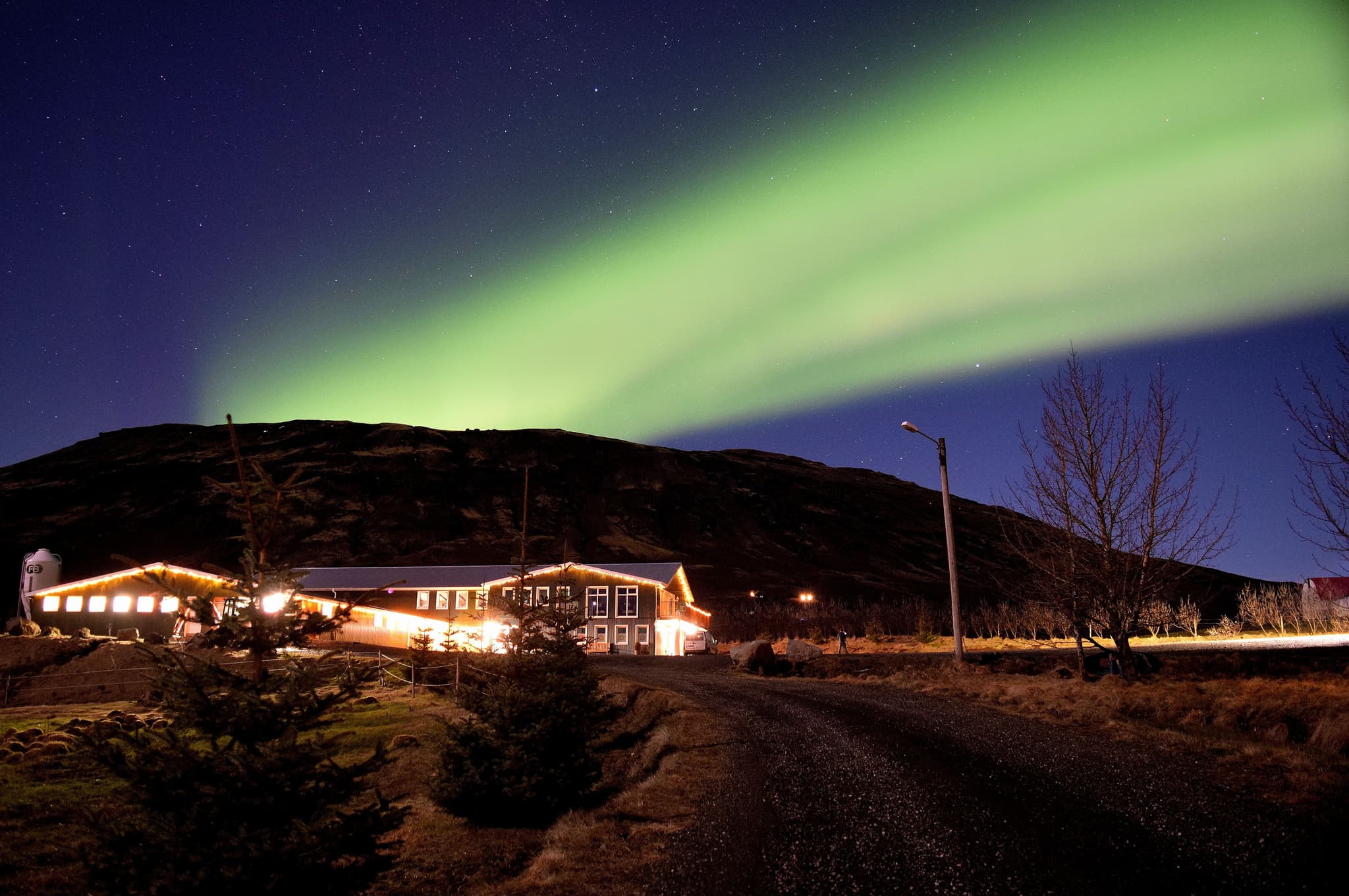
For a lot of people, yes. If you don't have a rental car, don't feel confident on Icelandic roads after dark, or simply want someone else to handle the forecast and navigation, a guided tour makes a lot of sense. Most tours operate by minibus from Reykjavík, with a guide who monitors the forecast throughout the evening and drives to the clearest, darkest spot available.
Nearly all reputable tour operators offer a free second attempt if you don't see any lights on the first night, and that policy makes a real difference when cloud cover has other plans. Always confirm the terms before booking, as some operators restrict the offer to guests who are still in the country.
Boat tours are a separate category worth knowing about. Departing from Reykjavík harbour, they get you out onto the water where there's zero light pollution in any direction. On a clear night with good activity, it's a genuinely special experience.
The alternative is a rental car, which gives you full freedom to chase clear skies across regions. If you have four or five days and you're comfortable with dark roads, it's the approach that gives you the most control.
Thinking about renting a car to chase the aurora at your own pace? Take a look at our Iceland Ring Road guide, which covers the full 1,322-kilometre loop, what you'll see along each stretch and how many days you actually need to do it properly.
What to bring on a northern lights hunt
Standing outside in Iceland at midnight in October is not the same as standing outside at midnight in, say, Portugal. A proper kit makes the difference between an experience you want to repeat and one you want to end after 20 minutes.
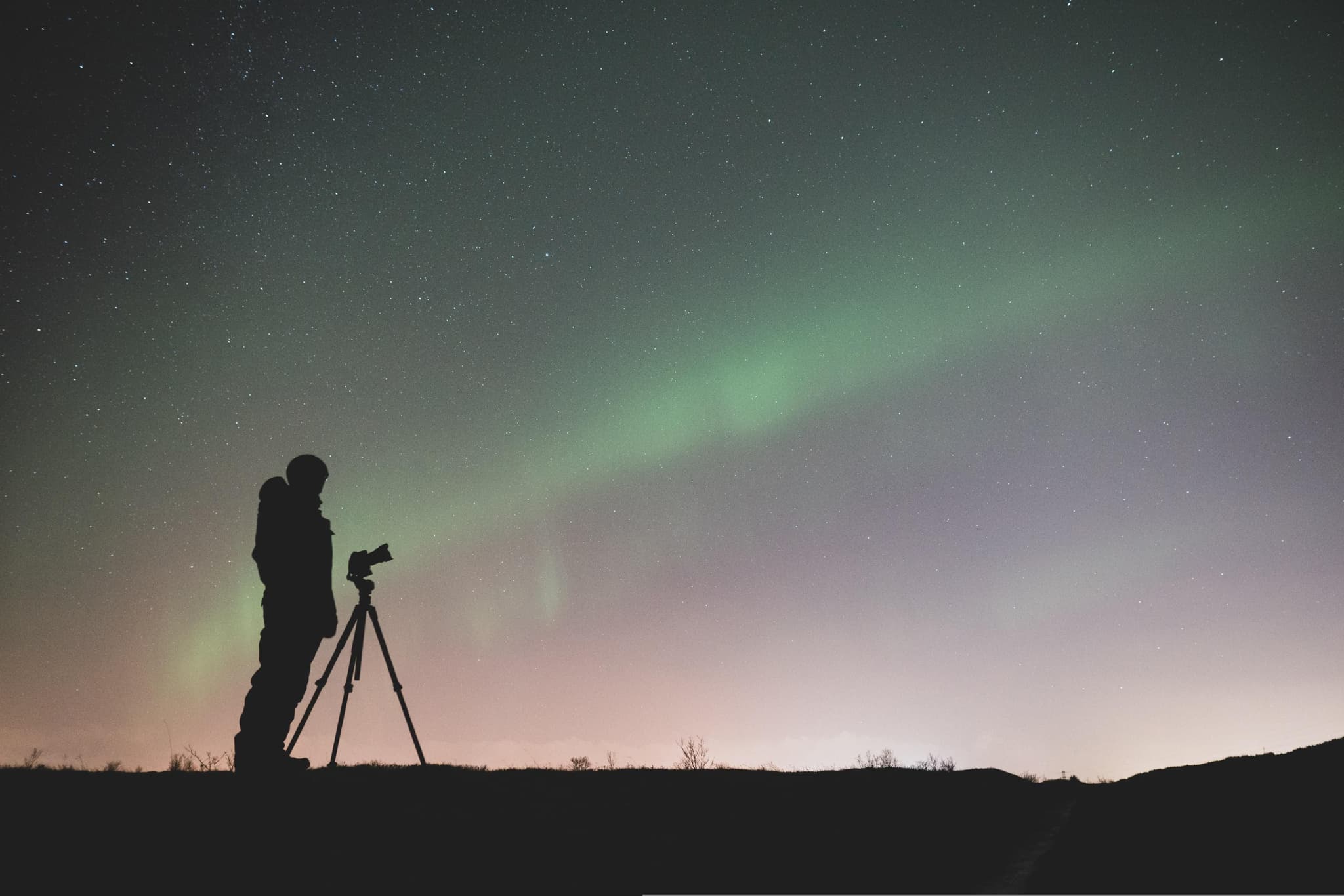
Here's what to bring:
Thermal base layer: merino wool or synthetic, nothing cotton
Fleece mid-layer: keeps warmth in when you're standing still
Waterproof outer shell: wind and rain happen fast in Iceland
Insulated boots: rated below freezing, the ground gets very cold and often wet
Gloves, hat and neck buff: your hands go numb faster than you expect when you're not moving
Thermos: hot tea or coffee at midnight when the lights appear is one of life's better moments
For photography, a tripod is genuinely non-negotiable. Without it, you'll get nothing usable. A DSLR or mirrorless camera with manual controls is ideal: try ISO 800 to 3200, aperture f/2.8 or wider, and a shutter speed of 5 to 15 seconds as a starting point. Newer iPhones and flagship Android phones handle northern lights surprisingly well in night mode, but they still need to be held completely still.
Ready to start putting a route together? Our Iceland 1 Week Road Trip is an 8-day self-drive itinerary focused on the south of the island, perfect for autumn and winter, and built around the kind of experiences that make Iceland hard to forget.
Did You Know?: Green is the most common aurora colour because it's produced by oxygen molecules at around 100 kilometres altitude, which is where most aurora activity happens. The red and purple colours that appear in stronger displays come from oxygen at higher altitudes and from nitrogen, and are sometimes invisible to the naked eye but show up clearly in camera photos.
Hotels with northern lights wake-up calls
Some hotels take the aurora hunt off your hands entirely. A wake-up call service means staff monitor the sky and knock on your door when the lights appear, which is genuinely useful when you're trying to get some actual sleep between checks.
A few worth knowing about:
Hotel Rangá (near Hella, south Iceland): one of the most well-known aurora hotels in Iceland, with outdoor hot tubs, a private observatory with a 14-inch telescope, and a wake-up call service during aurora season. Rates start at approximately £200 to £350 per night.
ION Adventure Hotel (near Þingvellir): floor-to-ceiling glass panels in the bar and lounge mean you can watch from inside if the temperature has other ideas. Positioned on the edge of a lava field with dark skies on all sides.
Hotel Husafell (West Iceland): a great base for combining ice cave tours at Langjökull glacier with aurora hunting. Two very different experiences from the same property.
Silica Hotel (near the Blue Lagoon): on strong KP nights, guests have watched the aurora from the geothermal pool. It doesn't happen every night, but when it does it's unforgettable.
Guided tip: Book a hotel with a wake-up call and go to bed at a reasonable hour. Trying to stay awake until 2 AM every single night burns you out fast.
Northern lights mythology: what people used to think they were
Long before anyone understood solar wind or charged particles, the northern lights needed an explanation, and the stories people came up with are genuinely fascinating.
In Norse mythology, the aurora was connected to the Valkyries, the warrior women who rode across the sky collecting souls from battlefields. The shimmering light was said to be the reflection of their armour. In Finland, the aurora is called revontulet, which translates as fox fires, from a legend of a cosmic fox running across the sky and its tail brushing sparks from the mountains. In Greenland, some Inuit communities believed the lights were the spirits of the dead playing football with a walrus skull.
Iceland's own Norse heritage gives it a particularly strong connection to aurora mythology, and on a night when the lights are doing something truly spectacular above you, the old stories don't feel quite as far-fetched as you'd expect.
Did You Know?: The name aurora borealis was coined by Galileo Galilei in 1619, combining Aurora, the Roman goddess of dawn, with Borealis, the Greek name for the north wind. Galileo thought the lights were caused by sunlight reflecting off the atmosphere, which was a reasonable guess for 1619.
How To Plan Your Northern Lights Trip
Seeing the northern lights is never guaranteed, which is exactly why flexibility matters. The more freedom you have to adjust your plans based on weather conditions and aurora forecasts, the better your chances of witnessing a memorable display.
Many travellers spend months researching Iceland's waterfalls, hot springs, black sand beaches and scenic drives. But did you know that in the Guided app, you can build your own Iceland itinerary, save places you want to visit, and map out a route that works for your travel style. Whether you're planning a full Ring Road adventure, a South Coast road trip, or a shorter escape around Reykjavík, having your plans organised in one place makes it much easier to stay flexible when the aurora forecast looks promising.
Enjoyed This Blog? Continue Reading!
More travel inspiration is waiting for you on our blog. You can look below and start planning your next trip!

