
New Zealand South Island Guide: Best towns, activities and itineraries
By Eva Alkemade
Jul 12, 2026
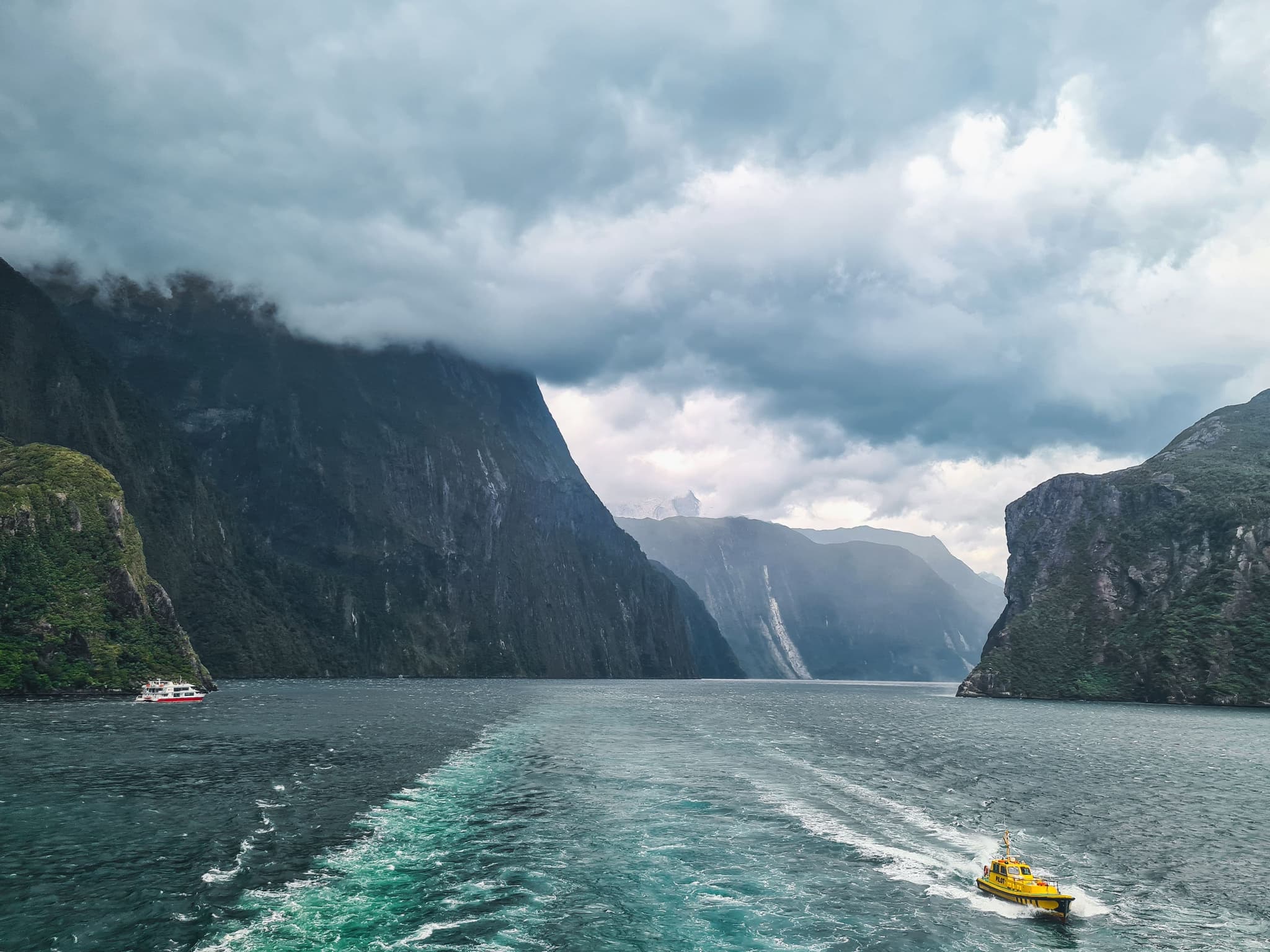
The South Island is the part of New Zealand most people dream about, and it's easy to see why. Glacier fed lakes, snow capped mountains, rugged coastlines and tiny towns all sit within a day's drive of each other. You'll find mountains you can walk into within a single afternoon, whales surfacing just offshore, and vineyards where you can spend the afternoon tasting local wines with mountain views. We've rounded up the best New Zealand South Island attractions, along with a few itinerary ideas, to help you build a trip around what you will enjoy.
Why go to the South Island?
According to Māori tradition, the South Island is known as Te Waipounamu, meaning "the waters of greenstone", named after the valuable pounamu (jade) still found along parts of the West Coast today. Geographically, it's the larger of New Zealand's two main islands, yet only around a quarter of the country's population lives here. That's one of the reasons it feels so wild, with long stretches of mountains, forests and coastline between many of the towns. It's much bigger, quieter and wilder than the North Island. If you'd rather spend your days hiking, spotting wildlife and driving through incredible scenery than hopping between cities, this is the island for you.
Still deciding how much time to split between the two halves of the country? Take a look at our guide comparing the North and South Island, which breaks down exactly which one suits your trip best.
Things to see in the South Island that you shouldn't skip
If it's your first time on the South Island, it can be surprisingly hard to decide what to include. These are the places we'd prioritise, whether you're into hiking, wildlife, road trips or simply incredible scenery.
Christchurch
Two rivers wind through the middle of Christchurch, and the rebuild since the 2011 earthquake has turned much of the central city into somewhere worth stopping in rather than just passing through. You can fit Cardboard Cathedral, the Botanic Gardens and a punt ride along the Avon River into a single afternoon, and the tram loop covers most of the rebuilt centre without any driving.
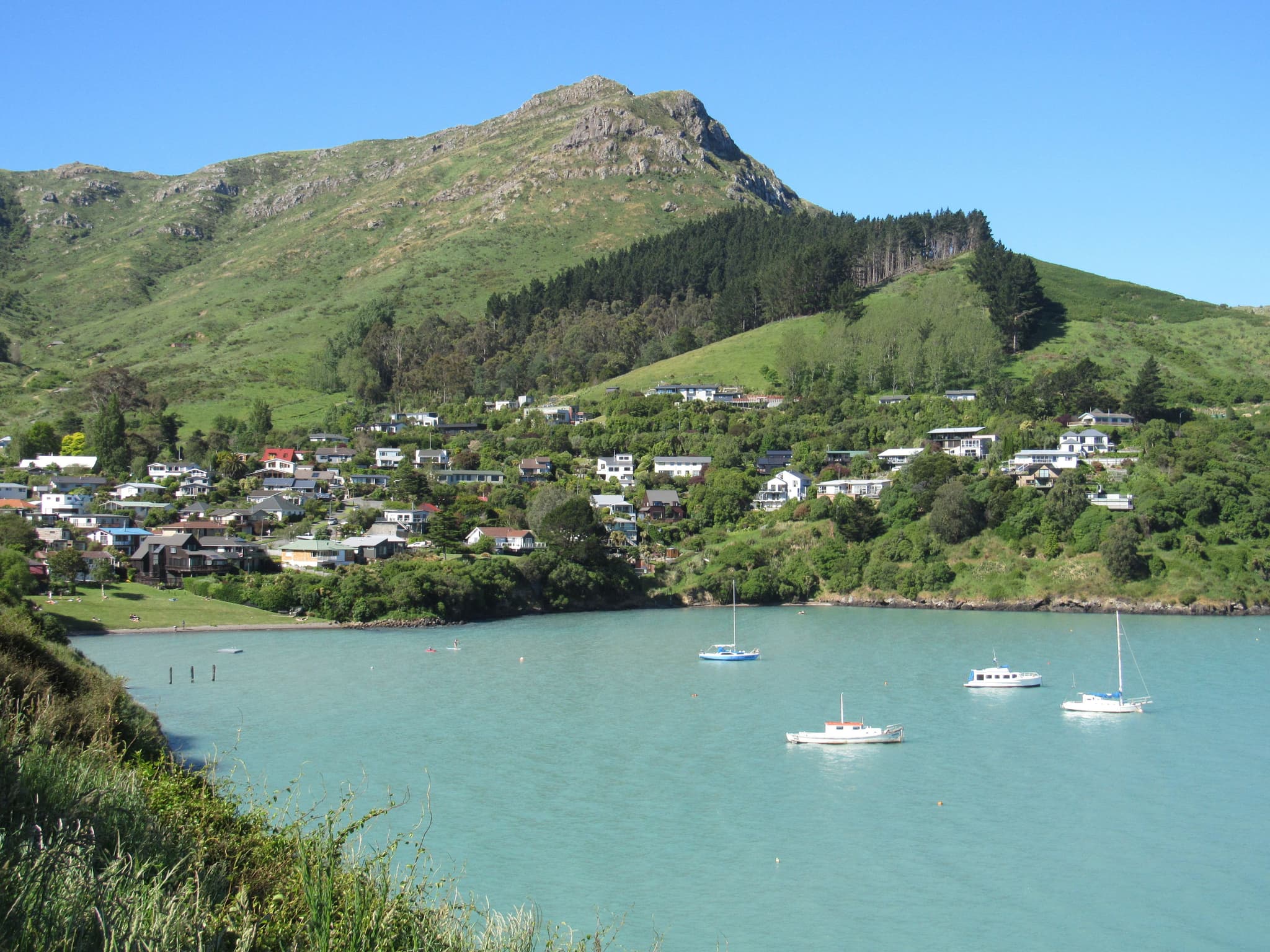
An hour and a half southeast, Akaroa is easy to see in a single day too, with French colonial architecture, a volcanic harbour and Hector's dolphins that swim close enough to spot from the water taxi. From the city, the TranzAlpine train crosses the Southern Alps to Greymouth in around five hours, running past Arthur's Pass and a string of alpine villages like Hanmer Springs, definitely worth a stop if you have an extra day to spare!
Guided tip: Loop the island clockwise from Christchurch toward Kaikoura and Tekapo first, then finish along the West Coast, since the Milford Road and Haast Pass both run smoother in daylight after a full day behind the wheel.
Lake Tekapo and Aoraki/Mount Cook
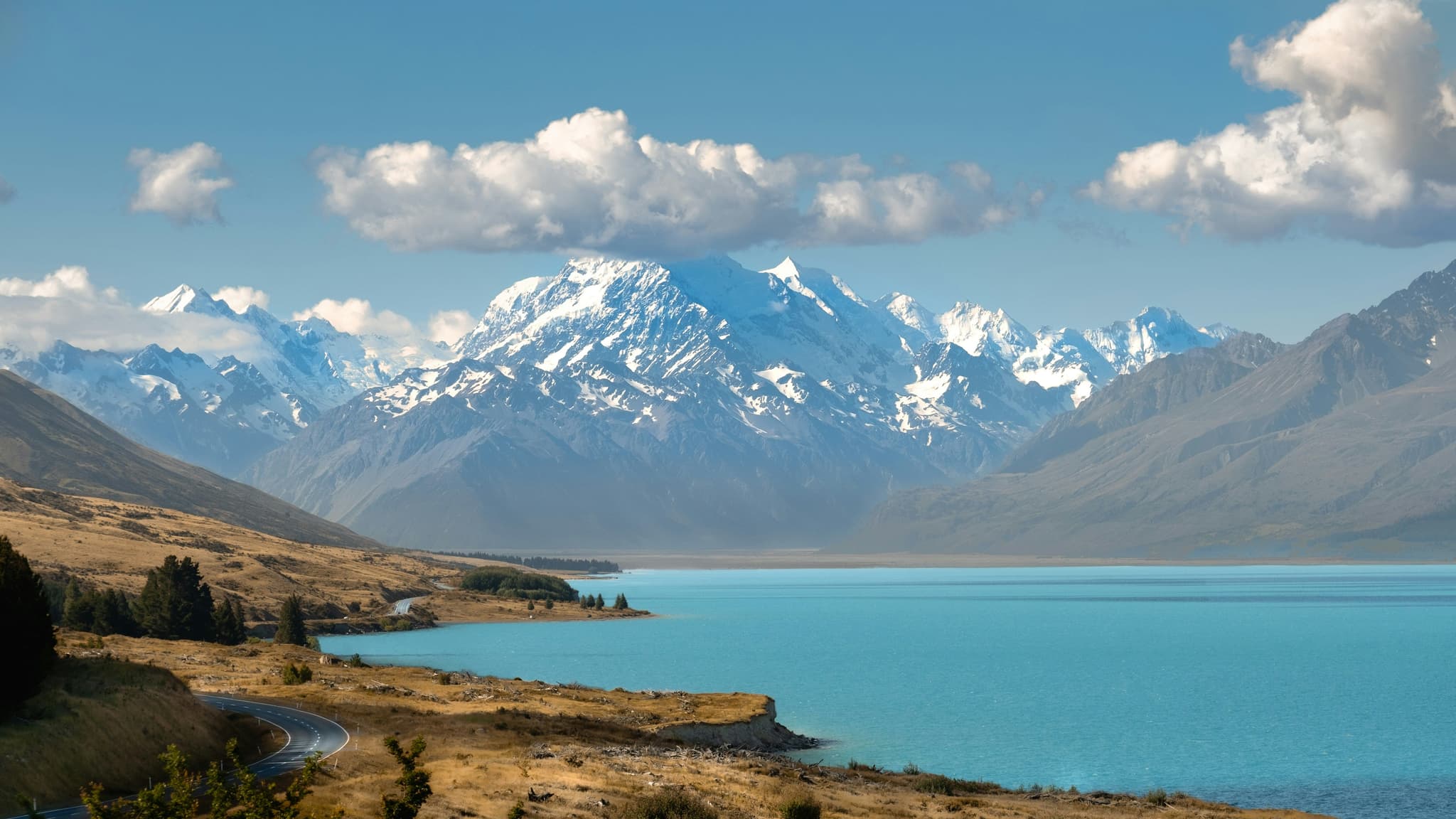
If there's one drive that belongs on every South Island itinerary, it's the stretch between Lake Tekapo and Aoraki/Mount Cook. The water at Lake Tekapo almost doesn't look real, its bright turquoise colour created by tiny rock particles left behind by ancient glaciers. Right on the shoreline sits the small Church of the Good Shepherd, one of the country's most photographed landmarks.
Once the sun goes down, the scenery gets even better. Lake Tekapo sits within a Dark Sky Reserve, making it one of the best places in New Zealand to go stargazing. On clear nights, the Dark Sky Project runs guided tours up nearby Mount John, where thousands of stars become visible to the naked eye.
Book stargazing tours for autumn or winter if you can, since longer nights and drier air both mean clearer skies than the middle of summer. Wondering which season suits your trip best? Read our guide to the best time to visit New Zealand for weather, seasonal highlights and month-by-month travel tips.
From the lake, keep driving towards Aoraki/Mount Cook National Park. Aoraki is New Zealand's tallest mountain at 3,724 metres, and even the short walks from the visitor centre reward you with glacier views, alpine lakes and some of the country's most spectacular scenery.
Queenstown
Right on the edge of Lake Wakatipu, with the Remarkables rising straight up behind it, Queenstown somehow packs paragliding, skydiving, bungee jumping and plenty of good food into a place you can walk across in twenty minutes. Of course, Queenstown isn't only about adrenaline. You can ride the gondola up Bob's Peak for some of the best views in Queenstown, cruise across Lake Wakatipu on the vintage TSS Earnslaw steamship, or spend an afternoon tasting wines in nearby Gibbston Valley.
Milford Sound
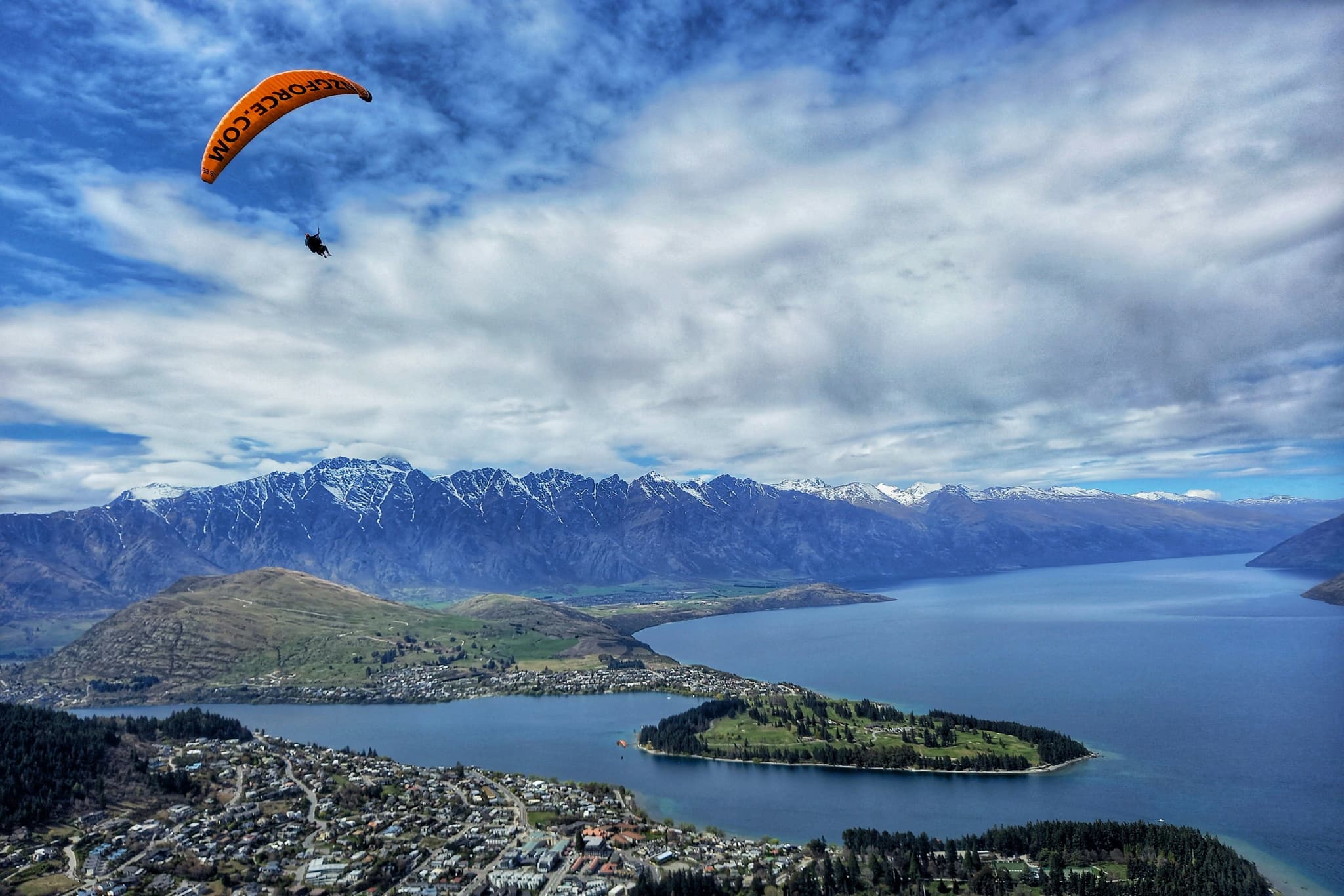
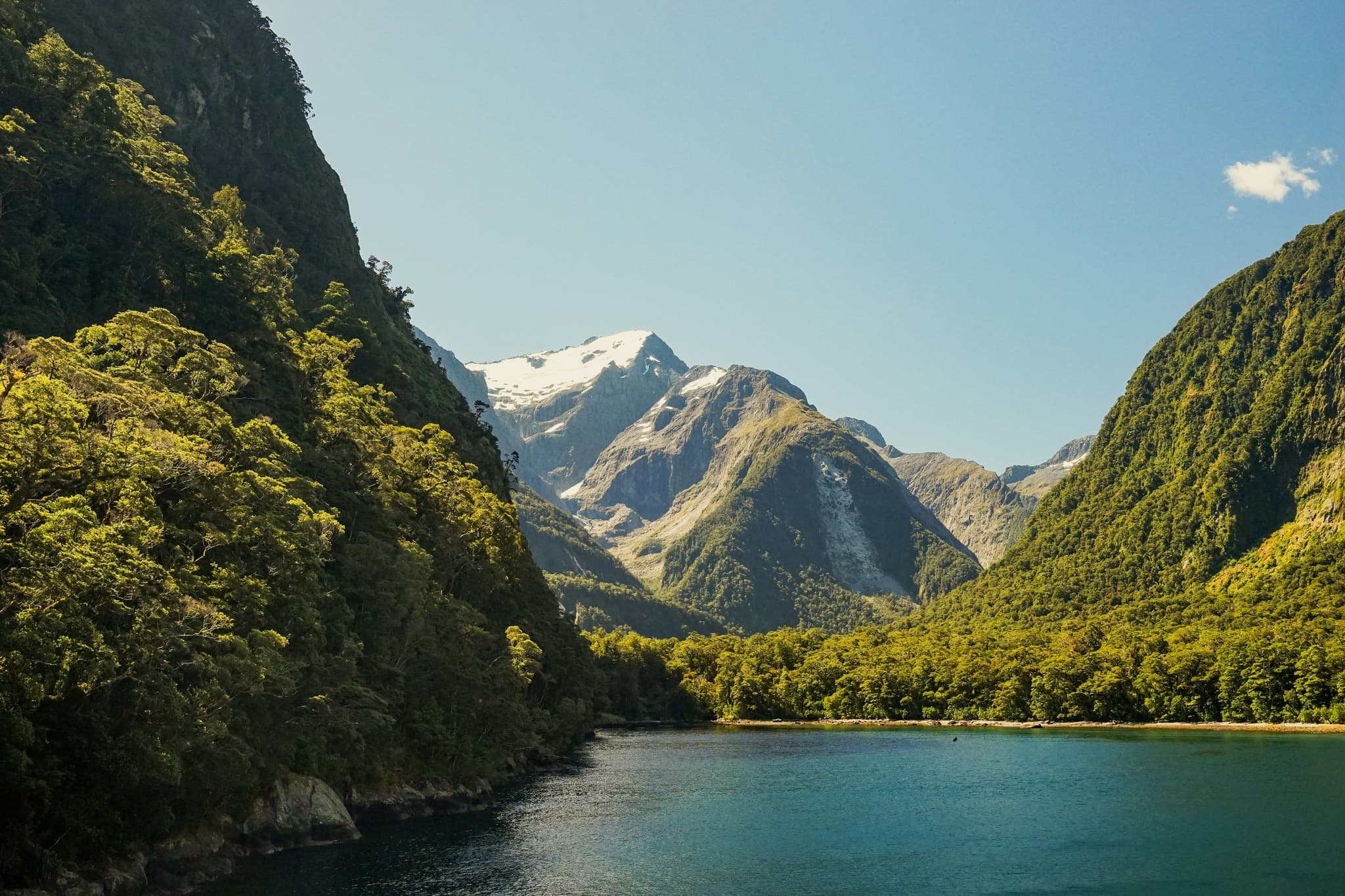
Some places really do live up to the hype, and Milford Sound is one of them. Reaching it is part of the experience. Most travellers base themselves in Queenstown and make the full day trip, with the drive passing Mirror Lakes, mountain valleys and the famous Homer Tunnel before finally reaching the fiord.
Once you're out on the water, you'll understand why it's one of New Zealand's most famous sights. Cliffs rise more than a thousand metres almost straight out of the sea, waterfalls tumble down the rock faces year-round, and seals, dolphins and even penguins are regularly spotted.
Kaikoura: whales, seals and coastline
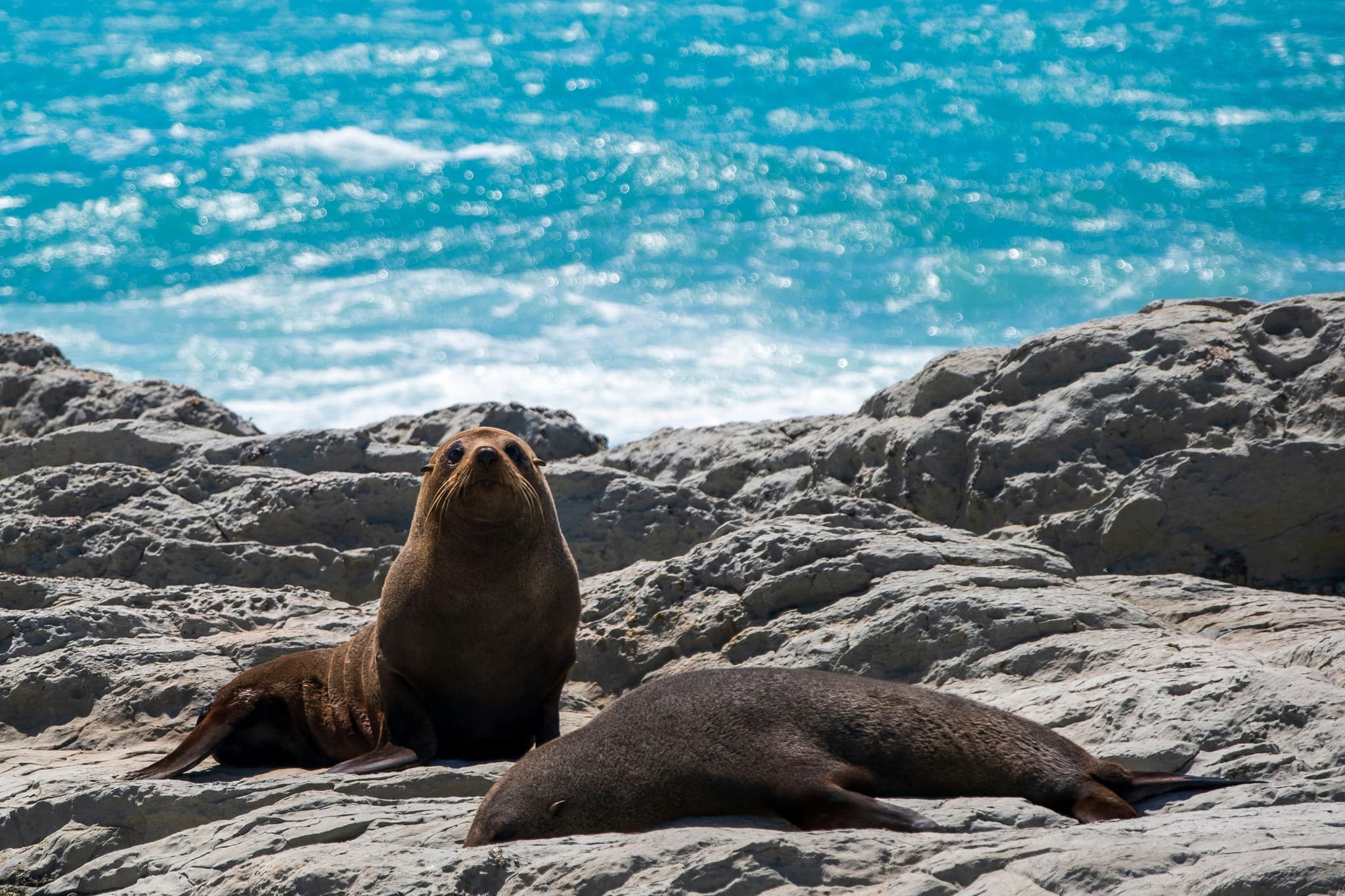
An easy two-and-a-half-hour drive north of Christchurch, Kaikoura owes its whale watching reputation to a deep offshore canyon that pushes cold, nutrient-rich water almost right up to the coast, which is exactly why whales stay here year-round rather than just passing through on migration. Every day, boat and small plane tours run out from the harbour, and dolphins, fur seals and albatross turn up.
Dunedin and the Otago Peninsula
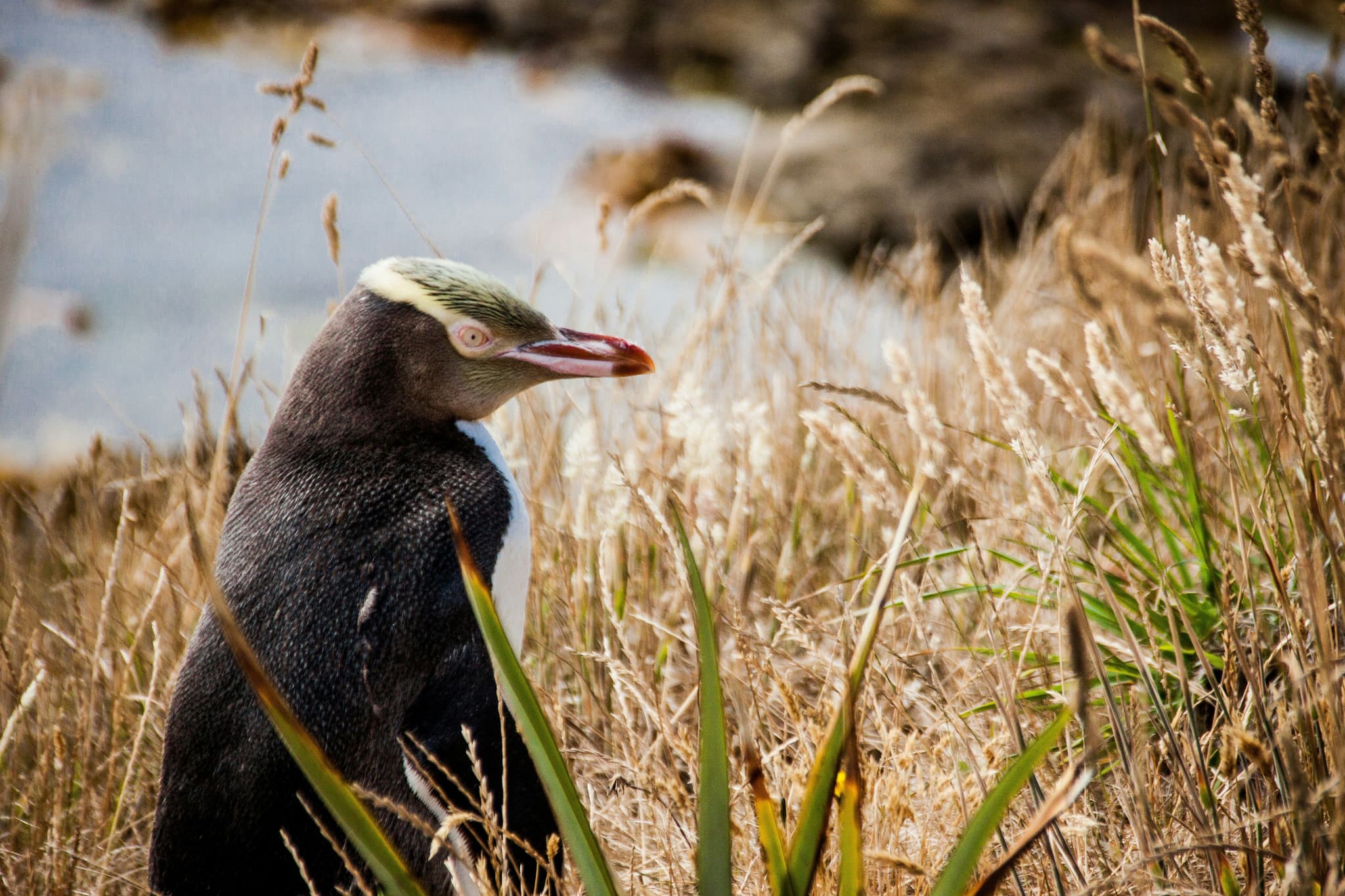
Around three hours south of Queenstown, Dunedin mixes Scottish heritage architecture with one of the best wildlife encounters anywhere in the country. Taiaroa Head, out at the tip of the Otago Peninsula, holds the only mainland royal albatross colony on the planet, and the birds nesting there have wingspans that reach past three metres. Yellow-eyed penguins, among the rarest penguin species anywhere, come ashore most evenings at beaches like Sandfly Bay and Allans Beach.
If you want to get to this part of the South Island in NZ, you’ll need a rental car, since public transport barely reaches the peninsula roads.
Fun fact: Royal albatross chicks spend around eight months in the nest before their first flight, longer than almost any other bird.
Things to do in New Zealand South Island for nature and adventure lovers
Beyond the towns, plenty of things to do in the South Island revolve entirely around getting outside, and three in particular deserve a spot at the top of your list. They are all within a half-day drive of each other.
Hooker Valley Track
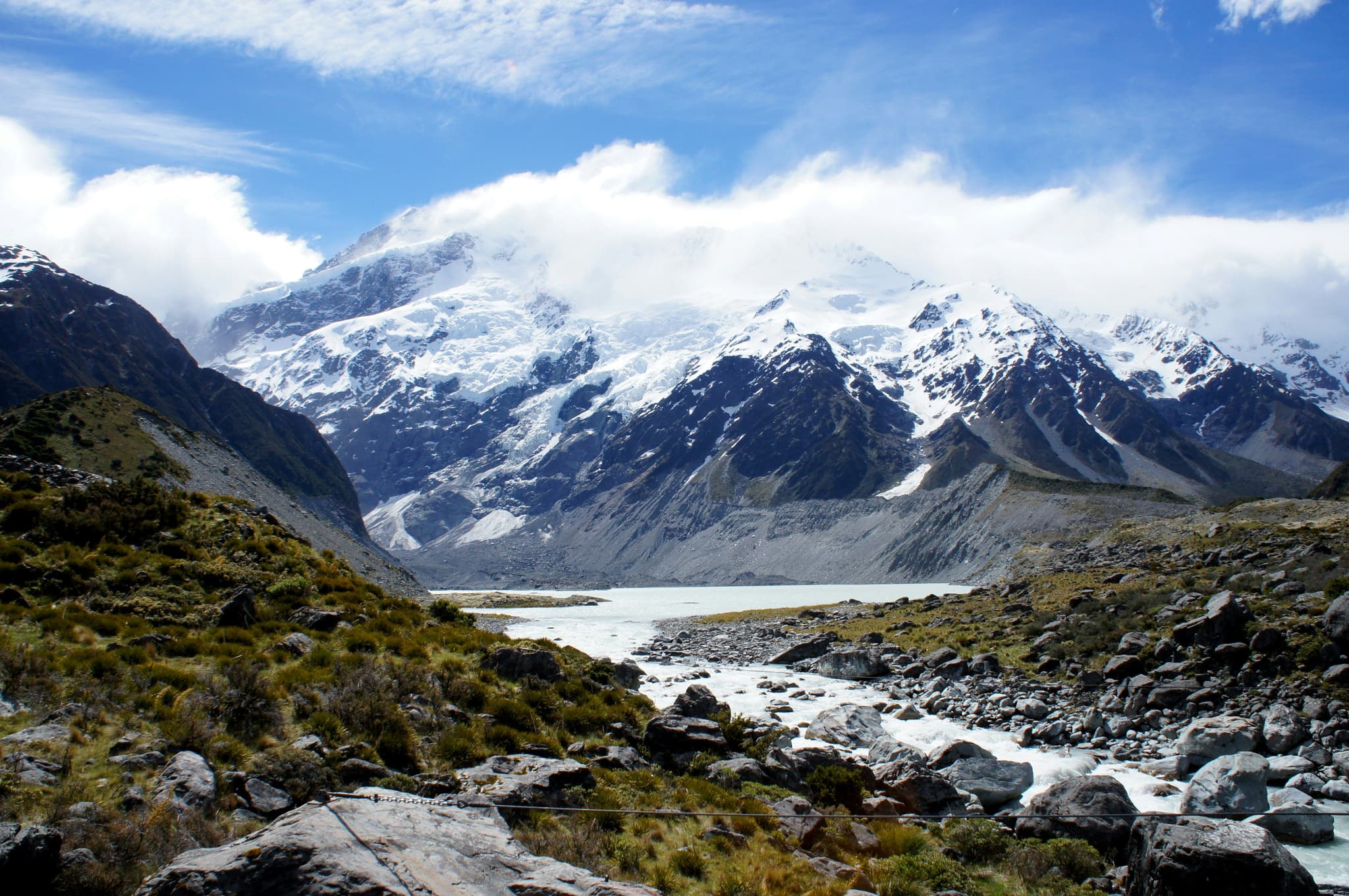
Hooker Valley formed after glaciers carved out the valley floor over thousands of years, leaving behind the braided river and glacial lake you walk past today. Roughly ten kilometres round trip, the Hooker Valley Track crosses three swing bridges on its way toward Hooker Lake, where chunks of glacial ice sometimes float right up near the shore. Most people finish the walk in around three hours, and since the whole route stays flat, it works for a wide range of fitness levels rather than only serious hikers. Over the final kilometre, Aoraki looms above the entire walk, and the light on the mountain changes enough through the afternoon that photos taken an hour apart barely look like the same place.
Glacier hikes and heli hikes on the West Coast
The West Coast glaciers are one of the few places in the world where rivers of ice descend so close to sea level. Franz Josef Glacier and Fox Glacier were once easy to walk right up to, but years of retreat mean the ice now sits much further back in the valley. You can still follow walking trails to impressive viewpoints, though stepping onto the glacier itself now requires a heli hike, landing on a stable section of ice high above the crevasses.
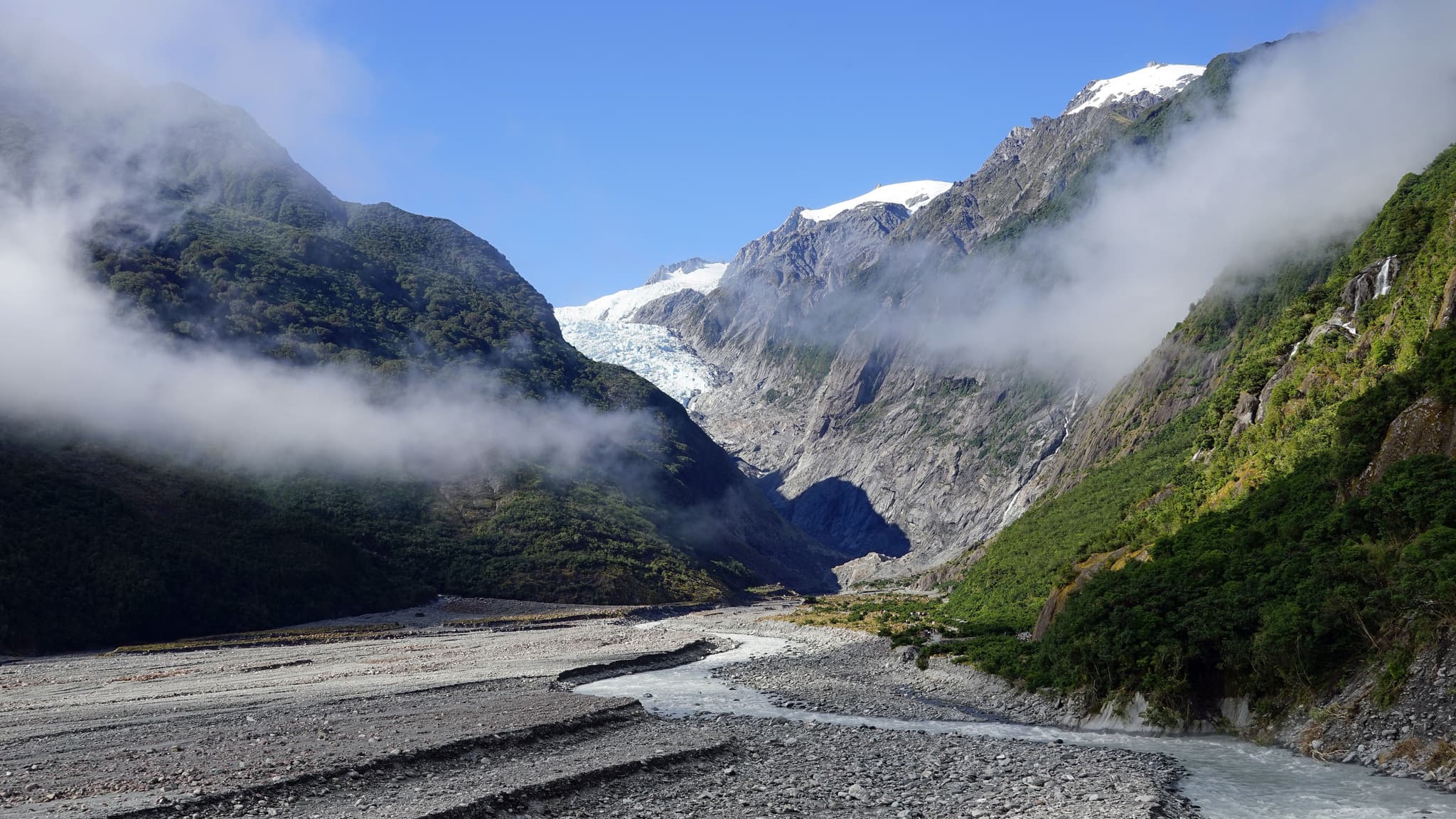
While you're here, don't skip nearby Lake Matheson. On a calm morning, the lake reflects Aoraki/Mount Cook and Mount Tasman almost perfectly, making it one of the South Island's most photographed spots. If you're after an even bigger adventure, a handful of guided tours also explore the region's blue ice caves and tunnels, although these are only accessible when conditions are safe.
Did you know?: Franz Josef Glacier has retreated more than two kilometres since the 1980s, which is why the walking track to the terminal face keeps getting longer almost every year.
Jet boating on Lake Wanaka
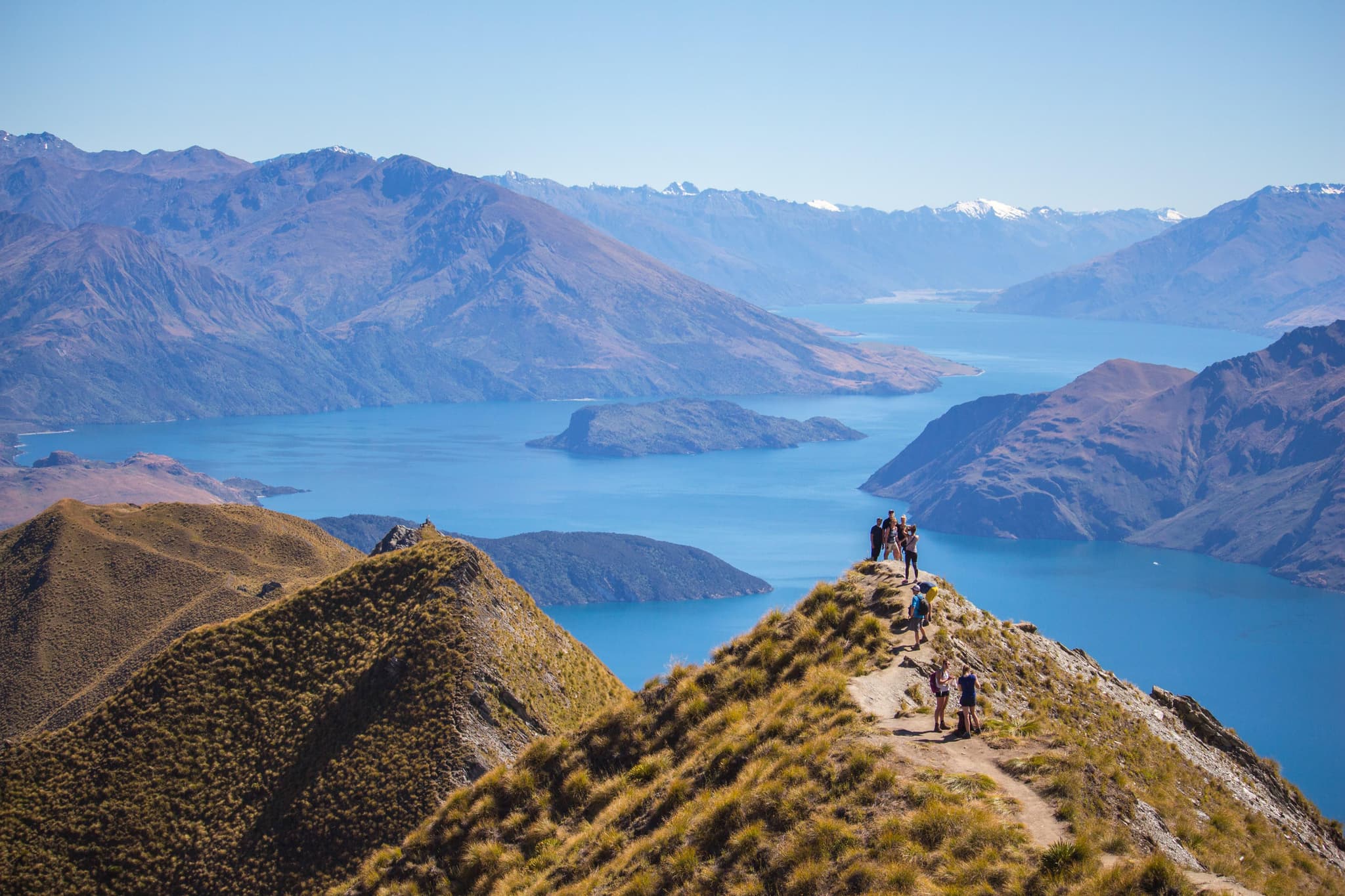
If Queenstown feels a little too busy, Wanaka offers a quieter alternative just over an hour away. The lake is just as beautiful, but the atmosphere is much more relaxed. One of the best ways to experience the area is by jet boat, racing across Lake Wānaka before heading into the narrow Matukituki River surrounded by mountains and valleys. If you've got more time, Roy's Peak and the Rob Roy Track are both excellent hikes with spectacular views.
Wine towns and beaches in the South Island, New Zealand
New Zealand's South Island isn't only about mountains and glaciers. If you enjoy good food, coastal scenery and wine tasting just as much as hiking, these three regions deserve a few extra days on your itinerary.
Central Otago and Gibbston Valley
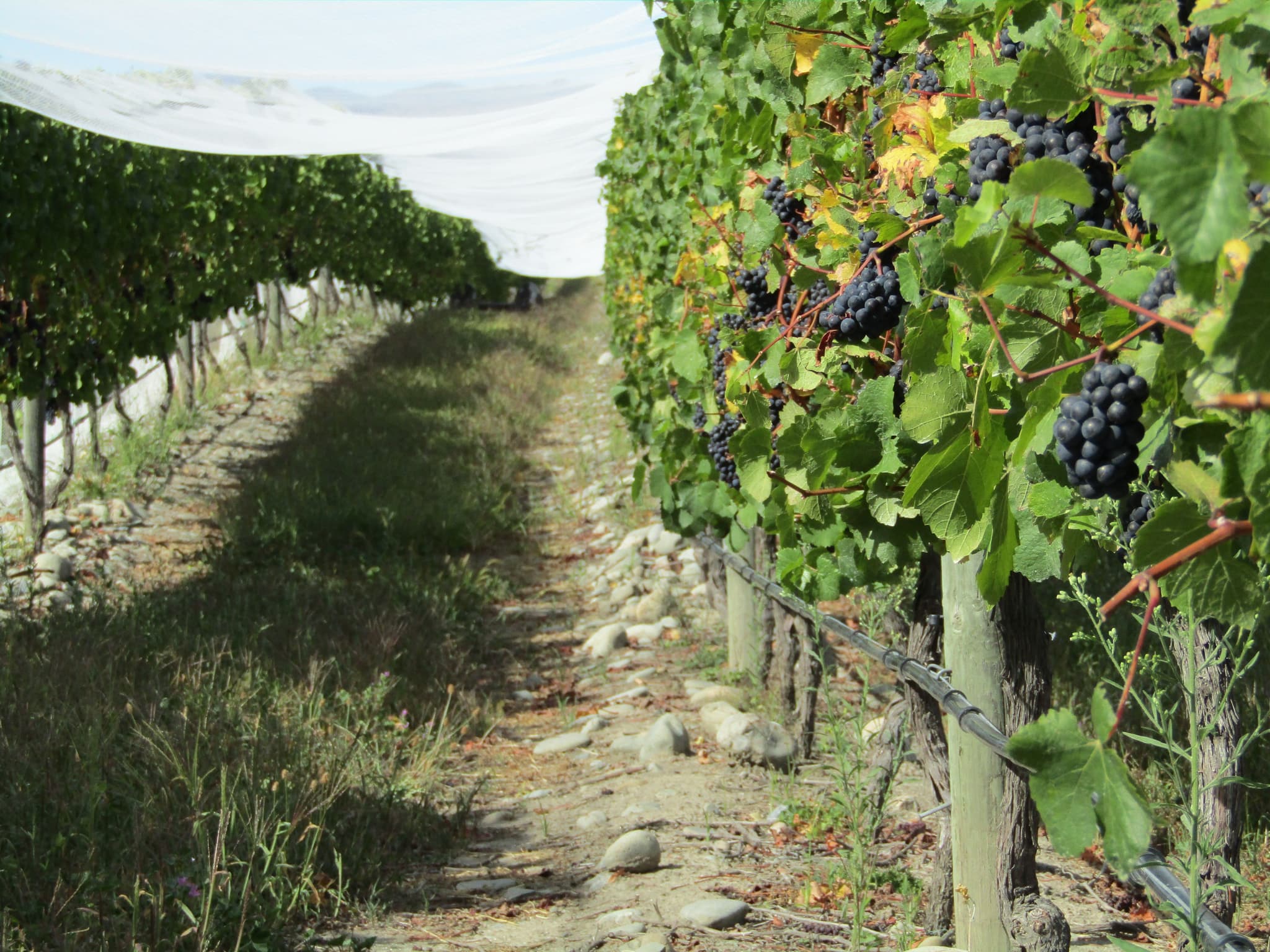
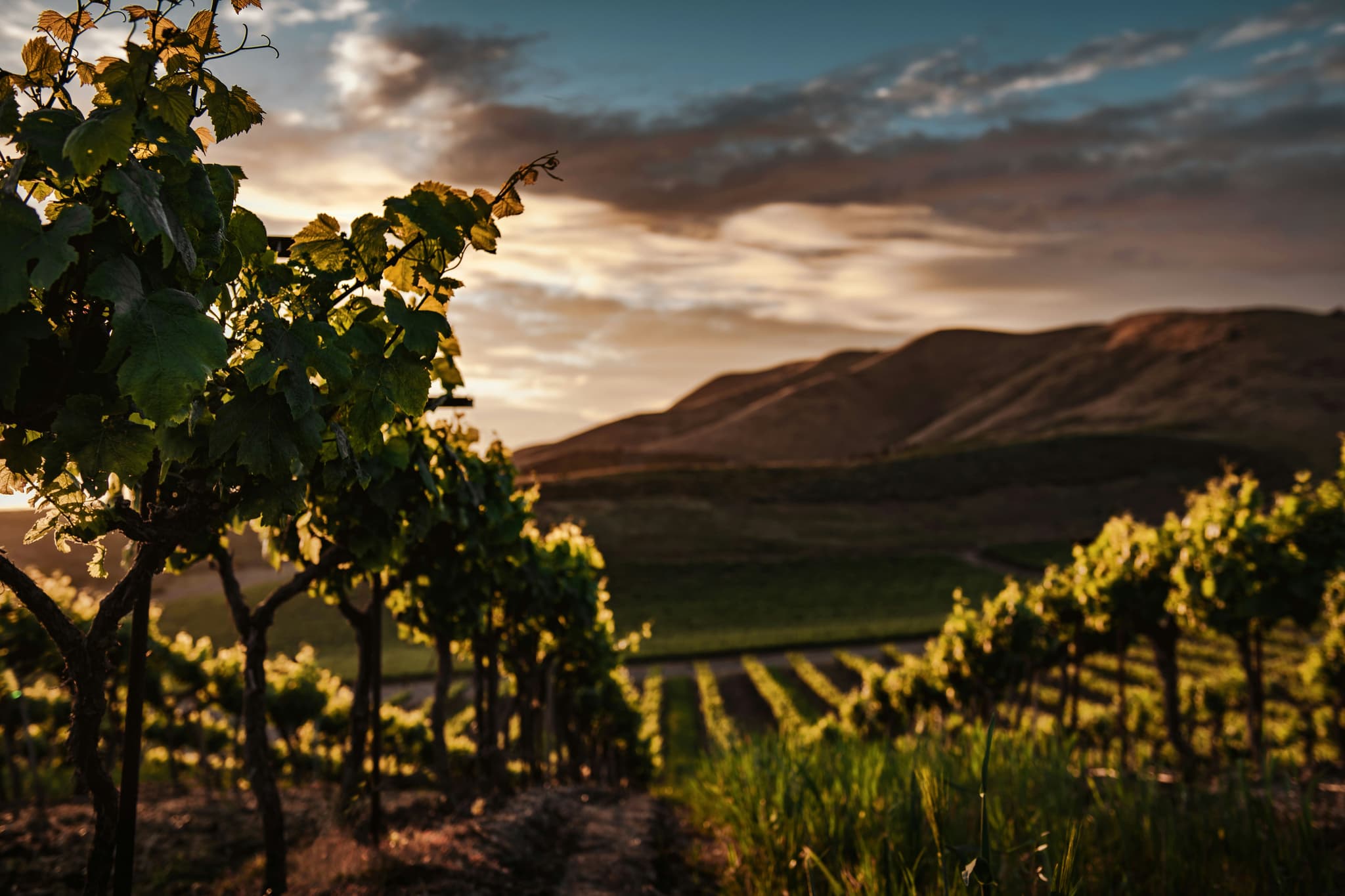
Some of the best pinot noir in the southern hemisphere grows right here in Central Otago, largely because of the extreme swing between hot summer days and cold nights, which concentrates flavour in the grapes. Just outside Queenstown, Gibbston Valley makes for an easy stop between wine tastings and a cellar door lunch, and Bannockburn and Bendigo further south hold some of the region's oldest vines.
Abel Tasman National Park and Nelson
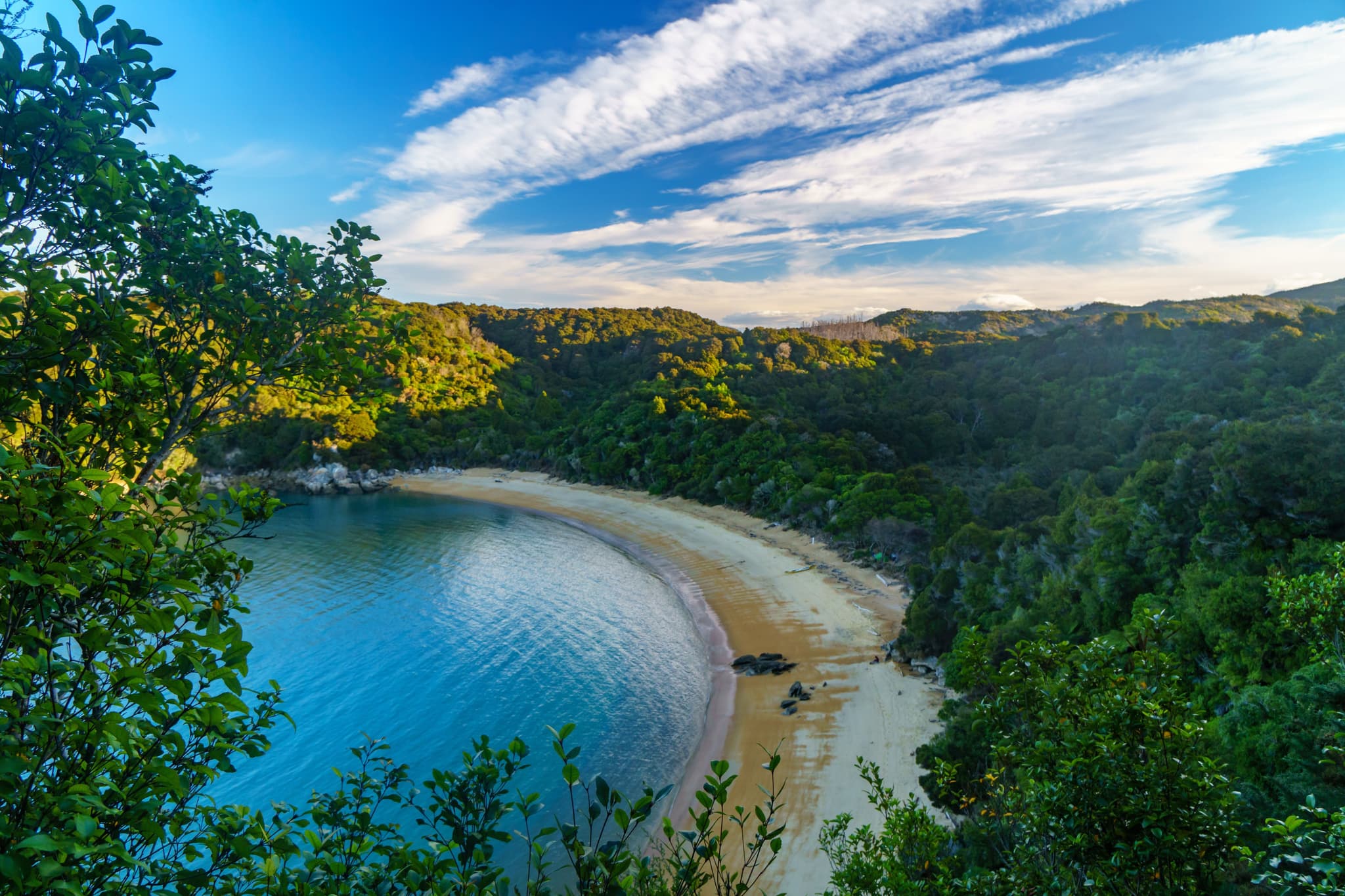
Almost the whole coast inside Abel Tasman National Park is lined with golden sand beaches, reachable only by boat, kayak or the Coastal Track itself since no road actually reaches most of them. A guided kayak trip covers the highlights in a single day, and a multi-day hike or kayak and walk combination lets you sleep at one of the beach campsites along the way instead.
Nelson is the gateway to Abel Tasman National Park, and it's well worth spending a night or two before heading into the park. With more sunshine than almost anywhere else in New Zealand, a lively Saturday market and a relaxed coastal atmosphere, it's an easy place to settle into holiday mode.
Marlborough
This entire region built its reputation on sauvignon blanc, and more than half the country's vineyards are planted somewhere across Marlborough alone. Right on the Marlborough Sounds, Picton makes a natural final stop before the ferry back to Wellington and the North Island, and a mail boat trip delivering post to remote bays through the sounds is worth the extra half day if your schedule allows.
Unique South Island sights worth adding to your route
Fancy adding something a little different to your itinerary? These South Island sights sit just outside the more common route, but we’d definitely recommend visiting one or two if you have time. They add wildlife, wild coastlines and quieter detours to a trip that can otherwise become very mountain-heavy.
Doubtful Sound: a quieter, wilder alternative to Milford Sound.
Rakiura/Stewart Island: best for kiwi spotting and remote island scenery.
Punakaiki Pancake Rocks: layered limestone cliffs and blowholes on the West Coast.
Oamaru Blue Penguin Colony: tiny penguins waddling ashore at sunset.
The Catlins: waterfalls, sea lions, rugged beaches and proper middle-of-nowhere energy.
Guided tip: If you're choosing between Milford Sound and Doubtful Sound, pick Milford for convenience and beautiful scenery. Choose Doubtful Sound if you'd rather trade the crowds for a more remote wilderness experience.
How to choose where to go in the South Island of New Zealand
Usually, time decides how much of the South Island in New Zealand you can actually cover in one trip, and every extra day changes what fits into your plans. Since the places connect well enough, you can build a route around how much time you have. Most of the things to see in the South Island naturally fall along one of two loops, either the alpine route through Tekapo and Milford Sound, or the coastal loop up through Kaikoura and Marlborough.
This is what we recommend:
A few days (3 to 4 days): Christchurch, Lake Tekapo and Aoraki/Mount Cook
One week: add Queenstown and Milford Sound
Two weeks: add the West Coast glaciers, Wanaka and Abel Tasman
Longer trips: combine your route with the North Island for a full country trip
Curious what the North Island has to offer? Take a look at our guide to New Zealand's North Island, which covers volcanoes, glow worm caves and Māori culture on the other side of the country.
How to combine this into a South Island itinerary?
After you know roughly how long you have, building an actual route gets a lot easier, and the two starting points below should give you enough to adjust to your own trip.
One week South Island itinerary
Day 1-2: Christchurch, plus a half-day trip to Akaroa
Day 3: Lake Tekapo and Aoraki/Mount Cook
Day 4-5: Queenstown, with a full day out to Milford Sound
Day 6: Wanaka and the drive over the Crown Range
Day 7: Head back to Christchurch or fly onward
Planning to explore by car? Our New Zealand road trip guide breaks down the best routes, how long you'll need, and which highlights fit together best.
Two-week South Island itinerary
Day 1-2: Christchurch and a day trip to Akaroa
Day 3-4: Kaikoura, whale watching and the seal colony walk
Day 5-6: Lake Tekapo, Aoraki/Mount Cook and the Hooker Valley Track
Day 7-8: Wanaka and Queenstown
Day 9-10: Milford Sound and Te Anau
Day 11-12: West Coast glaciers, Franz Josef and Fox Glacier
Day 13-14: Abel Tasman National Park, Nelson and Marlborough before the ferry back
Curious what a full two-week route through the entire country looks like day by day? Our two-week New Zealand adventure itinerary maps it out for you.
When to go and how to get around the South Island?
From December through February, summer takes over here, and that's when Milford Sound, the Great Walks and every glacier hike fill up the most. Outside peak summer, shoulder months like March, April, October and November bring milder weather, shorter queues and better prices across most of the region.
Curious which month actually suits your trip best? Our guide on the best time to visit New Zealand breaks the seasons down region by region.
A car makes the most sense for getting around in NZ South Island, since public transport between smaller towns runs rarely. On a map, distances look short, though winding roads mean a 100-kilometre drive can easily take two hours, so build extra time into your days rather than cramming too much in.
Curious about the rest of the country too? Our New Zealand travel guide covers getting around beyond just the South Island.
Enjoyed This Blog? Continue Reading!
There is more travel inspiration waiting for you on our blog. You can take a look below and start mapping out your next travel adventure!


