
New Zealand road trip: how to plan your trip and choose the right route
By Eva Alkemade
Jun 2, 2026
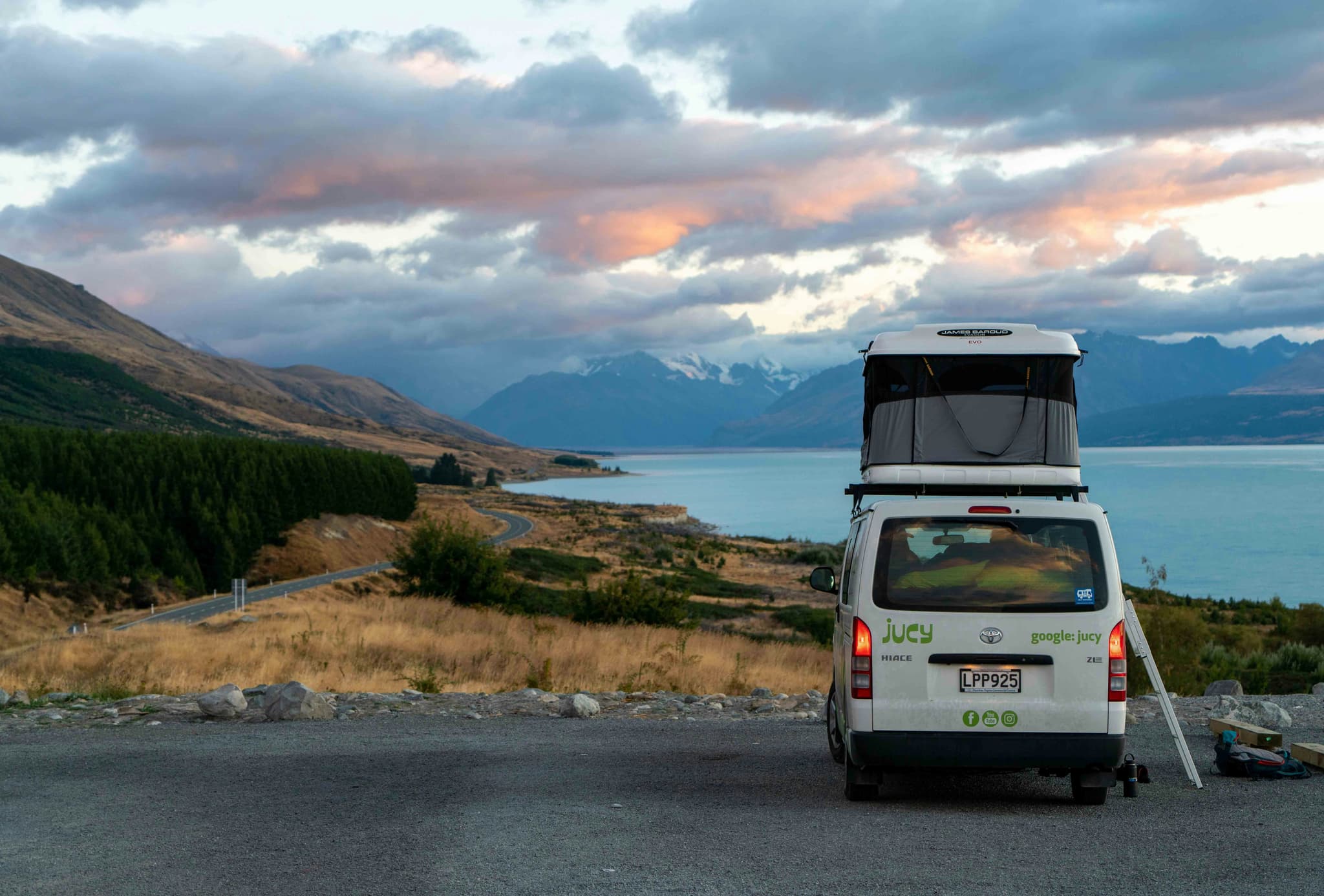
New Zealand is best explored by car. Most major stops are between 150 and 400 kilometres apart, taking you through turquoise lakes, mountains, coastlines, glaciers and fjords along the way. Because fuel stations become less common in remote areas, it's worth planning your stops in advance and allowing extra time for viewpoints along the way. In this New Zealand road trip guide, we'll show you how to plan your route, how many days you'll need and which places are worth adding to your itinerary.
How to plan your New Zealand road trip?
You want to go on a road trip through New Zealand, but where do you start? It helps to think about a few things beforehand, and then build your trip around that.
Questions to ask yourself before you start planning:
How many days do you actually have for your trip?
Are you planning to visit the North or South Island?
Do you prefer a relaxed trip or seeing as much as possible?
Do you want to focus more on nature or include cities as well?
Are you comfortable driving longer distances on winding roads?
Do you want to stay in hotels or try hiring a campervan?
What time of year are you travelling?
We'll cover all of these questions throughout this guide and help you choose the route that best fits your travel style and the time you have available.
North or South Island for your road trip?
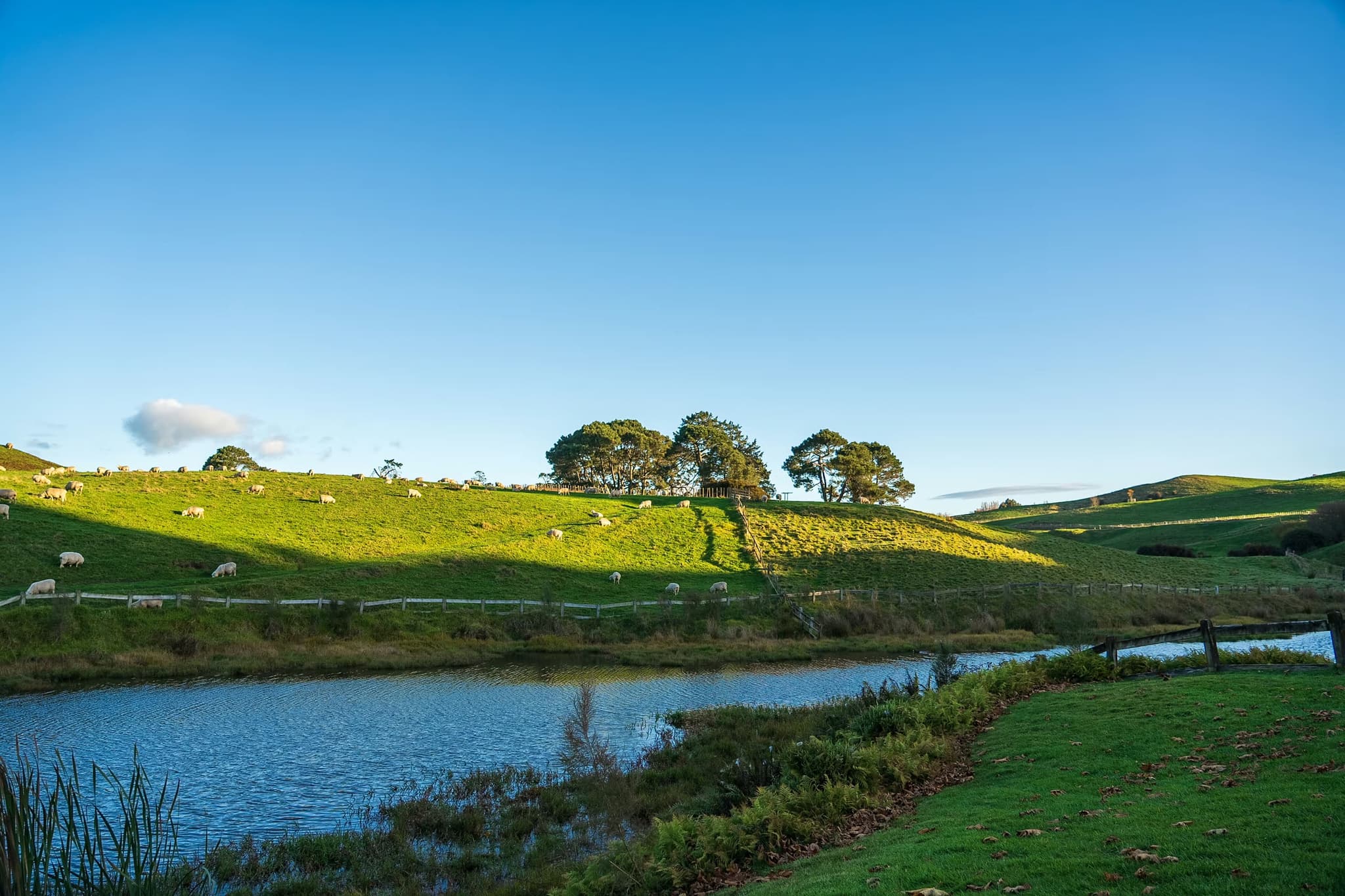
New Zealand has two main islands; now you might wonder which island to choose. It really comes down to your interests and what kind of trip you have in mind.
How many days do you have for your trip?
If you have 7 to 14 days: pick one island
If you have 14 to 21 days: you can include both islands
Choose the North Island if you like variety and shorter drives
Here you will see beaches, cities, geothermal areas and places like cathedral cove, all relatively close to each other. Our blog on New Zealand North Island covers the best places to visit, attractions and itinerary ideas.
More into nature and longer drives: choose the South Island
Here you will see mountains, lakes like Lake Tekapo and wide open areas. A New Zealand South Island road trip usually focuses more on these natural highlights.
Curious which stops you shouldn't miss? Our New Zealand South Island guide covers the island's best places to visit in the South.
Which New Zealand road trip itinerary suits you?
There isn't one perfect New Zealand road trip. The best route depends on how much time you have, whether you prefer nature or cities, and how much driving you're comfortable with. Here are a few route ideas to help you choose.
I want to see the best nature
If mountains, lakes, fjords and national parks are the main reason you're visiting New Zealand, the South Island is usually the best choice. Most travellers spend 10 to 14 days driving between Christchurch, Lake Tekapo, Wānaka, Queenstown, Te Anau and Milford Sound. With another week, you can extend your trip to the West Coast, Abel Tasman National Park and Kaikōura for an even more complete experience.
We recommend this route:
Christchurch → Lake Tekapo → Wānaka → Queenstown → Te Anau → Milford Sound
I want a mix of cities and nature
If you'd like to combine lively cities with volcanoes, beaches and Māori culture, the North Island offers a great balance. The driving days are generally shorter than on the South Island, making it a good option if you have 7 to 10 days.
We recommend this route:
Auckland → Coromandel → Rotorua → Taupō → Tongariro National Park → Wellington
I want to see both islands
If this is your first time in New Zealand and you don't want to choose, plan at least 2 to 3 weeks. That gives you enough time to experience Auckland, Rotorua and Wellington before taking the ferry to the South Island for places like Abel Tasman, Queenstown and Milford Sound. With less time, you'll spend more hours driving than exploring.
We recommend this route:
Auckland → Rotorua → Taupō → Wellington → Ferry → Nelson → West Coast → Wānaka → Queenstown
I prefer a relaxed road trip
If you don't enjoy unpacking every night, choose one island and spend 2 or 3 nights in each destination instead of trying to visit everything. Queenstown, Wānaka, Rotorua and Abel Tasman all make excellent bases for day trips, giving you more time to hike, relax and enjoy the scenery instead of constantly driving.
I want to see as much as possible
If you're happy spending longer hours behind the wheel, you can cover both islands in 3 to 4 weeks. This gives you enough time to include popular highlights as well as quieter places like Kaikōura, the Bay of Islands or Napier without feeling too rushed.
Driving in New Zealand: what it’s like on the road
Getting on the road in New Zealand comes with a bit of an adjustment, especially in the beginning. So what can you expect once you start driving, and what should you keep in mind before heading out?
What side of the road does New Zealand drive on?
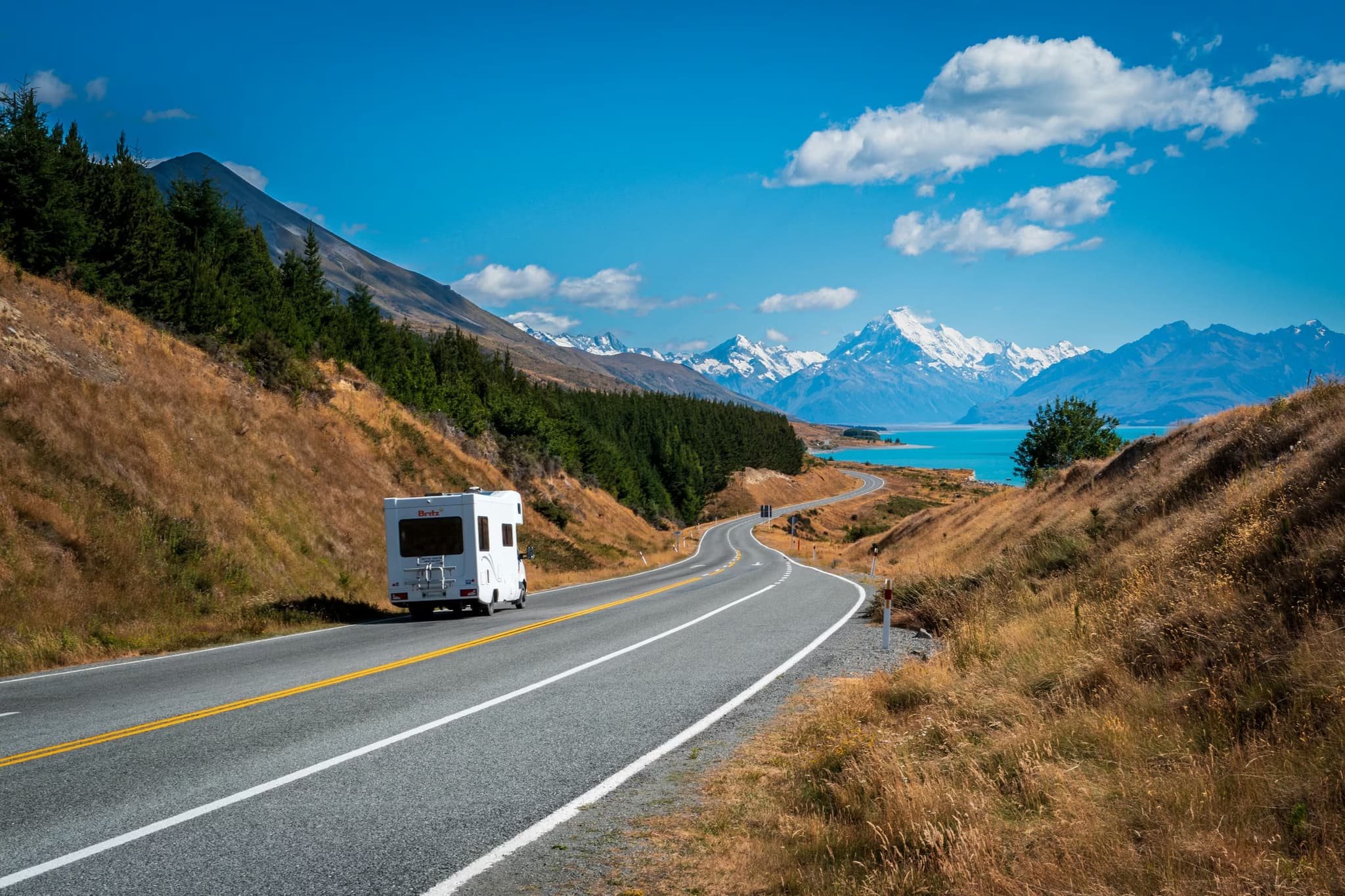
You’ll be driving on the left-hand side, which can take a bit of getting used to at first if this isn’t something you’re familiar with. In particular, turning and entering roundabouts feels different at first.
Is driving in New Zealand difficult?
At times, roads can get quite narrow and winding, and every now and then you’ll come across a single-lane bridge. Travel time between places can also take longer than expected, since hills and curves slow things down more than you’d think.
Travel times and what to expect on the road
On the map, distances can look pretty short, but that doesn’t always say much about how long it actually takes. Something that looks like 30 minutes can easily take longer once you add stops or slower sections.
For example, driving from Queenstown to Milford Sound is about 290 km, but you’re looking at around 4 to 5 hours on the road, since the route includes winding mountain roads, narrow sections and plenty of viewpoints where you’ll probably want to stop.
How much driving per day feels comfortable
For most people, a few hours of driving per day already feels like enough, especially once you realise how much there is to see along the way. Around 2 to 4 hours on the road usually gives you enough time to stop, explore and still enjoy the day without spending it all in the car.
Car or campervan: what fits your trip?
This decision really comes down to how you want to travel. A car gives you more freedom with where you stay, and a campervan keeps everything in one place.
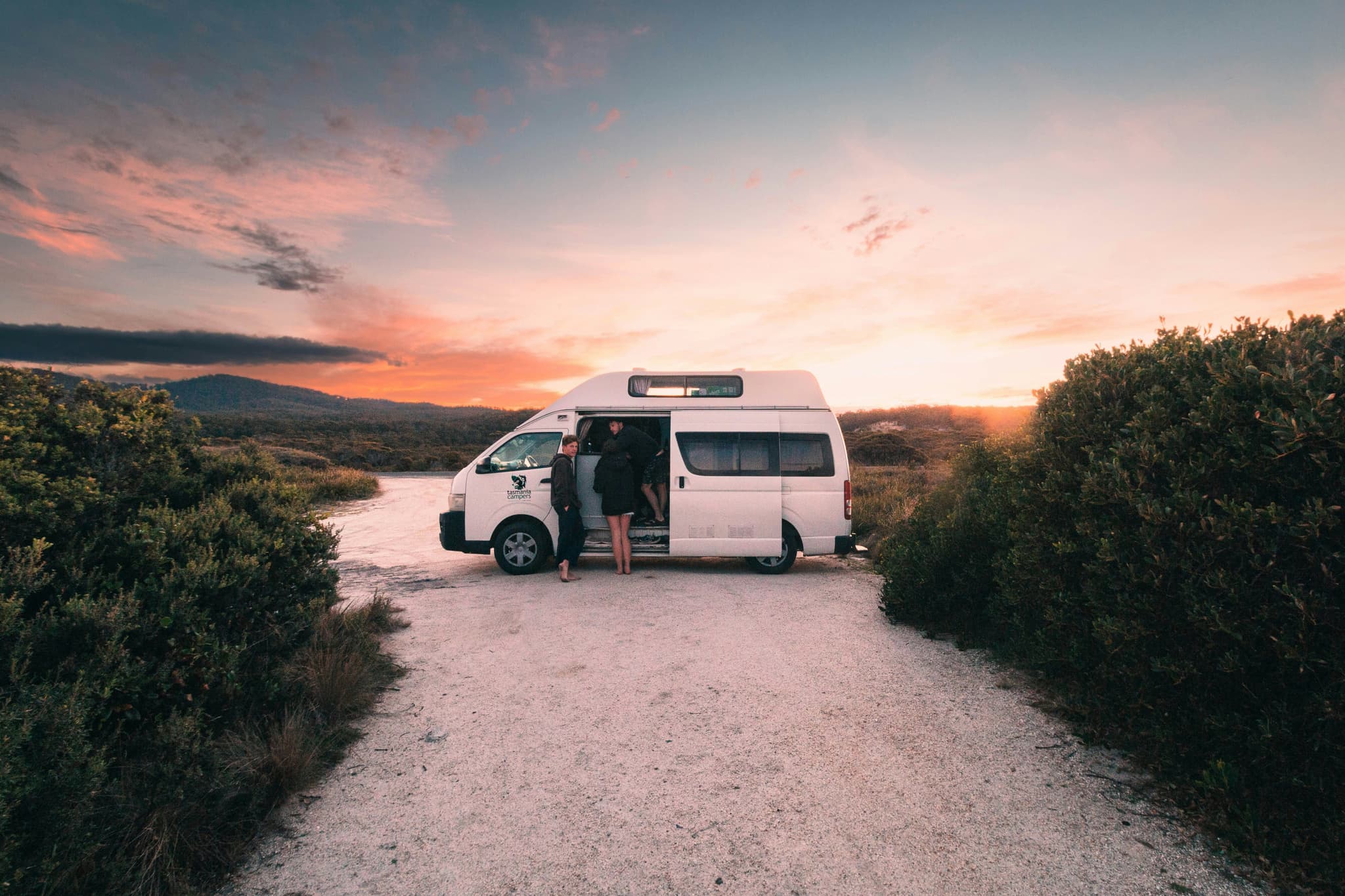
Something not everyone knows when it comes to hiring a campervan, is that rental companies sometimes need their campervans moved from one location to another, and that’s where you can take advantage. Instead of paying full price, you might end up paying as little as one dollar per day, depending on the route and timing. Platforms like Transfercar are worth checking if you’re open to building your trip around the deal.
Guided tip: Try to plan your overnight stops around your driving distances, so you’re not spending most of your day just getting from one place to the next.
When to plan your New Zealand road trip? Best time and weather
New Zealand doesn’t really follow one clear season across the whole country. Up north, you might get warm days, while further south you could be dealing with completely different conditions on the same day.
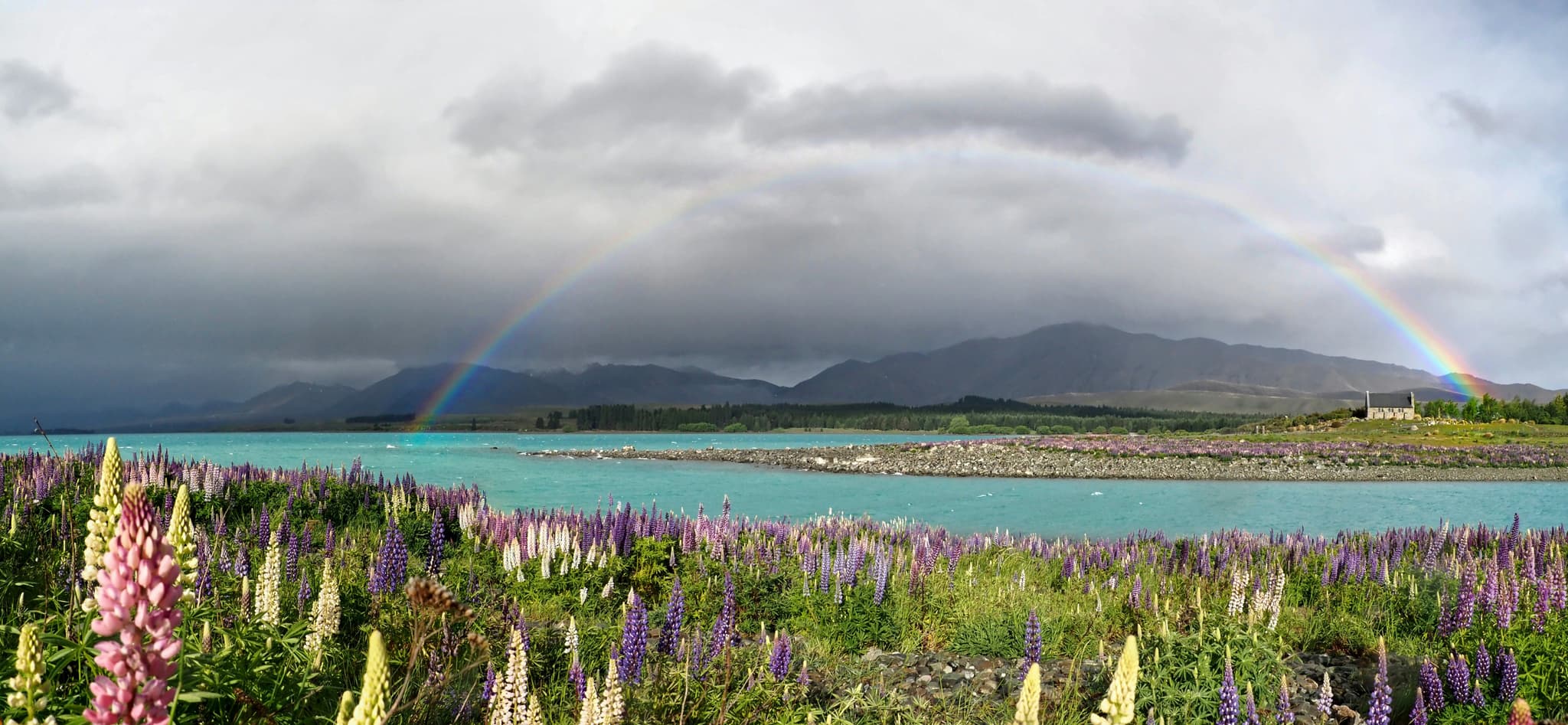
Spring and autumn are generally the best times for a road trip
From September to November or March to May, you'll enjoy mild temperatures, quieter roads and beautiful scenery, whether that's spring wildflowers or colourful autumn landscapes. Summer, between December and February, brings the warmest weather and the longest days, but it's also the busiest and most expensive time to travel. Winter (June to August) is ideal if you're planning to ski, although snow and icy roads in alpine areas can make driving more challenging.
Not sure when to go? We’ve put together a full guide on the best time to visit New Zealand, where we go into more detail per region and month.
Travel tips for your New Zealand road trip
Before you hit the road, there are a few things worth knowing. Here's what we recommend sorting out before you leave.
Download offline maps in advance: Google Maps and Maps.me both work well in remote areas
Use apps like Gaspy: helps you find the cheapest fuel stations nearby
Check road conditions daily: especially in alpine regions where weather can change quickly
Book accommodation ahead in busy periods: December to February fills up fast
Keep cash or a card ready for smaller stops: not every place accepts all payment methods
Fill up your tank when you can: fuel stations can be far apart outside towns
Allow extra time for drives: stops and road conditions almost always add time
Planning your own New Zealand road trip
Excited to start planning your road trip through New Zealand? A clear route really doesn’t need to be complicated; it just needs to make sense for your time and what you actually want to see.
You can follow these steps:
Pick your island, or both if you have enough time
Write down 3 to 5 places you really want to see
Pick the itinerary that covers them
Put them in a logical order on the map in the Guided app
Check driving times and add extra time for stops
Choose overnight stays along the way (2-4 hours apart)
Leave space for unexpected stops along the way
You can find the best places in our New Zealand travel guide, where you’ll also find activity ideas to shape your days a bit more.
Head into the Guided app and start adding your stops, which helps you connect everything into a route that actually makes sense. If you’re not sure yet, you can also browse through trips created by other Guided users to see what might fit your plans.
Enjoyed This Blog? Continue Reading!
There is more travel inspiration waiting for you on our blog. You can take a look below and start mapping out your next travel adventure!


