
Golden Route in Japan: how to plan your perfect 2 week itinerary
By Eva Alkemade
Aug 24, 2026
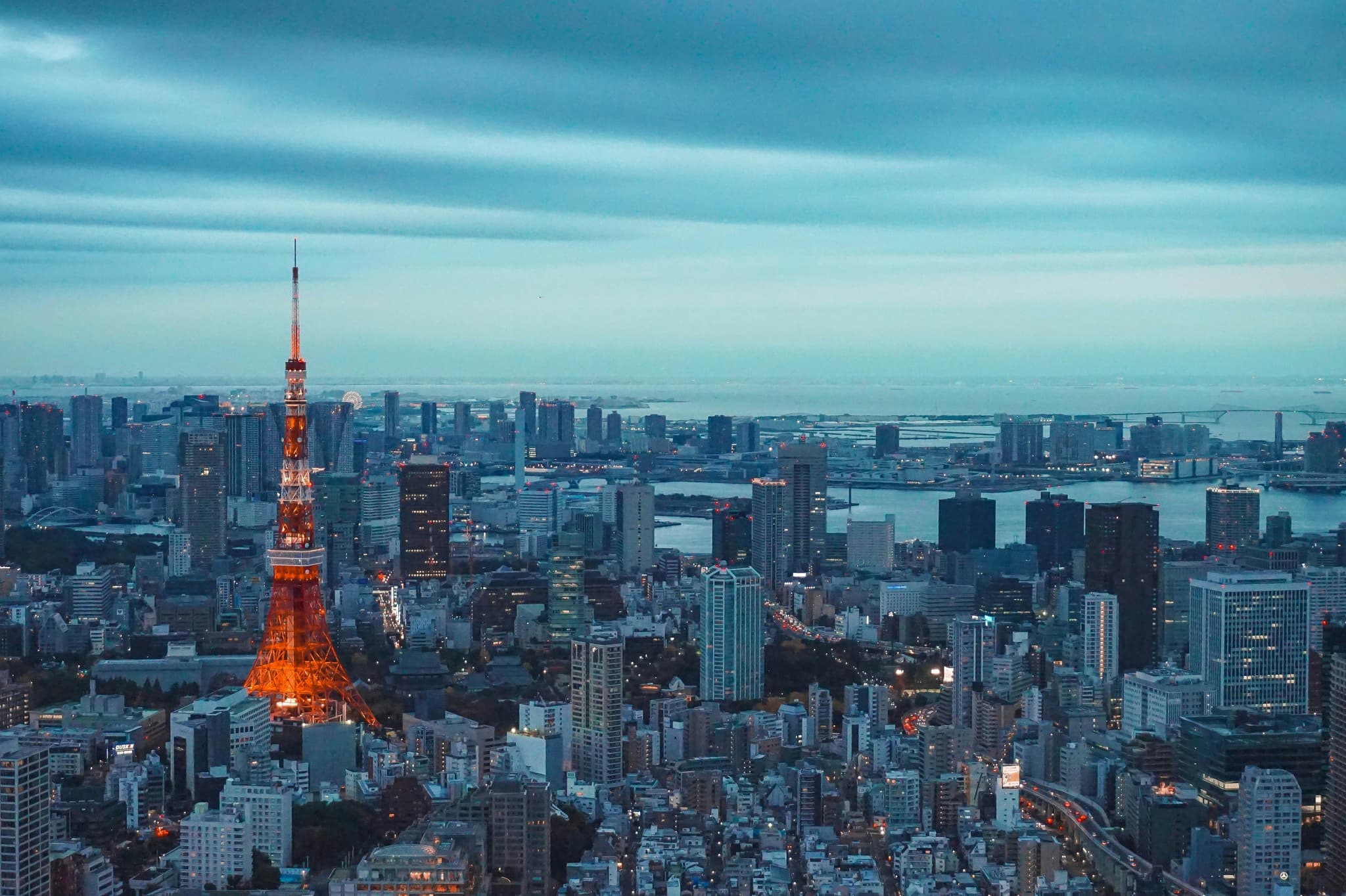
Tokyo, Kyoto and Osaka are probably already somewhere on your Japan wish list, and there’s a good reason these cities are so often combined. Together with stops like Mount Fuji and Hakone, they form what’s known as the Japan Golden Route, one of the easiest ways to experience completely different sides of the country in one trip. One day you’re surrounded by Tokyo’s neon lights, a few days later you’re walking past temples in Kyoto or soaking in a hot spring near Mount Fuji. So how do you turn all of that into a route that actually makes sense? We’ll show you how to plan your Japan Golden Route itinerary, how long to stay in each place and which extra stops are worth adding along the way.
Golden route Japan in a nutshell:
Thinking about your first trip to Japan? Here's the short version of the Golden Route before we get into the details.
The Japan Golden Route connects Tokyo and Kyoto, with stops like Hakone, Nara and Osaka.
Two weeks gives you enough time to see the main stops without rushing.
The Shinkansen makes travelling between the major cities quick and easy.
A 7 day Japan Rail Pass costs around ¥50,000, while 14 days costs around ¥80,000.
May, June, October and November generally have pleasant weather and good Mount Fuji views.
What is the Japan Golden Route?
If you ask ten people what "Golden Route" means, you'll probably get ten slightly different answers, though the core stays the same. The definition usually points to the corridor linking Tokyo and Kyoto, Japan's two major cities, along Honshu's Pacific coast, stitched together by the Tokaido Shinkansen line. So when people talk about a Golden Route Japan itinerary, they usually mean Tokyo, Hakone, Kyoto, Nara and Osaka, sometimes with Hiroshima added at the end.
How long do you actually need for a Golden Route itinerary?
You can definitely do the route in a week, but you’ll be moving pretty quickly. It’s better to do the Japan Golden route in 2 weeks; it gives you much more time to enjoy each stop without constantly packing up and heading for the next train.
A Japan Golden Route 2-week itinerary gives you three or four nights in Tokyo, a night or two in Hakone, three nights in Kyoto with an easy day trip to Nara, and two or three nights in Osaka. That pacing leaves room for slower mornings, one rainy day that doesn't wreck your plans, and the odd detour to a market or side street that wasn't on your list.
If your schedule only allows six or seven days, then look at this budget friendly 6 day Japan itinerary that trims the route down to its highlights.
The classic Japan Golden Route itinerary, city by city
Here's where the Japan Golden Route itinerary actually comes together. Each stop brings something different to the trip, so we've broken things down by what to expect and how long to stay.
Tokyo (3 to 4 nights)
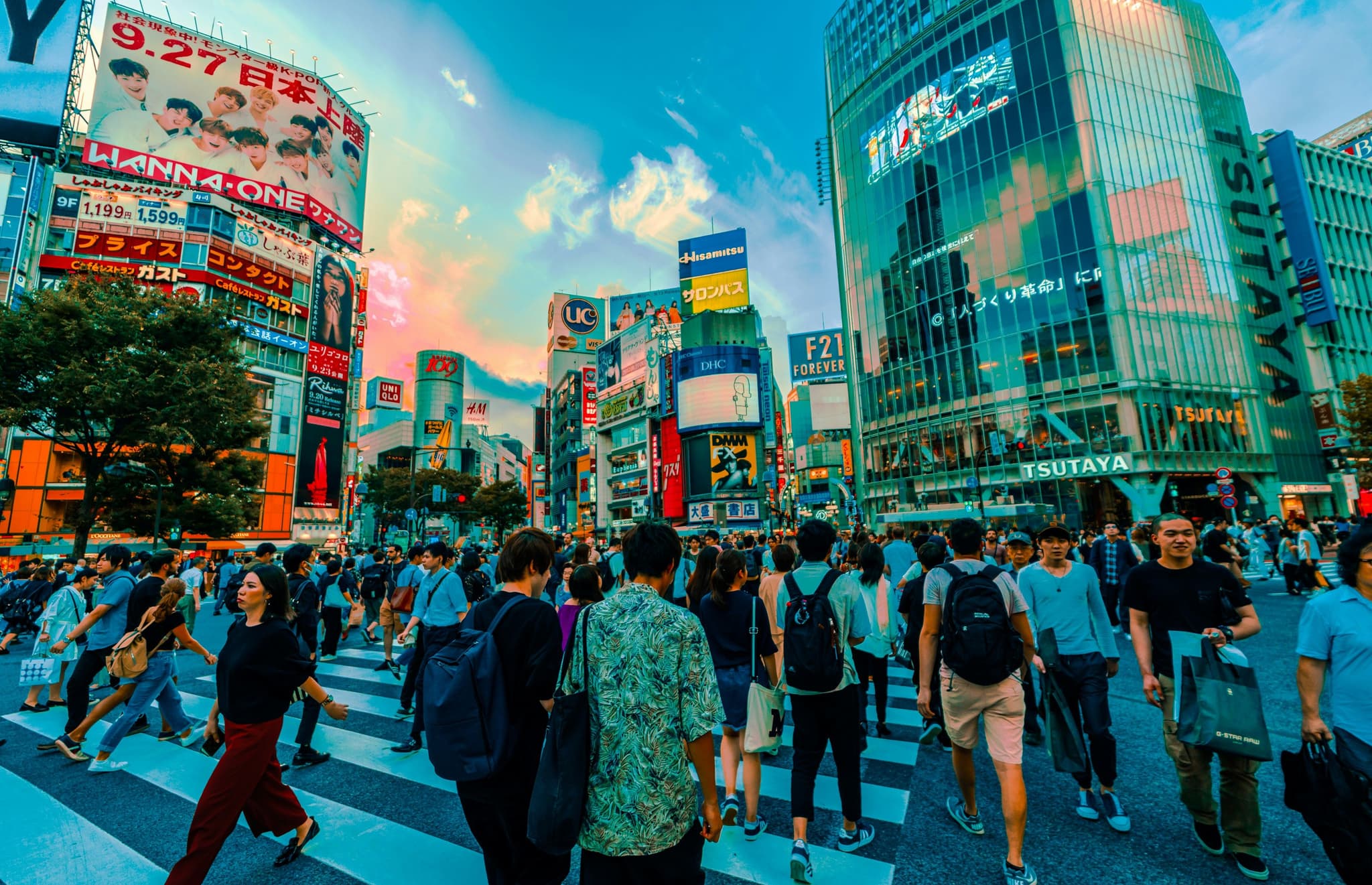
Your trip almost certainly starts here, and three or four nights gives you enough time to cover both the modern and traditional sides of the capital. Asakusa's Senso-ji Temple, the Shibuya Scramble Crossing, and the neon backstreets of Shinjuku all sit within a short train ride of each other, so you won't waste hours commuting between sights.
Hakone and Mount Fuji (1 to 2 nights)
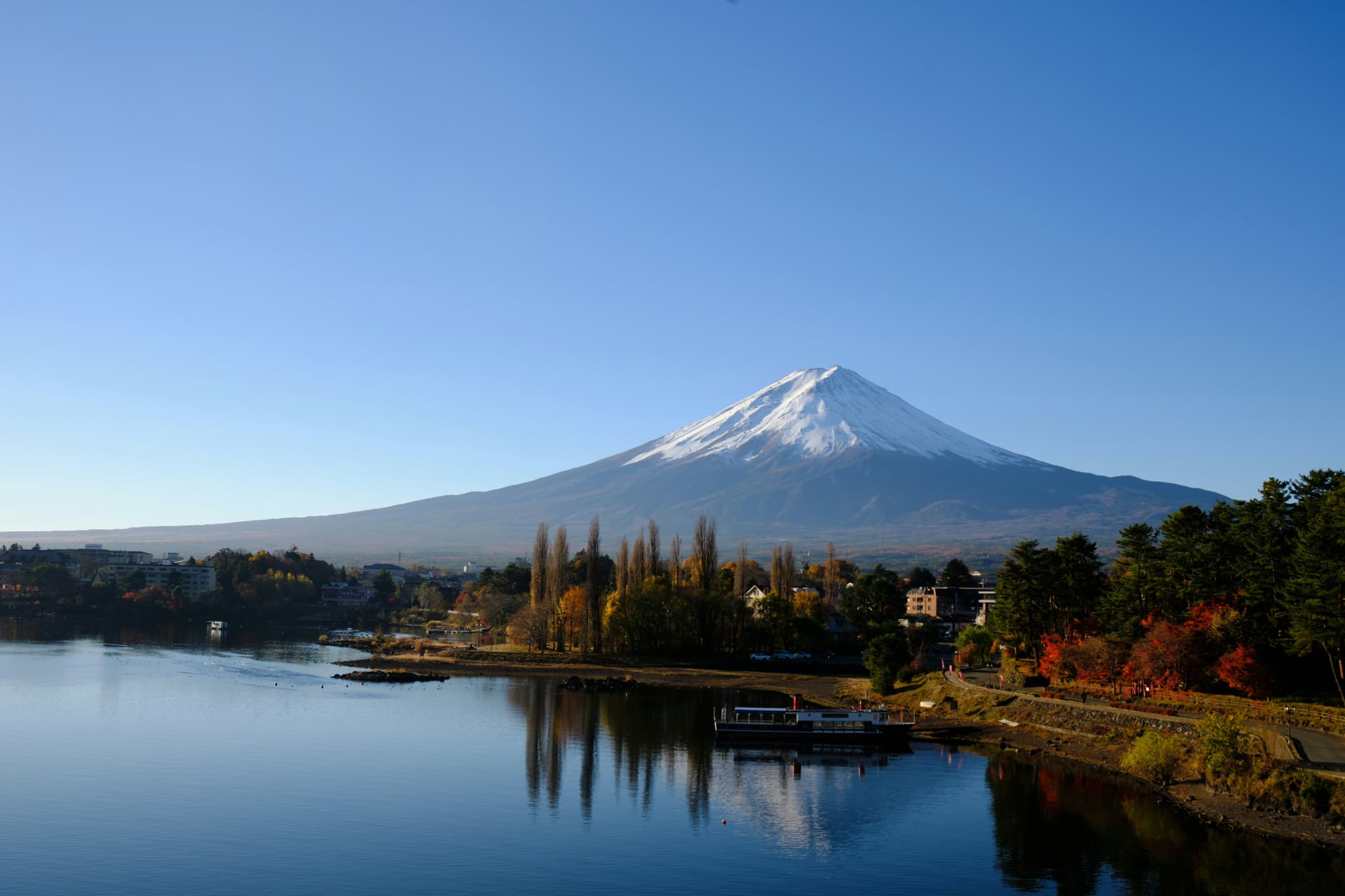
Roughly 90 minutes from Tokyo by Shinkansen, Hakone gives your itinerary its first real change of pace. Hot spring ryokans, a cable car over the volcanic Owakudani valley, and, on a clear day, views of Mount Fuji across Lake Ashi make this one of the most memorable stops on the whole loop.
Kyoto (3 nights)
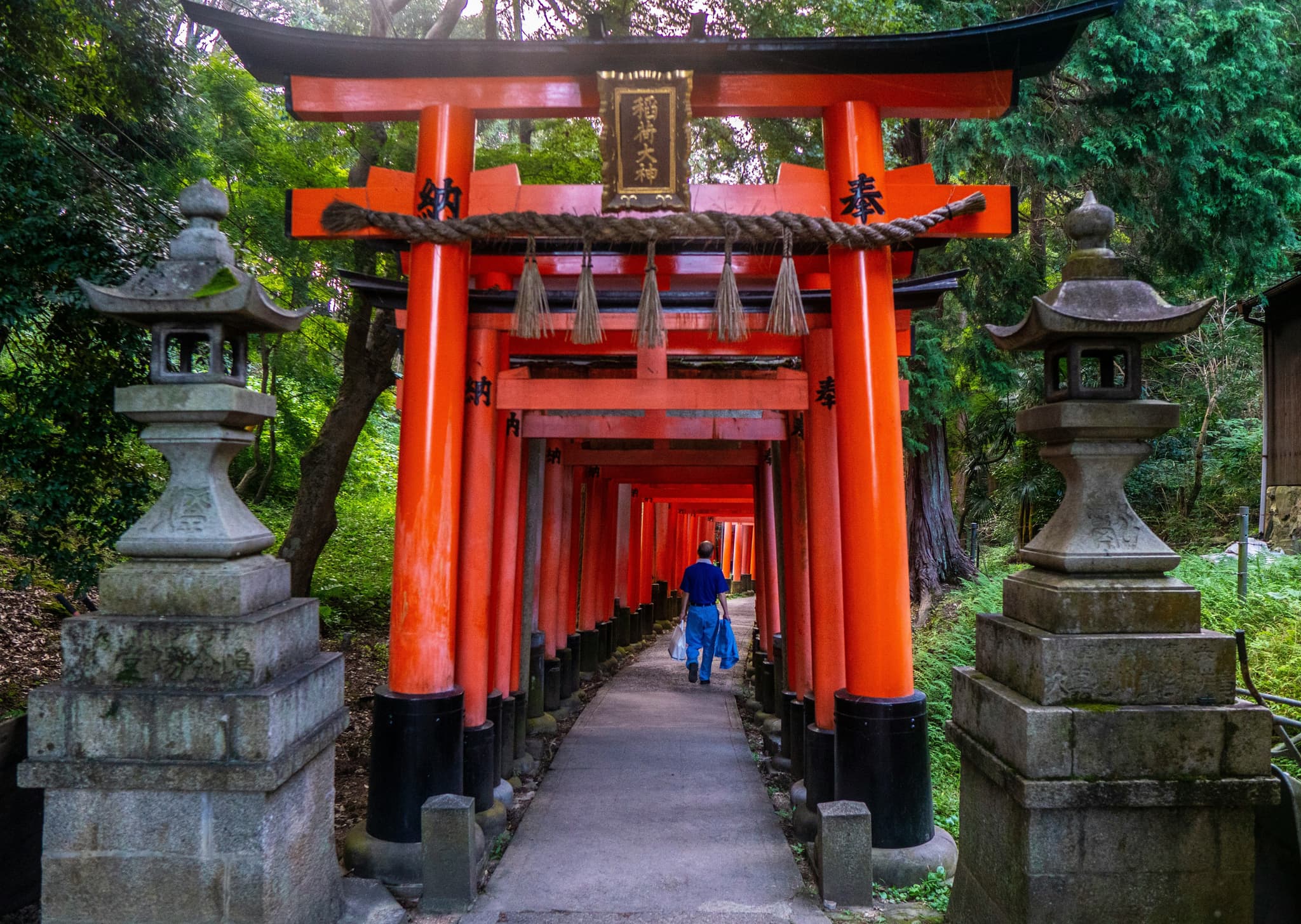
With over a thousand temples and shrines, Kyoto makes picking a favourite difficult fast. Fushimi Inari's endless red torii gates, the Arashiyama bamboo grove, and the geisha district of Gion all deserve a full day each if your schedule allows it. Our full Kyoto trip breaks the city down neighbourhood by neighbourhood, with a day by day plan you can drop straight into your itinerary.
Nara (day trip)
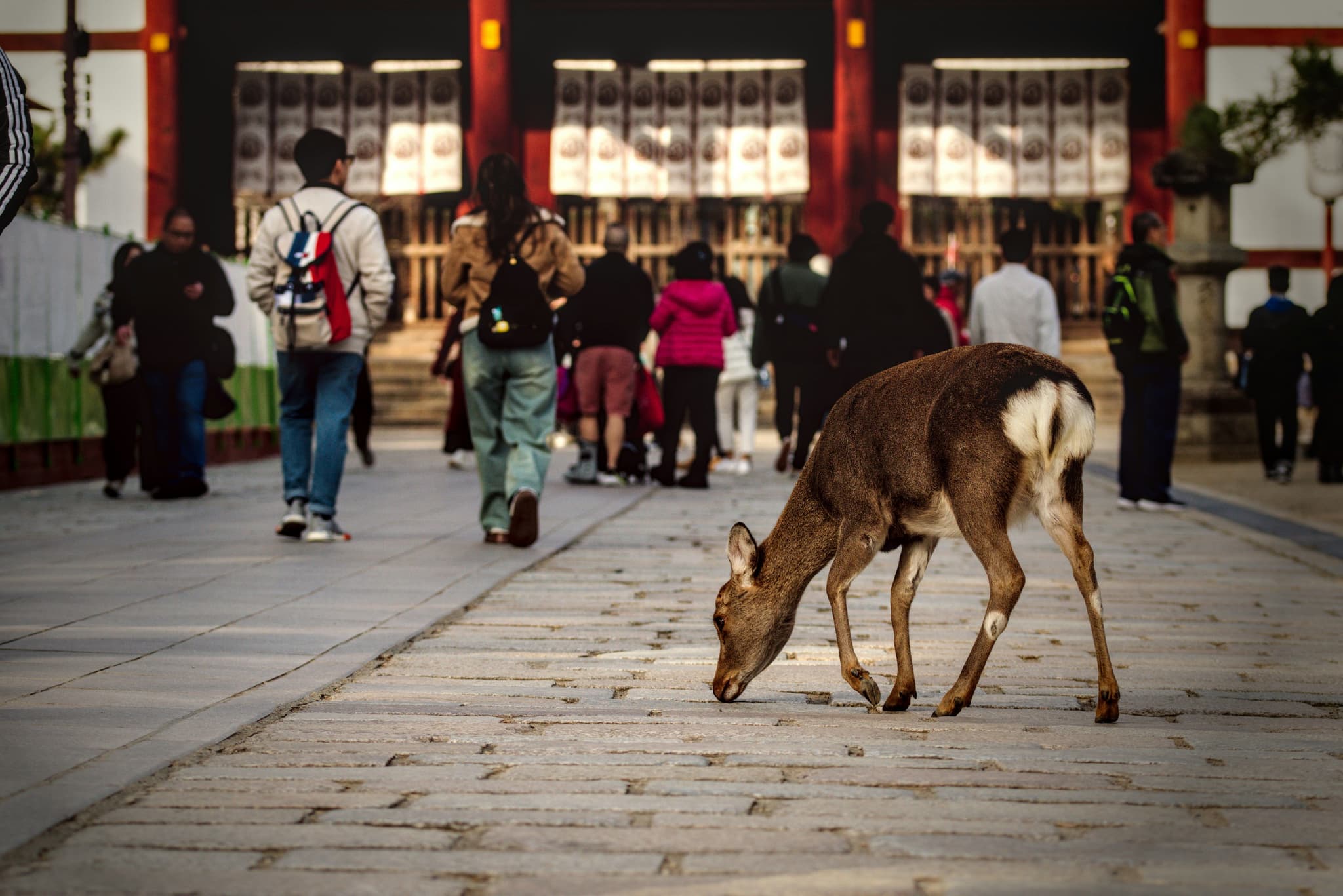
Forty minutes from Kyoto by train, Nara makes an easy half day trip built around Nara Park's free roaming deer and the giant bronze Buddha inside Todai-ji Temple. The official deer crackers sold near the park entrance are worth grabbing, though some of the deer have strong opinions about waiting their turn.
Curious about Japan's wildlife beyond Nara's deer? Our guide to animals in Japan covers everything from the snow monkeys of Nagano to the red crowned cranes of Hokkaido.
Osaka (2 to 3 nights)
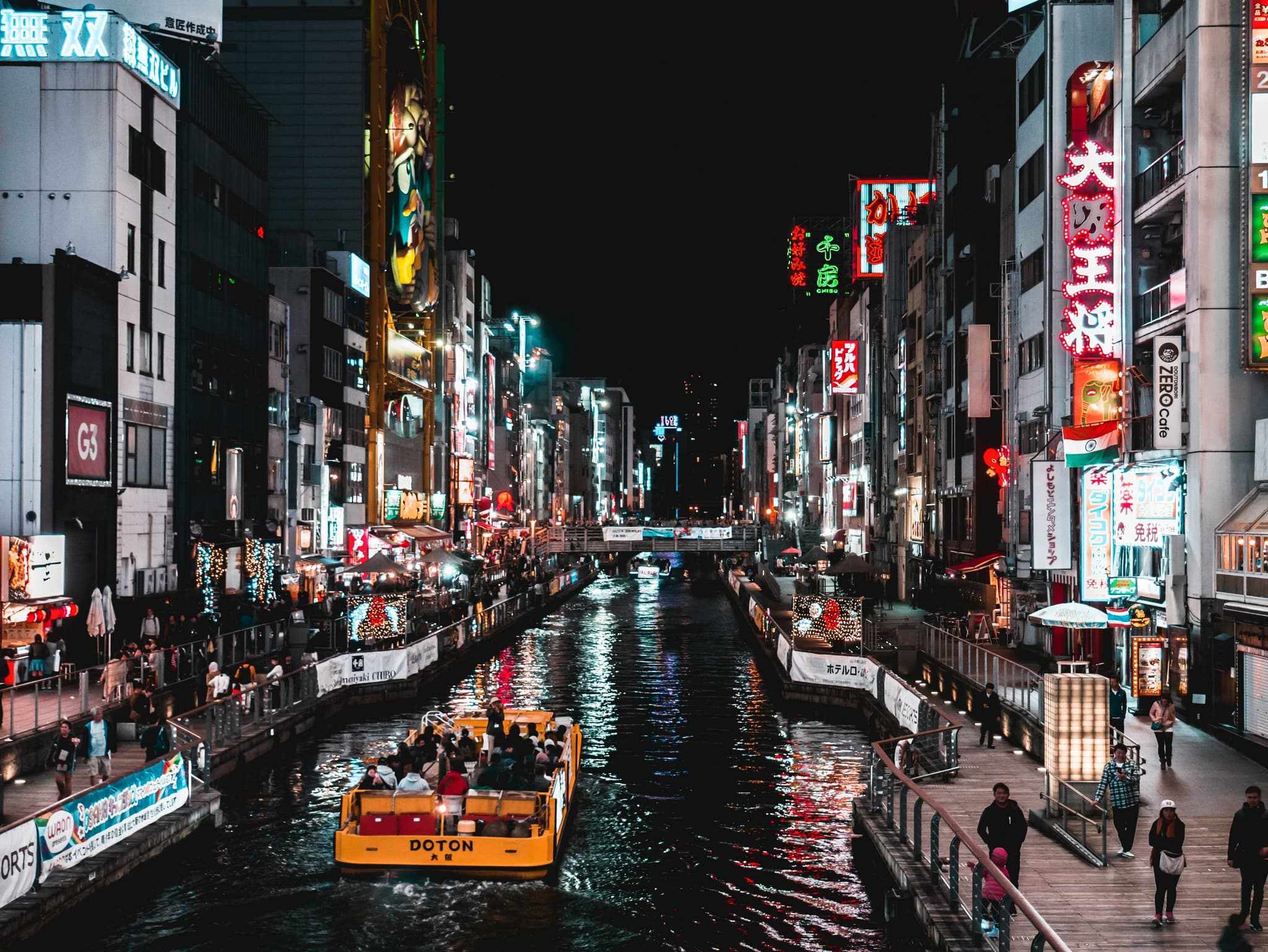
Thirty minutes from Kyoto, Osaka closes out the Golden Route with a completely different energy: neon signs, street food stalls, and a nightlife that runs later than almost anywhere else on the itinerary. Dotonbori's canal side food stands alone are worth the detour, and Osaka Castle gives you one more dose of history before you head home.
Hiroshima (optional, 1 to 2 nights)
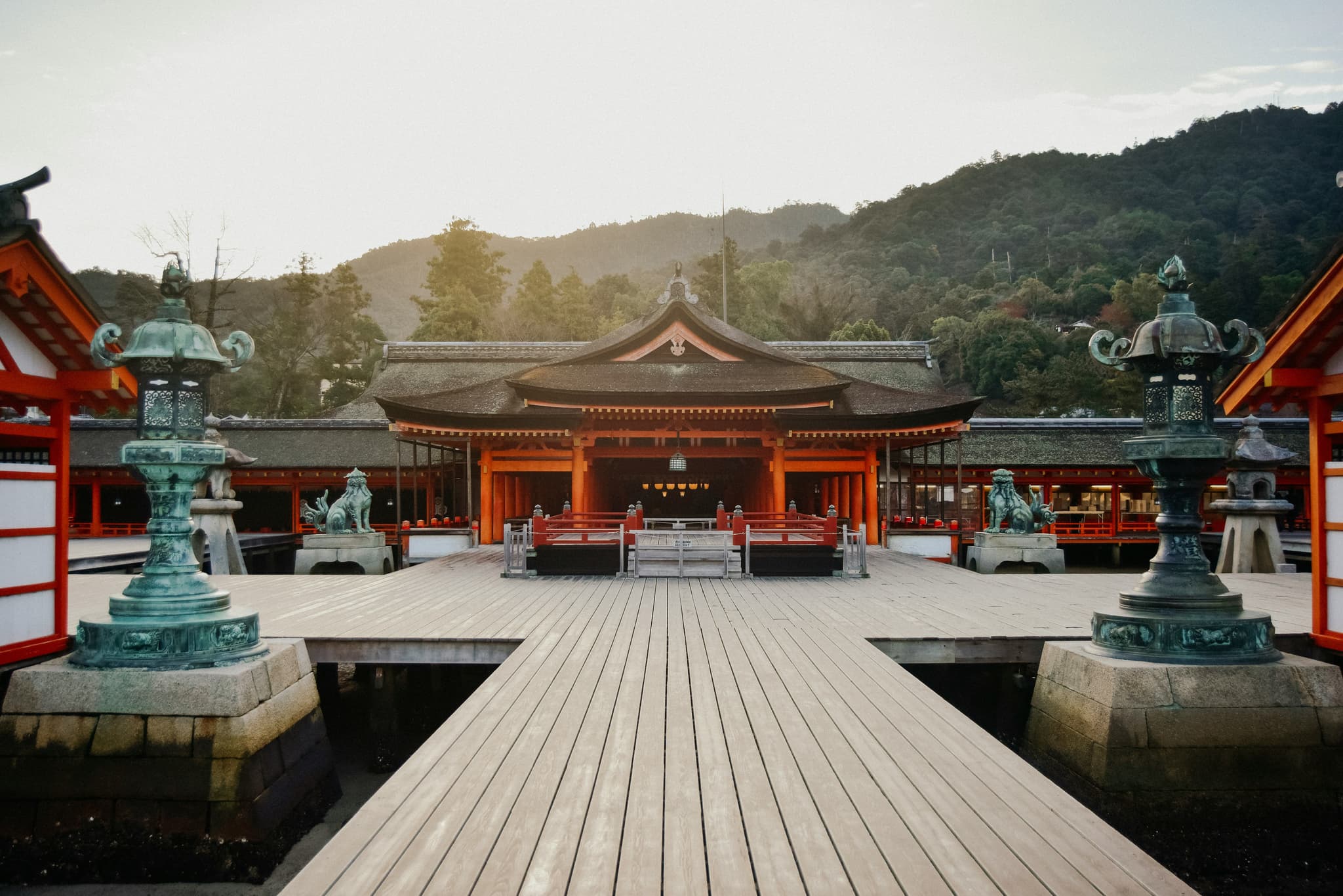
Two hours from Osaka by Shinkansen, Hiroshima works well as an add on if your trip runs past ten days. The Peace Memorial Park and the floating torii gate at Miyajima both make for a moving, worthwhile detour from the main loop.
Getting around: Shinkansen, bullet trains and rail passes
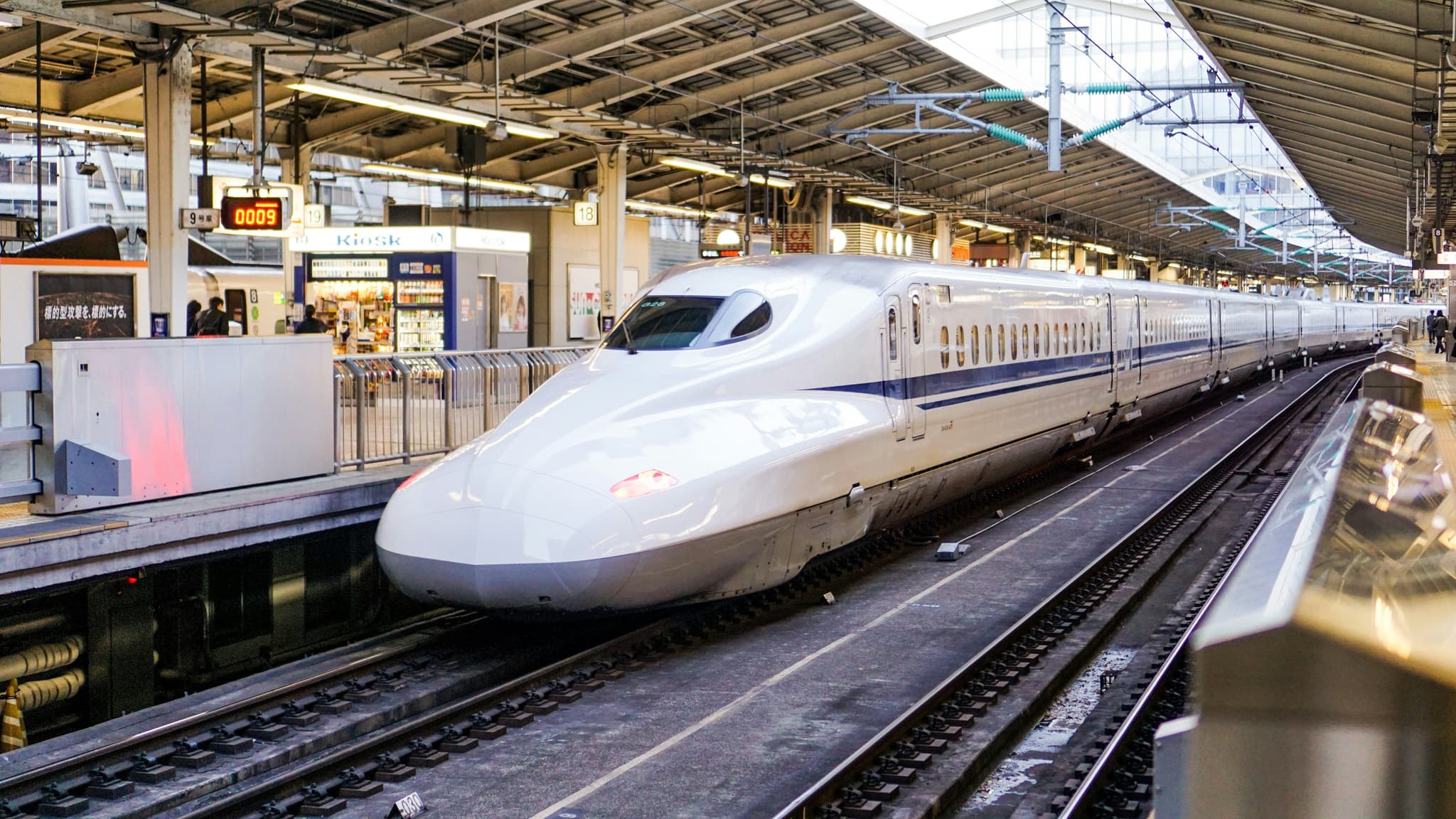
Getting around the Japan Golden Route is actually one of the easiest parts of planning the trip. Tokyo, Kyoto and Osaka are all connected by the Tokaido Shinkansen, so you can travel between the main stops quickly and spend most of your time actually exploring rather than sitting on trains.
Before buying a Japan Rail Pass, we’d definitely compare the price with separate tickets first. A 7 day pass costs around ¥50,000 and a 14 day pass around ¥80,000, so it won’t automatically save you money just because you’re travelling for two weeks. If you’re adding Hiroshima or a few other longer train journeys, it becomes much more interesting.
For Hakone, we’d look at the Hakone Freepass instead. It covers local transport like the mountain railway, ropeway and Lake Ashi cruise, which makes exploring the area much easier without buying a new ticket every time you hop on something.
Guided tip: The fastest Nozomi and Mizuho Shinkansen services aren't covered by the standard Japan Rail Pass, so you'll want to book Hikari or Kodama trains instead, which only add twenty to thirty minutes to most journeys.
Worth detouring off the classic Japan Golden Route?
If you have a few extra days, the Japanese Alps are one of our favourite additions. Matsumoto gives you mountain scenery and its famous black castle, while Shirakawa go takes you much further away from the big city feel of Tokyo, Kyoto and Osaka. Give yourself around two or three extra days and you can fit this part of Japan into your route without making the rest of the trip feel rushed.
Want to go even further? Japan has a lot more waiting beyond the classic route. Our guide to the islands of Japan takes you from Okinawa’s beaches to the volcanic landscapes of Kyushu.
Guided tip: Build your Golden Route first and only then start adding detours. Two weeks disappear surprisingly quickly in Japan, and you’ll enjoy those extra stops much more when you’re not squeezing Kyoto, Tokyo and Osaka into whatever time is left.
Best time to travel the Japan Golden Route
The weather changes the whole feel of this route, so timing your trip well changes what you get to see and how comfortable the days turn out to be.
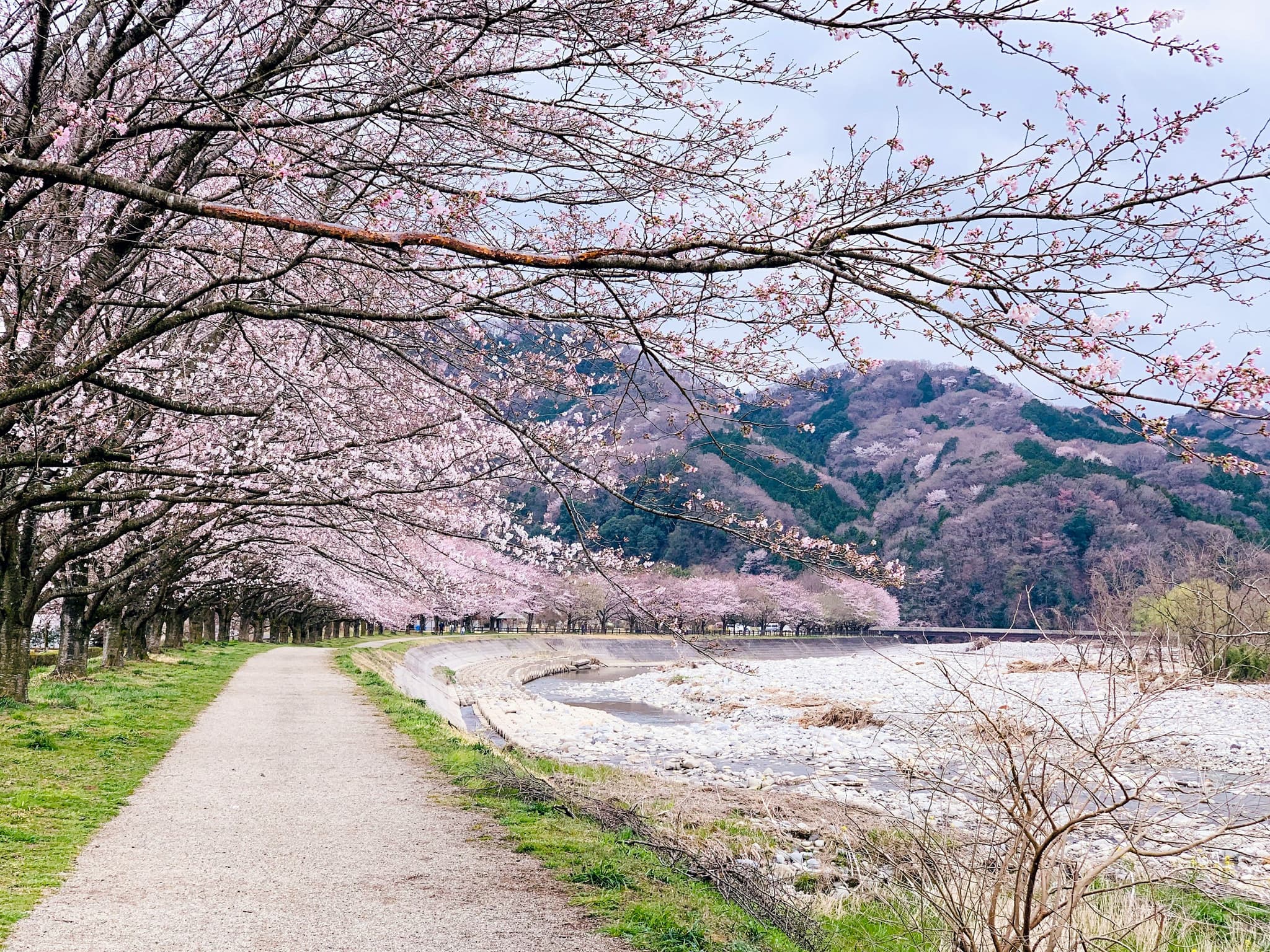
From late March to April, cherry blossoms bring some of the busiest crowds of the year, and October and November deliver similarly stunning colours with thinner crowds and cooler, more comfortable walking weather. July and August bring heat and humidity that can make long days of temple hopping tough going. That said, winter turns cold but rewards you with some of the clearest views of Mount Fuji.
Curious exactly which months work best for your own plans? Our full breakdown of the best time to visit Japan covers month-by-month weather, seasons and festival dates in far more detail. If your trip lines up with a festival, that alone can change how you plan the days around it. Our guide to festivals in Japan runs through the biggest ones, including Kyoto's Gion Matsuri in July and the autumn illumination events that light up parks across the country each November.
Did you know: Japan's peak seasons (cherry blossom in spring and autumn colours in November) can push hotel prices in Kyoto up by 40 percent or more, so booking your Golden Route itinerary accommodation three to four months ahead is worth the effort during those windows.
Travel tips for your Japan Golden Route
A few things work a little differently when travelling around Japan, and knowing them before you arrive makes the Golden Route much easier. We’d sort these out before your trip so you can spend less time figuring out tickets and luggage once you’re there.
Set up a Suica or Pasmo card
For everyday transport, a Suica or Pasmo card will probably become one of the things you use most. You can tap in and out of trains and subways, and use it in many convenience stores and vending machines too. If your phone supports a digital IC card, setting one up before you arrive saves you figuring it out at the station after a long flight.
Send your luggage ahead
Rather than dragging a large suitcase through Tokyo Station and onto the Shinkansen, try Japan’s luggage forwarding service, known as takkyubin. Your hotel can usually help send your bags directly to your next accommodation, while you travel with just a smaller overnight bag. We’d especially recommend this when travelling between Tokyo, Kyoto and Osaka.
Keep some cash with you
Japan may feel incredibly modern, but you’ll still come across smaller restaurants, temples and local businesses where cash comes in handy. Keep some yen in your wallet alongside your cards, particularly when you’re heading outside the major cities.
Learn a little Japanese etiquette
You don’t need to know every Japanese custom before you arrive, but a few basics go a long way. Keep your voice down on trains, remove your shoes when asked and follow the queues at stations. Curious about the little customs you’ll notice along the way? Our Japanese culture guide covers what’s useful to know before you go.
How to start planning your Japan Golden Route?
By now, you probably have far more places saved than you can realistically fit into one trip, which is pretty normal for Japan. Start with Tokyo, Kyoto and Osaka, then decide which extra stops actually match the kind of trip you want. Add Hakone or the Japanese Alps for mountains and nature, Nara for temples and history, or Hiroshima if you have a little more time to travel further west.
Once you have your favourites, add them to the Guided app and start mapping out your route. You can see where everything sits, group places that make sense together and decide how many nights you actually need in each stop. That makes it much easier to spot when your itinerary is getting too ambitious and leave enough time to actually enjoy Japan rather than constantly heading for the next station.
Enjoyed This Blog? Continue Reading!
There is more travel inspiration waiting for you on our blog. You can take a look below and start mapping out your next travel adventure!


