
Garden Route road trip from Cape Town to Port Elizabeth (Gqeberha)
By Sandra Romano
Oct 8, 2026
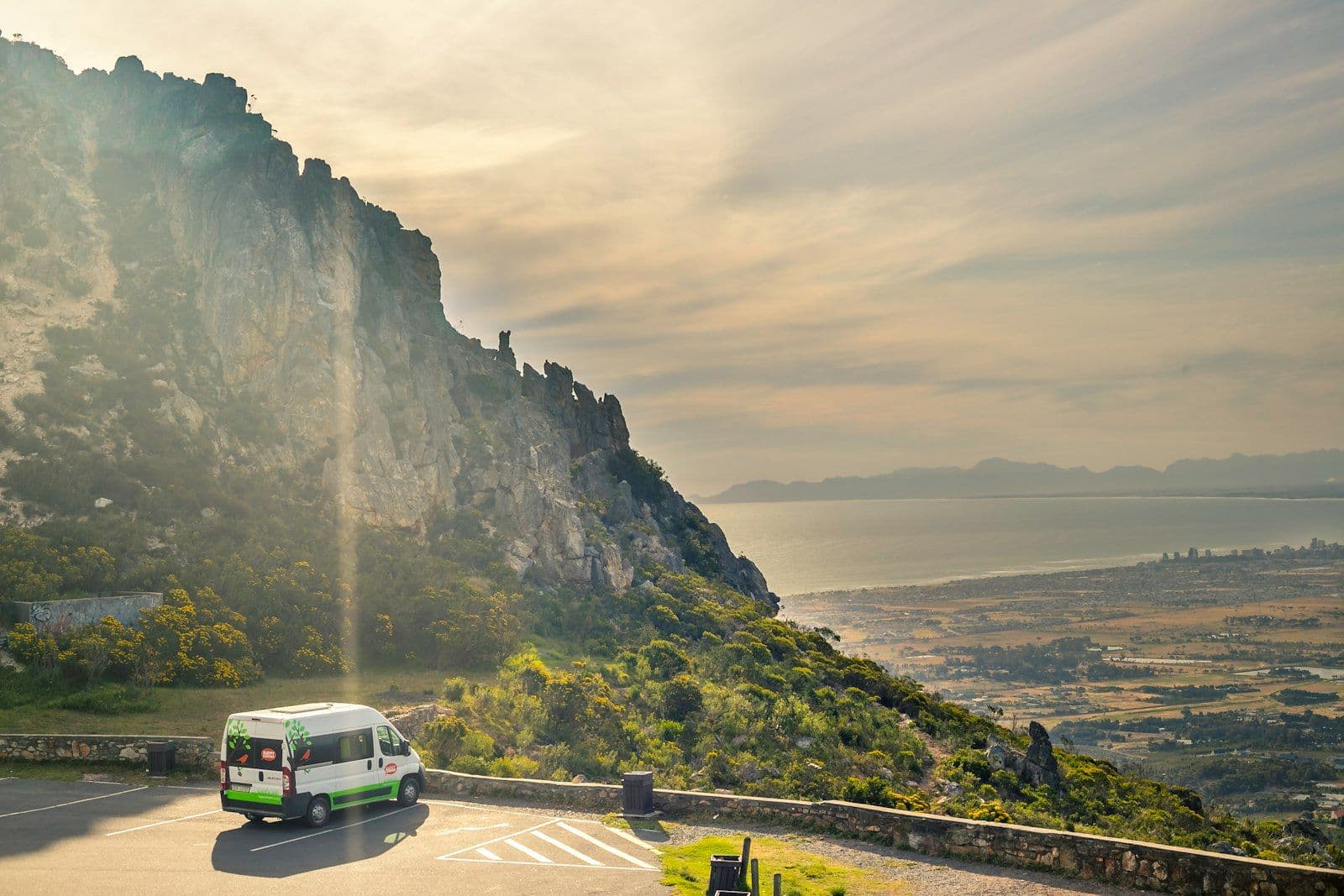
Plan a Garden Route road trip around one long driving day and a run of short ones, and the rest of the planning gets easy. The route follows South Africa's south coast from Cape Town to Gqeberha (formerly Port Elizabeth), with stops in Hermanus, Wilderness, Knysna, Plettenberg Bay and Tsitsikamma. It adds up to roughly 820 km of driving over six driving days, and three of those days have you behind the wheel for under an hour.
The order is what makes it work. Start in Cape Town and take the detour to Hermanus first. Then commit to the long leg east to Wilderness, the only day of serious driving. After that the towns sit close together, so you spend more time on trails and boats than in the car. You finish in Gqeberha, and Addo Elephant National Park is close enough for a 1 to 2 night safari before you fly home.
Below are two pacing plans and a guide to each stop. After those comes the part first-time visitors ask about most, which is driving and staying safe.
Which Garden Route itinerary suits you
How many days does this route need? Seven is the minimum we'd plan around, and ten is where it stops feeling rushed. Both versions below use the same six driving days. The only difference is how many days you get to stay put.
If you have 7 days
Six driving days leave one free day, so give it to a stop that has enough to fill it.
Day 1. Cape Town to Hermanus (~119 km, ~1h25). Leave in the morning and you'll have the whole afternoon for the Cliff Path.
Day 2. Hermanus to Wilderness (~365 km, ~3h50). This is the long one. Start early and plan to arrive with plenty of daylight left.
Day 3. Wilderness to Knysna (~46 km, ~45 min). It's short enough that you can spend the morning on the beach in Wilderness before you leave.
Day 4. Knysna to Plettenberg Bay (~33 km, ~25 to 30 min). See the lagoon and the Heads in the morning and be in Plett by lunch.
Day 5. Plettenberg Bay, no driving. Do Robberg Nature Reserve in the morning, then the Keurbooms River or Monkeyland in the afternoon.
Day 6. Plettenberg Bay to Storms River (~62 km, ~50 min). Walk to the suspension bridge, and do the Bloukrans bungee if you're jumping.
Day 7. Storms River to Gqeberha (~194 km, ~2h). Leave yourself spare time if you're flying out the same day.
We'd give the spare day to Plettenberg Bay rather than Knysna. Both can fill two days, but Robberg alone justifies the extra night. Wilderness works well as a one-night stop after the long drive, and on a 7-day plan it doesn't need more.
You might be tempted to cut Hermanus and drive straight from Cape Town to Wilderness. That route runs roughly 430 km and about 5 hours, close to the roughly 484 km and 5h15 you'd cover via Hermanus. Skipping it buys you barely any driving time and costs you a whole town. Keep Hermanus.
If you have 10 days
Ten days is the version we'd choose. It adds an extra night in Knysna, keeps the extra night in Plettenberg Bay, and ends with two nights near Addo Elephant National Park.
Day 1. Cape Town to Hermanus
Day 2. Hermanus to Wilderness
Day 3. Wilderness to Knysna
Day 4. Knysna, no driving (Featherbed ferry, forest birding)
Day 5. Knysna to Plettenberg Bay
Day 6. Plettenberg Bay, no driving
Day 7. Plettenberg Bay to Storms River
Day 8. Storms River to Addo via Gqeberha
Day 9. Addo, with game drives early morning and late afternoon
Day 10. Addo to Gqeberha
Day 8 is the second-longest day in the car. It's roughly 2 hours to Gqeberha, then an hour to just over an hour to the park depending on your route and gate. Start early enough to reach Addo in daylight.
The route, stop by stop
The stop-by-stop route below runs from Cape Town through to Gqeberha. Four of the towns in the middle, Wilderness, Knysna, Plettenberg Bay and Storms River, sit along a stretch of coast you can cover in roughly 141 km combined, so you can move to a new town every day without the moving taking up the day.
Hermanus
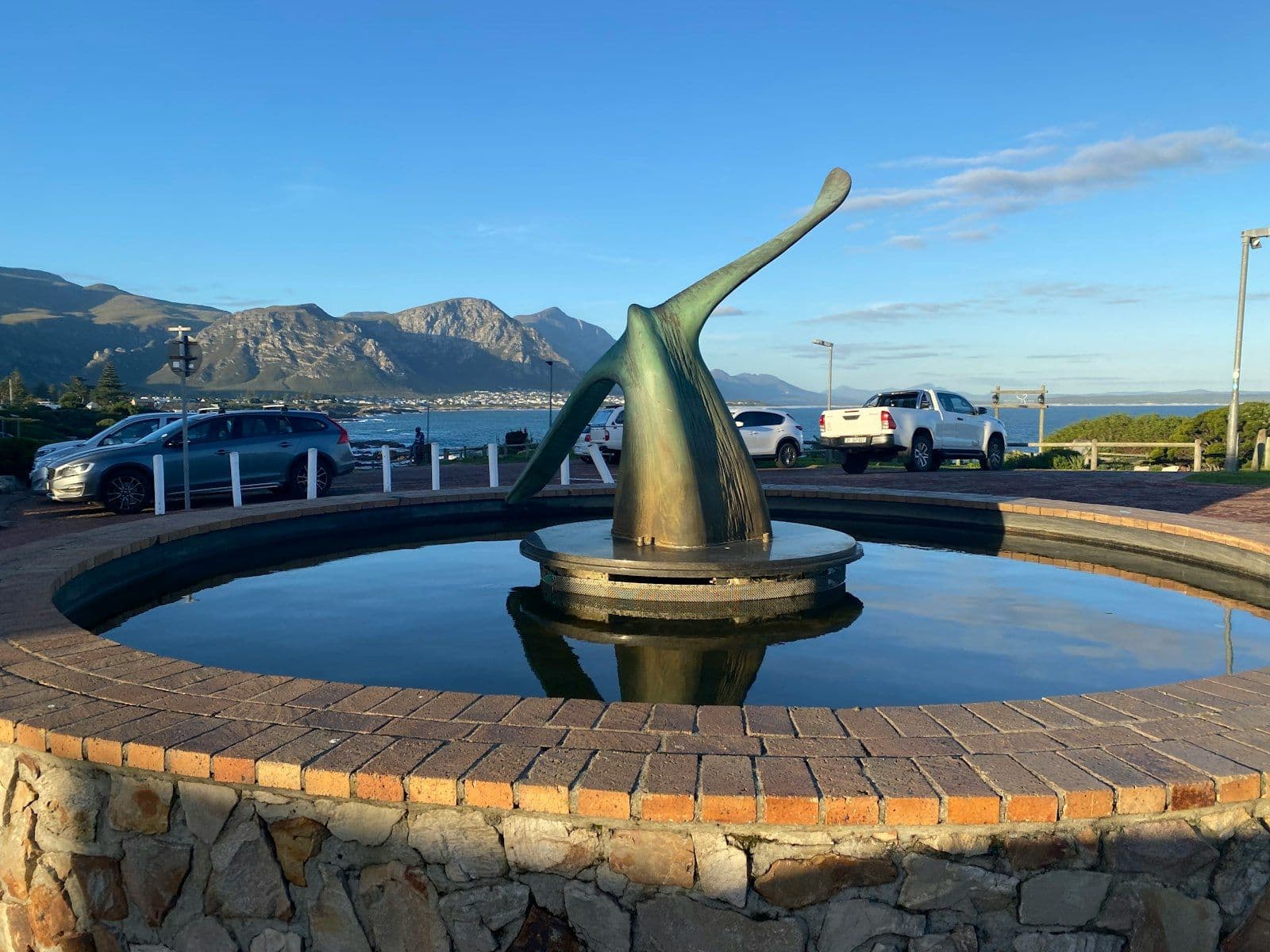
If you're going in December, January or February, ignore the whale-watching pitch. Hermanus sells itself as a whale-watching capital, but the Southern Right whale season runs July to November and peaks August to October. Humpbacks can still turn up into early December, and Bryde's whales are a year-round long shot. On a summer visit, any whale you spot from shore is a bonus.
The real reasons to stop are on land. The Cliff Path runs for 12 km and is the best use of your arrival afternoon. Grotto Beach is a Blue Flag beach with room to swim and picnic. Fernkloof Nature Reserve has hiking trails and a 17 km mountain-bike circuit. On a Saturday you can browse the farmer's and craft markets at the Cricket Field and Hemel-en-Aarde Village, and Market Square runs every day.
Wilderness
Wilderness is roughly 365 km and 3h50 east of Hermanus, and it's the base for the lakes and lagoons of the wider Wilderness National Park area. Dolphins are commonly reported in the early morning, which makes it worth setting an alarm. On some nights, bioluminescent algae glow along the shore. That depends on conditions and doesn't happen every night, so count it as luck if you see it. One night is the right amount here. Arrive, walk the beach and sleep off the long drive.
Knysna
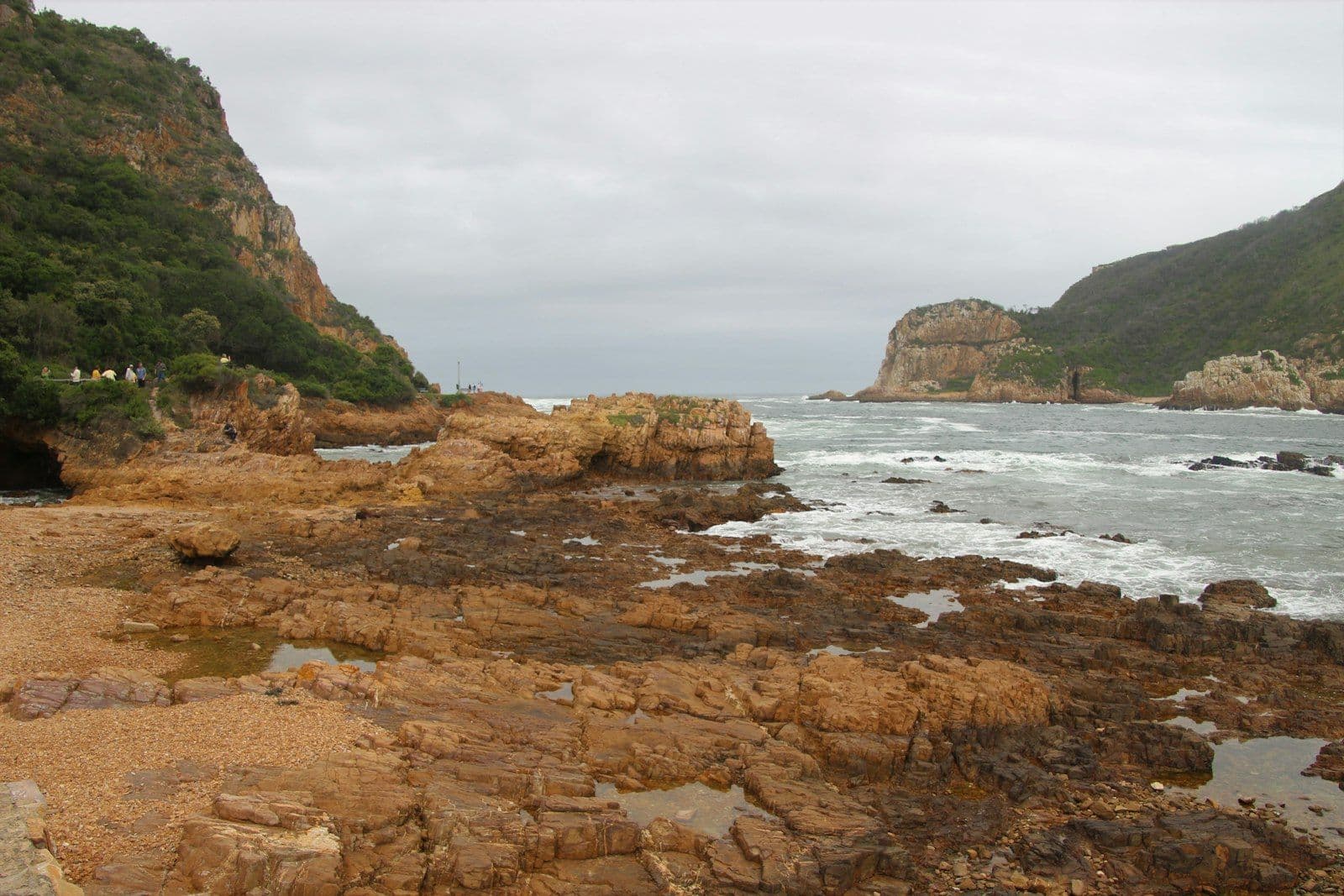
Is Knysna worth more than one night? On a 10-day trip, yes. The town wraps around Knysna Lagoon. Start with the Knysna Heads, the sandstone cliffs at the mouth of the lagoon. A ferry runs out to Featherbed Nature Reserve, and the Knysna Forest is the place to go birding.
Know what Knysna Elephant Park is before you book. It's a sanctuary for orphaned and rescued elephants, so you'd be visiting elephants in care, not seeing them in the wild. For wild elephants, wait for Addo at the end of the route.
Plettenberg Bay
We'd give Plettenberg Bay an extra night on any version of this trip, and Robberg Nature Reserve is why. From its clifftop trails you regularly see seals and dolphins in the water below, and sometimes sharks.
The rest of Plett suits a slower afternoon. Monkeyland and Birds of Eden are sanctuaries where the animals roam free, and Jukani Wildlife Sanctuary is a third option of the same kind. Old Nick Village has craft shops and cafés to wander through, and you can get out on the water on the Keurbooms River.
Tsitsikamma and Storms River
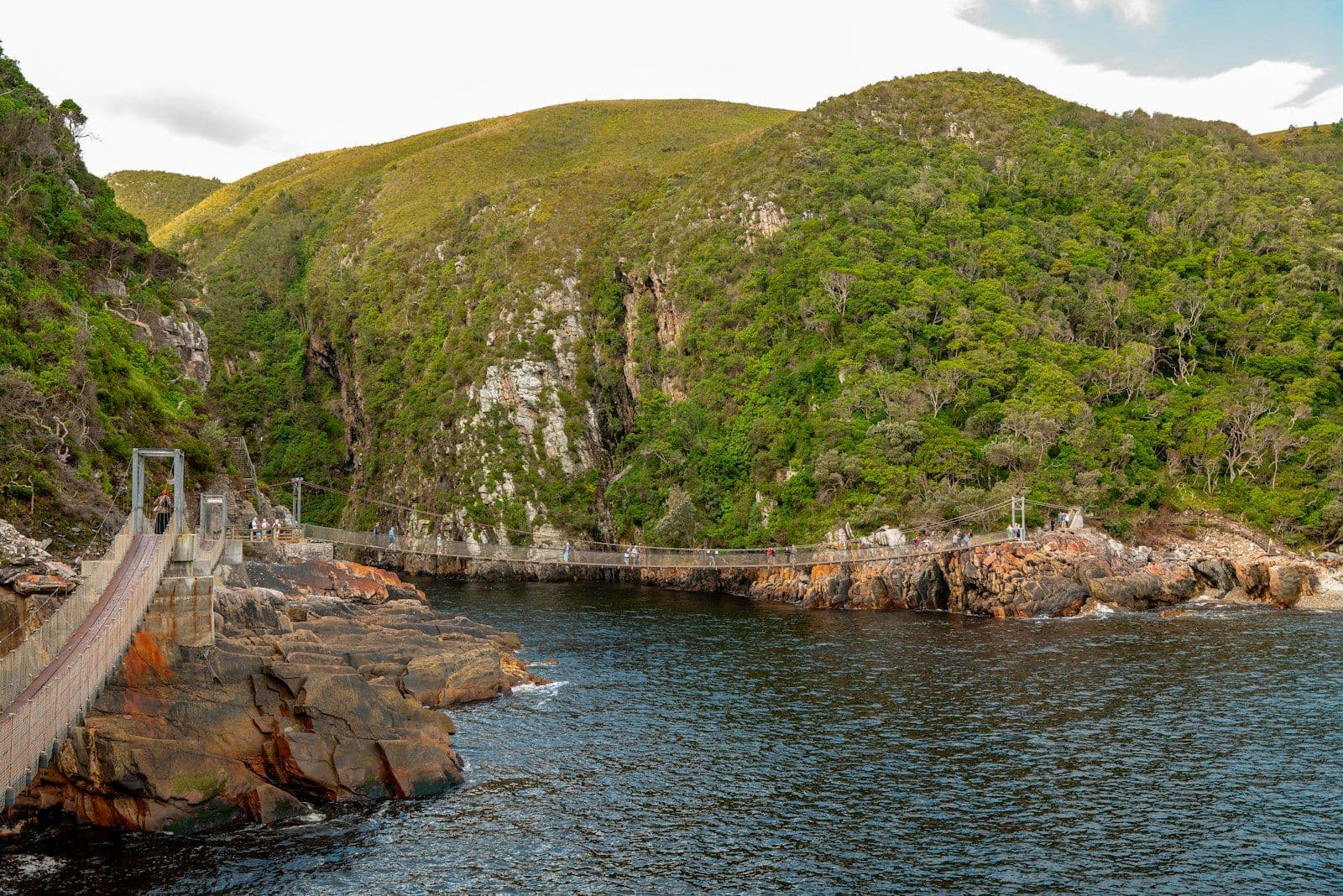
The walk to the Storms River Mouth suspension bridge takes an hour, on a trail through forest and fynbos.
The Bloukrans Bridge bungee drops 216 metres, the world's highest bridge bungy jump. If you do one adrenaline activity on this trip, make it this one. If you'd rather keep both feet attached to something, there's a treetop canopy tour and kayaking on the Storms River.
Gqeberha and the Addo add-on
Addo Elephant National Park is the best reason to end the route in Gqeberha. Gqeberha became the city's official name in February 2021, as part of the Nelson Mandela Bay metro, and both names are still in everyday use.
Addo has elephants, zebra, buffalo and warthog, and you can explore it on a self-drive or a guided game drive. The park is 72 to 120 km from Gqeberha depending on your gate and route, which is an hour to just over an hour by car. That makes it an easy 1 to 2 night add-on, with no need to plan it as a separate trip.
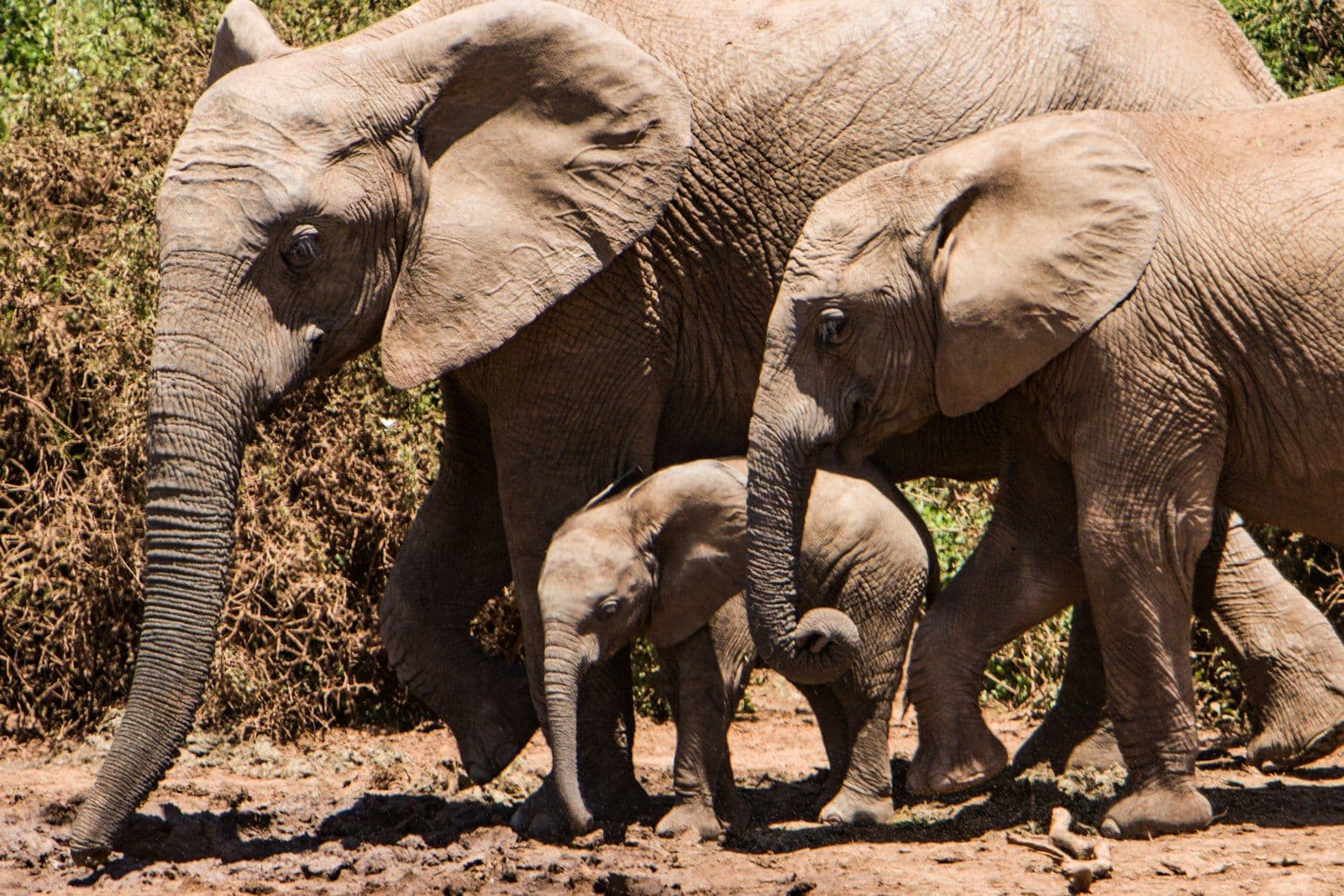
Guided tip: Plan your Addo game drives for early morning and late afternoon, when sightings are best. Do the drive in from Gqeberha in the middle of the day.
Driving conditions and safety on the Garden Route
Is the Garden Route safe to drive? Yes, if you take two kinds of care. The first is ordinary road-trip driving. The main roads are in good condition and actively policed on the stretches tourists use most. The second is a set of crime-avoidance habits specific to South Africa, covered below. The real risk is crime, not the roads: carjacking at traffic lights and petrol stations, and smash-and-grab thefts from parked cars, are the specific things worth planning around.
Which side of the road
South Africa drives on the left, confirmed by South African Tourism's own travel guidance. If you're used to driving on the right, the short first leg to Hermanus gives you time to adjust before the long day that follows.
Is it difficult?
No. The roads are good, and if you stick to the main routes the driving is the easy part of the trip. The leg everyone underestimates is Hermanus to Wilderness. Hermanus sits off the direct N2 corridor, so you cover roughly 365 km and 3h50 before the next stop, and it's the only day that feels like a full day of driving.
Guided tip: Do the Hermanus to Wilderness leg first thing in the morning and don't fit an activity in before it. That's the day most likely to leave you driving after dark.
Travel times and what to expect
These are estimated point-to-point times with no stops.
Cape Town to Hermanus: ~119 km, ~1h25
Hermanus to Wilderness: ~365 km, ~3h50
Wilderness to Knysna: ~46 km, ~45 min
Knysna to Plettenberg Bay: ~33 km, ~25 to 30 min
Plettenberg Bay to Storms River: ~62 km, ~50 min
Storms River to Gqeberha: ~194 km, ~2h
Gqeberha to Addo (optional): 72 to 120 km, depending on gate, ~1h to 1h15
Driving Cape Town to Gqeberha via Hermanus comes to roughly 820 km and just over nine hours in the car, spread across the trip. Don't try to do it in a single day.
How much driving per day feels comfortable
Keep each day short enough that you reach the next town well before dark. On this route that's easy. Three legs are under an hour and one is roughly 3h50. The short days give you a choice. You can drive in the morning and have the afternoon free, or do something in the morning and drive after lunch. If you ever find yourself planning more than four hours in the car in one day, split it.
Avoiding crime on the road
The US State Department rates South Africa at Level 2, "Exercise increased caution." The UK FCDO updated its South Africa travel advice in the first half of 2026. Both name crime as the main risk to visitors, including muggings, carjacking, robbery and smash-and-grab attacks on vehicles. Both also say it happens in tourist areas, not only remote ones. These are the habits that matter.
Don't drive after dark outside town centers. Roads are poorly lit, and the risk of carjacking and road hazards both rise at night.
Watch for signs at traffic lights. Some areas have local signage warning drivers not to stop at red lights at night. Follow it.
Keep doors locked and windows up while you drive. Carjackings commonly happen at traffic lights, petrol stations and busy intersections.
Keep valuables out of sight whenever the car is parked.
Stick to the N2 and other major routes. Skip GPS shortcuts through back roads you don't know. If you do take a detour, tell someone your route and when you expect to arrive.
Choosing a car
A standard rental car is all this route needs, since you stay on major roads the whole way. Our one priority would be a boot where luggage stays out of sight, given how common smash-and-grab theft is. Pick the car up in Cape Town and drop it off in Gqeberha, and check the one-way fee before you book. Having a car also gives you the option of self-driving in Addo if you'd rather skip a guided game drive.
Best time to visit the Garden Route
South Africa's summer runs from December to February, and this guide is built around that window. It's also when demand peaks. Cape Town International Airport set a record in 2025 with 11.1 million two-way passengers, 3.3 million of them international (up 7%). December 2025 alone saw almost 364,000 two-way international passengers, up 10% on the year before and a new festive-season record. If you're travelling over Christmas and New Year, book accommodation along the route early. If your dates are flexible, we'd lean toward January or February instead.
Getting there is getting easier. LATAM Airlines began flying direct from São Paulo to Cape Town on 2 July 2026, three times a week, becoming the first South American carrier to fly directly to Cape Town. Demand is still climbing too. The Advantage Travel Partnership reports Africa touring bookings for 2027 up 23% on the previous year, with South Africa and Kenya the two most popular long-haul touring destinations. The ICC Men's Cricket World Cup will be held across South Africa, Zimbabwe and Namibia in October and November 2027, which adds pressure outside the summer window.
The one thing summer can't give you is Hermanus at its whale-watching peak, which runs August to October.
Travel tips for the drive
Fill up every time you pass a petrol station, even with half a tank left. The gaps between Garden Route towns can run longer than you'd expect, especially through the forest and rural sections.
Load shedding, South Africa's schedule of rolling power cuts, has been suspended since early 2025 after Eskom's generation capacity recovered. Reporting from mid-2026 expected no load shedding through winter 2026 either. You don't need to plan around it right now, but it can change, so check the current status before you leave.
As a visitor, avoid minibus taxis. If you need to get around a town without your car, use a ride-hailing app.
Planning the whole trip
Every version of this route has the same backbone. It's six driving days and roughly 820 km, with the one long drive on day 2. The decisions left are how many nights to spend in Knysna and Plettenberg Bay, whether to add Addo, and how early to book if your dates fall in the festive season. Set each day's drive so you arrive in daylight, especially the 3h50 run to Wilderness and the 2-hour push into Gqeberha.
The Guided trip planner can hold your whole Garden Route road trip in one place, from the Cape Town car pickup and the 3h50 day to Wilderness through to your last game drive at Addo.


