
When to travel to Japan: Best time to visit based on your travel plans
By Eva Alkemade
Aug 9, 2026
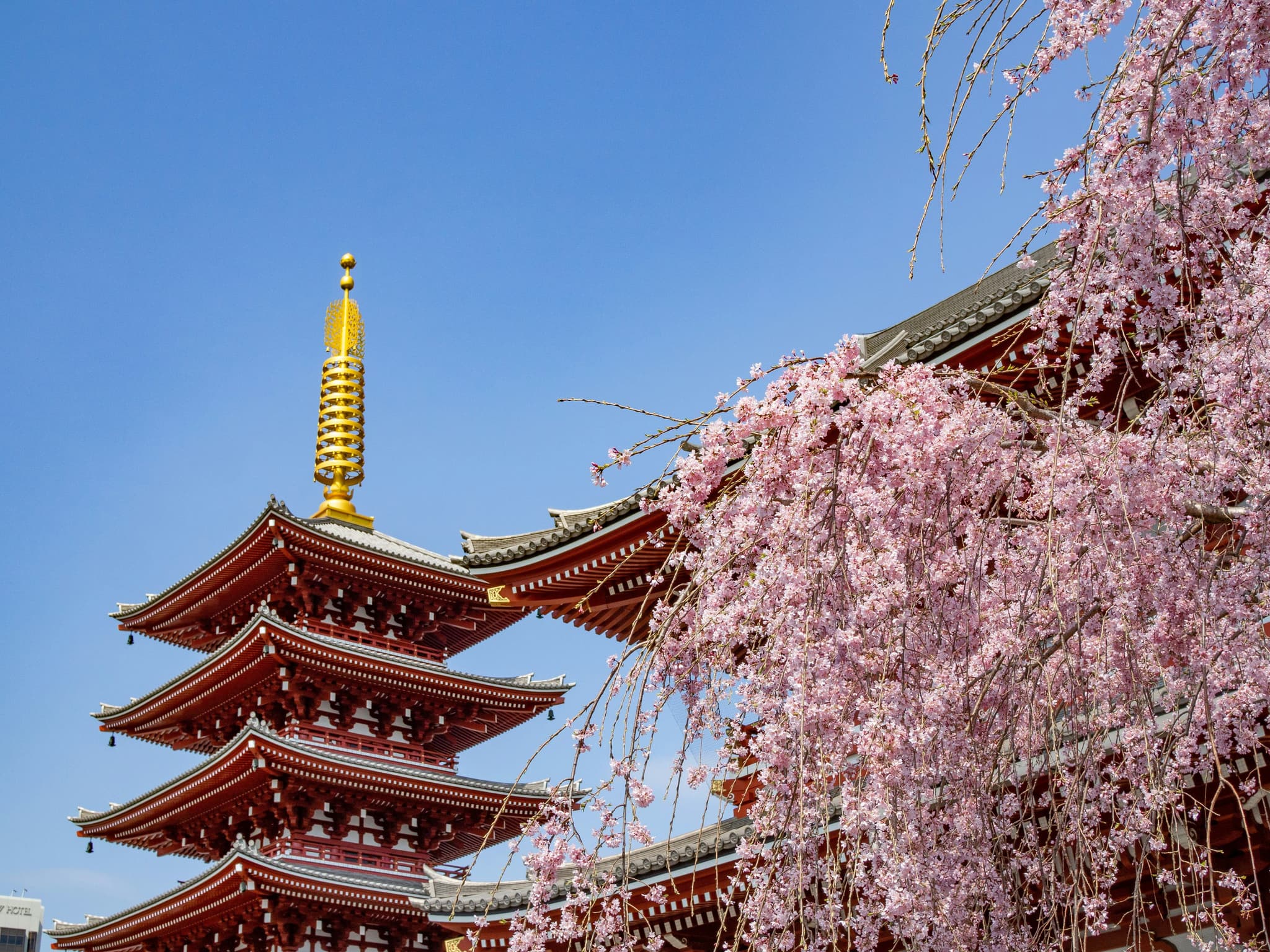
Planning a trip to Japan? One of the biggest decisions you'll make is when to go. Every season offers a completely different experience, from cherry blossoms in spring to autumn colours, summer festivals and world-class skiing in winter. In this guide, we'll compare the seasons, weather and crowds to help you choose the best time to visit.
When to go to Japan?
The best time to visit Japan depends on what kind of trip excites you most, but if you want the simple answer, spring and autumn win almost every time.
Best overall period: late March to May, or October to November, for cherry blossoms or autumn colour, mild temperatures and easy hiking
Still a great option: February, for the cheapest flights and hotels of the year, even with cold, dry weather
More intense months: July and August, hot and humid throughout, though packed with fireworks festivals and summer energy
Choosing the best time to visit Japan really depends on the places you want to visit and the experiences you're looking for. Our Japan travel guide explores the best places to visit, top attractions and itinerary ideas. Below, you'll find exactly which month to pick based on your interests and weather.
Best season to travel to Japan for your trip
The best season to visit Japan depends on the places you want to visit. Cherry blossoms, autumn colours, beaches and skiing all happen at different times of the year, while temperatures can vary a lot between northern and southern Japan.
Spring in Japan (March to May)
So when is spring in Japan? It runs roughly from March through May, and it's the season most people picture first when they imagine a trip to Japan. Japan’s weather in March still runs cool and a little unpredictable, so bring both a light jacket and something warmer for evenings.
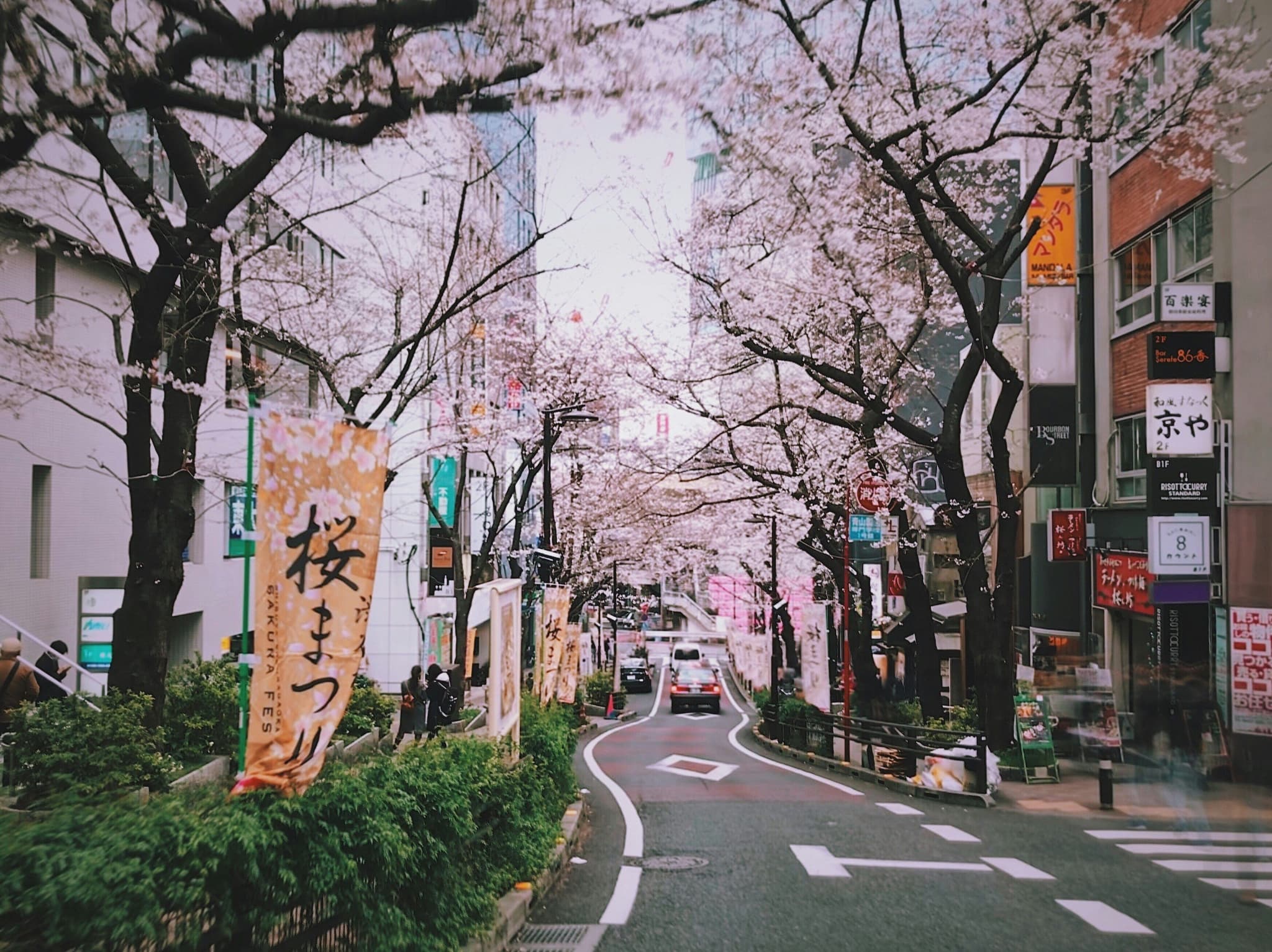
By April, everything changes: cherry blossom season hits its peak in Tokyo and Kyoto in the last week of March or first week of April, then the blossom front chases its way north over the following weeks. Japan's weather in April is a little warmer than in March, but temperatures can still feel cool, especially in the mornings and evenings.
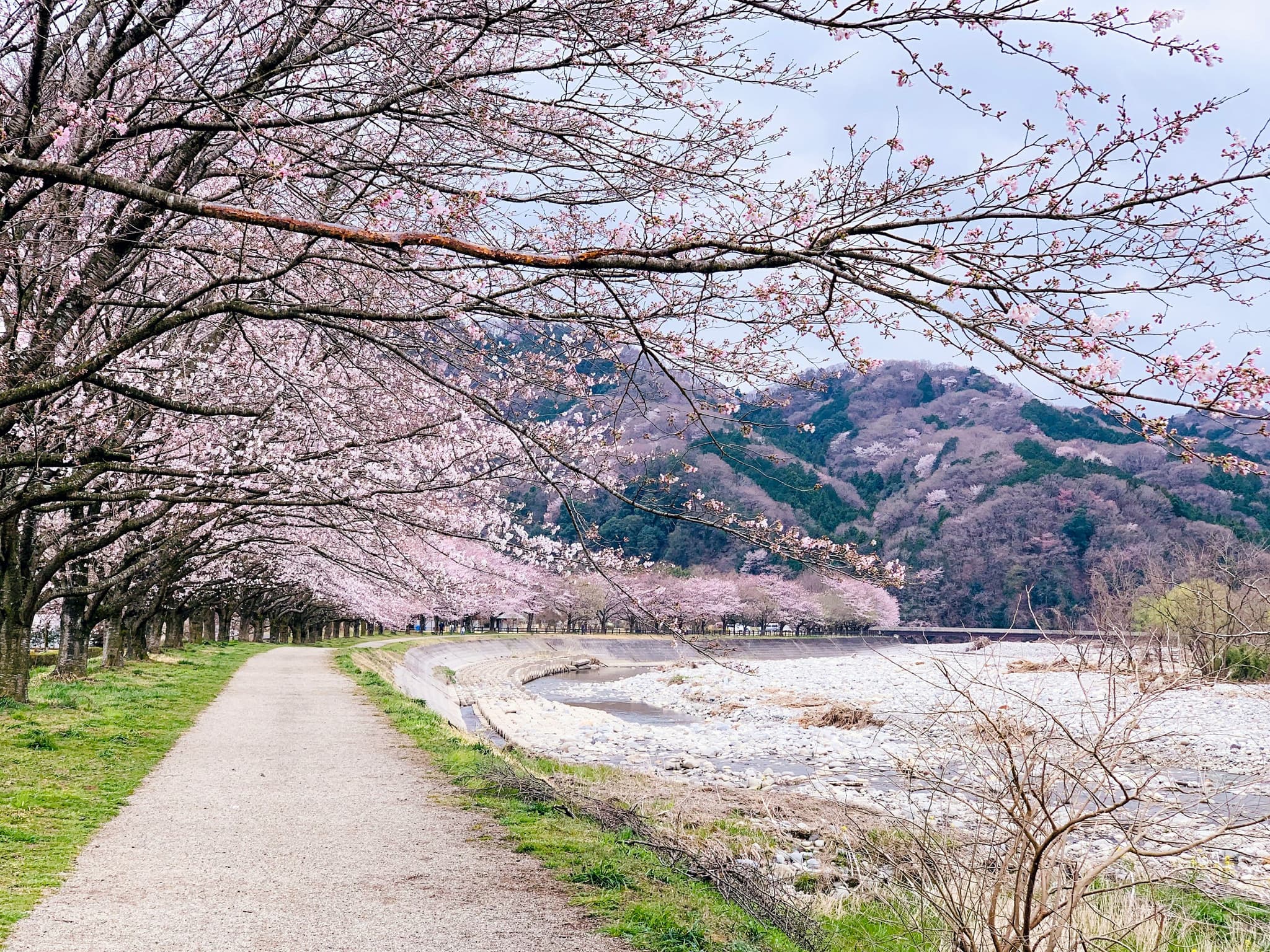
Cherry blossoms only last a week or two at full bloom in any one spot, so timing genuinely matters if that's your main reason for the trip. If you miss them in Tokyo, just head north toward Sendai or Hokkaido, since the bloom moves up the country like a slow wave and buys you a second shot. You can track the exact bloom forecast yourself through the Japan Meteorological Agency, which publishes it every year.
Then May warms up further, comfortable enough for t-shirts by day and a light jacket by night, exactly why it's one of the best windows for walking cities or hiking lower trails.
Summer in Japan (June to August)
So, Japan’s summer basically splits into two very different trips:
Rain in June and July
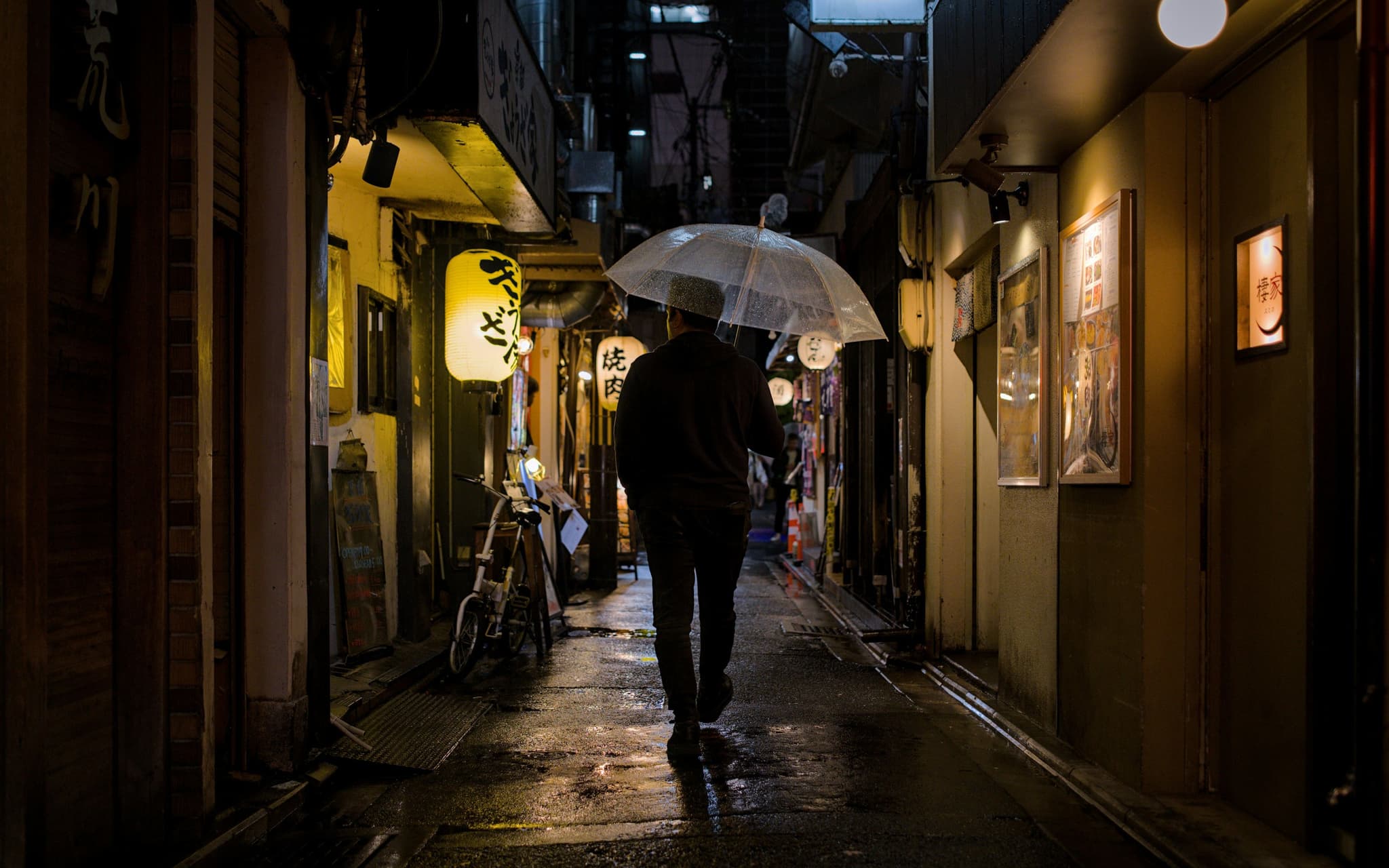
From early June through to mid-July, most of the country outside Hokkaido falls inside rainy season, known locally as tsuyu, with grey skies and short, heavy downpours most afternoons. On the plus side, hotel prices usually drop during this window, so it's not all bad to visit Japan in summer if you don't mind carrying an umbrella.
Heat and sun in July and August
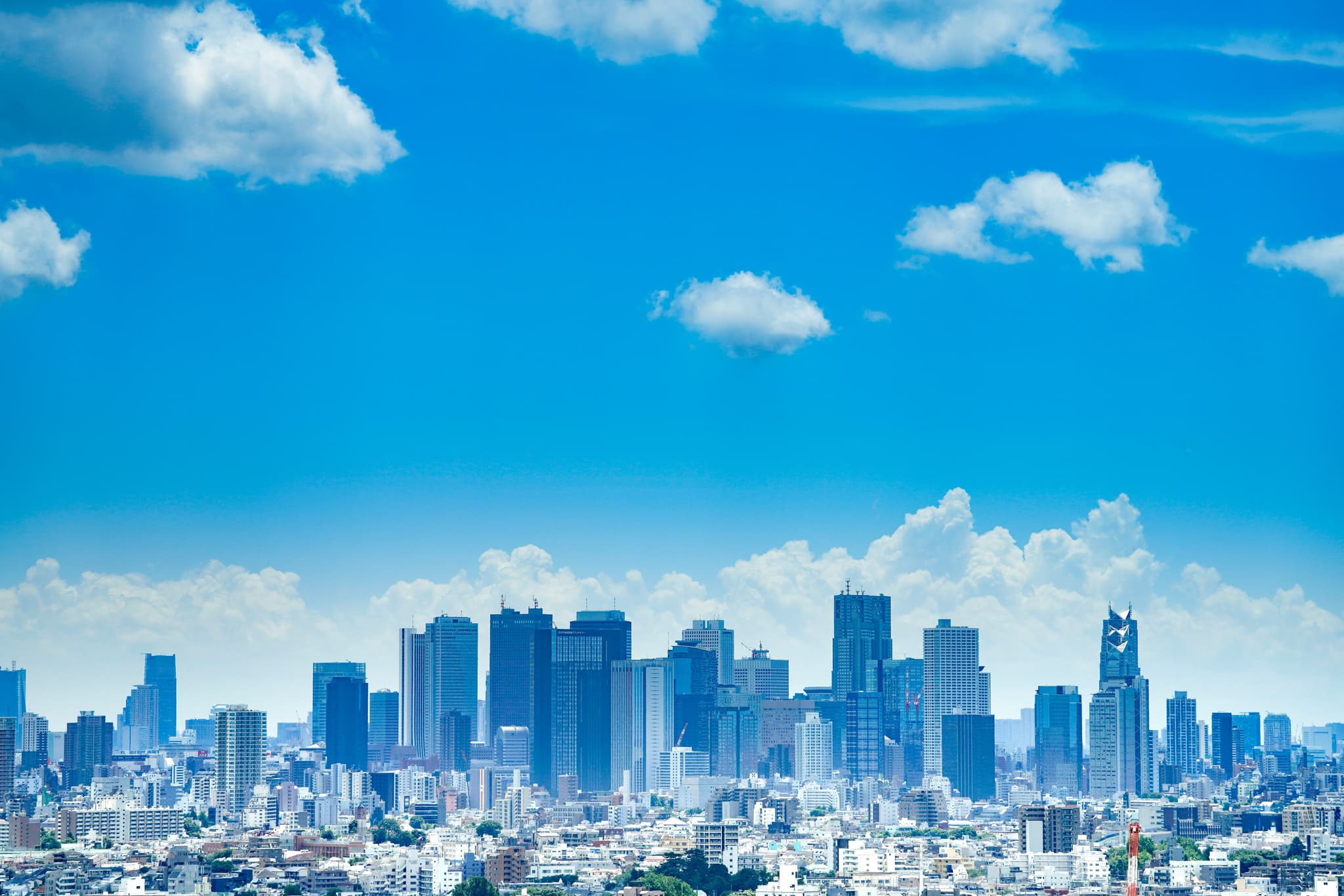
After the rain clears, generally by early July, the heat properly kicks in. Together, Japan in July and August bring genuinely hot, humid conditions across most cities. Why brave it? Because Japan in August also brings the biggest festival season, more on that below.
Autumn in Japan (September to November)
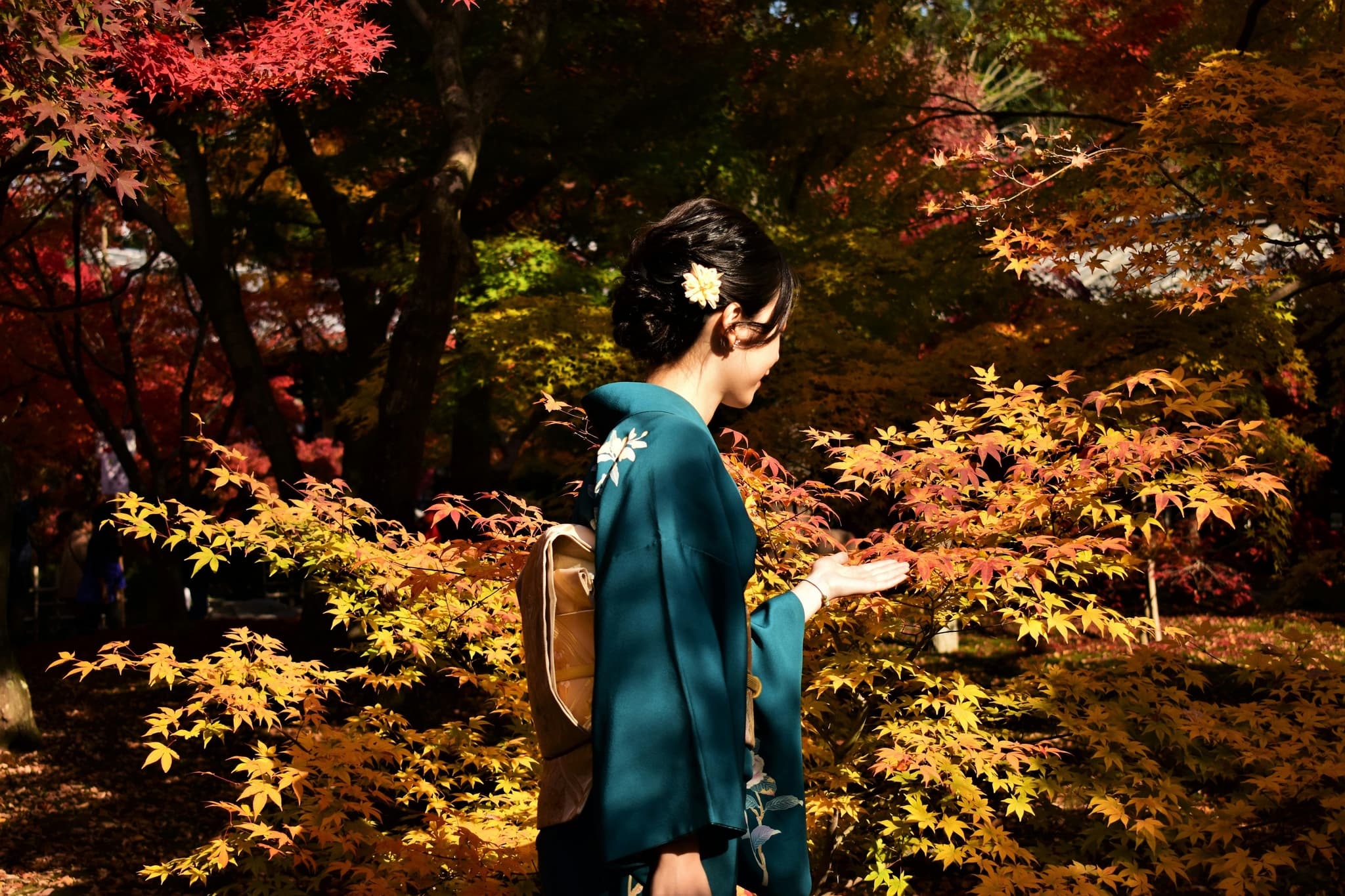
By September, autumn takes over. So is September a good time to visit Japan? Mostly yes, just watch for typhoon risk early in the month. By October, that risk fades, and November brings some of the clearest, most comfortable days all year, plus entire hillsides turning red and gold across Kyoto, Nikko and the Japanese Alps, which is beautiful!
Winter in Japan (December to February)
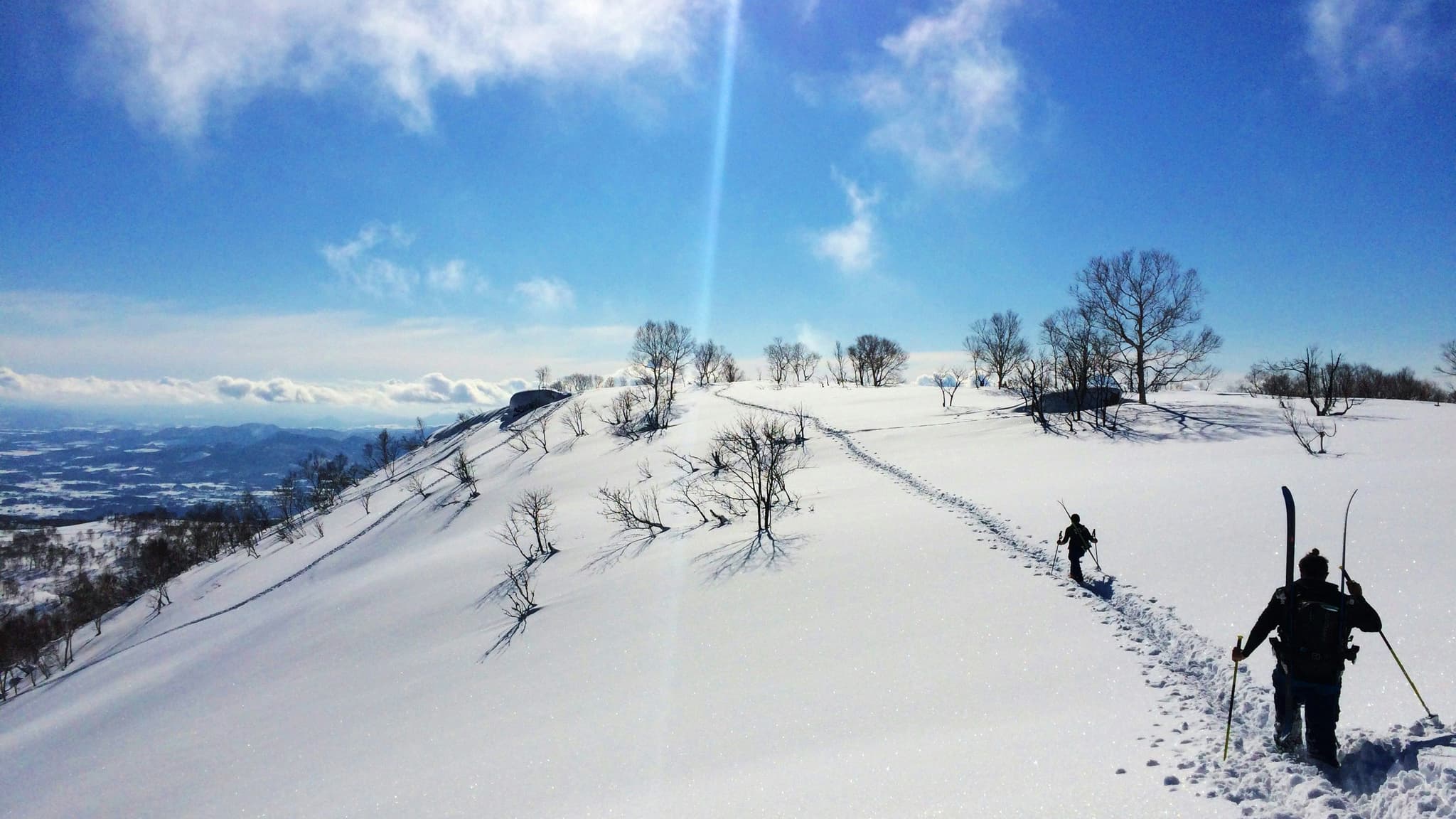
Then winter runs December through February, splitting the country in two. Down south, Tokyo and Osaka stay cold but dry, rarely dropping below freezing in the daytime. Further north, Hokkaido buries itself in proper snow from early December, perfect if skiing or snowboarding is on your bucket list.
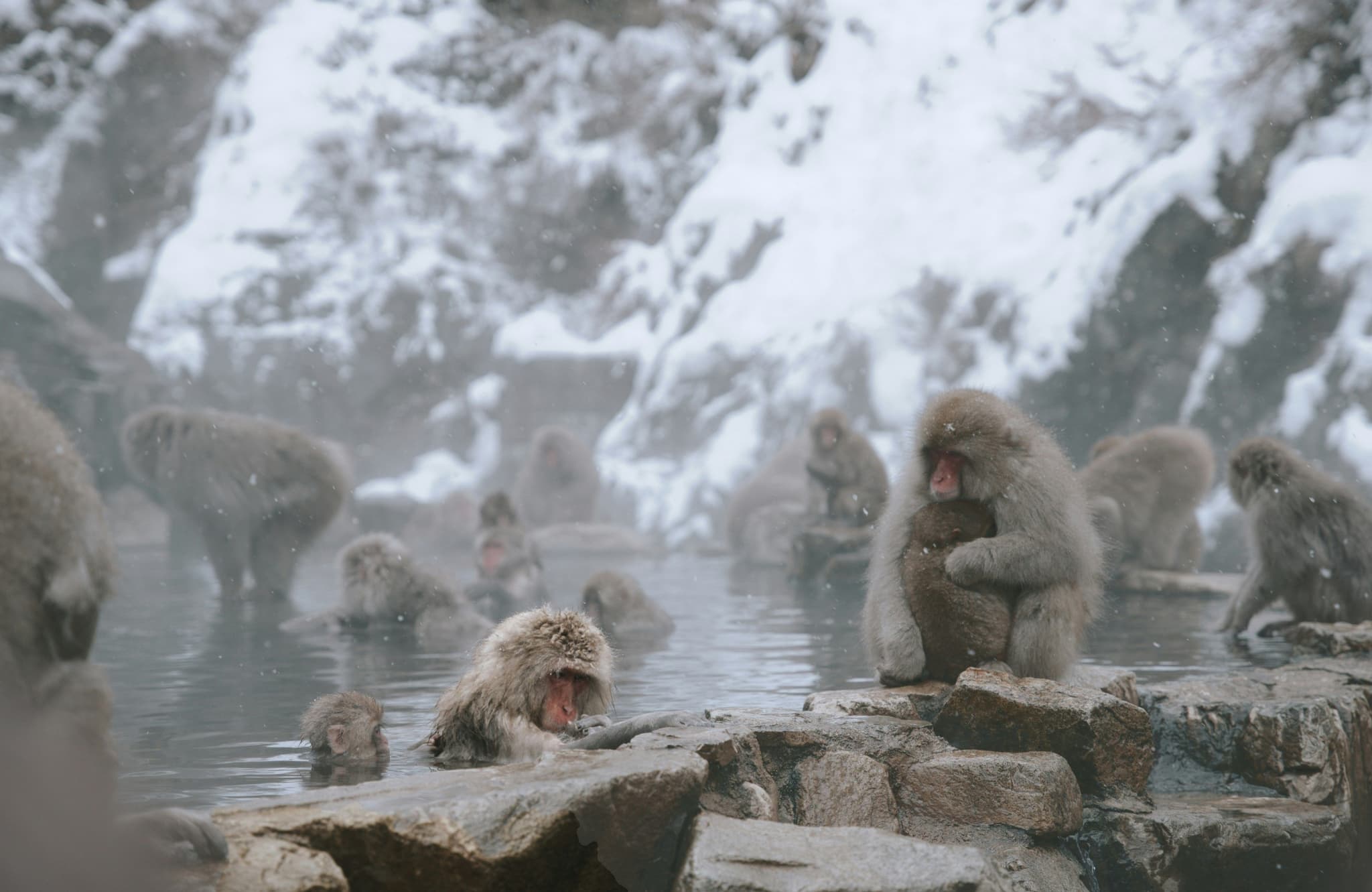
Later in the season, February tends to be the coldest window, but also one of the least busy and cheapest, landing neatly between two of the year's busiest windows. Around this time, hot springs turn into a genuine highlight of any trip, there's honestly nothing like soaking in an outdoor onsen as snow settles around you.
Did you know? some Hokkaido towns get snow piled higher than a person by midwinter, deep enough that entire streets run through snow tunnels.
Weather per region of Japan: best time to visit
Japan's weather changes a lot from north to south, so the best time to visit partly depends on where you're travelling. You could be skiing in Hokkaido while people in Okinawa are already enjoying the beach. Here's what you can expect across Japan's main regions and when they're at their best.
Hokkaido and Tohoku: Cool summers and snowy winters
If you're hoping to escape Japan's summer heat, northern Japan is hard to beat. Hokkaido and Tohoku stay pleasantly cool during July and August, with temperatures usually between 20 and 27°C, making them perfect for hiking, flower fields and national parks. Winter is a completely different story. From December to March, places like Niseko, Furano and Aomori receive heavy snowfall, turning the region into one of Japan's best destinations for skiing and snowboarding. Cherry blossoms also arrive a little later here, usually from late April into May.
Kanto and Chubu: Classic spring and autumn weather
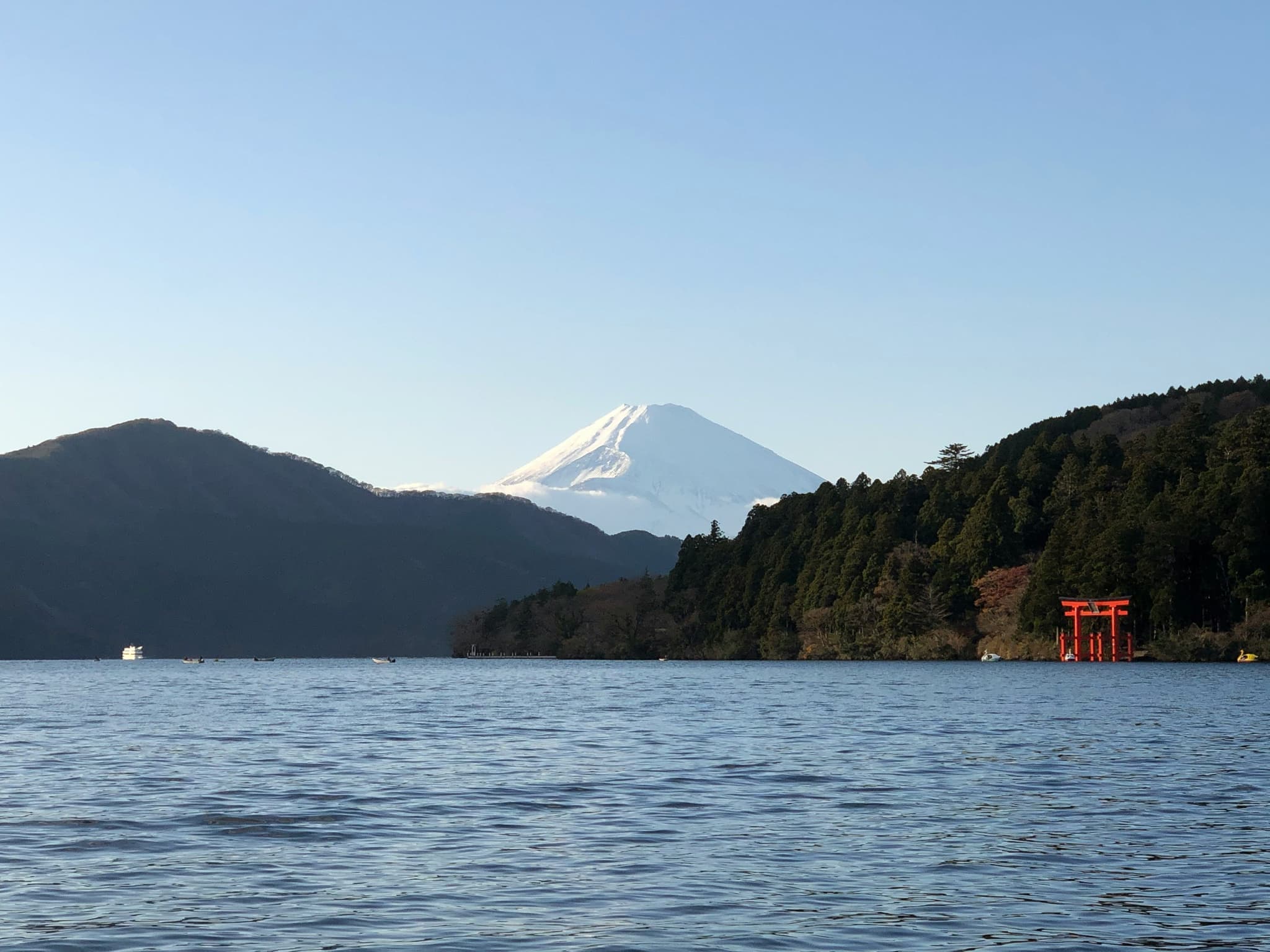
Most first-time travellers spend the majority of their trip in Tokyo, Hakone, Mount Fuji and the Japanese Alps, and this region gives you the classic Japanese seasons. Spring and autumn are generally the most comfortable, with temperatures between 15 and 25°C, making them ideal for sightseeing. Summer, especially July and August, often reaches 30 to 35°C with high humidity, while winter is cool but usually sunny around Tokyo. If you're heading into the Japanese Alps, expect much colder temperatures and plenty of snow.
If you're short on time, our six-day Japan itinerary for first timers packages a full route around exactly this kind of trip.
Kansai, Chugoku and Shikoku: Sightseeing in spring and autumn
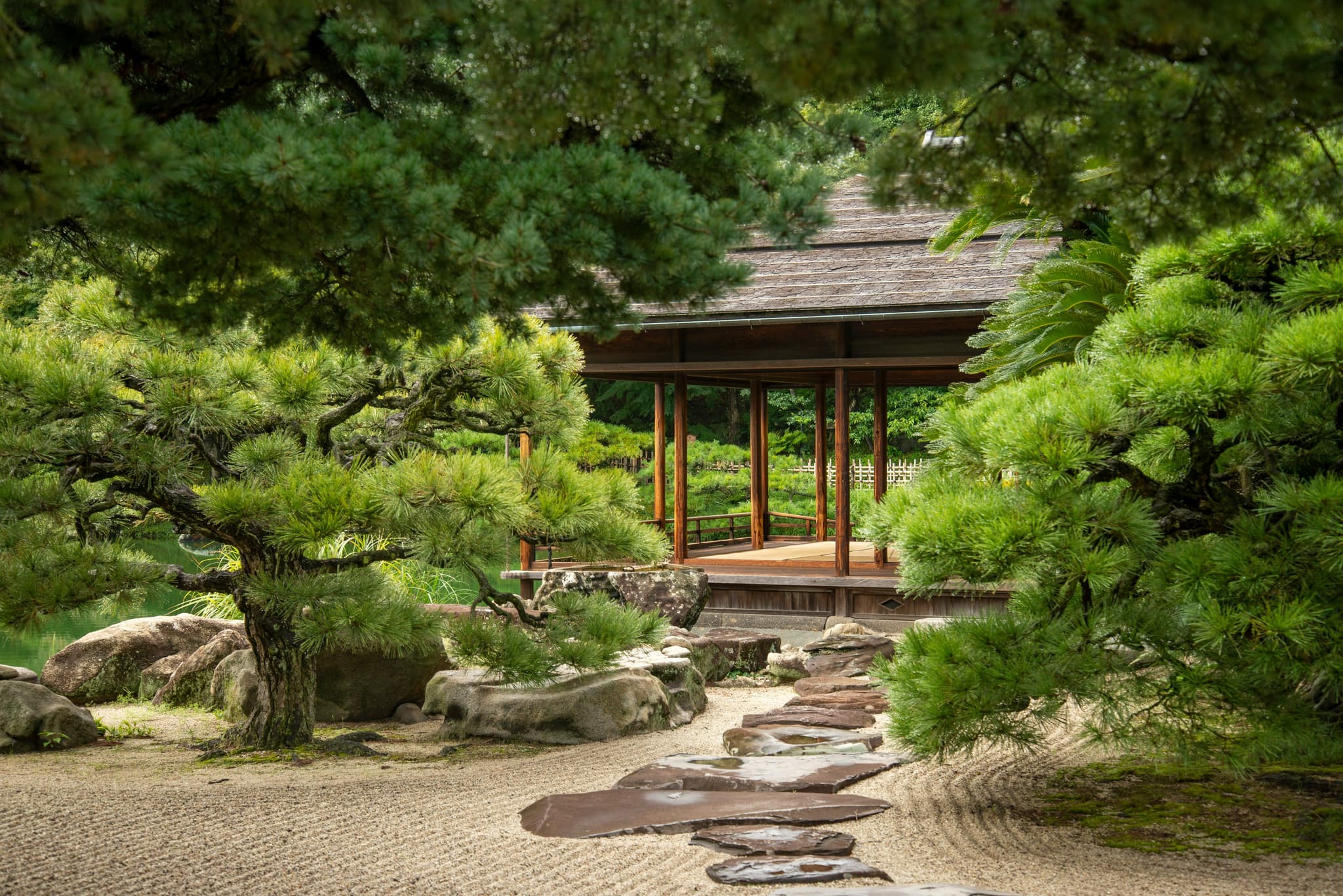
Planning to visit Kyoto, Osaka, Nara or Hiroshima? These regions enjoy warm springs, colourful autumns and relatively mild winters. April, May, October and November are usually the most comfortable months, with temperatures around 15 to 25°C and pleasant conditions for exploring temples, gardens and historic streets. Summer can become very hot and humid, often exceeding 30°C, especially in Kyoto where the surrounding mountains trap the heat.
Kyushu and Okinawa: Warm weather for most of the year
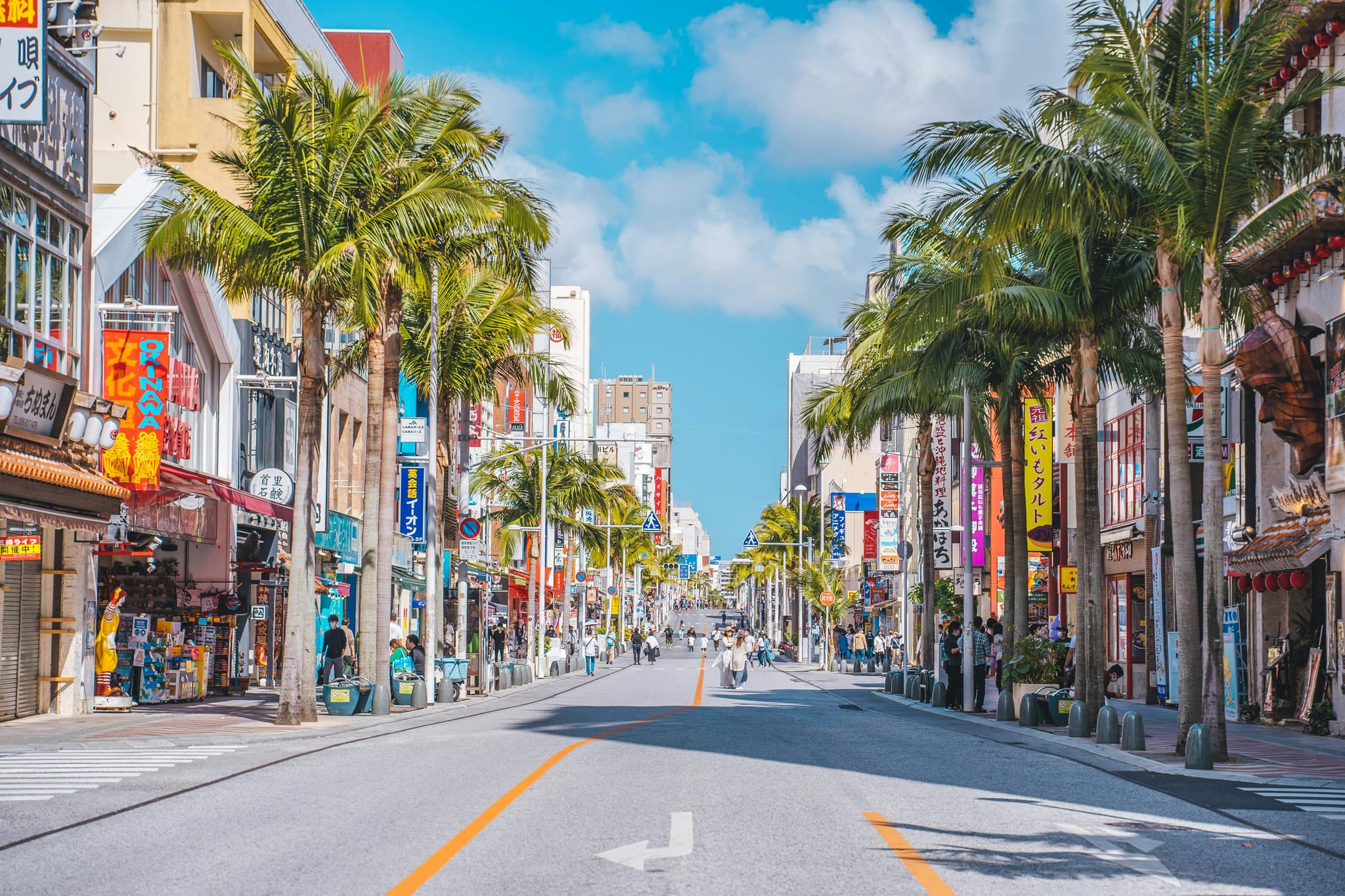
If beaches, tropical islands or volcanoes are high on your list, southern Japan is worth considering. Kyushu enjoys mild winters, while Okinawa stays warm enough for outdoor activities throughout the year, with winter temperatures often between 15 and 20°C. Summer is hot and tropical, usually around 28 to 33°C, making it perfect for swimming and island hopping. Just keep in mind that June brings the rainy season, while August and September have the highest chance of typhoons.
Best time to travel to Japan: weather per season
Temperatures in Japan change noticeably throughout the year. Spring and autumn are generally mild, summers can be hot and humid, and winters range from cool in the south to snowy in the north. Here's what you can expect each season:
Spring: 10°C to 20°C, cherry blossoms in March and April, mild days and cool evenings heading into May
Summer: 25°C to 34°C, rainy season through June, then hot and humid weather across July and August
Autumn: 15°C to 24°C, cooler air, clear skies and the best autumn leaves of the year
Winter: -5°C to 10°C in Hokkaido, snow and skiing in the north, dry and considerably milder in Tokyo and further south
Best time to visit Japan for festivals and events
Japan's calendar is basically strung together by festivals, and picking your dates around one completely changes the trip. Here's what's worth building your itinerary around.
Cherry blossom festivals (late March to early April)
During cherry blossom season, hanami, the tradition of picnicking under the blooms, turns parks across the country into open air parties for a couple of weeks. It's honestly one of the best ways to meet locals rather than just photograph them from a distance, so bring a picnic blanket and something to share if a group waves you over.
Summer fireworks and Gion Matsuri (July and August)
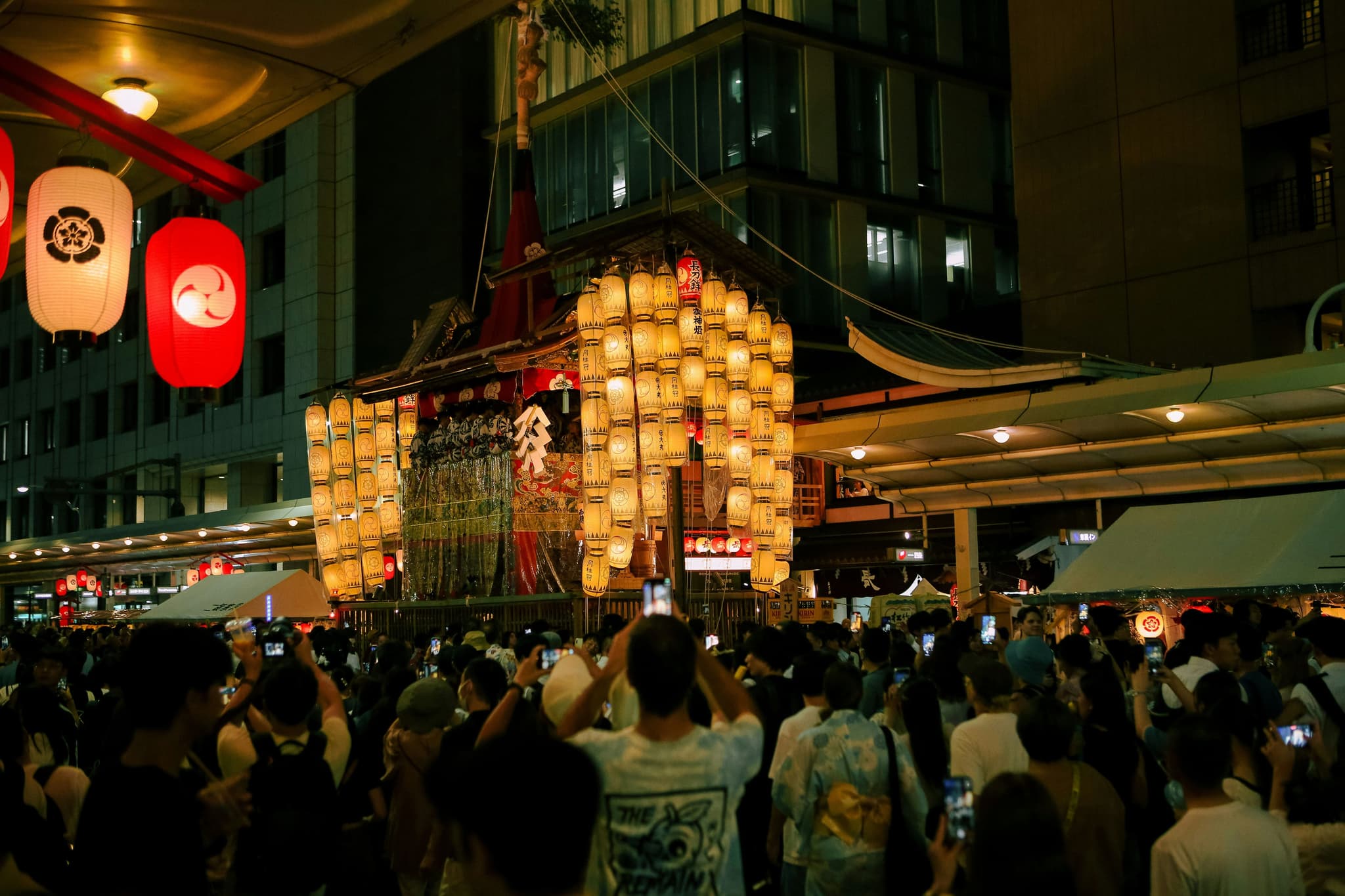
Through July and August, fireworks festivals happen almost weekly, with displays over the Sumida River in Tokyo and in Nagaoka drawing hundreds of thousands of people for a single evening. In Kyoto, Gion Matsuri runs the whole of July, building to a parade of towering wooden floats mid month, worth building your Kyoto stop around if the dates line up. By mid August, Obon arrives, when families travel home to honour their ancestors with lanterns and dance.
Winter illuminations and New Year (November to January)
From November through New Year, illuminations take over cities, and hatsumode, the first shrine visit of the year, gets genuinely busy in the days right after January 1st. If you'd rather skip the queues, most neighbourhood shrines run the same rituals with a fraction of the visitor numbers.
Still curious what else drives daily life here beyond the festival calendar? Our Japan culture guide gets into food, etiquette and traditions worth knowing before you travel.
Best time to visit Japan for nature and hiking
Out on the trails, wildlife spots each have their own narrow window, so it's worth timing your trip around the one you actually want rather than the season in general. Here are a few specific hikes worth building a trip around:
Mount Fuji: official climbing season runs early July to early September only, outside that window the huts close and the upper trails turn genuinely dangerous
Kumano Kodo, Wakayama: a centuries old pilgrimage trail through misty mountains and shrine towns, best walked in spring or autumn
Kamikochi, Japan Alps: a postcard perfect alpine valley with mountain views, open late April to mid November only
Koyasan, Wakayama: a temple town surrounded by cedar forest, pairs well with a Kumano Kodo trek and best outside the summer heat
Shiretoko Peninsula, Hokkaido: remote coastal trails with brown bears and untouched coastline, best June to September
By winter, the nature side of a trip flips entirely: snow monkeys soak in outdoor hot springs near Nagano between December and March, steam rising off the water as snow settles on their fur, genuinely one of the more memorable sights you'll catch in the country.
Maybe you're wondering what other wildlife might turn up along the way? Our guide to animals in Japan covers what to look for and where, from the deer in Nara to the red crowned cranes of Hokkaido.
Best time to visit Japan's beaches and islands
Down south, Okinawa and Japan's other southern islands run on a completely different calendar to Tokyo or Kyoto, so treat them as a separate decision entirely.
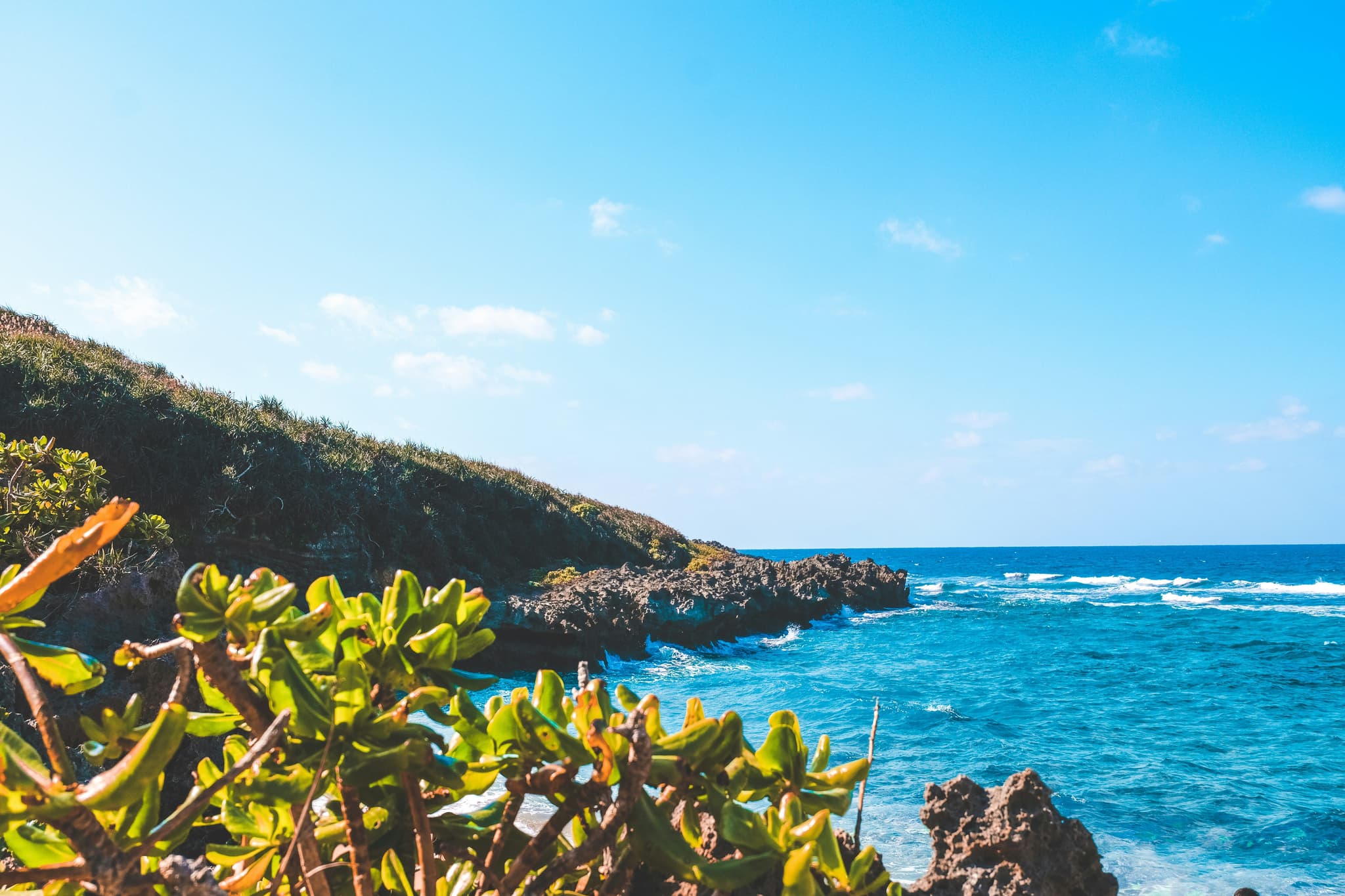
Best months to swim in Okinawa: April until October
There, sea temperatures stay warm enough for swimming from April right through October, with the clearest water and calmest seas usually falling in June. If you're building a beach stop into a longer Japan trip, June or October give you the best trade off between warm water and lower typhoon risk.
Typhoon season to watch for: August and September
One thing to watch for: typhoon season properly ramps up in August and September, so keep half an eye on the forecast if your dates fall there. Even so, storms rarely wreck an entire trip, though inter island ferries do get cancelled at short notice, so build a spare day or two into your plans if island hopping is part of it.
Wanna know which islands are nice to visit? Our guide to the islands of Japan breaks down Okinawa, the Amami Islands and a handful of smaller spots most people miss.
Cheapest time to visit Japan: January through early March
If budget matters more than blossoms or foliage, aim for January through early March, after the New Year rush settles down and before cherry blossom season pulls prices back up. In particular, February tends to be the cheapest month of all, landing neatly between two of the year's busiest windows.
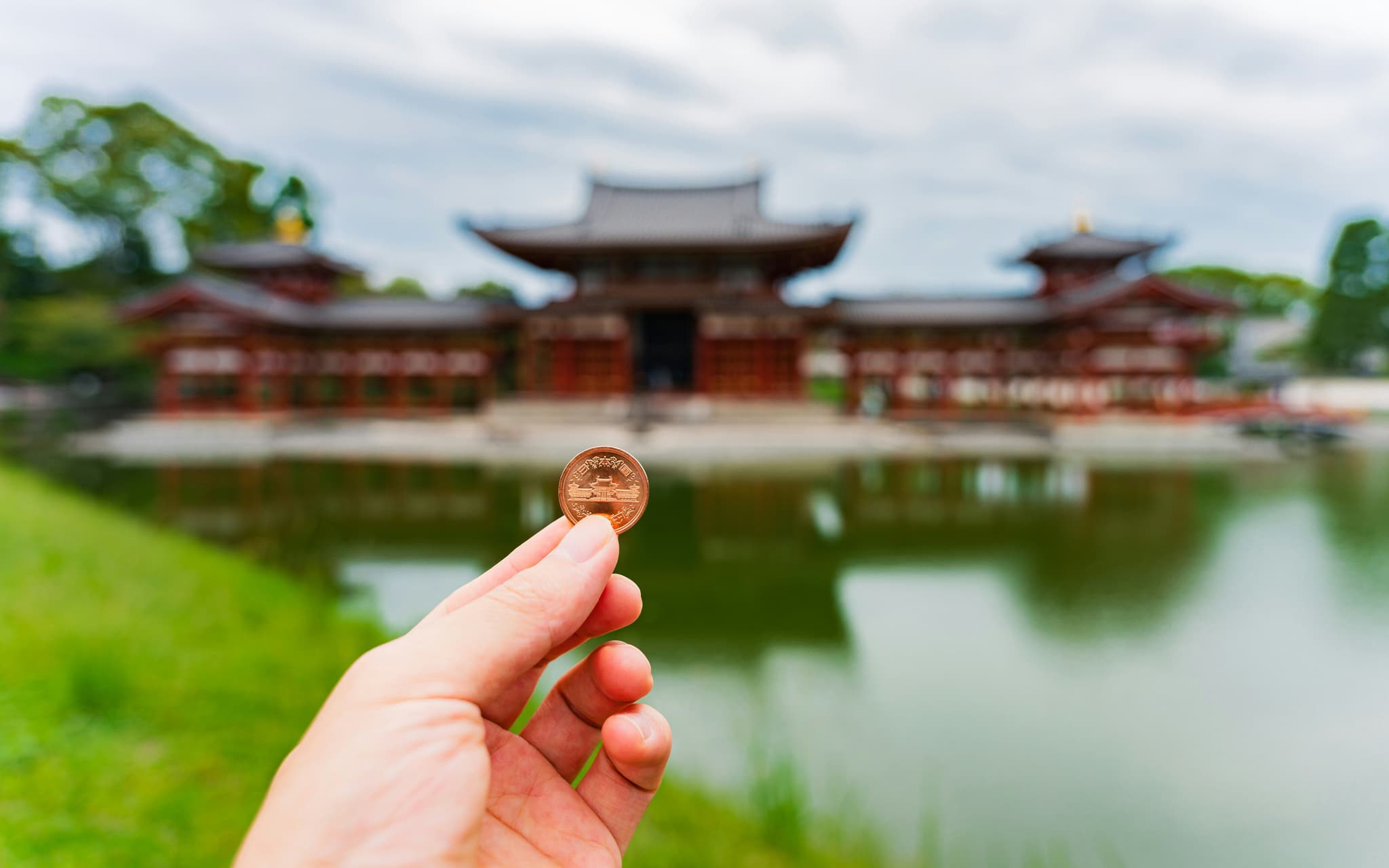
On top of that, rainy season, early June to mid July, is the other reliable budget window: flights and hotel rates both soften, and you can dodge the rain by saving mornings for outdoor plans and afternoons for museums and food tours.
What about the full breakdown on accommodation, transport and day-to-day costs? Our Japan destination page covers pricing across the whole trip, itinerary ideas and travel tips!
Busiest time to visit Japan: Golden Week
Right at the top of the list is Golden Week, four public holidays crammed into the last days of April and first week of May, and it's genuinely the busiest window of the year to visit Japan, right alongside peak cherry blossom season in late March and early April. During this week, domestic travel spikes hugely, since most of the country takes the same days off, so trains, hotels and even restaurant tables get booked out well ahead of time.
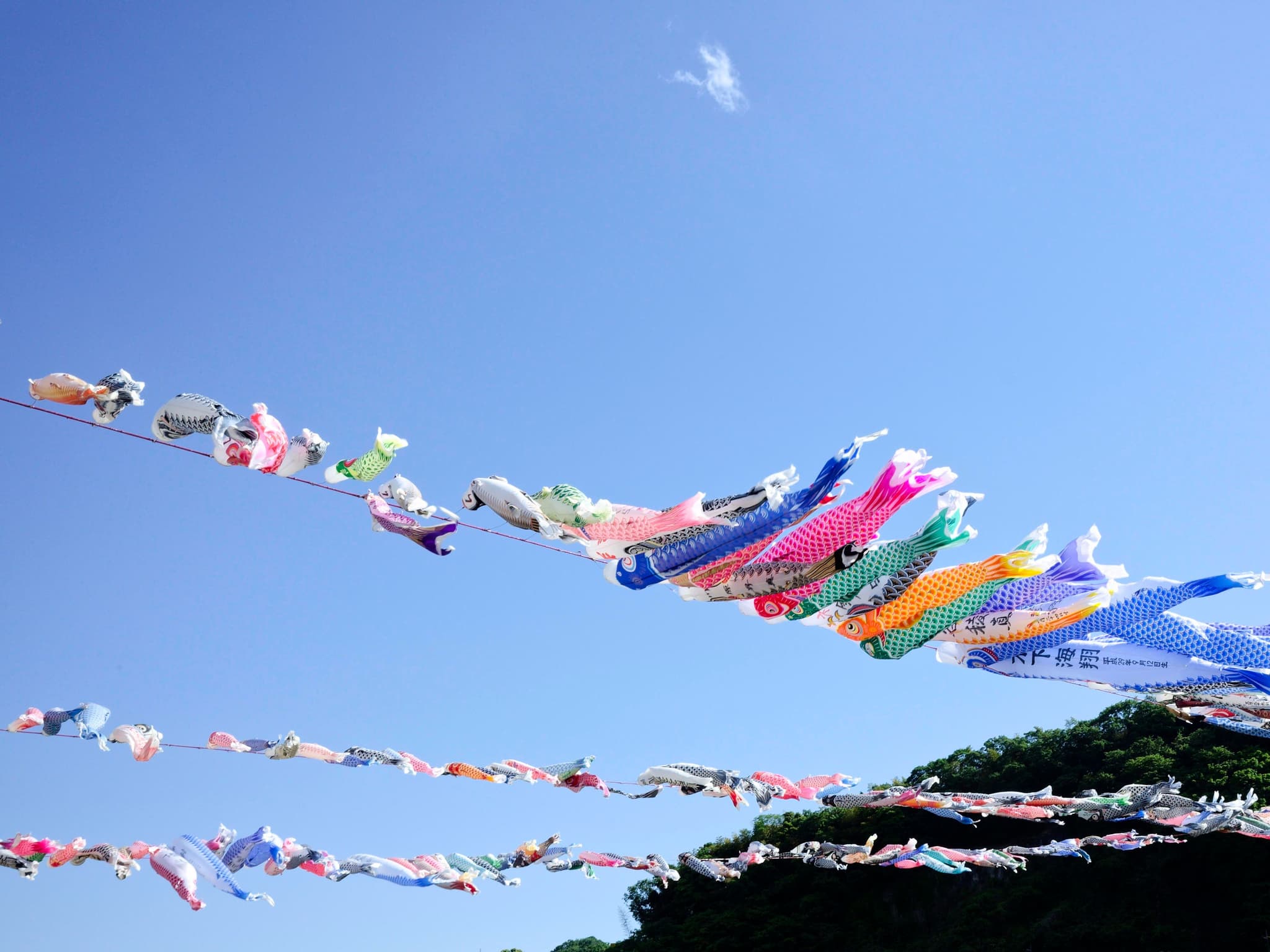
If you're travelling during either window, book your shinkansen seats, hotels and any big-ticket entry tickets a couple of months out rather than a couple of weeks. Outside those two spikes, the rest of the year runs noticeably calmer, even spring and autumn only really tighten up around those specific dates.
Since public holiday dates move slightly year to year, it's worth double checking against the Japan Tourism Agency before you book anything around Golden Week.
Choosing the best time to visit Japan for your trip
By now you've probably noticed there's no single right answer to when to visit Japan, only the right window for whatever you're chasing:
Cherry blossoms and mild weather: last week of March into the first week of April
Autumn colour and clear skies: November
Budget travel and low season: February, or rainy season from early June to mid July
Festivals and summer energy: July, August, or Golden Week in late April and early May
Hiking and climbing Mount Fuji: early July to early September
Skiing and snow: December through February
Beach weather in Okinawa: June to October
First decide what matters most: blossoms, festivals, snow, hiking, or simply the cheapest flights you can find. Then use the Guided app to build your own itinerary with all the places you'd like to visit, or browse trips created by fellow Guided travellers for inspiration.
Enjoyed This Blog? Continue Reading!
There is more travel inspiration waiting for you on our blog. You can take a look below and start mapping out your next travel adventure!


