
Animals in Japan: wildlife and unique species you might spot
By Eva Alkemade
Jul 4, 2026
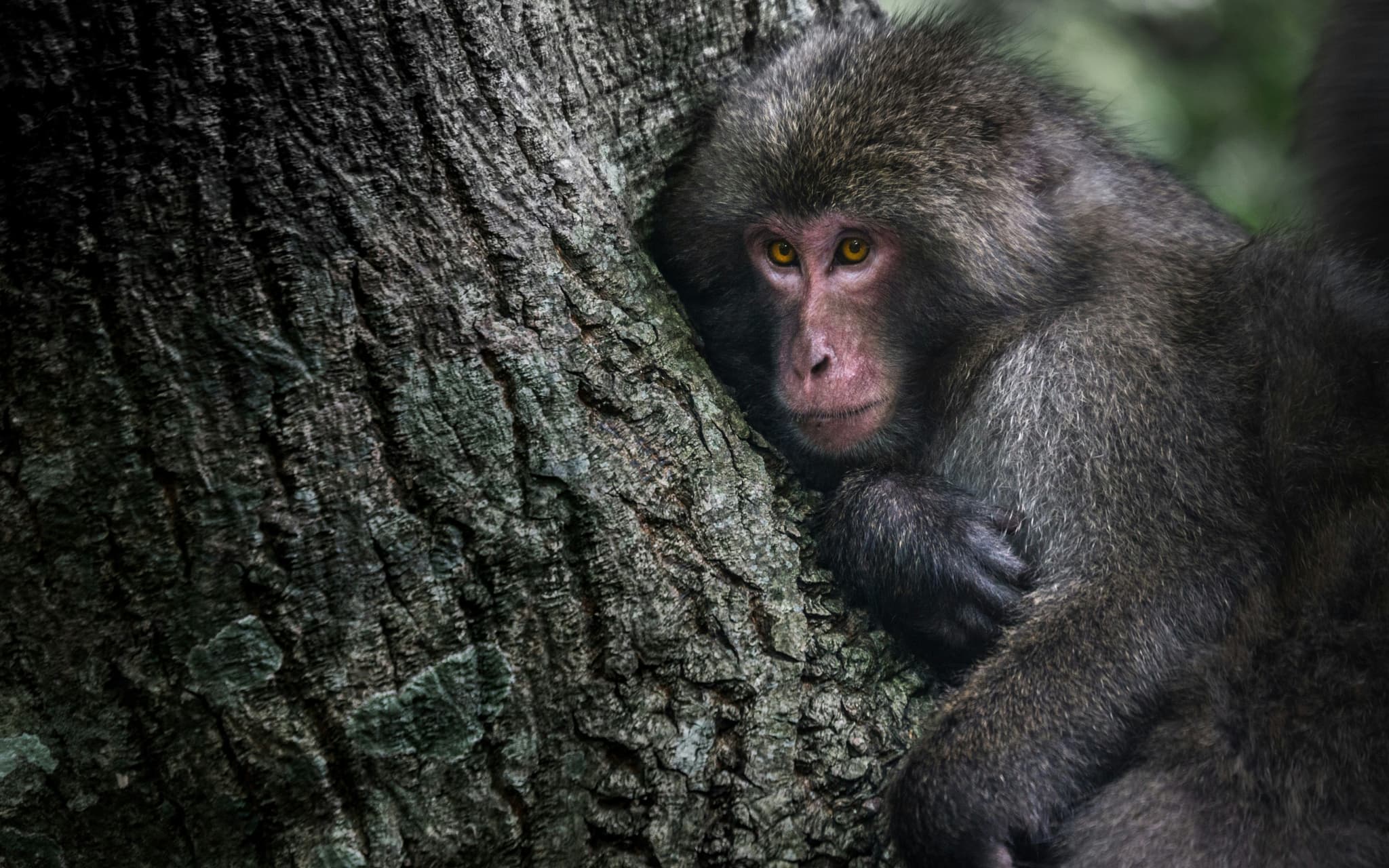
With over 90,000 known species spread across a chain of islands running from snowy Hokkaido down to the coral reefs near Okinawa, the wildlife in Japan changes completely depending on where you land. One afternoon you could be watching macaques soak in a steaming hot spring, and a few hundred kilometres south, you might spot a wild cat that exists nowhere else on the planet. From bears and sacred deer to giant hornets and birds the size of small children! We've put together this guide to the animals in Japan you're most likely to come across, plus a few worth planning a detour for.
What makes the wildlife in Japan so unusual
Most people don't think about animals when planning a trip to Tokyo or Kyoto, yet around 70 percent of the country's land mass is still uninhabited forest and mountain, leaving plenty of room for wild things to get on with their lives. Because the islands stretch so far from north to south, you get subarctic species in Hokkaido, tropical ones near Okinawa, and pretty much everything else squeezed in between. That's the main reason the animals native to Japan look so different depending on which region you're standing in.
Why so many species exist nowhere else
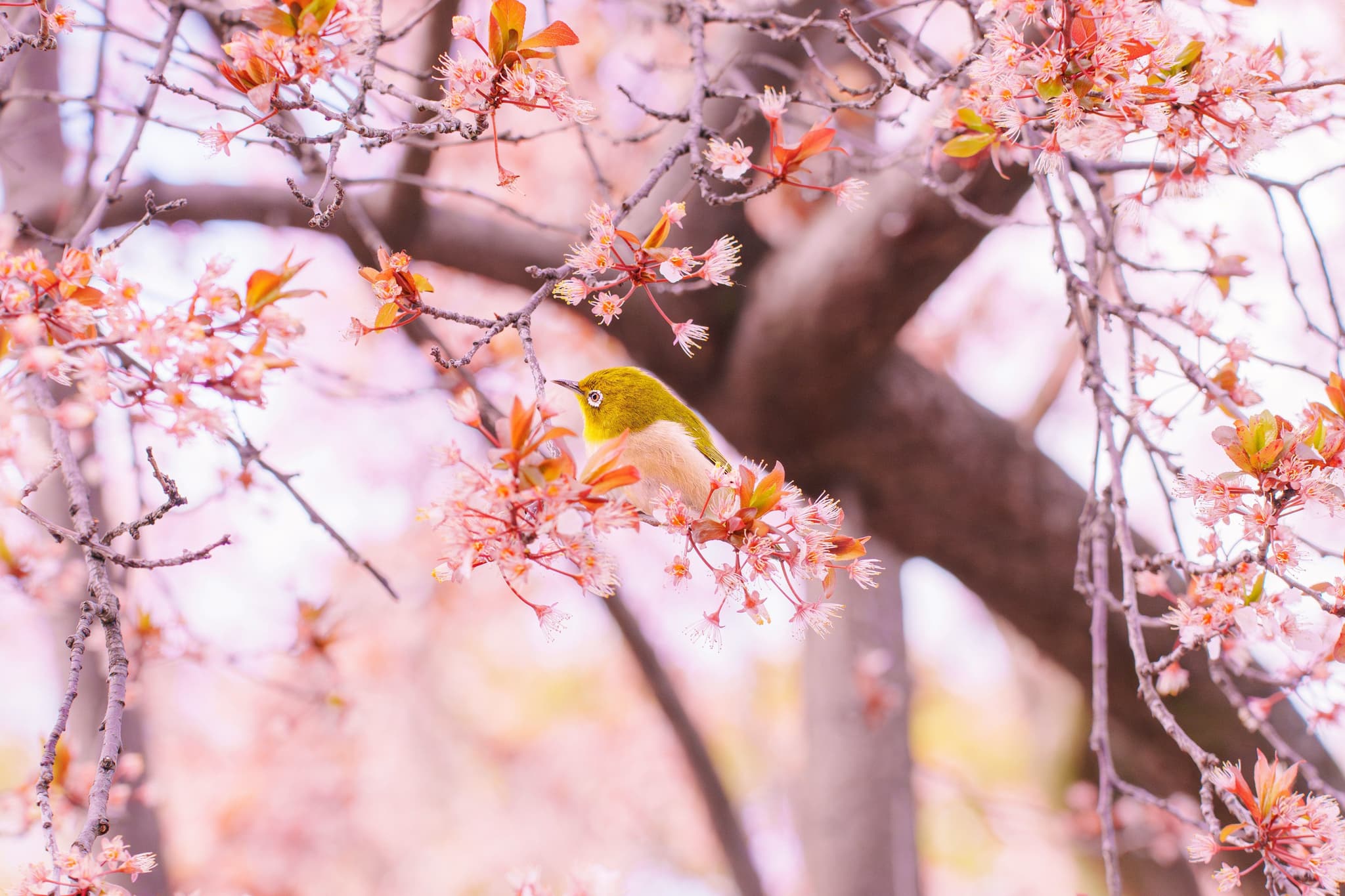
Japan's isolation from mainland Asia did a lot of the work here. After a species ended up on one of these islands, it had thousands of years to evolve completely on its own, cut off from predators and competitors back on the continent. That's how you end up with creatures such as the Amami rabbit, a nocturnal species that looks like a leftover from the ice age and lives on just two small islands.
Fun fact: More than 150 native mammal species and around 600 bird species make up Japan's wildlife, with dozens found nowhere else.
Snow monkeys, Japan's hot-spring-loving macaques
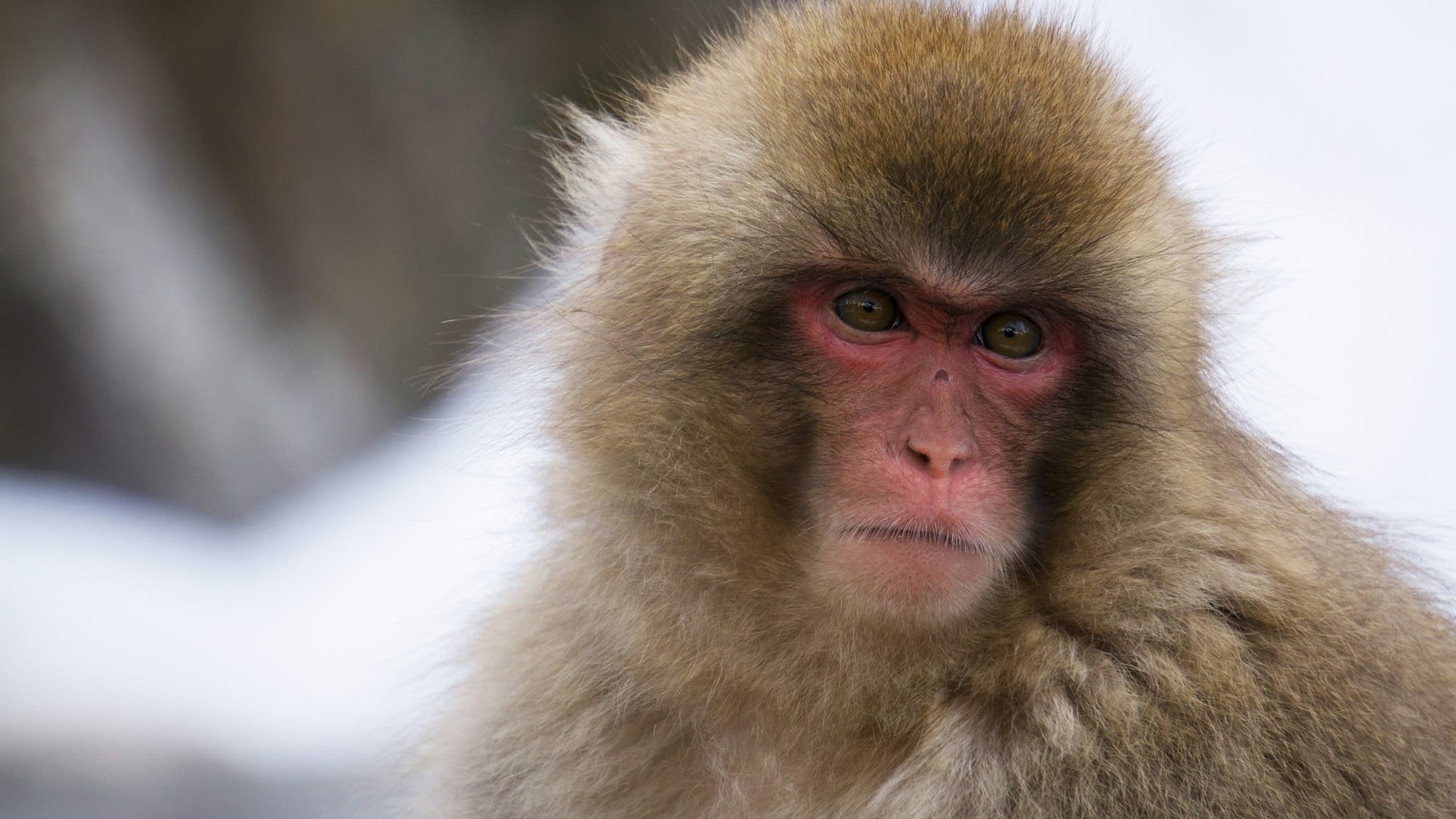
Few animals are as photogenic as the Japanese macaque, better known as the snow monkey, and you'll find them soaking in hot springs at Jigokudani Yaen-Koen in Nagano Prefecture. They're one of the animals unique to Japan that genuinely lives up to the hype the moment you see it in person, shoulder-deep in steaming water with snow piled on its head.
When to see them bathing
Winter, roughly December through March, is the best window for the classic image of monkeys submerged in a snowy pool. Visit during the warmer months and you'll still see the troop around the park, though they're less likely to actually get in the water unless staff coax them with food.
Not sure which season is right for you? Take a look at our blog about the best time to visit Japan, including cherry blossom season, autumn colours, winter snow and summer festivals.
If you want to check whether the monkeys are around before you make the trip, the Jigokudani Yaen-Koen official site posts daily appearance forecasts. Visit on a weekday and get there before mid-morning. The walk to the park takes about 30 minutes through forest, and arriving before the bulk of day-trippers means you get the boardwalk largely to yourself.
Did you know? Snow monkeys don't actually need hot springs to survive. They started using them after one monkey copied humans in the 1960s, and the habit has been passed down through generations ever since. Today, it's one of Japan's most famous wildlife spectacles.
The sacred deer of Nara
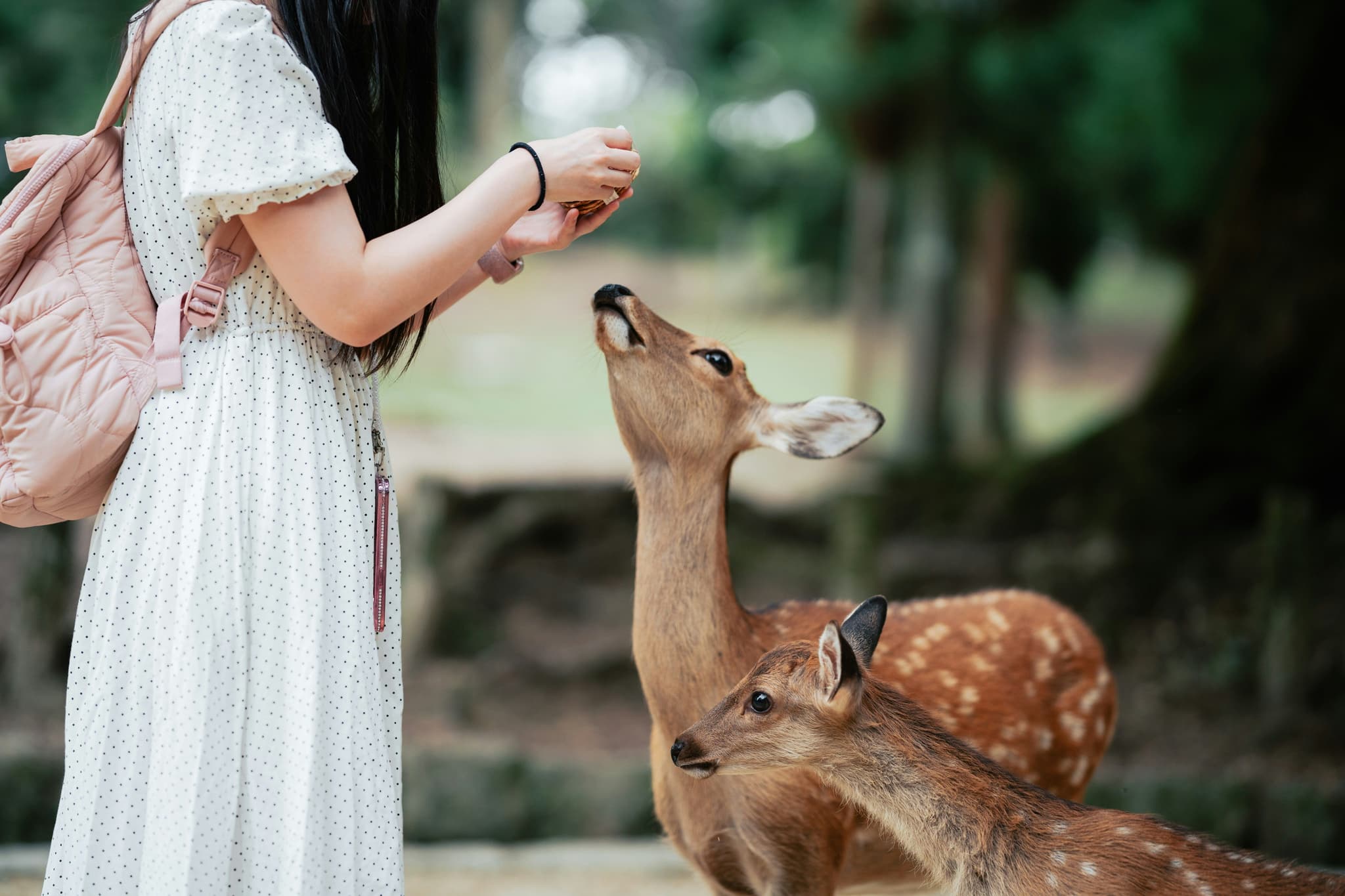
Around 1,300 deer roam free through Nara Park and the grounds of Kasuga Taisha shrine, and they're some of the most recognisable animals of Japan, waiting for you the moment you step off the train in Nara. A local legend says a deity rode into the city on a white deer back in 768, and the animals have been treated as the gods' messengers ever since.
How to behave around Nara's deer
You can buy shika-senbei, or deer crackers, from stalls around the park, and the deer have learned to bow their heads for one, which is somewhere between adorable and slightly unsettling when a dozen of them surround you at the same time. Don't tease them with a cracker you're not going to hand over. These are still wild animals, and a hungry deer with no patience left can give you a fairly firm nudge, or even a nip, if you push your luck.
Curious how to fit Nara into a wider trip around the region? Our Kyoto guide covers Nara as an easy day trip, along with the trains that get you there.
Fun fact: Nara's deer are officially protected as a natural monument, and harming one used to carry the death penalty right up until 1637.
Rare animals indigenous to Japan you won't find anywhere else
Beyond the household names, a handful of animals indigenous to Japan live in such small, isolated pockets that most people never get the chance to see them. They're worth knowing about even if you don't manage a sighting, since their conservation stories say a lot about how seriously Japan takes its native species.
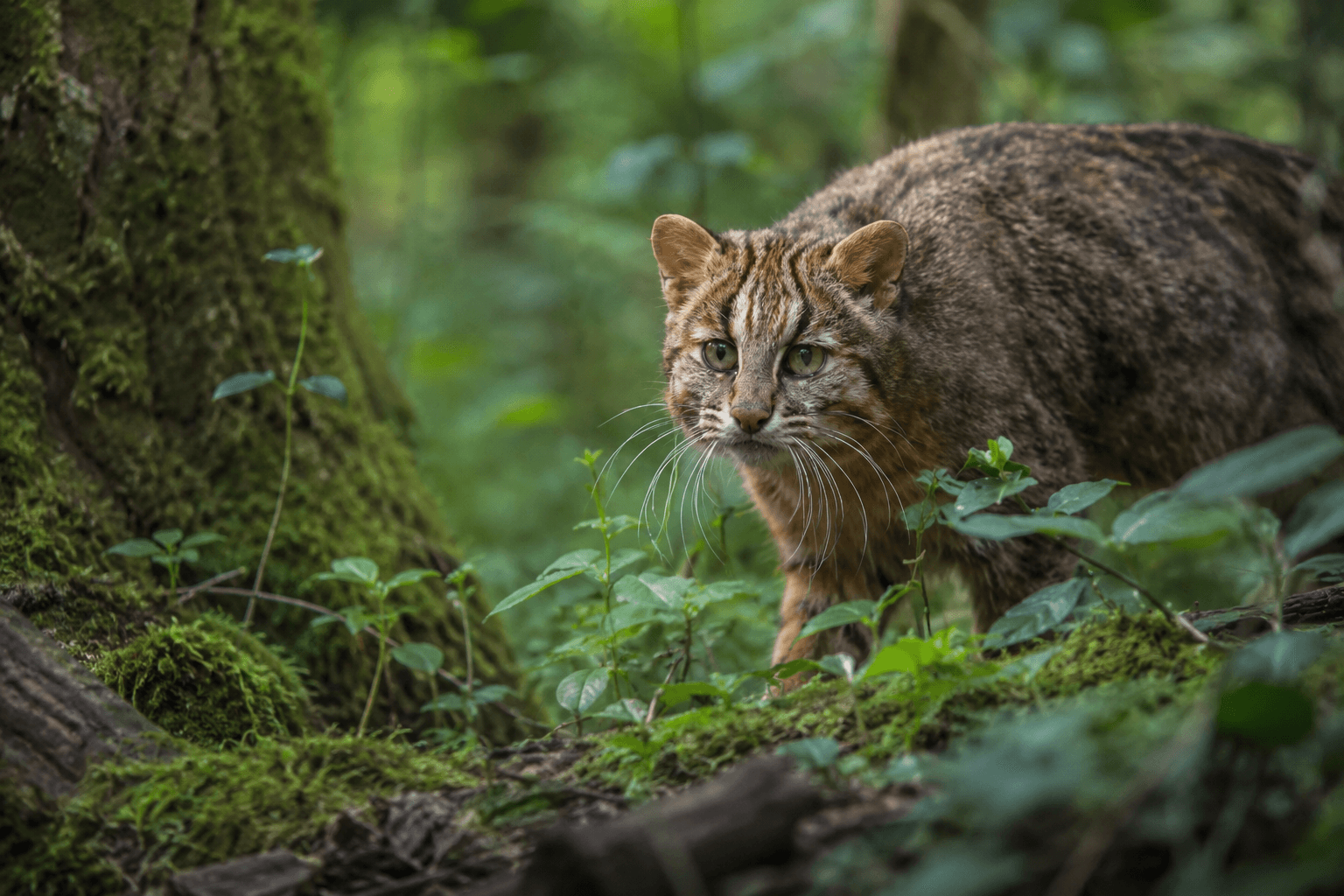
The Iriomote cat of Okinawa
Around 250 of these wild cats are thought to survive, all confined to one small island in the far south of Okinawa Prefecture. About the size of a large house cat, the Iriomote cat hunts at night for crabs, birds and small mammals, and road accidents are now its biggest threat, given its entire range covers just one island.
Curious where Okinawa fits into the bigger picture? Read our blog about Japan prefectures and regions, where we explain the main islands, regions and prefectures, and how they all connect when planning your trip.
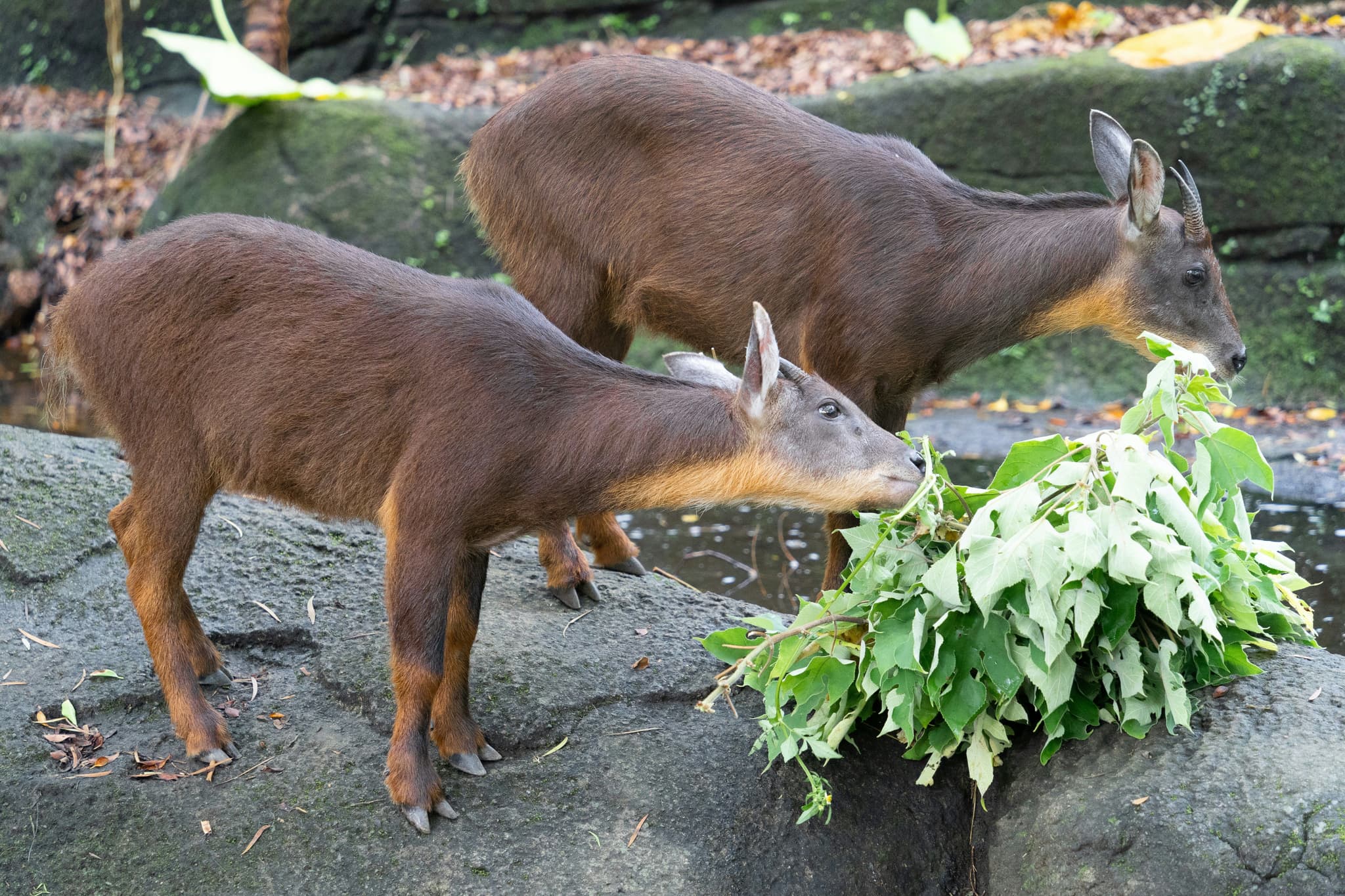
The Japanese serow, a mountain goat-antelope
Up in the forests of Honshu and Shikoku, the Japanese serow moves around steep, rocky slopes that would stop most hikers in their tracks. It looks like a cross between a goat and an antelope, with a shaggy coat and short, backward-curving horns, and it's one of the animals that are native to Japan now protected as a natural monument.
Red-crowned cranes of Hokkaido
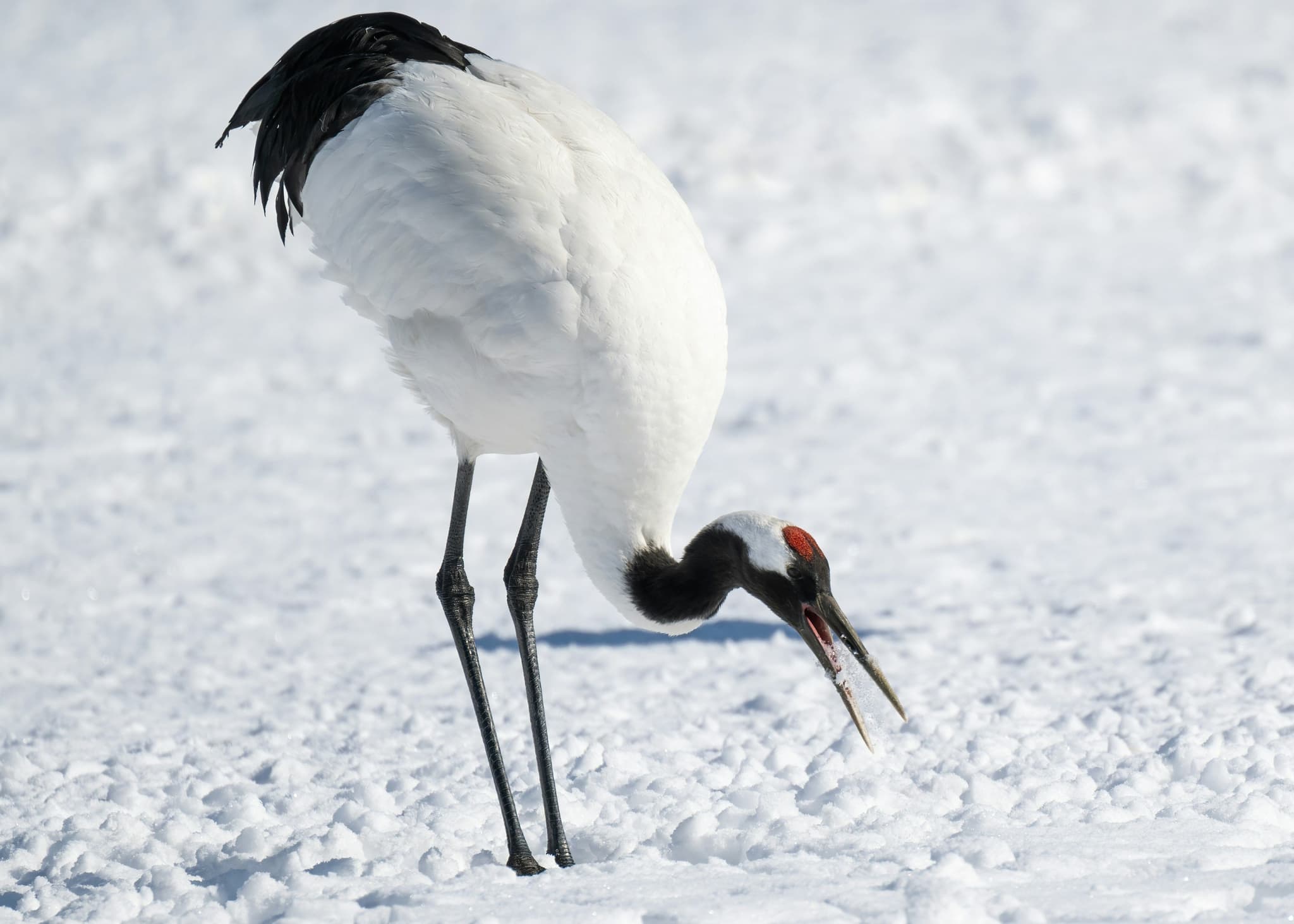
If elegant, long-legged birds are more your thing, Hokkaido is the place to go, and the red-crowned crane delivers on that front better than almost anywhere else. Their courtship dance, all bowing and leaping in the snow, draws birdwatchers to Kushiroshitsugen National Park every winter.
Wondering which other islands are worth building into your route? Our guide to the islands of Japan breaks down which ones suit which kind of trip.
Did you know: around 1,650 red-crowned cranes are thought to remain in Japan, with numbers slowly climbing after decades of winter feeding programmes.
Hokkaido's bigger wildlife, bears, eagles and giant owls
The scale of everything changes the moment you head north to Hokkaido. This is home to some of the most iconic wildlife animals in Japan, bears, eagles and one of the biggest owls on the planet, all within a single prefecture.
Brown bears and the Asiatic black bear further south
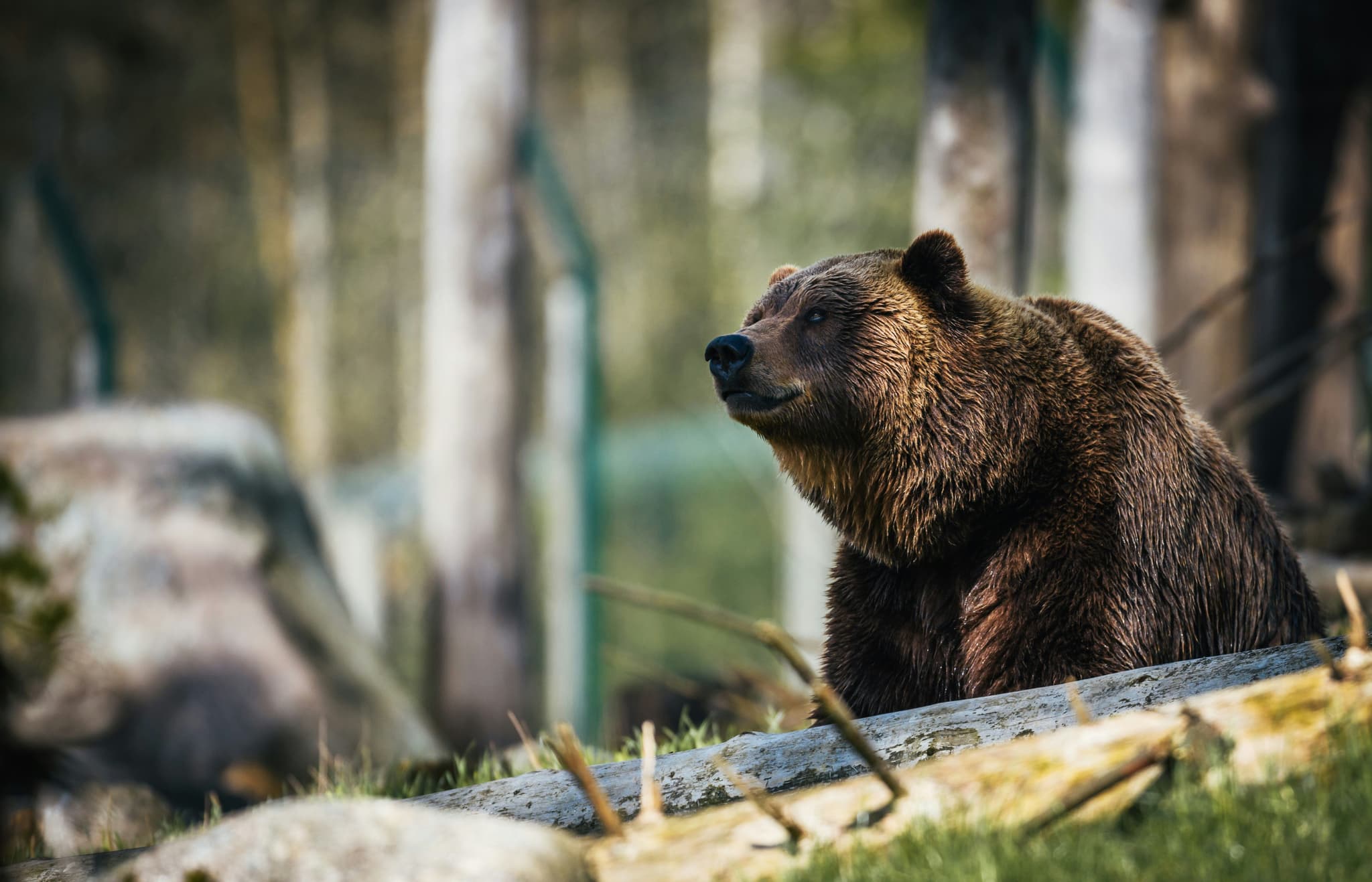
Two bear species call Japan home: the Ussuri brown bear in Hokkaido, which can stand over two and a half metres tall, and the smaller Asiatic black bear found across Honshu and Shikoku. Both are shy by nature and avoid people whenever they can, though encounters do happen on remote mountain trails, which we'll get into properly in the next section.
Steller's sea eagles and Blakiston's fish owl
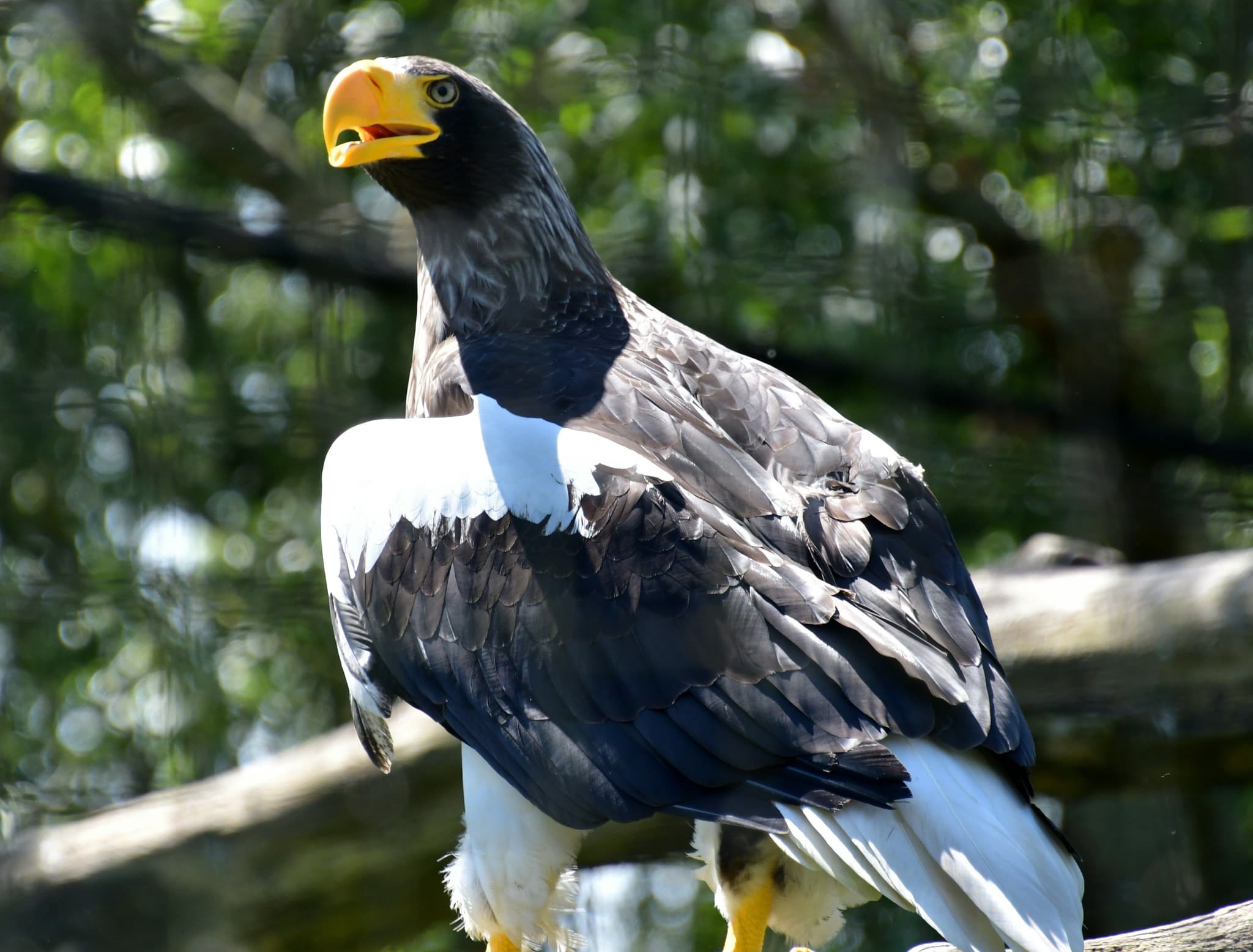
Every winter, Steller's sea eagles migrate from eastern Russia to the coast near the Shiretoko Peninsula, where you can usually spot them perched on sea ice with a wingspan that genuinely looks too big to be real. Blakiston's fish owl, one of the biggest owl species anywhere, also lives in this part of Hokkaido, hunting river fish in secluded waterways.
Want to know more about Japan? Read our facts about Japan blog, where we share surprising, funny and genuinely useful things to know before your trip.
Dangerous animals of Japan: What’s worth knowing in advance
If you're planning any hiking, it's worth knowing about a handful of dangerous animals in Japan. Most encounters with dangerous wildlife in Japan only happen when people catch an animal off guard at close range.
Bears and how to avoid an encounter
Bears live in parts of Japan, but the vast majority of visitors will never see one. Most encounters happen in remote mountain areas, particularly in Hokkaido and northern Honshu, and usually involve local hikers, hunters or people collecting wild plants rather than tourists. If you do spot a bear, stay calm and slowly back away while keeping the animal in sight. Never run, approach it for a photo or try to feed it, as this can trigger a chase or defensive response.
Want to understand the customs of Japan before you go? Take a look at our blog about culture in Japan, including religion, traditions, social rules and everyday etiquette.
Hornets, mamushi snakes and why wasps are the real risk
Wasps, hornets and snakes sound intense, but for most travellers in Japan they are easy to avoid with a bit of common sense. Hornets are the main one to be aware of, especially in rural areas, forests and mountain trails during the warmer months. The Japanese giant hornet has a very painful sting, and serious reactions can happen, particularly if someone is allergic, so the golden rule is simple: don’t swat, don’t panic and never go near a nest.
Snakes are less common to run into, but you may see warning signs in long grass, rural paths or areas near rice paddies. The mamushi pit viper is Japan’s most important venomous snake, but bites are still uncommon. Stay on marked trails, wear proper shoes, watch where you put your hands and feet, and you’ll already avoid most of the risk.
Guided tip: Carry a small bell or just talk loudly on remote forest trails. Bears tend to move away from noise long before they'd ever consider getting close to you.
Where to actually see Japan's wildlife on your trip (the cute ones)
Across Japan, wildlife highlights tend to cluster by region, so when you're researching Japan animals and where to find them, it pays to pick one or two areas rather than chase everything in a single trip.
Hokkaido for bears, eagles and cranes
Up around Kushiro or the Shiretoko Peninsula, you're within range of cranes, eagles and the chance of a bear sighting from a respectful distance, usually on a guided boat tour rather than on foot. Roughly January to March is the best window for eagles and cranes. On the other hand, bears are easier to spot from late spring through autumn. Most of these stops connect by train from Sapporo, so a JR Rail Pass covers the bulk of a Hokkaido wildlife route without separate regional tickets.
Nagano and Nara for monkeys and deer
Neither of these needs a dedicated trip of its own. From Nagano City, Jigokudani is roughly half a day away, and Nara works as an easy day trip from Kyoto or Osaka, so both slot neatly into a wider itinerary instead of eating up extra travel days.
Okinawa and the southern islands for rare endemics
A guided night tour through the Iriomote Wildlife Center gives you the best shot at spotting one of these cats, since they're nocturnal, elusive and confined to a single small island, and patience genuinely helps. Around these same islands, snorkelling and diving trips also turn up sea turtles and manta rays, which makes the detour worth it even without a cat sighting.
How to fit wildlife into a first-time route without overplanning
You can't cover Hokkaido and Okinawa on the same trip without losing days to travel, since they're at opposite ends of the country. It's worth picking one region that matches the animals you actually care about, building your route around it, and treating anything else as a pleasant bonus rather than the main goal.
If you're working out a first Japan route from scratch, our 6-day first-timer itinerary shows how a trip like this fits together without blowing the budget. For a wider look at where else to go, our Japan destination guide is a good read before you start booking anything.
Guided tip: Book crane-viewing hides and night-time cat tours well ahead of your trip. These small-group experiences cap numbers and sell out fast in peak season, particularly over winter in Hokkaido.
Enjoyed This Blog? Continue Reading!
More travel inspiration is waiting for you on our blog. You can look below and start planning your next trip to Japan!


