
Islands of Japan: a guide to Japan's most beautiful islands
By Eva Alkemade
Jun 25, 2026
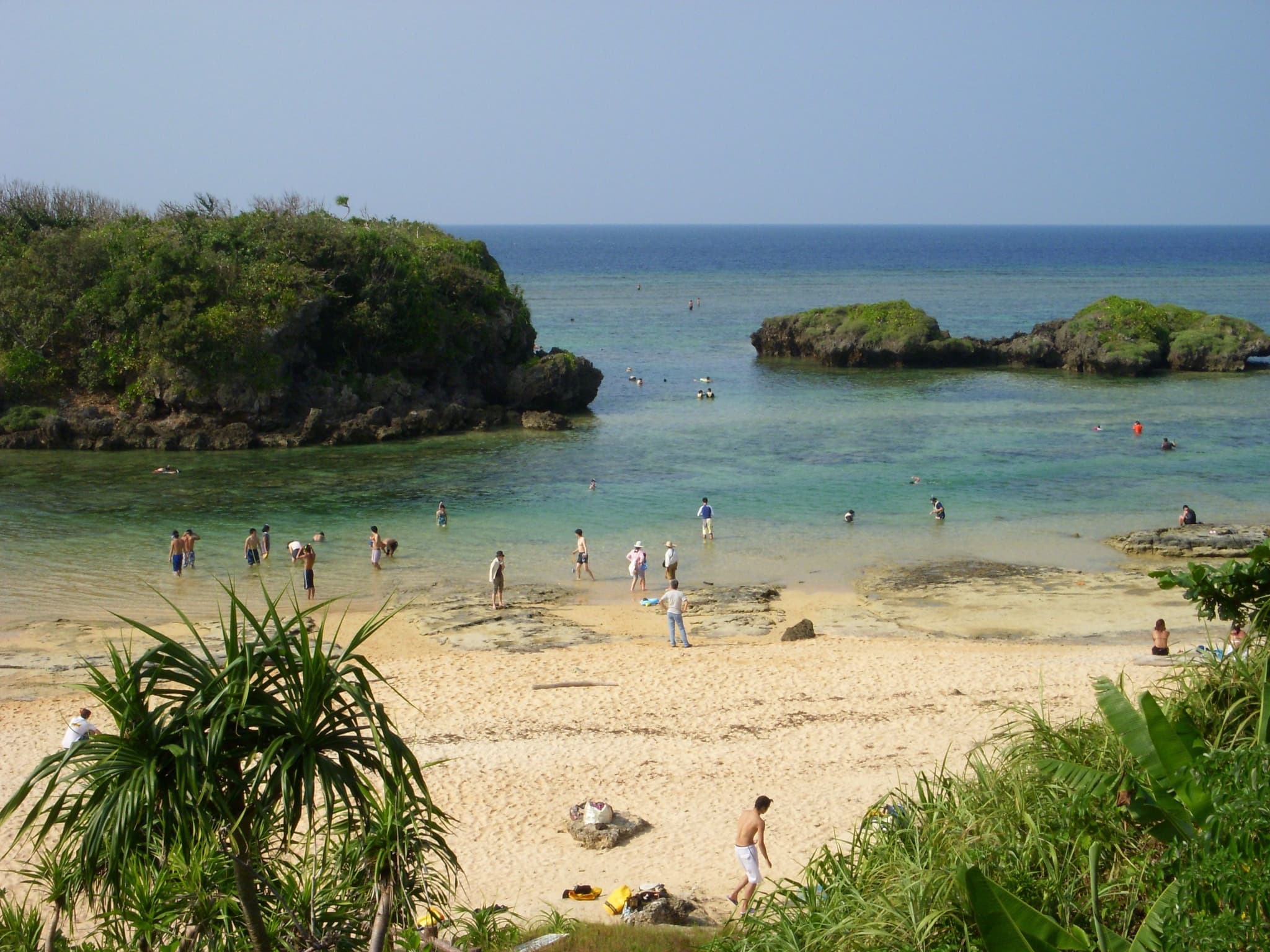
Stretching over 3,000 km from near the Russian border in the north down to waters closer to Taiwan than to Tokyo, the islands of Japan cover an almost absurd range of climates, cultures and landscapes. You can ski in the snow in Hokkaido and snorkel above coral reefs in Okinawa. In this guide, we’ll cover the four main islands, the tropical south, the art islands in between, and a handful of places that most people never find at all.
Is Japan an island? And how many islands does it have?
Yes, Japan is actually one of the largest island nations on Earth. For decades, the official count was 6,852 islands. Then in 2023, the Geospatial Information Authority of Japan ran a full digital remapping and came back with 14,125 islands, almost double the previous figure. No new land appeared overnight. The technology just got precise enough to count properly.
Of those 14,125 islands, only around 260 to 430 are actually inhabited. The rest are everything from uninhabited volcanic rocks to tiny forested islets with no roads.
Hokkaido, Honshu, Kyushu and Shikoku account for roughly 97% of Japan's total land area and are where the majority of people live and travel.
Enjoy learning surprising facts like these? Our Fun Facts about Japan article is packed with unusual stories, records and cultural trivia you'll love.
Fun Fact: Japan is the third-largest island country in the world by island count, behind only Indonesia and Madagascar. About 81% of the entire population lives on Honshu alone, and the chain of islands runs long enough that the climate in the far north bears almost no resemblance to the climate in the far south.
The 4 main islands of Japan
These four make up the backbone of the country, and they are all genuinely different from each other. Getting to the others opens up a completely different version of the country. Let’s explore what you can see and do on the major islands of Japan.
Honshu: the heart of Japan and its biggest island
The largest island in Japan, and the one on which almost every visitor spends the most time. At about 227,960 km², Honshu Island in Japan holds Tokyo, Kyoto, Osaka, Hiroshima, and Nara. Mount Fuji sits on Honshu too, along with the Japanese Alps, the Seto Inland Sea coast and the Tohoku region in the north, which gets almost no international tourists despite having some of the country's best festivals and most beautiful coastline.
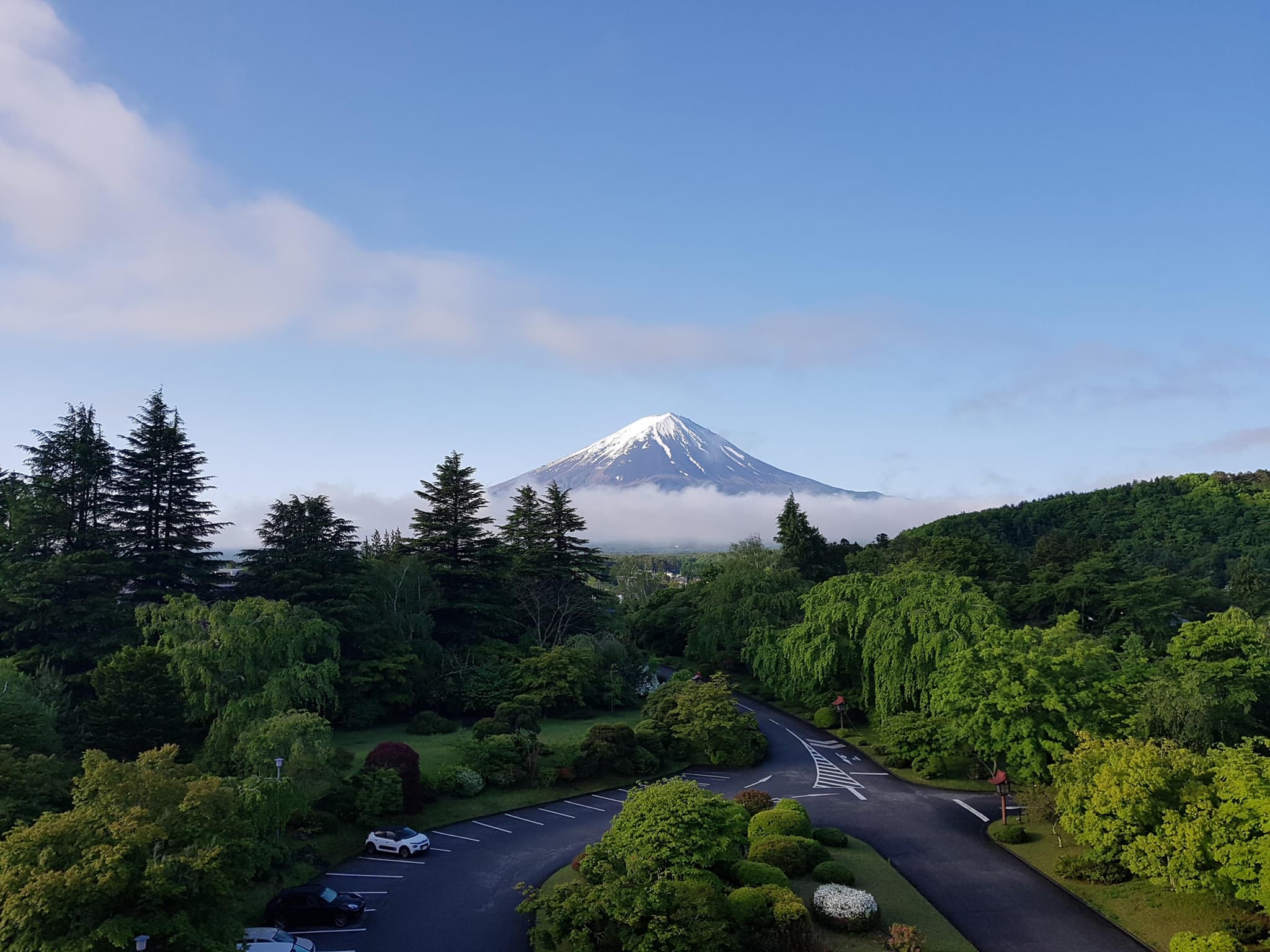
About 104 million people live here, which tells you something about how concentrated Japan's population really is. Everything from ancient temple complexes to manga districts to rural mountain villages fits on this one island.
Want to get the most out of your time on Honshu? Take a look at our 6-day first-timer's itinerary for Japan, which covers the best of Tokyo, Kyoto and beyond in a budget-friendly format. And if Kyoto is high on your list, we have also put together a dedicated Kyoto trip, covering the temples, neighbourhoods and food spots worth your time.
Things to do on Honshu:
Visit Senso-ji Temple in Tokyo's Asakusa district, one of the oldest and most visited temples in Japan
Take the Shinkansen from Tokyo to Kyoto and spend two or three days in the temple districts of Arashiyama and Higashiyama
Hike or take a bus up to the Fuji Five Lakes for views of Mount Fuji, best on a clear morning in autumn or winter
Spend time in Hiroshima's Peace Memorial Museum and cross to Miyajima by ferry on the same day
Explore Nara on foot, feeding the free-roaming deer and visiting Todai-ji Temple with its enormous bronze Buddha
Head north to Tohoku for the Tanabata festival in Sendai (August) or the Nebuta festival in Aomori, both genuinely spectacular
Did You Know?: Honshu is the 7th largest island in the entire world. The Tohoku coast in the north was reshaped significantly by the 2011 earthquake and tsunami, and several of the towns there have been rebuilt.
Hokkaido: Japan's wild north
Up at the northern end of Japan, Hokkaido is a different country in all but name. The second-largest island at 83,423 km², it has wide open land, genuine wilderness, brutal winters and an independence of atmosphere you do not find on the more populated islands. Sapporo, the capital, hosted the 1972 Winter Olympics and runs one of the most spectacular annual snow festivals in the world each February, with beautiful ice sculptures.
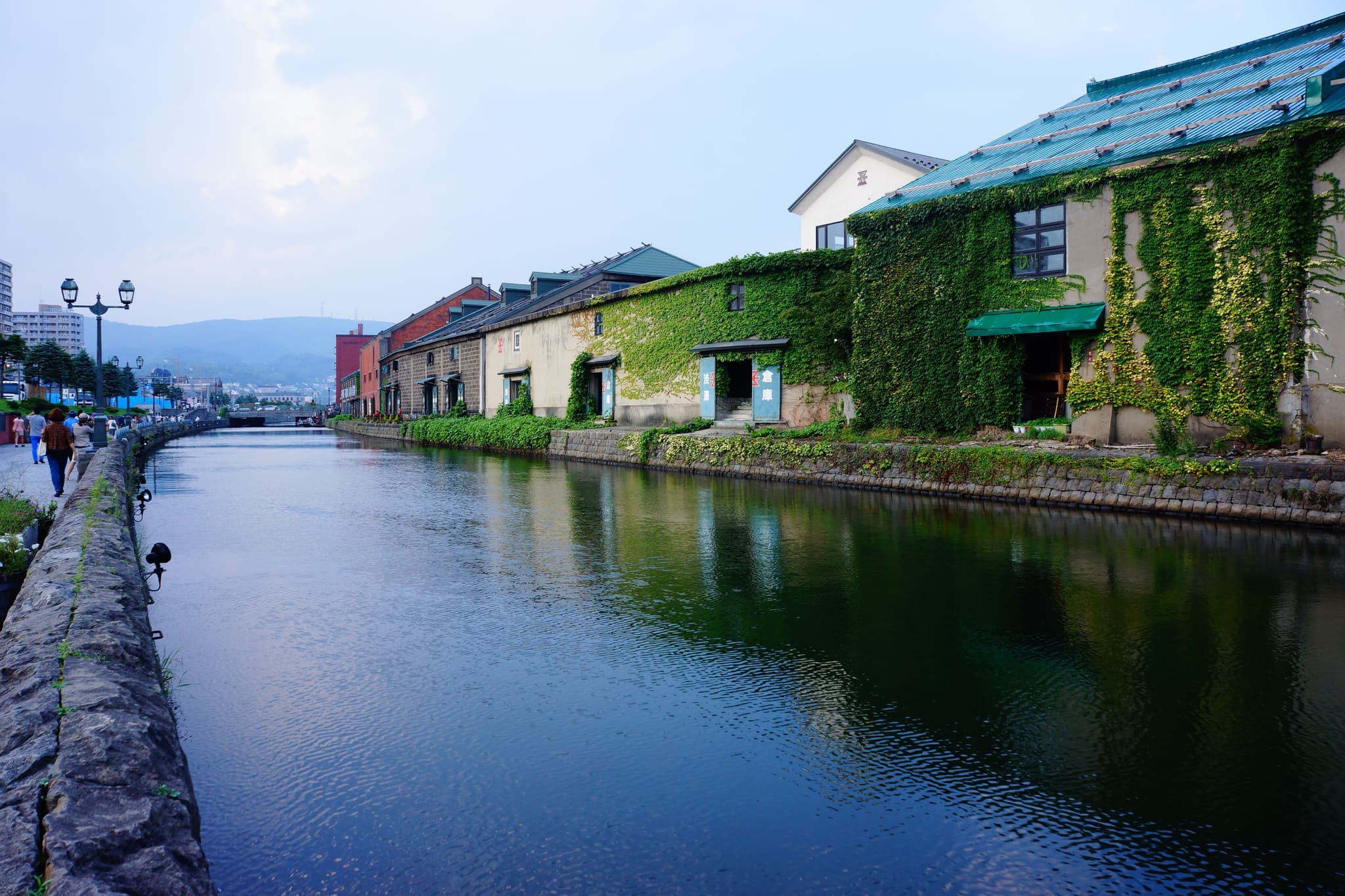
For skiing, Niseko has become one of the most famous powder snow destinations in Asia. Further east, you can visit Daisetsuzan National Park. It is one of the last places in Japan with a healthy brown bear population, and the hiking there stays properly remote.
Things to do on Hokkaido:
Visit the Sapporo Snow Festival in early February, when the city fills with giant ice and snow sculptures carved by teams from across the world
Ski or snowboard at Niseko, which gets some of the deepest powder snow in Asia between December and March
Drive through Furano and Biei in late June or July when the lavender and flower fields are at full colour
Hike in Daisetsuzan National Park, the largest national park in Japan, for serious mountain trails with almost no tourist infrastructure
Visit Upopoy, the national museum of Ainu culture in Shiraoi, which opened in 2020 and is genuinely excellent
Try the Sapporo Beer Museum on the old brewery site, where the ground floor tasting is free
Fun Fact: Sapporo is the fifth most populated city in Japan and the ramen here is distinct from everywhere else in the country, usually miso-based and topped with butter and corn.
Kyushu: volcanoes, hot springs and great food
The third-largest main island sits closest to the Asian mainland and has always felt slightly more outward-facing because of it. Fukuoka, the biggest city, is only three hours by ferry from Busan in South Korea, and that international energy shows in the food, the nightlife and the general atmosphere. Street food stalls called yatai line the riverbanks in the evening.
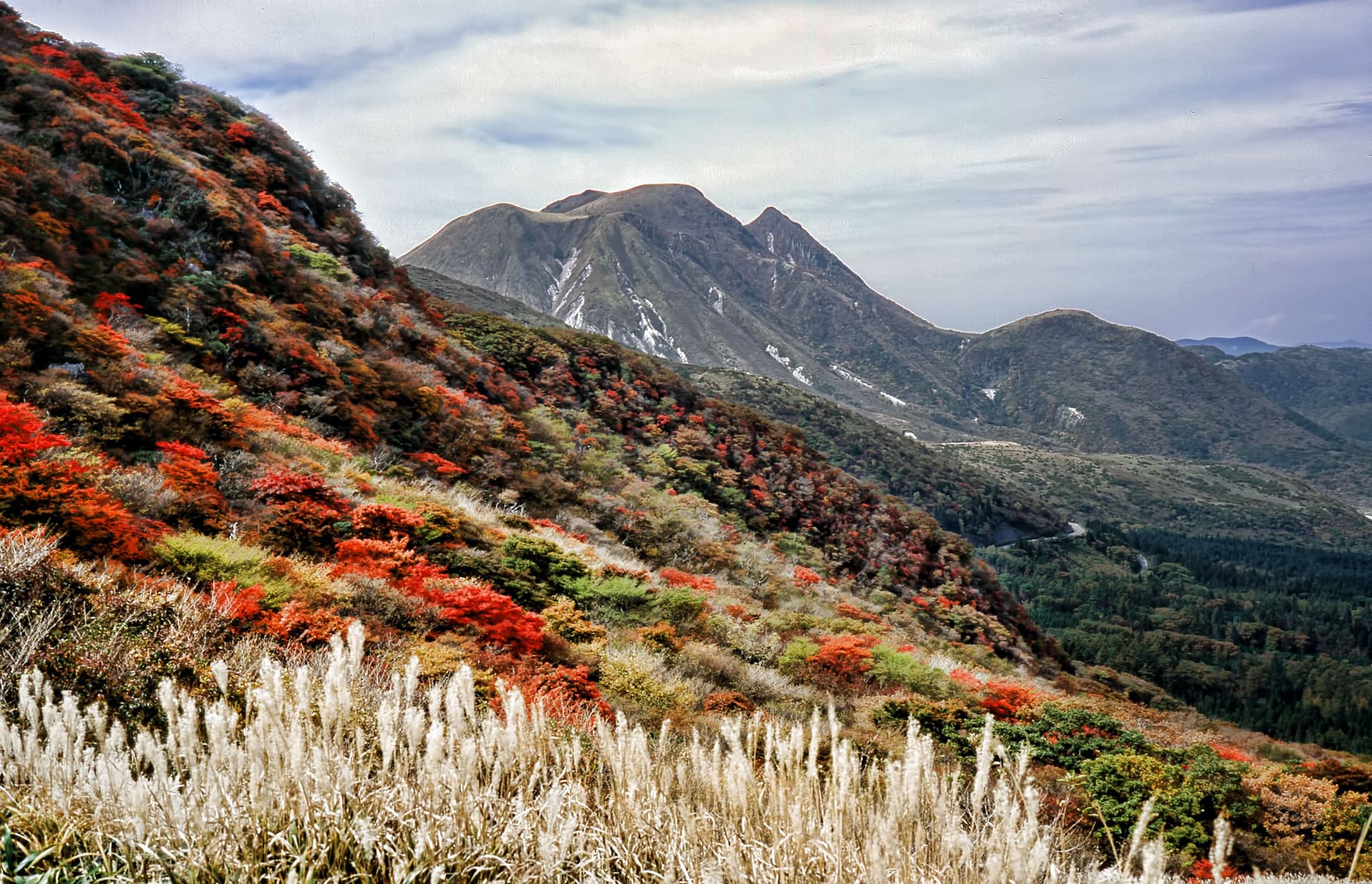
Mount Aso in the centre of the island is one of the world's largest active volcanic calderas, and the landscape around it is genuinely dramatic in a way that photos struggle to capture.
Nagasaki to the west carries its history carefully and rewardingly, with a moving peace museum, a well-preserved Chinatown and views over the harbour that most visitors remember long after leaving.
Beppu on the east coast is Japan's most intense hot spring town, with steam rising from pavements and eleven different types of hot spring baths, including ones stained bright red, blue and even one you can bury yourself in up to the neck in hot grey mud.
Things to do on Kyushu:
Eat hakata ramen at a late-night yatai stall on the Nakasu riverbank in Fukuoka
Drive or take a tour up to the rim of Mount Aso crater, which remains one of the most active and most dramatic volcanic landscapes in Japan
Visit the Atomic Bomb Museum in Nagasaki and walk the Peace Park, which is one of the most moving experiences in the country
Soak in Beppu's famous hells (jigoku), colourful hot spring pools you visit rather than bathe in, before finding a private onsen bath for the evening
Take the ferry from Nagasaki to Gunkanjima (Hashima Island), covered in the hidden gems section below
Head south to Kagoshima to see Sakurajima volcano from the waterfront, then take the ferry to Yakushima
Wondering where to start planning your trip? Take a look at our Japan travel guide, covering the best places to visit, travel costs, itinerary ideas and travel tips.
Shikoku: pilgrims, castles and the quiet Iya Valley
The smallest and quietest of the four main islands, Shikoku sits just across the Seto Inland Sea from western Honshu. The island is most famous for the 88-temple Buddhist pilgrimage called the Shikoku Henro, a 1,200 km circular route that takes between 30 and 60 days on foot. Pilgrims wear white robes and carry a staff, and locals along the route go out of their way to support them with food, shelter and small gifts, a tradition called osettai.
Want to understand the traditions behind the places you visit? Take a look at our Japan culture guide before your trip.
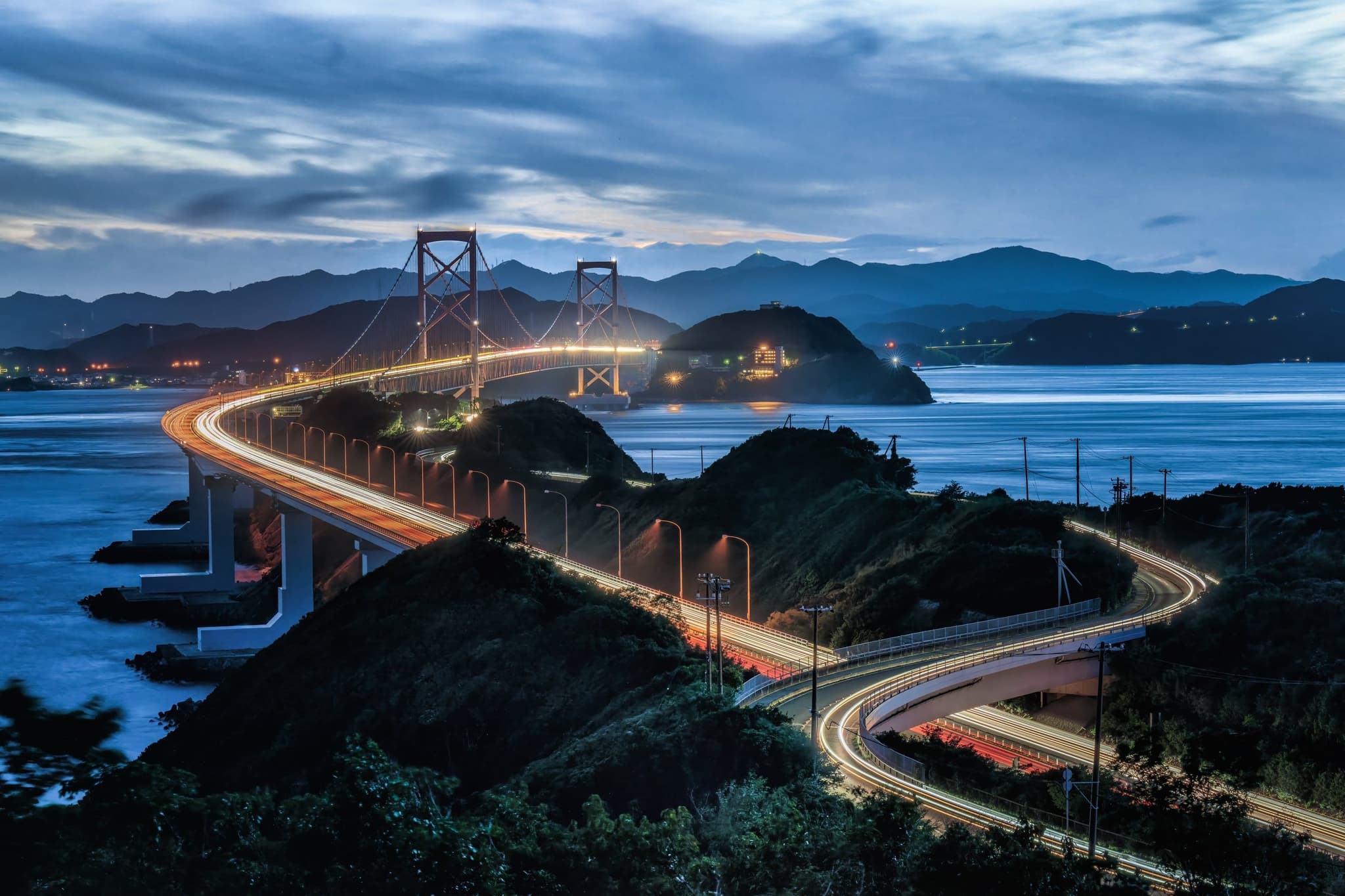
Matsuyama has a beautiful castle on a hill and Dogo Onsen nearby, widely considered one of the oldest operating hot spring baths in Japan. Deep in the mountains, the Iya Valley hides vine-and-wood suspension bridges, mist-covered gorges and old thatched farmhouses in a landscape so untouched that even many Japanese people have never been.
Things to do on Shikoku:
Walk part of the 88-temple pilgrimage route, even just a few temples between Tokushima and Kochi gives you a real sense of why this route has drawn pilgrims for over a thousand years
Visit Matsuyama Castle, one of the few original Japanese castles still standing, and soak in Dogo Onsen in the same afternoon
Cross the Kazurabashi vine bridge in the Iya Valley, rebuilt every three years using mountain vines in the traditional way
Take the Iyonada Monogatari luxury train along the coast of Ehime Prefecture for one of the most beautiful rail journeys in the country
Day-trip to Naoshima art island by ferry from Takamatsu, which takes about an hour each way
Try Sanuki udon in Kagawa, the flat, thick noodles that locals eat for breakfast and which taste completely different here than anywhere else in Japan
Guided tip: The Iya Valley on Shikoku is one of the most atmospheric places in Japan, and almost nobody goes there. If rural Japan without tour groups is what you are after, put this near the top of your list.
Okinawa: Japan's tropical island chain
Okinawa is a chain of dozens of subtropical islands forming Okinawa Prefecture, sitting so far south that it is actually closer to Taiwan than to Tokyo. The culture here feels different because, historically, it is. Before 1872 this was the independent Ryukyu Kingdom, with its own language, architecture, castle style, music and cuisine, and that history has not disappeared.
Curious about the traditions, food and customs you'll encounter along the way? Our Japan culture guide dives deeper into the stories that make each region feel unique.
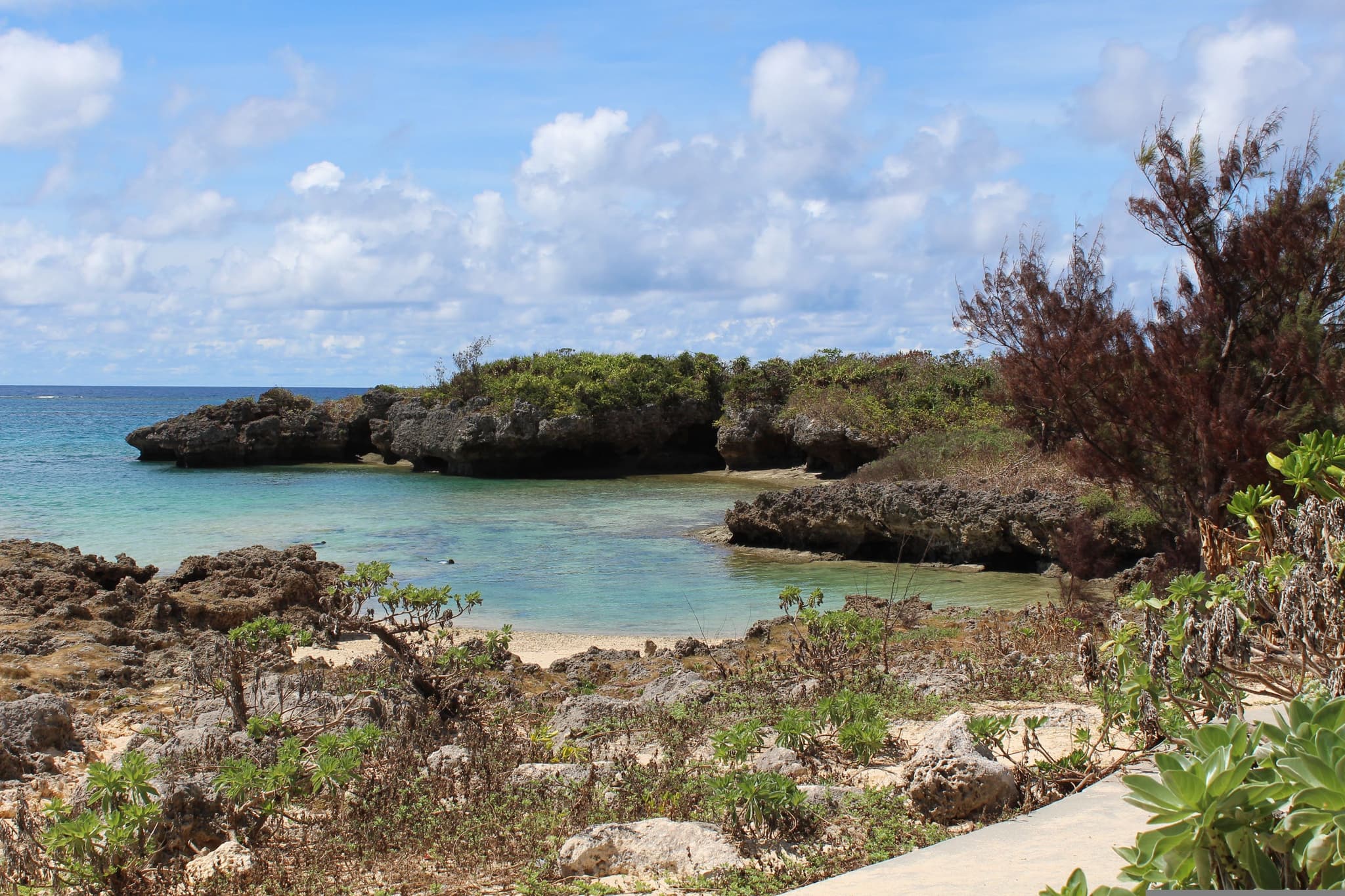
The water around the Okinawa islands is clear turquoise. Around Ishigaki you can dive or snorkel with manta rays. Off Yonaguni, which sits at the absolute westernmost tip of Japan, hammerhead sharks gather in numbers that attract divers from across the world. The Kerama Islands have some of the clearest water in the country, and Iriomote, the second-largest island in the group, is over 90% jungle and protected entirely as a national park.
Naha, the main city on Okinawa Island, is worth a day or two for Shuri Castle and the Kokusai-dori shopping street, where you find food, craft shops and a version of Japanese culture that is genuinely distinct from anything on the main islands. Okinawa also has an unusually high number of people living past 100 years old, something researchers have linked to a diet heavy in vegetables, tofu and fish, and a relaxed approach to daily life that the islands seem to have.
Things to do in Okinawa:
Snorkel or dive around the Kerama Islands, where visibility regularly reaches 30 to 40 metres and whale sharks pass through in spring
Visit Shuri Castle in Naha, the restored royal palace of the Ryukyu Kingdom and a UNESCO World Heritage Site
Take a boat trip from Ishigaki to spot manta rays at Manta Scramble, one of the most reliable manta ray sites in the world
Kayak through the mangrove forests of Iriomote, the most remote and wild island in the Okinawa chain
Dive off Yonaguni to see the so-called underwater ruins, a large rock formation that some researchers believe to be a man-made structure from thousands of years ago
Stargaze from the Yaeyama Islands on a clear night, where 84 of the 88 recognised constellations are visible
Guided tip: Okinawa works best as its own dedicated trip rather than a rushed add-on to a Honshu itinerary. Ishigaki and Iriomote together can fill a week without any effort, and the Kerama Islands deserve at least a few days on top of that.
The Seto Inland Sea: art islands and island hopping
Between Honshu, Shikoku and Kyushu lies the Seto Inland Sea, a calm body of water containing around 3,000 islands. Most visitors drive straight past it on the way between Hiroshima and Kyoto, which is a genuine shame because this is one of the most interesting and underrated parts of Japan for island hopping. A few of these islands have been turned into art destinations, cycling routes pass across suspension bridges between them, and one of the country's most famous shrines floats at the edge of the sea.
Naoshima: the island that became a world-class art destination
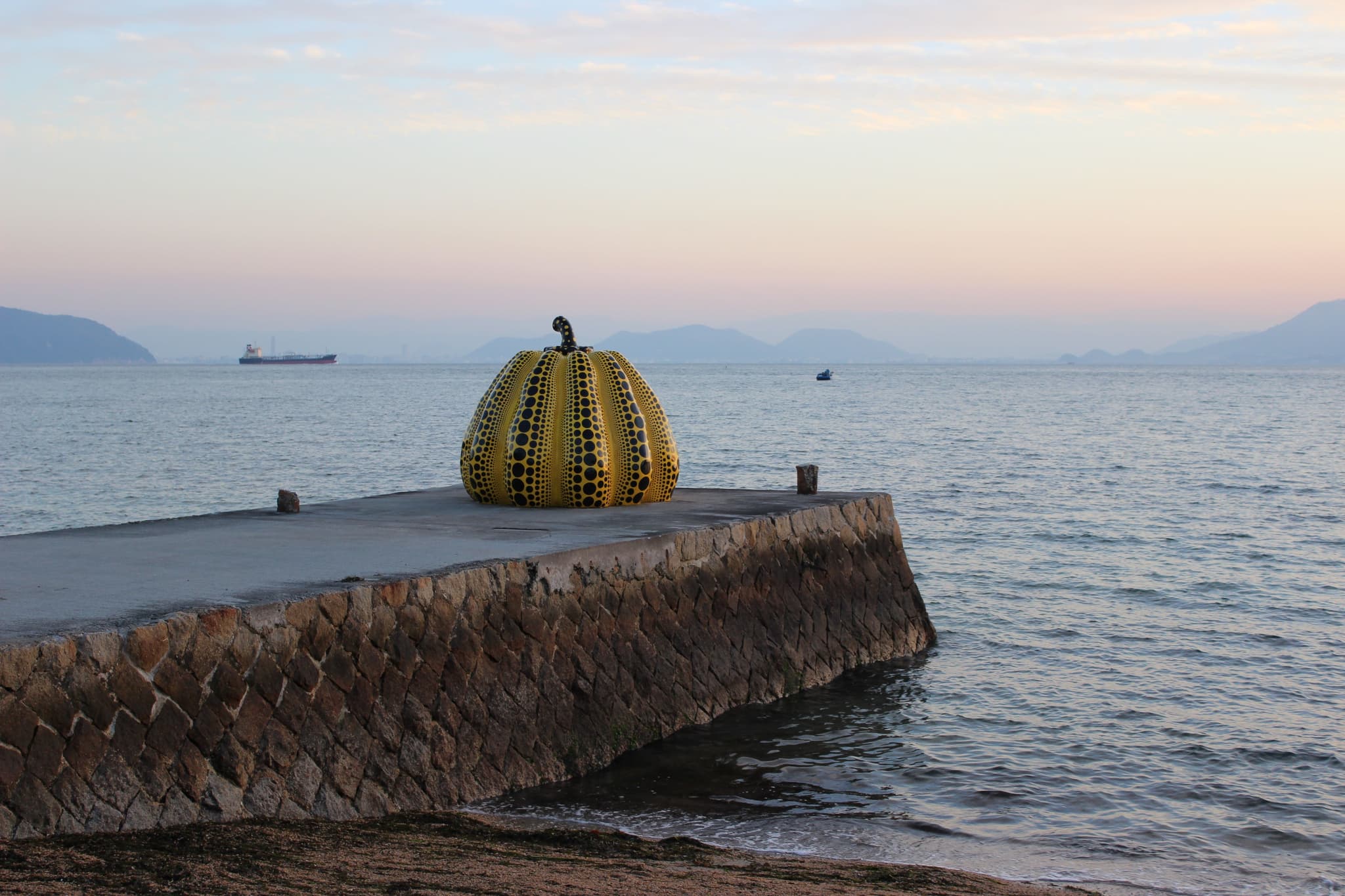
Naoshima is a small island in the Seto Inland Sea that was quietly transformed from a struggling industrial town into one of the most unusual art destinations in Asia, starting in the 1990s when the Benesse corporation began commissioning permanent installations and building museums here. The Chichu Art Museum and Benesse House Museum were both designed by architect Tadao Ando and are built partly into the hillside, which means the buildings feel like they belong to the island rather than sitting on top of it.
The most photographed object on Naoshima is a large yellow pumpkin covered in black polka dots, a work by artist Yayoi Kusama that sits at the end of a pier with the sea behind it. The island is small enough to cover by bicycle in a day, and an easy overnight or day trip from Hiroshima, Osaka or Takamatsu on Shikoku.
Wondering what else Japan has to offer beyond its islands? Take a look at our Japan travel guide, covering the best places to visit, itinerary ideas and travel tips.
The Shimanami Kaido: cycling between islands on suspension bridges
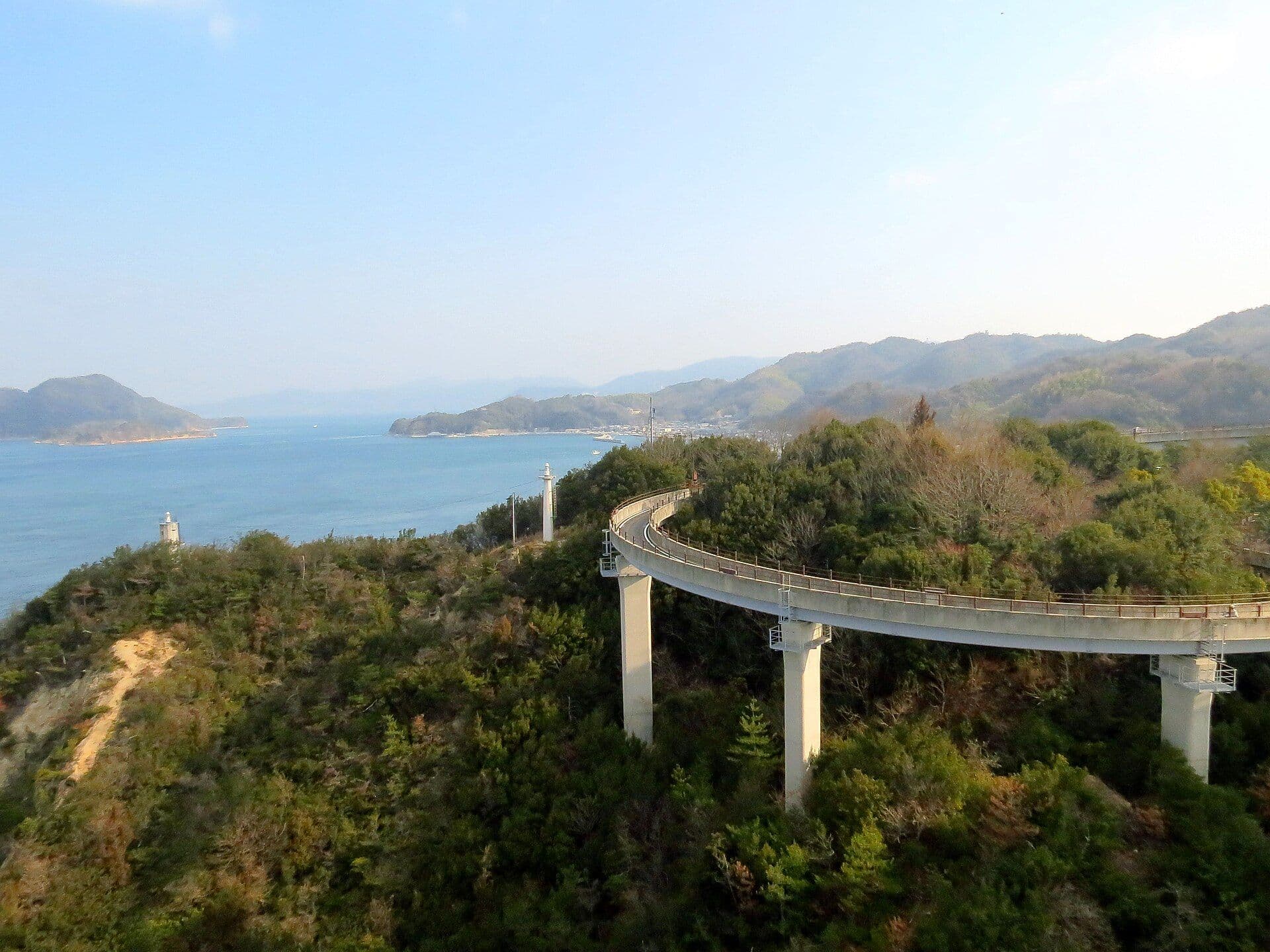
This is probably the best cycling route in Japan that most people have never heard of. The Shimanami Kaido is a 60 km road connecting Honshu to Shikoku across six small islands, crossing a series of suspension bridges with open sea views in both directions. Rental bikes are available at both ends and at several points along the route, so you can go as far as you want and turn back or take a ferry if you run out of energy. The full route can be done in one long day or split across two at a more comfortable pace.
Wondering what to do before heading to the islands? Our Kyoto guide covers the city's most beautiful temples, traditional neighbourhoods, food markets and practical travel tips.
Miyajima: deer, a floating shrine and a mountain worth climbing
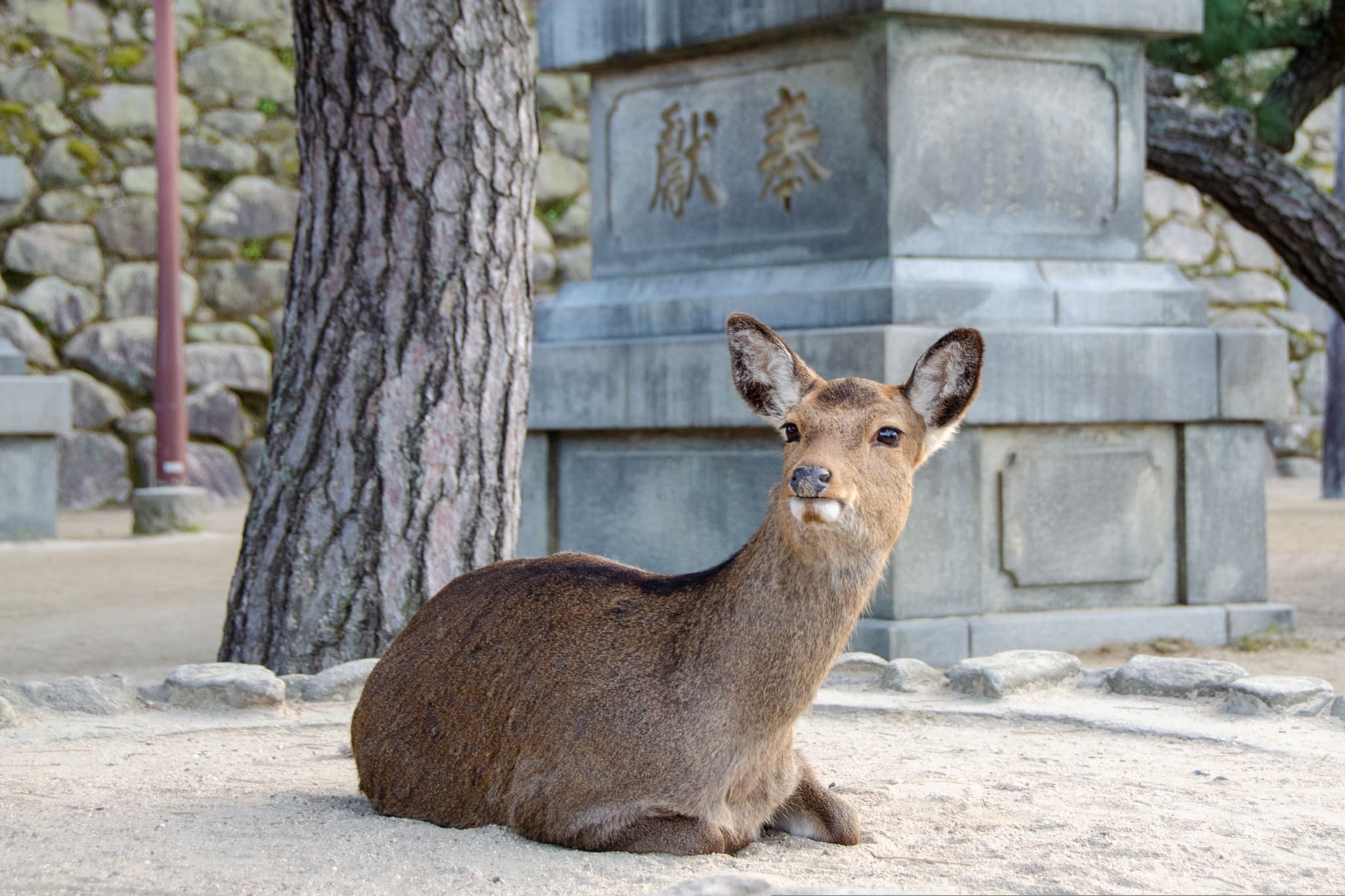
Reachable by a ten-minute ferry from Hiroshima, Miyajima is the island everyone has seen in photographs. The giant torii gate of Itsukushima Shrine stands in the water just off the shoreline and appears to float at high tide, which is when most of the famous photos are taken. Wild deer wander around the island completely unconcerned by anyone around them and will absolutely attempt to eat your ferry ticket if you are not paying attention.
Want to know where to spot Japan's most unique wildlife? Our Animals in Japan guide shows you the best places across the country.
Mount Misen is worth the hike up for the views across the Seto Inland Sea. Most people head back to the mainland on the last ferry, so staying overnight turns the island into something different, lantern-lit paths, almost no noise and the shrine to yourself in the early morning.
Fun Fact: Miyajima is counted among Japan's three classic scenic views, known as the Nihon Sankei, alongside Matsushima in Tohoku and Amanohashidate in Kyoto Prefecture.
Unique islands in Japan that most people miss
Most travellers stick to Japan's famous route: Tokyo, Kyoto, Osaka, maybe Hiroshima if there's enough time. Nothing wrong with that, but some of Japan's most memorable places sit far beyond the usual itinerary. Japan has several of them, and they are not particularly hard to reach once you know they exist.
Yakushima: ancient cedar forests and a Ghibli-inspired wilderness
South of Kyushu and reachable by high-speed ferry in about two hours from Kagoshima, Yakushima is a UNESCO World Heritage Site covered in ancient cedar forest. The trees here are old in a way that stops being abstract and becomes genuinely hard to process when you are standing in front of them. The Jomon Sugi cedar, the oldest on the island, is estimated to be anywhere between 2,170 and 7,200 years old, and hiking to it takes about ten hours return. You also share the trails with Yakushima deer and macaque monkeys, who have spent enough time around hikers to be completely indifferent to your presence.
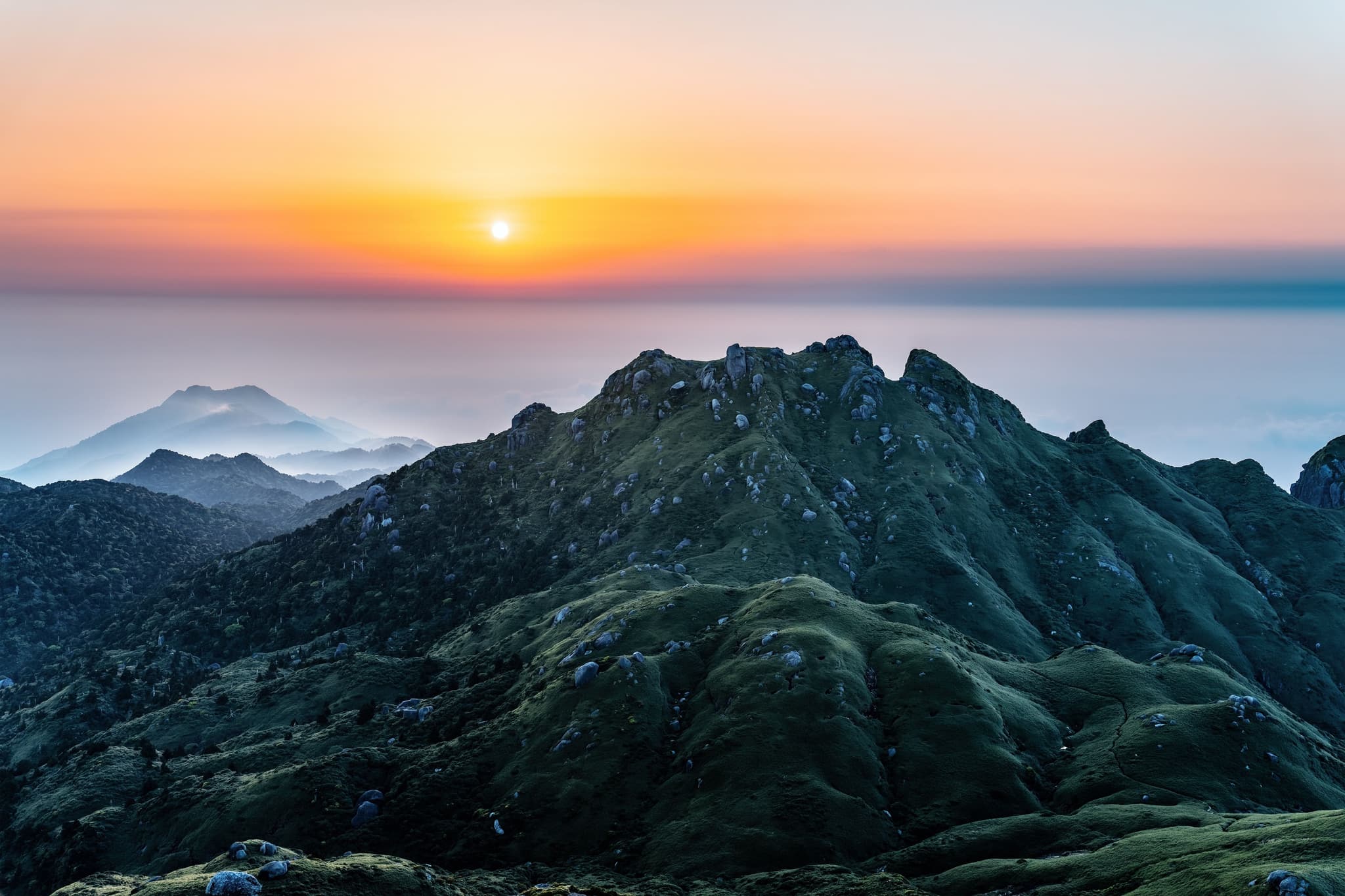
Things to do on Yakushima:
Hike the Jomon Sugi trail, a full-day return hike of around 22 km through ancient cedar forest to the oldest tree on the island
Walk the Shiratani Unsuikyo Ravine trail, a shorter and more accessible route through moss-covered forest
Watch loggerhead sea turtles nesting on Inakahama Beach between May and July
Soak in the Hirauchi Kaichu Onsen, a natural hot spring that sits on the rocks at the edge of the sea and is only accessible at low tide
Gunkanjima (Hashima Island): Japan's haunting abandoned coal island
About 20 km off the coast of Nagasaki, Hashima Island, usually called Gunkanjima meaning Battleship Island after its shape from the sea, is one of the most unusual places you can visit in Japan. At its peak in the early 20th century it was a coal mining island packed with workers and their families, and with around 5,259 residents squeezed into 6.3 hectares, it was one of the most densely populated places ever recorded anywhere on Earth.
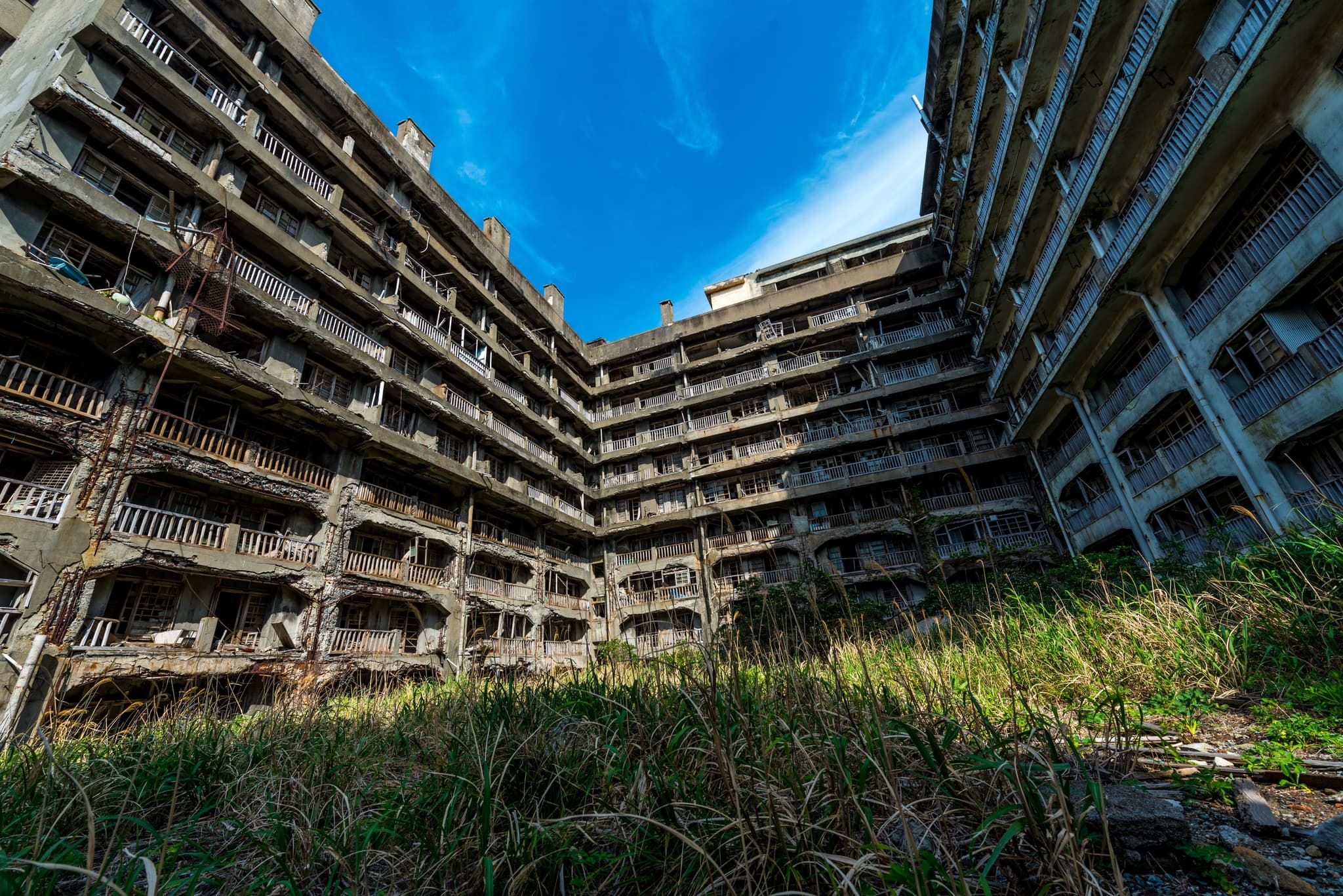
The mines closed in 1974 and every resident left within days. Apartments, schools, a cinema and a hospital were all left as they were, and the island has been slowly reclaimed by sea salt and concrete decay ever since. It became a UNESCO World Heritage Site in 2015 and was used as the villain's island lair in the James Bond film Skyfall. Licensed tour boats run from Nagasaki Port and the visit takes around two hours total, with access to a small section of the former residential area.
Okunoshima: the small island completely taken over by wild rabbits
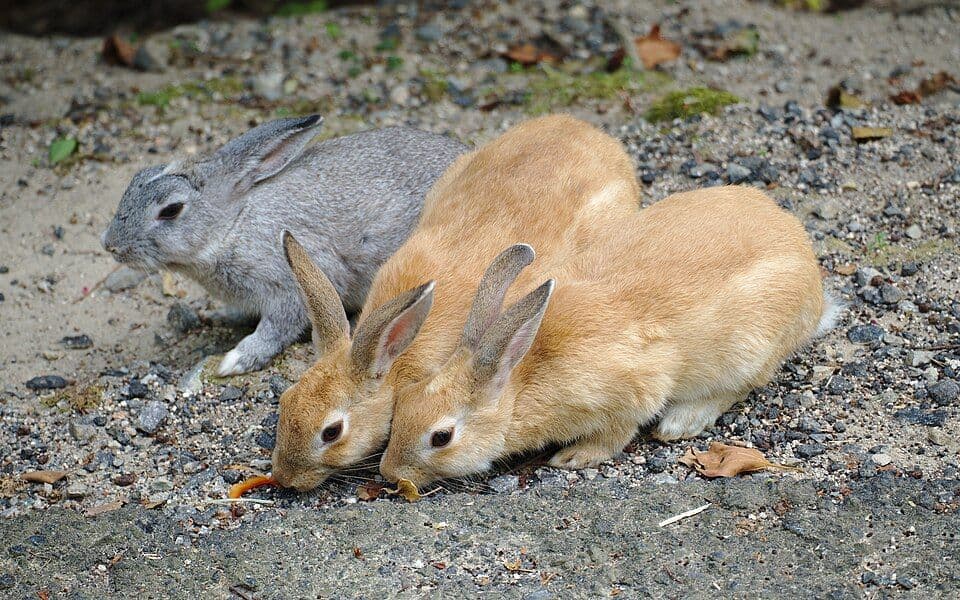
This one requires a short explanation. Okunoshima is a small island in the Seto Inland Sea, reachable by a ten-minute ferry from Tadanoumi on Honshu, and it is entirely overrun by wild rabbits! There are over 1,000 of them, and they will come running towards you if you so much as rustle a bag. The island has a strange history as a secret poison gas production facility during the Second World War, which is documented in a small on-site museum that is worth visiting before you spend the afternoon being mobbed by rabbits.
Tsushima: the island that a video game made famous
Tsushima sits in the Korea Strait between Kyushu and South Korea, only about 50 km from the Korean coast. It is a large, mountainous island that sees relatively few international visitors and has an atmosphere that feels removed from the more tourist-heavy parts of Japan. Roads through the forested interior connect small fishing villages and old shrines, and you need either a rental car or a taxi to explore it properly.
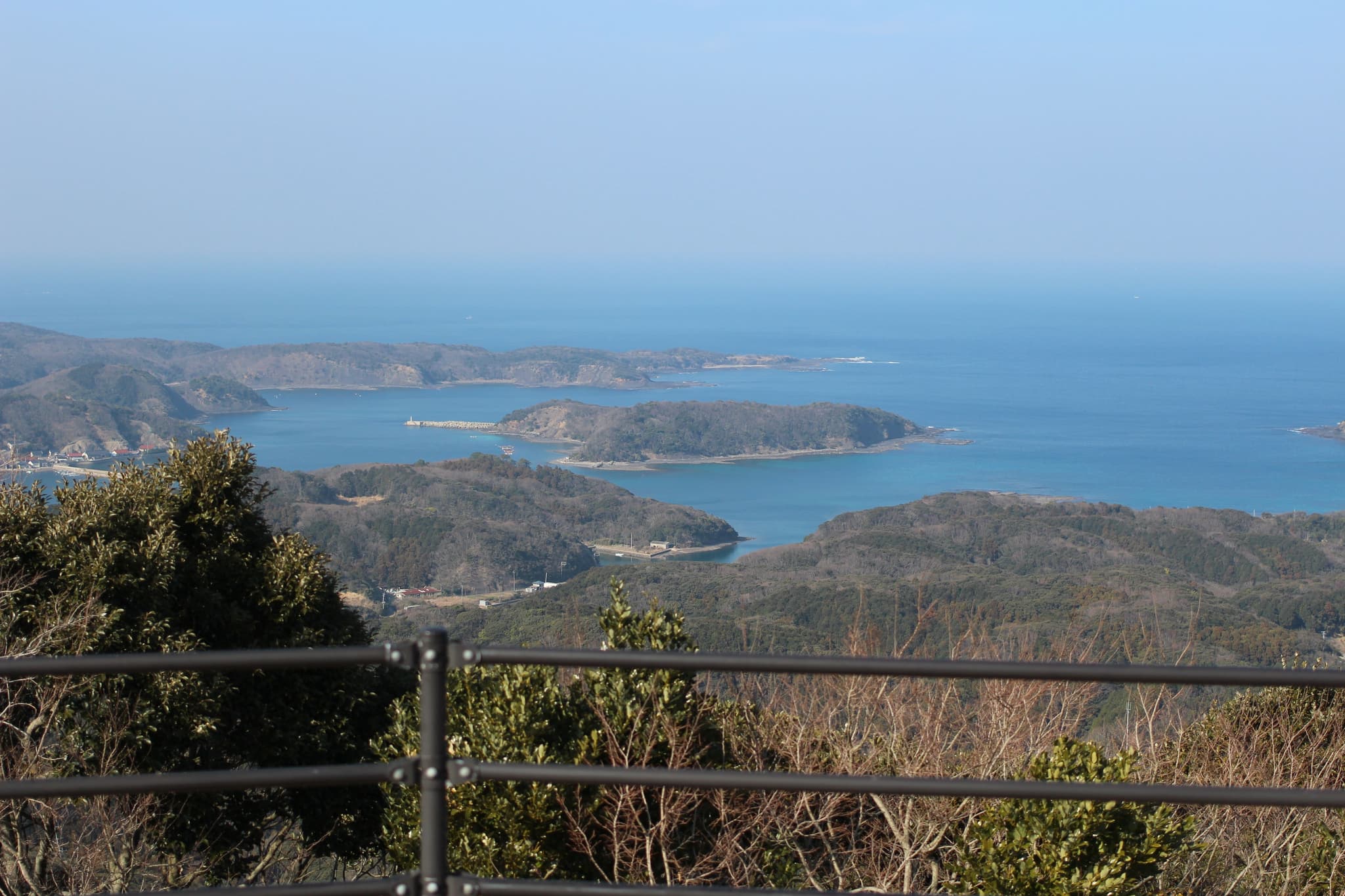
The island picked up an unexpected global following after the release of the video game Ghost of Tsushima in 2020, which is set during the 13th-century Mongol invasion of the island. Fans have since visited in large numbers, and after typhoon damage destroyed the torii gate at Watatsumi Shrine, players from around the world crowdfunded over 250,000 US dollars to have it rebuilt.
Islands near Tokyo: the Izu archipelago and the remote Ogasawara Islands
Tokyo administers a string of islands stretching over 1,000 km south into the Pacific. The Izu Islands are the closest group, accessible by overnight ferry from Tokyo, and include Izu Oshima with its active volcano, black sand beaches and hot springs. Hachijojima, a little farther south, has high cliffs, clear water with tropical fish, and a dormant volcano called Hachijo-Fuji that you can hike up in a few hours.
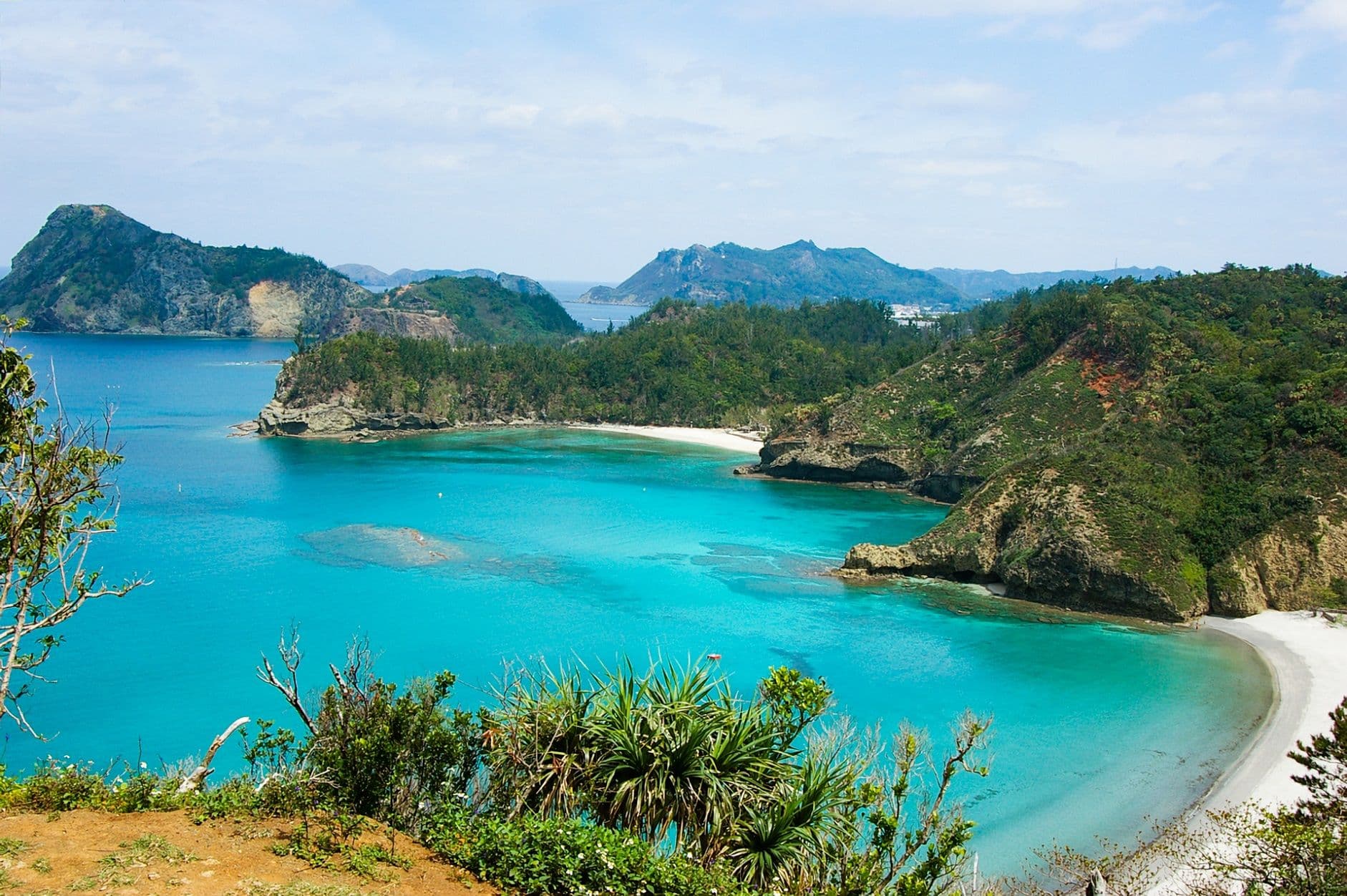
Much farther south are the Ogasawara Islands, a UNESCO World Heritage Site sometimes described as the Galápagos of the East for their extraordinary endemic wildlife. There is no airport, so the only way to reach them is a 24-hour ferry from Tokyo, and that barrier has kept the ecosystems largely intact. Humpback whales pass through between January and April. Spinner dolphins are regularly spotted from the ferry. The islands have species of plants, birds and insects found nowhere else on Earth.
Things to do in the Izu Islands and Ogasawara:
Take the overnight ferry from Takeshiba Pier in Tokyo to Izu Oshima and hike the rim of Mount Mihara volcano the following morning
Snorkel off Hachijojima in clear Pacific water with a mix of subtropical fish that feels nothing like mainland Japan
Book a whale-watching tour from Chichijima in the Ogasawara Islands between January and April for humpback whales
Swim with spinner dolphins off Minami-jima, a tiny uninhabited island near Chichijima that is accessible only on foot through a small gap in the cliffs
Curious about the wildlife you might encounter across Japan's islands? Take a look at our Animals in Japan guide, which covers the unique species you can spot from Hokkaido down to Okinawa.
Which islands of Japan work well together?
Honshu, Kyushu and Shikoku are connected by bridges, tunnels and bullet train lines, so you can move between them without taking a single ferry if you prefer. Hokkaido is reachable by Shinkansen to Hakodate or by a 90-minute flight from Tokyo to Sapporo. The only islands that really require a separate mental category are Okinawa and the Ogasawara Islands, both of which sit far enough away that treating them as standalone trips makes far more sense than squeezing them into a longer itinerary.
Here is a rough guide to how many islands make up a comfortable Japan itinerary at different trip lengths:
2 weeks: Honshu plus one smaller island, Miyajima, Naoshima or Yakushima
3 weeks: Honshu plus Kyushu or Hokkaido
4 weeks or more: add Okinawa or Hokkaido as a full separate region, not an add-on
A particularly good island-hopping mini-route that works within a standard two-week Japan trip runs from Tokyo through Hiroshima on Honshu, across to Miyajima by ferry, then to Naoshima by boat, and across to Takamatsu on Shikoku before heading back. It connects four different island experiences without requiring any flights.
How to plan your trip to the islands of Japan
Japan's islands are so different from each other that planning your trip usually starts with one simple question: what kind of experience are you looking for? Rather than trying to see everything in one trip, pick a few islands that match your interests.
Food, culture, cities and iconic sights: Honshu, Kyushu
Nature, hiking and outdoor adventures: Hokkaido, Yakushima, Shikoku
Beaches, diving and tropical islands: Okinawa, Ishigaki, Iriomote
Art, architecture and slow travel: Naoshima, Miyajima, Seto Inland Sea islands
Hidden gems, wildlife and unusual experiences: Tsushima, Ogasawara Islands, Gunkanjima, Okunoshima
Ready to start planning? With the Guided app, you can save islands, attractions and hidden gems to your own personalised itinerary, then build a route that fits your travel style. Having everything organised in one place makes planning a lot easier.
Enjoyed This Blog? Continue Reading!
There is more travel inspiration waiting for you on our blog. You can take a look below and start mapping out your next travel adventure!


