
Japan Culture Guide: Local traditions not to miss during your trip
By Eva Alkemade
Jul 7, 2026
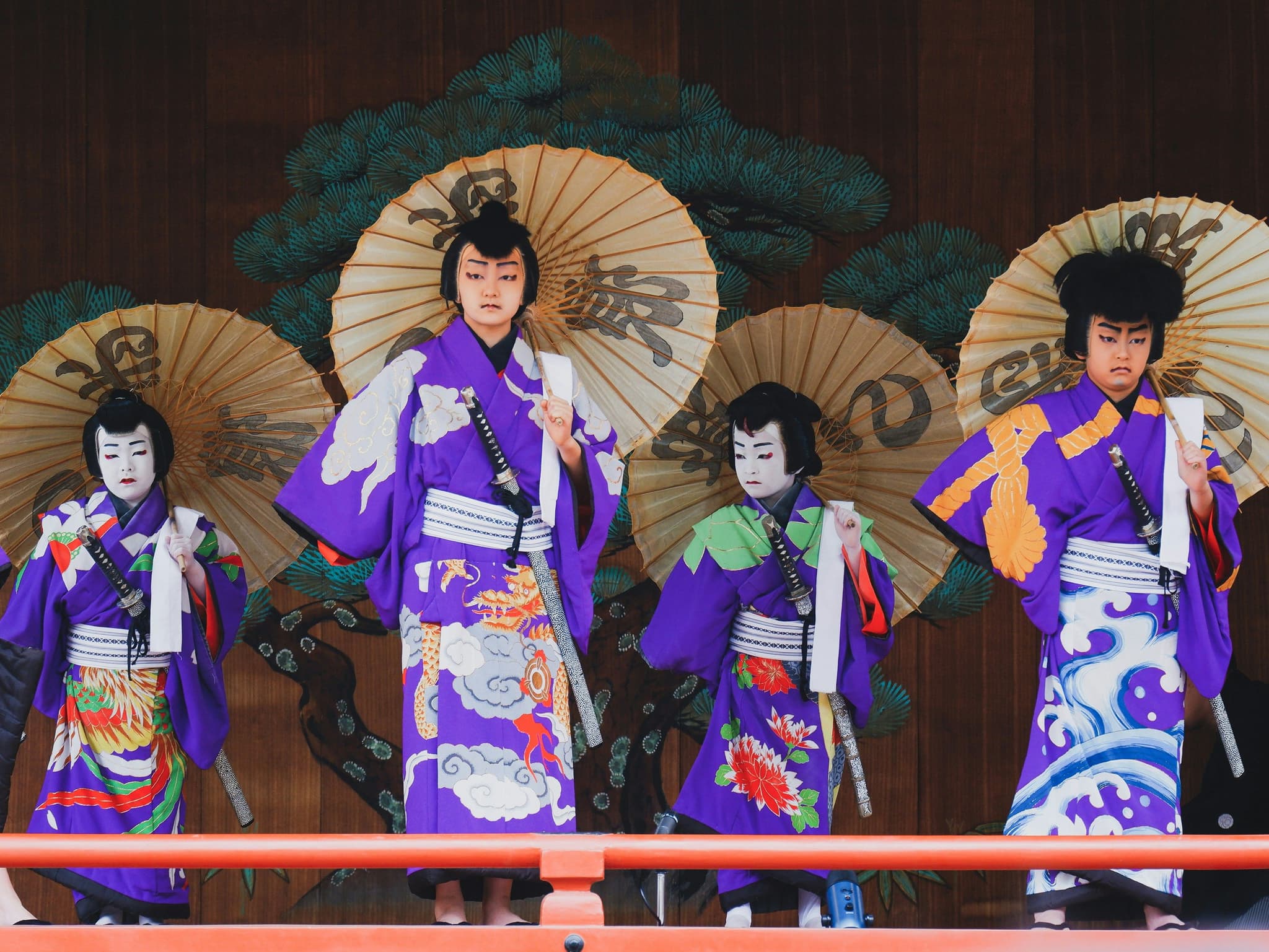
A vending machine selling hot canned coffee can stand right next to a centuries-old shrine, and that alone tells you a lot about how Japan works. You'll find ancient customs living right alongside neon signs and bullet trains here, and none of it looks out of place. Down in the ring, sumo wrestling still trains the way it did a century ago. A few streets over, a parade of Pokémon characters now draws more visitors than the local matsuri ever did. We put together this guide to help you understand why Japan and culture stay so closely tied together here, covering everything from food and religion to festivals and traditions you can actually take part in during your trip!
A quick look at the history behind Japan's culture
Did you know many of Japan's everyday customs are hundreds, sometimes even thousands, of years old? Japan didn't become one of the world's most unique cultures by accident. Behind every shrine, tea ceremony and festival is a story that stretches back centuries.
From the Edo period to the Meiji Restoration
For more than two hundred years, Japan closed its doors to most of the outside under a policy known as sakoku, and during that time the samurai class shaped politics, art and even table manners. The Bushido code, followed by samurai, placed huge weight on discipline, loyalty and respect, and you'll still recognise those values in modern Japanese workplaces and sports today. Everything changed in 1868 with the Meiji Restoration, when the country reopened almost overnight and set out to modernise its industry, military and government at remarkable speed. Within a few decades, Japan went from feudal isolation to building railways, schools and a navy that could compete with the rest of Europe.
How tradition survived modernisation
You might expect centuries-old customs to fade the moment skyscrapers and bullet trains arrived, but the opposite happened in Japan. These shrines, festivals and tea ceremonies kept their place in everyday life, partly because Shinto and Buddhist practice never really asked people to choose between old and new. That mix of old and new is exactly what makes a trip here so interesting.
What makes Japan's culture so distinctive?
What counts as religion and daily habit here doesn't always match what you'd expect, and that's part of what makes the culture of Japan so interesting to explore. Most of what you'll notice isn't preached from a pulpit at all, it shows up in small actions you might not even clock as spiritual.
![Woman standing in front of red torii gates lining the path up Fushimi Inari shrine in Kyoto, Japan]](/_next/image?url=https%3A%2F%2Fcdn.sanity.io%2Fimages%2Fpq6spevh%2Fproduction%2F751d005f5960b866a554d6e4f6a513679f163e3e-6048x4032.jpg&w=2048&q=75)
Shinto, Buddhism and how religion in Japan actually works
Most people in Japan wouldn't call themselves religious if you asked them directly, yet shrine visits and temple rituals remain part of everyday life for almost everyone. With around 100,000 shrines across the country, Shinto counts as the main religion in Japan, built around kami, a broad concept of spirits found in mountains, rivers, and trees.
A visit to a shrine is therefore not always about strict belief. For many people, it is simply part of daily rhythm, family life and tradition. Locals might visit a shrine at New Year, pray for good luck before exams, buy an omamori charm for protection, or take part in a local matsuri festival without seeing it as a formal religious act.
Later on, Buddhism arrived from Korea in the sixth century and settled in alongside Shinto rather than competing with it. You'll usually find a simple rule of thumb works: shrines belong to Shinto, temples belong to Buddhism, and most families use both depending on the occasion, without thinking of it as a contradiction. Birth and marriage tend to call for a Shinto ceremony, whereas funerals usually follow Buddhist tradition, a split you'll still notice across the country.
The everyday habits you might get wrong in Japan
A handful of small habits can trip up first-timers here, and most of them come down to respect rather than strict rules. You'll take your shoes off before stepping onto tatami mats or into most homes, with slippers usually waiting for you at the door. A bow replaces a handshake for almost everything here, from a quick greeting to a sincere thank you, and a small nod from you is always appreciated even if you don't get the angle exactly right. There's etiquette around chopsticks too, since standing them upright in a bowl of rice or passing food from one pair to another both echo funeral rites, so it's best avoided. These traditional customs in Japan can seem like a lot to remember at first, but most locals don't expect perfection, just a bit of effort.
Curious about what to eat in Japan? Check out our Japan travel guide, packed with the best Japanese dishes, travel tips and itinerary ideas to help you plan your trip.
Guided tip: A small nod and a coin or two in the offering box covers most shrine visits, and copying whatever the person ahead of you does usually works just fine.
Japan's food culture goes way beyond sushi
What lands on your plate in Japan ties closely to season, region and ritual, so a single trip can introduce you to dishes you won't find on any menu back home. Even UNESCO recognises ‘‘washoku’’, the term for traditional Japanese cuisine, as a piece of intangible heritage, which tells you how seriously food is taken here.
What an everyday Japanese meal actually looks like
Most meals get anchored by rice and miso soup, alongside pickles, a protein like fish or tofu, and a few small side dishes served separately rather than piled onto one plate. Breakfast might bring grilled fish and rice, lunch usually means a bowl of ramen or a rice dish with fried meat, and dinner becomes something closer to a full spread at home.
Foods to try when you’re there:
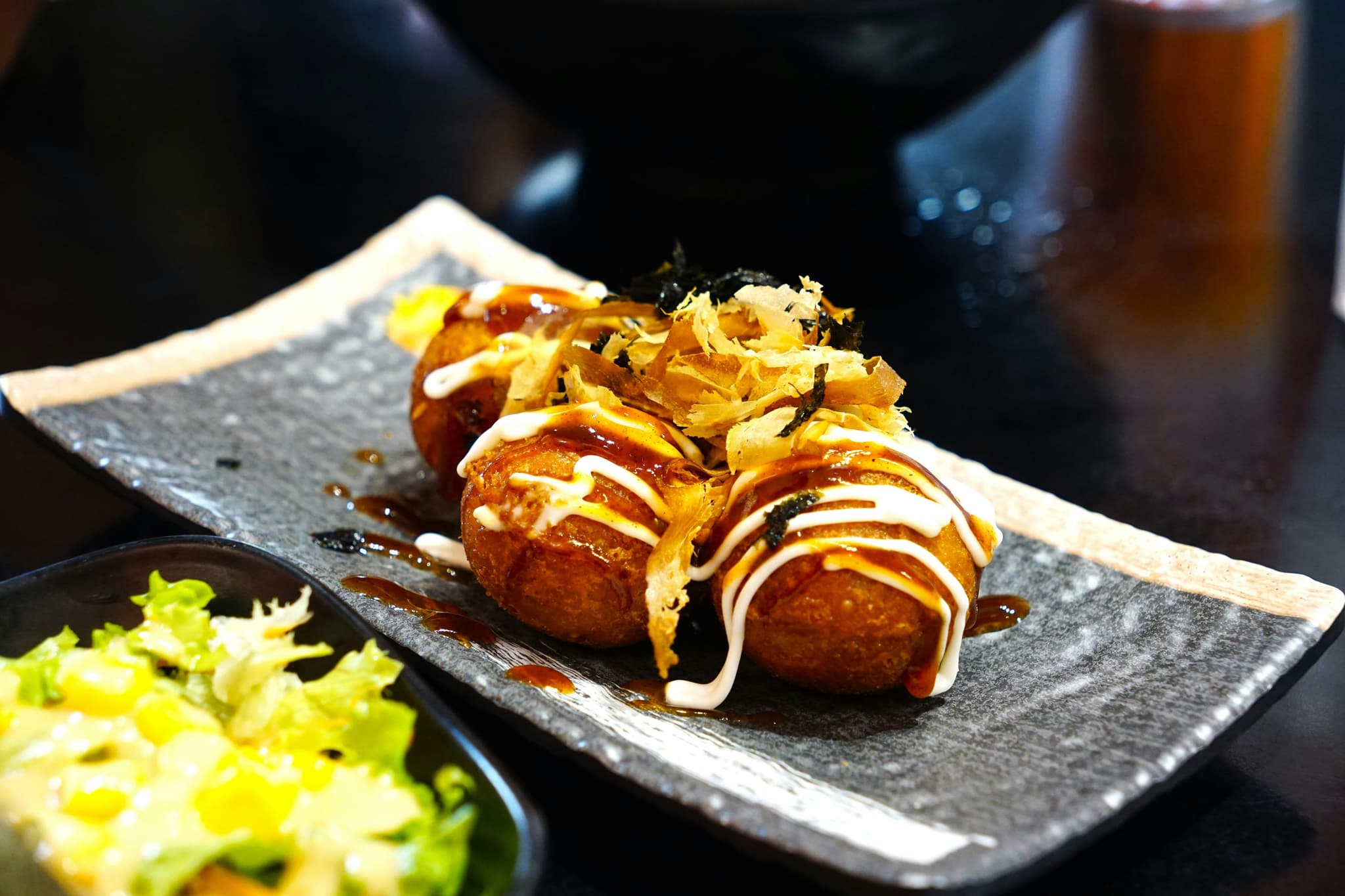
Takoyaki: Crispy dough balls filled with octopus, topped with sweet sauce, mayonnaise and bonito flakes.
Yakitori: Charcoal grilled chicken skewers, often served with different cuts you won't find elsewhere.
Kaiseki: A traditional multi course meal showcasing seasonal ingredients and beautiful presentation.
Oden: A comforting winter dish with fish cakes, tofu, daikon radish and eggs slowly simmered in a light broth.
Hitsumabushi: Nagoya's famous grilled eel served over rice, enjoyed in three different ways.
It's good manners to say ‘‘itadakimasu’’ before you eat, roughly “I gratefully receive”, even over a convenience store onigiri on a train platform.
Curious about more surprising facts about Japan? Our facts about Japan guide covers dozens of small details like this one, from food customs to geography and beyond.
Festival street food worth queuing for
You'll find small food stalls called yatai at almost every matsuri, turning the whole event into a food crawl as much as a celebration. Among the most popular are takoyaki, fried batter balls filled with diced octopus, and taiyaki, fish-shaped cakes filled with sweet red bean paste. For something cold, kakigori gives you a mountain of shaved ice topped with syrup, perfect for cooling down during the hotter months, and a chocolate-covered banana on a stick makes a fun dessert to share.
Guided tip: It's worth carrying small cash to festivals, since most yatai stalls don't take cards and the lines move fast as soon as the food is ready.
Local celebrations in Japan: traditions you shouldn't miss during your trip
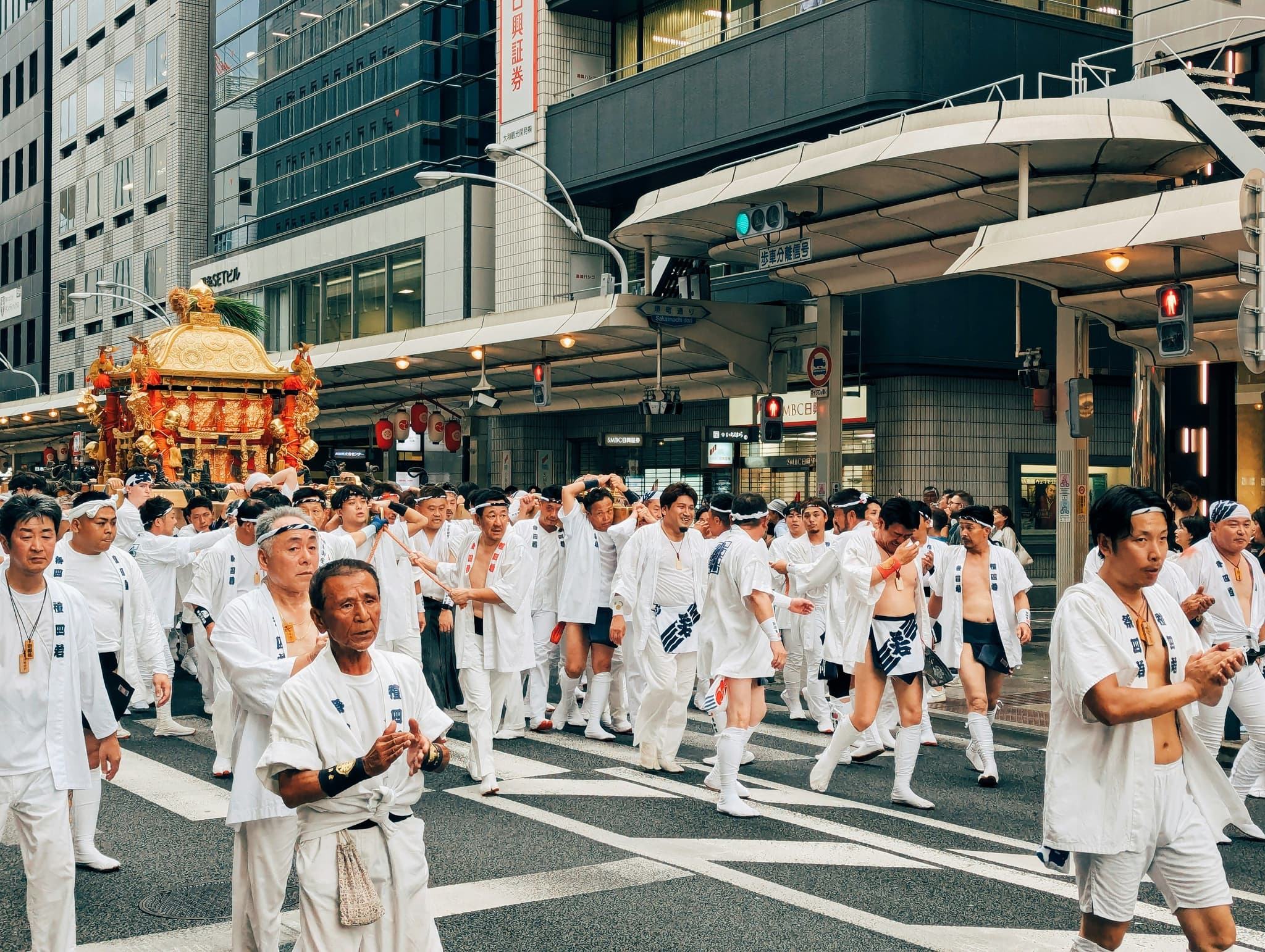
One of the best ways to experience Japan's culture is by visiting a festival. Throughout the year, streets fill with giant floats, traditional music, lanterns, dancing and incredible street food. While many celebrations began as religious ceremonies, today they're just as much about bringing communities together.
Here are a few festivals you shouldn't miss:
Hanami: Cherry blossom picnics that welcome spring.
Gion Matsuri: Kyoto's spectacular summer festival with enormous floats.
Obon: A lantern festival honouring ancestors, celebrated with traditional dances.
Oshogatsu: Japan's biggest holiday, when families gather to welcome the New Year.
Wondering when these festivals take place and which ones are worth planning your trip around? Take a look at our blog about the best festivals in Japan, where we cover the biggest celebrations, travel tips and the best time to visit.
Guided tip: The months of May, June and September tend to give you good festival weather without the heaviest summer humidity, worth keeping in mind as you start mapping out dates.
Which of Japan’s traditions are worth experiencing for yourself?
It's fun to watch a festival from the side, though taking part in a tradition yourself tends to stick with you a lot longer. These Japanese traditions range from calm, almost meditative practices to full-contact sport, whatever kind of experience you're after.
The tea ceremony and the art of slowing down
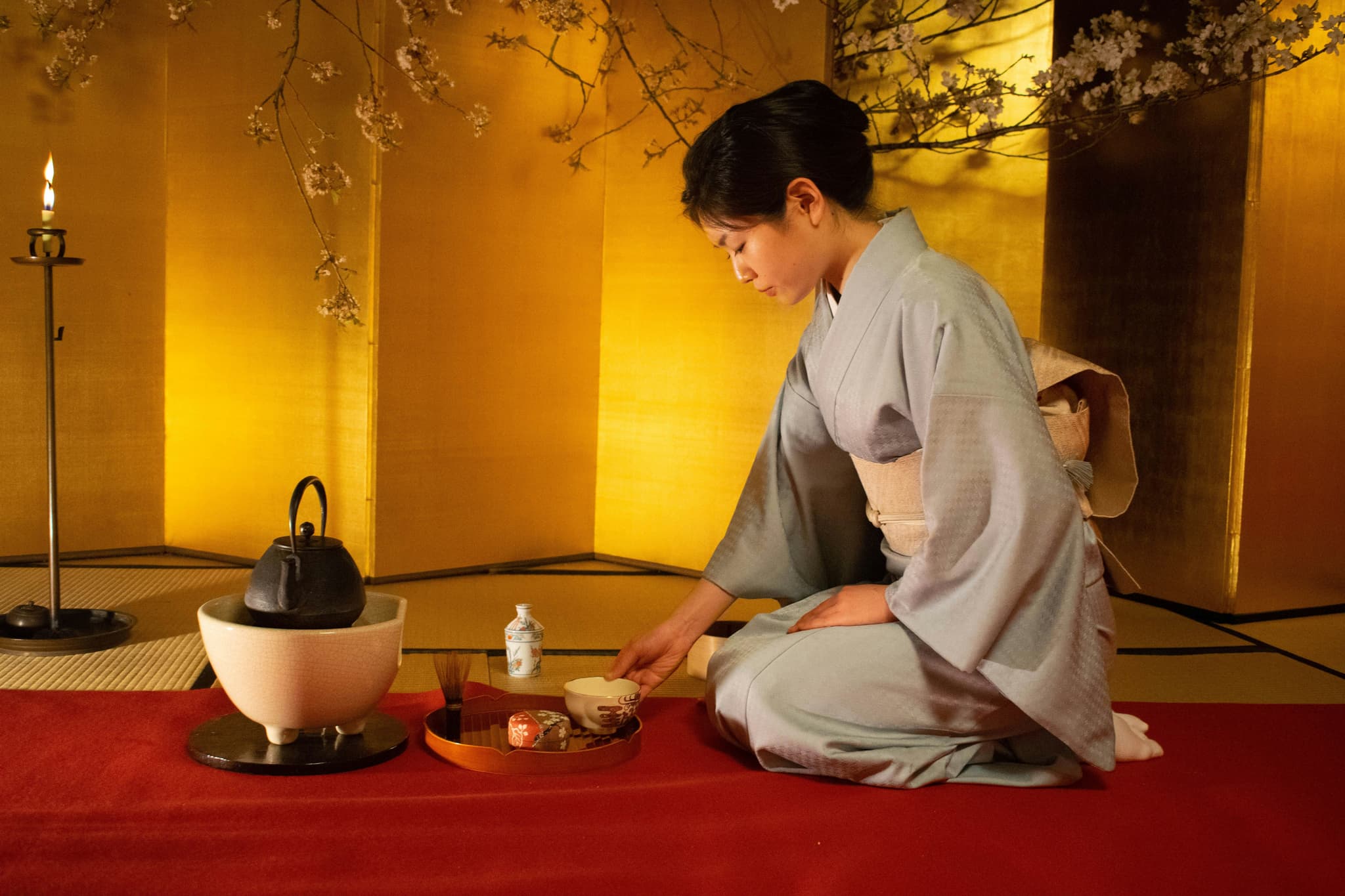
The formal tea ceremony, known as sado, centres on preparing and serving matcha inside a small tea room called a chashitsu, following four principles, harmony, respect, purity and tranquillity. Every step gets choreographed down to how you hold the bowl and how many sips you take, yet a beginner-friendly version exists too. A good part of Kyoto's reputation rests on tea, since the surrounding region grows some of the country's best green tea leaves. If you'd like the full etiquette breakdown before you go, Japan National Tourism Organization's tea ceremony guide walks through what to expect from start to finish.
Wondering where to actually book one? Our Kyoto guide points you toward tea houses where you can try a ceremony yourself, plus plenty more to do around the city.
Kimono, onsen and seasonal rituals
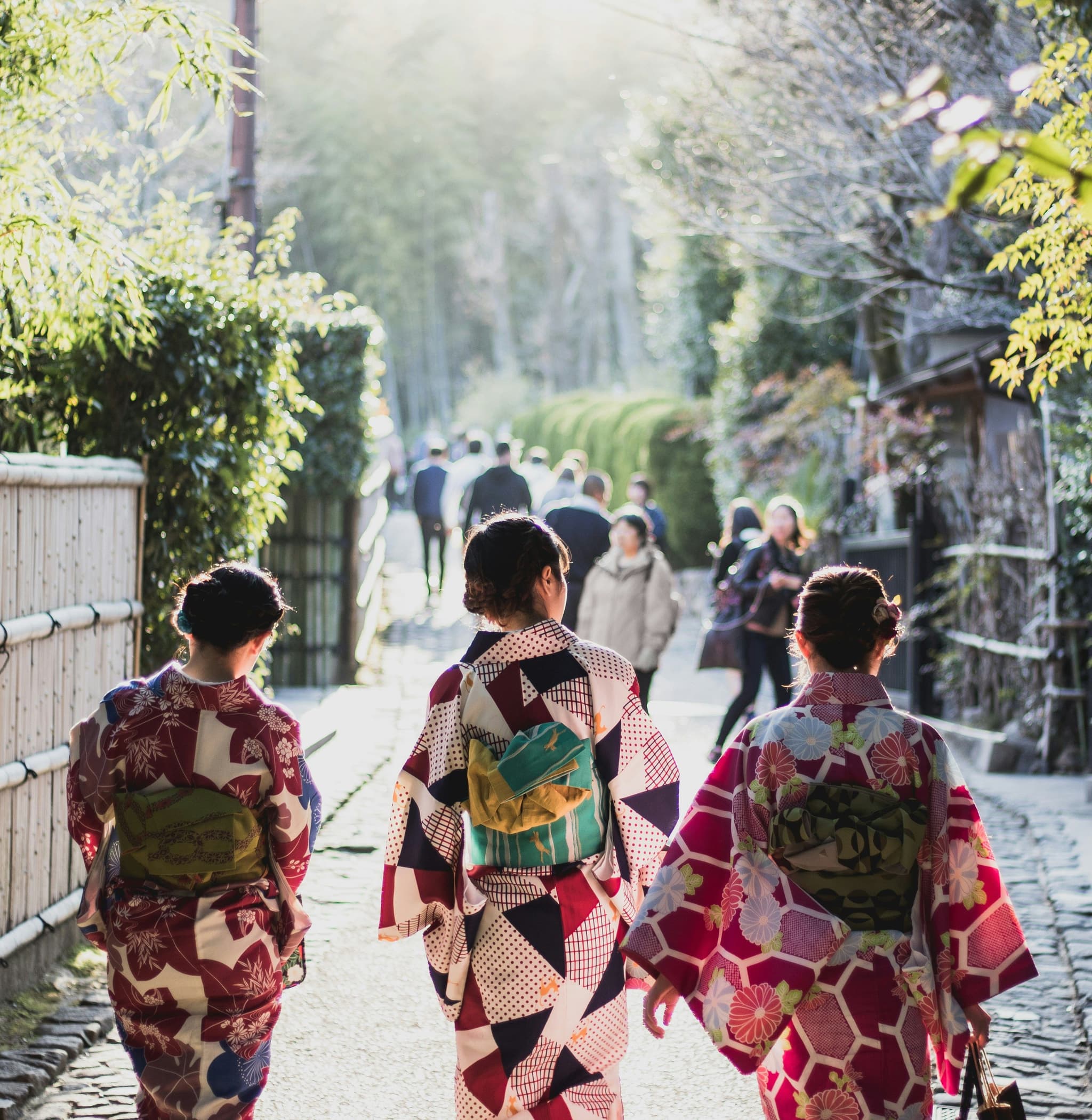
A lighter cotton version of a kimono, called a yukata, gets worn constantly at summer festivals, and rental shops near major shrines make it easy to try one for an afternoon. There's a whole etiquette around onsen, the country's hot spring baths: wash thoroughly before getting in, and leave swimwear at the door since most baths get used without it. Plenty of seasonal rituals run deep too, from formal flower arranging known as ikebana to the simple act of stopping to look up at cherry blossom in spring.
Calligraphy, ikebana and Japan's gentler arts
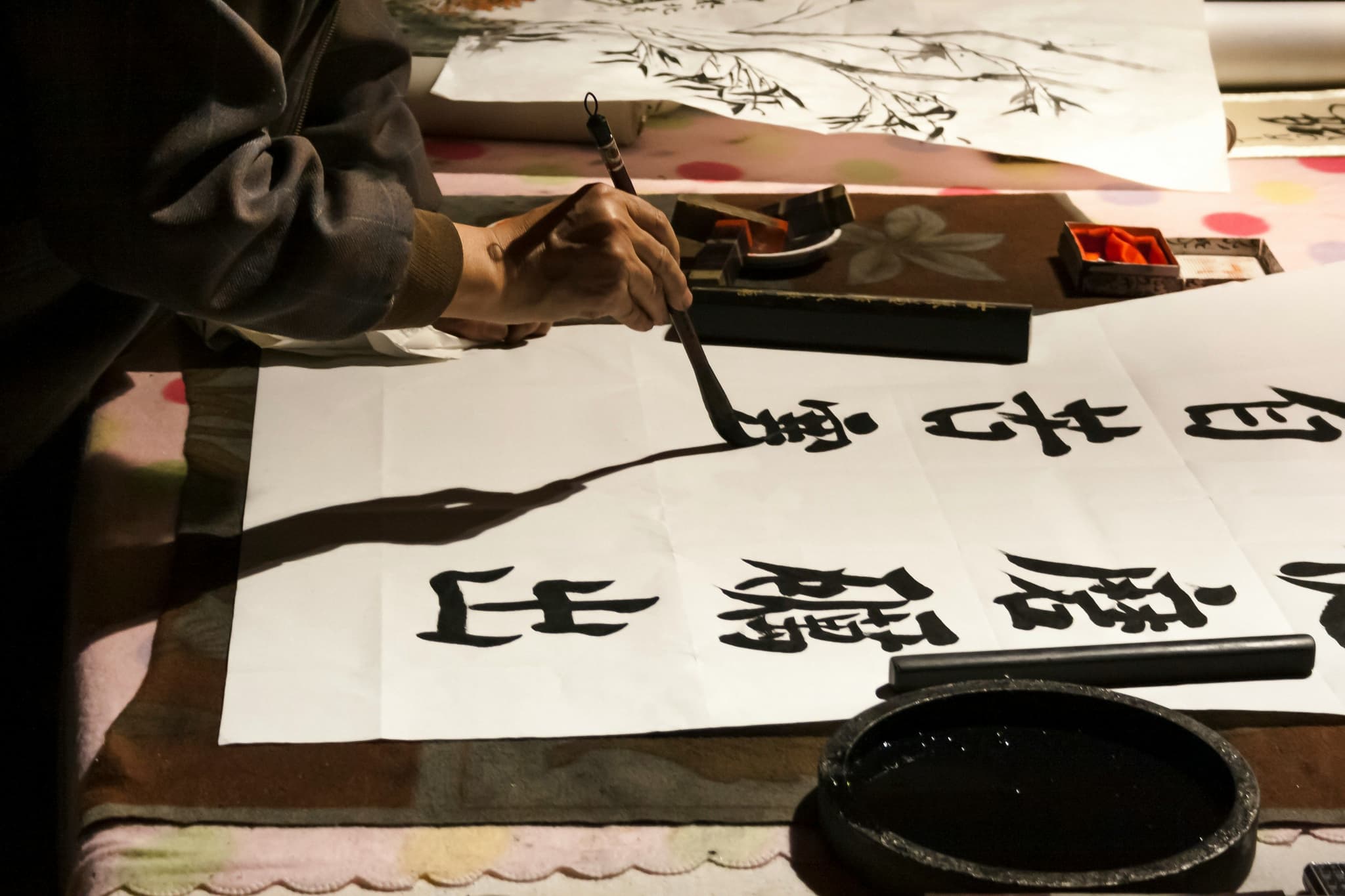
With a single brush stroke, calligraphy, known as shodo, leaves no room for changing your mind, since ink can't be undone after it hits the paper. You'll find strict rules around line, space and balance guiding ikebana, the art of flower arranging, and a single arrangement can take a skilled practitioner hours to finish. Plenty of cultural centres and tea houses run short workshops in calligraphy or flower arranging, a nice way to slow down for an hour between temple visits.
Wondering exactly how many days you need to cover the basics without rushing? Our 6-day first-timers trip itinerary lays out a budget-friendly route that still leaves room for a festival or a tea ceremony if the dates line up.
Planning your trip around Japan's culture
An actual trip comes down to timing as much as anything else, since festivals, cherry blossom and tea ceremony availability all change with the calendar. Curious which months actually line up best with festivals and milder weather? Our best time to visit Japan guide breaks down the calendar month by month so you can plan around it.
If you pick one or two traditions that genuinely interest you and build the rest of your route around them, you'll be able to experience Japan’s culture in a much more meaningful way than simply ticking off the biggest sights.
Still figuring out your route? Take a look at our blog about the best islands in Japan, including tropical beaches, volcanic landscapes, art islands and easy island escapes from the main route.
Enjoyed This Blog? Continue Reading!
There is more travel inspiration waiting for you on our blog. You can take a look below and start mapping out your next travel adventure!

