
Festivals in Japan: Your Guide to Matsuri, Celebrations and Summer Festivals in 2026
By Eva Alkemade
Aug 14, 2026
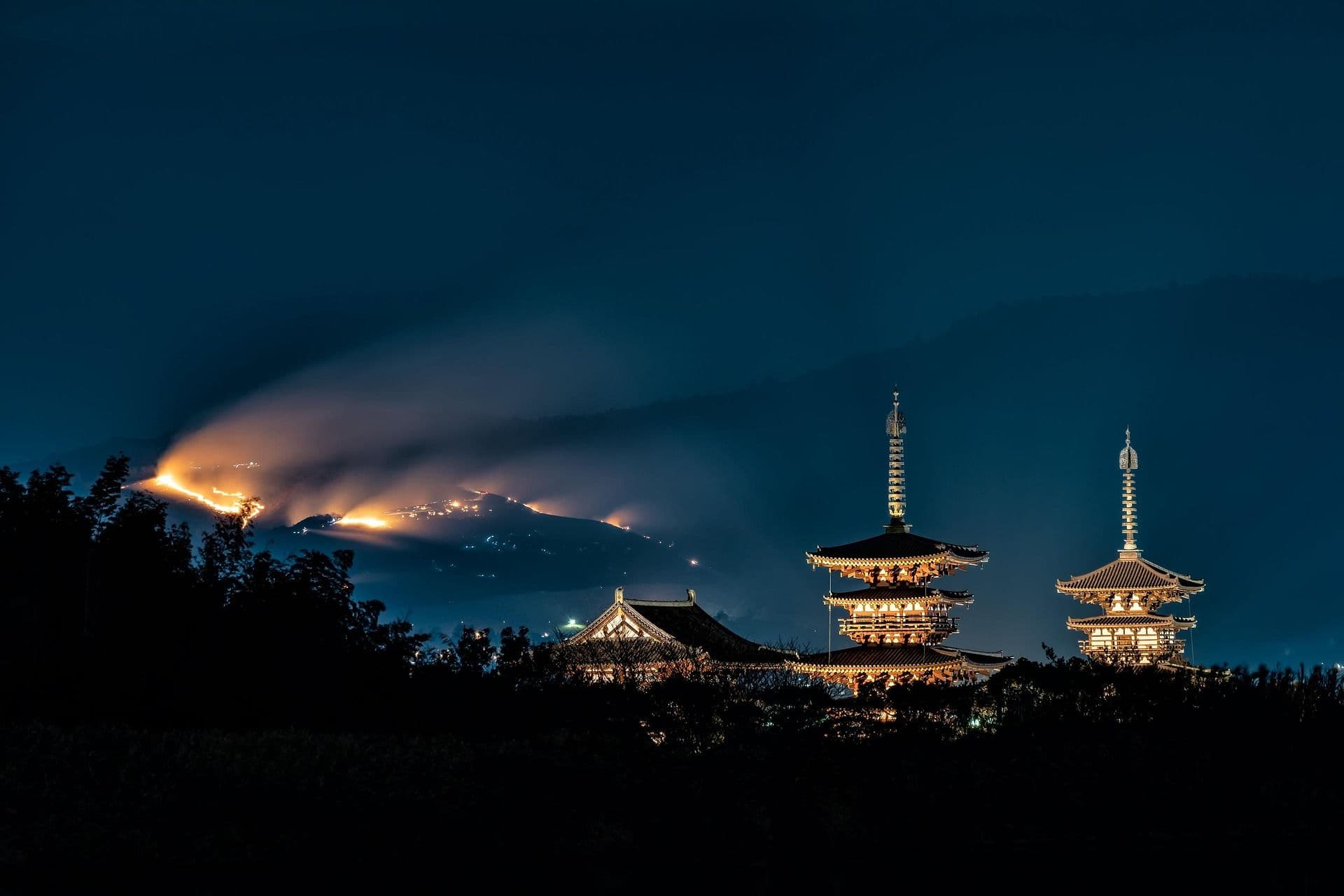
On New Year's Eve in Japan, a temple bell rings exactly 108 times, once for each earthly desire in Buddhist belief. Nobody counts out loud, but the monks do. That small ritual sums up festivals in Japan: specific, a little strange to outsiders, and full of meaning for the people taking part. This guide covers what a matsuri (festival) is, how the seasons compare, and which festivals are worth planning your 2026 trip around.
A few quick facts before we start:
Japan has thousands of festivals a year, and almost every day has one happening somewhere in the country
The biggest events, like Gion Matsuri and Awa Odori, can draw more than a million people over just a few days
Many festivals are older than 1,000 years, and some are even older than the shrines that now host them
For more small facts like this one, see our Fun Facts About Japan guide, where you’ll find plenty of interesting things to know about the country before your trip.
What Is a Japanese Festival? A Quick Look at Matsuri
A matsuri (festival) is simple at its core. It honours the kami (gods or spirits), believed to live at a shrine or temple. It is less like a show and more like an invitation the community sends to its own gods.
The mix of ritual and community
Japanese festivals mix real religious ritual with the fun of a street party. Priests may say old prayers metres from a stall grilling squid on a stick. Portable shrines, called mikoshi, get carried on the shoulders of local volunteers, who shake them on purpose to wake up the kami inside, since a lively god is thought to be a happy god.
Most matsuri exist to:
Pray for good health for the community
Ask for prosperity in the year ahead
Give thanks for a good harvest
Mark the changing of the seasons, as with hanami (flower viewing)
So even the wildest-looking parade usually comes from something quite practical. For more on daily life and belief in Japan, our Japan Culture Guide is a good next read.
Why locals never seem to run out of festivals
Grandparents, parents and children usually run the same festival stalls their families have run for many years. This is why festivals feel less like a tourist show and more like a family party you happened to join. On almost any day of the year, a festival is happening somewhere in Japan, big or small.
Travel tip: if you want a less touristy matsuri, ask at your hotel about the nearest small shrine festival, not just the famous ones. Smaller usually means better food, and nobody minds if you join the dancing.
Festivals in Japan by Season
Summer gets its own section further down, because it deserves one. But spring, autumn and winter each have a main event worth knowing before you book your flights. Customs shift by region too, so check our Japan Prefectures guide, and let our Best Time to Visit Japan guide help match a season to the rest of your trip.
This is what each season brings:
Spring: cherry blossoms and Takayama's spring festival floats
Autumn: red and gold leaves, plus Kyoto's costume parade
Winter: giant ice sculptures in Sapporo, and shrine visits for the New Year
Spring: cherry blossom season
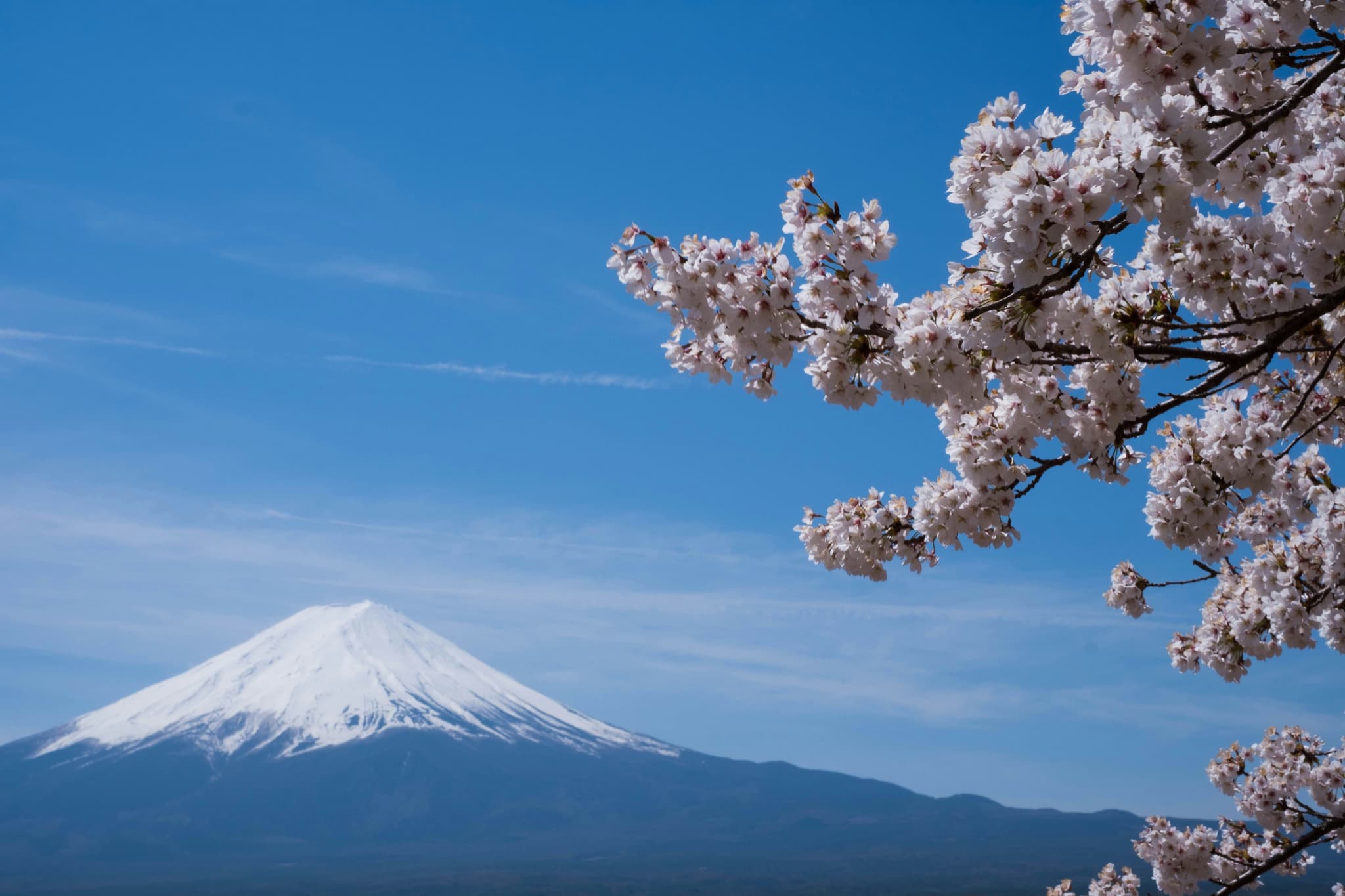
Hanami parties start popping up under the trees from late March: a group of friends, a blue mat, a few drinks, and strong opinions about which tree looks best. The season moves fast though. The flowers usually last less than two weeks after they open, so timing really matters. In Takayama, the spring festival adds something different: tall wooden floats, carved and decorated since the 1600s, roll through the old town no matter what the blossoms are doing that week.
Autumn: harvest and heritage
Koyo (the season when leaves change colour) gets far less attention than hanami, which seems unfair, since the colours are just as good with far fewer crowds. Kyoto's Jidai Matsuri happens every October: people dress in costumes and walk through more than a thousand years of the city's fashion history, from samurai armour to court robes, in one long, photogenic parade.
Winter: snow, light and new beginnings
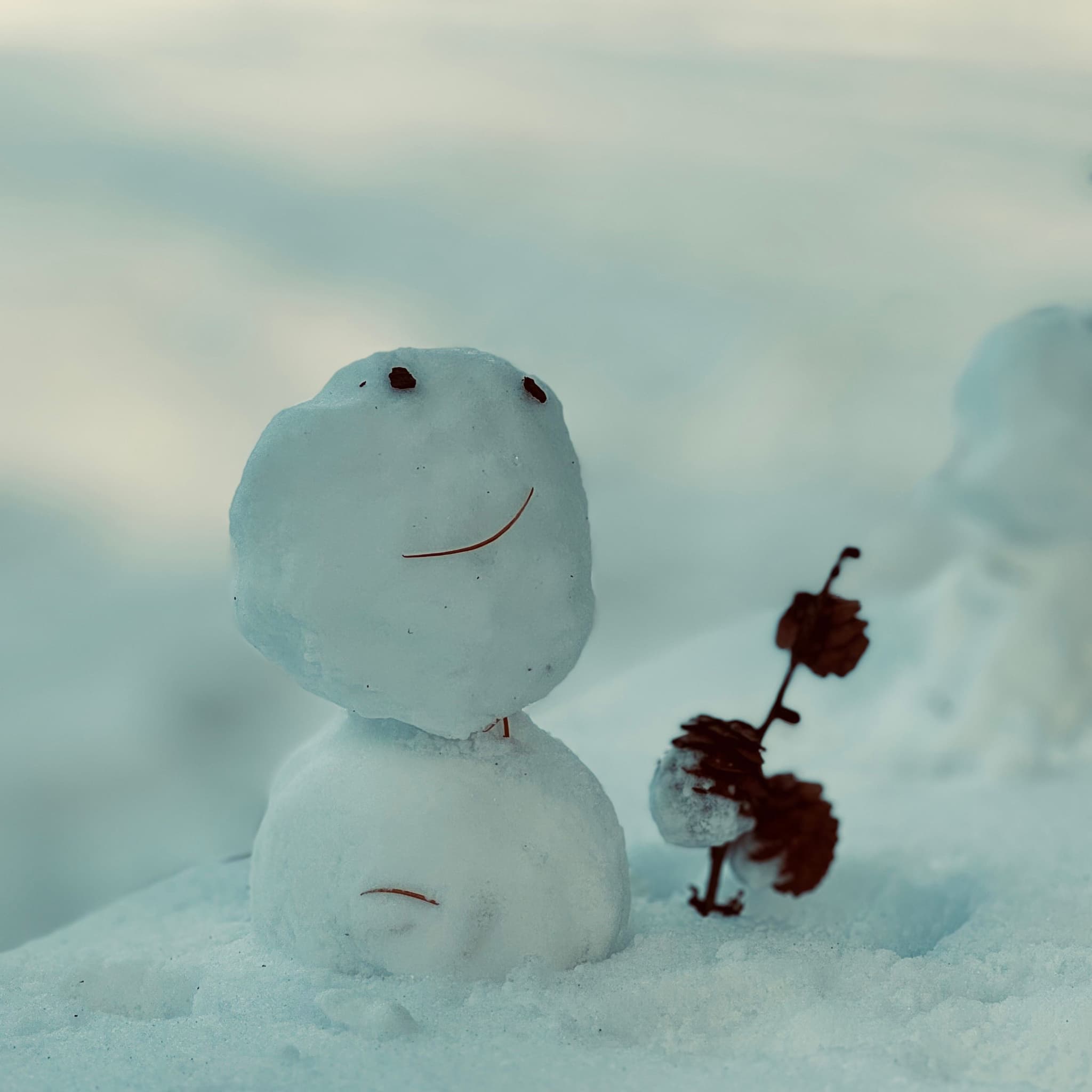
The Sapporo Snow Festival is the one most people have already seen in photos. It has grown a lot since 1950, when a few local students carved a handful of statues in a park for fun; now whole city blocks turn into a display of huge ice sculptures. Around New Year, Hatsumode (the first shrine visit of the year) brings people to their local shrine, and it's when you can hear that 108-bell ritual, if you're there at midnight.
Travel tip: book your Sapporo hotel as soon as your dates are fixed. People travel here from across Asia for the festival, and rooms near the city centre disappear months in advance, particularly for the opening weekend. The main Odori Park site sits right above Odori subway station, about a 10-minute walk from JR Sapporo Station, and roughly 40 minutes by train from New Chitose Airport.
Festivals in Japan Summer: The Main Event
Summer is when Japan goes all in on festivals. Many of the biggest events started as prayers to stop disease during the hottest, most humid months of the year, and that old history still comes through today. They are intense, loud and full of energy. Pick just one Japanese summer festival to build a trip around, and it will likely end up being the highlight people ask you about for years.
Awa Odori: Japan's great dancing festival
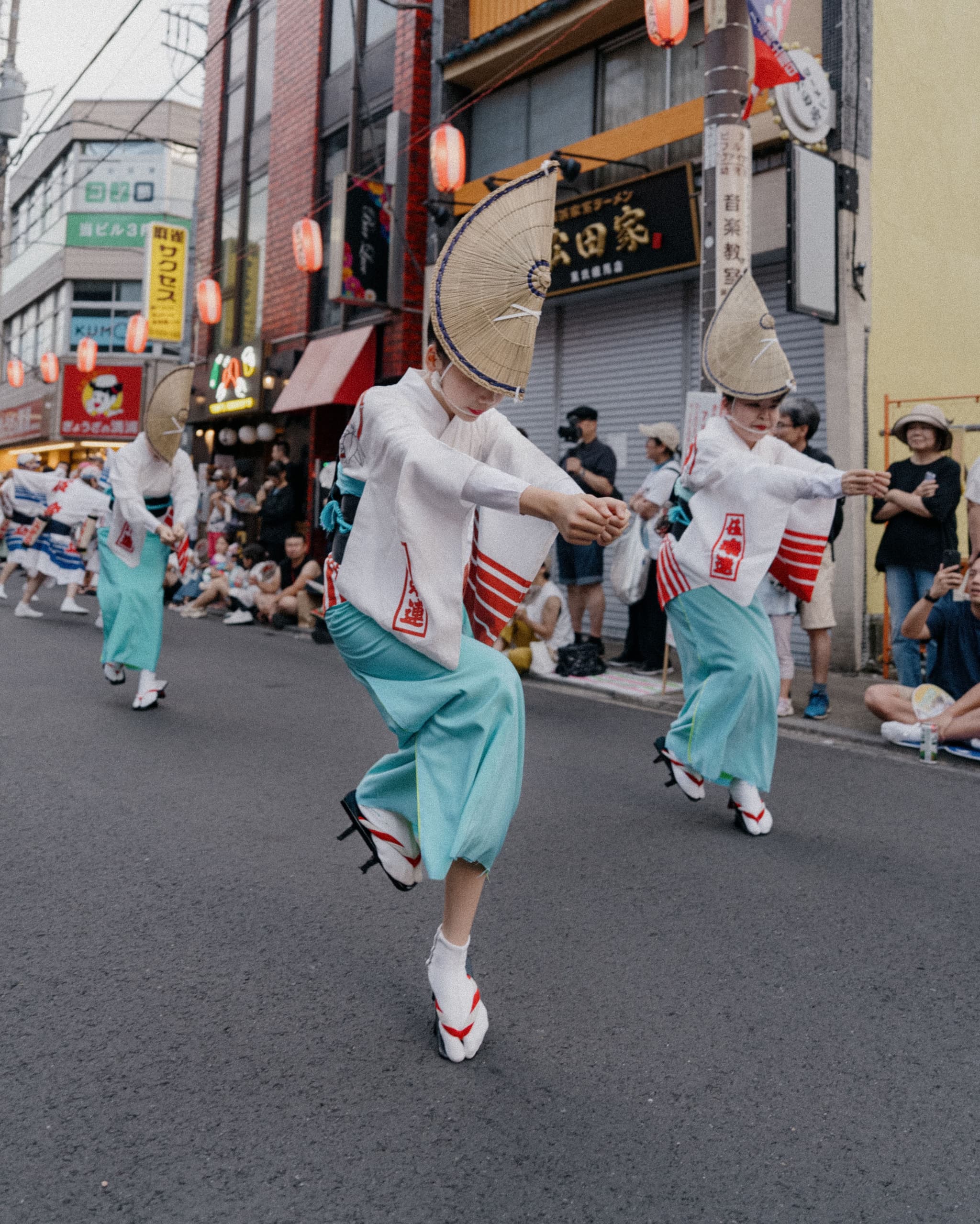
Held in Tokushima in mid-August, Awa Odori is Japan's biggest dancing festival, and it's hard to explain the scale until you're standing in the middle of it. Over four nights, more than a million people watch thousands of dancers move through the streets in groups called ren, chanting a line that roughly means "the dancers are fools, the watchers are fools, so you might as well dance." Tokushima sits on Shikoku, the smallest of Japan's main islands. If island hopping sounds fun, our Islands of Japan guide can help you plan.
Travel tip: fly into Tokushima Awaodori Airport from Tokyo, or take a highway bus from Osaka (around 2.5 hours). The main dance venues sit a short walk from Tokushima Station.
Tanabata: the star festival
The star festival comes from an old story about two lovers, the gods Orihime and Hikoboshi, separated by the Milky Way and able to meet only one night a year. Streets fill with bamboo branches covered in colourful paper strips, each carrying a handwritten wish. It is one of the most photogenic festivals on this list. The date shifts by region: early July around Tokyo, but a full month later in places like Sendai, so check local dates before planning around it.
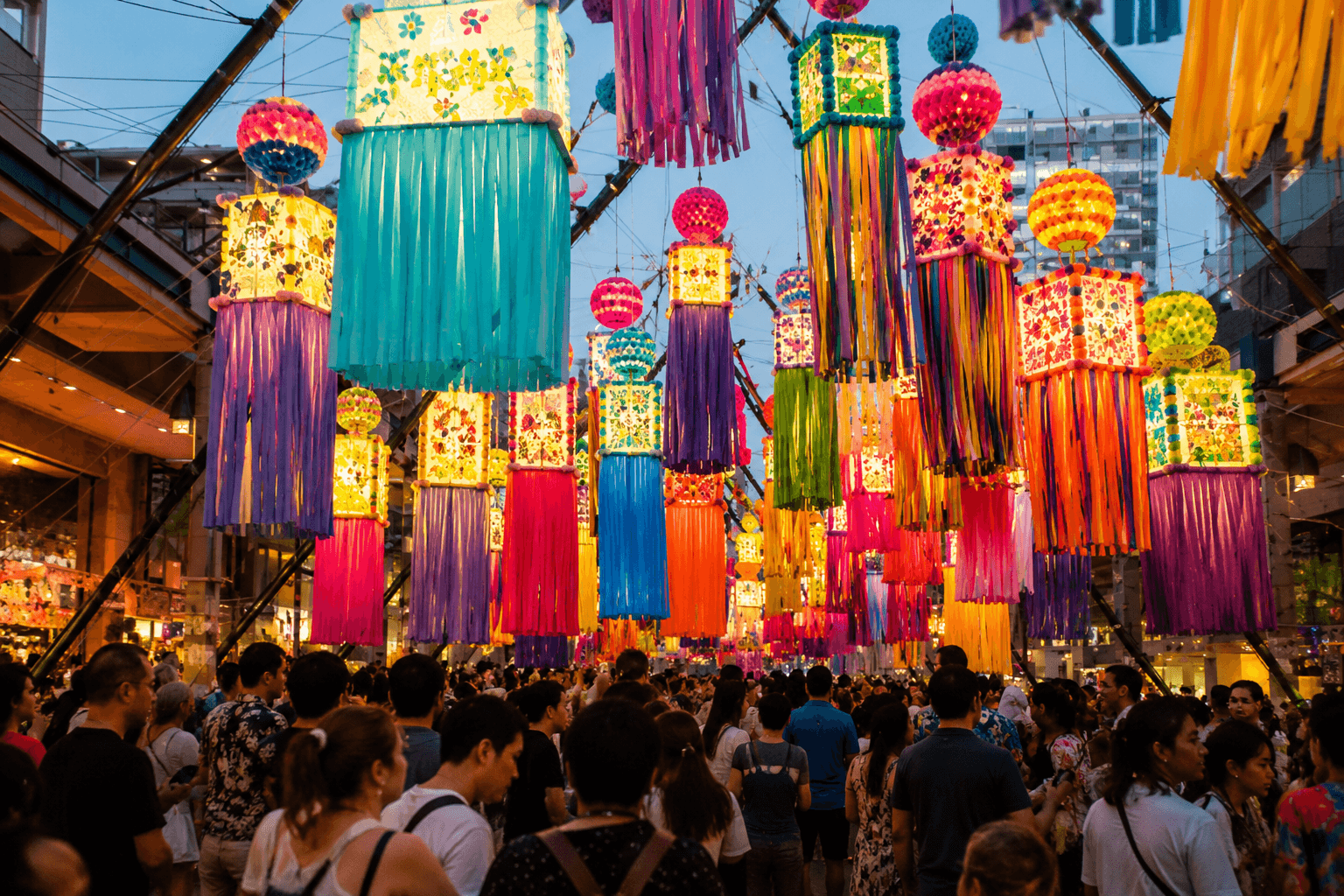
Travel tip: Sendai's celebration centers on the covered shopping arcades a few minutes' walk from Sendai Station, reachable from Tokyo in about 1.5 hours on the Tohoku Shinkansen.
Obon: honouring ancestors
Held nationwide in mid-August, Obon is built around the idea that ancestors' spirits come home for a few days, guided by lit paper lanterns. In Kyoto, the Gozan no Okuribi (mountainside bonfire ceremony) sends them off again with huge bonfires formed into characters, lit one by one on the mountains around the city. It is one of the most striking sights in Japan and lasts only about an hour, so check the exact time if you want a good spot.
Gion Matsuri and Tenjin Matsuri
Along with Kanda Matsuri in Tokyo, these two are known as Japan's three great festivals, and both peak in July:
Gion Matsuri (Kyoto): runs all month, building up to two parades of huge wooden floats, some more than 25 metres tall, pulled through the streets entirely by hand
Tenjin Matsuri (Osaka): shorter and louder, with a river parade of lit-up boats followed by one of the country's biggest firework shows, best watched from a riverside spot claimed before dark
Travel tip: both festivals are easy to reach by subway. Gion Matsuri's floats gather around Shijo-Karasuma, a few minutes from Kyoto Station on the Karasuma subway line. Tenjin Matsuri's boat procession sets off from Tenjinbashi, with Sakuranomiya downstream as one of the best spots to watch the boats and fireworks together. Mid-August is also a busy travel time for Japanese people, so trains and flights book out fast ( if your trip lines up with Obon, sort your Shinkansen tickets and hotel first)
Unique Japanese Celebrations Through the Year
Not everything here is about a shrine parade or a float. Some Japanese celebrations mark personal life events instead, which is why you might see a family in matching kimono outside a shrine on a normal Tuesday, and, near Nara, maybe a deer eyeing the crackers meant for the shrine (see our Animals in Japan guide for more on the country's cheekier wildlife).
Shichi Go San: a celebration of childhood
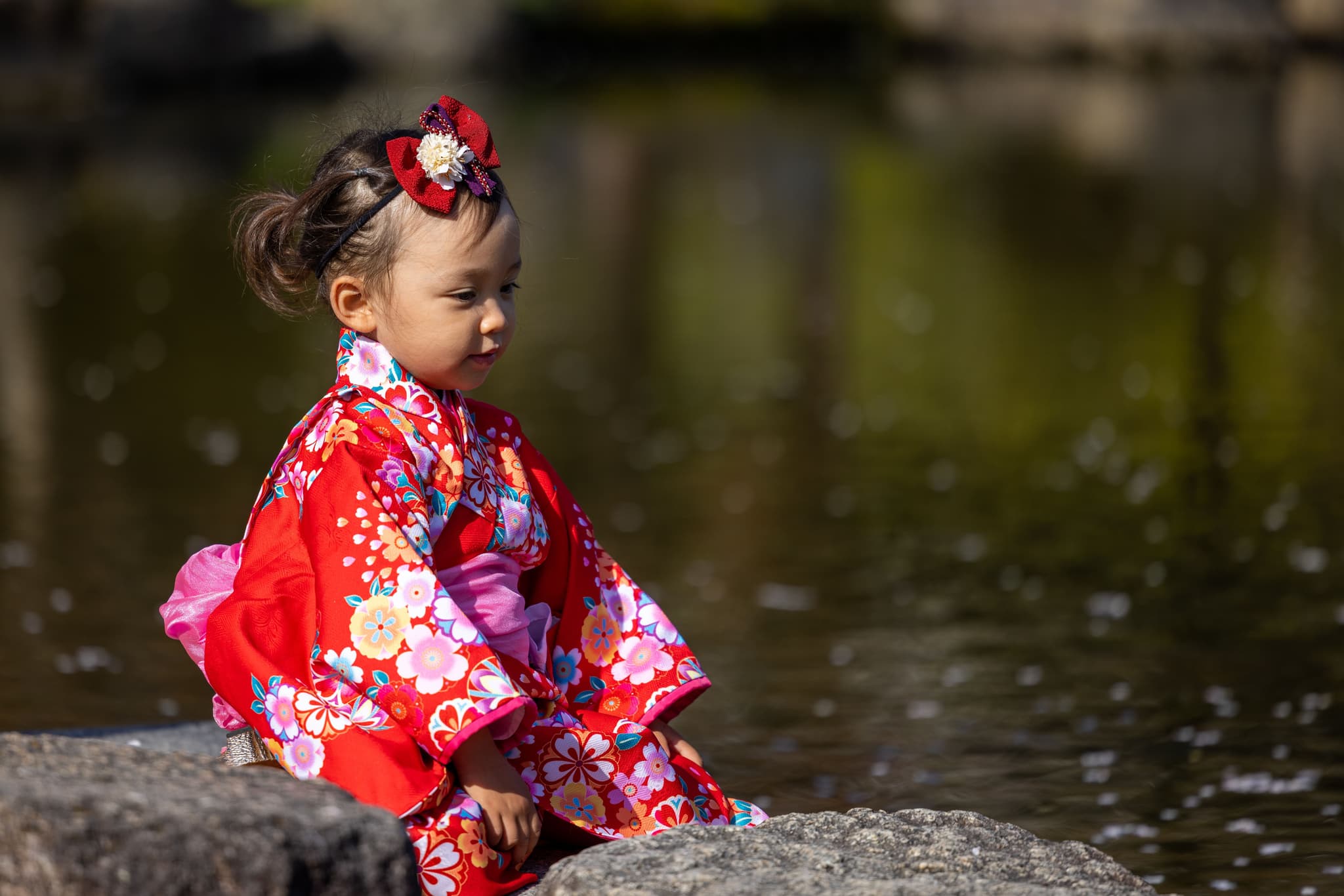
Shichi go san (seven-five-three) happens every November for children turning those ages. Families dress their children in traditional clothes, sometimes for the first time, and take them to a shrine to pray for good health and a long life. Look out for the long, thin sweets called chitose ame that children carry afterwards, sold in bags printed with cranes and turtles, both symbols of long life.
Coming of Age Day and New Year traditions
Seijinshiki (Coming of Age Day) falls on the second Monday of January, celebrating everyone turning 20 that year with ceremonies in town halls. Young adults wear their best kimono or suits, often the most formal outfit they will wear until their own wedding. On New Year's Eve, the 108-bell tradition happens at temples nationwide, each ring meant to clear away one desire that Buddhist teaching says holds people back.
Travel tip: if you are in Japan in November, keep your camera ready near any big shrine on weekends. Shichi go san families in full traditional dress make for some of the best, most unplanned photos of your trip.
What to Expect at a Japanese Festival
First-timers usually expect something close to a museum exhibit. Then they leave realising it is closer to a night market with better costumes. Arrive hungry and leave the schedule loose. For help getting between festivals, our Japan Travel Guide covers trains, timing and the practical side of getting around.
At most festivals, you can expect:
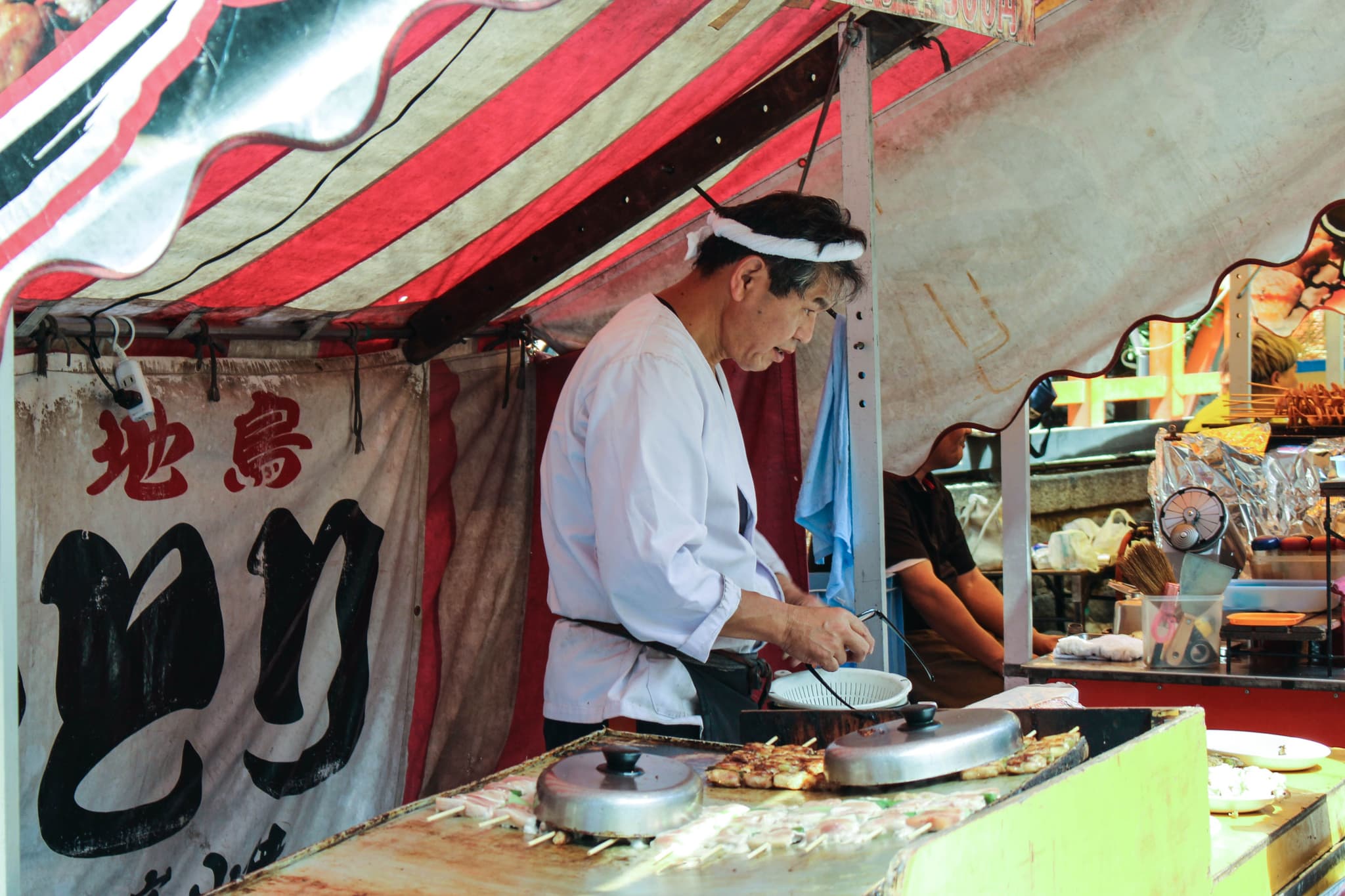
Long rows of yatai (food stalls) selling snacks and drinks
Taiko (big drum) performances and chanting
A portable shrine or float passing through at some point
Fireworks or lanterns after dark, depending on the event
Food and street stalls
Yatai stalls line the path to most festival grounds, selling takoyaki (fried octopus balls), yakisoba and shaved ice called kakigori, which traces back to Heian-era nobles who had ice carried down from the mountains long before freezers existed. Budget around 500 to 1,000 yen per snack, and sample a few stalls instead of picking just one. Also look for mochi rice cakes, a chewy, slightly sweet treat made from pounded rice, common at both seasonal and religious festivals.
Sounds and sights
Taiko drums and chanting usually reach you before you find the main street, and temple bells mark the start or end of the more traditional ceremonies. But the image most people remember is the mikoshi, the portable shrine mentioned earlier, bouncing through the crowd on the shoulders of a rotating team of bearers, all shouting the same call to stay in time.
Travel tip: bring cash. Many yatai stalls still do not take cards, and the queues move fast, so having small notes and coins ready stops you holding up the line.
Tips for Planning Your Trip Around Japan Festivals 2026
A little planning goes a long way if you want a matsuri to be the centre of your trip, particularly for the biggest events.
Book accommodation early for major events like Gion Matsuri, Nebuta Matsuri or Awa Odori: rooms near the main areas can sell out four to six months in advance
Check the exact dates every year rather than trusting old listings, since some matsuri move slightly or follow a lunar calendar
Pack light, breathable clothes for mid-August, since Obon season lines up with the hottest, most humid time of year in Japan
Book seats in advance for fireworks or parades wherever you can, particularly in Kyoto and Osaka, where good spots go fast
Want to know which area of Japan is best for your trip? Learn all about Japan’s prefectures, including what makes each region different and which places are worth adding to your route.
How to plan your trip?
Once you know which festival you want to see, you can plan the rest of your Japan itinerary around it. Use the Guided app to map out your route, add the places you want to visit and see how your festival stop fits alongside cities, temples, food spots and day trips. With festivals taking place across Japan throughout 2026, there’s a good chance you can fit one into your trip without having to change your plans too much.
Enjoyed This Blog? Continue Reading!
There is more travel inspiration waiting for you on our blog. You can take a look below and start mapping out your next travel adventure!


