
Christmas Markets in Germany: Which Ones Are Worth the Trip
By Sandra Romano
Sep 9, 2026
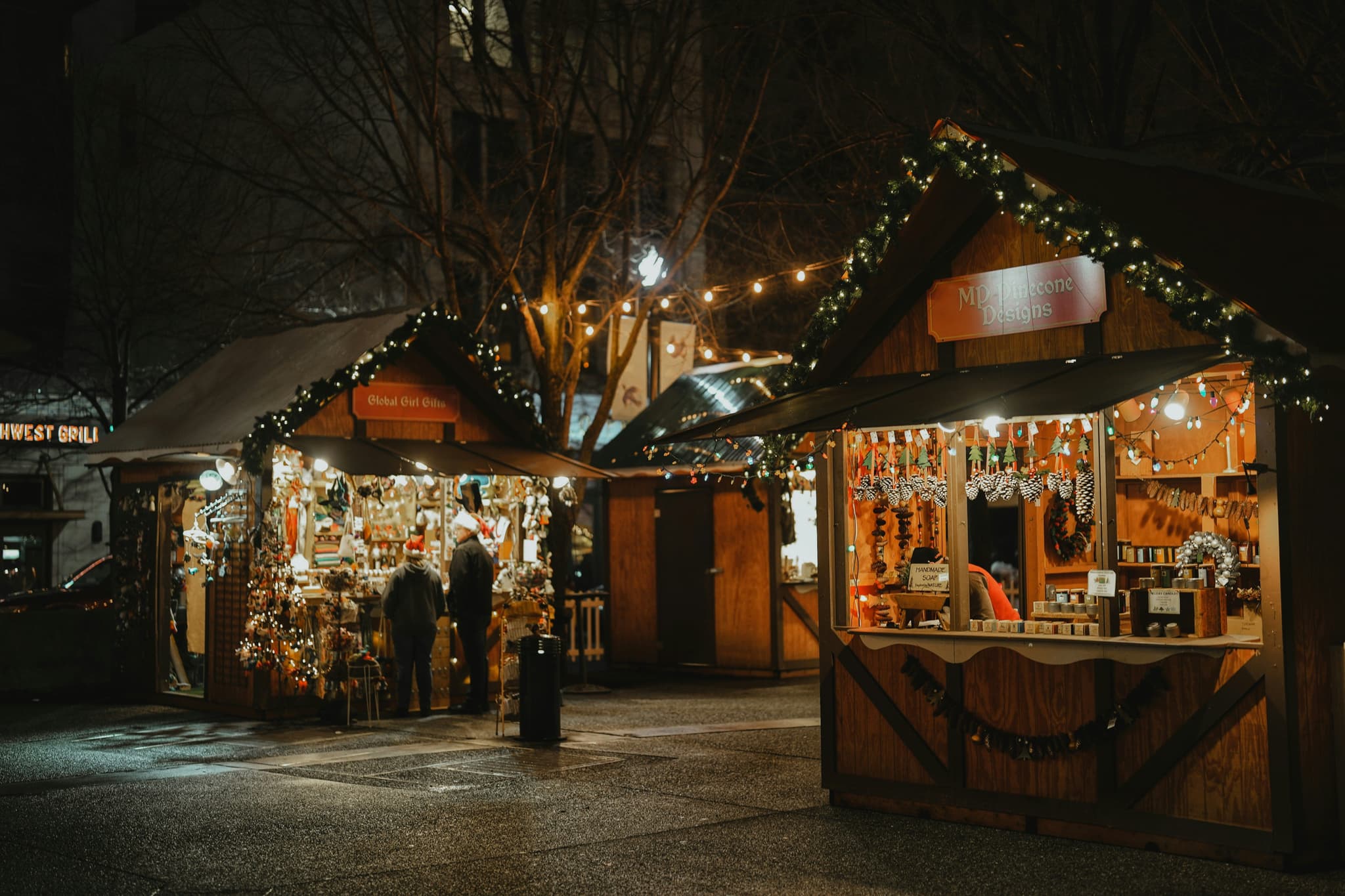
At 5:30pm on November 27, 2026, the Nuremberg Christkindlesmarkt opens in front of the Frauenkirche, on a square that has hosted a Christmas market since at least 1530. More than two million people will walk through it before it closes on Christmas Eve. It's the most famous of the Christmas markets in Germany, and for once the famous one has earned it.
It also has hundreds of competitors across Germany, which is why a shortlist helps more than a list. This is ours. It has five markets we'd plan a trip around, and a few big-city options for when you're already nearby. Munich gets an honest answer, not just a slot in the list. All dates are for the 2026 season. Cities sometimes move an opening by a day or two, so confirm before you book anything non-refundable.
Quick facts
Season: most markets open between November 20 and 27, 2026; most close by December 24, though Berlin's Gendarmenmarkt runs through December 31
Date to watch: Sunday, November 22 (Totensonntag), when some markets close or cut their hours
Best days to go: Monday to Thursday
Getting between them: ICE trains for the long hops, the €63 Deutschlandticket for regional ones
How to pick a market
Which one should you go to? It depends less on which is "best" and more on what kind of evening you want. The flagships are large and historic, which is exactly why they're busy. The small markets give up size for setting. Esslingen is its own category entirely.
Our rule for the best Christmas markets in Germany is one flagship plus one small market, rather than four big ones in a week. If you're building a longer trip, our rundown of the best cities to travel in Germany overlaps a lot with this list.
The big names
Nuremberg Christkindlesmarkt
If you only see one big market, make it this one. The 2026 market runs November 27 to December 24, open daily from 10am to 9pm, with the opening ceremony on the 27th at 5:30pm. It has stood in front of the Frauenkirche since at least 1530.
The food is the draw. Nuremberg bratwurst is everywhere, and the lebkuchen is made to a protected regional recipe. Eat it here rather than buying a tin at the airport.
Guided tip: The market's official site lists hours and the full opening-ceremony schedule. If you're there for the food rather than the ceremony, a weekday evening later in the run is the easier visit.
Dresden Striezelmarkt
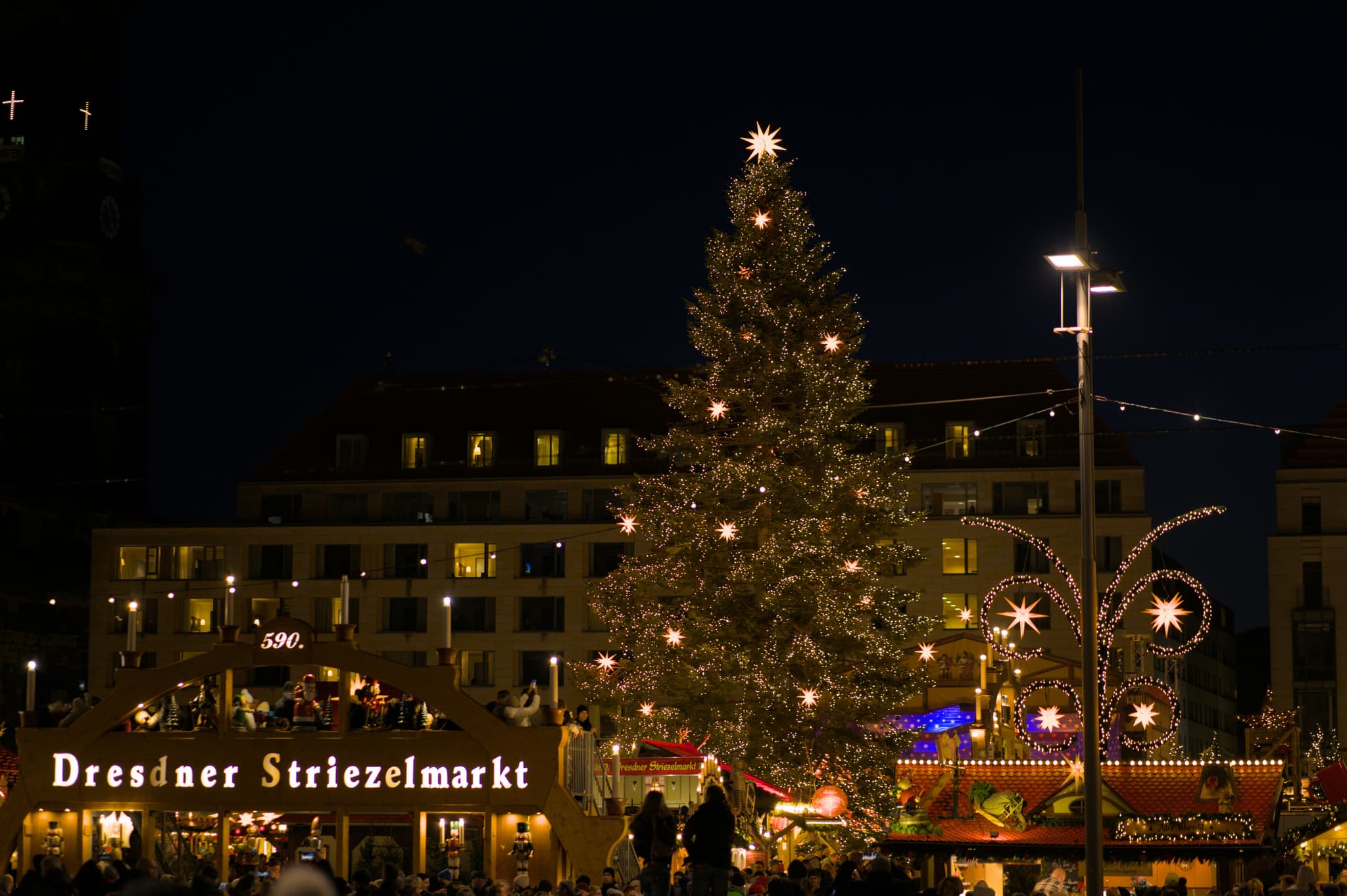
The Striezelmarkt was first documented in 1434. That makes it the oldest recorded Christmas market in Germany and puts the 2026 edition, running November 25 to December 24, in its 592nd year.
Dresden takes scale literally. The world's tallest wooden Christmas pyramid stands here, along with the largest Schwibbogen (a candle arch). The stalls lean hard on Erzgebirge wooden crafts, so expect nutcrackers and incense figures in quantity. Of the three flagships, this is the one to shop at. If you want to bring one thing home, buy it in Dresden.
Munich Christkindlmarkt
Is Munich worth it if you've already done Nuremberg? For most people, no.
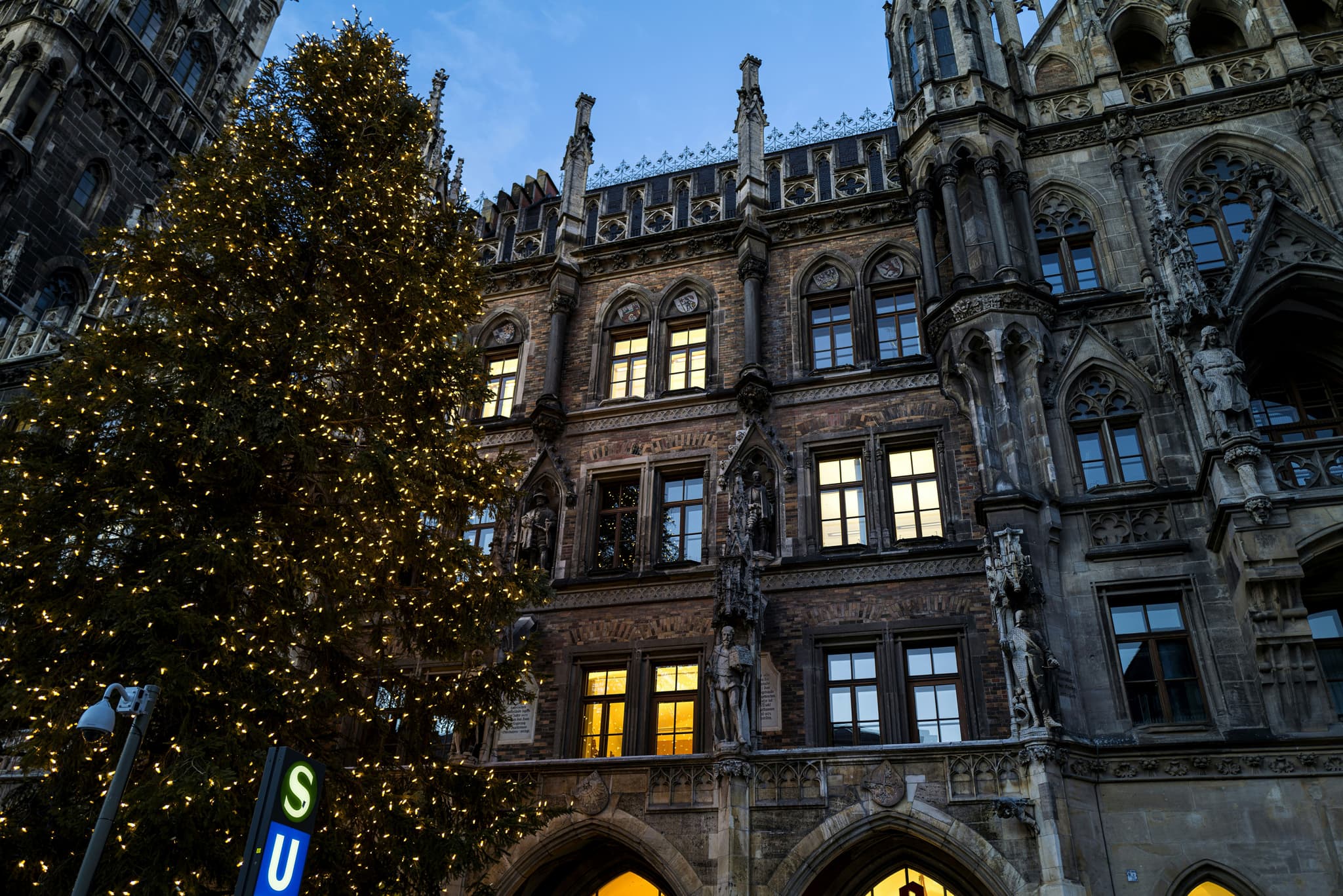
That's not a knock on the market itself. The Marienplatz market dates to the 14th century, it's one of the largest in the country, and the centerpiece tree (about 30 meters tall, 2,500 candles) is a real sight. The 2026 market is set to run from November 20 to December 24, though confirm the opening day closer to the date. Right next to it is the Krippenmarkt, a separate market given over to nativity scenes.
We'd still take Nuremberg's food over Munich's size. Go to Munich if you're already there, or if the Krippenmarkt is the point for you. The two cities are roughly a 70-minute ICE ride apart, so doing both is easy.
Small and atmospheric
Rothenburg ob der Tauber Reiterlesmarkt
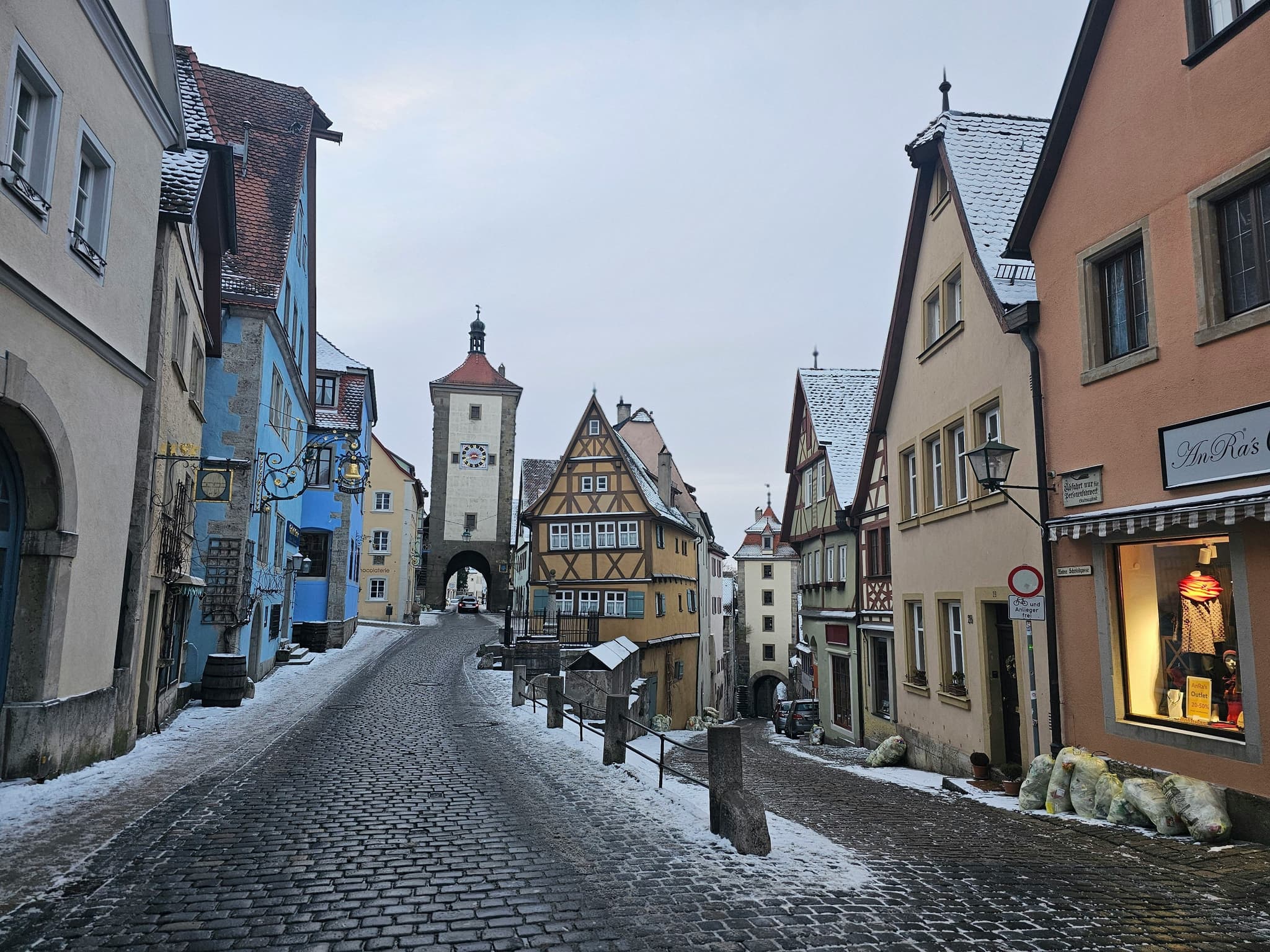
Rothenburg is one of the few towns in Germany whose medieval walls are fully intact. The Reiterlesmarkt itself is small, set in the square in front of the Rathaus, and that's fine. You come for the town wrapped around it, and we'd take one evening here over a bigger market any year. The 2026 market runs November 20 to December 23.
Guided tip: The Reiterlesmarkt is closed on Sunday, November 22, for Totensonntag, a solemn national day of remembrance. Several other markets pause or limit their hours that day too, so don't build your one market visit around it.
Aachen Christmas Market
Aachen is our pick for anyone who cares more about the building behind the stalls than the stalls. The market sits against Aachen Cathedral, Charlemagne's cathedral, one of the oldest in Europe and a UNESCO World Heritage Site. The 2026 market runs November 20 to December 23, with hours cut to 6pm to 9pm on November 22.
Then there's the gingerbread. Aachener Printen belong to Aachen, and they're a different thing from Nuremberg's lebkuchen. Doing both cities? Buy both and compare.
Esslingen Medieval & Christmas Market
Mulled wine at Esslingen comes in a ceramic tankard, served near open fires, while the craftspeople around you work in costume. There's no modern signage. The whole thing runs along the oldest continuous row of half-timbered houses in the country, and the 2026 season is November 24 to December 22.
If you want one non-obvious pick, this is it. We'd drop a second big-city market to make room for Esslingen, because nothing else on this list looks or feels like it.

If you're already in the city
The dates in this section are less firm than the ones above, so check before you book.
Stuttgart
Munich too much? Stuttgart is the quieter big-city alternative, less famous and easier to move through. We'd take an evening here over fighting the Marienplatz crowds. The 2026 market is listed for November 25 to December 23, but we've only seen that in one place, so confirm it closer to the date.
Berlin
Berlin has more than 70 Christmas markets, which means it doesn't really have one. Start with the WeihnachtsZauber at Gendarmenmarkt, listed for November 23 to December 31, 2026 (among the longer-running options here, if the listing holds), then wander. If Berlin is part of a wider trip, our guide to cities in northern Germany covers what else is up there.
Cologne
Cologne is the hardest market city to pin down, and we'd still go. It runs somewhere between 6 and 11 separate markets across the old town each season, including ones at the Cathedral, Rudolfplatz, Alter Markt, Neumarkt, Heumarkt and the Chocolate Museum. Published dates don't agree with each other, possibly because they're describing different markets.
Guided tip: The Cathedral market is usually the one people mean when they say "Cologne Christmas market." Check its own dates a few weeks out rather than trusting a roundup, this one included.
Combining two or three by train
Nuremberg to Munich is roughly a 70-minute ICE ride, which makes that the easiest pairing on this list. Add Dresden and you've covered all three flagships in one trip. We'd put Nuremberg in the middle of the route and check the times for the Dresden leg when you book.
For shorter hops, the Deutschlandticket costs €63 a month as of January 2026 and covers regional and local trains nationwide. It doesn't cover ICE or IC trains, though, so it's the wrong ticket for the Nuremberg, Munich and Dresden route. Save it for two markets that sit a short regional ride apart. Our guide to getting around Germany by train or car goes through the ticket options in more detail.
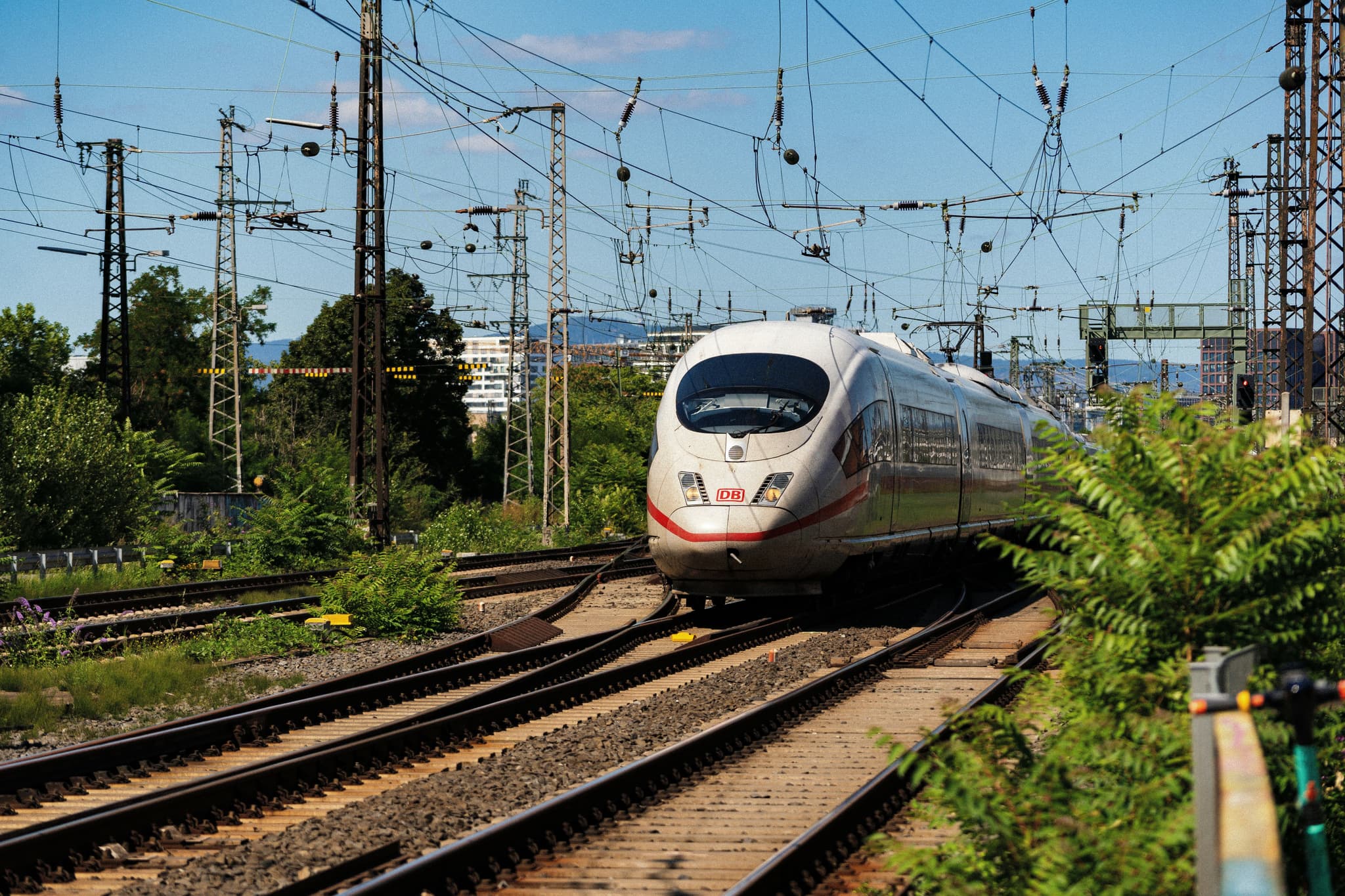
Guided tip: Book long-distance Sparpreis or Super Sparpreis fares as early as you can. The cheap tiers on December weekend trains sell out well ahead of the travel date.
Go midweek
Go midweek, any day Monday through Thursday. It means noticeably thinner crowds at the markets and on the trains between them, and it's the single easiest improvement you can make to the whole trip.
If you have flexibility and want to weigh the season against the rest of the year, our guide to the best time to go to Germany covers the tradeoffs.
Planning the thing
How many markets can you realistically fit in? Two or three, if you're going by train and staying at least one night in each city.
Map out which market falls on which day and which ones close or shorten hours on November 22, then let the Guided travel planning app track which trains still need booking. It keeps market dates next to your train bookings in one itinerary, so the reminder to grab a Sparpreis fare doesn't get lost in your inbox.
Enjoyed This Blog? Continue Reading!
There is plenty more where this came from, so keep scrolling for our other destination guides and trip-planning posts.


