


Winter gets sold as the compromise season in Europe. For a handful of cities we think that's backwards, because January and February give you the one thing summer can't, which is room. These are our picks for the best European cities to visit in winter. We chose them for thermal baths you can actually get into, museums you can walk through at your own pace, hotel rates at their lowest of the year and a café culture that makes most sense when it's cold outside.
The savings are real. Tour operators quoted by AARP put European low-season savings at 23 to 30 percent compared with summer. Dodging the crowds has also become one of the big travel themes heading into 2027, from Lonely Planet's Best in Travel 2027 to wider seasonal-travel coverage. None of that coverage picked these eight cities for winter. We did, and each entry below comes with honest weather, what's actually closed and a straight call on whether to go.
Why winter works in these cities
Hotel rates across this list drop markedly in January and February, and the queues at the big sights thin out along with them. Daylight is short in the north, rain is likely in the west and two of these cities get properly cold. We've kept all of that in, because a winter trip planned around the real weather is a good trip, and one planned around a brochure is a damp one.
If you only pick one city from this list, we'd pick Budapest. If you want the least cold, go to Valletta.
1. Lisbon, Portugal
Want to see Sintra's palaces without shuffling through them in a queue? January is when to do it. It's the coldest month in Lisbon, and it's still mild by the standards of the rest of this list. Nights don't usually drop below 8°C, days run warmer, and it rains roughly a third of the month.
Where you'll notice the difference.
- Sintra's palaces run at roughly half their high-season crowd levels, and the forests around them are often wrapped in mist.
- Tourist numbers citywide are markedly lower, especially on weekdays, and the city's best-known photo spots feel it too.
- Hotels and Airbnbs hit their lowest rates of the year, often with winter package deals on top.
Restaurant and attraction-ticket discounts are common too, so it's worth asking before you pay full price. We found no seasonal closures worth planning around. The real cost of a January visit is the weather, with cold rain about 10 days a month and plenty of overcast skies in between.
We'd put Lisbon at the top for anyone who has done Sintra in August and found it more endurance test than day trip.
Go if you want Sintra without the queues and don't mind grey skies some days.
Skip if you need guaranteed sun. Lisbon in January is mild, not sunny.
2. Dublin, Ireland
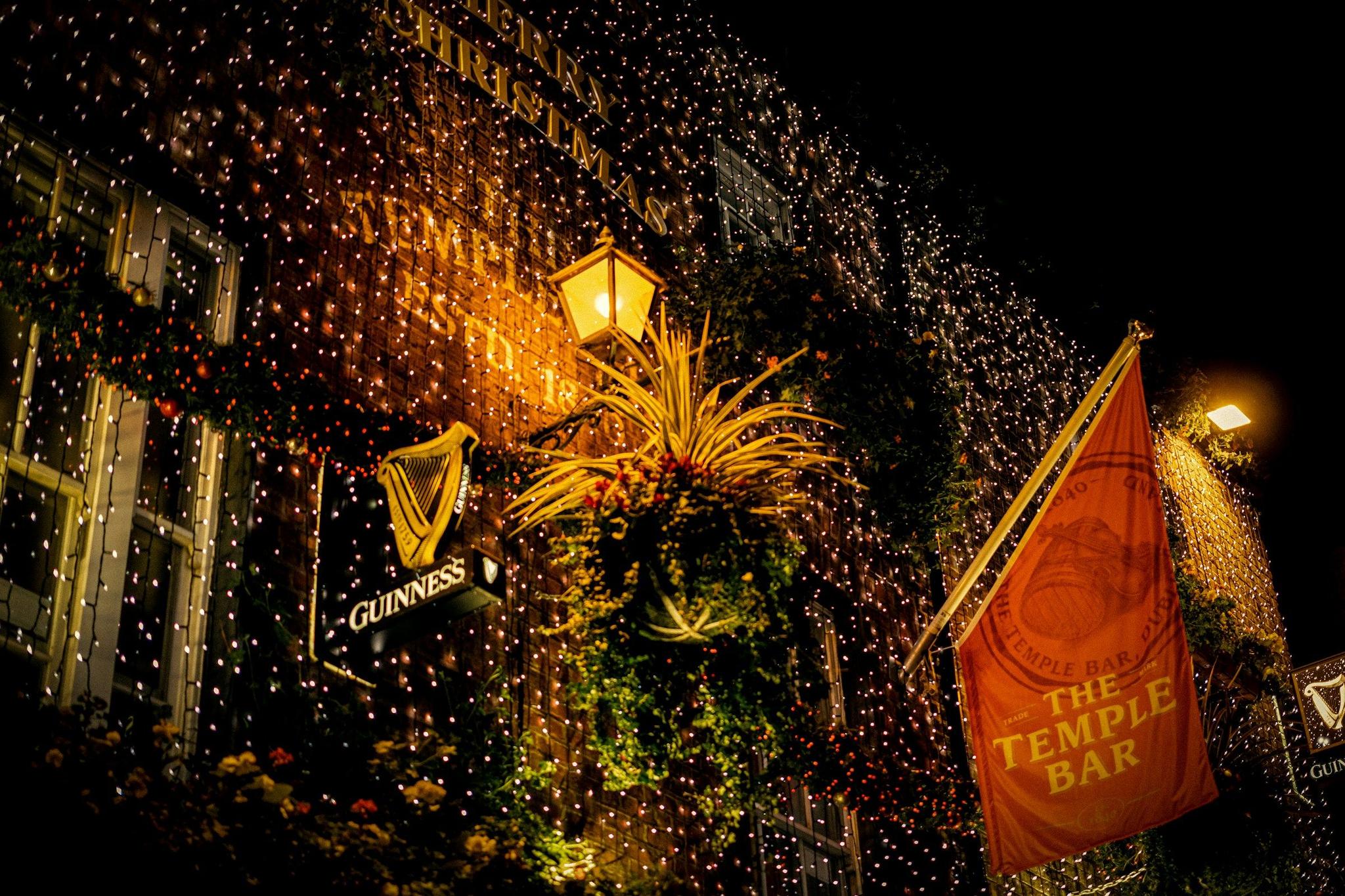
The sun rises around 8:30am in a Dublin January and sets around 4:30pm. That short window shapes everything about a winter trip to Dublin. Expect it to be cold and wet, somewhere around 5 to 8°C depending on the day, with frequent rain and snow rare at low elevation.
The trade-off is worth it if you're here for the city rather than the scenery. The Guinness Storehouse is much less busy than in summer, though not empty, and the same goes for day-trip sights like the Cliffs of Moher. Flights and accommodation cost less than in shoulder or peak season, and hotel deals are common.
Some seasonal attractions in smaller towns close for the winter, so check ahead before driving out of the city. Within Dublin itself, we found no named closures to plan around.
We'd plan Dublin in winter around indoor hours, with museums in the daylight and a pub once it's dark at half past four.
Go if you came for pubs, museums and conversation rather than scenery in good light.
Skip if you're combining Dublin with a Wild Atlantic Way road trip. Some rural sights scale back for winter.
3. Copenhagen, Denmark
Copenhagen is the city on this list we'd visit for the mood rather than the sights. January and February are hygge season in Copenhagen, and the city is built for it.
The weather asks something of you. Average highs sit about 3°C, lows -1°C to -2°C, with grey skies and a persistent breeze off the Øresund. Daylight runs 7 to 8 hours in January and 9 to 10 in February. Snow is possible but rarely lasts.
How hygge season plays out.
- Candlelit cafés and wine bars, with wool blankets left on the café chairs.
- The Glyptotek's Winter Garden café under its glass dome.
- Brown bars in Nørrebro.
Rosenborg Castle and the Round Tower are noticeably quieter in these months, and the Copenhagen Light Festival runs every February. Christmas markets and Tivoli's festive season wrap up in very early January, so don't count on either. SMK and Louisiana close on Mondays, but that's their normal weekly pattern rather than a winter one.
Money is the catch. Copenhagen stays one of Europe's pricier capitals even off-season, and we found no reliable figure for a January discount. Lunch specials help. So does basing yourself in Vesterbro or Nørrebro, and the Copenhagen Card can pay off on a museum-heavy trip.
Go if cosy cafés and candlelit evenings are the point for you, not guaranteed daylight.
Skip if you're on a tight budget. Copenhagen stays expensive even in low season.
4. Berlin, Germany
Hotel rates in Berlin often run 30 to 50 percent cheaper than in summer, and mid-January through February is the best-value window of the year. January and February are genuinely low season here. Hotel occupancy drops and the queues at the big attractions largely disappear.
Running on their normal schedule all winter.
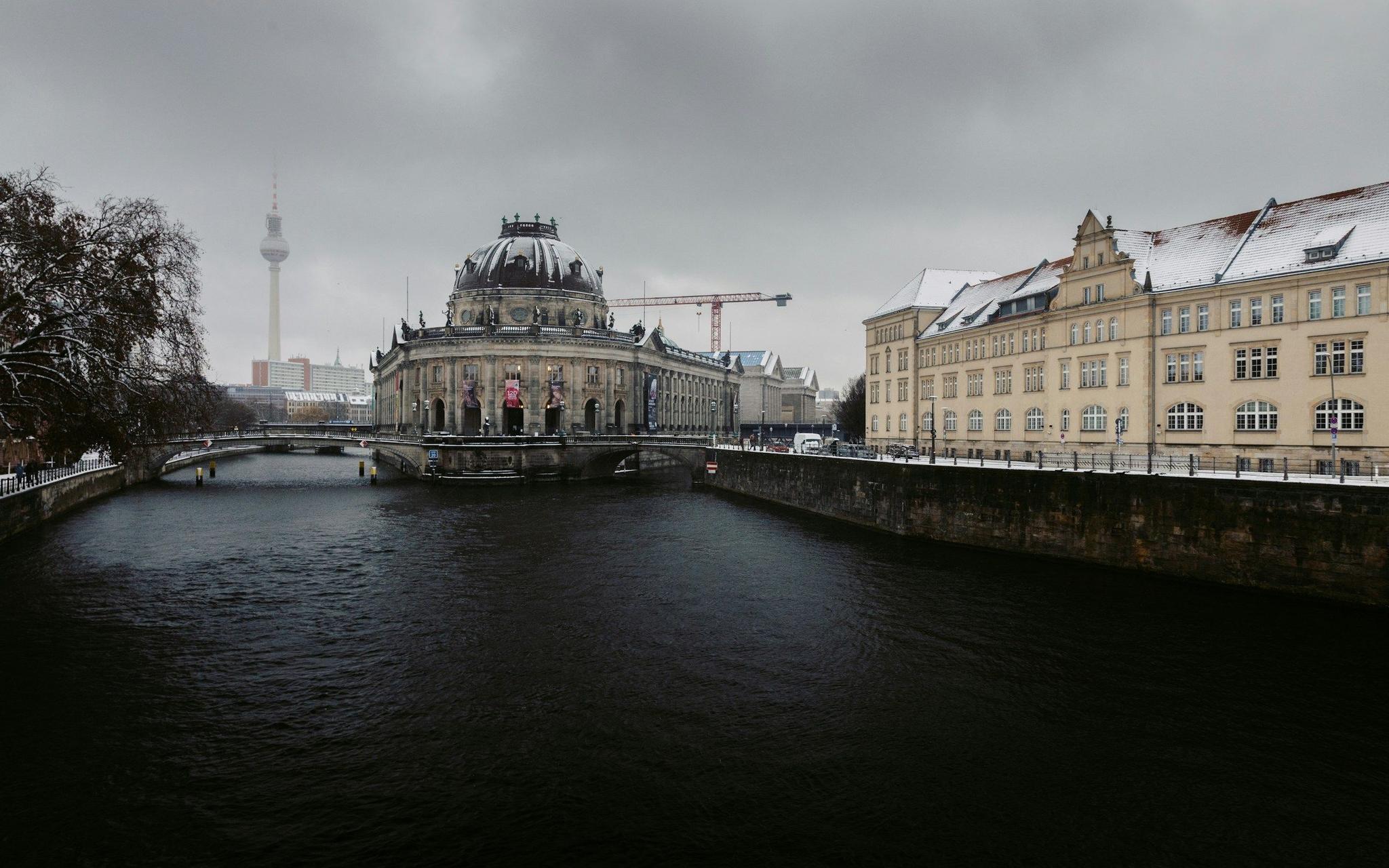
- Museum Island's five museums
- The Jewish Museum and the German Historical Museum
- Topography of Terror
None of them close for winter, so the appeal is moving through them at your own pace. Late February is strong for temporary exhibitions, and the Berlinale film festival typically lands in mid-February.
The weather is grey and damp rather than brutally cold. Treat January as cold and grey, roughly 0 to 5°C. Snow tends to be brief and patchy, and cold snaps down to -12°C are unusual. The holiday disruptions, like the Reichstag dome's closures and the end of the Christmas markets, all fall in December, before this window opens.
We'd book the second half of February, when the value window and the Berlinale overlap.
Go if you want Museum Island and the big historical sites without the queues.
Skip if you need long daylight hours.
5. Vienna, Austria
What does Vienna offer in February that it can't in July? A ball season. The Viennese Balls are a winter-only draw, and they're the reason we'd pick Vienna over anywhere else on this list for a dressed-up trip.
The rest of the cultural calendar doesn't pause for the cold. Opera and concerts run all year, and museums don't close either. The coffeehouses come into their own when it's freezing outside. Temperatures sometimes drop to around -6°C in January and February, though snow is rarer here than in Austria's Alpine cities.
Expect the city to be quieter than in summer. We didn't find solid crowd or price figures for Vienna in winter, so we won't guess at how much quieter or cheaper.
Go if you want opera, coffeehouses and a ball season that doesn't exist in summer.
Skip if you came specifically for snow sports. Vienna itself isn't the snowy pick, and nearby Alpine Austria is.
Book the balls season early if that's the draw. The best nights sell out first.
6. Prague, Czechia
Snow on the rooftops of the castle district, and Old Town lanes with space to stop and look up. That's what January can look like in Prague, once the holiday markets have packed up.
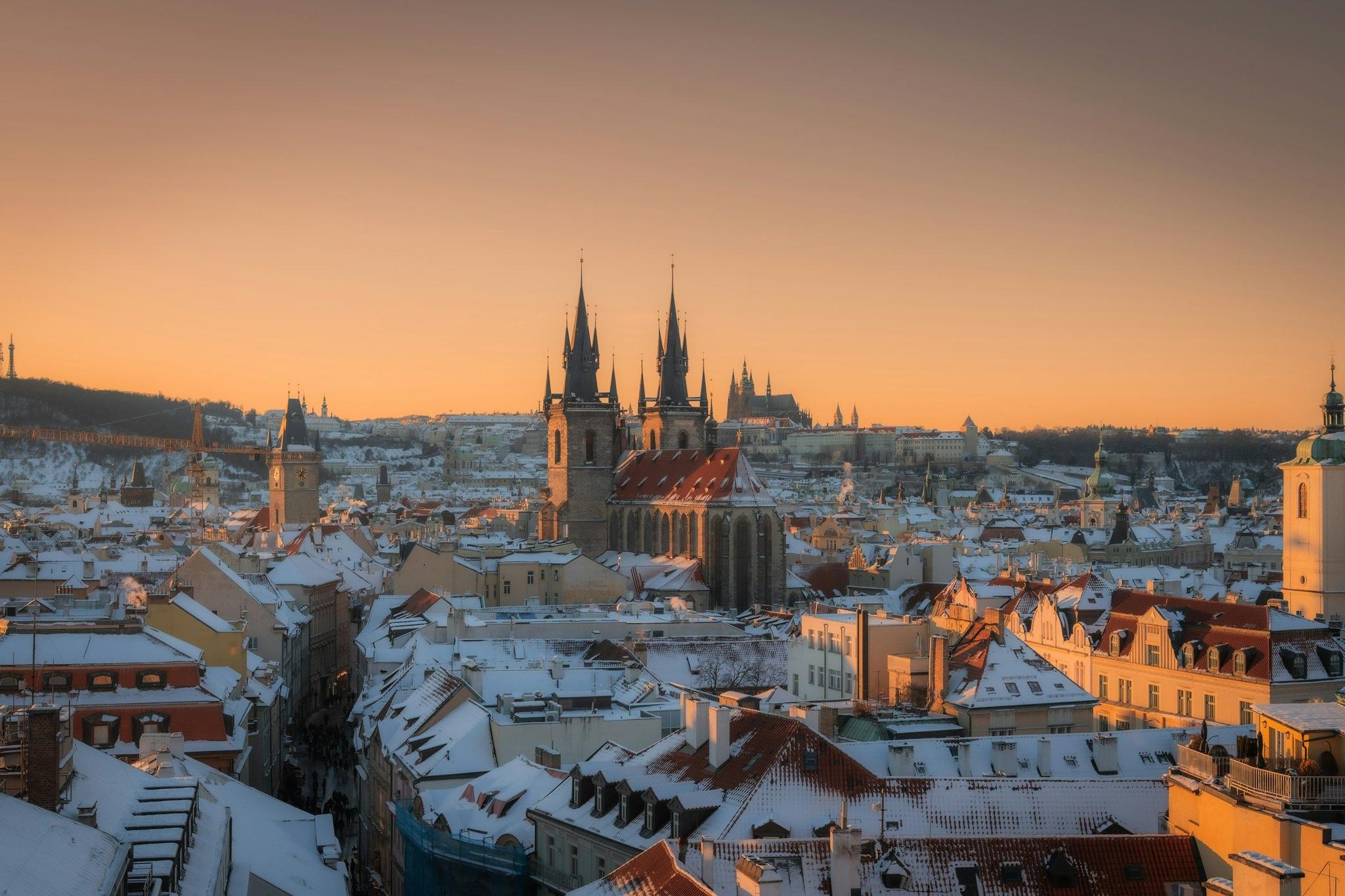
It's the coldest month of the year here, with winter averages running about -2°C to 2°C. That's properly cold and often snowy, a step beyond the damp chill of Lisbon or Dublin.
What changes once the markets close.
- Old Town streets are markedly less crowded.
- The squares that hosted the Christmas markets open back up.
- Many museums offer free-entry windows, so check before you buy a ticket.
Beyond the Christmas markets, which are over by January, we found no winter closures. For Old Town and the castle district, we think this is the best time of year to see them.
Go if you want Old Town and the castle district without the summer crush.
Skip if you're sensitive to cold. Prague's winter is genuinely cold and often snowy, not just cool.
7. Budapest, Hungary
Our pick for the whole list is Budapest, because nothing on it beats a hot thermal pool in freezing air.
One thing first. Gellért Thermal Bath is closed for renovation through 2028, so don't build a trip around it. Széchenyi, Rudas and Lukács are all open.
January is the coldest month, with daytime highs about 3 to 4°C, nighttime lows of -2°C to -3°C and cold snaps to around -7°C. Expect roughly 6 to 7 snowy days and 8.5 to 9.5 hours of daylight. In other words, the air is cold enough to make the water feel like the point.
Bath notes before you go.
- Rudas has an Ottoman-era dome and a rooftop hot tub.
- Széchenyi takes contactless card payment only on site. An early-morning weekday ticket costs 10,500 HUF, against 13,200 HUF for the standard all-day ticket.
- The historic baths don't admit children under 14.
After January 2 the city is at its quietest. Tour-bus crowds disappear from Fisherman's Bastion and the lines at Buda Castle thin out. January is the quietest month at the baths, with February close behind. Downtown hotel rates are reportedly 25 to 40 percent lower than in December or summer.
A few practical closures are worth knowing. The Vörösmarty Square Christmas market ends on December 31, so it's gone by the time you arrive. The Great Market Hall is closed on Sundays and on January 1, and the City Park ice rink shuts for resurfacing on weekday afternoons and part of some weekends.
Go if you want a thermal-bath soak in freezing air with real crowd relief.
Skip if you were specifically planning on Gellért. It's shut through 2028, so redirect to Széchenyi or Rudas.
Rudas is the one with the rooftop hot tub, if you only have time for one.
8. Valletta, Malta
Valletta is the mildest city here, and it's best suited to late winter or early spring rather than the deepest cold of early January. The weather is sunny and mild relative to the rest of Europe, but still chilly and damp enough that you'll want layers. Think noticeably milder than the rest of this list, not beach weather.
We didn't find reliable crowd or price data for Valletta in winter, so we'll keep this one simple. It's a compact coastal capital that gives you the winter-city format without the deep cold, and if the other seven sound too bracing, this is the one we'd book, ideally in February.
Go if you want the "winter European city" format without the deep cold of the other seven.
Skip if you came for guaranteed sunbathing weather. Malta in January and February is mild, not warm.
In a nutshell
Short on time? Here's our one-line call for each of these cities to visit in January and February.
- Lisbon. Go for queue-free Sintra. Skip if you need guaranteed sun.
- Dublin. Go for pubs and museums. Skip if a Wild Atlantic Way road trip is part of the plan.
- Copenhagen. Go for candlelit cafés. Skip if you're on a tight budget.
- Berlin. Go for Museum Island without queues. Skip if you need long daylight.
- Vienna. Go for the ball season. Skip if you want snow sports.
- Prague. Go for a quiet Old Town. Skip if you hate the cold.
- Budapest. Go for the thermal baths. Skip if you had your heart set on Gellért.
- Valletta. Go for winter without the deep cold. Skip if you want to sunbathe.
Planning the trip
We'd plan any of these trips around the daylight rather than the clock. A few things make the difference.
- Book the late window. Mid-January through February is the best-value stretch in Berlin, and downtown Budapest rates stay low well after the holidays.
- Front-load the outdoors. Daylight runs 7 to 10 hours in Copenhagen, so save museums and cafés for the afternoon.
- Check the weekly closures. SMK and Louisiana close on Mondays, and Budapest's Great Market Hall closes on Sundays.
- Pack for the right winter. Lisbon and Dublin call for rain gear, while Prague and Budapest call for a real coat.
Two cities pair especially well if you have a week. Vienna and Budapest give you a ball one weekend and a rooftop hot tub at Rudas the next.
Map out your shortlist in the Guided travel planning app.


