

Germany
Planning a Trip to Germany? Read our Germany Travel Guide for First-Time Visitors
Few countries in Europe connect historic cities, castles and regional culture in such a structured way as Germany does. Back in 1871, the country officially unified, yet many regions still kept their own identity, which you’ll notice in architecture, food and traditions. Across the country, more than 20,000 castles and castle ruins are spread between rivers, forests and smaller towns. Train networks connect most major cities, making it easy to move between places like Berlin, Munich and Cologne without needing a car. This Germany travel guide helps you decide where to go in Germany, what to do there, and how to combine everything into an exciting travel plan.
5 reasons to visit Germany
You can explore cities like Berlin, where history is visible everywhere, from the Berlin Wall to government buildings and art-filled neighbourhoods.
You’ll see castles like Neuschwanstein, along with many others across Bavaria and the Rhine that look like they belong in a film.
Germany has well-known museums in cities like Berlin and Munich, with places like Museum Island where several museums sit close together.
You can visit Christmas markets in winter with Glühwein and food stalls, or spend summer evenings in beer gardens and by lakes.
Getting around is easy with fast ICE trains, which connect cities like Berlin and Munich in just a few hours.
The best places to go in Germany
When you are planning your trip to Germany, you’ll want to know the nicest places to visit in Germany. Each region feels quite different, from historic cities to river valleys and alpine areas. Let’s take a look at a few good places to go in Germany.
Cities like Berlin and Munich
Germany has some of the most interesting cities to explore, each with its own history and atmosphere. In Berlin, you can walk along preserved sections of the Berlin Wall, stand at the Brandenburg Gate, and visit Museum Island, where five museums sit close together with collections ranging from ancient Egypt to modern photography. Around the Reichstag building, you can even go up into the glass dome for views over the city.
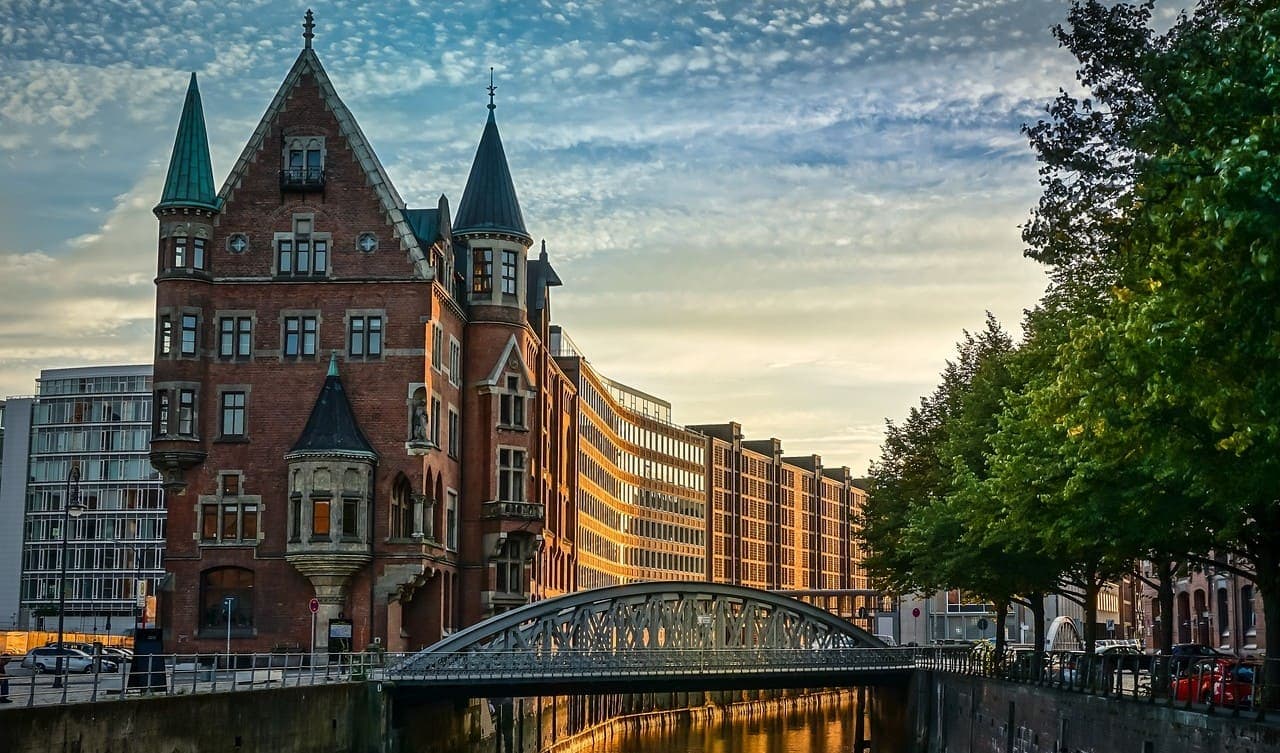
Munich is a city that has a lot of things to see. The city centre is around Marienplatz, where the Glockenspiel plays music every day. From Marienplatz you can go to royal homes, big parks and traditional restaurants that serve yummy food like pork knuckle and dumplings.
Historic Castles like Neuschwanstein
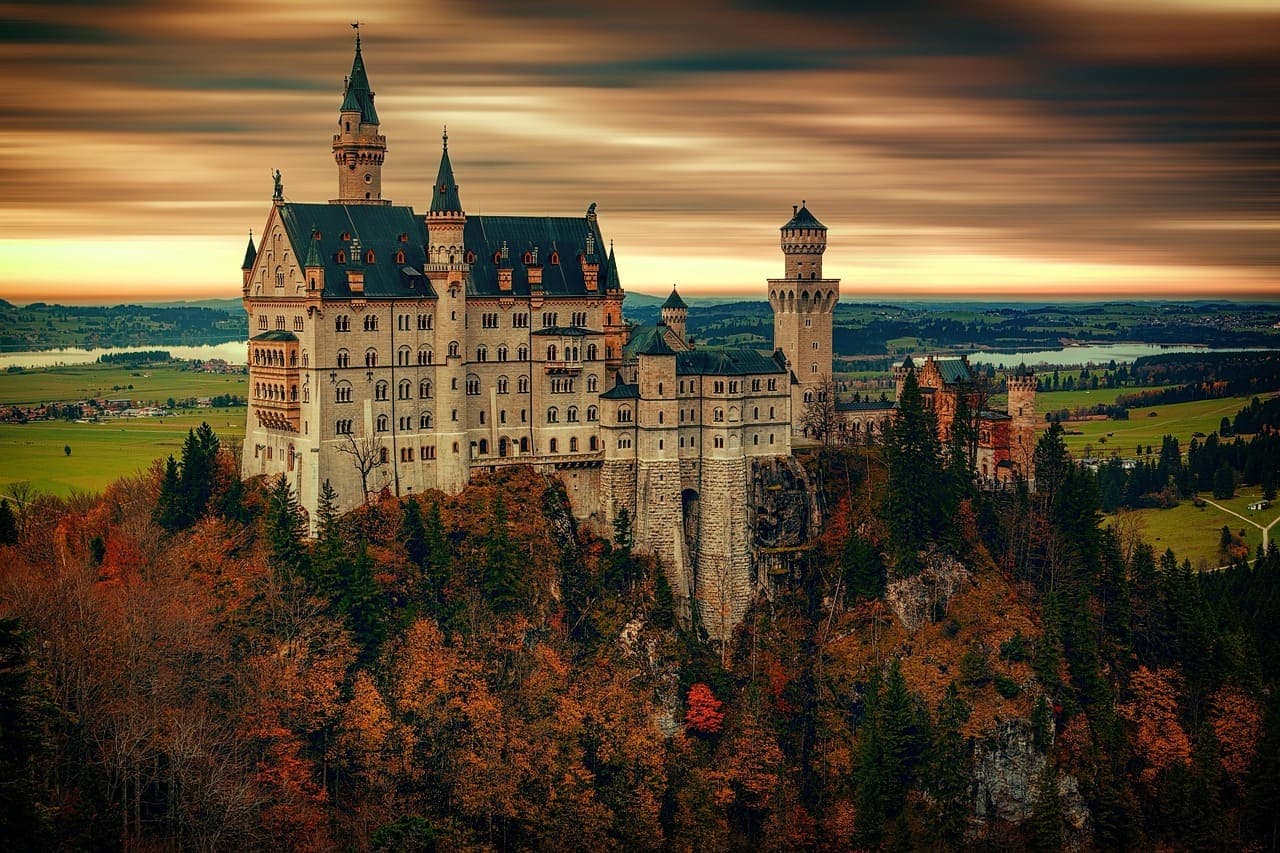
Neuschwanstein is a fairy tale castle that was built a time ago by King Ludwig II. He did not build it to fight wars, but to have a romantic place to stay. You will need to buy a ticket, it usually costs between £15 and £18. It takes around two hours to get to Neuschwanstein from Munich by train and bus. The trip is nice because you’ll see beautiful mountains and quiet villages along the way.
In western Germany, the Rhine Valley is one of the best places to see castles in one area. Along the stretch between Boppard and St. Goar, more than 20 castles sit on hills above vineyards and small towns along the river. From the water, you get a clear view of castles like Marksburg Castle, one of the few that was never destroyed. You can take a boat ride on the Rhine River between Boppard and St Goar, passing viewpoints and stopping in smaller villages along the way.
Bavarian Alps and Garmisch-Partenkirchen
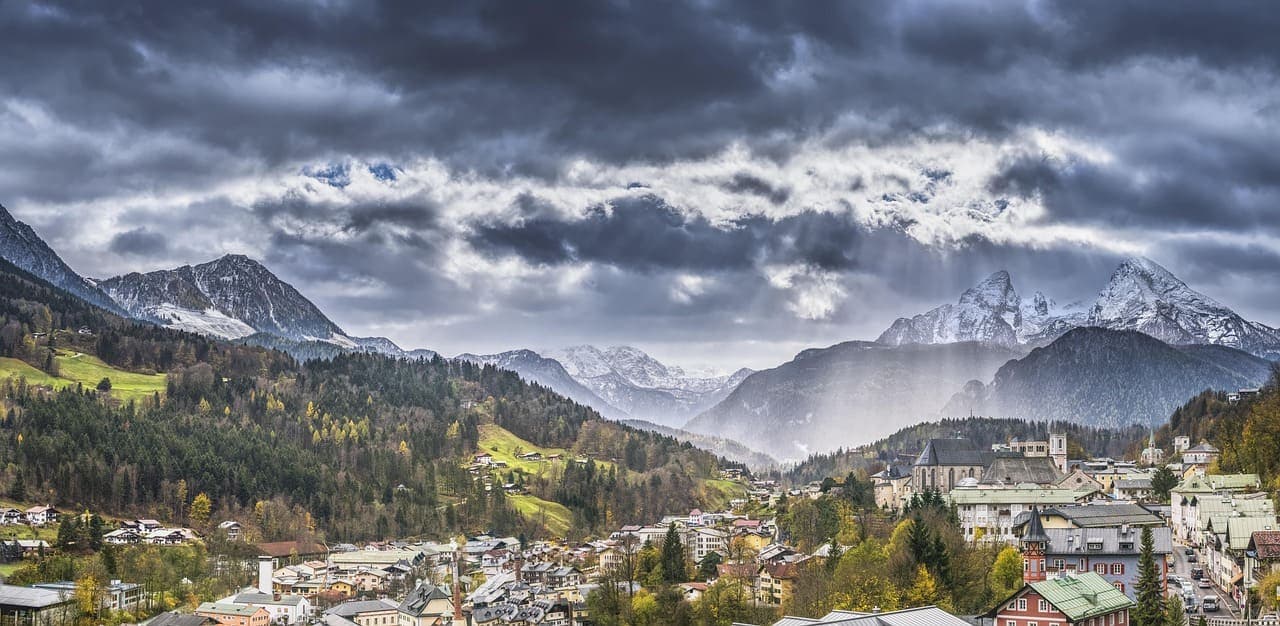
The Bavarian Alps are south of Munich. You can take a train to Garmisch-Partenkirchen. It takes around one to two hours. From there you can take a cable car to the top of Zugspitze, which's the highest mountain in Germany. There are hiking trails around Eibsee lake that have water and easy-to-follow paths. In winter you can even ski here depending on how much snow falls.
Rhine River
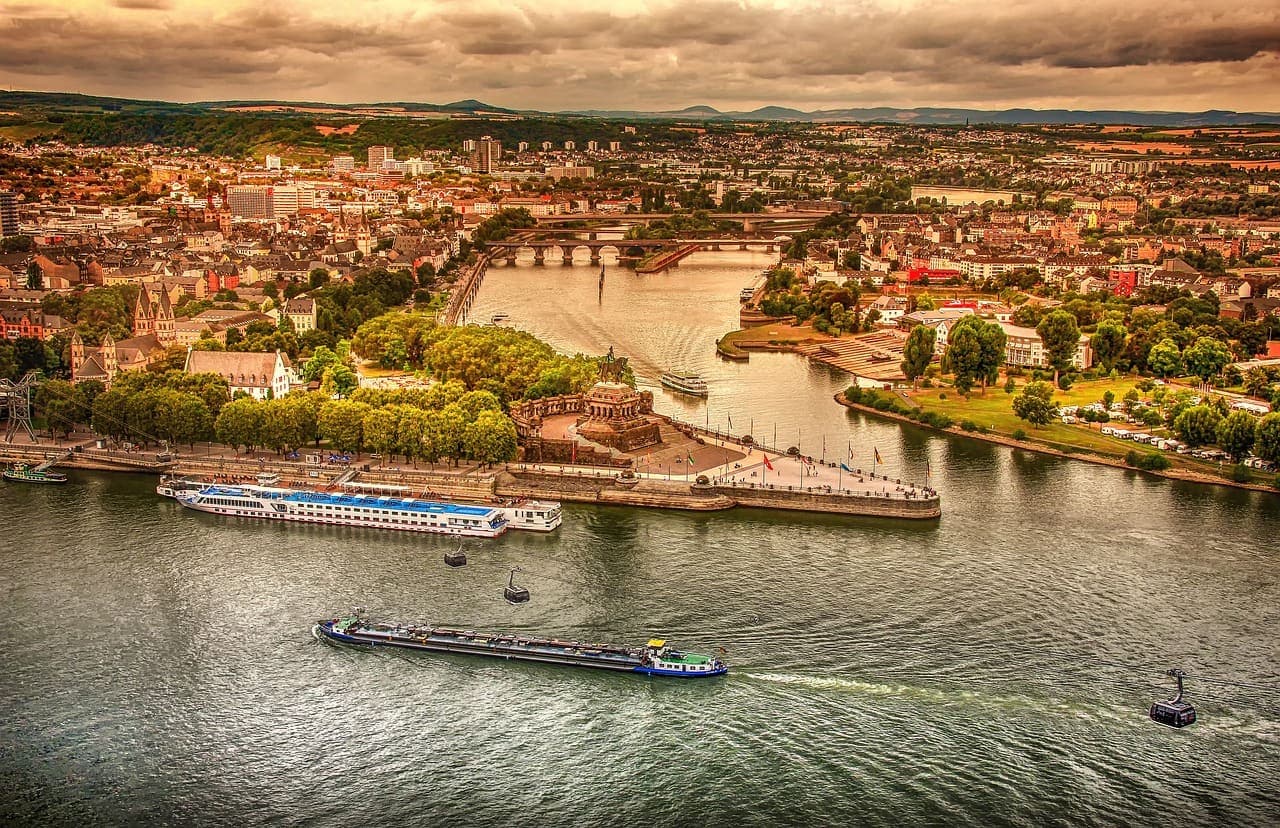
Between Mainz and Koblenz, the Rhine runs through one of the most well-known river valleys in Germany. Along this stretch, you’ll pass towns like Rüdesheim and Bacharach, each with half-timbered houses, a church and a castle above the town. Castles like Rheinstein and Reichenstein sit on the hills overlooking vineyards that cover the slopes. You can take a boat ride between the towns, which usually takes a few hours and gives you a clear view of the castles from the water.
Before you book your flights to Germany, pick one area that you really want to see, like Berlin, Bavaria or the Rhine area. Then you can plan your trip around that. If you try to see the country at once you will spend too much time on trains and not enough time seeing the sights.
Ideas for your ideal Germany itinerary
Now that you’ve got a better idea of the nicest places to visit in Germany, the next step is connecting them into a trip that actually works. Around 7 days already gives you enough time to focus on a few key cities without rushing too much. With 10 days, you can add extra stops like castles, river areas or smaller towns along the way. We’ve put together a few Germany itinerary options based on how much time you have, so you can choose what fits you best.
7 to 10 days Germany itinerary: cities and highlights
Day 1–2: Berlin, walk from the Brandenburg Gate to the Reichstag dome, follow parts of the Berlin Wall and visit a museum
Day 3: Day trip to Dresden or Potsdam by train, both under two hours from Berlin
Day 4: Travel to Munich by train, the journey takes around four hours
Day 5–7: Munich, explore Marienplatz, walk through the English Garden and visit local beer halls
Day 8–9: Day trip to Neuschwanstein Castle, reachable in around two hours by train and bus from Munich
Day 10: Return or continue your trip
10 to 14 days Germany itinerary: cities, castles and river views
Day 1–3: Berlin, explore the city, visit historic sites and museums
Day 4–6: Munich, explore the city and visit Neuschwanstein Castle as a day trip
Day 7–8: Freiburg in the Black Forest, walk through the town, visit the main square and explore forest trails
Day 9–10: Travel north to the Rhine River, stay in Mainz or Koblenz
Day 11–12: Rhine Valley, take a boat cruise between towns and see castles and vineyards
Day 13–14: Return or continue exploring nearby areas
Ending in the Rhine region is a good option because it's close to Frankfurt Airport.
Going to Munich? Read this 5-day Itinerary for Munich, including a visit to the Old Town, Neuschwanstein castle, and more!
Want more inspiration? Check out the following trips:


When Should You Visit Germany?
The best time to visit Germany depends on what you want to experience once you’re there. Are you into mountains, Christmas markets or spending time in museums?
Summer is a good time to be outside: from June to August it is usually twenty to thirty degrees in most parts of Germany. You can go to beer gardens, lakes and hiking trails in the Alps.
Winter is a good time to see Christmas markets: from late November to December there are a lot of festive markets in big cities and small towns. It is usually very cold from zero to seven degrees.
Autumn is a good time to save money: September and October are usually mild and it does not cost as much to stay in Germany. The vineyards along the Rhine River are really pretty in autumn when the leaves turn golden.
Want to plan it properly? Read our full guide on the best time to go to Germany and choose the season that matches your plans.

Did you know you can create your own itinerary?
Now that you have a better idea of the places to see in Germany and things to do there, you can start creating your own trip. Do you want to travel from north to south, or would you rather spend more time in one area and really get to know it? It’s all up to you. You can easily create your own trip in the Guided app for free, or use trips shared by others.
Food and drinks to try when travelling to Germany
When you think of food and drinks in Germany you might think of sausages and beer, yet once you’re there, you’ll notice that every region has its own dishes and traditions. There’s quite a lot to try along the way.
Eat schnitzel in Munich or southern Germany
In southern Germany, schnitzel is a common dish in restaurants. It’s usually a thin piece of meat, breaded and fried, served with potatoes or salad. Around Munich, traditional beer halls often have it on the menu. Portions are usually quite large, so it’s a filling meal.

Try pretzels and baked goods from local bakeries
Across Germany, bakeries are everywhere and part of daily life. Pretzels, or Brezeln, are one of the most common snacks, often eaten with butter or alongside meals. In the morning, locals often stop by bakeries for bread, pastries or sandwiches. Quality is usually high, even in smaller towns.

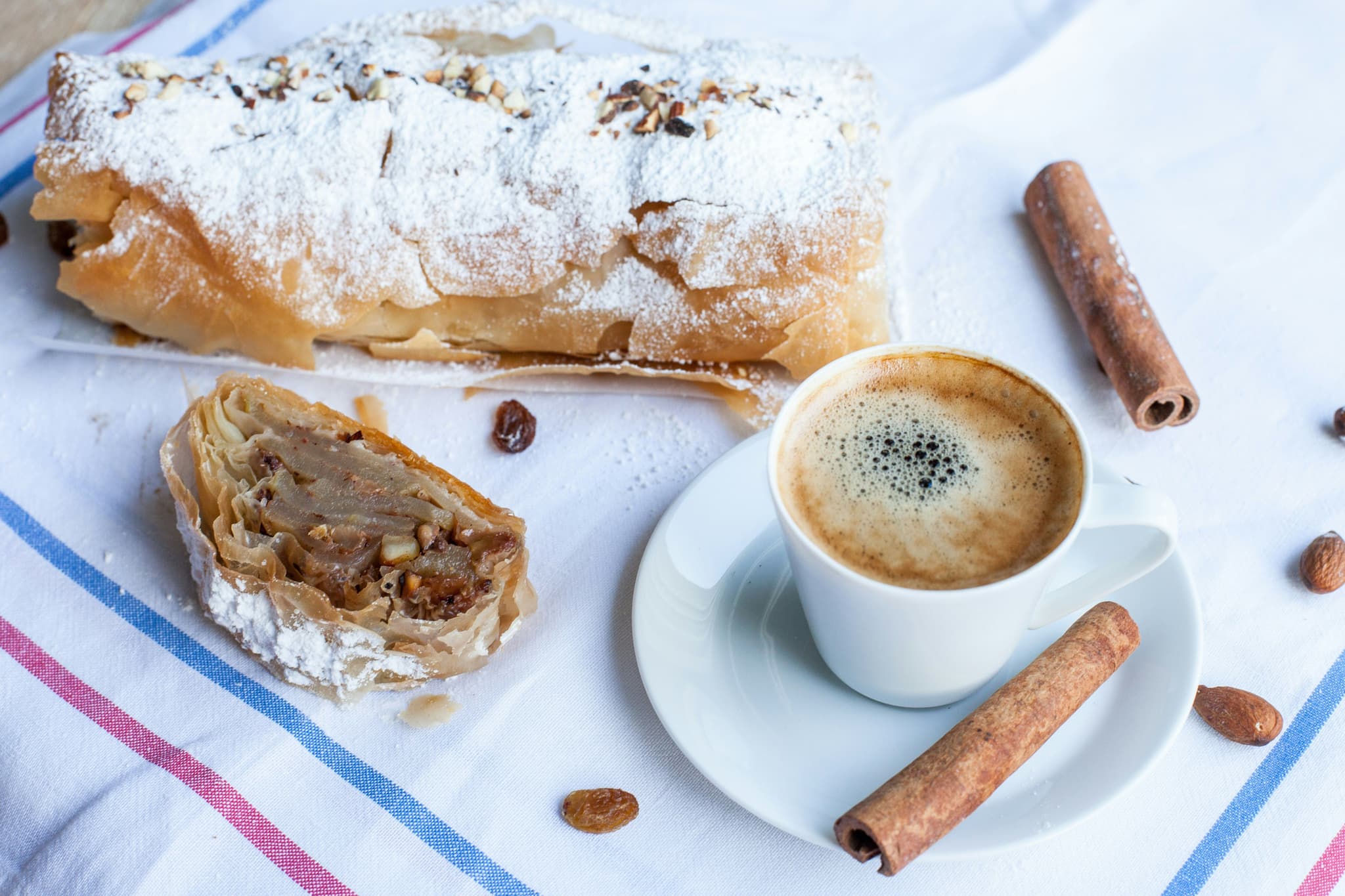
Try apfelstrudel in southern Germany
Originally from Austria, this warm apple dessert is easy to find across Germany, especially in Bavaria. It’s made with thin pastry layers filled with apple, raisins and cinnamon, and usually served with vanilla sauce or ice cream. In cafés, it’s often a go-to choice in the afternoon.
Try regional dishes like spätzle or bratwurst
Different regions have their own specialties. In the south, spätzle is a type of soft egg noodle often served with cheese or meat. Bratwurst, a grilled sausage, is common across the country and often served in a bun or with mustard. Local markets and smaller restaurants are good places to try these.

Drink beer in a traditional beer garden
Finally, since beer is a big part of German culture, you might want to try drinking a beer in a traditional beer garden. In cities like Munich, beer gardens are common during warmer months, where people sit outside at long tables. You’ll often see local beers served in large glasses, sometimes one litre at a time. It’s more about the setting than just the drink.

Culture in Germany: shaped by history and regional identity
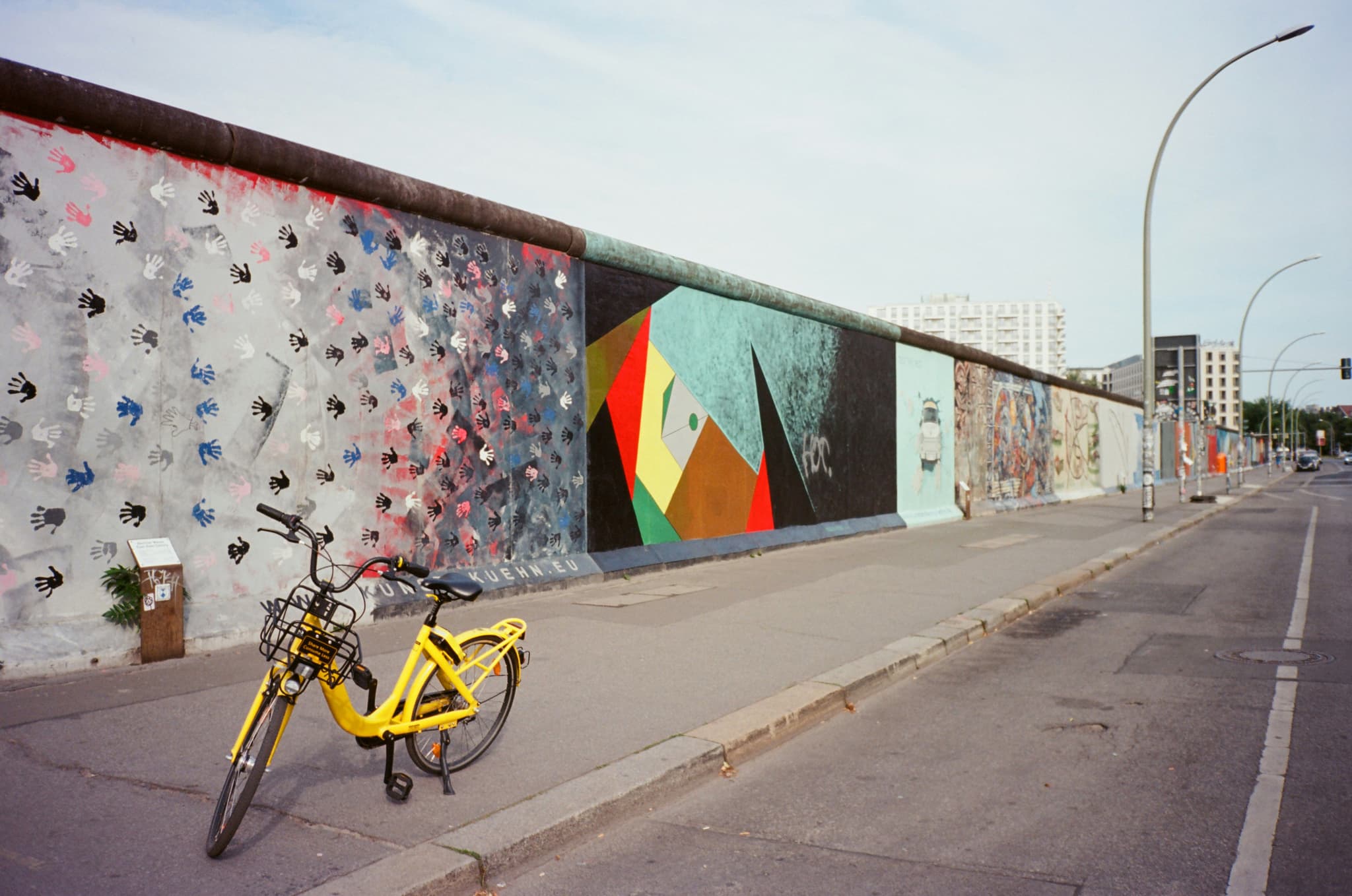
Germany as a unified country dates back to 1871, yet its regions had developed separately for centuries before that. Kingdoms and states like Bavaria, Prussia and Saxony each built their own traditions, architecture and ways of life, and you will still see those differences when you travel through the country. In Bavaria, you’ll notice traditional clothing during festivals, while in cities like Berlin, buildings from different time periods sit right next to each other. During the 20th century, events like World War II and the division between East and West Germany from 1949 to 1990 shaped modern German identity. In Berlin, you can walk along preserved sections of the Berlin Wall, visit the East Side Gallery with its murals, or stand at Checkpoint Charlie, which gives you a direct sense of that period.
In Munich, long wooden tables in beer halls fill up with locals drinking from large glasses, especially in the evening. Around Christmas, city squares turn into markets with wooden stalls, lights and food stands selling things like roasted almonds and Glühwein. In smaller towns along the Rhine, you’ll walk past half-timbered houses, local bakeries and weekly markets where people buy fresh bread and regional products. Each region shows you a slightly different side of daily life in Germany.
Looking for more unique places, trips and activities?
Subscribe to our Guided Newsletter for more travel inspiration.
How Much Does a Trip to Germany Cost?
Germany is pretty consistent when it comes to prices, which's good to know when you are planning a trip to Germany.
Food & Drink

Coffee
€2.50 – €4
Lunch
€10 – €18
Beer
€3.50 – €6
Accommodation
Hotels
€80 – €160
Airbnb
€70 – €150
Hostel dorm
€25 – €45
Transport
Trains
€20 – €80
Public Transport
€2.50 – €4
Car Rental
€40 – €90
Attractions
Museums
€8 – €20
Big Attractions
€10 – €25
Theatre
€25 – €80
You can balance your budget for a trip to Germany by going to big cities and then smaller towns after. It often costs less to stay in smaller areas.
Practical travel tips before you visit Germany
Our travellers have learned that small things can make a difference when you get to Germany. If you take care of a few things before you leave, you can spend your hours exploring instead of trying to figure things out. Here are a few travel tips for Germany that can be helpful.
✔ Use public transport in Germany
Germany has a great system for train travel and you do not need to rent a car to get around. The main train company is Deutsche Bahn and their fast ICE trains can take you to cities like Berlin and Munich in about four hours. If you are looking for a cheap way to travel you can try FlixTrain on some routes. Sometimes their tickets can be very cheap, under £20 if you book at the right time.
In the bigger cities, the local transport system is easy to use. You can buy one ticket for buses, trams and underground lines. You can get the Deutsche Bahn app before you go to Germany. You can buy a day pass for £8 to £12.
The public transport system in Germany is good and easy to use. If you want to know more about staying safe in Germany you can read our blog about safety tips for Germany.
✔ Get a local SIM card for mobile internet
You can get a good mobile signal in most of Germany, especially in cities. The main phone companies are Telekom, Vodafone and O2.
You can buy a SIM card for about £8 to £15 and the data packages cost between £10 to £25. It is often cheaper to buy your SIM card in the city instead of at the airport. You can also use WiFi in many cafes, hotels and train stations.
✔ Carry some cash when you visit Germany
You can use your card to pay in cities but Germany still uses a lot of cash. Some small cafes, bakeries and restaurants only take cash, outside of tourist areas. It is a good idea to have about £40 to £80 in cash for small purchases.
✔ Be on time when you go somewhere
People in Germany like to be on time. If you have a reservation at a restaurant or a tour or a train to catch you should be there on time. Trains leave at the time they are supposed to.
Fun facts about Germany
Germany has a lot of small details you don’t always expect before arriving. Some of them you’ll notice straight away, others once you’ve spent a bit more time there.
Germany has over 20,000 castles and castle ruins across the country
Berlin has more bridges than Venice
Germany is home to over 1,500 different types of sausages
Oktoberfest in Munich is the largest beer festival in the world
Germany has one of the largest rail networks in Europe
The country has more than 2,000 Christmas markets during winter
The Black Forest inspired many of the Grimm Brothers’ fairy tales
Some of these things will probably become part of your own trip along the way. Germany stands out in its own way, with days that take you from cities to castles and river valleys. Each stop brings something different, from history to local culture and daily life. So Germany suits you well if you like variety and a mix of culture and easy travel between places.
Ready to map out your trip to Germany?
We hope this Germany travel guide has given you a clear starting point for your trip. Stay tuned for more inspiration, itineraries and practical tips to help you shape your perfect trip to Germany. And don’t forget to check out our Guided app, where you can create your own trip or use trips shared by other travellers for free.
FAQs about Germany trips
- Do I need a visa to travel to Germany?
Germany is in the Schengen Area. If you have a UK passport you can stay in Germany for up to 90 days out of 180 days without a visa. You should check the entry requirements for going to Germany.
- What is the currency of Germany?
Germany uses euros. A lot of places take cards. Some small cafes and bakeries like cash. So it is a good idea to have some euros for small purchases..
- What is Germany famous for?
Germany is famous for castles, good food, Christmas markets, the Brandenburg Gate and parts of the Berlin Wall that are still standing.
- Is Germany expensive for tourists?
Germany is not too expensive compared to places in Western Europe. You can save money by booking trains going to small towns.
- Do people in Germany speak English?
A lot of people in cities, hotels and train stations speak English. In towns it is helpful to know a few basic words in German.
Hello → Hallo
Goodbye → Tschüss
Please → Bitte
Thank you → Danke
Yes → Ja
No → Nein
Excuse me → Entschuldigung
Do you speak English? → Sprechen Sie Englisch?
How much is this? → Wie viel kostet das?
Where is the toilet? → Wo ist die Toilette?