
Germany by train or car: getting around, driving and public transport tips
By Eva Alkemade
Aug 30, 2026
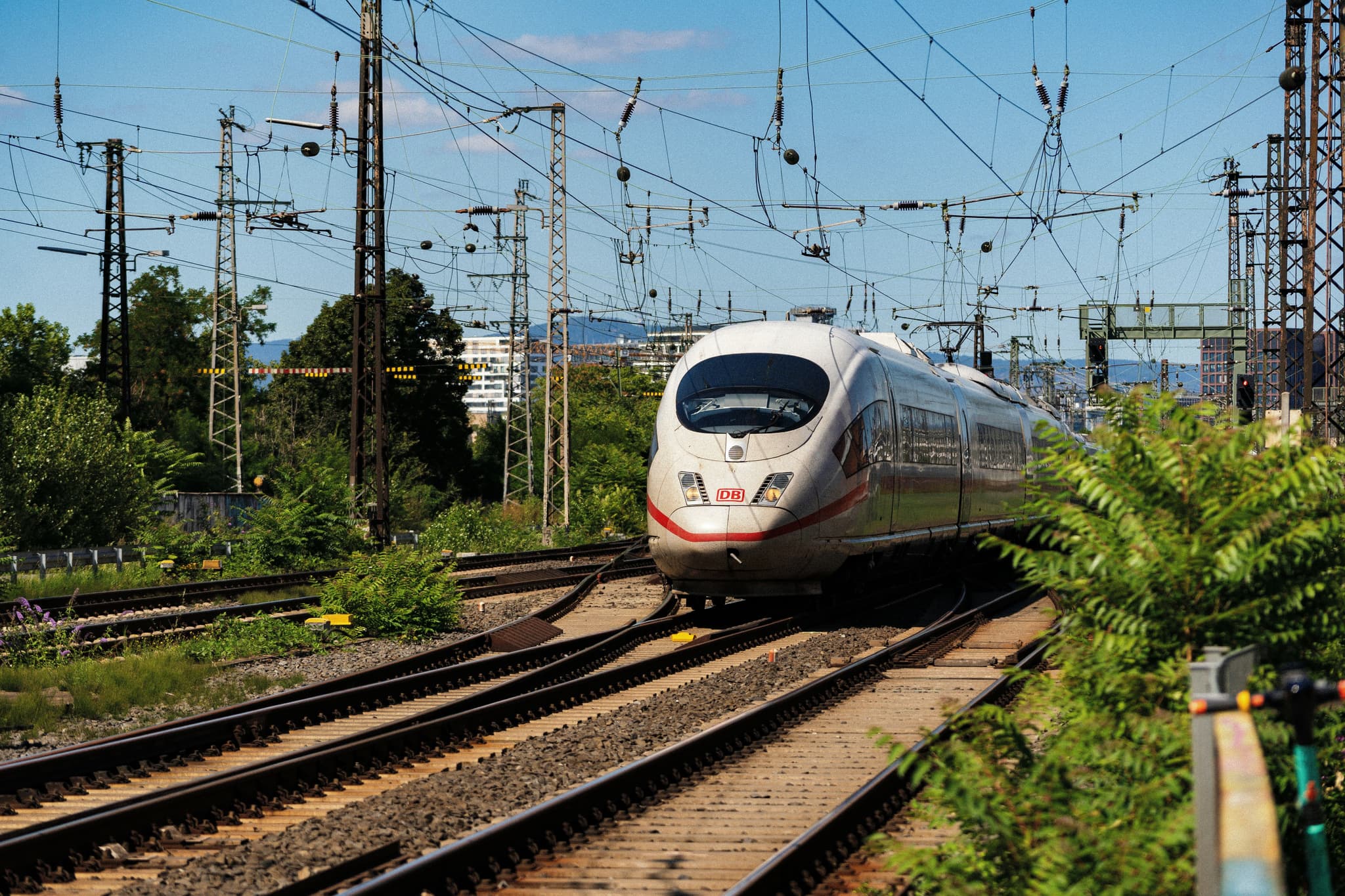
Germany's transport system has a reputation for running like clockwork, and while Germans themselves will happily tell you the trains aren't always as punctual as the stereotype suggests, you'll still get between cities faster and easier here than in most of Europe. Between high speed ICE trains, an unrestricted Autobahn, and city networks you can figure out within a day, you've genuinely got options. But what about renting a car? Once you leave the bigger cities behind, driving opens up smaller towns, countryside routes and places that are much harder to reach by train. So, when does a car actually make sense, and where can you go with one? Here's how to pick the right way to get around Germany for your trip.
Getting around Germany at a glance
ICE and IC trains connect major cities fast, but they're not covered by the Deutschlandticket.
The Deutschlandticket covers regional trains and city transport nationwide for €63 a month.
Renting a car makes sense for the Black Forest, Bavarian Alps or Romantic Road
S-Bahn and U-Bahn networks in Berlin, Munich and Hamburg are easy to use
Book ICE tickets in advance for the cheapest fares.
Germany by train: travelling between cities
Deutsche Bahn, usually just called DB, runs the vast majority of Germany's trains network, and understanding the difference between its three main train types will save you both money and confusion.
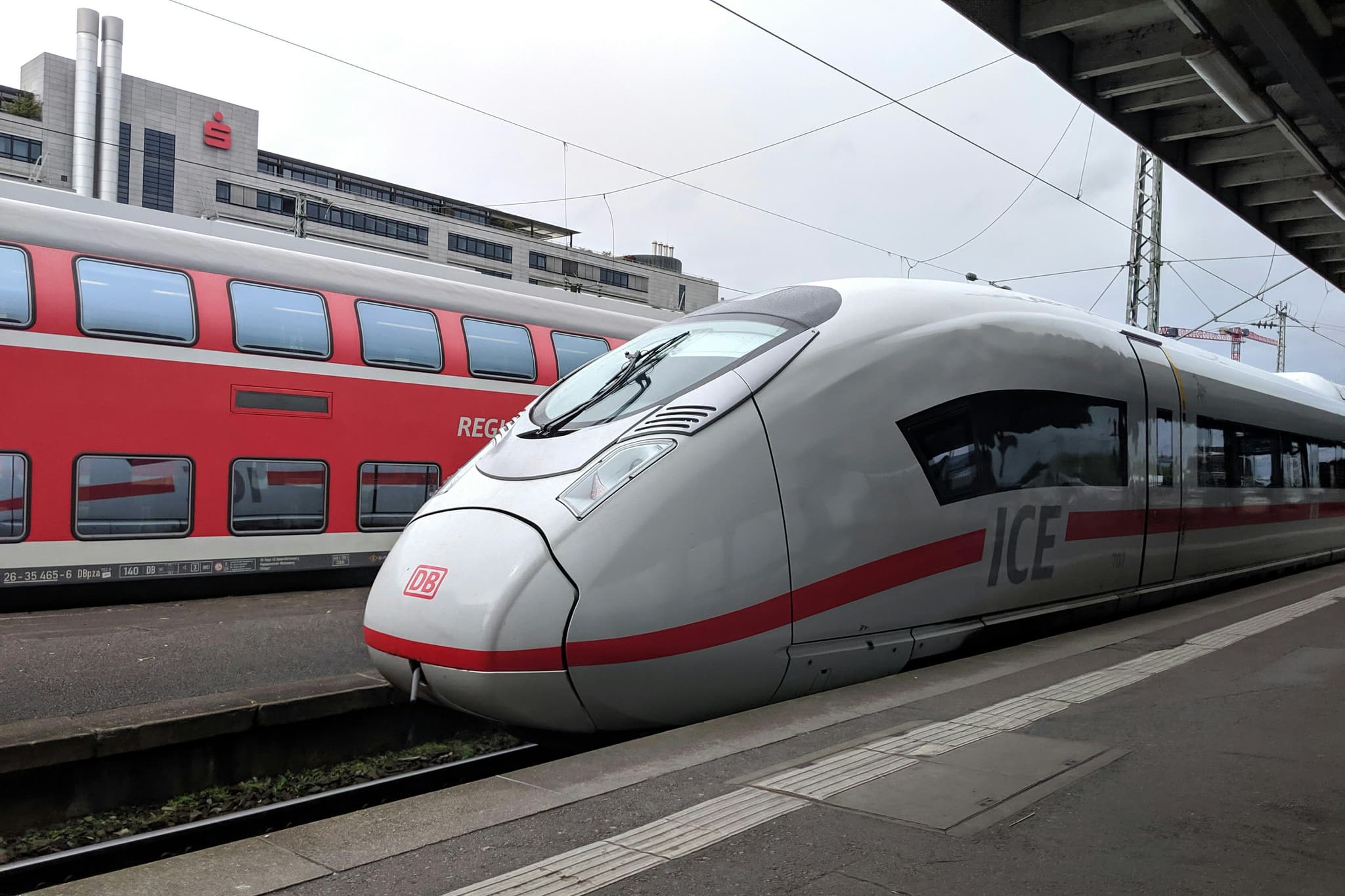
ICE trains: fast, comfortable, and not cheap
Intercity Express trains are the trains in Germany you want for longer distances. They top out around 300km/h, connect major hubs like Berlin, Munich, Frankfurt, Hamburg and Cologne directly, and come with power sockets, WiFi, and a restaurant car on most services. Berlin to Munich takes around four hours, and Frankfurt to Cologne is closer to ninety minutes.
The catch is price. Walk-up ICE fares can be expensive, so book through the DB Navigator app as early as you can. Sparpreis fares, released a few months ahead, are often less than half the price of a same-day ticket for the identical seat.
IC trains: the slower, cheaper cousin
Intercity trains cover similar routes to ICE services but stop more often and run a little slower, usually maxing out around 200km/h. If your journey isn't time sensitive, IC tickets are consistently cheaper than ICE fares on the same route, so it's worth comparing both before you book.
Fun fact: You can actually cross into parts of Denmark, France, the Netherlands and Luxembourg on the Deutschlandticket, since a handful of border stations are included in the scheme despite technically being outside Germany.
Regional trains: RE, RB and the Deutschlandticket
Regional Express and Regionalbahn trains handle shorter, local journeys, and this is where the Deutschlandticket becomes genuinely useful. For €63 a month, this Germany train pass covers unlimited travel on all regional trains plus every city's buses, trams, U-Bahn and S-Bahn, nationwide. What it does not cover is ICE, IC or EuroCity services, so don't board one with just a Deutschlandticket in hand. Ticket inspectors do check, and boarding a long distance train without a valid ticket typically results in an on the spot fine of around €60 plus the cost of a full price ticket.
Guided tip: If your route involves both regional and ICE trains on the same day, book the ICE ticket starting from the last regional stop before you switch, rather than from your original starting point. It's a small trick that protects your connection if the regional train runs late, since the ICE ticket then only needs to cover the final leg.
Getting around within German cities
Once you've arrived somewhere, city transport in Germany is very straightforward, even if the ticketing system takes a minute to understand on your first day.
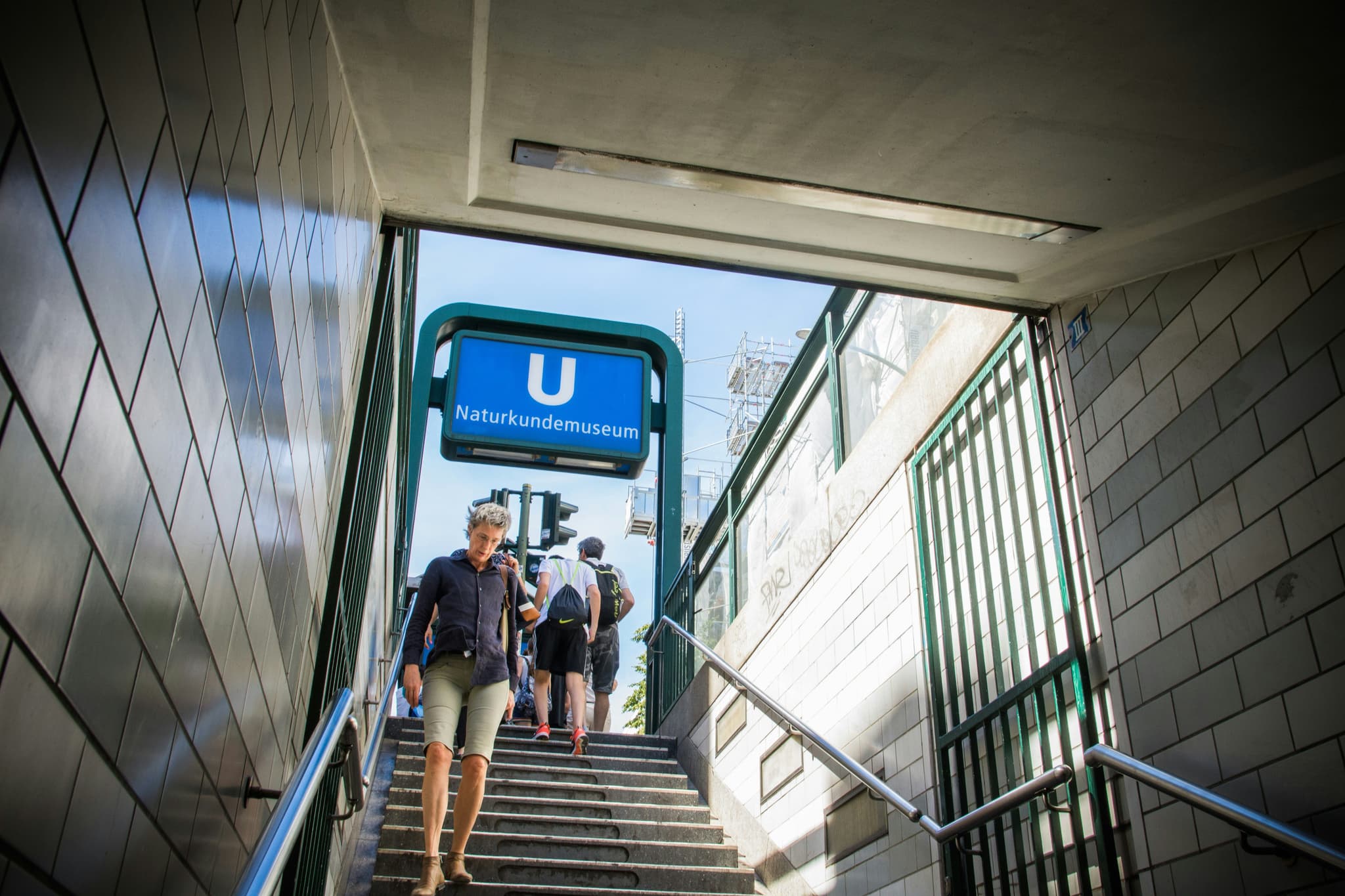
U-Bahn and S-Bahn: the backbone of city travel
The U-Bahn is the underground metro found in cities like Berlin, Munich and Hamburg, while the S-Bahn runs mostly above ground, connecting the city centre to suburbs and airports. Both run on an honesty system: there are no ticket barriers, so you validate your own ticket at a small machine on the platform and just walk onto the train. Random ticket checks do happen, so always validate before boarding rather than assuming nobody will ask.
Still wondering which cities to add to your trip? Have a look at our guide to the best cities in Germany and see which ones fit your route.
Buses and trams for the smaller gaps
Trams and buses fill in where the rail network doesn't quite reach, and in smaller cities like Freiburg or Heidelberg, trams are often the main way to get around at all. A single Deutschlandticket covers all of this too, which makes it worth buying even if you're only spending a week hopping between two or three cities.
Did you know: Berlin genuinely has more bridges than Venice, largely thanks to the Spree river and its many canals, and a fair few of them are only crossed on foot or by tram rather than by car.
Driving in Germany: the Autobahn and beyond
If your route includes rural regions like the Black Forest, the Romantic Road, or the Bavarian Alps, a rental car opens up places the train network simply doesn't reach. It's a different kind of trip though, so it's worth knowing what you're signing up for before you pick up the keys.
What the Autobahn actually involves
Around 70% of Germany's motorway network has no general speed limit at all. The other 30% is signed, usually at 100, 120 or 130km/h, and construction zones or weather can add temporary limits anywhere. Even on unrestricted stretches, 130km/h is the officially recommended speed, and plenty of drivers stick close to it.
What side of road do Germans drive on?
In Germany, you drive on the right side of the road and overtake on the left. If you do find an open stretch, stay in the right-hand lanes unless overtaking, and check your mirrors carefully before pulling out, since cars can approach from behind faster than you'd expect.
What you'll need before you drive
UK, EU and EEA driving licences are all accepted without an International Driving Permit, whatever the length of your stay. You'll need to carry your licence, passport, proof of insurance, and the car's registration documents at all times, along with a warning triangle, high visibility vest, and first aid kit, all of which are legally required in every vehicle. Winter tyres are compulsory in wintry conditions between October and April, so check this is arranged if you're driving in that window.
Wondering when to actually schedule all this travel? Our guide to the best time to go to Germany covers how the seasons affect both prices and how comfortable driving conditions are, particularly around winter tyre requirements.
Some tips before hitting the road:
Keep right except when overtaking. Undertaking on the Autobahn is illegal and heavily fined.
Fuel up before rural stretches. Petrol stations thin out well before you notice on the map.
Watch for right-before-left priority at junctions without signs, common in smaller towns.
Only stop on the hard shoulder for genuine emergencies. It's illegal otherwise.
Germany road trip ideas: where to go by car
Once you get outside the big cities, having a car starts to make a lot more sense. A Germany road trip can take you through wine valleys, small medieval towns, forests, beaches or right into the Alps, and you can easily build a route around the part of the country you want to see.
A few routes work particularly well:
Romantic Road: Follow the route between Würzburg and Füssen for medieval towns such as Rothenburg ob der Tauber, countryside, castles and an Alpine finish near Neuschwanstein.
Rhine and Moselle: Start around Cologne and make your way towards Koblenz, Cochem and Trier. Vineyards, riverside villages and castles make this a good one if you want plenty of shorter stops along the way.
Black Forest: Base your route around Baden-Baden, Triberg and Freiburg, then take the smaller roads through the forest rather than rushing between them on the motorway.
Northern Germany and the Baltic Coast: Lübeck, Wismar and Stralsund combine nicely with the Baltic beaches and Rügen, so this route feels completely different from southern Germany.
Bavaria and the German Alps: Munich works well as your starting point before heading towards lakes, Füssen and the mountains further south.
Germany by train or car: which option actually suits your trip?
Most Guided travellers end up mixing methods rather than picking just one, and that's genuinely the most efficient way to do it. Trains for the big city-to-city legs, then either a short regional train or a hire car for a specific rural detour.
City-only trips: trains win, easily
If you're sticking to Berlin, Munich, Hamburg, Frankfurt and Cologne, a car will actively slow you down. Parking is expensive and often awkward to find in city centres, while ICE trains drop you within walking distance of most hotels, and city transport covers the rest. A Bahncard 25, which knocks 25% off most DB fares for a year, can be worth it if you're taking more than two or three long-distance trains during your trip.
Heading towards Berlin or further north? Take a look at our guide to the best places in northern Germany and see which cities and stops work well together for your route.
Countryside routes: a car makes more sense
The Romantic Road, the Alps around Garmisch-Partenkirchen, and much of the Black Forest reward having your own wheels, since the best villages and viewpoints often sit between train stations rather than beside one. If you're nervous about Autobahn driving, know that you're never actually required to use the unrestricted stretches. Sticking to well-signed rural roads at a normal pace is entirely normal and plenty of people, including plenty of locals, do exactly that.
Travelling solo through Germany's countryside is also easier than it might sound. Rural train stations and small town squares tend to be safe and well signposted, so even without a car, buses reliably connect the bigger villages, just less frequently than you'd get in a city.
Wondering what else to keep in mind when travelling around on your own? Read our guide to safety in Germany, with practical tips for cities, public transport and your trip in general.
Booking and money-saving tips for car and rail holidays in Germany
Download the DB Navigator app before you arrive. It shows Deutschlandticket-eligible connections automatically, so you don't need to memorise which trains it covers.
Book ICE tickets as early as possible. Sparpreis fares sell out on popular routes weeks ahead of travel, particularly around holidays.
Consider FlixTrain or FlixBus for budget routes between major cities, especially if your dates are flexible.
A Bahncard only pays for itself with several long journeys, so skip it for a short trip covering just one or two cities.
Book and check ICE and IC fares directly through Deutsche Bahn's official site rather than a third party reseller, since DB's own app shows delays and platform changes in real time.
If you're driving, the ADAC, Germany's national motoring association, publishes up to date Autobahn rules and current construction zone maps in English, which is genuinely useful for a route you haven't driven before.
Ready to plan your Germany trip?
However you end up getting around, Germany makes it easy to change your mind halfway through a trip, swapping a planned train leg for a rental car once you decide the Black Forest deserves an extra day, for example. Once you've worked out your route, you can map each leg, note which tickets you need, and save the whole plan in the Guided app so it's all in one place. Browsing routes other travellers have already built is also a good way to see how they mixed trains and driving across a similar trip.
Enjoyed This Blog? Continue Reading!
There is more travel inspiration waiting for you on our blog. You can take a look below and start mapping out your next travel adventure!


