
Best Time to Go to Germany: A Complete Guide for Each Season
By Eva Alkemade
Mar 1, 2026
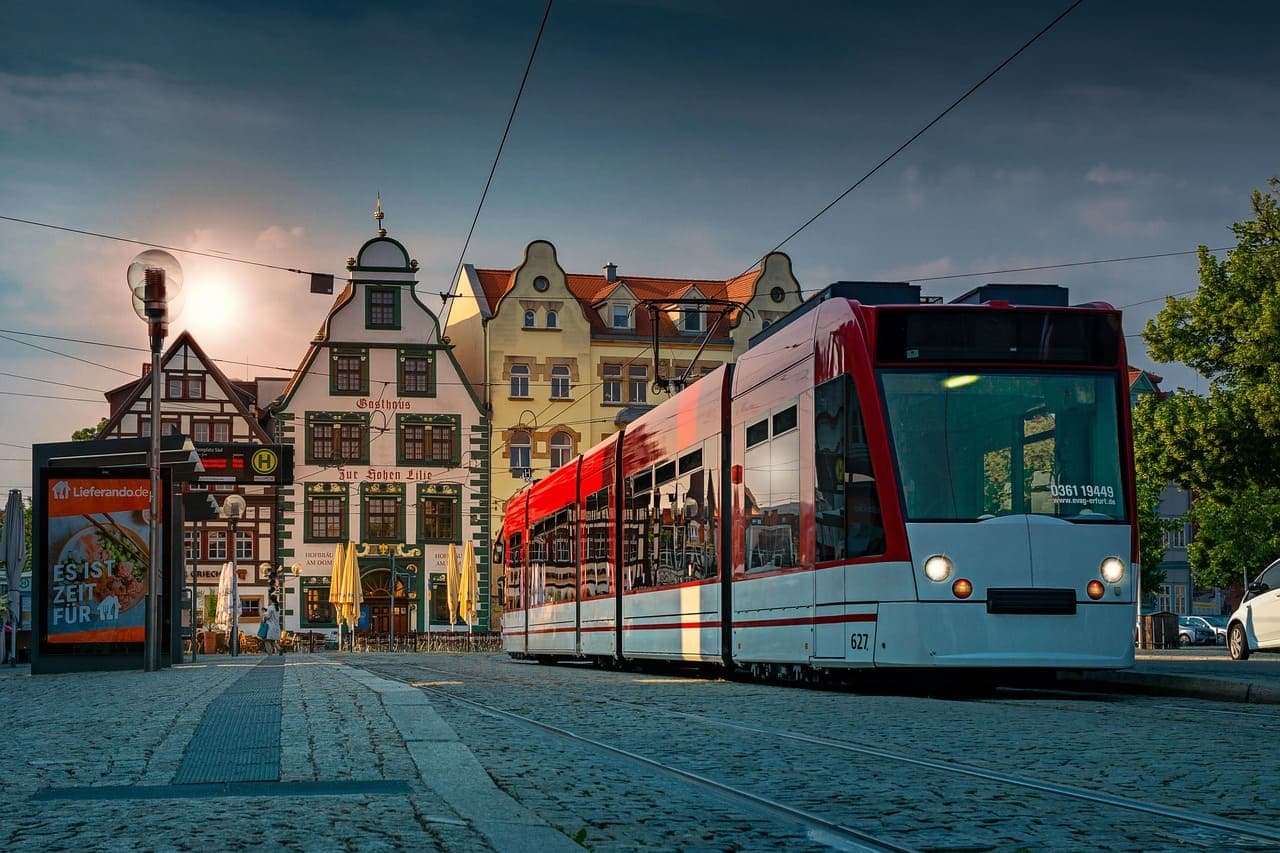
Germany changes quite a bit with the seasons, and that’s exactly what makes timing your trip so interesting. One month you could be hiking through green mountain landscapes, a few months later you could be wandering through Christmas markets with a mug of Glühwein. Summer brings warm days, festivals and even beach weather, while spring and autumn are great if you prefer fewer crowds. So, what is the best time to visit Germany for your trip?
Before we get started: what is the best time to visit Germany?
For most trips, May to September is the best time to visit Germany. Days are longer, temperatures are comfortable and you can easily combine cities with hiking, lakes and time outside. Still, the best month really depends on what you want to do.
Best overall: May, June and September
Warmest weather: June to August
Fewer crowds: April, May and October
Christmas markets: Late November and December
Skiing and snow: December to March
There’s quite a difference between visiting in July and arriving in the middle of December, so timing can completely change your trip. We’ll take you through each season, the weather you can expect and what each time of year is best for throughout this blog.
Spring in Germany: March to May
Spring is when Germany starts to get warmer. You go from cold March mornings to mild May afternoons with temperatures between 10°C and 20°C. The parks in Berlin and Munich start to bloom. The café terraces open again. This is also part of the shoulder season, which means there are less visitors than in high summer in Germany.
The Weather Gets Mild and Nice
The days get longer and more comfortable for walking tours in Germany. You can still get showers. It is a good idea to pack a light waterproof jacket. By April and May it is much easier to go sightseeing in Germany. The attractions will be open again.
It Is a Great Time for Outdoor Activities
Spring is a great time for hiking in the Black Forest, where the trails reopen after winter. Germany also has thousands of kilometers of marked cycle paths. The cooler temperatures make cycling more comfortable than in peak summer in Germany. You can also take river cruises along the Rhine or Danube, which give you access to historic towns without the extreme heat.
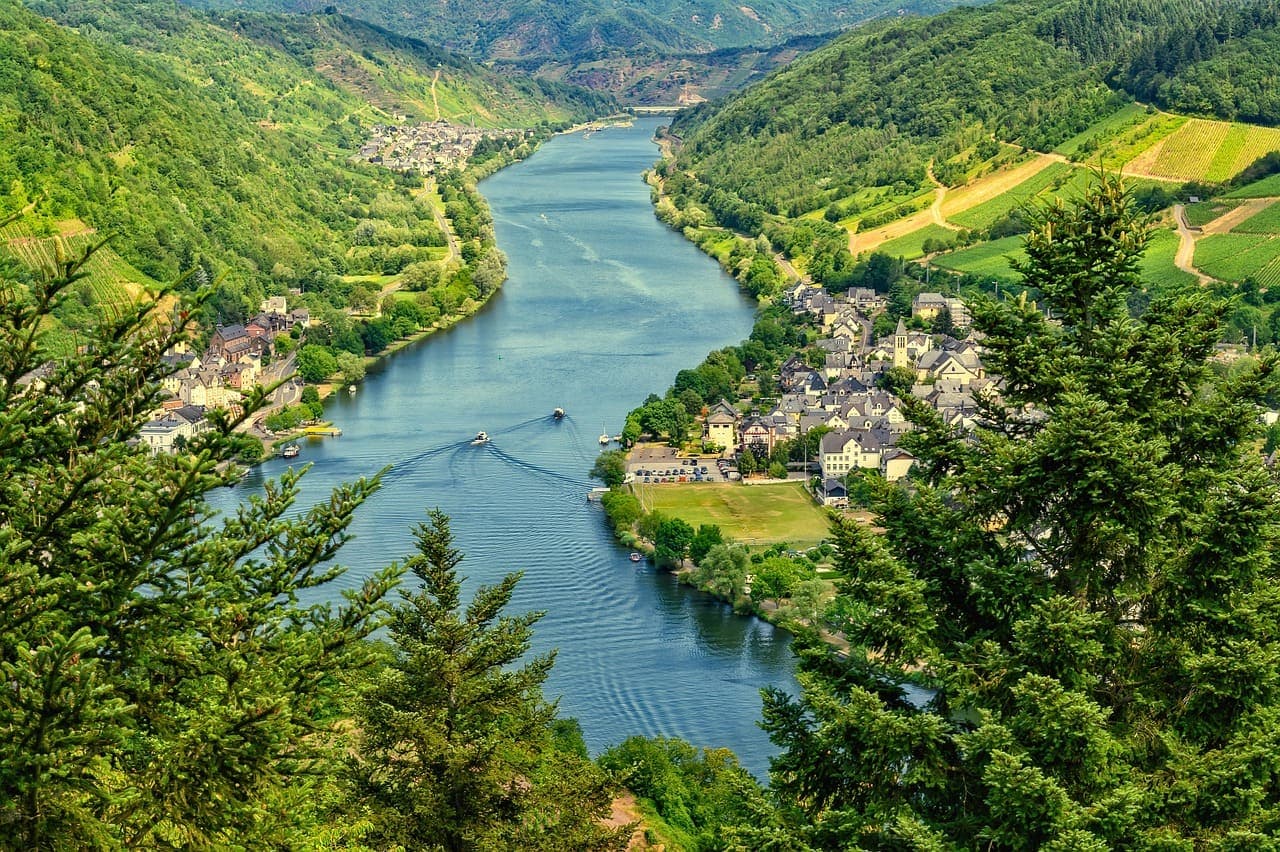
Spring Is a Calm and Good Time to Visit
The prices for accommodation are often lower than in July and August. Flights can be more affordable. The restaurants and attractions are operating as usual. You can also visit Easter markets and local wine festivals in April in Germany.
Summer in Germany: June to August
Summer is when Germany is really bustling. This is the time most people choose to visit Germany. Once you see the long evenings and full terraces you will understand why people love summer in Germany.
You can expect temperatures between 22°C and 30°C in many regions of Germany with southern cities like Munich getting even warmer during heatwaves in Germany. The sun stays up until 9 or 10 pm in June, which gives you so much extra time to explore Germany. You can explore all day, have dinner outside and still walk around afterwards. The peak months are July and August when German school holidays attract visitors across Germany.
Summer Brings Warm Days and Long Evenings in Germany
In summer, people in Germany spend a lot of time outside. In Munich locals gather along the Isar River to swim, sunbathe and barbecue after work. Berlin fills up with cinemas and concerts held in open air spaces. Along the North Sea families cycle through the dunes and spend long days on the beach in Germany. Everything feels active and social.
Summer Is Best for Active Trips to Germany
Hiking trails in Bavaria are fully open, mountain cable cars run daily and boat trips on the Rhine operate from morning until evening in Germany. This is also time for longer trips to Germany because transport connections are frequent and roads are clear. You do need to plan though, since hotel prices in Germany rise and popular areas book out early.
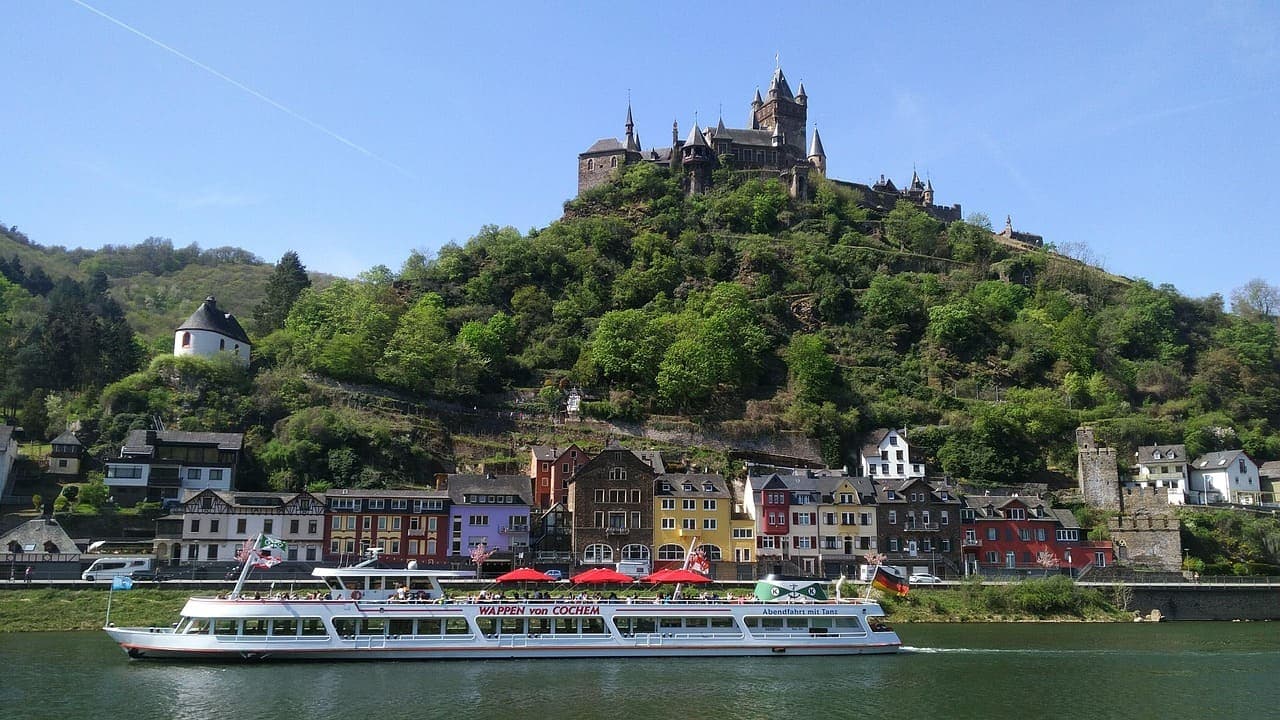
Image by Johannes Klein from Pixabay
Summer works beautifully if you want energy, long days and outdoor plans in the forests, rivers or cities of Germany.
Our tip: visit attractions in Germany early in the morning then relax by a lake or river later in the day when temperatures peak.
Autumn in Germany: September to November
Autumn feels like a transition in Germany. Early September can still be warm enough for jackets in Germany but by November you really notice the colder evenings in Germany.
Autumn Is a Festive Season in Bavaria
You have probably heard of Oktoberfest, the beer festival in Munich that starts in mid September in Germany. Millions of visitors attend every year. The main tents can hold thousands of people at once in Germany. Beyond Munich wine regions along the Rhine and Moselle celebrate harvest season with local events in Germany. September temperatures often sit between 15°C and 20°C, which's perfect for these types of events.
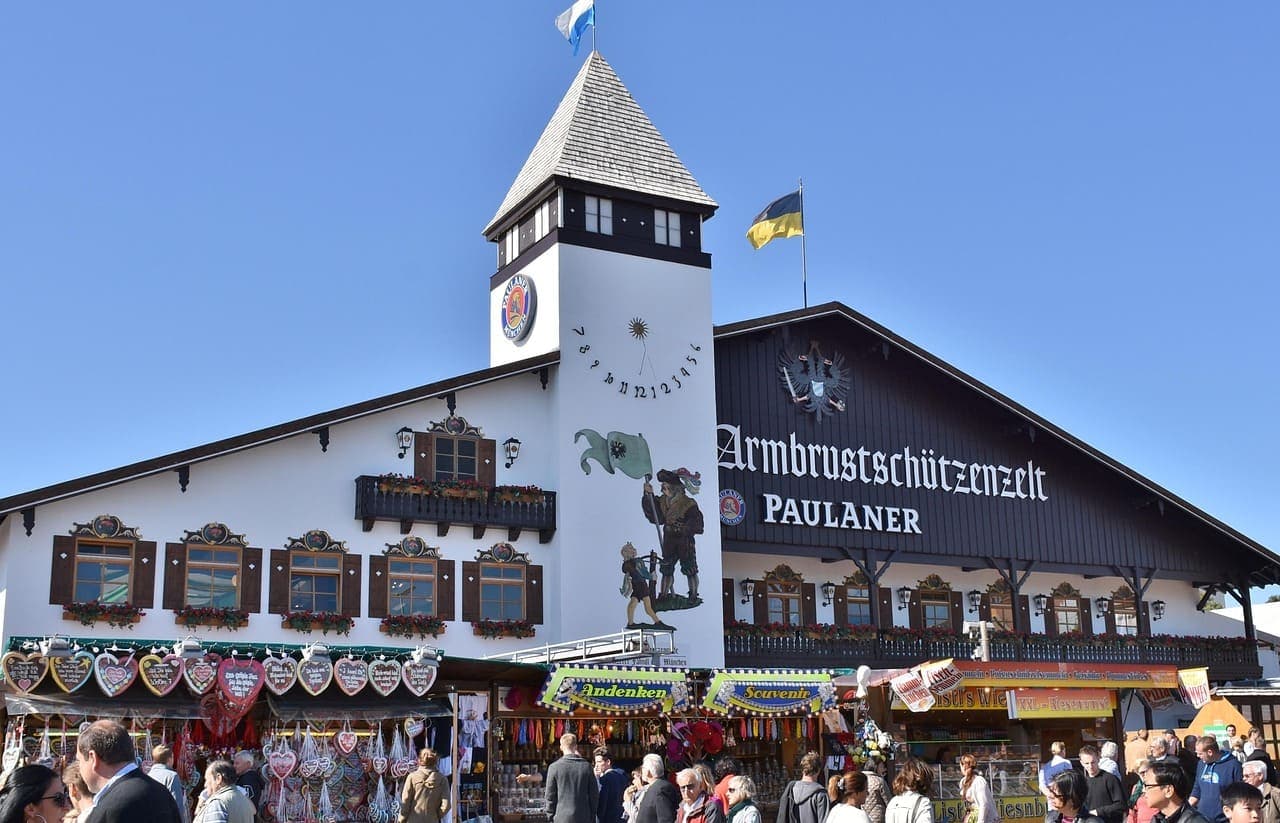
September Is the Best Time to Visit Munich
Many travellers consider this the best time to visit Munich because you get a festival atmosphere and comfortable weather in Germany. Hotels fill up quickly during Oktoberfest so booking early is necessary in Germany. Later in October the city becomes calmer and easier to explore. Day trips are still possible before winter temperatures arrive in Germany.
The Landscapes Turn Colourful and Beautiful
Forests across southern Germany shift into shades of red and gold. The Neuschwanstein Castle during autumn is a great addition to your route as September gives you hiking conditions and clearer air for photos. The trails remain open through October in many regions of Germany. By November rain becomes more common.
Autumn suits you well if you enjoy culture and milder temperatures in Germany.
Guided tip: aim for September for festivals in Germany or mid October for easier hotel availability and more relaxed sightseeing in Germany.
Winter in Germany: December to February
Winter in Germany feels very different from summer in Germany. Days are shorter, mornings are colder. The atmosphere changes completely.
Christmas Markets Fill the Town Squares in Germany
From November, traditional Christmas markets open across Germany. Cities such as Nuremberg, Cologne and Berlin set up stalls selling crafts and seasonal treats in Germany. You will see people walking around with mugs of mulled wine and plates of roasted nuts. It’s worth a try if you’ve never had this! Most markets close before Christmas Eve so timing matters in Germany.
Want more inspiration on activities and tips for travelling to Germany? Read our full travel guide to Germany.
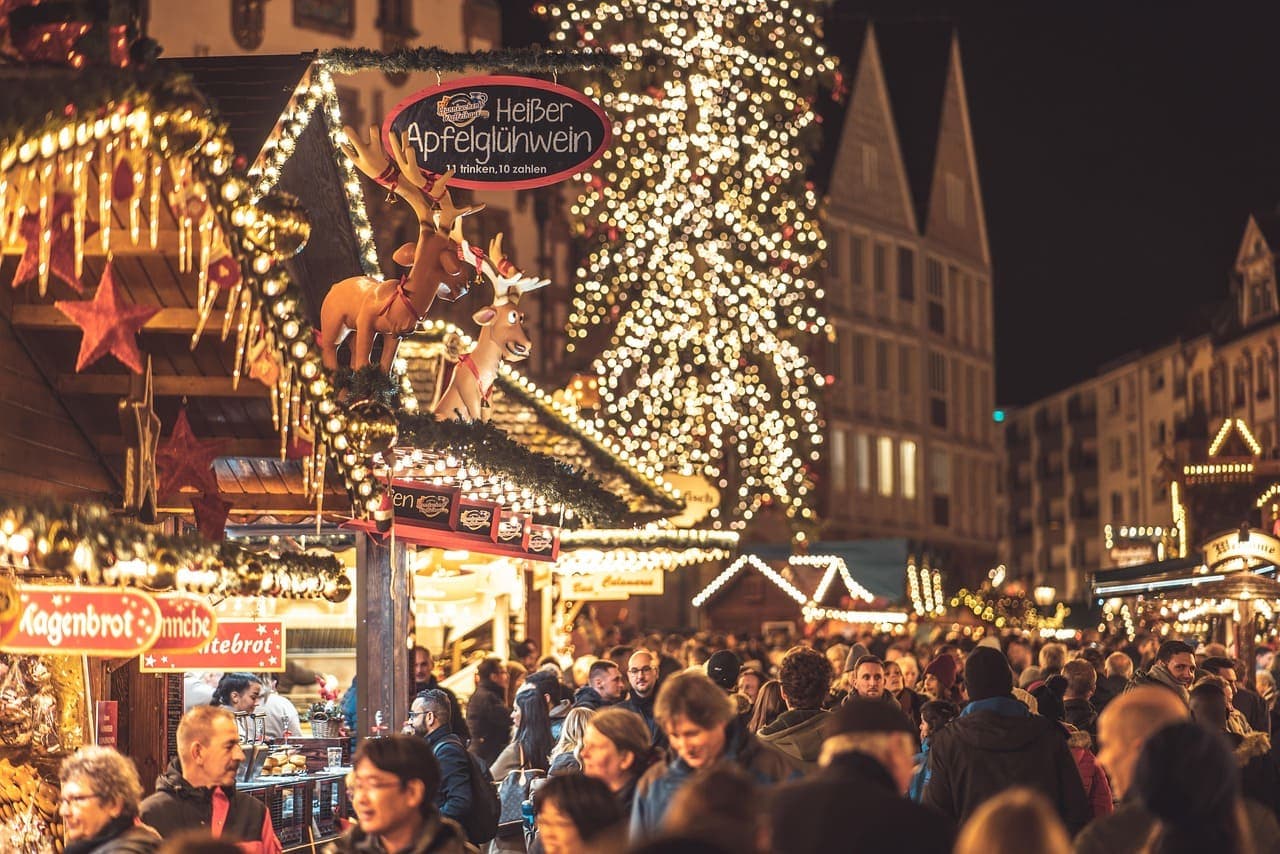
Winter Days Are Cold and Short in Germany
January is usually the month in Germany with daytime temperatures often between 0°C and 5°C in Germany. Snow is common in Germany particularly in the Bavarian Alps. Museums and indoor attractions become popular because sunset can be as early as 4 pm in Germany during winter. Public transport continues running even in freezing conditions.
Winter Is Best for Cosy City Breaks in Germany
January and February, once the holidays are over, often have lower accommodation costs in Germany. Flights into airports like Frankfurt and Munich are usually cheaper than in peak summer in Germany. This can still be a good time to visit Germany if you focus on culture, food and winter traditions in Germany. Ski resorts in the south remain active well into February in Germany. So winter works well for traditions and snow activities in Germany.
Guided tip: pack layers and double check market dates, in Germany since most festive events close before the end of the year.
Best Time of Year to Visit Berlin
Berlin is one of those cities you can visit any month but the experience changes a lot depending on when you go to Berlin. Some months make sightseeing easier, others make Berlin more social and event-driven.
Late Spring and Early Autumn Feel Most Comfortable
The best time of year to visit Berlin would be late spring and early autumn, at least for most people. Temperatures often sit between 15°C and 23°C, which means you can walk for hours without overheating or freezing in Berlin. Parks like Tiergarten are green again, lakes outside Berlin start filling up and daylight lasts well into the evening in Berlin. Many travellers see this as the best time of year to visit Berlin because you get pleasant weather without the peak summer rush in Berlin.
Planning to explore beyond Berlin? Our guide to cities in northern Germany covers some of the best places to visit further north.
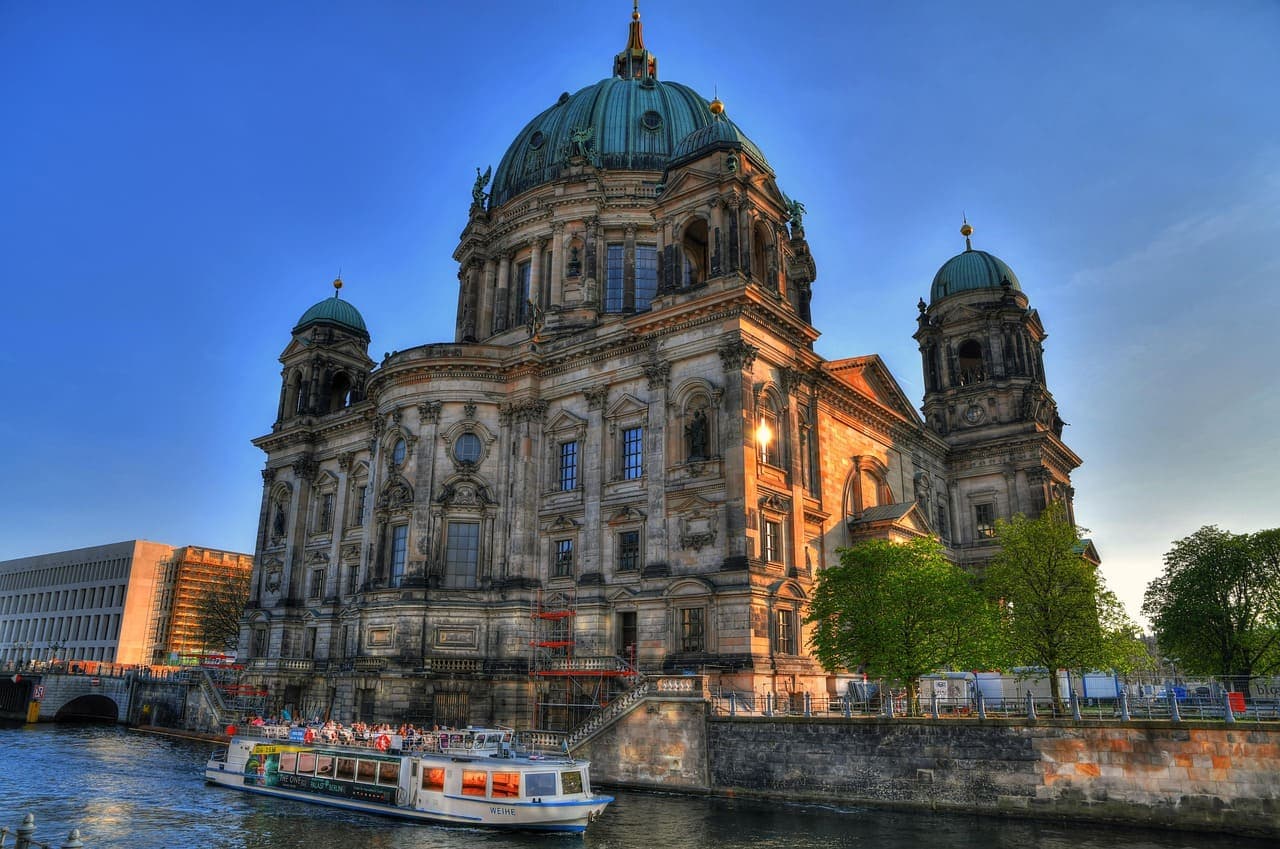
May and September Often Feel Ideal
May and September tend to be the sweet spots if you want good weather. Days are long, museums and landmarks in Berlin run on schedule and outdoor events start popping up across Berlin. A lot of people consider May or early September the best month to visit Berlin since you avoid the busiest holiday weeks. Planning around these months also means hotel availability and prices are usually better than in summer in Berlin.
Summer Makes the City Feel Energetic
During summer, Berlin moves outside. Lakes, rooftop bars and outdoor cinemas in Berlin fill up quickly. Temperatures can climb above 30°C during heatwaves in Berlin. Accommodation gets booked early and prices increase.
Berlin works year round but timing your visit around mild temperatures makes sightseeing far easier in Berlin. We generally suggest May or early September for the best experience.
Curious which areas are safe to visit in Berlin? Read our full article about safety in Germany.
Best Time to Visit Munich
Munich has a very clear seasonal personality. You get alpine winters, warm lake summers and a festival period that completely changes.
Late Spring Is Great for Exploring the City
From May into June Munich starts opening up. Temperatures often sit between 18°C and 25°C which makes long walks through the centre of Munich comfortable. Beer gardens in Munich reopen and locals spend afternoons in parks rather than indoors. This period works well if you want to explore Munich at a steady speed without extreme heat.
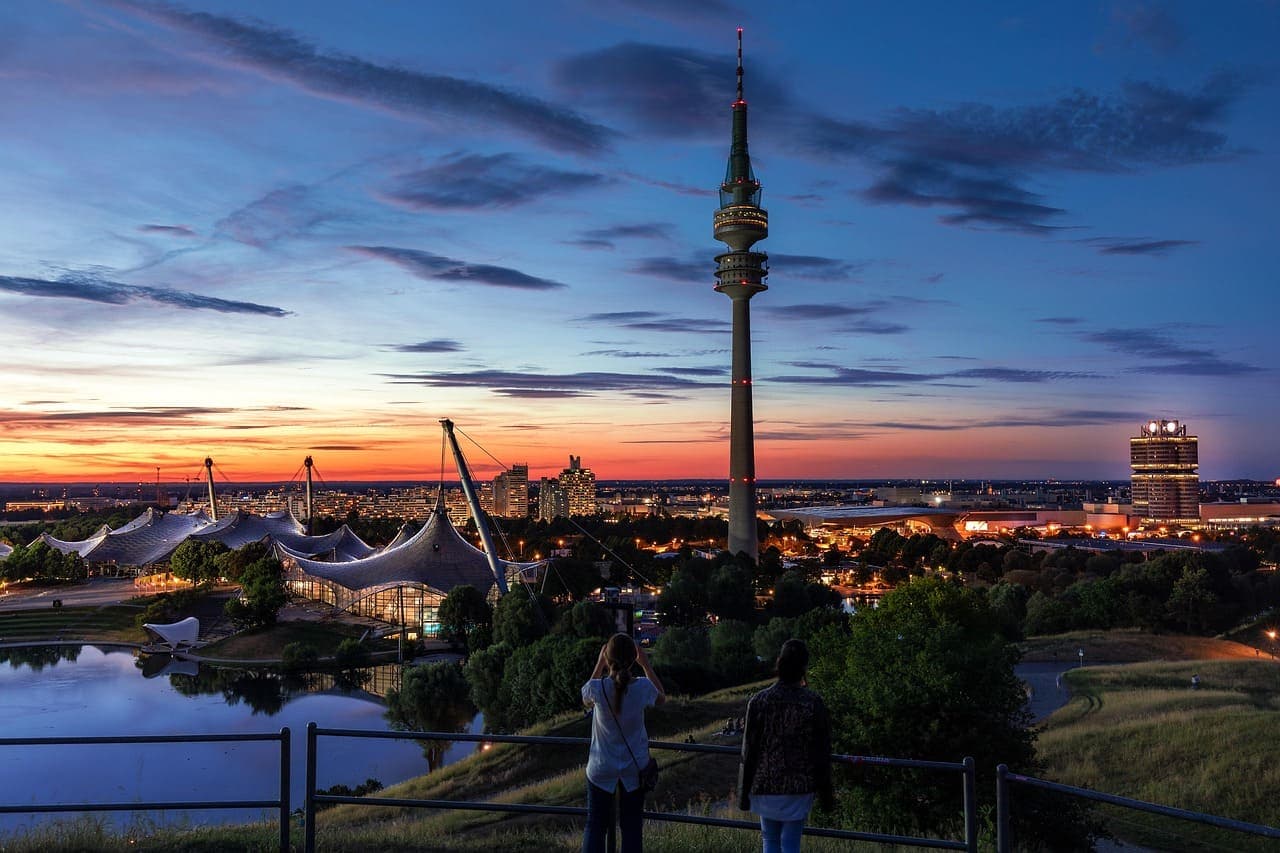
September Is Famous for Its Festival Atmosphere
From September, everything revolves around the famous beer festival, Oktoberfest in Munich. The large tents can hold thousands of guests at a time in Munich. Many travellers call this the best time to visit Munich because of the festive atmosphere and Bavarian traditions.
Staying a few days in Munich? Our 5-Day Munich Itinerary shows you exactly how to plan your visit.
Summer is Best for Fun Outdoor Activities
In summer people gather by the river and cycle through the nearby countryside. Trains into the Alps run frequently. Day trips are simple to organise from Munich in summer.
Guided tip: decide first if you want festival energy, lake days or winter traditions in Munich then plan your dates around that.
How to Decide What the Best Time to Visit Germany is for You
Let’s think about what you want your days to look like in Germany. Do you picture evenings outside with warm temperatures or do you prefer festive lights and winter food in Germany?
Summer gives you daylight and many outdoor activities in Germany.
Spring brings mild temperatures, blooming parks and lower visitors
Autumn brings colourful forests and lively events like Oktoberfest
Winter works well for Christmas markets and lower accommodation costs outside holiday periods in Germany.
Germany gives you different experiences across the year. Decide on your main priorities first and then match it to the season that fits it best.
Enjoyed This Blog? Continue Reading!
There is more travel inspiration waiting for you on our blog. You can take a look below and start mapping out your next travel adventure!


