

South Africa
South Africa travel guide: best places, routes and travel tips
Few destinations pack as much variety into one trip as South Africa. One day you’re driving beneath the cliffs of the Cape Peninsula, the next you’re spotting elephants in Kruger National Park or winding through the vineyards around Stellenbosch. Nearly 3,000 kilometres of coastline, two oceans, around 20 national parks and landscapes ranging from deserts to subtropical forests make every part of the country feel different. Even the map comes with a surprise: the independent mountain kingdom of Lesotho sits completely inside South Africa, surrounded by its borders on every side. In this South Africa travel guide, we’ll help you choose the best places to visit, plan your route and prepare for your trip.
5 reasons to visit South Africa
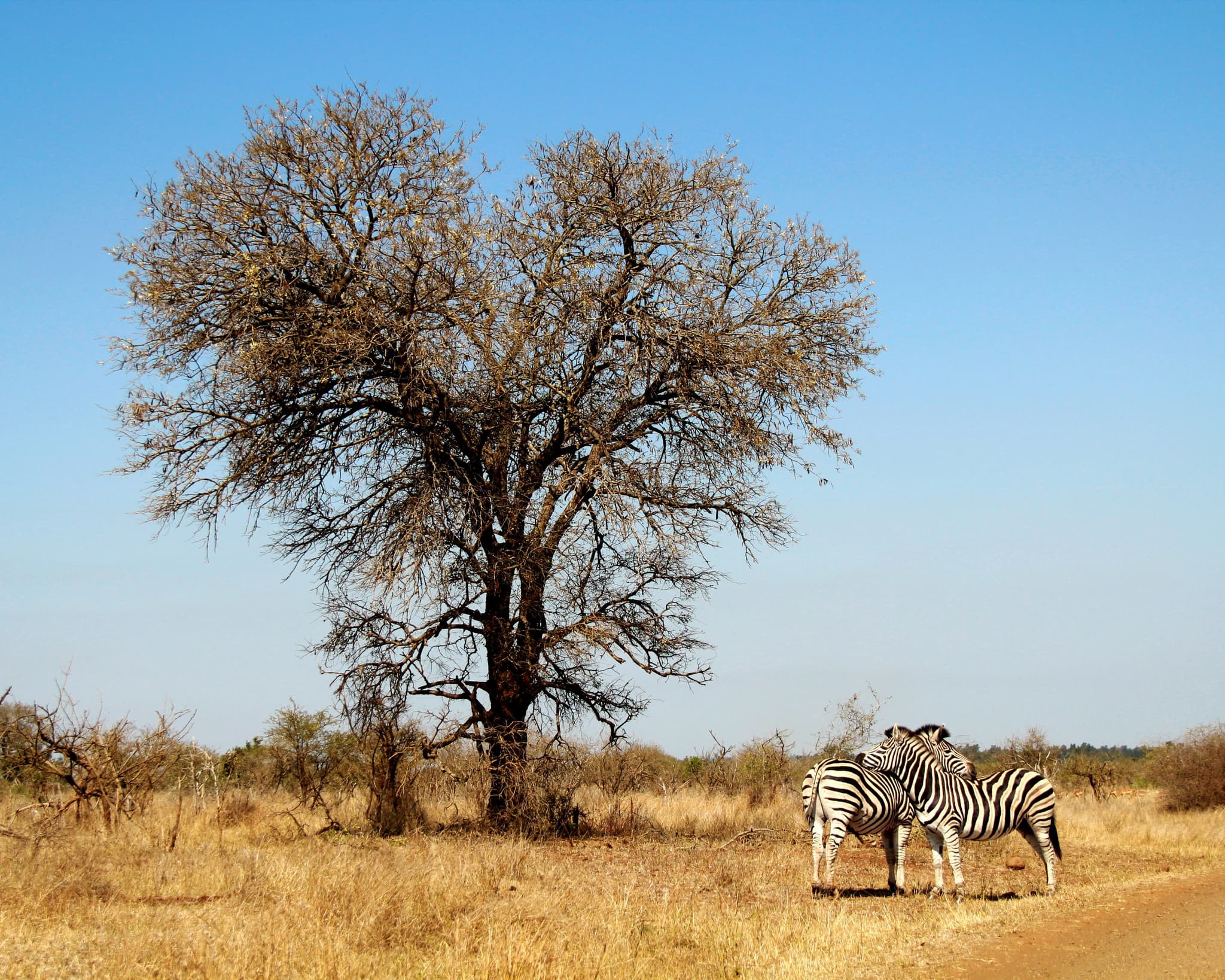
In Kruger National Park, Big Five safaris come at a fraction of what you'd pay in East Africa.
You can stand at the actual spot where the Atlantic and Indian Oceans meet.
Around Stellenbosch and Franschhoek, some of the world's oldest wine estates cluster a short drive apart.
You can watch whales from the cliffs above Hermanus
In Robben Island and Soweto, you get to walk straight through the country's history
Best places to visit in South Africa
Not sure where to start when you plan a trip to South Africa? With cities, vineyards, safari parks and mountain regions spread across a huge country, trying to squeeze everything into one route usually creates more driving than holiday. We’ve picked out the places that are genuinely worth building your trip around.
Cape Town and Table Mountain
Up on Table Mountain, the cable car floor slowly rotates as you climb, so you get a full view without having to elbow your way toward the best window. Once you reach the top, short walking trails lead between viewpoints over Cape Town, the Atlantic coast and Robben Island. Since cloud and strong wind can close the cableway at short notice, keep your Table Mountain day flexible and check the live status before leaving your hotel. Late afternoon is often quieter, and on a clear day you may catch the city turning golden beneath you.
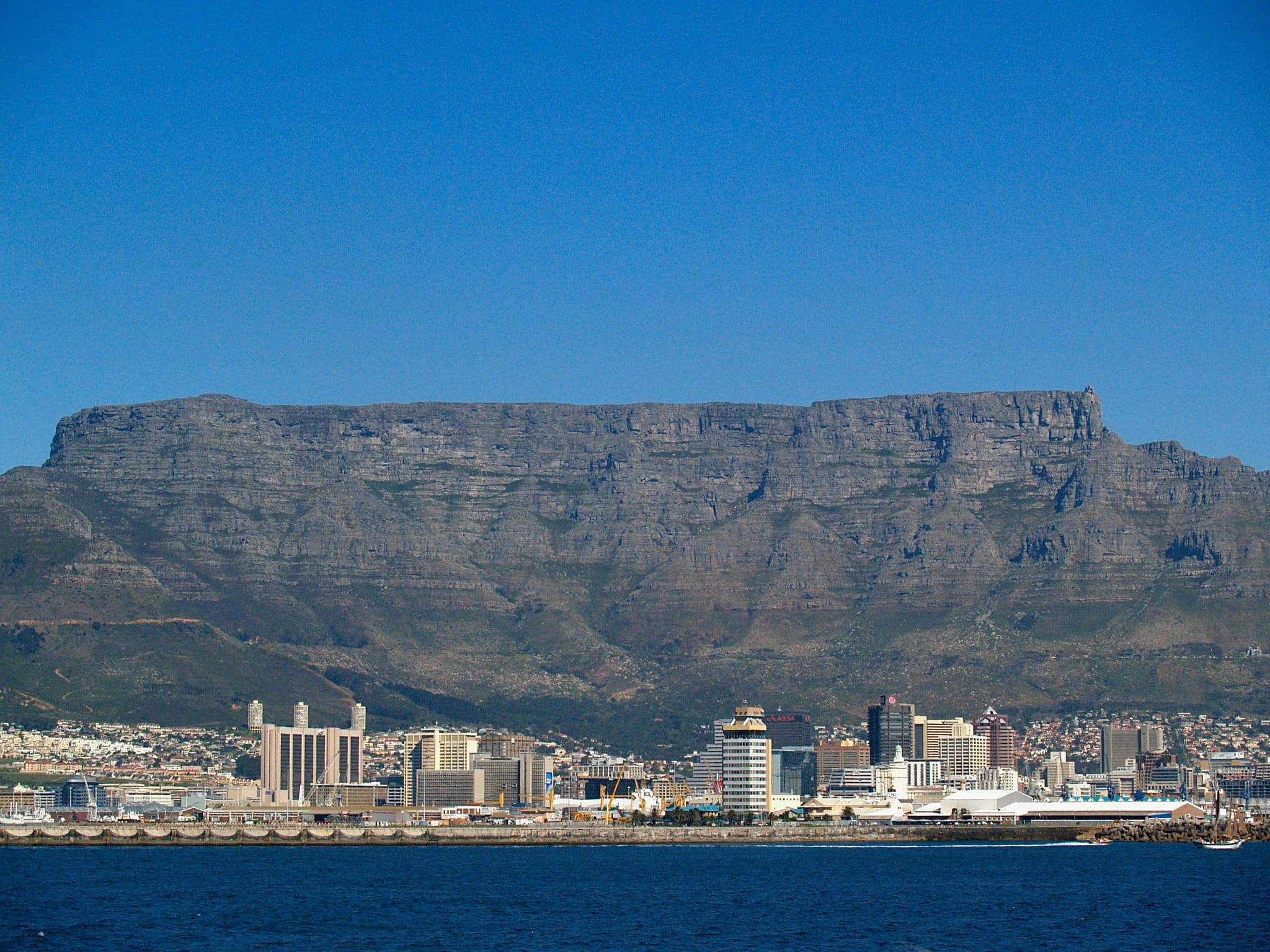
Back at sea level, Bo-Kaap, the District Six Museum and the V&A Waterfront fit easily into one or two city days. Save another full day for the Cape Peninsula, where Chapman’s Peak Drive winds between cliffs and ocean before reaching Cape Point. Along the way, you can kayak near penguins, swim beside them in the sheltered water at Boulders Beach or watch them waddle across the sand from the boardwalk. Four or five days gives you enough time for the city, peninsula and mountain without having to race the weather.
Kruger National Park
Inside Kruger, you don’t need to join an organised safari every time you want to look for wildlife. Grab a park map, pack breakfast and drive out when the gates open, then follow the line of stopped cars whenever someone has spotted something interesting. Elephants often appear right beside the road, while lions have a habit of sleeping so well in the grass that five other cars may notice them before you do.
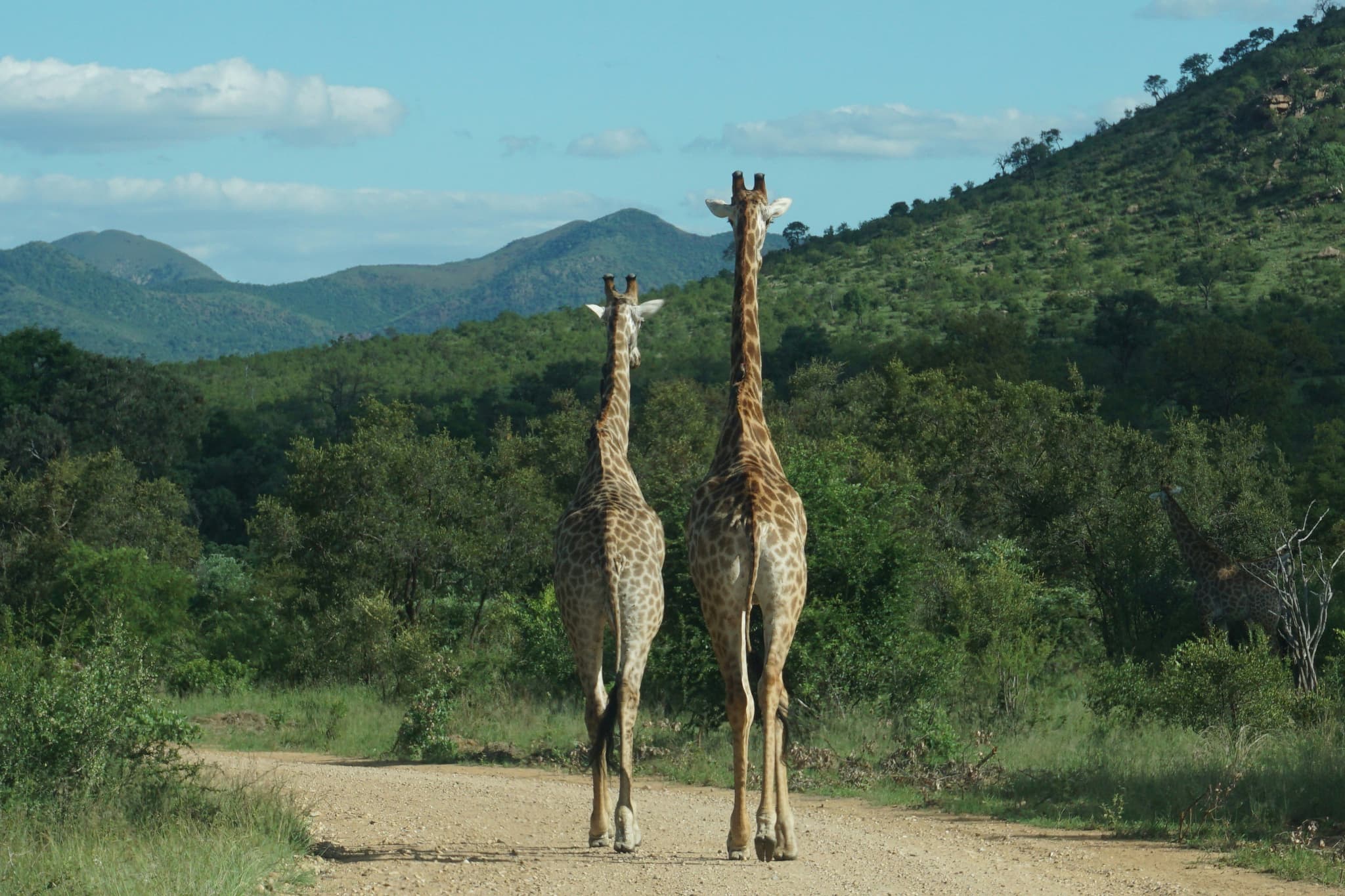
For a first safari, three or four nights gives you time to explore more than one area rather than driving the same loop each day. Book your Kruger accommodation through SANParks several months ahead if you’re travelling during the dry season. May through September usually brings thinner vegetation and more animals gathering near water, although mornings can feel surprisingly cold in an open vehicle. Try at least one guided sunset or night drive too, since that is when hyenas, civets and other animals you rarely see during the day start moving around.
The Eastern Cape game reserves
Around Addo and the Eastern Cape reserves, you can combine the Garden Route with a safari without flying across the country to Kruger. Addo Elephant National Park is easy to explore in your own rental car, which works particularly well with children or when you only have two or three safari days. Waterholes sit close to several roads, so you may arrive to find entire elephant families drinking, bathing and covering themselves in mud just metres away.
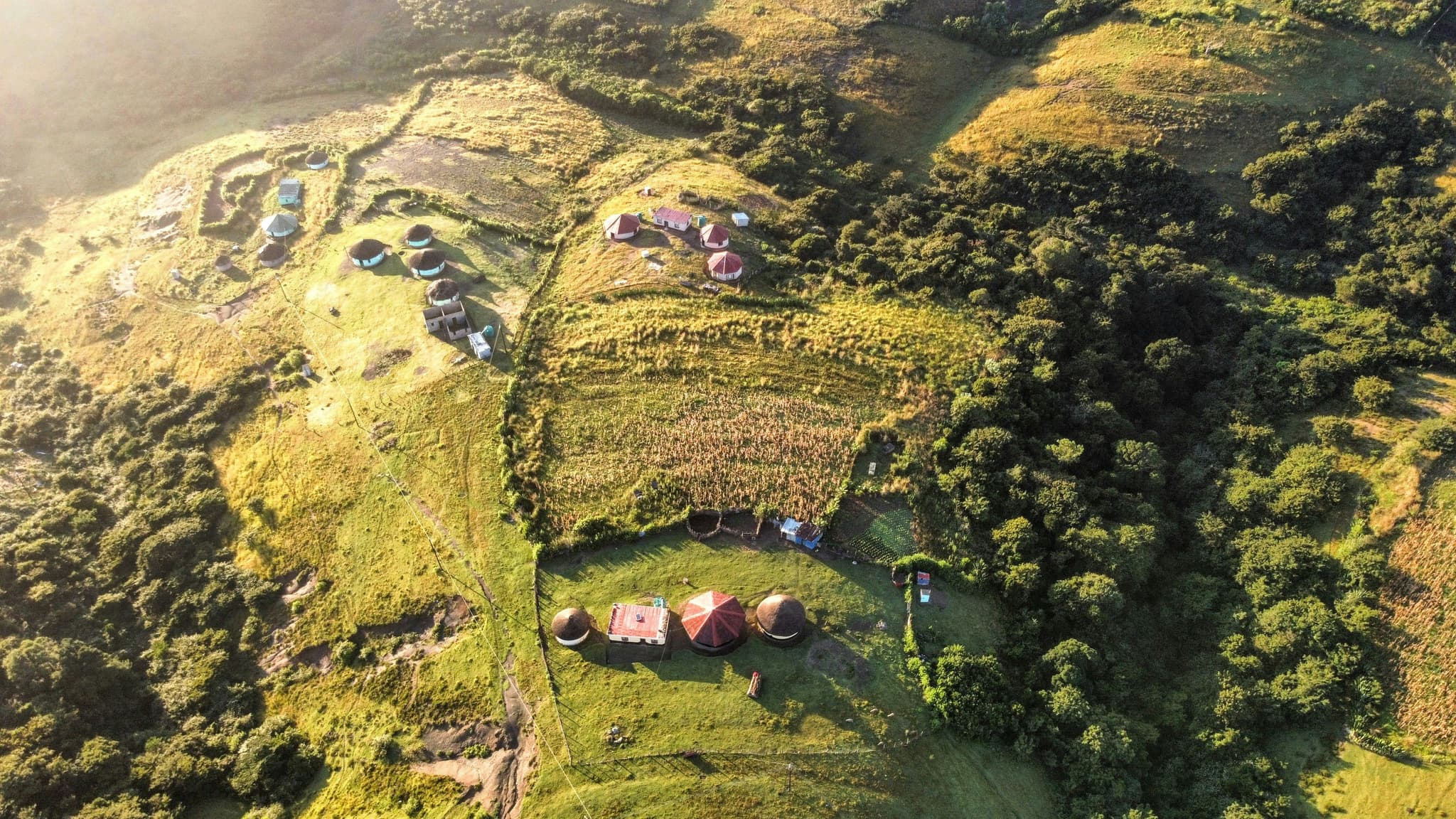
For something more guided, private reserves such as Amakhala, Kariega and Shamwari add open-vehicle game drives, trackers and meals at the lodge. Prices are much higher than self-driving through Addo, though the experience also feels very different: someone else handles the route while you focus on spotting lions, rhinos and giraffes. Two nights works for a quick introduction, but three gives you more time in case wildlife refuses to follow your schedule, which it regularly does.
The Cape Winelands: Stellenbosch and Franschhoek
Less than an hour from Cape Town, Stellenbosch and Franschhoek sit among vineyard-covered valleys with mountains rising behind almost every estate. Tastings here are rarely limited to standing at a counter with a tiny glass. Depending on the winery, you might pair wine with chocolate, cheese or local biltong, tour a cellar or settle in for lunch overlooking the vines. With 23 wine routes across the wider region, you could spend a week here, although two nights is enough for a first visit.
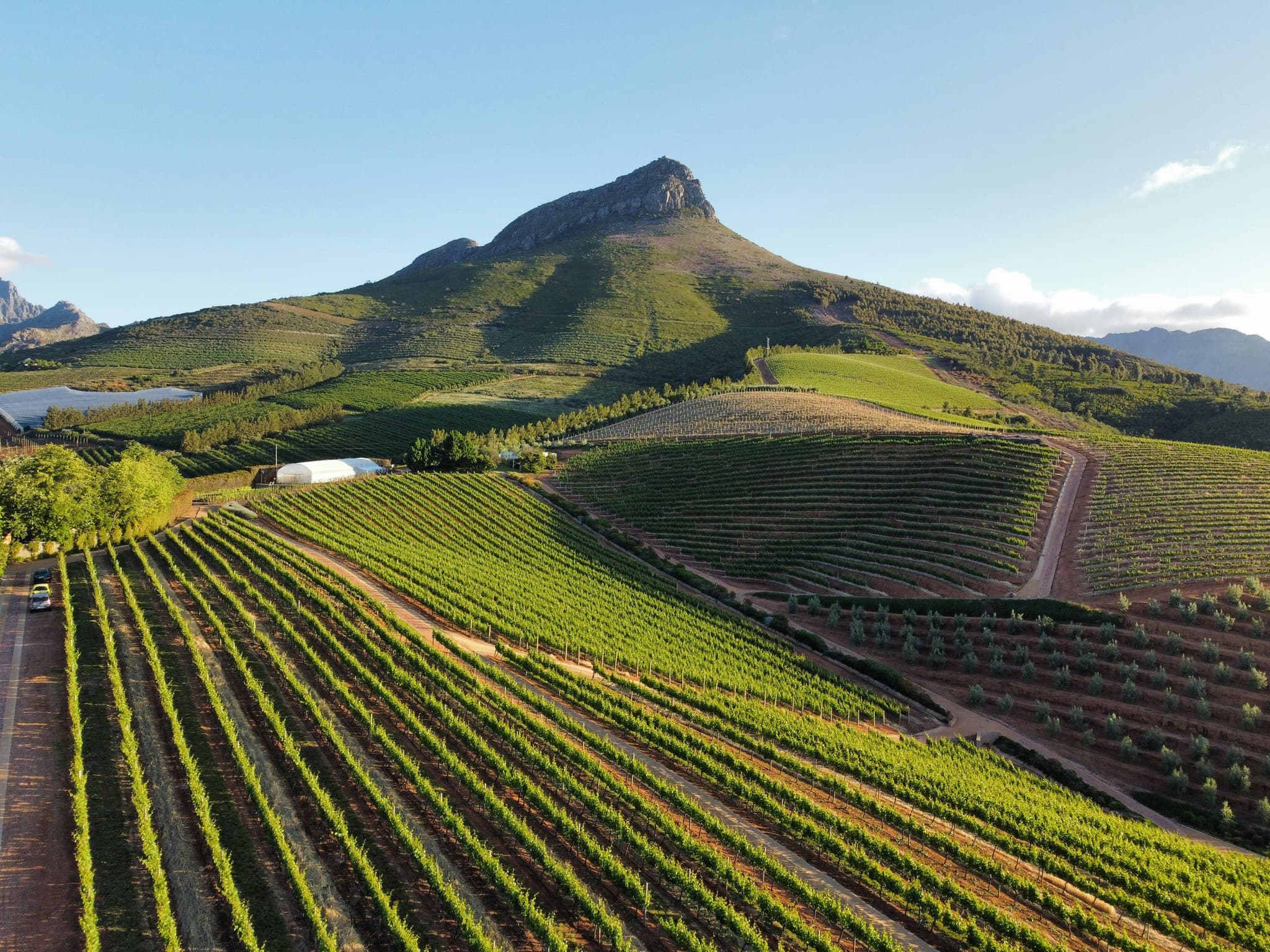
Over in Franschhoek, the hop-on hop-off Wine Tram links several estates, which neatly solves the designated-driver problem. Since each route visits a different part of the valley and you won’t have time to stop everywhere, choose your line based on two or three estates you really want to see rather than simply picking a colour at the station.
The Garden Route
The Garden Route is one of South Africa's most famous road trips, stretching for around 300 kilometres along the country's southern coast between Mossel Bay and Storms River. Between Mossel Bay and Storms River, you can paddle through reed-lined waterways in Wilderness, eat oysters beside Knysna Lagoon and walk through coastal forest in Tsitsikamma. Around Plettenberg Bay, the Robberg Peninsula trail curls past beaches, cliffs and a large Cape fur seal colony, with several route lengths available if the full hike feels a little ambitious.
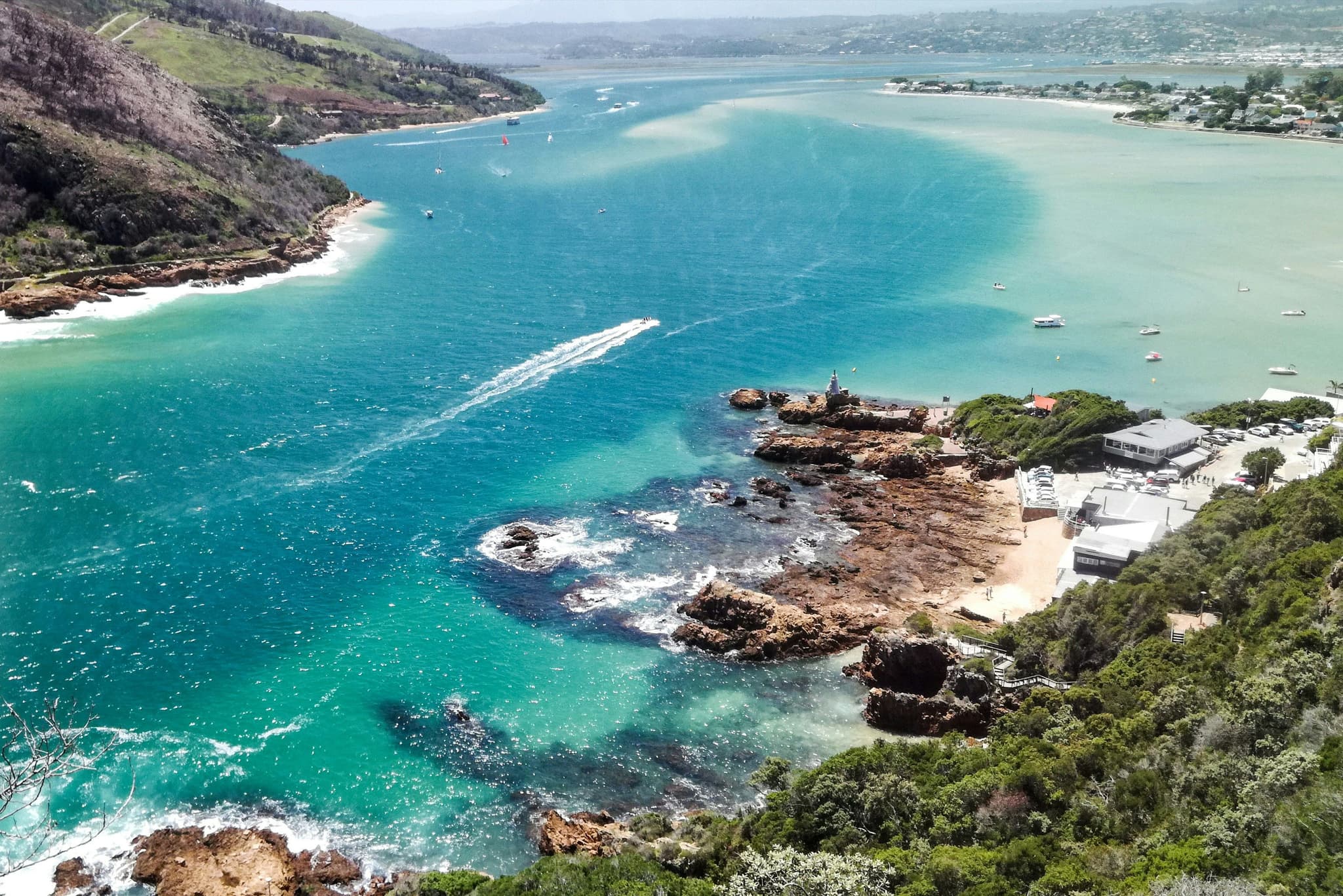
Allow at least four or five days, since rushing from Cape Town to the Eastern Cape with one night in each town misses the point completely. For a small detour, head inland to Oudtshoorn, where you can explore the limestone chambers of the Cango Caves or learn far more than expected about ostriches. Coming back toward Cape Town, Route 62 takes you through the dry Klein Karoo and feels completely different from the greener coastal road.
Hermanus and the Whale Coast
From around June or July until mid-November, southern right whales enter Walker Bay to mate, give birth and raise their calves. What makes Hermanus unusual is that you don’t necessarily need a boat to see them. Walk along the cliff path with a coffee and you may spot whales breaching, waving their tails or swimming surprisingly close to shore. Around August and September, numbers are generally at their highest, although those months are also busier and accommodation books up faster.
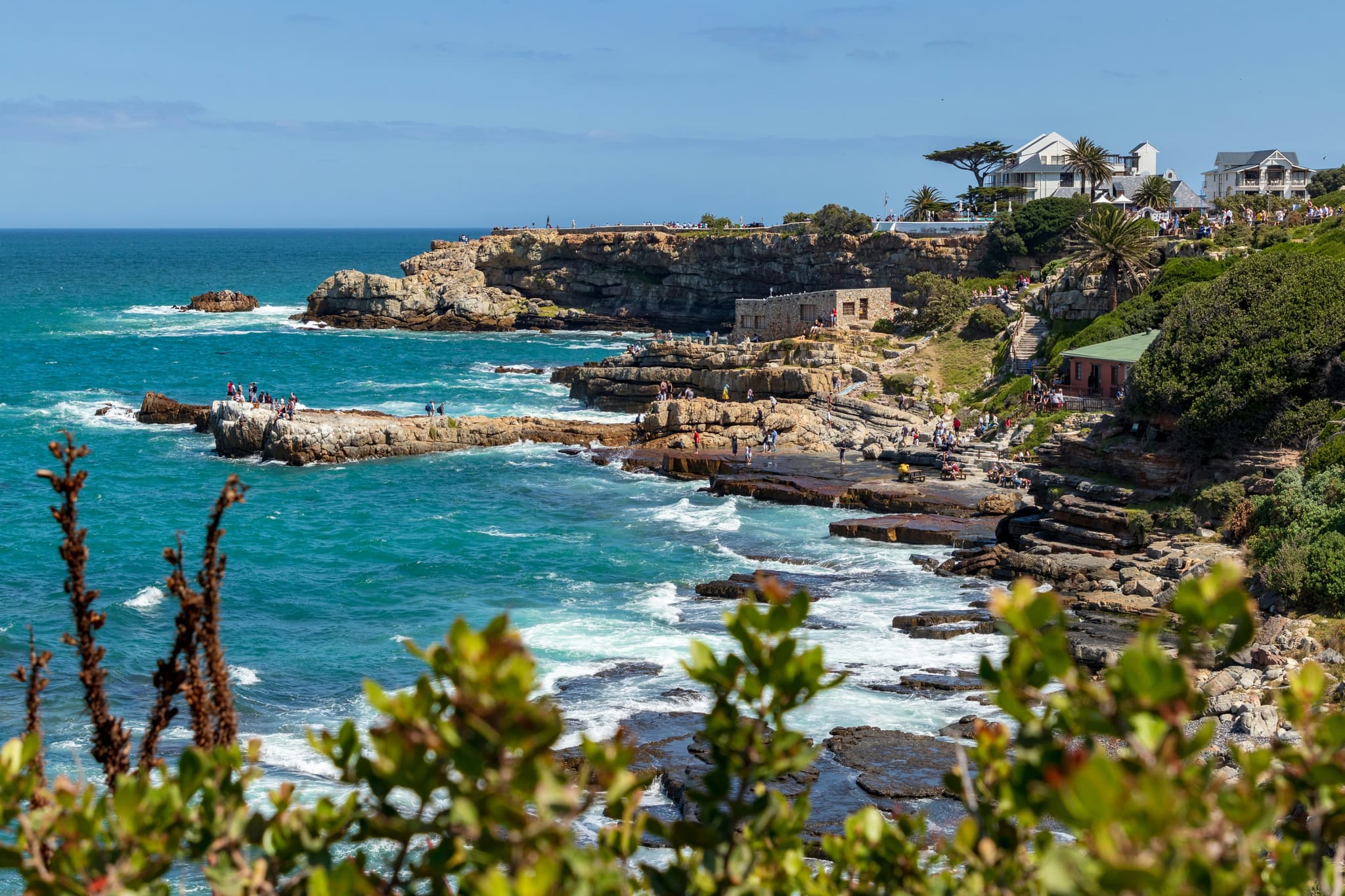
For a proper wow moment, listen for the town’s whale crier, who uses a kelp horn to signal sightings along the coast. Boat tours take you closer when conditions allow, while the nearby Hemel-en-Aarde Valley gives you 14 wine farms to explore once you’ve stared at the ocean for long enough. Two nights works well, especially when you combine Hermanus with the Winelands or use it as the first stop on your Garden Route drive.
The Drakensberg and KwaZulu-Natal
Up in the Drakensberg, sheer cliffs, green valleys and flat-topped peaks make the region feel far removed from South Africa’s coastal cities. You don’t need to tackle a multi-day trek to enjoy it either. Shorter trails lead to waterfalls, rock pools and viewpoints, while longer routes climb toward the Amphitheatre and Tugela Falls. Weather changes quickly at higher elevations, so start early and carry an extra layer even when the morning looks clear.
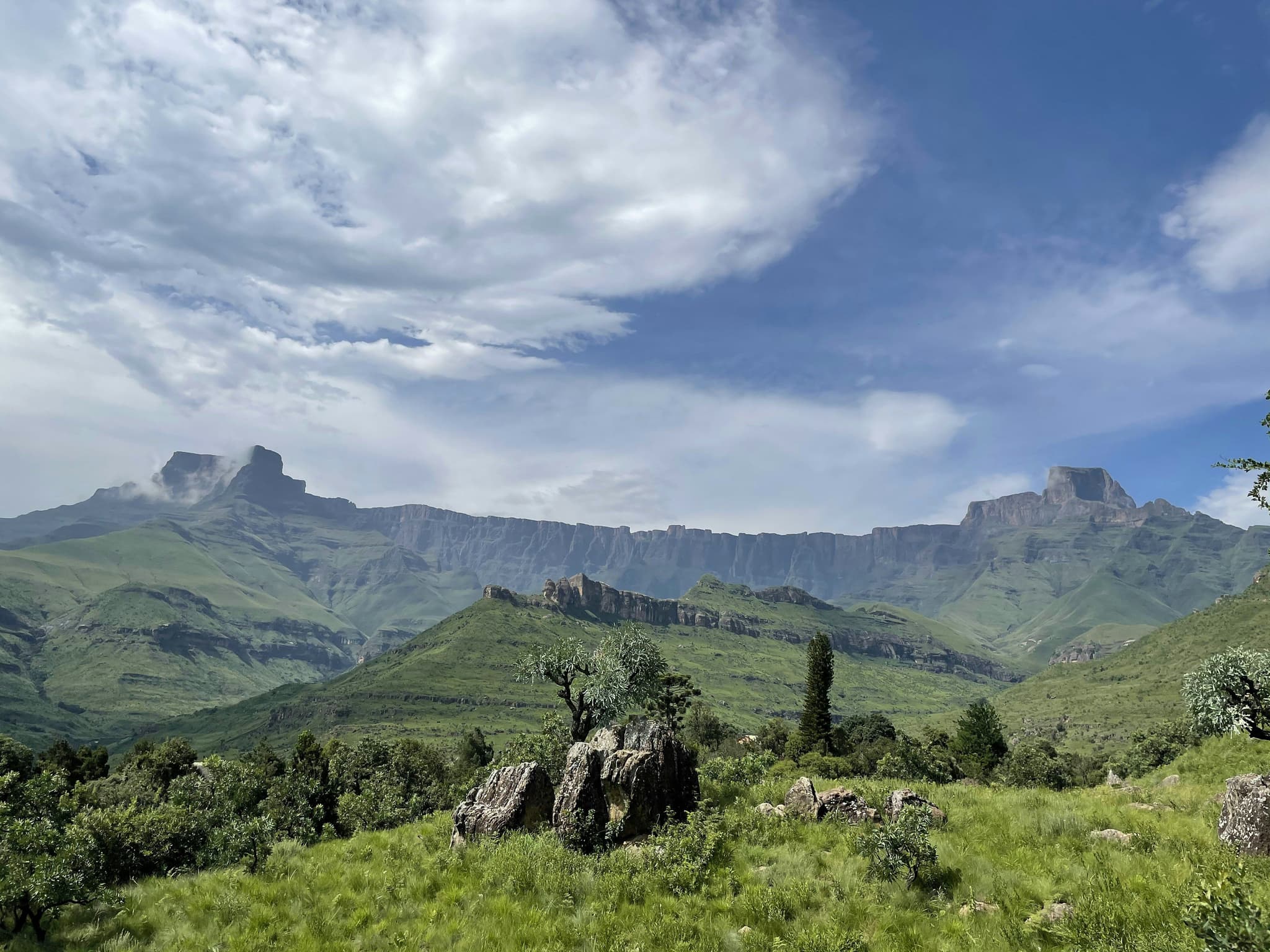
Down toward the KwaZulu-Natal Midlands, the road becomes a trail of farm cafés, cheese shops, craft studios and small guesthouses. From there, you can continue to the Battlefields region, where local guides bring the stories of Isandlwana and Rorke’s Drift to life on the actual ground where they happened. Three or four days lets you combine hiking, local food and history without spending every afternoon back in the car.
Johannesburg and Soweto
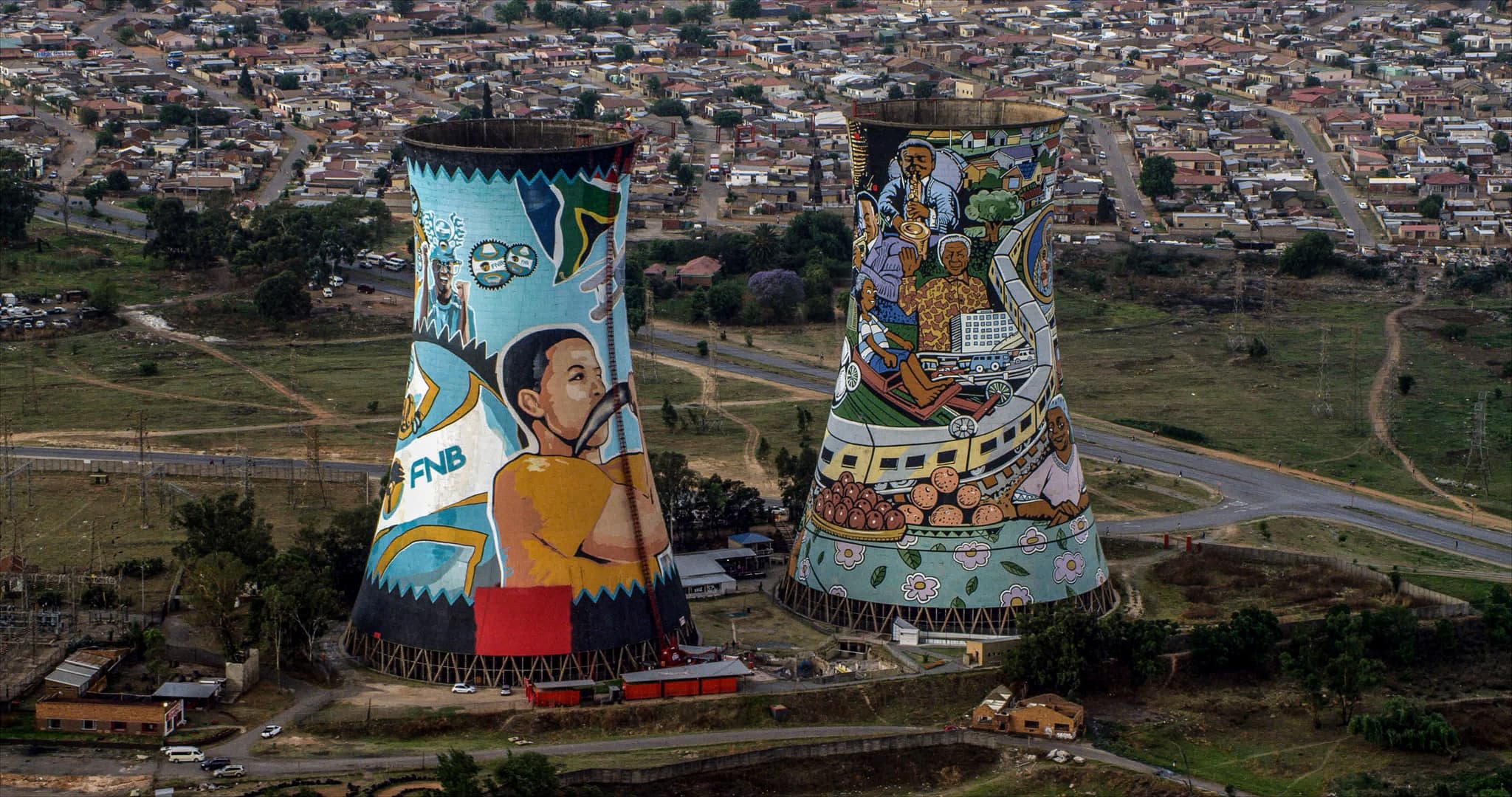
At first glance, Johannesburg can feel like a city you simply fly through on the way to safari, but one or two days here adds important context to the rest of your trip. Inside the Apartheid Museum, photographs, recordings and personal accounts trace the country’s path from racial segregation to democracy. Over in Soweto, guided cycling and walking tours take you past local markets, neighbourhood restaurants and Vilakazi Street, where Nelson Mandela and Desmond Tutu once lived.
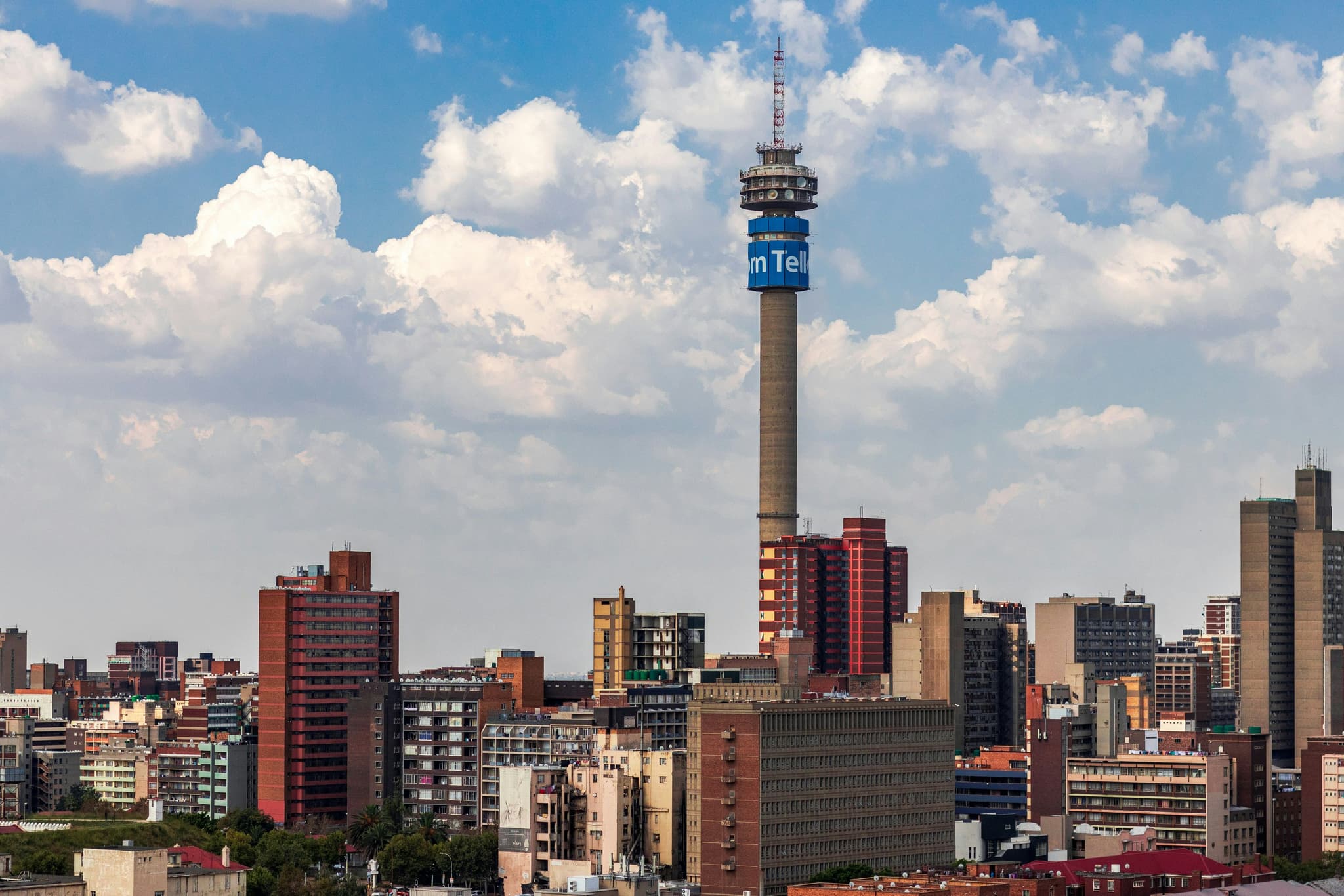
Around 50 kilometres outside the city, the Cradle of Humankind takes the story much further back. Here, caves and museums explore millions of years of human evolution, including fossil discoveries that changed how researchers understand our earliest ancestors. Pair it with Soweto or central Johannesburg only when you have a full day and a driver, since the different sites are spread much farther apart than they appear on the map.
South Africa itineraries
Wondering how to combine these places into a trip? We've put together a few South Africa itineraries that connect the best regions in a logical way, so you're not losing days to long drives between stops. Here's what fits your time and how you can link these places into one trip.
7 day Cape Town and Garden Route itinerary
Day 1 to 3: Cape Town, Table Mountain, the City Bowl and a day trip to Cape Point
Day 4: Stellenbosch or Franschhoek, wine tasting and lunch at an estate
Day 5 to 7: Garden Route drive towards Knysna and Plettenberg Bay
10 day South Africa itinerary: Cape Town and Kruger combo
Day 1 to 4: Cape Town, Table Mountain, the Winelands and Cape Point
Day 5: Fly from Cape Town to Nelspruit or Hoedspruit
Day 6 to 10: Kruger National Park or Sabi Sands, game drives and rest camp stays
Direct flights between Cape Town and Kruger area airports cut out a full day of driving, so book these early if your dates are fixed.
14 day South Africa itinerary: the full route
Day 1 to 4: Cape Town and the Cape Peninsula
Day 5 to 6: Stellenbosch and Franschhoek
Day 7 to 9: Garden Route towards Plettenberg Bay
Day 10 to 11: Fly to Kruger or the Eastern Cape reserves
Day 12 to 14: Durban and the Drakensberg, or extra days on safari
Want more inspiration? Check out the following trips:

Fun things to do on a trip to South Africa
Choosing where to go when you travel to South Africa is only half the fun. Across the country, you can spot lions on safari, hike to mountain viewpoints, sip wine overlooking vineyards, meet penguins on the beach and even watch whales from the shore. Here are some of the best things to do during your trip to South Africa.
Go on a Big Five game drive in Kruger National Park
One of the most unique experiences you can have in Kruger is joining a guided night drive, when spotlights sweep the bush for hyenas, leopards, civets and other nocturnal animals you would never spot on a daytime self-drive. The best odds of spotting lions, leopards and elephants come early in the morning or late in the afternoon, after the heat pushes them toward shade for the day. With three nights, you'll have enough time for multiple drives without rushing between camps.
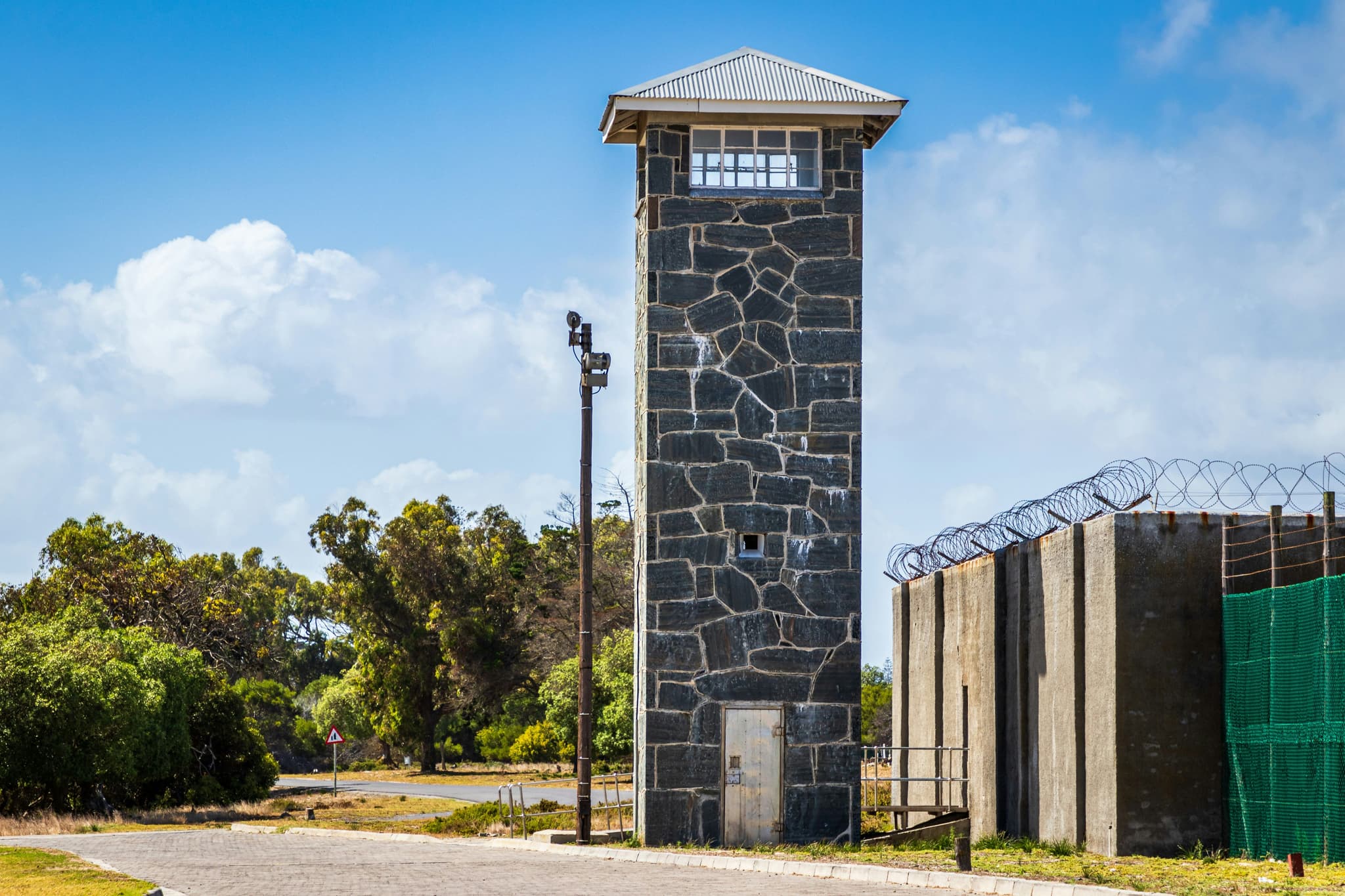
Stand in Nelson Mandela's cell on Robben Island
From the Nelson Mandela Gateway near the V&A Waterfront, catamarans make the crossing in around thirty minutes. Around the site, tours are led by former political prisoners, including a stop at the cell where Mandela spent much of his 27 years behind bars. A few days' notice when booking saves you from missing out, since tours regularly sell out during peak months.
Want to check tour times before you go? The Robben Island Museum's official site covers current schedules and ticket prices.
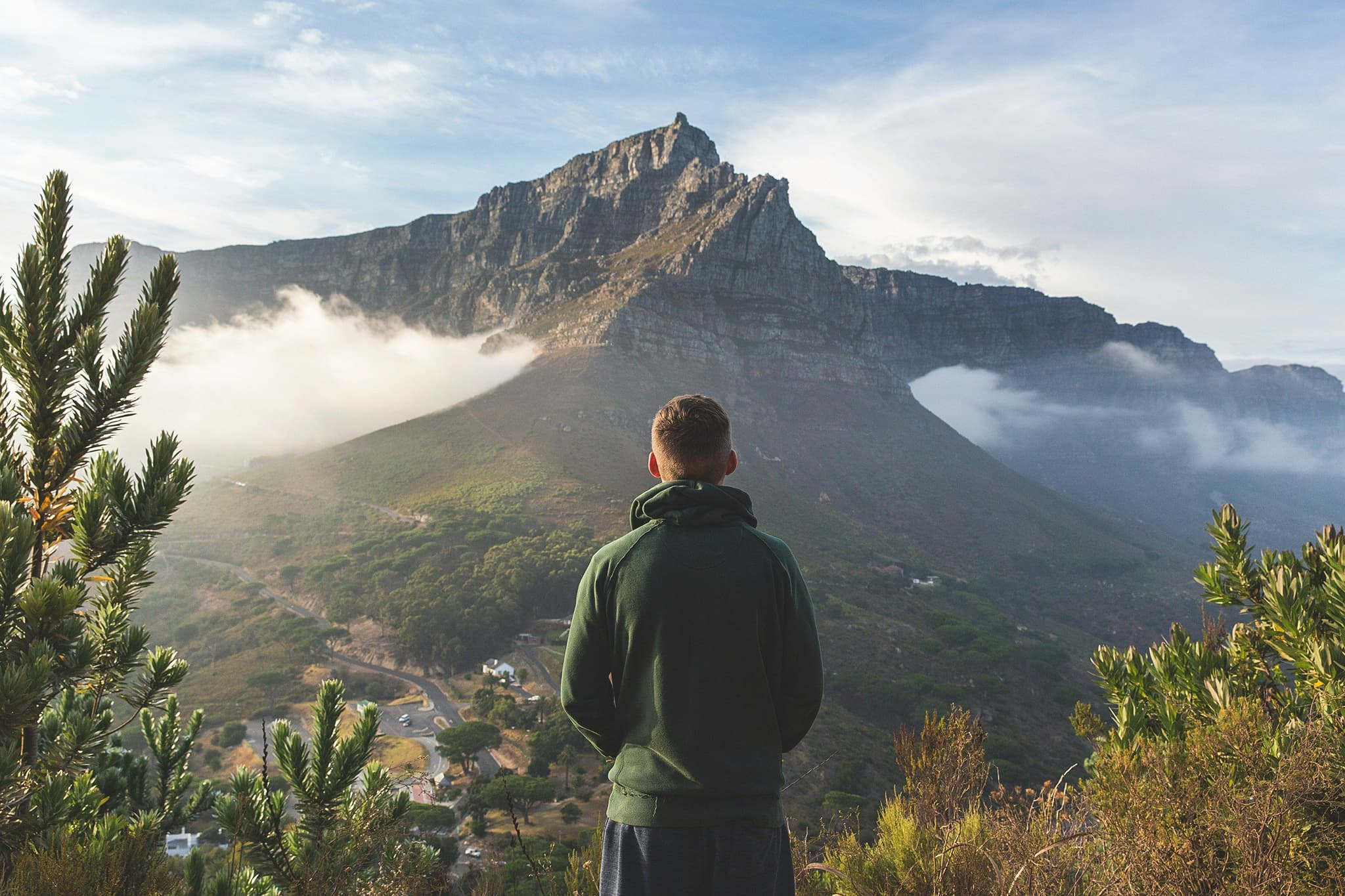
Hike Table Mountain via Platteklip Gorge
One of the most rewarding things you can do in Cape Town is hike to the top of Table Mountain instead of taking the cable car. Platteklip Gorge is the shortest and most direct route, taking around two to three hours depending on your fitness. Once you reach the top, you can simply ride the cable car back down, giving you the best of both worlds. Set off early to avoid the midday heat and bring at least two litres of water, since there's very little shade along the climb.
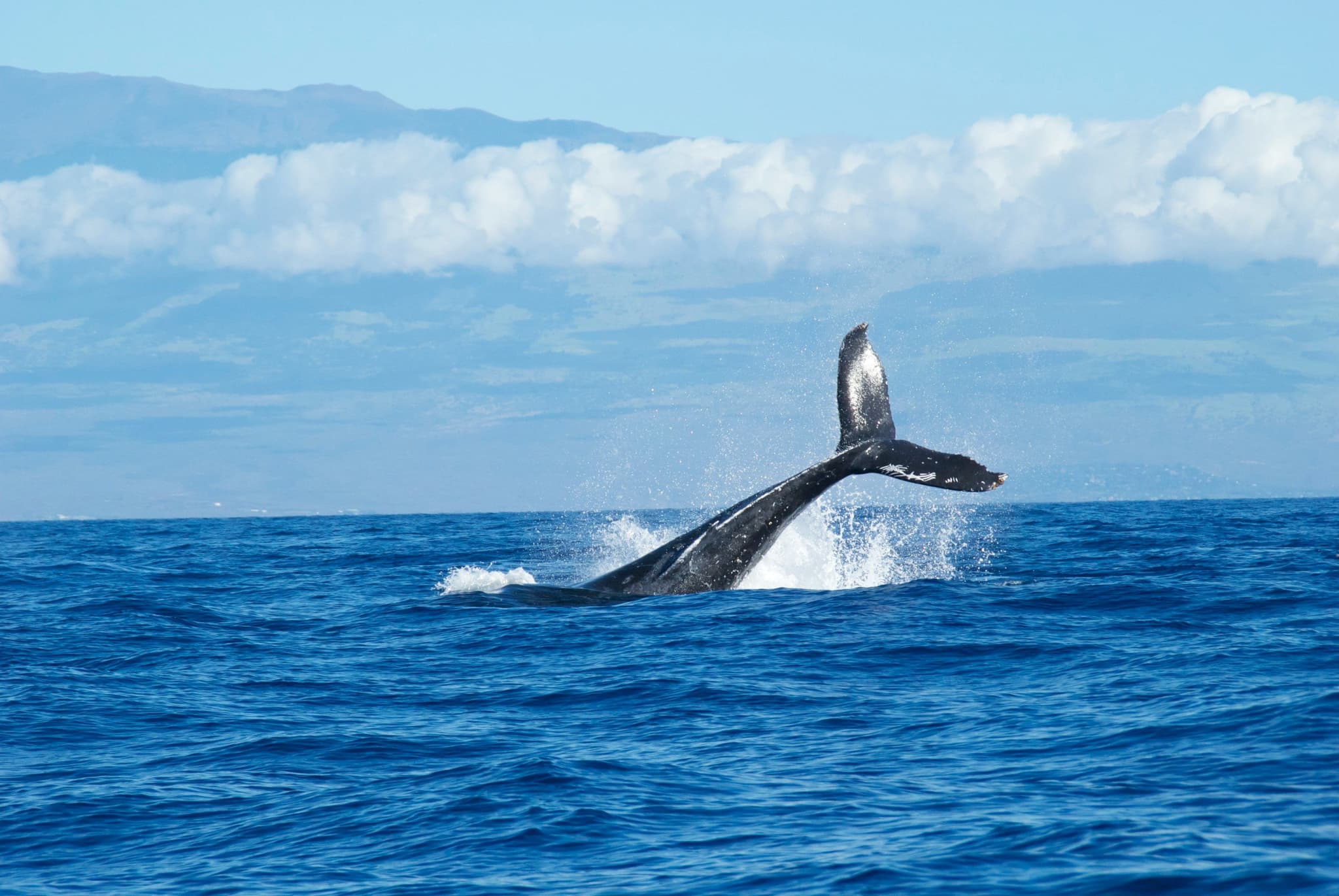
Watch whales from the cliffs in Hermanus
A nice place to watch whales from land is Hermanus. Walk the cliff path between the Old Harbour and Grotto Beach and, during whale season, you may see southern right whales breaching or swimming just offshore without ever stepping onto a boat. If you'd like to get even closer, licensed operators also run whale watching trips into Walker Bay while keeping a respectful distance from the animals. From July through October, your chances of spotting whales are at their best.
Take a township tour in Soweto or Langa
One of the most eye-opening experiences in South Africa is taking a guided township tour through Soweto or Langa. Local guides share stories about daily life, the struggle against apartheid and how these neighbourhoods have changed over the years, giving you a side of the country you simply won't get from museums alone. Along the way, you can visit the Mandela House Museum on Vilakazi Street, browse local markets, stop at a traditional shebeen for a drink and enjoy homemade South African dishes at a neighbourhood restaurant.
When to visit South Africa?
The right time to travel to South Africa really depends on what you're planning to do after you land. Safaris, whale watching and Cape Town's summer all peak at different points in the year.
June to September: dry season, best for Kruger safaris and whale watching in Hermanus
October to April: warm, dry weather for Cape Town, beaches and the Garden Route
December to January: peak season and higher prices across the country, so book ahead
May and September: shoulder months with fewer visitors and milder weather across most regions
Where to stay in South Africa? Best areas
Where you stay in South Africa depends heavily on which regions you've built into your route. Here's a guide to the areas that work best for each type of trip.
Base yourself in the City Bowl or V&A Waterfront for Cape Town
Around the City Bowl, restaurants, museums and Table Mountain sit within walking distance, so you won't need a car for the first few days. Down at the Waterfront, hotels come with harbour views and an easy route to Robben Island ferries and shopping.
Stay near Skukuza or Sabi Sands for a Kruger safari
In Skukuza, SANParks-run rest camps put you inside the park itself, close to some of the busiest game-viewing roads. Over in Sabi Sands, private lodges cost more but come with guided drives and closer sightings than the public camps allow.
Choose Stellenbosch or Franschhoek for the Winelands
In Stellenbosch, guesthouses put you close to the university town's restaurants and a short drive from most estates. If you'd rather walk between tastings, Franschhoek works better, since the town centre clusters several estates within reach on foot.
Stay in Knysna or Plettenberg Bay for the Garden Route
A base around the lagoon in Knysna comes with kayaking and oyster bars close by. For beach lovers, Plettenberg Bay tends to win out, with guesthouses overlooking the bay and short drives to the Robberg Peninsula.
Guided tip: Splitting your Garden Route stay across two towns instead of one cuts down on long drive days and gives you two very different bases.

Did you know you can create your own itinerary?
Now that you have a better idea of the places to see in South Africa and things to do there, you can start creating your own trip. Do you want to travel from north to south, or would you rather spend more time in one area and really get to know it? It’s all up to you. You can easily create your own trip in the Guided app for free, or use trips shared by others.
Food and drinks to try when visiting South Africa
Cape Malay, Zulu, Afrikaans and British influences all feed into South Africa's food culture, and that mix shows up everywhere from street stalls to fine dining. Here are a few dishes worth trying when you travel to South Africa
Biltong from local padstals
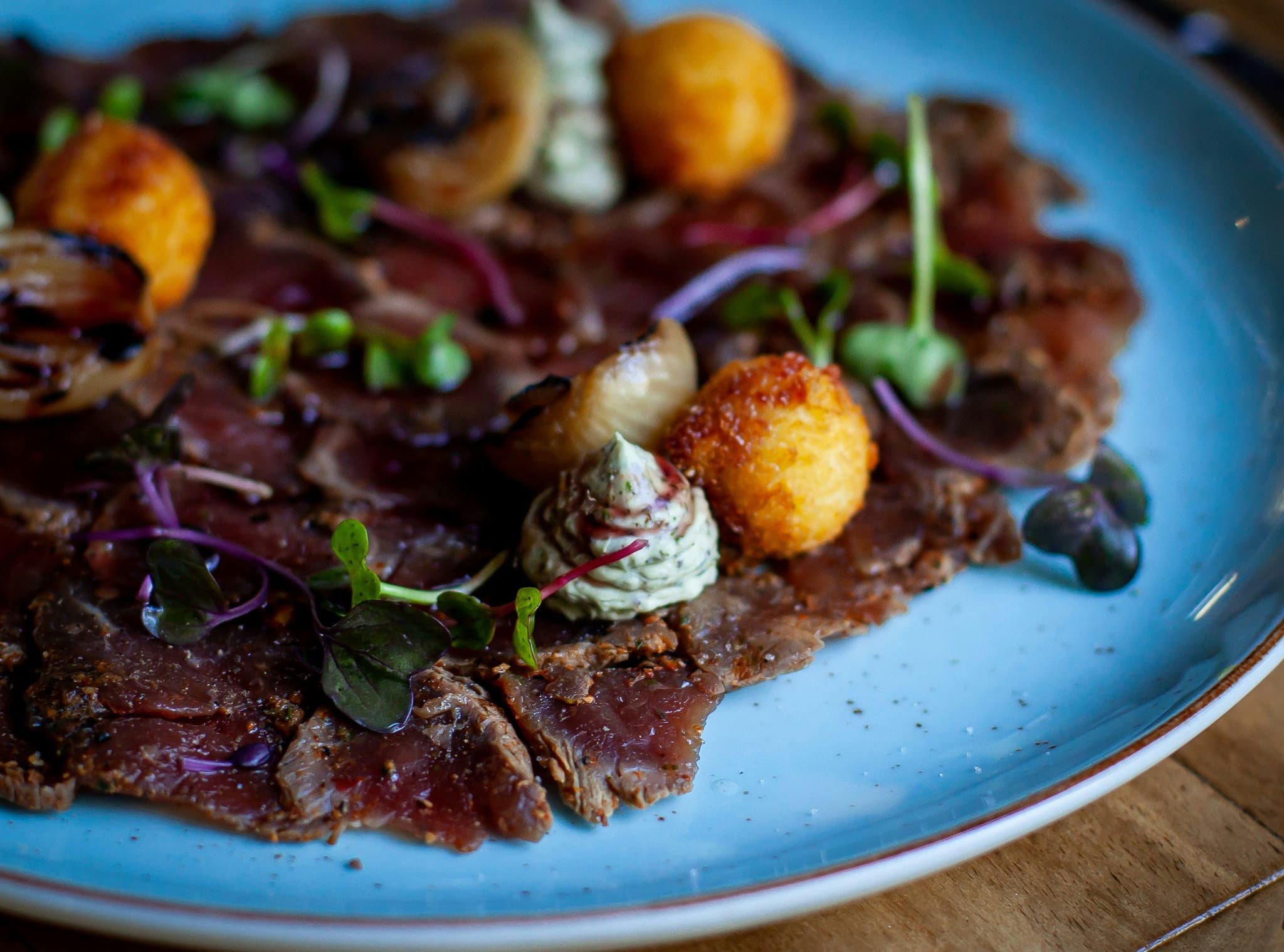
Biltong is a traditional South African meat snack. Roadside padstals along most highways sell biltong by the bag, dried and cured in beef, kudu or ostrich versions.
Braai, the national way of grilling
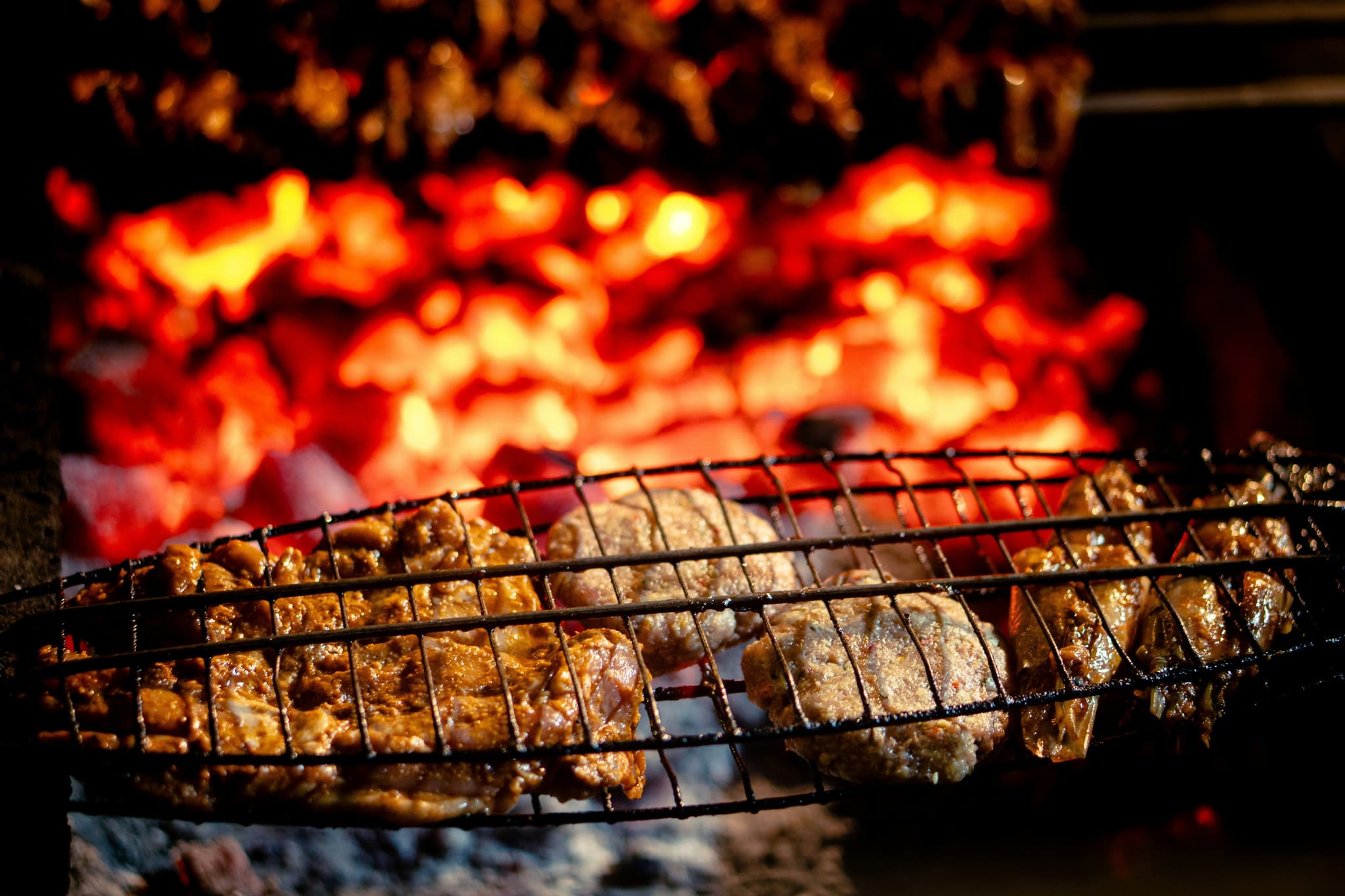
Braai is actually not a dish, but a way of cooking, it means "to grill. Is a traditional South African social event centered around cooking food over an open fire or hot coals. Meat are slowly grilled over open coals rather than gas. A coiled farmer's sausage called boerewors usually takes centre stage alongside chops and steak.
Bunny chow in Durban
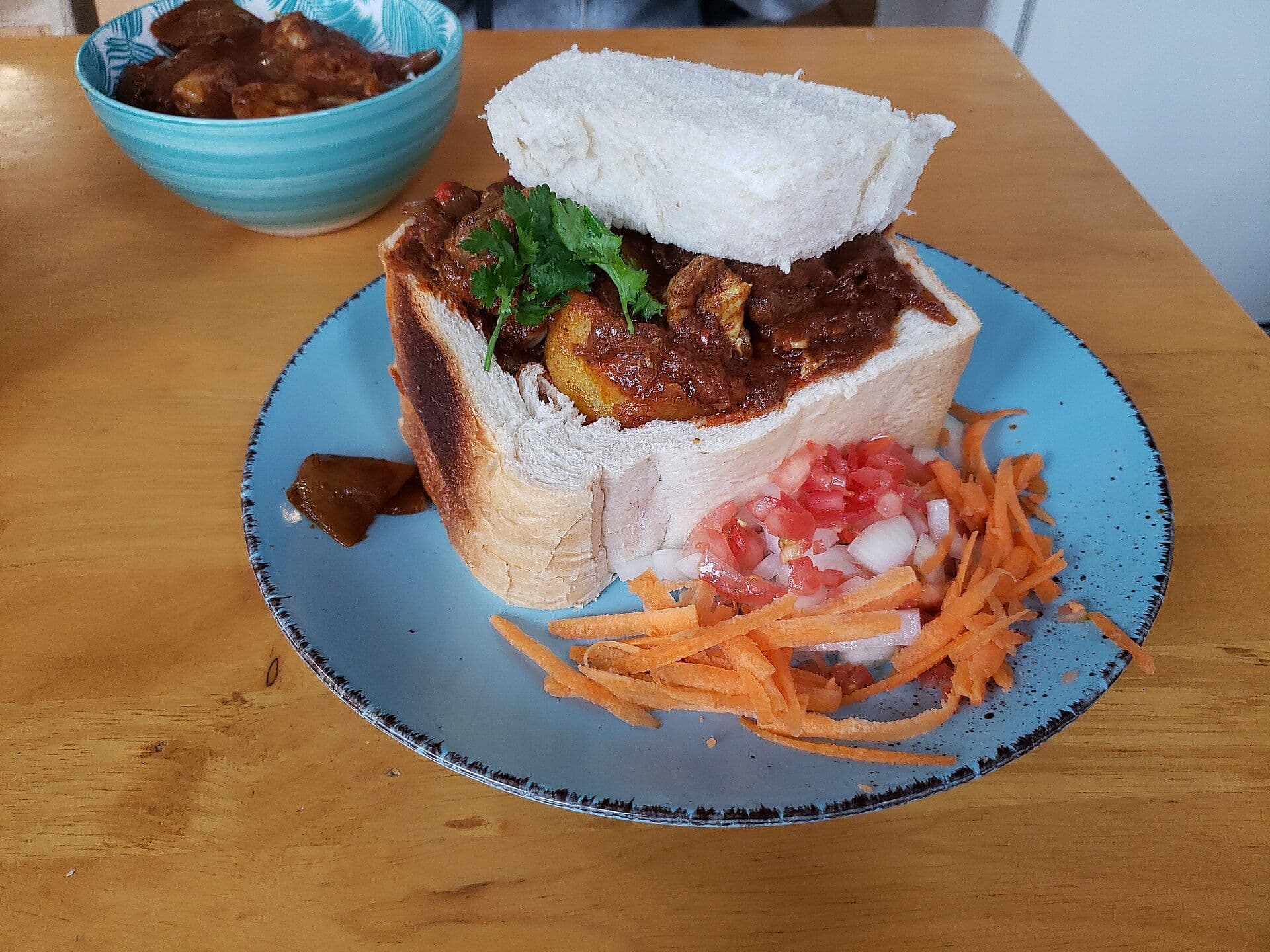
Despite the name, bunny chow has nothing to do with rabbit, it's a hollowed-out loaf of bread filled with curry, born out of Durban's large Indian community. Around the city centre, small takeaway spots serve up the best versions, usually cheaper than sit-down restaurants.
Bobotie and malva pudding
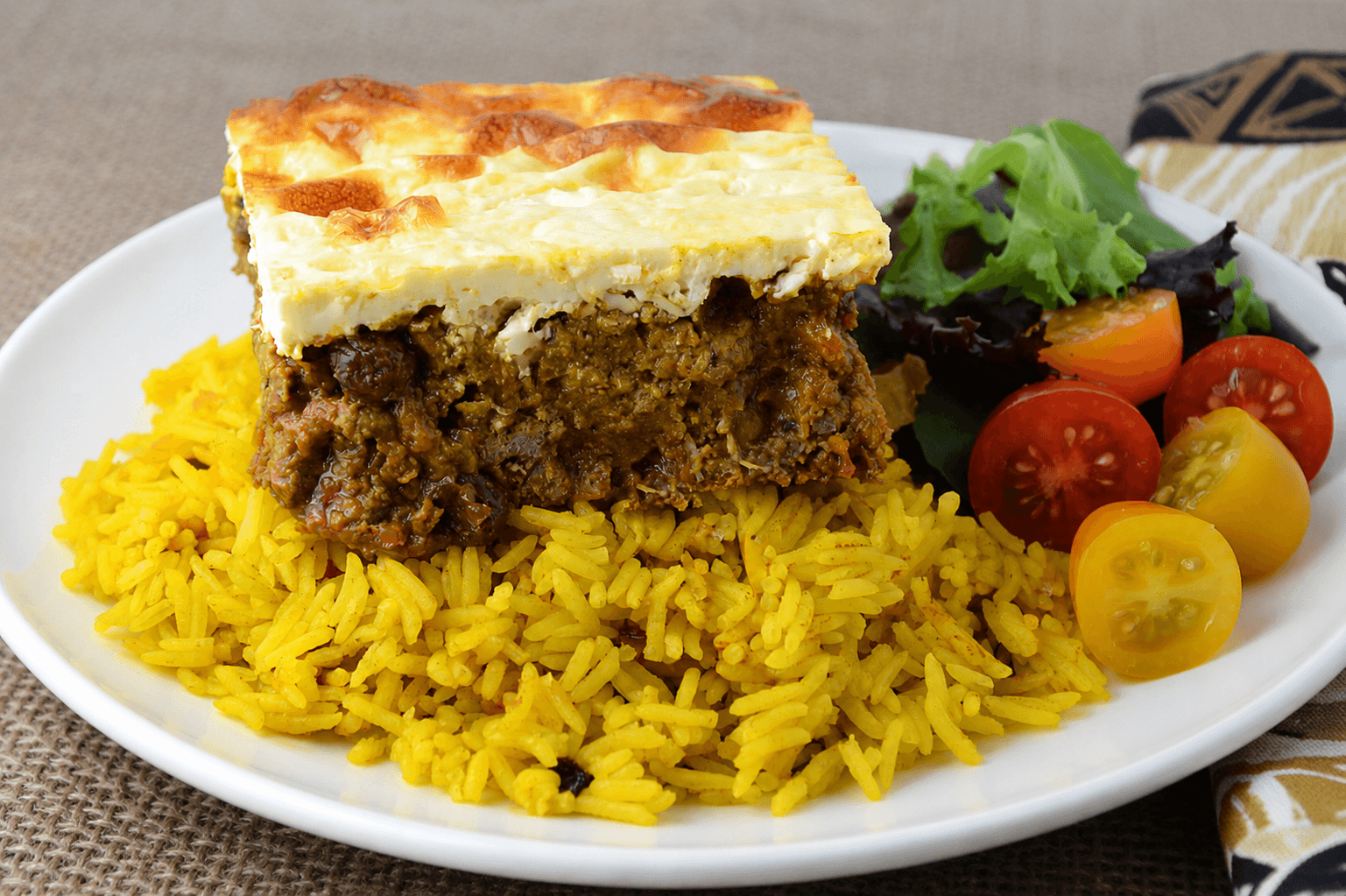
With roots in Cape Malay cooking, bobotie is spiced minced meat topped with an egg custard, and it shows up on menus right across the Western Cape. A sticky sponge called malva pudding, served with custard or cream, usually follows as dessert.
Pinotage and Cap Classique from the Winelands
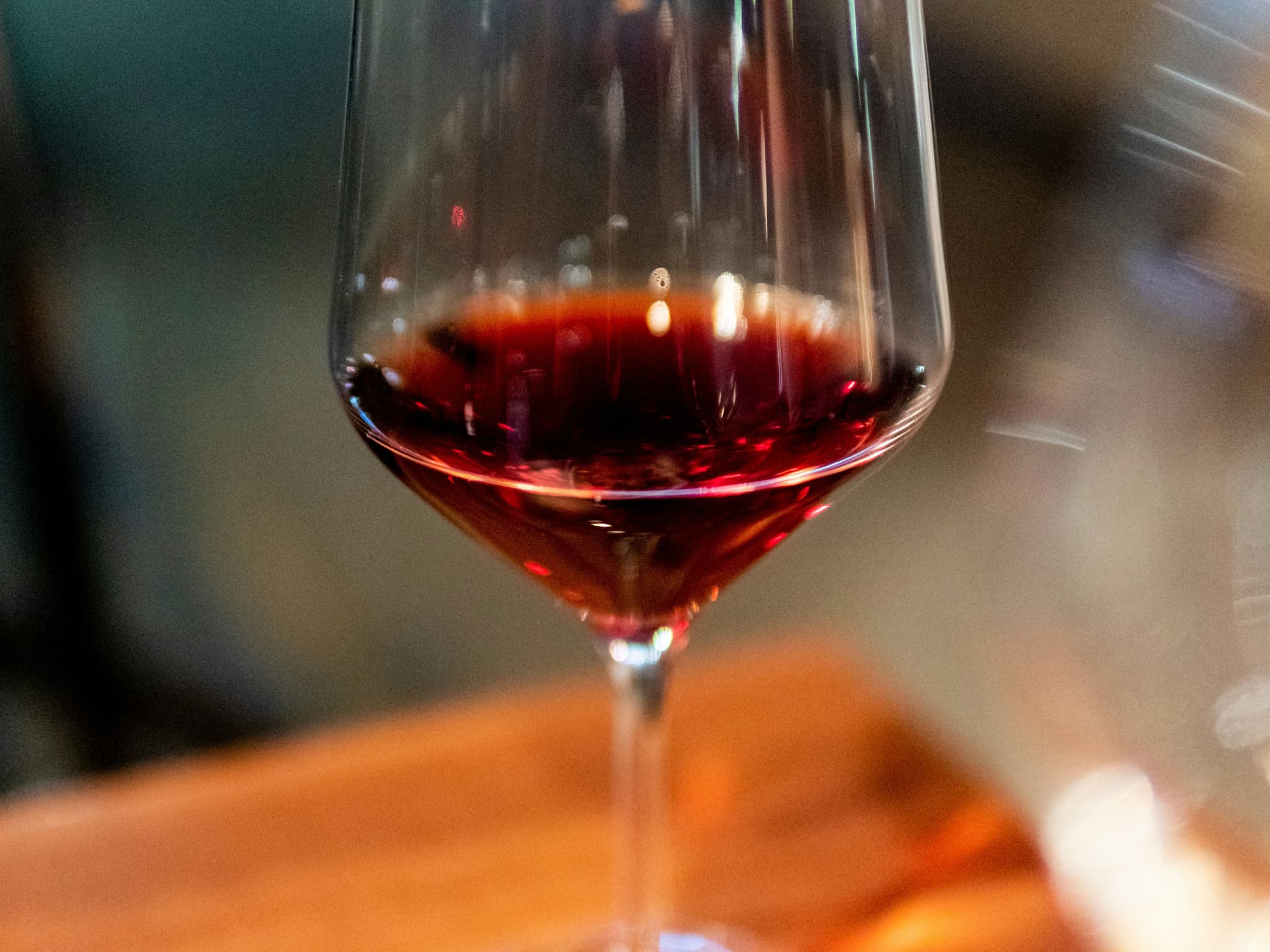
Nowhere else grows Pinotage at this scale, a smoky, fruit-forward red bred specifically for South African conditions. At any Stellenbosch or Franschhoek estate, Cap Classique, made using the same method as champagne, is worth trying as a sparkling option.
Culture in South Africa: eleven languages, one country
Did you know South Africa recognises eleven official languages, more than almost any other country on earth? That mix goes back centuries, through Khoisan and Zulu kingdoms, Dutch and British colonial rule, and decades of apartheid that legally separated communities by race until 1994.
You'll notice this history in the architecture too. Whitewashed Cape Dutch farmhouses and grand colonial buildings stand only a few hours from sprawling townships that grew under apartheid and still shape daily life today. Seeing these places for yourself makes South Africa's history feel far more real than reading about it ever could.
Across the country, every region has developed its own identity. In Cape Town, you'll see the influence of the Cape Malay community in the brightly coloured streets of Bo-Kaap and taste it in fragrant dishes like bobotie and Cape Malay curry, traditions brought by enslaved people from Southeast Asia centuries ago. Travel east into KwaZulu-Natal and the atmosphere changes again, where Zulu culture is still a visible part of daily life. IsiZulu is the language you'll hear most often in shops, markets and villages, while respect for elders and close-knit family life remain central to many communities.
Colourful beadwork isn't just decorative either; the colours and patterns can traditionally communicate someone's age, relationship status or even messages between couples. During weddings, coming-of-age ceremonies and annual festivals, many people still wear traditional clothing alongside modern dress, with singing, dancing and drumming bringing communities together. Visit a cultural village near the Drakensberg, and you'll get a glimpse of these customs through traditional homesteads, dance performances, craft demonstrations and stories shared by local guides.
Looking for more unique places, trips and activities?
Subscribe to our Guided Newsletter for more travel inspiration.
Costs of a trip to South Africa
You'll find prices in South Africa run lower than most Guided travellers expect for a destination with this much packed in. Here's a rough overview of what to budget for across accommodation, food and transport.
Food & Drink

Coffee
R30 – R50
Lunch
R120 – R220
Beer
R30 – R60
Accommodation

Hotels
R700 – R1.4k
Airbnb
R600 – R1.5k
Hostel dorm
R250 – R500
Transport
Train ticket
R200 – R500
Bus ticket
R15 – R30
Car Rental
R400 – R700
Attractions

Museums
R150 – R250
Big Attractions
R220 – R650
Theatre
R150 – R450
South Africa travel tips for first-time visitors
First time travelling to South Africa? We've gathered a few tips from Guided travellers who've travelled to South Africa.
✔ Sort travel insurance before you go
For UK visitors, the FCDO's South Africa travel advice (https://www.gov.uk/foreign-travel-advice/south-africa) covers current guidance region by region.
✔ Avoid driving after dark outside cities
Outside major towns, road lighting can be poor, and livestock or wildlife wandering onto rural roads adds real risk after sunset. For longer drives, sticking to daylight hours is generally safer.
✔ Carry small cash for car guards and tips
Around most shopping centres and restaurants, car guards in high-vis vests watch over parking, and a few rand in coins covers their tip. On top of the bill, restaurant service typically expects ten to fifteen percent added.
✔ Take malaria precautions if you're heading to Kruger
For most of the Lowveld region around Kruger, antimalarial tablets started before your trip and continued after you leave do the job. In areas like Cape Town, the Garden Route and the Eastern Cape reserves, malaria isn't a risk at all, so a Kruger-free itinerary skips this step entirely.
✔ Keep valuables out of sight in cities
A bag left visible on a car seat, or a phone held out on a busy pavement, attracts the wrong kind of attention in Johannesburg and Cape Town alike. A hotel safe, plus a low profile with jewellery and electronics, goes a long way towards an uneventful stay.
✔ Book Kruger and Garden Route stays well ahead in peak season
Inside Kruger and along the Garden Route, rest camps and guesthouses fill up months out during June to September and the December holidays. Direct bookings through SANParks for park accommodation regularly work out cheaper than third-party sites.
Fun facts about South Africa
Think you already know South Africa? Beyond safaris and Table Mountain, the country is full of surprising facts. Here are a few that might make you look at your trip a little differently.
South Africa has three capital cities: Pretoria, Cape Town and Bloemfontein.
Lesotho is an entire independent country sitting inside South Africa's borders.
Table Mountain is reckoned to be older than the Atlantic Ocean itself.
Hermanus hosts one of the only whale criers in the world, a job that still exists today.
South African vines date back to the 1650s, among the oldest in the New World.
Nelson Mandela spent eighteen of his twenty-seven years in prison on Robben Island.
South Africa is one of the few countries where you can self-drive to see the Big Five.
As you've probably noticed by now, South Africa is much more than a safari destination. One day you're watching penguins on the beach, the next you're driving through vineyards, hiking mountains or spotting elephants from your own car. Few countries offer this much variety in a single trip, which is exactly why so many Guided travellers end up wanting to come back. If it's been sitting on your travel wishlist, hopefully this guide has given you plenty of inspiration to start planning your own South Africa adventure.
Ready to map out your trip to South Africa?
We hope this South Africa travel guide has given you a clear starting point for your trip. Stay tuned for more inspiration, itineraries and practical tips to help you shape your own South Africa guide. And don’t forget to check out our Guided app, where you can create your own trip or use trips shared by other travellers for free.
FAQs about travelling to South Africa
- Do you need a visa to travel to South Africa?
If you're coming from the UK, US, most EU countries, Canada, Australia or New Zealand, you can enter visa-free for stays up to ninety days of tourism. Your passport needs at least thirty days of validity beyond your return date, plus two blank pages for stamps. Since rules change from time to time, double-checking with the South African embassy in your home country before you book flights covers you against any last-minute updates.
- Is South Africa risky to visit as a tourist?
- How many days do you need in South Africa?
- Do you need a car when travelling to South Africa?
- Do you need vaccinations before travelling to South Africa?
- Can you combine South Africa with Victoria Falls or Namibia?
- Is South Africa expensive to visit?