
20 fascinating facts about Japan you'll want to know before your trip
By Eva Alkemade
Jun 23, 2026
Most people think they already know Japan: bullet trains, sushi, cherry blossoms, maybe a robot or two. That picture isn't wrong, it's just nowhere near complete. Underneath it lives a country where a single company has been trading since the year 578, where the official island count doubled almost overnight, and where ninjas supposedly inspired entire building designs. We've pulled together 25 facts about Japan that go well beyond the postcard version, the kind of Japan facts that get repeated at dinner the same evening you read them. A few of these are genuinely hard to believe, so stick with us.
Culture in Japan: cool facts about Japan's everyday life
Forget the big landmarks for a moment. Plenty of Japan's culture shows up in tiny everyday moments. Nobody hands you a manual when you arrive, yet somehow millions of people move through train stations, restaurants and city streets with remarkable order. Japanese people truly have some unique habits when it comes to culture and daily life.
Slurping your noodles is basically good manners
Ramen and soba are meant to be eaten loudly. Slurping cools the noodles down as they hit your mouth and is read as a genuine sign you're enjoying the food, not as rudeness. Tourists tend to hold back out of habit, but locals barely notice either way, so there's no reason to eat your ramen in silence.
Curious how all of this plays out around Japan's festivals and food? Our culture guide to Japan covers the traditions, celebrations and local customs worth knowing before your trip.
The number four gets avoided on purpose
The word for four, shi, sounds almost identical to the word for death, so plenty of buildings skip a fourth floor entirely or leave it off hotel room numbering. It's a small thing, but after you notice it, you'll start spotting the gap in lift buttons everywhere you go.
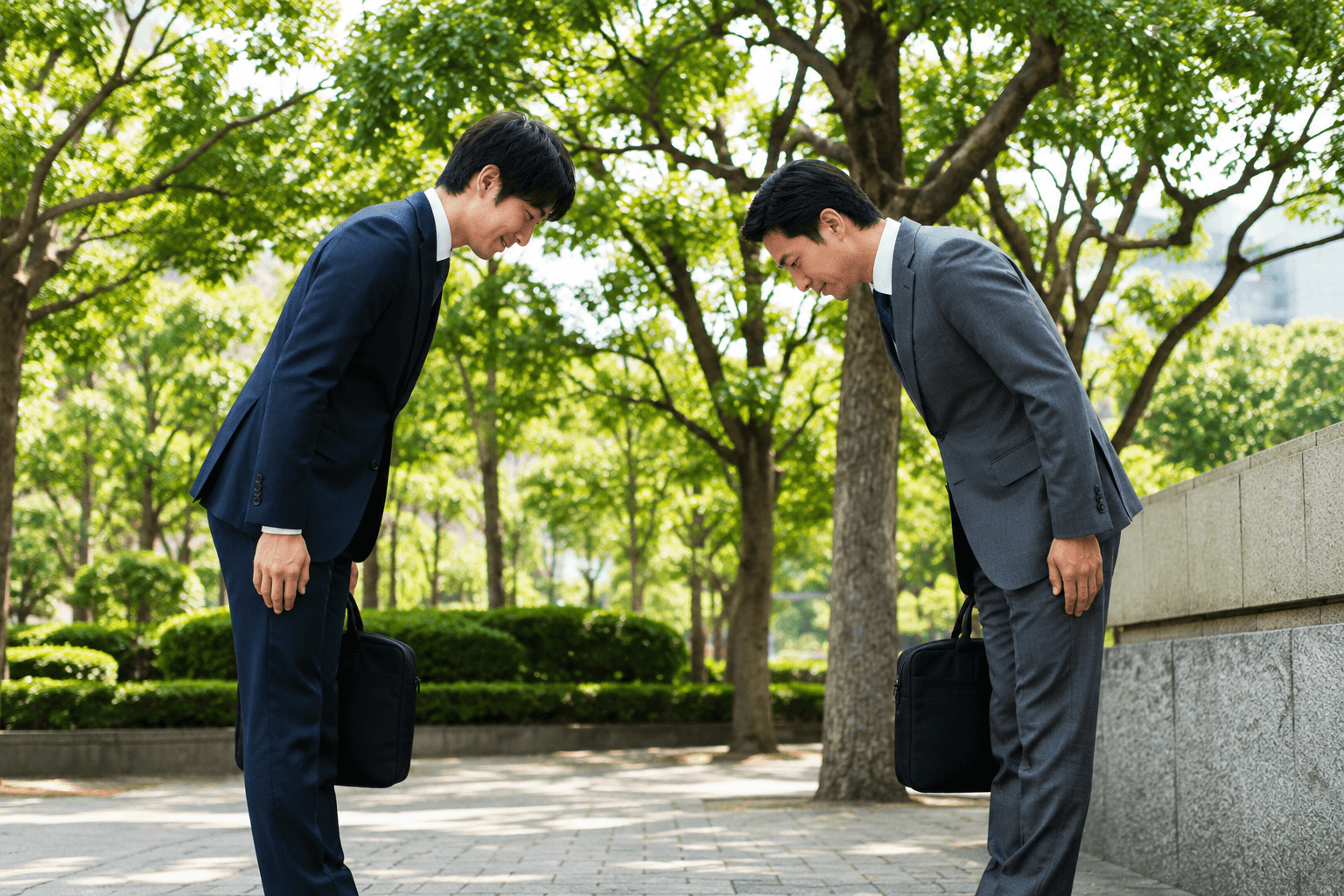
Bowing has actual rules behind it
A quick nod and a deep, held bow mean two completely different things in Japan, and the depth generally signals how much respect is being shown. Business greetings usually call for a slightly deeper bow than a casual hello between friends. Nobody expects visitors to get this perfect, a polite nod back goes a long way.
Did you know? Japan has a strong culture around queueing and tidiness: people line up for trains in marked sections on the platform, bins are sorted by waste type, and public spaces stay clean even where bins are hard to find.
Food and drinks: Japan's fun facts about its unique cuisine
Japanese food goes a long way past sushi counters and ramen bars, and some of the best Japan fun facts hide in the everyday stuff: snacks, seasonal fruit, and a festive dinner nobody outside Japan would guess at.
Square watermelons are a real thing in Japan
Farmers in Kagawa Prefecture grow watermelons inside square boxes so they stack neatly in fridges, and the result has become a pricey novelty gift rather than something people actually eat for the taste. They tend to be less sweet than a round melon, since the boxed growing process is about geometry, not flavour.
Christmas Eve in Japan means a bucket of fried chicken
KFC is a genuine Christmas tradition in Japan, with families pre-ordering meal buckets weeks ahead of December 24th. It started from a 1970s marketing campaign and somehow became a nationwide custom that has stuck for decades.
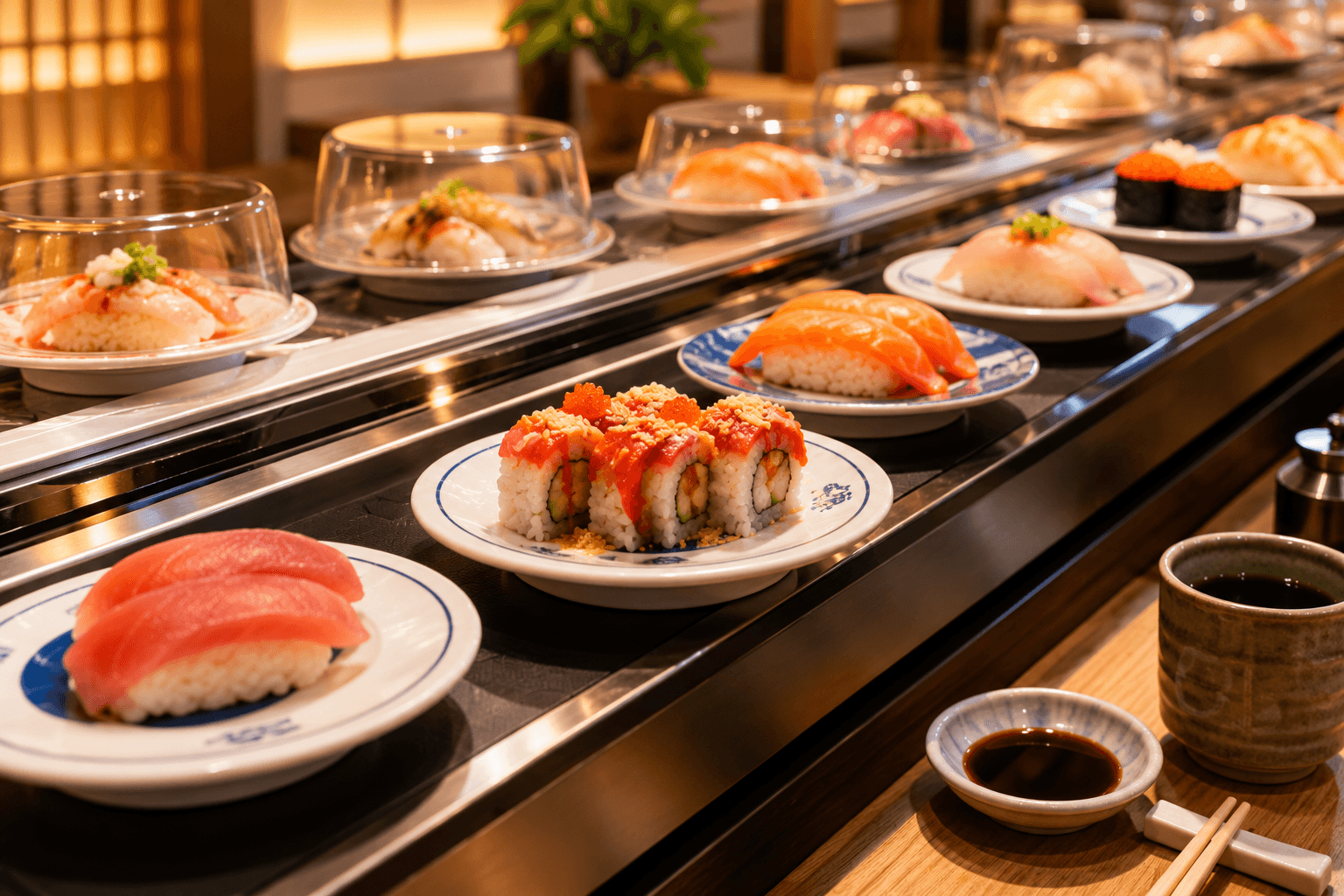
Japan turned sushi into a moving production line
Kaitenzushi restaurants send plates past you on a belt, priced and colour-coded by plate pattern, and you simply pick up whatever looks good as it passes. One unspoken rule: skip the soy sauce on the rice and dab it lightly onto the fish instead, soaking the rice changes the flavour the chef intended.
Guided tip: If you want an easy, low-pressure introduction to Japanese food beyond convenience stores, start with a kaitenzushi chain. It's cheap, quick to understand, and you can point at colour-coded plates instead of reading a menu.
Nature in Japan: Interesting facts about Japan's wildlife
Neon lights and bullet trains tend to get all the attention, but some of Japan's most memorable residents aren't human. Across the country, you'll find animals like snow monkeys, giant salamanders, and tanuki.
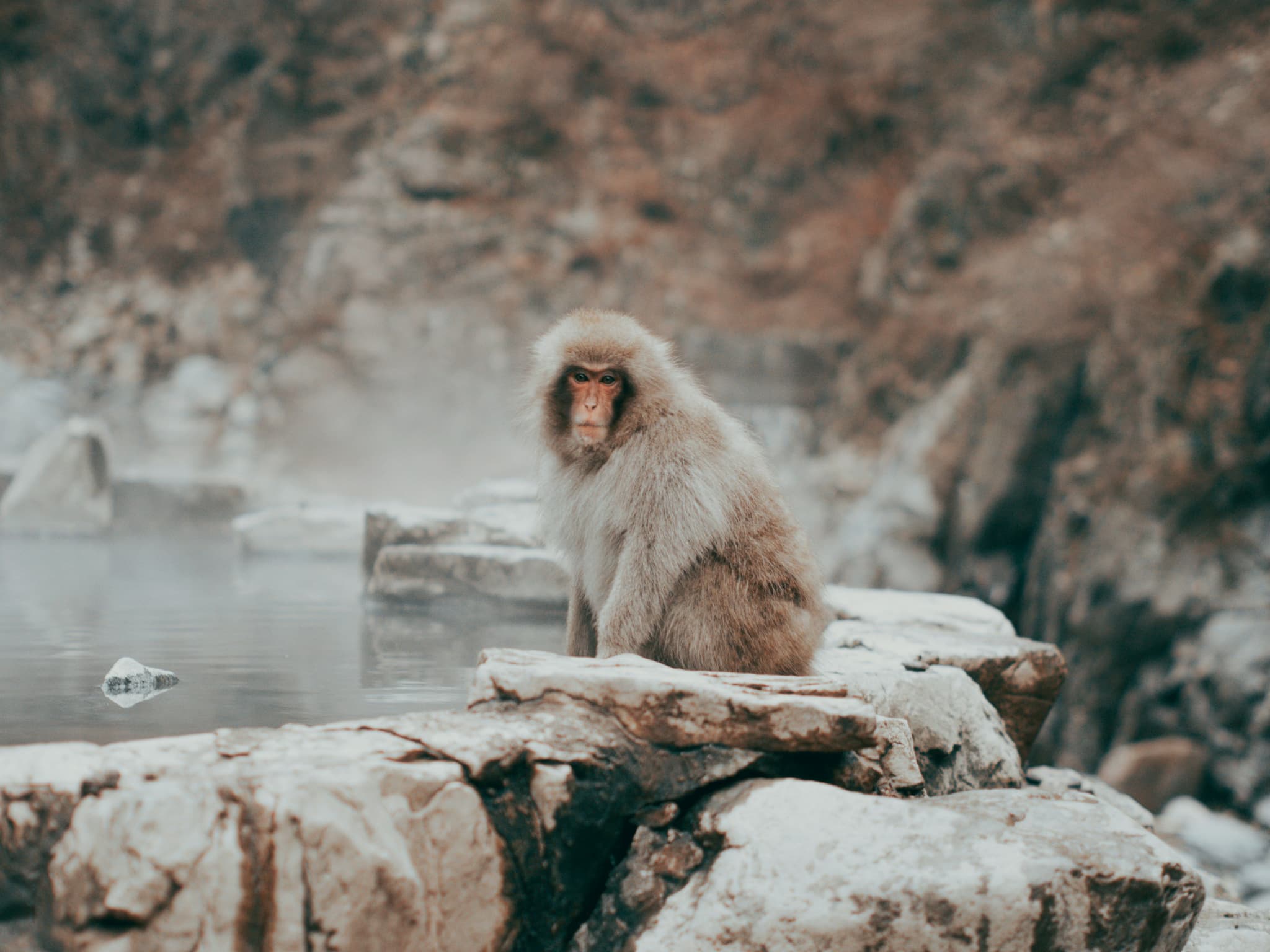
Snow monkeys take spa days
Winter in Nagano gets cold enough that even the local monkeys seem to have had enough. Japanese macaques climb into steaming hot springs and sit there for hours while snow falls around them, looking suspiciously like a group of office workers recovering from a stressful week. Fancy joining them? At some hot spring resorts, visitors can bathe in pools near the monkeys. Just don't expect a relaxing conversation. The monkeys are completely unbothered by humans, but getting too close, staring or attempting a monkey selfie tends to be frowned upon.
Wild deer roam freely through an entire city
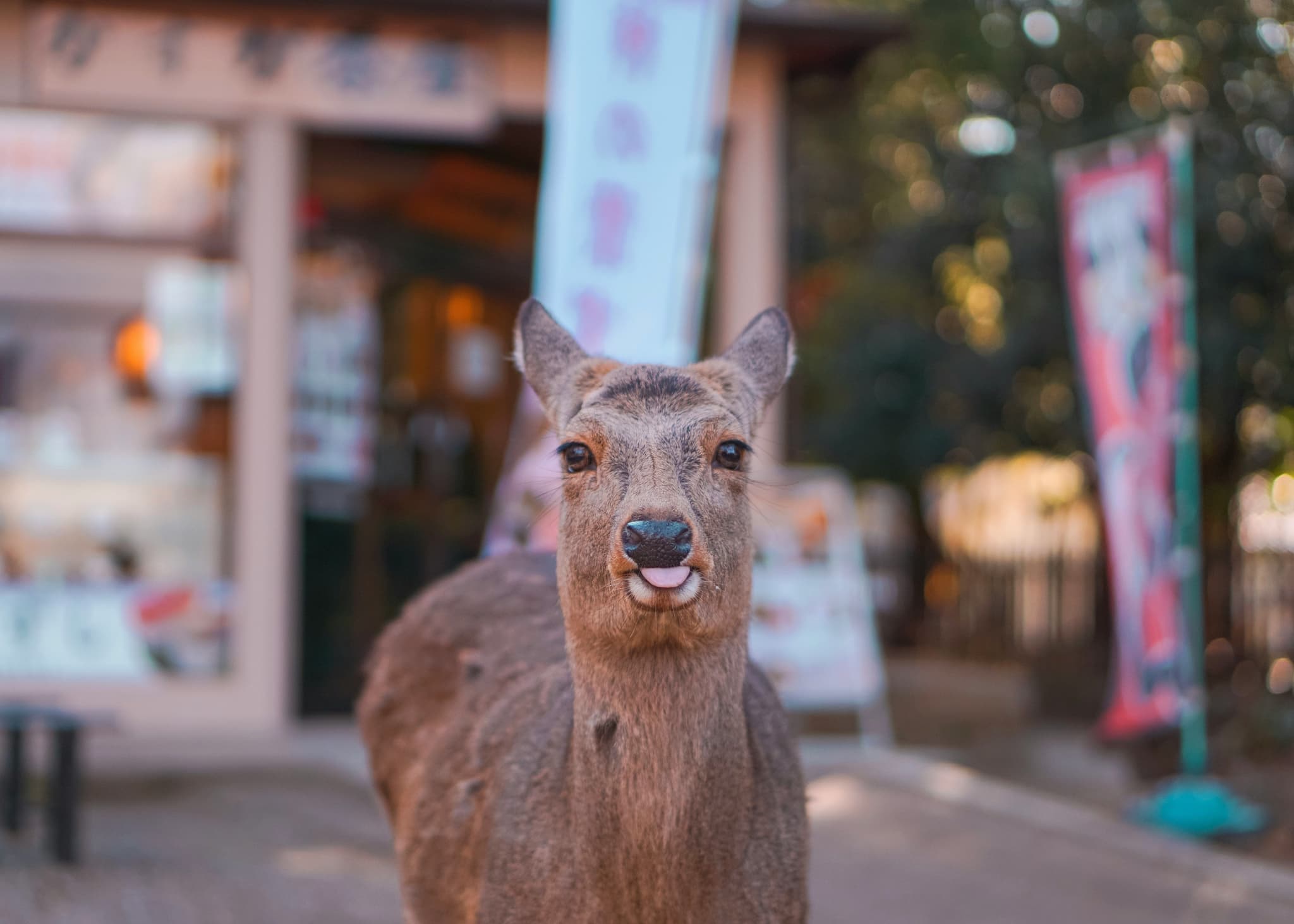
Most wildlife runs away when people approach. The deer in Nara have taken a very different approach. More than a thousand sika deer roam freely through the city, and many have learned that bowing their heads often results in a snack. Visitors buy special deer crackers, the deer bow, the crackers appear, and everyone goes home happy.
Flying squirrels are hiding in Japanese forests
Cute animals seem to have done particularly well for themselves in Japan. Forests in Honshu and Kyushu are home to tiny flying squirrels that glide between trees after dark. Larger giant flying squirrels live elsewhere in the country and can glide surprisingly long distances.
An entire Japanese island is overrun by rabbits
Then there's Okunoshima, better known as Rabbit Island. Hundreds of rabbits roam freely without any natural predators, and they've become remarkably skilled at identifying tourists carrying snacks. Bring food off the ferry, and don't be surprised if a small furry welcoming committee appears out of nowhere.
Want to know more about Japan's wildlife before you travel? Our guide to animals in Japan covers everything from these macaques to the deer at Nara in far more detail.
Geography and islands: Japan is much wilder than you’d think
Plenty of countries have mountains. Plenty have islands. Japan somehow decided to collect almost every landscape type it could find and squeeze them into one long island chain. It can really feel like visiting several different countries at once.
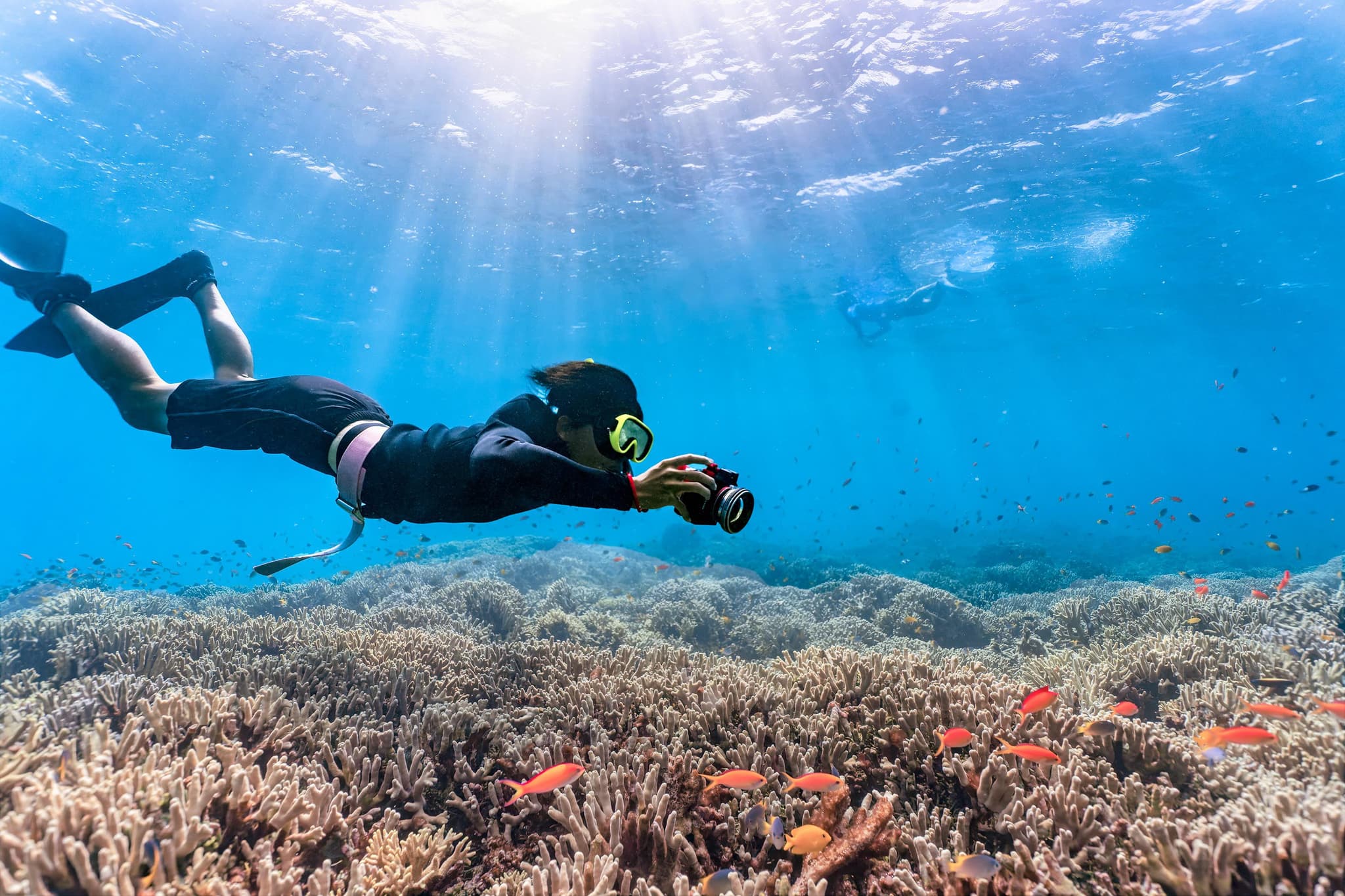
You can ski and snorkel in the same country
Up in Hokkaido, winters bring some of the deepest snowfall on Earth. Down in Okinawa, coral reefs, tropical fish and turquoise water make it feel closer to Southeast Asia than northern Japan. Visiting both on the same trip almost feels like travelling between two different countries.
Most of Japan is actually mountains
Photos of Tokyo sometimes create the impression that Japan is one giant city. Reality looks very different. Roughly three-quarters of the country is mountainous, which explains why many towns and cities are squeezed into relatively small coastal plains. Leave the urban areas, and you'll quickly find forests, valleys and mountain ranges stretching for hours.
One volcano contains 17 volcanoes
Mount Aso on Kyushu is already impressive, but the truly strange part sits inside it. The giant Aso Caldera contains 17 separate volcanoes within its ancient crater, making it one of the most unusual volcanic landscapes in Japan.
Did you know? Japan stretches roughly 3,000 kilometres from north to south. That's one of the reasons cherry blossom season doesn't happen everywhere at the same time. While blossoms may already be falling in Tokyo, they can still be weeks away in northern Hokkaido.
History of Japan: 10 interesting facts on Japanese traditions
Japan's history isn't locked away in museums. One company has been operating since before the Vikings arrived in Europe, centuries-old festivals still fill city streets every year, and customs from long ago continue to influence modern life. All of this makes Japan one of the most fascinating countries to explore if you're interested in history.
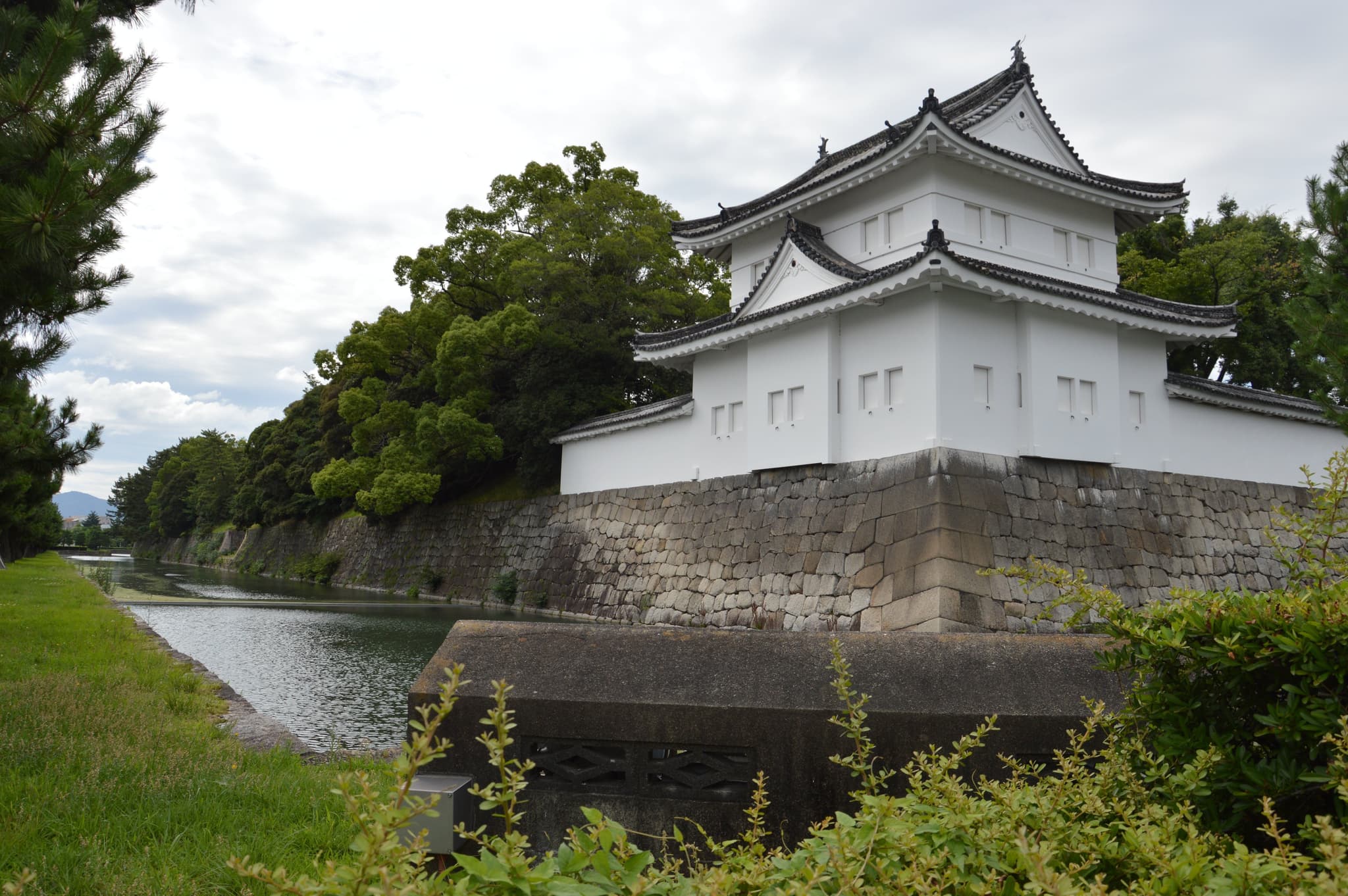
The oldest still-running company anywhere is Japanese
Kongo Gumi was founded in the year 578 and specialised in temple construction for roughly 1,400 years before merging with a larger company in 2006 after financial trouble. For most of that run, leadership passed down through the same family, generation after generation, with the business adapting just enough each time to survive the next century.
Nightingale floors were built to outsmart intruders
Some feudal-era homes and temples were fitted with deliberately squeaky floorboards, nicknamed nightingale floors, designed to chirp under the slightest weight as a low-tech alarm system against intruders, ninjas included. Kyoto's Nijo Castle still has a working set you can visit.
Wondering where you can actually see architecture like this in person? Our Kyoto trip covers the temples, castles and traditional districts where Japan's older history is visible.
The imperial line claims the longest unbroken succession anywhere
Japan's monarchy traces its line back over 2,600 years to Emperor Jimmu, making it the oldest hereditary monarchy still in place today. The current emperor holds a position that's almost entirely ceremonial under the constitution, limited to formal duties rather than political power.
Technology and Efficiency: Quick facts about Japan's daily life
Japan's reputation for precision shows up most clearly in how people get around and how small, ordinary tasks get handled. Trains arrive almost exactly on schedule, queues form without anyone being told to, and even something as simple as throwing away rubbish comes with its own system.
Bullet trains run on a strict, almost unbelievable schedule
If you arrive at a Shinkansen station a few minutes early, you might wonder if everyone has secretly rehearsed the process beforehand. All passengers stand neatly in marked queues, doors stop exactly where expected, and the train arrives with such precision that checking your watch is unnecessary.
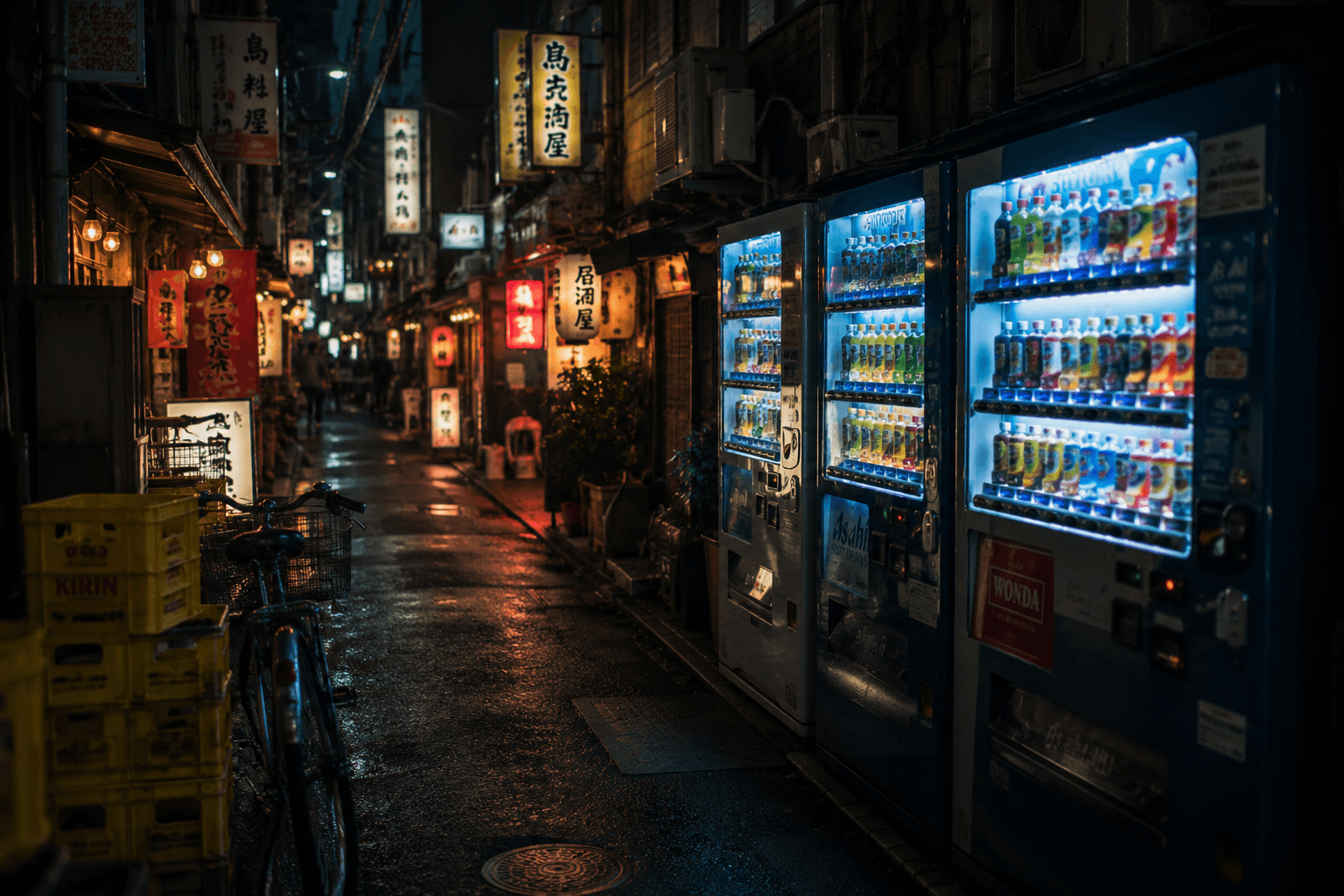
There's a vending machine near the top of Mount Fuji
Japan has more than four million vending machines in total, selling everything from hot coffee to hot meals, and a handful stand close to the summit of Mount Fuji itself. Getting a machine that high up the mountain takes serious effort, stock gets carried up by hand or by bulldozer, so a drink at the top costs noticeably more than the same can at the base.
Convenience stores do almost everything
A Japanese convenience store is rarely just a place to buy snacks. You can grab dinner, pay bills, print documents, collect parcels, buy event tickets and somehow leave with a perfectly decent iced coffee.
Toilets have many buttons
Japanese toilets deserve their own user manual. Heated seats, washing functions, sound effects, deodorising buttons, automatic lids, the works. The first time you see the control panel, it can feel less like a bathroom and more like you’ve accidentally sat down in a cockpit.
Twenty facts is just the start
Twenty facts barely scratch the surface, honestly, Japan keeps a stash of these for every prefecture, every season, every train line. What stands out across all of them is the same thing: a country that holds onto its older habits, the bowing, the hanko, the centuries-old company, right alongside some of the most exact, modern infrastructure anywhere. That contrast is one of the reasons Guided travellers keep returning to Japan.
Thinking about travelling to Japan? Read our Japan travel guide for everything you need to know before you go, or start planning your trip today in the Guided app.
Enjoyed This Blog? Continue Reading!
There is more travel inspiration waiting for you on our blog. You can take a look below and start mapping out your next travel adventure!


