
Japan's prefectures: A traveller's guide to Japan's regions
By Eva Alkemade
Jul 30, 2026

Japan doesn't really have states or counties. It has 47 prefectures instead. Hokkaido, for example, is one enormous prefecture covering an entire island, and Nagano is one of Japan's largest mountainous prefectures. The whole country gets grouped into eight bigger regions that shape everything from train lines to weather. You don't need to memorise them all, but understanding how they're organised makes planning your itinerary much easier. We’ll tell you all you need to know about Japan’s prefectures and regions, including their different customs, highlights and weather. And we’ll show you the prefectures of Japan on a map so you can decide which regions to visit during your trip!
What exactly is a prefecture?
You'll run into the word “prefecture” constantly once you start researching a trip to Japan, so it helps to know what it actually means. Japan prefectures are the country's top administrative divisions, sitting just below national government, similar to a US state or a French department, and there are 47 of them running from the top of Hokkaido down to the small islands near Okinawa. Each prefecture of Japan runs its own local administration, collects its own taxes, and usually has its own dialect, festivals, and even preferred local dishes.
Guided tip: Search flights, trains, and hotels by prefecture name rather than city alone. Smaller towns rarely turn up in search results on their own, but their prefecture almost always does.
Finding your way around a map of Japan with prefectures
A map of Japan by prefecture can look like a lot at first glance, forty-seven shapes squeezed into one long, curved country. The trick is to stop reading it name by name and start reading it as clusters instead. Those clusters run roughly from north to south, and there are only eight of them, a far more manageable number to keep in your head than 47.
Here are the regions of Japan on a map:
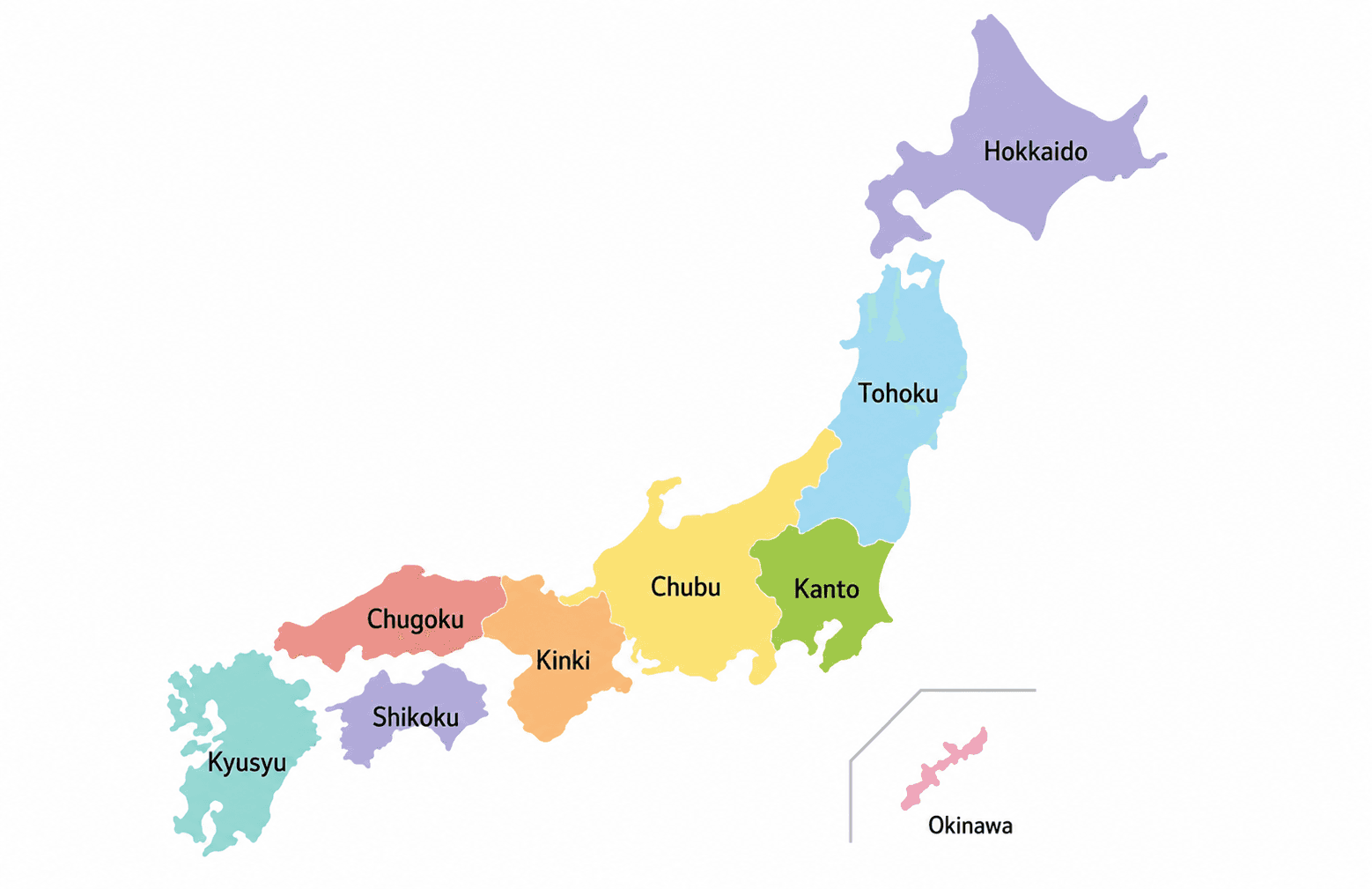
Guided tip: Save or print the map of Japan’s prefectures, then circle just the region or two you're actually visiting. Trying to fit all eight into one trip is where most itineraries fall apart.
Why did Japan’s provinces get replaced with prefectures?
Long before prefectures existed, Japan's provinces split the country into dozens of feudal domains ruled by local lords through the Edo period. Those Japanese provinces had their own borders, their own loyalties, and in plenty of cases their own currency and taxes, so the country was never quite as unified as a map today suggests.
Everything changed with the Meiji restoration of 1868, when the government scrapped the old Japanese provinces and replaced them with the modern prefecture system, eventually settling on the country being divided into 47 prefectures. Plenty of prefecture borders still trace the rough shape of their old province, which is why a few of them look strangely narrow or oddly shaped on a map today. They're following centuries-old lines rather than anything drawn for convenience.
Curious how these old borders still shape everyday culture across the country? Our Japan culture guide pulls apart Japan’s regional differences, festivals, food, and etiquette.
Did you know? Not every Japanese prefecture is called ken. Tokyo is a to, Hokkaido is a dō, and Kyoto and Osaka are fu because they were historically governed differently in the late 1800s.
So which regions of Japan can you travel to?
When you start planning your trip, you don't need to think about all 47 prefectures straight away. Instead, it helps to divide the country into its eight main Japanese regions, each with its own landscapes, climate, food and attractions. That way, you can first decide which part of Japan suits your travel style, before choosing the prefectures and cities you want to visit.
Japan is divided into the following eight regions:
Hokkaido: Snowy mountains, national parks and winter sports.
Tohoku: Rural landscapes, hot springs and traditional festivals.
Kanto: Tokyo, Yokohama, Nikko and modern city life.
Chubu: Mount Fuji, the Japanese Alps and historic villages.
Kansai: Kyoto, Osaka, Nara and Japan's cultural heart.
Chugoku: Hiroshima, Okayama and the scenic Seto Inland Sea.
Shikoku: Pilgrimage routes, quiet countryside and dramatic coastlines.
Kyushu & Okinawa: Volcanoes, subtropical islands, beaches and hot springs.
In the next sections, we'll take a closer look at some of the regions, the prefectures you'll find there, and what makes each one worth visiting. That should make it much easier to decide where you want to go.
Japan's wild, snowy north: Hokkaido and Tohoku
Let's start in the far north of Japan, where you'll find national parks, snowy mountains, beaches and some of the country's best outdoor adventures. If you love hiking, skiing, hot springs and quieter destinations, this part of Japan is well worth adding to your itinerary.
Hokkaido
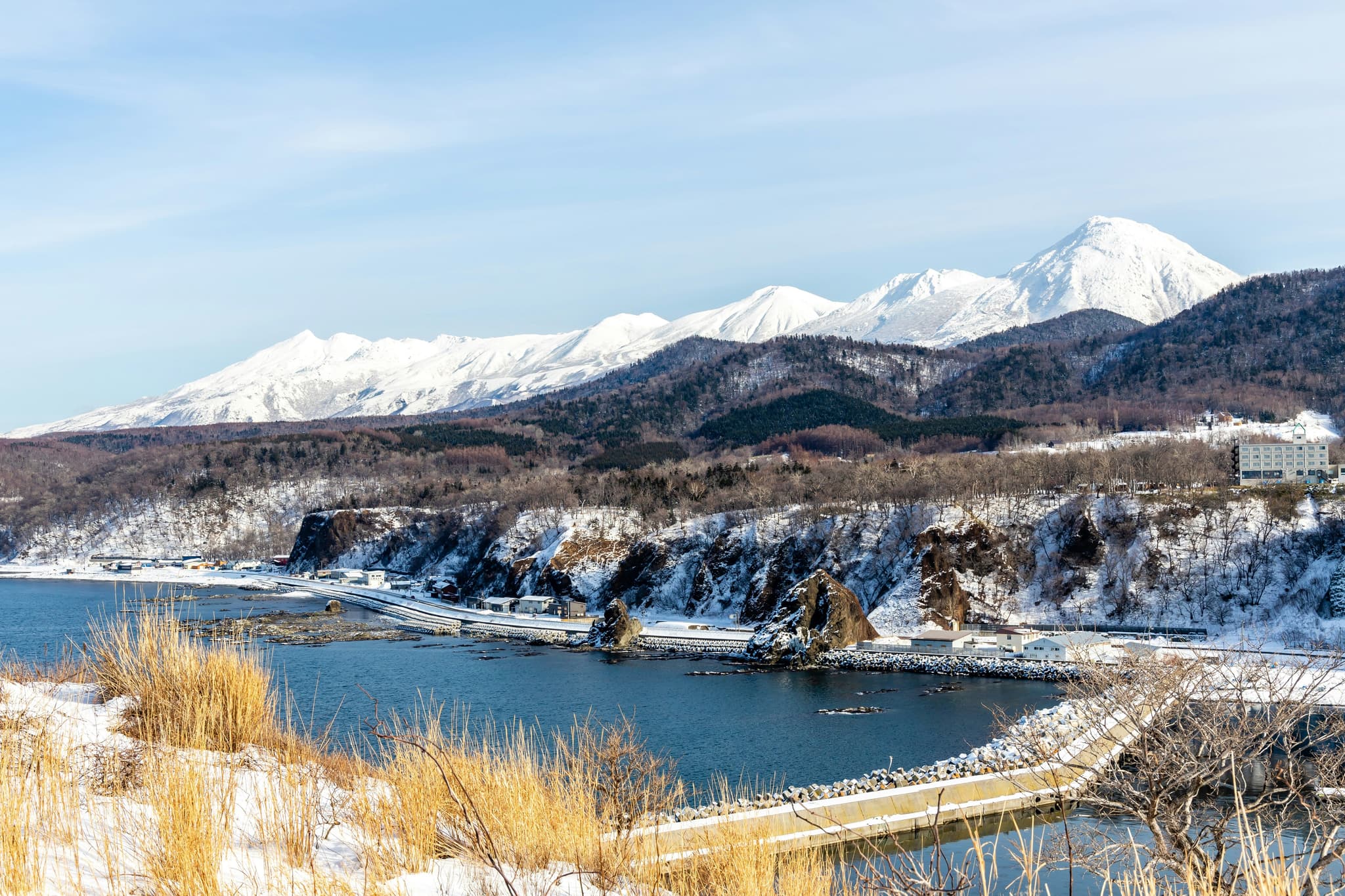
If you're dreaming of wide open landscapes, snowy winters and outdoor adventures, Hokkaido is the place to go. Unlike the rest of Japan, the entire island is made up of just one prefecture, making it easy to explore on a road trip. Most travellers base themselves in Sapporo before heading to Niseko for world famous powder snow, Noboribetsu for hot springs, Furano for flower fields or the beautiful national parks. Fresh seafood is also nice here, especially if you love crab, scallops and sea urchin.
Tohoku
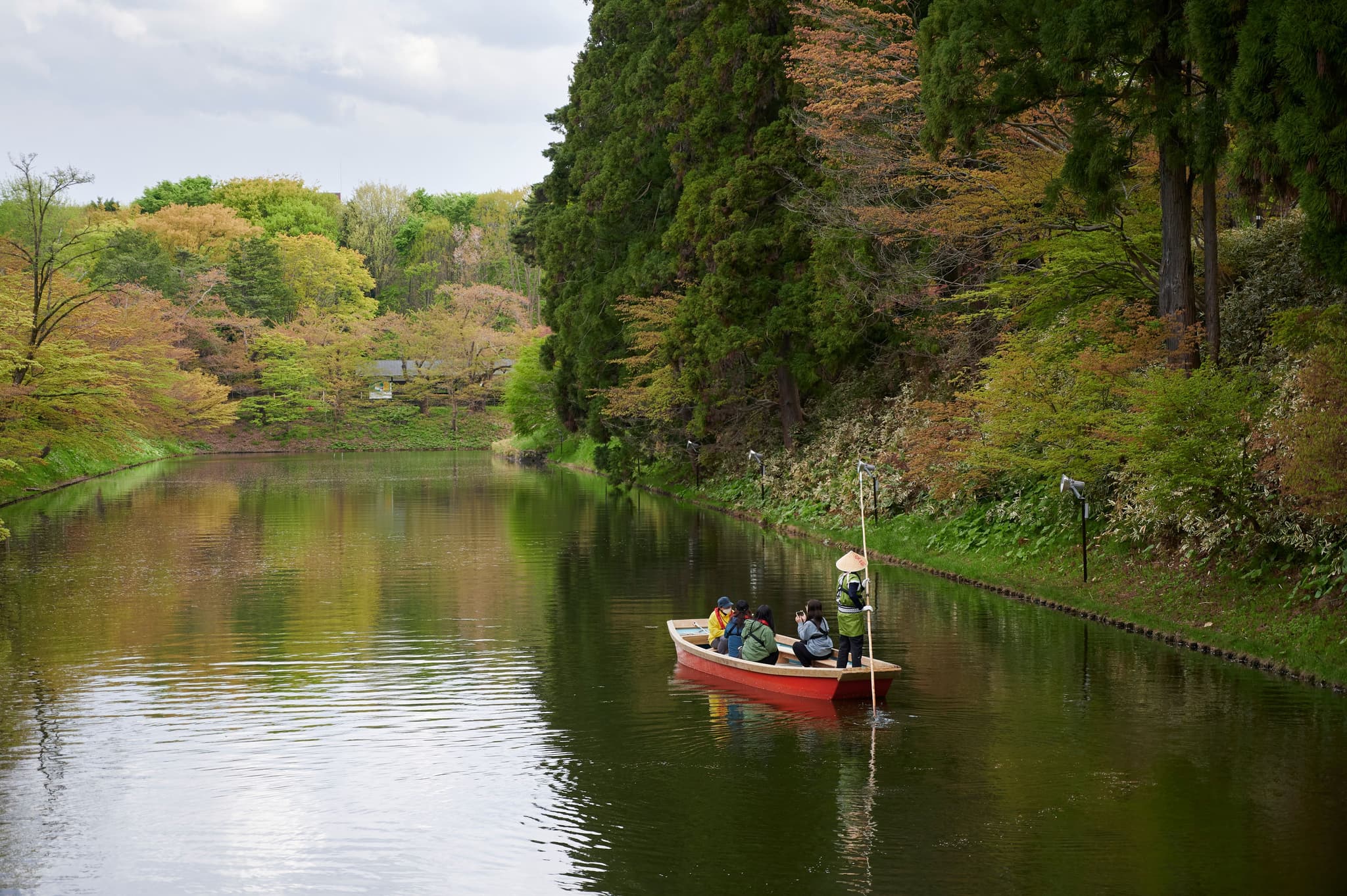
Looking for a quieter side of Japan? Tohoku is made up of 6 prefectures and feels completely different from the country's busiest tourist hotspots. Here you'll find peaceful mountain villages, huge coastlines, traditional festivals and historic samurai towns like Kakunodate. Spring brings cherry blossoms (without the crowds), while autumn transforms the mountains into brilliant shades of red and gold, making it one of the best regions in Japan for a road trip.
Wondering what you might actually spot out there? Our animals in Japan guide covers where to see brown bears, red-crowned cranes, and other wildlife you won't find anywhere near Tokyo.
Kanto region, Tokyo and the country's engine
If it's your first time in Japan, Kanto is likely where you'll spend most of your trip. The region includes Tokyo, Kanagawa, Saitama, Chiba, Ibaraki, Tochigi and Gunma. Looking for Japan's biggest cities without missing out on nature? Kanto has exactly that. While Tokyo steals the spotlight, the surrounding prefectures offer beautiful national parks, seaside towns, famous temples and easy day trips, all connected by Japan's excellent train network.
The Kanto region includes:
Tokyo: You'll probably spend at least a few days here exploring famous neighbourhoods like Shibuya and Asakusa.
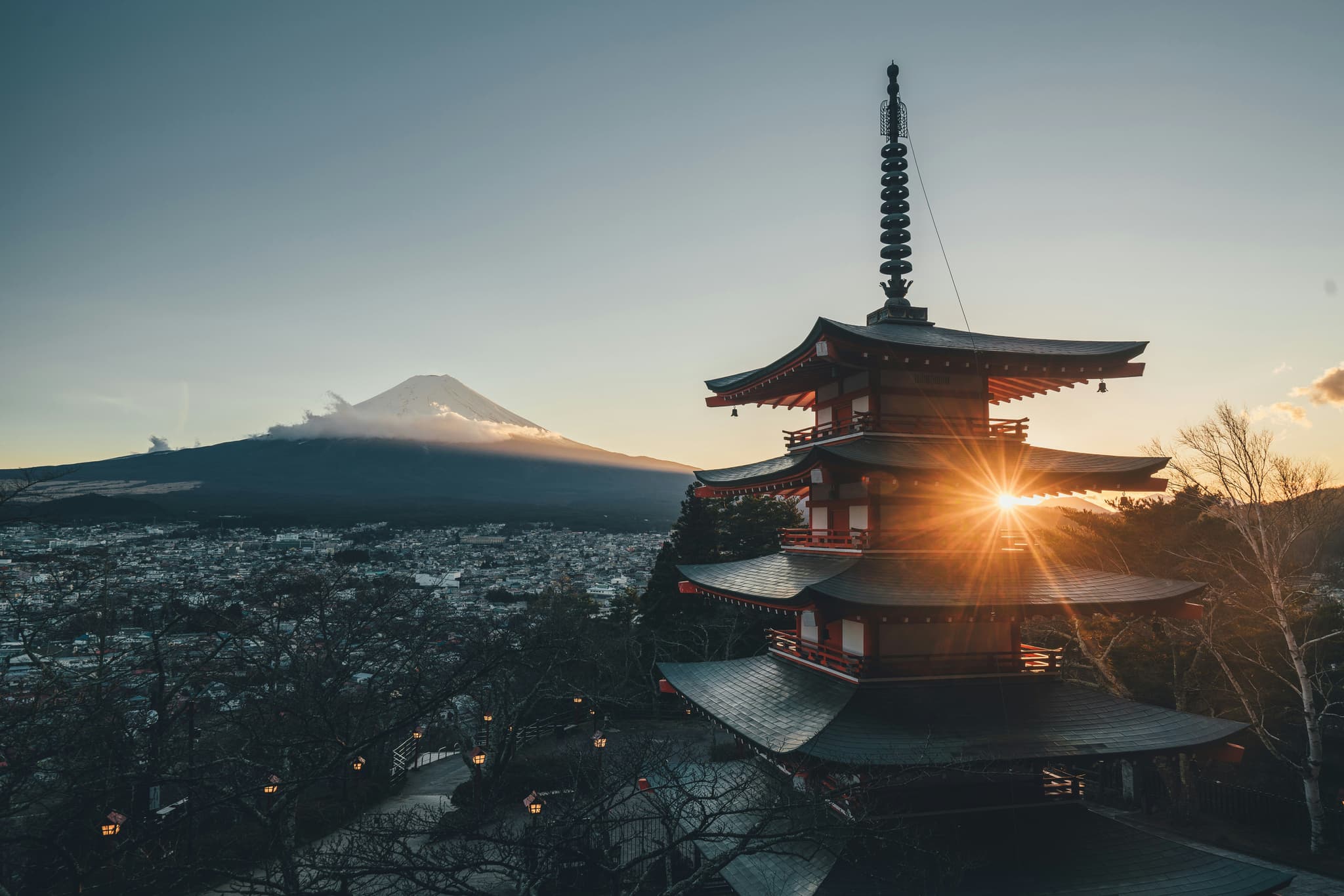
Kanagawa: Head here for a day trip to Yokohama, relax in the hot springs of Hakone or catch some of the best views of Mount Fuji.
Saitama: Fancy a slower pace? Walk through the old streets of Kawagoe or go to the mountains for a hike.
Chiba: Besides Tokyo Disney Resort, you'll find sandy beaches, surfing spots and the Naritasan Temple.
Ibaraki: Come for colourful flower parks, high cliffs and one of Japan's tallest waterfalls.
Tochigi: Don't miss Nikko, one of Japan's most beautiful temple towns, surrounded by forests, lakes and waterfalls.
Gunma: If relaxing in a traditional onsen hot spring sounds like your kind of holiday, this is the place to go.
Building your first Japan itinerary and want it mapped out day by day? Our 6-day first-timer's itinerary runs through exactly this kind of route, budget included.
Fun Fact: Kanto is home to roughly 43 million people, making it one of the most densely populated regions on the planet.
Chubu region: mountains and the Japanese Alps
Chubu is where you'll find some of Japan's most spectacular mountains. If you're dreaming of hiking, traditional villages, alpine roads and, of course, Mount Fuji, this is the region you'll want to explore. It also has a nice mix of historic towns, beautiful beaches and even ski resorts.
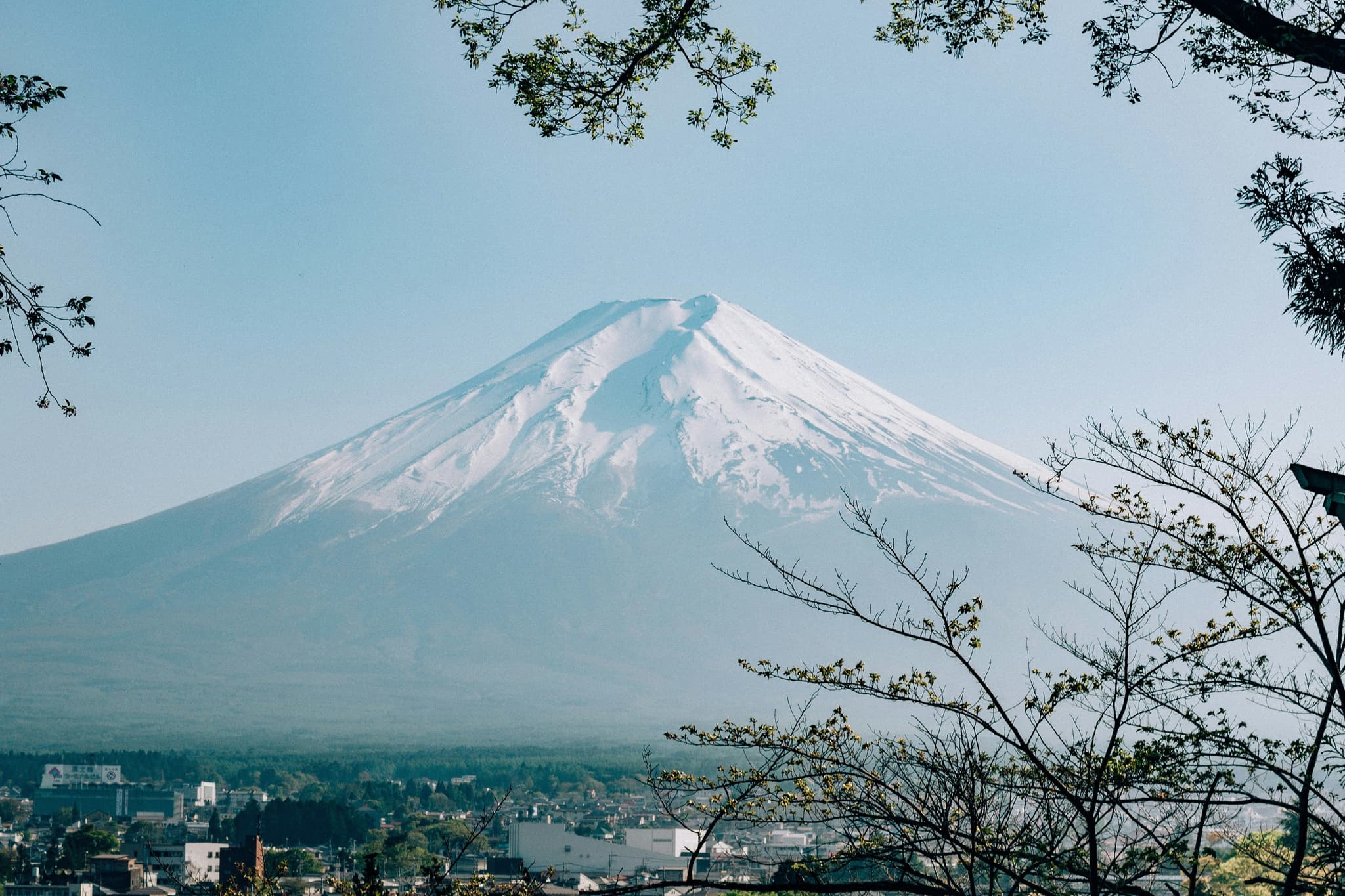
The Chubu region includes:
Nagano: Come here for the Japanese Alps, skiing in winter, hiking in summer and snow monkeys soaking in hot springs.
Yamanashi: This is one of the best places to see and climb Mount Fuji, with beautiful lakes and vineyards nearby.
Shizuoka: Fancy seeing Mount Fuji from the coast? You'll also find tea plantations, beaches and relaxing hot springs here.
Gifu: Wander through the beautifully preserved streets of Takayama or visit the fairytale village of Shirakawa-go.
Ishikawa: Spend a few days in Kanazawa exploring samurai districts, geisha streets and one of Japan's most famous gardens.
Toyama: Perfect if you love mountain scenery, especially the spectacular Tateyama Kurobe Alpine Route.
Fukui: Visit dramatic cliffs, peaceful temples and one of the world's best dinosaur museums.
Niigata: Known for skiing, rice fields, excellent sake and a beautiful coastline along the Sea of Japan.
Aichi: Explore Nagoya, visit impressive castles and discover the home of Toyota.
Nagano's mountain villages get some of Japan's heaviest snowfall, certain spots average more than ten metres a season. Curious which season suits your trip best? Our guide to the best time to visit Japan explains the weather, temperatures and seasonal highlights to help you choose.
Japan's cultural core: the Kansai region (with Kyoto & Osaka)
If you're dreaming of traditional Japan, Kansai is probably the region you'll fall in love with. This is where you'll wander through centuries-old temples, peaceful bamboo forests and charming streets lined with wooden townhouses.
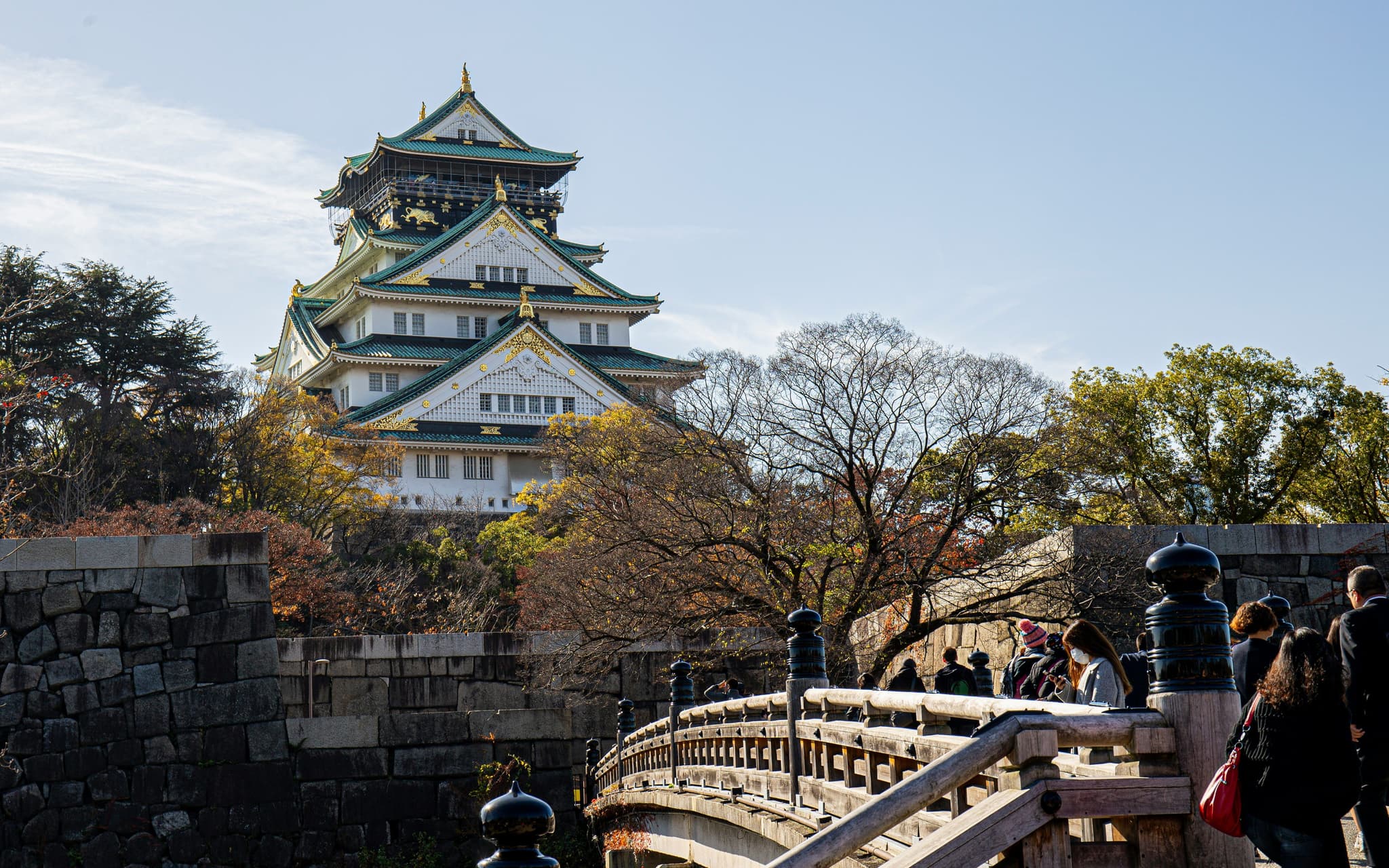
The Kansai region includes:
Kyoto: Visit historic temples, bamboo groves, traditional streets and beautiful geisha districts.
Osaka: Come for the delicious street food, nightlife, Osaka Castle and Universal Studios Japan.
Hyogo: Visit Himeji Castle, relax in the hot springs of Arima Onsen or explore the port of Kobe.
Nara: Feed the famous bowing deer and visit some of Japan's oldest temples and shrines.
Shiga: Go to the shores of Lake Biwa, peaceful temples and cycling routes.
Wakayama: Hike the sacred Kumano Kodo pilgrimage trails or stay overnight at a traditional temple on Mount Koya.
Mie: Explore the Ise Grand Shrine, go to the coastline and watch the famous ama pearl divers at work.
Planning to spend real time in Kyoto itself? Our Kyoto guide shows you the neighbourhoods, temples, and where to eat.
Guided tip: Kyoto, Osaka, and Nara sit close enough together that you can base yourself in one and day-trip to the other two, no need to change hotels every night.
Chugoku and Shikoku: the quieter, peaceful regions of Japan
If you're looking to slow things down, these are two of the most rewarding regions to explore. Here you can expect peaceful fishing villages, empty coastlines, historic castles, beautiful gardens and ancient pilgrimage trails, all without the crowds you'll find in places like Tokyo or Kyoto.
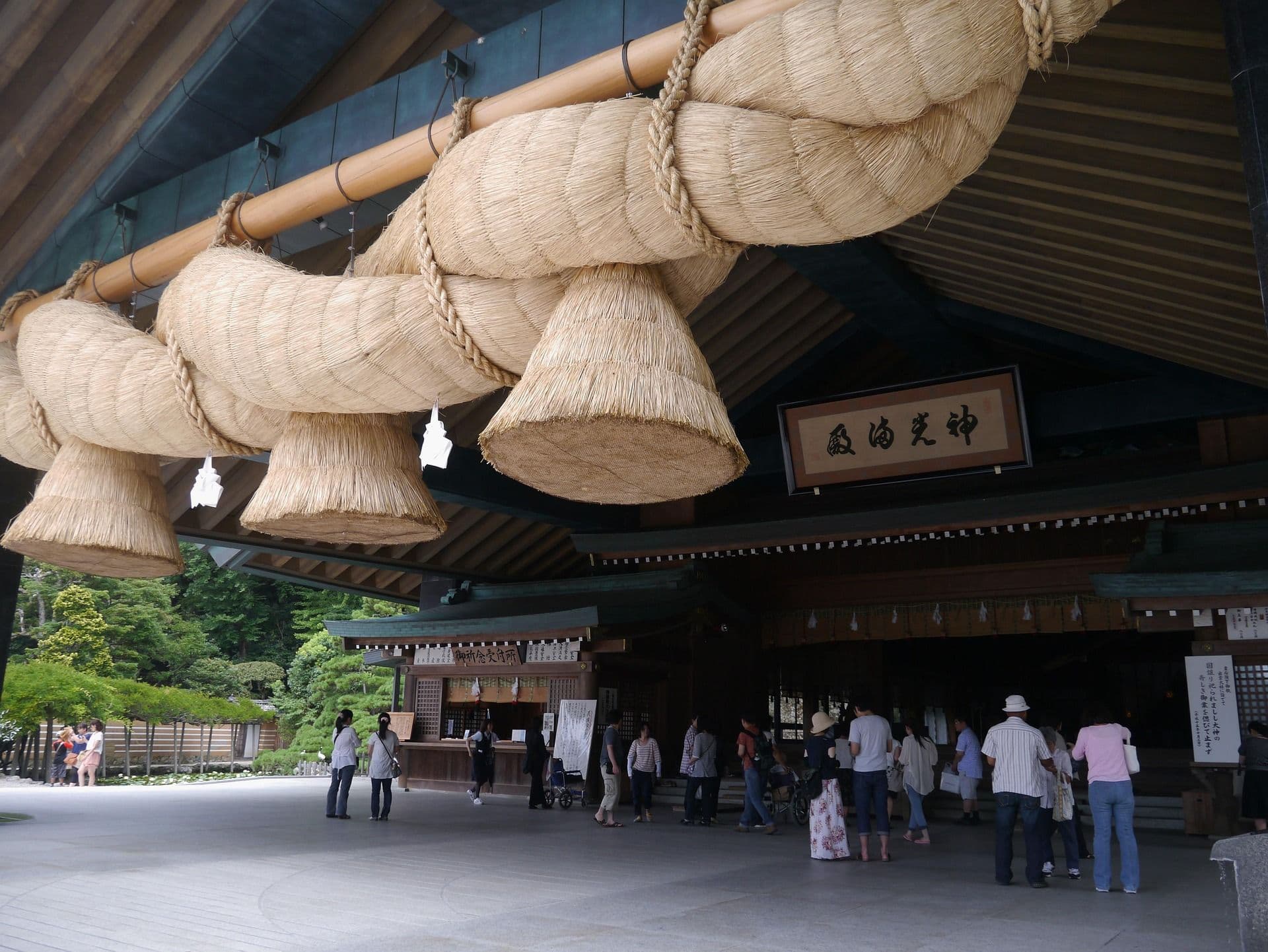
Chugoku
Chugoku has plenty to offer if you enjoy history mixed with beautiful scenery. Most people come for Hiroshima and the famous floating torii gate of Miyajima, but you'll also find stunning gardens in Okayama, sand dunes in Tottori and quiet mountain villages.
The Chugoku region includes:
Hiroshima: Visit the Peace Memorial Park, Miyajima Island and its famous floating torii gate.
Okayama: Walk through Korakuen Garden and explore the nearby canal town of Kurashiki.
Shimane: See Izumo Taisha, one of Japan's oldest and most important shrines.
Tottori: Explore Japan's largest sand dunes and enjoy the coastal breeze.
Yamaguchi: Visit limestone caves, historic towns and the Tsunoshima Bridge.
Shikoku
Fancy getting off the beaten track? Shikoku is Japan's smallest main island and one of its best kept secrets. It's famous for the 88 Temple Pilgrimage, but you'll also find coastlines, peaceful mountain valleys, charming castle towns and some of the friendliest locals in Japan. If you're planning a road trip, this is one of the easiest regions to explore at your own pace.
The Shikoku region includes:
Tokushima: Watch the famous Awa Odori Festival or hike through the dramatic Iya Valley.
Kagawa: Try Japan's famous Sanuki udon noodles and visit beautiful Ritsurin Garden.
Ehime: Relax in Dogo Onsen and explore the historic castle town of Matsuyama.
Kochi: Find wild beaches, crystal clear rivers and one of Japan's most beautiful coastlines.
Want a few extra facts to round things off before you start booking? Our Japan facts page has quick, useful ones worth knowing before you go.
Kyushu and Okinawa, volcanoes and islands in the south
If warm weather, volcanoes, hot springs and island life sound like your kind of trip, southern Japan is the place to be. Here you'll find active volcanoes, forests, beautiful beaches and a culture that feels noticeably different from the rest of the country, especially once you reach Okinawa.
Kyushu
One of the things that makes Kyushu so much fun is how much variety you get in a relatively small area. You can spend the morning eating at Fukuoka's famous street food stalls, stand beside the smoking Sakurajima volcano in the afternoon, and finish the day soaking in a natural hot spring. Historic Nagasaki, Kumamoto's impressive castle and the volcanic landscapes around Mount Aso make this one of the most exciting regions of Japan to explore.
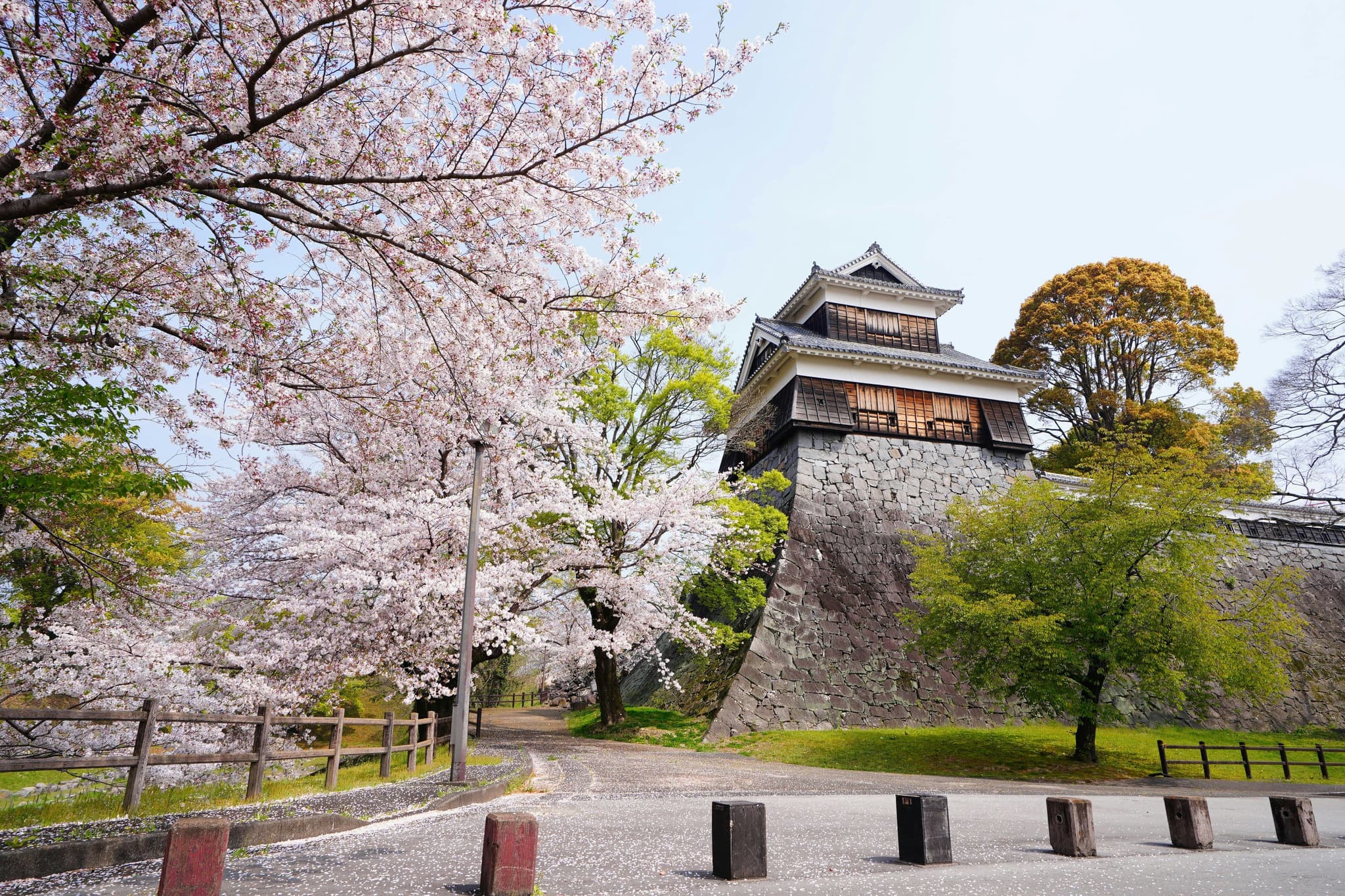
The Kyushu region includes:
Fukuoka: Try the famous yatai street food stalls and enjoy one of Japan's most relaxed cities.
Kagoshima: See the active Sakurajima volcano and soak in seaside hot springs.
Kumamoto: Visit one of Japan's most impressive castles and explore nearby Mount Aso.
Nagasaki: See a mix of Japanese and European history with beautiful harbours.
Oita: Relax in Beppu and Yufuin, two of Japan's best hot spring destinations.
Miyazaki: Explore coastlines, surfing beaches and gorges.
Saga: Visit colourful pottery towns, countryside and temples.
Okinawa
If you're craving white sand beaches and crystal clear water, Okinawa is unlike anywhere else in Japan. The islands have their own Ryukyu heritage, a unique local cuisine and some of the country's best snorkelling and diving. So if you're looking to slow down after exploring Japan's cities, there's no better place to end your trip.
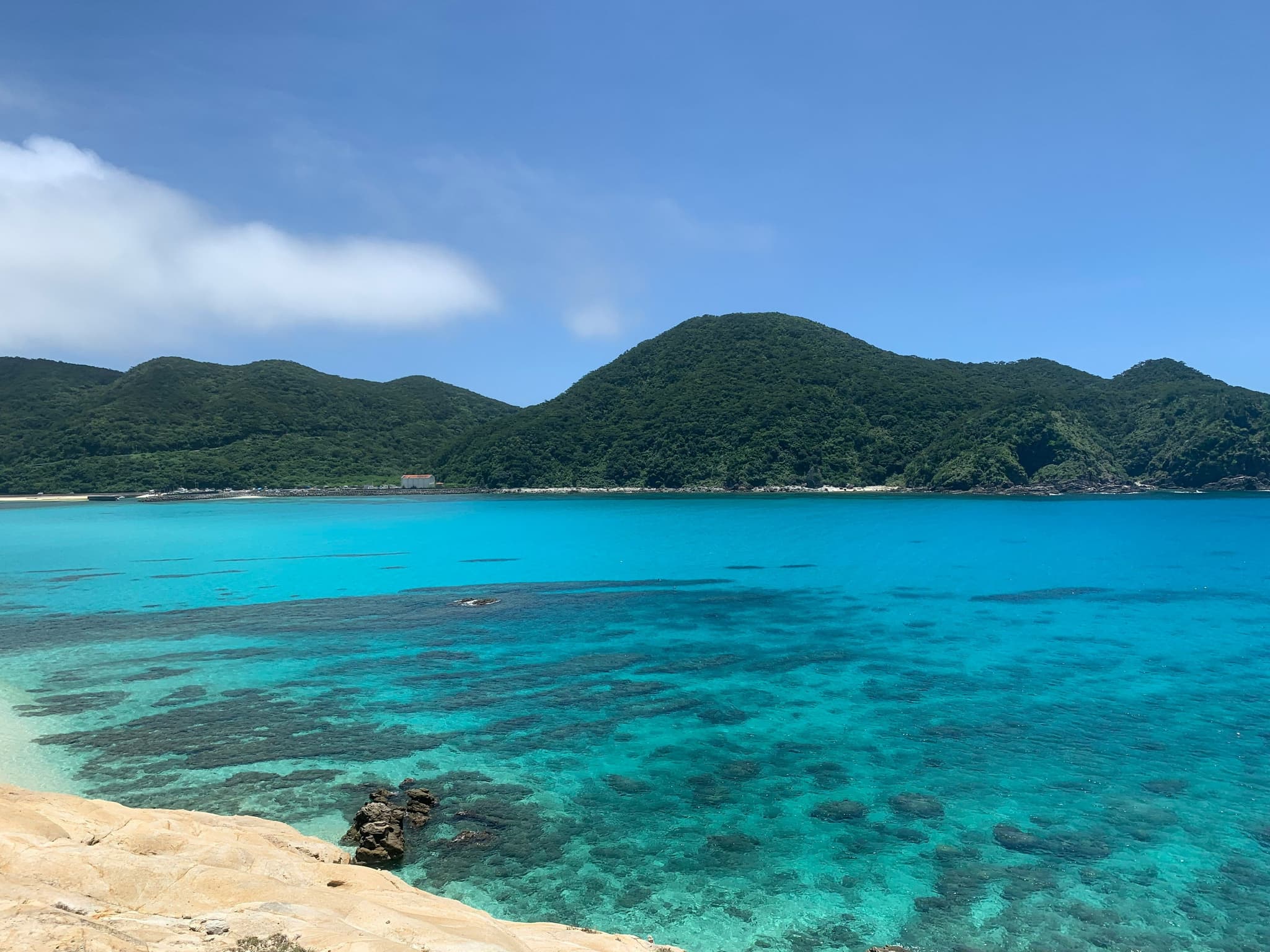
Curious which islands fit your itinerary best? Our Japan islands guide covers the most beautiful islands to visit, including Okinawa, Yakushima, Naoshima and many more.
Fun Fact: Okinawa was an independent kingdom, the Ryukyu Kingdom, until it was formally annexed by Japan in 1879.
How to decide which regions and prefectures of Japan fit your trip?
With 8 regions and 47 prefectures of Japan to choose from, picking where to actually go is the hard part, not the easy one. Most people make the mistake of trying to cover too much ground, which usually means long transfer days instead of time actually enjoying anywhere.
This might help you choose:
Temples, shrines, and classic old Japan: Kansai, especially Kyoto, Nara, and Osaka
Mountains, skiing, or hiking: Chubu, particularly Nagano and Gifu
Capital-city trip with easy day trips: Kanto, based out of Tokyo
Fewer other visitors and slower travel: Tohoku, Shikoku, or Chugoku
Beaches and a subtropical trip: Okinawa, on its own separate trip
Food, nightlife, and volcanoes: Kyushu, based out of Fukuoka or Kagoshima
For a first trip of one to two weeks, stick to two regions at most, Kanto and Kansai together is the classic route and works brilliantly by bullet train. For anything longer, add one more region rather than spreading yourself across four or five, since Japan's regions are bigger than they look on paper, and travel days add up fast between them.
Want to know more about the best places to visit, itinerary ideas, transport tips and when to go? Take a look at our complete Japan travel guide, where we've brought everything together to help you plan your trip.
Timing matters here too, weather shifts a lot by region and by month. Our best time to visit Japan guide breaks down when each part of the country is at its best, so read that before you lock in dates.
Enjoyed This Blog? Continue Reading!
More travel inspiration is waiting for you on our blog. You can look below and start planning your next trip!


