


In Tokyo, sakura season officially begins at one tree. It grows in the grounds of Yasukuni Shrine, and when the first five or six flowers open on it, the city's first bloom is declared. Every forecast you'll read is a prediction about trees like that one, repeated city by city as the bloom works its way north through Japan.
No real forecast for the 2027 cherry blossom season in Japan exists yet. The first ones arrive in mid-to-late December. So everything below is a typical window built from long-term averages and recent seasons. None of it is a confirmed date. That's also why we think the smart move this year sounds slightly backwards. Book your room now, and leave the days themselves loose.
How do cherry blossom forecasts work?
What exactly is being forecast? Two dates for each city, and both refer to a single variety of tree. These are the terms you'll see in almost every forecast.
- Somei Yoshino: the variety all the official dates refer to. Other varieties bloom earlier or later.
- Kaika: first bloom, declared when the first five or six flowers open on a designated sample tree.
- Mankai: full bloom, when about 80 percent of the flowers are open.
- Cherry blossom front: the line of blooming that forecasters track as it moves gradually north.
The sample tree matters more than it sounds, and japan-guide.com has a clear rundown of how bloom dates are tracked. Tokyo's tree is at Yasukuni Shrine, and trees in shadier spots elsewhere in the city can run several days behind it. A kaika announcement on the news doesn't mean the park you picked is flowering yet.
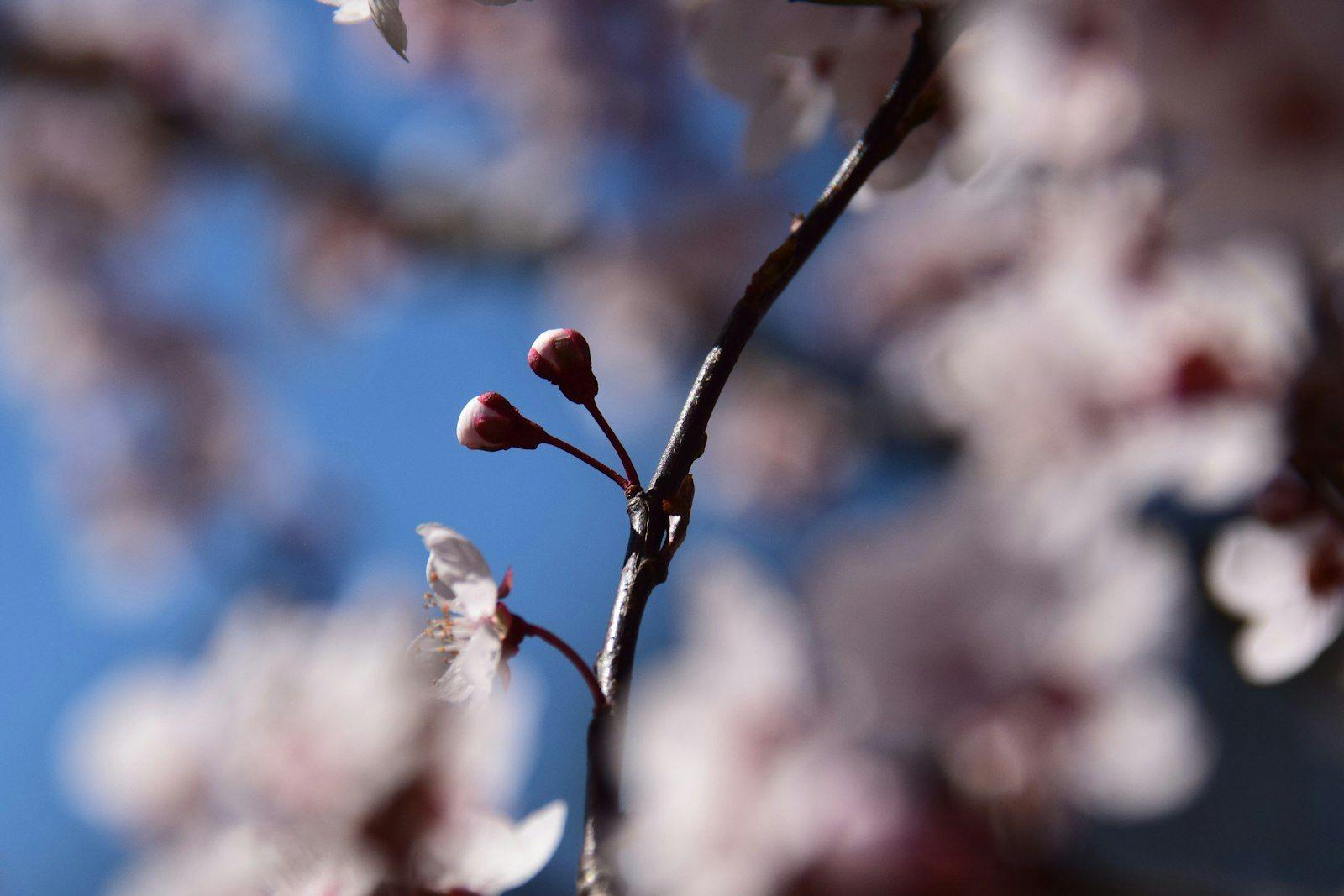
Then there's how long the show lasts. A single tree typically stays in bloom for 10 to 14 days. The window most people picture, with a full canopy and petals still on the branches, lasts only five to seven. We'd plan around the shorter number every time.
When the 2027 forecasts actually arrive
We'd treat any precise 2027 bloom date you see this autumn as an educated guess, because that's what it is.
Private forecasters, the Japan Meteorological Corporation among them, put out a first forecast in mid-to-late December. More reliable updates follow from around early March as the season gets close. Between those two points the numbers move, and the main reason is February. A mild February brings the season forward and a cold one delays it. Start dates typically vary by about a week from one year to the next, and larger swings are possible.
When to see cherry blossoms in Japan, city by city
Tokyo's long-term average first bloom is 24 March, with full bloom a week later on 31 March. Those figures come from Japan Meteorological Agency data, and the list below gives the same averages for eight cities.
- Tokyo: average first bloom 24 March, full bloom 31 March
- Kyoto: average first bloom 26 March, full bloom 4 April
- Osaka: average first bloom 27 March, full bloom 4 April
- Fukuoka: average first bloom 22 March, full bloom 31 March
- Kumamoto: average first bloom 22 March, full bloom 1 April
- Kagoshima: average first bloom 26 March, full bloom 5 April
- Sapporo: average first bloom 1 May, full bloom 6 May
- Hakodate: average first bloom 28 April, full bloom 2 May
Treat this as the old baseline. Recent seasons have been running earlier, and the 2027 estimates below are built from what actually happened in 2026. We'd look at both before settling on dates.
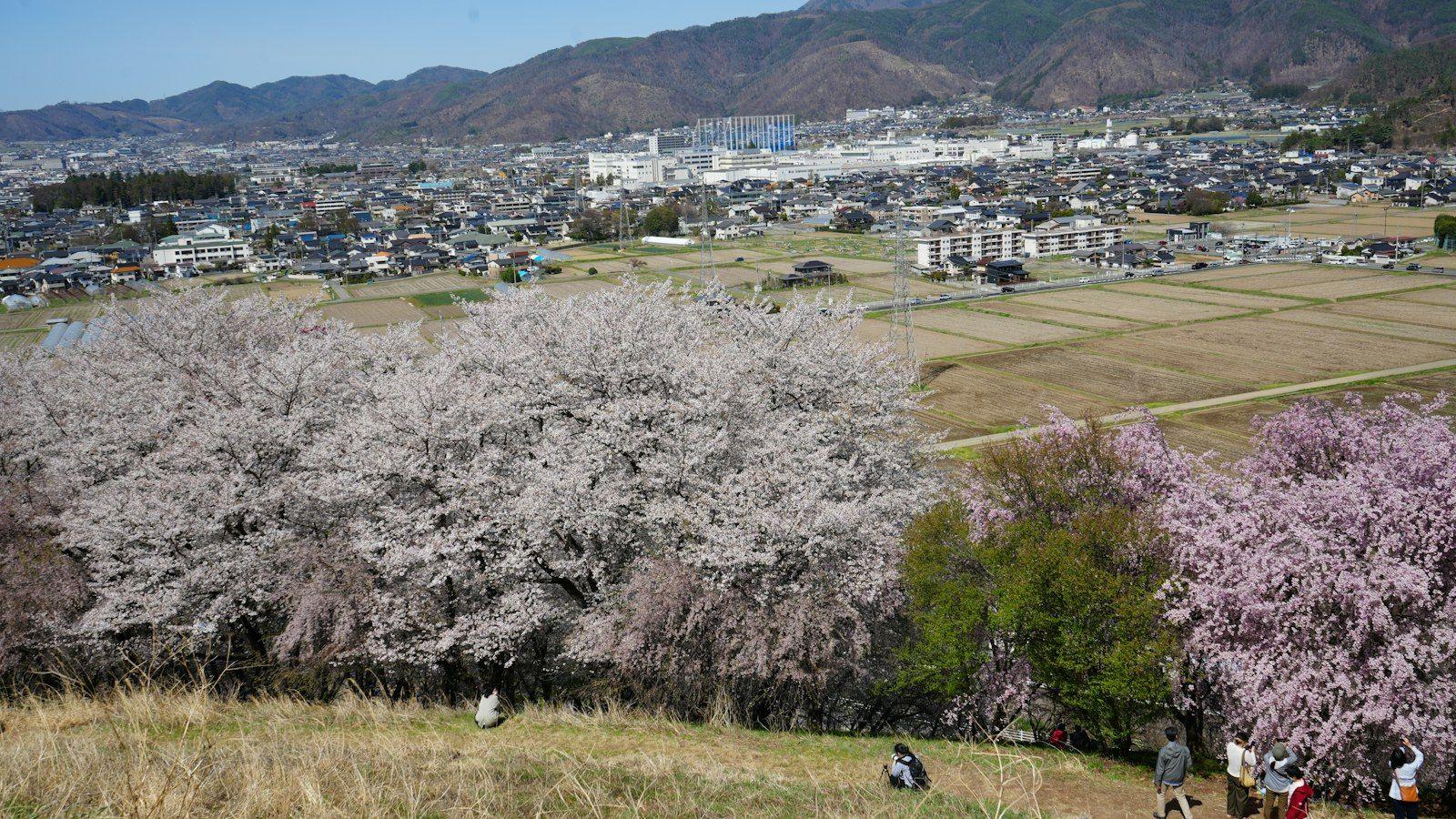
Tokyo and Kyoto
In 2026, Tokyo's first bloom came on 19 March and full bloom on 28 March. Kyoto followed with a first bloom on 23 March and full bloom on 30 March. Estimates for 2027 put Tokyo's first bloom around 24 March and full bloom around 30 March, with the best viewing somewhere between 29 March and 5 April. Kyoto's estimated window looks much the same, and LIVE JAPAN's 2027 forecast guide sets out the figures city by city.
If you're building a first trip between Tokyo and Kyoto around the bloom, we'd aim for the last few days of March running into the first days of April. It's still a small gamble either way.
Osaka
How far behind Kyoto does Osaka run? Not by much. Its 2026 first bloom was 26 March and full bloom 3 April. The 2027 estimate puts full bloom around 3 or 4 April, with the best viewing from about 2 to 7 April.
Kyushu
If an early bloom matters most to you, look south. Fukuoka and Kumamoto have the earliest averages on the table, both with a first bloom on 22 March. Full bloom follows on 31 March in Fukuoka and 1 April in Kumamoto. Kagoshima averages a later start, with first bloom on 26 March and full bloom on 5 April.
Hokkaido
Sapporo's long-term average first bloom is 1 May, and Hakodate's is 28 April. In 2026, northern Japan's first bloom came on 20 April and full bloom on 24 April. The 2027 estimate follows that recent pattern, with first bloom around 20 April, full bloom in late April and blossom lingering into early May. The gap between those two baselines gets its own section below.
Okinawa, a different season entirely
Want cherry blossoms without waiting for spring at all? Okinawa doesn't follow the mainland pattern at all. Its cherry trees are a different variety, Kanhizakura, with deep pink, bell-shaped flowers that open from mid-January to early February. We'd treat it as a separate winter trip, not part of any spring sakura plan.
Why the old averages may run late
Are the blooms coming earlier than the averages say? On recent evidence, yes, and most noticeably in the north.
The 2026 season bloomed 3 to 7 days earlier than the historical average across the country, after a warm February. Hokkaido showed a wider gap. Sapporo's long-term average first bloom is 1 May, while 2026's northern first bloom came on 20 April, about ten days ahead of the old rule of thumb.
We read that as a real signal that blooms are trending earlier, especially in Hokkaido. It rests on one recent season checked against the long-term average, though, and only one of the sources behind this guide made that comparison directly. So we wouldn't call any single date settled. If we were planning a Hokkaido trip for 2027, we'd aim at late April and keep a few spare days on either side.
Book your room now, but keep your days flexible
Our advice for 2027 is lopsided on purpose. Commit early on where you'll sleep and how you'll get there, and commit late on what you do each day.
Both of the planning guides we drew on recommend booking hotels in Tokyo, Kyoto and Osaka 6 to 12 months before a spring cherry blossom trip. One goes further and says no later than December 2026 for spring 2027. Flights deserve the same urgency, as do blossom-specific tours and ticketed attractions. Those sell out fastest once dates get closer and firmer.
The flexible half starts in February. That's when the year's actual forecast begins to narrow, and it keeps tightening into March. A fixed hotel booking with an open day-to-day plan lets you move with it.
Guided tip: Pick one base for the whole peak stretch and plan day trips out from it, rather than a tight city-to-city schedule. If full bloom lands a few days off the estimate, you swap a day trip around instead of rebooking a hotel.
Easy swaps when the famous spots are packed
Osaka is close enough to Kyoto to work as a base during peak dates, and it's one of the simplest crowd fixes our sources suggest. Near Tokyo, Yokohama does a similar job for travellers who want to stay close to the capital without sitting in its single most crowded spot.
We think the Osaka swap is the better of the two. Its estimated 2027 peak runs a few days behind Kyoto's, so staying there stretches your realistic viewing window into the first week of April.
Quieter places to see sakura
Where do you go if you'd rather look at blossom than at other people's phones? Japan's national tourism organisation has an answer in its list of cherry blossom spots without the crowds. We've taken four of them and set a fifth aside.
First, a caveat. None of these places comes with visitor numbers, and only one is described outright as unknown to most tourists. We'd still back all four as calmer than the headline spots in Tokyo and Kyoto, but that's our judgement and not a headcount.
Takato Castle Site Park, Nagano
About 1,500 cherry trees fill the park, with the Japan Alps behind them. It's a day trip from Matsumoto and is described as a local favourite rather than a tourist draw. Peak viewing is usually early to mid April, which makes it a good fallback if Tokyo's window slips past you.
Matsue Castle, Shimane
Want the castle to matter as much as the trees? Matsue is one of only 12 original castles left in Japan, set on the Sea of Japan side between two lakes. Its cherry blossom comes out alongside camellias and azaleas, usually from late March into early April. This is the one we'd choose if the castle matters to you as much as the trees.
Kinosaki Onsen, Hyogo
We'd call this one our favourite of the four, mostly because it slots so easily into a Kyoto-based trip. Kinosaki Onsen is a hot-spring town a short trip from Kyoto, with cherry trees lining its canals. JNTO calls it "as yet still unknown to most tourists," and it's the only pick on the list with that kind of explicit claim attached. Best viewing is usually late March to early April.
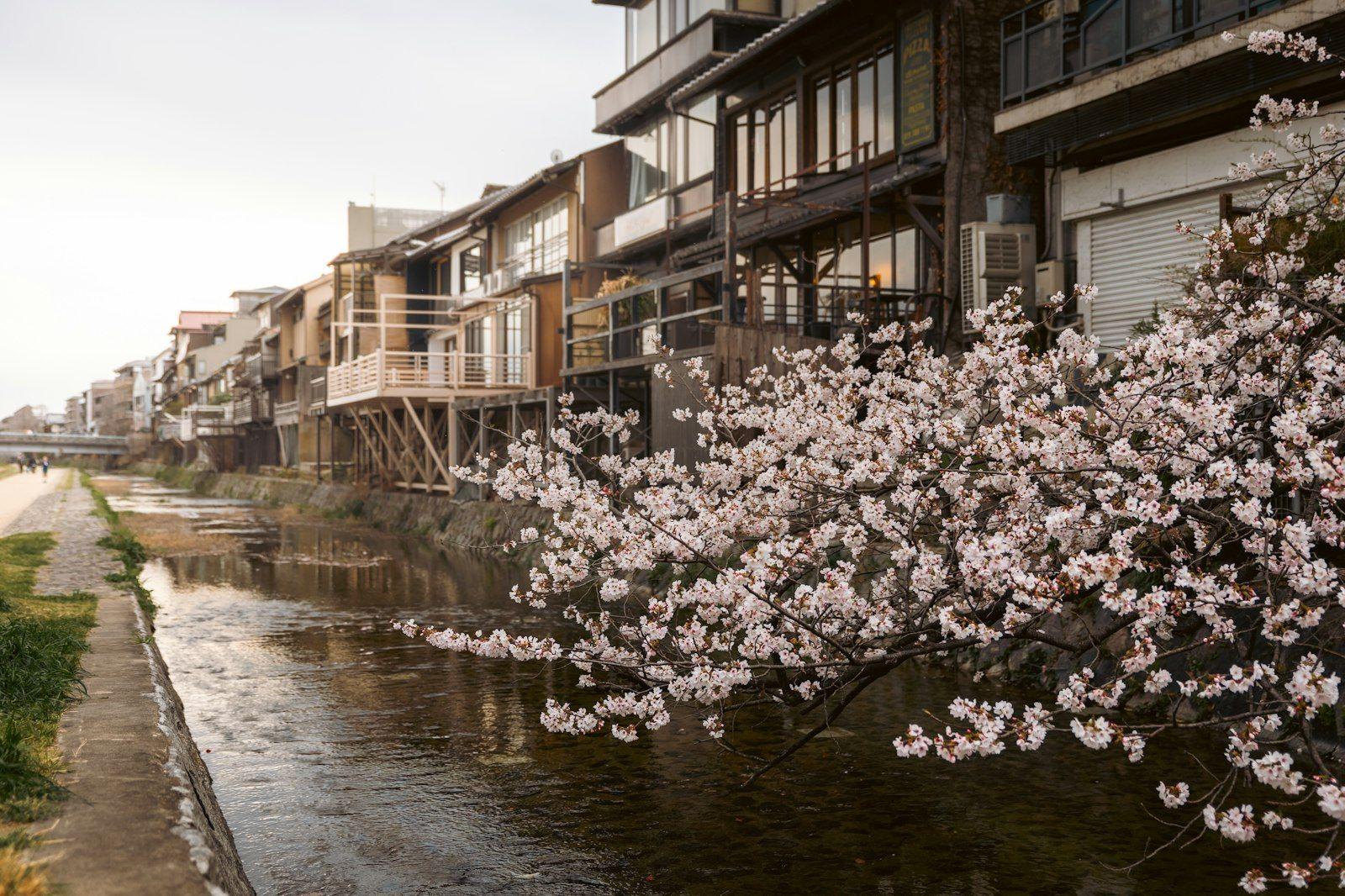
Hitome Senbon Zakura, Miyagi
Around 1,200 trees line the Shiroishi River near Sendai, with the Zao mountains in the background. In season the Tohoku bullet train slows as it passes through, so you can see the blossom from your seat. Peak viewing is usually early to mid April.
A scenic detour, not a quiet one
Fine with crowds if there's a good festival attached? JNTO's list also includes Kakuzan Park in Okayama, but the description mentions an annual festival that draws thousands of visitors. We'd go for the festival if that appeals, and we wouldn't go expecting peace and quiet.
Choosing when to go for sakura season
If we had to pick one week for a first cherry blossom trip without seeing the forecast, we'd pick the one that runs from the last days of March into the first days of April, based around Kyoto and Osaka. In both the long-term averages and the 2027 estimates, that's where the big-city windows overlap most.
Later trips have options too. Takato and Hitome Senbon Zakura usually peak in early to mid April, and Hokkaido has recently been blooming in late April. If cherry blossom is one priority among several, our guide to the best time to visit Japan weighs spring against the rest of the year. Our roundup of festivals in Japan covers the events that fall outside blossom season.
Planning your trip
The first 2027 forecasts land in mid-to-late December, the same month one of our sources gives as the latest point to book a spring hotel. That makes the next few weeks the time for the big decisions. Once flights and a base are locked in, you can sketch out flexible day trips and backup spots in the Guided travel planning app. We'd leave at least two spare days in any sakura itinerary, so there's room to move once the forecasts start narrowing in February.


