
South Ireland: where to go, what to see and how to plan your trip
By Eva Alkemade
Jul 7, 2026
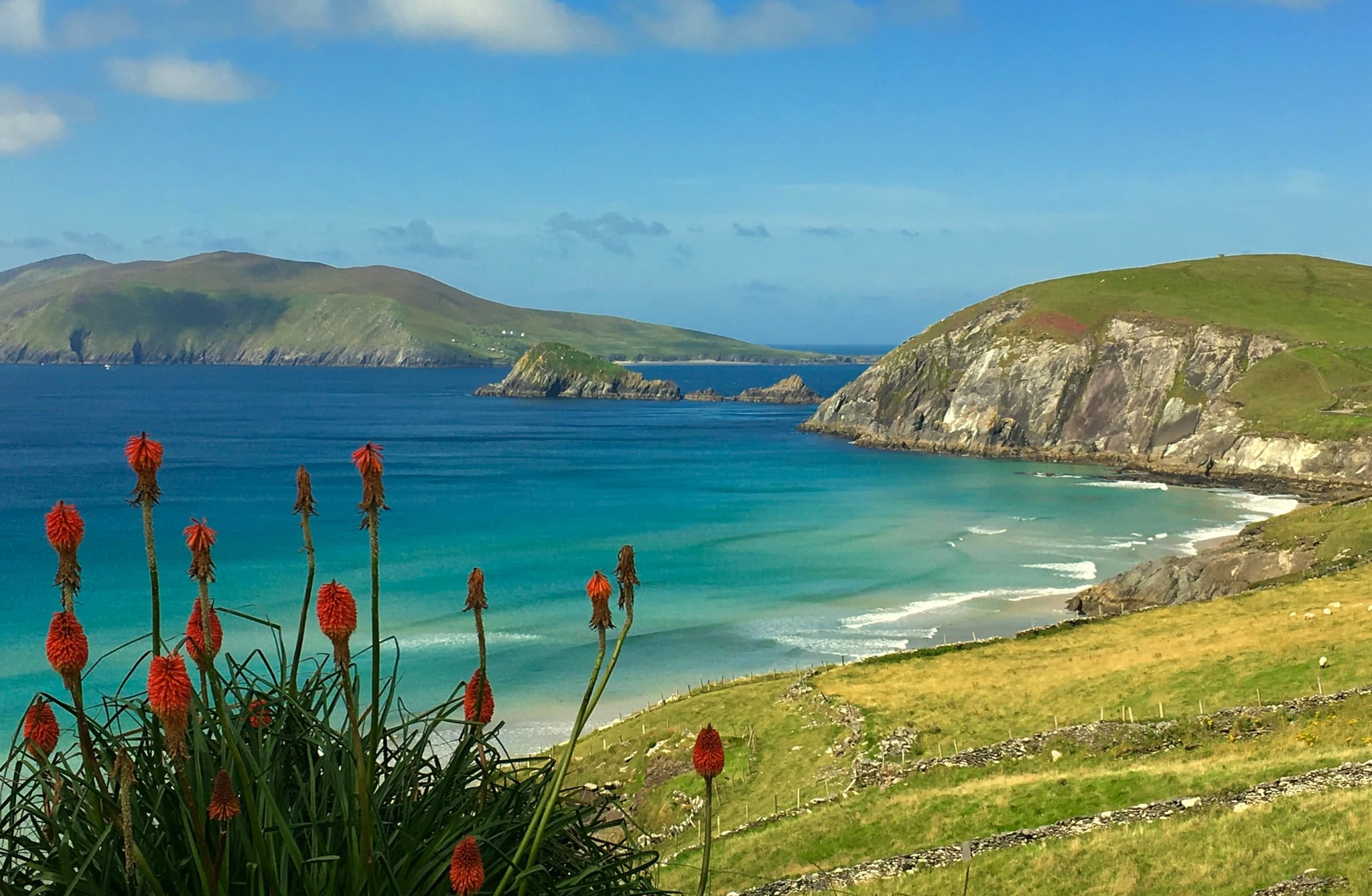
Planning a trip to the south of Ireland? One of the first things you'll notice is how much the landscape changes as you travel. Over in Cork and Kerry, you'll find rugged coastlines, colourful harbour towns and some of the country's most photographed drives. Further east, in Waterford, Kilkenny and Wexford, castles and Viking history take over instead, with a gentler, greener stretch of coast to match. We’ll cover the best places to visit, local experiences, practical travel tips and everything else you need to plan your trip through Southern Ireland.
Where is the south of Ireland?
Southern Ireland isn't an official region, so don't expect to find a line on the map showing where one part ends and another begins. To make planning a bit easier, we've divided this guide into two areas. The South West takes you through Cork, Kerry and western Limerick, where you'll find dramatic coastlines, mountain passes and colourful harbour towns. The South East covers Waterford, Kilkenny, Wexford, Tipperary and eastern Limerick, with medieval cities, castles, Viking history and a gentler coastline. If you've only got a week, we'd recommend picking one side rather than trying to squeeze both into a single trip.
Wondering how this region fits into a wider Irish itinerary? Our Ireland travel guide lays out every region side by side, so you can see how this corner connects with whatever else you've got planned.
What to see in South West Ireland?
You'll find some proper southern Ireland attractions packed into this half of the region, from tiny fishing harbours to rugged headlands, all within a couple of hours of each other, which makes it an easy place to build a full week around.
Cork City
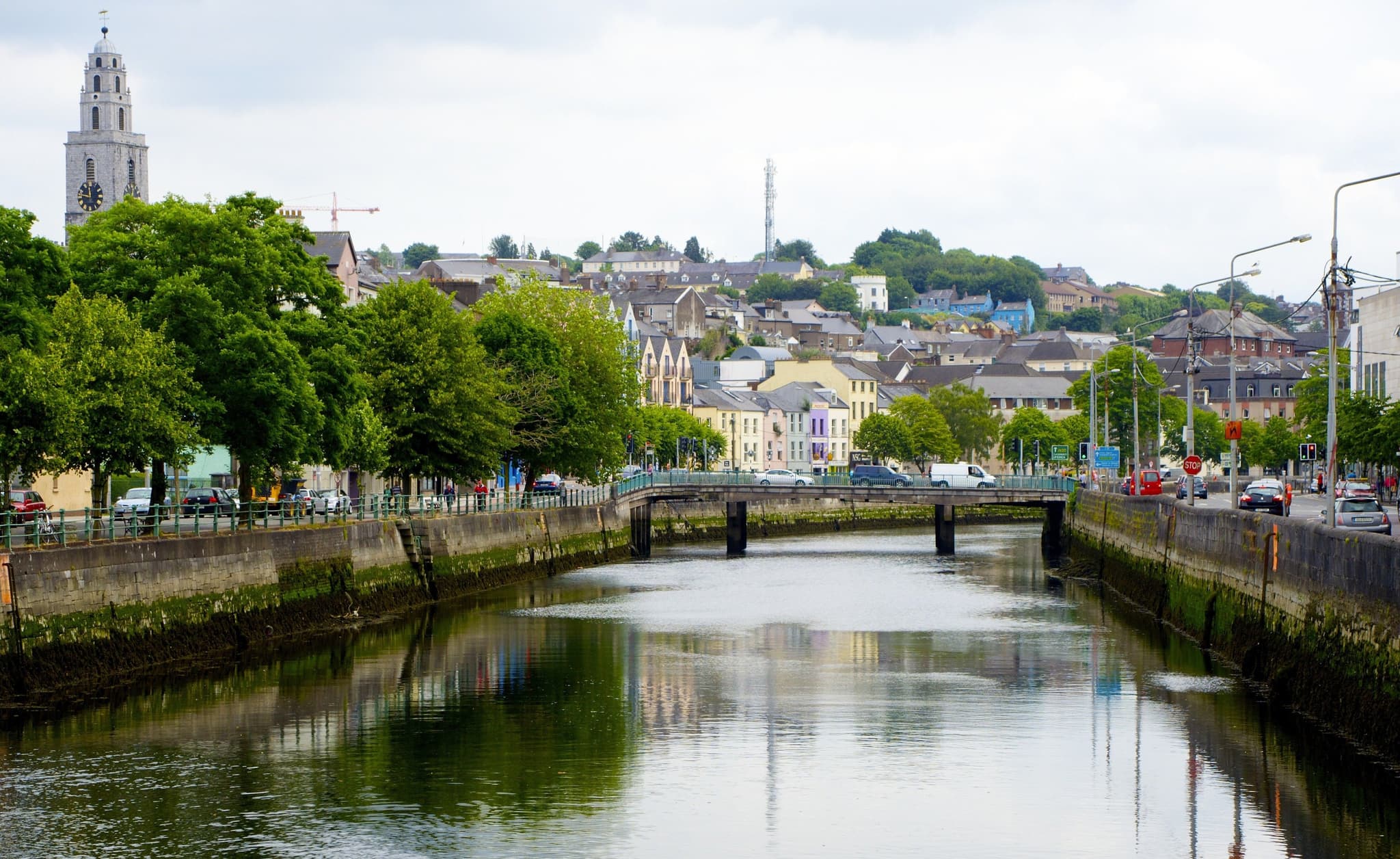
You'll find plenty of visitors treating Cork as a stopover on the way to Kerry, which is a shame given how much this city in southern Ireland has going for it on its own terms. Up at St Anne's Church in Shandon, you can actually climb the tower and ring the bells yourself, picking a tune from a laminated sheet while the whole neighbourhood listens, whether it wants to or not. Down by the river, Elizabeth Fort gives you a walkable star-shaped fortress with views back across the rooftops, and the English Market rounds things out nicely for a proper lunch stop, with fish stalls, cheese counters and locals doing their weekly shop all around you.
Curious how locals actually spend their weekends in Ireland? Our guide to things to do in Ireland covers everything from GAA matches and sea swimming to trad sessions.
The Ring of Kerry and Killarney
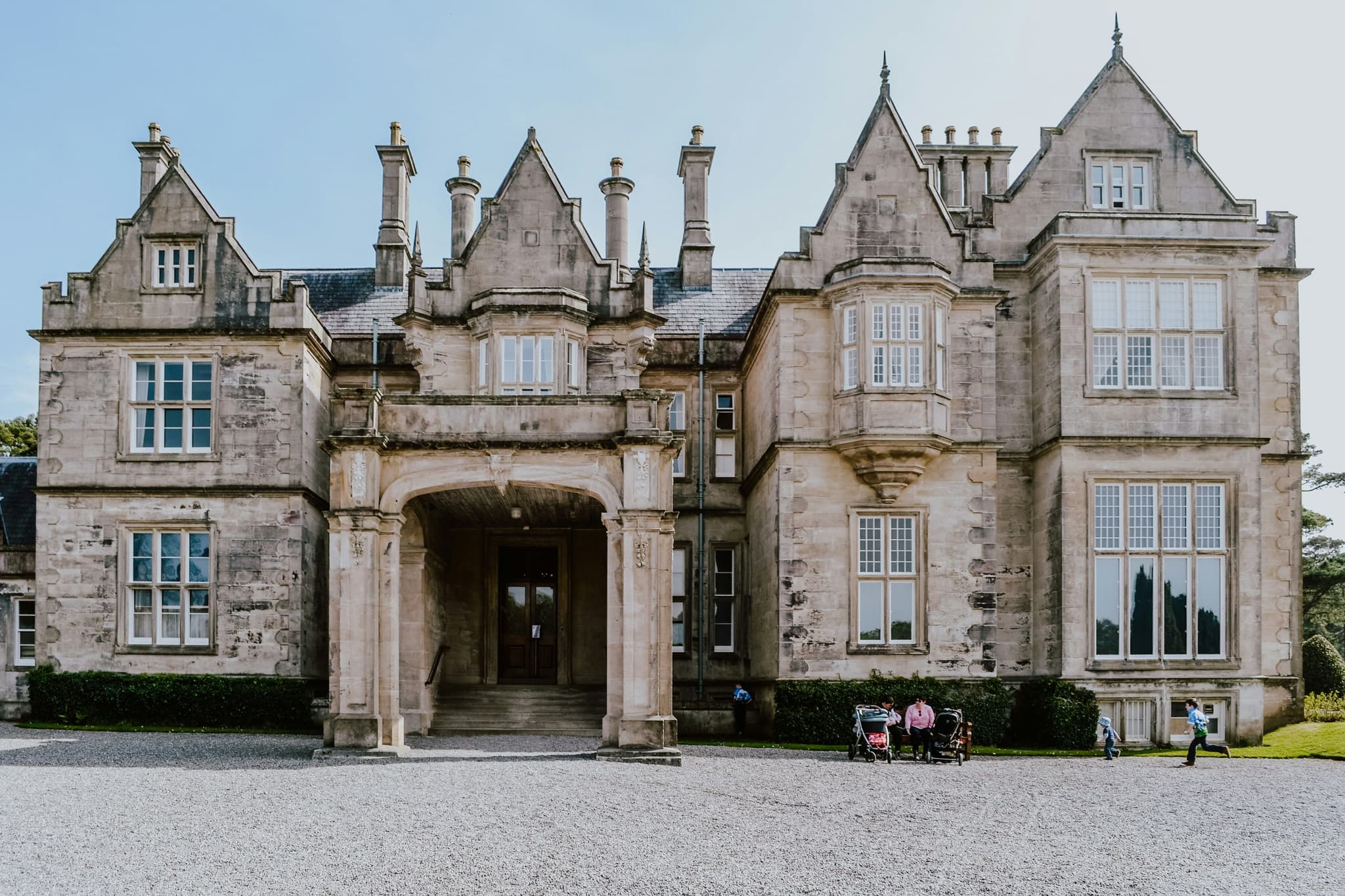
This loop around the Iveragh Peninsula counts among Ireland's most famous drives, and it earns that reputation. The whole area gets anchored by Killarney National Park, with Muckross House and its walled gardens making an easy stop before you head further along the loop. One of the best lookout points on the entire route comes at Ladies View, and a jaunting car ride through the Gap of Dunloe adds a slower, more old-fashioned way to see the valley.
Kinsale and Cobh
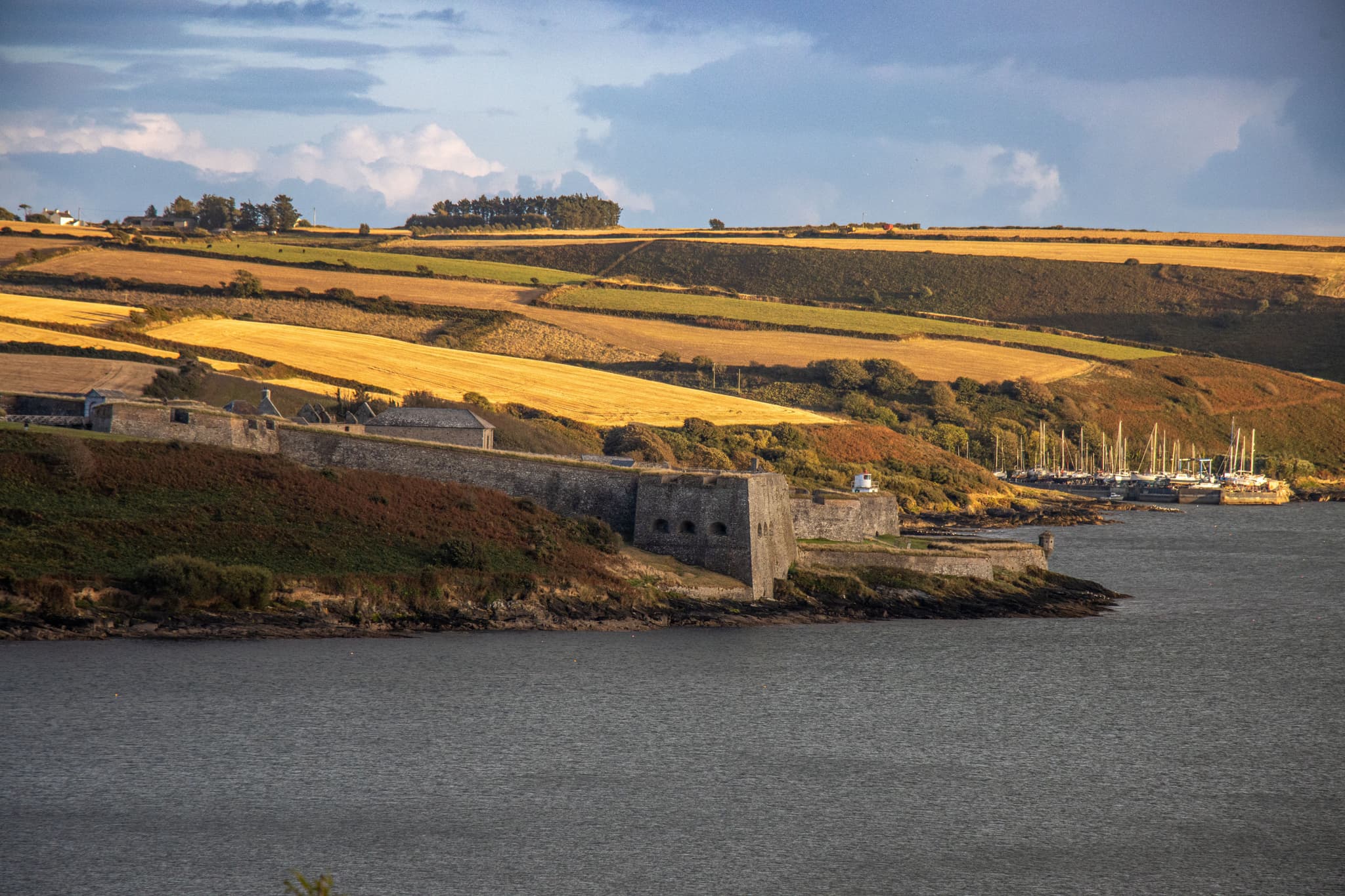
You'll spot brightly painted shopfronts lining Kinsale's harbour, and the town's old star-shaped fort, Charles Fort, is worth the walk along the water to reach it. You'll also find food and wine have become a genuine speciality here, with plenty of restaurants worth booking ahead for in summer. A short drive away, Cobh tells a heavier story, since this was the last port of call for the Titanic before it crossed the Atlantic, and the harbourfront houses in every colour make for one of the more photographed streets in the country.
Dingle Peninsula
This peninsula's tip gets circled by Slea Head Drive, passing beehive huts, cliffside pull-offs and some of the best coastal views in the country. Along the route, Gallarus Oratory, a dry stone church built over a thousand years ago without a drop of mortar, takes only a few minutes to visit. This town itself makes a good base for the night, with a harbour full of fishing boats and a bit of local legend built around a dolphin known as Fungie, who used to draw visitors from around the country.
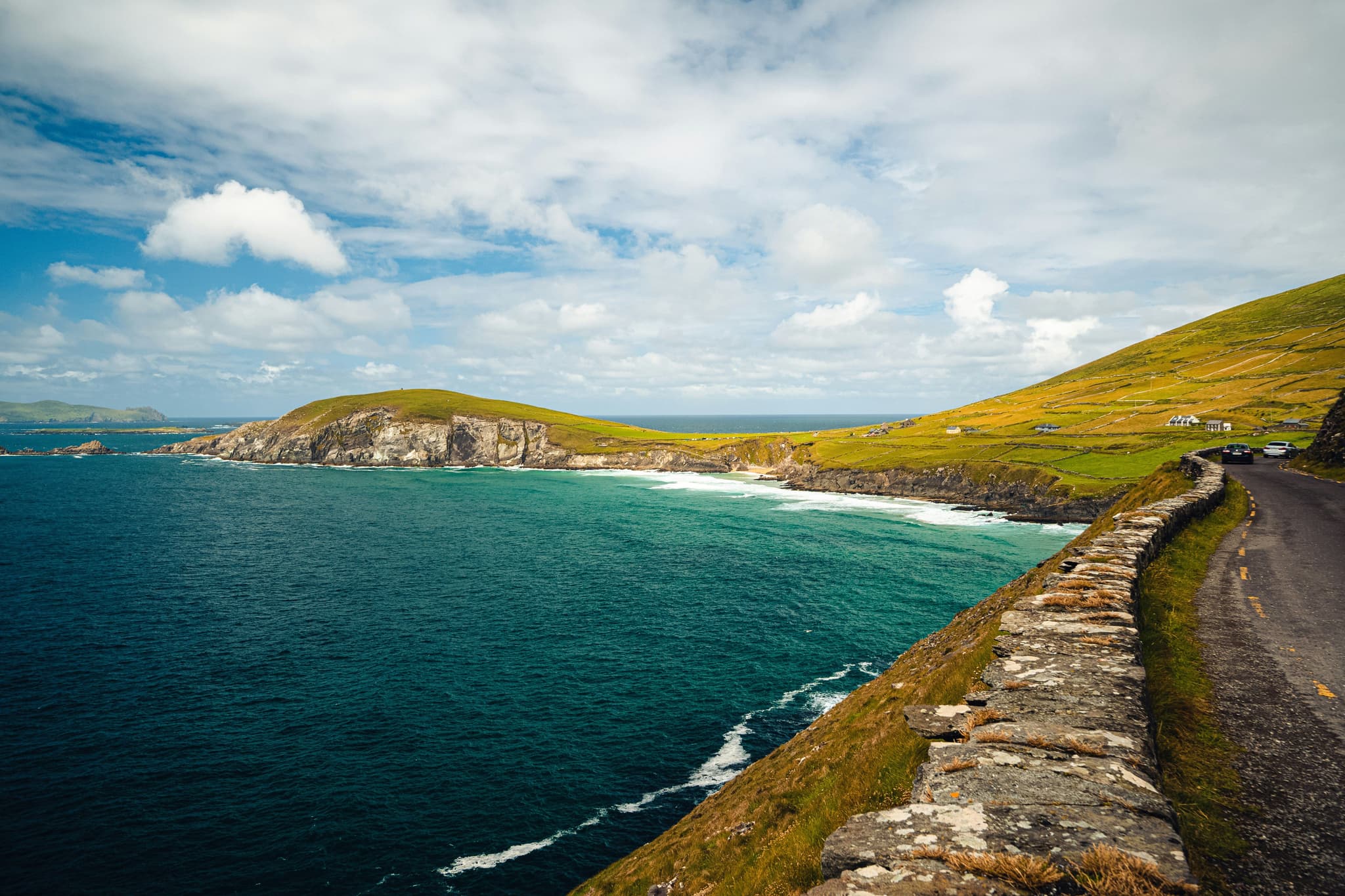
Things to do in the South West
Beyond the classic sights, a boat trip out to Skellig Michael ranks as one of the most memorable things you can do in this half of the country, weather depending, since the crossing only runs on calm days.
Near Clonakilty, Inchydoney Beach draws surfers most of the year, and further along the coast, the Beara Peninsula gives you all the beauty of the Ring of Kerry with a fraction of the traffic.
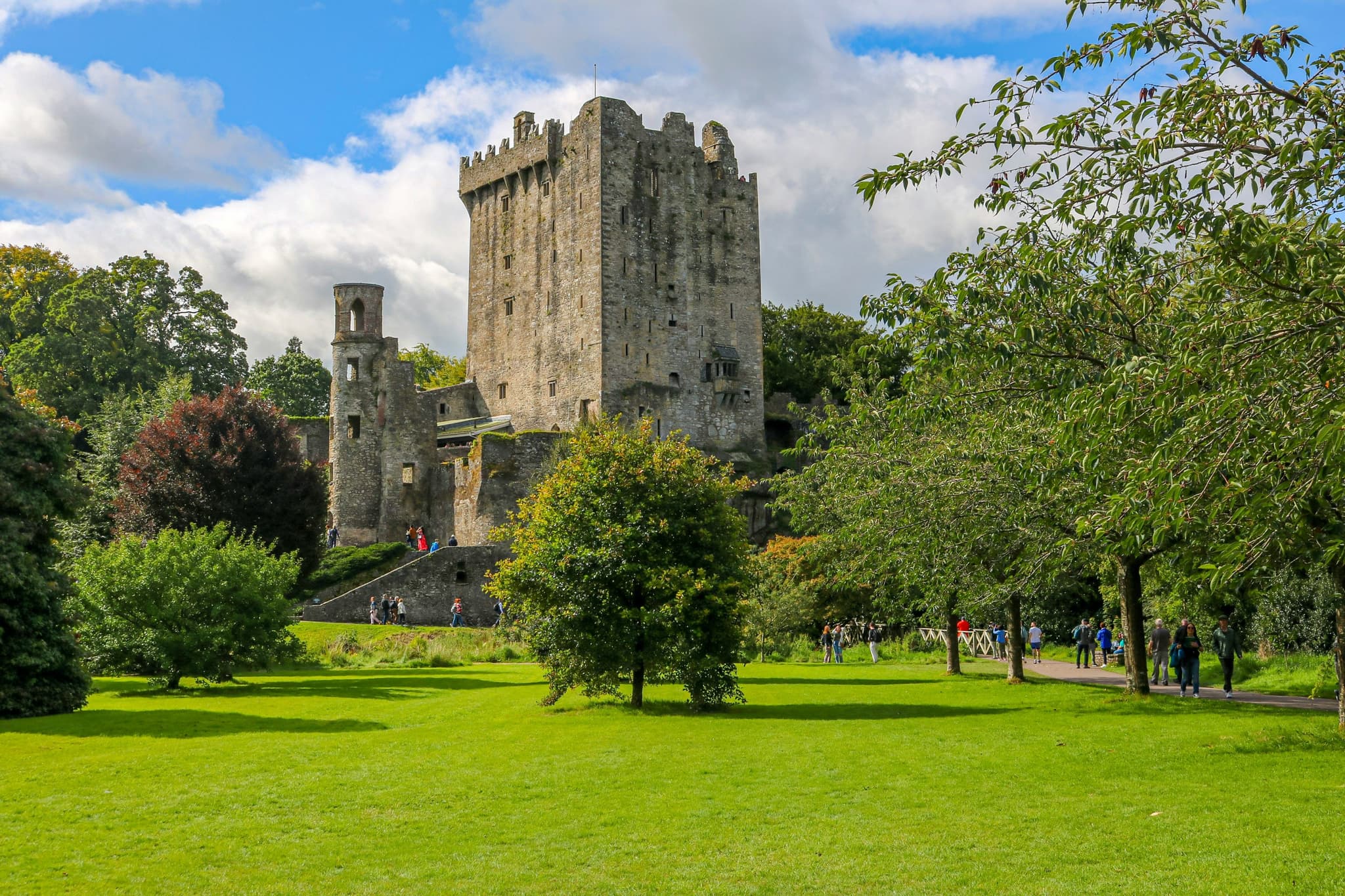
Alternatively, you can visit Blarney Castle, and yes, you can still lean backwards over the battlements to kiss the stone for the promise of eloquence. Around ninety acres of gardens surround the castle, including a poison garden worth a slow walk through. You can check current opening hours and ticket prices at blarneycastle.ie before you go.
Best towns to visit in the South West
Three towns in southern Ireland round out this half of the region: Kenmare, Youghal and Adare. Right at the meeting point of the Ring of Kerry and the Beara Peninsula, you'll find Kenmare, and its Wednesday market fills the square with local cheese, fish and baked goods long before the tour buses arrive.
You'll spot old walls still wrapping around parts of Youghal, and the Clock Gate Tower straddling the main street doubled as the town gaol for years. Back in 1954, film crews chose its harbour to shoot Moby Dick, and a few of the buildings from that shoot still stand along the waterfront today. You'll see thatched cottages lining Adare's main street so consistently that the whole town regularly gets called the prettiest in Ireland, and the reputation holds up.
What to see in the South East of Ireland?
Fancy something completely different? Leave the cliffs behind and head for the South East instead. This is where Ireland's history really takes centre stage, with medieval cities, Viking landmarks, castles and cathedrals around almost every corner. Since Waterford, Kilkenny and Wexford are all close together, it's easy to explore the region without constantly packing up and moving on.
Waterford City
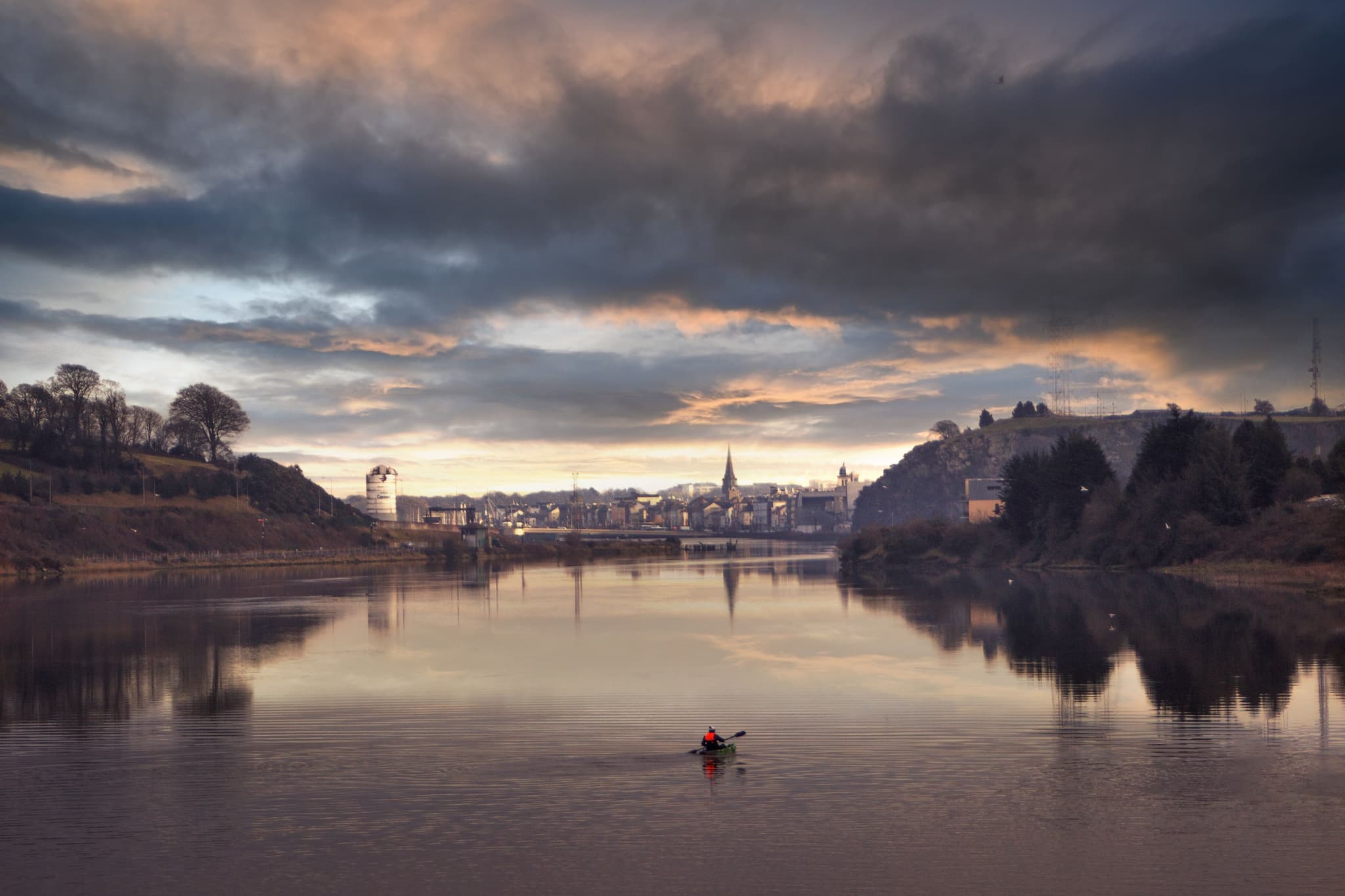
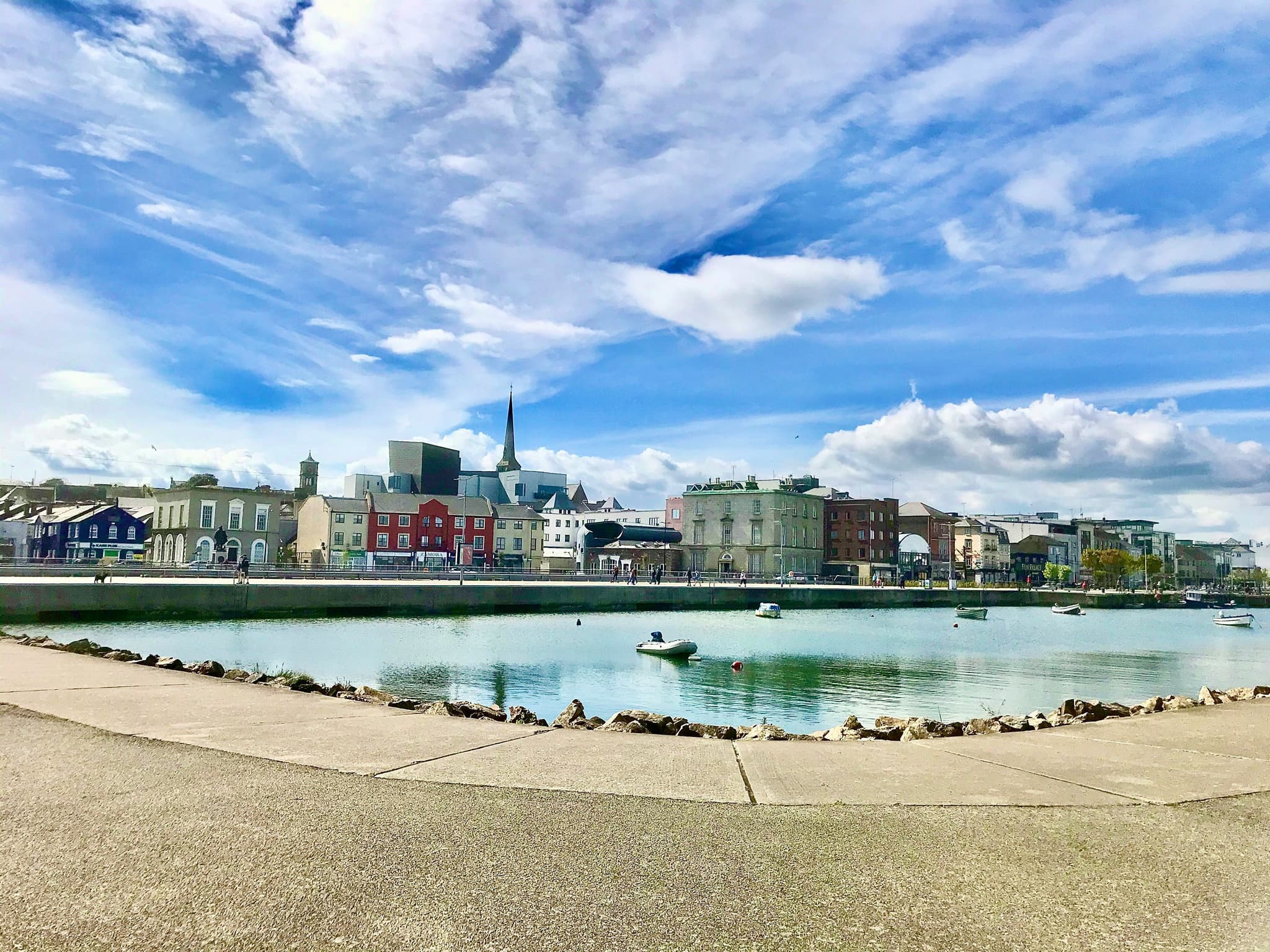
This city earns its "oldest city in Ireland" title fair and square, founded by Vikings back in 914, and the Viking Triangle still marks out the original settlement in the middle of town. One corner of it gets anchored by Reginald's Tower, holding artefacts that go back over a thousand years alongside the story of how the city grew into a trading post. A short walk from there, the Medieval Museum covers how Waterford developed through the centuries that followed, complete with a fifteenth-century wine vault built right into the building.
Kilkenny City
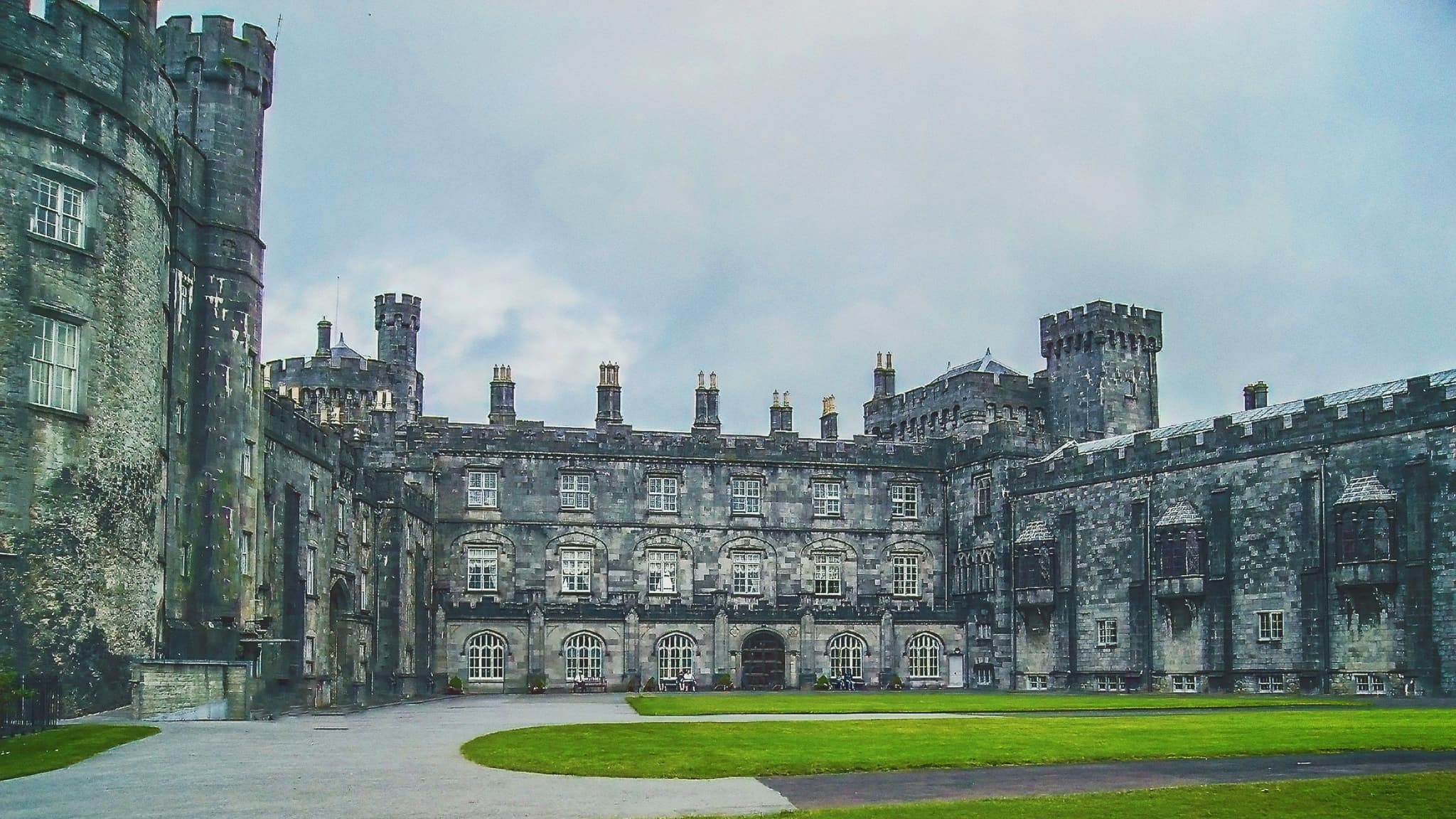
This city packs an enormous amount into a small area, and you can cover most of it on foot in an afternoon. The castle itself overlooks the River Nore, and its gardens are free to explore even if you skip the paid tour inside. Down the Medieval Mile, St Canice's Cathedral lets you climb one of only two intact round towers left in the country, and the steep climb makes the view at the top worth every step.
This round tower is one of only two in Ireland that you can still climb, and it's been standing since around the ninth century.
Cashel and the Rock of Cashel
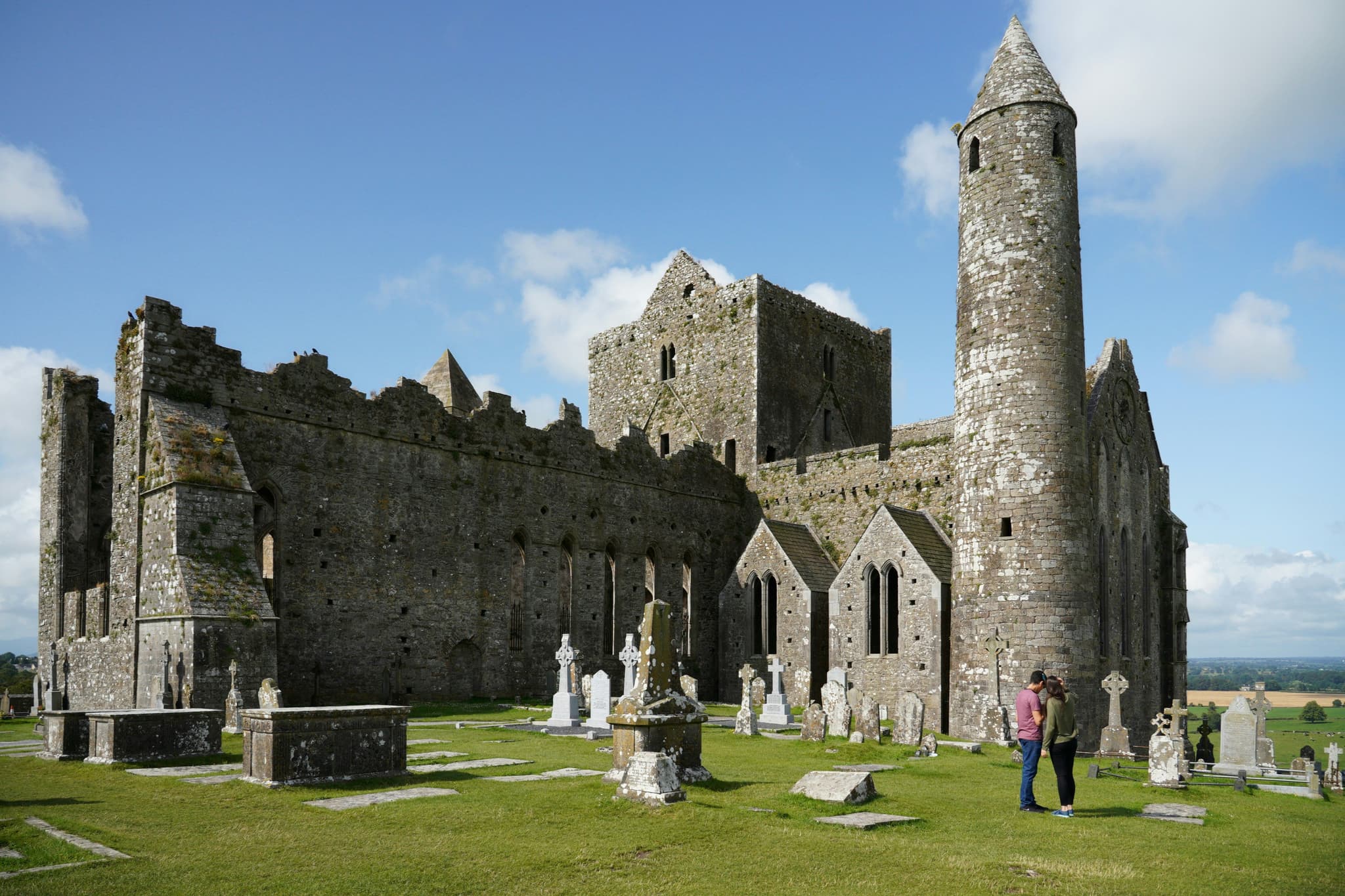
Rising straight up out of the surrounding farmland, the Rock of Cashel is one of those sights that photographs undersell completely. Inside the walls, Cormac's Chapel still has traces of medieval frescoes on its ceiling, which is rare enough in Ireland to be worth the climb up on its own. Down in the town below, Cashel itself makes an easy overnight stop, and Cahir is only about a fifteen-minute drive further on if you want to pair both castles into one day.
Wexford and Hook Head Lighthouse
This town itself has a proper walking core, all narrow medieval streets running down toward the harbour, and it makes a good stop before or after the lighthouse. Nearby, Hook Head Lighthouse claims to be the oldest operating one in Europe, still working after more than eight hundred years, and monks reportedly tended a warning fire on this exact headland as far back as the fifth century. It's worth checking tour times and prices at hookheritage.ie before you make the drive out to the tip of the peninsula.
Fun fact: Legend has it the lighthouse takes its name from a hook shaped stretch of land nearby, and it's been guiding ships continuously since medieval times, making it one of the longest serving lighthouses anywhere.
Things to do in the South East
Beyond the cities, the South East has plenty to keep you busy for another day or two.
If you're interested in local crafts, the House of Waterford Crystal lets you watch skilled glassblowers shape, cut and polish pieces by hand, including trophies made for events like the Masters and the US Open. Tours take around an hour, and it's worth arriving early before the workshop gets busy.
Rather spend the day outdoors? The Waterford Greenway is one of Ireland's best cycling routes, following a disused railway for 46 kilometres between Waterford City and Dungarvan. You can hire bikes at several points along the route if you don't have your own.
Love history? Just outside New Ross, the Irish National Heritage Park brings thousands of years of Irish history to life with reconstructed Stone Age huts, Viking settlements and Norman fortifications, making it much easier to picture what life here once looked like.
Best towns in the South East
Two of the best towns in southern Ireland close out this half: Cahir and New Ross. This castle counts among the best-preserved in Ireland, with a working portcullis and a great hall you can still walk through room by room. Just outside town, the Swiss Cottage adds a strange contrast, a thatched cottage orné built purely for a wealthy family to play at rustic living during the 1800s. Down along the River Barrow, New Ross makes a good base for visiting the heritage park, and the town itself has a row of quays worth a slow walk before you move on.
Things to do in South Ireland if you like outdoor adventure
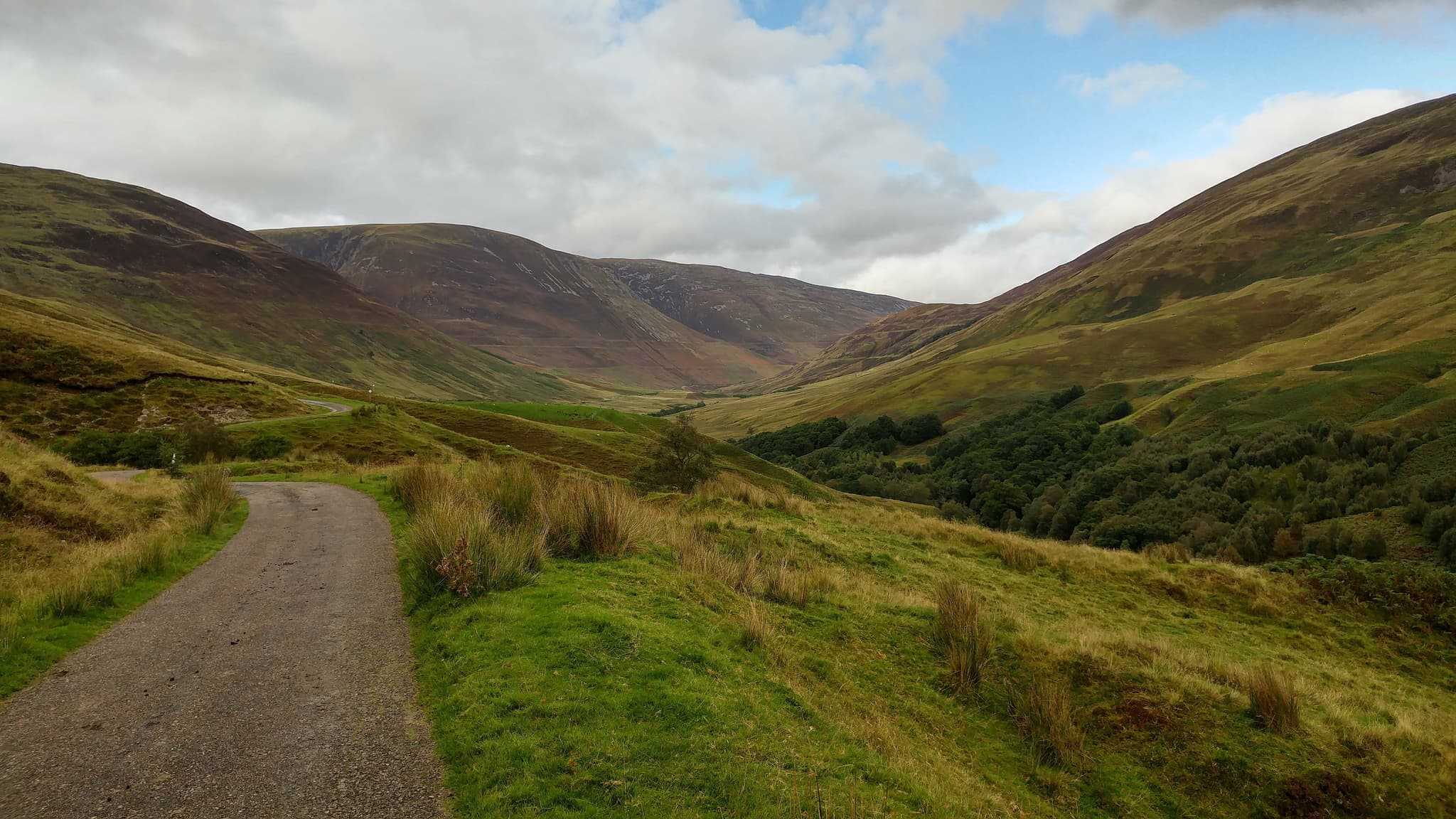
If castles and cities aren't really your focus, plenty of things to do in South Ireland exist well away from any town centre. Inland, the Glen of Aherlow cuts between the Galtee Mountains, and a drive along its valley floor works well as a calmer alternative to the busier mountain passes further west. Along the coast near Ardmore, a cliff walk circles a headland dotted with early Christian ruins and a round tower of its own, and the Copper Coast Geopark near Waterford covers old mining sites and cliff formations across seventeen kilometres of coastline.
Wondering where to cool off along the way? Take a look at our favourite swim spots in County Clare, just north of this region, for something a little calmer than the main tourist beaches.
Experience South Ireland through its food and culture
Just east of Cork City, Midleton holds the Jameson Distillery, and tours here cover the entire whiskey making process before ending with a tasting that compares Irish, Scotch and bourbon side by side. You can check tour times and book ahead at jamesonwhiskey. A short drive further out, Ballymaloe Cookery School runs courses ranging from a single afternoon to twelve full weeks, drawing on the surrounding farm for most of what ends up on the plate.
Both Dungarvan and Midleton run weekly farmers’ markets, giving you a genuine sense of what people actually eat around here.
Looking for more ideas beyond food and history? Take a look at these 10 unique things to do in Ireland that locals like to do for activities across the whole country, from cities right down to the coastline.
Where to spot wildlife in South Ireland
You'll find wildlife plays a bigger part in a south Ireland trip than most people expect, and a few species are worth planning around. From April through August, puffins and other seabirds nest around the Skellig Islands, and boat trips out to Skellig Michael give you a decent chance of spotting them alongside the ruins.
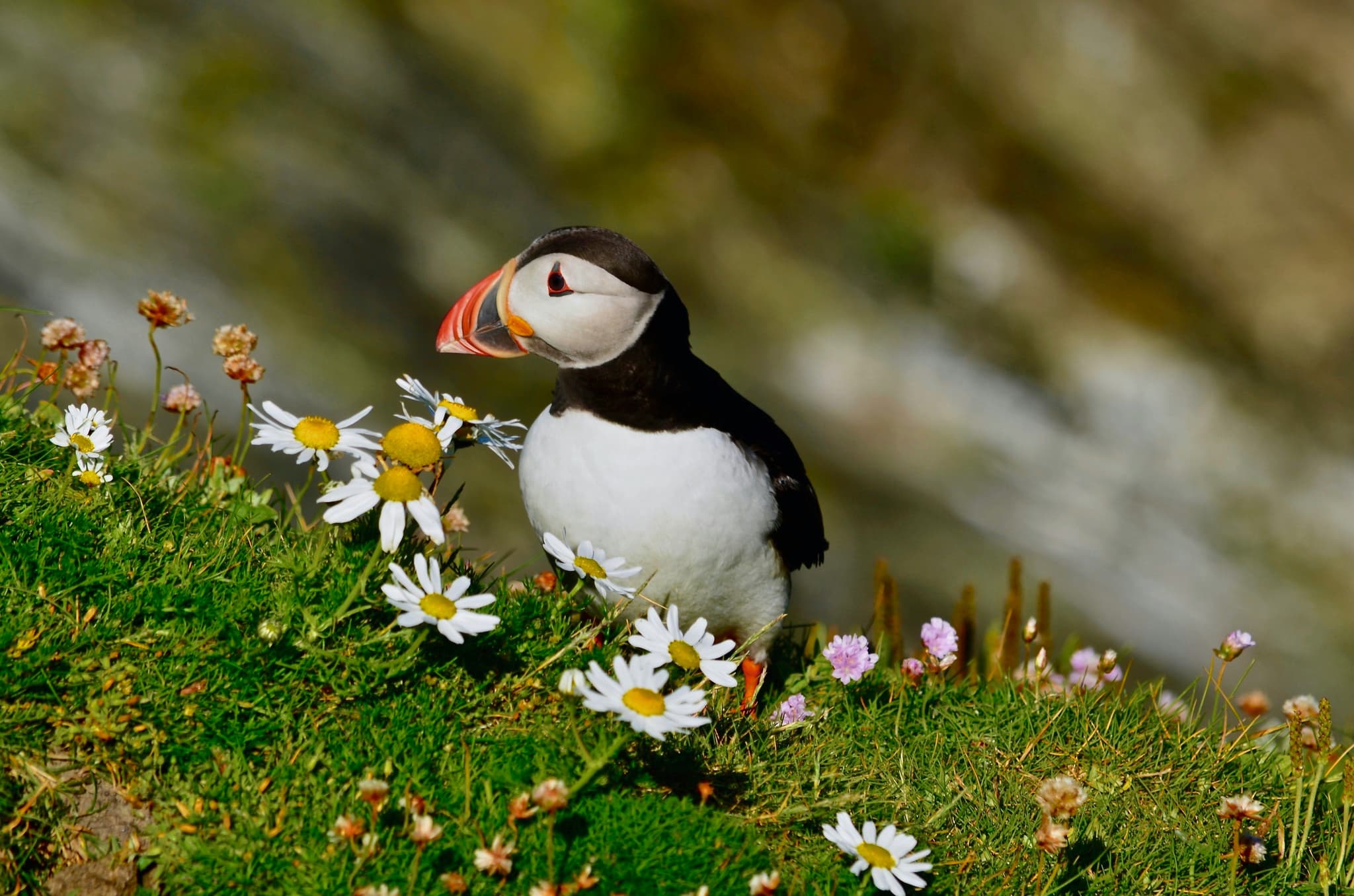
You'll also spot seals along rocky parts of the West Cork and Kerry coastline pretty much year round, and dolphin watching trips out of Dingle Bay run daily during summer.
Inside Killarney National Park, red deer roam freely, and they're one of the few herds in Ireland that trace back to native stock rather than animals brought over later.
Near Waterford and Kilkenny, otters slip along the rivers if you're patient enough to sit by the water at dawn or dusk, and basking sharks pass close to the West Cork coast between May and July, drawn in by the same plankton blooms that bring the smaller fish.
Not sure which time of year is right for your trip? Read our best time to visit Ireland guide, where we explain the weather, wildlife and seasonal highlights month by month.
Practical tips for visiting South Ireland
Planning the route is the fun part, but a few practical details can make your trip much easier. Here's what we suggest you keep in mind before you go.
Choose the right airport for your route
Flying into Cork Airport works best if you're heading straight for the South West, with direct flights arriving from the UK and a handful of European cities. Coming through Dublin Airport plus a two to three hour drive suits the South East better, particularly if Waterford or Kilkenny come first on your route. For anyone bringing a car over from the continent, Rosslare Harbour also serves as the main ferry link to Wales and France.
Rent a car if you want to see the best of the region
Driving stays on the left throughout, and rural roads narrow quickly outside the main towns, so a smaller hire car saves you a lot of hassle on tighter lanes. Across the bigger towns, bus and rail links work well enough, though a car really is the only practical way to reach most of the smaller stops in this guide.
Wondering how to handle the driving itself? Take a look at our road trip Ireland guide for routes, timing and hire car tips, so logistics don't eat into your actual holiday.
Pack for sunshine and showers
You'll want a proper rain jacket no matter when you travel, since rain shows up year-round in this part of the country, even during the driest summer stretch. Something warm helps for castle visits too, since a lot of the interiors stay cold regardless of the weather outside.
Bring a bank card, but keep some cash handy
The euro is used throughout the region, and most places accept card payments without any issue. It's still worth carrying a little cash for smaller markets, cafés and rural shops. Entry fees for castles and attractions usually range between €8 and €20 per adult, with a few exceptions at either end.
Guided tip: Booking your hire car early pays off if you're travelling in July or August, since the smaller car categories sell out weeks ahead during peak season.
How to plan a South Ireland trip?
Picking one half of the region, rather than trying to squeeze both in, usually makes for a better trip if you've only got five to seven days.
Here's what we'd recommend:
5 to 7 days: Focus on the South West, including Cork, Kinsale, the Ring of Kerry and Dingle.
5 to 7 days: Explore the South East, covering Waterford, Kilkenny, Cashel and Wexford.
10 to 14 days: Combine both regions, linking them through Cahir and Cashel, which make a natural stop between the two.
Mapping all of this out gets a lot easier with a bit of help, our Guided app lets you explore trips, routes and itineraries created by other Guided travellers for free!
After you've covered the south, our best places to visit in Ireland guide picks up where this one leaves off, covering the Cliffs of Moher, Galway and everywhere else worth adding to a longer trip.
Enjoyed This Blog? Continue Reading!
There is more travel inspiration waiting for you on our blog. You can take a look below and start mapping out your next travel adventure!


