
10 unique things to do in Ireland that locals like to do
By Eva Alkemade
Jul 6, 2026
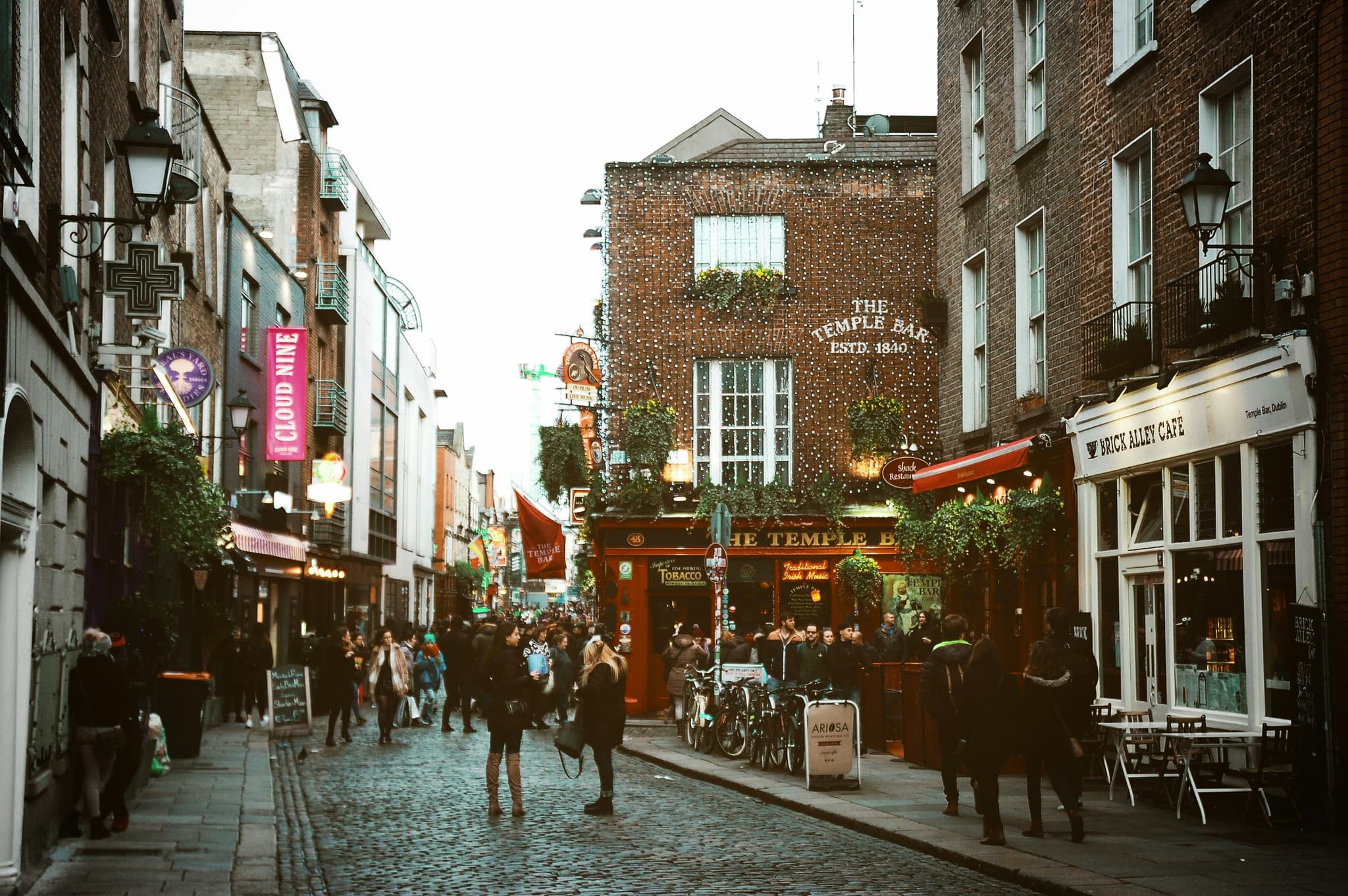
You'll find plenty of lists of things to do in Ireland that send you straight to the same five landmarks, and there's nothing wrong with that, but it only tells half the story. Ask someone from Cork, Mayo or Donegal what they got up to last Saturday and you'll get a completely different answer. That's the version of Ireland we want to show you here, the one locals actually live in. We've picked ten of these habits and dug into how you can actually take part in each one like a local. Read on to find out what to do in Ireland if you want to experience the country more like a local.
Go to a local GAA match instead of a stadium tour
Croke Park can wait. Every parish in the country has its own GAA club, and a Sunday afternoon hurling or football match between two neighbouring towns is one of the best free Irish activities for tourists. Hurling moves at a ridiculous speed, with a small leather ball flying around at close to 150 kilometres an hour off a wooden stick called a hurl, while Gaelic football feels a bit more familiar if you've ever watched rugby or soccer.
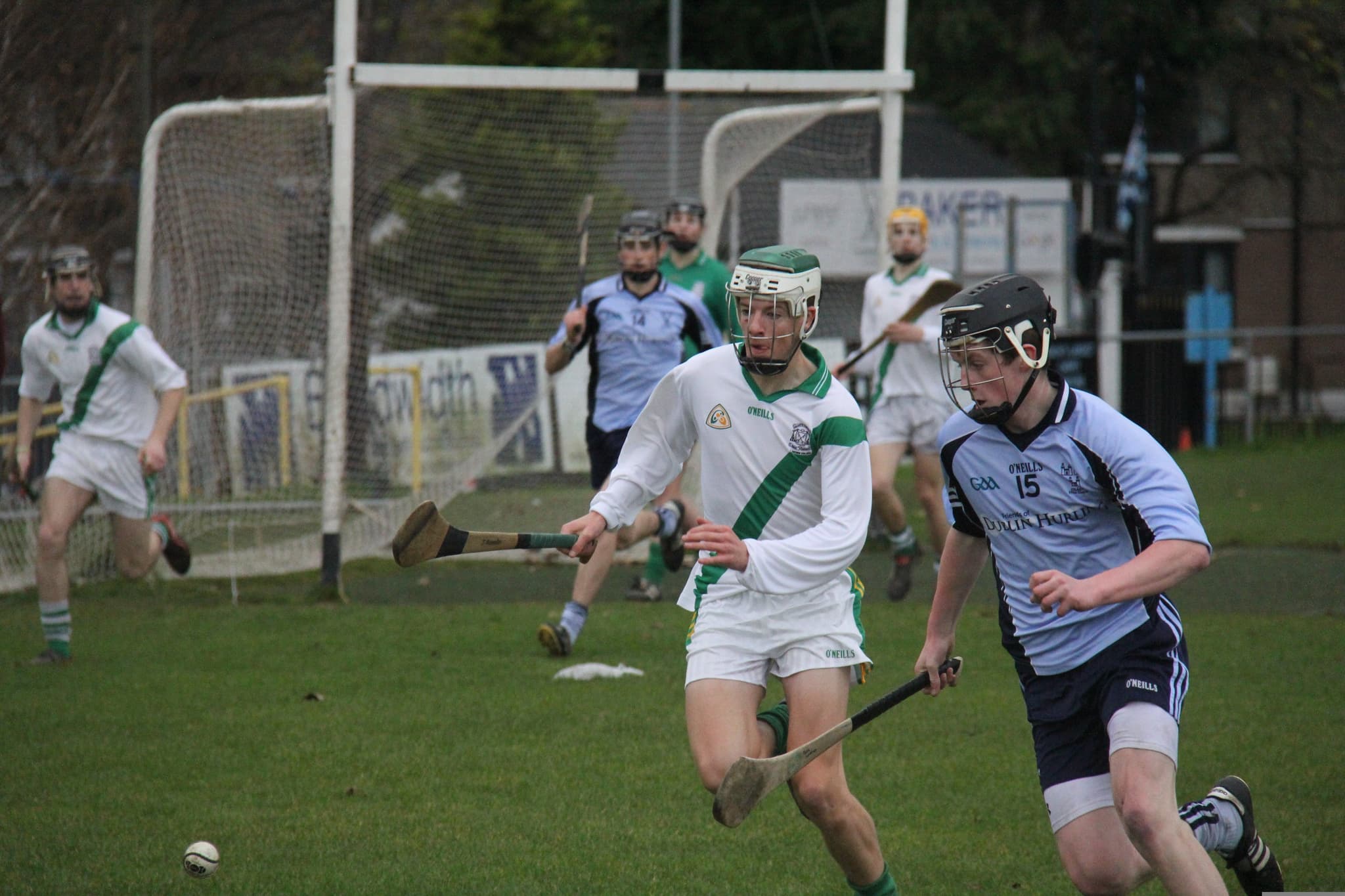
You won't pay much more than five or ten euros at the gate, and half the fun happens off the pitch anyway: neighbours slagging each other over the fence, kids kicking a ball around behind the stand, and someone's granny giving out about the referee louder than anyone else in the crowd.
Our guide to the best places to visit in Ireland already covers the big landmarks in full, so we won't repeat any of that here. This one is about ten things Irish people do purely for fun, on an ordinary weekend, with no tour bus anywhere in sight. More on this over at GAA.ie, where fixtures for every county get listed a week or so in advance.
Fun fact: GAA players are amateurs. Nobody gets paid to play, and there are still over 2,000 clubs spread across the country, more clubs than there are towns.
Take a seaweed bath the way Sligo locals do
Long before spa hotels discovered seaweed, people in Enniscrone and Strandhill, County Sligo, were already soaking in it. Hot seaweed baths are one of Ireland’s attractions that barely register on most itineraries, yet they've been running in the same Victorian bathhouses for well over a hundred years!
You start in a small steam cabinet to open the pores, then move into a claw-foot tub of hot seawater piled high with fresh seaweed. The oils that are released from it leave your skin feeling completely different by the time you get out, and a session usually runs to around forty minutes for somewhere between twenty-five and thirty-five euros.
Did you know? Some of the original bathhouses in Enniscrone are still standing, and the seaweed used is harvested from the same stretch of coastline it's always come from.
Join a sea swimming group, whatever the weather
Dublin's Forty Foot in Sandycove has been a swimming spot since the 1700s, and locals still turn up at dawn, all year round, regardless of the temperature. Salthill in Galway runs much the same way, with a diving tower right on the promenade, and Dun Laoghaire's Vico Baths draws its own regular crowd of early risers a bit farther south. This spot in Ireland is not a tourist attraction, locals show up, swim for a few minutes, and stand around chatting afterwards.
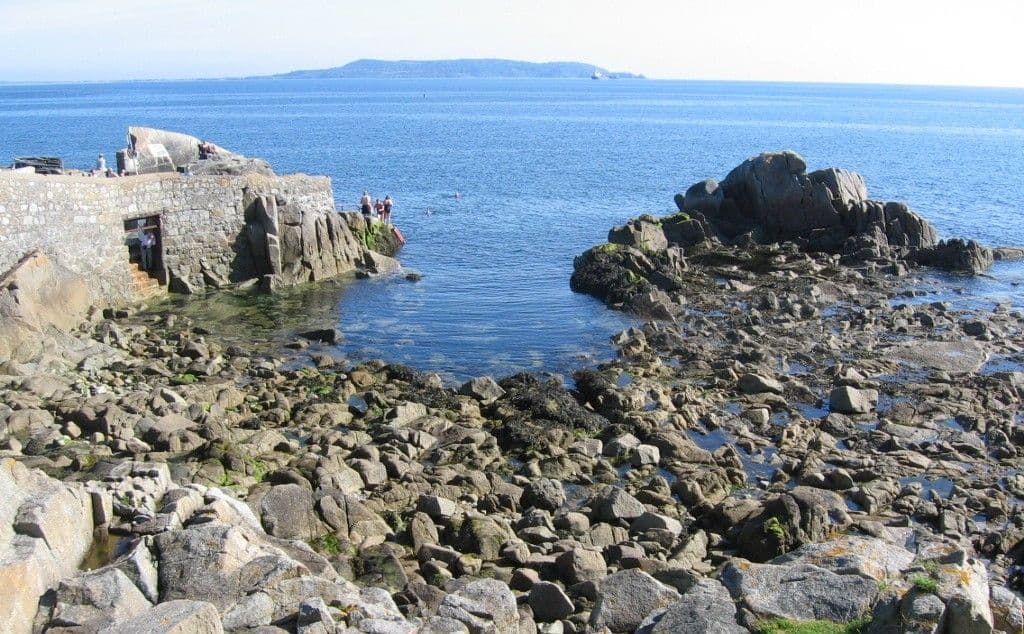
Plenty of these groups keep going right through winter, and a Christmas Day dip has become its own small tradition at several of these spots, with people jumping in still half-dressed from the family dinner.
Curious about swim spots away from the capital? Our County Clare swim spots guide rounds up a few quieter options if Dublin crowds aren't your thing.
Find the session, not the show
A booked, ticketed trad music show in a city centre bar is a fine night out, but it isn't where most locals go for an evening of music. A proper session starts when two or three musicians turn up with a fiddle, a banjo, a bodhrán or a tin whistle, sit in a corner, and just start playing, no stage, no set list, no announcement. More musicians tend to drift in as the night goes on, and a small country pub can end up with eight or nine players packed around one table by closing time.
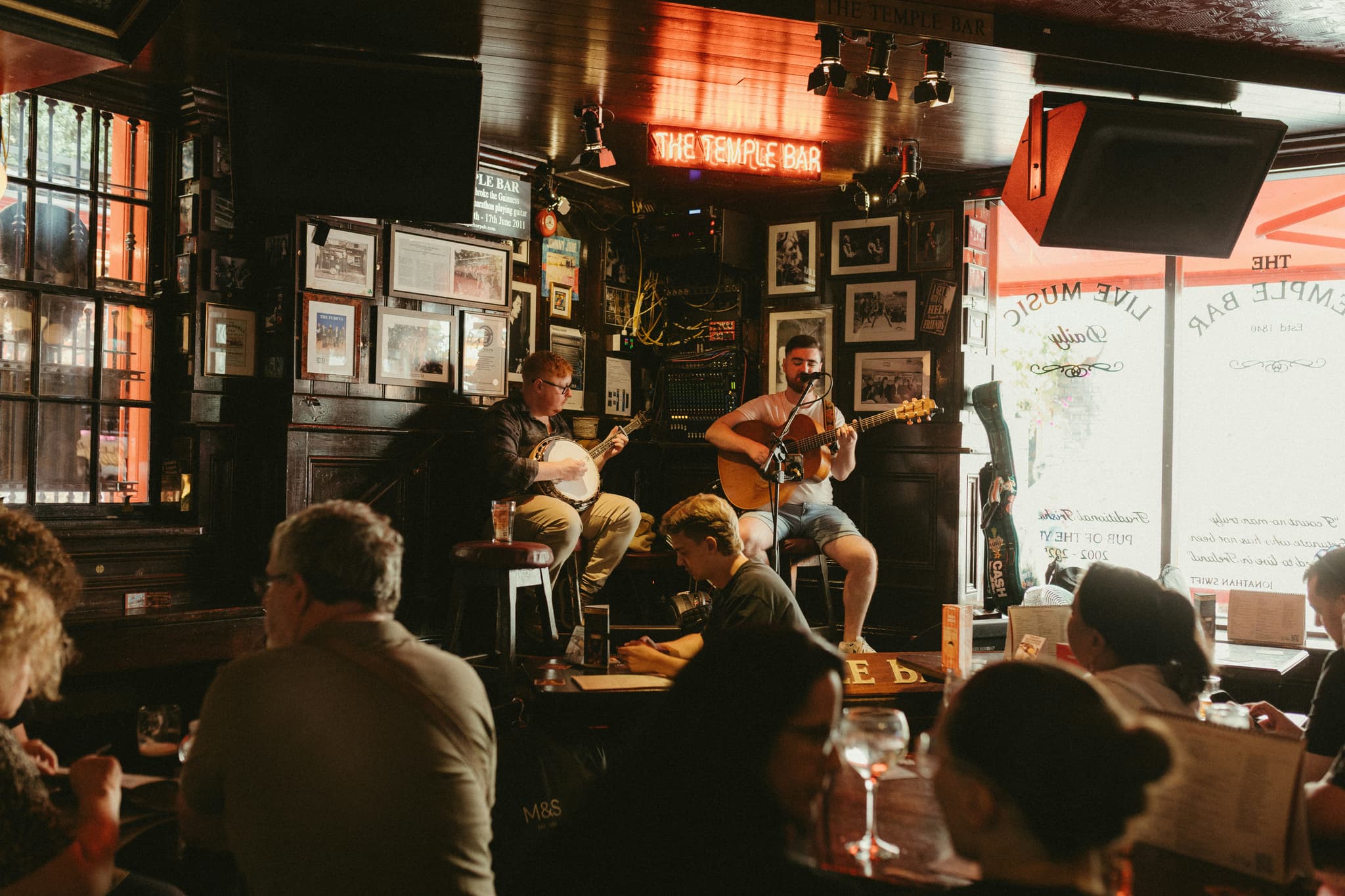
Nobody requests songs at a session, and buying a round for the musicians goes down far better than tipping ever would. It also helps to know that clapping along mid-tune isn't really the done thing, tapping a foot is far more the local style.
A good starting point is Comhaltas Ceoltóirí Éireann, the organisation behind traditional Irish music, which lists branches and regular session nights around the country.
Guided Tip: Sessions are almost never advertised. The best way to find one is to ask a local barman which night the regulars turn up.
Spend a morning at the mart or a county show
A livestock mart probably isn't what comes to mind when you think of Ireland’s visitor attractions, but it offers a fascinating glimpse into rural life. Most marts run on weekday mornings, often a Tuesday or Thursday, and the auctioneer's rattling patter, farmers leaning on the rails, tea and sandwiches sold from a hatch in the corner all add up to a proper slice of daily life rather than a performance for visitors.
County shows work the same way on a bigger scale, usually through the summer months. Events like the Tullamore Show or the Ballinasloe October Fair bring livestock judging, home baking competitions and vintage machinery on display, along with a fair few pints sold out of a marquee by early afternoon.
Fun fact: some marts have been running on the same site for well over a century, and quite a few still work on a bell system rather than a microphone.
Learn a few steps at a country set dancing night
Set dancing has nothing to do with the polished, choreographed shows visitors sometimes catch in Dublin. This is a country hall on a weeknight, a caller talking everyone through the steps, and dancers ranging from teenagers to people well into their eighties. It's one of the friendlier things to do in Ireland if you want to actually join in rather than just watch, and most halls charge a small door fee of five or six euros that usually goes straight back into running the club.
Sets are danced in squares of eight, with names tied to their home county, the Clare Set or the Kerry Set among the best known, and once the caller has walked you through it once, your feet tend to pick it up faster than you'd expect.
Planning to combine Southern Ireland and Northern Ireland? Take a look at our guide to the best places to visit in Northern Ireland and our Southern Ireland travel guide to help you build the perfect route.
Light a bonfire on St John's Eve
Around the 23rd of June, bonfires still go up across rural Ireland, and this tradition is far older and more unique than most things to do in Ireland. Communities spend weeks gathering pallets and timber for one enormous pyre, then everyone gathers around it on the night with a few cans, some songs and the odd bag of marshmallows, long before local council safety rules got involved.
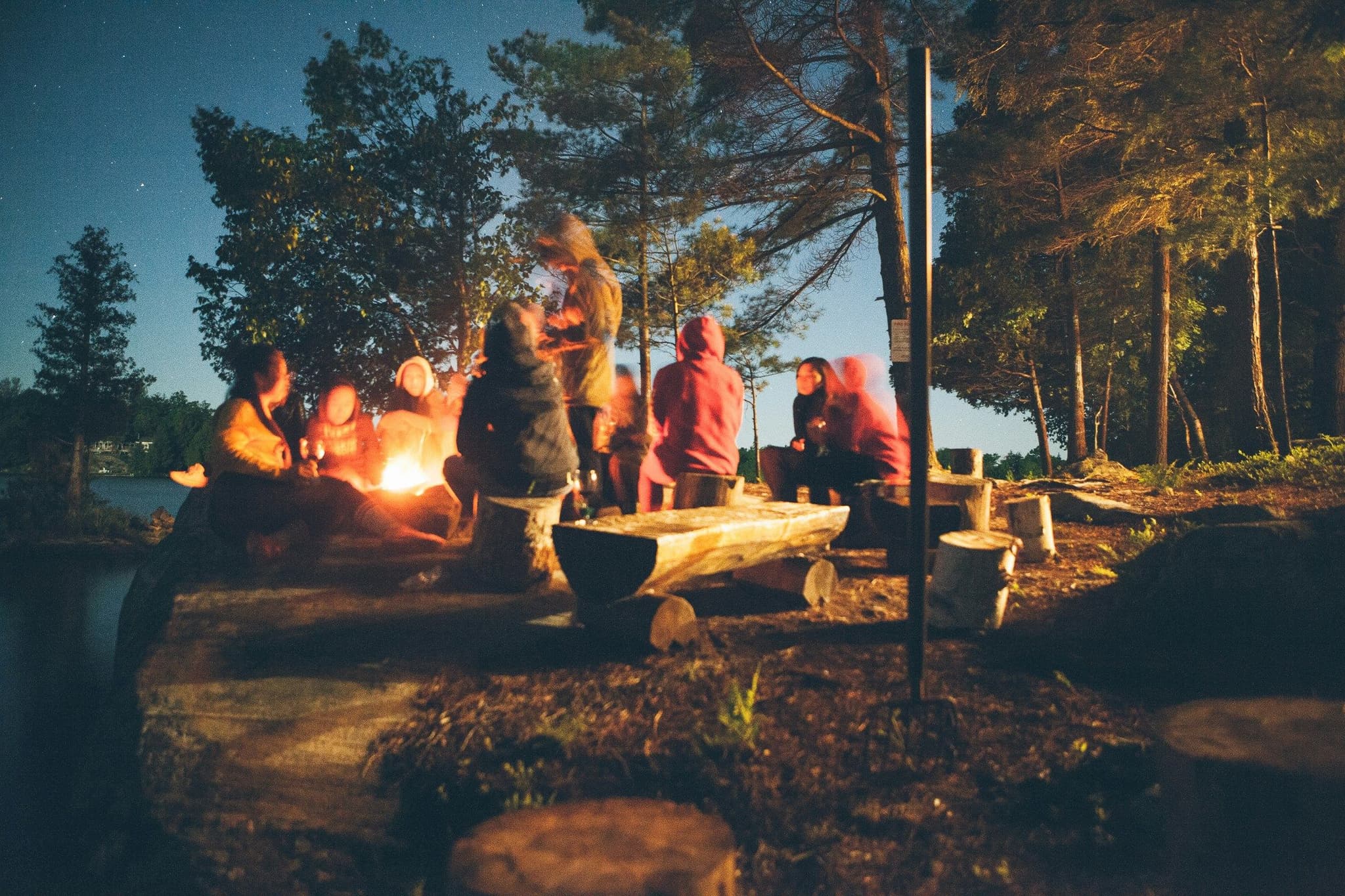
A good few housing estates keep the custom going too, not just farms and villages, so if your trip lines up with late June, keep an eye out for smoke on the horizon around dusk, that's usually your cue.
Wondering whether June is the right time for your trip? Read our guide to the best time to visit Ireland, where we compare the seasons, weather, festivals and more!
Walk a local looped trail, not a tour bus stop
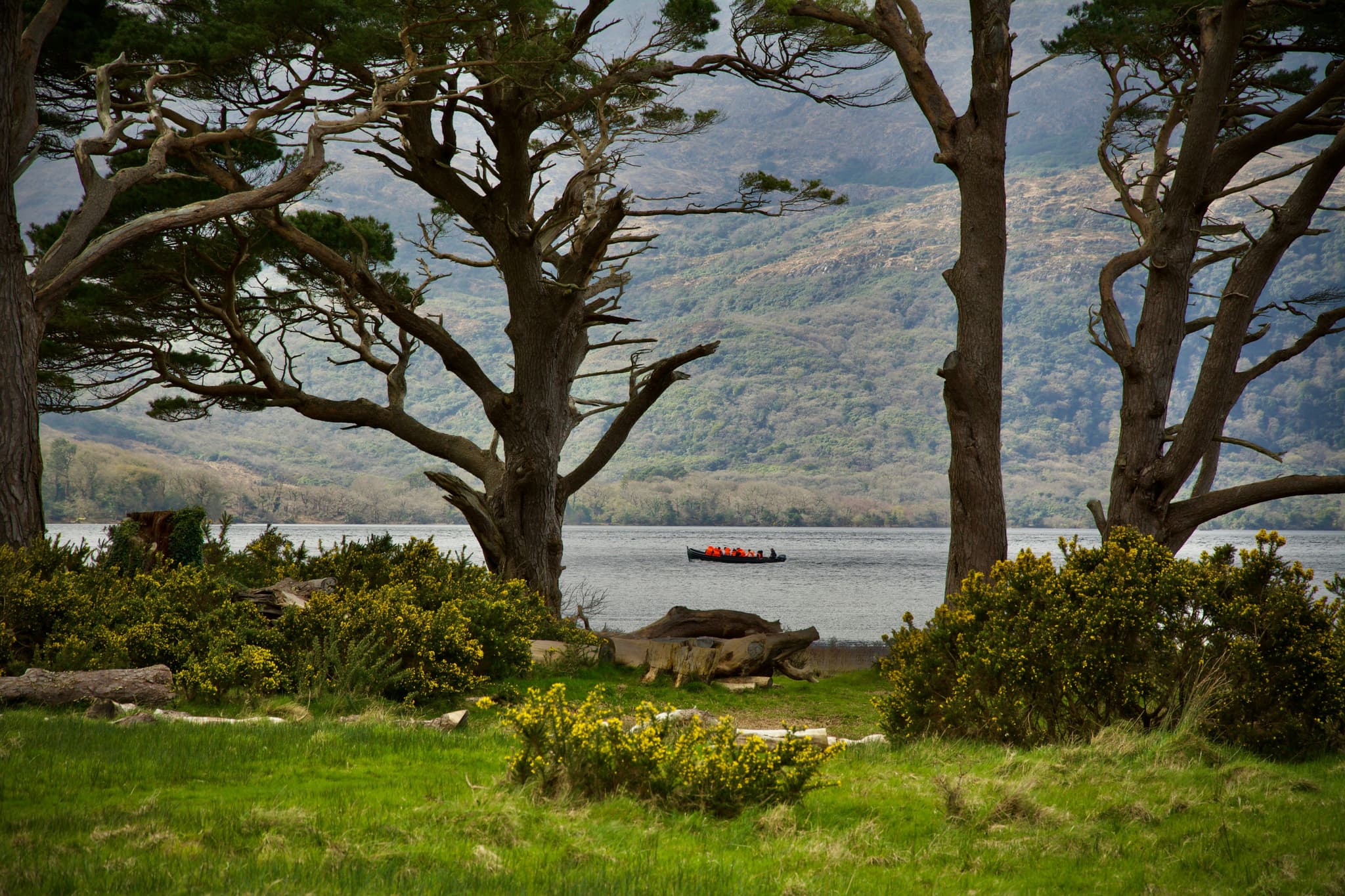
Nearly every town in Ireland has a Slí na Sláinte walking route, a network of marked looped trails designed to encourage people to get outside for a daily walk. You'll find them in places like Westport, Killarney, Clonakilty, Carrick on Shannon and dozens of smaller towns across the country. Most routes are between two and six kilometres long, following rivers, parks, woodland or quiet residential streets, and they're usually easy enough for families, buggies and casual walkers. These are the kinds of things to do in Ireland that rarely appear on tourist itineraries, yet they offer a simple glimpse into everyday local life.
Fancy turning a few of these local walks into something bigger? Our road trip in Ireland guide shows you how to link them together with the wider landmarks along the way.
Queue at the chipper on a Friday night
There's a small, unglamorous ritual that plays out across the country every Friday: a queue forms outside the local chip shop, and everyone knows exactly what to order. A single means a bag of chips on its own, a spice bag comes loaded with fried chicken, chilli and onion tossed through the chips, and curry chips or garlic cheese chips both have their own loyal following depending on which county you're standing in.
This is genuinely one of the best things to do in Ireland if you want a real feel for a Friday night in a small town, since half the queue tends to know the other half, and the chat while you wait is often better than the chips themselves.
Fun fact: the spice bag is a genuinely Irish invention from the last fifteen years or so, born out of Irish-Chinese takeaways, and it's now practically a national dish.
Watch a big match from the local, not the stadium
All-Ireland Final Sunday, usually held in September, turns pubs into the real stadium for anyone who doesn't have a ticket. Community screens go up in GAA clubhouses and local bars, county jerseys come out in force, and the noise inside a packed local when the home county scores can rival anything you'd hear at Croke Park itself.
Getting swept up in one of these afternoons is honestly one of the more memorable things to do in Ireland if your dates happen to line up with it, and picking a side is easy, just cheer for whoever's jersey the barman is wearing.
Ready to see where all of this fits into a wider trip? Our Ireland travel guide is a good place to start mapping out your own route.
Enjoyed This Blog? Continue Reading!
More travel inspiration is waiting for you on our blog. You can look below and start planning your next trip to Ireland!


