

Ireland
Trip to Ireland: An Ireland Vacation Guide for First-Time Visitors
There’s a country where cliffs rise over 200 metres above the Atlantic, where ring forts and stone circles date back over 3,000 years, and where coastal roads lead you past sheep-filled fields, hidden beaches and small villages within the same afternoon. Ireland might look small on the map, but every region brings something completely different once you’re there. The Wild Atlantic Way takes you past places like the Cliffs of Moher and Dingle Peninsula, while cities like Dublin and Galway bring a completely different energy with live music and historic streets. That contrast is what makes planning your stops so important, since each area gives you a different kind of experience. This Ireland travel guide helps you decide where to go and how to turn it into one smooth trip.
5 reasons to visit Ireland
Ireland keeps changing between coastlines, historic sites and small towns, which makes it a place where no two days look the same.
At the Cliffs of Moher, you stand above steep cliffs rising more than 200 metres above the Atlantic.
Ancient sites like Newgrange date back over 5,000 years and align with the winter sunrise.
Along the Wild Atlantic Way, coastal roads take you past beaches, peninsulas and small villages.
In cities like Dublin and Galway, evenings often end with live music in local pubs.
Across the country, castles and ruins appear in open landscapes that you can explore freely.
Best Places to Visit in Ireland
Spend a bit of time in Ireland and you’ll see how quickly the landscape and atmosphere change. That’s why deciding on the right places to visit in Ireland really shapes your trip. These are the best places to visit in Ireland according to our Guided travellers.
Dublin and the East Coast
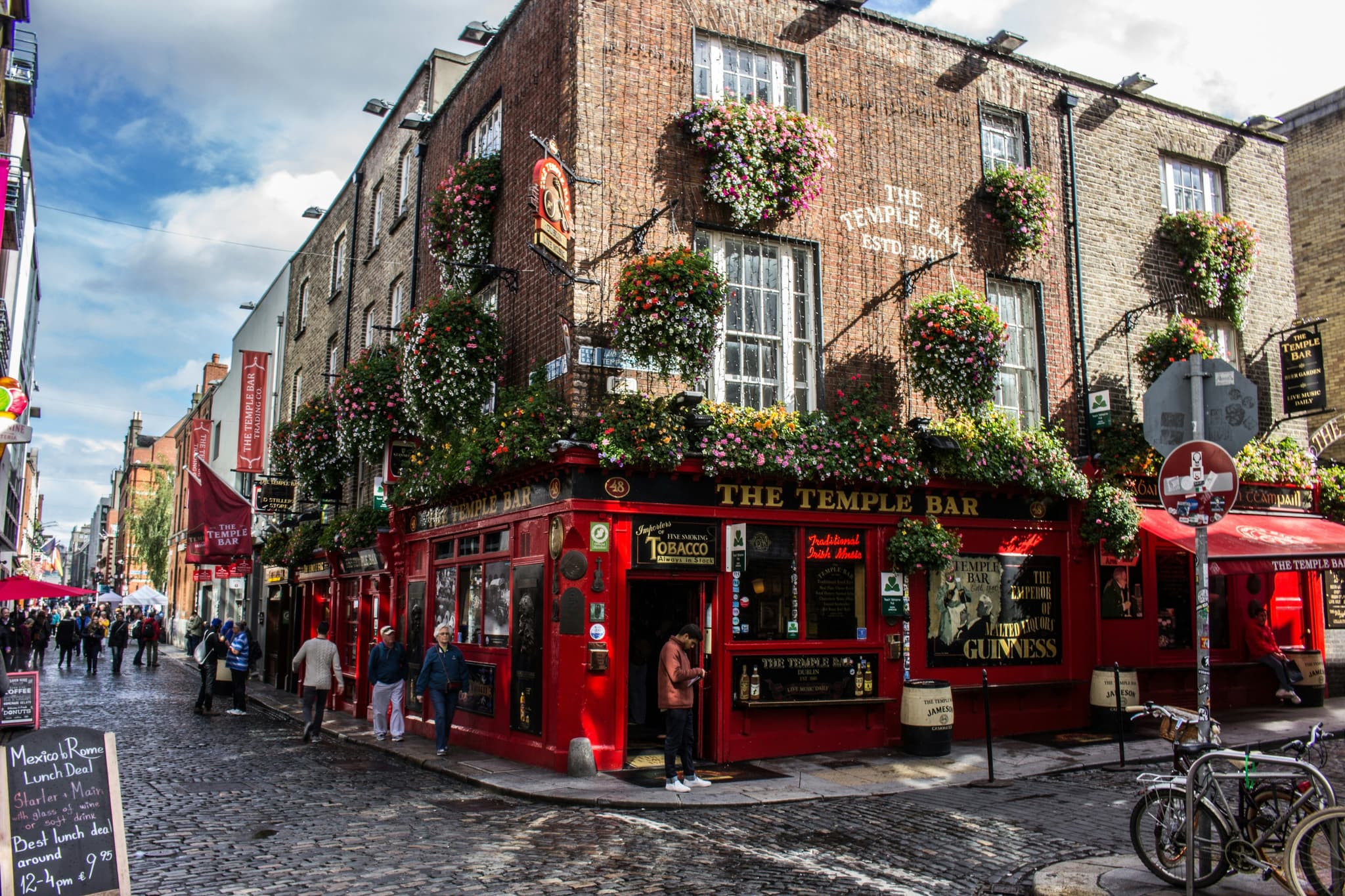
Dublin is Ireland’s capital and the most popular city to begin any Irish adventure. Rich in history, Dublin offers bustling streets of charming historic buildings nestled between trendy coffee shops and galleries. There’s plenty of ways to discover the city. Visit Trinity College or Guinness Storehouse to get under the skin of Ireland’s famous literature and beer culture. Head to Howth on the coastline just north of the city to feel the sea air.
Galway and the Wild West
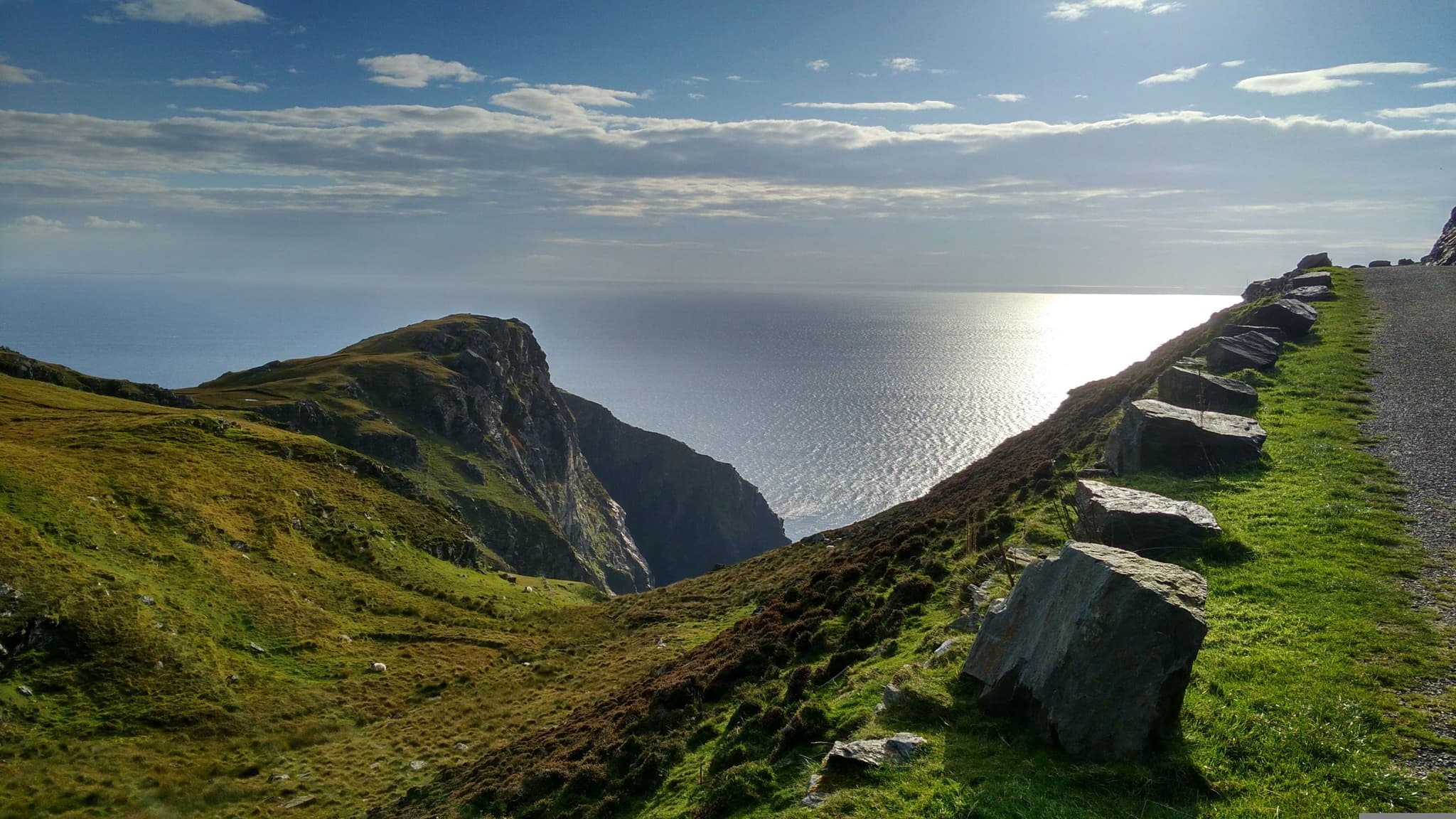
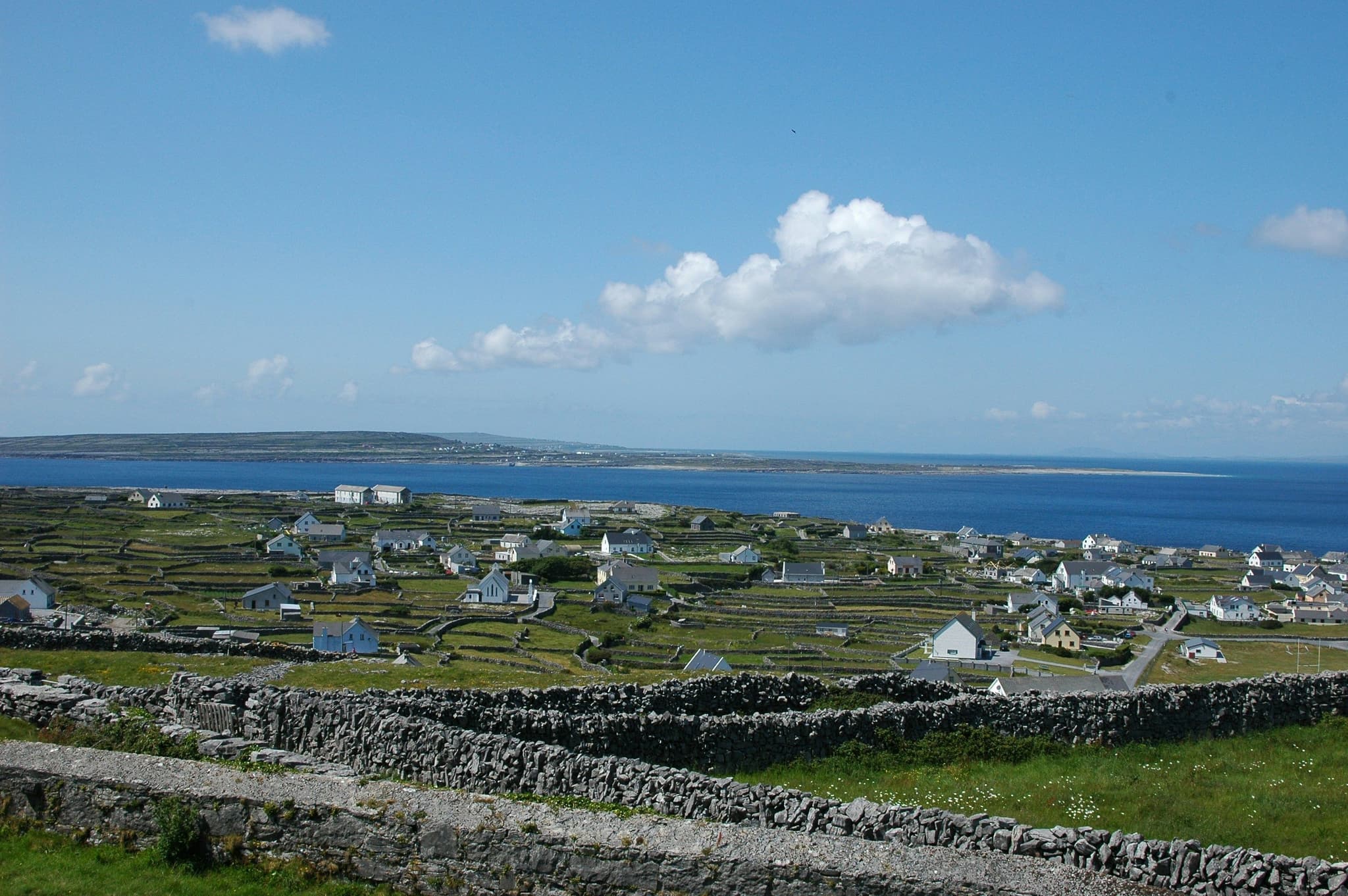
Galway is a small city with a compact vibrant city centre. Richly colourful shopfronts fill the streets and buskers can be heard playing live traditional music on the famous Camden Street. Just a short drive from the city is Connemara with its ever-changing weather; Galway is also within easy reach of the picturesque Aran Islands, famous for their low stone hedges that demarcate endless fields of green pastures, and the incessant Atlantic wind. In spite of being a capital it is a very laid-back city and a good base for exploring the western Wild Atlantic Way.
Planning to travel further south? Our South Ireland guide covers Cork, Kerry, Waterford, Kilkenny and plenty of stops in between.
The Cliffs of Moher and County Clare
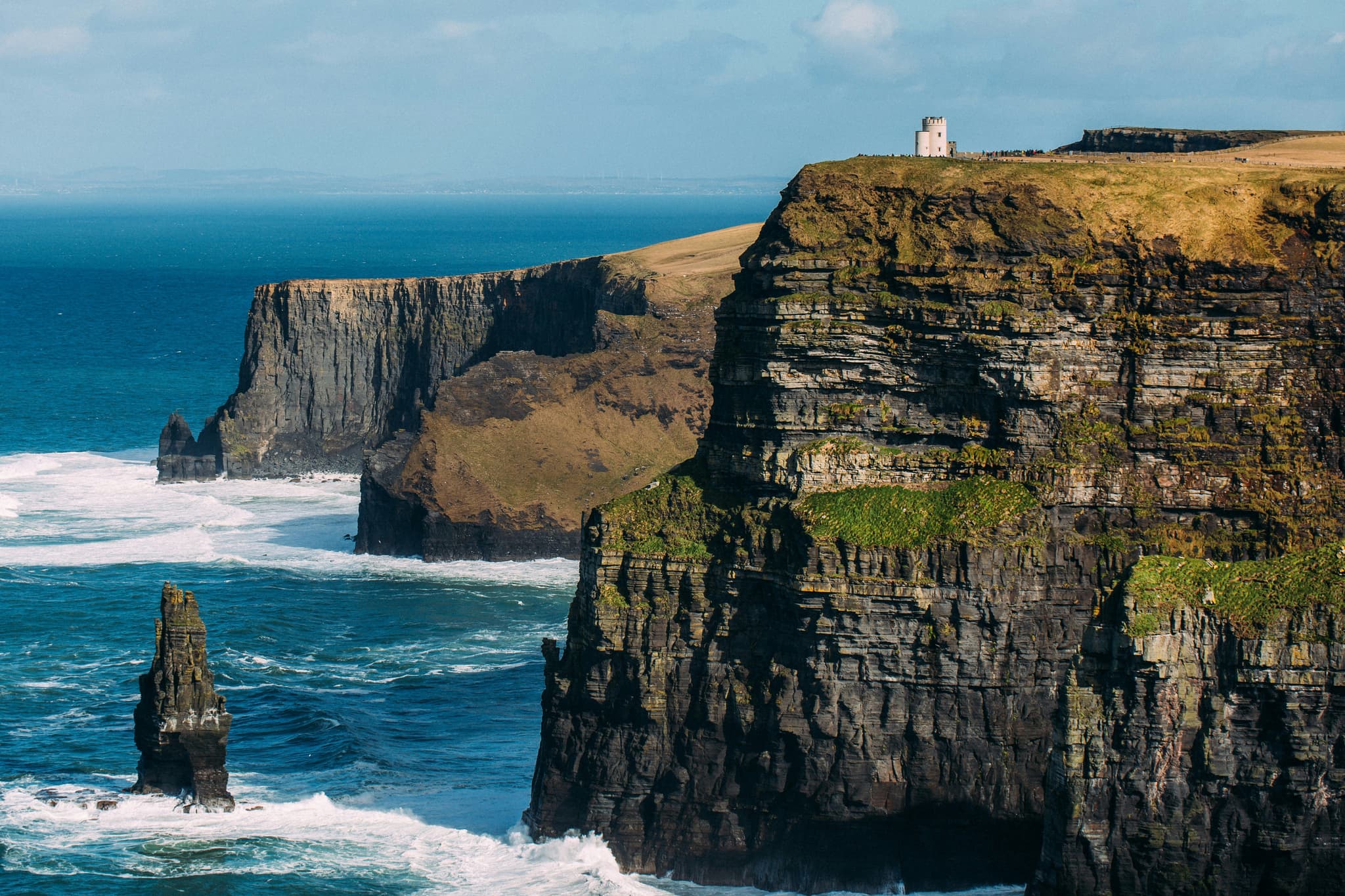
County Clare is a place to visit especially if you like the Cliffs of Moher. The Cliffs of Moher have rock faces that go straight down into the ocean. You can walk along the edge of the cliff. You can see really far out into the water on a clear day. If you go a bit inland you will see villages and a lot of limestone.
Going to County Clare? Read about the best swim spots in County Clare.
Ring of Kerry and Southwest Ireland
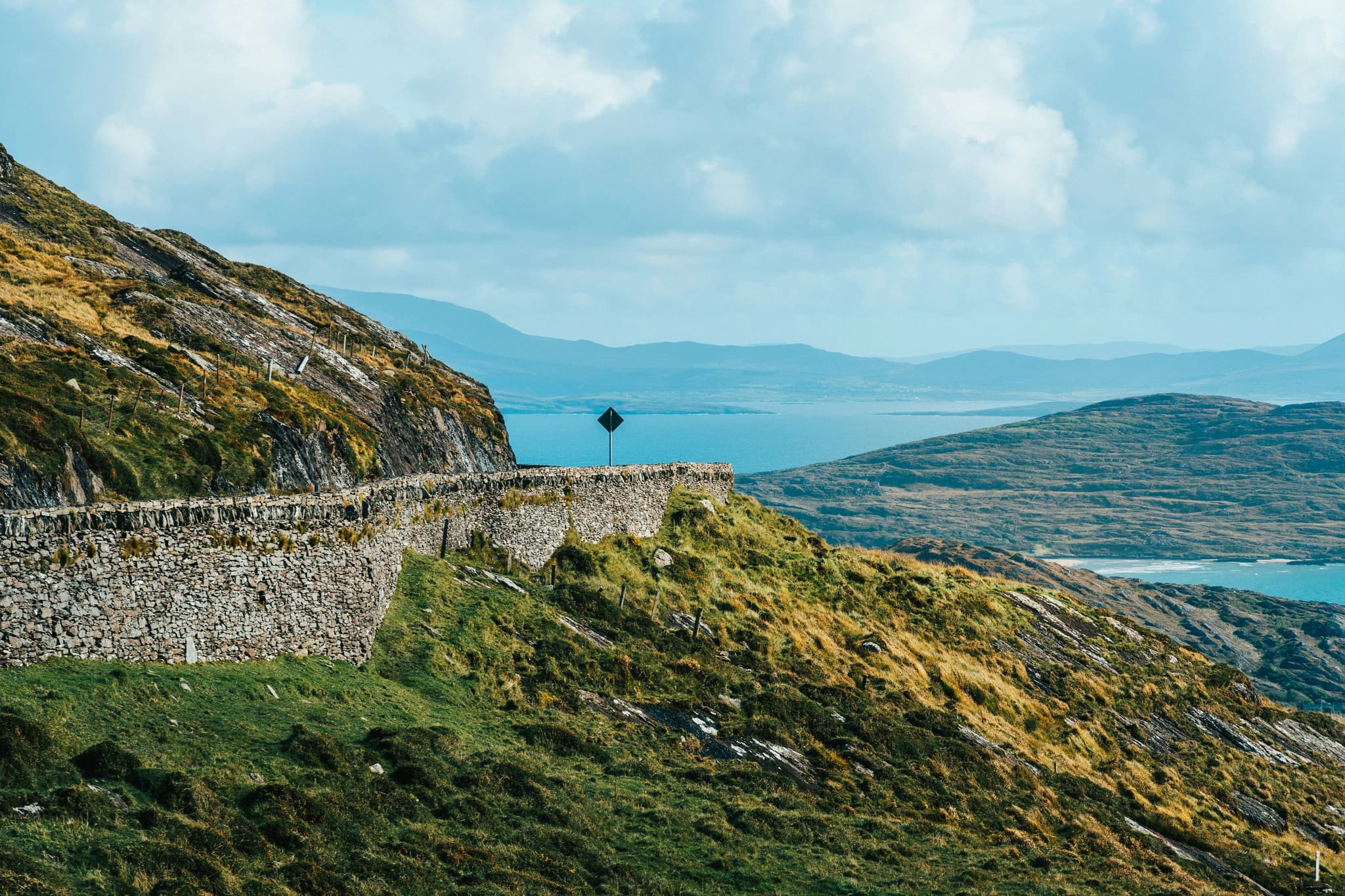
The Ring of Kerry circles mountains, lakes and coastal viewpoints in one manageable route. Many travellers choose a rental car here, as public transport is limited along smaller roads. Close by, the Dingle Peninsula and parts of County Cork has quieter harbours and open stretches of countryside, which are ideal for a road trip.
Northern Ireland Highlights
Belfast mixes industrial history with modern culture, and the Giant’s Causeway displays striking rock formations shaped by ancient volcanic activity. Crossing the border is straightforward, making it simple to include this region when traveling through Ireland.
Wondering what to see in Northern Ireland? Take a look at our guide to the best places to visit in Northern Ireland, from the Giant's Causeway to Belfast and the Causeway Coast.
Guided tip: Choose a few regions to visit rather than trying to see everything.
How many days do you need for a trip to Ireland?
The length of your trip to Ireland shapes how far you can comfortably travel and how deeply you can explore each region. We’ve mapped out a few Ireland itineraries that link the main highlights in a way that actually makes sense once you’re there. Let’s take a look at what fits you.
5 to 7 Days: Dublin to Galway and the Ring of Kerry
A week gives you enough time for a classic west coast road trip without feeling hurried.
Day 1–2: Stay in Dublin and explore the city, with time to visit a traditional pub in the evening
Day 3–4: Stay in Galway and explore the city, with the option to take a day trip to the Aran Islands
Day 5: Stay in County Clare and visit the Cliffs of Moher
Day 6–7: Stay in the Ring of Kerry or Killarney and explore the area before heading back to Dublin
If you rent a car on the third day of your trip it will be really easy to get around. The roads are well marked.
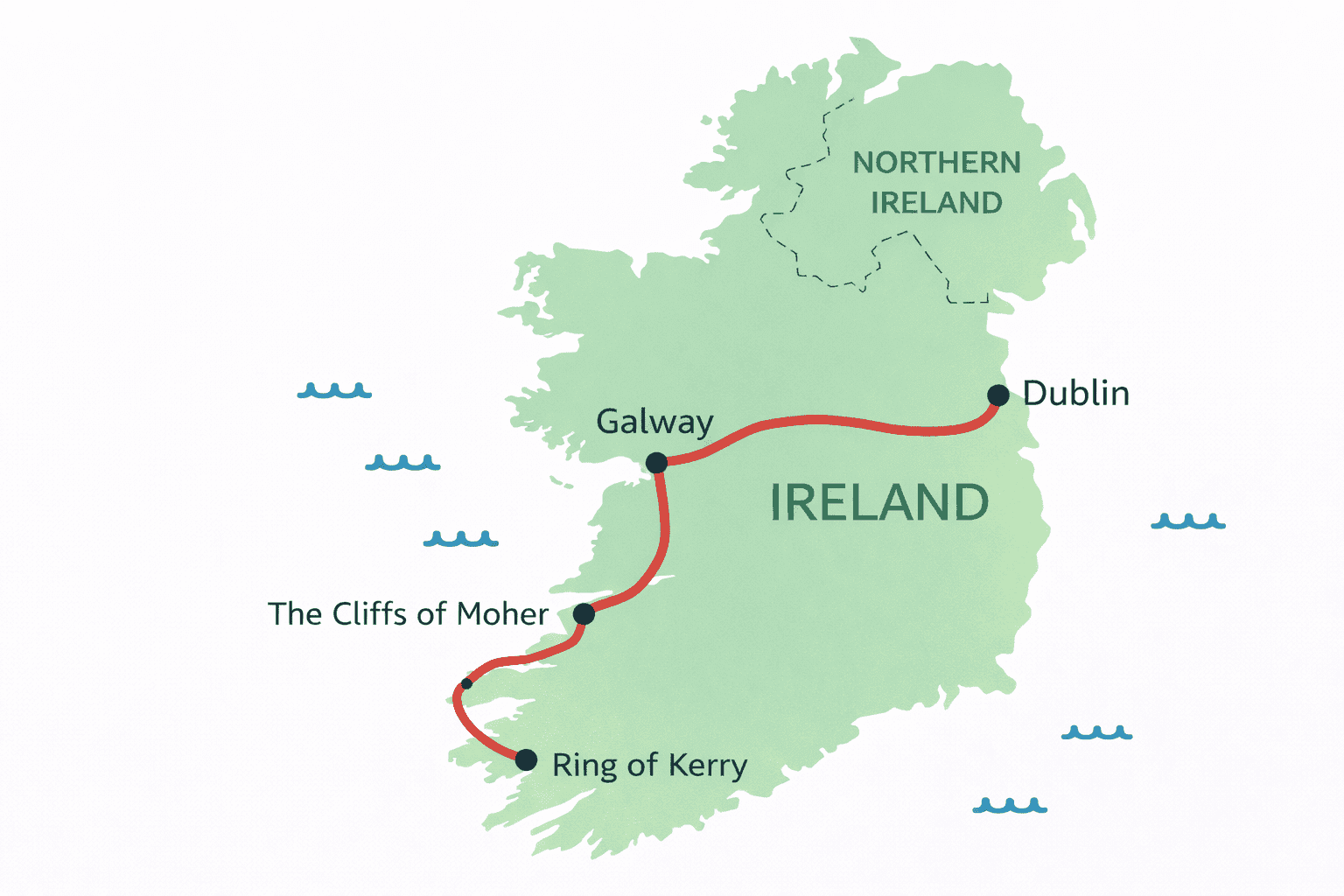
Recommended route for a 5-7 day trip to Ireland
10 to 14 Days: A Full Southern and Northern Loop
If you are going to Ireland for 10 to 14 days you can take a road trip that goes around the south and Northern Ireland. This is a way to see a lot of different landscapes.
Day 1–2: Stay in Dublin and explore the city
Day 3–5: Stay in Belfast and visit the Causeway Coast in Northern Ireland
Day 6–8: Stay in Galway and County Clare, including a visit to the Cliffs of Moher
Day 9–12: Stay on the Dingle Peninsula and in County Cork, exploring coastal drives and small towns
Day 13: Return to Dublin for your last night
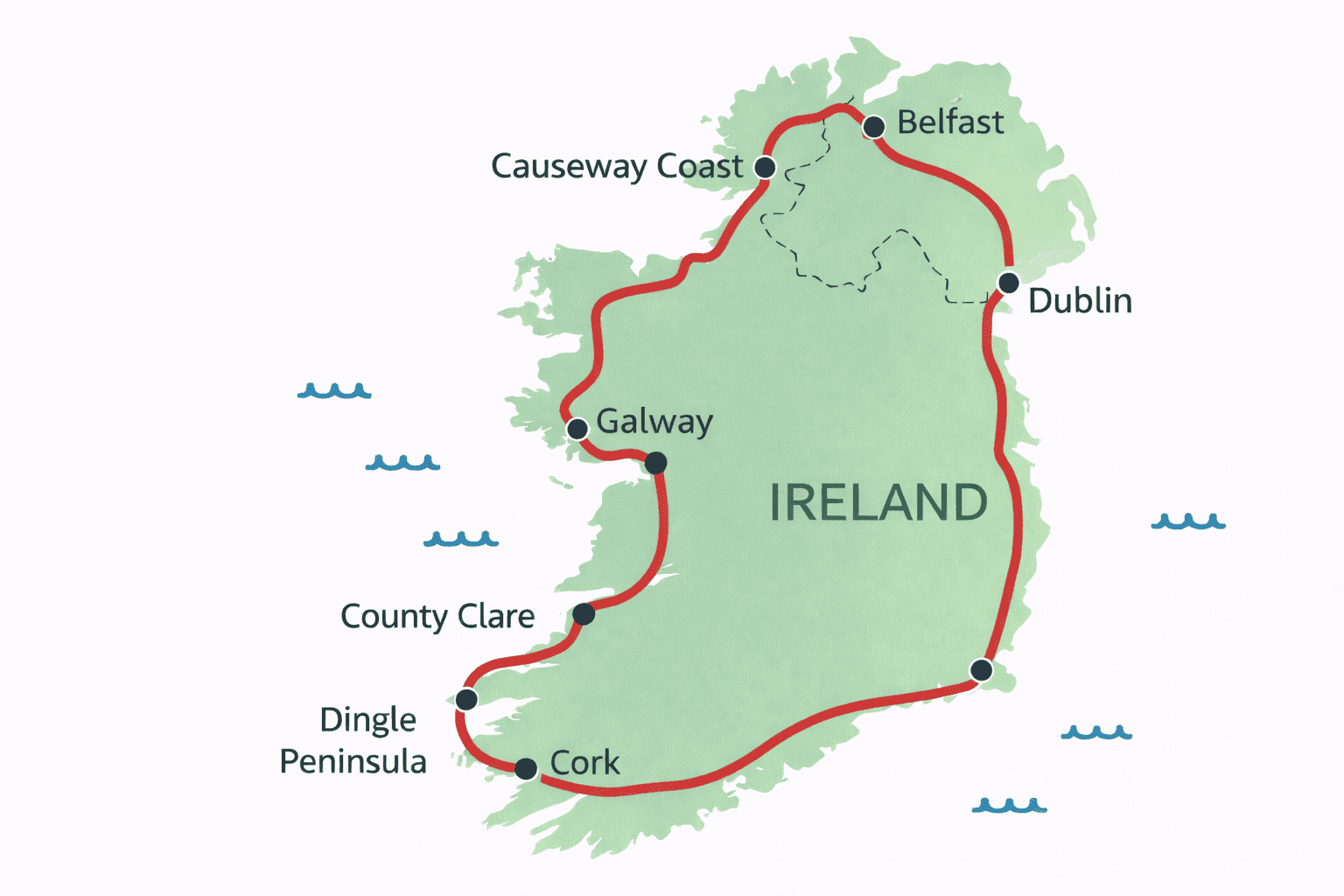
Recommended route for a 10-14 day trip to Ireland
Good to know: Ireland is a small country but the roads in the country can be really slow. It can take 3 hours or more to drive 150 kilometers because the roads are narrow and there are a lot of farms and you will want to stop and take pictures.
Thinking about seeing Ireland by car? Have a look at our Ireland road trip guide to start mapping out your route.
Want more inspiration? Check out the following trips:

What to do in Ireland: experiences that bring your trip together
After mapping out your route, it helps to know what’s actually worth doing once you’re there. Some places are all about the views, others more about the experience itself. These are a few things to add to your plan.
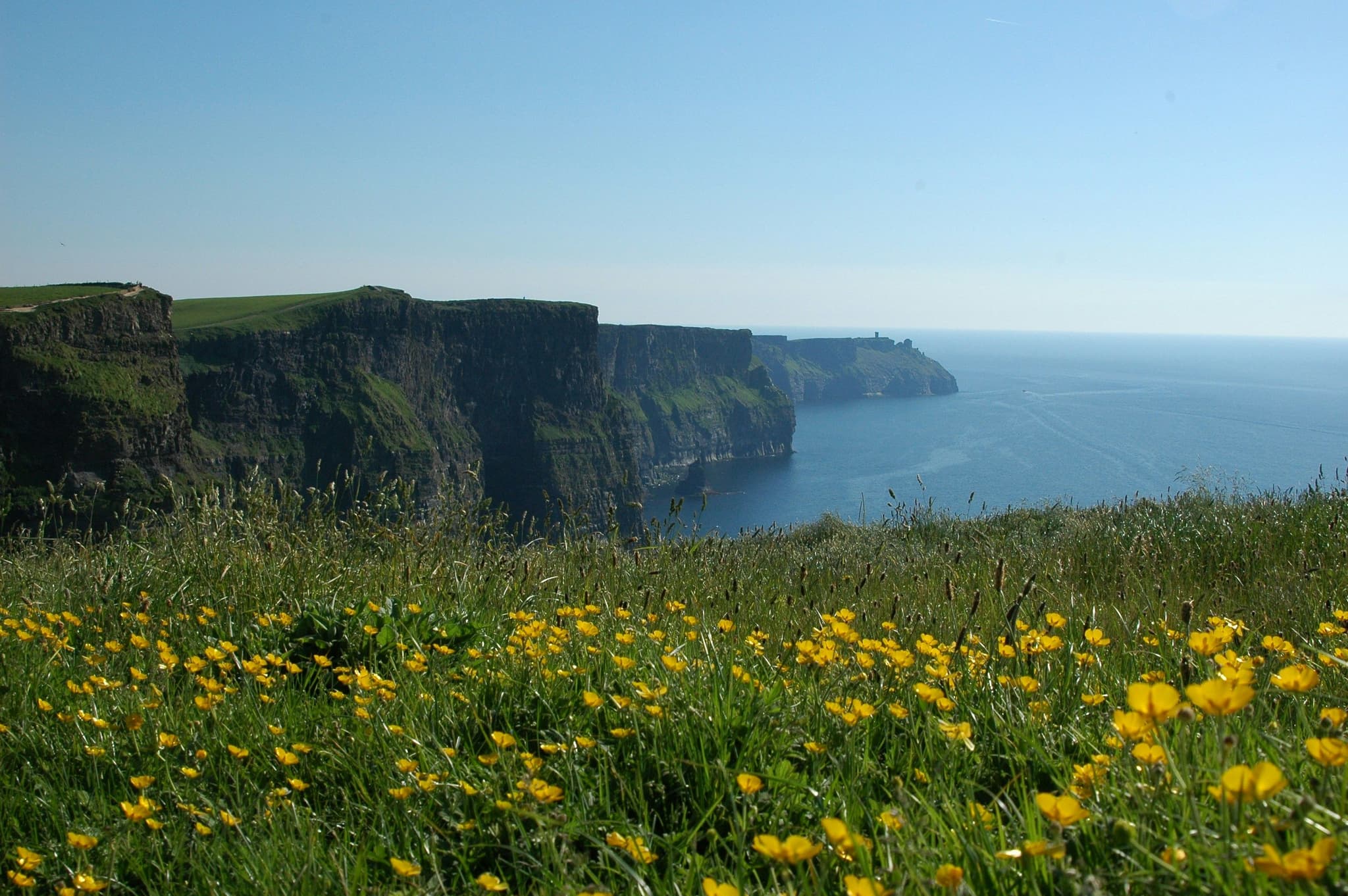
Walk along the Cliffs of Moher in County Clare
At the Cliffs of Moher, you can walk along paths with views over the Atlantic. The cliffs rise over 200 metres and stretch for about 8 kilometres. From the main viewpoint near the visitor centre, you can follow trails in both directions. On clear days, you can see the Aran Islands in the distance.
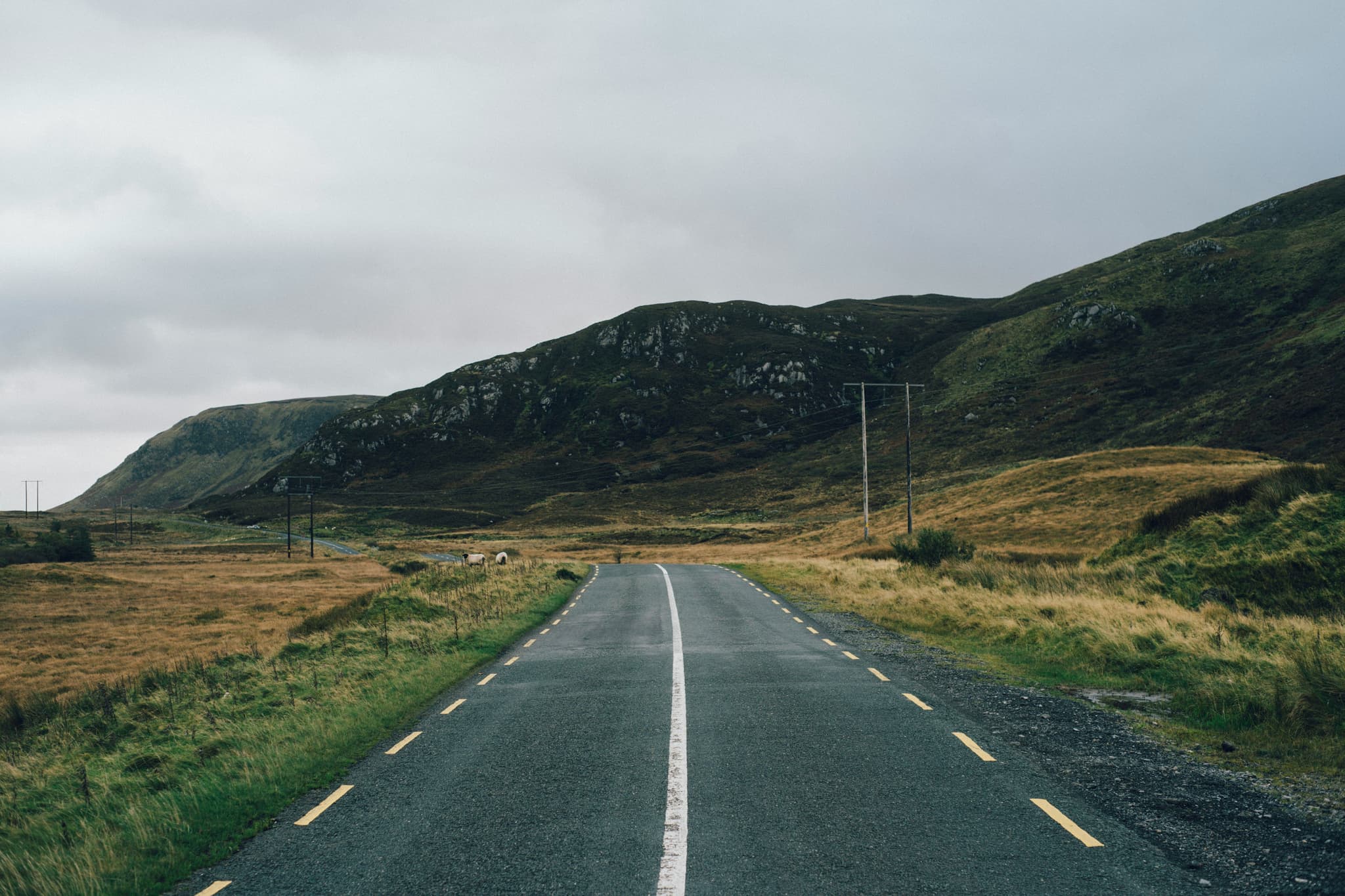
Drive part of the Wild Atlantic Way along the west coast
Along the west coast, the Wild Atlantic Way connects coastal roads between places like Galway, Dingle and Donegal. You’ll pass small villages, beaches and viewpoints along the route. Sections like the Dingle Peninsula include narrow roads with ocean views on both sides. Stops are easy to make along the way.
Visit the Aran Islands from Galway
From Galway or Doolin, ferries take you to the Aran Islands in about 45 to 90 minutes. On Inis Mór, you can visit Dun Aonghasa, a stone fort built on the edge of a cliff. Bikes are often used to get around the island. Most people visit as a day trip.
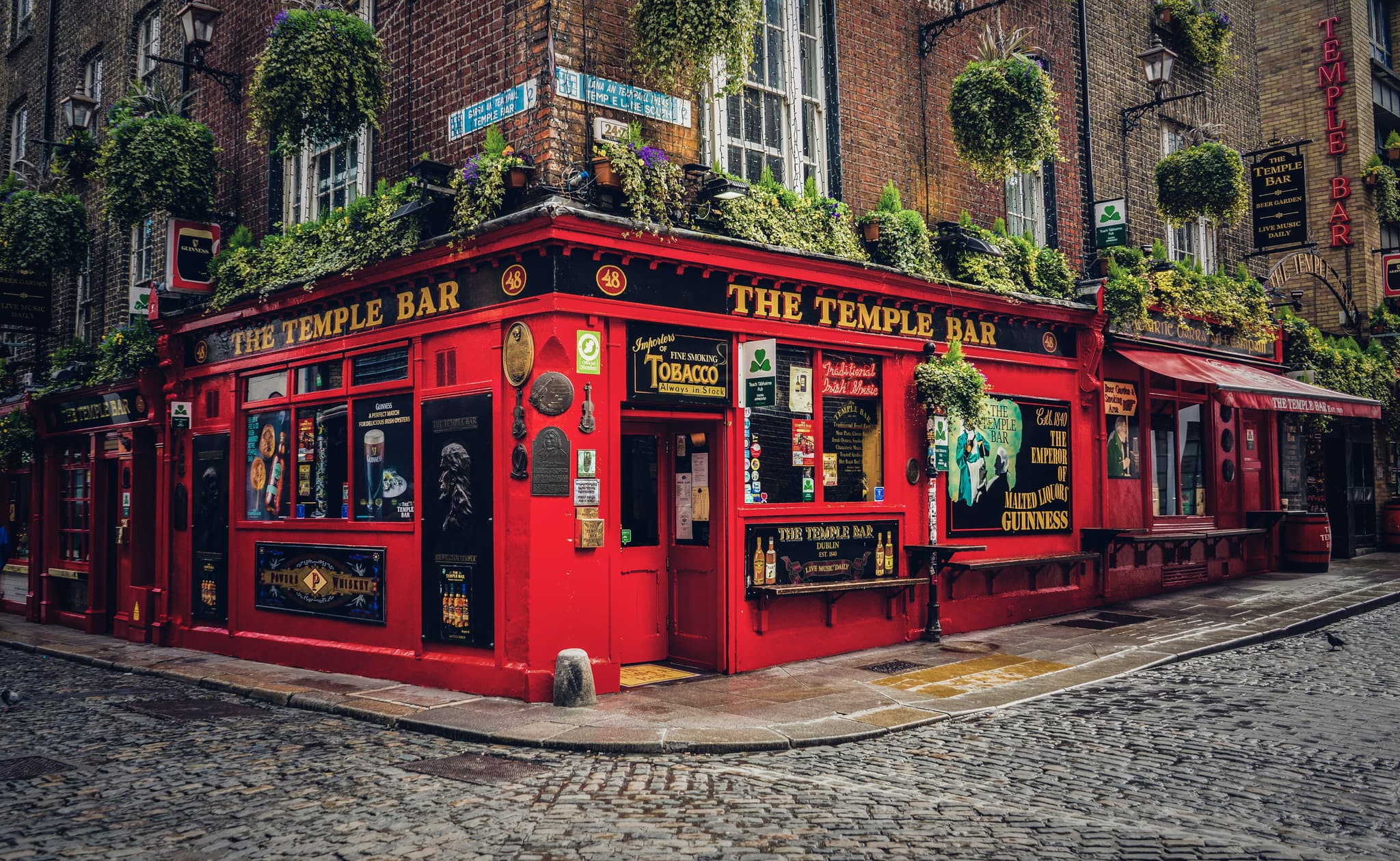
Explore Dublin’s Temple Bar and nearby streets
In Dublin, Temple Bar is known for pubs, live music and busy streets. Around the area, you’ll find places like the Guinness Storehouse and Trinity College within walking distance. In the evening, many pubs have live music sessions. Streets here stay active late into the night.
Fancy seeing a more local side of Ireland? Have a look at these 10 unique things to do in Ireland before filling the rest of your itinerary.
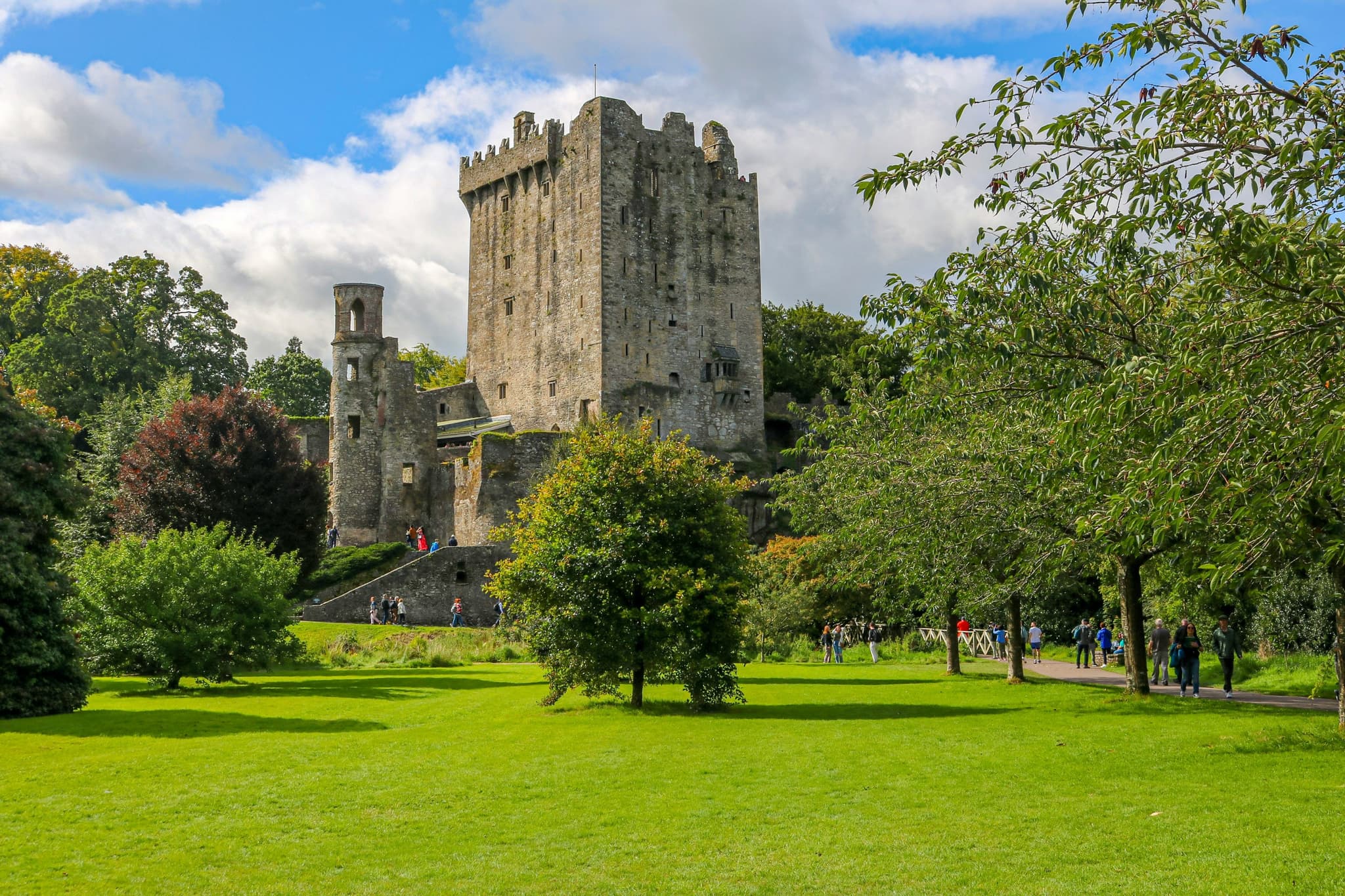
Visit castles like Blarney Castle or Kylemore Abbey
Across Ireland, castles are spread between cities and countryside. At Blarney Castle near Cork, you can climb to the top and see the Blarney Stone. In Connemara, Kylemore Abbey sits by a lake with mountains behind it. Both are accessible as part of day trips.
Where to Stay in Ireland
Accommodation shapes your experience just as much as the route you choose. Ireland offers a mix of city hotels, countryside guesthouses and coastal stays that suit different styles of traveling through Ireland.
Staying in Dublin
Dublin works well for two nights at the beginning or end of your Ireland trip. Central neighbourhoods such as Temple Bar and St Stephen’s Green place you within walking distance of Trinity College and the Guinness Storehouse. Booking early is wise, particularly in summer.
West Coast Base Towns
Galway is a convenient base for exploring County Clare and taking a ferry towards the Aran Islands. Killarney works well for exploring the Ring of Kerry and parts of County Cork. Staying two nights in one location reduces daily packing and allows you to explore Ireland more thoroughly.
Countryside Versus City
Guesthouses in areas have a different feel than big hotels. Staying outside cities means quieter evenings and easy access to routes or national parks. Small towns like Dingle or Galway can get busy during events.
Accommodation in smaller towns such as Dingle or Galway can sell out quickly during event weekends. A quick check of local calendars can save you from last-minute price spikes.

Did you know you can create your own itinerary?
Now that you have a better idea of the places to see in Ireland and things to do there, you can start creating your own trip. Do you want to travel from north to south, or would you rather spend more time in one area and really get to know it? It’s all up to you. You can easily create your own trip in the Guided app for free, or use trips shared by others.
How to Plan a Trip to Ireland
Planning a trip to Ireland comes down to choosing the right mix of places, since every region gives you a completely different experience once you’re there. It also helps to decide early on what matters most to you, whether that’s nature, culture or a bit of both. To make things easier, we’ve gathered some tips from fellow Guided travellers.
Decide how you want to get around Ireland
Many people explore Ireland by car. Drive on the side and be careful on narrow regional roads. Limit your drives to three hours.
A common route begins in Dublin, continues west to Galway and County Clare, then moves south towards the Ring of Kerry or the Dingle Peninsula before looping back east. Renting a car gives you flexibility and makes traveling through Ireland much easier outside the main cities.
If you do not want to drive, consider Ireland tours or small group trips, or use public transport, which works well in cities like Dublin and Galway.
Choose the best time to visit Ireland for your trip
Late spring and early autumn are often the most comfortable seasons for a trip to Ireland. The weather is mild and there are more daylight hours. Popular routes are less crowded than in mid-summer. Winter is quieter and accommodation rates are lower.
Not sure when to go? Check out our blog about the Best Time to Visit Ireland to choose the month that suits your plans.
Check entry requirements before travelling to Ireland
Ireland is part of the European Union but separate from the United Kingdom. Many visitors do not need a visa for stays. Though checking official entry requirements before you travel to Ireland is a good idea.
Local food you’ll want to try in Ireland
Food in Ireland might not be the first thing you think about before going, yet once you’re there, it quickly becomes part of your trip. Traditional dishes are simple, filling and often based on local ingredients like potatoes, meat and fresh seafood. If you want to try something local, these are a few dishes you’ll come across:
Try Irish stew in a local pub
In many pubs, Irish stew is one of the most common dishes on the menu. It’s usually made with lamb or beef, potatoes, carrots and onions, slowly cooked until everything becomes soft and rich in flavour. Especially on colder days, this is the kind of meal people go for when they want something warm and filling.

Order fish and chips along the coast
Near coastal towns, fish and chips are easy to find and often freshly prepared. You’ll usually get fried cod or haddock with thick-cut chips on the side. Around places like Galway or Dingle, small takeaway spots are often the best places to try it.

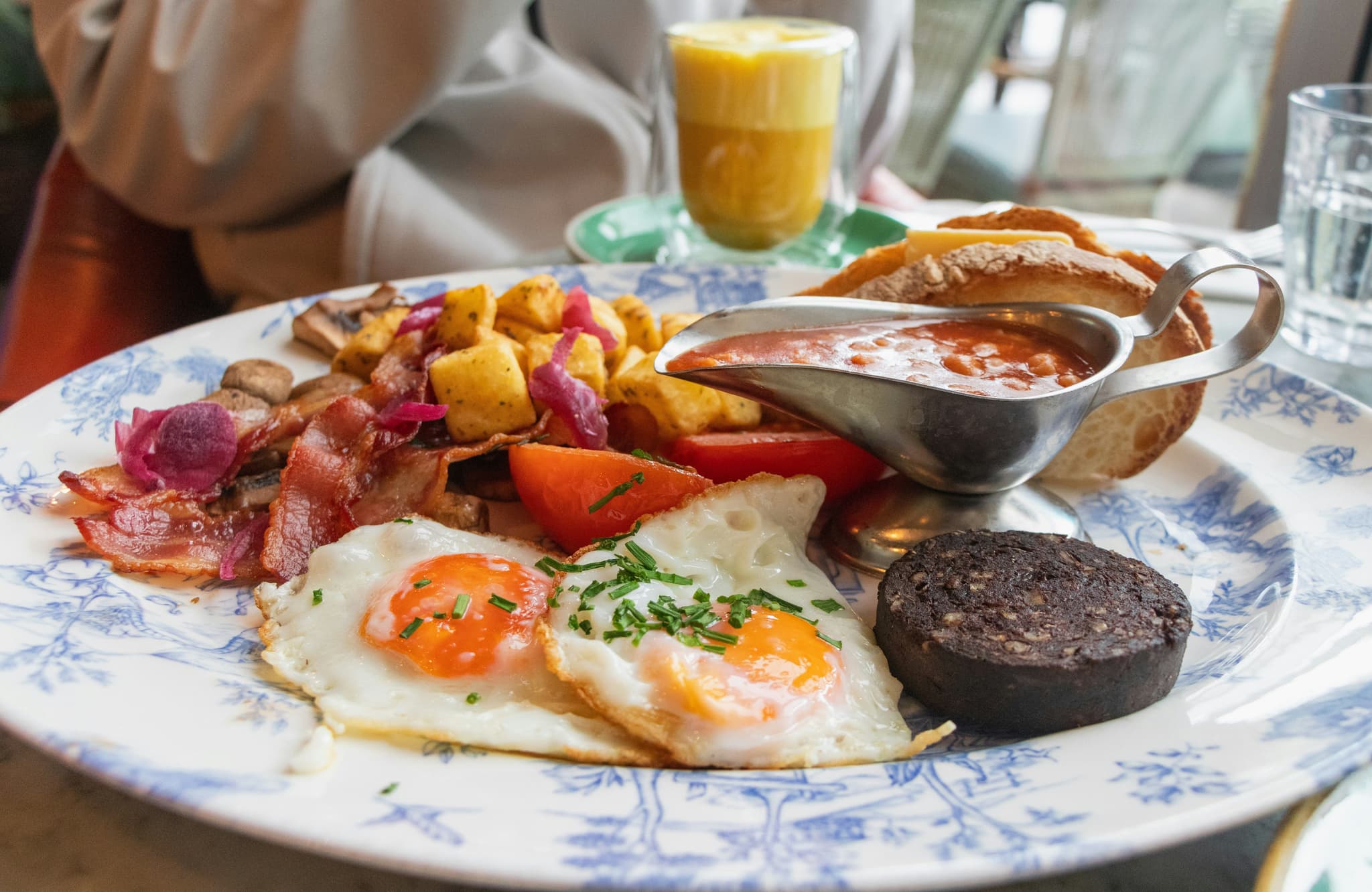
Have a full Irish breakfast
Early in the day, a full Irish breakfast shows up in cafés and hotels across the country. It usually includes eggs, sausages, bacon, black and white pudding, beans and toast. It’s quite a big meal, so it often keeps you going for most of the day.
Try soda bread with butter or soup
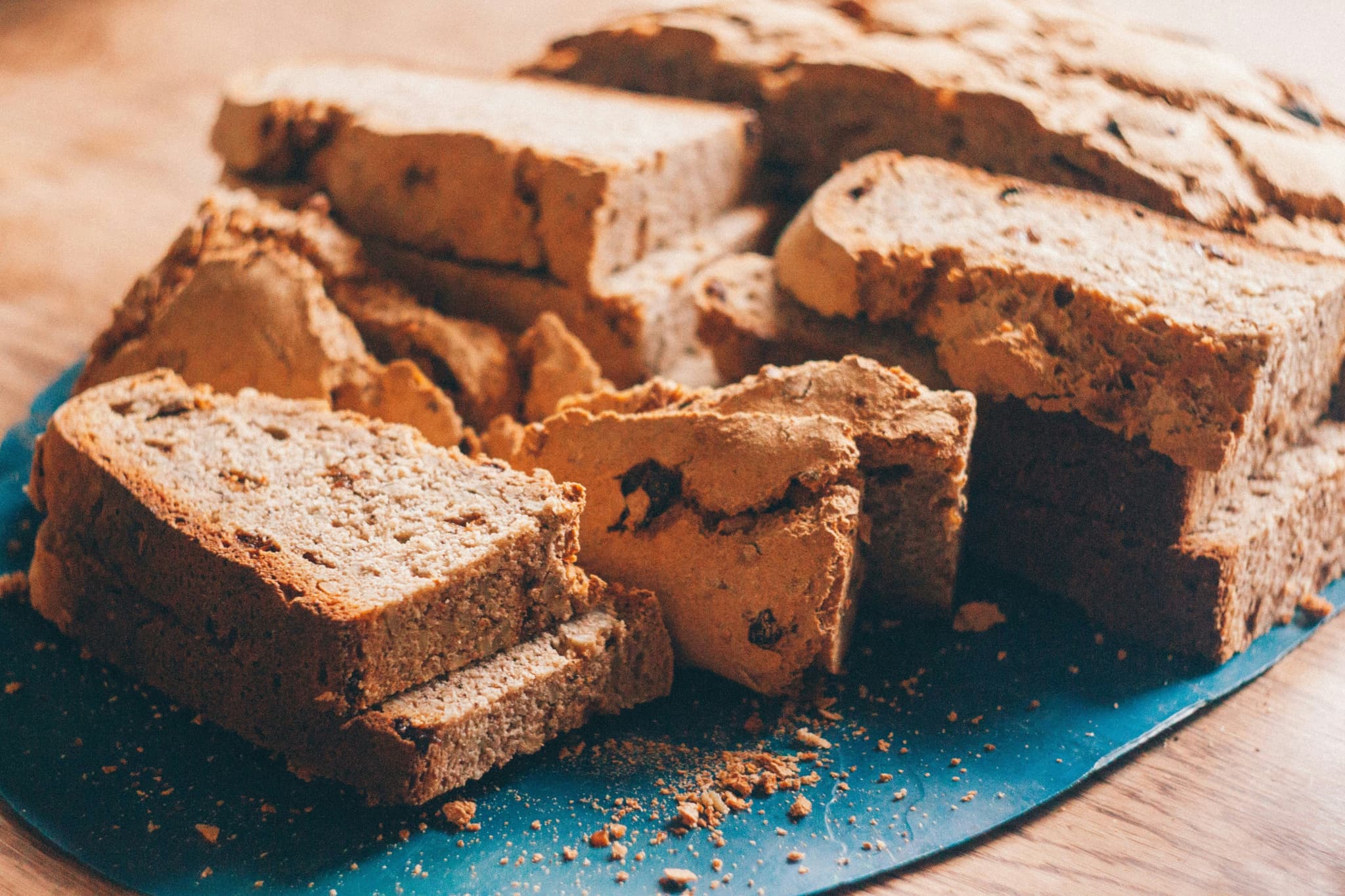
In Ireland, soda bread is served with many meals, especially in smaller cafés and restaurants. It’s made without yeast and has a slightly dense texture, often served warm with butter. You’ll notice it often comes with soups or stews.
Culture in Ireland: from Celtic roots to what you see today
Long before cities like Dublin were even there, Ireland was shaped by Celtic tribes who arrived around 500 BCE, bringing their language, stories and traditions that still show up today. Between 400 and 800 CE, monasteries and learning centres spread across the island, with places like Clonmacnoise becoming important centres for writing and education. Then in 1169, the Norman invasion began, followed by centuries of British rule, which changed everything from land ownership to language. You’ll still notice that history when you travel through Ireland, from castles and old town layouts to the mix of English and Irish, which is still spoken in regions like the Gaeltacht.

Once you’re there, you’ll see how these influences are still part of everyday life. In pubs, traditional music sessions with fiddles and drums often happen without it feeling like a show, just part of the evening. Around March 17, St. Patrick’s Day turns into a national celebration with parades and events across the country. Literature also plays a big role, with names like James Joyce and W.B. Yeats still shaping how people talk about Ireland. Across both cities and small towns, that mix of history, music and daily life is something you’ll keep noticing as you move around.
Looking for more unique places, trips and activities?
Subscribe to our Guided Newsletter for more travel inspiration.
Is a trip to Ireland expensive?
The cost of your trip to Ireland depends on where you stay, how you travel and when you visit. Ireland is not a budget destination, food and drinks can be quite pricey.
Food & Drink

Coffee
€3 – €4.50
Lunch
€12 – €20
Beer
€5 – €7
Accommodation

Hotels
€120 – €220
Airbnb
€100 – €200
Hostel dorm
€20 – €50
Transport

Trains
€15 – €40
Public Transport
€2 – €3
Car Rental
€40 – €90
Attractions

Museums
€10 – €20
Big Attractions
€10 – €25
Theatre
€20 – €70
Practical tips for visiting Ireland
Thinking about your first trip to Ireland? A few small things make everything smoother once you arrive, from what you pack to how you plan your days. We’ve gathered a few helpful tips that help your trip to Ireland easier when you arrive.
✔ Pack layers and a rain jacket, even in summer
Weather changes quickly here, sometimes within the same hour. A light rain jacket and a few layers will save you more than once, especially along the coast or at places like the Cliffs of Moher. Comfortable shoes help a lot too, since you’ll likely switch between city streets and uneven paths during the same day.
✔ Plan shorter drives than you think you need
At first glance, distances can look easy to cover. In reality, roads often include bends, narrow sections and slower stretches through the countryside. Extra time between stops makes a big difference, so your days don’t turn into constant driving.
✔ Book your rental car early and check the transmission
Something that catches many people off guard is that most rental cars are manual by default. An automatic is still possible, yet availability can be limited, especially during busy months. Booking early gives you more choice and avoids last-minute stress.
✔ Book popular attractions in advance during busy months
During peak season, places like Trinity College and the Guinness Storehouse fill up quickly. A ticket booked in advance means you skip long queues and keep your day running smoothly once you’re there.
Fun facts about Ireland
Ireland has a lot of small details you don’t always expect before arriving. Some of them you’ll notice straight away, others only after a few days of exploring.
Ireland has over 30,000 castles and castle ruins spread across the country
The Cliffs of Moher rise over 200 metres above the Atlantic Ocean
Newgrange is older than the pyramids and aligns with the winter solstice sunrise
Ireland has no snakes, according to both legend and science
Gaelic is still spoken in certain regions known as the Gaeltacht
The Wild Atlantic Way is one of the longest coastal driving routes in the world
Pub culture is a big part of daily life, often with live music in the evenings
Some of these things will probably become part of your own trip along the way. Ireland stands out in its own way, with days that take you from coastal cliffs to historic cities and small villages. Each stop brings something different, from nature to culture to local life. So Ireland suits you well if you like variety, history and time outdoors.
Ready to map out your trip to Ireland?
We hope this Ireland travel guide has given you a clear starting point for your trip. Stay tuned for more inspiration, itineraries and practical tips to help you shape your perfect trip to Ireland. And don’t forget to check out our Guided app, where you can create your own trip or use trips shared by other travellers for free.
FAQs About Traveling to Ireland
- Is Dublin Part of the UK?
Dublin is the capital of the Republic of Ireland and is not part of the United Kingdom. Northern Ireland, which includes Belfast, is part of the UK, but crossing the border between the two regions is straightforward.
- Do I Need a Visa to Travel to Ireland?
Visa requirements depend on your nationality. People from Europe, North America and Australia can usually visit for a time without a visa. It is a good idea to check with your government before you go to Ireland.
- Do I Need Travel Insurance for Ireland from England?
If you are from England you do not need a visa for a visit to Ireland. Getting travel insurance is still a good idea. It can help if you need to cancel your trip or if you get sick. Standard travel documents do not usually cover these things.
- Can you use British pounds in Ireland?
British pounds are not accepted in the Republic of Ireland, as the official currency there is the euro. In Northern Ireland, which is part of the United Kingdom, British pounds are used, so check which region you are visiting when planning your trip to Ireland.
- Do I need a car in Ireland?
You do not need a car if you are only going to stay in Dublin and take trains or buses to big cities. If you want to drive along the west coast or see rural Ireland renting a car is a good idea. It gives you freedom to explore Ireland on a road trip.
- Is Ireland crowded in summer?
Summer is the season for an Ireland trip. This is particularly true in July and August when school holidays and longer daylight hours attract visitors to Ireland. Popular areas, like the Ring of Kerry and the Cliffs of Moher can become busy so booking accommodation early is recommended and you should plan your trip to Ireland in advance.