
Road trip Ireland: What to expect and how to plan
By Eva Alkemade
Mar 14, 2026
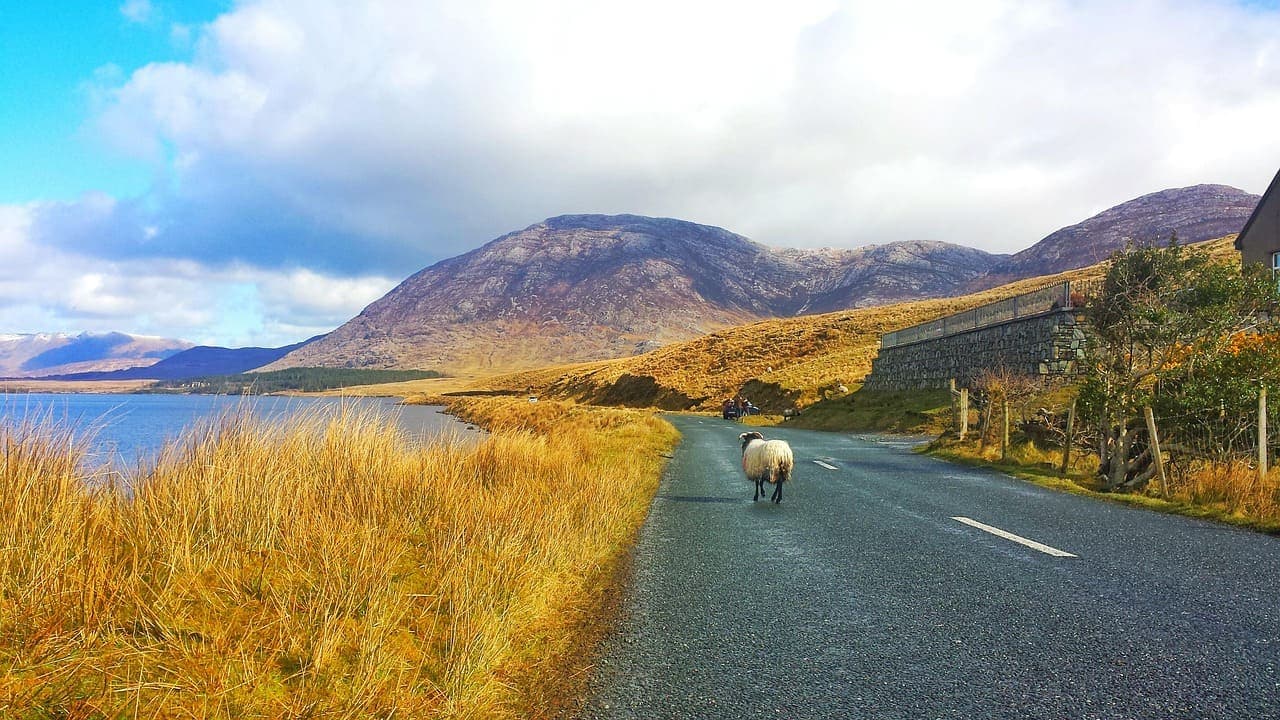
Thinking about exploring Ireland by car? We honestly think it's the best way to see the country. Sure, you can travel between the bigger cities by train or bus, but you'll miss many of the places that make Ireland so special. Coastal roads, hidden beaches, mountain passes and tiny villages are often only a short detour away. With your own car, you can stop whenever something catches your eye instead of sticking to someone else's schedule. In this guide, we'll help you choose the best route, plan realistic driving days, and make your Ireland road trip as smooth as possible.
Choosing the right route for your Ireland road trip
One of the biggest mistakes people make is trying to see all of Ireland in one trip. The island may look small on a map, but driving takes much longer than you’d expect. So choosing the right route before booking your accommodation will make your trip much more enjoyable.
A few routes work particularly well, depending on how much time you have and what you want to see:
South Ireland: Perfect if you're visiting Ireland for the first time. Expect colourful towns, castles, coastal drives and famous routes like the Ring of Kerry. Allow around 7 to 10 days.
Wild Atlantic Way: Best if you love dramatic coastlines, hiking, beaches and small fishing villages. Since this route stretches over 2,500 kilometres, you'll ideally need 10 to 14 days.
Northern Ireland: A great choice for a shorter holiday, combining Belfast, the Giant's Causeway, castles and one of Europe's most scenic coastal drives. Around 4 to 7 days works well.
Full island loop: If you've got two to three weeks, you can comfortably combine the Republic of Ireland with Northern Ireland without feeling rushed.
Planning to focus on the Republic of Ireland? Our Southern Ireland travel guide compares the best cities, charming towns and must-see attractions to help you choose where to spend your time.
Guided tip: Rather than trying to see the whole country, choose one region that matches your interests. You'll spend less time driving and much more time actually exploring.
Scenic drives you shouldn't miss on a road trip through Ireland
One of the best things about driving through Ireland is that the journey often becomes just as memorable as the destination. You'll constantly find viewpoints, beaches, waterfalls and villages worth stopping for.
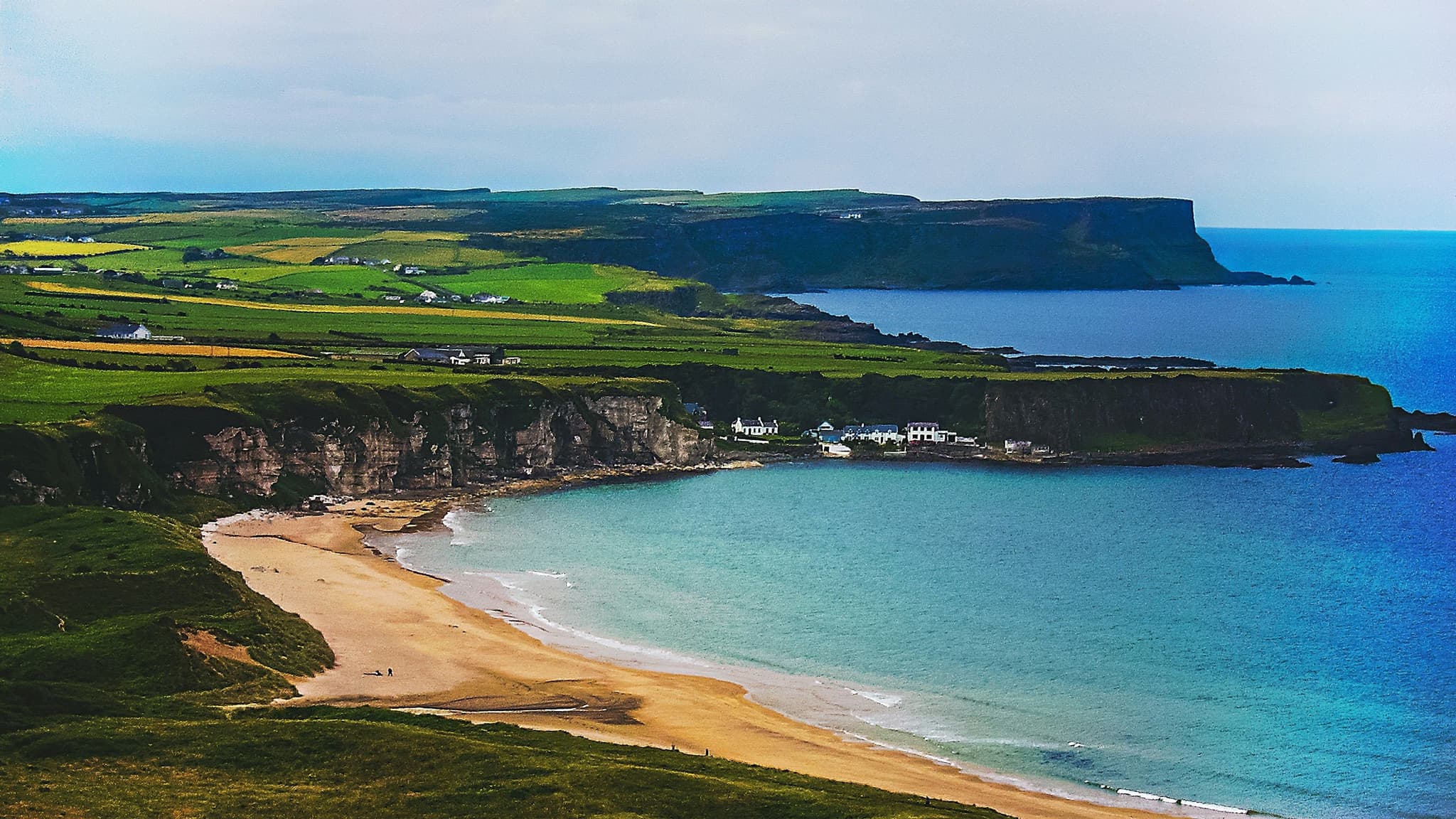
Some of the most beautiful drives include:
Wild Atlantic Way: Ireland's most famous road trip, following more than 2,500 kilometres of rugged coastline from Donegal to County Cork.
Ring of Kerry: A classic circular route with mountain passes, lakes, waterfalls, beaches and charming villages.
Dingle Peninsula: Narrow coastal roads with spectacular Atlantic views, ancient ruins and colourful harbour towns.
Causeway Coastal Route: Connects Belfast with the Giant's Causeway, Carrick-a-Rede Rope Bridge and Dunluce Castle.
Wicklow Mountains Scenic Drive: Rolling hills, lakes, forests and Glendalough, all within easy reach of Dublin.
Beara Peninsula: One of Ireland's quieter coastal drives, with mountain passes, colourful villages and far fewer visitors than neighbouring Kerry.
Sky Road in Connemara: A short but spectacular loop near Clifden with panoramic views across the Atlantic.
Wondering what you'll actually find along these routes? Take a look at our guide to the best places to visit in Ireland, where we cover the highlights of each region in more detail.
How many hours should you drive each day?
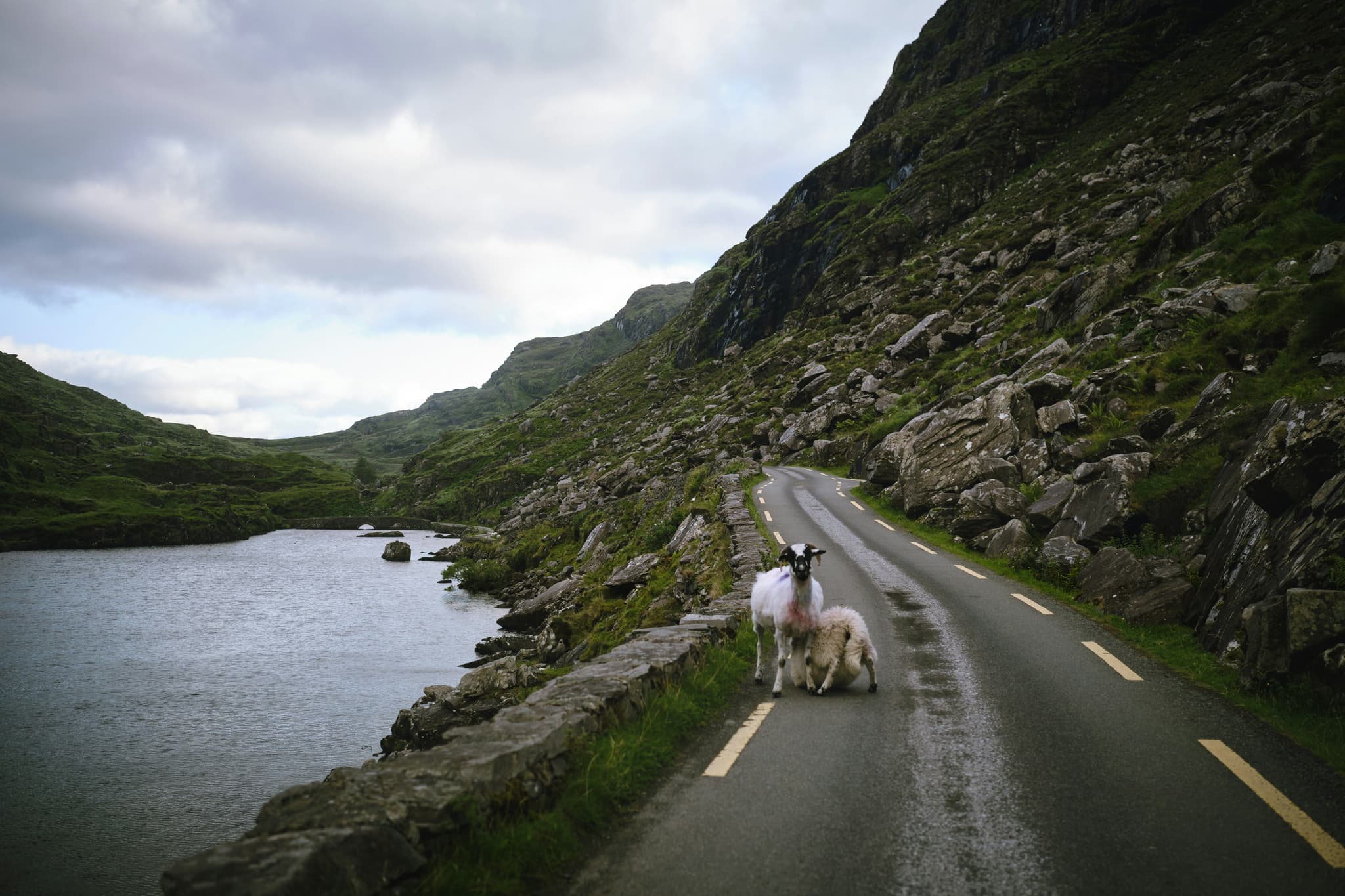
You'll probably notice this on your very first drive: getting from A to B usually takes longer than you expect. Ireland's smaller roads are narrow and winding, and chances are you'll slow down for sheep, tractors or another incredible viewpoint every hour or so. That's exactly why we recommend planning shorter driving days and leaving plenty of time to stop along the way.
As a general guideline:
1 to 2 hours: Perfect if you want plenty of time for sightseeing, walks and long lunches.
2 to 4 hours: The ideal amount for most Ireland road trips and enough to comfortably explore each stop.
4 to 5 hours: Best saved for transfer days when you're moving between regions.
More than 5 hours: Only recommended if you need to cover a long distance, as you'll have little time left to enjoy the places along the way.
Another good rule is to stay at least two nights in most locations. Packing every morning, checking out and driving to the next destination quickly becomes tiring, while an extra night gives you the freedom to explore nearby attractions without feeling rushed.
Looking for something a little different to add to your Ireland trip? We've rounded up 10 unique things to do in Ireland that give you a better feel for everyday local life.
Ireland road trip itinerary ideas
Not sure how long to spend in Ireland? These sample routes give you a good starting point, whether you're planning a long weekend or a two-week adventure. Of course, you can easily adjust them depending on your interests and how much time you have.
5 day Ireland road trip
Perfect if you're visiting Ireland for the first time and want to combine a city break with some of the country's most famous scenery.
Day 1: Dublin
Day 2: Galway
Day 3: Cliffs of Moher and County Clare
Day 4: Killarney and the Ring of Kerry
Day 5: Return to Dublin
Looking for unforgettable experiences along the way? Our guide to 10 unique local things to do in Ireland covers everything from coastal walks and castles to traditional pubs and unique day trips.
7 day Ireland road trip
A great option if you want to experience Ireland's west coast without rushing between destinations.
Day 1 to 2: Dublin
Day 3 to 4: Galway and Connemara
Day 5: Cliffs of Moher and the Burren
Day 6: Dingle Peninsula
Day 7: Ring of Kerry before returning to Dublin
10 day Ireland road trip
Ten days gives you enough time to explore much more of southwest Ireland while keeping your driving days comfortable.
Day 1 to 2: Dublin
Day 3: Kilkenny
Day 4 to 5: Cork and Kinsale
Day 6 to 7: Ring of Kerry and Killarney National Park
Day 8: Dingle Peninsula
Day 9: Cliffs of Moher and Galway
Day 10: Return to Dublin
14 day Ireland road trip + Northern Ireland
With two weeks, you can comfortably combine the Republic of Ireland with Northern Ireland and explore both at a relaxed pace.
Day 1 to 2: Dublin
Day 3 to 4: Belfast and the Causeway Coastal Route
Day 5: Derry
Day 6 to 7: Donegal
Day 8 to 9: Galway and Connemara
Day 10: Cliffs of Moher
Day 11: Dingle Peninsula
Day 12: Ring of Kerry
Day 13: Cork
Day 14: Return to Dublin
Thinking about crossing the border? Our guide to the best places to visit in Northern Ireland covers Belfast, the Giant's Causeway, the Causeway Coastal Route and plenty of hidden gems worth adding to your itinerary.
Rental car guide: what you should know before booking
A rental car gives you by far the most freedom in Ireland, especially if you want to visit places like the Ring of Kerry, the Dingle Peninsula or the Wild Atlantic Way. Although buses connect the larger towns, many of Ireland's best viewpoints, beaches and small villages are much easier to reach by car.
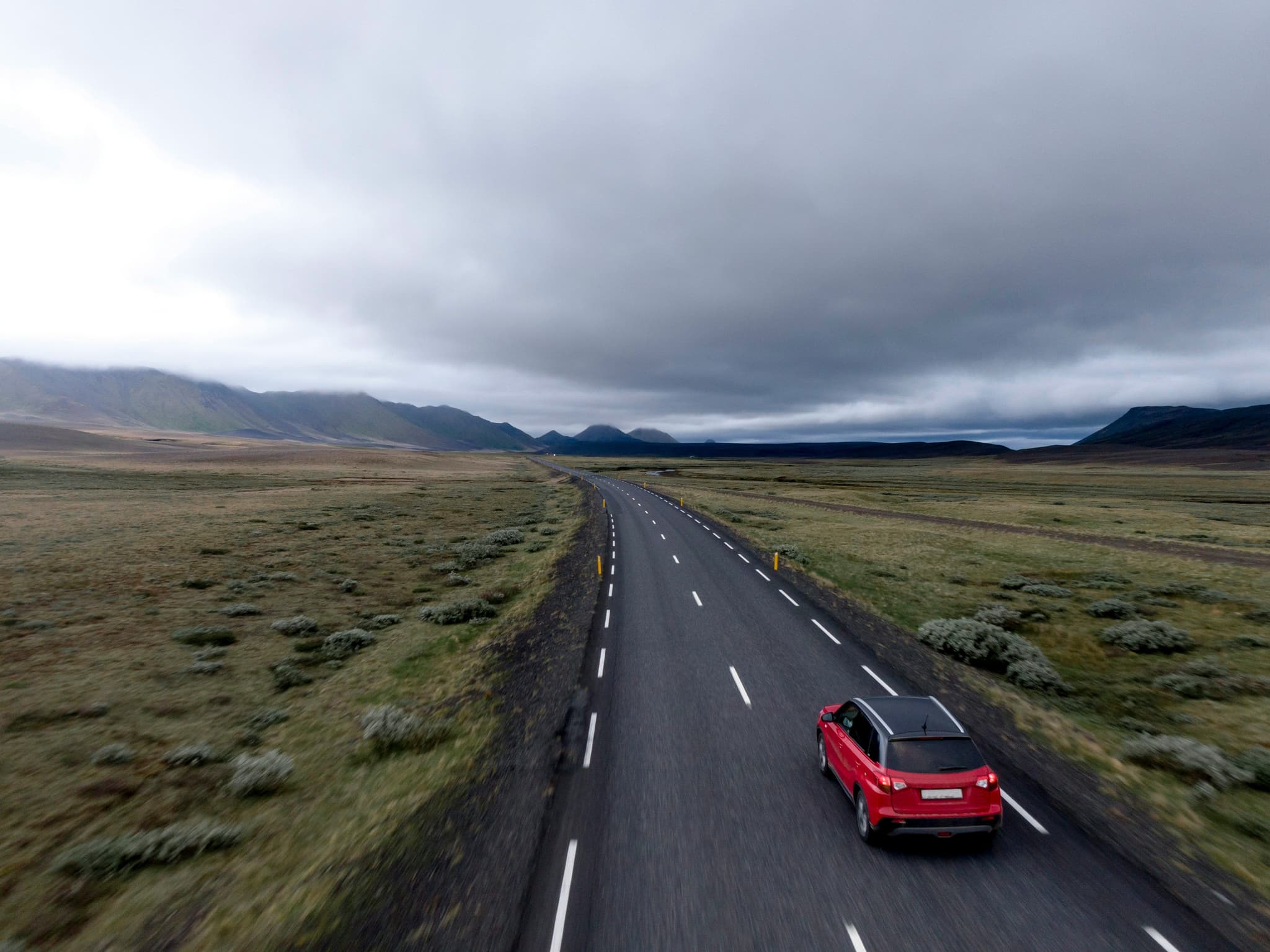
Before you book, there are a few things worth checking:
Book early in summer: Prices increase quickly between June and August, especially for automatic cars.
Choose an automatic if you're not used to driving on the left: Most rental cars are manual by default, so automatics often sell out first.
Pick up your car at the airport if possible: Airports like Dublin, Cork and Shannon usually offer the biggest selection and the best prices.
Check the insurance carefully: Basic insurance often comes with a high excess, so compare the different coverage options before you book.
Inspect the car before driving away: Take photos of any scratches or damage so there are no surprises when you return it.
Bring your driving licence and passport: Some rental companies may also ask for a credit card in the driver's name.
Where to rent a car for your Ireland Road trip?
Dublin Airport is the place to rent a car especially if you are flying in to start your Ireland road trip. Major car rental companies like Enterprise, Hertz, Avis, Sixt and Budget all operate there. You can compare prices in advance via websites like DiscoverCars to find the best deal for your Ireland road trip.
Cork Airport and Shannon Airport are also places to pick up your car if you plan to start your loop in the south or west of Ireland. Collecting your car at the airport is often cheaper and simpler than renting in Dublin city centre, where traffic and parking can be harder during your Ireland road trip.
Still planning your trip? Our complete Ireland travel guide brings together everything you need to know, including practical travel tips, itinerary ideas and more!
Guided tip: If you're spending your first few days in Dublin, wait until you're leaving the city before picking up your rental car. You'll save money on parking and avoid driving through busy city traffic.
Driving in Ireland: What You Need to Know
This is the part that worries people but it is actually very simple. A little preparation before you arrive in Ireland makes those first kilometers feel much easier when you start your Ireland road trip.
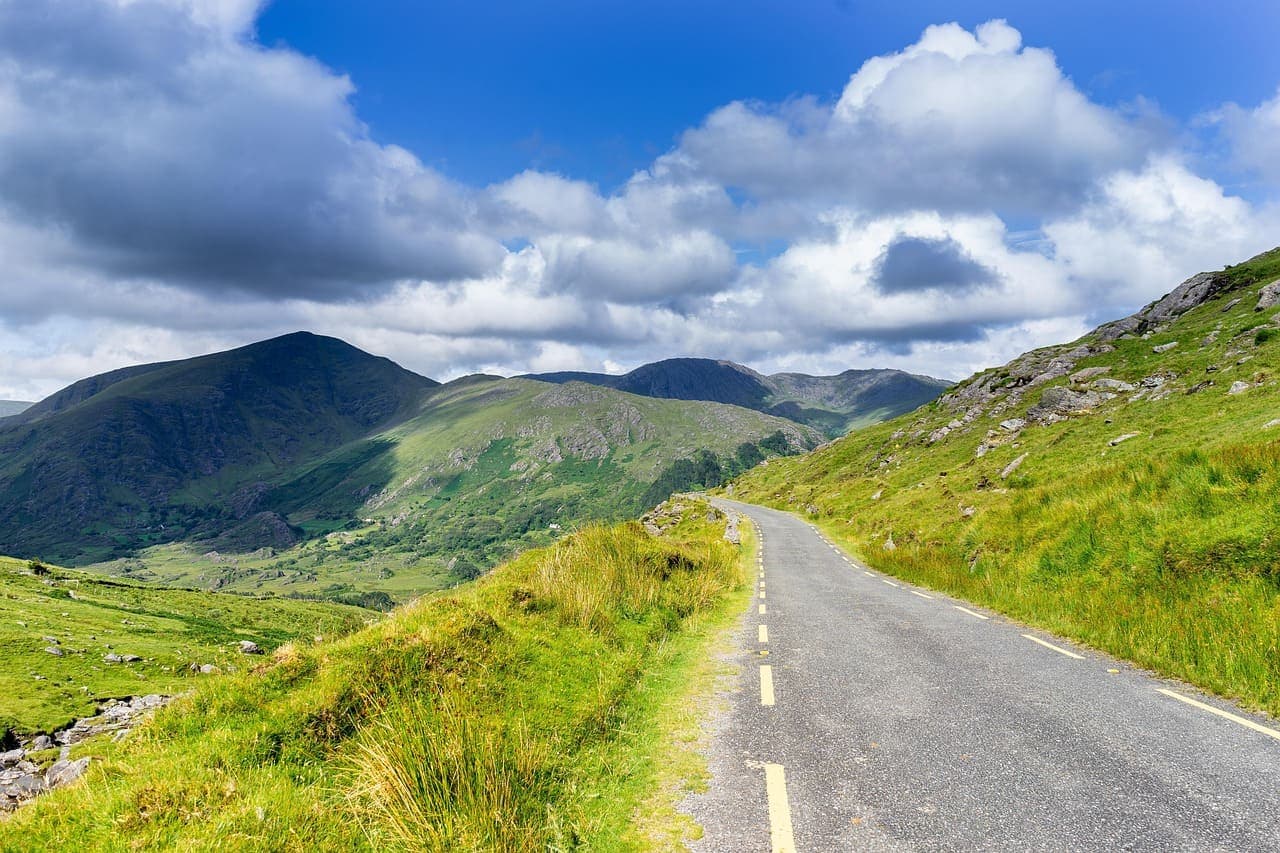
Ireland roads: what to expect on your Ireland road trip
The motorways connect Dublin with Cork, Galway and Limerick. They are smooth and clearly marked. Once you leave them you will notice that regional roads can narrow quickly on peninsulas like Dingle or Beara.
Road types are marked with letters: M for motorway N for road and R for regional. You can check road classifications and updates on the Transport Infrastructure Ireland website to help plan your Ireland road trip.
Speed limits and official rules for driving in Ireland
Speed limits in the Republic of Ireland are posted in kilometers per hour. Standard limits are 50 km in towns, 80 km on roads, 100 km on national roads and 120 km on motorways. Northern Ireland switches to miles per hour so once you cross the border you need to adjust your speed for your Ireland road trip.
Toll roads and payments in Ireland
Some of the motorways in Ireland are toll roads, including parts of the M7 and M8. Most tolls can be paid by card at booths. The M50 around Dublin uses a barrier free system.
If you drive on the M50 you must pay online by 8pm that day at eflow otherwise a penalty charge applies. Many rental companies automatically charge this to your card. It is always worth confirming when you collect your car to start your Ireland road trip.
Parking and apps to use in Ireland
In Dublin, Cork and Galway parking is usually limited. Apps such as EasyPark are commonly used depending on the city. You will see signs telling you which system applies.
For comparing parking locations and prices in advance, Parkopedia is helpful. Many smaller towns operate pay and display systems with clear instructions on nearby machines to help with parking during your Ireland road trip.
Petrol stations and fuel prices in Ireland
Petrol stations are easy to find along roads and near towns though they become less frequent in remote coastal areas. Fuel prices change regularly. You can compare them using websites like Pumps before setting off on a longer drive during your Ireland road trip.
Weather and road conditions in Ireland
The weather in Ireland can change quickly along coastal routes and in mountain areas. Heavy rain can reduce visibility on rural roads and strong Atlantic winds are common, on exposed stretches. In winter shorter daylight hours mean you will be driving in the dark, particularly in the west.
Road conditions and daylight hours can vary by season so it’s worth checking our blog on the best time to visit Ireland before planning your Ireland road trip.
Road trip budget: how much does driving in Ireland cost?
Driving around Ireland is generally affordable, especially if you're travelling with two or more people and splitting the costs. Your biggest expenses will usually be your rental car, accommodation and fuel, while tolls and parking are relatively minor unless you're spending a lot of time around Dublin.
Car and Driving
Car Rental
€40 to €90 per day
Fuel
€9 to €11 per 100 km
Additional costs
Toll roads
€2 and €4
Parking
€2 to €4 per hour
What to pack for an Ireland road trip
Packing for Ireland is mostly about being prepared for changing weather. Even in summer, sunshine can quickly turn into rain, especially along the west coast. Bringing a few practical items will make your road trip much more comfortable.
We recommend packing:
A waterproof jacket, regardless of the season.
Comfortable walking shoes with good grip for cliffs, coastal paths and uneven trails.
Layers that are easy to add or remove throughout the day.
A reusable water bottle and snacks for longer drives between villages.
A phone holder and charging cable for navigation.
A power bank for full sightseeing days.
Sunglasses, even if rain is forecast. The weather changes quickly.
A small daypack for short hikes and day trips.
Guided tip: Download offline maps before leaving your accommodation each morning. Mobile signal is generally good, but it can become unreliable in remote parts of the Wild Atlantic Way and some mountain areas.
Ready to start planning your Ireland road trip?
Now that you have a better idea of how to plan your route, how much driving to expect and what to prepare for, it's time to build your own itinerary. Whether you're exploring the Wild Atlantic Way, driving the Ring of Kerry or discovering Northern Ireland, having a flexible plan makes the journey much more enjoyable.
Want to map out your route day by day? Create your own itinerary in the Guided app, or browse road trips shared by other travellers to find inspiration for your next adventure.
Enjoyed This Blog? Continue Reading!
More travel inspiration is waiting for you on our blog. You can look below and start planning your next trip!


