
The best places to visit in the Algarve beyond the beach resorts
By Eva Alkemade
Aug 23, 2026
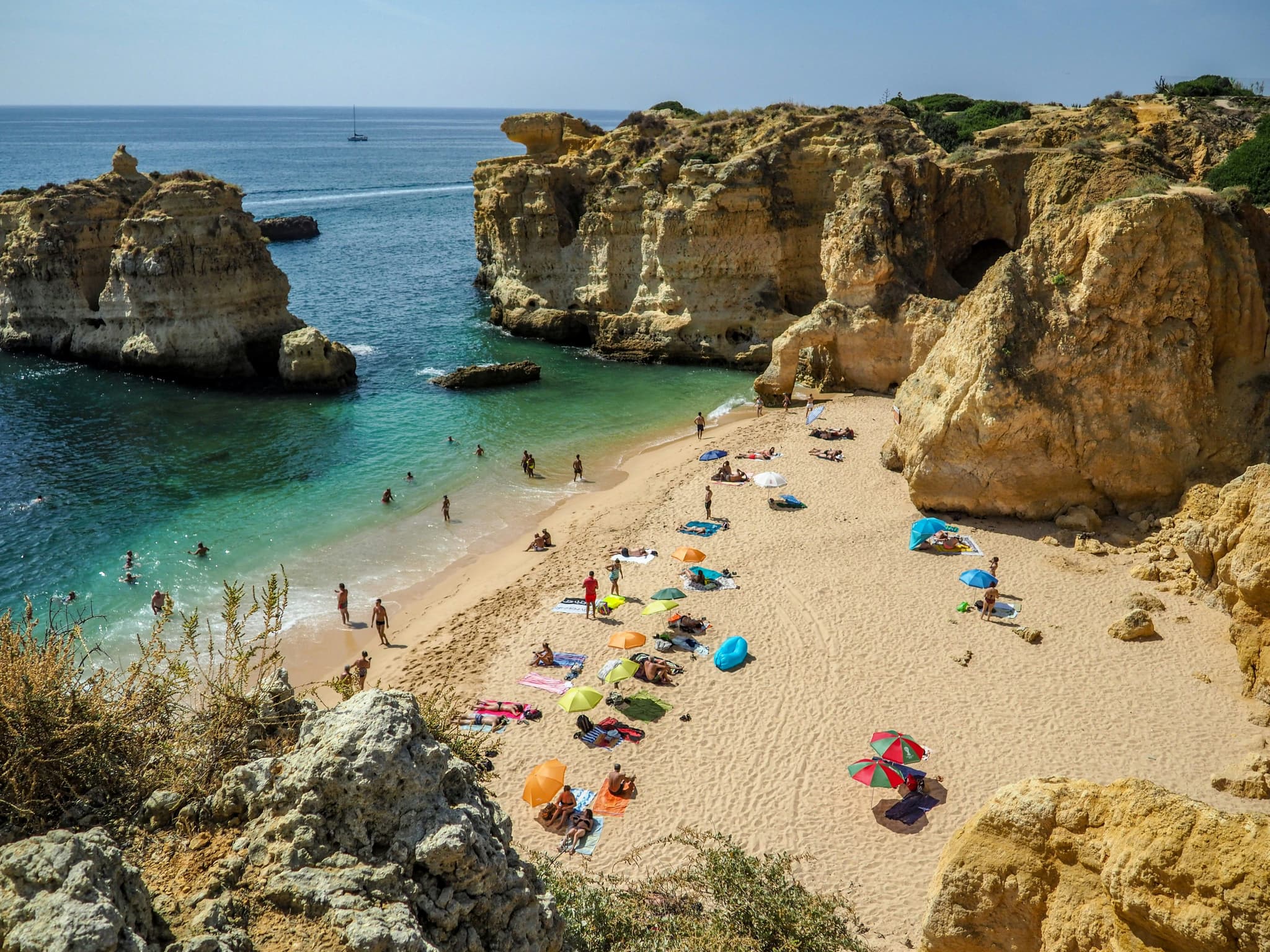
The Algarve changes a lot more than you might expect as you travel along the coast. Around Sagres, you’ll find wild cliffs, surf beaches and a much quieter feel, while further east you get colourful towns, calmer water and the lagoons of Ria Formosa. Somewhere in between, there are sea caves, small fishing villages and some of the Algarve’s most famous beaches. So where should you actually go? We’ll take you through the best places to visit in the Algarve, what each area is like and which ones are worth adding to your trip.
Short on time and only want the highlights? Here's the short version before we get into the full guide below:
Western Algarve gives you towering cliffs, surf towns like Sagres, and far fewer people than the central coast
Central Algarve holds Benagil Cave, the Seven Hanging Valleys Trail and most of the postcard beaches you've seen online
Faro and Tavira in the east move at a slower speed and rest right against the Ria Formosa lagoon
Silves and Monchique give you inland Algarve: castles, citrus groves and mountain views over the whole coast
A car makes this trip far easier, though trains do connect the bigger towns along a single coastal line
How to decide where to go in the Algarve
Honestly, the Algarve isn't really one destination, it's three fairly different ones lined up next to each other, and we get asked all the time which bit people should pick, since there are many nice places to go in the Algarve. So, here's our take on what suits who.
Pick your part of the coast:
Want surfing, cliff walks and livelier evenings? We'd send you west, to Lagos or Sagres
Want caves, golden beaches and the sights everyone's seen photos of? Central Algarve, around Carvoeiro, Portimão and Albufeira, is your best bet
Want slower mornings, local markets and island beaches with far fewer people around? Head east toward Faro, Tavira and Olhão
Want mountains, castles and a break from the coast entirely? Add an inland day around Silves and Monchique
Fun fact: The Algarve gets over 300 days of sunshine a year on average.
Planning your route: how many days do you need in the Algarve?
Around 200 kilometres run between Sagres in the far west and Vila Real de Santo António on the Spanish border, so trying to see the whole region in three or four days will mostly mean time in the car. Here's roughly how much you can genuinely cover, plus a few recommended combinations of places to see in the Algarve.
How many days do you need?
A long weekend: pick one base, ideally Lagos or Albufeira, and add day trips from there
One week: central Algarve plus a day each in Sagres and Tavira
Two weeks: the full coast, from Sagres to Tavira, with an inland day around Silves and Monchique
Region combinations that work well
We'd pair west and centre if you want the biggest range in the smallest area, since Lagos to Carvoeiro is barely a 30 minute drive. A centre and east combination works better if beaches and boat trips matter more to you than nightlife, pairing Benagil's caves with Tavira's calmer islands.
If your trip covers more of Portugal, our one week Portugal route through Lisbon and the Algarve coast shows how to combine both without rushing your days, and it works no matter which city your flight lands in, Lisbon or Faro.
Guided tip: If you're pairing the Algarve with a Lisbon or Porto stop, book your Algarve nights last. A holiday that ends on beach time beats one that ends on a plane home after a city break.
Getting around the Algarve and how to get there
We won't sugarcoat it, this part of planning matters. If you get transport sorted early, the rest of the trip pretty much takes care of itself. Let’s take a look at how to move between the best places in the Algarve.
Flying in
You'll most likely land at Faro, the Algarve's own airport, with direct flights from most major European cities and around an hour's drive to almost anywhere on the coast. Some people fly into Lisbon instead and drive down, which takes about three hours but lets you tack on a few days in the capital first. Our three days in Lisbon guide covers that stop well if it's part of your plan.
Trains along the coast
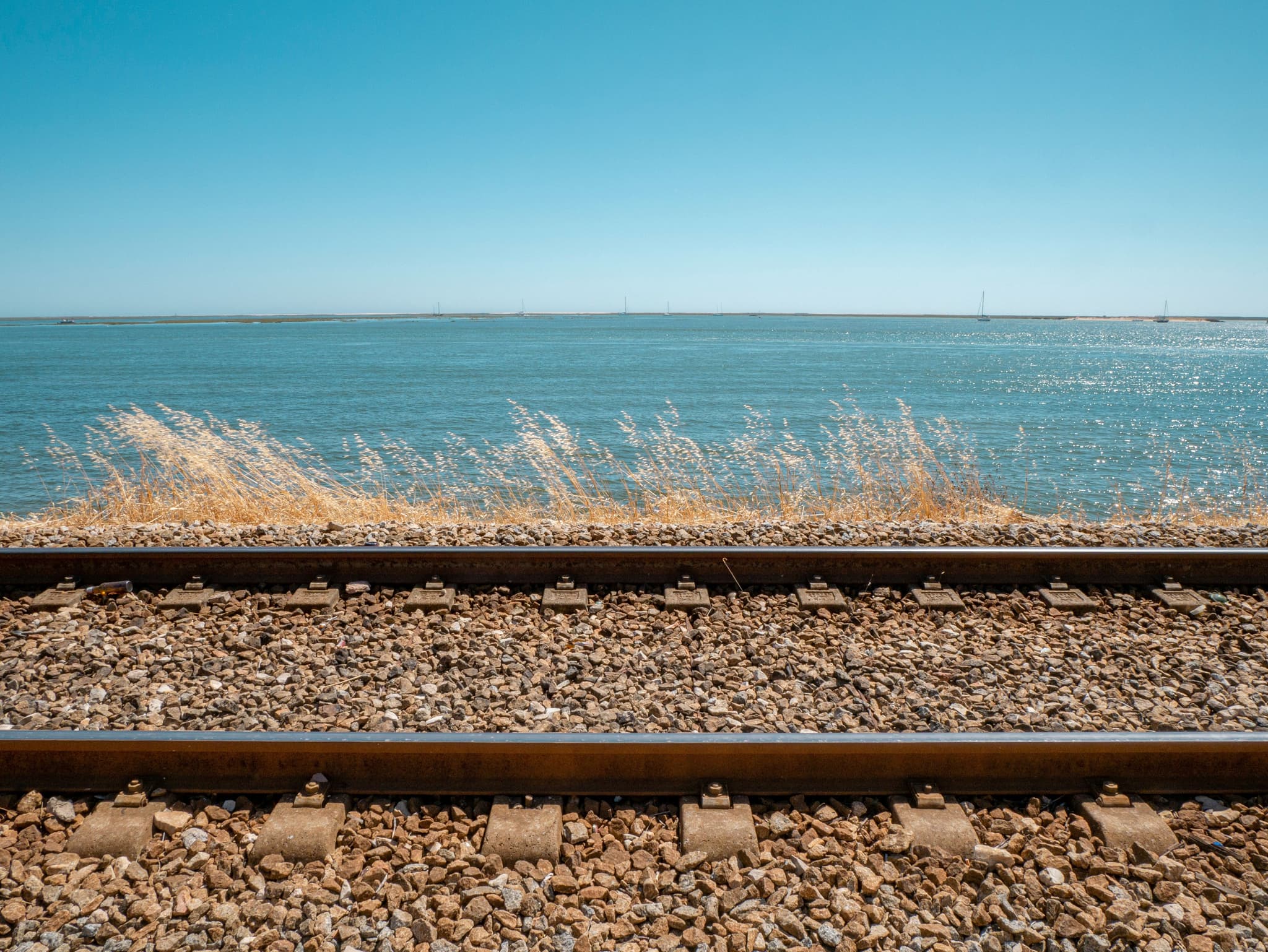
A single east-to-west rail line, run by Comboios de Portugal connects Lagos, Portimão, Albufeira, Faro and Tavira all the way to Vila Real de Santo António, with fairly frequent departures throughout the day. You're looking at around two hours for Lagos to Faro, and closer to 40 minutes for Faro to Tavira. As of this year, the line finished electrifying, so you can now ride straight through from Lagos to Vila Real de Santo António without changing trains in Faro, which wasn't the case before. It's a fine option if your trip sticks to those main towns, though it skips most of the smaller beaches, villages and viewpoints that are actually some of the best places in the Algarve.
Do you need a car in the Algarve?
For real freedom to change plans, yes, we'd say so. You can fill some of the gaps between towns with buses, but a rental car is what actually gets you to Ponta da Piedade before the tour buses, out to Cape St Vincent for sunset, or up into the hills around Monchique. You'll get the widest choice of rental desks and usually the best prices at Faro airport, though Lagos, Albufeira and Portimão all have pick up points too if you'd rather grab a car once you've settled in. If you're driving the whole coast, budget around two and a half hours for Sagres to Vila Real de Santo António along the A22 motorway, longer if you're stopping for beaches along the way.
Curious how Portugal holds up for a first visit as a solo traveller? Our Portugal safety guide covers what you actually need to know before you go.
Western Algarve: cliffs, surf and the wild coast
Down in the western Algarve, the coastline turns rougher and the Atlantic swell gets a lot more serious, which is one of the nicest places in the Algarve if you like surfing.
Lagos
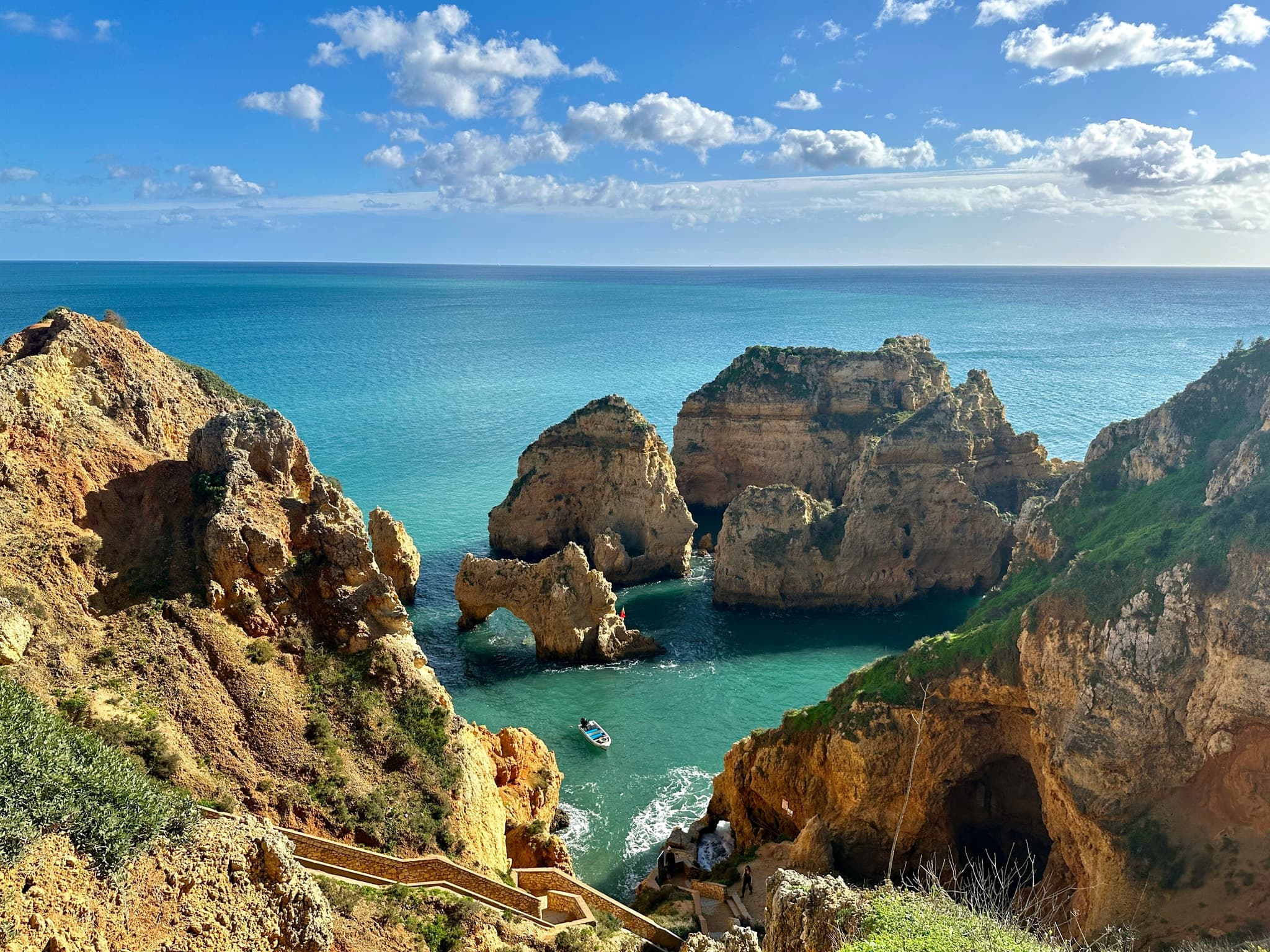
We'd pick Lagos first if cobbled streets, old city walls and evenings that actually go somewhere sound like your kind of trip. You won't think three or four nights is too many here. A short walk or five-minute drive from the marina brings you to Ponta da Piedade, a set of orange and gold cliffs riddled with arches and grottoes, and boat trips leave constantly from the harbour if you'd rather see the caves from the water. In between beach days at Praia Dona Ana and Praia do Camilo, we'd also grab a surf lesson here, since the swell around Lagos suits beginners far better than the heavier breaks further west.
Curious what else Portugal has beyond its southern coast? Our full Portugal destination guide breaks down every region worth adding to your route, from Lisbon to the Douro Valley.
Sagres and Cape St Vincent
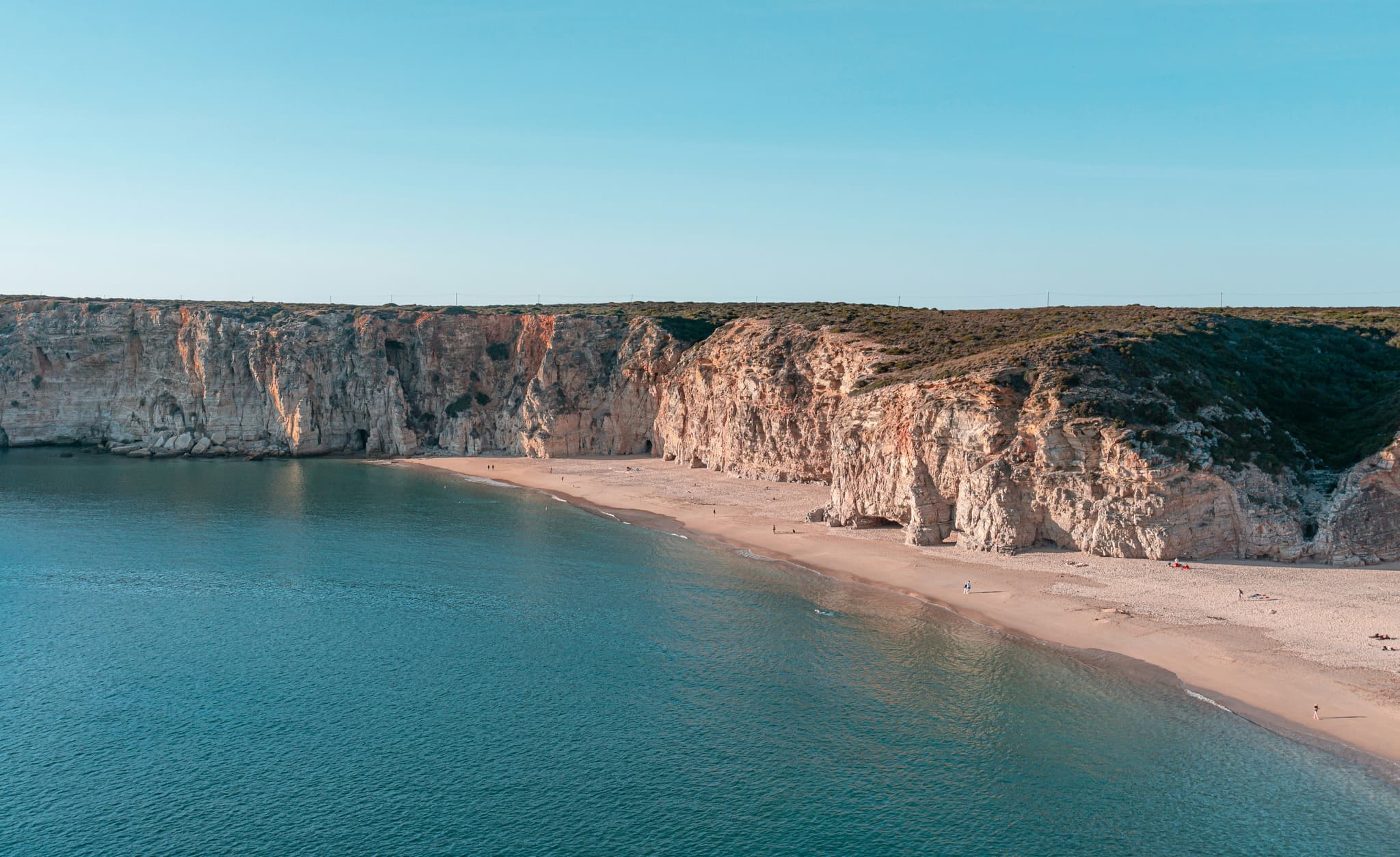
Past Lagos, the land narrows and the cliffs climb higher until you reach Sagres, a small fishing town that doubles as one of Europe's best surf spots, with breaks for beginners and seasoned surfers pretty much year-round. A twenty-minute drive further west gets you to Cape St Vincent, the most south-westerly point of mainland Europe, and we recommend rearranging a whole day around catching sunset there. Around Sagres you'll also find some of the Algarve's most untouched beaches, since the fort and surrounding cliffs have kept big development away from this part of the coast.
Monchique and the hills above the coast
If you head inland from Lagos or Portimão, the temperature drops fast as the road climbs into the Serra de Monchique, a range of forested hills capped by Foia, the highest point in the whole Algarve. On the way up, Caldas de Monchique makes a good stop, an old spa village built around thermal springs, with hiking trails branching off into the surrounding chestnut and cork forests. You'll want a clear day for the summit at Foia, since the views across the western coastline are the whole reason to make the drive.
Wondering when to actually book this part of the trip? Our best time to visit Portugal guide breaks down which months bring the calmest surf and the clearest hilltop views, so you're not gambling on the weather.
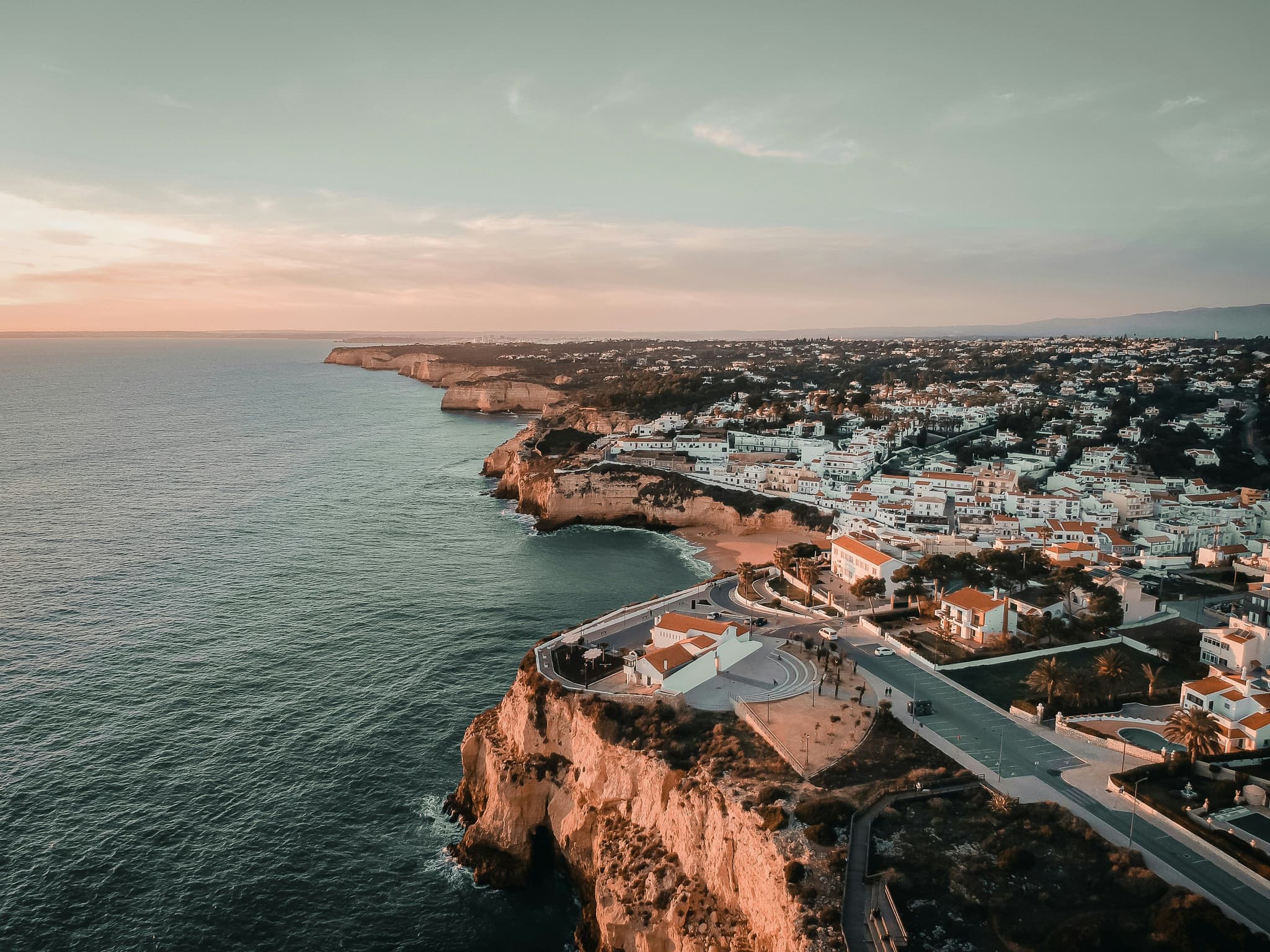
Central Algarve: caves, cliffs and postcard beaches
In central Algarve, you'll find what most people picture when they think of this part of Portugal. You'll come across the highest concentration of famous beaches, sea caves and coastal walking trails in the whole region between Portimão and Albufeira, alongside the inland town of Silves and its red sandstone castle.
Portimão and Praia da Rocha
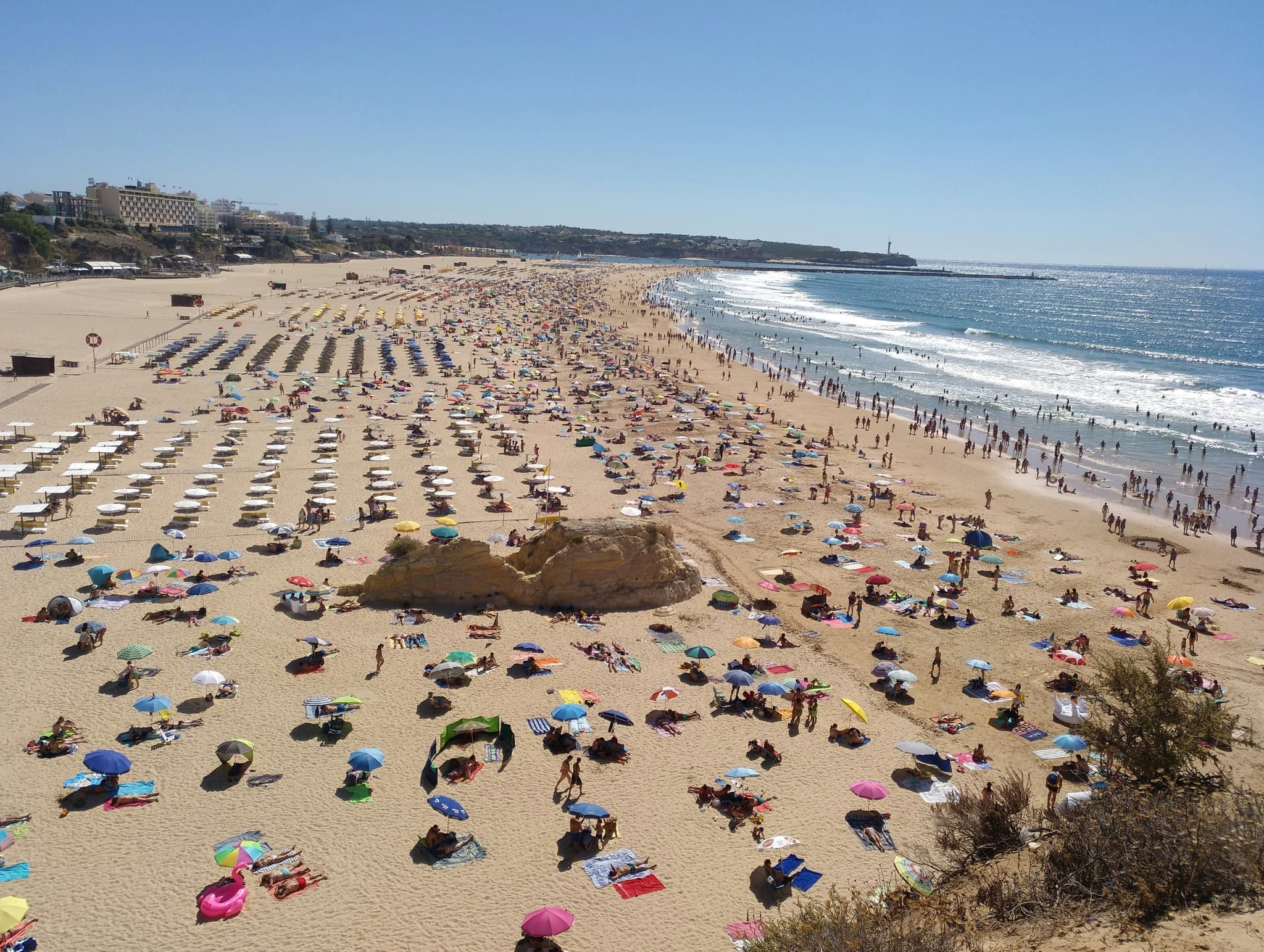
Formerly a fishing and canning town, Portimão now works well as a base, with a marina, restaurants and easy road links along the coast in both directions. Its main beach, Praia da Rocha, spreads out below a line of orange cliffs and holds one of the widest expanses of sand in the entire Algarve, so it's a good pick if you hate fighting for towel space. From the marina, boats head out regularly toward the sea caves further east, so it's a solid launch point even if you end up staying somewhere else.
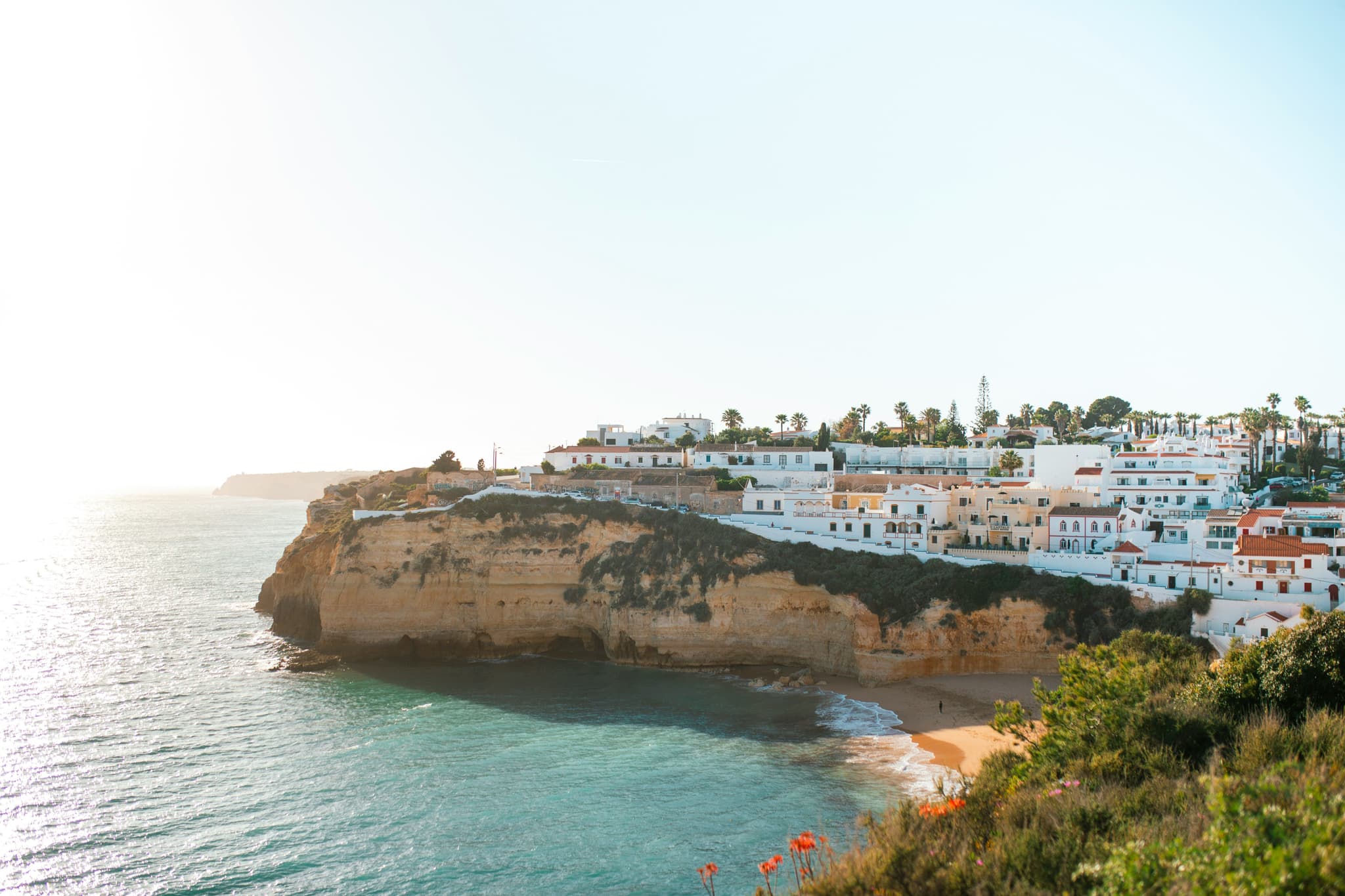
Carvoeiro, Benagil Cave and the Seven Hanging Valleys Trail
We recommend basing yourself in Carvoeiro for this part of the coast, a small former fishing village with a compact beach tucked between cliffs. It is the nicest place in the Algarve for jumping off cliffs. East along the same road waits Benagil Cave, the domed sea cave with a circular opening in its roof, which can only be seen from the water on a licensed boat, kayak or paddleboard tour these days, since swimming in and landing on the interior beach were both banned. Right along the same line of cliffs runs the Seven Hanging Valleys Trail, an 11 kilometre round trip coastal path that connects Praia da Marinha and Praia do Vale Centeanes, taking in Benagil, several other sea caves and some of the best viewpoints on the whole coast.
Silves
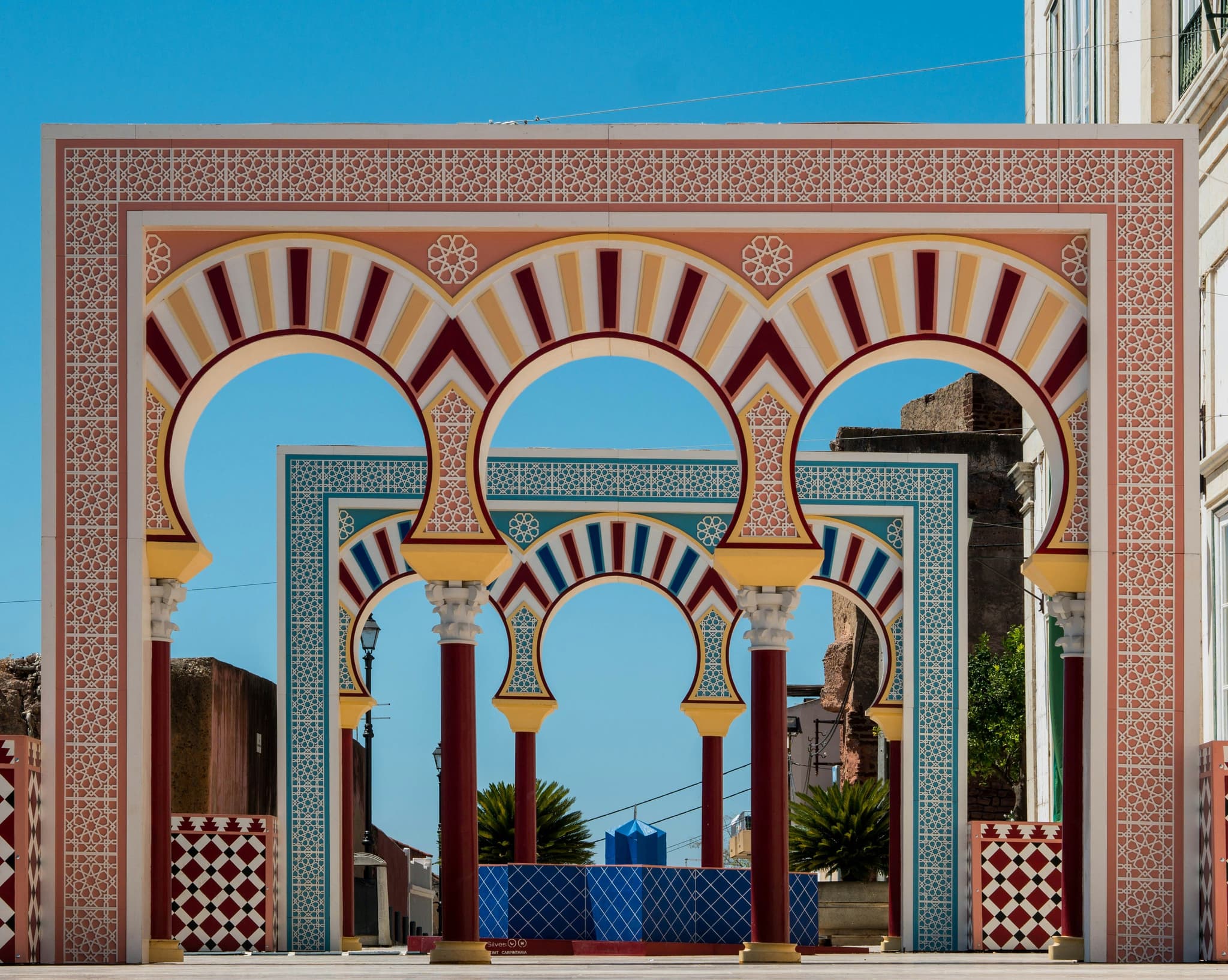
A little inland from the coast, Silves feels completely different from the Algarve’s beach towns. Up on the hill, its red sandstone castle looks out over orange groves and the old streets below, with the cathedral just a short walk from the gates. We’d give yourself some time to wander through the centre too, grab a coffee and explore without much of a plan. Around August, things get much busier during the Silves Medieval Fair, when markets, performances and medieval re-enactments take over the town for several days.
Albufeira
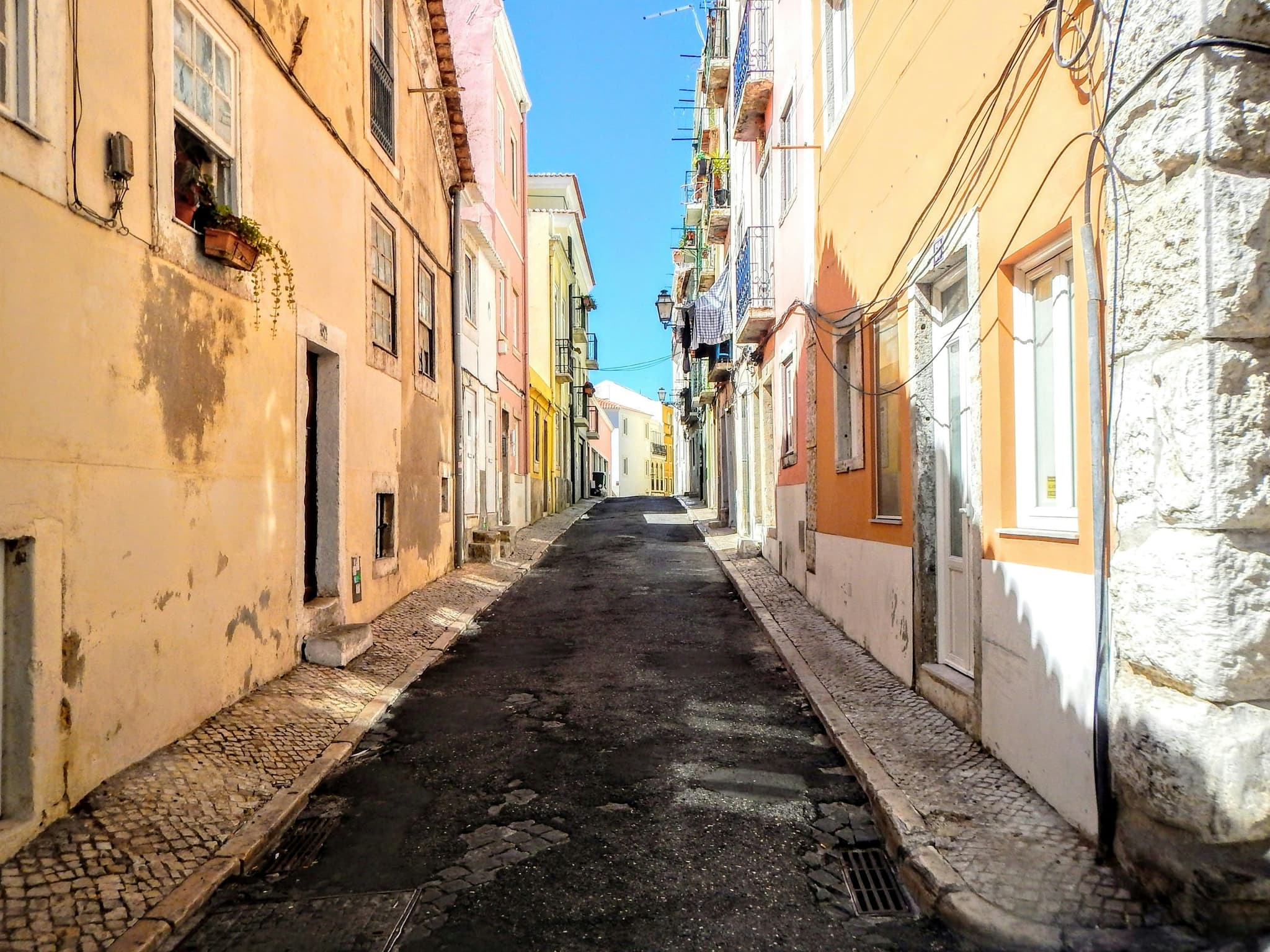
From a small fishing town, Albufeira grew into the Algarve's biggest resort destination, and depending on what you're after, that's either exactly the point or a good reason to base yourself somewhere calmer instead. You'll get the classic Algarve beach day at Praia dos Pescadores and Praia da Oura, with sunbeds, water sports and beach bars lined up one after another, though we'd still carve out an hour for the old town's whitewashed streets and fish market, since that's the part that gives you a sense of what was here before the resorts arrived.
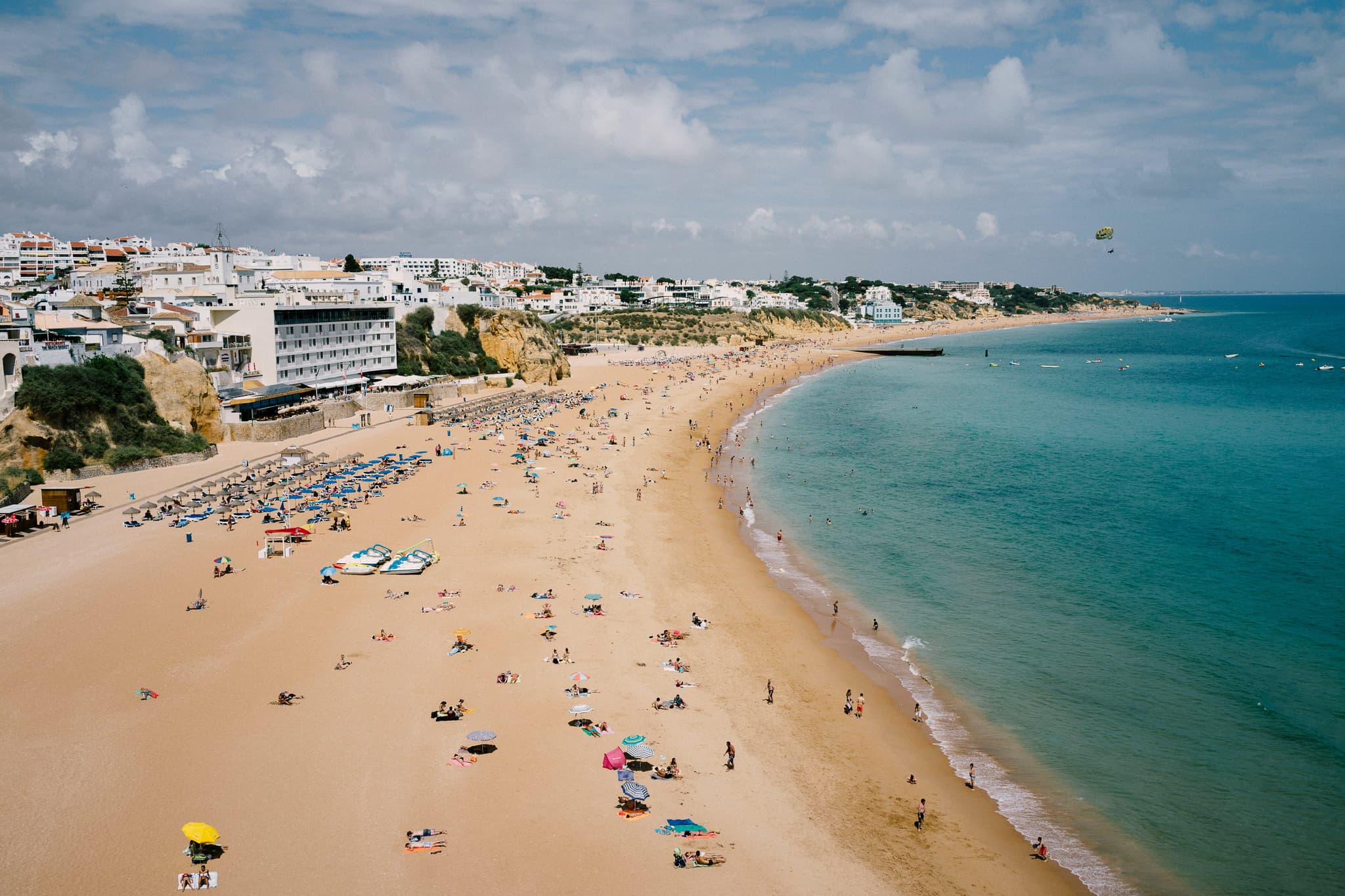
Wondering which Algarve beaches deserve a spot on your list? Our guide to the best beaches in Portugal ranks the country's top sandy spots, Algarve included.
Guided tip: Book your Benagil boat tour for the first departure of the day. The light through the cave's roof is softer before 10am, the sea is calmer, and you'll share the water with far fewer other boats.
Tavira and the Ria Formosa
Past Albufeira, the coast changes character completely as you keep heading east. You'll trade big beach resorts for lagoons, salt pans and barrier islands, and the towns themselves slow right down, with far fewer people than the central coast.
Faro
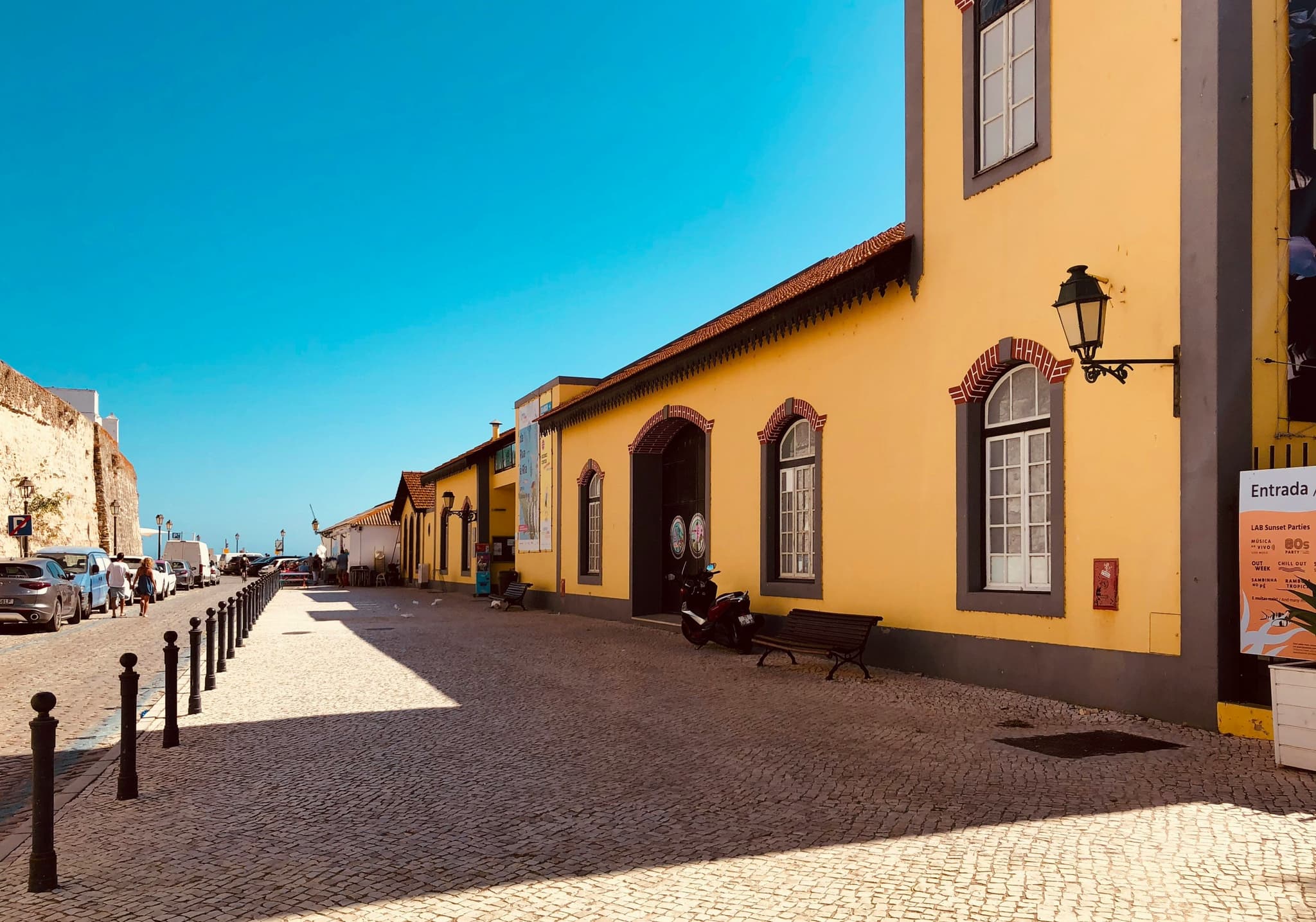
Most people land at Faro's airport and drive straight past, and honestly, that's a shame, since the small old town, ringed by 9th century walls, deserves at least a half day. Inside the walls you'll find the cathedral, a cluster of orange trees and storks nesting on almost every rooftop, alongside a small archaeological museum built around Roman ruins.
Tavira
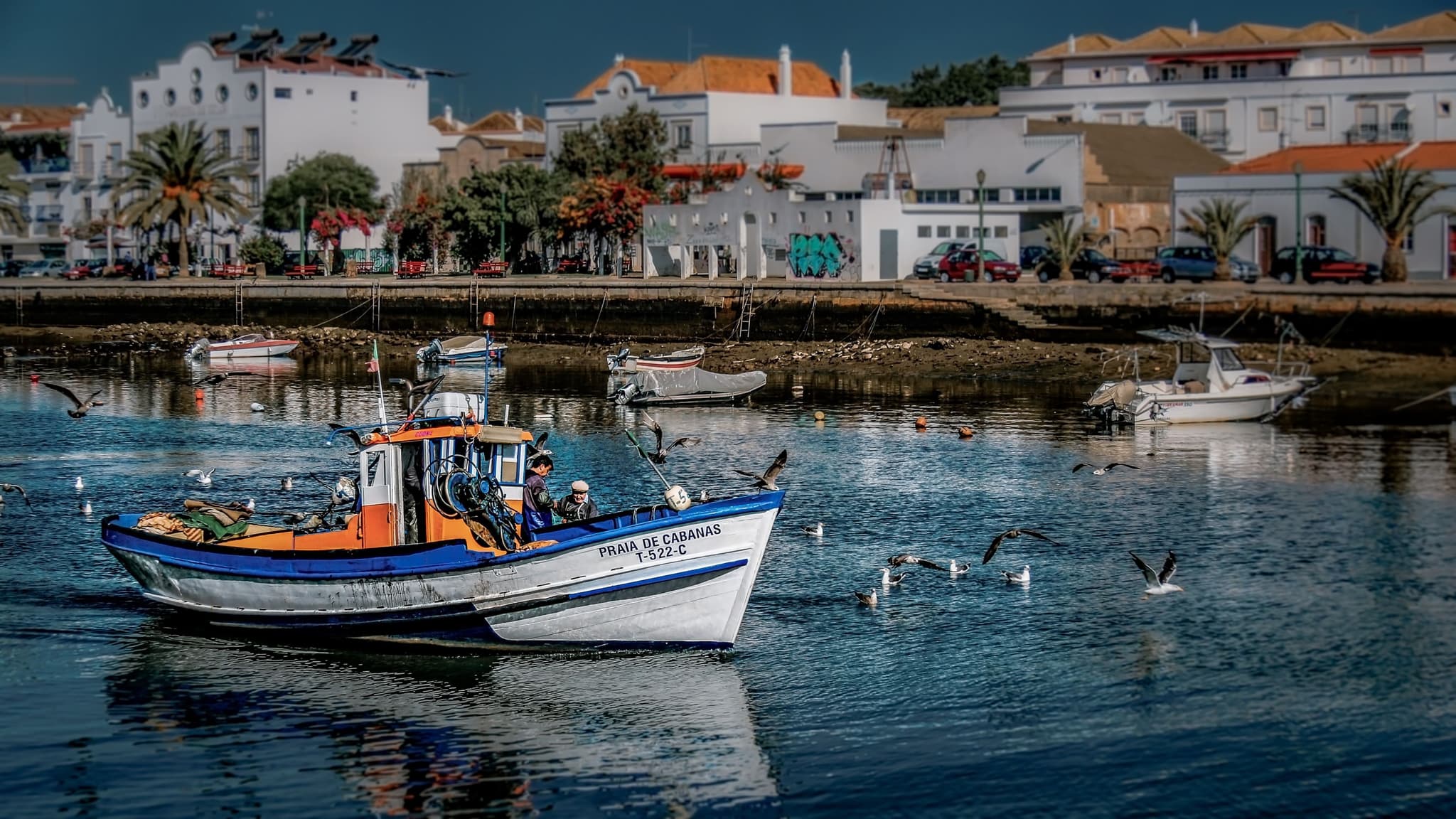
The Gilão River runs straight through Tavira, crossed by an old Roman bridge, and honestly, we think it's one of the prettiest old towns in the entire Algarve, and one of the calmest. A Moorish castle rises above the rooftops, its garden and old walls free to visit and open most days, with good views back over the river toward the sea. From the town centre, ferries cross regularly to Ilha de Tavira, where Praia do Barril runs on for kilometres past a small museum built from an old tuna fishing settlement, its dunes dotted with rusted anchors left behind by the fleet.
Ria Formosa Natural Park
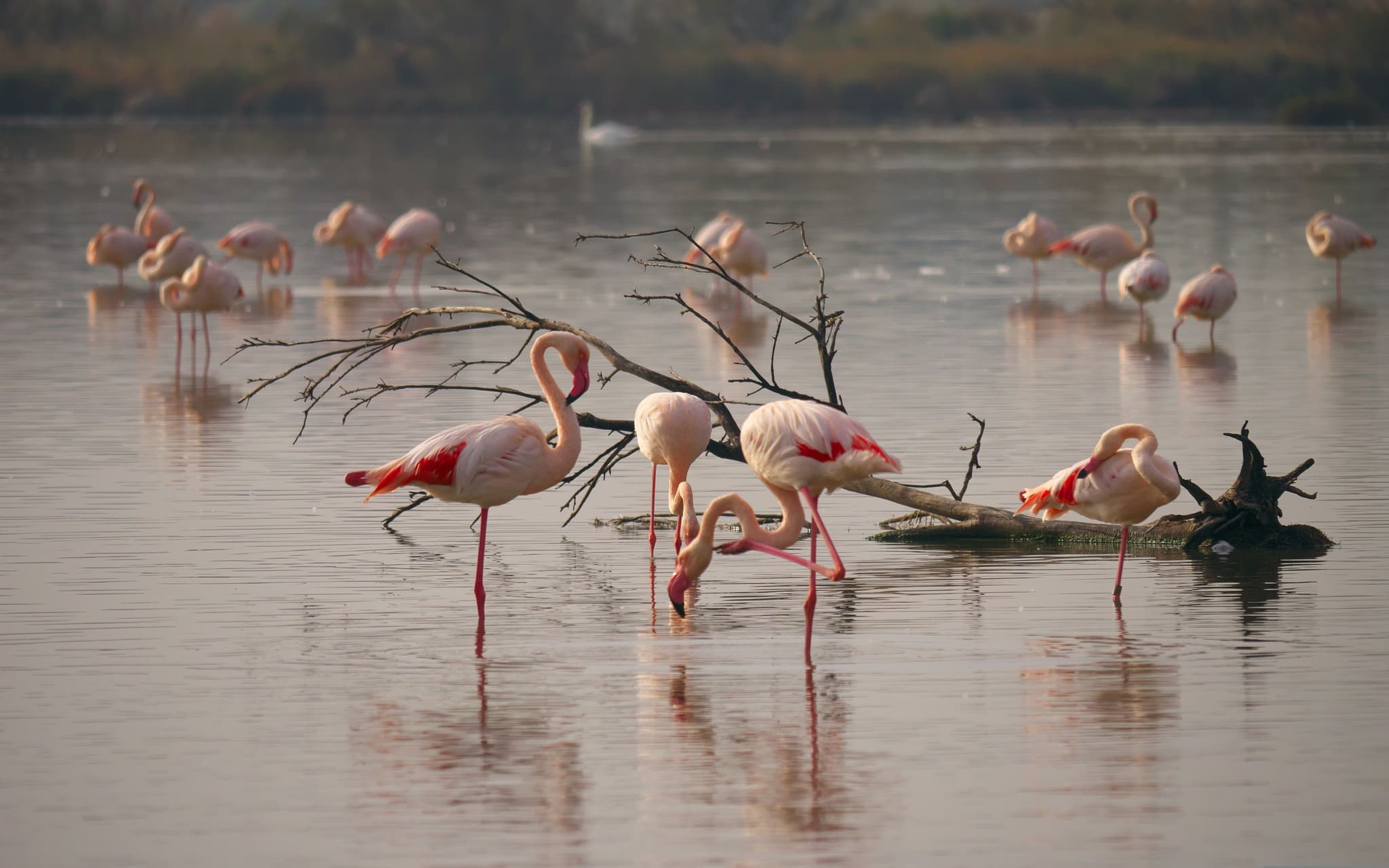
The Ria Formosa is a lagoon system of channels, salt marshes and barrier islands running between Faro and Tavira, and according to the official Ria Formosa Natural Park page it covers around 18,000 hectares, making it one of Europe's most notable protected wetlands. From Faro, Olhão and Tavira, boat tours take you out through the channels, past traditional salt pans still worked by hand, and toward islands like Culatra and Farol that stay largely car free. We'd bring binoculars if birdwatching interests you at all, since flamingos and purple swamphens are both fairly easy to spot from the water.
Best activities in the Algarve
Beyond the towns themselves, there's a genuinely wide range of things to actually do here, and most of it works whichever part of the coast you're based on.
On the water
You'll find surfing dominates the western coast around Sagres and Lagos, with schools catering to complete beginners as well as people chasing bigger winter swell. From almost every marina, boat tours take you out to see the sea caves near Benagil, off dolphin watching, or just cruising along the cliffs at sunset, and we'd genuinely recommend doing at least one. If you'd rather paddle yourself, kayak and stand up paddleboard tours give you a slower, closer way to explore the same coastline.
On land
The Seven Hanging Valleys Trail is the best known coastal walk, but plenty of other trails run through the region too, including routes up into the Serra de Monchique and along calmer sections of the eastern lagoon. A huge number of visitors come here for golf alone, with courses concentrated mainly around Vilamoura, Quinta do Lago and Alvor. If castles and Moorish architecture are more your thing, you'll find both scattered through Silves, Tavira, Faro and most of the inland towns.
Local culture and food
We'd build a morning around a local market if we could, particularly the Saturday market in Loulé, and most coastal towns run their own smaller versions during the week. You'll find seafood is the obvious local specialty, though the Algarve's citrus groves and almond orchards also feed into a fair few regional desserts worth trying, particularly around Silves and Monchique.
The Algarve away from the busy resorts
Most people come to the Algarve for places like Lagos, Albufeira and the famous beaches, and we totally get why. But once you head a little away from the usual coastal route, there are some really lovely places that most people simply skip.
Ferragudo
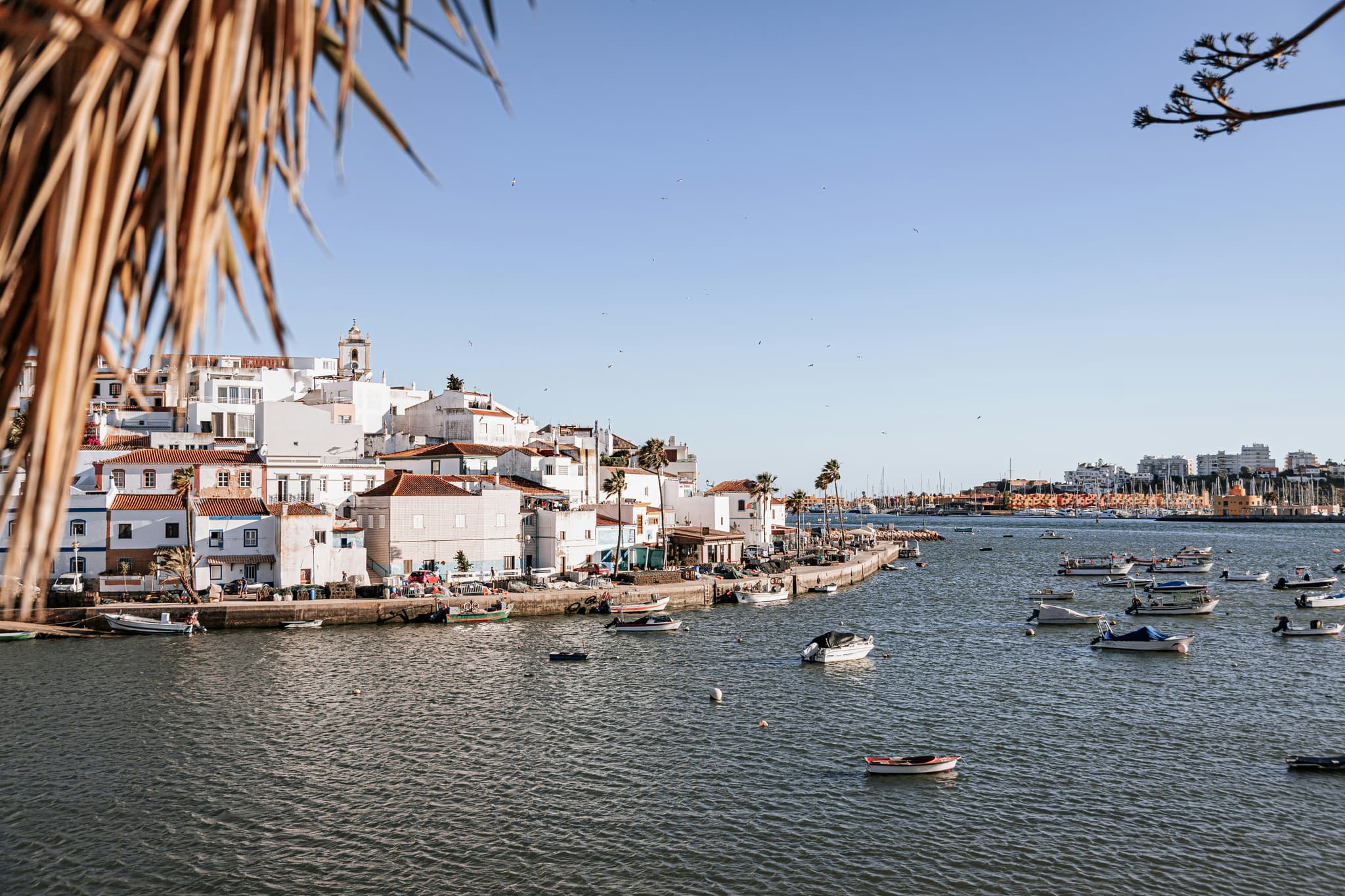
Across the river from Portimão, Ferragudo keeps the look of an old fishing village almost fully intact, with narrow lanes, a small fort and a working harbour still full of colourful boats. Its main beach, Praia Grande, backs onto the same cliffs as Praia da Rocha across the water, minus most of the other visitors you'd find on the Portimão side.
Loulé
Inland from Vilamoura and Quarteira, Loulé revolves around its Saturday market, held inside a striking Moorish revival market hall filled with local cheese, olives and seasonal produce. The old town's narrow streets still hold small workshops for traditional crafts like copperware and basket weaving, giving you a glimpse of Algarve life away from the beach entirely.
Looking for more places to visit during the rest of your trip? Our guide to the best places to visit in Portugal covers everything from Lisbon and the Alentejo to the Douro Valley, so you can build the Algarve into a bigger route.
So, what are the best places to visit in Algarve, Portugal?
By now, you’ve probably realised that the Algarve isn’t really one type of destination. Where you should go depends on whether you’re coming for beaches and nightlife, surfing and nature, or quieter towns where you can slow things down a little.
For surfing and wild nature: Stay around Sagres and the western Algarve for bigger waves, dramatic cliffs and quieter beaches.
For famous beaches and caves: Base yourself around Lagos, Carvoeiro or the central Algarve, where many of the classic Algarve sights are close together.
For restaurants and nightlife: Look around Albufeira and the busier central coast if you like having plenty going on in the evenings.
For a quieter Algarve trip: Head east towards Tavira and the Ria Formosa for islands, lagoons, birdlife and a much slower pace.
For history and local towns: Spend some time inland too, with places like Silves giving you a completely different side of the Algarve.
Once you know which places sound most like you, start adding them to your trip in the Guided app. You can map everything out, see which stops actually make sense together and build an Algarve route around the places you really want to visit.
Enjoyed This Blog? Continue Reading!
There is more travel inspiration waiting for you on our blog. You can take a look below and start mapping out your next travel adventure!


