
Best places to visit in Portugal: where to go and what to see
By Eva Alkemade
Jul 13, 2026
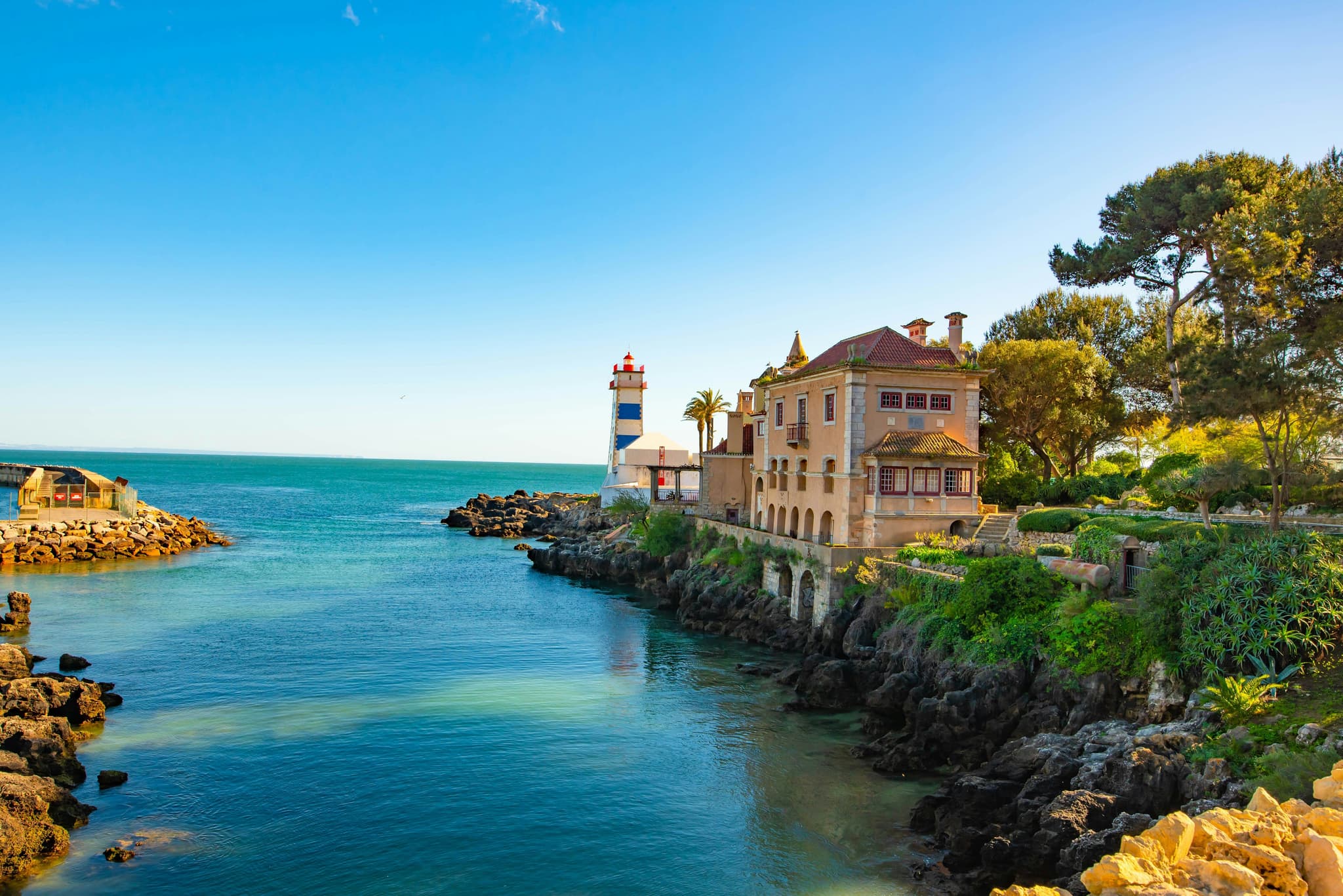
Portugal might seem small, but choosing where to go definitely isn't easy. Within a few hours, you can go from colourful cities and vineyard-covered valleys to cliffs, mountain villages and some of Europe's best beaches. So many of the best places to visit in Portugal sit close enough together that a road trip through two or three regions is genuinely doable. We've picked out the destinations that are actually worth building a route around, making it easier to decide where to go.
Lisbon and Sintra, the easiest place to start
From Alfama's tangle of tram tracks to a ride on the old Tram 28, you get a proper feel for Lisbon before you've even found your first pastel de nata. Down by the river, Belém Tower and the Jerónimos Monastery date back to the same era of maritime exploration, and you can reach both within a short tram ride of the centre. Up in Chiado and Baixa, tiled facades and hillside viewpoints give you plenty of reasons to keep walking, even when your legs start disagreeing. Lisbon is steep, and it does not let you forget it.
Going to Lisbon? Our Lisbon in 3 days itinerary lays out a route hour by hour.
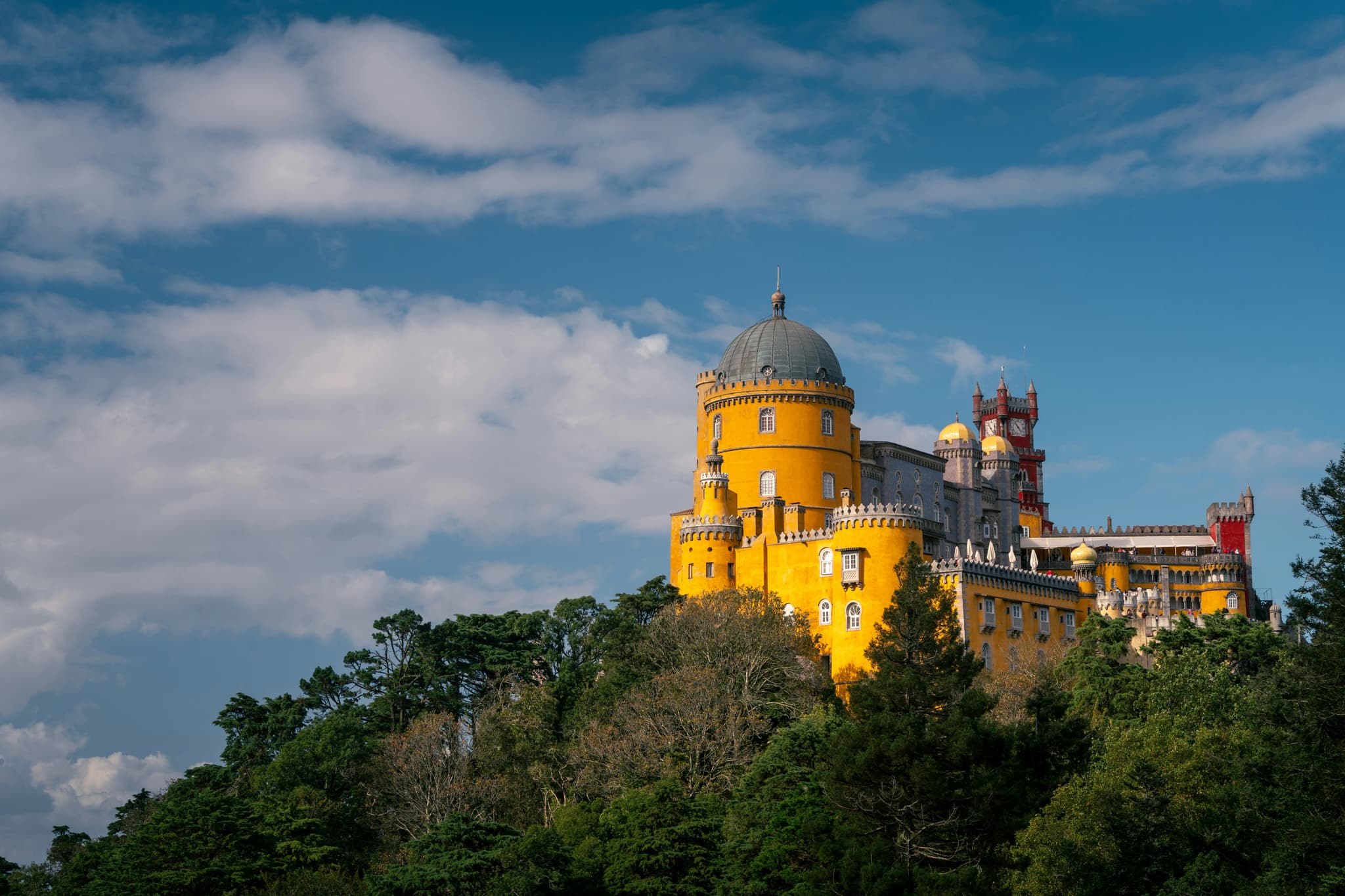
Not far outside the city, Sintra feels like a completely different world. Pena Palace sits high above the forest in bright red and yellow, making it almost impossible to miss as you approach. Nearby, the walls of the Moorish Castle wind along the ridge, with sweeping views over the hills and the Atlantic coast. Then there's Quinta da Regaleira, where mysterious tunnels, hidden gardens and the famous spiral Initiation Well make it one of Portugal's most photographed landmarks.
Did you know: Pena Palace was one of the first Romantic palaces built in Europe, completed decades before many of the famous fairytale castles people compare it to.
Porto and the Douro Valley, wine country up north
Porto has a completely different feel to Lisbon. Instead of steep streets and grand squares, the city revolves around the Douro River. Ribeira is the place to wander among colourful waterfront houses, while the upper deck of the Dom Luís I Bridge offers spectacular views across the city. On the opposite bank, Vila Nova de Gaia is home to the famous port wine cellars.
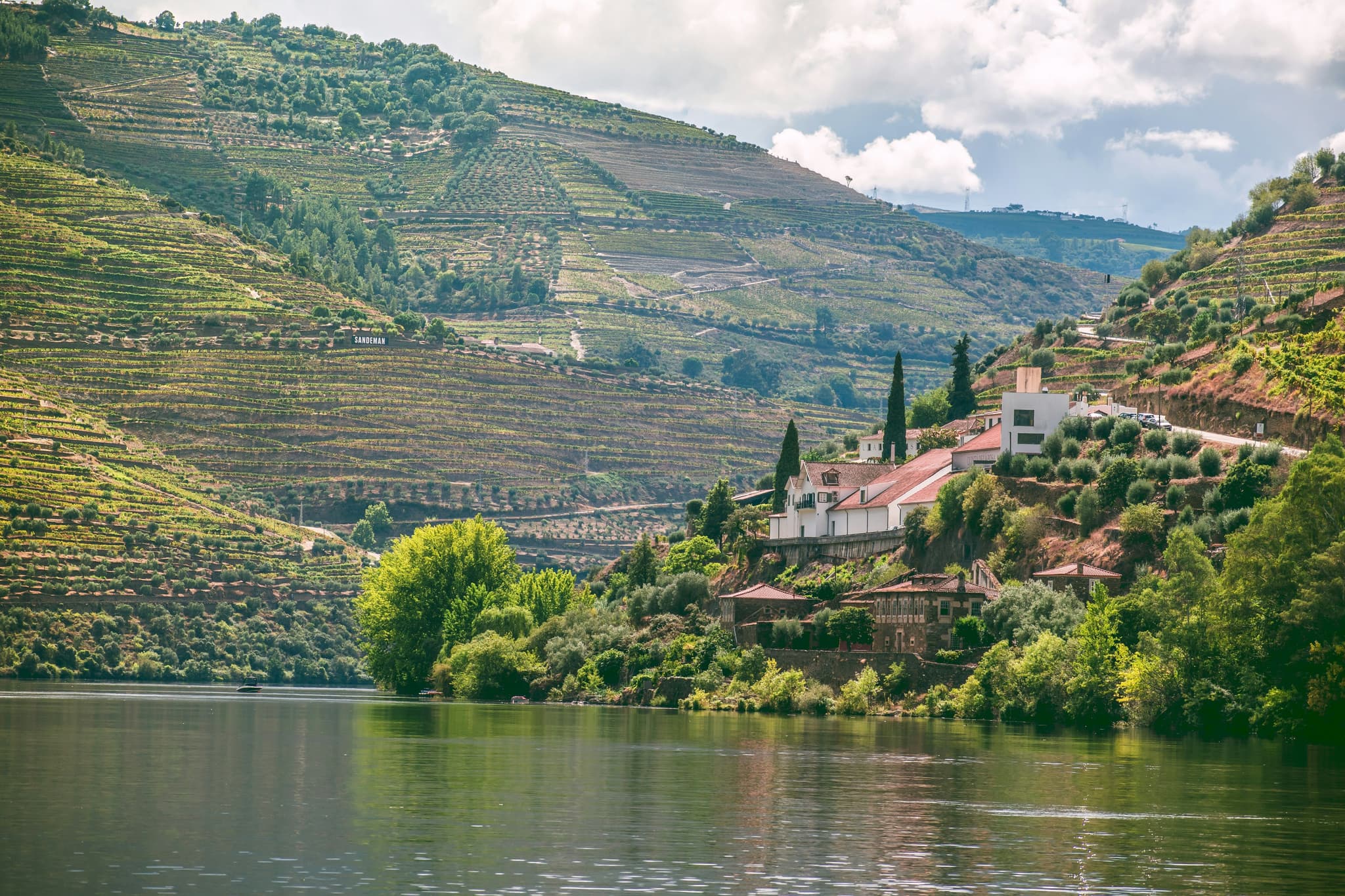
Further east along the river, the scenery changes completely. You'll find terraced vineyards climbing both banks of the Douro Valley, which is one of the best places to visit in Portugal for wine and river walks.
Going on a short trip to Porto? Our Porto in 3 days itinerary walks you through the city and a Douro day trip.
Fun fact: It takes at least three years before a bottle can officially be sold as Port, though some of the most valuable vintages are aged for decades.
The Algarve, Portugal's coastal favourite
Further south, the Algarve is Portugal’s classic beach escape, and yes, it gets the hype for a reason. Praia da Marinha brings the golden cliffs and postcard coves, while Benagil sea cave is best reached by boat from nearby Benagil village, where you can see the famous natural skylight from inside the cave. Lagos makes a great base for this part of the coast, with old town walls, cobbled streets, seafood restaurants and enough bars to keep things lively between beach days.
If you want the full Lisbon to Algarve route mapped out, check out our 1-week in Portugal itinerary, covering Lisbon and the Algarve coast.
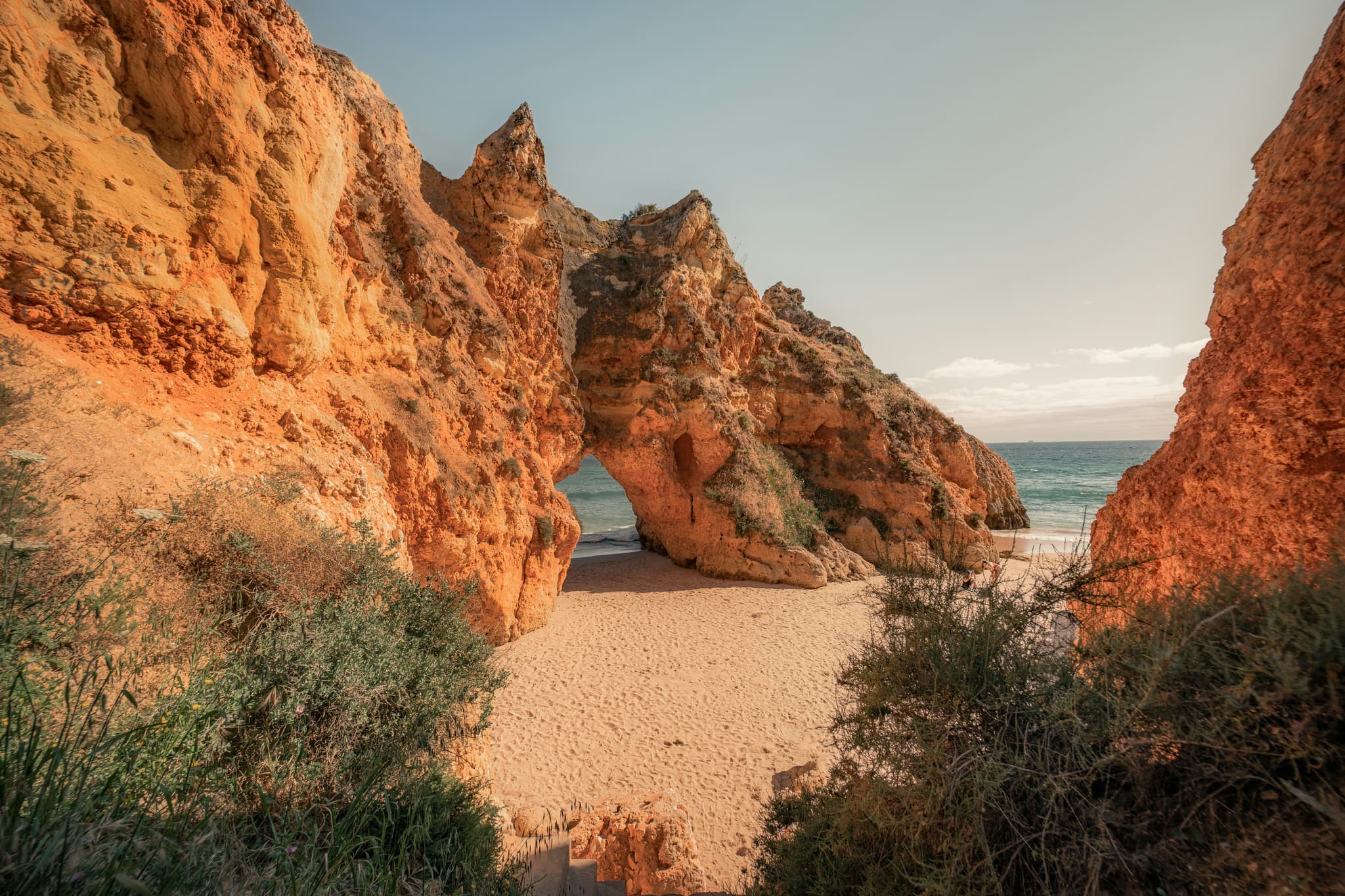
If you'd rather skip the bigger resort towns altogether, Tavira and Alvor give you a proper fishing village atmosphere with a fraction of the visitors. Not sure which stretch of coast suits your trip? Read our guide to the best beaches in Portugal to compare the Algarve, Comporta, Nazaré and more.
Évora and the Alentejo, medieval castles on wide open plains
Fancy slowing things down a little? Not far east of Lisbon, the land opens up into rolling wheat fields dotted with cork trees, and this is where Évora and the wider Alentejo region take over. If you're more into history, local wine and quiet countryside than busy beaches, this part of Portugal is hard to beat. Inside Évora's old town, Roman columns from a two-thousand-year-old temple stand just a few streets from the Chapel of Bones. Its walls are lined floor to ceiling with the remains of thousands of monks…
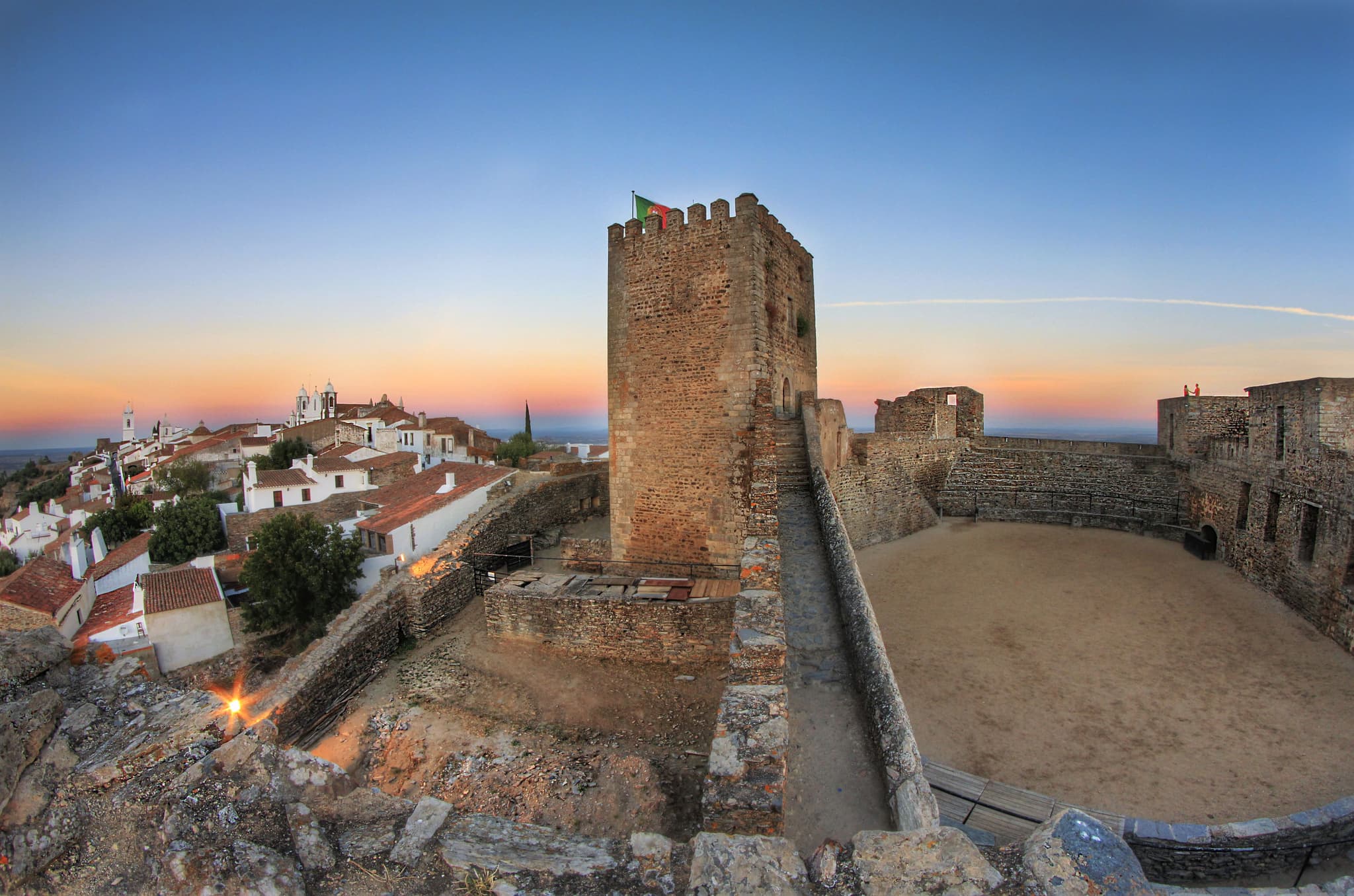
Just outside the city, Monsaraz is worth the detour. Whitewashed houses and a medieval castle sit inside ancient stone walls on a hilltop overlooking the Alqueva Reservoir. It’s the kind of place where you take your time, linger over a long lunch at a local winery and enjoy some of Portugal’s darkest night skies once the sun goes down.
This region gets properly hot in July and August, so April, May, September and October give you the same castles and plains without the walk between them turning into a struggle. Not sure which month suits your trip best? Our guide to the best time to visit Portugal explains what to expect in each season.
Coimbra, Portugal's oldest university city
Back toward the coast from the Alentejo, Coimbra runs on a completely different kind of history. Its university has kept teaching students since 1290, and the Joanina Library inside it looks more like a gilded chapel than anywhere you'd expect to find a library card.
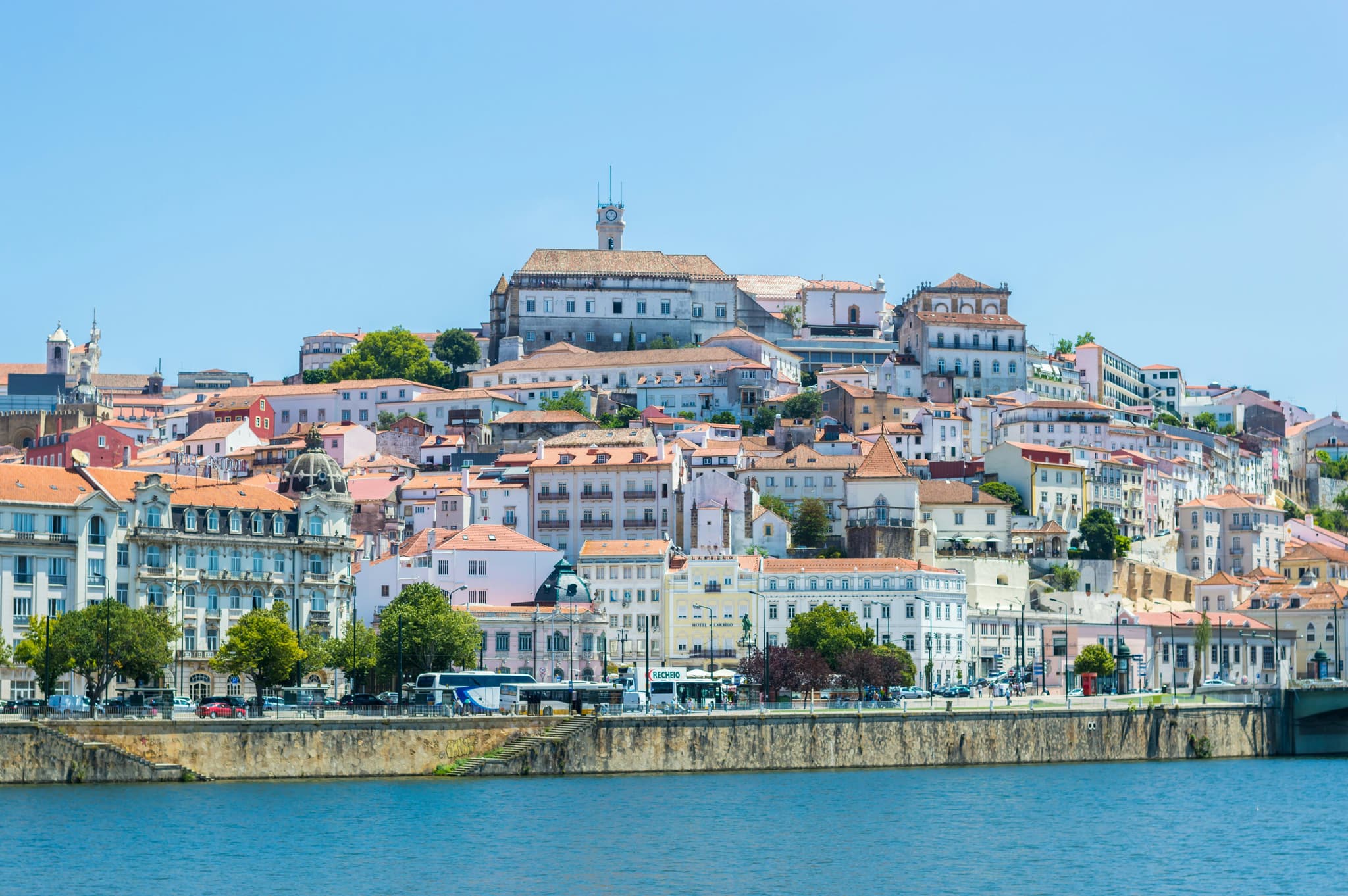
If you've already heard fado in Lisbon, don't expect the same thing here. Coimbra has its own tradition, with male university students singing in black academic robes, often outdoors in the evening. Fado is Portugal's traditional style of music, known for its emotional storytelling and songs about love, longing and everyday life.
Wondering what life in Portugal is really like? Our Portugal travel guide covers the country's food, culture and plenty of practical travel tips and itineraries to help you plan your trip.
Serra da Estrela, Portugal's highest natural park
Higher and colder than anywhere else in the country, the Serra da Estrela natural park holds Portugal's tallest peak and its only ski slope. Torre summit reaches just under two thousand metres, and on a clear winter day, you can genuinely ski or sled down the snow!
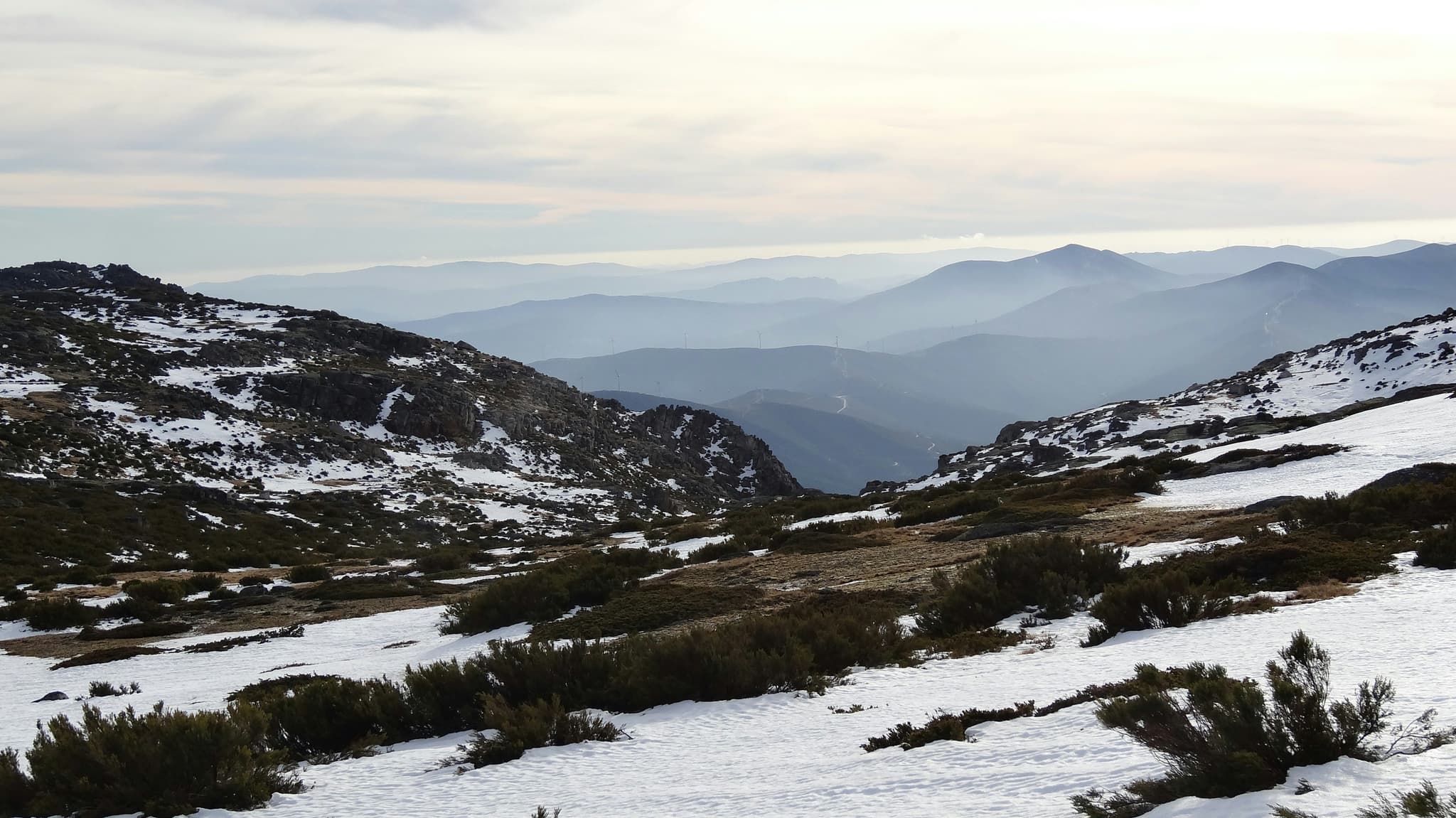
Nearby villages built from the same grey schist as the mountains give you a proper hiking base, with trails running between waterfalls, glacial valleys and old shepherd paths. How do you check what's open before you go? The ICNF, Portugal's official nature conservation authority, publishes park access and trail conditions directly.
Wondering how safety works out, as a solo traveller or with friends and family? Our post on safety in Portugal covers all of that, including areas worth a bit of extra caution and general advice for getting around.
Guided tip: the road up to Torre only stays open outside the heaviest snow, so check conditions before you commit to driving all the way up in winter.
Guimarães and Aveiro, the places most itineraries skip
Not everyone makes it up to Guimarães, which is a shame given its claim to being the birthplace of the nation. Its castle walls and the Palace of the Dukes of Braganza give the old town a properly medieval backdrop, and the whole historic centre has carried UNESCO status since 2001.
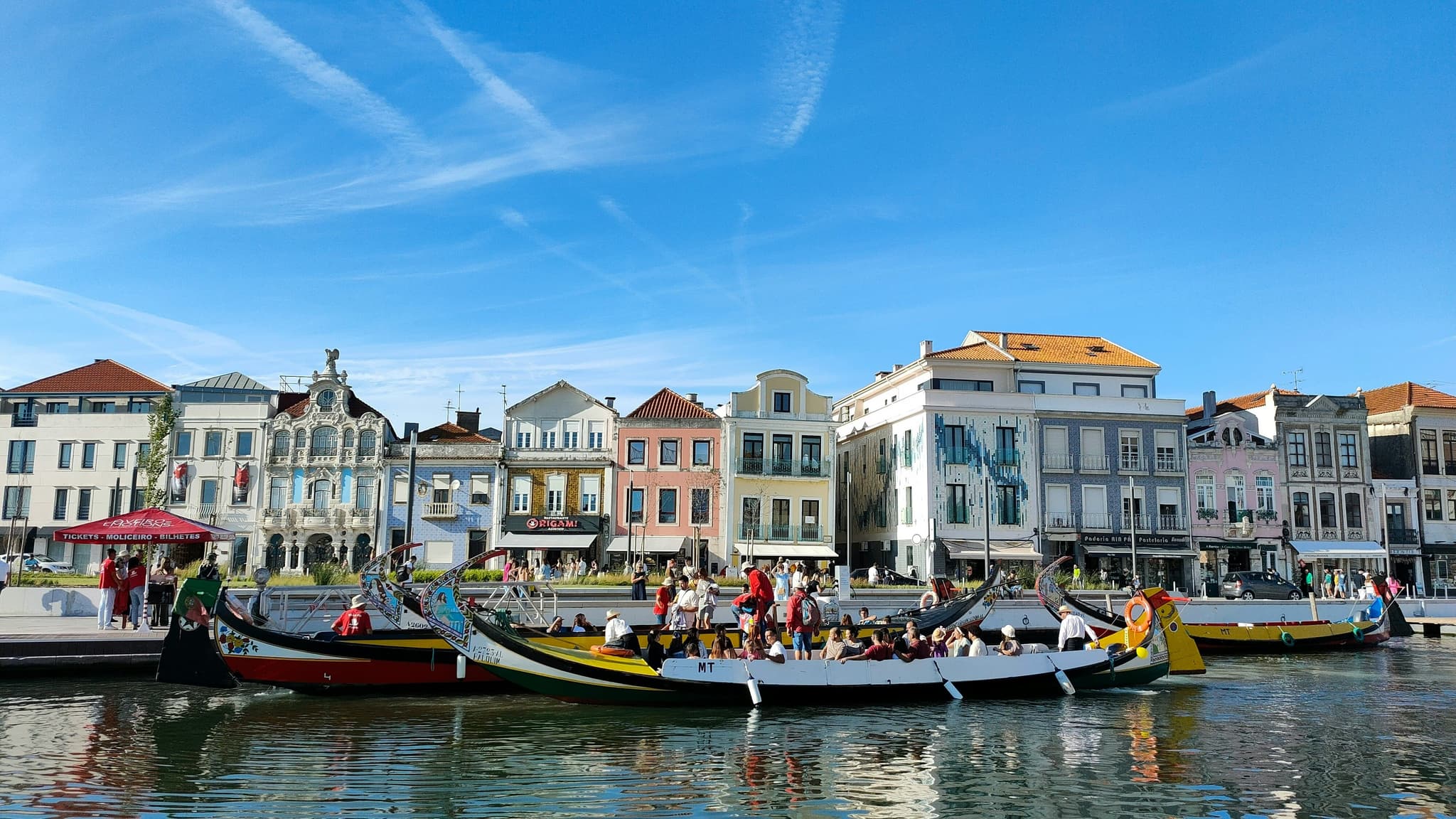
Along the coast, Aveiro trades castles for canals. You'll spot colourful moliceiro boats drifting past Art Nouveau buildings that look like something borrowed from Barcelona, and the local ovos moles pastries are worth the sugar rush.
If hilltop villages are more your thing, Marvão's fortress views over the Alentejo countryside are worth the detour too, even as a single day trip from somewhere else, like Évora, Castelo de Vide or Portalegre.
Fun fact: Guimarães Castle dates back to the 10th century and once protected the region from Viking and Moorish attacks.
How to combine these places into one route
So how do you actually build a route out of this list? Most of the regions above connect easily enough by car or train, and the right combination really comes down to how much time you have and what you'd rather spend your days doing.
Here's how to choose:
First trip, short on time: stick to Lisbon, Sintra and Porto, and you'll still cover two completely different sides of the country.
Beach and coastline: pair Lisbon with the Algarve and let the coast take up most of your week.
History and quieter roads: Évora, the Alentejo and Coimbra work well together and involve a lot less traffic than the coast.
Nature and hiking: combine Serra da Estrela with a stay up north near Porto for mountains and vineyards in one trip.
Off the common route: Base yourself in Porto and spend a day each in Guimarães and Aveiro.
Not sure which route fits your trip? The Guided app lets you explore itineraries shared by other travellers, compare different routes across Portugal and save the places you want to visit. It's a great way to see how others combined these regions before planning your own adventure.
Enjoyed This Blog? Continue Reading!
There is more travel inspiration waiting for you on our blog. You can take a look below and start mapping out your next travel adventure!


