

Portugal
Portugal Travel Guide: Plan The Perfect Portugal Trip
Did you know in Portugal you can visit the Douro Valley, where wine has been produced for over 2,000 years on steep terraced hills carved into the landscape? Just a few hours away, the Algarve coastline is shaped by the ocean into caves, arches and towering golden cliffs. Portugal keeps surprising you with how much variety you move through along the way. Lisbon brings viewpoints, trams and tiled streets, Porto adds riverside wine cellars and historic bridges, and regions like Sintra shift everything again with palace gardens and forest-covered hills. Even the food changes per region, from grilled sardines by the sea to slower, traditional dishes inland. This Portugal travel guide helps you figure out where to go in Portugal and how to plan your trip in a way that works for you.
5 reasons to visit Portugal
Portugal brings together historic cities, coastlines and one of Europe’s oldest wine regions, all within one trip.
In the Douro Valley, terraced hills show how wine has been produced here for over 2,000 years.
Along the Algarve coastline, caves, arches and cliffs have been shaped by the ocean over time.
Through Lisbon, trams move up and down narrow streets lined with tiles and viewpoints.
Around Porto, riverside areas are filled with wine cellars, bridges and colourful houses.
Across the country, regional food ranges from grilled seafood by the coast to traditional dishes inland.
Highlights of Portugal: Where to Go in Portugal?
When you are planning your trip to Portugal you want to know the nicest places to visit in Portugal. Each part of Portugal is very different from each other. Let’s take a look at a few good places to go in Portugal.
Lisbon and the Centre: Best for First-Timers
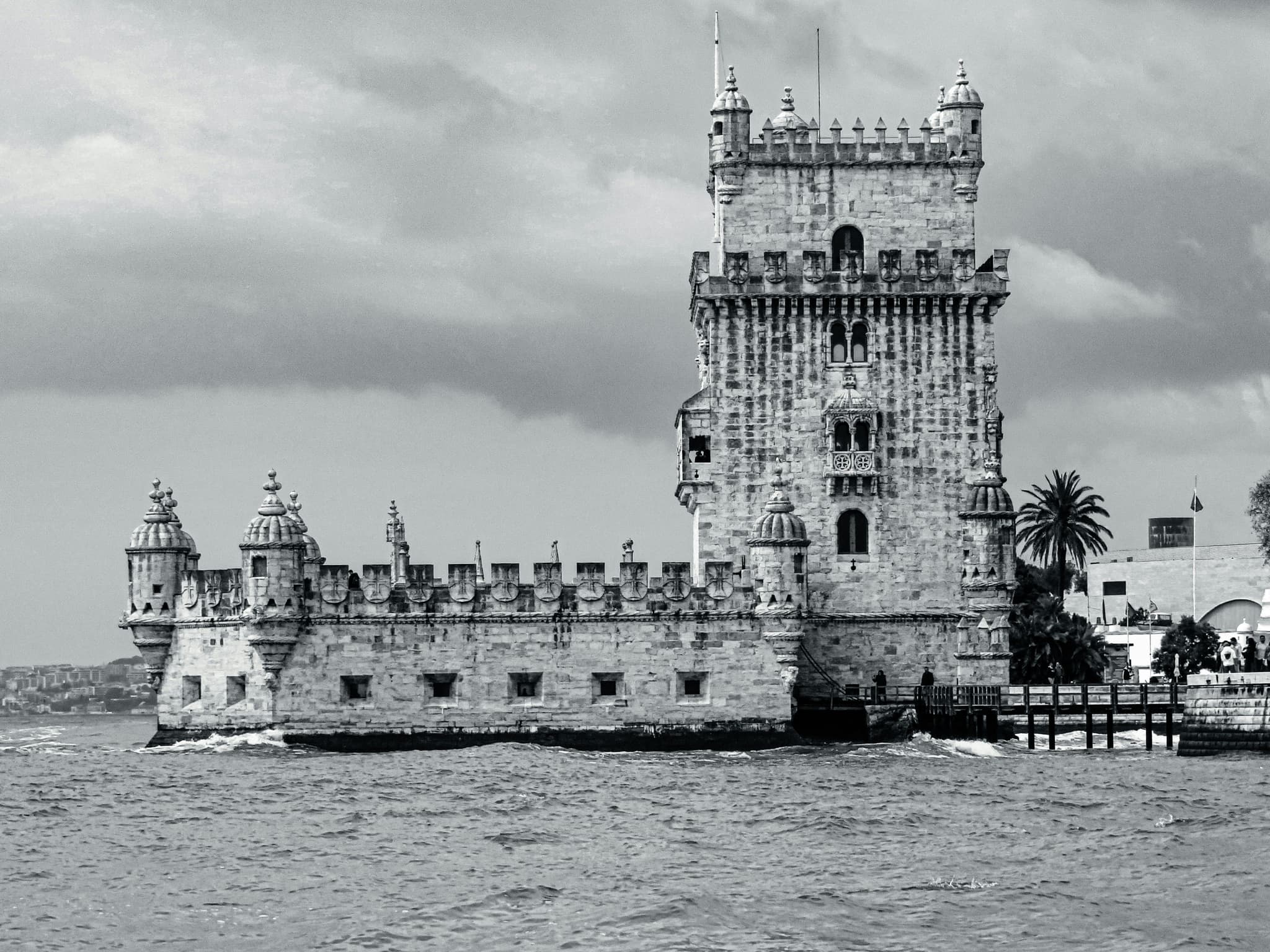
Lisbon is a city with lots of things to see and do. You can visit the Belém Tower, walk around the streets of Alfama, ride on Tram 28 and enjoy the views from Miradouro da Senhora do Monte. There are also museums like the Jerónimos Monastery and MAAT that you can visit in the afternoon in Lisbon. We think it is a good idea to stay near a metro stop in Lisbon so you can get to the airport and train stations in Lisbon easily without having to carry your suitcase up hills.
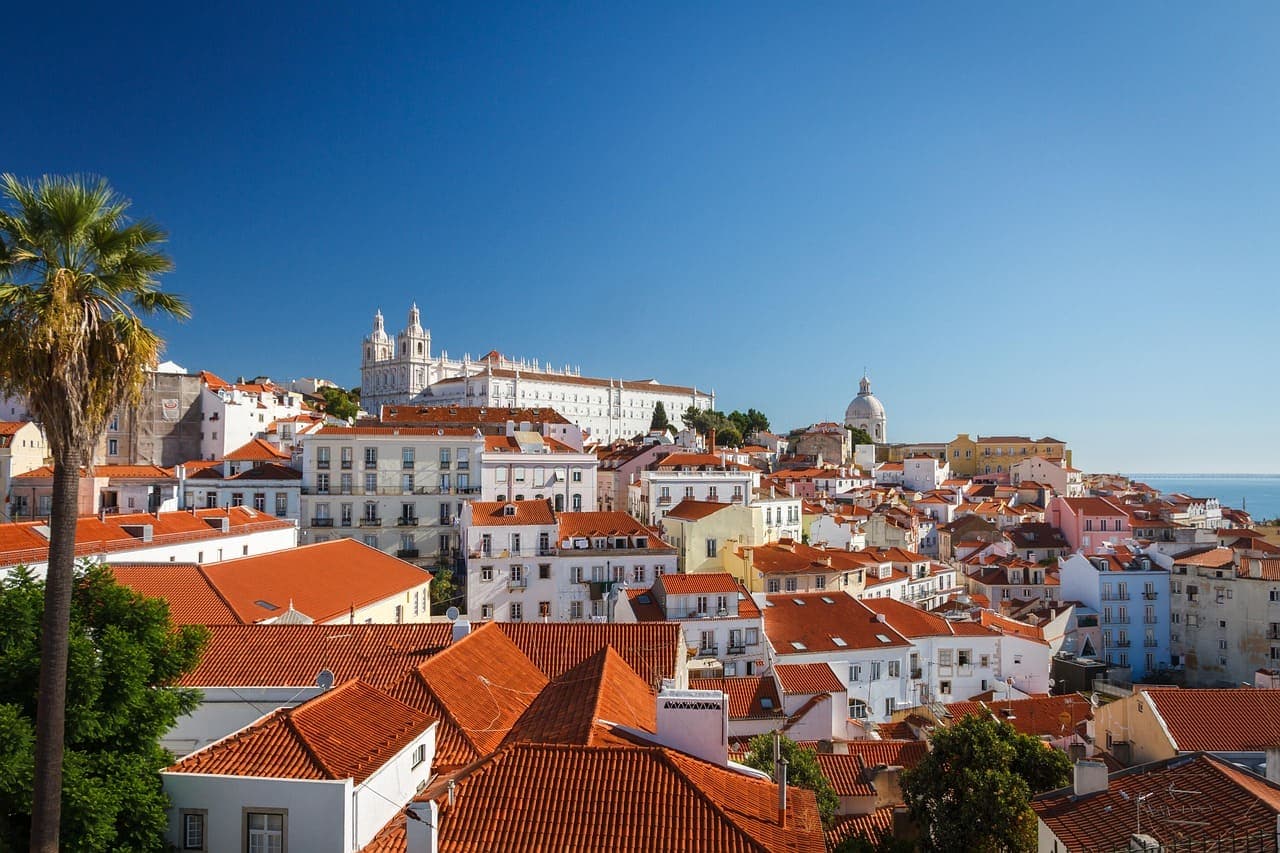
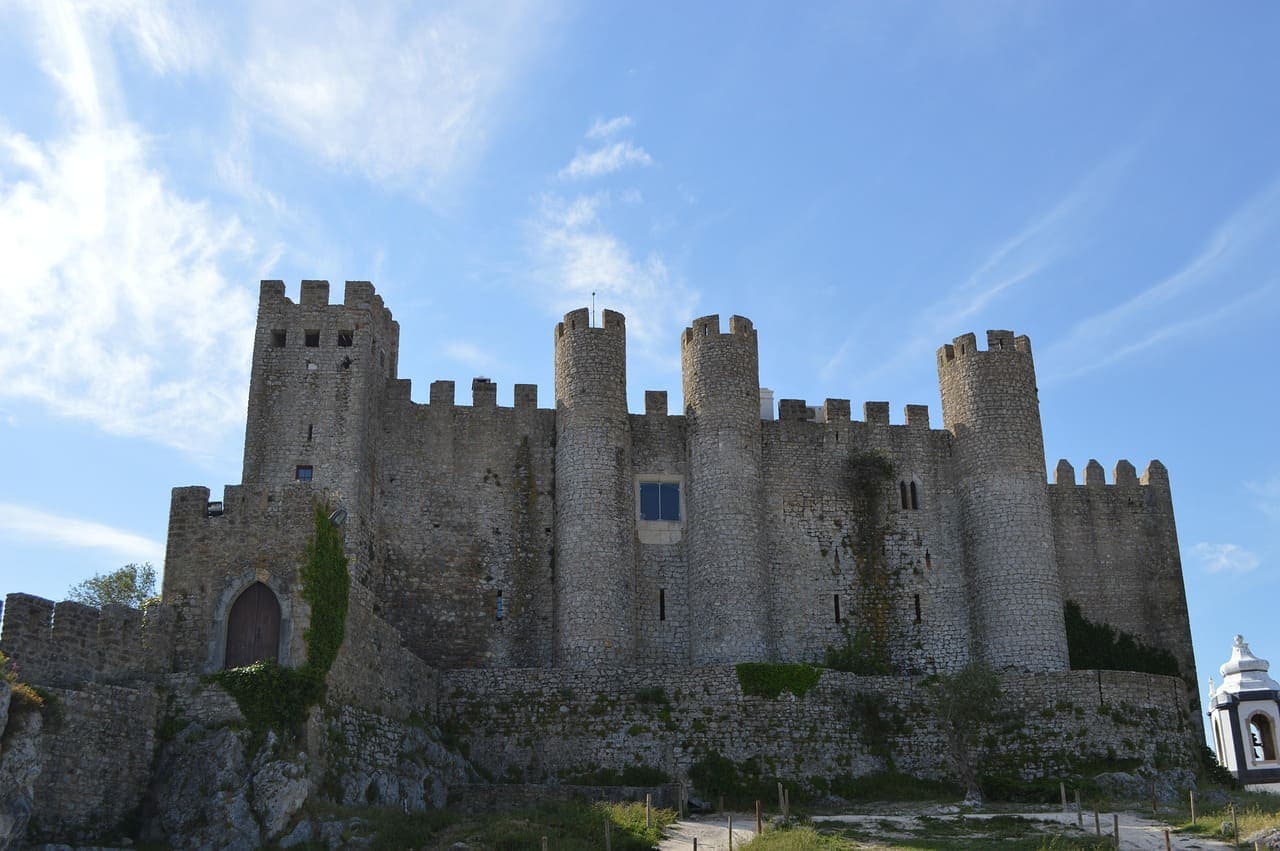
You can take trains from Lisbon to visit places like Sintra, which has some really nice palaces or Cascais which has great beaches. Óbidos also works well as a half-day trip, where you can walk along the old town walls and see the historic castle before heading back to the city.
Planning a city break? Our guide to the best cities in Portugal helps you choose which destinations fit your travel style.
How many days you should spend in Lisbon depends on what you want to see and how fast you like to travel. Three to four nights would be a good start. You can read this fun 3-day itinerary to Lisbon for inspiration and ideas on what to visit in the city.
Porto and the Douro Valley: Best for Wine and River Views
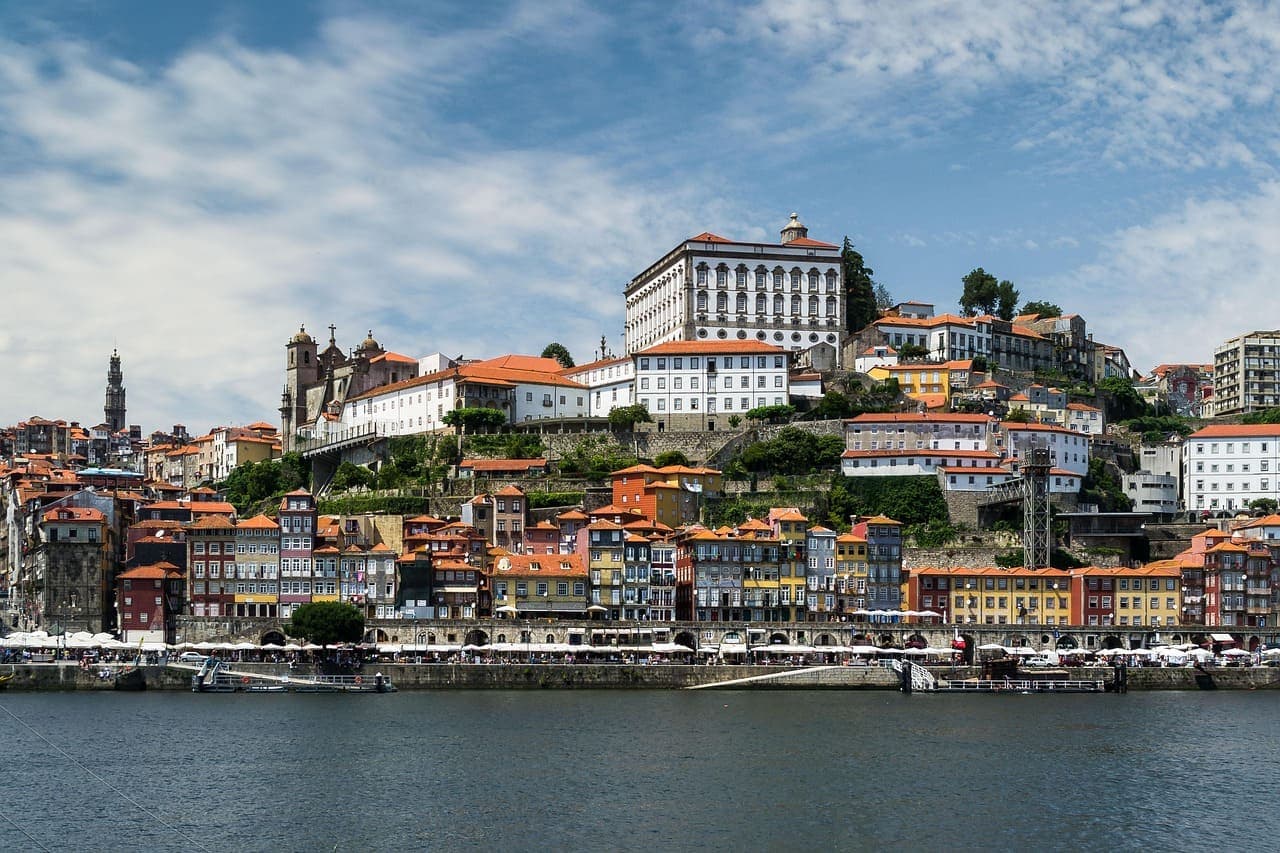
Porto is a city that's easy to walk around and explore. You can walk across the Dom Luís I Bridge, visit the Ribeira district and take a boat trip on the Douro River in Porto. On the other side of the river in Vila Nova de Gaia you can visit wine cellars and taste some port wine.
Want more ideas? Read our full 3-day Porto itinerary and see how our Guided travellers planned their stay.
Algarve region: For Beach Days
The Algarve region is really famous for its cliffs and nice beaches in this region. There are towns like Lagos that have nice beaches like Praia da Marinha and Ponta da Piedade, where you can see massive rocks rising out of the sea. Many people take a boat tour to visit caves like Benagil, which can only be reached by boat.
Looking for a few beach stops along the way? Our guide to the best beaches in Portugal covers some of the nicest places for swimming, surfing and lazy beach days.
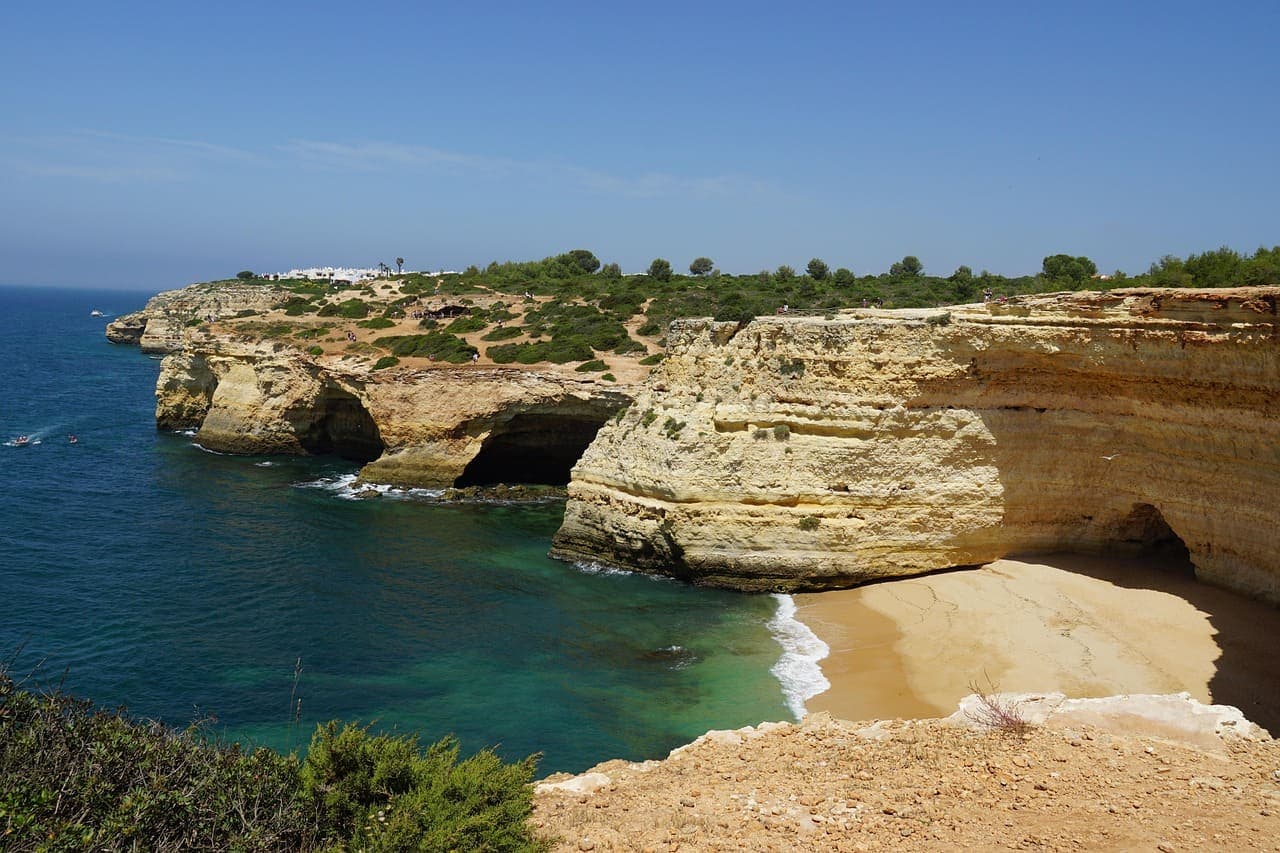
The Algarve region is a nice place to relax in Portugal. You can also walk along the path to see the views. When you stay in the Algarve region for at least three nights, you can spend time on the beach and visit some of the small towns.
Portugal Silver Coast: Best for Variety
The Portugal Silver Coast is north of Lisbon and has beaches and some of the oldest towns in Portugal. In São Martinho do Porto you can swim in a bay or visit the medieval castle in Óbidos.
You can also visit Nazaré to see some waves in winter or relax near Foz do Arelho, where the lagoon meets the sea in the Portugal Silver Coast. It is a good idea to rent a car in this area so you can easily visit the different beach towns in the Portugal Silver Coast.
Madeira and the Azores: For Hiking and Seeing Volcanos
Just off the coast of Africa, Madeira sits out in the Atlantic as a small island known for its mountain trails and cliffside viewpoints. Mild temperatures stay consistent throughout the year, which makes it a place you can visit in any season. Across the island, levada walks run through the landscape, originally built for irrigation but now used as hiking paths. Following these routes takes you through forests, along cliffs and deeper into parts of the island you would not reach otherwise.
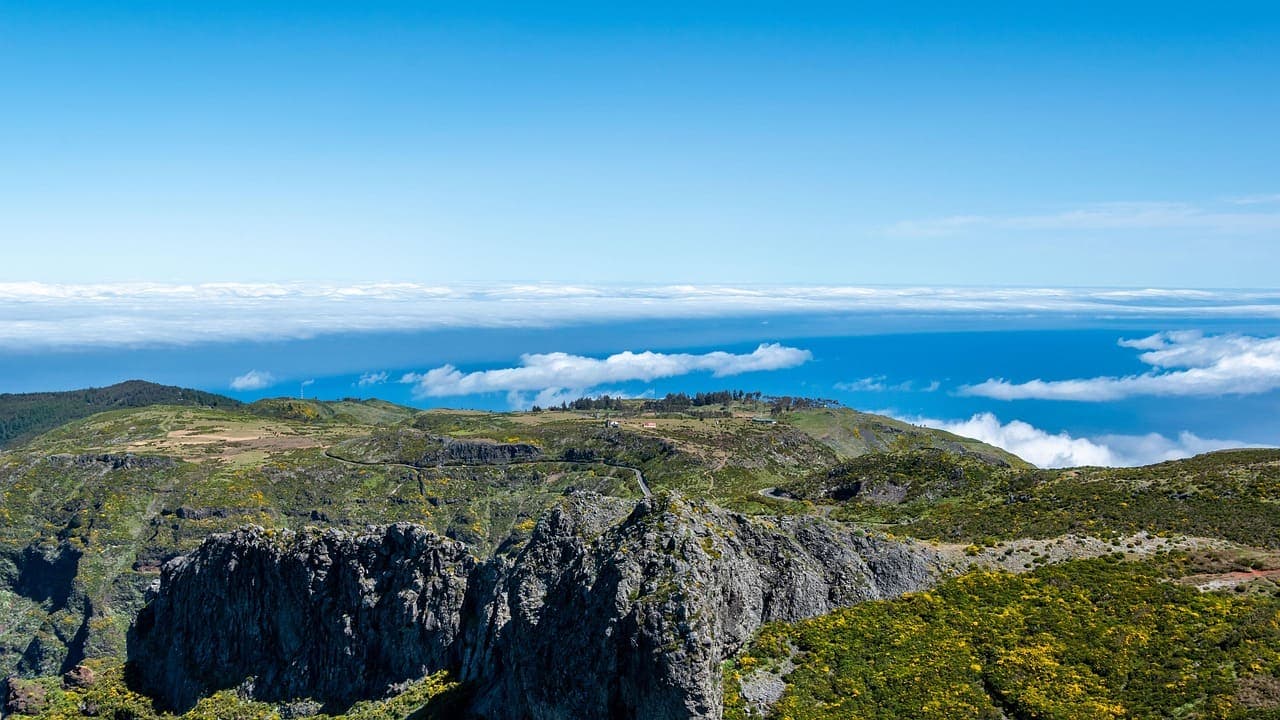
The Azores are out in the Atlantic Ocean. They feel more remote than Madeira. You will see lakes in volcanoes and hot springs. The beaches are black because of the volcanoes.
You can fly to these islands from Lisbon and Porto. The flight takes about 1.5 to 2.5 hours. You can visit these islands if you have at least 10 days.
Looking for more places to visit during your trip? Explore our guide to the best places to visit in Portugal for even more itinerary ideas.
Our Recommended Portugal Itineraries
Planning a trip to Portugal can feel really overwhelming. Yet, if you have a general idea of where you want to go it makes things much easier. Many people like to travel from north to south because you get to see lots of places without having to go back and forth all the time.
10 Days: Lisbon, Porto and the Algarve
This is a well-balanced Portugal trip where you move between cities, wine regions and the coast without rushing too much.
Day 1–3: Stay in Lisbon and explore the city, with time for Belém and a day trip to Sintra
Day 4–6: Travel to Porto by train and explore Ribeira, wine cellars and take an optional trip to the Douro Valley
Day 7–9: Head to the Algarve and stay in Lagos or Albufeira, with time for beaches, caves and coastal walks
Day 10: Fly home from Faro
This route gives you a clear mix of cities, culture and coastline in one trip.
7 Days: Lisbon and Porto Focus
With one week, keeping your trip simple makes everything more enjoyable and easier to plan.
Day 1–3: Stay in Lisbon and explore the city, with the option to visit Cascais for a beach day
Day 4: Travel from Lisbon to Porto by train
Day 5–7: Stay in Porto, explore the city, visit viewpoints and take a Douro River cruise
This route works well by train, so you don’t need to rent a car.
If you want more variety, you can also take a 7-day route through Lisbon and the Algarve Coast, with stops in Belém, the Benagil Sea Caves and even Sevilla in Spain.
14 Days: Add the Central Coast and Countryside
With two weeks, you have time to see more regions and add smaller stops along the way.
Day 1–3: Start in Porto and explore the city and riverside areas
Day 4: Go to the Douro Valley and experience the wine region
Day 5: Visit Aveiro and explore the canals and colourful boats
Day 6–7: Stay along the Silver Coast and visit places like Óbidos and Nazaré
Day 8–10: Head to Lisbon and explore the city and nearby areas
Day 11–14: Go to the Algarve and enjoy beaches, caves and coastal towns
This route lets you combine cities, beaches, wine regions and historic towns across Portugal.
Want more inspiration? Check out the following trips:


Fun things to do in Portugal
Once you’ve picked your stops, you can start figuring out what to. These are the kind of things you’ll end up remembering most!
Walk through palaces and gardens in Sintra just outside Lisbon
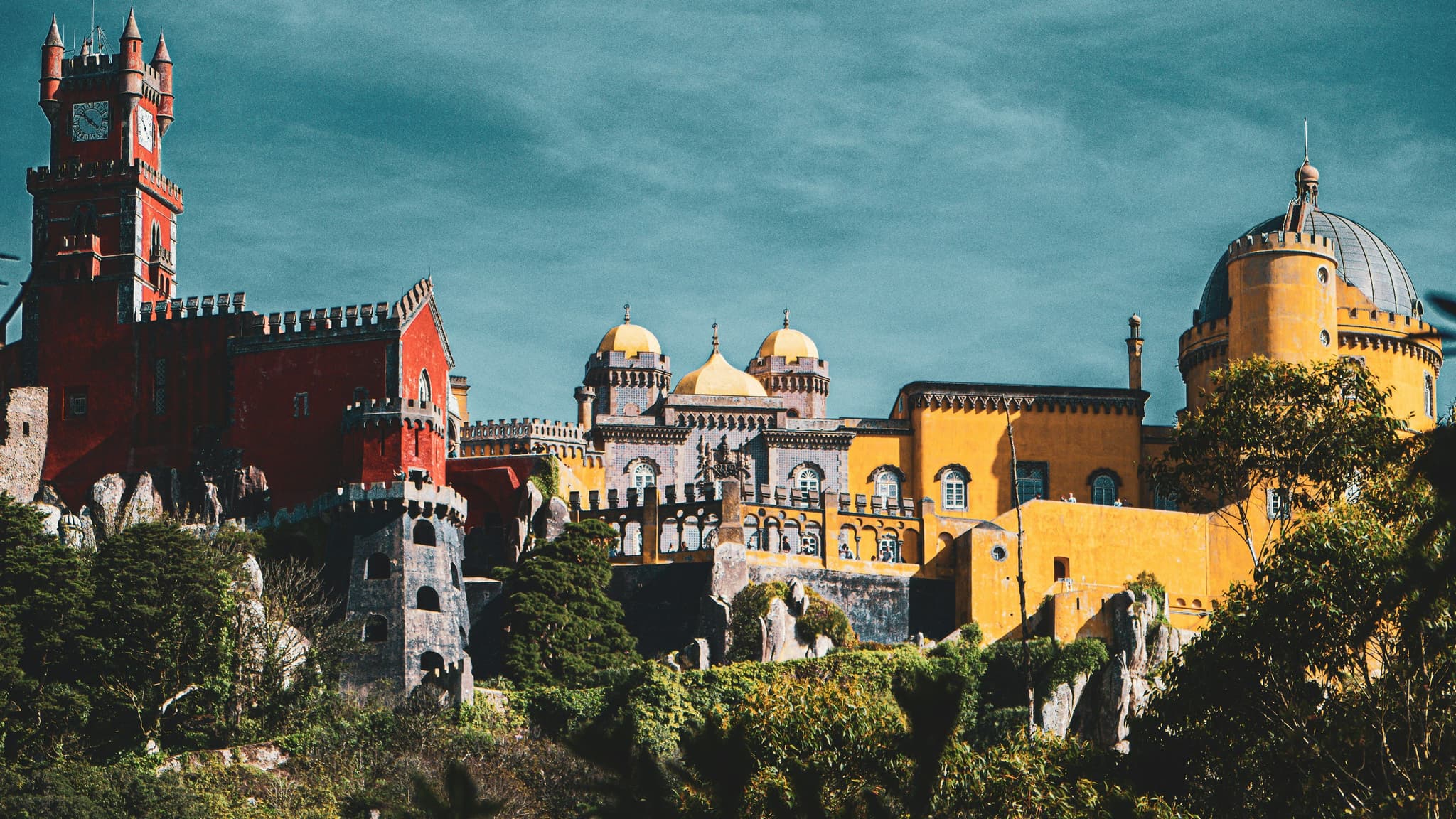
You can take a train from Lisbon to visit Sintra, which makes it an easy day trip. Bright colours, castles sitting on top of hills, and beautiful gardens start to appear as soon as you get there. Around Pena Palace, you’ll walk through rooms and terraces with wide views over the surrounding hills, while Quinta da Regaleira takes you through gardens, tunnels and the famous Initiation Well that spirals deep into the ground.
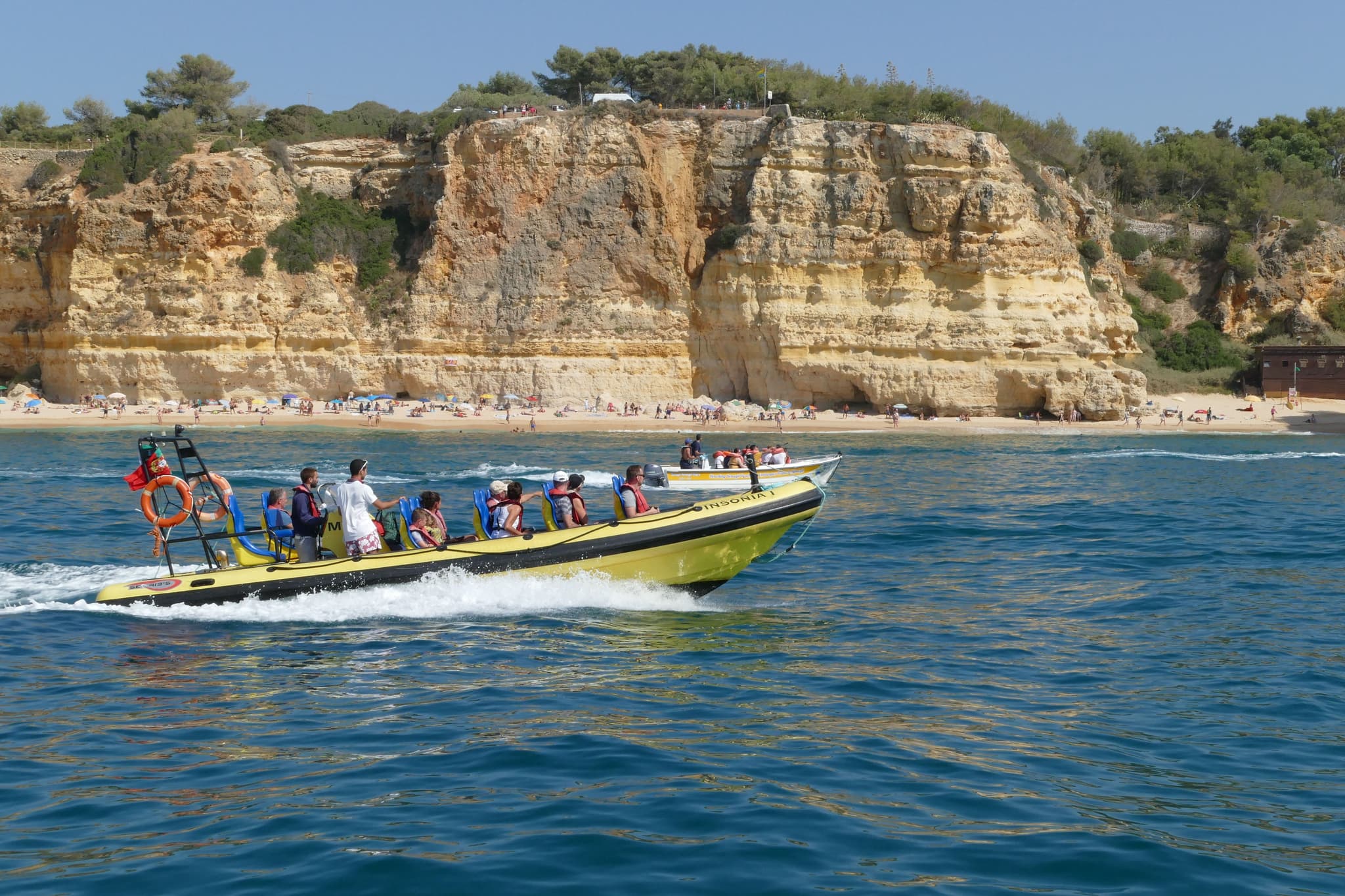
Take a boat trip along the Algarve coast to see caves and arches
Down in the Algarve, the coastline really changes once you’re out on the water. From above, places like Praia da Marinha already look impressive, but from a boat you actually move through the caves and along the cliffs. Around Benagil, you can enter the famous sea cave with the opening in the roof, and near Lagos you’ll pass rock formations like Ponta da Piedade with narrow passages and arches.
Wondering which beaches fit your itinerary? Our guide to the best beaches in Portugal compares beaches, cliffs, and coves to help you decide where to go.
Visit wine cellars and taste port in Vila Nova de Gaia
In Vila Nova de Gaia, you’ll find well-known cellars like Sandeman, Graham’s or Taylor’s, where you can join a short tour and see how port wine is stored in large wooden barrels and aged over time. Outside, you’ve got views over the Douro and the colourful houses of Porto.

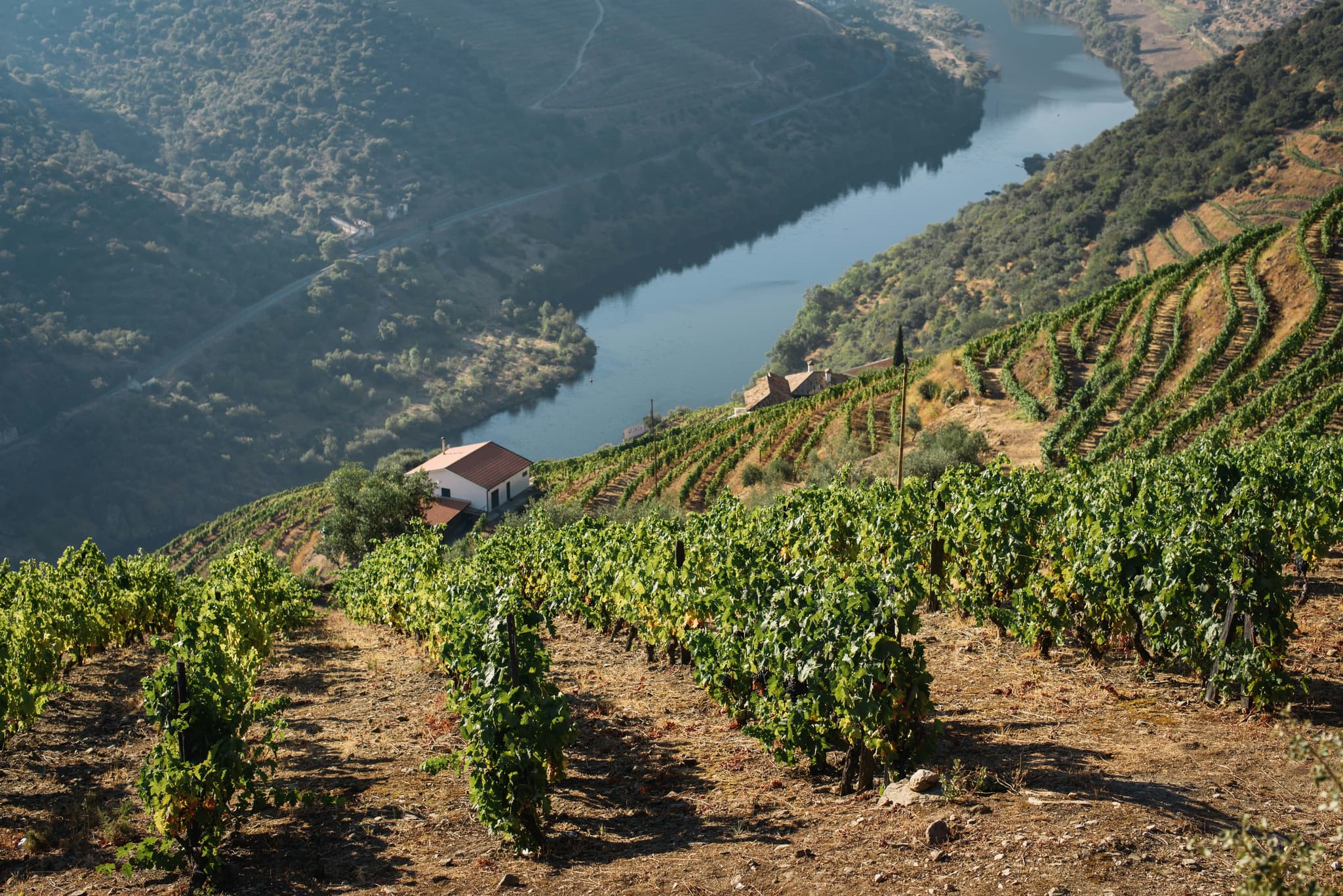
Explore the Douro Valley by train or boat along the river
Between Porto and the Douro Valley, trains follow the river past towns like Peso da Régua and Pinhão. Along the way, you’ll see terraced vineyards that have been used for wine production for centuries. In Pinhão, you can get off to visit wineries or take a short boat trip on the river. Staying on the train a bit longer also works well, since the views continue along the route.
Watch big waves in Nazaré from the cliffs above
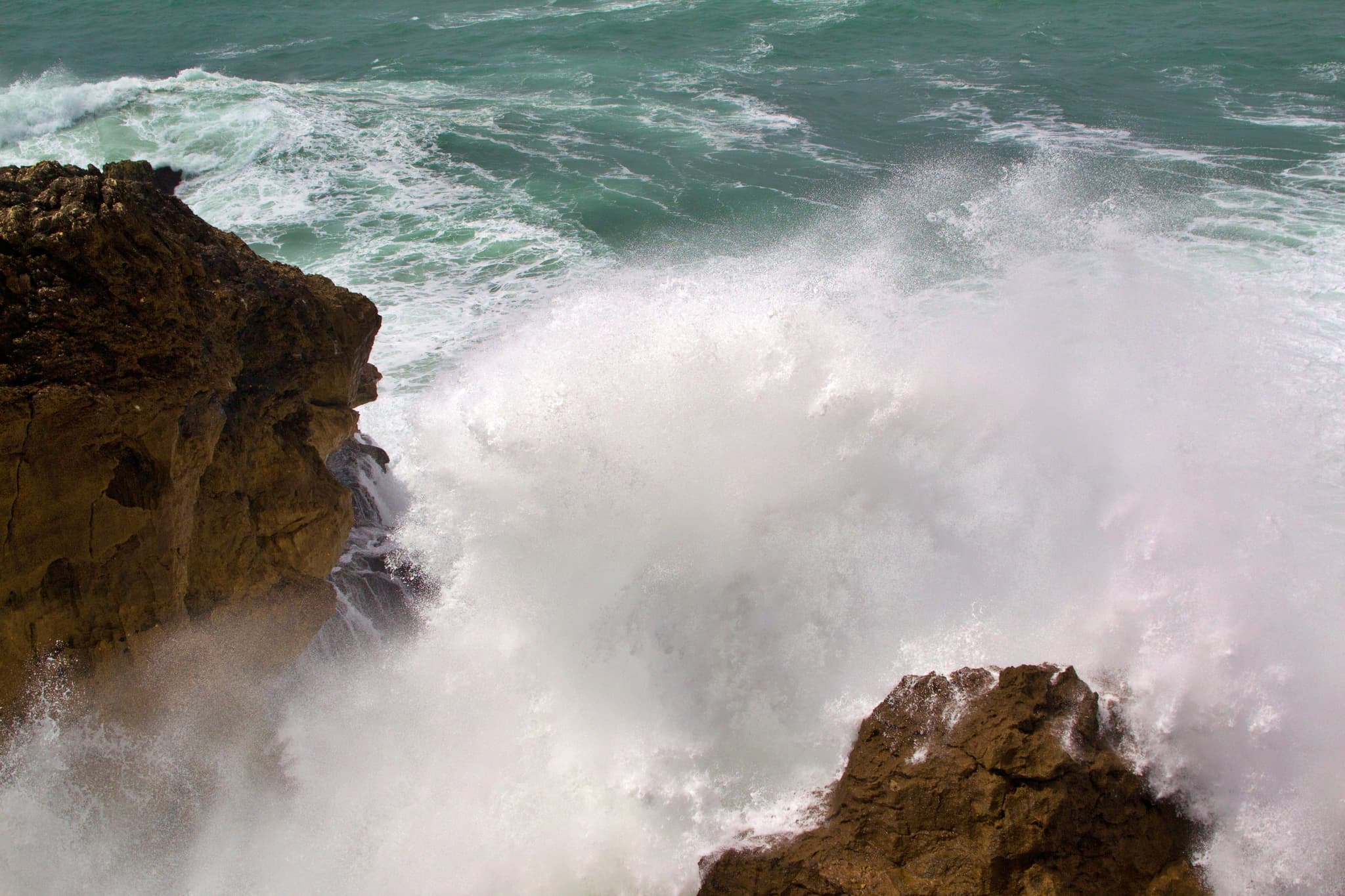
In Nazaré, waves can reach some of the highest levels in the world due to an underwater canyon just offshore. From viewpoints like Sítio, you can watch surfers take on these waves, especially between October and March. Even outside that season, the coastline here gives wide views over the Atlantic.
When To Go To Portugal: Winter or Summer
The weather in Portugal is usually mild in the winter and hot in the summer. The time of year you visit can make a big difference in your trip. Spring and early fall are great times to visit because the weather is warm but not too hot. In the summer the hotels are more expensive, and the beaches are busier. In the winter it is cooler and wetter in the north, but the cities can still be fun.
If you want to decide when to go to Portugal, you can read our blog about the best time to visit Portugal.

Did you know you can create your own itinerary?
Now that you have a better idea of the places to see in Portugal and things to do there, you can start creating your own trip. Do you want to travel from north to south, or would you rather spend more time in one area and really get to know it? It’s all up to you. You can easily create your own trip in the Guided app for free, or use trips shared by others.
Transport Tips for Smooth Trips to Portugal
Getting from one place to another in Portugal is actually not that difficult. You can take trains, buses, or rent a car. It just depends on how much of Portugal you want to see during your trip.
Renting a Car in Portugal
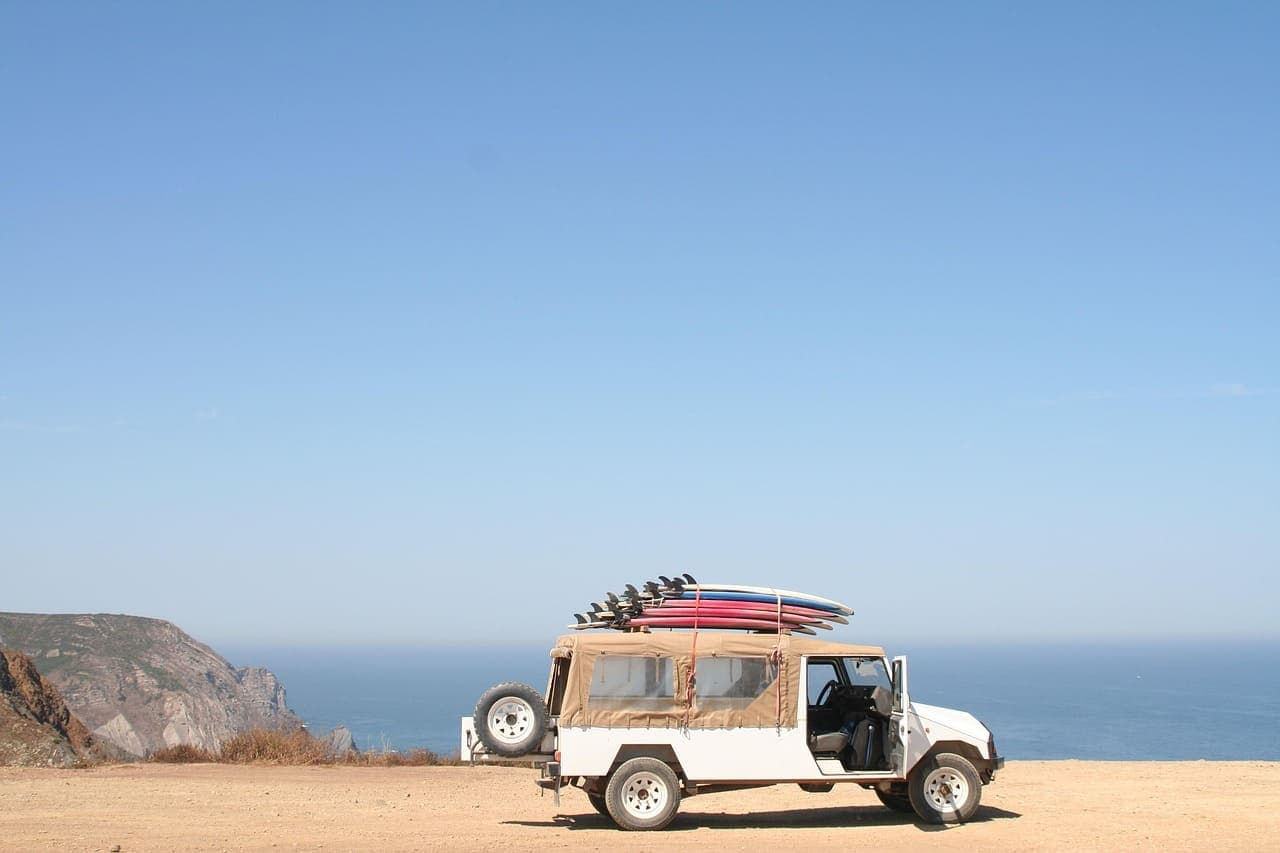
Driving in Portugal is a good option when you want to be in charge of your own schedule. It is great for visiting the beach or small towns where you cannot take a train like some parts of Portugal and the beach areas near Lisbon. The big airports in Lisbon, Porto and Faro have car rental companies inside.
The roads in Portugal are very good. Some of them have electronic tolls. So when you pick up your car ask for a toll device. This way you do not have to worry about getting fined.
Public Transport in Portugal
You can also use public transport in Portugal like trains and buses. The trains connect cities like Lisbon and Porto really well. It takes three hours to get from Lisbon to Porto by train. You can buy tickets online from Comboios de Portugal. There are also buses that go to towns that you cannot get to by train. In Lisbon and Porto you can use a card to take the metro. You can buy this card at the metro station.
Curious about what you should watch out for while travelling? Our guide on Portugal safety covers the main things worth knowing before and during your trip.
Food you’ll want to try in Portugal
Food is a big part of your time in Portugal, even if you don’t expect it beforehand. Dishes are often simple, yet full of flavour, with a strong focus on seafood, pastries and ingredients that connect back to the country’s history. If you want to try something local, these are a few things to look out for:
Try pastéis de nata in Lisbon
In Lisbon, you’ll see these small custard tarts in almost every bakery. They’re made with flaky pastry and a creamy filling, often served slightly warm with cinnamon on top. Around Belém, you’ll find some of the most well-known places to try them.

Eat bacalhau in different forms
Salted cod, called bacalhau, shows up in many dishes across Portugal. It can be baked, fried or mixed into dishes like bacalhau à brás with eggs and potatoes. You’ll notice that almost every restaurant has at least one version on the menu.

Order grilled sardines by the coast
During summer, grilled sardines are a common dish, especially along the coast. They’re usually cooked over an open flame and served with bread or salad. In places like Lisbon during festivals, you’ll smell them before you even see them.

Try seafood rice dishes like arroz de marisco
In coastal areas, dishes like arroz de marisco bring together rice with shellfish, prawns and fish. The texture is often a bit more liquid than typical rice dishes, almost like a stew. Around the Algarve, this is something you’ll see on many menus.

Drink port wine in Porto
In Porto, port wine is one of the most well-known local drinks. You can visit wine cellars along the river and taste different types, from sweet to more aged versions. It’s often served in small glasses and enjoyed slowly.

Culture in Portugal: what you still see today
Back in 1139, Portugal became one of Europe’s first clearly defined countries, and from the 15th century things started to expand far beyond its borders. From around 1415, ships left from Lisbon and travelled along the African coast, later reaching India and Brazil by 1500. You’ll see that period reflected in places like Belém in Lisbon, where monuments like Jerónimos Monastery and Belém Tower were built during those years. After the earthquake of 1755, large parts of Lisbon were rebuilt with straight streets and open squares, which is why some areas look more structured than in other older European cities.
Walking through Portugal now, you’ll keep noticing how that history shows up in daily life. Blue tiles called azulejos cover buildings and often show scenes from religion, trade or everyday moments. In Lisbon, you’ll hear Fado music, which started in the early 19th century and is still played in small restaurants and bars. Food also connects back to those travel routes, with spices like cinnamon, pepper and cloves brought from India, and ingredients like chilli and tomatoes coming from the Americas. Across cities, coastal towns and inland regions, these influences are still part of what you see, taste and experience throughout your trip to Portugal.
Looking for more unique places, trips and activities?
Subscribe to our Guided Newsletter for more travel inspiration.
Is Portugal Expensive?
Portugal is generally cheaper than most places in Western Europe. The prices can change depending on the time of year and where you are. In the summer it is more expensive to visit the beach areas. In the winter it is cheaper to visit the north.
Food & Drink

Coffee
€1 – €2
Lunch
€8 – €15
Beer
€3 – €5
Accommodation

Hotels
€80 – €150
Airbnb
€60 – €140
Hostel dorm
€15 – €35
Transport

Trains
€25–€35
Public Transport
€1.50 – €3
Car Rental
€25 – €60
Attractions

Museums
€5 – €15
Big Attractions
€10 – €20
Theatre
€15 – €40
Practical tips for your Portugal trip
Planning a trip to Portugal? Getting a few basics sorted before you go makes everything easier once you arrive. We’ve put together a few simple tips that help your trip to Portugal run smoother from the moment you arrive.
✔ Bring the right plug adapter before you leave
In Portugal, Type F plugs are used with a standard voltage of 230V. Coming from the UK, an adapter is needed, so it’s worth packing one in advance instead of searching for it at the airport.
✔ Leave a small tip in restaurants
Tipping isn’t a big thing, yet rounding up the bill or leaving around 5 to 10 percent is common in restaurants. Sometimes a service charge is already included, so it’s good to check before adding anything extra.
✔ Drink tap water instead of buying bottles
Tap water is safe to drink across Portugal and meets European standards. Carrying a reusable bottle is an easy way to save money and avoid buying water throughout the day. Want to know more about safety and what to expect? Read our full guide on whether Portugal is safe.
✔ Get a SIM card or eSIM for easy connection
Staying connected is simple, with SIM cards available at airports and phone shops in cities. Main providers include Vodafone, NOS and MEO, so you’ll have a few options to choose from once you arrive.
Fun facts about Portugal
Portugal has a lot of small details you don’t always expect before arriving. Some of them you’ll notice straight away, others once you’ve spent a bit more time there.
Portugal is one of the oldest countries in Europe with borders almost unchanged since 1139
The Douro Valley is one of the oldest wine regions in the world
Lisbon is older than Rome and one of the oldest cities in Western Europe
Portugal has over 800 kilometres of coastline with very different landscapes
The famous blue tiles, called azulejos, are used across buildings throughout the country
Surfing in Nazaré includes some of the biggest waves ever recorded
Portuguese is spoken on multiple continents due to its history as a maritime power
Some of these things will probably become part of your own trip along the way. Portugal stands out in its own way, with days that take you from historic cities to coastlines and wine regions. Each stop brings something different, from culture to nature to food. So Portugal suits you well if you like history and coastal landscapes.
Ready to map out your trip to Portugal?
We hope this Portugal travel guide has given you a clear starting point for your trip. Stay tuned for more inspiration, itineraries and practical tips to help you shape your perfect trip to Portugal. And don’t forget to check out our Guided app, where you can create your own trip or use trips shared by other travellers for free.
FAQs About Portugal Trips
- Where is Portugal in Europe?
Portugal is in the southwest of Europe on a peninsula with Spain. It has a coastline along the Atlantic Ocean.
- Do you need a visa to visit Portugal?
- What money does Portugal use?
- What is Portugal famous for?
- Is Portugal expensive?