
K-ETA Is Back for 2027. Do You Need One for South Korea?
By Sandra Romano
Sep 22, 2026

Upload a Canadian or British passport to the K-ETA website this year and a small pop-up appears right after the photo goes through. It reads "K-ETA Exempt." That message has an expiry date. The exemption behind it covers 22 countries and regions, and it ends on 31 December 2026, Korea Standard Time.
From 1 January 2027, most adult travelers from those 22 places will need an approved K-ETA to enter South Korea, unless the Ministry of Justice announces another extension. Below is who that covers and what it costs. There's also one step we'd take before the year is out.
1. What Is K-ETA?
K-ETA is the online travel authorization South Korea requires from visa-exempt visitors aged 18 to 64. You apply before your trip through an official website or app. It costs ₩10,000, and paying by card adds a 3% processing fee. That works out to roughly $7 to $8 USD.
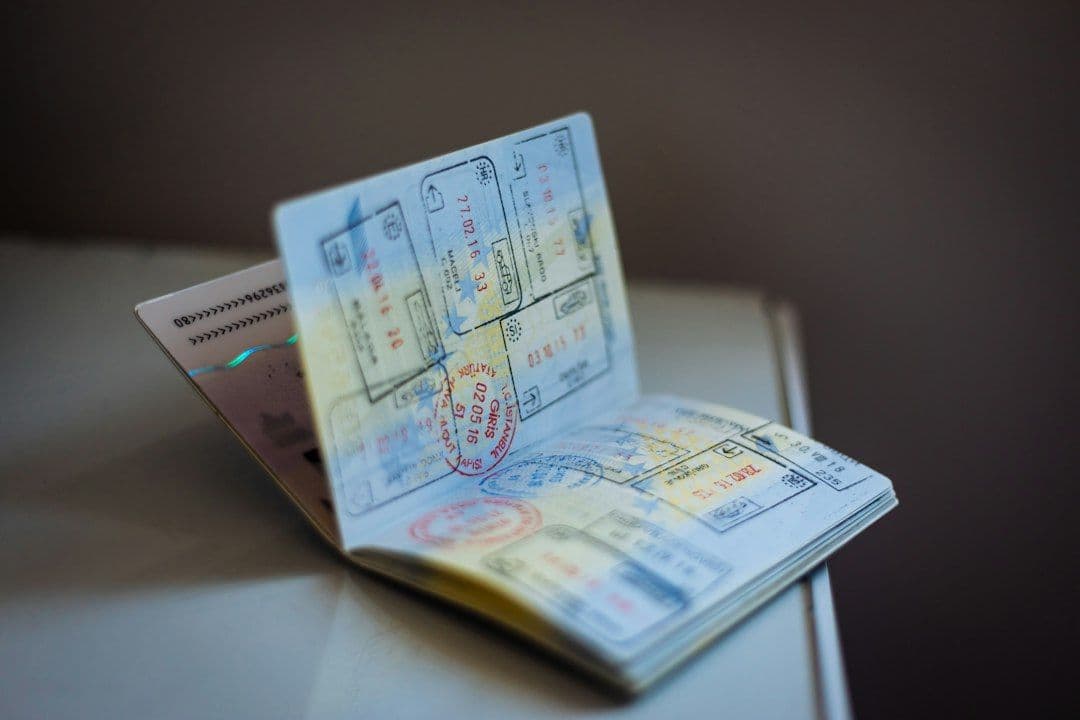
An approved K-ETA covers multiple entries for 3 years. The clock starts on the day it's approved, so the date you fly doesn't move it. If your passport expires first, the K-ETA expires with it.
The authorization is linked to your passport number, and that's the detail we'd underline twice. A new passport means a new K-ETA. So does a renewed one, or one that's lost, damaged or corrected. If your passport has less than a year left, we'd deal with the passport first and apply for the K-ETA after.
2. Why Is the Exemption Ending?
So why 31 December? Because the official notice set that date and nothing has replaced it. The 2026 window is already the second extension. KPMG's alert on the change notes that the exemption had been due to expire at the end of 2025 before the Ministry of Justice added one more year. The official notices give no reason for the end date and say nothing about what comes after it, and we won't invent a reason they left out. As of 9 October 2026, no third extension has been announced. We'd plan as if none is coming.
3. Who Needs a K-ETA From 1 January 2027
We'd check your passport first and your age second. KPMG and TripProf publish identical lists of the 22 countries and regions in the current exemption.
Asia. Japan, Taiwan, Hong Kong, Singapore, Macao
Americas. United States (TripProf notes this includes Guam), Canada
Europe. United Kingdom, Germany, France, Italy, Netherlands, Spain, Poland, Sweden, Finland, Norway, Belgium, Denmark, Austria
Oceania. New Zealand, Australia
If your passport is on that list and you're between 18 and 64, you'll need an approved K-ETA for South Korea from 1 January 2027. If you're outside that age band you won't, and section 5 explains why.

If you turn up without one
The official notices we checked don't say what happens to a traveler from one of these countries who arrives after 31 December without a K-ETA. Travel-industry guidance is more direct. TripProf's FAQ says K-ETA will be required before boarding once the exemption ends. It adds that applying after boarding, or once you're already in Korea, "may result in disadvantages," and gives refusal of approval or entry restrictions as examples. Our advice is simpler. Apply before you fly.
4. How to Apply
We'd only ever use one of two places to apply: the official k-eta.go.kr website, or the official K-ETA mobile app. Both follow the same steps.
Accept the terms and confirm the applicant is 14 or older.
Verify your email address with the code you're sent.
Upload a photo of your passport's bio page. Exempt nationals see the "K-ETA Exempt" pop-up at this point and can still choose to continue.
Complete the application. It asks for a photo, your purpose of entry, a Korean address or hotel contact, travel dates, your occupation, and health and criminal-history questions. Submit within 7 days or the application is deleted.
Review your answers and fix anything that's wrong.
Pay the ₩10,000 fee by card, plus the 3% card charge.
Watch for the confirmation email. Approval follows within the standard 72 hours.
Officially, processing takes "72 hours or less," and both sources we checked quote that figure. VisaTraveler adds that it can take longer when demand is high. We'd treat 72 hours as the usual case and still apply as soon as your flights are booked. Waiting until three days before departure is a bet we wouldn't make.
5. The Age Rule and the 22-Country Exemption Are Different Things
We'd keep these two rules separate, because they answer different questions.
The age rule is permanent. K-ETA only applies to visa-exempt nationals aged 18 to 64. Visa-exempt travelers aged 17 or younger, or 65 and older, don't need one at all. The end of the exemption doesn't change that.
The 22-country exemption is the temporary rule. It excuses travelers who would otherwise need a K-ETA, and it only runs from 1 January to 31 December 2026.
Here's how the two rules combine for one hypothetical family. A Canadian couple aged 45 and 42 visit South Korea in March 2027 with their 15-year-old and a 68-year-old grandparent. They need two K-ETAs. The teenager and the grandparent fall outside the age band, so the end of the exemption makes no difference to them. They'll still need the e-Arrival Card, which brings us to the most useful tip in this post.
6. Practical Tips
Should you apply now, while you're still exempt? If you're likely to visit South Korea in 2027 or later, we think yes.
Two facts make the case. First, the Ministry of Justice notice says approvals already issued stay valid until their own expiry dates, even after the exemption ends. Say a K-ETA is approved in October 2026, for example. It would last until October 2029, as long as your passport does too.
Second, there's the e-Arrival Card. Since 1 January 2026 it has been mandatory for all foreign nationals. You submit it within the 3 days before arrival, and the arrival day counts as one of the three. Anyone with an approved K-ETA is exempt. That's why the Ministry's notice says exempt nationals "may still apply" for K-ETA even though they don't have to. Paying ₩10,000 now gets you out of a form you'd otherwise have to fill in when you land.
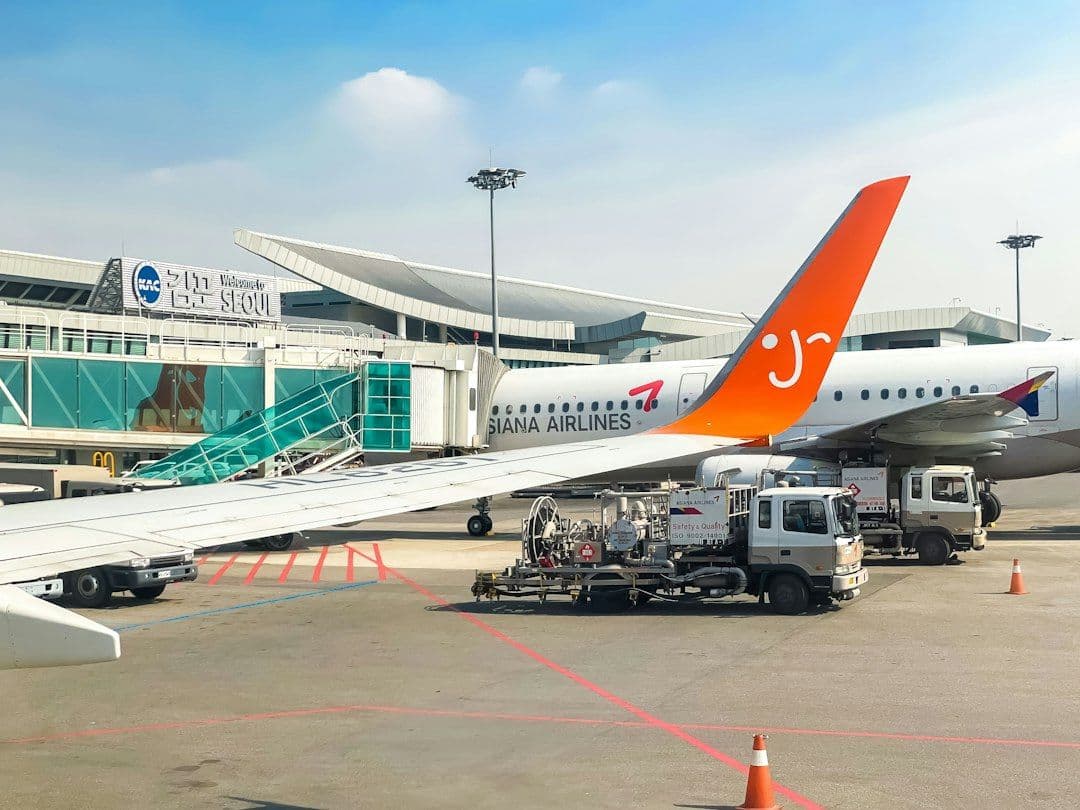
The catch is that fees already paid aren't refunded. Applying early only makes sense if you're fairly sure you'll travel within the 3-year window.
Guided tip: Apply only at k-eta.go.kr or through the official K-ETA app. TripProf states that Korea has not designated any third-party application agents, and it warns that unofficial sites charge well above the official fee. If a checkout page asks for more than ₩10,000 plus the 3% card fee, close the tab.
7. Looking Ahead to 2027
Korea isn't the only place tightening entry rules like this. Travelers heading to Europe are running into something similar with EES and ETIAS, two separate systems doing their own version of the same thing at the EU's external border.
TripProf calls a further extension "possible but not guaranteed," and its article states that no third extension exists. If one is announced, a K-ETA you already hold still saves you from the e-Arrival Card. If none is announced, you're already covered. Either way, we'd stop waiting for the announcement. Check the official K-ETA site before you book anything.
8. Summary and Final Thoughts
We'd apply for a K-ETA this year if you hold one of the 22 passports, you're 18 to 64, and you expect to visit South Korea in the next three years. The fee is ₩10,000 plus the 3% card charge. Processing normally takes 72 hours or less, though it can run longer. The approval lasts 3 years, or until your passport expires if that comes first. Travelers 17 and under or 65 and over don't need one either way.
The application asks for a Korean address or hotel contact, so by the time you submit it you've already picked your first night's stay. That's a good start on the itinerary. The Guided trip planner is where we'd plan the remaining days of your South Korea trip, and the Guided travel planning app keeps them with you once you land.


