

South Korea
South Korea travel guide: how to plan the trip of a lifetime
Our first proper meal in Seoul was a plate of spicy tteokbokki, eaten standing up at a street stall in Myeongdong, and that’s the moment South Korea properly won us over. Something about this country pulls off two extremes simultaneously, centuries-old palaces sit a few subway stops from glass towers and neon shopping streets, and somehow neither one seems out of place. You could spend an entire South Korea trip just eating your way through markets, or fill your days with temple visits, hiking trails and beach afternoons on Jeju, either way works brilliantly. Around the country, getting from city to city is refreshingly easy too, high-speed trains connect most of it in a couple of hours, so you’re never stuck picking just one place. This South Korea travel guide covers everything you’ll want to know before you go, from the best places to visit and food to costs and practical tips.
5 reasons to visit South Korea
Food that ranges from fiery street snacks to calm, ceremonial temple meals.
Centuries of palace and temple history sitting minutes from ultra-modern neighbourhoods.
A rail network fast enough to have breakfast in Seoul and dinner in Busan.
K-pop, K-drama filming spots and a pop culture buzz that follows you down the street.
Coastlines, volcanic islands and mountain trails all packed into one compact country.
Best South Korea travel spots
Not sure where to start when you’re mapping out where to go? Palace courtyards, volcanic coastlines, hanok villages and a border you can actually stand at all sit within a few hours of each other here, so you genuinely don’t have to choose between history, nature and city energy on one trip. Here’s our pick of the best South Korea travel spots, and why each one earns its place on your route.
Seoul
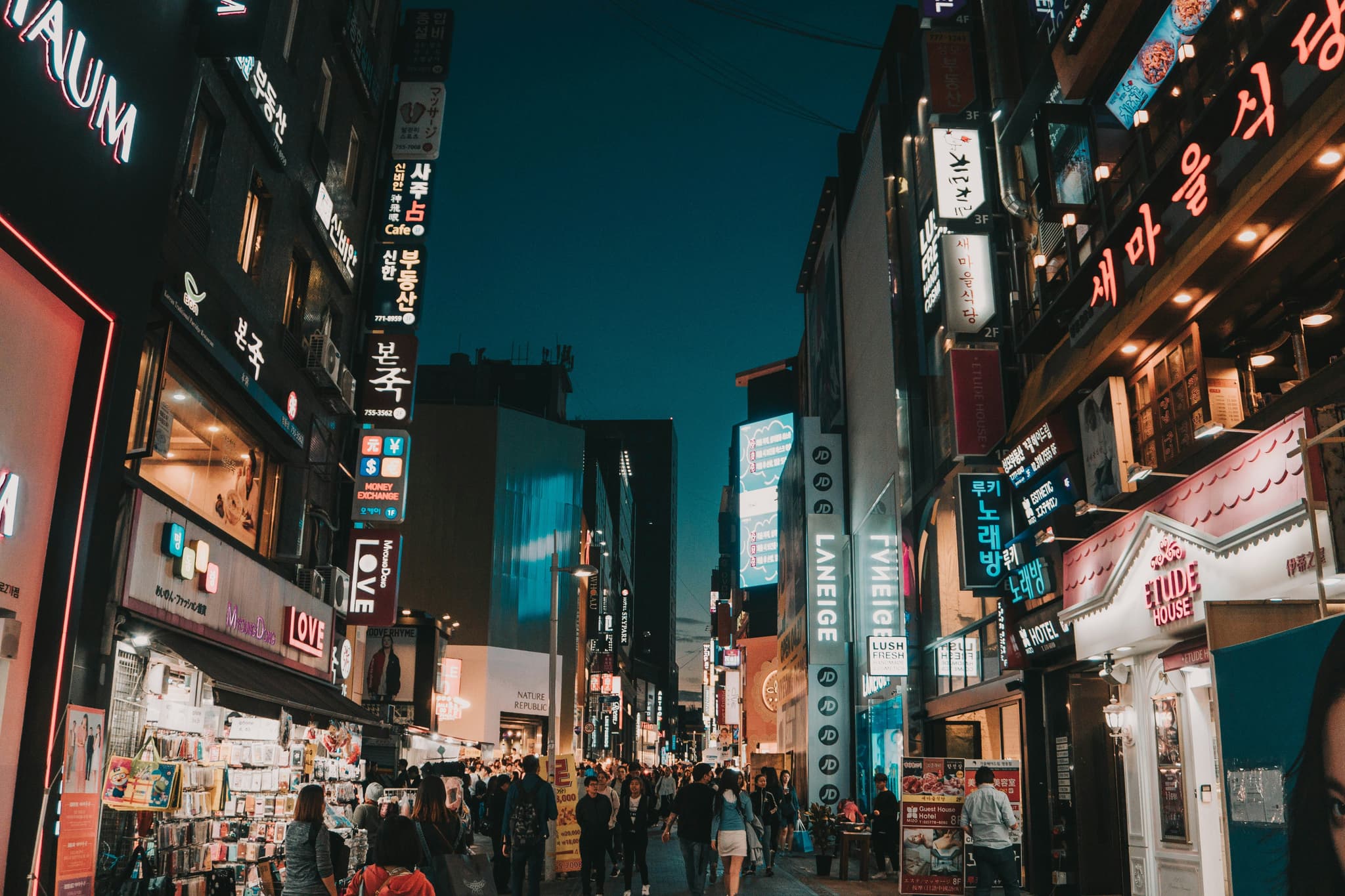
You could spend your whole trip in Seoul and still not run out of things to do. You’ll want to get to Gyeongbokgung Palace early, before the tour buses arrive, and time it right and you’ll catch the changing of the royal guard ceremony out front. From there, a fifteen minute walk takes you into Bukchon Hanok Village, where narrow lanes are lined with centuries-old hanok houses, some of them now cafés and galleries you can duck into. For something completely different, head to Hongdae in the evening, you’ll find street performers, indie music bars and enough food stalls that you can skip a sit-down dinner altogether. With the city itself pretty much covered, a day trip is well worth working in, Suwon Hwaseong Fortress is an hour away by subway and gives you an entire walled fortress city to explore; the DMZ tour covered later in this guide is the other obvious add-on. Three or four days here gives you enough time to slow down between the big sights.
Busan
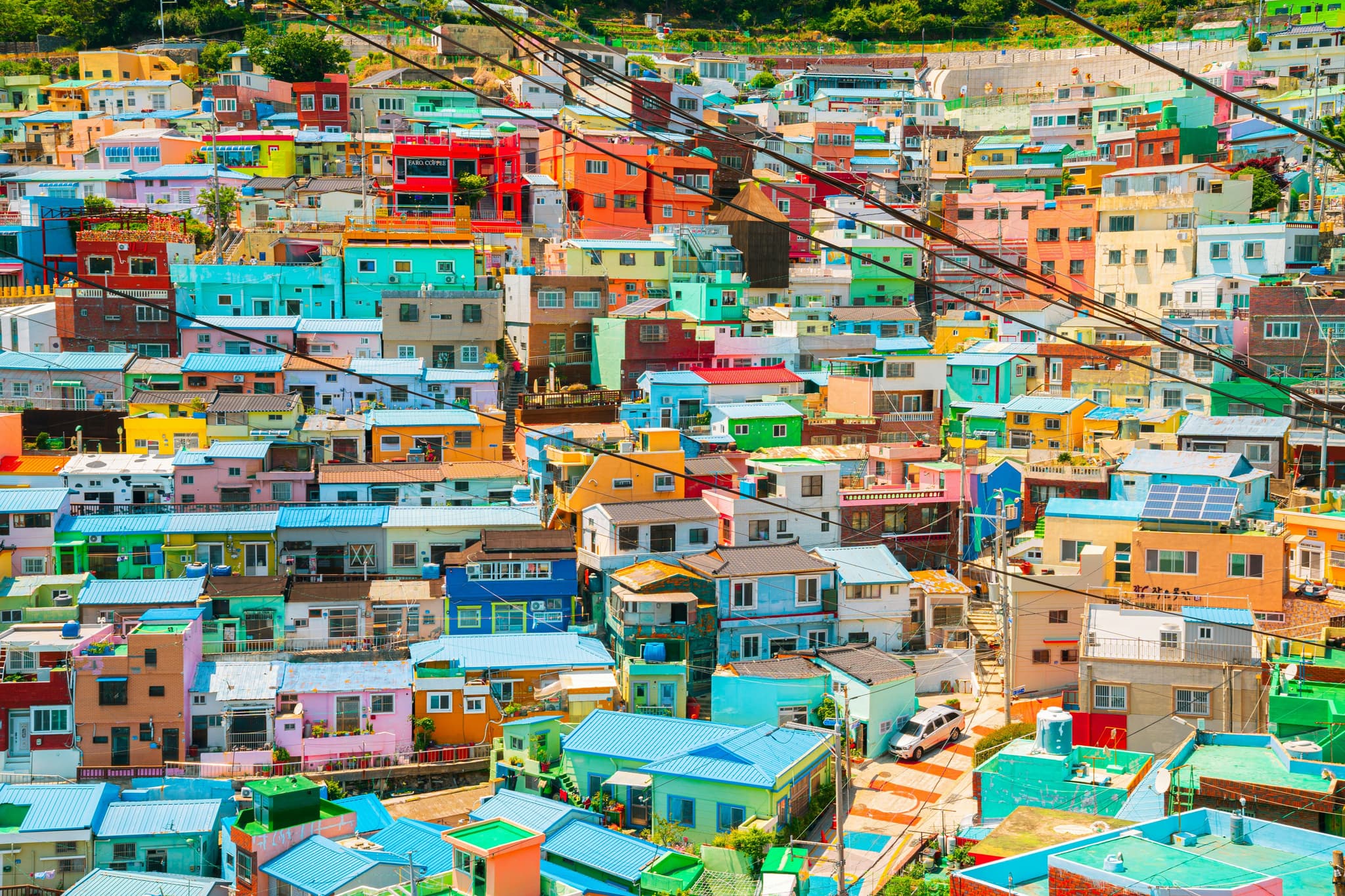
Seoul’s intensity gives way to sea air here, and that contrast alone is reason enough to add Busan to your route. A morning at Gamcheon Culture Village is time well spent, the hillside of pastel houses and murals is best photographed early before everyone else arrives, and you can easily lose an hour wandering the stairwells and alleyways. Haeundae Beach is the obvious spot to unwind in the afternoon, but if you want fewer people, Songjeong Beach, a short taxi ride away gives you the same sand with a fraction of the noise. It’s also worth stopping at Jagalchi Fish Market, point at whatever looks good and the vendors will grill or steam it for you right there. Getting here from Seoul takes about two and a half hours on the KTX, so it’s an easy add-on.
Jeju Island
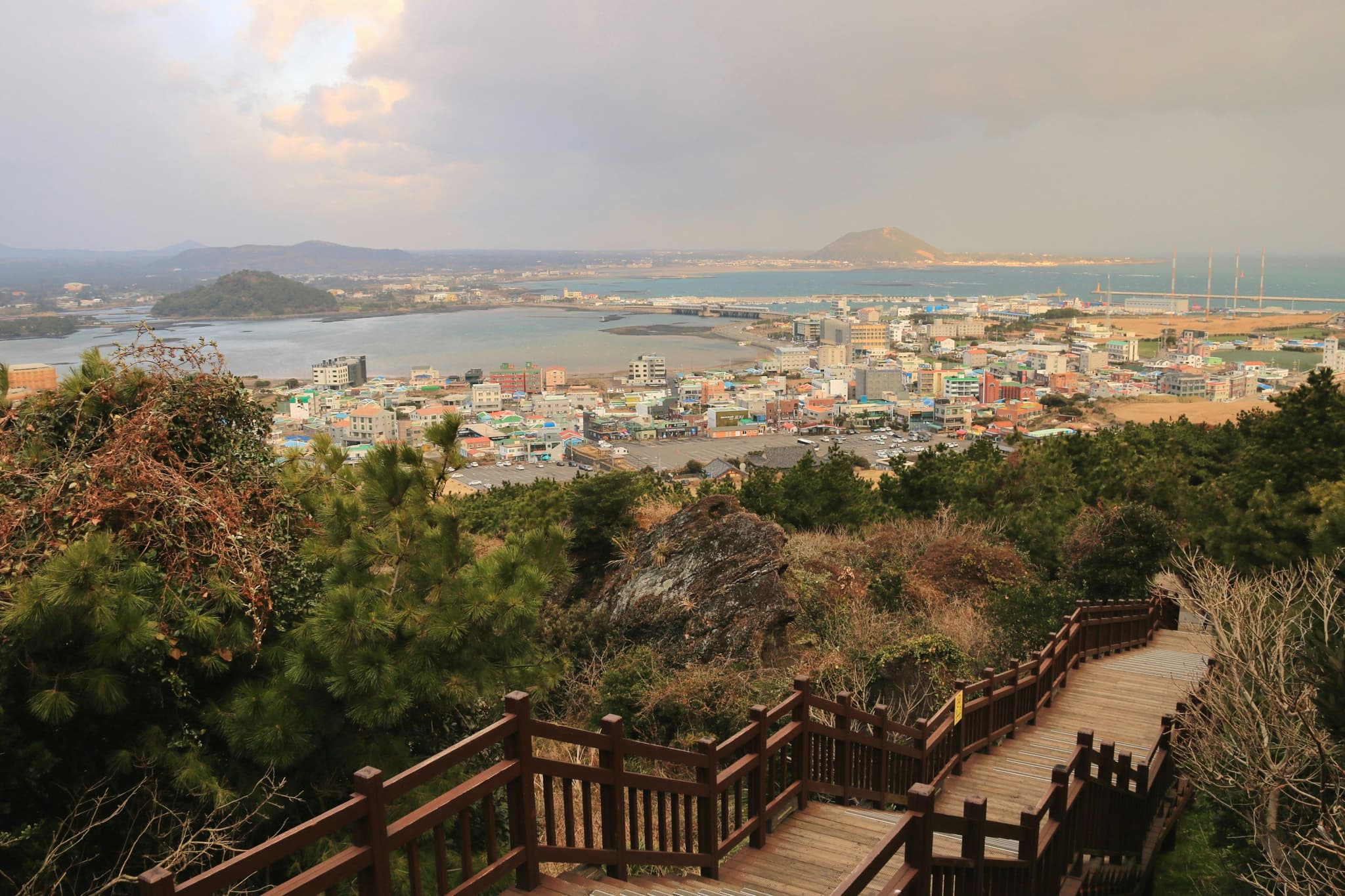
If you want South Korea to slow right down for a few days, this is it, and a rental car makes all the difference the moment you’re on the ground. Hallasan, the volcanic peak at the island’s centre, has trails for both casual walkers and serious hikers, just check trail opening times in advance since some close earlier in winter. A drive along the coastal road takes you past black volcanic cliffs, tangerine groves and small seafood restaurants that never make it onto any list, those are usually the best ones. Seongsan Ilchulbong, the tuff cone on the eastern coast, is worth timing for sunrise if you can manage the early start, the light on the crater is unbeatable. You’ll want at least three days here.
Gyeongju
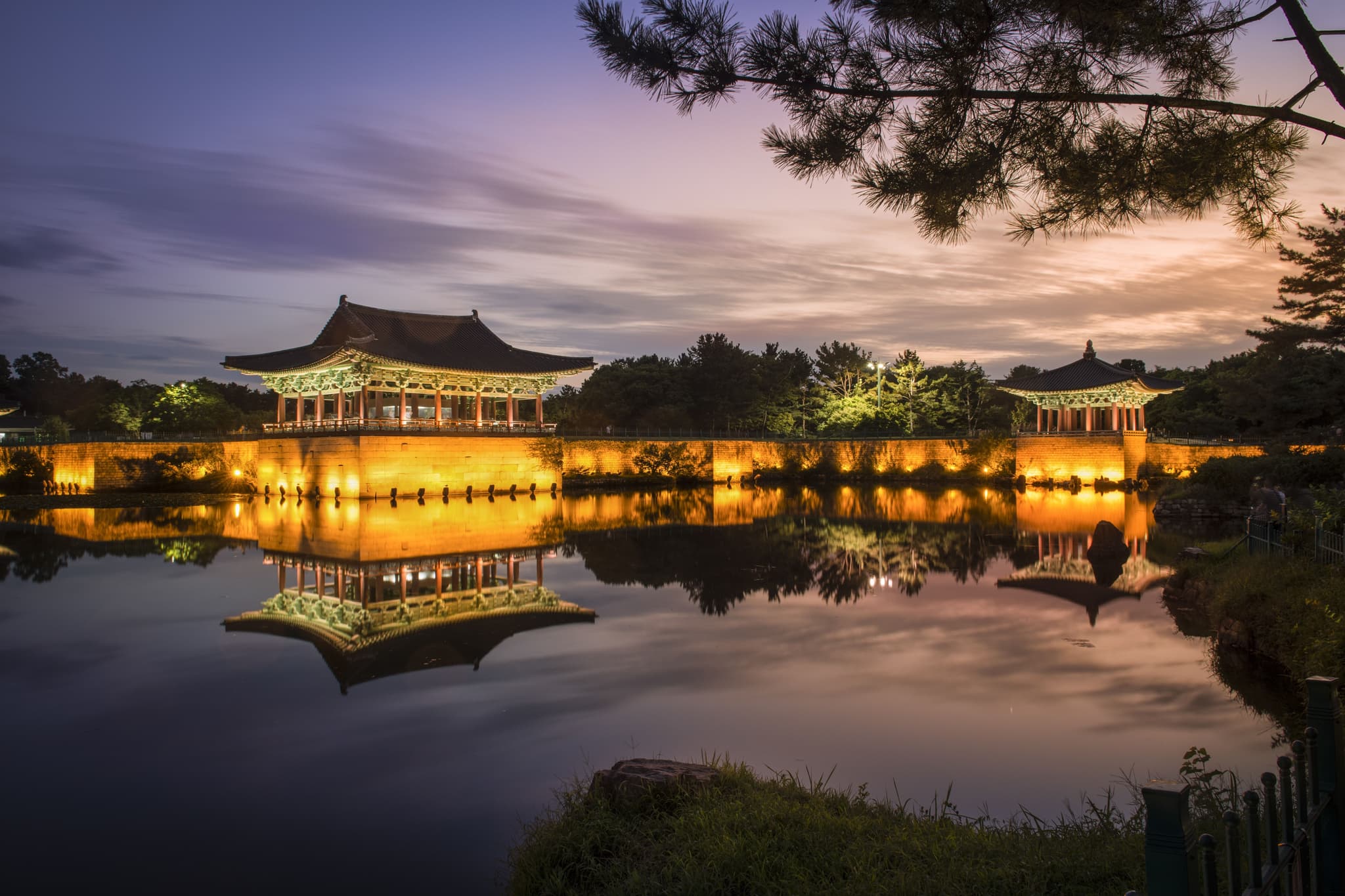
History buffs, this one’s for you, Gyeongju is essentially an open-air museum, and it’s where the Silla kingdom’s past comes alive rather than sitting behind glass. Bulguksa Temple, a UNESCO World Heritage Site, stands against a hillside and rewards an early visit before tour groups fill the courtyards. You can walk or cycle through Daereungwon, the tomb complex right in the middle of the city, where grass-covered burial mounds from the Silla kingdom rise up between ordinary streets, it’s an odd and brilliant thing to see on a casual stroll. A bike rental near Bomun Lake suits a slower afternoon, the loop around the water is flat and easy even if you’re not a regular cyclist. Most people visit Gyeongju as a day trip from Busan, but staying one night lets you catch the illuminated tombs after dark, which is worth the extra time!
Jeonju
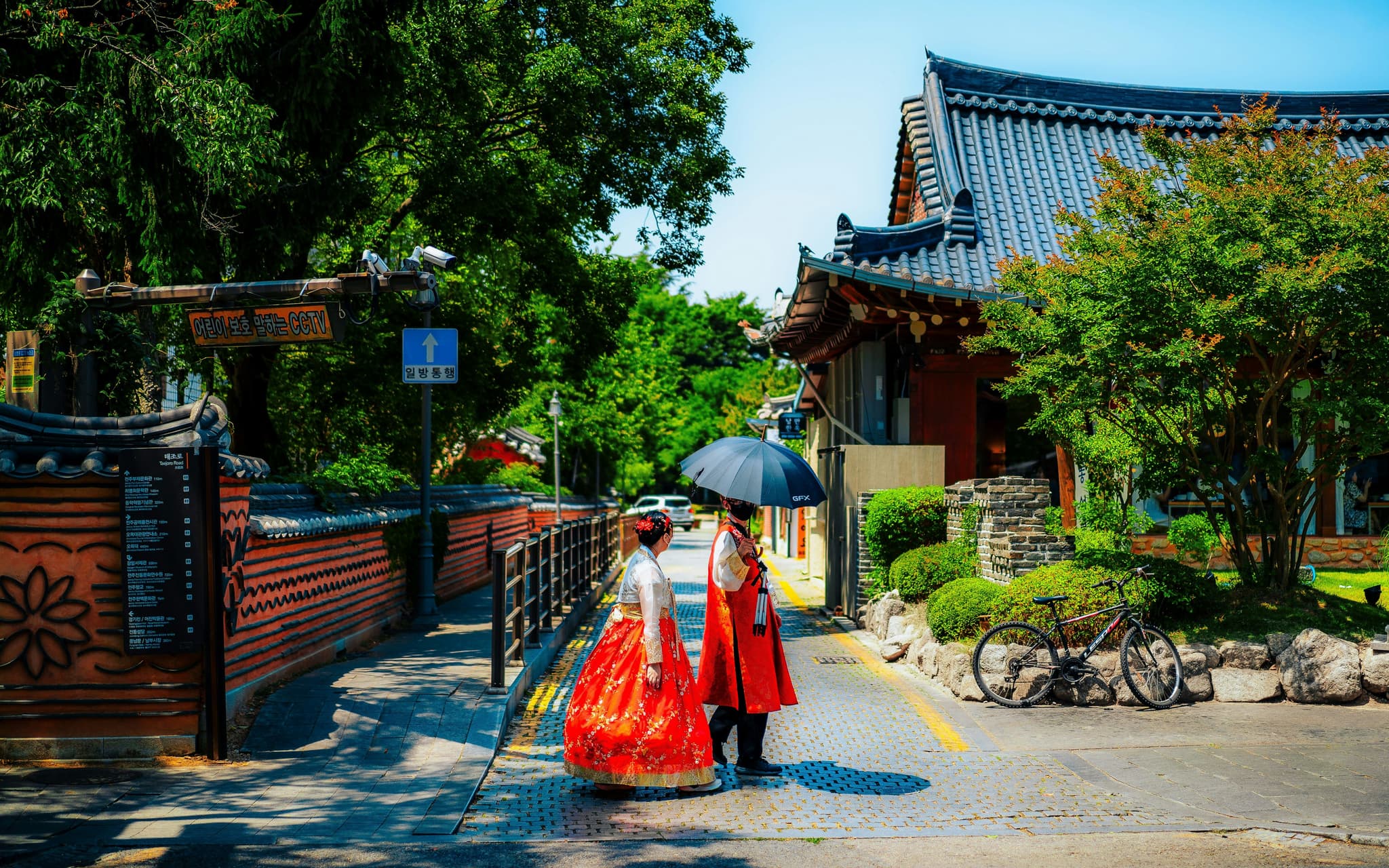
Foodies, take note, Jeonju is where you go to eat, plain and simple, and it happens to be gorgeous too. You’ll want to base yourself near Jeonju Hanok Village, hundreds of traditional houses packed into one walkable neighbourhood. You can rent a hanbok for a few pounds and wear it as you explore. Bibimbap was born here, so order it at one of the older restaurants just outside the village rather than the tourist-facing spots inside (ask any local and they’ll point you the right way). By evening, Jeonju’s night market comes alive, follow your nose and you’ll end up trying makgeolli (rice wine) alongside snacks you won’t find outside the region. One full day covers the highlights, but two lets you actually slow down and eat properly.
Sokcho and Seoraksan
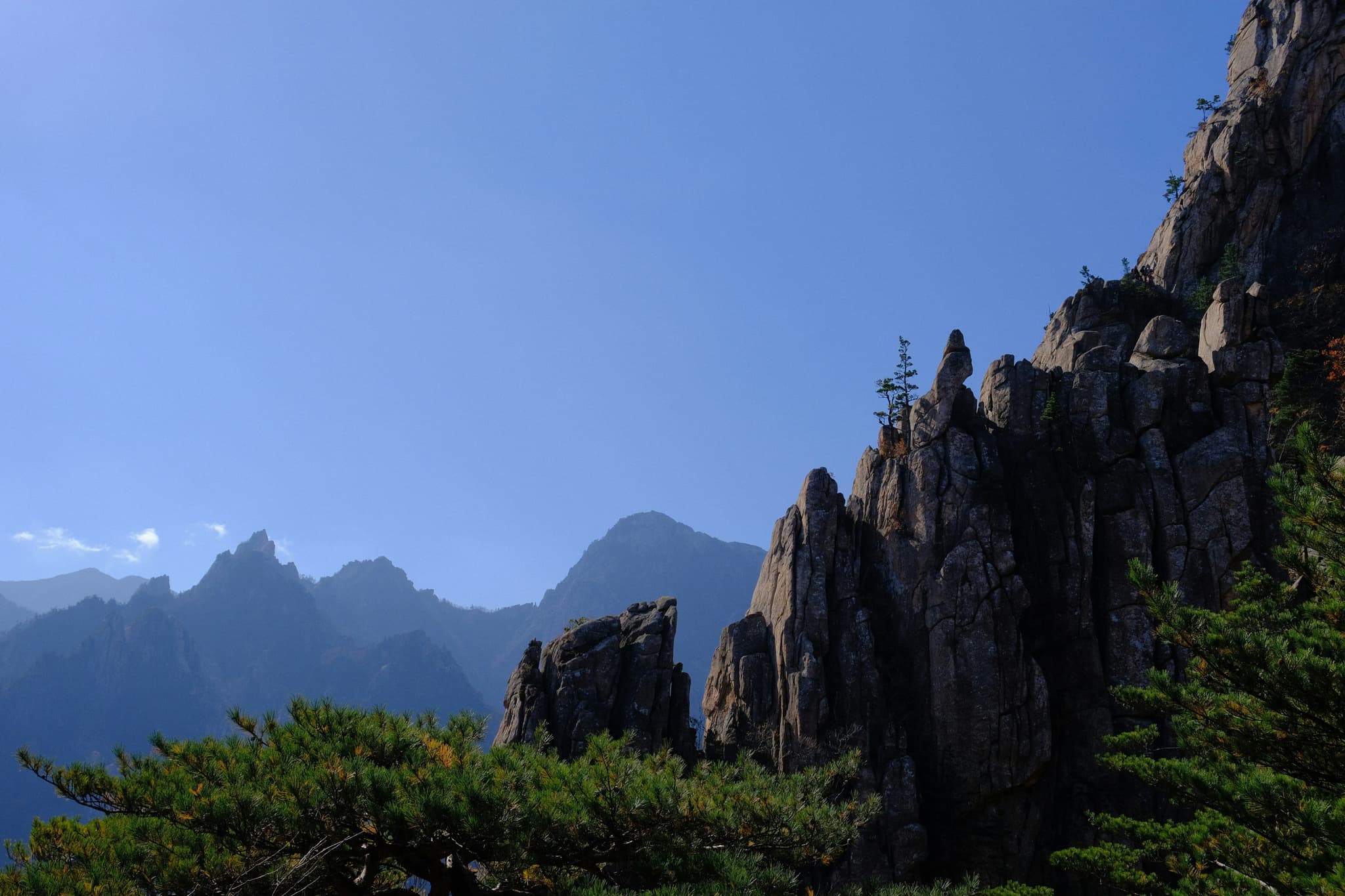
Want hiking and coastline in the same trip? This is your base, and Seoraksan National Park right next door is one of the best reasons to leave Seoul for a few days. Cable cars run partway up the mountain if you’d rather skip the steepest sections, but the full hike to Ulsanbawi Rock rewards you with a view worth every one of the eight hundred plus steps. Down in town, Sokcho’s seafood market and its famous squid dishes make a good reward after a long trail day, order the ojingeo sundae if you want something you won’t find back home. Autumn is peak season here, the foliage across the park is some of the best in the country, so book accommodation early if you’re travelling between late September and October. Two nights gives you a proper hiking day plus time to explore the coast.
South korea itinerary ideas
South Korea has a lot of ground worth covering, but some of the best spots sit a fair distance apart, so a bit of planning up front saves you backtracking later. We’ve put together a few South Korea itinerary ideas that connect the best places in a logical order, so you’re not spending half your trip on transport.
10 days in South Korea for first-timers
Day 1-4: Seoul, palaces, Hongdae, Bukchon Hanok Village and a DMZ day trip
Day 5: Travel to Gyeongju, spend the afternoon at Bulguksa Temple and Daereungwon
Day 6-8: Busan, Gamcheon Culture Village, Haeundae Beach, Jagalchi Market
Day 9-10: Fly or take the KTX back to Seoul for a final day of shopping and food before you leave
2 weeks in South Korea
Day 1-4: Seoul, palaces, Hongdae, Bukchon Hanok Village and a day trip to Suwon or the DMZ
Day 5-6: Travel to Jeonju, Hanok Village, hanbok rental and bibimbap in one of the older restaurants
Day 7: Gyeongju, Bulguksa Temple and the Daereungwon tomb complex
Day 8-10: Busan, Gamcheon Culture Village, Haeundae Beach, Jagalchi Market
Day 11-14: Fly to Jeju Island for volcanic coastline, Hallasan hiking and a slower final stretch
Long weekend in Seoul
Day 1: Gyeongbokgung Palace, Bukchon Hanok Village, dinner in Insadong
Day 2: DMZ tour, Myeongdong for shopping and street food in the evening
Day 3: Namsan Tower, Hongdae for your last night out
Want more inspiration? Check out the following trips:


What to do in South Korea? Fun experiences
So you know where to go, but what will you actually spend your days doing after you land? A few of these activities need booking days or even weeks ahead, so it’s worth locking them into your route before you get too far into planning the rest of your trip. Here’s what we’d recommend building into your days.
Take a DMZ tour from Seoul
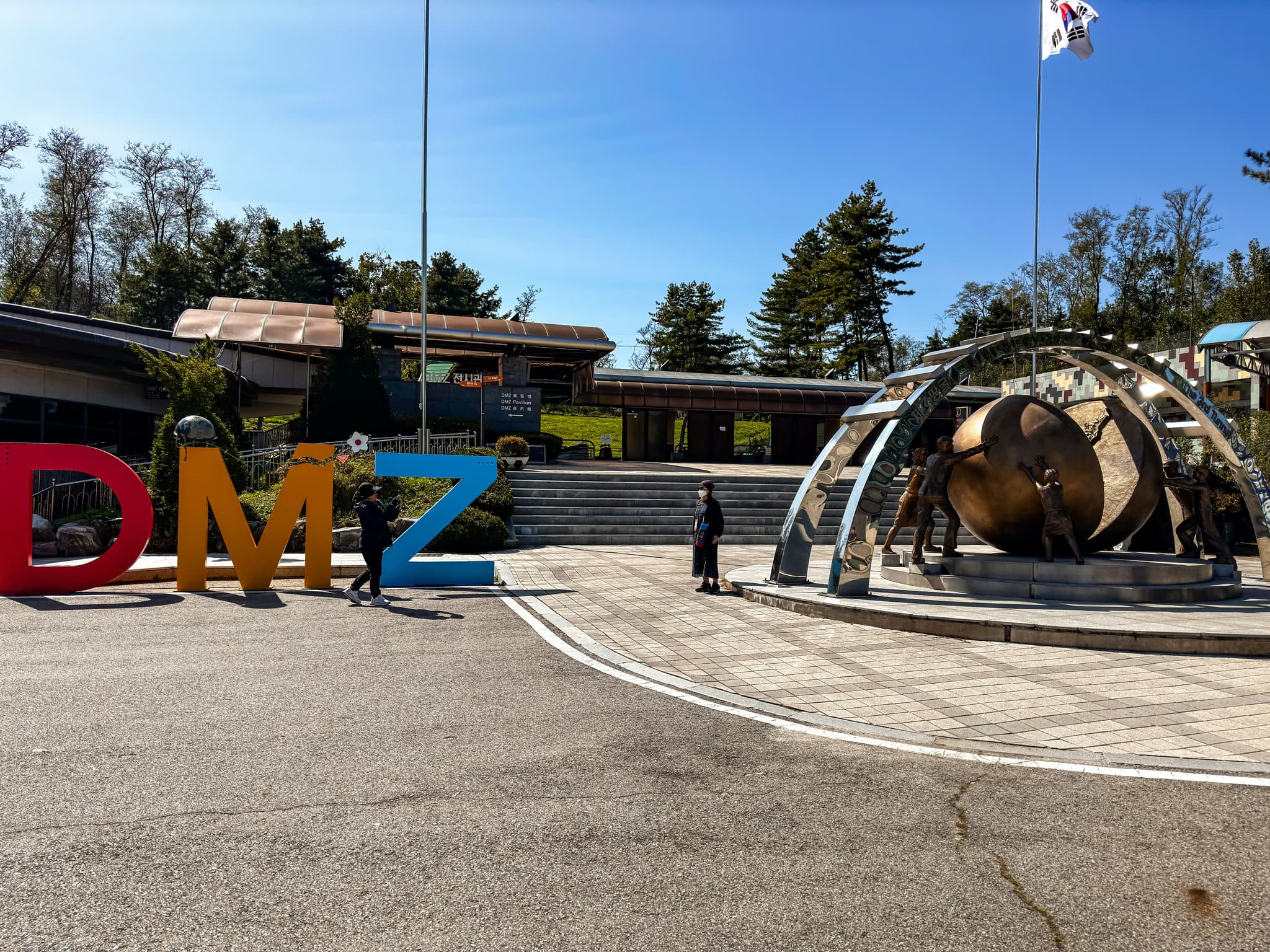
You don’t get many chances to stand at one of the most heavily guarded borders on earth, and the Demilitarized Zone does exactly that. A half-day or full-day tour from Seoul is how you’ll see it (most hotels and travel desks can arrange one, or book directly online in advance during busy season), since independent visits aren’t possible here. The Third Tunnel and the observatory are the highlights, on a clear day you can see across into North Korean territory from the viewing deck. You’ll need your passport, you won’t get through security without it, and dress modestly since some sections have a dress code.
Dress in hanbok at a palace
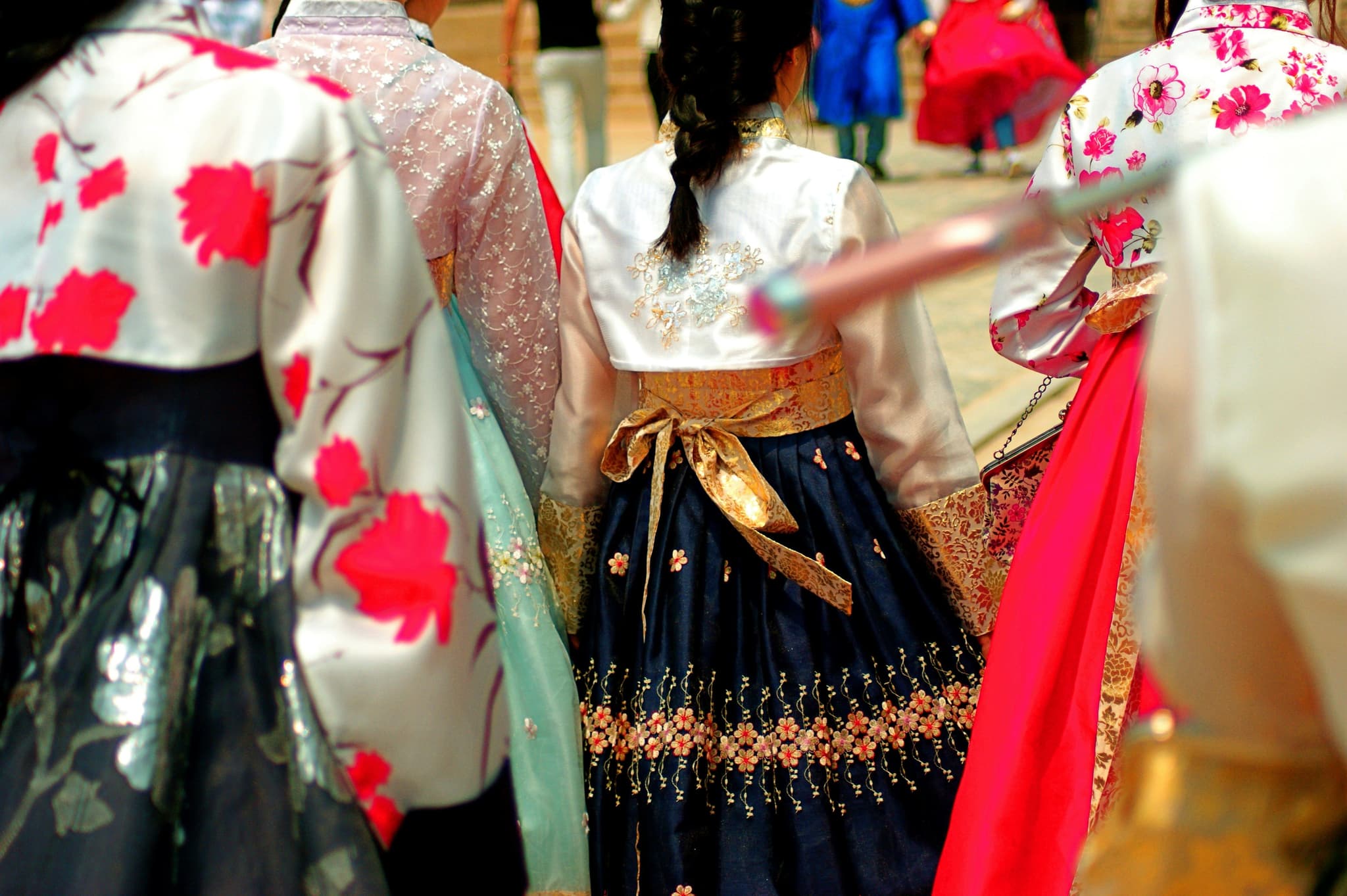
Renting a hanbok for a few hours in Seoul or Jeonju is cheap, easy and genuinely fun, and it comes with a proper perk, wearing one gets you free entry into most of Seoul’s palaces. Shops near Gyeongbokgung and in Jeonju Hanok Village rent full outfits for a couple of hours or a full day, and staff will help you pick colours and styles if you’re not sure where to start. A weekday morning works best if you want fewer people in your photos, palace courtyards fill up fast on weekends. Your footwear matters too, you’ll be walking on uneven stone for a good stretch of the visit.
Hike Bukhansan or Seoraksan
If you like getting outdoors, South Korea’s national parks are some of the best reasons to build a hiking day into your trip. Bukhansan rises right on Seoul’s edge, so you can be on granite peaks within an hour of leaving your hotel, no overnight trip required. For something bigger, Seoraksan near Sokcho has longer, more demanding trails, start early since the popular routes get busy by mid-morning. You’ll want proper shoes either way, sections get steep and rocky fast.
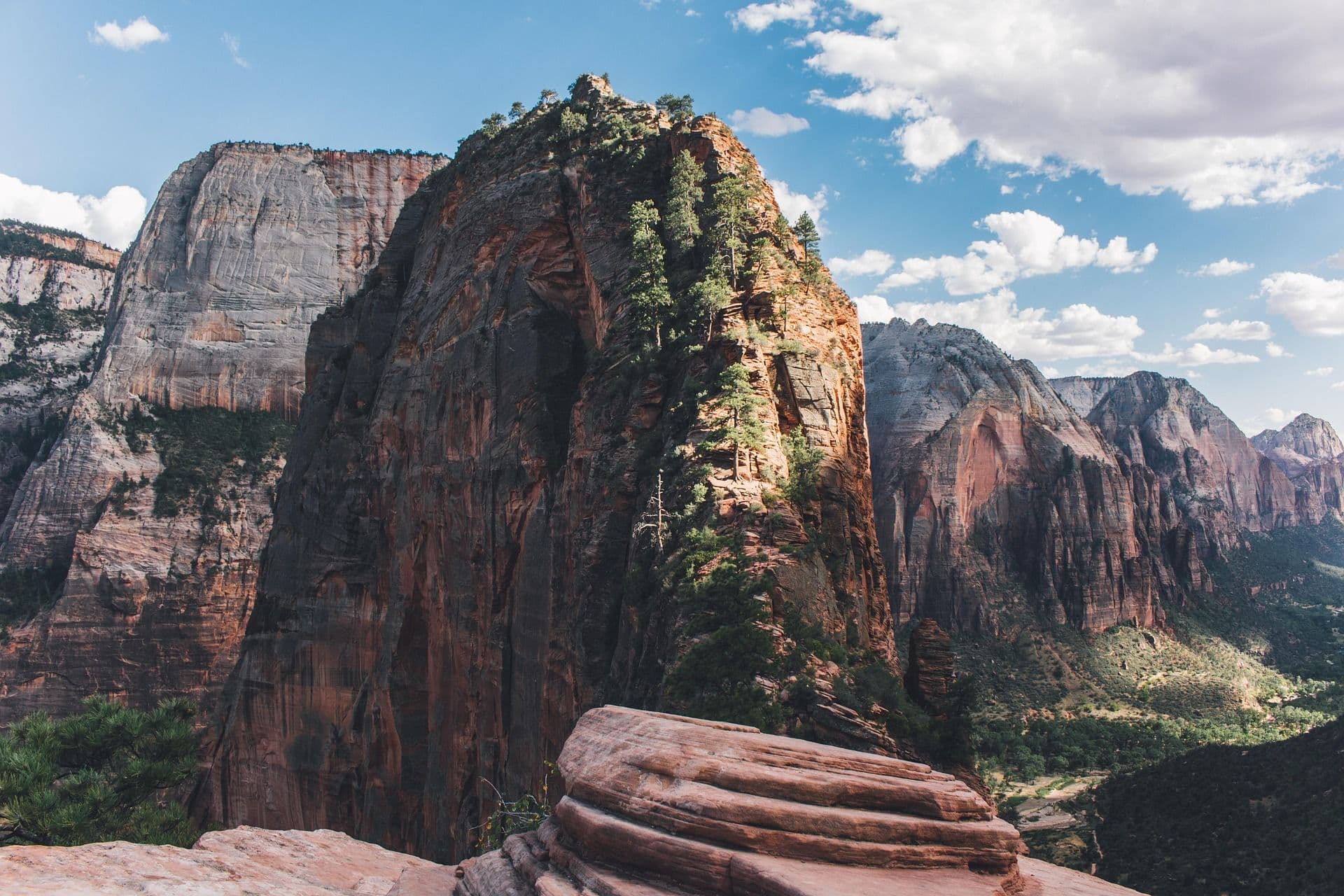
Try a temple stay
A temple stay gives you a completely different side of South Korea, slow mornings, simple meals and a break from city noise. Programmes run at temples across the country, some just a night, others a full weekend, and most include meditation, a monk-led tea session and a traditional vegetarian meal. You’ll want to book at least a couple of weeks ahead during peak travel months, popular temples near Seoul and Gyeongju fill up quickly. Extra layers are worth packing, temple accommodation tends to be simple and can run cold, particularly outside summer.
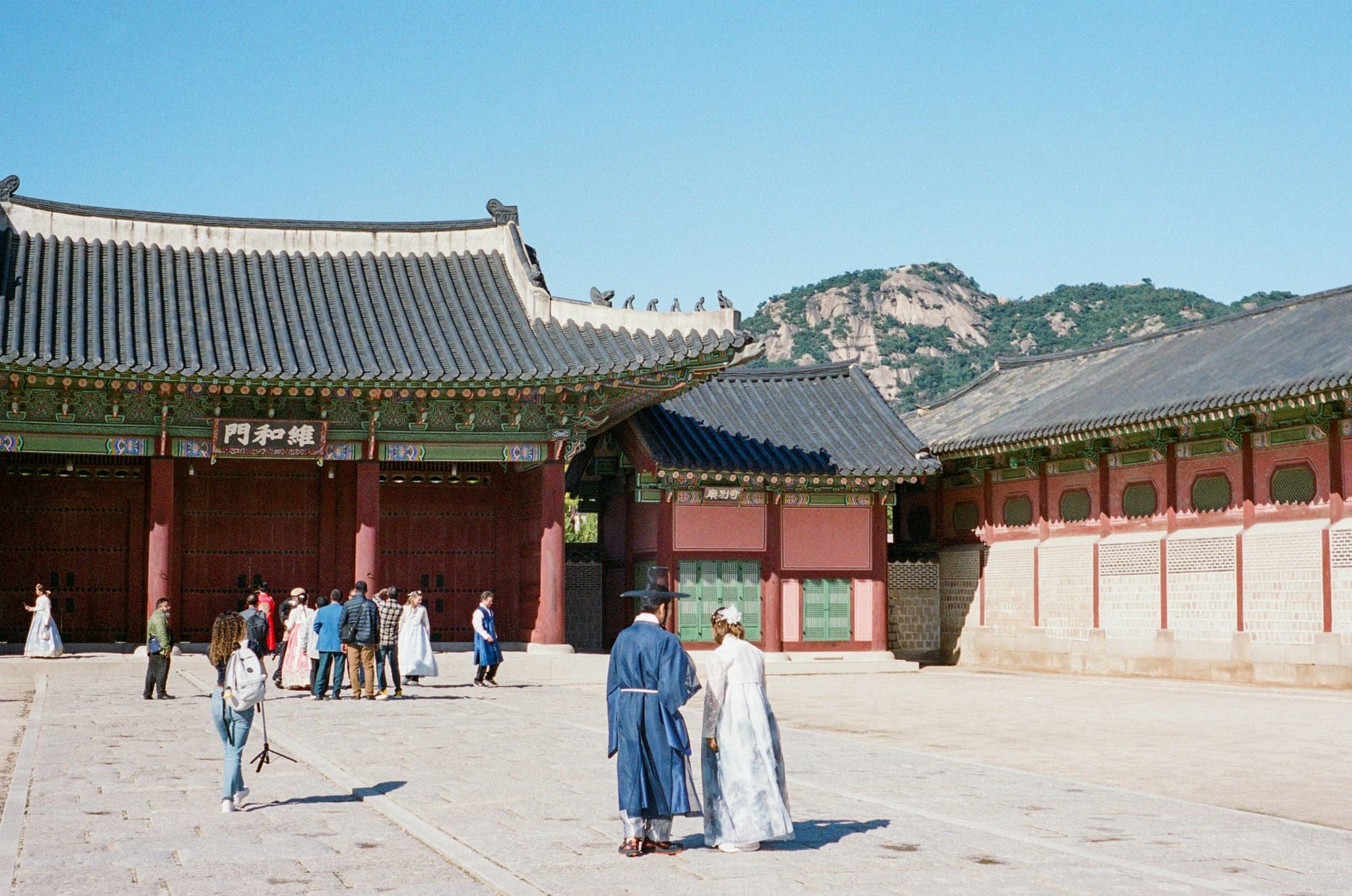
Explore Nami Island
Nami Island makes an easy half-day trip from Seoul, and the tree-lined paths here are genuinely as photogenic as they look online. A train or bus to Gapyeong gets you there, then a short ferry across, the whole journey from central Seoul takes around ninety minutes door to door. A bike is worth renting as soon as you’re on the island, it’s small enough to circle in an hour or two, and you’ll pass sculpture gardens and riverside cafés along the way. Autumn brings the famous golden ginkgo avenue, but spring’s cherry blossoms are just as worth the trip if your timing lines up differently.
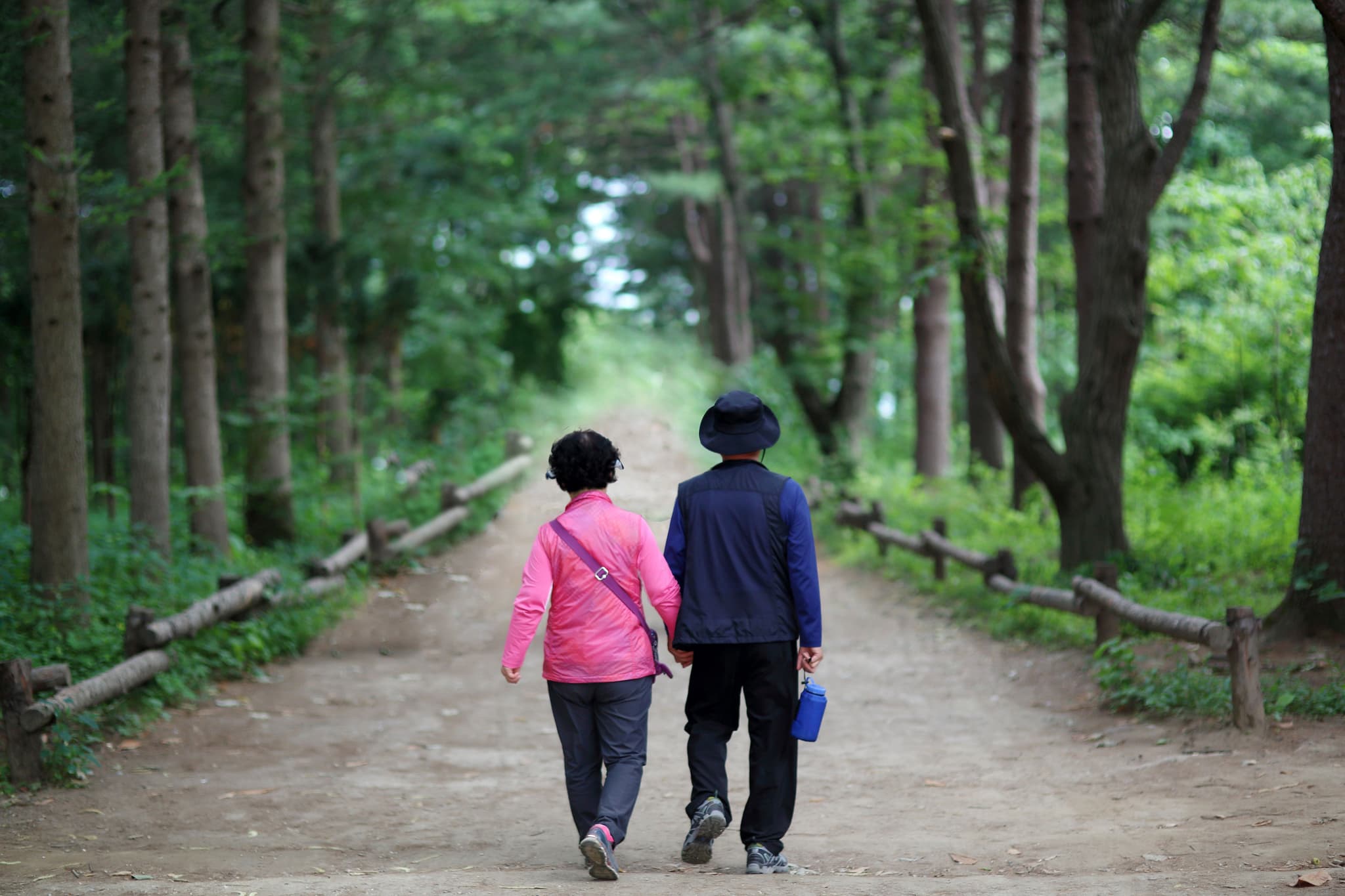
When to visit South Korea?
South Korea has four very distinct seasons but the weather also changes depending on where you go: Seoul and the mountainous north get much colder in winter, while Busan and Jeju stay milder. And summer actually brings the most rain, particularly during the monsoon period from late June into July.
Spring (March to May): Mild weather and cherry blossoms make this one of the best, but also busiest, times to visit South Korea.
Summer (June to August): Expect hot, humid weather and heavy monsoon rain, with beaches and Jeju especially popular.
Autumn (September to November): Cooler, drier days and colorful foliage make autumn perfect for hiking and exploring outdoors.
Winter (December to February): Cold and dry with fewer tourists, while Gangwon’s ski resorts make this a great season for winter sports.
Where to stay in South Korea?
Picking where to base yourself in South Korea comes down to what you actually want to do, since different neighbourhoods and cities suit different kinds of trips. So let’s see what fits your kind of trip rather than booking whatever’s cheapest near the airport.
Base yourself in Myeongdong or Hongdae if nightlife and shopping matter to you
Myeongdong puts you in the middle of Seoul’s biggest shopping strip, with skincare shops, street food stalls and department stores all within a short walk. Hongdae, a bit further out, suits you better if you want live music, indie bars and a younger, louder buzz after dark. Both areas connect easily to the rest of the city by subway, so you’re never more than thirty minutes from the major sights. If you’re the type who wants to step outside and immediately be doing something, either of these works well as your base.
Stay in Gangnam if you want design hotels and easy transport links
Gangnam gives you a more polished stay, think newer hotels, upscale restaurants and a genuinely efficient subway connection to the rest of Seoul. It suits you if you’re travelling for a bit of comfort alongside your sightseeing, or if you’re pairing a South Korea trip with some work. Coex Mall and the Bongeunsa Temple sit right nearby too, so you get a mix of modern and traditional without leaving the neighbourhood. You’ll pay a bit more here than in Myeongdong, but the trade-off is quieter streets in the evening.
Pick Haeundae in Busan if beach mornings are the goal
Haeundae puts you steps from Busan’s most famous beach, with a strip of cafés and restaurants that make slow mornings genuinely easy to fall into. It works well if you’re splitting your trip between Seoul and Busan and want a proper change after you arrive down south. Jagalchi Market and Gamcheon Culture Village are both a short taxi or subway ride away, so you’re not stuck in one corner of the city. You’ll want to book ahead in summer, Haeundae fills up fast as soon as the weather turns warm.
Guided tip: it’s worth booking accommodation through sites that show real reviews from recent stays, and choosing a flexible cancellation date if you can, prices in popular areas like Myeongdong and Haeundae can change closer to your travel dates.
Did you know you can create your own itinerary?
Now that you have a better idea of the places to see in South Korea and things to do there, you can start creating your own trip. Do you want to hop between Seoul, Busan and Jeju, or would you rather slow down and really get to know one part of South Korea? It’s all up to you. You can easily create your own trip in the Guided app for free, or use trips shared by others.
Transport tips and tricks for your trip to South Korea
South Korea gives you a few solid ways to get from place to place, trains, buses, subways and taxis. It’s really just a question of speed versus budget. Naver Map or KakaoMap are worth downloading before you land too, Google Maps doesn’t work properly for walking or transit directions inside the country, and that one download will save you a fair bit of confusion on your first day. Here’s how we’d mix and match the options after you land.
KTX high-speed rail, for the long runs between cities
The KTX is your fastest option between major cities by a wide margin, Seoul to Busan takes about two and a half hours, and Seoul to Gyeongju is closer to two. Tickets are best booked through Korail’s official site or the Korail Talk app a few days ahead if you can, seats on popular routes and Friday evening departures sell out during peak season. If you’re covering several cities in a short window, a Korail Pass bought in advance can work out cheaper than booking each ticket separately, worth checking before you commit to individual fares.
Intercity buses, for smaller towns and shorter hops
They cost noticeably less than the KTX and cover routes trains simply don’t reach, so this is the better call if you’re heading somewhere smaller like Sokcho or want to save a bit of money on a shorter hop between nearby cities. Express bus terminals in Seoul and Busan are easy to navigate even without much Korean, and tickets can be bought same-day at the counter or in advance through apps like Kobus. Journeys take longer than the train, so factor that into your day if you’ve got somewhere to be by a certain time.
City subways, for getting around after you’ve arrived
Seoul and Busan both run genuinely excellent subway systems, clean, frequent and easy to navigate even without much Korean, and this is what you’ll use for the bulk of your daily sightseeing. A T-money card gets you onto all of it plus most buses and taxis, pick one up at any station or convenience store the moment you land. Smaller cities like Jeonju and Gyeongju don’t have subways, so you’ll lean on buses and taxis there instead.
Taxis, for late nights and the last mile
They’re metered, reliable and considerably cheaper than back home, so taxis are worth using more freely here than you might in other countries, particularly late at night when public transport winds down. KakaoTaxi, built into KakaoMap, is the easiest way to book one without needing to speak Korean, just set your destination and it handles the rest. They’re also the practical choice for the last stretch to a hotel with luggage, rather than dragging bags through a subway transfer.
Food and drinks to try when travelling to South Korea
You’ll find Korean food goes way beyond the barbecue you’ve probably already had back home, and half the fun of travelling to South Korea is working your way through dishes you won’t find on any menu outside the country. Some plates run properly spicy, but don’t let that put you off ordering, most restaurants are happy to adjust the heat if you ask, particularly in areas used to tourists. People here are generally proud to talk you through what you’re eating too, so don’t be shy about pointing at someone else’s table and asking what it is.
Bibimbap
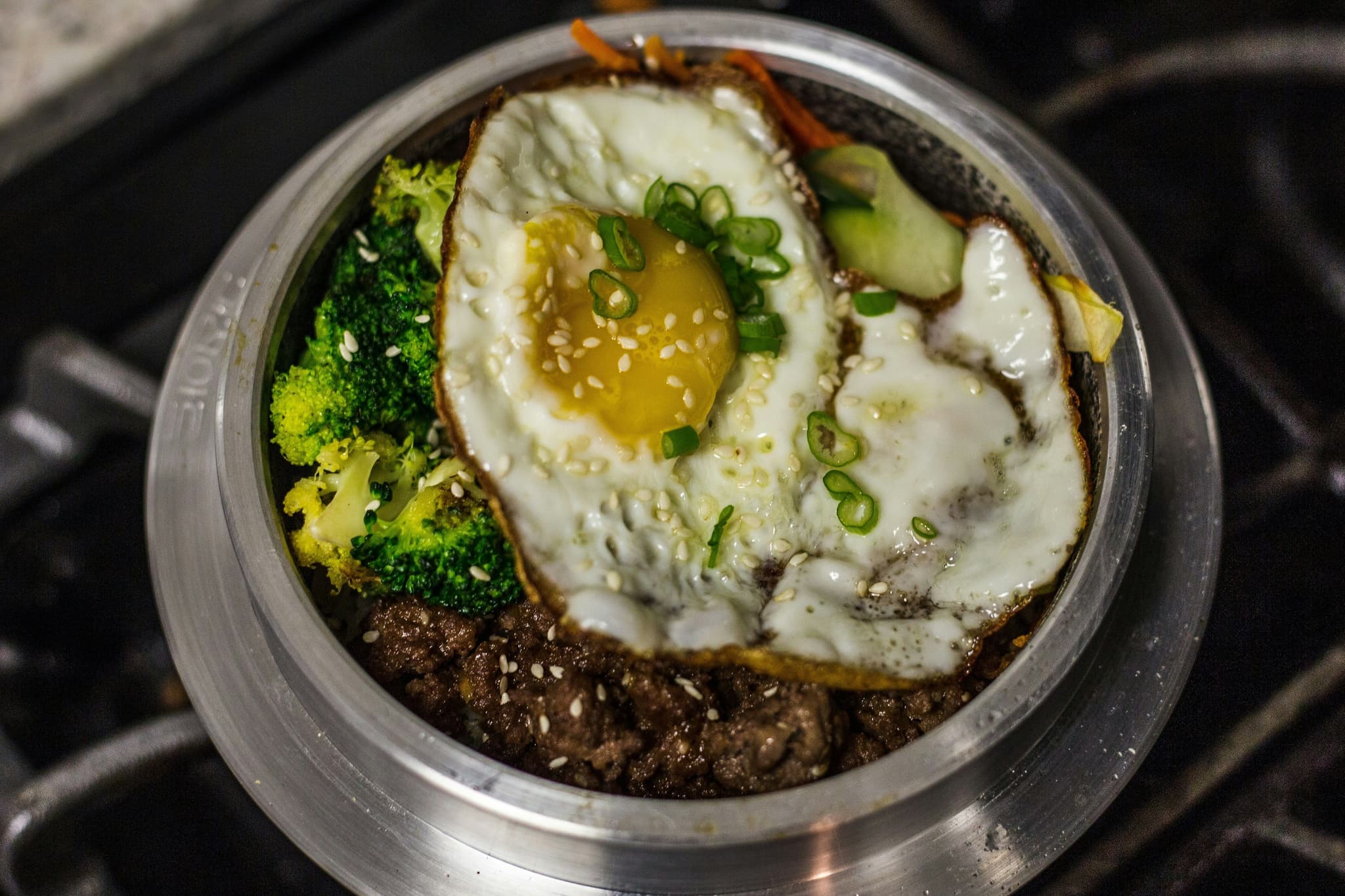
If you only try one Korean dish before you go, make it this one, rice topped with sautéed vegetables, a fried egg and usually a bit of beef, all mixed together with gochujang (chilli paste) right at the table. Jeonju claims to be bibimbap’s birthplace, and eating it there, in one of the older restaurants near the hanok village, is genuinely worth the trip on its own. A good stir before your first bite matters, that’s half the point of the dish. You’ll find it everywhere in the country, but the Jeonju version tends to come with more banchan (side dishes) than you’ll get elsewhere.
Korean BBQ (samgyeopsal)
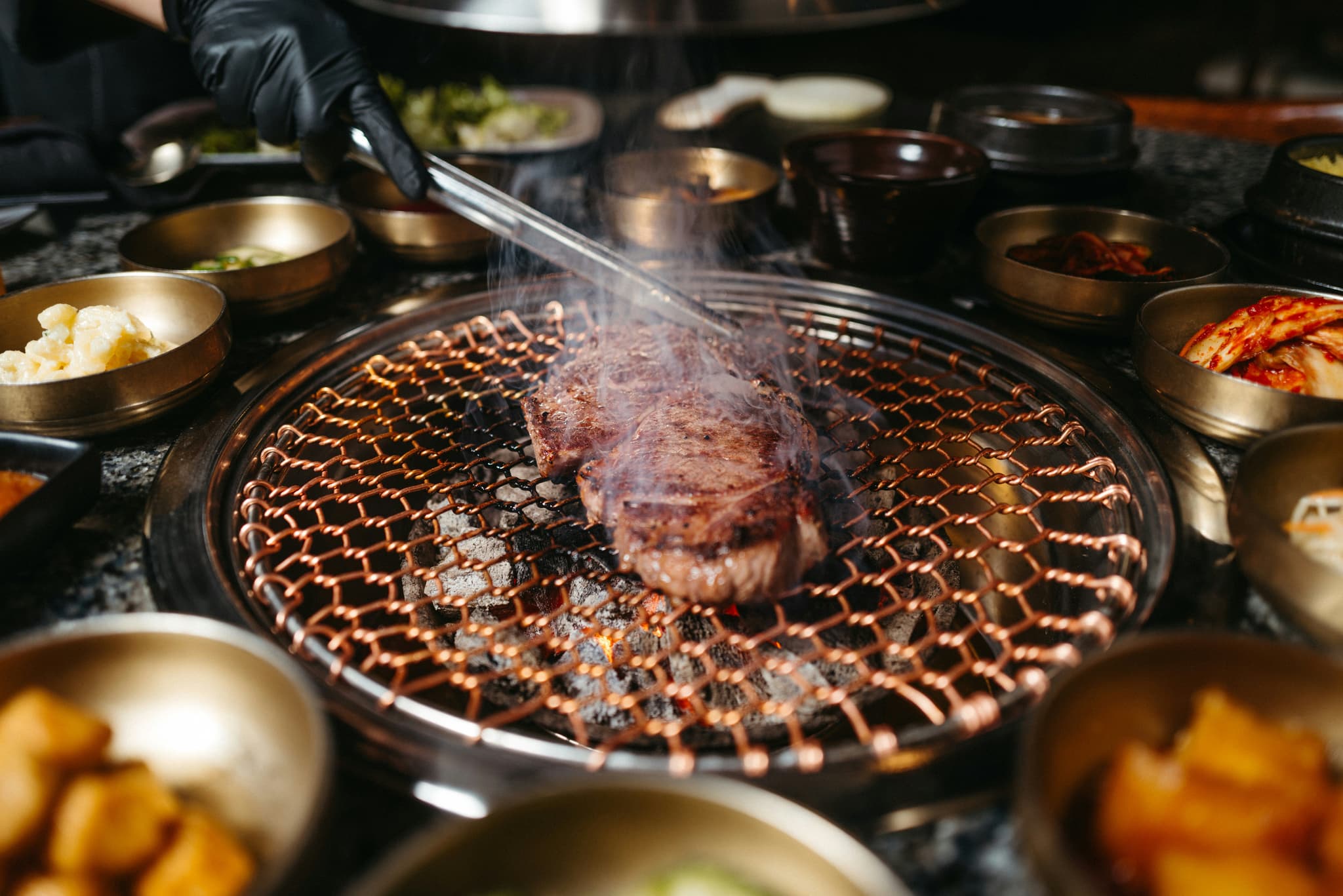
A whole evening builds around this one rather than a quick dinner, thick slices of pork belly grilled right at your table over charcoal or gas. You wrap the grilled meat in lettuce with garlic, ssamjang (dipping sauce) and a bit of rice, and don’t be surprised if the side dishes keep coming without you asking. It’s a shared, social meal, so it works best with a group rather than solo, and most places expect you to grill it yourself, staff will help if you look lost. A bottle of soju alongside it gives you the full local experience.
Tteokbokki
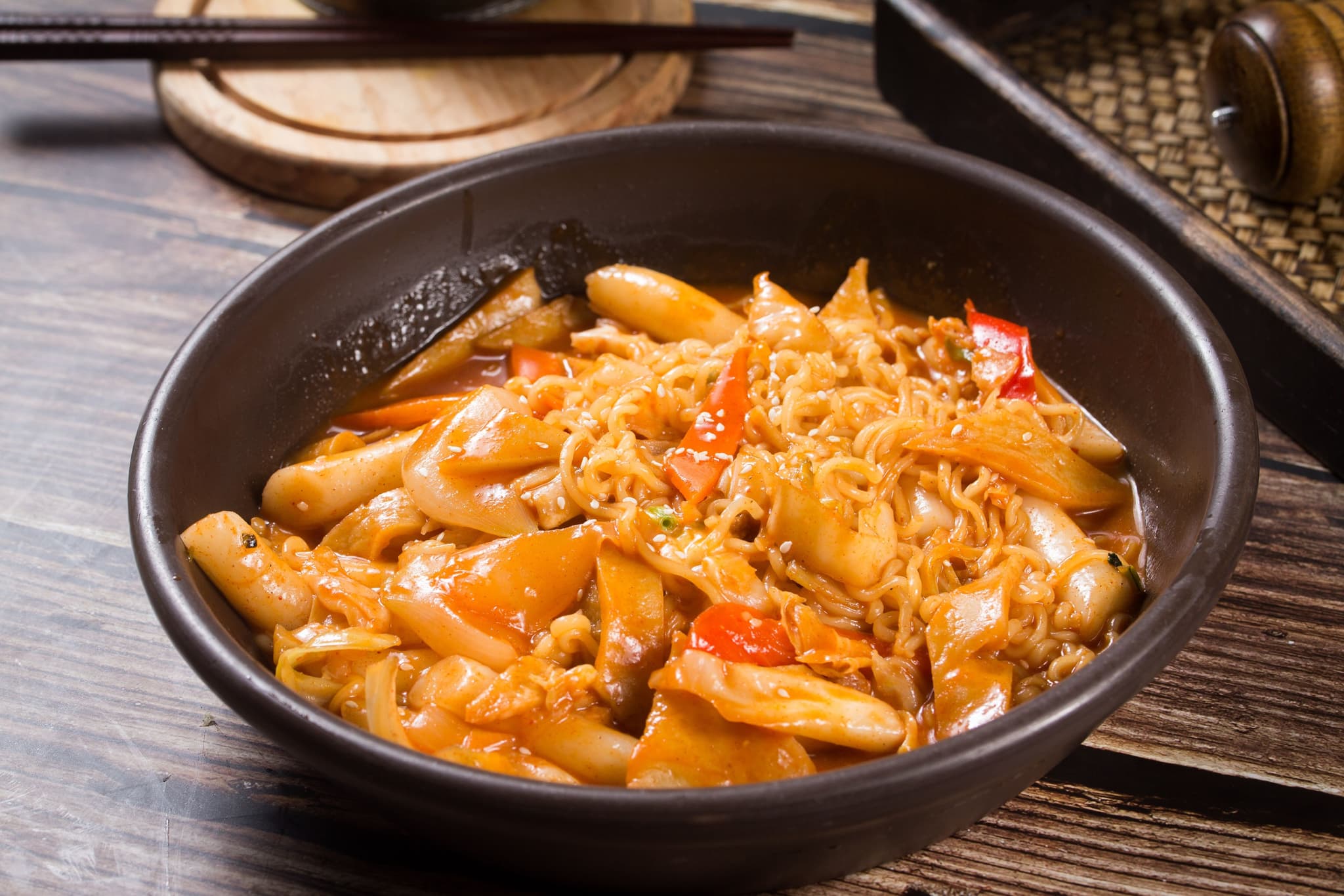
You’ll smell this one before you see it, chewy rice cakes simmered in a spicy-sweet sauce, usually bubbling away in a cart with a red awning. It’s cheap, filling and easily the most common street food you’ll come across, grab a portion in a paper cup and eat it standing up like a local. You can ask for it mild if spice isn’t your thing, most vendors will tone it down without a fuss. Myeongdong and pretty much any traditional market are reliable spots to find a good version.
Kimchi jjigae
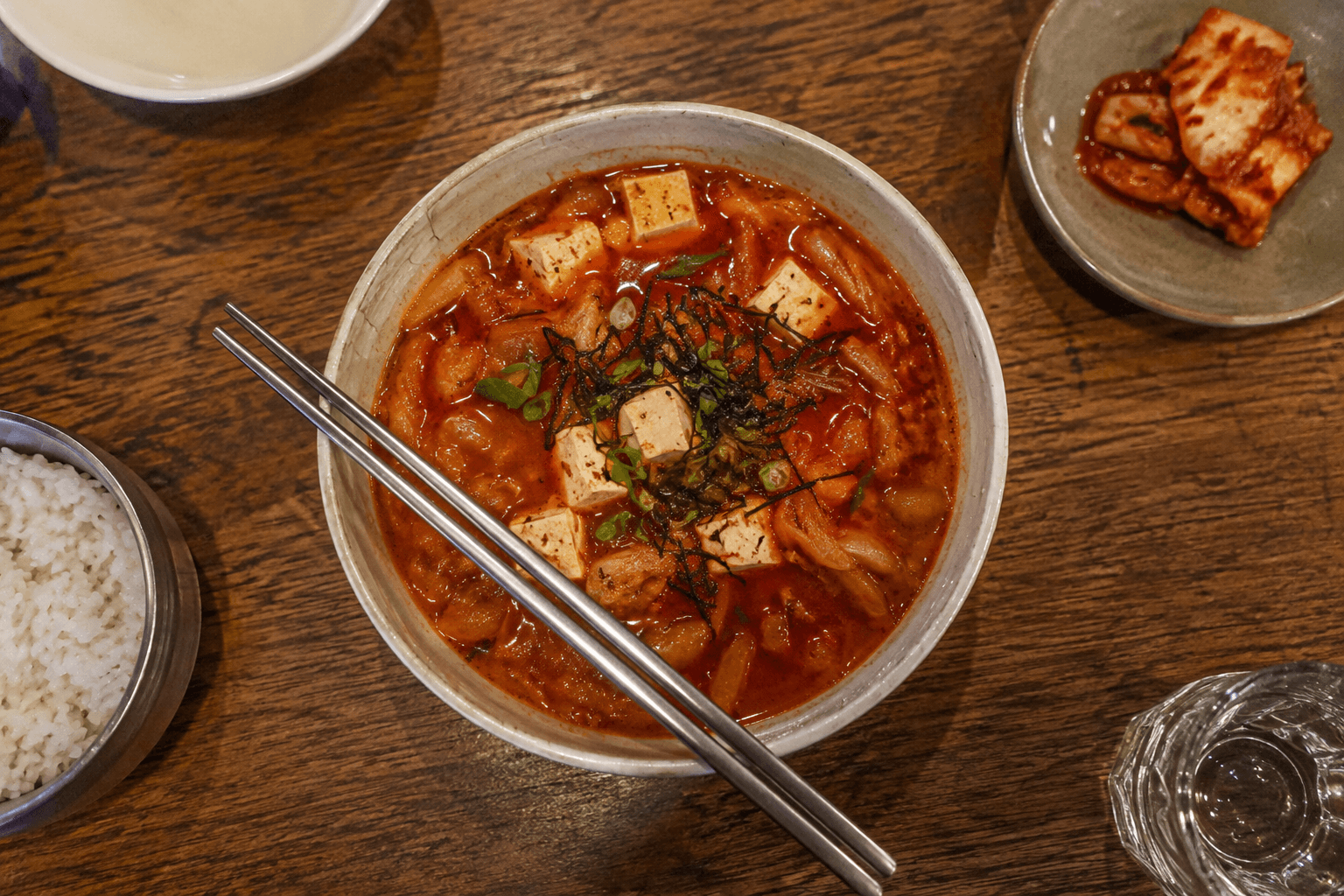
Cold, rainy day in Korea? This is what you order, a bubbling, spicy stew built around fermented kimchi, tofu and usually a bit of pork. Nearly every neighbourhood restaurant does its own version, and it typically arrives still boiling in a stone pot, so give it a minute before you dig in. Rice and a handful of banchan come alongside it by default, no need to order extra unless you’re still hungry. It’s also one of the more affordable meals you’ll have, making it an easy, no-fuss lunch wherever you happen to be.
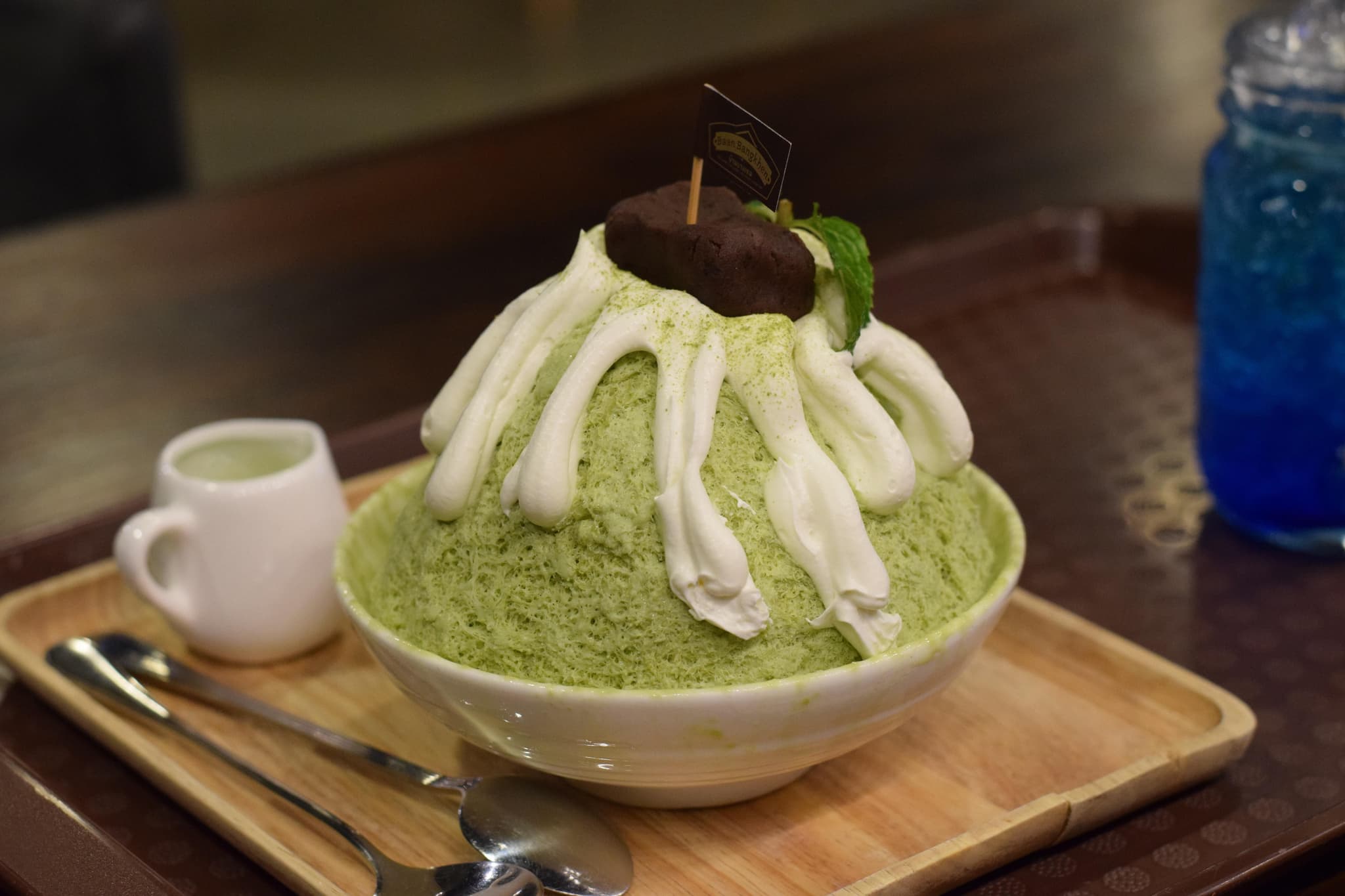
Bingsu
This is what you want after a hot afternoon of sightseeing, a mountain of finely shaved ice topped with fruit, red beans or condensed milk, so save some room for it. Cafés across Seoul compete on toppings, from classic red bean to elaborate mango or cheesecake versions, and portions are usually big enough to share between two. You’ll find it mainly in the summer months, some cafés swap it off the menu as the weather cools. Insadong and Hongdae both have well-reviewed spots worth a detour.
Culture and daily life in South Korea
Did you know Korea’s own alphabet, Hangeul, was created in 1443 under King Sejong for one clear reason, so ordinary people could learn to read, at a time when only the elite could manage Chinese characters? That single decision still influences daily life here, Hangeul’s clean, logical structure is part of why literacy rates in South Korea are among the highest anywhere, and you’ll spot the same purposeful design sense in everything from subway signage to shop fronts.
Centuries of dynastic rule under the Joseon dynasty left behind the palaces you’ll walk through in Seoul, and look closely at the layout of any older neighbourhood and you’ll notice how carefully those cities were originally planned around royal courts, city walls and mountain geography.
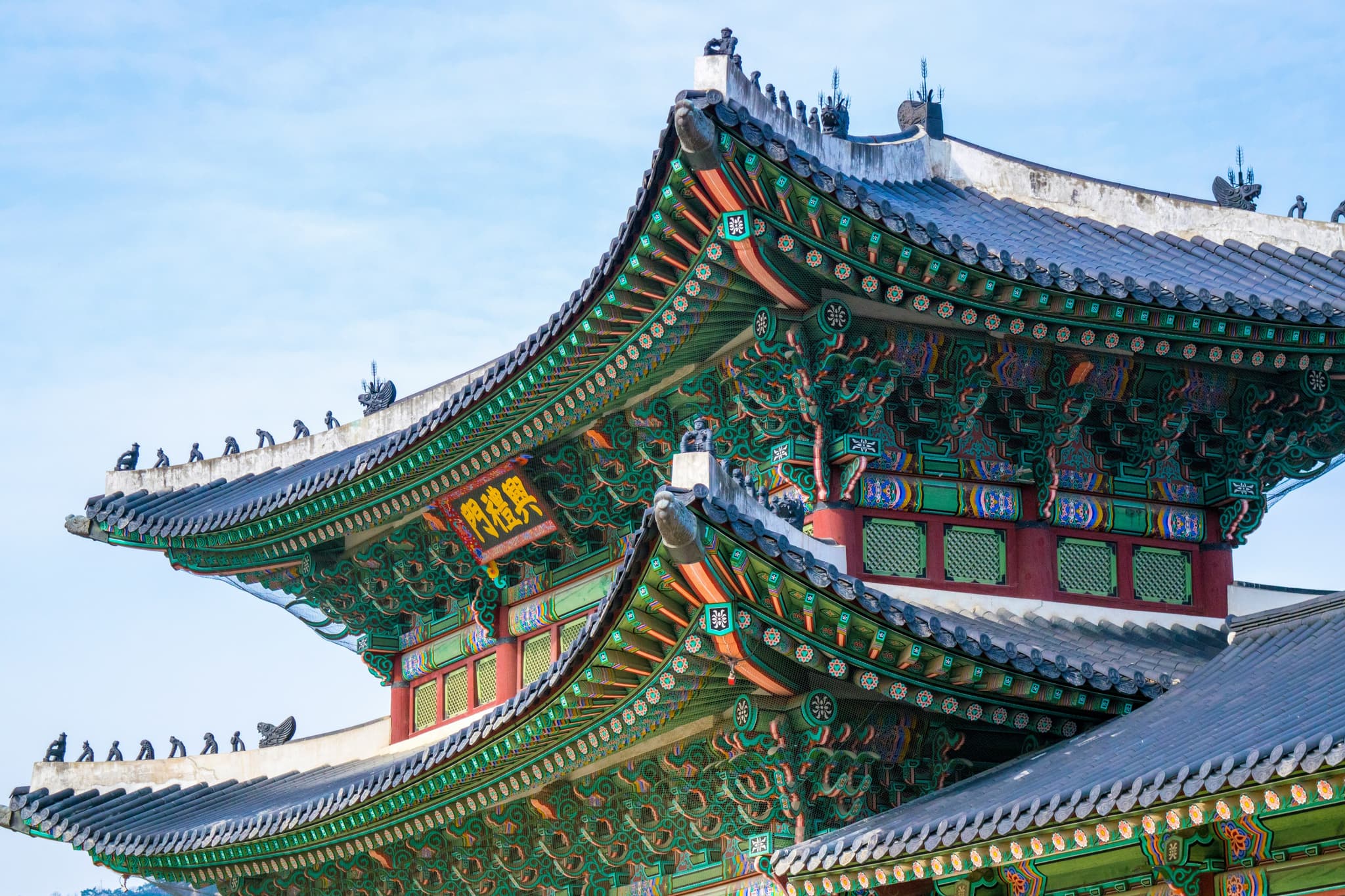
Then came a period of rapid, sometimes turbulent, twentieth-century change, Japanese occupation, the Korean War, and afterward one of the fastest economic transformations in modern history, and that history is still visible if you know where to look: the restored stretch of Seoul’s old city wall climbing Naksan hill, the preserved 1930s shopfronts around Ikseon-dong, or Gangnam’s glass towers rising on what was still farmland within living memory. Because so much of that growth happened within living memory, plenty of people you meet, particularly older generations, will have watched Seoul change almost beyond recognition during their own lifetime.
You’ll notice this contrast everywhere as soon as you start looking for it, a grandmother selling vegetables at a traditional market a few streets from a K-pop billboard the size of a building, or a Buddhist temple tucked behind a glass office tower in Gangnam. You’ll notice regional differences add to the contrast too, Seoul moves fast and reads as intensely modern, Busan carries a slower, more coastal identity shaped by its fishing history, and smaller cities like Jeonju or Gyeongju hold onto tradition in a way the capital simply doesn’t have room for anymore.
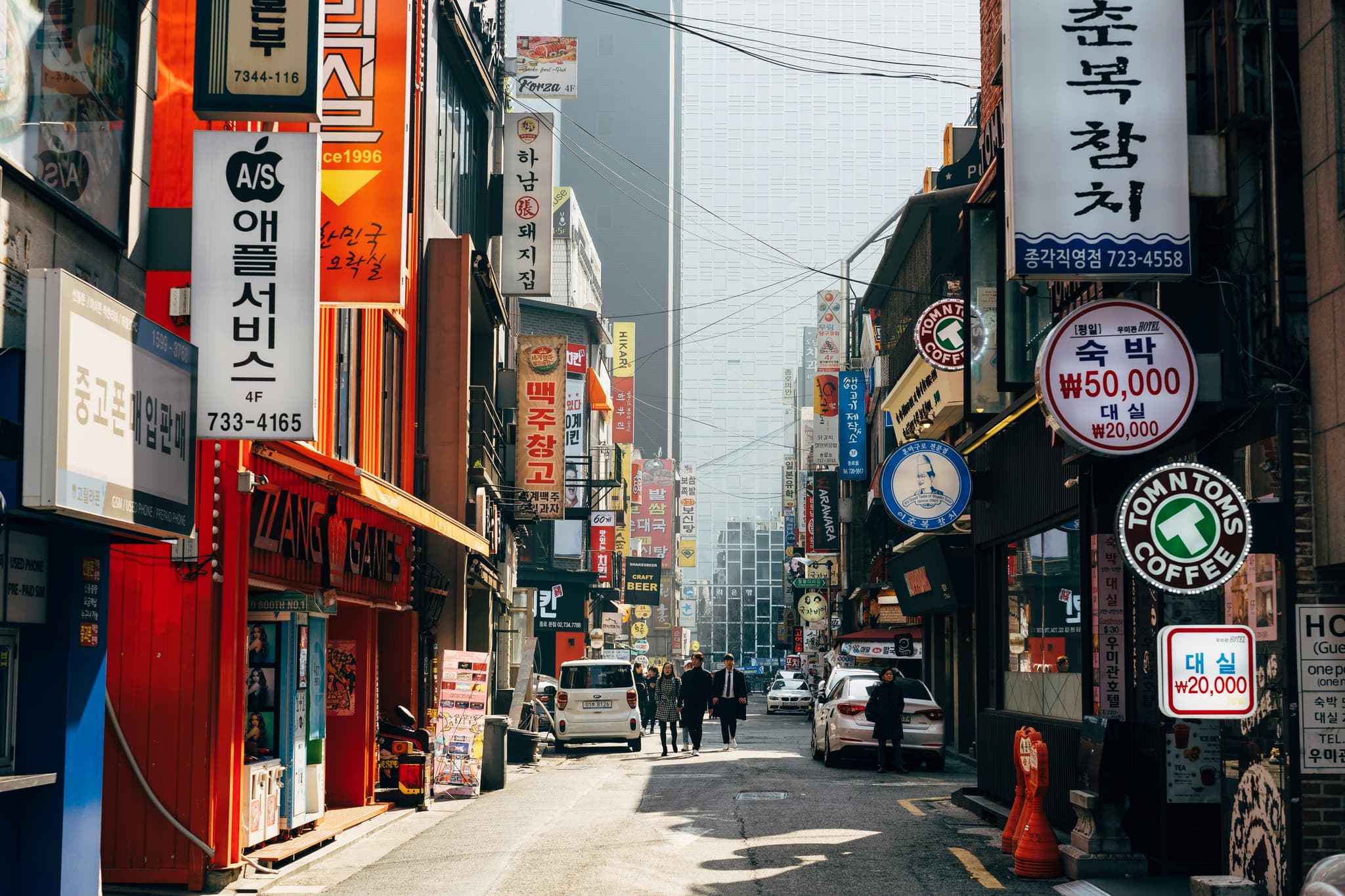
You’ll also find English signage has expanded a lot in tourist areas over the past decade, so don’t worry too much about the language barrier in Seoul or Busan, though it thins out noticeably after you head into smaller towns, where a translation app proves genuinely useful. You’ll find etiquette matters more than you might expect from the outside, small things like using both hands to receive something from an elder, taking your shoes off before entering a home, or waiting for the eldest person at the table to eat first, and picking up on these details, even imperfectly, tends to go down well with the people you meet.
Looking for more unique places, trips and activities?
Subscribe to our Guided Newsletter for more travel inspiration.
Costs of a trip to South Korea
A trip to South Korea can run as cheaply or as comfortably as you want it to, South Korea isn’t a budget destination on the level of Southeast Asia, but it’s noticeably cheaper than Japan for similar quality. Where you base yourself changes your daily spend more than almost anything else, Myeongdong and Gangnam in Seoul run higher for food and accommodation; Jeonju, Busan’s quieter neighbourhoods and smaller towns stretch your money considerably further instead.
Food & Drink

Coffee
₩4k – ₩7k
Lunch
₩8k – ₩18k
Beer
₩4k – ₩8k
Accommodation

Hotels
₩70k – ₩180k
Airbnb
₩70k – ₩200k
Hostel dorm
₩20k – ₩50k
Transport
Train ticket
₩20k – ₩60k
Bus ticket
₩1.4k – ₩3k
Car Rental
₩40k – ₩100k
Attractions

Museums
Free – ₩10k
Big Attractions
₩3k – ₩67k
Theatre
₩30k – ₩100k
Travel tips for visiting South Korea
Never been to South Korea before? We’ve gathered a handful of tips from fellow Guided users who’ve made the trip already, the kind of things you only really learn after you arrive.
✔ Download Naver Map or KakaoMap before you land
You won’t get proper walking or transit directions from Google Maps inside South Korea, a leftover of local mapping regulations, so you’ll want a Korean alternative ready to go before your first day. Both apps work in English, and KakaoMap is particularly good for calling taxis or checking bus times. It’s worth downloading before you leave wifi, mobile data setup can take a moment after you land. It genuinely makes the difference between a smooth first day and a frustrating one.
✔ Get a T-money card on arrival
You can pick one up at any convenience store or subway station as soon as you land, it covers subways, buses and most taxis nationwide, and you can top it up at machines everywhere. It also works for small purchases at some convenience stores, which is a nice bonus. A bit of spare change comes in handy for the deposit if you’re buying a physical card rather than a digital one on your phone. You’ll use it daily, so sort it out before you even leave the airport.
✔ Carry a mix of cash and card
You can pay by card widely in cities, but smaller markets, street food stalls and some rural areas still run on cash only. A quick withdrawal at an airport ATM when you land works well, most accept foreign cards, and top up as needed rather than carrying large amounts around. It’s worth breaking large notes at a convenience store early on, vendors at markets rarely have change for anything big. It saves you an awkward moment holding up a queue.
✔ Complete your arrival requirements before you fly
Entry rules depend entirely on your passport, and South Korea currently waives visas for stays up to 90 days for a long list of nationalities, including the UK, most of the EU, the US, Canada and Australia, though the exact allowed stay varies by country. Some of those same visa-exempt nationalities also need a K-ETA electronic travel authorisation, so it’s worth checking your specific passport. Whatever your nationality, nearly everyone needs to complete a short e-Arrival Card online before landing, with your passport, return ticket and accommodation details to hand, it only takes a few minutes. It’s worth checking the current rules on the official Korea Immigration site shortly before you travel.
Fun facts about South Korea
South Korea has plenty of quirks and small surprises that make the country even more interesting the more you learn about them. Here are some of our favourites: the North.
South Korea has some of the world’s fastest internet, so gaming cafés are very popular.
There are hundreds of varieties of kimchi, with recipes changing between regions and families.
Jeju Island was formed by volcanic activity and is home to spectacular UNESCO-listed lava tubes.
Convenience stores are everywhere, selling everything from hot meals to travel gear.
South Korea is famous for its beauty industry, with many cosmetic surgery clinics.
Jjimjilbangs (bathhouses) are a big part of Korean culture
South Korea celebrates its alphabet with Hangeul Day, a national holiday.
What we love most about South Korea is how much contrast it packs into one trip, temple mornings, neon-lit nights, peaceful mountain trails and some of the best food you’ll eat anywhere. If you’re the kind of traveller who wants big cities and calm countryside on the same itinerary, who’d rather eat their way through a market than sit through a formal dinner, and who doesn’t mind a fast train doing the hard work between stops, a trip to South Korea is right for you!
Ready to map out your South Korea travel adventure?
We hope this South Korea travel guide has given you a clear starting point for your trip. Stay tuned for more inspiration, itineraries and practical tips to help you shape your own trip to South Korea. And don’t forget to check out our Guided app, where you can create your own trip or use trips shared by other travellers for free.
Frequently asked questions about visiting South Korea
- Where is South Korea?
South Korea occupies the southern half of the Korean Peninsula in East Asia, bordered by North Korea to the north and surrounded by the Yellow Sea, the East Sea and the Korea Strait. Japan lies just across the water to the east, roughly a two-hour flight from Seoul. China lies to the west too, also within easy flying distance, which is part of why South Korea makes such a natural add-on to a wider Asia trip.
- What is South Korea famous for?
- How many days do you need in South Korea?
- Do people speak English in South Korea?
- Do I need a visa for South Korea?