
10 Interesting Facts About Germany You’ll Want to Know Before Your Trip
By Eva Alkemade
Jun 28, 2026
Germany is full of the classics everyone talks about: beer, sausages, fast trains and fairytale castles. But the really fun facts are the ones you don’t always see coming. Did you know Germany has over 1,500 different types of sausage and more bridges than Venice? Yes, really! In this blog, you’ll find 10 things about Germany that are fun to know before your trip.
Curious about the bigger picture first? Our Germany destination guide covers the regions and cities worth building a trip around.
What is Germany famous for: Cars, and a whole lot of them
Almost every major car brand you can name traces back to Germany somehow, including Mercedes-Benz, BMW, Volkswagen, Porsche and Audi. That single fact already covers a good chunk of the famous things from Germany that come up first when people think about the country, and it's not hard to see why, given how many of these names show up in driveways everywhere you go.
If you like cars, Stuttgart works well as a stop, especially because the Mercedes-Benz Museum is one of the best places in Germany to dive into car history. Inside, you’ll find more than 150 vehicles spread across nine floors, with exhibits following the story of the brand from the first automobile in 1886 to modern racing cars, luxury models and futuristic concept vehicles. Even if you’re not a huge car fan, the building itself is impressive, and the museum does a nice job of mixing design, history and technology into one easy visit.
Guided tip: pair a Stuttgart museum stop with a day trip if you're already routing between Munich and the Rhine.
Cool facts about Germany's beer and sausage culture
Few rules in brewing go back as far as the Reinheitsgebot, a purity law from 1516 that still shapes how a lot of German beer gets brewed today. Around 1,500 breweries across the country produce more than 5,000 different beers, and that's before you get to sausages, with well over 1,000 recognised varieties across Germany.
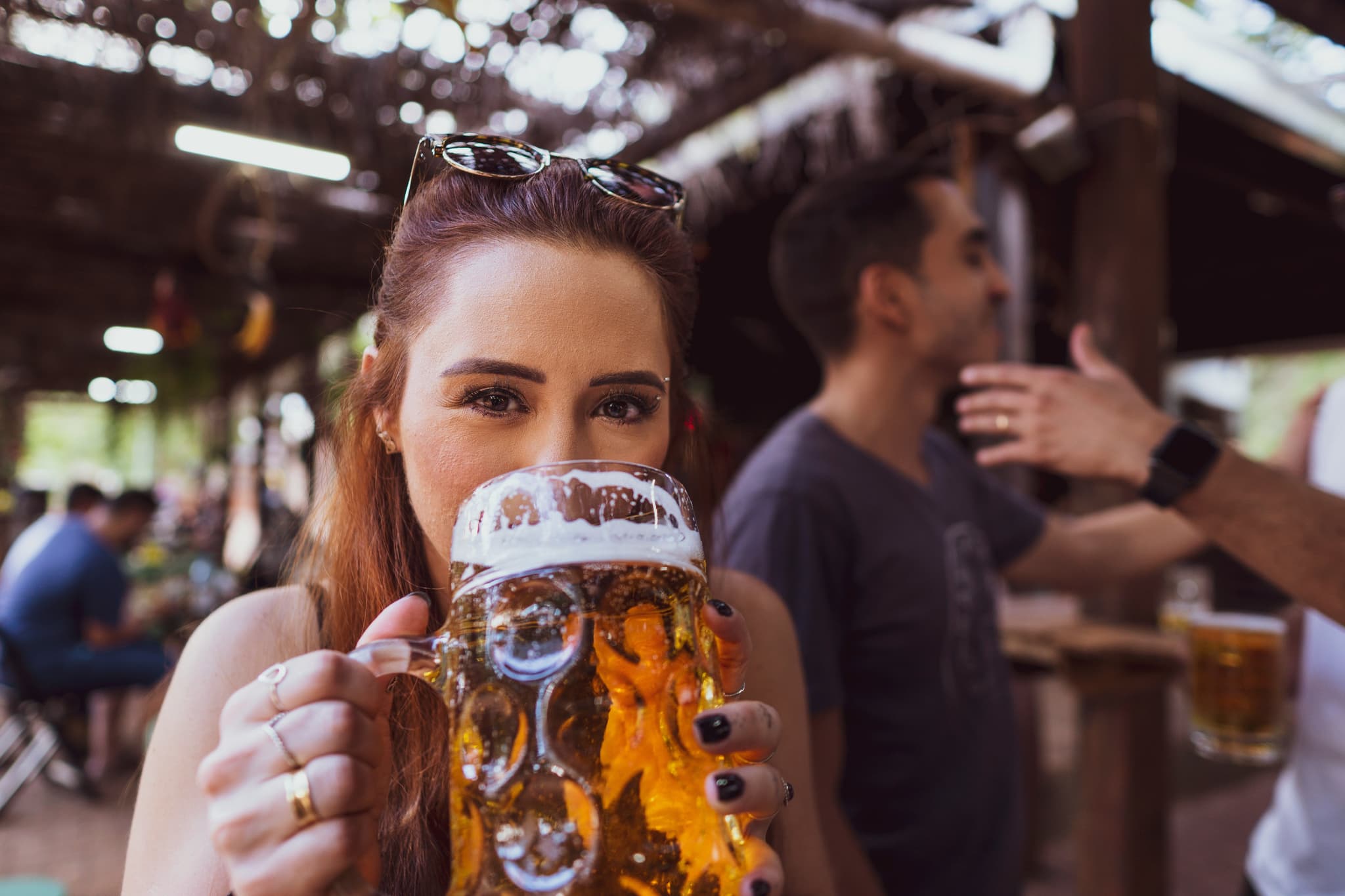
Bavaria takes both seriously enough that locals sometimes call beer "liquid bread", which says a lot about how central it is to a meal rather than just a drink on the side. If you want to experience Germany's beer culture for yourself, head to Munich, where traditional beer halls like the famous Hofbräuhaus serve local brews alongside classic Bavarian dishes.
Bamberg is another fantastic stop, known for its unique smoked beer (Rauchbier) and historic breweries, while Cologne is the place to try the city's signature Kölsch, served in small glasses that are continuously topped up until you tell the server to stop. Many breweries across these regions also offer guided tours and beer tastings, giving you a chance to learn about the brewing process while sampling local specialties straight from the source.
Wondering which cities are worth adding to these stops? Our guide to the best cities to travel to in Germany breaks down where to go and what to do.
Fun fact: ordering beer in Bavaria comes down to hand signals: hold up your thumb for one, your first finger for two, never your index finger alone for one.
Did you know the Christmas tree started here?
Long before it spread everywhere else, the Christmas tree custom started with 16th-century German Christian families bringing decorated evergreens into their homes. German settlers carried the custom across the Atlantic in the 1830s, and from there it spread to dozens of other countries until a tree in the living room became standard practice almost everywhere Christmas gets celebrated.
Christmas markets selling everything from gingerbread to mulled wine grew up around the same tradition, and Germany's Christmas markets are still some of the best-regarded anywhere.
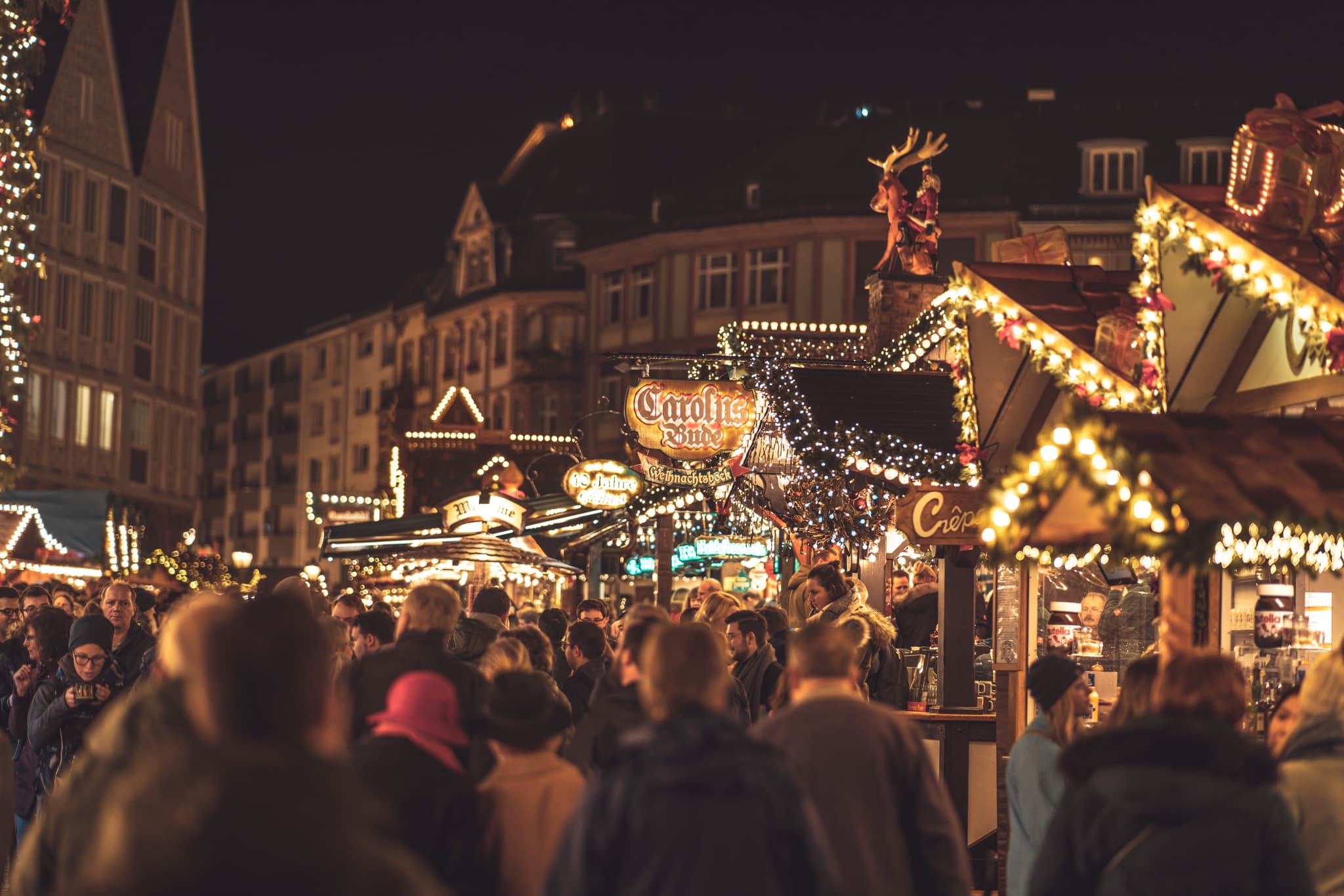
If you're visiting in late November or December, they're one of the country's biggest highlights. Nuremberg's Christkindlesmarkt is one of the oldest and most famous, Dresden's Striezelmarkt dates back to 1434 and is considered one of the world's oldest Christmas markets, while Cologne Christmas Market, set against the city's impressive cathedral, is known for its magical atmosphere.
Fancy seeing Cologne's market for yourself? Our 2 days in Cologne itinerary covers the cathedral, the old town and the market, all inside one short trip.
Munich, Rothenburg ob der Tauber and Hamburg also host beautiful Christmas markets, each with its own local traditions, seasonal treats and festive entertainment. Even if you're not visiting for Christmas shopping, wandering through these markets with a warm mug of Glühwein is one of the best ways to experience Germany during the holiday season.
Did you know: Cologne's Christmas market is one of the oldest and largest in the country!
Germany is home to more than 20,000 castles
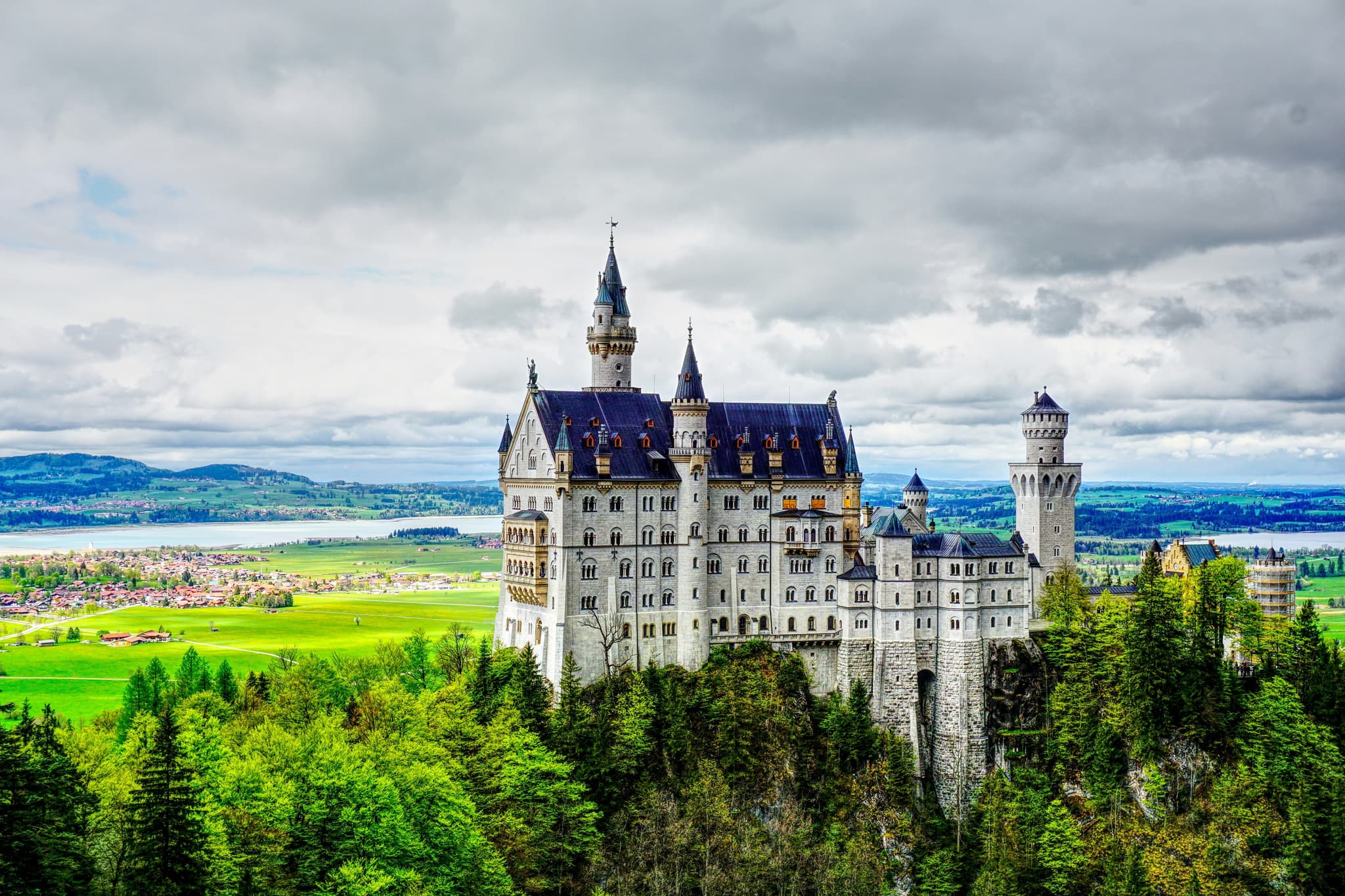
Roughly 20,000 to 25,000 castles and palaces are spread across Germany, making them one of the country's most surprising attractions. Neuschwanstein Castle, perched above the Alpsee in Bavaria, is by far the most famous, largely because Disney used its fairy tale towers as inspiration for Sleeping Beauty's castle.
Planning a Bavaria trip around the fairy tale castles? Our Munich 5 day itinerary includes a full day out to Neuschwanstein, plus everything else worth fitting in around the city.
King Ludwig II commissioned the castle in 1869 but only lived there for a few months before his death in 1886, giving it the feel of an unfinished fantasy rather than a royal residence.
If you're interested in seeing more, Eltz Castle is another must-visit. Hidden in a forested valley, it's one of the few medieval castles in Germany that has never been destroyed and still belongs to the same family after more than 850 years. Another favourite is Hohenzollern Castle, perched on top of a hill with beautiful views of the surrounding countryside.
Guided tip: book Neuschwanstein tickets well ahead, particularly for summer visits, since same day tickets run out fast.
What is Germany most known for? Things famous in Germany beyond the Berlin Wall
Most people know the Berlin Wall, the Brandenburg Gate and Berlin's electronic music clubs. Less talked about is an invention from a few hundred kilometres away in Mainz that arguably changed more lives than any wall, gate or club ever could: the printing press.
In the 15th century, Johannes Gutenberg invented the movable type printing press and used it to print the first complete book, a Latin Bible. Before that, books had to be copied by hand, making them incredibly rare and expensive. Gutenberg's invention made books much faster and cheaper to produce, helping ideas, education and knowledge spread across Europe and eventually the world.
Today, you can learn more about this world changing invention at the Gutenberg Museum in Mainz. The museum displays original printing presses, historic books and one of the world's best collections of early printed works, including rare Gutenberg Bibles. Visitors can also watch live printing demonstrations to see how books were produced more than 500 years ago.
Guided tip: the Gutenberg Museum in Mainz is an easy stop if you're already routing through the Rhine region.
Germany has more zoos than any other country
If you enjoy visiting zoos while travelling, Germany is one of the best places to do it. The country has more than 400 zoos and animal parks, more than anywhere else in the world.
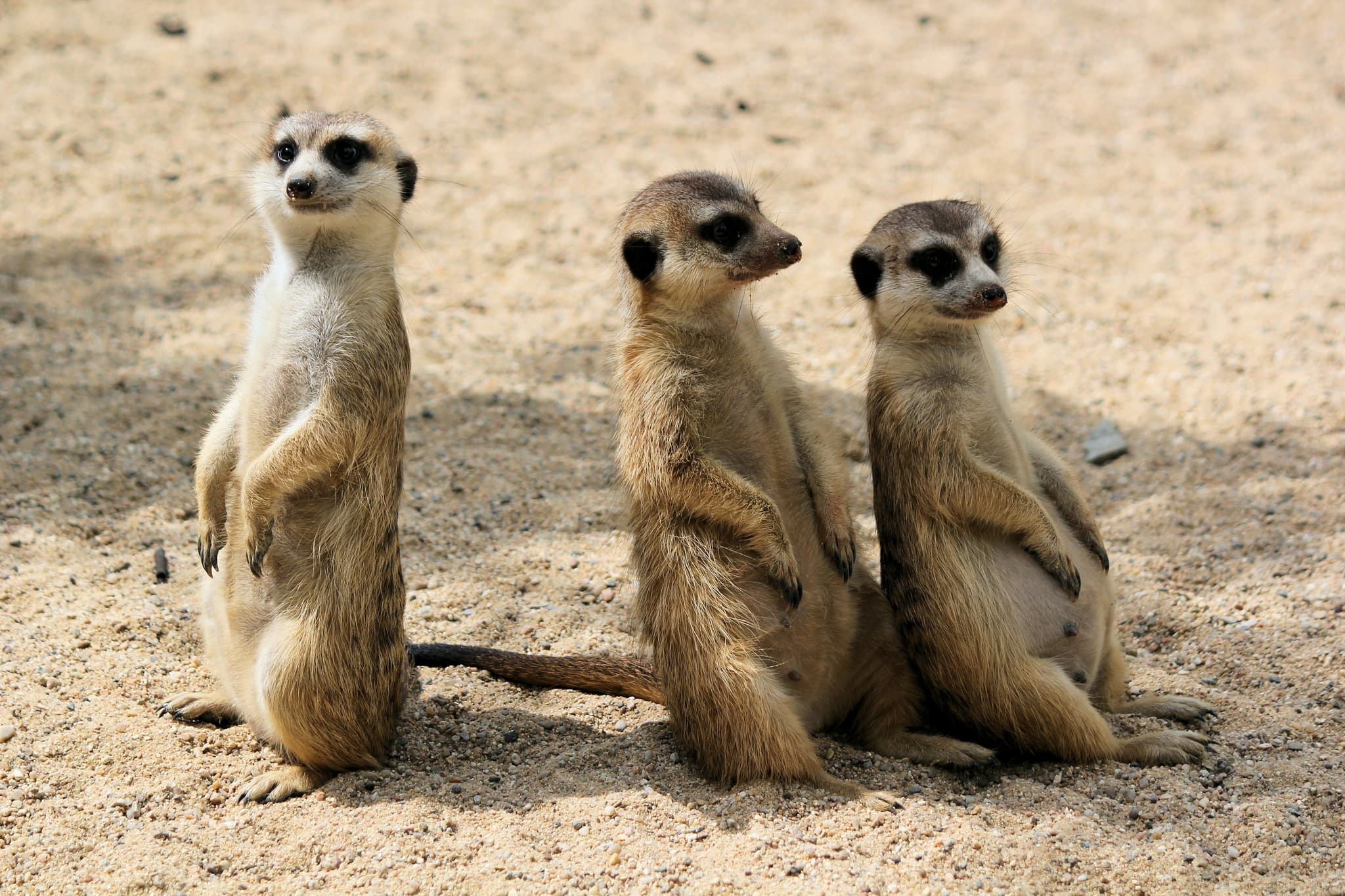
Some of the best are Berlin Zoo, home to one of the world's largest collections of animal species, Leipzig Zoo, where you can wander through a huge indoor rainforest, and Hagenbeck Zoo in Hamburg, known for its beautiful, open enclosures. They're all easy to combine with a city break and make a fun change from museums and historic sights.
So if you're already spending a few days in Berlin, Hamburg or Leipzig, it's well worth setting aside a morning or afternoon for the local zoo. Booking your tickets online can save you time during weekends and school holidays.
Planning a trip to Berlin? Check out our 3 Day Berlin Itinerary to discover the best ways to spend your time.
A third of Germany is covered in forest
Nearly a third of Germany is covered in forest, making it a fantastic destination if you enjoy hiking, cycling or simply spending time in nature. The Black Forest in the southwest is the country's best-known forest, with nice trails, waterfalls and traditional villages. Popular starting points include Triberg, where you can combine a hike with Germany's highest waterfalls.
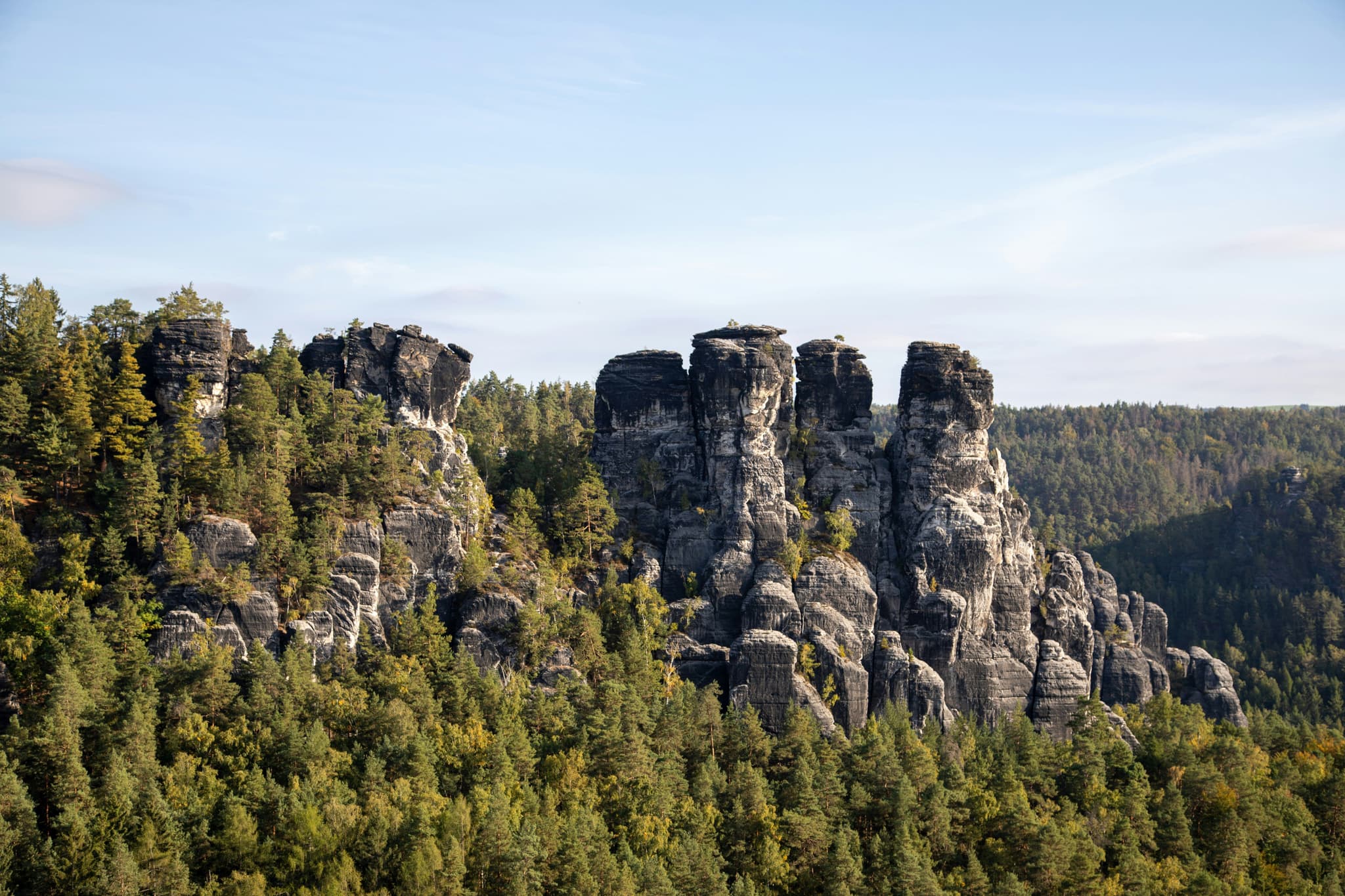
Another beautiful region is Saxon Switzerland National Park, near Dresden. Despite its name, it's actually in Germany, and is famous for its sandstone rock formations and nice viewpoints. One of the most popular hikes leads to the Bastei Bridge.
If you're looking for something a little quieter, head to the Palatinate Forest in western Germany. It's the country's largest continuous forest area and offers hundreds of kilometres of hiking and cycling routes, medieval castle ruins and cosy mountain huts where you can stop for lunch along the way.
Did you know: the biggest cuckoo clock anywhere stands in the Black Forest, built as a tribute to the region's clockmaking history.
Germany's most famous word has 79 letters
If you're visiting Germany, don't be surprised if some words look impossibly long. German is famous for combining several smaller words into one, so street signs, train stations and restaurant menus can sometimes take a little longer to figure out than you might expect.
German is spoken not only in Germany but also in Austria, Switzerland, Liechtenstein and parts of Belgium, making it one of Europe's most widely spoken languages. One of the longest published German words, Donaudampfschifffahrtselektrizitätenhauptbetriebswerkbauunterbeamtengesellschaft, contains an incredible 79 letters and is made up entirely of smaller words joined together.
Sylt and Rügen: Germany's most underrated beach escapes
Not many people picture sandy beaches when they think of Germany, yet one of the interesting things about Germany is that it actually has amazing beaches. The North Sea and Baltic coasts both have proper ones, with Sylt and Rügen leading the way. Rügen brings chalk cliffs that look closer to the south coast of England than anything you'd expect from the German coastline, paired with beaches that run for kilometres in either direction.
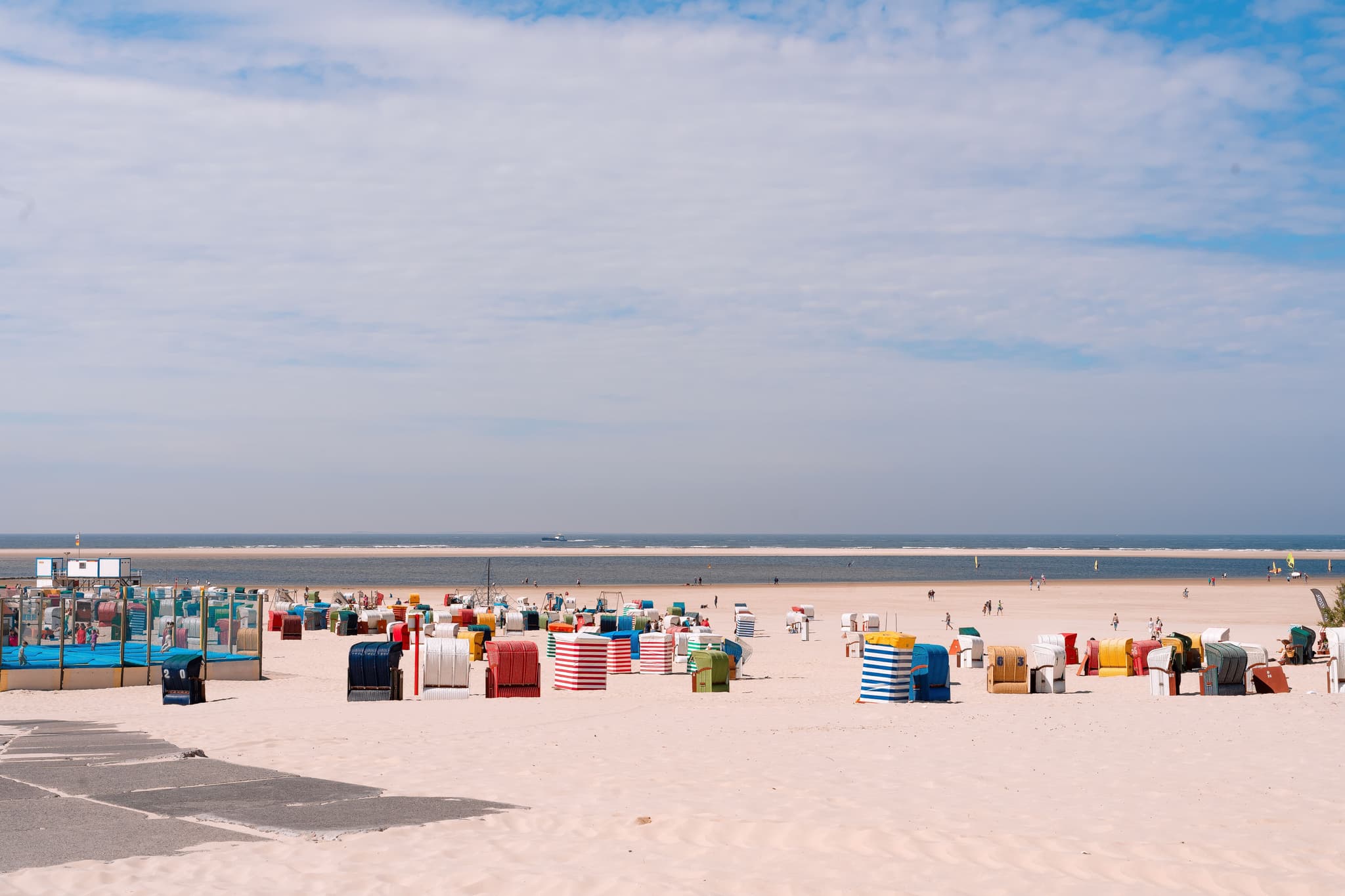
Didn't know Germany had beaches worth a trip? Our guide to the best German beaches and islands covers Sylt, Rügen and a few others most people miss.
Sylt works as the better-known of the two, with long dunes and a higher number of upscale hotels than you'd expect this far north.
Fun fact: Rügen is Germany's largest island, formed partly from chalk deposits that give its cliffs their colour.
Excited to see this in person?
Castles, beer, beaches and a few hundred years of history all belong to one country. These amazing facts about Germany are just the beginning, and the best way to experience them is by seeing them for yourself. Pick a couple of these as a starting point, and the rest of your route will probably fall into place from there.
If you're ready to start planning, download the Guided app to build your itinerary, discover nearby attractions and keep all your travel plans in one place.
Enjoyed This Blog? Continue Reading!
Thank you for reading these 10 fun facts about Germany. There is more travel inspiration waiting for you on our blog. You can take a look below and start mapping out your next travel adventure!


