How to plan your first ski trip without wasting money
By Sandra Romano
Oct 26, 2026
Start with what you won't need yet
The most expensive mistake on a beginner's ski holiday is paying on day one for things you won't use until day four. We think it's avoidable almost every time. A full-area lift pass for the whole week is the classic example. A new pair of skis, bought before you know whether you even like skiing, comes a close second.
Once the resort is chosen, planning your first ski trip comes down to four decisions. When to go. Whether to book ski school or a private lesson. Whether to rent or buy. And how to buy a lift pass, which is where the numbers surprise people most. We start with the resort, because the Alps, Scandinavia and Japan each suit a beginner for different reasons.
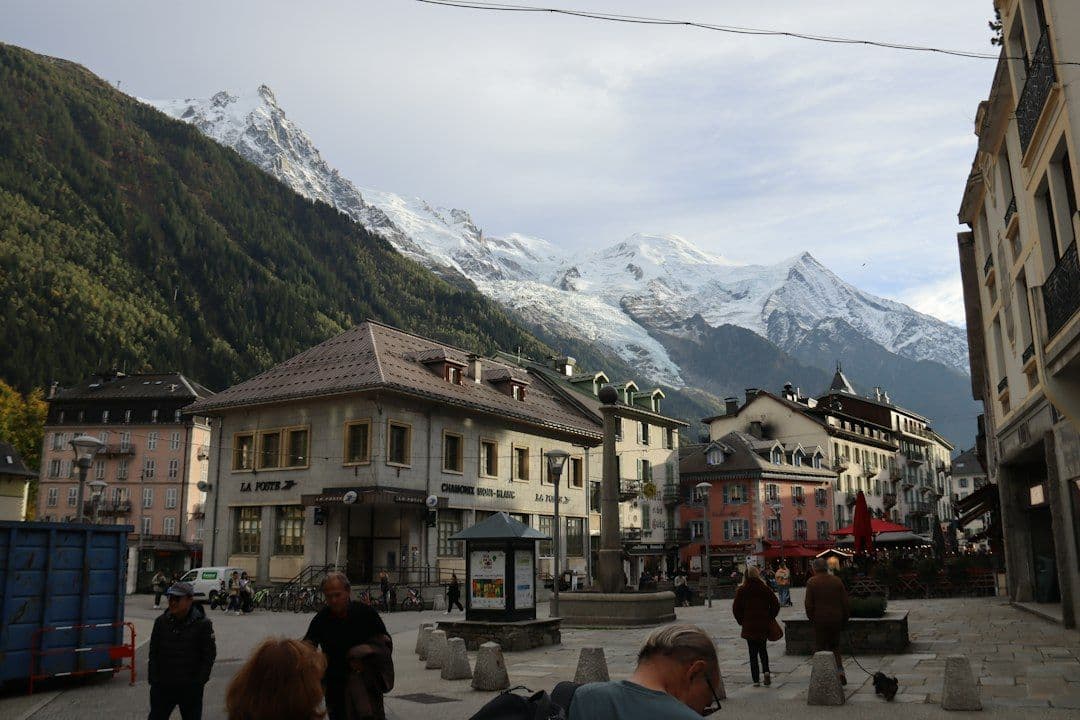
Choosing a resort in the Alps
La Plagne has ten villages, and every one of them has its own nursery slope. For a beginner that matters more than how big the ski area is, although La Plagne is big too, as part of the 425km Paradiski area.
Two filters narrow the Alps down fast. The first is where you sleep. A village at the foot of the slopes means there's no bus ride before the first lesson, and we'd rule out any resort that needs one, however good the price looks. The second is altitude. Resorts above roughly 1,800m hold their snow more reliably through the season.
These ten turn up again and again as resorts built for beginners, and each has a specific reason.
La Plagne, France: a nursery slope in each of its ten villages, inside the 425km Paradiski area.
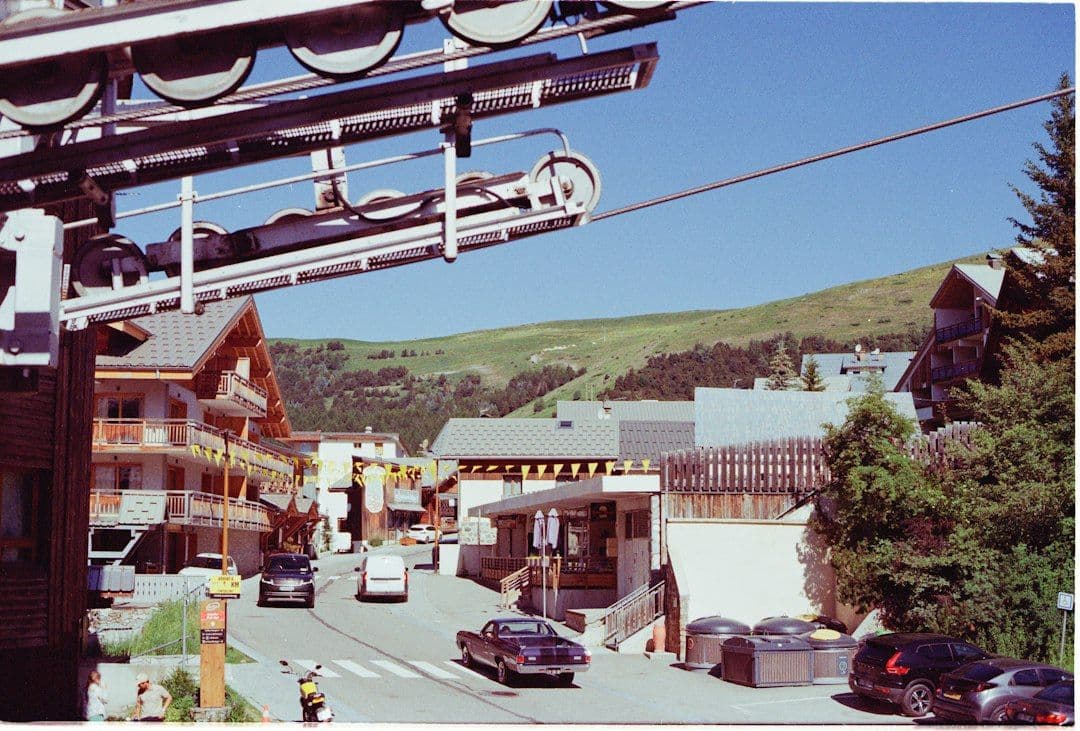
Alpe d'Huez, France: a dedicated beginner zone at the top of the DMC gondola, served by carpet lifts, in one of the sunniest resorts in the Alps.
Les Arcs, France: a nursery area in each of its four villages. You can reach it by Eurostar to Bourg-Saint-Maurice without getting on a plane.
Méribel, France: the sheltered Altiport learning zone, inside the 600km Trois Vallées.
Obergurgl, Austria: the altitude keeps snow on the ground from late November to late April, and there's a wide, sunny beginner area at the top of the Festkogl gondola. The village is compact and car-free.
Saalbach-Hinterglemm, Austria: the Reiterkogel family zone, built for learners, and a short transfer from Salzburg.
Livigno, Italy: the wide Costaccia beginner area, in a sheltered valley at 1,816m, just above that 1,800m line. Duty-free status keeps costs down.
Cervinia, Italy: beginner runs on the Plan Maison plateau, reached by gondola.
Saas-Fee, Switzerland: a car-free village with the gentle Stafelwald beginner area, plus a glacier that extends the season.
Soldeu, Andorra: the Espiolets beginner zone, kept separate from the main ski area. Cheaper eating out and equipment hire make it popular with UK first-timers.
If we could send a nervous beginner to only one of them, it would be Obergurgl, for the long season and the car-free village.
Choosing a resort in Scandinavia
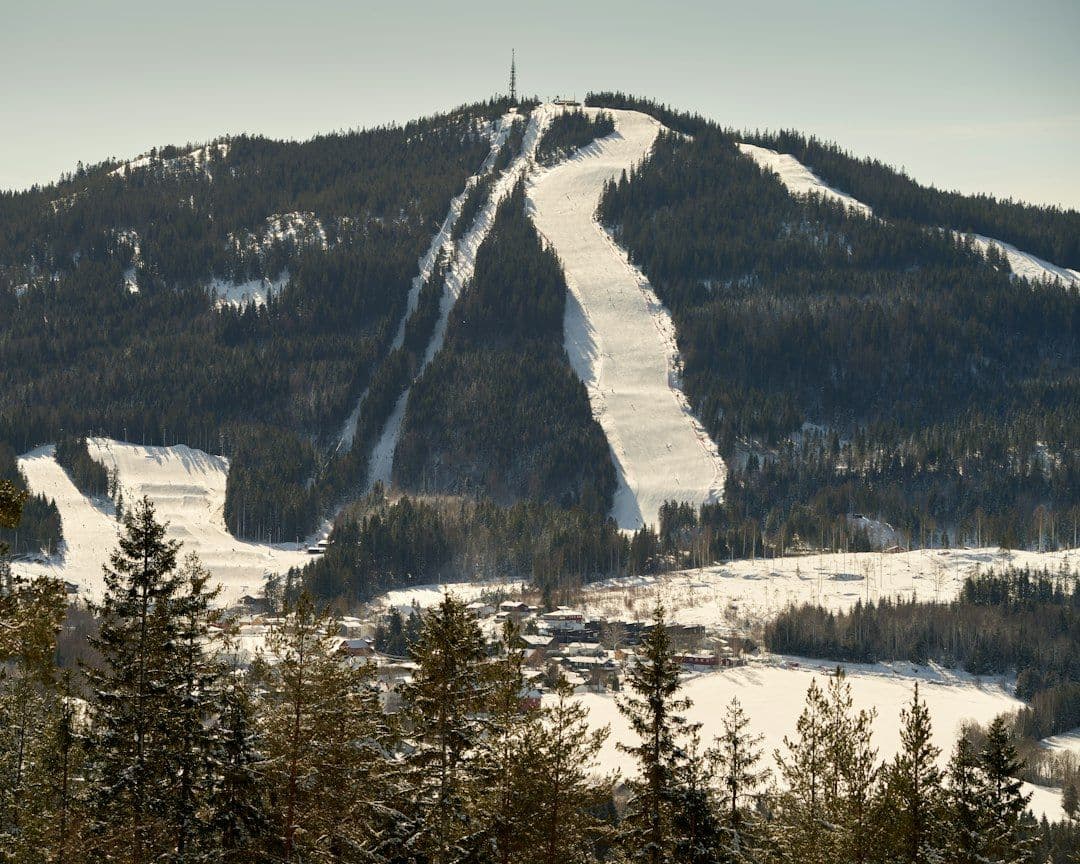
Why learn in Norway rather than the Alps? Because in Trysil the mountains are lower and gentler, and about two-thirds of the terrain is green or blue.
The beginner zones are wide and open above the treeline, and the ski area as a whole is smaller and quieter than the big Alpine names. Ski school instructors speak English. The snow record is reliable as well, with less of the ice that warmer Alpine resorts can get.
For anyone who'd rather not learn in front of a crowd, we'd put Trysil ahead of most big-name Alpine resorts. Åre, in Sweden, is also worth a look.
Choosing a resort in Japan
Niseko is the easiest place in Japan to learn to ski, and we still wouldn't book it without looking at the alternatives first. English is spoken almost everywhere, ski schools included, and the gentler family runs are concentrated in Niseko Village and Hanazono. It is also Japan's most expensive resort. A beginner day lift pass is quoted at roughly $80 (USD) and rental sets at roughly $30 to $50 a day. Treat both as estimates rather than this season's prices.
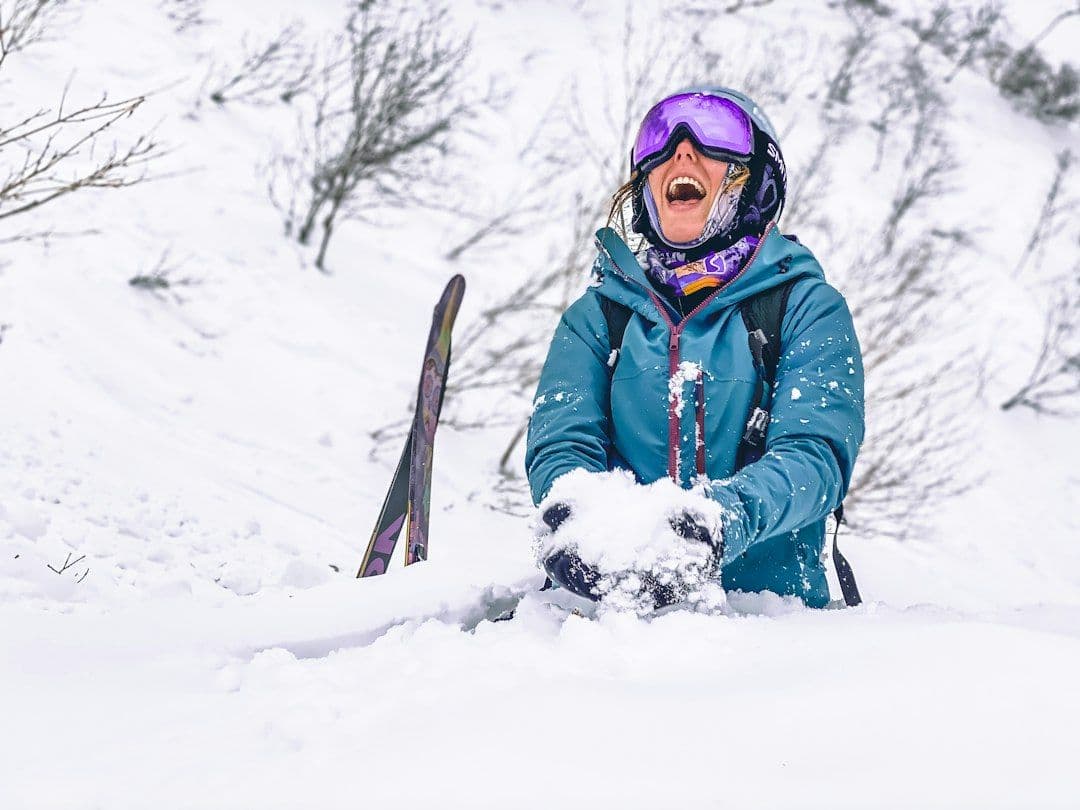
Hakuba Valley in Nagano has ten resorts in a single valley. Goryu and Hakuba47 suit beginners and intermediates. Happo-One is aimed at experienced skiers, so save it for a later trip. International hotels and rental shops in the valley have good English support.
Then there are Furano and Rusutsu, the budget and quieter option. Crowds are smaller and lift lines shorter than in Niseko. The trade-off is more limited English, especially in Furano. For a beginner who's happy to get by with less English, we think that trade is worth making.
The Japanese season runs from December to April. Niseko and Furano stay open into late April or early May, while most Hakuba resorts close between late March and mid-April.
When to go
February half-term is the busiest week of the season on Alpine nursery slopes. The weeks right after New Year are quieter, and so is most of March, which is when we'd go.
Book three to six months ahead. A week is the most popular trip length, but three or four nights works for a first try. The detail worth planning around is the arrival day. Arrive on a Saturday and start lessons on the Sunday or Monday, and you'll be grouped with people at your level from the first morning.
Japan runs on a different calendar. Late January to early February, around Chinese New Year, is the most crowded stretch, and it's when hotels and ski school book up months ahead. By mid-February the holiday crowd has cleared, and that's the sweet spot. Early March is quieter still, with lower prices and good snow still on the ground in Hokkaido. Reserve accommodation and ski school six to twelve months out, which means by September or October for a January or February trip. That's double the Alpine lead time at both ends.
Ski school or a private lesson?
Which gets a beginner skiing faster, a group or a private instructor? The private instructor. But speed isn't the only thing you're paying for.
Group lessons are the default starting point. Depending on who's counting, a group runs to a maximum of 10 people or anywhere from 6 to 12. Sessions are usually three to four hours each morning. Courses run from one to five days, and three to five days is the most common choice for a genuine beginner. Because the group shares the cost, it's the cheaper route. The catch is pace. A group lesson moves at the speed of its slowest skier, which can hold a quick learner back.
A private lesson gives you one-on-one attention. You progress faster, and you set the schedule and the length of each session yourself. It's the obvious choice if you're anxious about learning in front of strangers, or if you need to catch up with friends who already ski. You're paying for the instructor's full time, so it costs more per person. Booking a private lesson together with friends or family splits that cost and still keeps the group small.
There's also a middle path. Take one or two private days to build confidence and basic technique, then join a group course. Get quotes for both at your resort before you decide. If your first time skiing comes with nerves attached, we'd take the middle path. Everyone else should book a straight group course.
Rent or buy your gear
Hire everything. Buying your own kit before you know you'll stick with skiing is, as one rental guide puts it, an expensive gamble. Hiring also lets you test the gear and swap anything that doesn't fit.
In the UK, hiring skis or a snowboard plus boots and poles runs to about £100 for a week, depending on the resort and the package. Here's what buying new costs in the UK.
Skis with bindings: £250 to £600 and up
Boots: from about £150, or £400 to £500 for a fully customised fit
Poles: £20 to £40
Helmet: £40 to £70
Goggles: from about £40
Even at the cheapest end, the skis alone cost more than two weeks of hiring the full set.
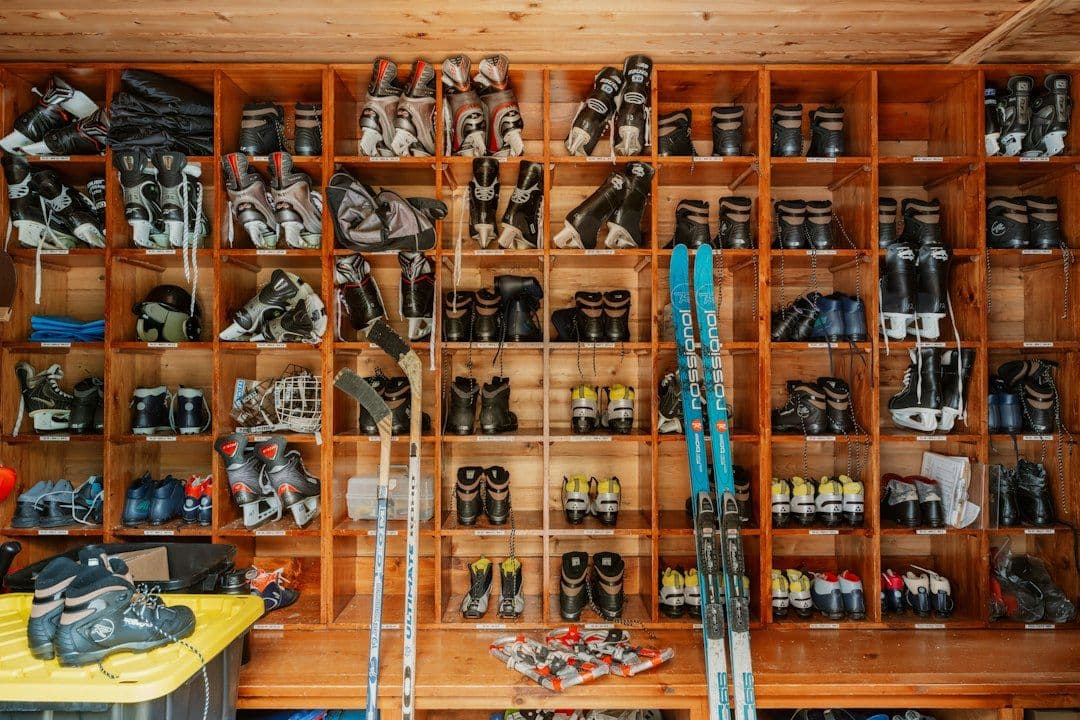
When you hire, put your effort into the boots. They matter more than the skis for comfort and performance, so if a pair feels wrong in the shop, swap them before you leave. Helmets are cheap enough that plenty of people own one anyway, though most rental packages include a helmet at no extra charge.
Guided tip: If you're flying and want to bring one piece of your own kit, make it boots. They fit in a normal suitcase, so you avoid the £40 to £50 each way that airlines charge for a ski bag.
The lift-pass maths everyone gets wrong
On Courchevel's own published 2026/27 adult prices, a single day pass costs €72 and a six-day pass costs €415.50. Six single days would come to €432. So the six-day pass saves you €16.50 across the whole week, which is about 3.8%, or €2.75 a day.
Most people assume a multi-day pass saves far more than that, and then they buy it on arrival day. That's the second mistake. A beginner often doesn't need a full-area pass on day one or two, and sometimes not on day three or four either. Nursery slopes and the "magic carpet" beginner lifts are frequently free, or covered by a cheaper limited pass.
Here's a worked example, not a quoted figure: run Courchevel's prices against a real beginner's week. Spend the first two days on the beginner lifts, and you only need four full-area days. Four single days at €72 come to €288. That's €127.50 less than the six-day pass, minus whatever a limited beginner pass costs if the nursery lifts at your resort aren't free.
We'd never buy the six-day pass on day one. Start on the beginner lifts, then step up to a full-area pass mid-week, once green and gentle blue runs are within reach. A season pass is even further off the mark, because it only pays off for people who ski many days a year.
Courchevel's price table was last updated on 13 May 2026, so check the current figures before you book.
What to skip
A beginner can leave five things off this list, and two of them are clothing.
New equipment. Hire for the first trip. Boots are the only exception worth thinking about, and only if you're flying.
A full-area pass from day one. The nursery slopes come first, and their lifts are frequently free.
Cotton base layers. Cotton holds sweat and chills you.
Two pairs of thin socks. Doubling up restricts circulation. One mid-weight pair works better.
Niseko by default, if you're going to Japan. Furano and Rusutsu have good beginner terrain, smaller crowds and lower costs, as long as you can manage with less English, especially in Furano.
The one thing not to skip is a proper sit-down lunch. It's what your afternoon on the slopes runs on.
Guided tip: Do about ten minutes a day of squats, lunges, wall sits and planks for three to four weeks before you go. Drink more water than usual from travel day onwards, because altitude dehydrates you faster, and put on SPF 50 before the helmet and goggles go on.
What we'd book
We'd learn in the Alps in March. We'd pick a village at the foot of the slopes and above roughly 1,800m, book a group course starting on the Sunday or Monday, hire everything, and buy the full-area pass mid-week instead of on arrival.
If Japan is the dream for a beginner ski trip, it's worth the longer lead time, and Furano or Rusutsu will stretch the budget further than Niseko. Trysil is the pick for anyone who'd rather practise away from the crowds.
Once you've settled on a resort and a week, build the trip in the Guided travel planning app. Put in the Saturday arrival and the first lesson, then fill in the rest of the week around them. The full-area pass can wait until the gentle blues are within reach.


