
Solo Travel and What Nobody Tells You Before You Go
By Sandra Romano
Jun 14, 2026
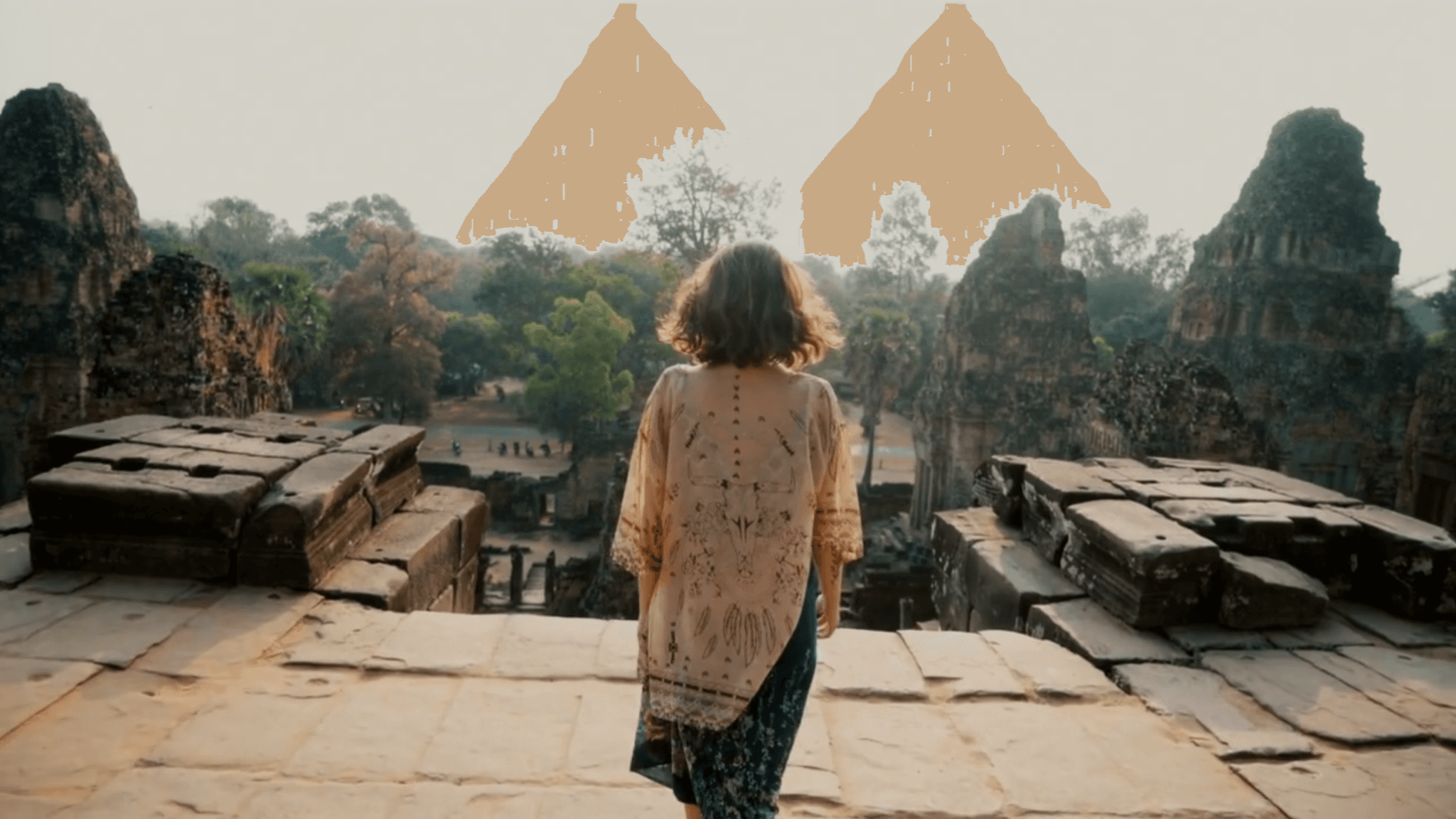
Solo travel is often sold as a grand, cinematic adventure. You imagine yourself wandering through sunlit streets with a coffee in hand, making friends in train stations, discovering hidden beaches, and returning home transformed into a braver, wiser version of yourself. And sometimes, that is exactly what happens.
But solo travel is also far stranger, quieter, messier, and more ordinary than the glossy version suggests. It is not just sunsets, hostels, journals, and spontaneous plans. It is also eating dinner alone when everyone around you seems to be laughing in groups. It is realising you have to make every decision yourself, from where to sleep to whether that street looks safe enough to walk down. It is learning that freedom can feel exhilarating at 10am and overwhelming by 6pm.
Before I went travelling alone, people told me the obvious things. Be careful. Keep your passport safe. Stay in well reviewed accommodation. Trust your gut. Pack light. What they did not tell me was how much solo travel would reveal about the way I think, how I handle uncertainty, how I speak to myself, and how much courage it takes to simply sit with your own company.
This is what nobody really tells you before you go.
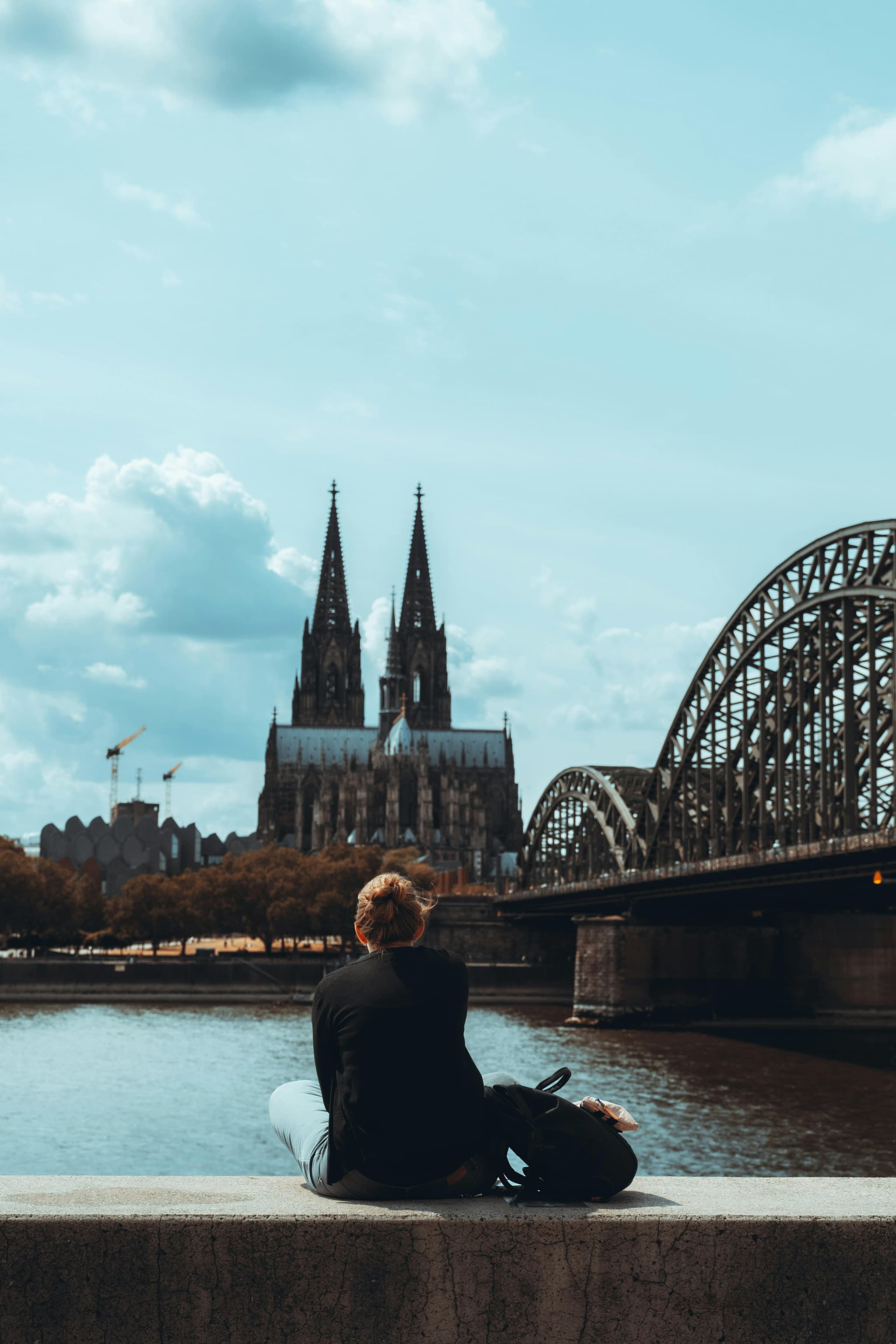
The first surprise is that solo travel is not lonely all the time, but when loneliness arrives, it can feel huge. At home, loneliness is softened by routine. You can call a friend, go to your usual café, watch familiar television, or sleep in your own bed. On the road, loneliness can hit in the middle of a beautiful city you have always wanted to visit. You might be standing in front of a famous monument, surrounded by people, and suddenly feel completely invisible.
That feeling does not mean you made a mistake. It does not mean you are not cut out for travelling alone. It simply means you are human. Solo travel creates space, and sometimes that space fills with wonder. Sometimes it fills with homesickness, self doubt, or the sudden urge to cry in a train station bathroom. Both experiences are part of it.
What nobody tells you is that loneliness often passes if you let it move through you. You go for a walk. You message someone you love. You eat something warm. You sleep. The next morning, the same city that felt cold and unfriendly might feel full of possibility again.
Another thing people rarely mention is decision fatigue. At first, being in charge of everything feels like freedom. You can wake up whenever you want. You can change plans without asking anyone. You can spend three hours in a bookshop or skip the museum everyone says you “must” visit. There is nobody to compromise with, nobody to hurry you, and nobody to judge your choices.
Then, after a few days or weeks, you realise every single decision is yours. Where should I eat? Which neighbourhood should I stay in? Is this taxi legitimate? Should I take the early train or the cheaper bus? Do I feel safe here? Should I join that tour? Should I rest or make the most of the day?
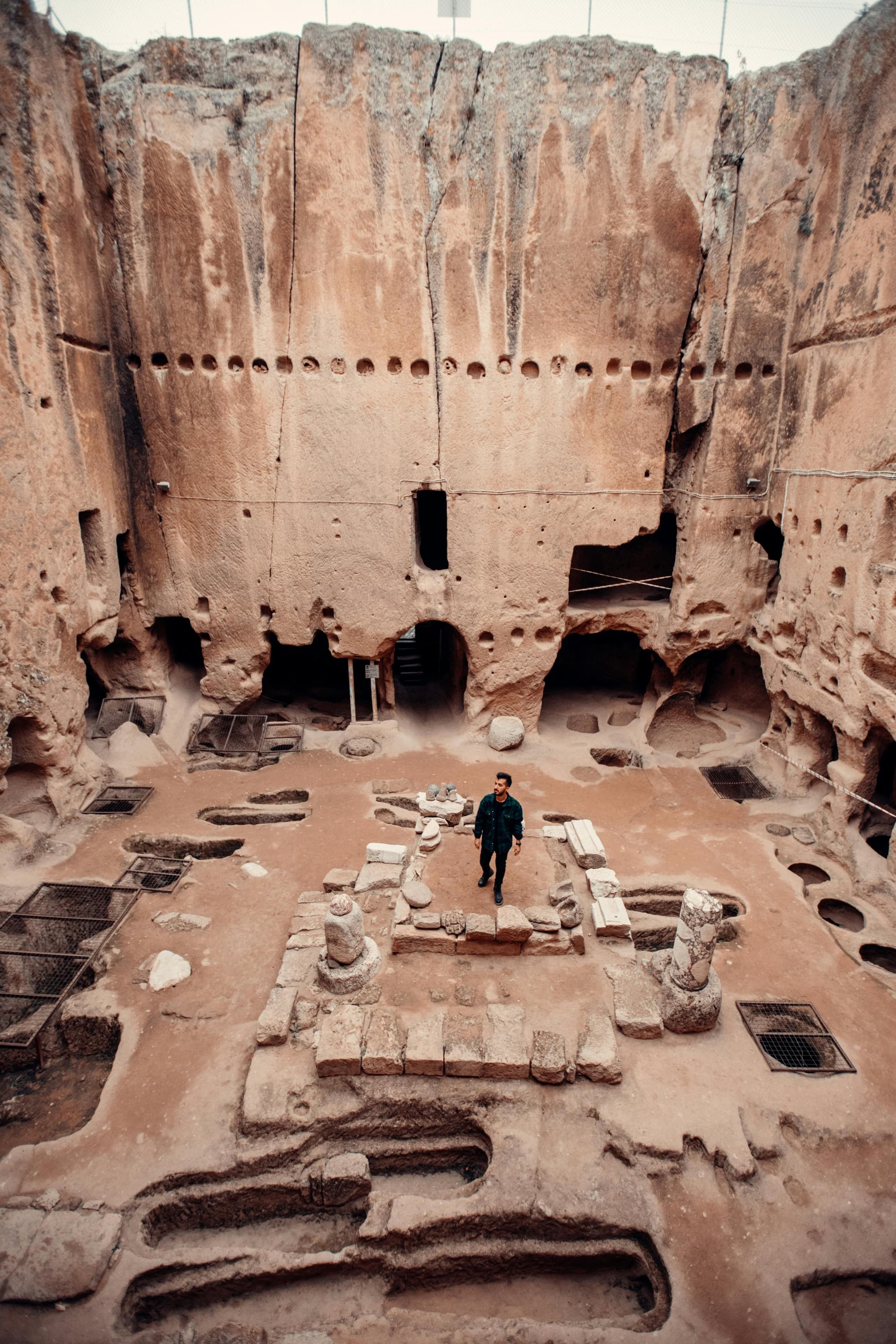
It sounds like a privilege, and it is, but it can also be exhausting. When you travel with someone else, you share the mental load. Alone, you carry all of it. The trick is to make fewer decisions where you can. Book the first night in advance. Have a rough plan for arrival days. Save restaurants near your accommodation. Give yourself permission to do the easy thing. Not every meal has to be memorable. Not every day has to be impressive.
Nobody tells you how often solo travel is about logistics. The photos may show mountain views and colourful markets, but behind every beautiful moment is a boring practical task. Laundry. SIM cards. Delayed buses. Working out whether your bag will fit in the locker. Wondering if your phone battery will last until you reach the hotel.
This is not the glamorous part, but it is where confidence is built. Every tiny problem you solve becomes evidence that you can handle yourself. The first time you arrive in a new country alone, it may feel intimidating. By the fifth time, you start to trust your ability to figure things out. You learn to read signs, ask better questions, stay calm when plans change, and accept that confusion is not disaster. It is just part of the process.
Another truth is that you will not automatically become a new person. Solo travel is powerful, but it is not magic. You still bring yourself with you. If you are anxious at home, you may still be anxious in Lisbon, Bangkok, or Buenos Aires. If you tend to overthink, you may overthink train routes, hostel conversations, and whether you looked awkward ordering dinner. If you are running away from something, the distance may help, but it will not erase what needs to be faced.
What solo travel does give you is a different environment in which to meet yourself. Without the usual roles and routines, you start noticing things. Are you actually an early riser, or did your normal life just require it? Do you enjoy museums, or do you visit them because you think you should? Are you more sociable than you thought, or more introverted? What pace suits you when nobody else is setting it.
These discoveries are not always dramatic. Sometimes the transformation is quiet. You realise you like slow mornings. You learn that you are capable of asking strangers for help. You stop apologising for wanting a day off. You begin to understand that your preferences matter, even when nobody else is there to validate them.
People also do not tell you that eating alone can be one of the hardest parts. Not because it is bad, but because it feels exposed at first. Walking into a restaurant alone can make you suddenly aware of your hands, your face, your phone, your posture, your entire existence. You may imagine everyone is looking at you, even though almost nobody is.
Eventually, something shifts. You bring a book. You sit at the bar. You order exactly what you want. You watch the room. You enjoy not having to make conversation. You discover that dining alone is not a sign of failure. It can be peaceful, indulgent, even luxurious. There is a particular confidence in asking for a table for one and not shrinking as you say it.

Solo travel also changes the way you connect with people. In everyday life, conversations often happen within familiar circles. On the road, you may find yourself speaking to people you would never normally meet. A retired couple on a walking tour. A student in a hostel kitchen. A local shopkeeper who helps you find the right bus. Another solo traveller who becomes your best friend for one afternoon and then disappears back into the world.
Some connections are brief but meaningful. You share a meal, a map, a joke, a taxi, a sunset. You tell each other things you might not tell people at home, precisely because the encounter has no weight of expectation. Then you part ways. At first, this can feel sad. Later, you understand it as one of travel’s strange gifts. Not everything beautiful has to last.
Of course, safety matters. Nobody should romanticise the risks, especially for women, LGBTQ+ travellers, disabled travellers, or anyone moving through places where they may stand out. Solo travel requires awareness. You may have to be more cautious than you want to be. You may skip certain streets, avoid arriving late at night, pay more for safer transport, or pretend to be more confident than you feel.
This does not mean travelling alone has to be ruled by fear. It means preparation is an act of care. Share your plans with someone. Keep backup money. Trust discomfort early. Learn local emergency numbers. Read recent reviews. Know how you will get from the station or airport to your accommodation before you arrive. Confidence and caution can exist together.
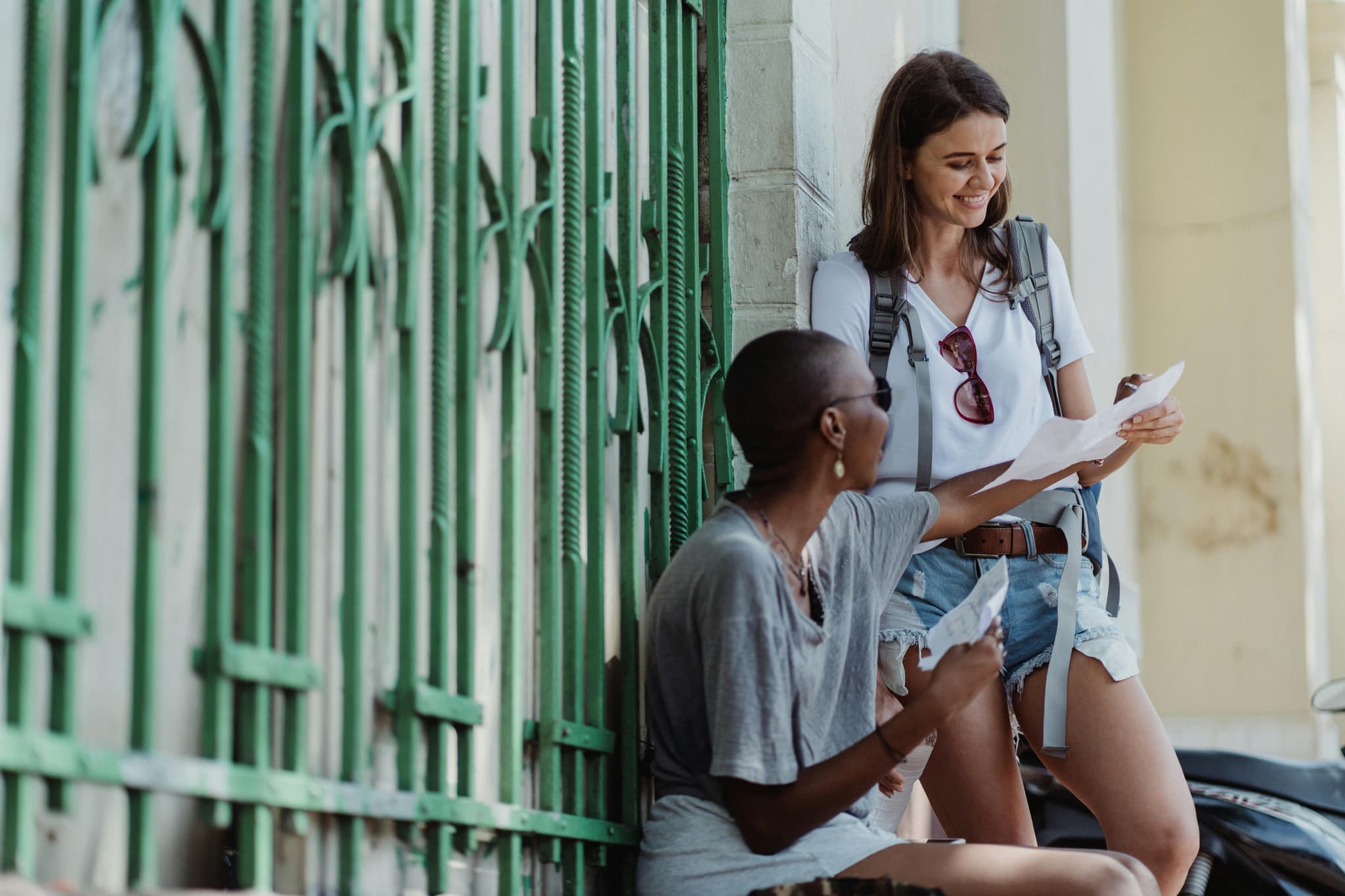
One of the loveliest surprises is how proud you become of small things. The world often celebrates big achievements, but solo travel teaches you to celebrate quieter victories. Navigating a metro system in another language. Finding your guesthouse after dark. Spending a whole day happily alone. Saying no when something does not feel right. Saying yes when it does.
These moments may not sound impressive to anyone else, but they matter. They become part of your private evidence bank. When life feels difficult later, you remember that you once stood in an unfamiliar city with no one beside you and still found your way.
Nobody tells you that some days will be boring. You may travel halfway across the world and still spend an evening scrolling on your phone, eating crisps in bed, too tired to explore. You may waste a morning. You may visit a famous place and feel nothing. You may get sick, grumpy, rained on, or disappointed.
This is normal. Travel does not remove ordinary human moods. A bad day in a beautiful place is still a bad day. The pressure to be constantly amazed can ruin the experience if you let it. You are allowed to rest. You are allowed to be underwhelmed. You are allowed to have travel days that would not make it onto anyone’s Instagram.
The greatest secret of solo travel is that it teaches you how to belong to yourself. Not in a dramatic, inspirational quote kind of way, but through repetition. You learn to keep yourself company. You learn to listen to your instincts. You learn that you can be alone without being abandoned. You learn that your life does not have to wait for someone else’s availability.
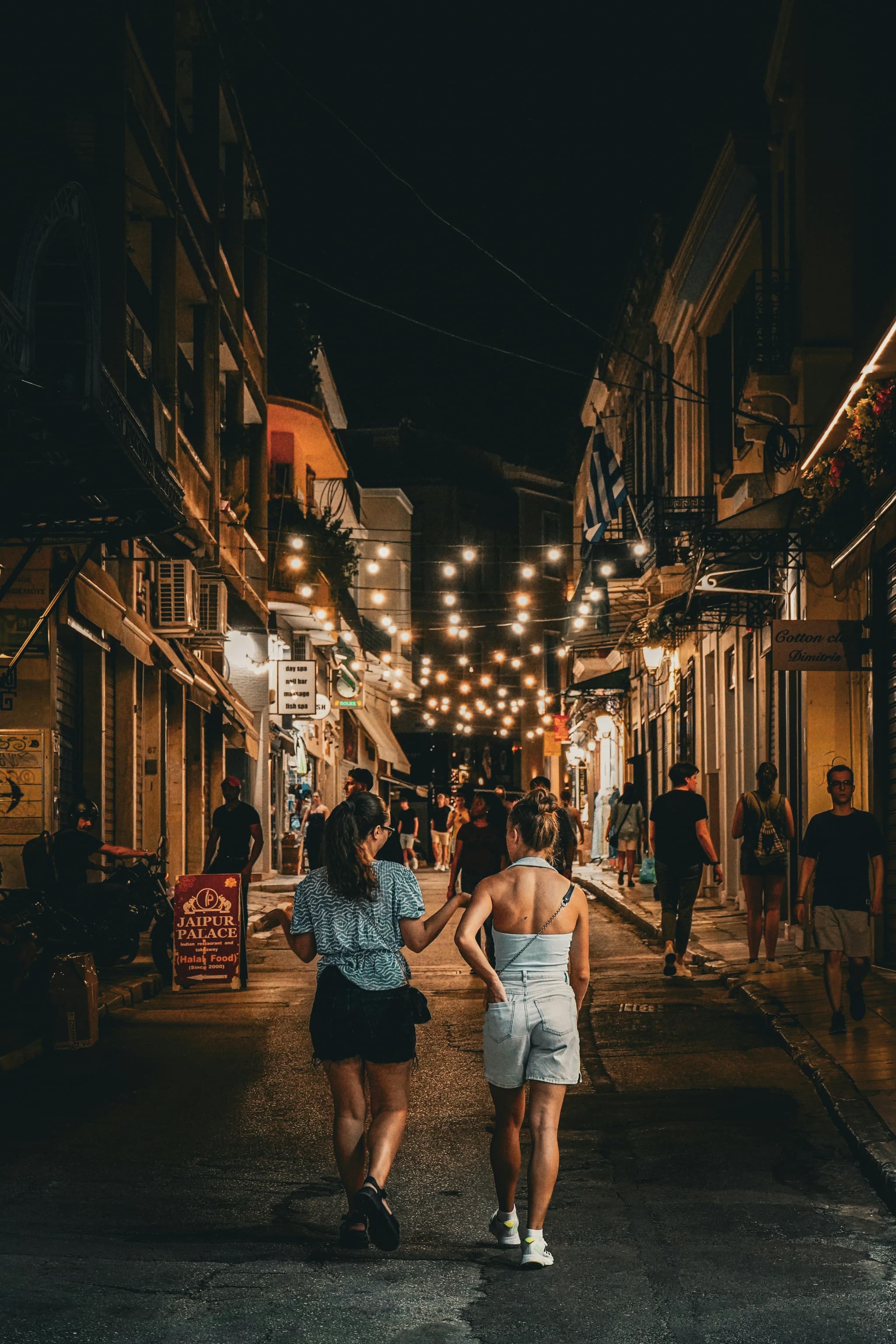
That may be the real reason solo travel stays with people. Not because every moment is beautiful, but because it changes your relationship with your own independence. You come home with stories, yes, but also with a quieter kind of knowledge. You know you can make decisions. You know you can handle uncertainty. You know you can sit in a café in a city where nobody knows your name and still feel, somehow, at home.
So before you go, pack the practical things: good shoes, a spare bank card, patience, curiosity, and more socks than you think you need. But make room for the emotional things too. Bring flexibility. Bring self compassion. Bring the understanding that bravery does not always feel brave while you are doing it.
Solo travel is not always easy. It is not always romantic. It will not fix your life overnight. But it might show you that you are more capable than you realised. It might make the world feel wider and yourself feel steadier within it. And one day, when someone asks whether they should go alone, you may find yourself smiling, because you know the truth.


