
Best month to visit Austria: when to go for cities, nature or winter celebrations
By Eva Alkemade
May 13, 2026
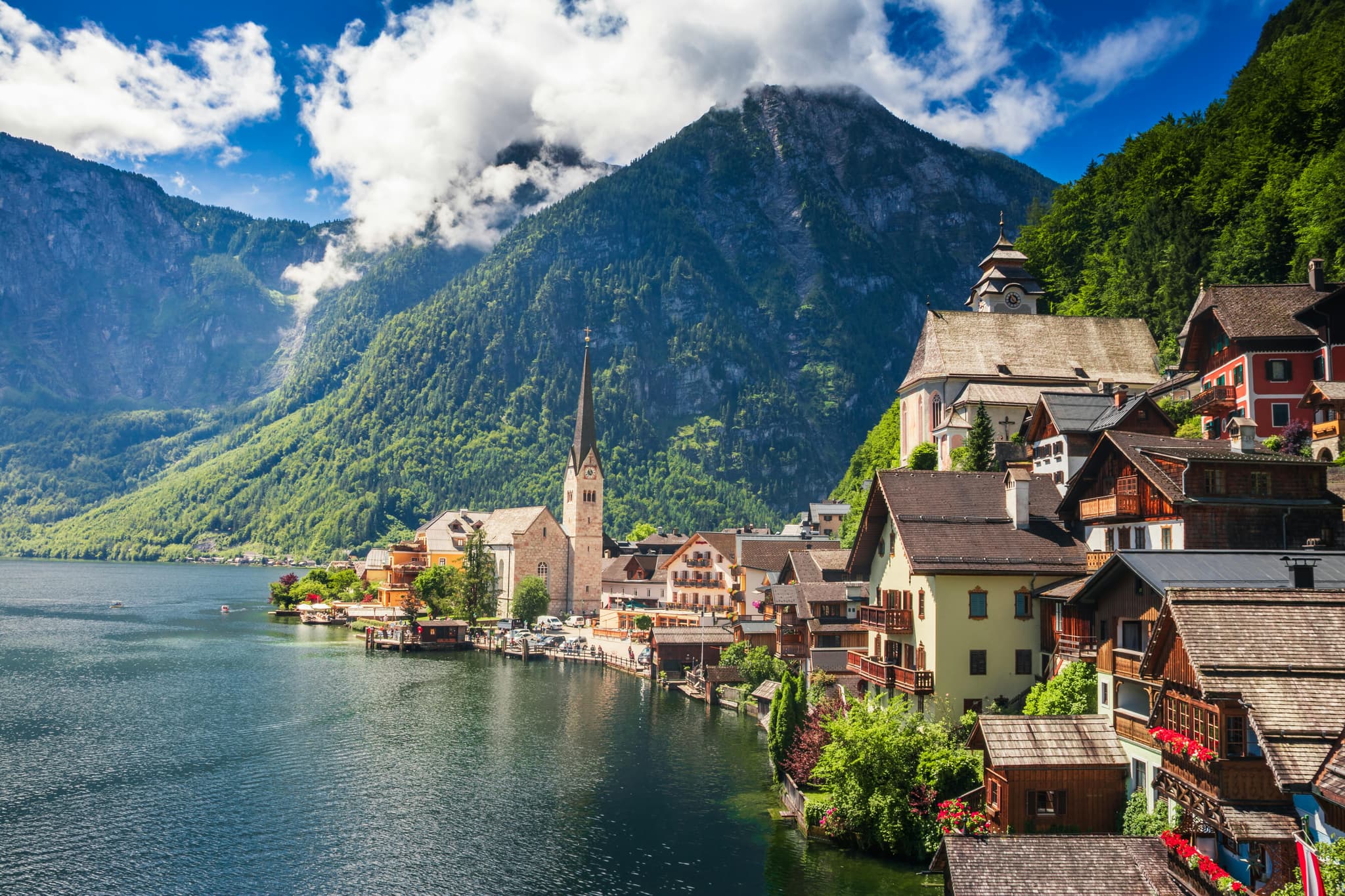
In Austria, summer temperatures can reach close to 30°C in Vienna, yet snowy ski slopes still stay within reach once winter arrives. Christmas markets, hot chocolate after a long day outside and mountain villages covered in snow turn winter into the best time of year to visit Austria if you’re looking for time in the snow. Though, around Wolfgangsee and Zell am See, sunny days work much better for swimming and long evenings by the water. Because the best month to visit Austria depends so much on your plans, we’ll walk you through hiking weather, skiing months, lake trips and city breaks, so you can match your trip to the right time of year.
When is the best time to visit Austria?
Across the year, you’ll notice Austria changes a lot depending on where you go and what kind of trip you want. Around snowy mountain villages, winter works completely differently compared to lake regions and cities like Vienna, so the best time to visit Austria really depends on what you want your days to look like.
Best overall period: May to June, great for cities, mountain regions, road trips and hiking
Still a really good option: October, cooler air, lower hotel prices and fewer tourists
More intense months: July and August, warmer temperatures, good for swimming but busier roads
Across mountain regions, temperatures can still drop quickly once the sun disappears, even during warmer months. Around Vienna and Salzburg though, you’ll still be sitting outside late in the evening during summer because the air stays warm much longer there.
Austria by season: what each part of the year feels like
Across Austria, every season gives you a completely different type of trip. Around ski villages, lakes and larger cities, temperatures and activities can change surprisingly fast once a new season starts.
Spring in Austria: mild temperatures and calmer cities
From March to May, you’ll usually get temperatures between 10°C and 20°C depending on altitude and region. In Vienna, you can finally sit outside again at cafés, parks start turning green and longer daylight hours make city days much nicer after winter.
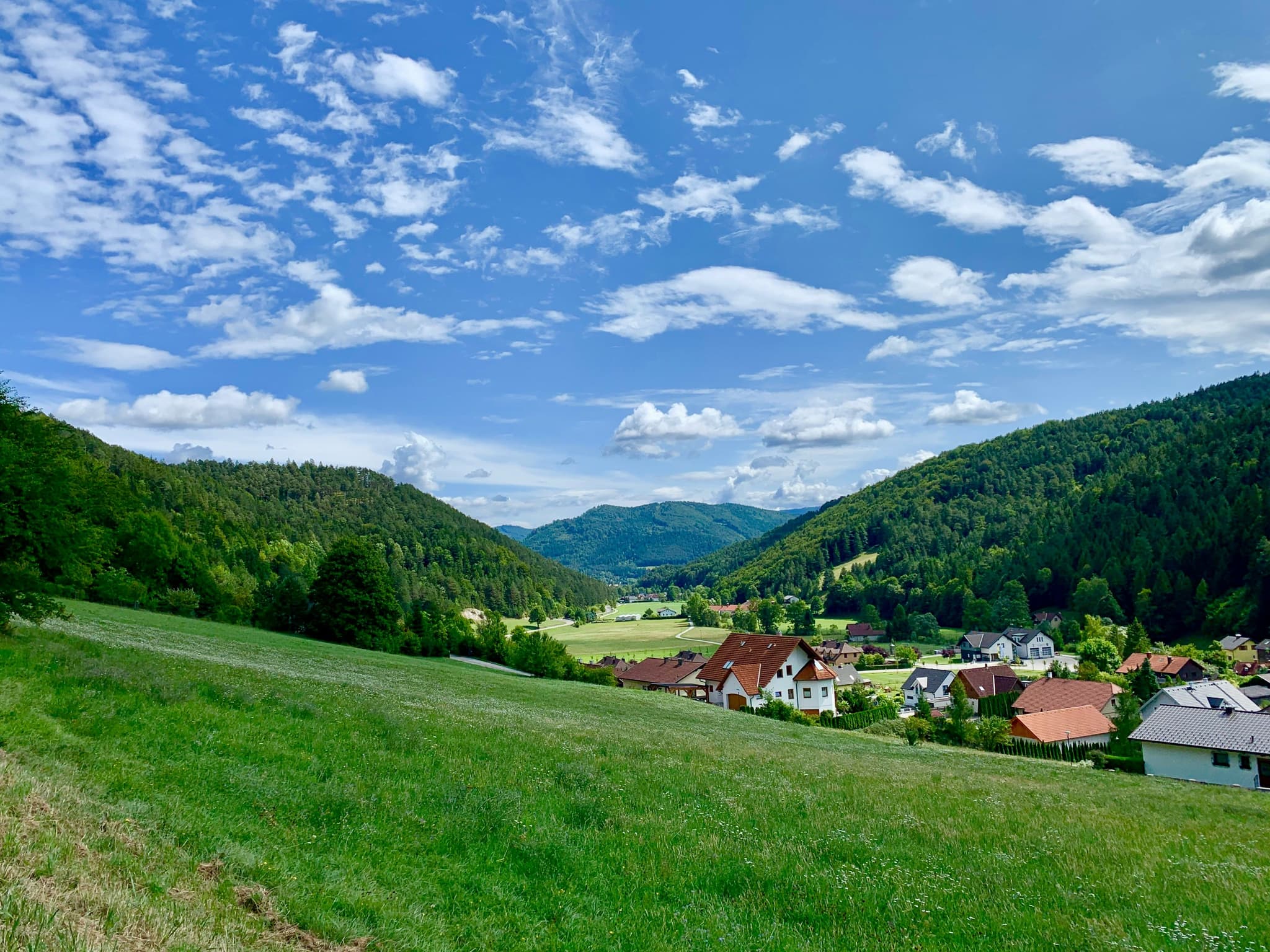
Up in mountain regions, snow still stays visible higher up during early spring. Around hiking areas though, you’ll still run into closed mountain trails and cable cars earlier in the season, so April works much better for city breaks than alpine hikes.
Across Salzburg and Innsbruck, you’ll also notice hotel prices staying lower compared to summer.
Summer in Austria: warm lakes, hiking season
From June to August, temperatures usually stay around 24°C to 30°C in lower regions and larger cities. Up in the Austrian alps, cooler mountain air makes hiking much easier compared to Vienna, where hotter temperatures can stay trapped around the streets later in the day.
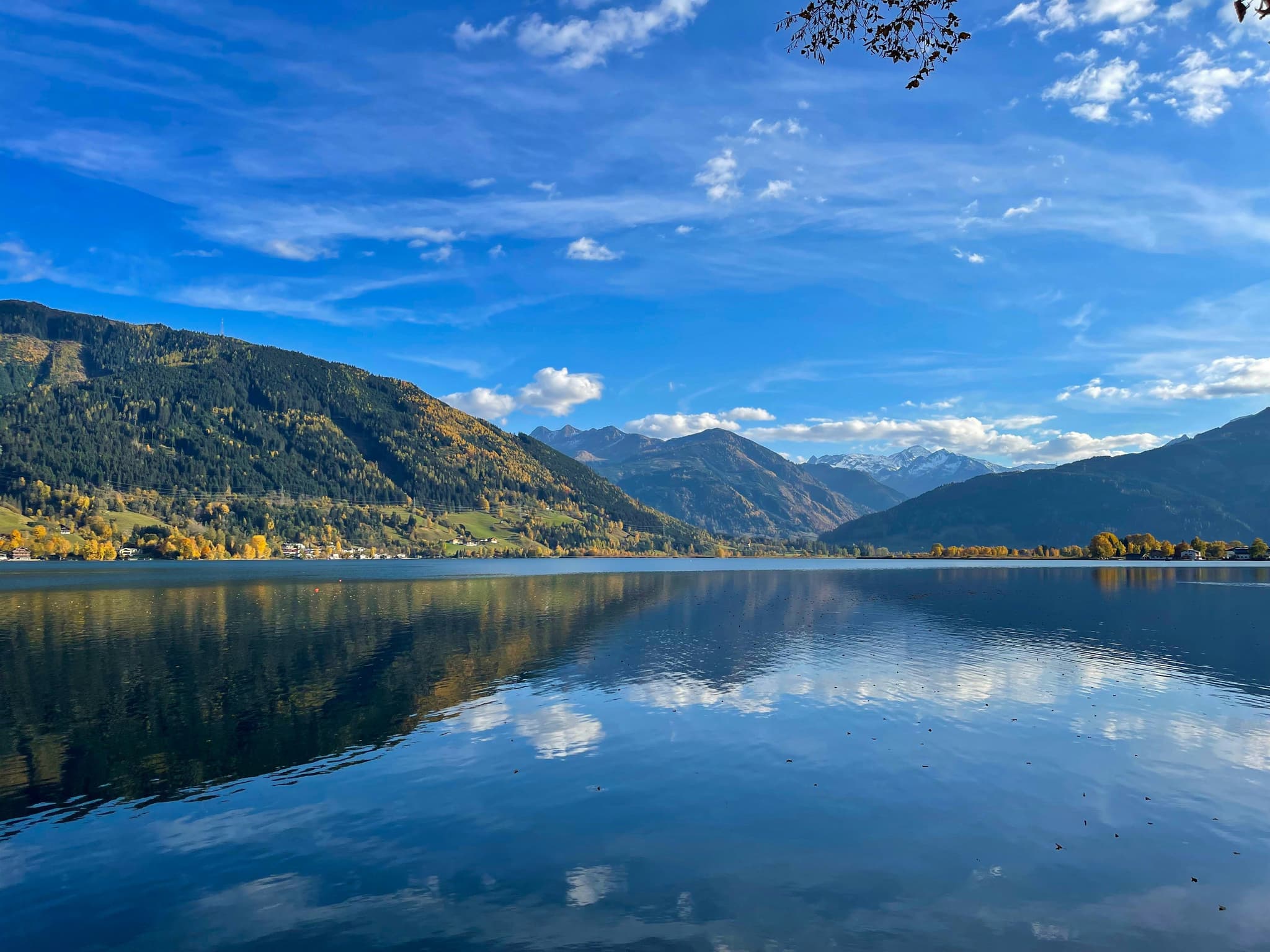
Around Wolfgangsee and Zell am See, you’ll finally get proper swimming weather during summer. Across those lake regions, restaurants near the water stay active until late evening, and you can spend much longer outside because daylight lasts so late. Up in mountain regions though, summer still gives you the easiest access to hiking trails, viewpoints and mountain huts.
Though, during school holiday periods, you’ll notice roads around Hallstatt and popular lake towns getting much busier.
Autumn in Austria: cooler air, mountain roads and wine season
Throughout September to November, temperatures usually stay around 10°C to 22°C earlier in the season. In September, hiking still works really well because temperatures stay cooler compared to peak summer. Around November though, shorter daylight hours and wetter weather slowly start changing conditions around mountain regions.
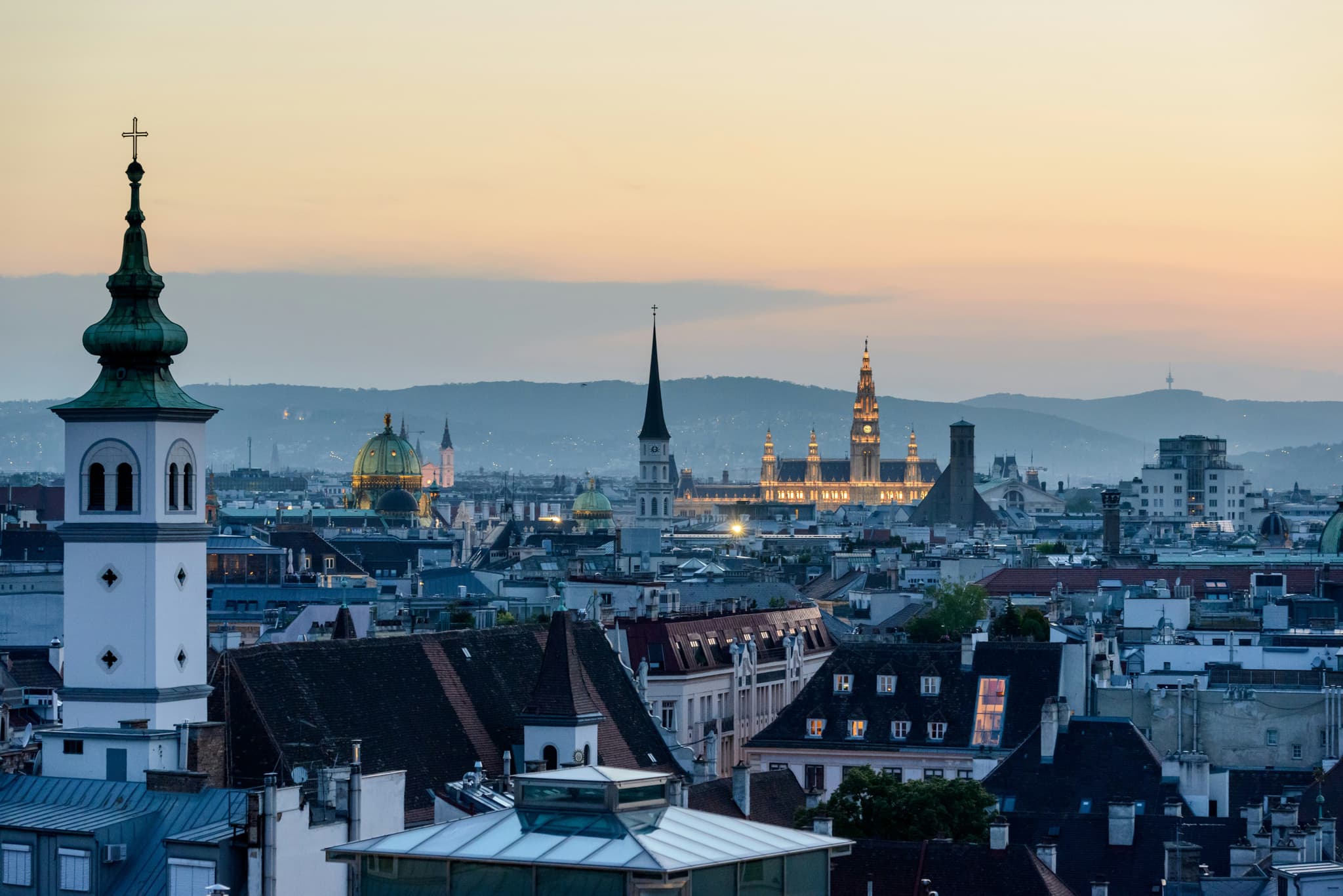
Inside Vienna and Salzburg, you can also spend much more time inside cafés and museums once temperatures begin dropping. Around late October, you’ll usually notice accommodation prices dropping too after summer tourism slows down.
You’ll also start seeing forests turn orange and yellow around alpine roads and regions like Wachau Valley, which makes road trips during autumn really beautiful.
Planning to explore Austria by car? Read our blog about Austria road trips and train tips to discover the best routes, roads and tips!
Winter in Austria: snow, skiing and festive cities
From December to February, temperatures usually stay between -5°C and 5°C depending on altitude. Around ski regions like Tyrol and Salzburg province, snowfall completely changes the atmosphere once winter fully arrives. Inside mountain towns, you’ll notice temperatures dropping very quickly after sunset, so make sure to pack proper winter clothing.
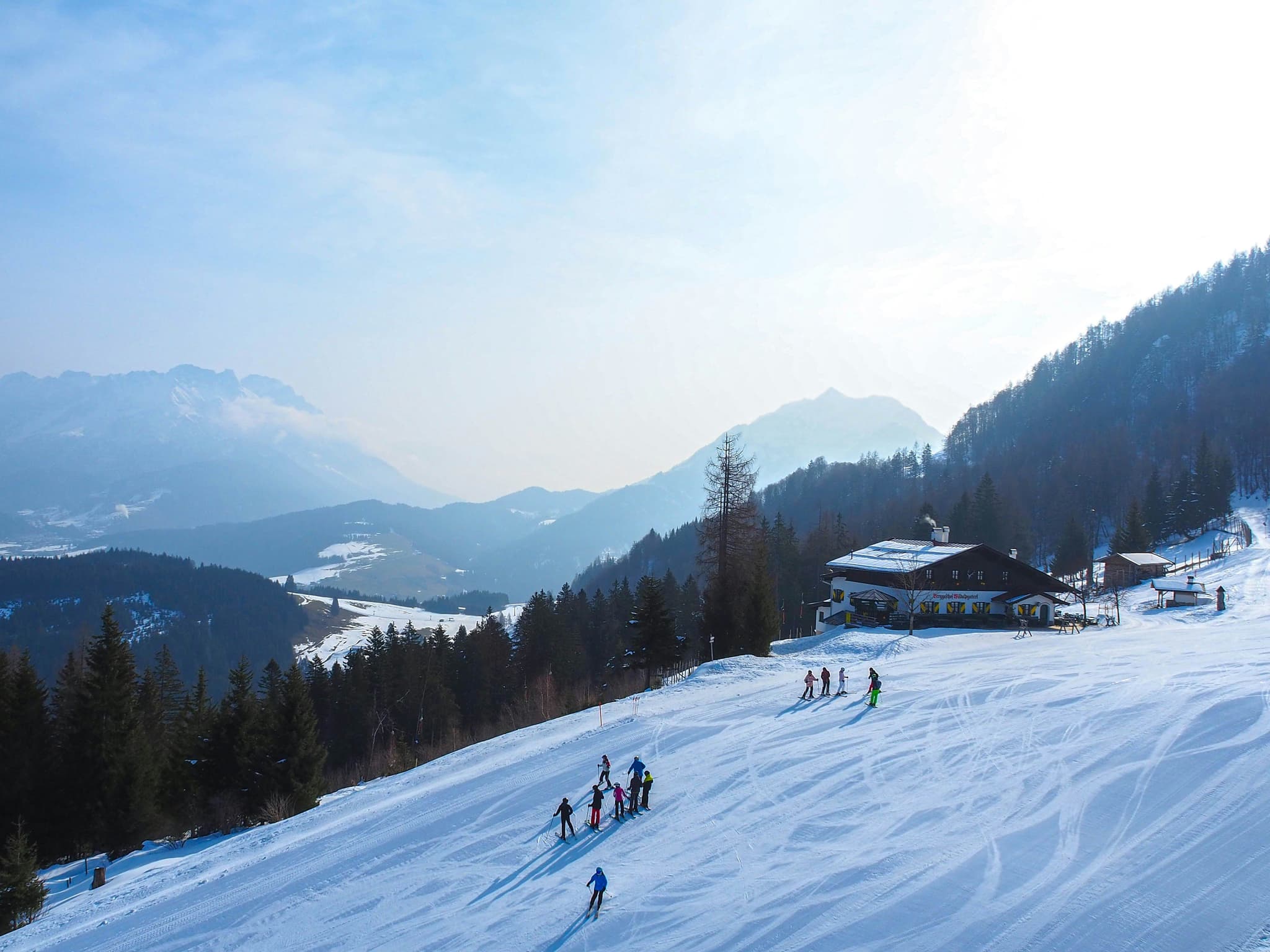
Across Vienna and Salzburg, you can visit Christmas markets from late November onward, with lights, mulled wine and concerts filling city squares. Up in ski villages, January and February usually give you the strongest snow conditions.
Guided tip: Around September and early October, you can still fit lakes, mountains and city stops into the same trip without peak summer prices.
Austria weather by month
During the same trip, you can easily leave warm sunshine behind in Vienna and run into cold mountain air only a few hours later, so the best season to visit Austria depends heavily on what kind of temperatures you’re okay with.
Spring: 10°C to 20°C, blooming parks, a mix of rain, snow and sun
Summer: 24°C to 30°C, warmer lakes and long evenings outside
Autumn: 10°C to 22°C, cooler air and orange forests
Winter: -5°C to 5°C, snow in ski regions and winter atmosphere in Vienna
Guided tip: May, June and September usually work best if you want lakes, cities and mountain roads during the same trip.
Best month to visit Austria for different types of trips
Austria has many beautiful mountain villages and cities, yet the same place can look completely different only a few months later. It is therefore a good idea to decide beforehand what the best month to visit Austria is for your preferred type of trip.
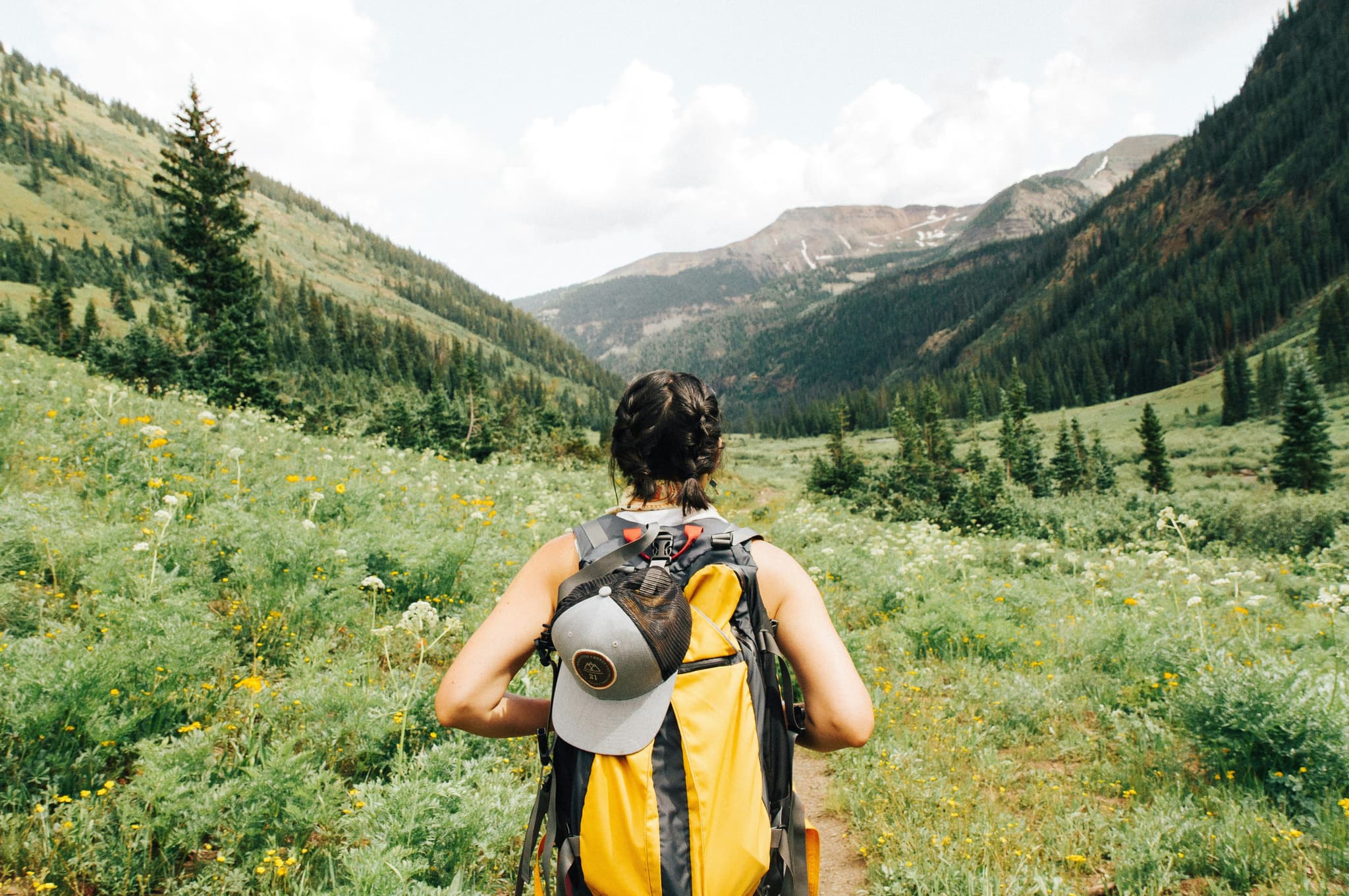
Best months for hiking in Austria
Between June and September, you’ll get the best hiking conditions across alpine regions. Up in higher mountain areas, snow usually disappears properly by late June, which finally opens longer trails and mountain huts again.
In July and August, popular hiking routes near Hallstatt and Tyrol become much busier during the middle of the day. Though, around September, cooler temperatures make longer hikes much easier without summer heat slowing you down. And autumn colours start appearing higher up, which can be really beautiful. Inside mountain villages, cable cars and hiking hotels also stay fully active during this period.
Best months for swimming in lakes
Throughout July and August, lake temperatures stay warmest around Wolfgangsee, Zell am See and Wörthersee. Across those regions, you’ll also get much longer evenings outside because daylight during summer can easily last until around 9:00 or even 9:30pm.
In June and early September, swimming still works really nicely, though roads and hotels stay slightly calmer. Along smaller lake towns, you can easily spend entire evenings outside near the water after dinner.
Best months for skiing and snow
From December through March, ski season fully takes over mountain regions. Around January and February, you’ll usually get the strongest snow conditions across higher ski resorts.
In March, skiing still works really well, though sunnier afternoons and longer daylight hours make ski days feel much less intense compared to mid winter. Around that time, you can still be outside comfortably later in the afternoon, sit on sunny terraces after skiing and spend less of your day in darkness once the slopes close.
Best months for city trips
During April, May and September, you can walk around Vienna, Salzburg and Innsbruck much more comfortably because temperatures stay pleasant for longer days outside.
In winter, Austrian cities completely change once festive lights start appearing across the streets and squares. Around December, you’ll walk past market stalls selling roasted chestnuts and mulled wine, hear classical music coming from old buildings and see people sitting inside warm coffee houses after spending time outside near the city center, with decorations and lights hanging above the streets almost everywhere you look.
When is the best time to visit Vienna?
Vienna is completely different depending on the season: one month you’re drinking iced coffee near the river in 30°C heat, a few months later you’re standing at christmas markets with snow falling around the old streets. This is why the best time to visit Vienna really depends on what kind of days you want there.
Vienna in spring and summer
From April into the summer months, temperatures usually stay between 18°C and 30°C. Since the days are longer in summer, you’ll have way more time outside, so after dinner you can still walk through the historic centre, sit near the river or stay out late on terraces without needing a jacket.
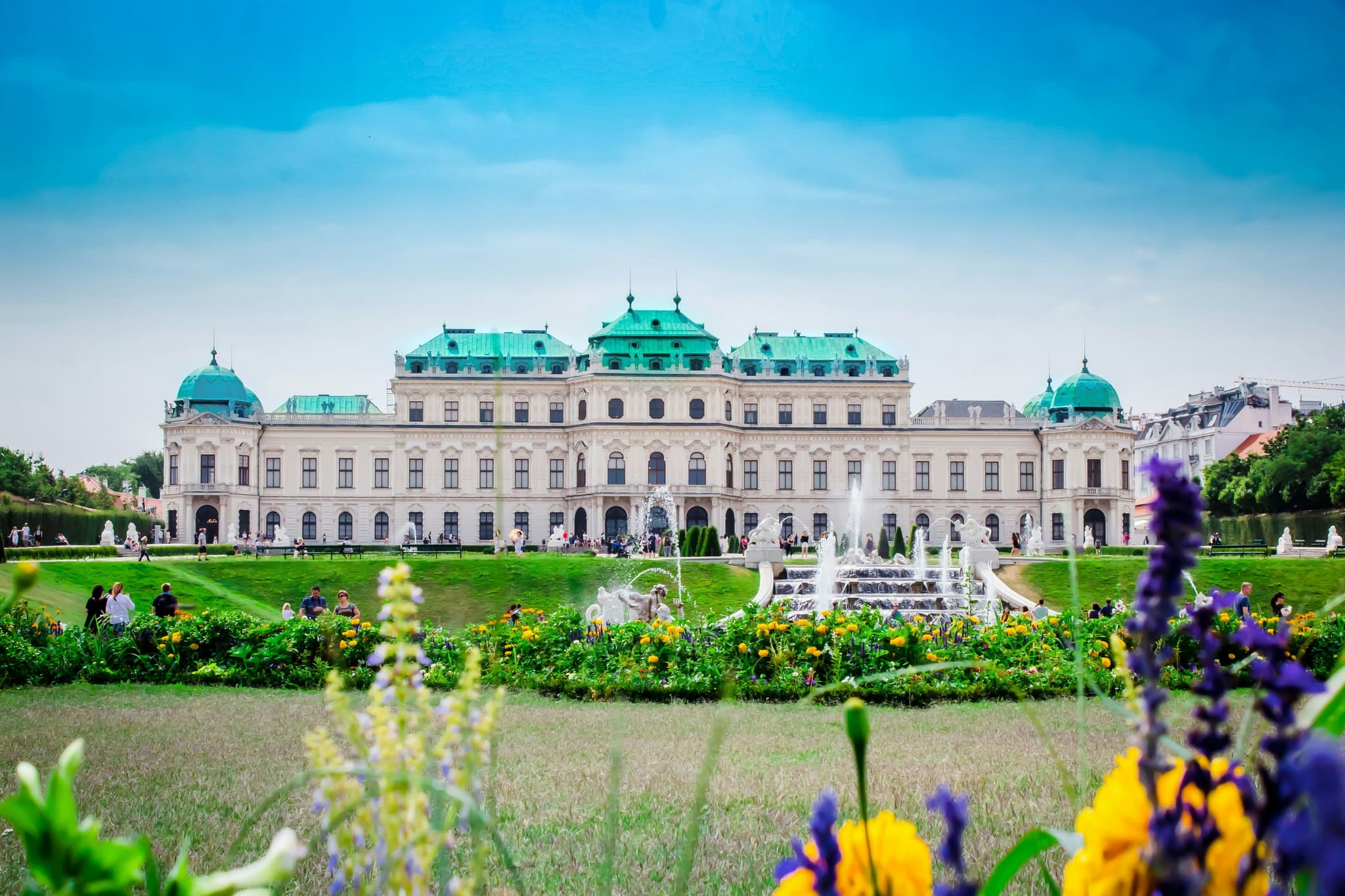
Inside the gardens of schönbrunn palace, flowers and green trees completely change the city after winter. And during warmer afternoons, you’ll probably end up doing exactly what locals do too: slowing things down a bit with long lunches, café stops or time inside Vienna’s museums once temperatures rise later in the day. Also the evening temperatures stay much nicer, which is why summer nights in Vienna work so well for long walks, outdoor dinners and nightlife.
During June and July, you can also run into huge summer events across the city. The Donauinselfest music festival fills the Danube Island with free concerts and outdoor stages every summer, and Rathausplatz hosts huge evening film screenings and food stalls for weeks during July and August.
Vienna in autumn and winter
Through autumn and winter, temperatures usually move between 0°C and 15°C depending on the month. Once mid november arrives, streets slowly fill with lights and seasonal decorations, and suddenly Vienna starts looking completely different again.
In December, you’ll walk past market stalls selling pastries, mulled wine and roasted chestnuts almost everywhere in the centre. Cold evenings also make indoor places much more enjoyable, so a lot of you will probably end up spending extra time inside museums, old cafés and concert halls.
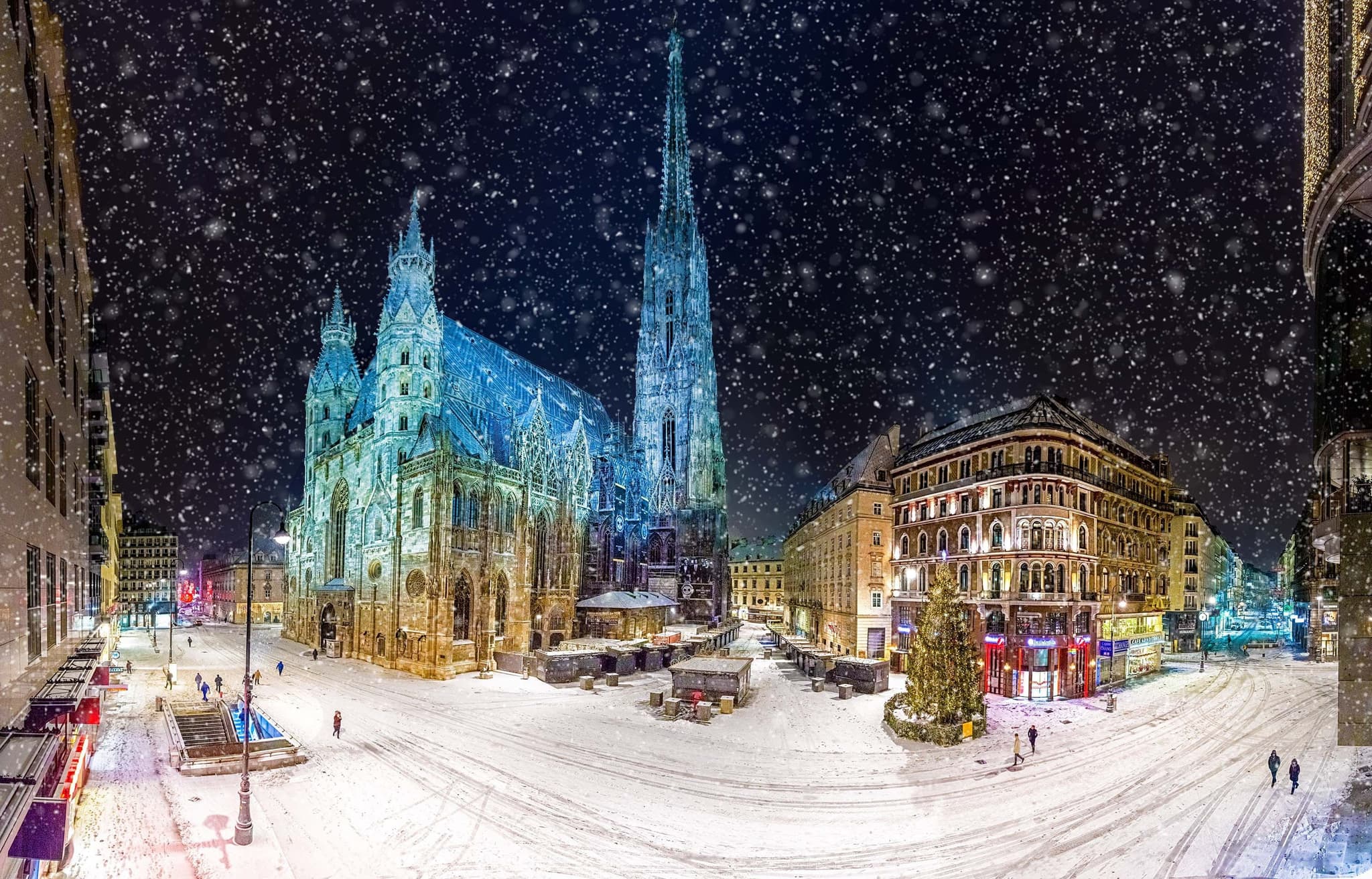
Christmas season in Vienna goes much bigger than most cities in Europe. Large Christmas markets start opening from mid November onwards, with some continuing into early January, and places like Rathausplatz even add ice skating, concerts and huge decorated Christmas trees.
After New Year, the city becomes much calmer again compared to December. So you’ll have lower hotel prices in January and February, which can work really nicely if you prefer winter city trips without holiday tourism everywhere.
What about the shoulder season in Austria?
Outside peak summer and ski holidays, Austria becomes much easier to move through without very high prices everywhere. Lower hotel rates, emptier roads and milder temperatures could make the shoulder season the best time of year to visit Austria for your trip. Austria has two shoulder seasons, in spring and autumn.
Spring shoulder season: April and May
Throughout April and May, you’ll usually get temperatures between 12°C and 22°C depending on where you go. Longer daylight hours and milder weather mean you can spend full days outside again without summer heat getting too intense yet.
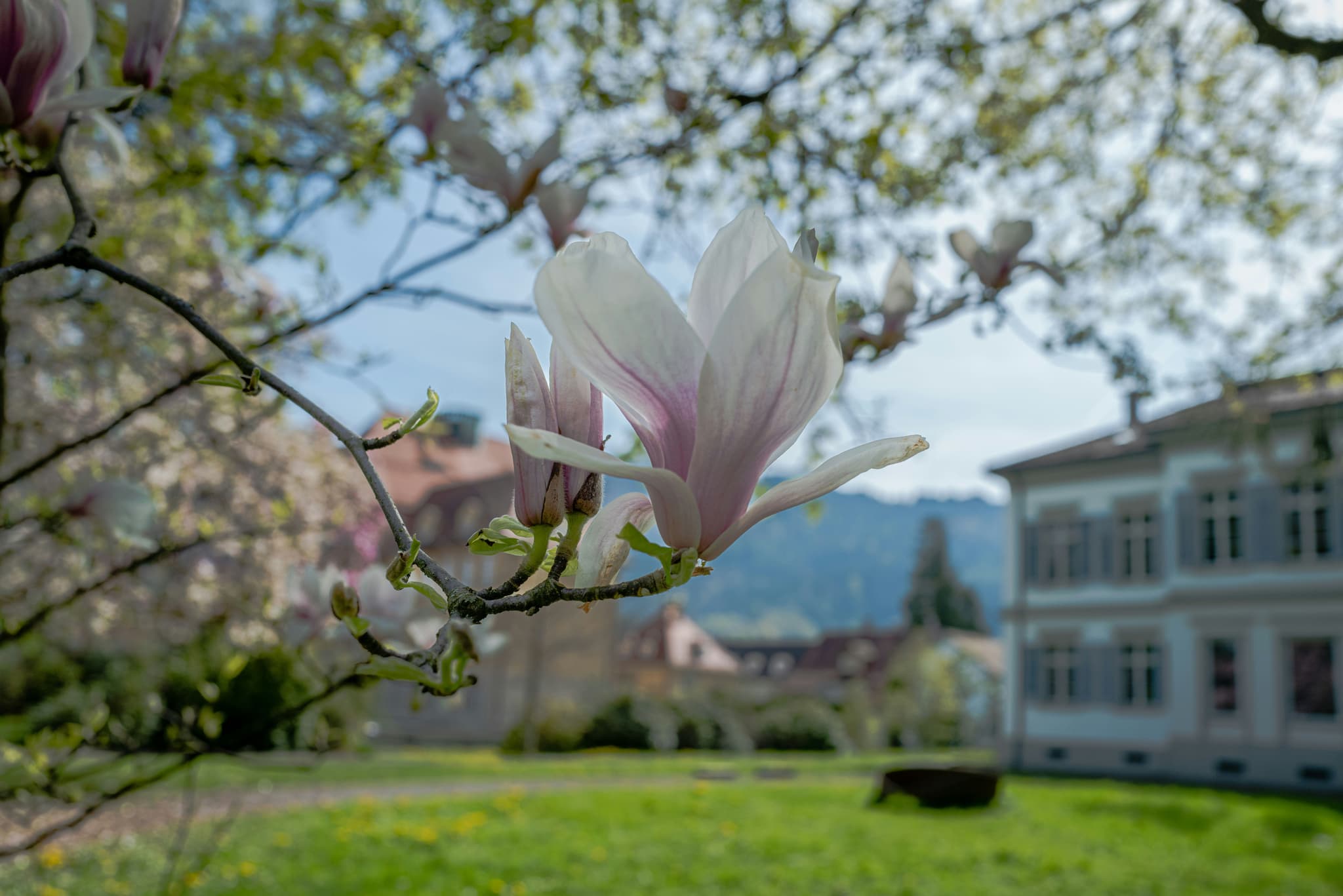
Much lower hotel prices compared to July and August also make spring a really nice period for longer trips through Austria. Up in the mountains, snow still stays visible for quite a while too, so during the same drive you can be sitting outside in the sun one moment and looking at snowy peaks again a little later.
By May, you’ll notice lower hiking trails slowly opening again as temperatures rise. Warmer afternoons also make outdoor cafés in Vienna and Salzburg way more enjoyable after winter.
Autumn shoulder season: September and October
During September and October, temperatures usually stay between 10°C and 22°C earlier in the season. Cooler air after summer makes long walks, road trips and city days much easier again, so a lot of you will probably end up spending way more time outside.
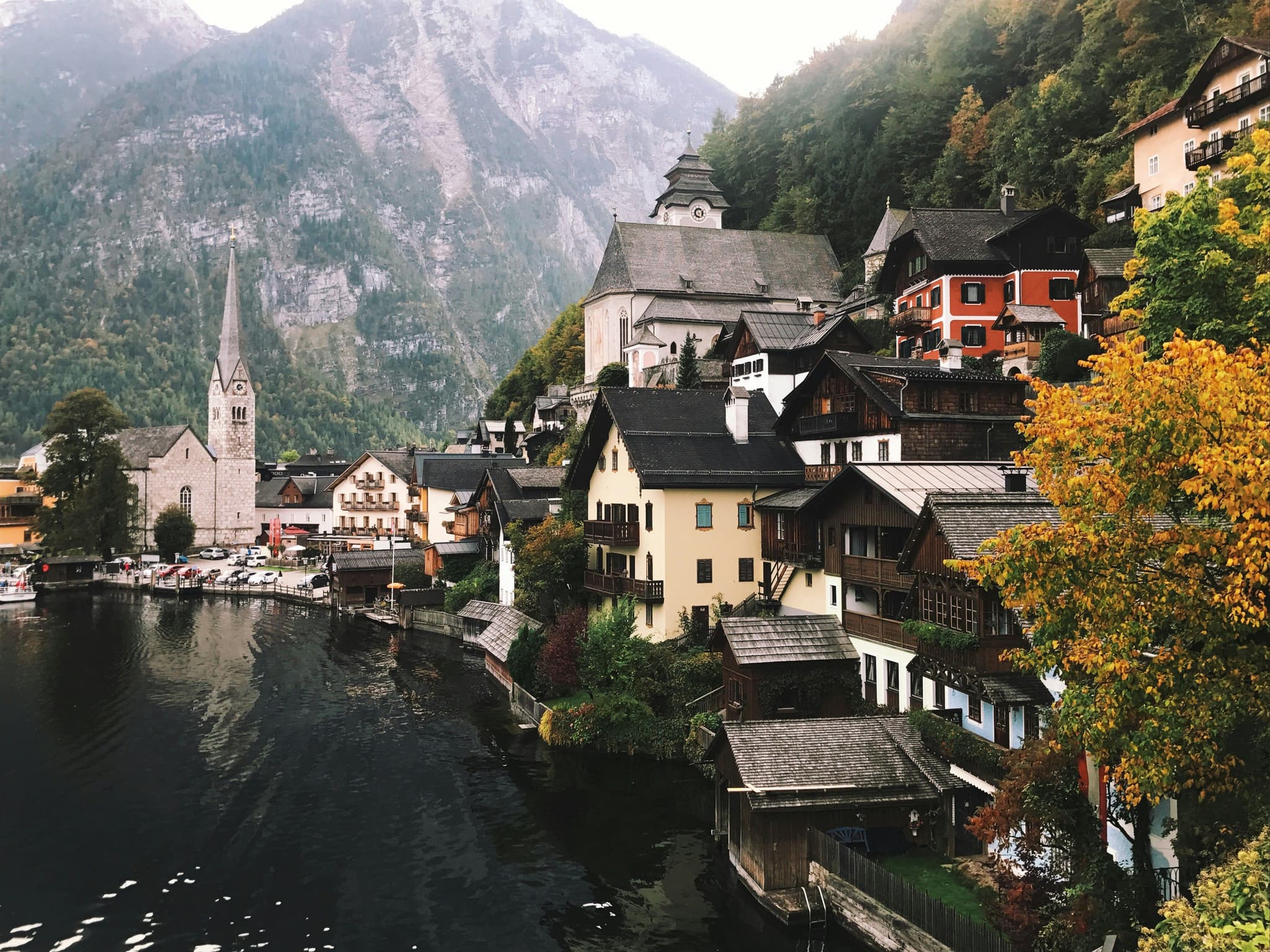
Golden forests start appearing across lake regions and mountain roads during autumn. Warmer afternoons still work really nicely for terraces and city walks too, mainly during September when temperatures stay comfortable for much longer.
The best time to travel to Austria for festivals and local celebrations
Austrian people love finding reasons to celebrate. During local holidays, wine festivals, Christmas events or summer concerts, entire city squares fill with music, food stands and people staying outside late into the evening, which can become one of the nicest parts of your trip.
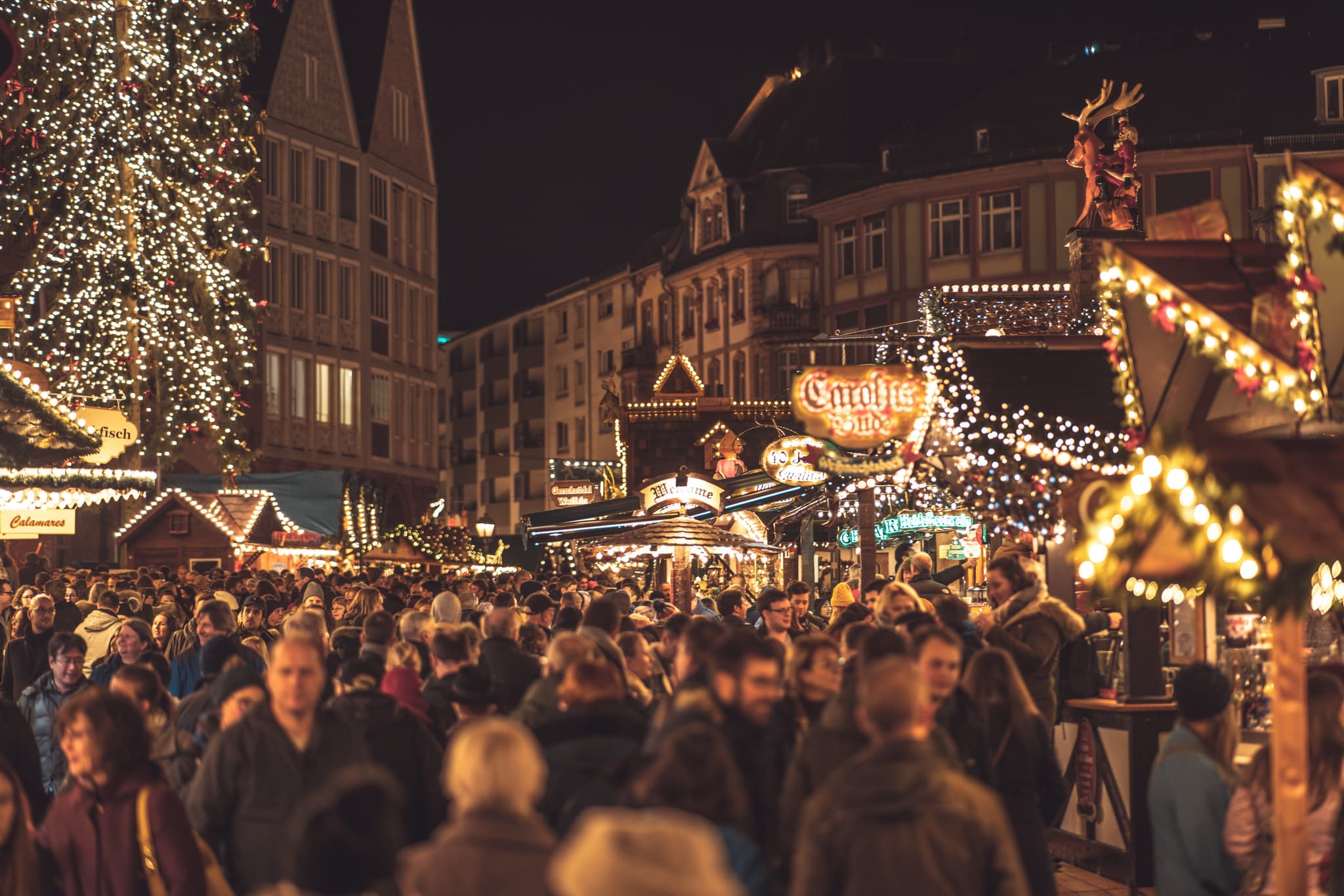
Winter: carnival season and Christmas markets
From late November into February, Austria becomes one long winter celebration. Across Vienna, Salzburg and smaller alpine towns, you’ll run into festive markets, seasonal concerts and winter parties almost everywhere.
Some winter events worth timing your trip around:
Vienna Ball Season: January to February, huge formal dance events across Vienna with orchestras, ball gowns and traditional dancing
Christmas Markets: mid November until Christmas, market stalls with mulled wine, roasted chestnuts, lights and concerts across Austria
Krampus Runs: around 5 December, scary masked parades mainly around Salzburg and alpine towns
Mozart Week in Salzburg: January, classical concerts and opera performances celebrating Mozart
Fasching Carnival Season: January and February, costume parties, parades and celebrations across Austria
Spring and summer: huge music festivals and outdoor events
Once warmer weather arrives, Austria becomes packed with outdoor concerts and festivals. Longer evenings mean you’ll see film nights, music stages and food events show up across lakes, rivers and city squares all summer long. If you’re into music festivals, summer will be the best time to go to Austria.
A few summer festivals you’ll probably want to know about:
Donauinselfest, Vienna: June, Europe’s biggest free open air music festival with huge stages along the Danube
Salzburg Festival: July and August, famous opera, theatre and classical music performances across Salzburg
Bregenz Festival: July and August, giant opera performances on a floating lake stage at Lake Constance (Österreich Institut
Electric Love Festival: July, huge electronic music festival near Salzburg
Nova Rock Festival: June, one of Austria’s biggest rock festivals near the Hungarian border
Vienna Jazz Festival: summer concerts across Vienna with international artists
Autumn: wine festivals and local celebrations
From September onwards, wine season starts taking over parts of Austria. Cooler temperatures and autumn colours also make this one of the nicest periods for smaller local events and food festivals.
Throughout wine regions like Wachau Valley and southern Austria, you’ll run into harvest festivals with wine tastings, music and long outdoor dinners. Alpine villages also celebrate Almabtrieb during autumn, where decorated cows return from mountain pastures through the streets with bells and local celebrations afterwards.
A few autumn events worth knowing:
Wine harvest festivals: September and October across Austrian wine regions
Almabtrieb cattle festivals: September, traditional mountain celebrations in alpine villages
FM4 Frequency Festival: August, one of Austria’s biggest music festivals near St. Pölten
Waves Vienna Festival: early October, music festival spread across Vienna bars and clubs
So… what is the best time to go to Austria for you?
By now, you’ve probably noticed Austria works completely differently depending on the season you pick. During one trip you can end up skiing through snowy villages, and only a few months later you’ll be swimming in lakes or sitting outside in Vienna late into the evening, which is why the best time to go to Austria depends on what kind of trip you want.
A full Austria trip with cities, lakes and mountains: May, June or September
Skiing and snow: January and February
Lake swimming and warmer weather: July and August
Hiking and mountain villages: June through September
Lower prices and calmer roads: May or October
First decide what matters most to you, like longer hikes, winter skiing, lake days or city trips. They all work best during different parts of the year. So once you know what kind of days you want, choosing the best month to visit Austria for your trip will be much easier.
Enjoyed This Blog? Continue Reading!
There is more travel inspiration waiting for you on our blog. You can take a look below and start mapping out your next travel adventure!

