


At sunrise, the three granite spires above the Base of the Towers catch the first orange light, and most hikers on the W have climbed there in the dark to see it. Walking to that viewpoint takes four or five days. Getting permission to walk there takes a plan, because every night inside Torres del Paine National Park needs a confirmed bed or campsite, and those nights are sold by two companies that don't share a calendar. Get the beds first. Everything else can wait.
Two operators, two calendars, one chain of nights
Can one website book your whole W Trek? No. Torres del Paine's refugios and campsites are run by two separate companies.
Las Torres Patagonia manages the central and eastern sectors, which covers Chileno, Central, Francés and Cuernos. Vértice Patagonia manages the western sector, with Grey and Paine Grande. They keep separate inventories, sell through separate websites and don't coordinate when they release dates.
This is the rule that trips people up. No single site books the whole trek, so you have to check both calendars and line up consecutive nights across both systems yourself. Every night needs a confirmed booking, so one gap in the middle breaks the route.
We think this matters more than fitness or gear when it comes to Torres del Paine reservations. A strong hiker with a missing Tuesday night still can't walk the W.
Why Chileno sells out first
We'd book Chileno before any other night on the route. Patagonia Scout rates its booking difficulty “high” and calls it “often the bottleneck, especially for a shorter Towers approach.” Its location explains why. Chileno sits on the way up to the Base of the Towers, so sleeping there shortens the final climb to the viewpoint, and that's the night everyone wants.
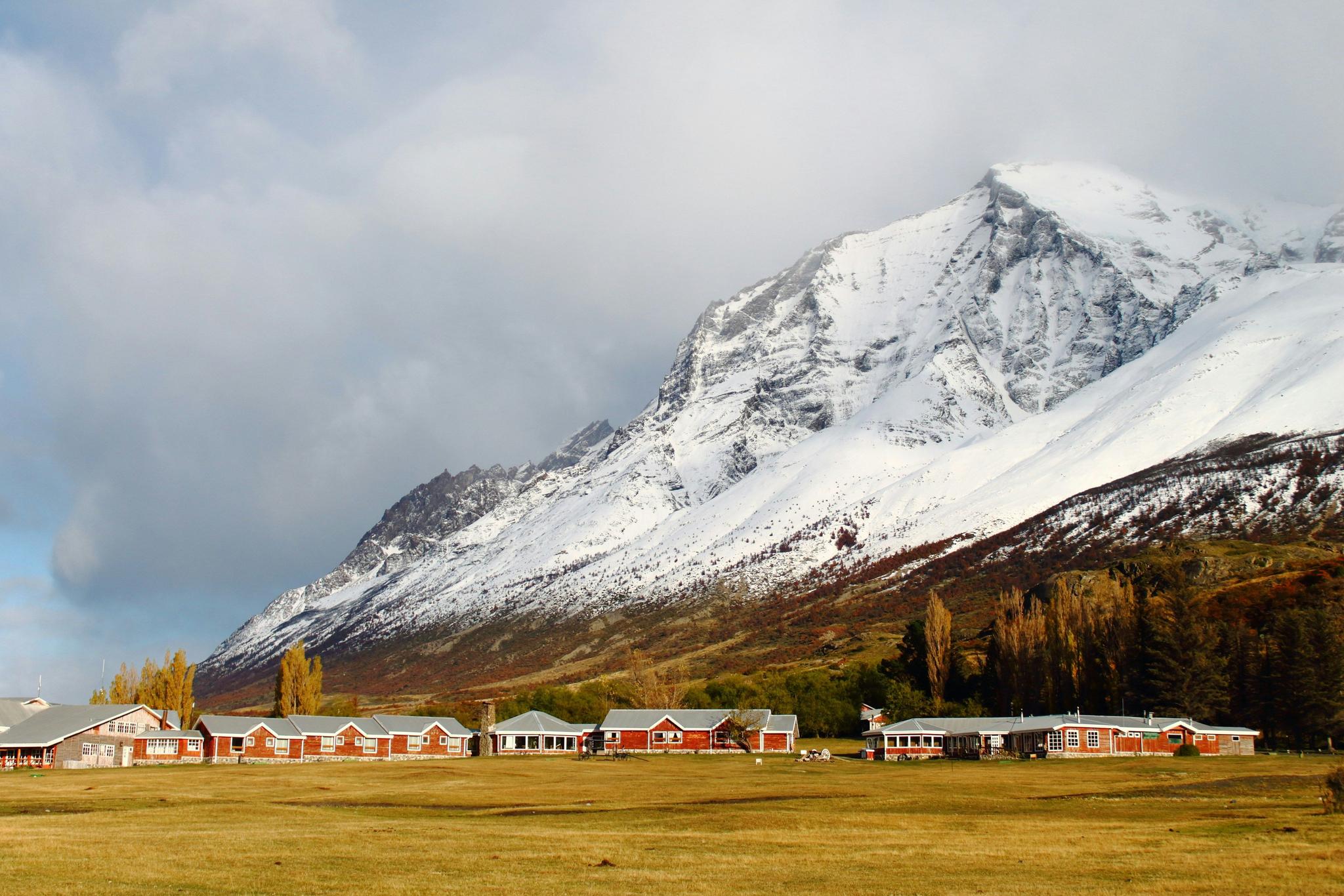
If Chileno is full for your dates, Central is the usual fallback. It keeps the chain of nights intact, at the cost of a longer Towers day. In the middle of the route, Francés and Cuernos work as alternatives to each other, so if one is full the plan can still hold.
Book the beds before you book the flights
What should you book first? The trail nights, every one of them, before you spend anything on getting to Chile. Patagonia Scout sets out the sequence, and we'd follow it to the letter.
- Fix your rough dates, your direction of travel, whether you're staying in refugios or camping, and your meal plan. Have passport numbers and an international card ready, since some portals ask for them at checkout.
- Book every trail night on both operators' sites, ideally in one sitting, so the chain of consecutive nights holds.
- Buy the park entrance ticket once all your trail nights are confirmed.
- Buy the Pehoé catamaran ticket for the Pudeto to Paine Grande crossing that most W hikers use.
- Book buses and shuttles, such as the Laguna Amarga shuttle. These can reportedly be booked as late as the day before, though booking early is still the safer move.
- Only then book flights into Punta Arenas, the usual gateway, and your lodging in Puerto Natales.
There's no single date when booking opens. Each operator releases its own calendar on its own schedule. Booking Patagonia says reservations typically open between April and June for the following season and recommends booking four to six months ahead. Patagonia Scout says there is no fixed 180-day rule, and nights for the 2026/27 season were already on sale by late October 2026. Vértice itself recommends at least six months of lead time for a trip between November and March.
So the working rule is to start checking both calendars the day your travel dates are fixed.
The park entrance ticket
Your refugio bookings don't include park entry. The entrance ticket is a separate purchase, and you need to buy it online in advance through the park's official reservation system. The park's own site sends visitors to CONAF, Chile's national parks agency. Patagonia Scout names the Pases Parques portal instead, which is most likely CONAF's current booking platform. Check the park's official site for the live link before you pay.
The price is just as hard to pin down. An older park listing gives USD 49 for a foreign visitor staying four or more days, and Patagonia Scout cites a 2026 multi-day foreign-adult tariff of CLP 48,500. Budget roughly $50 USD for a multi-day foreign-visitor pass, and confirm the current rate before you book. We'd buy it the same day you confirm your last trail night, so it doesn't get forgotten.
The shape of the route
We'd go west to east on a first W, mostly for the sunrise finish, but both directions work.
The trek takes its name from its outline. Glacier Grey sits at the western tip. The French Valley runs up the middle. The Base of the Towers anchors the east. Linking those points takes four or five days at 20 to 25 km (12 to 15 miles) a day, sleeping in refugios, campsites or a mix of both.
Most hikers start at Glacier Grey on day one and finish with the climb to the Base of the Towers on the last morning, timed for the sunrise view. Going east to west puts the Towers first and the sun behind you for photos, and some hikers prefer it that way.
The two hardest days are the French Valley hike and the Base of the Towers hike, where the final push to the viewpoint is steep. Which refugio you sleep in each night depends on your direction, whether you take four days or five, and which operator's beds you manage to get. Any fixed night-by-night itinerary you find online is one possible version, not the template.
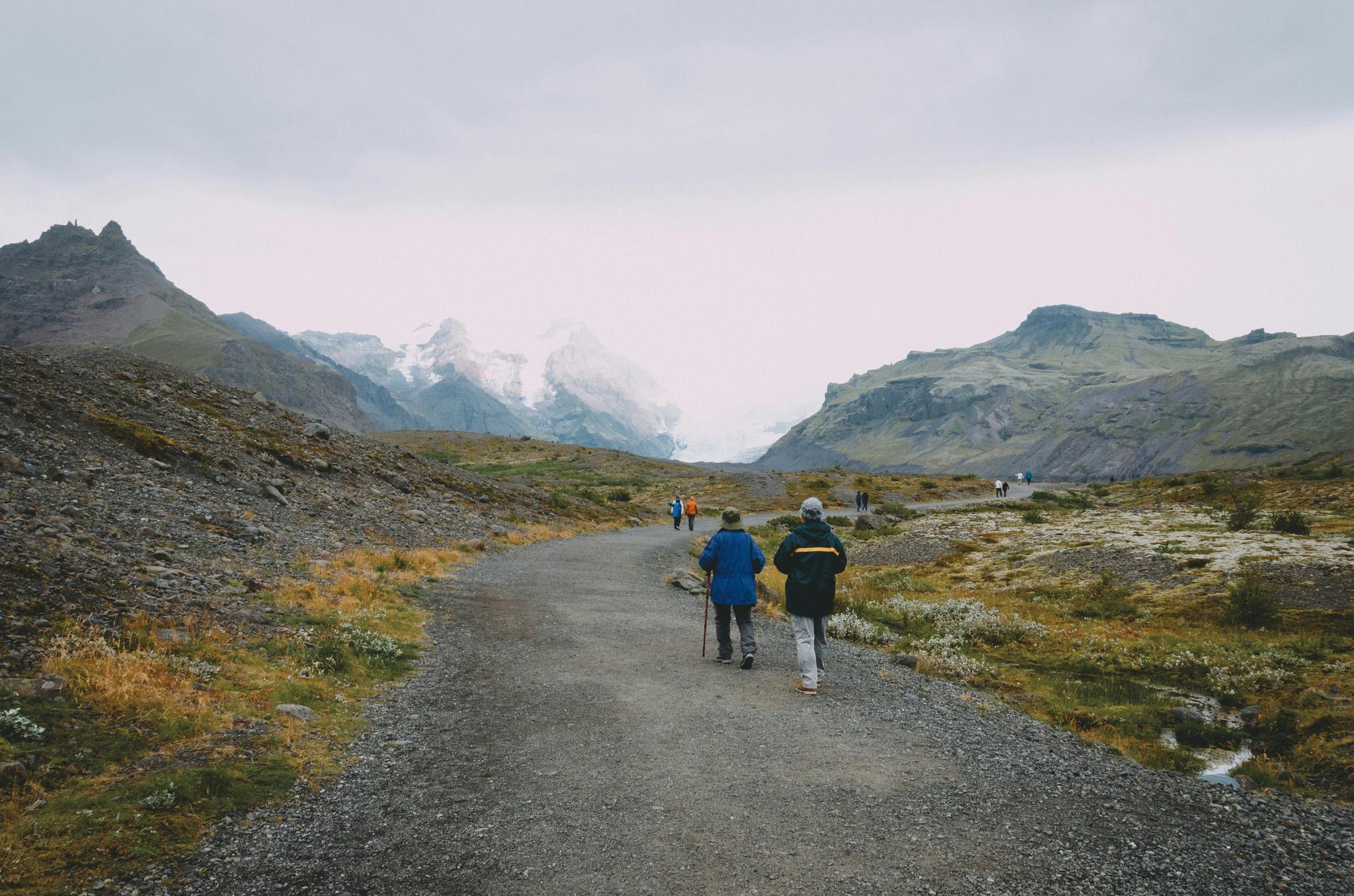
The best time to hike the W Trek
Is January the best month for the W? For most hikers, we don't think so. January is the warmest month in Torres del Paine and one of the driest, but it's also the windiest and the busiest.
- Average wind: ~19 km/h in January, the windiest month of the year, versus ~10 km/h in March, much calmer
- Rainy days: ~5 in January, among the driest months, versus ~6 in March
- Daytime high: ~20°C / 68°F in January, the warmest month, versus ~17°C / 62°F in March, with chillier mornings and nights
- Crowds: extremely busy in January, versus busy but with fewer people than peak summer in March
- Daylight: 15 to 16 hours in January, versus about 12 hours in March
March has about half of January's wind and only one extra rainy day. Crowds thin out as you get further from peak summer, you don't have to book quite as far ahead, and prices come down from their January highs. We think March is the better month for most people.
The trade-off is real, though. March gives you about 12 hours of daylight, against 15 to 16 in January, and nights are colder. January's cost is the wind. Summer gusts across the region have been reported at up to 120 km/h, so a January tent has to handle conditions that March mostly avoids. If you go later still, into April or May, the park stays calm and quiet but gets cooler, with more rain toward the end of the season. To see how Patagonia's seasons compare with the desert and wine regions, read our guide to the best time of year to visit Chile.

Getting to the trailhead
Punta Arenas is the usual gateway airport for Torres del Paine, and Puerto Natales is where most hikers stay before and after the trek. Shuttles such as the Laguna Amarga service connect into the park, and the Pehoé catamaran carries most W hikers across the lake from Pudeto to Paine Grande.
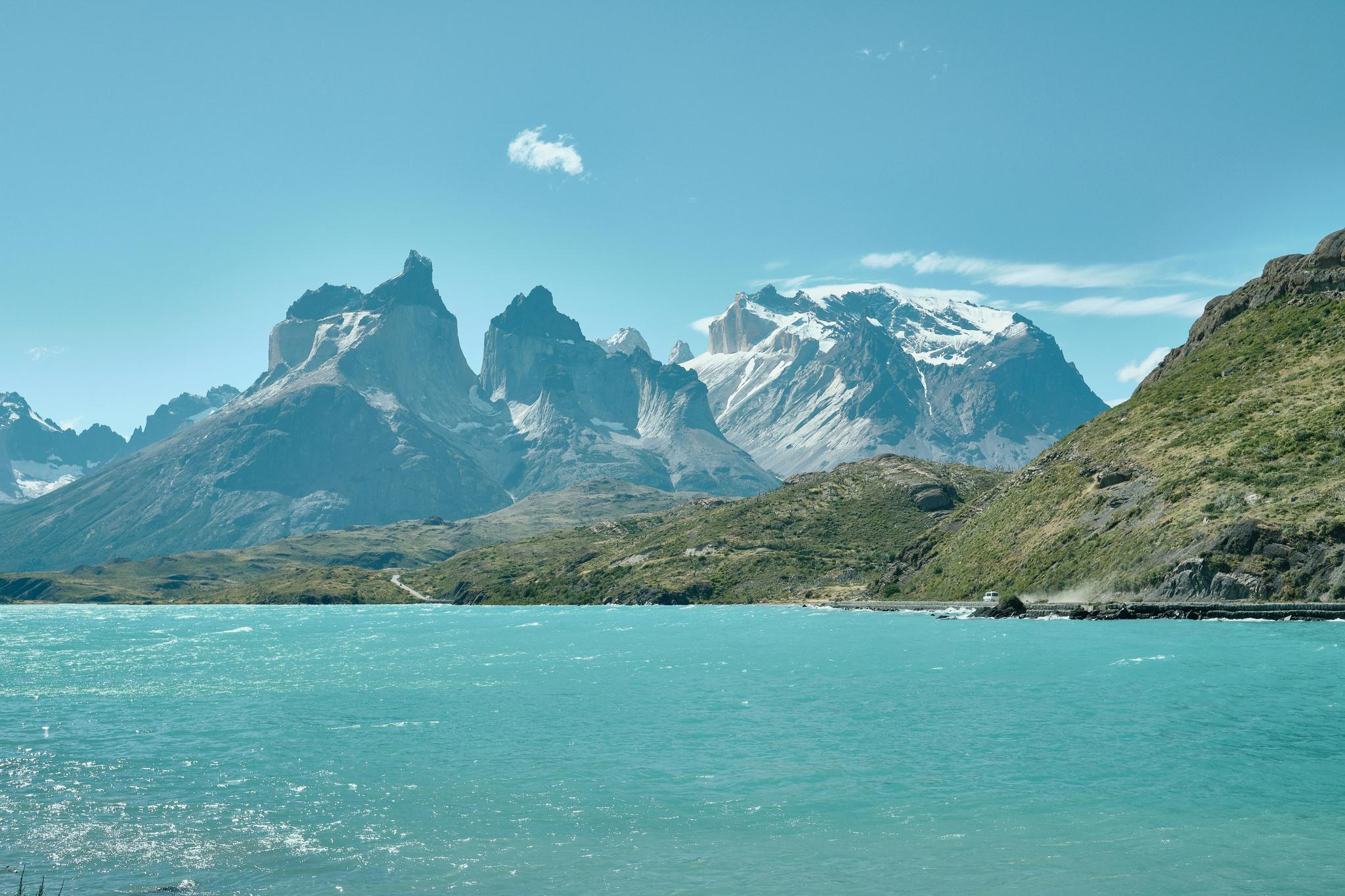
We'd book the catamaran as soon as your trail nights are locked in, because it's how most hikers reach Paine Grande. The shuttle is the one piece you can safely leave until late.
So, should you hike the W Trek in 2027?
Yes, if you're willing to plan around the beds. The trail itself is four or five days long, steepest on the push into the French Valley and the final climb to the Base of the Towers. The real test is booking it. Check both operators' calendars the day your dates are set, book Chileno first, aim for March, and buy your flights last.
In a nutshell
- Every night in Torres del Paine needs a confirmed refugio or campsite booking
- Las Torres Patagonia sells Chileno, Central, Francés and Cuernos, and Vértice Patagonia sells Grey and Paine Grande, on separate sites
- Chileno is the bottleneck, with Central as the fallback
- Book in this order: trail nights, park ticket, catamaran, shuttles, then flights and Puerto Natales lodging
- There's no universal opening date for bookings, so start checking as soon as your dates are fixed
- The park entrance ticket is separate, costs roughly $50 USD for a multi-day foreign-visitor pass, and needs confirming before you buy
- Most hikers go west to east for a sunrise finish at the Towers, but east to west works too
- March has about half of January's wind and fewer crowds, with shorter days and colder nights
Planning the trip
Torres del Paine is in Patagonia, at the far southern end of Chile, and the trek is only one part of the trip. We think it's worth treating the W as a trip of its own, not a side errand squeezed into a longer Chile itinerary.
Bookmark Las Torres Patagonia, Vértice Patagonia and the park entrance ticket portal before you go, since all three move on their own schedules and none of them will remind you to check back.
If you're still choosing between seasons, our guide to the best time of year to visit Chile covers the rest of the country.
And if Patagonia is only part of a longer trip, our rundown of things to know about Chile is worth a look too.
Once your trail nights are confirmed, use the Guided travel planning app to keep the rest of the trip in one place, from the Punta Arenas flight to the Puerto Natales hotel and the catamaran time that ties them together.
If the W has you thinking about more multi-day trails elsewhere, our guide to New Zealand's best hikes covers a similar range to plan around.


