
Bahrain

Bahrain travel guide: Everything you need to know before visiting Bahrain
Bab Al Bahrain was built on the seafront in 1949. Land reclamation has since pushed the coast several kilometres away, so the old gateway to Manama Souq now stands well inland, and Haji's Cafe, open since 1950, still bakes its bread in a clay oven round the corner. Bahrain is full of that kind of layering. Three UNESCO World Heritage Sites sit on this small group of islands, and the oldest of them go back to the Bronze Age, when Dilmun was a trading hub between Mesopotamia and the Indus Valley.
Next to Dubai or Doha, Bahrain feels smaller and older, with less glitz and more history. Daily life is easygoing by Gulf standards. Alcohol is legal for non-Muslim adults in hotels and licensed restaurants, and Block 338 in Adliya is a walkable quarter of restaurants and galleries. The sea still shapes the trip too, from pearl snorkelling off Bu Maher to the cormorant colony on the Hawar Islands. Bahrain suits history and food travellers, Gulf stopovers and F1 fans. It suits you less if you can only come in summer, when highs reach 39 to 40 °C. This guide covers where to go and how long to stay, plus food and costs, and the practical rules worth knowing before you fly.
5 reasons to visit Bahrain
If you only do one thing here, make it the Pearling Path. The other four come close.
- Walk 3.5 km of old Muharraq along the UNESCO-listed Pearling Path.
- Climb the walls of Qal'at al-Bahrain, a Dilmun capital and harbour for thousands of years.
- Snorkel for oysters off Bu Maher Fort and keep any pearls you find.
- Eat machboos and halwa in Muharraq, then have dinner in Block 338.
- See a 400-year-old tree growing alone in the desert.
Where to visit in Bahrain?
How much of Bahrain can you see from one base? Nearly all of it. The Tree of Life, one of the furthest sights, is about 40 km from Manama, so everything on the main island works as a day trip from one base.
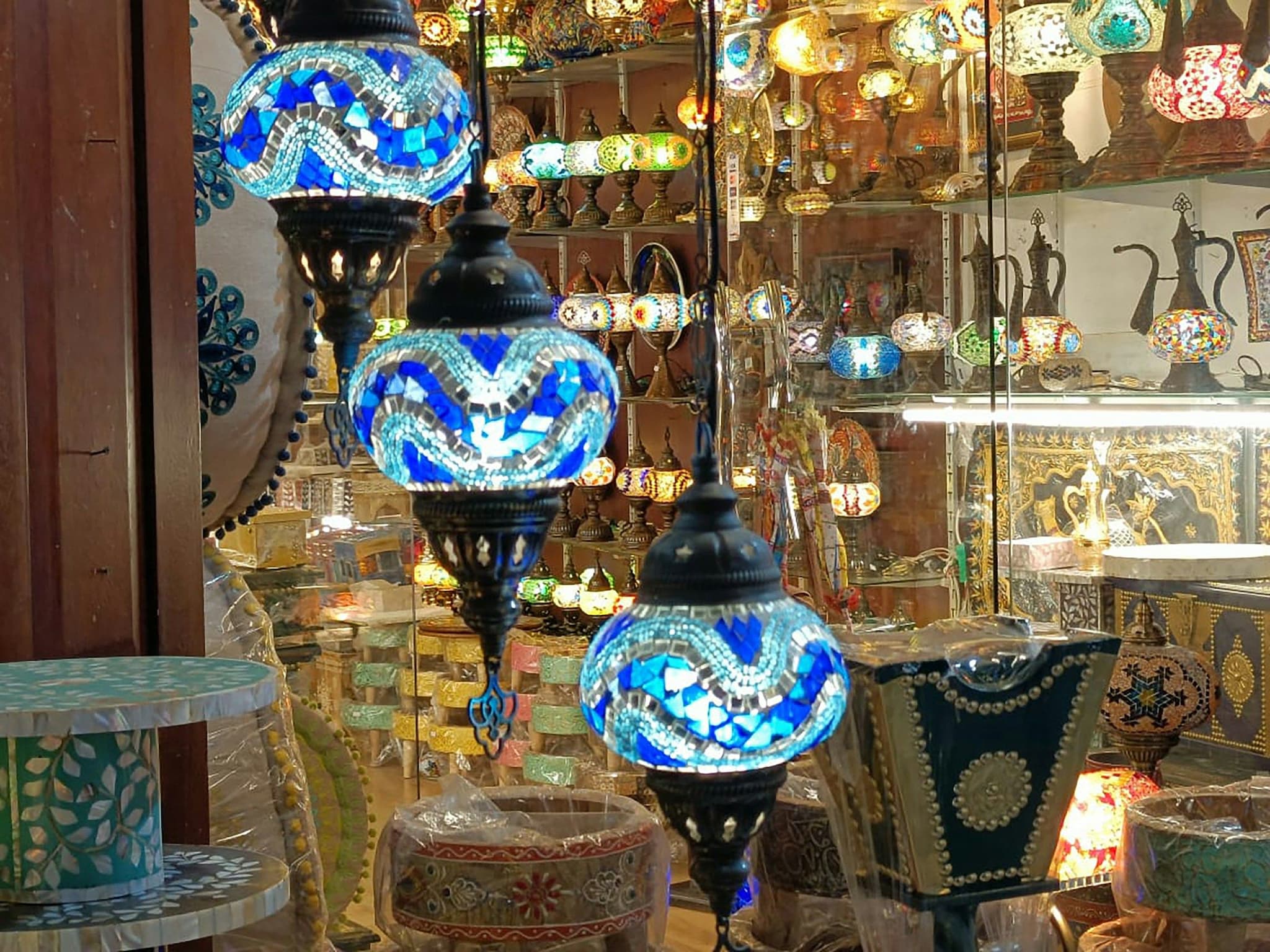
Manama Souq and Bab Al Bahrain
Start with tea at Haji's Cafe, then walk through the gate. Bab Al Bahrain was designed by Charles Belgrave and finished in 1949, when it stood on the shoreline. Reclaimed land now puts it several kilometres from the sea. The gate is the main entrance to Manama Souq, and Gold City, a complex of gold shops on Government Avenue, is close by. Haji's has been serving breakfast since 1950 and is now run by the third generation of the family. Come in the late afternoon, eat first and leave the gold shops until last, once you've walked enough of the souq to compare.
Bahrain National Museum
See the museum first, and the forts and burial mounds will make far more sense afterwards. It opened on 15 December 1988 and is Bahrain's largest and oldest public museum, telling about 5,000 years of history with a strong focus on Dilmun. Three halls cover the Dilmun period, and one of them holds a burial mound from A'ali, reassembled indoors. The museum opens from 9am to 8pm and closes on Tuesdays, and adult entry is a couple of dinars. Next door stands the gold-roofed National Theatre, opened in 2012 with a 1,001-seat auditorium. Boats to Qal'at Bu Maher leave from the museum car park every 45 minutes, daily except Tuesday, with the last trip at sunset.
Muharraq and the Pearling Path
This is our pick for the single best half day in Bahrain. UNESCO listed the Pearling Path in 2012 as "Pearling, Testimony of an Island Economy". The 3.5 km route runs from the Bu Maher seashore to the Siyadi complex. The listing covers 17 buildings and three offshore oyster beds, plus the fort at Bu Maher where the route begins. It's free to walk and takes 2 to 2.5 hours, with pearl-shaped streetlamps marking the way. The houses open from 10am to 6pm and close on Tuesdays, and the Pearling Path visitor information lists what's open. Bahrain's pearls were among the best in the world into the 19th century, until Japanese cultured pearls and the oil boom of the 1930s ended the trade.
Qal'at al-Bahrain (Bahrain Fort)
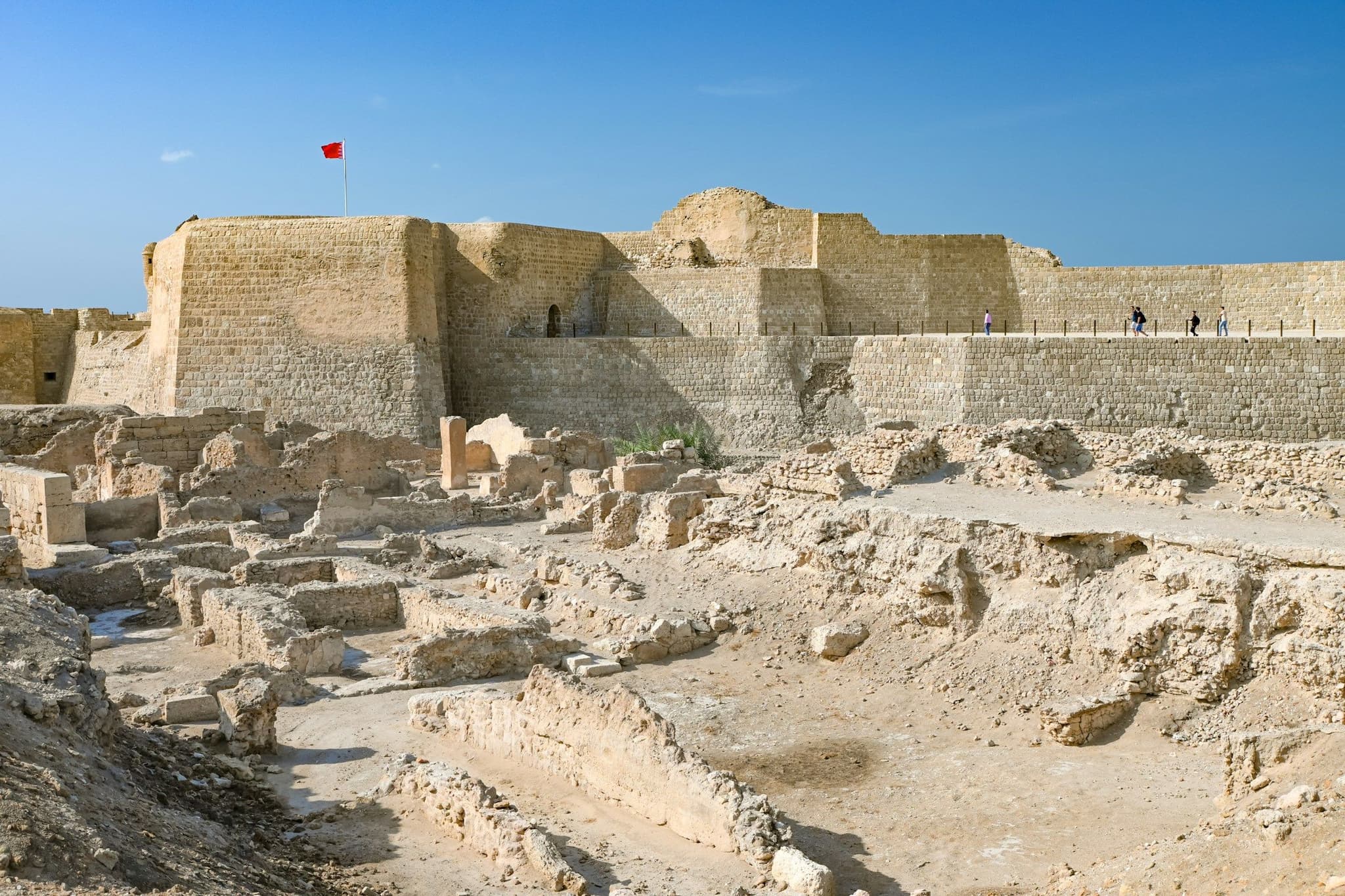
People lived on this site from about 2300 BC. It became the capital and harbour of Dilmun, and later Kassite, Hellenistic and Islamic layers now sit under a 16th-century fort from the Portuguese era. UNESCO listed it in 2005. The fort grounds are free and open daily from 8am to 6pm. The site museum, opened in 2008, has five galleries and a 30 m reconstruction of the excavated layers, plus free guided tours and audioguides. It charges about BD 1, opens from 8am to 8pm and closes on Mondays. Go late in the afternoon, when the light warms the walls, and stay for dinner at the café by the sea.
Al Fateh Grand Mosque
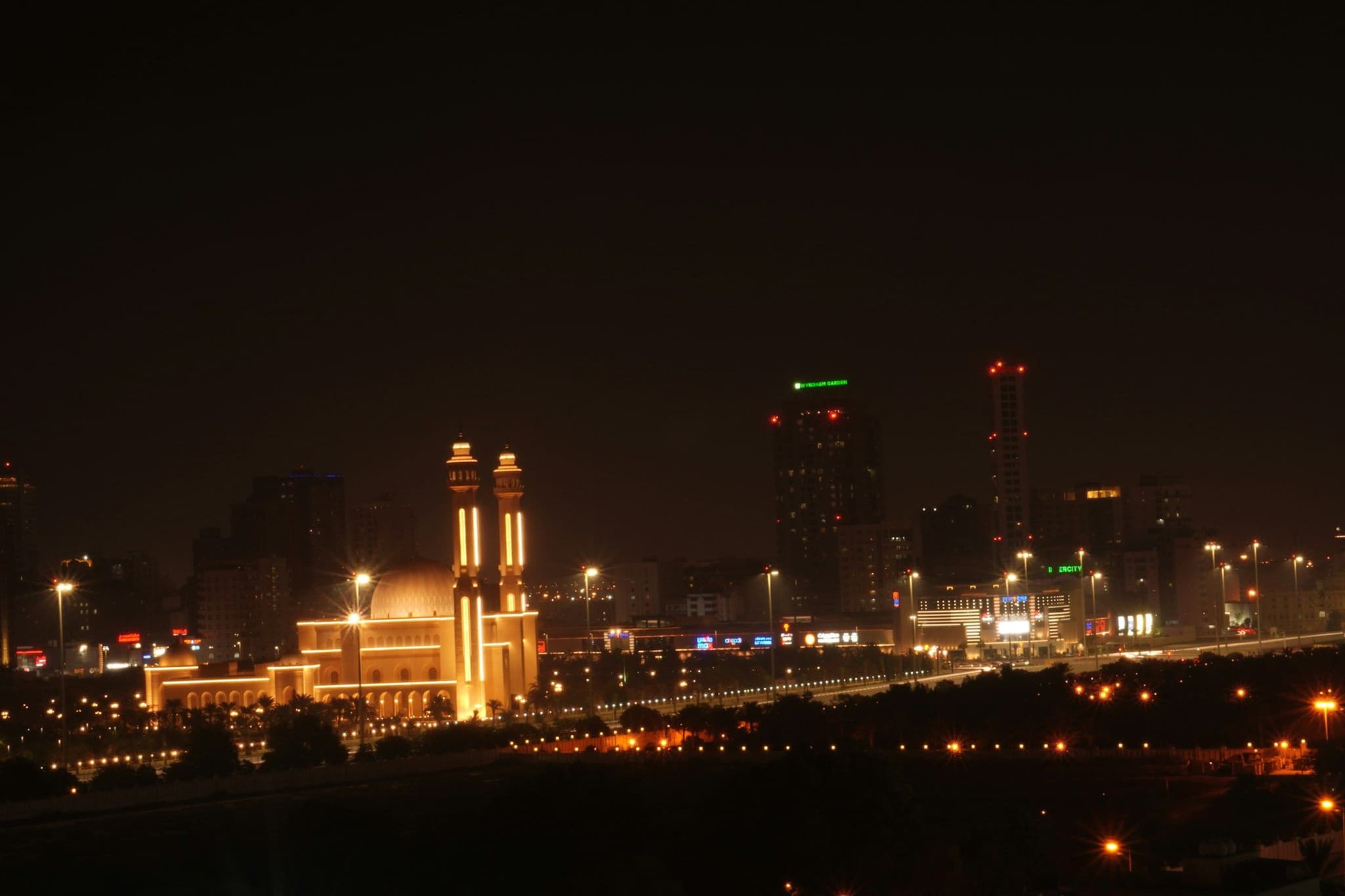
Take the free guided tour. It's the best introduction to Islam in Bahrain you'll find, and tours run in several languages. The mosque was built in 1987 and 1988 and holds more than 7,000 worshippers. Its 24 m fibreglass dome is said to be the largest in the world. Visitors are welcome every day except Friday, usually from about 9am to 4pm, so a morning visit leaves the late afternoon free for Qal'at al-Bahrain. Dress modestly, covering your arms and legs, and women should also cover their hair.
Dilmun Burial Mounds and A'ali
Thousands of Bronze Age burial mounds still mark the landscape, most of them 4.5 to 9 m across and 1 to 2 m high, built between about 4,100 and 3,700 years ago. UNESCO listed the Dilmun Burial Mounds in 2019, and the royal mounds at A'ali, about 18 km from Manama, are the ones to see. On their own the mounds are a short stop. Pair them with A'ali's pottery workshops, which are family-run, and some potters here once used old burial chambers as kilns.
Tree of Life and Jebel Dukhan
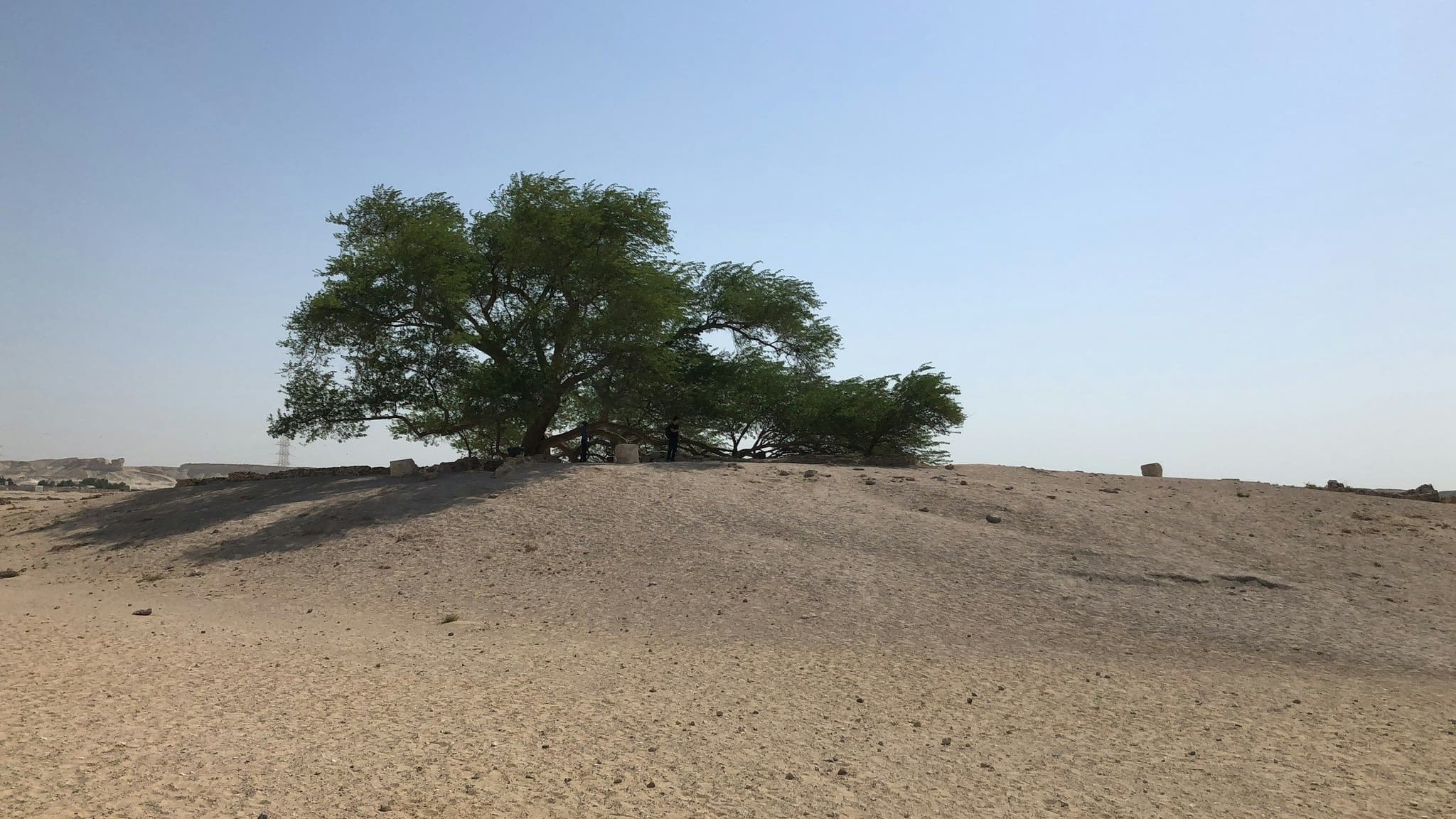
A single tree stands in open desert about 40 km from Manama. It's a Prosopis juliflora, more than 400 years old and 9.75 m tall, and nobody knows for certain how it gets its water, although its roots may reach 50 m down. Jebel Dukhan, 6 km away, is the highest point in Bahrain at 134 m. Below it is the First Oil Well, reconstructed, where oil first flowed in October 1931 and gushed on 2 June 1932. The tree is worth it as a sunset drive combined with the oil well, but not as a half day on its own.
Bahrain International Circuit
Formula 1 came to the Middle East here first. The circuit at Sakhir opened on 17 March 2004 and hosted the region's first Grand Prix on 4 April that year, and the race has run at night since 2014. The Grand Prix track is 5.412 km long. It holds the Bahrain Grand Prix when the calendar allows, so check dates before you plan a trip around it. Outside race weekends, the circuit runs a karting track and guided tours. F1 fans should give it half a day; everyone else can see it on the drive south.
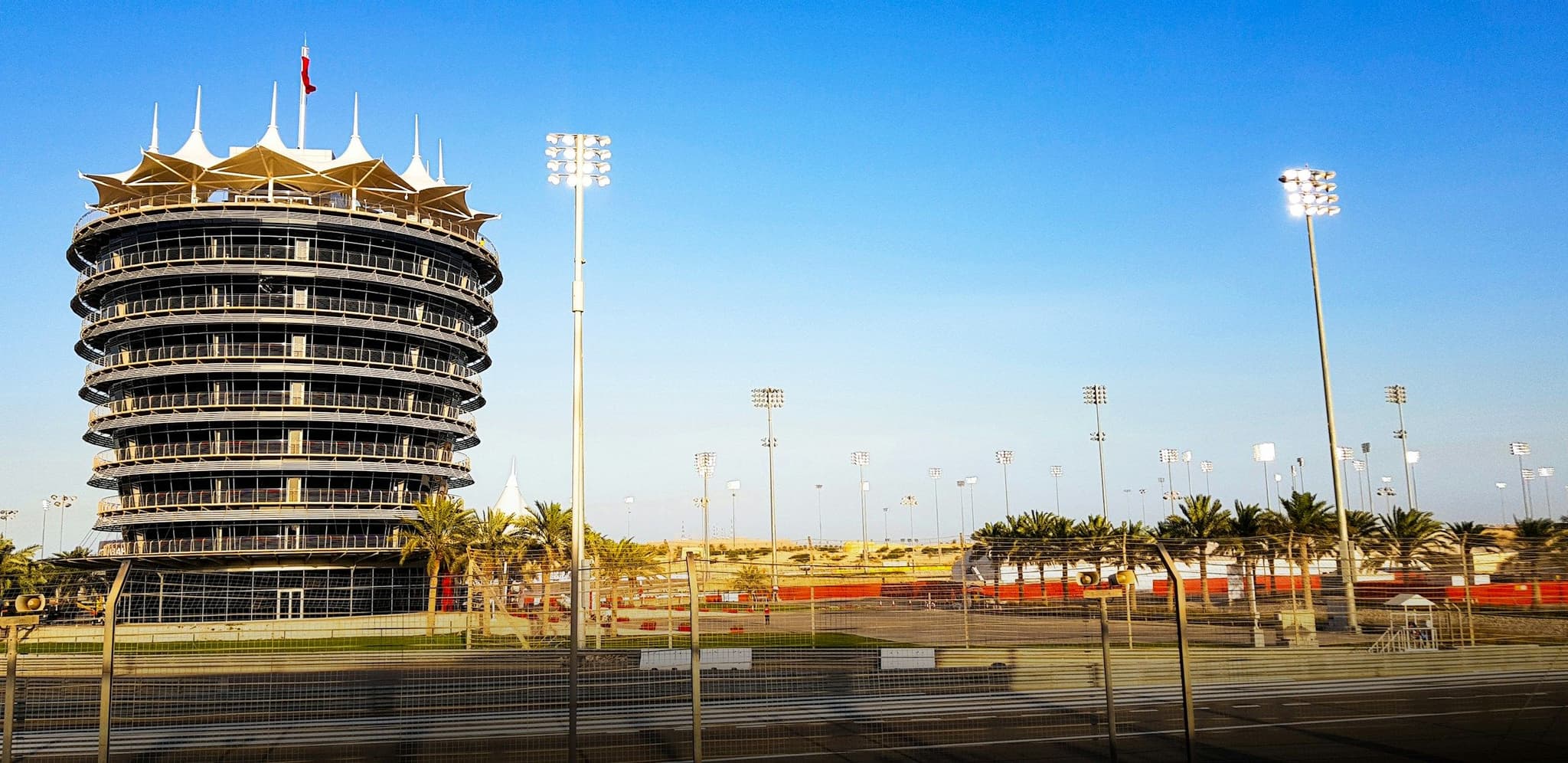
Mohammed bin Zayed Nature Reserve
Bahrain's first nature reserve opened in 1976 as Al Areen Wildlife Park and was renamed the Mohammed bin Zayed Nature Reserve in December 2025. It covers more than 5 km², and tour buses take you from the entrance past Arabian oryx and sand gazelles. The reserve opens from 8am to 4pm from Saturday to Thursday and from 12.30pm to 4pm on Fridays. It's a good stop with children. Combine it with the Tree of Life on the same day, finishing at the tree for sunset.
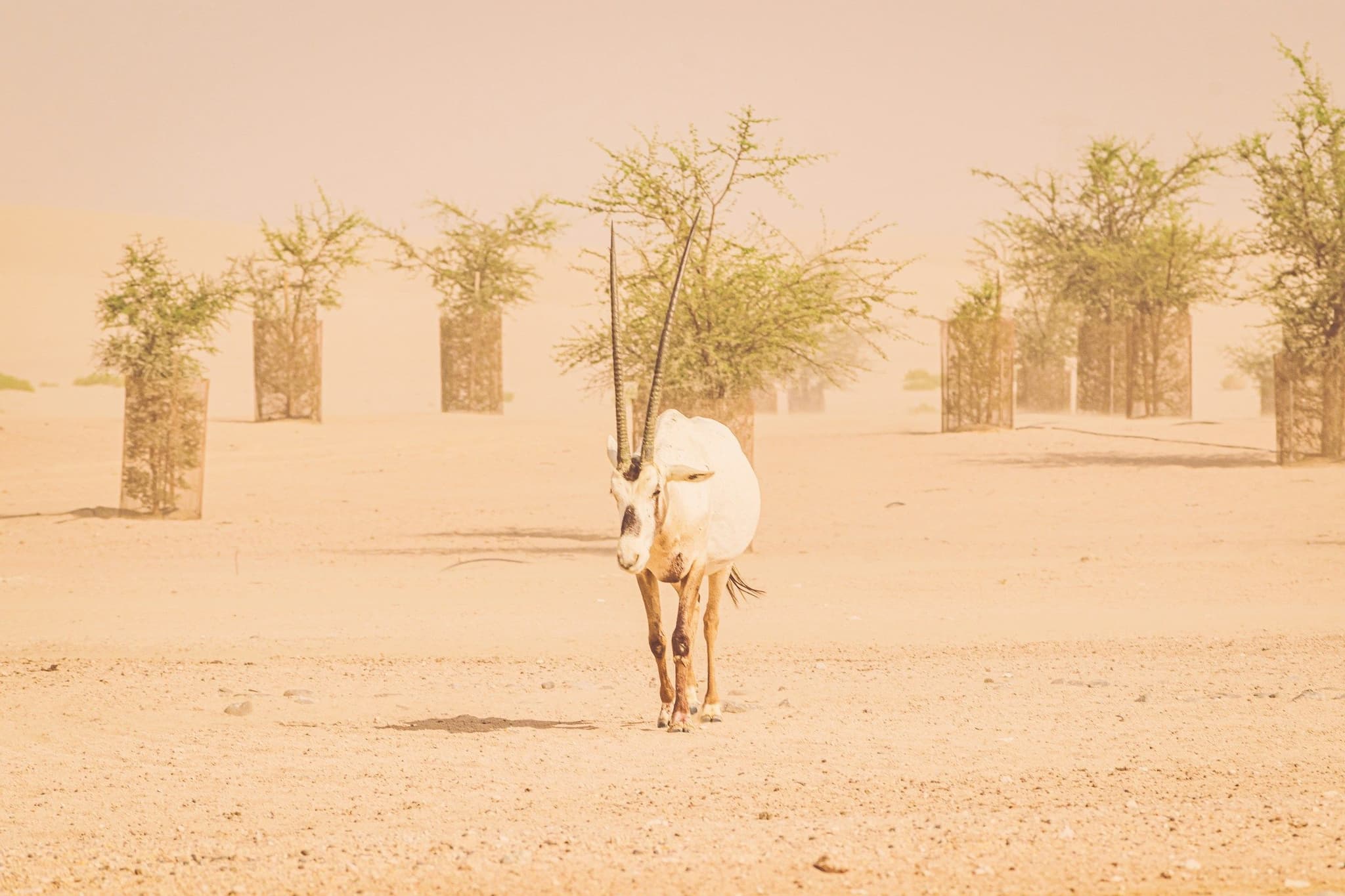
Hawar Islands
Hawar is the only real getaway in Bahrain, and we'd stay at least one night. These low desert islands sit about 10 nautical miles south-east of the main island and just 1 nautical mile from Qatar. They became a Ramsar wetland site in 1997, and they hold the world's largest colony of Socotra cormorants as well as a large population of dugongs. Boats leave from the Durrat Al Bahrain pavilion and take 25 to 30 minutes. Hawar Resort by Mantis opened in early 2025 and offers kayaking and snorkelling. Dolphins swim offshore, and flamingos pass through on migration. Access beyond Hawar Island itself is restricted, so the smaller islands are something you see from the boat.
Block 338
Block 338 in Adliya is where we'd spend most evenings. It's a pedestrian-friendly quarter of restaurants, galleries and murals, with places such as Mirai, Monsoon and Oliveto, and the nightlife and live music start later on. Licensed restaurants and bars here serve alcohol to non-Muslim adults, as hotels do across Bahrain. Come back in daylight for the murals and galleries, when you can look at them properly. Book at least two dinners, and keep one evening free to wander between menus before you choose.
Bahrain Bay, Seef and Beit Al Quran
Give the modern skyline an hour. The Bahrain World Trade Center, finished in 2008, rises 240 m over 50 floors, and three 29 m wind turbines hang on its skybridges. It was the first skyscraper to build wind turbines into its design. For something quieter, Beit Al Quran in Hoora opened in 1990 and holds about 10,000 manuscripts, the oldest from the 7th century. It opens from Saturday to Wednesday from 9am to 12pm and 4pm to 6pm, plus Thursday mornings, and closes on Fridays.
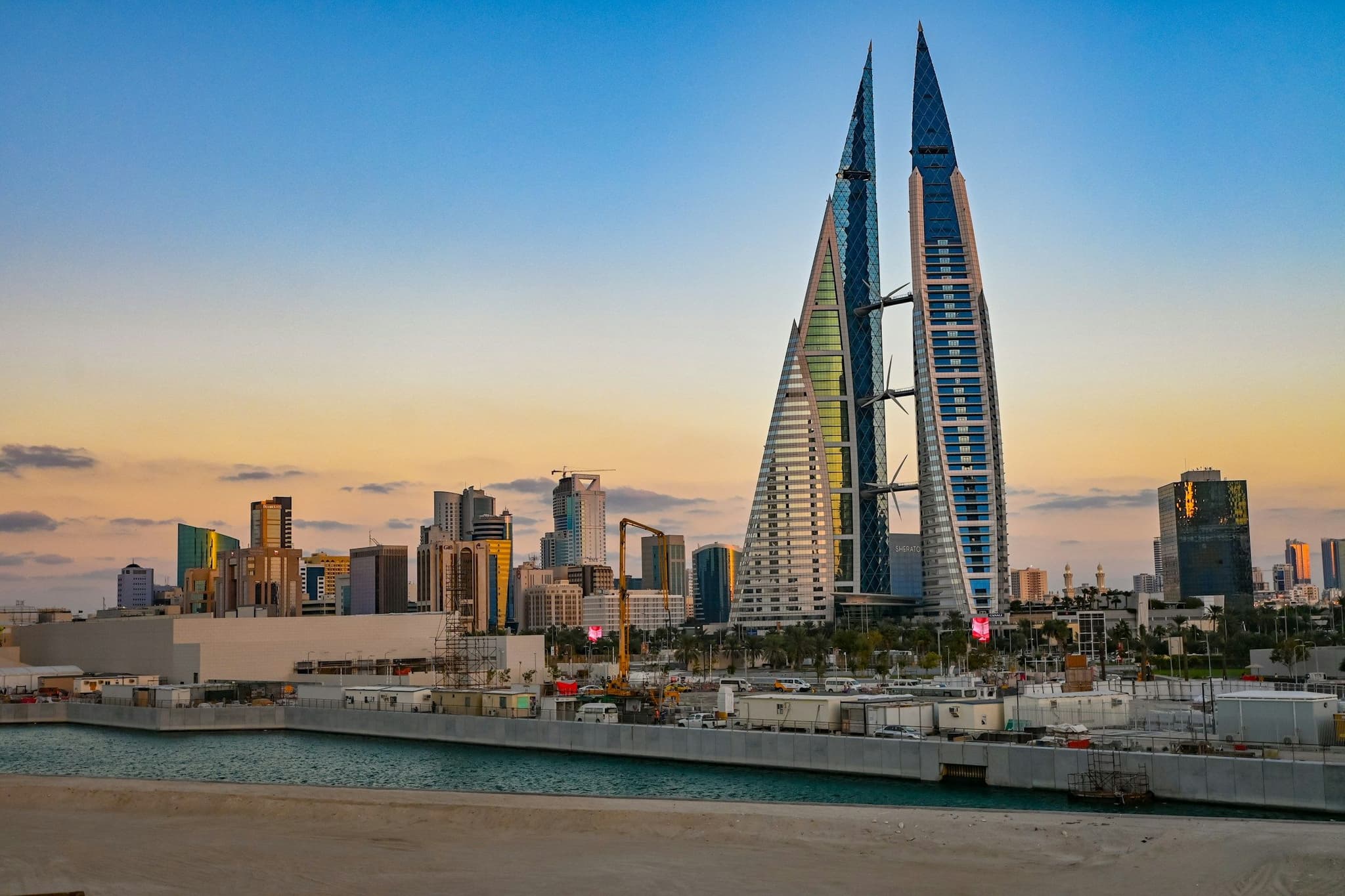
Bahrain itinerary ideas for your trip
A'ali is 18 km from Manama and the airport bus into the city takes about 30 minutes. With distances that short, a week in Bahrain lets you go slowly.
5 to 7 day Bahrain itinerary
- Day 1: Manama Souq and Bab Al Bahrain, with tea at Haji's Cafe. Dinner in Block 338.
- Day 2: The National Museum in the morning, then the boat to Bu Maher and the Pearling Path. Finish with halwa in Muharraq.
- Day 3: Al Fateh Grand Mosque in the morning and Qal'at al-Bahrain in the late afternoon.
- Day 4: The burial mounds and a pottery workshop in A'ali, then Beit Al Quran.
- Day 5: Drive south to the nature reserve and the Tree of Life, with the First Oil Well and Sakhir on the way.
- Day 6-7: Pearl snorkelling or a boat to Jarada, or a night on the Hawar Islands.
10 to 14 day Bahrain itinerary
Bahrain on its own doesn't fill two weeks, and most people with this much time add a neighbour. We'd pair it with the UAE.
- Day 1-6: The itinerary above at a slower pace, with two nights on the Hawar Islands.
- Day 7: Fly from Bahrain to Dubai.
- Day 8-14: The UAE, following our Dubai 7-Day Itinerary.
Want more nights on Hawar, or a different split between Bahrain and Dubai? You can build this route your way and change it day by day in the Guided trip planner.
Fun things to do in Bahrain
The best things to do here mostly involve the sea, which makes sense for a country that lived off pearls for centuries.
Snorkel for your own pearls
Bahrain's tourism authority backs pearl-diving trips run by Masar Group from the ports of Sa'ada and Bu Maher, all year round. Pearl snorkelling costs from BD 38 and lasts about 4 hours in 1 to 2 m of water. Afterwards you open your oysters at Bu Maher Fort and keep any pearls you find, with certification costing extra. It's open to ages 11 and over, and certified divers aged 18 and over can dive instead. For us this is the most Bahraini thing you can do in a day.
Take a boat to Jarada
Jarada is a sandbar that appears at low tide, about 40 minutes by boat from Amwaj, and it stays above water for about 4 hours before the tide returns. The Four Seasons and other operators run trips. We'd pair it with a night on Amwaj, where the boats leave from.
Dive the sunken 747
Dive Bahrain is an underwater park off the north coast that opened in 2019, with a 70 m Boeing 747 sunk at about 20 m. It's for certified divers only, and you should check with operators that it is running before you plan around it. Summer air temperatures sit near 40 °C, and the water is cooler from October, so autumn and winter are more pleasant for diving.
Make pottery in A'ali
The Al-Shughul Pottery Workshop in A'ali has been running for about 80 years and offers hands-on sessions. Message ahead to book a slot. We'd do this straight after the royal mounds, since you're already in the village.
Time your trip for a festival
Bahrain National Day falls on 16 and 17 December. Spring of Culture usually runs in spring; check the 2027 programme before you book.
When to go to Bahrain?
Bahrain's airport records January highs of 20.7 °C and July highs of 39.7 °C, and the record stands at 47.4 °C. Rain is rare, about 72 mm a year, and falls in winter, while the shamal wind blows from December to March. August is the hardest month, with highs of 39.6 °C and 77% humidity. We'd go between November and March.
- Spring (March to April): warm, with highs of 25 to 31 °C and good weather for the forts. Eid al-Fitr is expected on about 9 to 10 March 2027.
- Summer (May to September): very hot and humid, with highs near 40 °C, so plan around museums and malls in the heat of the day.
- Autumn (October to November): highs fall from about 34 °C to 28 °C, and the snorkelling and Hawar season begins.
- Winter (December to February): the best weather, with highs of 20 to 23 °C and occasional rain, plus National Day on 16 and 17 December and higher accommodation prices. Ramadan is expected to begin on about 8 February 2027.
Did you know you can create your own itinerary?
Now that you know what to see in Bahrain, you can start creating your own trip. Would you rather spend two nights on the Hawar Islands, or keep to Manama and Muharraq and add a few days in Dubai? It's all up to you. You can easily create your own trip in the Guided app for free, or use trips shared by others.
Where to stay in Bahrain?
We'd base ourselves in Adliya or Juffair for the restaurants and evenings, and leave Seef to shoppers.
Adliya
Adliya puts Block 338 on your doorstep, and that's the reason to stay. It's a small district, so check availability early.
Juffair
Juffair is the best-value base, busy with bars and restaurants. The Hilton cost about US$136 a night in September 2026 and Farhan Tower about US$87.
Manama and Bahrain Bay
The waterfront hotels at Bahrain Bay are the top end. In September 2026 the Four Seasons cost about US$510 a night and the Wyndham Grand about US$212. Stay here if you want a view of the bay and a short ride to the souq.
Seef
Seef is the mall district, with the Onyx Rotana at about US$281 a night and the Royal Saray at about US$406. It makes sense if shopping is a big part of your plans.
Amwaj Islands
Amwaj is the beach-resort option, with The Grove at about US$187 a night and the ART Hotel at about US$301. Boats to the Jarada sandbar leave from here too.
Guided tip: Midweek rates are often lower. Friday is the busiest night for short-term rentals in Manama, so book weekend stays early.
Getting around when visiting Bahrain
Bahrain has no trains or metro. Ride-hail apps cover Manama, and a hire car helps for the south.
Careem, Uber and taxis
Careem and Uber both operate in Bahrain. A ride from the airport to central Manama costs about BD 4 to 7, and short city rides about BD 2 to 5. If you take a taxi, the UK government advises using a reputable company.
Buses
Bahrain Public Transport runs more than 20 routes. The airport bus to Manama takes about 30 minutes and runs every 20 to 30 minutes from about 5am to 11pm. A fare is BD 0.300, paid in cash or with the KarTi contactless card. Services are less frequent on Fridays.
Car hire
A compact hire car costs about BD 12 to 20 a day, and you drive on the right. According to the UK government, a UK photocard licence is valid for up to three months, and a 1968 International Driving Permit is needed otherwise. Check the rules for your own licence before you go. Speeding and using a phone at the wheel are strictly penalised, and drink-driving can bring a travel ban.
Boats
Boats run to Bu Maher from the National Museum and to the Hawar Islands from Durrat Al Bahrain. A waterway curfew applies from 6.30pm to 4am, and the UK government advises checking that dhows carry lifejackets before you board.
Guided tip: Hire a car for one day in the south, where the Tree of Life and Sakhir are spread out, and use Careem or Uber in Manama.
Food and drinks you should try when visiting Bahrain
Where should you have your first proper Bahraini meal? Muharraq, ideally after the Pearling Path, with halwa to finish. In Ramadan most restaurants close during the day, although hotel restaurants stay open discreetly.
Machboos
The national dish is a shared platter of spiced rice cooked in meat or fish broth, topped with chicken, lamb or fish. Order one for the table.
Muhammar
Muhammar is sweet rice cooked with dates or sugar, cardamom and rose water, and it comes with fried or grilled fish. Sweet rice with fish sounds odd on paper. We think it's one of the dishes most worth ordering.
Bahraini halwa
This jelly-like sweet is made from starch, sugar, ghee and saffron, flavoured with rose water and cardamom and studded with nuts. Halwa from the Showaiter family in Muharraq is the one to look for. The red version has saffron and cashews, and the green one has almonds. Buy a box of each.
Balaleet
Balaleet is a breakfast dish of sweet vermicelli flavoured with cardamom, saffron and rose water, served under an omelette.
Gahwa and karak
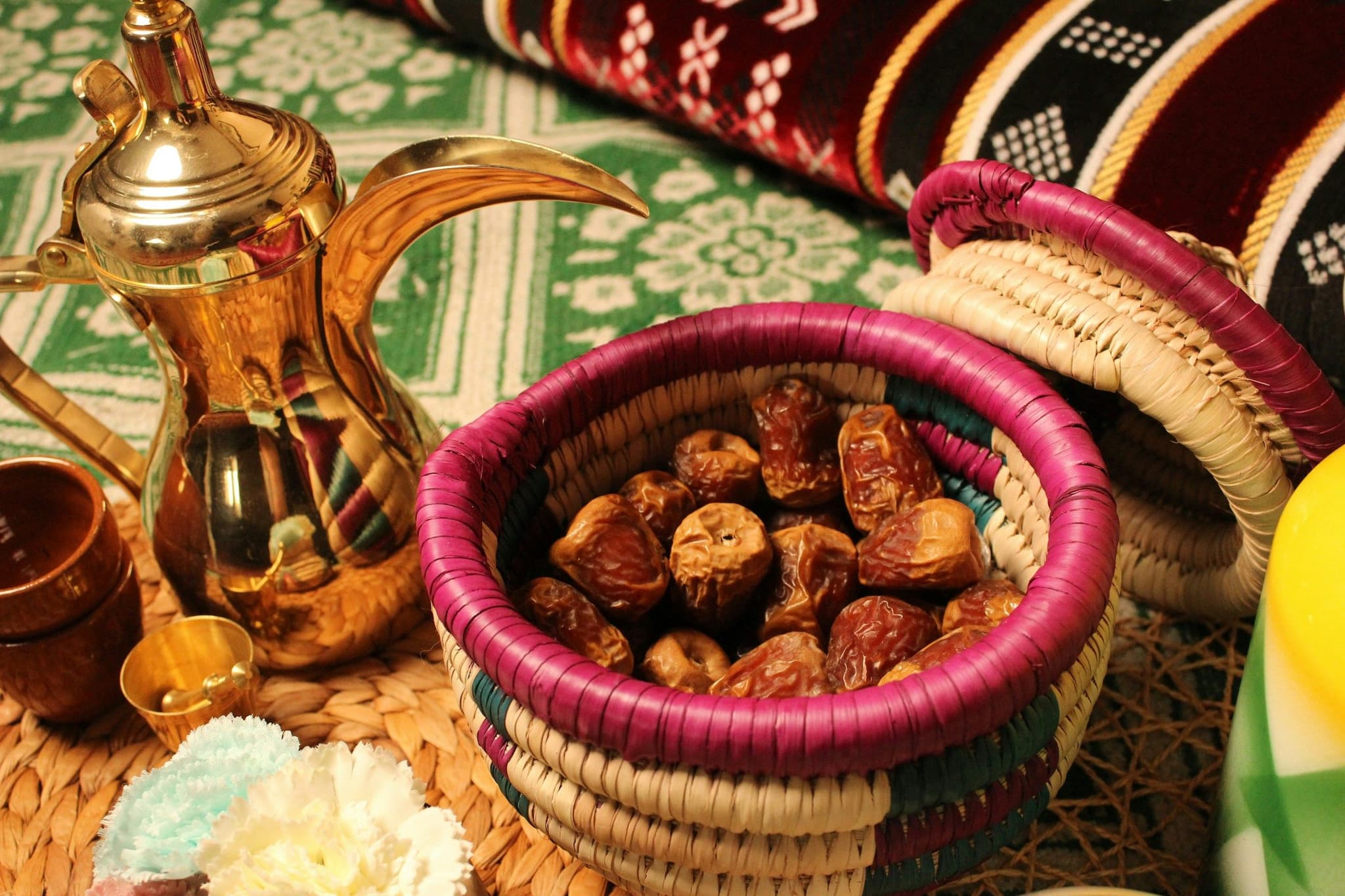
Gahwa is unsweetened cardamom coffee, poured for elders first and served with dates. Karak is the sweet option, a milky tea spiced with cardamom.
Culture and local habits you'll notice when visiting Bahrain
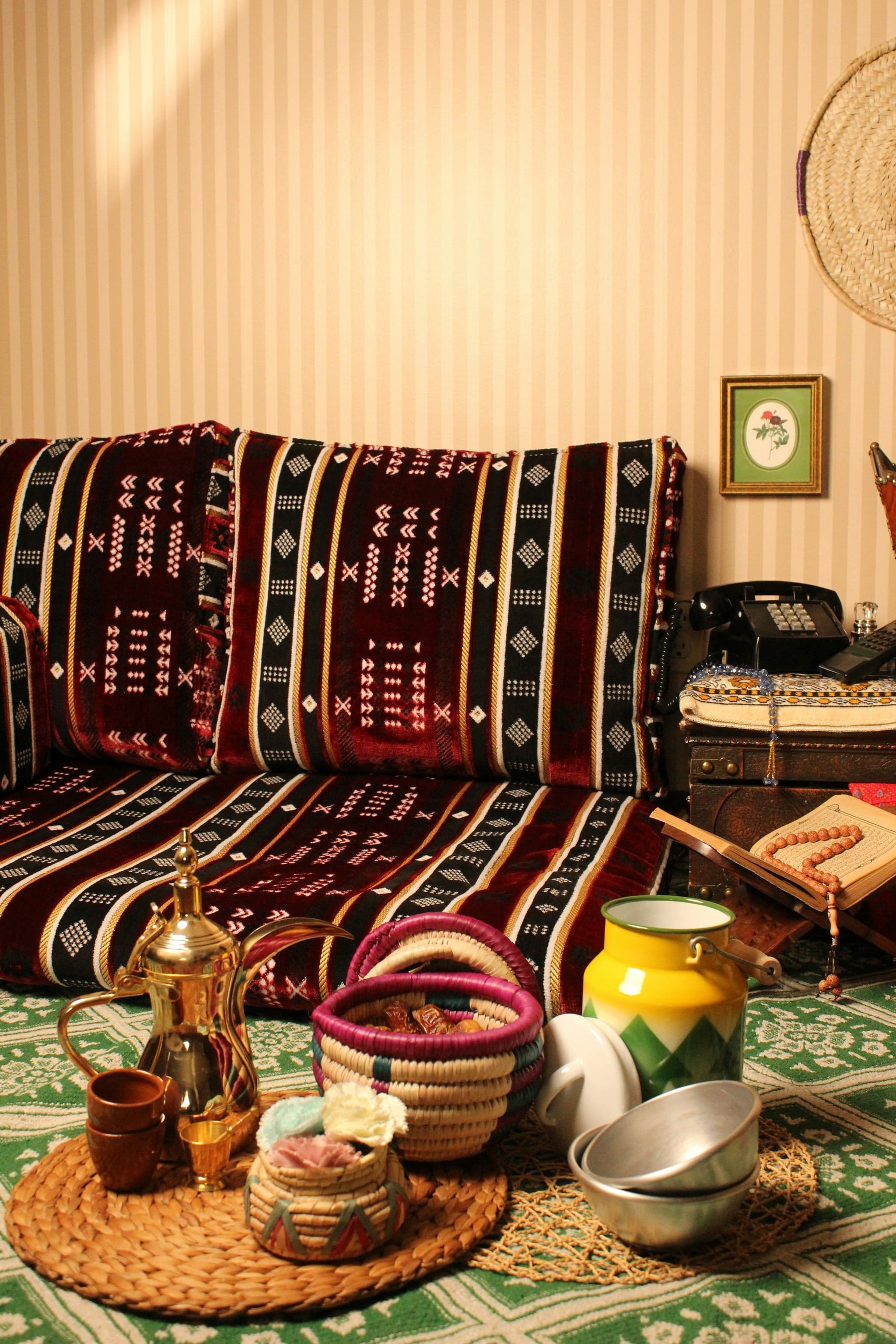
About 1.59 million people live in Bahrain, and about 46.6% of them are Bahraini nationals. Arabic is the official language and English is widely used. Islam is the official religion. The weekend falls on Friday and Saturday, and hospitality still starts with gahwa and dates and the majlis tradition of receiving guests.
Dress modestly in public, covering shoulders and knees, and don't sunbathe topless. Carry photo ID at all times, because you can be fined without it. Swearing and rude gestures, including while driving, can lead to prison and deportation, and social media posts that mock the country or the monarchy can be crimes. Ask before you photograph people. Of all these rules, we'd say the ID one is the easiest to overlook, so keep your passport or ID card on you.
Looking for more unique places, trips and activities?
Subscribe to our Guided Newsletter for more travel inspiration.
Costs of a holiday to Bahrain
Bahrain sits in the middle of the Gulf on price. On Numbeo's 2026 cost of living index it scores 47.6, below the United Arab Emirates at 55.2 and Qatar at 50.4, and a little above Oman at 43.6. Hotels are good value outside weekends, while alcohol and the beach resorts are where the bill climbs. The dinar is pegged to the US dollar at about BD 0.376, so one dinar is worth about US$2.66, and Saudi riyals are accepted at 10 to the dinar.
Food & Drink

Coffee
BD 1 – BD 2
Lunch
BD 2 – BD 7
Beer
BD 3 – BD 6
Accommodation

Hotels
BD 40 – BD 110
Airbnb
BD 40 – BD 70
Budget hotel
BD 25 – BD 40
Transport
Taxi / ride-hail
BD 2 – BD 7
Public Transport
BD 0.300 – BD 0.400
Car Rental
BD 12 – BD 20
Attractions
Museums
BD 1 – BD 2.2
Big Attractions
BD 2 – BD 38
Theatre
BD 15 – BD 40
Practical tips for visiting Bahrain
What should you sort out before you fly? The visa and the latest travel advice, in that order.
✔ Get your visa before you travel
You need a visa to visit Bahrain. Many nationalities, including the UK, EU and US, can get an eVisa online or a visa on arrival, and a two-week single-entry visit visa costs about BD 5. Your passport should be valid for six months from arrival, and you may be asked to show an onward ticket and a hotel booking. We'd apply online rather than rely on arrival, and check the rules for your passport on the official Bahrain eVisa site before you book.
✔ Sort out money and a SIM card
Cards are widely accepted and the dinar is pegged to the US dollar, so there's little reason to change much cash before you land. SIM cards from Batelco, Zain and stc are sold in the arrivals hall, which is open 24 hours, and a Batelco plan with 7 GB for 30 days costs about BD 7.5. eSIMs start from about US$9.
✔ Check the travel advice before you go
Bahrain has low street crime, but the 2026 regional conflict brought Iranian missile and drone strikes on the country. Check the UK government's Bahrain travel advice and the US State Department advice when you book and again before you travel, and buy insurance that covers your itinerary. Follow local alerts, and expect flights to change at short notice. Protests can start with little warning and gatherings are banned, so move away if you see one. Photographing security or military sites, operations or incidents is prohibited, and sharing images or unverified content about attacks can lead to arrest.
✔ Know the local laws
Drug laws are extremely strict, and that includes residues and CBD products. Flying a drone needs a licence. Same-sex activity between adults aged 21 and over is not prohibited by law, but public displays of affection can cause offence and could lead to arrest. Some hotels may ask unmarried couples for proof of marriage. In Ramadan, don't eat, drink, smoke or play loud music in public during the day.
✔ Save the emergency number
Dial 999 in an emergency. Plugs are Type G, the three-pin style used in the UK, at 230 V, and Bahrain is on UTC+3.
Fun facts about Bahrain
Bahrain is tiny on the map, and a few facts about it surprise people.
- Bahrain is the third-smallest country in Asia, after the Maldives and Singapore.
- The country is made up of 33 natural islands plus dozens of artificial ones.
- The Bahraini dinar is the second-highest-valued currency unit in the world, after the Kuwaiti dinar.
- The ancient Greeks called Bahrain Tylos.
- The 25 km King Fahd Causeway has linked Bahrain to Saudi Arabia since 1986.
- Oil gushed from Bahrain's first well, below Jebel Dukhan, on 2 June 1932.
If you only have a weekend, spend it in Muharraq and at Qal'at al-Bahrain.
Ready to map out your trip to Bahrain?
We hope this Bahrain travel guide has given you a clear starting point for your trip. Stay tuned for more inspiration, itineraries and practical tips to help you shape your perfect holiday to Bahrain. And don't forget to check out our Guided travel planning app, where you can create your own trip or use trips shared by other travellers for free.
FAQS about visiting Bahrain
How many days do you need in Bahrain?
Three to four days covers Manama, Muharraq and the forts. With five to seven you can add a night on the Hawar Islands, pearl snorkelling and a drive south to the Tree of Life. In the Guided app, you can lay out your own route and see how much fits into each day.
What is the best part of Bahrain to visit?
Muharraq's Pearling Path is the best part for history, with Qal'at al-Bahrain a close second. For food and evenings, head to Block 338 in Adliya.
What is Bahrain known for?
Pearls and its Dilmun history come first. It's also known for Formula 1 at Sakhir and a relaxed atmosphere by Gulf standards. The King Fahd Causeway links it to Saudi Arabia.
Can you get around Bahrain without a car?
Yes, in Manama. Careem and Uber cover the city, and buses are cheap, with the airport bus costing BD 0.300. A car or a driver helps for the south, where the Tree of Life and the circuit are spread out.
Is Bahrain expensive?
It's mid-range for the Gulf. Numbeo's 2026 cost of living index puts Bahrain at 47.6, below the UAE at 55.2 and Qatar at 50.4. Alcohol and beach resorts are the expensive parts.
Is Bahrain safe to visit?
Street crime is low, but the 2026 regional conflict brought Iranian missile and drone strikes on Bahrain. The US State Department rates Bahrain at Level 3, reconsider travel, and the UK government warns of possible attacks and short-notice flight disruption. Check both before you book and again before you travel, and buy insurance that covers your trip.
Do I need a visa for Bahrain?
Yes. Many nationalities, including the UK, EU and US, can get an eVisa online or a visa on arrival, and a two-week visit visa costs about BD 5. Check the official eVisa site, evisa.gov.bh, for your passport before you book.
Can you drink alcohol in Bahrain?
Yes, if you're a non-Muslim adult, in hotels and licensed restaurants and bars. Public drunkenness is illegal, including at the airport, and in Ramadan most restaurants close by day.
Plan your trip to Bahrain in Guided.
Save the places you find, then let Guided lay out the days, the map and the details.
More in Asia
All destinations CambodiaCambodia is a laid-back Southeast Asian kingdom, known for the temples of Angkor, the riverside capital Phnom Penh, Kampot pepper and quiet islands in the Gulf of Thailand.
 ChinaChina packs imperial Beijing, the Terracotta Army, misty karst rivers and some of the world's best regional food into one vast country linked by fast trains.
 IndiaIndia is a vast and diverse country celebrated for its rich history, spiritual traditions, unique food and stunning landscapes ranging from the Himalayas to tropical coastlines.
 IndonesiaIndonesia is a tropical paradise of islands with stunning beaches, breathtaking natural beauty, and rich cultural history.