
Cambodia

Cambodia travel guide: Everything you need to know before visiting Cambodia
Angkor Wat has been on Cambodia's flag since the first version in 1863, and once you've stood in front of it you can see why the country chose it. Guinness lists it as the largest religious structure ever built, covering 162.6 hectares. It's still only one of hundreds of temples in Angkor Archaeological Park. Phnom Penh tells a harder story. The capital holds the Royal Palace and the Khmer Rouge memorial sites at Tuol Sleng and Choeung Ek, which UNESCO listed in 2025, making five World Heritage Sites in the country.
Compared with Thailand or Vietnam, Cambodia has fewer big stops and a slower pace between them, and prices are quoted in US dollars almost everywhere. Angkor gets most of the attention, while the pepper farms around Kampot and the Mekong towns upriver see far fewer visitors. It suits temple lovers and anyone adding a week to a trip through Vietnam, and it's kind to a tight budget. It suits you less right now if you hoped to cross overland from Thailand, because those land borders are closed, or if heat wears you down, since highs reach about 35 °C from March to May. This guide covers where to go, how to split your days, what to eat, what things cost and the entry and safety rules to check before you book.
5 reasons to visit Cambodia
Angkor alone justifies the flight.
- Watch the sun come up behind Angkor Wat, the largest religious monument ever built.
- Walk among the stone faces of Bayon and the strangler figs of Ta Prohm.
- Learn what happened under the Khmer Rouge at Tuol Sleng and Choeung Ek in Phnom Penh.
- Order crab with green Kampot pepper at the Kep crab market.
- Look for rare Irrawaddy dolphins on the Mekong near Kratie.
Where to visit in Cambodia?
How do you split your time between Angkor and everything else? We'd give the temples three days and spread the rest between Phnom Penh and the south coast, with the Mekong towns if you have longer.
Angkor Wat
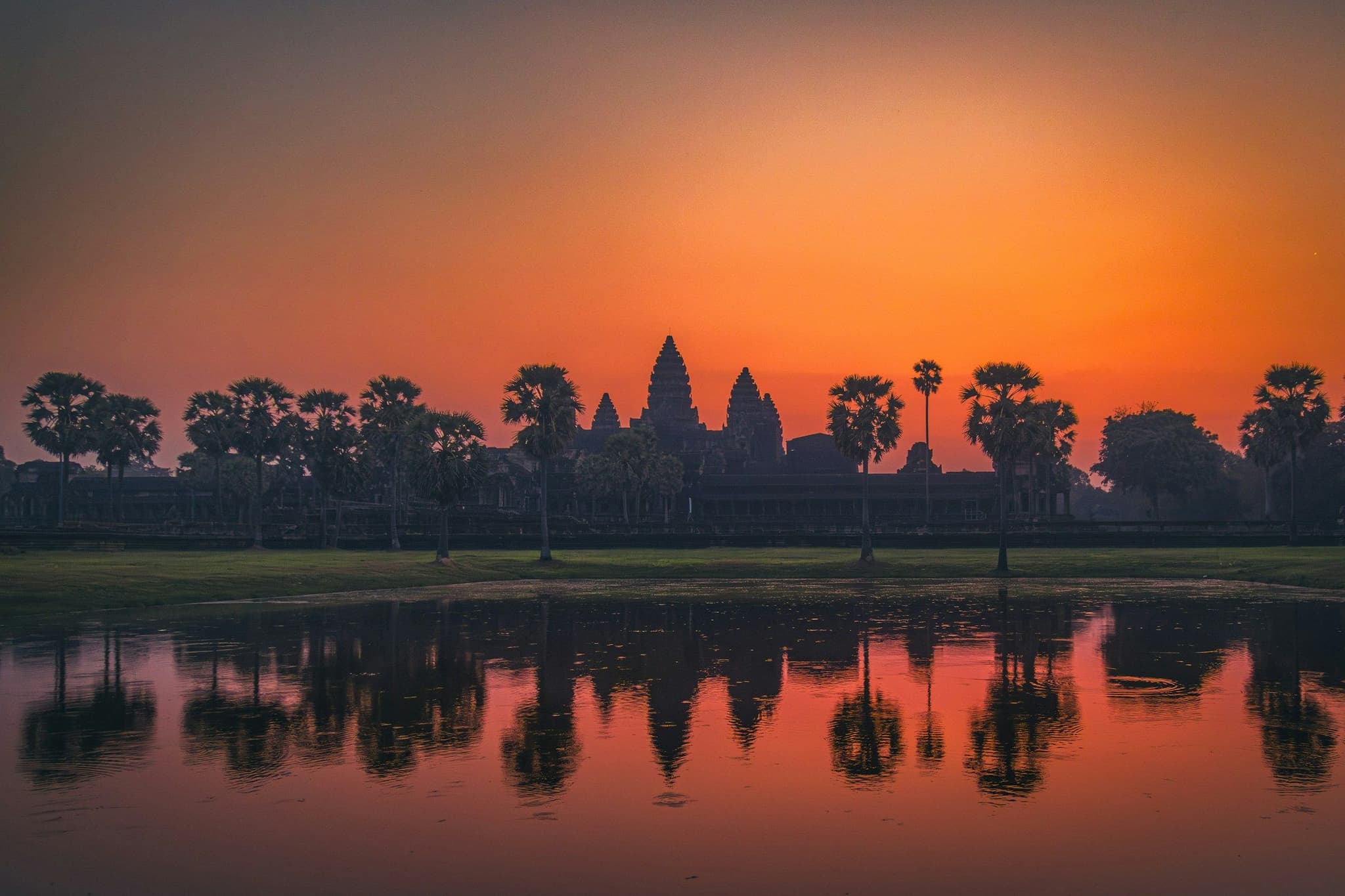
Suryavarman II built Angkor Wat between about 1113 and 1150 and dedicated it to Vishnu. Unlike most Khmer temples it faces west. The temple opens at 5am, earlier than the rest of the park, and guards enforce the dress code, so cover your shoulders and knees. Passes are sold only through the official Angkor Enterprise website, the Angkor Pass app, kiosks and the ticket office on Road 60. A one-day pass costs $37, three days $62 and seven days $72. Buy the three-day pass. It's only $25 more than a single day, and one day at Angkor always feels too short.
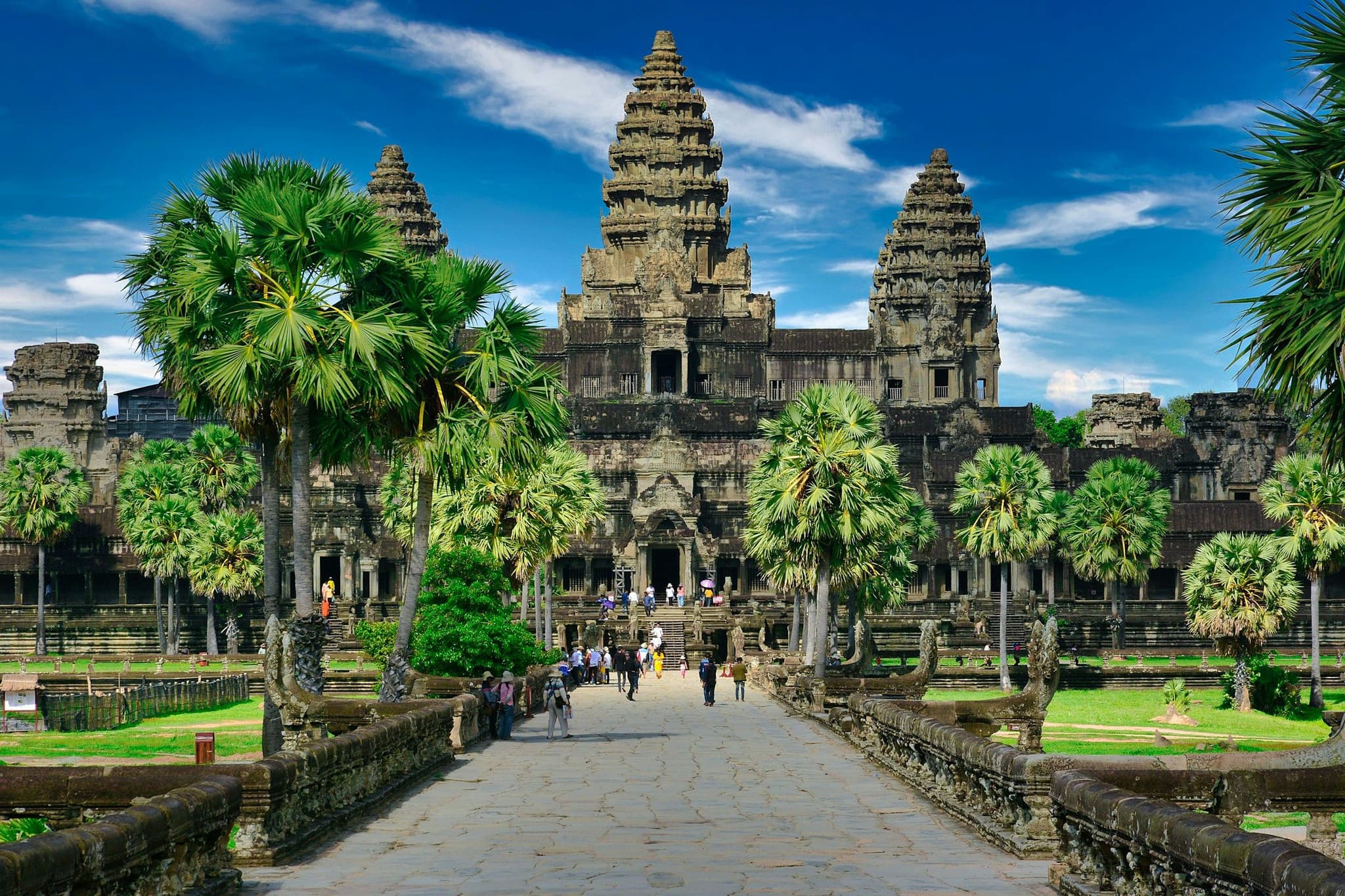
Angkor Thom and Ta Prohm
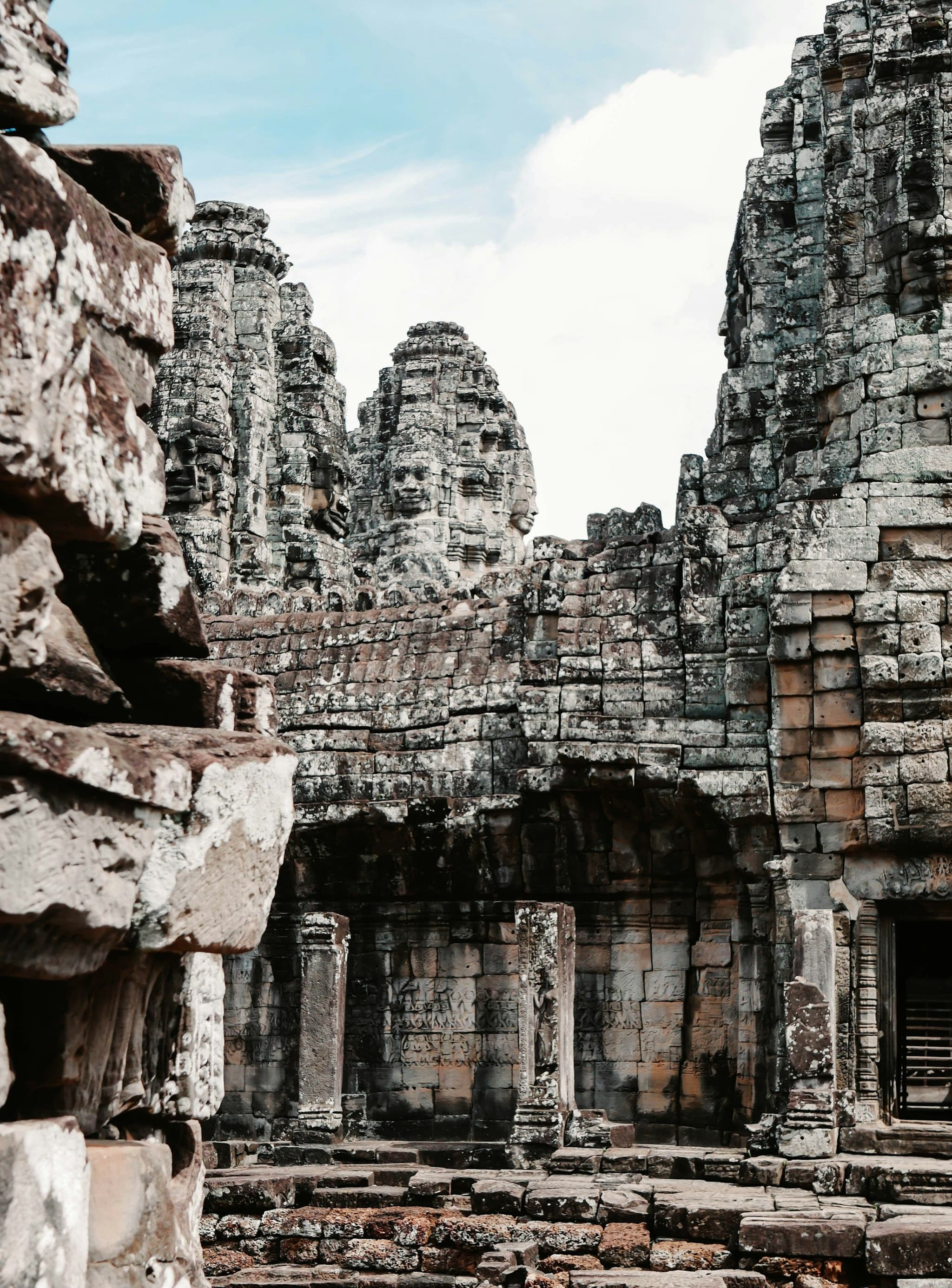
Bayon is the temple people remember. Jayavarman VII built it in the late 12th or early 13th century at the centre of Angkor Thom, and 37 of its towers still stand, carved with around 200 stone faces. Ta Prohm, founded by the same king in 1186, was left with its trees growing through the ruins, and an inscription there lists 12,640 people who served the temple, including 615 dancers. Our advice is to see Bayon very early or late in the day, and to avoid Ta Prohm in mid-morning.
Banteay Srei and Kbal Spean
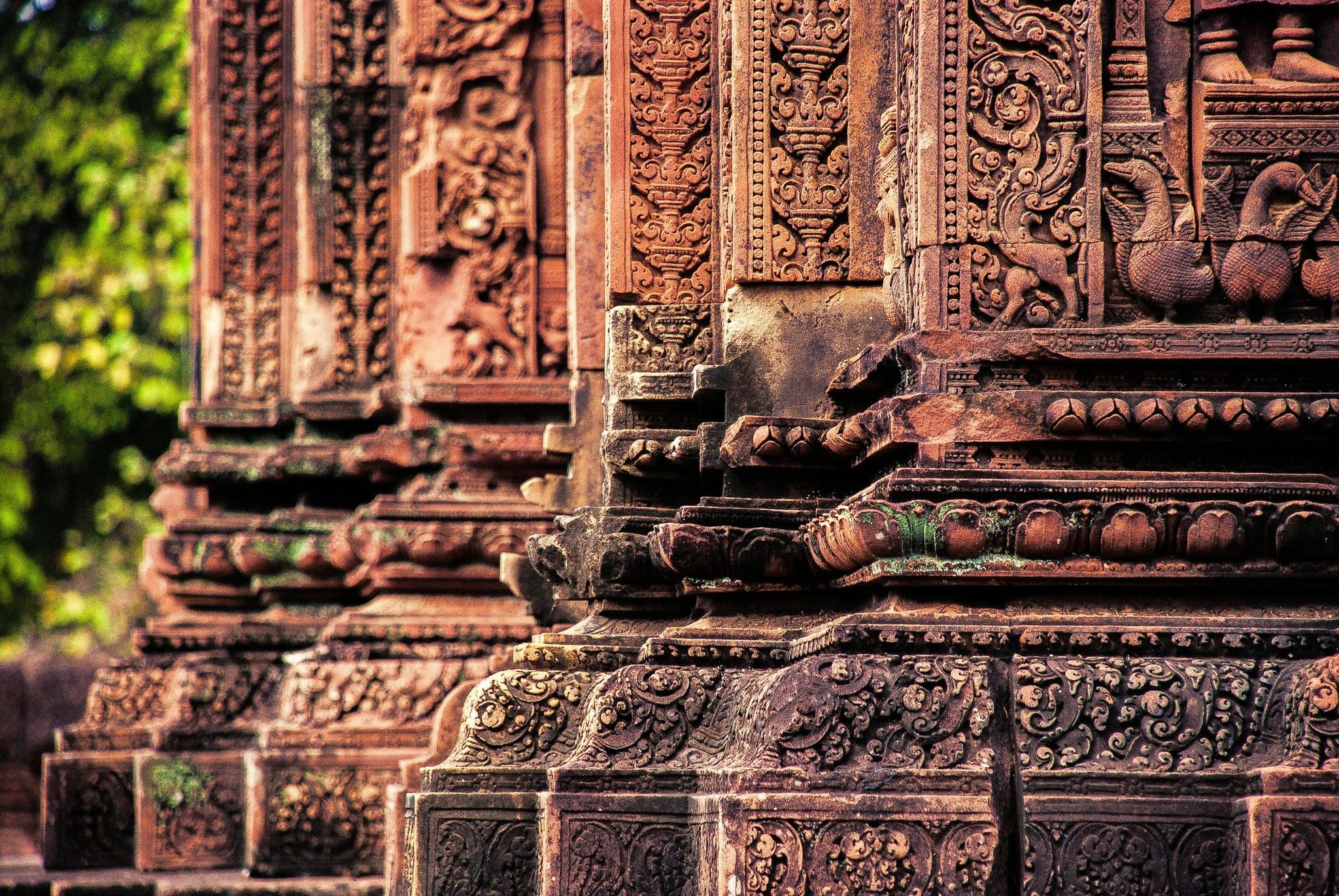
Banteay Srei has the finest carving anywhere in Angkor, and it belongs on your list even if you're tired of temples by day three. It was consecrated on 22 April 967 and is built from pink sandstone, about 25 km north-east of the main group of temples. Banteay Srei needs the Angkor Pass. Kbal Spean and Beng Mealea, about 40 km east of Siem Reap, are listed as covered by the pass too, though sources differ on whether the one-day pass includes them, so check angkorenterprise.gov.kh before you go. Banteay Srei and Kbal Spean make an easy pairing for one day. Phnom Kulen needs its own $20 ticket.
Siem Reap and the Tonle Sap
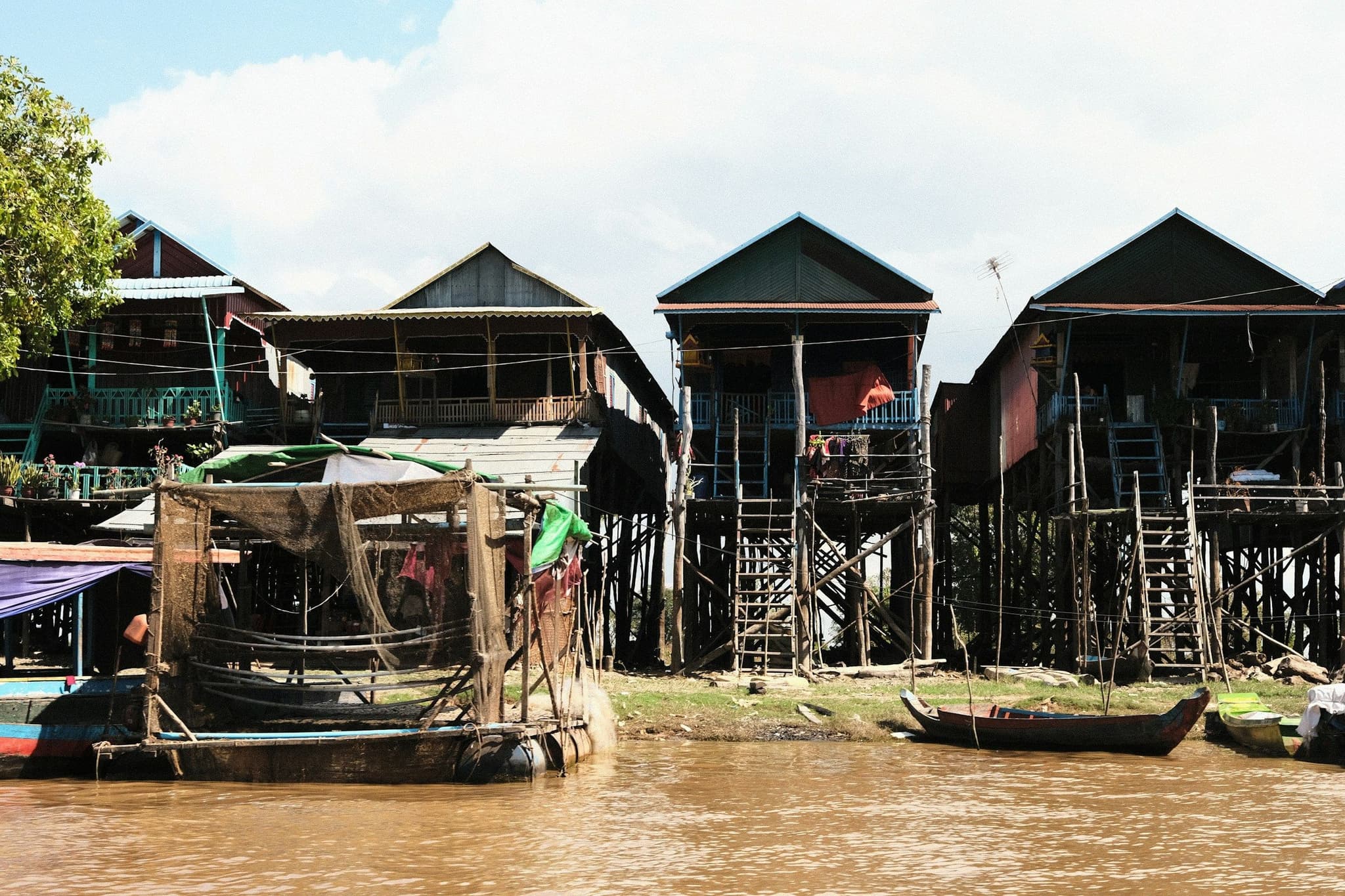
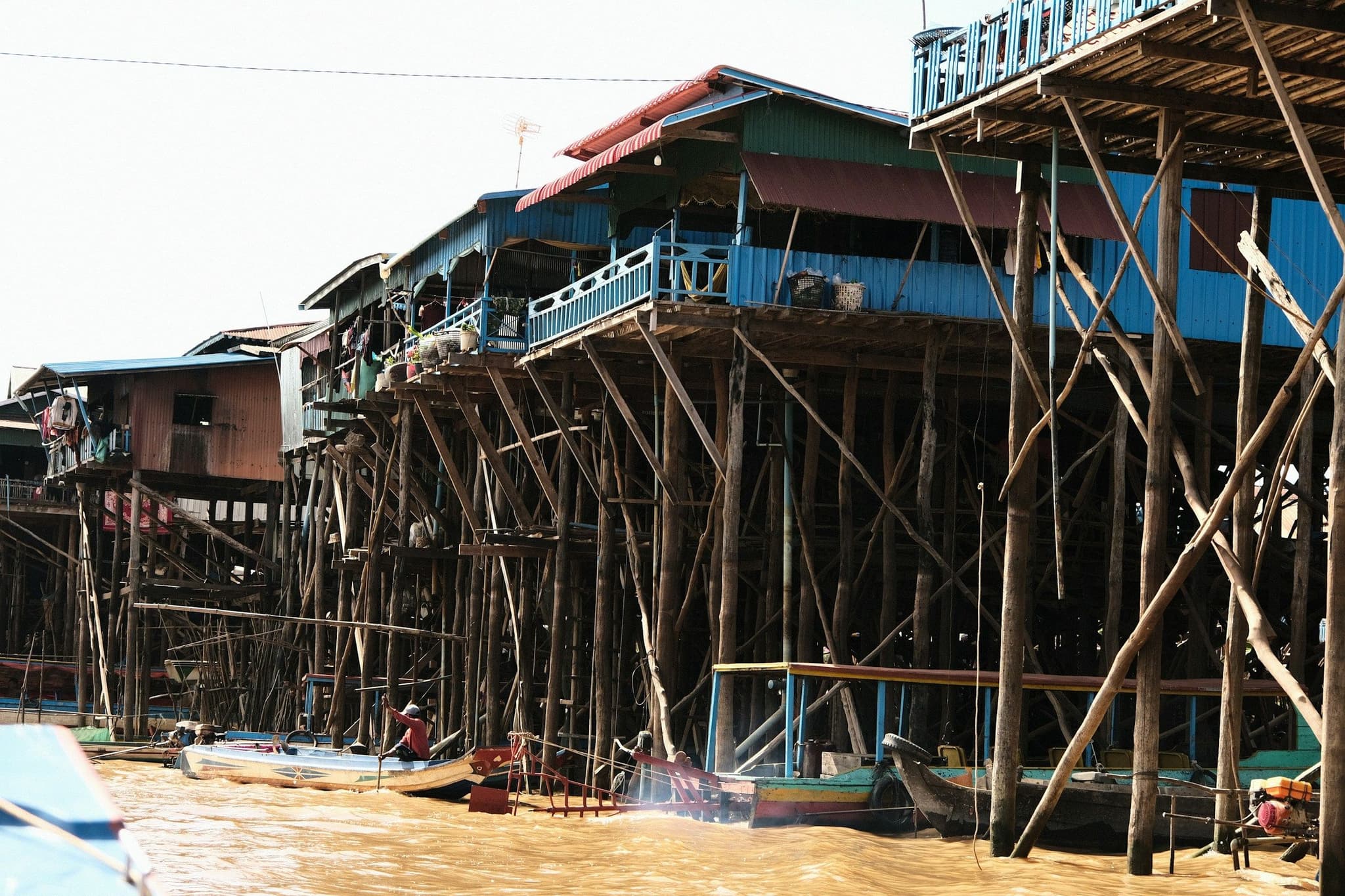
Siem Reap is your base for Angkor, and it does that job well. The new Siem Reap Angkor International Airport opened in October 2023 about 50 km out of town, so allow for the transfer. The airport bus costs $8 and a taxi about $25. In the evenings, Phare, the Cambodian Circus, performs under a big top at the corner of Ring Road and Sok San Road. The Tonle Sap lake is close by too. The river that feeds it reverses its flow each year, and at Kampong Phluk, a stilt village about 20 km from town, you can see how people live with the changing water.
Phnom Penh
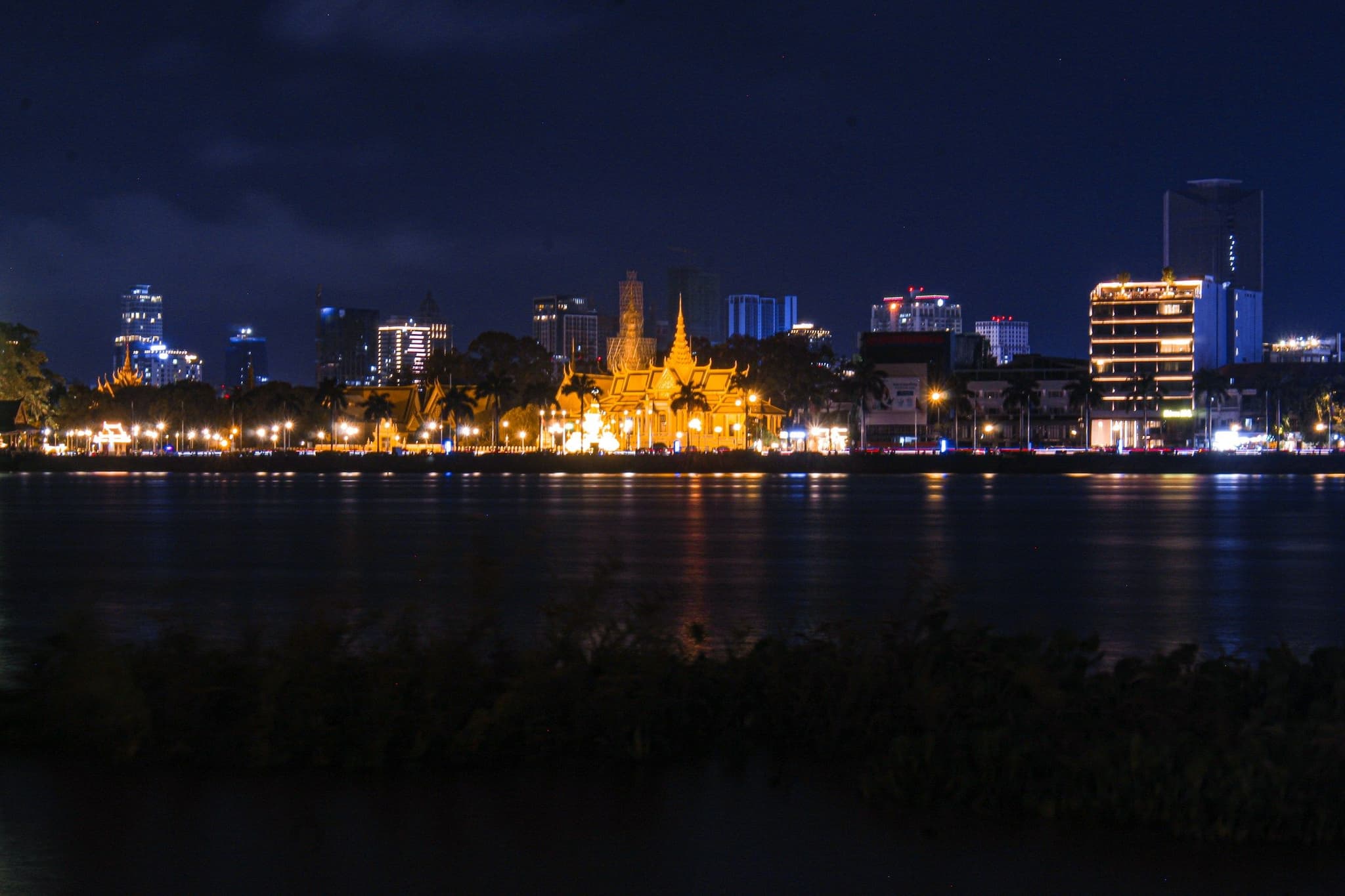
Phnom Penh sits where the Tonle Sap meets the Mekong, and the riverside is where most visitors start. The Royal Palace and Silver Pagoda cost $10, in cash only. They open from 8am to 11am and 2pm to 5pm. The dress code is strict and a scarf doesn't count as cover. The National Museum, open daily from 8am to 5pm for a few dollars, holds the bronze Vishnu from the West Mebon and the statue known as the Leper King. Tuol Sleng (S-21) costs $5, plus $5 for the audio guide, and Choeung Ek lies about 15 km from the centre. Give those two a whole morning with the audio guide and plan nothing heavy afterwards.
Kampot and Bokor
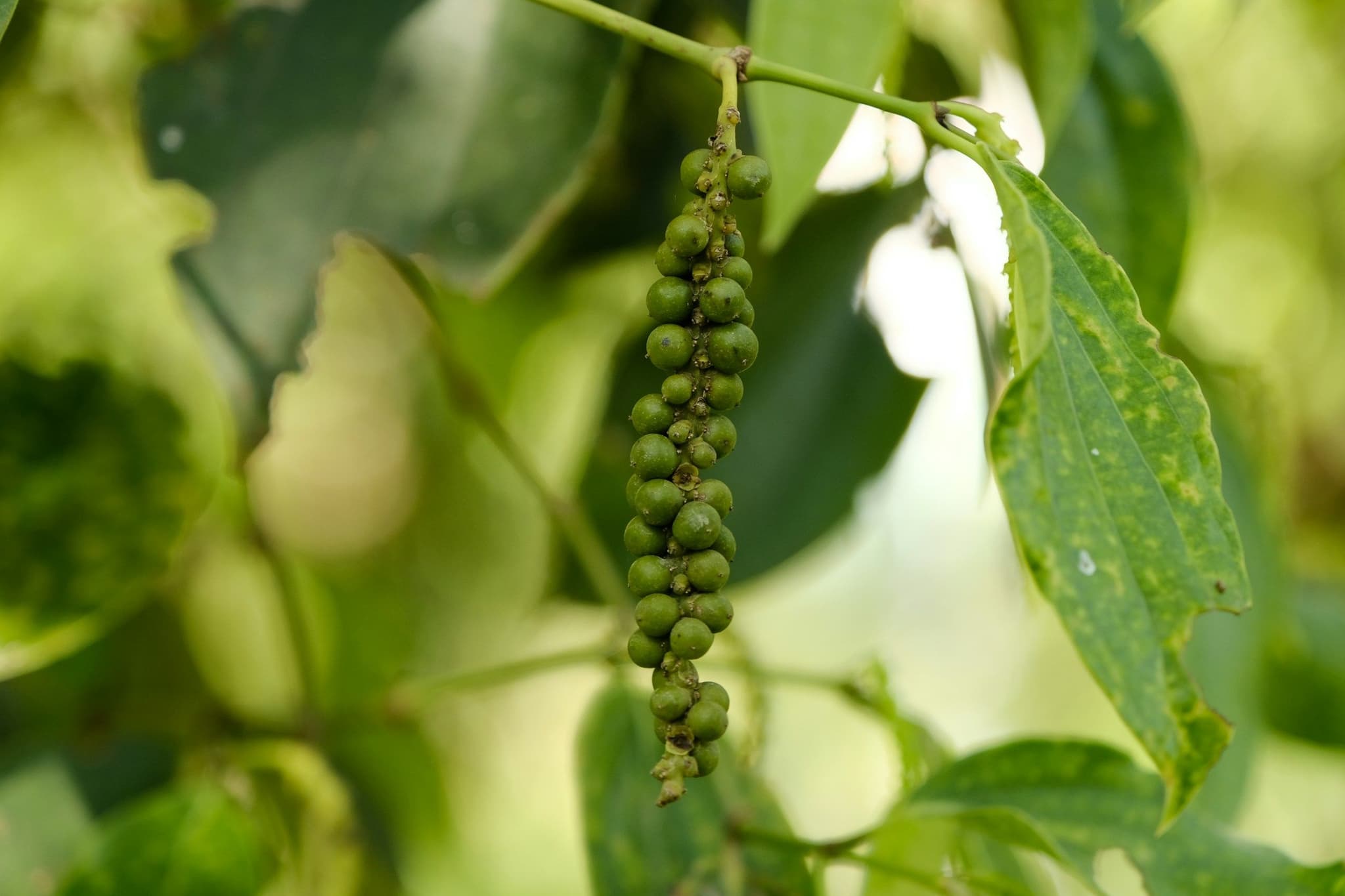
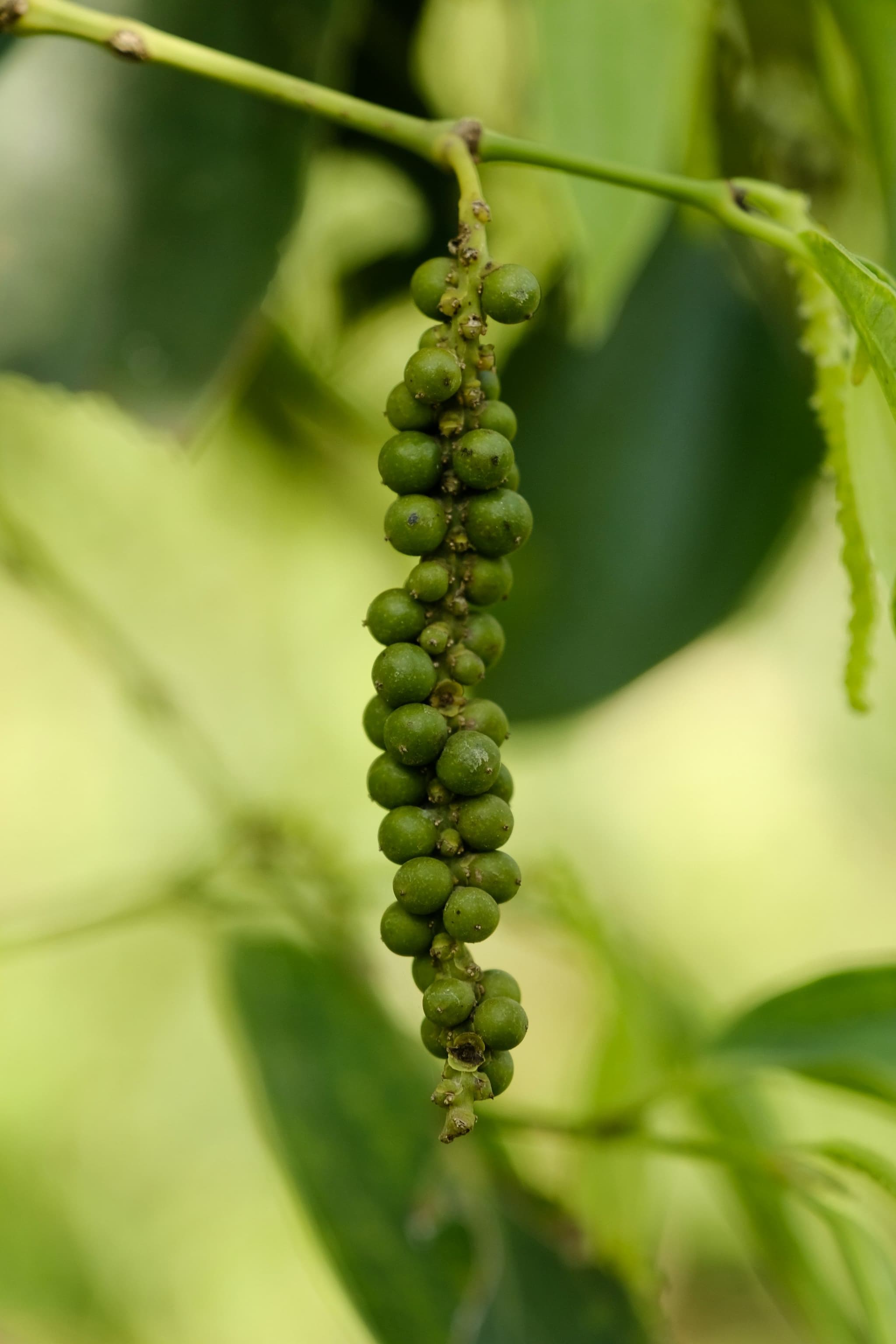
For slow days, Kampot is our pick in the south. The town sits on a river, and the pepper grown in the surrounding countryside has had its own geographical indication since 2010. La Plantation runs free guided tours of its pepper farm every day from 9am, with the last tour at 4pm, and you need to book from October to March. About 40 km away, Bokor rises to about 1,081 m. The French finished a hill station up there around 1925, and the old Le Bokor Palace and the church still stand inside a national park created in 1993.
Kep
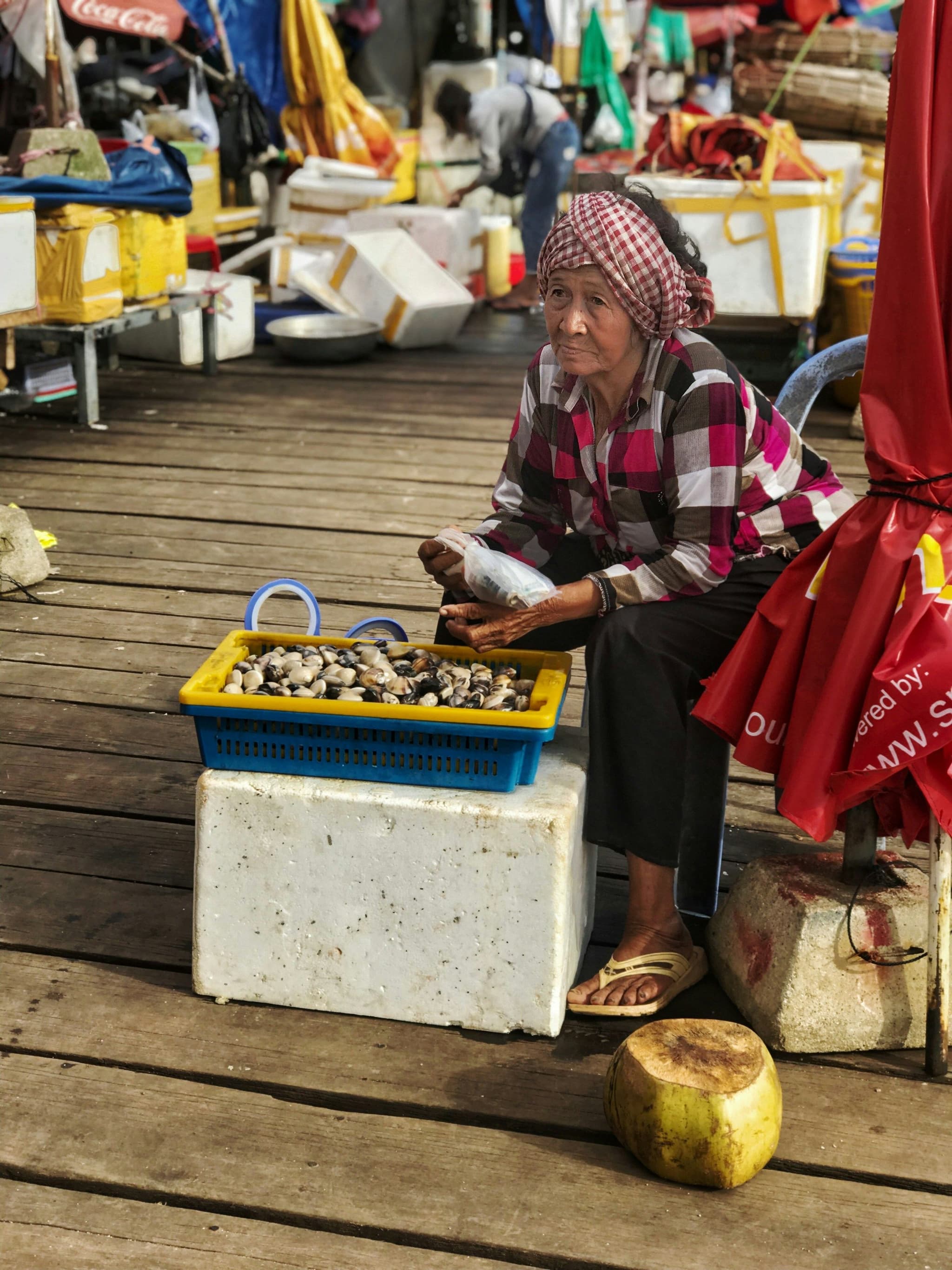
Kep is a short drive from Kampot, and most people come for one meal. At the crab market, Psar Kdam, the crab is cooked with green Kampot pepper, and Kampot pepper crab is the dish the town is known for. The green peppercorns come from the farms around Kampot and go in with garlic and palm sugar. Agree the price before anything is cooked. Kep has little else worth planning around, so make it a lunch stop and sleep back in Kampot.
Koh Rong and Koh Rong Sanloem
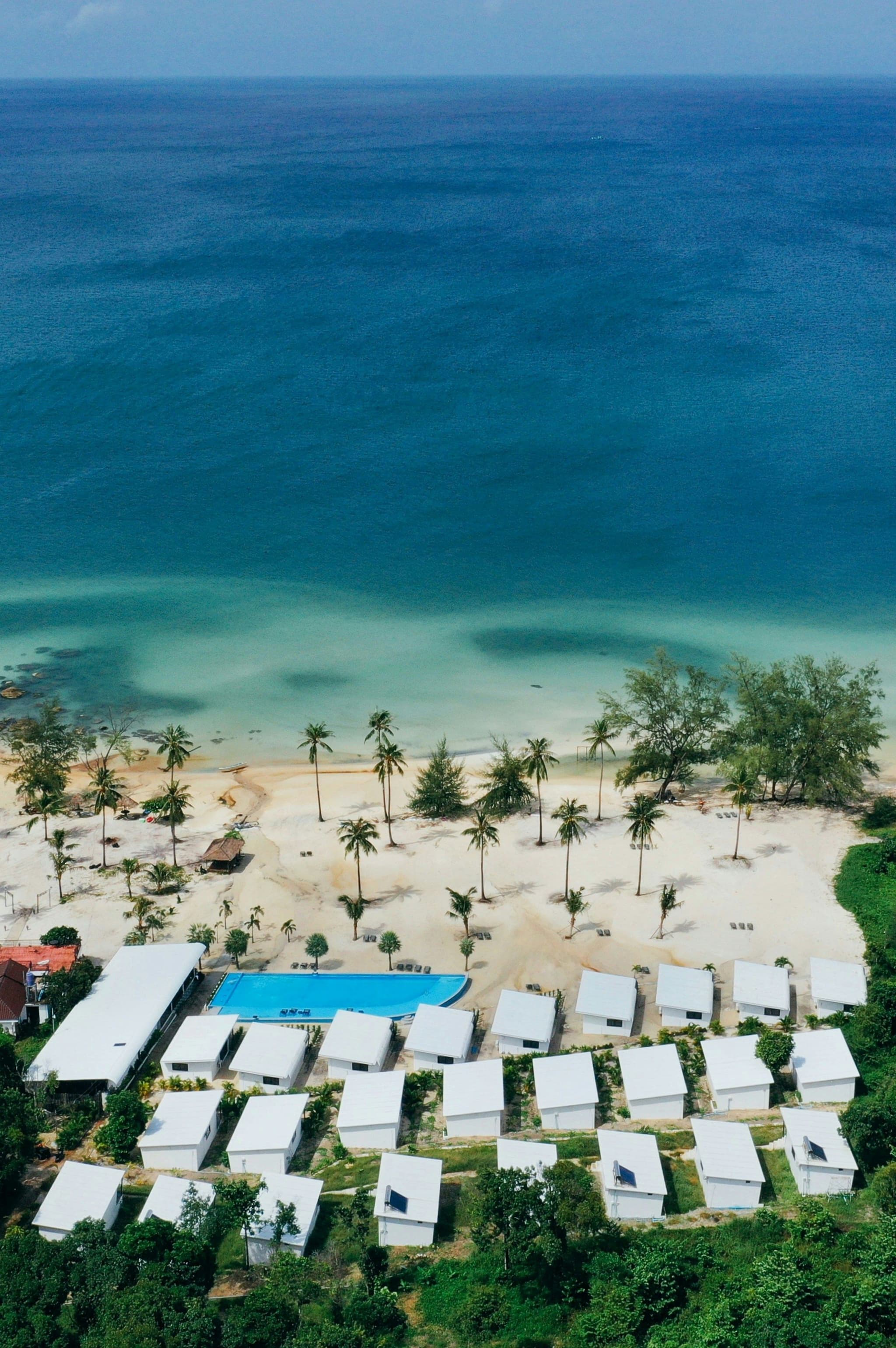
Stay on Koh Rong Sanloem if you want quiet, and Koh Rong if you want a bar. Speed Ferry Cambodia and Buva Sea run several ferries a day from Sihanoukville to Koh Touch on Koh Rong. The crossing takes about 45 minutes and costs $15 to $18 one way. Seas get rough in the wet season and boats can be cancelled. On Koh Rong, Long Set Beach, also called 4K Beach, faces west for sunsets. Saracen Bay on Sanloem is calmer and more upmarket. Sihanoukville is about three hours from Phnom Penh on the 190.6 km expressway that opened in October 2022, or by train for $10.
Battambang
Battambang is about three hours by bus from Siem Reap, at $10 to $12, and we think it's the best detour between Siem Reap and Phnom Penh. The $8 train from Phnom Penh leaves at 6.40am and arrives mid-afternoon. The bamboo train at O Dambong still runs in 2026 and costs a few dollars. The town is also home to the Phare Ponleu Selpak arts school, and its Tini Tinou festival runs from 21 to 24 November 2026, at $10 a show. The province stretches towards the Thai border, and the US advises against travel within 50 km of it, so check both governments' current advice before you plan side trips beyond town.
Kratie and the Irrawaddy dolphins
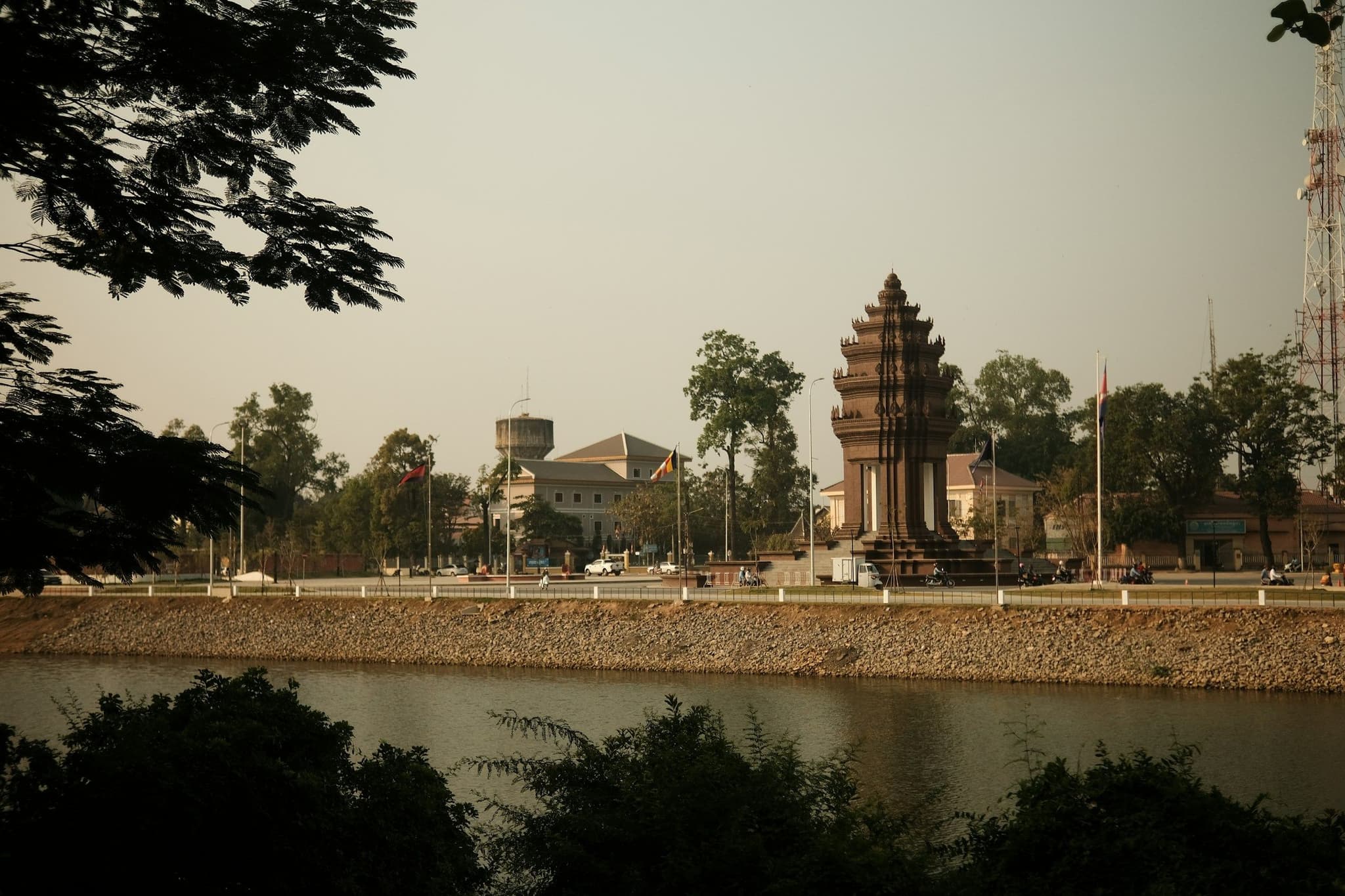
Just over 110 Irrawaddy dolphins live in Cambodia's stretch of the Mekong, and Kampi, about 15 km north of Kratie town, is the best place to see them. Boats go out for 60 to 90 minutes for around $10, though it's worth checking the current price. Go in the late afternoon, when the river is calm. Buses from Phnom Penh take four and a half to six hours and cost $11 to $15, so Kratie fits best on the longer itinerary.
Sambor Prei Kuk
Sambor Prei Kuk predates Angkor by centuries. It was Isanapura, the 7th-century capital of King Isanavarman I, and about 150 temples are scattered through the forest about 30 km north of Kampong Thom. UNESCO inscribed it on the World Heritage List on 8 July 2017, and entry costs $10. It lies about halfway between Phnom Penh and Siem Reap, which makes it a stop on that drive rather than a trip of its own. We'd go with a private car and fit it into Day 4 of the 5 to 7 day plan.
Ratanakiri
If you want one trip into the north-east, make it Ratanakiri. Yeak Laom, about 5 km from the provincial town of Banlung, is a round crater lake about 800 m across and about 50 m deep, formed about 700,000 years ago. The Tampuen community runs the site, and entry costs $2. Banlung is a long way from the usual route, so it only makes sense on a trip of two weeks or more, ideally combined with Kratie. Yeak Laom is the reason to make the trip, and we'd allow a half day there.
Cambodia itinerary ideas for your trip
There's no expressway between Phnom Penh and Siem Reap, and the bus takes five and a half to six hours. That one journey shapes most routes, so decide early whether to ride or take the 50-minute flight.
5 to 7 day Cambodia itinerary
- Day 1-3: Siem Reap and Angkor on a three-day pass, with sunrise at Angkor Wat on the first morning and Banteay Srei with Kbal Spean on another day. Book the Phare circus for one evening.
- Day 4: Fly or take the bus to Phnom Penh, or stop at Sambor Prei Kuk on the way with a private car.
- Day 5-6: Phnom Penh, with the Royal Palace and National Museum one day and Tuol Sleng and Choeung Ek the next morning.
- Day 7: Take the morning train to Kampot, or fly home.
10 to 14 day Cambodia itinerary
- Day 1-3: Siem Reap and Angkor.
- Day 4: Bus to Battambang and the bamboo train, or an extra Angkor day with a boat to Kampong Phluk.
- Day 5-7: Phnom Penh.
- Day 8-9: Kampot, with lunch at the Kep crab market.
- Day 10-12: Koh Rong or Koh Rong Sanloem via Sihanoukville.
- Day 13-14: Back to Phnom Penh, or up the Mekong to Kratie for the dolphins. You can also cross into Vietnam at Bavet or by boat towards Chau Doc.
Shape this route around your own dates, with more nights in Kratie or on the islands, and change it as you go in the Guided trip planner.
Fun things to do in Cambodia
The best evening in Siem Reap is a night at the circus, and we'd say that even to people who don't like circuses. These are the activities to build a trip around.
Watch sunrise at Angkor Wat
The Angkor Wat gates open at 5am, and so does the ticket office on Road 60, which stays open until 5.30pm. A pass bought in the late afternoon is valid from the next day and also lets you in for that evening's sunset, so buy it late in the afternoon before your first sunrise. The exact cut-off time varies between sources, so ask at the ticket office. Because the temple faces west, the sun rises behind the towers, and that silhouette is the view people travel for.
See Phare, the Cambodian Circus
Tickets cost $18, $28 or $38, shows last about an hour, and you should arrive by 7.30pm. If you're in Cambodia in November 2026, the Tini Tinou festival brings extra shows to Siem Reap on 18 and 19 November, at $10 for adults and $5 for children.
Tour a pepper farm in Kampot
La Plantation's free tour is the easiest way to see how Kampot pepper is grown. The farm also offers a paid sunset tour and cooking classes, which we think are worth the extra if you like to cook.
Take a boat to Kampong Phluk
Kampong Phluk is the stilt village about 20 km from Siem Reap. The boat trip and entry together cost about $15. Go in the wet season, when the water is high.
Swim with bioluminescent plankton on Koh Rong
On calm nights with no moon, plankton in the water around Koh Rong glow when you move through it. It isn't guaranteed. Check the moon calendar before you book your island nights.
When to go to Cambodia?
Phnom Penh stays between 30 and 34 °C in the daytime all year, so the seasons here are about rain more than temperature. The dry season runs from November to April. The rains start in May, as the hot season ends, and last until October, with September and October each bringing Phnom Penh more than 240 mm. The Water Festival holiday is on 23 to 25 November 2026, but the Phnom Penh boat races were called off in 2026, so check before you plan around them. Our pick is November to early February.
- Cool dry season (December to February): the most comfortable weather, with Siem Reap highs of about 29 °C in December, but also the busiest months at Angkor and the highest hotel rates.
- Hot season (March to May): highs reach about 35 °C in Siem Reap in April and prices drop. Khmer New Year falls in mid-April.
- Wet season (May to October): afternoon downpours, green rice fields, full moats at Angkor and river boats running, but rough seas on the crossing to Koh Rong.
- Shoulder season (November): the rains end and Angkor is quieter than in the peak months.

Did you know you can create your own itinerary?
Now that you know what to see in Cambodia, you can start creating your own trip. Would you rather spend an extra day at the temples, or head south to Kampot and the islands sooner? It's all up to you. You can easily create your own trip in the Guided app for free, or use trips shared by others.
Where to stay in Cambodia?
We'd stay near the river in Siem Reap rather than on Pub Street, and in BKK1 rather than on the riverside in Phnom Penh. Most trips need only three or four bases.
Siem Reap
Siem Reap has rooms at every budget. Dorm beds cost $5 to $12, private rooms in guesthouses $15 to $20 and mid-range hotels $25 to $60, while the luxury end runs from about $150 to well over $400 a night.
Phnom Penh
The riverside is the classic choice, with hotels such as Penh House and the Hyatt Regency. BKK1 has places like Patio and Rambutan, and Tuol Tompoung, by the Russian Market, is home to La Chronique. Budget rooms cost up to about $40, mid-range $40 to $120 and luxury above that. For food, BKK1 wins.
Kampot
Kampot is mostly guesthouses and small riverside boutique hotels. Pick somewhere on the river.
Koh Rong and Koh Rong Sanloem
Most places to stay on Koh Rong are close to the Koh Touch pier, where the ferries arrive. Sanloem is the better base for quiet beaches and Saracen Bay, and Koh Rong suits you if you want restaurants and bars within walking distance.
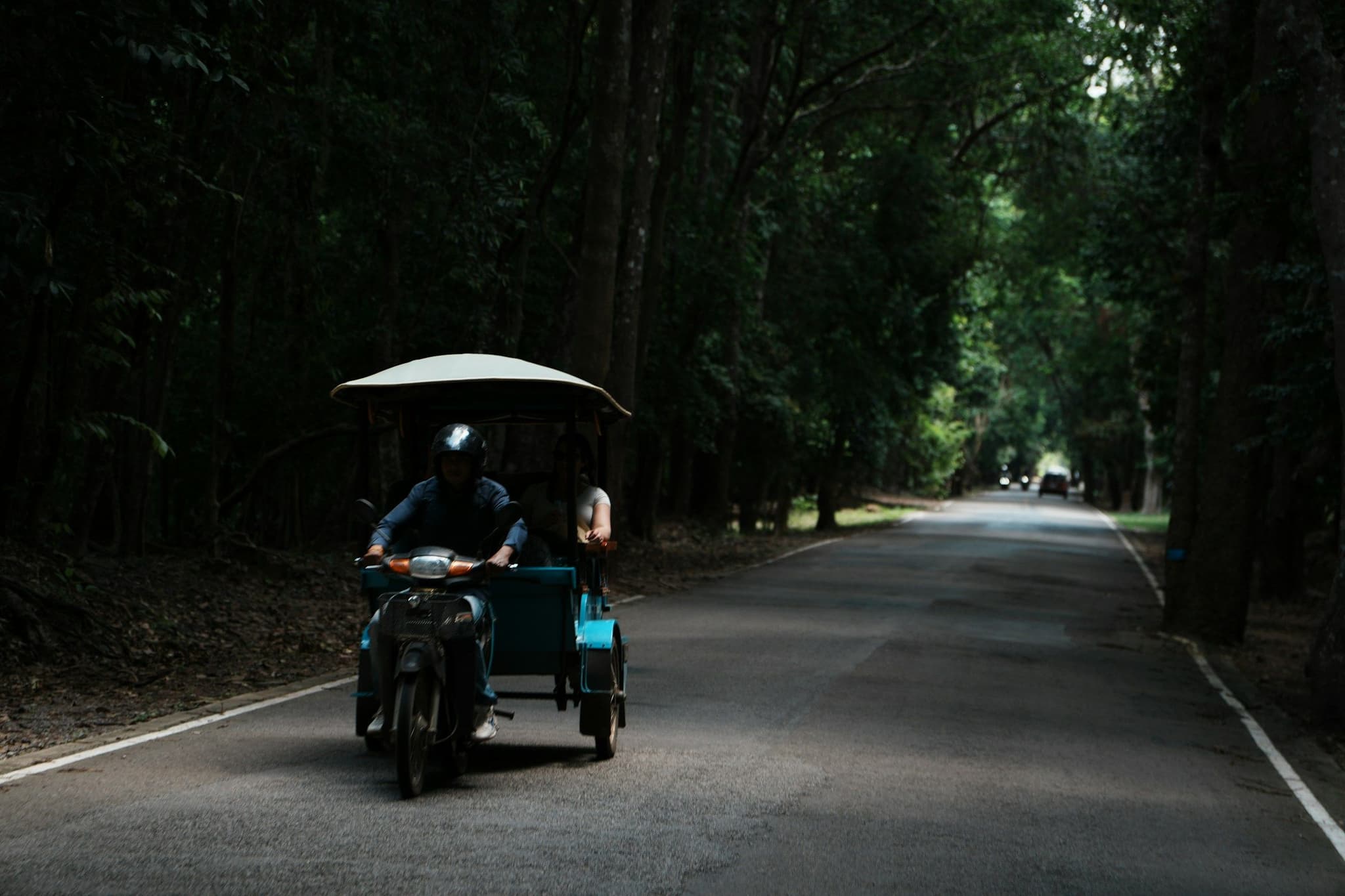
Guided tip: Ask your Siem Reap hotel to book an Angkor tuk-tuk driver for the day. Expect to pay $20 to $30.
Getting around when visiting Cambodia
The Royal Railway runs a southern and a northern line, and there's no expressway to Siem Reap, so most trips mix buses and tuk-tuks with a domestic flight or two. Arrive by air, or overland from Vietnam or Laos via Trapeang Kriel north of Stung Treng. All land crossings with Thailand are closed for now.
Domestic flights
Air Cambodia flies daily between Phnom Penh and Siem Reap in about 50 minutes, and since June 2026 Cambodia Airways has flown that route twice a day, plus a daily flight from Siem Reap to Sihanoukville. Fares run from about $80 to $200, and schedules can change at short notice. Phnom Penh's flights now use Techo International Airport, which replaced the old airport in September 2025.
Buses
Giant Ibis, Larryta, Seila Angkor, Mekong Express and Virak Buntham cover the main routes, and you can book most of them on 12Go or BookMeBus. Phnom Penh to Siem Reap costs $10 to $18 and takes five and a half to six hours.
Trains
The Royal Railway runs a daily train from Phnom Penh at 7am to Kampot and on to Sihanoukville, for $9 or $10, and a northern train to Battambang at 6.40am for $8. The line from Battambang to the Thai border is suspended. Book on royalrailway.easybook.com, because weekend trains sell out.
Tuk-tuks, Grab and PassApp
In the cities, Grab and PassApp are the easiest way to book tuk-tuks and cars. In Phnom Penh, the Techo Airport Express bus runs from 5.30am to 11.30pm into the city for 1,500 riel. If you're thinking of renting a scooter, the Australian Embassy says you don't need a licence for motorbikes up to 125cc, but an International Driving Permit isn't accepted for cars, which need a Cambodian licence. Check the current rules, and check that your travel insurance covers you before you ride.
Guided tip: Take the morning train to Kampot instead of the bus. It costs $9 and gets you there before lunch.
Food and drinks you should try when visiting Cambodia
Where does Khmer cooking get its flavour? Mostly from kroeung, a herb paste, and prahok, a fermented fish paste that sits behind a huge number of dishes. Breakfast is the meal to get up for, because the best noodle stalls sell out by lunchtime.
Fish amok
Fish amok is often called the national dish. Freshwater fish is steamed with kroeung, coconut cream and egg in a cup made of banana leaf, and it comes out soft and fragrant. If you only order one Khmer dish, order this.
Lok lak
Lok lak is seared marinated beef with rice and a fried egg, served with a dip of lime, salt and Kampot pepper. That dip is the best part.
Num banh chok
Num banh chok is the breakfast you'll see at markets across the country. Fermented rice noodles come under a green fish gravy made with kroeung, with raw herbs on top. Eat it early, at a market stall.
Kampot pepper crab
Kep's signature dish is crab cooked with green Kampot peppercorns, garlic and palm sugar. It's messy, and it's the meal we'd plan a day around.
Angkor Beer
Angkor is brewed by Cambrew in Sihanoukville, which Carlsberg has owned since 2019, and the same brewery makes Klang and Black Panther stout. Happy-hour draught costs between 50 cents and a dollar.
Culture and local habits you'll notice when visiting Cambodia
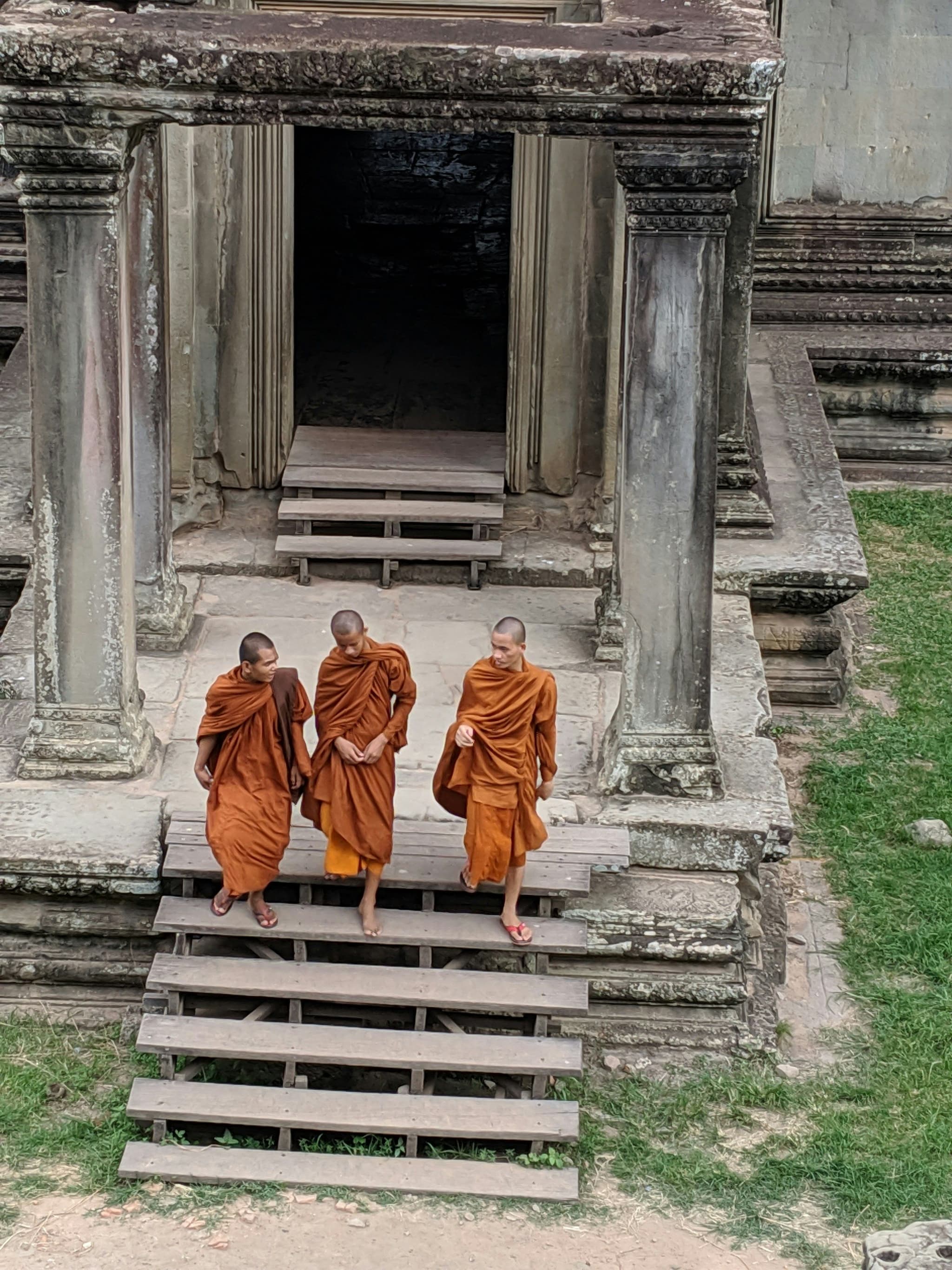
Learn the sampeah before you land, since it's the greeting you'll use every day. You make it with your palms pressed together. About 17.8 million people live in Cambodia, and 95.8% of them are Khmer. Khmer is the official language and Theravada Buddhism the state religion. In the 2024 census, 96.5% of people described themselves as Buddhist. Never touch an adult's head or point your feet at people or Buddha images. Take off your shoes and hat in temples. Women shouldn't touch monks. To call someone over, beckon with your palm facing down. Losing your temper in public is seen as a loss of face, so stay calm when a price or a plan goes wrong.
Recent history is close to the surface. The Khmer Rouge ruled from 1975 to 1979, and Tuol Sleng and Choeung Ek are memorials to the people who died under it. Visit both quietly and with respect. Insulting the King, including online, is a crime, and so is photographing military sites.
Looking for more unique places, trips and activities?
Subscribe to our Guided Newsletter for more travel inspiration.
Costs of a holiday to Cambodia
Cambodia is good value, though it isn't the cheapest country in the region. Numbeo's 2026 cost of living index puts it at 34.8, below Thailand at 38.0 but above Vietnam at 26.4. The Angkor Pass is the one big fixed cost at $37 to $72. Prices are in US dollars almost everywhere. ATMs give out dollars, often as $100 notes, and charge about $4 to $6 a withdrawal. Card payments in bigger hotels and restaurants often carry a surcharge of about 5%.
Food & Drink

Coffee
$1.50 – $3
Lunch
$2 – $6
Beer
$0.50 – $2
Accommodation

Hotels
$25 – $120
Airbnb
$20 – $65
Hostel dorm
$4 – $12
Transport
Trains
$8 – $10
Public Transport
$0.40 – $3
Scooter rental
$5 – $12
Attractions

Museums
$3 – $10
Big Attractions
$37 – $72
Theatre
$18 – $38
Practical tips for visiting Cambodia
What do you need to sort out before you land? Your e-visa and e-Arrival card come first, then a stack of clean dollar notes.
✔ Get your e-visa and e-Arrival card before you fly
Most visitors need a visa. Many nationalities, including the UK, EU and US, can get a 30-day tourist e-visa for $30 on the official Cambodia e-visa site or a visa on arrival for the same price, paid in cash with a photo, at the airports and open land crossings. Fees can differ at land borders. Apply for the e-visa at least four days ahead. Your passport needs six months' validity from arrival and a blank page, and it must be undamaged. You may be asked for an onward ticket. If you fly in, fill in the free e-Arrival card at arrival.gov.kh within the seven days before you travel.
✔ Carry clean, small US dollar notes
Bring crisp notes in small denominations, because torn or marked bills get turned away. You'll get riel back as change, which is handy for tuk-tuks and street food.
✔ Check the border advice and watch your bag
Siem Reap, Phnom Penh, Kampot and the islands are all well away from the Thai border, but the UK government's Cambodia travel advice advises against all but essential travel within 20 km of it, and the US State Department says not to travel within 50 km. Preah Vihear temple is closed and all land crossings with Thailand are suspended. In Phnom Penh, thieves snatch bags and phones from people in tuk-tuks and on motorbikes, so keep your phone away from the roadside and don't resist if it happens. Landmines and unexploded ordnance remain in remote rural areas, so stay on marked paths at remote temples. Watch your drink and remember that drug laws are strict. Never accept an unsolicited job offer in Cambodia.
✔ Pack insect repellent
Dengue cases in Cambodia were up 58% on 2025 by July 2026. Use repellent every day, especially in the wet season.
✔ Buy a local SIM at the airport
Smart, Cellcard and Metfone sell SIM cards at the airports for a few dollars with your passport. Cambodia uses 230 V with type A and C sockets and runs on UTC+7. Dial 117 for the police and 119 for an ambulance.
Fun facts about Cambodia
A few things most visitors don't know before they arrive.
- Angkor Wat has appeared on Cambodia's flag since the first version in 1863.
- Kampong Speu palm sugar gained EU protected status in 2019.
- The Tonle Sap river reverses direction every year, and the Water Festival marks the change.
- The Khmer Rouge abolished money in 1975, and the riel only came back in 1980.
- Kampot pepper has had EU protected status since 2016.
- Ta Prohm appeared in the 2001 film Tomb Raider.
Dollars do most of the work in Cambodian shops, and riel mostly turns up as change, at about 4,000 to the dollar.
Ready to map out your trip to Cambodia?
We hope this Cambodia travel guide helps you plan the temples and islands you want to see. Keep an eye out for more inspiration, itineraries and practical tips to help you shape your holiday to Cambodia. And take a look at the Guided travel planning app, where you can create your own trip or use trips shared by other travellers for free.
FAQS about visiting Cambodia
How many days do you need in Cambodia?
Five to seven days covers Angkor and Phnom Penh, with three of those days at the temples. With 10 to 14 days you can add Kampot and the islands, or head up the Mekong to Kratie. In the Guided app, you can lay out your own route and see how much fits into each day.
What is the best part of Cambodia to visit?
Siem Reap and the temples of Angkor come first for almost everyone. For slow days, we'd choose Kampot, with the pepper farms nearby and Kep's crab market a short drive away.
What is Cambodia known for?
Cambodia is best known for Angkor Wat and the other temples of Angkor. It's also known for its Khmer Rouge history and for Kampot pepper, grown in the countryside near the south coast.
Can you get around Cambodia without a car?
Yes, and most visitors do. Buses and trains connect the main towns, and domestic flights link Phnom Penh with Siem Reap. Grab and PassApp cover tuk-tuks in the cities. An International Driving Permit isn't accepted for cars, so self-drive car hire is rare anyway.
Is Cambodia expensive?
No. Numbeo's 2026 index puts Cambodia below Thailand but above Vietnam. The Angkor Pass, at $37 to $72, is the biggest single cost for most visitors.
Is Cambodia safe to visit?
The main tourist areas are fine with the usual care, though bag snatching is a problem in Phnom Penh. The UK government advises against all but essential travel within 20 km of the Thai border and the US says not to travel within 50 km of it, which leaves Siem Reap, Phnom Penh, Kampot and the islands well clear. Land crossings with Thailand are closed, so arrive by air or from Vietnam or Laos.
Do you need a visa for Cambodia?
Yes, most visitors do. Many nationalities, including the UK, EU and US, can get a 30-day e-visa for $30 at evisa.gov.kh or a visa on arrival. If you fly in, also complete the free e-Arrival card at arrival.gov.kh before you travel.
Can you use US dollars in Cambodia?
Yes, almost everywhere, and most prices are quoted in dollars. Change usually comes back in riel, at about 4,000 to the dollar. Bring clean notes, because torn or marked ones are refused.
Plan your trip to Cambodia in Guided.
Save the places you find, then let Guided lay out the days, the map and the details.
More in Asia
All destinations BahrainBahrain is a small island kingdom in the Gulf, known for its pearling heritage, 4,000-year-old Dilmun sites, lively Manama souq and a famous Formula 1 circuit.
 ChinaChina packs imperial Beijing, the Terracotta Army, misty karst rivers and some of the world's best regional food into one vast country linked by fast trains.
 IndiaIndia is a vast and diverse country celebrated for its rich history, spiritual traditions, unique food and stunning landscapes ranging from the Himalayas to tropical coastlines.
 IndonesiaIndonesia is a tropical paradise of islands with stunning beaches, breathtaking natural beauty, and rich cultural history.