

India
India Travel Guide: Everything You Need to Know Before Travelling to India
The moment you step foot in India, everything comes together at once: the smell of spices, bright colours in every direction, and street food being prepared on the spot. Within the same trip, you could be standing in front of the Taj Mahal in Agra, relaxing on the beaches of Goa, or looking out over the Himalayas in the north. In between those bigger highlights, it’s often the smaller moments that stay with you, like watching how food is made, joining local rituals, or just sitting somewhere and taking it all in. Inside this India travel guide, we’ll walk you through what actually matters before you go, so you can discover the best places to visit in India and create a trip that fits you.
5 reasons to visit India
Daily ceremonies with fire and chanting are still taking place after thousands of years.
You can sleep in desert camps and watch the sunset over sand dunes.
India has some of the best food, from creamy butter chicken and paneer curries.
In the Himalayas, you can visit mountain villages and monasteries at high altitude
You can stay overnight on a houseboat and wake up surrounded by water and palm trees.
Best places to visit in India
Across India, the best places to visit are spread out over very different regions, which means your route matters more than how many stops you add. From our experience, choosing a mix of cities, nature and coastline gives you the best trip.
Rajasthan and desert landscapes
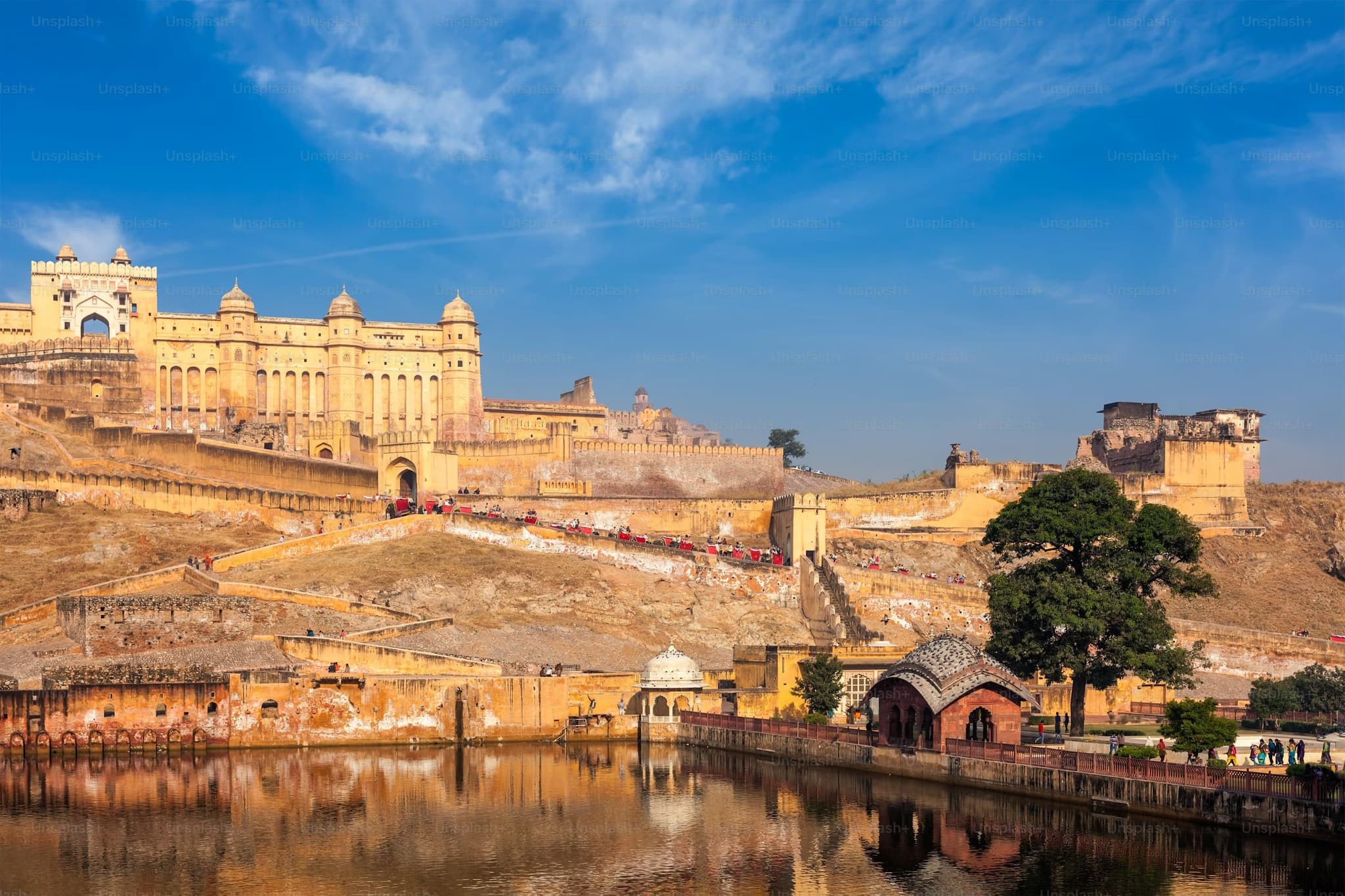
Across Rajasthan, you can explore palaces, climb forts and walk through colourful streets. In Jaipur, you can visit the City Palace and Hawa Mahal, then move on to Jodhpur where Mehrangarh Fort sits high above the blue city. Udaipur brings a different atmosphere with lakes, boat rides and sunset views from rooftop restaurants. If you like architecture, history and slower exploring between sights, this region suits you perfectly.
Northern India highlights
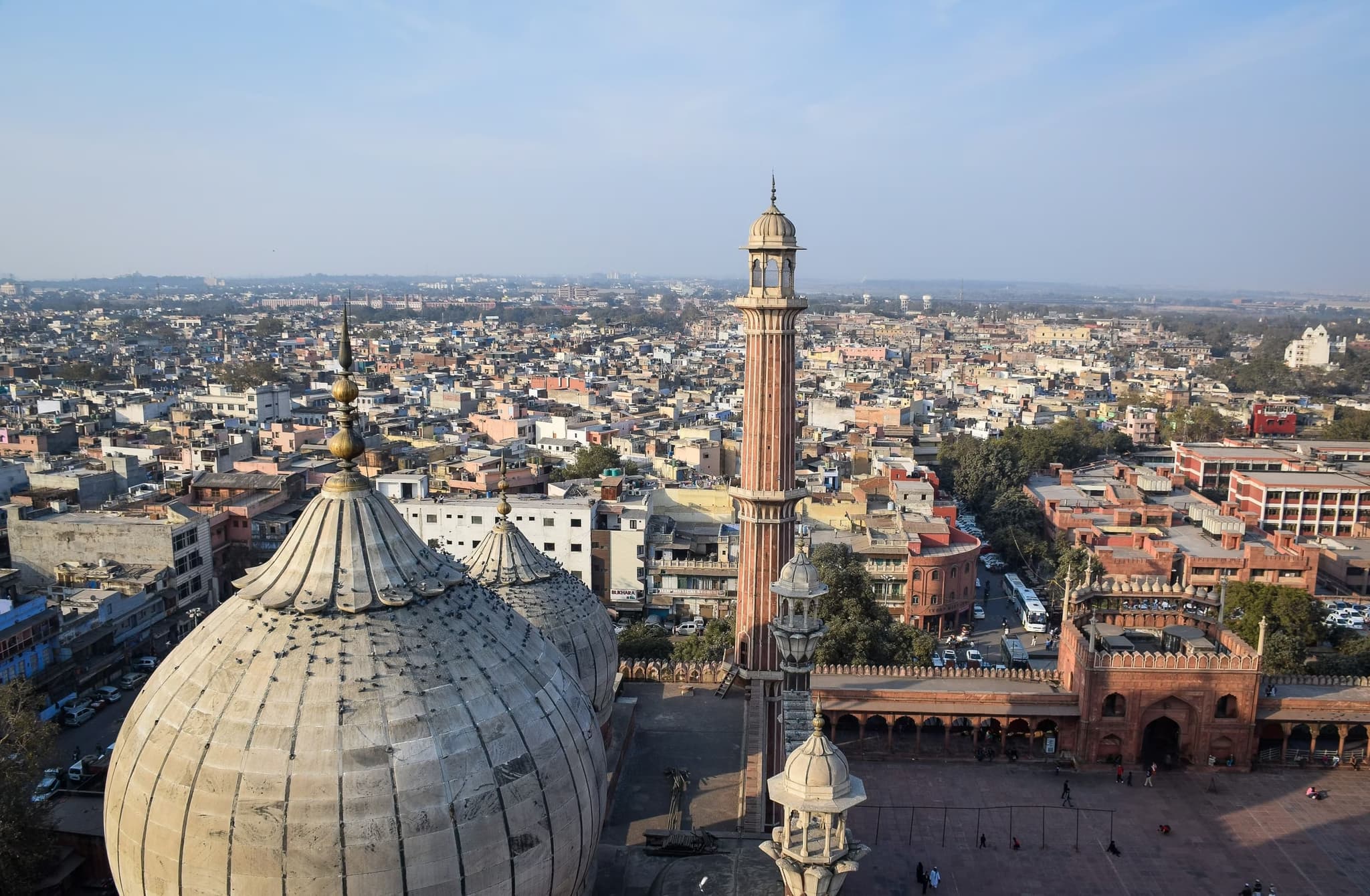
Right in the north, you can walk through the busy streets of Old Delhi, visit markets like Chandni Chowk and step into centuries-old mosques and temples. A short train ride later, the Taj Mahal in Agra gives you one of the most recognisable tourist attractions in India, and seeing it up close is very different from photos. In Jaipur you can see forts like Amber Fort, where you can walk through courtyards and viewpoints overlooking the city. Your time here will be packed with history, street food and constant movement, so you’ll never run out of things to do.
South India
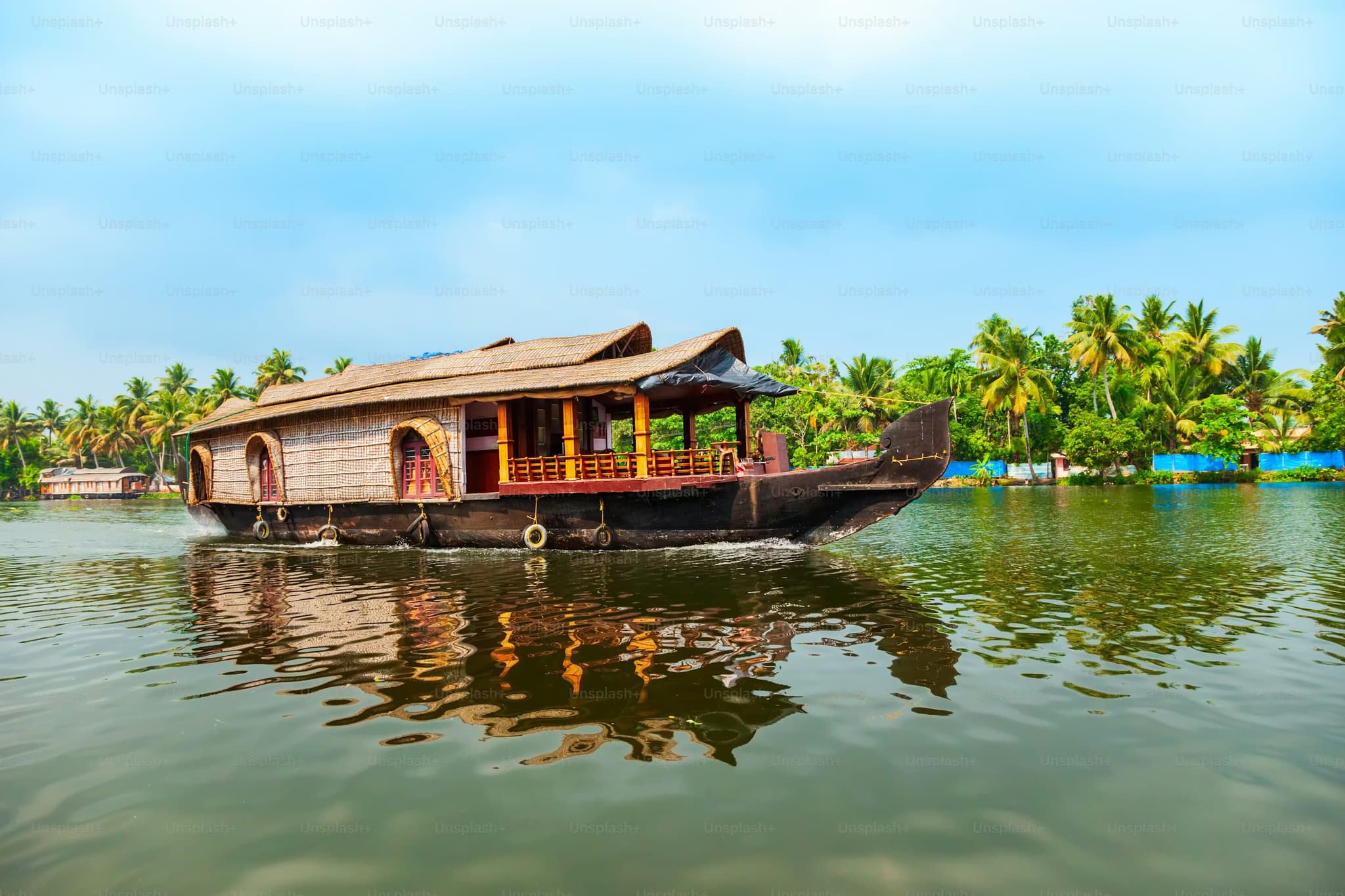
The best places to go in south India are Kerala for backwaters and beaches, Tamil Nadu for temple cities like Madurai, and Karnataka for a mix of cities and nature. In Kerala, you can stay on a houseboat and move through the backwaters, or visit tea plantations in Munnar with views over the hills. Around Madurai, temple complexes stand out with detailed towers and daily rituals you can walk through yourself. In places like Kochi, you can explore colonial streets, local markets and waterfront areas with traditional fishing nets.
Goa and coasts
On the west coast, beach days become the main activity. You can spend your days swimming, relaxing on the beach and checking out smaller coastal towns along the way.
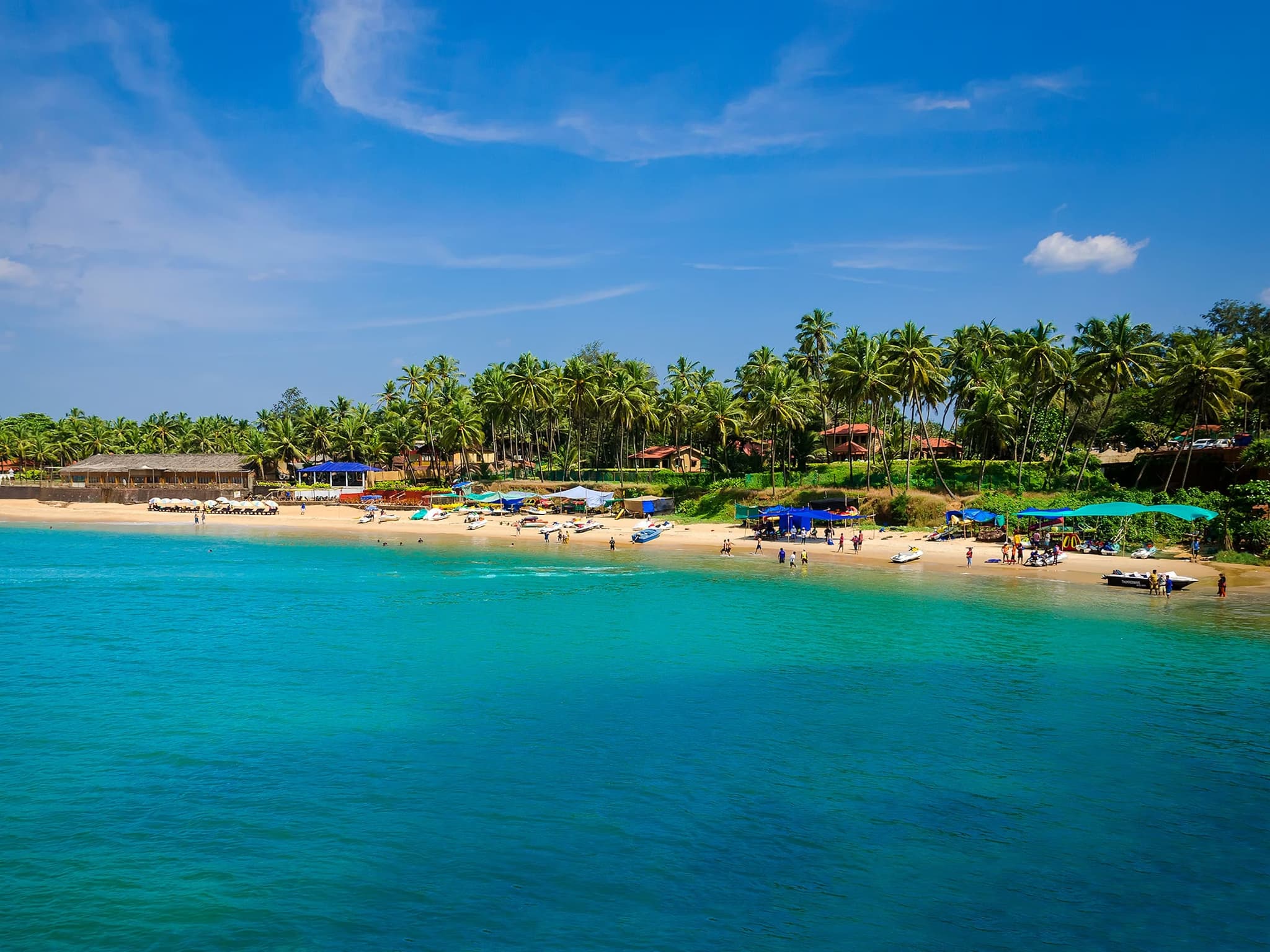
The best places to visit in Goa India are spread between the north and south, each giving you a completely different kind of stay. In North Goa, you can explore beaches like Baga and Anjuna, visit local markets and spend your evenings at beach cafés. Further south, places like Palolem and Agonda are better suited for longer beach days, swimming and quieter surroundings.
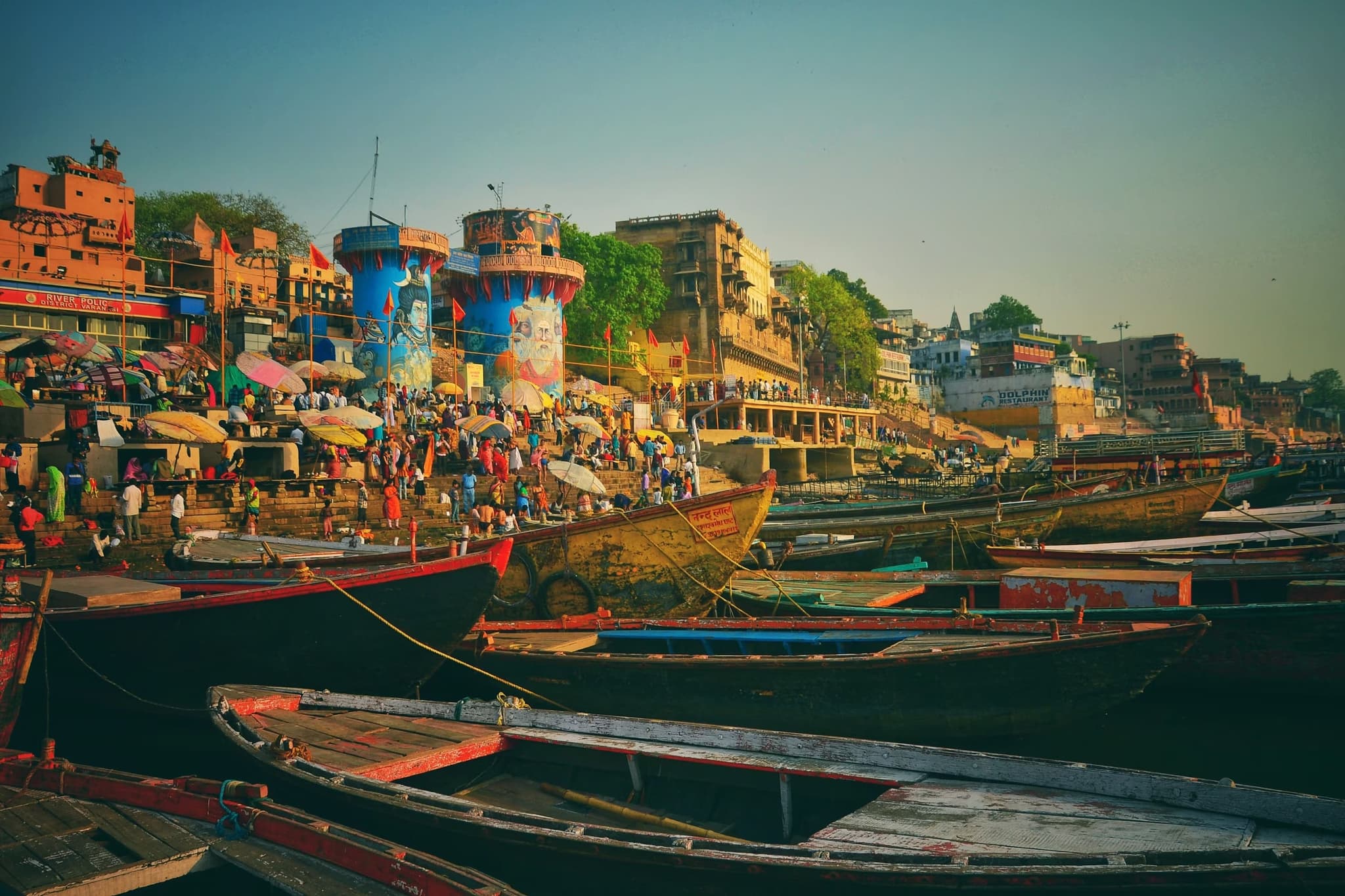
Varanasi
In Varanasi, you can sit by the river and watch ceremonies with fire, music and chanting happening right in front of you. Along the ghats, people gather to pray, wash and take part in rituals that have been going on for centuries. A boat ride on the Ganges gives you a completely different view, especially around sunset. Time here feels intense, but it’s one of those places you won’t forget.
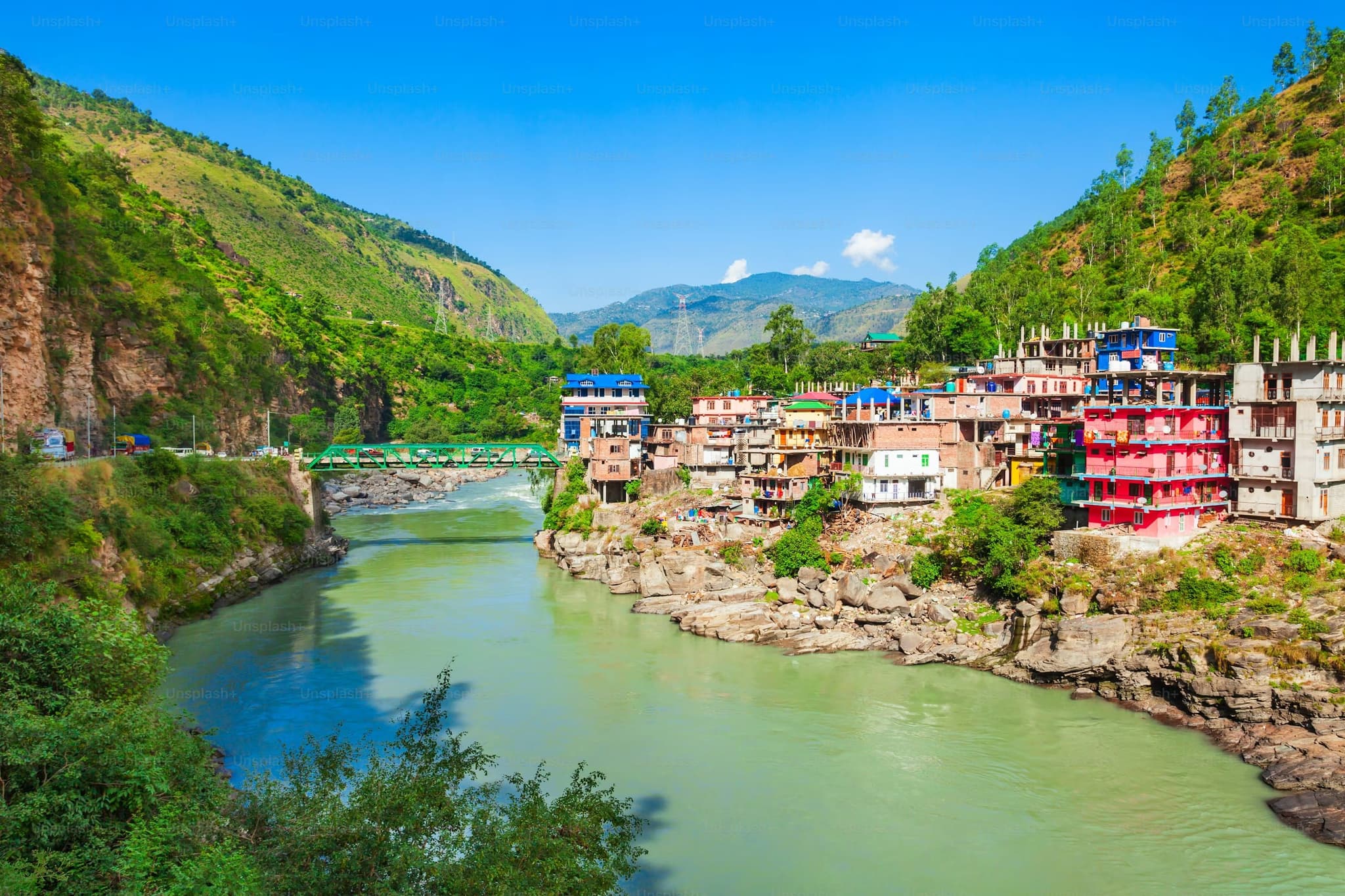
Rishikesh
Up near the Himalayas, Rishikesh gives you a mix of nature and a more relaxed atmosphere. You can walk across suspension bridges, visit temples and sit by the river with mountain views around you. Yoga classes and meditation spots are everywhere, so it’s easy to slow things down for a bit. A few days here is perfect if you want a break from busy cities.
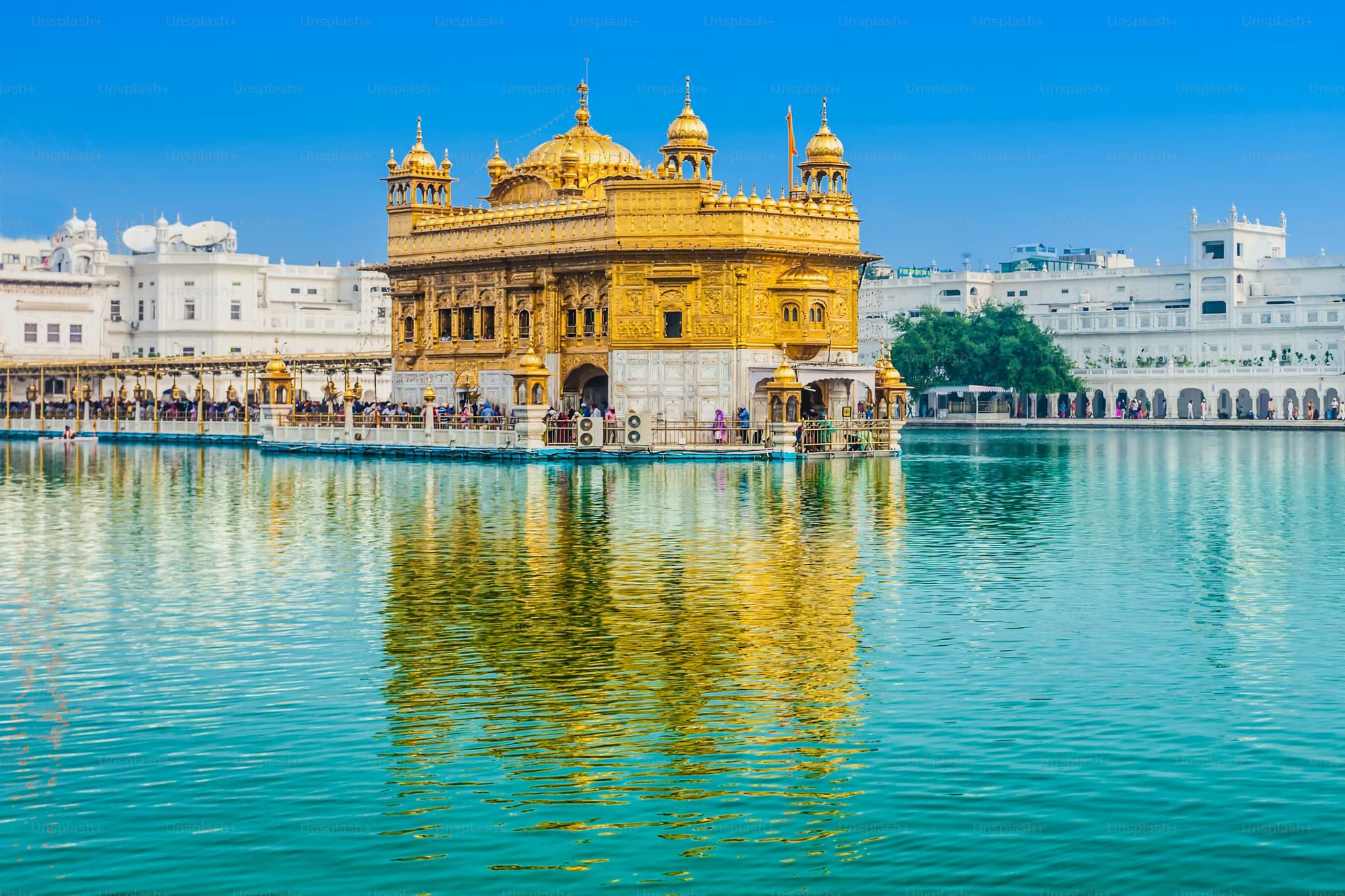
Amritsar and the Golden Temple
In Amritsar, the Golden Temple is the main highlight and it’s something you really have to see in person. You can walk around the temple, sit by the water and watch how people come here to pray throughout the day. Inside, free meals are served to thousands of people daily, and you can even help out if you want. The atmosphere here feels very welcoming and calm compared to other cities.
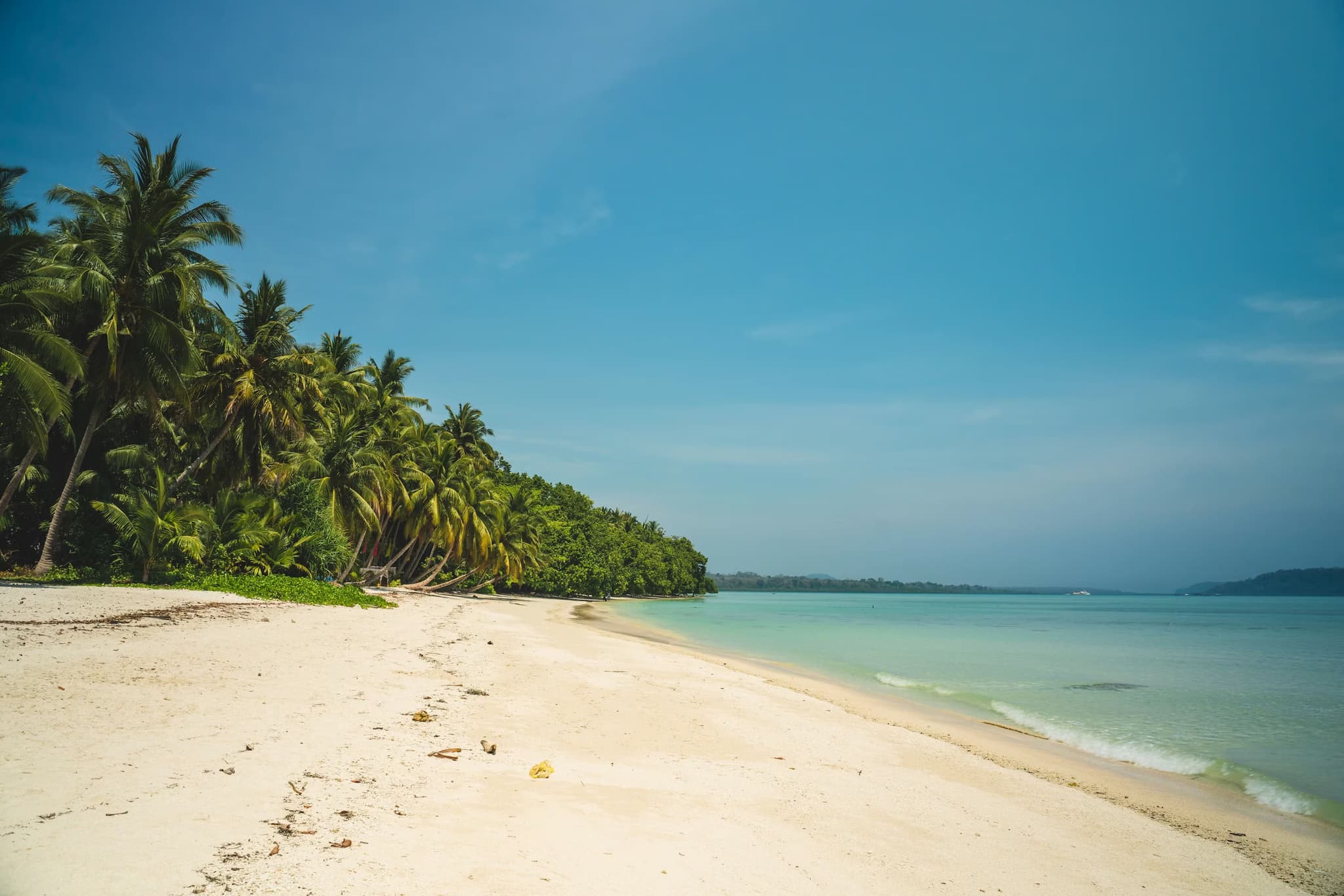
Havelock Island in the Andaman and Nicobar Islands
Far out in the ocean, this is where you go if you want clear water, white sand and underwater life. On havelock island andaman and nicobar islands, you can go snorkelling at Elephant Beach, diving around coral reefs or just relaxing on Radhanagar Beach. Compared to mainland India, everything here is more focused on nature and the sea. Getting there takes a bit more effort, but you won’t regret it!
What to expect when you arrive in India
Right after landing, a lot is happening at once, and that first impression can be quite intense. Within a short time, you’ll start to understand how things work, and that is when the experience really starts to open up for you.
Prepare for a sensory overload when you first arrive in India
From the airport to the streets, everything moves fast and there is always something going on around you. Sounds, traffic and people interacting all happen at the same time, which can take a moment to get used to. After a day or two, your mind starts filtering what matters and what doesn’t.
Expect a completely different rhythm of life
Across many places, timing is more fluid than what you might be used to at home. Plans can change, and things don’t always run exactly on schedule. Once you accept that, the experience becomes much easier to navigate.
Travel in India can feel rewarding
While you will have long travel days and busy cities that can feel intense, you’ll also experience moments that stay with you long after you leave. Like sharing a conversation with a local, or being invited to taste homemade food. In between, you might see monkeys along temple steps, or elephants crossing a road. Add to that the contrast of green backwaters, mountains or quiet beaches after a full day, and you start to see how varied India really is. Those are the moments you won’t forget, and the ones that make the whole trip worth it.
Guided tip: Give yourself at least two days to adjust after arrival, it helps you ease into the experience before moving on.
How to decide where to go when you visit India
At first glance, everything might look worth adding to your trip, which makes choosing harder than it needs to be. Let’s see how you can decide where to go when travelling to India.
Choose Northern India if you want culture
Across this region, you can visit the Taj Mahal, explore forts in Jaipur and walk through historic neighbourhoods in Delhi. Many of the best places to go in India are close to each other here, which makes planning simpler for a first trip. Your days will be filled with sightseeing, markets, temples and trying local dishes. If you want to see major highlights, this is where you want to start.
Choose places in South India if you prefer nature and relaxation
In the south, you can spend time on houseboats in Kerala, visit waterfalls and tea plantations or explore temple towns like Madurai. Here you will get more nature, space and longer stays in one place. If you like taking your time and enjoying your surroundings, this region fits you.
Choose Goa if you want beaches and time to relax
Along Goa’s coastline, you can go beach hopping, swimming or visiting beach cafés. North Goa gives you more energy with markets and nightlife, while South Goa is better if you want longer beach days and less distractions. It’s a nice idea to rent a scooter so you can explore multiple beaches in one day. If your trip needs a break between busy destinations, this is the place to add.
Guided tip: Start by writing down your top three experiences, then choose the region that matches those.
India itinerary ideas: recommeded routes
We’ve put together a few India itineraries that connect the best places in a logical way, so you’re not spending your days moving between destinations. Let’s take a look at what fits your time and how you can combine these places into a smooth trip.
Follow the Golden Triangle for your first trip to India
For a first visit, this route keeps things simple and well connected. You’ll move between Delhi, Agra and Jaipur, which gives you a strong introduction to culture and landmarks.
Day 1–2: Arrive in Delhi, explore Old Delhi, visit India Gate and local markets
Day 3: Travel to Agra, visit the Taj Mahal and Agra Fort
Day 4–5: Head to Jaipur, explore Amber Fort, City Palace and Hawa Mahal
Day 6–7: Return to Delhi or add a relaxed final day before departure
Combine North and South India in a 2 week itinerary
With two weeks, adding a second region gives you more contrast when travelling to India. You’ll move from historic cities to nature or beaches, which keeps your trip varied.
Day 1–2: Delhi, explore markets and main sights
Day 3: Agra, visit the Taj Mahal
Day 4–5: Jaipur, forts and palaces
Day 6: Travel back to Delhi and take a flight south
Day 7–10: Kerala, explore backwaters, tea plantations and coastal areas
Day 11–13: Relax in Goa or continue exploring Kerala
Day 14: Return flight
Slow travel across India in 3 weeks
With more time, staying longer in fewer places makes your trip easier to enjoy. You’ll get a better sense of each destination without constantly moving.
Day 1–3: Delhi, explore city and surroundings
Day 4–5: Agra and travel to Jaipur
Day 6–8: Jaipur and nearby areas
Day 9–11: Varanasi, experience the Ganges and local rituals
Day 12: Travel day with domestic flight
Day 13–17: Kerala, backwaters and nature
Day 18–21: Goa, beach time and relaxation before departure
Looking for more inspiration? Explore these trips:


Fun activities to do when you visit India
Once you know where you’re going, the next step is deciding what you actually want to experience. There are endless things to see in India, but a few activities stand out.
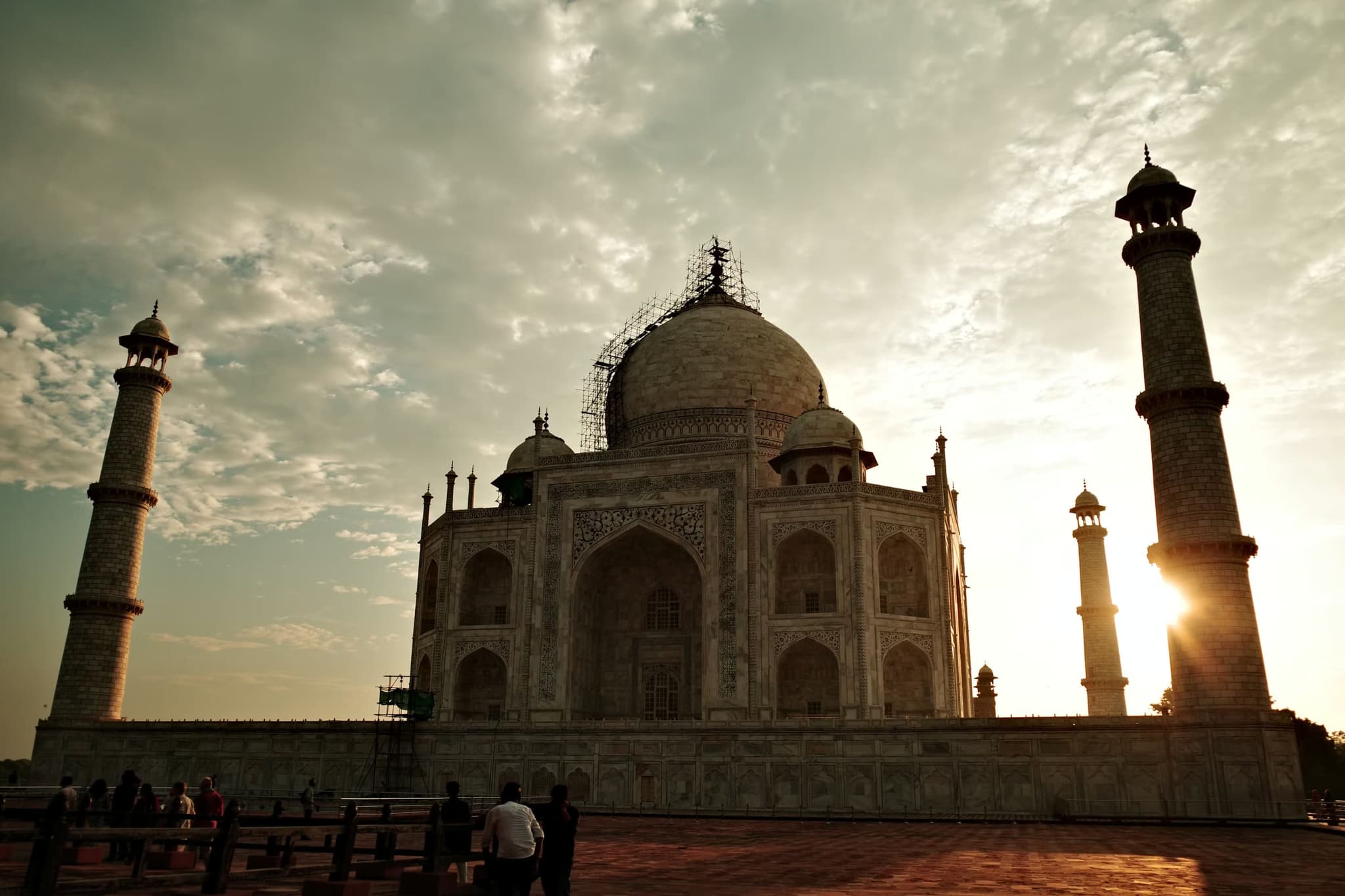
Visit the Taj Mahal at sunrise in Agra
Standing in front of the Taj Mahal is very different from seeing it in photos. Light changes the colour of the marble, and the scale of the building is something you only notice in person. Walking through the gardens and getting closer to the monument takes time, so plan at least a few hours here.
Explore the Himalayas and visit mountain monasteries
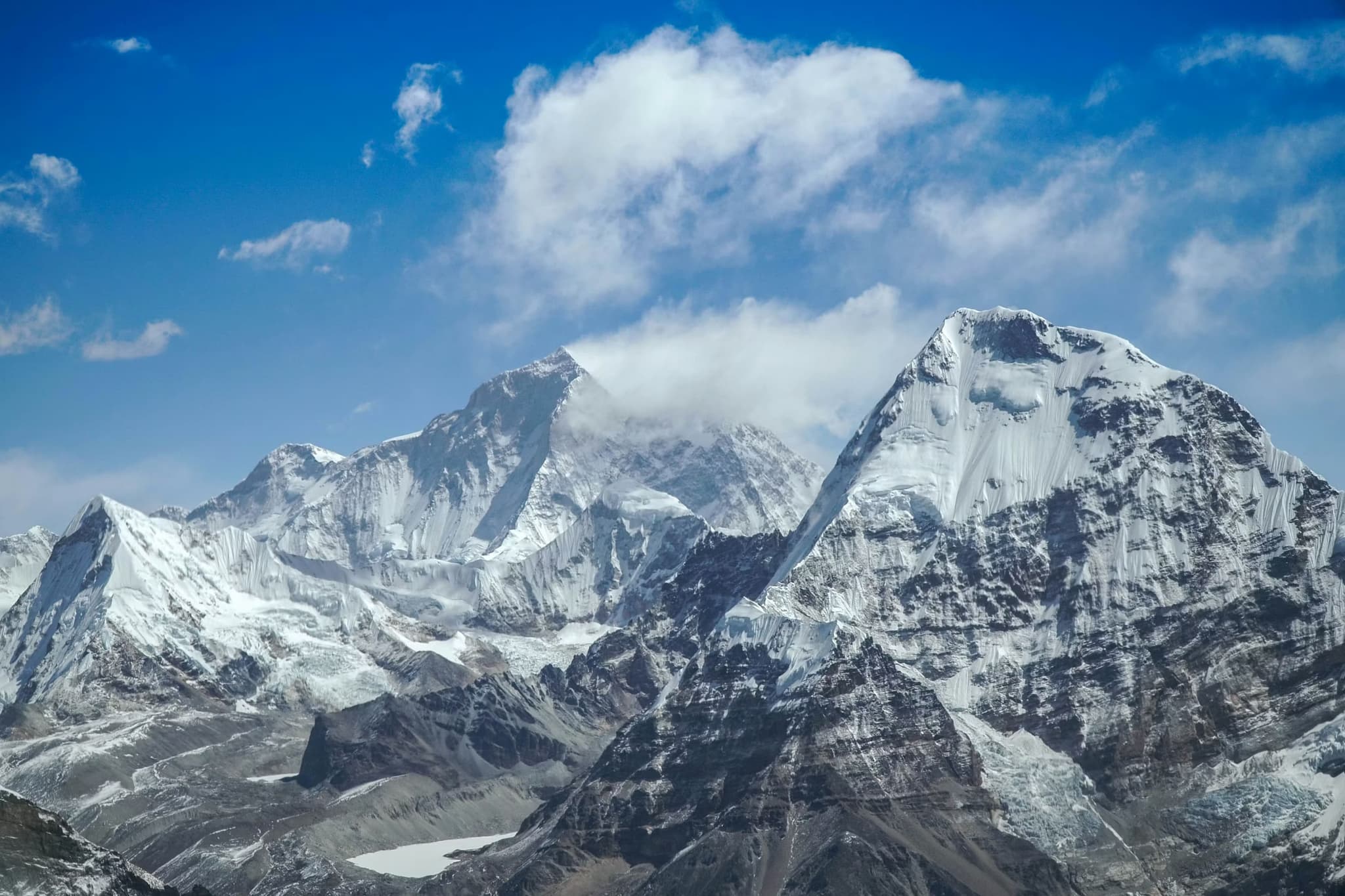
Up in the Himalayas, everything changes compared to the rest of India. You can visit places like Leh or Manali, see Buddhist monasteries and take short hikes with views all around you. At higher altitude, the air gets thinner and the landscapes feel completely different from the cities. A few days here gives you a totally different side of the country.
Visit temple complexes in South India like Madurai
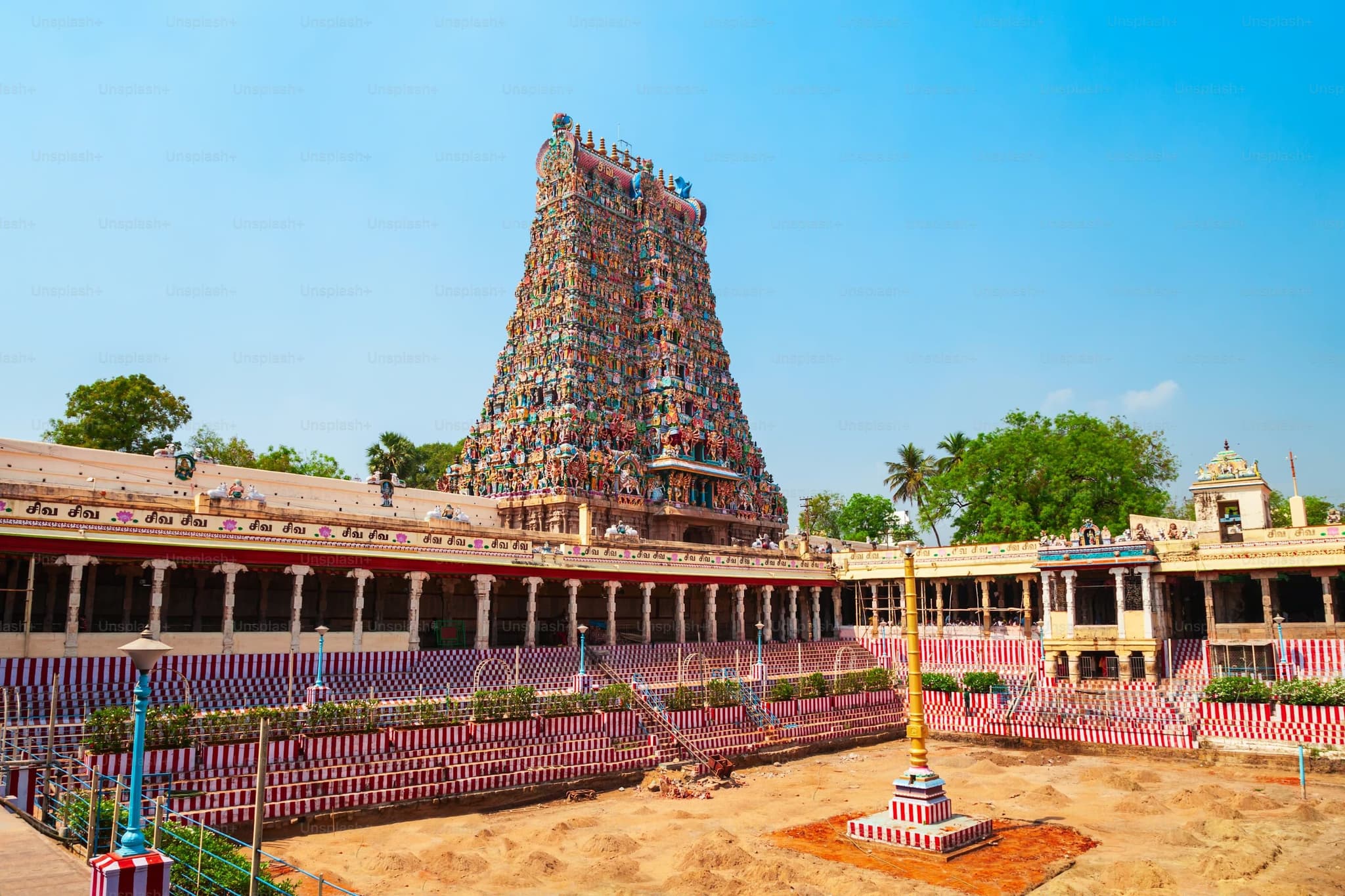
In the south, temple visits are on another level compared to what you’ll see in the north. In places like Madurai, you can walk through huge temple complexes with detailed carvings, long corridors and constant activity around you. People come here daily to pray, so it’s not just something to look at, you’re really stepping into local life. Time spent here gives you a much deeper understanding of how religion is part of everything.
Experience a festival like Holi or Diwali
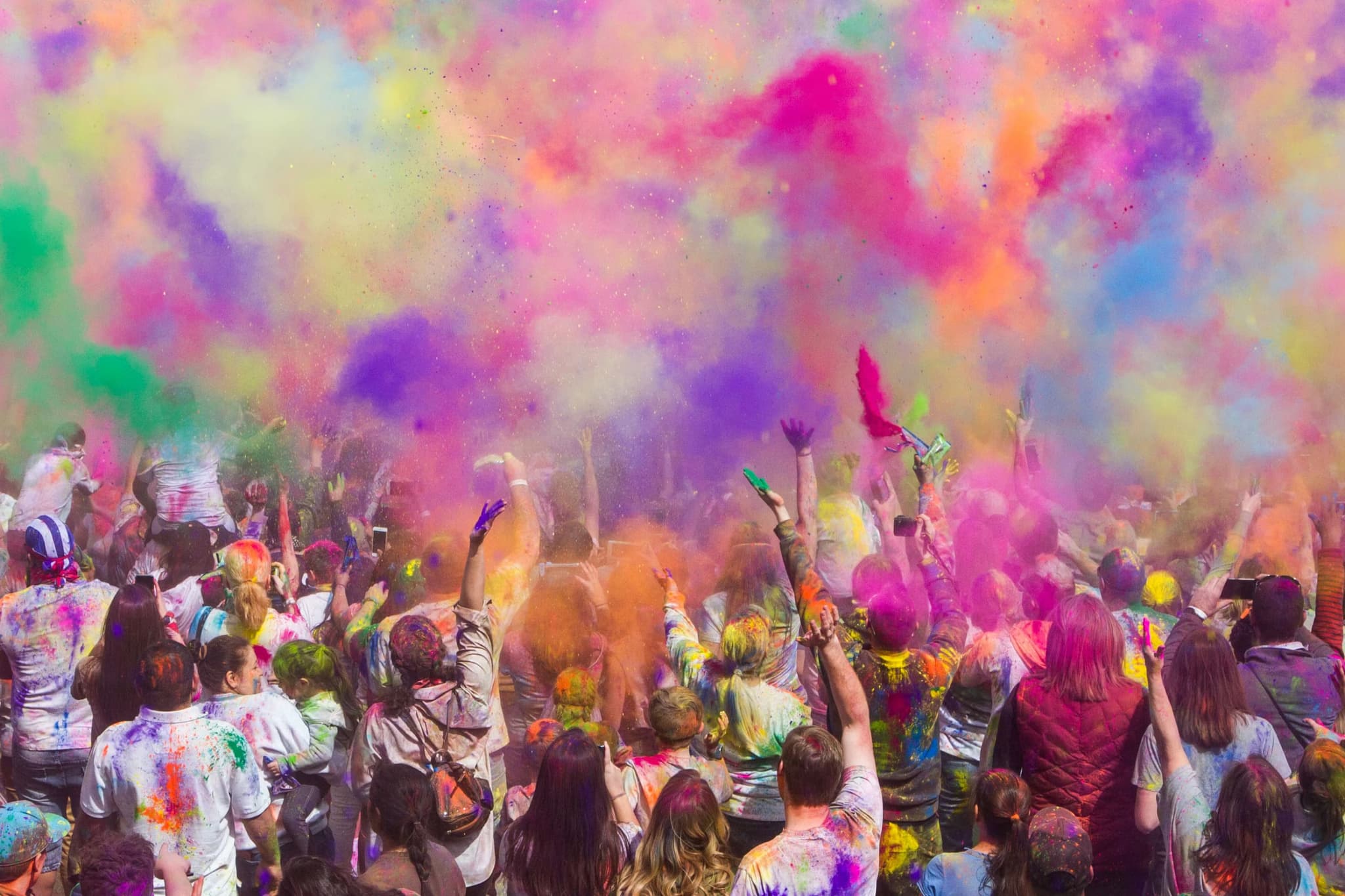
During festivals, everything changes and you get to be part of it instead of just watching. With Holi, people throw coloured powder in the streets, and with Diwali, cities fill with lights, candles and fireworks. If your trip lines up with one of these, it adds something you won’t get at any other time of year. Those moments usually end up being the ones you remember most.
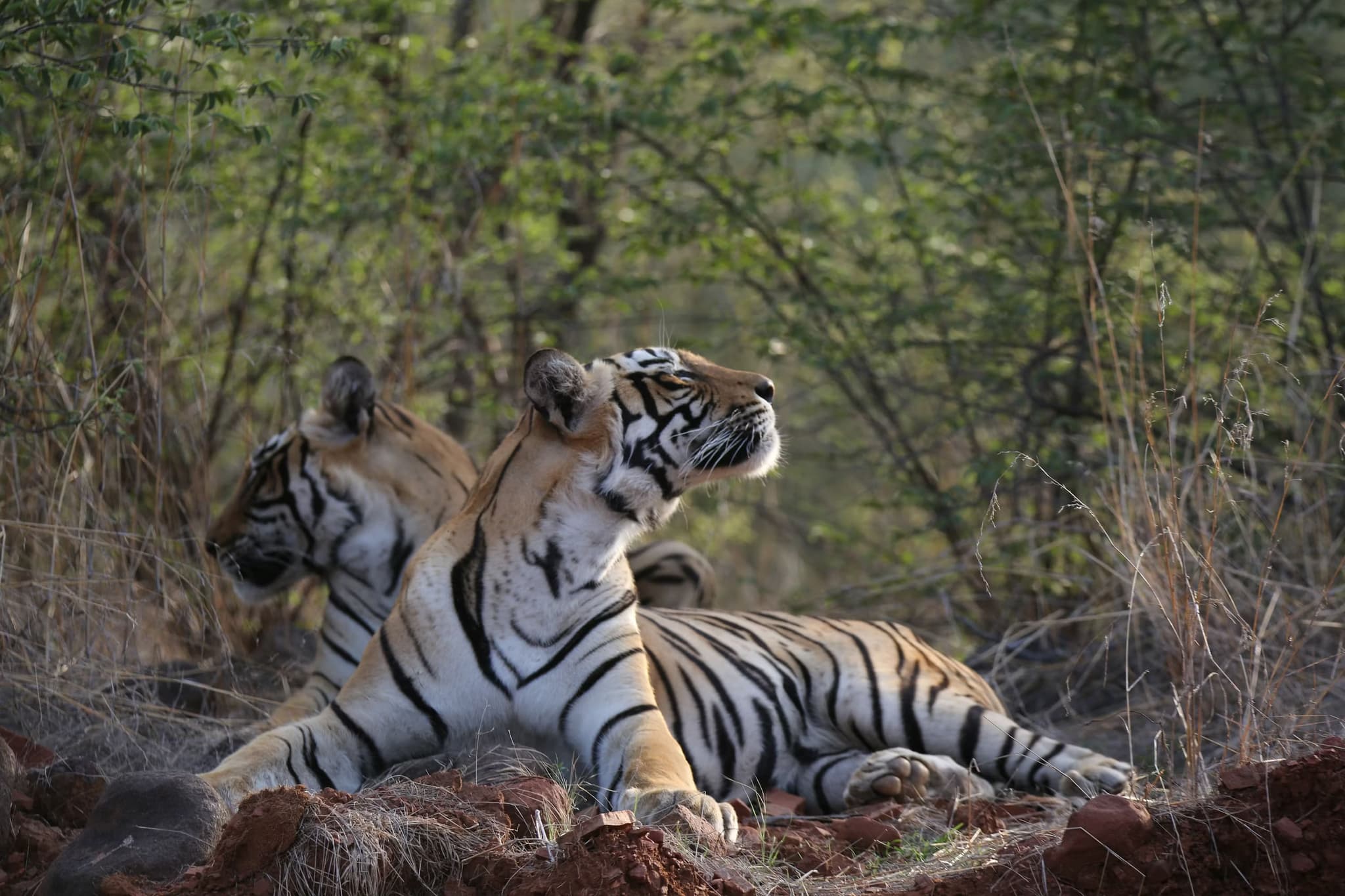
Go on a tiger safari in Ranthambore National Park
Inside the park, you can join a jeep safari and search for Bengal tigers in their natural habitat. Guides track movement and share updates, so each safari feels different. Along the way, you’ll also see deer, monkeys and birdlife.
Explore the backwaters of Kerala by boat
In Kerala, you can stay overnight on a houseboat and travel through canals surrounded by palm trees. Life along the water gives you a completely different view of India. The meals are usually prepared on board as you’ll slowly move through villages and nature.
What time of year is best to visit India?
Timing your trip can completely change your experience, since weather varies a lot across regions.
October to March: cooler temperatures across most regions, good for sightseeing
April to June: high temperatures, especially in northern cities
July to September: monsoon season with heavy rainfall in many areas
Not sure when to go? Read our blog about the best time to visit India, where you’ll find exactly when to go based on your interests.

Did you know you can create your own itinerary?
Now that you have a better idea of the places to see in India and things to do there, you can start creating your own trip. Do you want to travel from north to south, or would you rather spend more time in one area and really get to know it? It’s all up to you. You can easily create your own trip in the Guided app for free, or use trips shared by others.
Where to stay when travelling to India
Finding the right place to stay can really change how your days look once you’re there. A good base makes exploring all the good places in India to visit so much easier. Let’s see what fits you best.
Base yourself in Delhi if you want a central starting point
At the start of your trip, Delhi just makes everything easier since trains and flights connect you to almost anywhere. Areas like Connaught Place or South Delhi give you easy access to restaurants, metro stations and main sights. You can take a short ride to places like Old Delhi, markets and temples, so you can explore different sides of the city. For your first days, this is a very practical place to settle in and get used to everything around you.
At the same time, Delhi can be quite overwhelming, with a lot happening all at once, so if you notice that you get overloaded quickly, heading out right after landing can be a better option. Places like Agra or Jaipur are easy to reach and give you a slightly calmer start.
Stay in Jaipur for culture, palaces and a slower pace
In Jaipur, you can stay close to the old city and have forts, palaces and markets right around you. Rooftop hotels are such a nice bonus here, since evenings come with views over the city and warm light on the buildings. During the day, you’ll move between Amber Fort, City Palace and small streets full of colour and local shops. Compared to Delhi, getting around here just feels a bit easier and more relaxed. The streets are less chaotic, the distances between sights are shorter, and you won’t have to deal with the same level of traffic and constant movement around you.
Stay in Goa if you want beaches and relaxation
Along the coast, your experience really depends on where you stay. In North Goa, you’ll be close to beach clubs, markets and more energy, while South Goa is better if you want longer beach days and more space. With a scooter, you can easily explore different beaches in one day, stopping wherever you like. After busy cities, a few days here can be exactly what you need.
Base yourself in Kerala if you like nature and quiet time
Across Kerala, you can stay near the backwaters in Alleppey or head up into the hills around Munnar. Houseboats are such a unique option here, since you’ll literally stay on the water and wake up surrounded by nature. Tea plantations, greenery and slower days make this part of your trip feel completely different.
Guided tip: Stay close to the places you want to visit, getting across cities can take more time than you expect.
Getting around when travelling to India
Looking at distances on a map can be a bit misleading here, since getting from one place to another can take longer than expected. A bit of planning helps you move smoothly between all the places to travel in India.
Book train tickets via IRCTC or 12Go to travel long distances
Across the country, trains connect almost every major destination. Platforms like IRCTC or 12Go make booking easier, especially if you’re not used to the system yet. Most seats and sleeping cabins can sell out quickly, so booking ahead really helps.
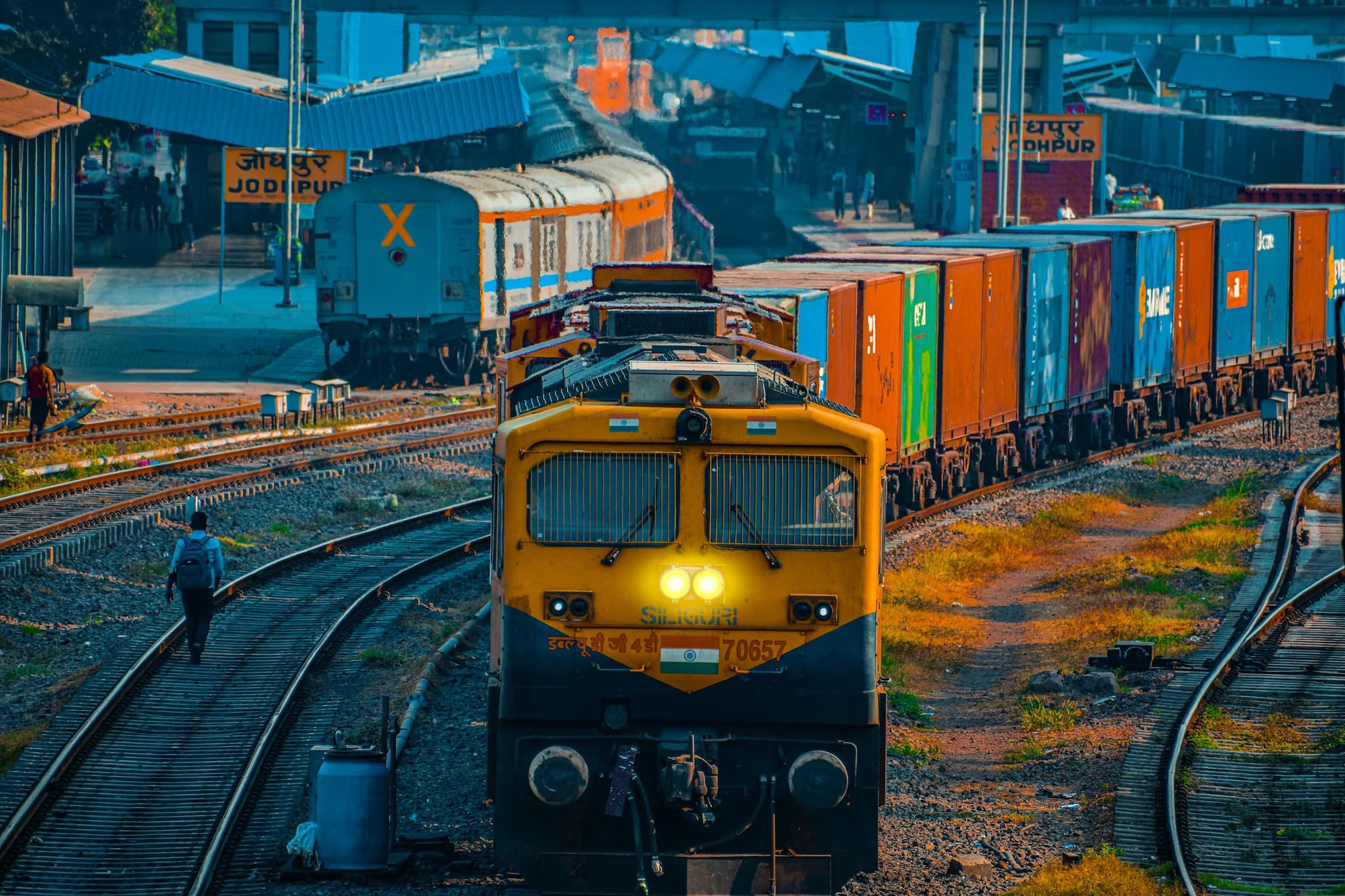
At the same time, stations and trains can get very busy, with a lot of people, noise and movement all at once, which can feel intense if it’s your first time. A more comfortable option is booking AC classes like 2AC or 3AC, where you get reserved seats with more space and a calmer environment.
Take domestic flights when distances are too long
Between north and south, flying can save you a huge amount of time. Airlines like IndiGo and Air India run frequent routes between major cities. It’s usually not that expensive if you book in advance, which makes it a good option for longer distances.
Use Uber, Ola or prepaid taxis in cities
In cities, apps like Uber and Ola make getting around very simple. Prices are clear upfront, so there’s no need to negotiate. From the airport, prepaid taxis are also a reliable option to get to your hotel.
You can use buses, but choose the right type
Across many regions, buses fill the gaps where trains don’t go, like routes between smaller towns or hill areas. Regular government buses are the cheapest option, but they can get very crowded, have no fixed seating and stop frequently, which makes your journey tiring. Private operators booked through platforms like RedBus usually give you reserved seats, clearer schedules and options like AC or sleeper buses, which makes a big difference for comfort. Though, for longer distances or if comfort really matters, reserving trains or flights are still the better choice.
Guided tip: Always check travel time, not just distance, since getting around can take longer than you expect.
Food you’ll want to try when travelling to India
Food here is something you’ll remember long after your trip, and honestly, this alone is a reason to go. India has some of the most flavourful and diverse food you’ll ever try.
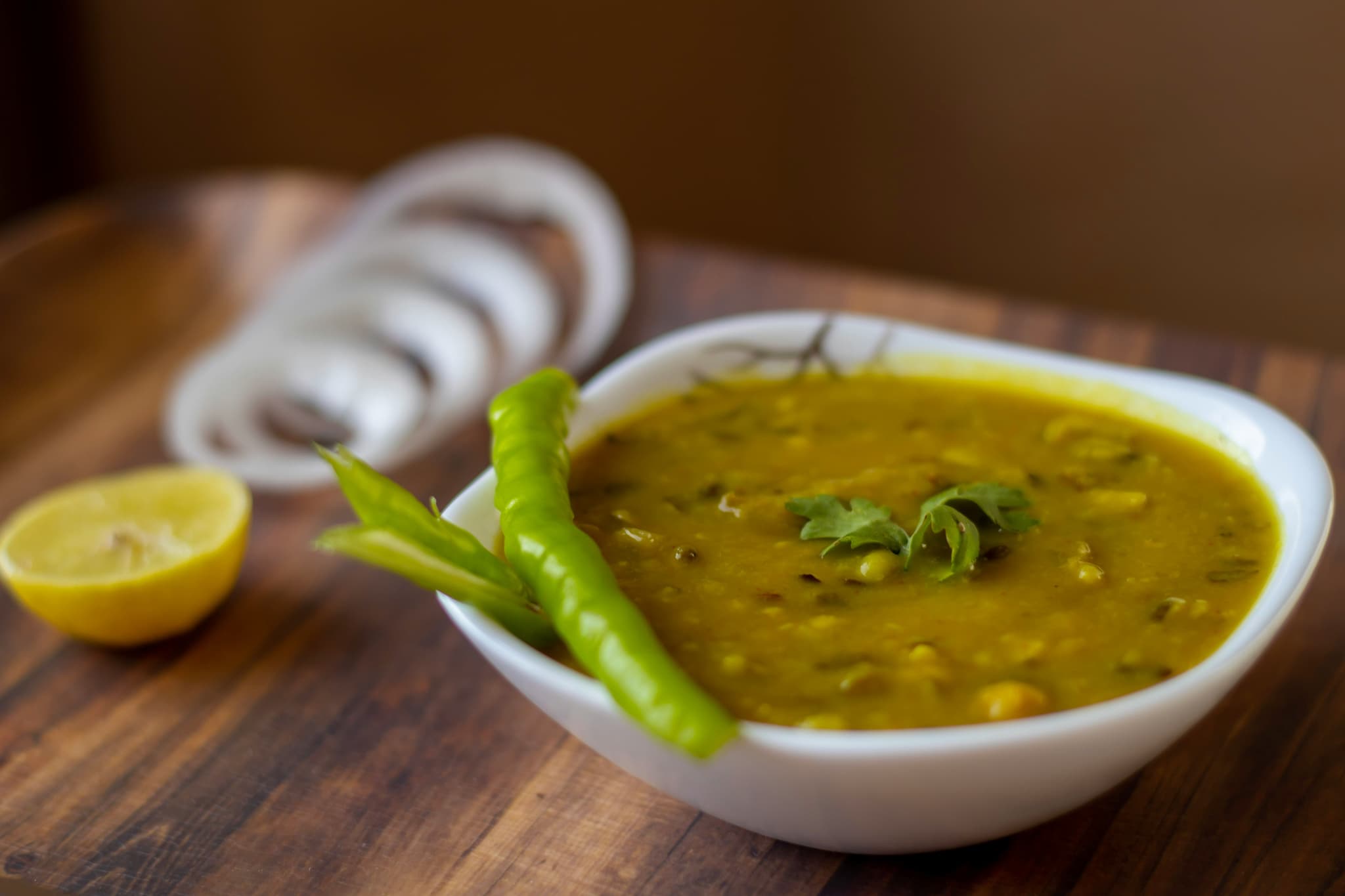
Try dal
In so many places, dal with rice is the kind of meal you’ll keep coming back to. Warm lentils, spices and simple flavours come together in a way that just works every time. It might sound basic, but once you try it, you’ll get why it’s everywhere.
Eat paneer curry for a classic vegetarian dish
If you like creamy, rich dishes, paneer curry is something you don’t want to miss. Soft cubes of cheese soaked in spiced sauce, served with naan or rice, it’s just too good to skip. Different restaurants make their own version, so it’s fun to try a few. Even if you’re not vegetarian, this one is worth ordering.

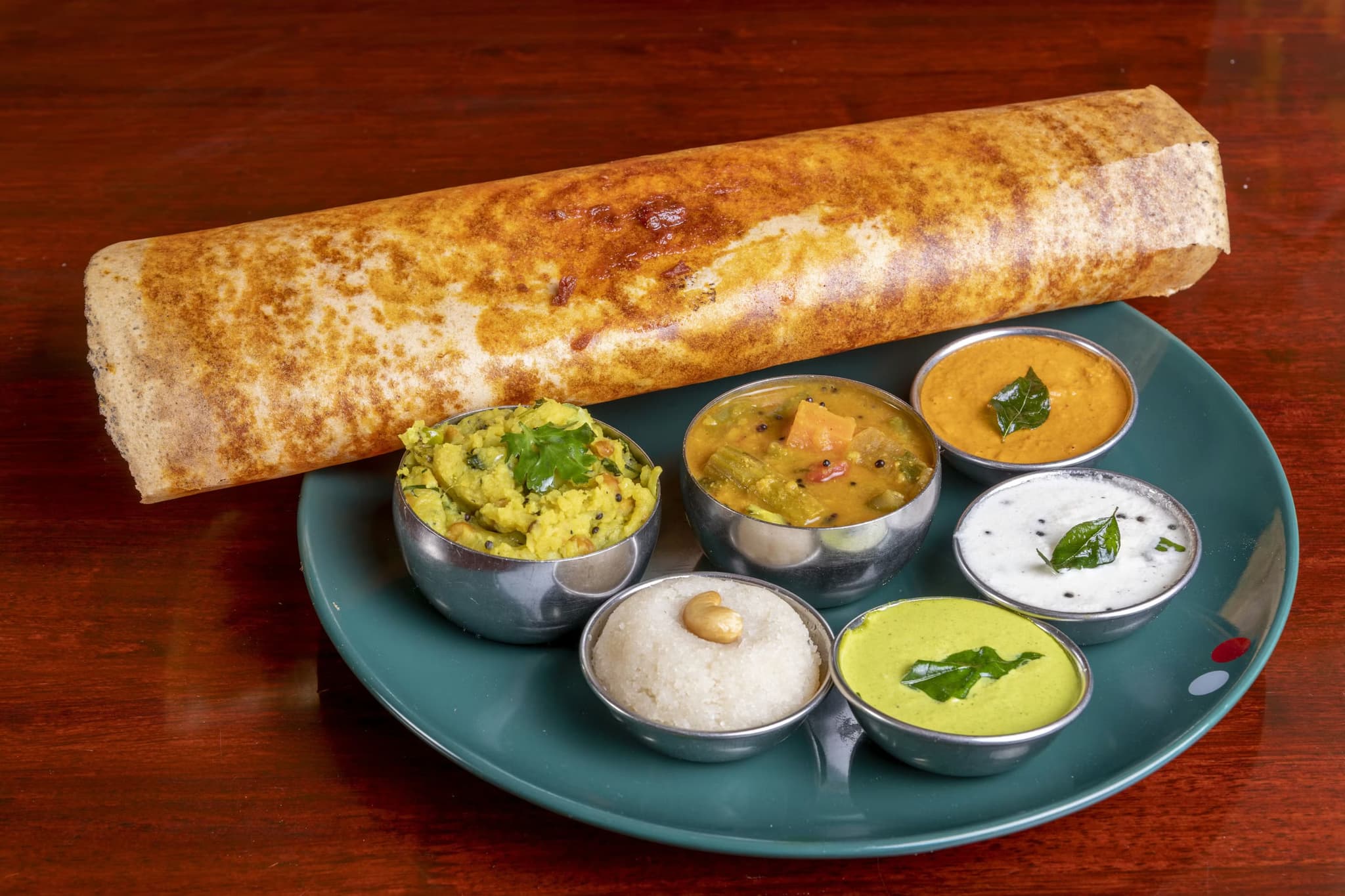
Taste masala dosa in South India
In the south, masala dosa is something you’ll see everywhere, and for good reason. Crispy on the outside, soft on the inside, filled with spiced potatoes and served with chutneys, it’s such a good combination. Street stalls and restaurants both serve it.
Try butter chicken in Northern India
Butter chicken is one of those dishes you’ve probably heard of, but trying it here is a different experience. Rich sauce, tender chicken and just the right amount of spice make it delicious.
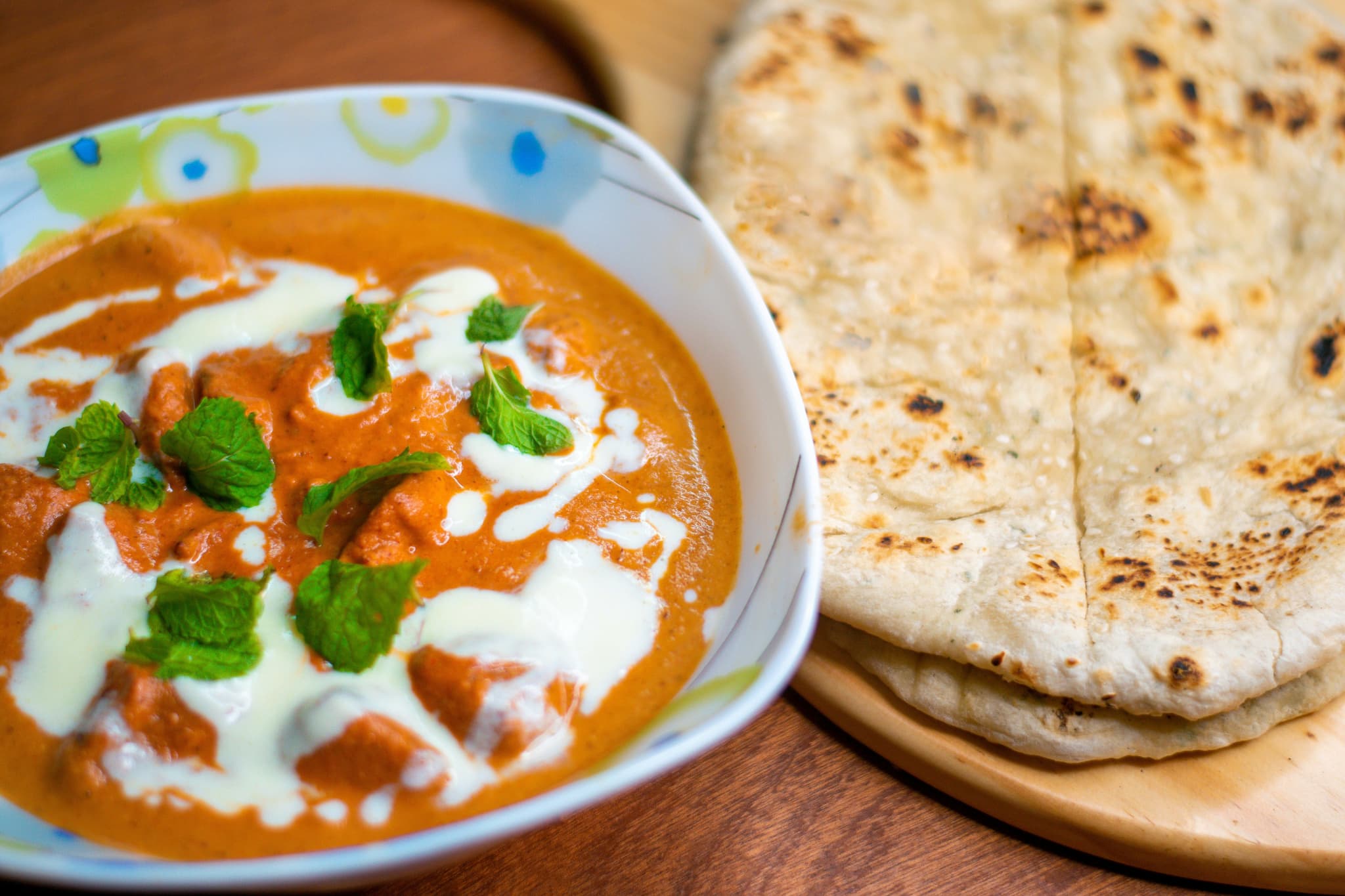
Good to know: At the start, food in India can take a bit of getting used to, especially with the spices and different preparation styles. Starting with freshly cooked meals instead of raw or street food can help your body adjust more comfortably, and asking for less spice is completely normal if you’re not used to it yet.
Culture in India: what everyday life looks like here
From the moment you start exploring, culture is something you’ll notice everywhere around you. With a bit of context, everything you see will make a bit more sense.
See how temple rituals and river ceremonies are part of life
All around you, religion shows up in small and big ways throughout the day. In temples and along rivers like the Ganges, you can watch people pray, light candles and take part in ceremonies such as the evening Aarti in Varanasi. Instead of being separate attractions, these places are part of normal life that you’ll come across just by walking around.
Notice how different regions reflect India’s history
Across different regions, history shows up in buildings, food and traditions you’ll experience along the way. Over centuries, different empires and influences shaped the country, starting with ancient Hindu kingdoms, followed by the Mughal Empire that built many of the forts and palaces you’ll visit in the north.
Later on, British colonial rule left its mark in cities like Mumbai and Kolkata, where you’ll see railway stations, government buildings and wide streets that look very different from older parts of the country. In the south, long-standing temple cultures continued to develop, which is why you’ll find massive temple complexes with detailed carvings that go back hundreds of years.
Learn how to behave respectfully as a visitor
In a lot of situations, it’s really the small things that make everything easier. Covering your shoulders and knees, taking off your shoes before going inside somewhere, or just asking before you take a photo, it all shows respect without much effort. Compared to what you might be used to, public affection isn’t something you see much, so keeping things a bit more low-key just works better.
Looking for more unique places, trips and activities?
Subscribe to our Guided Newsletter for more travel inspiration.
What does travelling to India cost?
When travelling to India, food, transport and accommodation stay quite affordable when you go local. Let’s take a look at the average prices for a trip to India.
Food & Drink

Coffee
50 – 150 INR
Lunch
150 – 400 INR
Beer
150 – 400 INR
Accommodation

Hotels
1,500 – 4,000 INR
Airbnb
1,200 – 3,500 INR
Hostel dorm
300 – 800 INR
Transport

Trains
200 – 1,000 INR
Public Transport
20 – 80 INR
Car Rental
2,000 – 5,000 INR
Attractions

Museums
100 – 600 INR
Big Attractions
600 – 2,000 INR
Theatre
500 – 2,000 INR
Practical tips for travelling to India
Before heading out, a few simple things can make your trip much smoother. With the right prep, exploring the best places to visit in India becomes a lot easier and more enjoyable. We’ve gathered some tips from fellow Guided travellers.
✔ Never drink tap water in India
Throughout the country, tap water isn’t suitable for drinking. Bottled water is widely available and the better option during your stay.
✔ Buy a local SIM card at the airport for easy connection
At arrival, getting a SIM card right away saves you time later on. Providers like Airtel and Jio are easy to find at the airport.
✔ Book trains and transport well in advance
For popular routes, seats can fill up quickly, so planning ahead helps a lot. With earlier bookings, you’ll have more choice in times and comfort levels.
✔ Bring a universal adapter for India
Across the country, plug types C, D and M are used. A universal adapter means you won’t have to think about compatibility.
✔ Pack light but bring modest clothing
In many places, covering shoulders and knees is expected, especially in temples and smaller towns. Loose clothing works well in warmer temperatures.
✔ Be aware of scams and overly helpful strangers
In busy areas, you might come across people offering help that isn’t always genuine. Unofficial guides can happen so sticking to official services helps you avoid these situations.
✔ Learn some basic phrases to make travel easier
In larger cities, English is widely spoken, but that’s not the case everywhere. Hindi is common in many northern regions, but in the south you’ll hear different languages like Tamil or Malayalam. Simple phrases like “hello”, “thank you” and “how much” can really help.
Fun facts about India
India is a country full of history and people, so let’s see what makes it so unique:
India is one of the oldest continuous civilisations in history, dating back over 5,000 years.
More than 1000 languages are spoken are India like Hindi, Bengali and Tamil
The Taj Mahal is one of the Seven Wonders, and seeing it in real life worth it
Cows are considered sacred, so you might see them walking freely
Cricket is played everywhere from streets to open fields.
Some of these moments will probably become part of your own trip along the way. India stands out in its own way, with busy street markets, temple ceremonies, and time on the water. That constant contrast is what makes the country so interesting to explore, since no two parts of your trip look the same. India is a great destination if you like variety, strong cultural experiences and a journey that keeps changing as you go.
Ready to map out your trip to India?
We hope this India travel guide has given you a clear starting point for your trip. Stay tuned for more inspiration, itineraries and practical tips to help you shape your perfect trip to India. And don’t forget to check out our Guided app, where you can create your own trip or use trips shared by other travellers for free.
FAQS about travelling to India
- What is India famous for?
Across the country, India is known for its history, culture and iconic landmarks like the Taj Mahal. Food, religion and traditions are also a big part of what makes it stand out. During your trip, you’ll notice how different each region can be.
- Where is Goa India?
- Is India safe for tourists?
- Do you need a visa for India?
- How many days do you need in India?