
Panama

Panama travel guide: Everything you need to know before visiting Panama
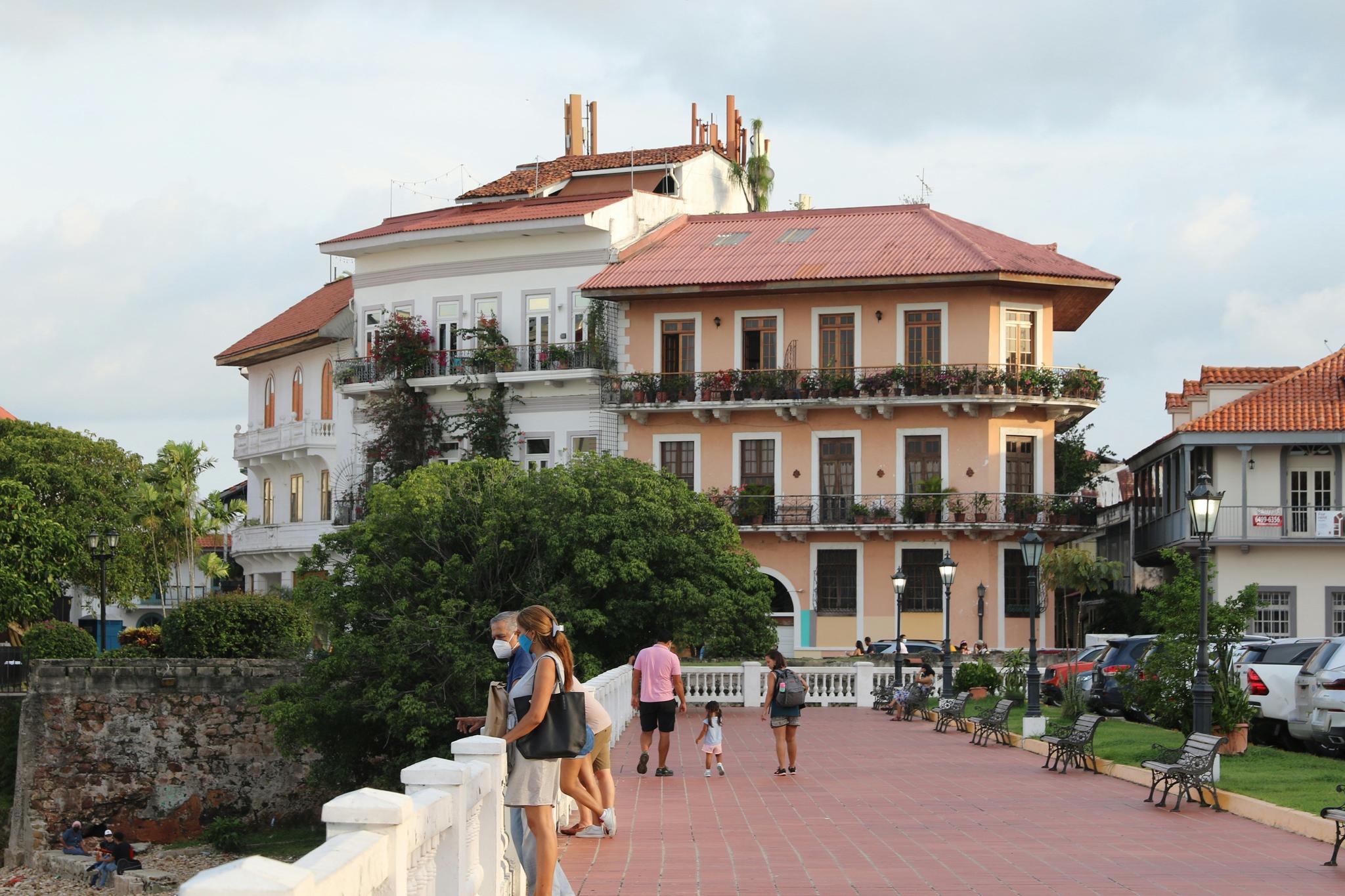
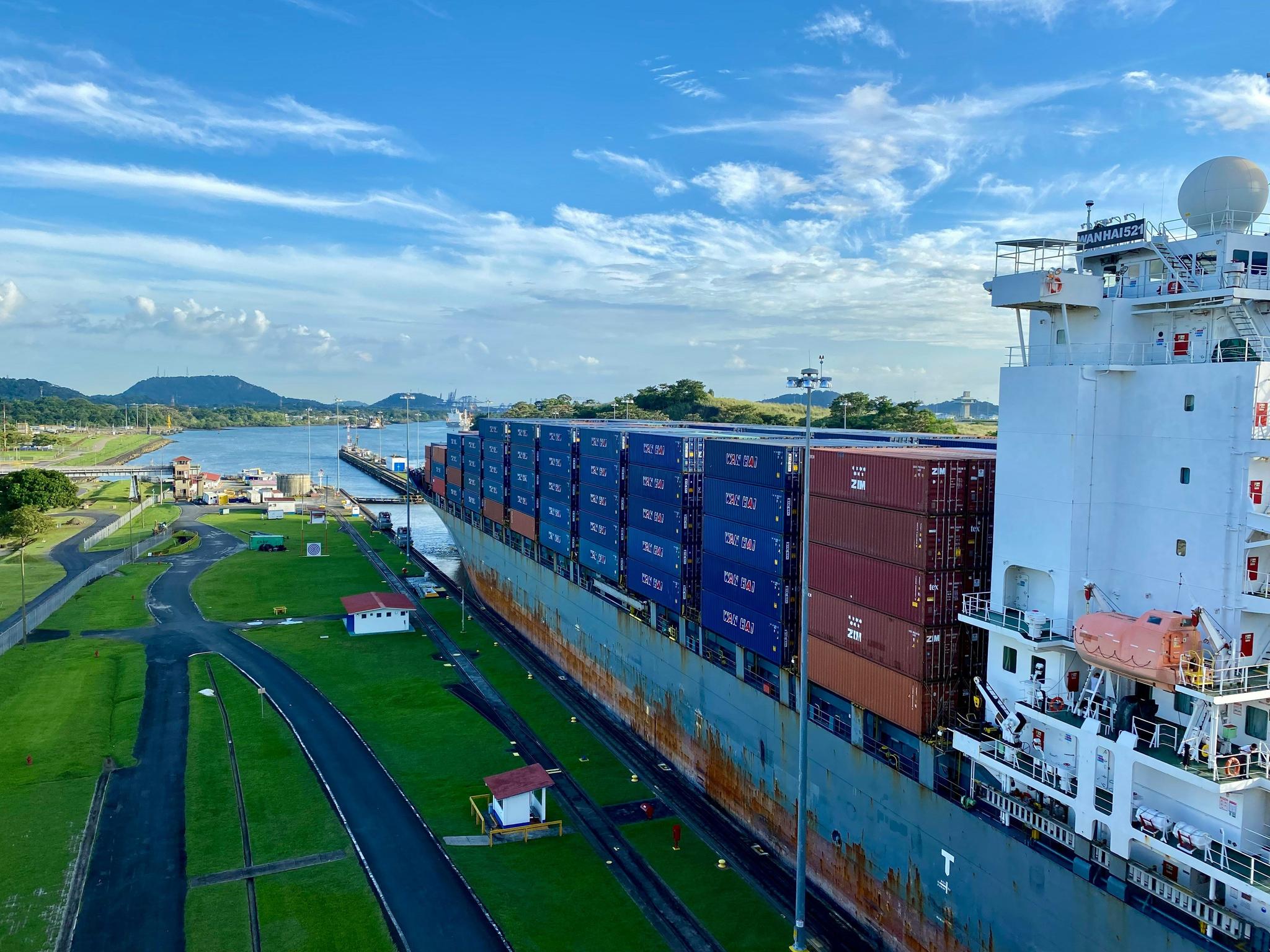
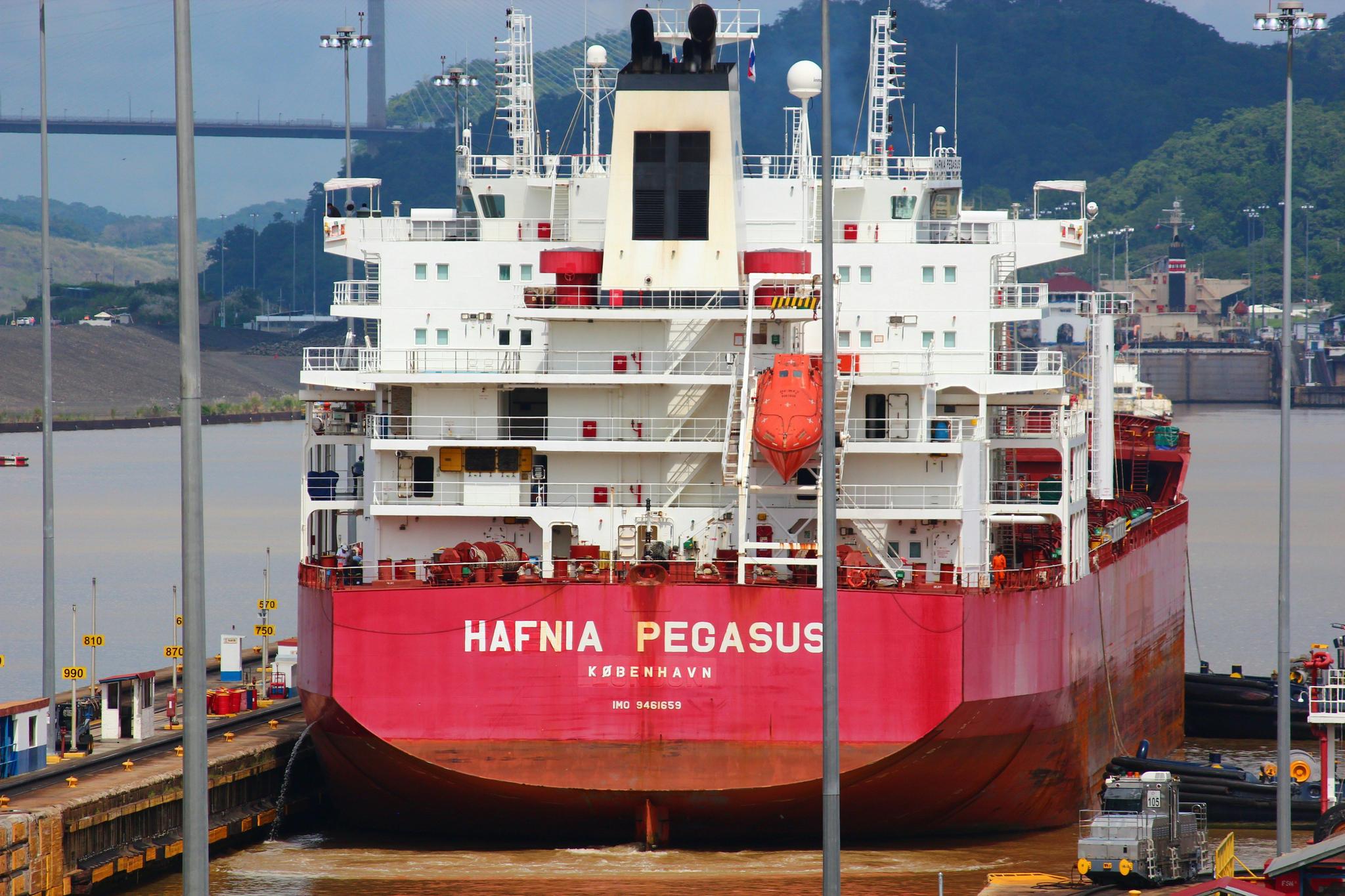
A short taxi ride from the skyscrapers of Panama City, container ships are lifted and lowered through the Miraflores locks, part of a canal that opened in August 1914 and has belonged to Panama since the last day of 1999. You can watch from a viewing deck in the morning and be back for dinner in Casco Viejo, the old quarter laid out in 1673 after the pirate Henry Morgan's attack left the first city, Panamá Viejo, in ruins.
That closeness is what makes the country work. The rainforest birding on Pipeline Road is under an hour from the capital. Guna Yala is a 2.5 to 3 hour drive away, and Bocas del Toro a short flight. Costa Rica next door is more polished for nature tourism and costs more, while Colombia is bigger and cheaper. Panama is compact, runs on the US dollar and has the region's biggest air hub at Tocumen, so it makes a brilliant stopover or one half of a two-country trip. We think it suits anyone who wants islands and a real city inside a week or two, birders and divers especially, and suits shoestring travellers less. This guide covers where to go, how long to stay, getting around, food, costs and the practical rules worth knowing.
5 reasons to visit Panama
In Panama, a skyscraper skyline and a Guna-run island are one early start apart.
- Watch ships rise and fall in the Miraflores locks of the Panama Canal.
- Sleep in a Guna-run cabin on a palm-covered island in Guna Yala.
- Walk Casco Viejo's restored colonial streets, then eat ceviche at the fish market.
- Taste Geisha coffee on a farm in the Boquete highlands.
- Island-hop by water taxi and snorkel in Bocas del Toro.
Where to visit in Panama?
Where should a first trip start? In Panama City, almost always. Of the 3 million international visitors Panama counted in 2025, 2.24 million arrived through Tocumen airport, and most onward buses, flights and shuttles leave from the capital. These are the places we'd build a route around.
Panama City
Give the capital two nights at least. Casco Viejo's restored colonial houses and rooftop bars look across the bay at a wall of towers, and the district shares a UNESCO listing with the ruins of Panamá Viejo, founded in 1519 (entry up to about USD $17). The Biomuseo, Frank Gehry's only building in Latin America, charges non-resident adults USD $20 and closes on Mondays. Casco's churches were cracked in the October 2026 earthquake and reported open afterwards, but we wouldn't count on seeing every interior. Some streets around the restored core are rough at night, so take an Uber between neighbourhoods after dark.
Panama Canal (Miraflores and Agua Clara)
Is the canal worth a morning? Yes, and we'd aim for the morning or mid-afternoon, when ships tend to be moving. The Miraflores Visitor Center is open daily from 8am to 6pm. Non-resident adults pay USD $17.22 and children aged 6 to 12 pay USD $7.22, including a 45-minute IMAX film narrated by Morgan Freeman. On the Atlantic side, the Agua Clara Visitor Center overlooks the larger Neopanamax locks that opened in 2016 (USD $10 per adult). The Panama Canal Railway has no regular passenger service, so check whether one of its occasional weekend Family Trains is running before planning around it.
Soberanía National Park and Gamboa
Pipeline Road is the best half day out of Panama City for wildlife, and nothing else nearby comes close. About 17 km of it is accessible inside Soberanía National Park, and more than 450 bird species have been recorded along it. For many years from 1975, the Christmas Bird Count circle that takes it in held the world record, peaking at 357 species. The park is under an hour from the city, beside Gamboa, where operators also sell boat trips on Gatún Lake and visits to Emberá communities on the Chagres River.
Portobelo and Fort San Lorenzo
Portobelo's forts have been on UNESCO's World Heritage list since 1980 and on its List of World Heritage in Danger since 2012. Together with Fort San Lorenzo they share the UNESCO listing, and they are also part of the Colonial Transisthmian Route that UNESCO listed in 2025. Every 21 October more than 100,000 pilgrims are expected for the Black Christ festival, and some crawl to the church. We'd make Portobelo a Caribbean day trip from the capital, or pair it with Agua Clara.
Guna Yala (San Blas)
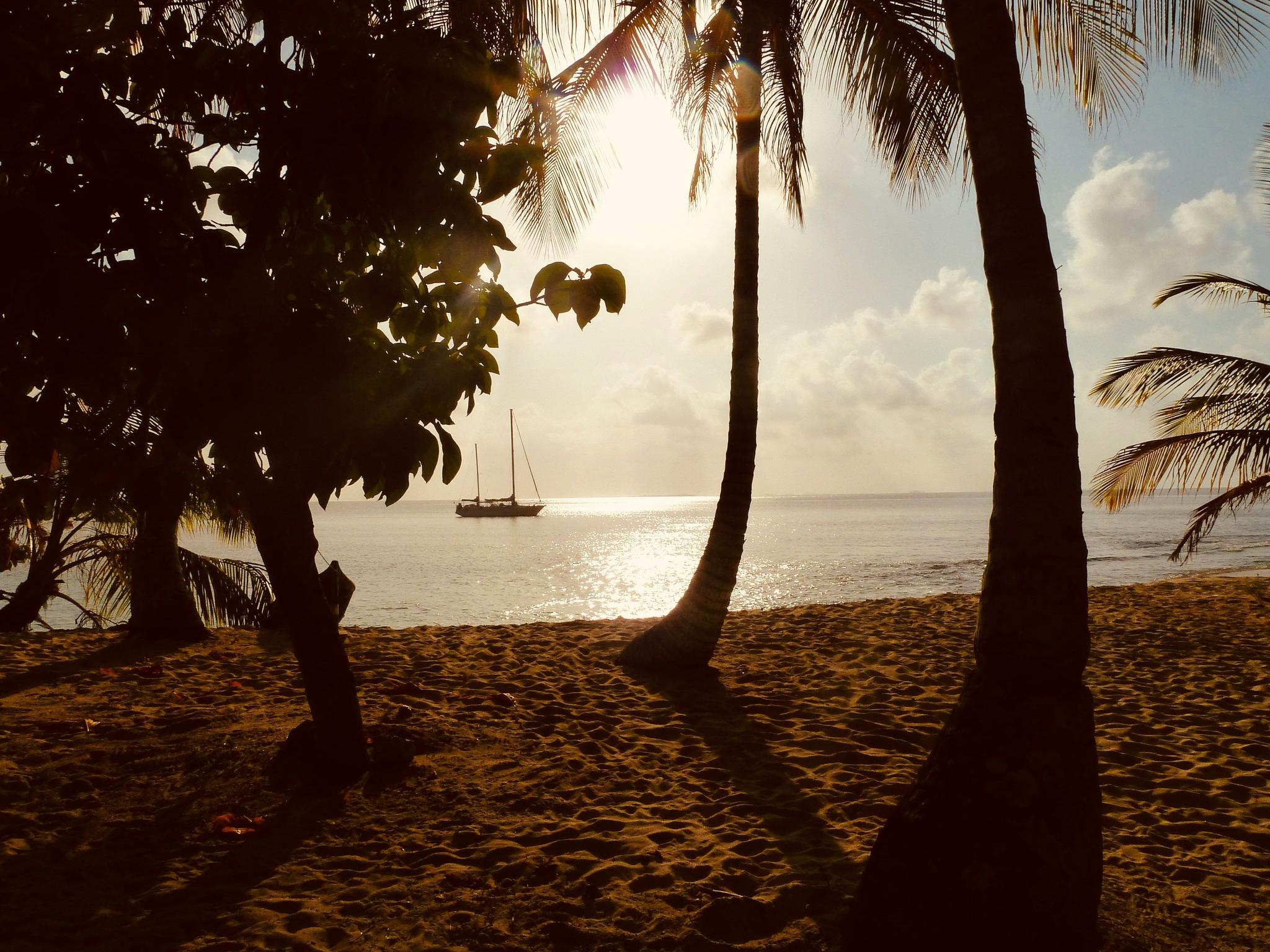
Spend at least one night. The Guna govern this comarca themselves, across about 365 islands and 51 communities, and run the lodges, which means basic cabins, often with shared bathrooms and no Wi-Fi, but meals and boat trips included. Shared 4x4s leave Panama City before 6am for the 2.5 to 3 hour drive to Cartí, so a day trip is mostly time in a car. Two-day, one-night packages start at about USD $147 from Cartí, or USD $219 with the shuttle. Bring cash for the Guna entry fee, usually quoted at USD $20 to USD $22 and often not included. In May 2024, about 300 families moved from Gardi Sugdub to the mainland because of rising seas.
El Valle de Antón
El Valle sits inside the crater of an extinct volcano, 2 to 2.5 hours from Panama City, with buses leaving Albrook about every 30 minutes. It's home to Panama's golden frog, and there's a Sunday market. Walkers can follow parts of the 30 km Ruta de la Caldera, which takes in La India Dormida. We'd use it as an easy first stop on the way west, or a weekend away from the heat of the capital.
Boquete and Volcán Barú
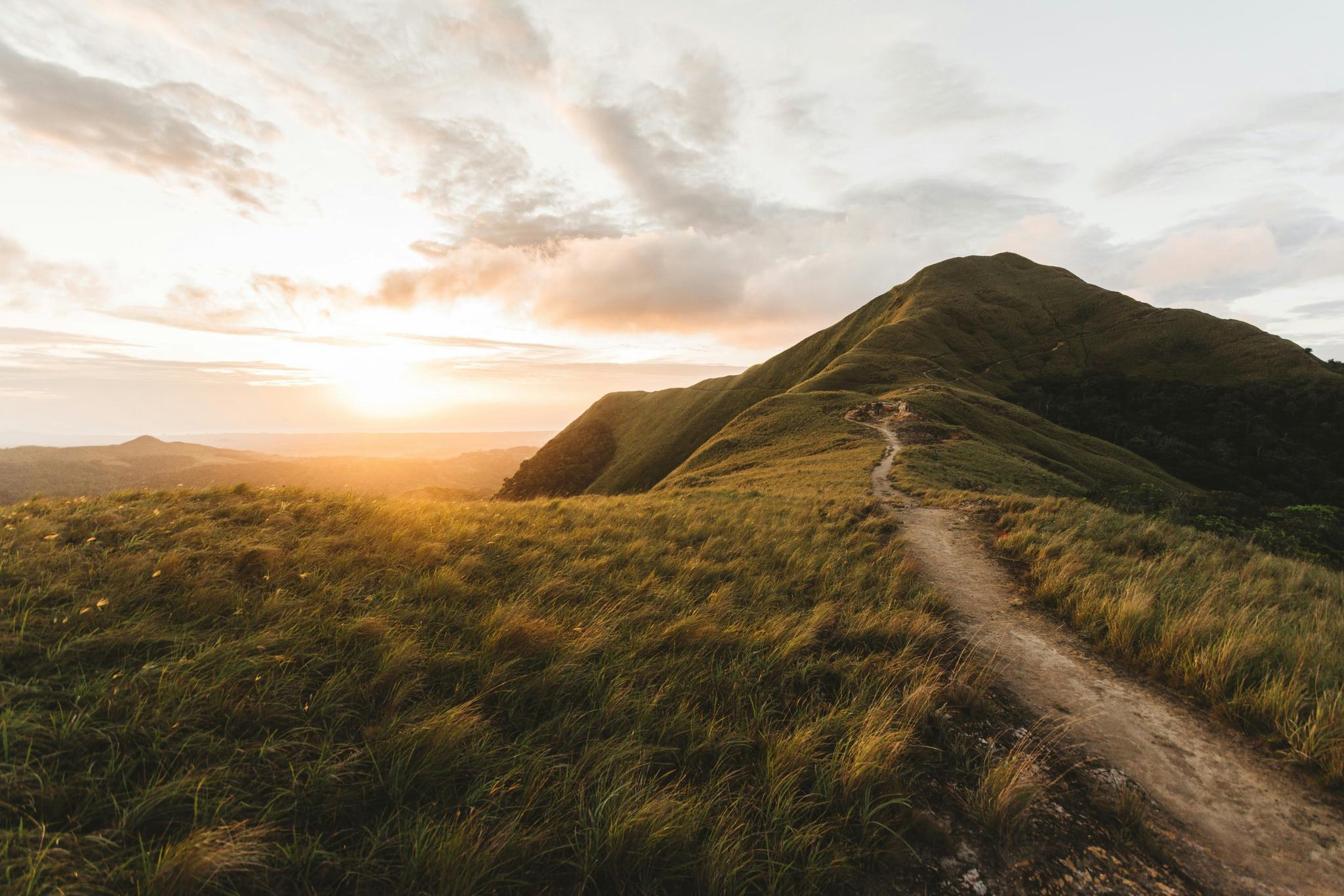
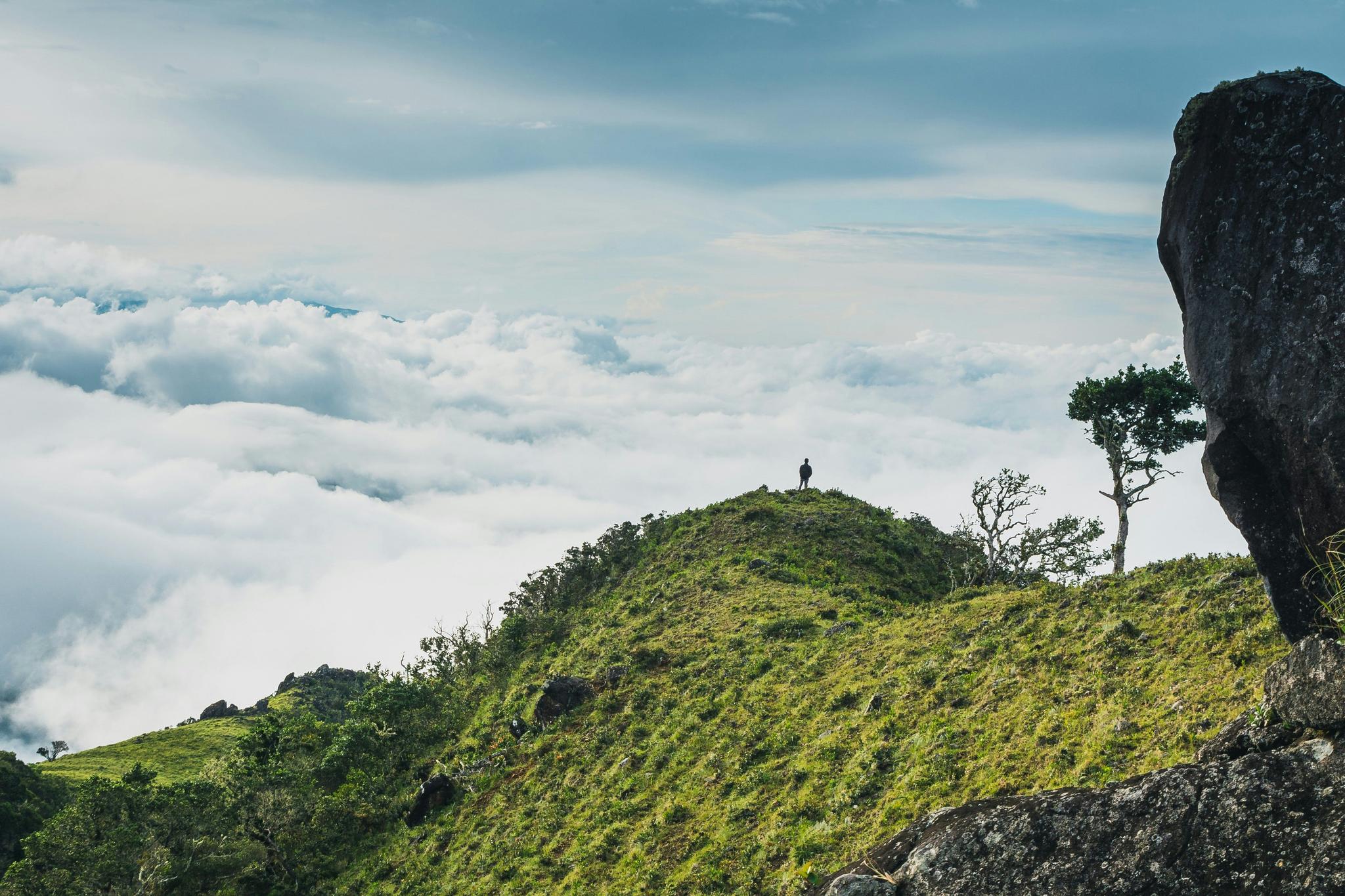
Boquete is where you go to cool off. The town sits at about 1,200 m and averages 19 to 20.5 °C, with coffee farms climbing the slopes above it. Higher still is Volcán Barú, at 3,474 m the highest point in Panama, whose road was closed by a landslide in July 2026 and has since reopened. Sendero Los Quetzales is the trail for resplendent quetzals. Fly to David in about an hour or take the 6.5 to 7 hour bus, then a USD $1.75 colectivo. Give it three nights.
Bocas del Toro
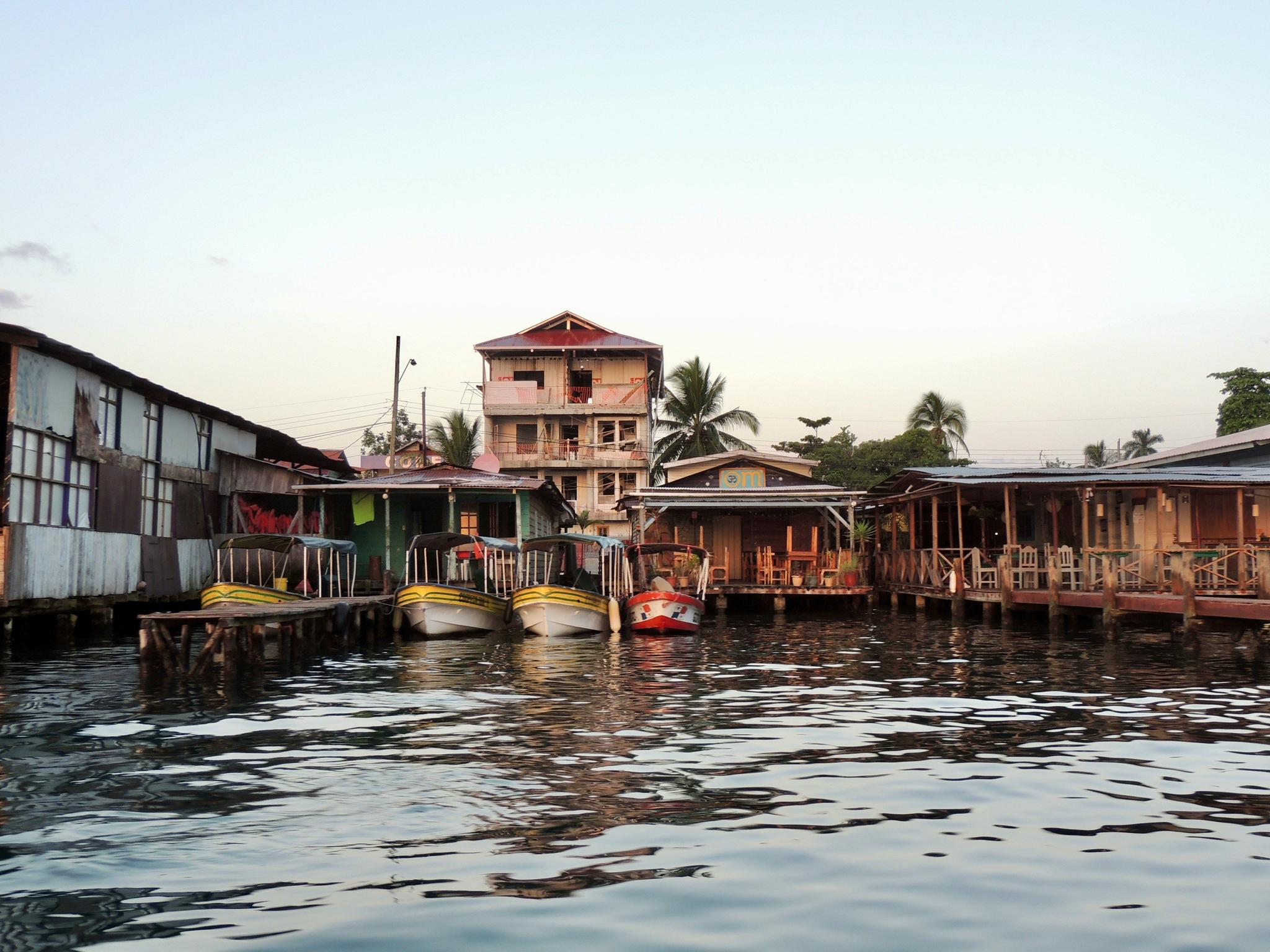
These are the easiest islands in Panama to reach and get around. Bocas Town on Isla Colón has the hostels and the nightlife, and Bastimentos has Red Frog Beach and the Afro-Caribbean village of Old Bank. Carenero is a quieter few minutes across the water. Water taxis with posted prices cost USD $1 to USD $10, and Starfish Beach and the Zapatilla Cays are the names to look for on boat trips. Air Panama flies from Albrook in about an hour, against 10 to 11 hours by bus to Almirante plus a boat. We'd sleep on Bastimentos or Carenero and go into town for the evenings.
Coiba National Park and Santa Catalina
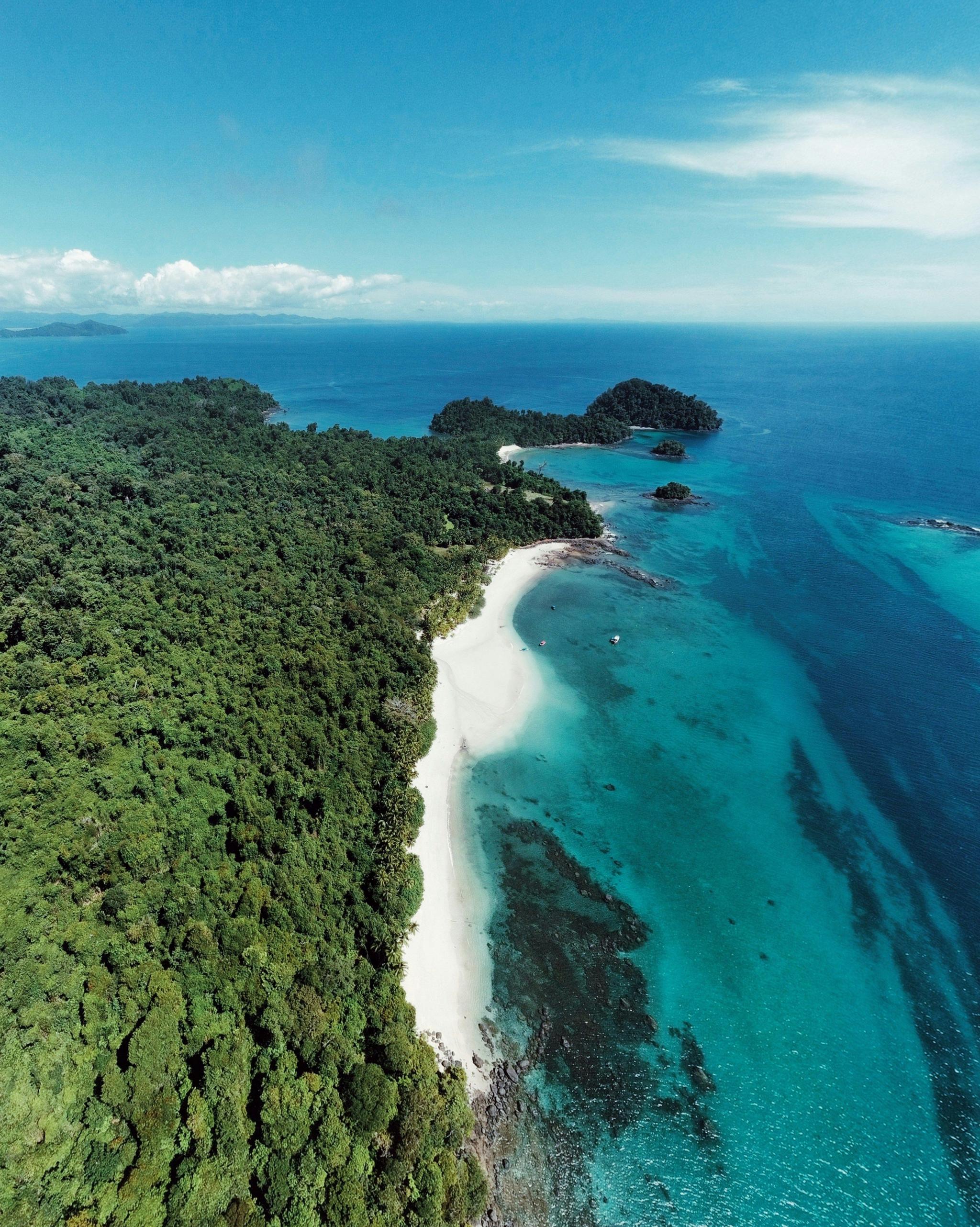
Coiba Island held a penal colony from 1919 to 2004 and became a national park in 1992, and UNESCO listed it in 2005 along with 38 smaller islands. For our money this is the best diving in Panama. The ranger-station lodging on the island was closed for rehabilitation, so most people sleep in Santa Catalina, a surf village about an hour away by boat. It has a single ATM that often runs dry, so bring the cash you'll need for the whole stay.
Azuero Peninsula
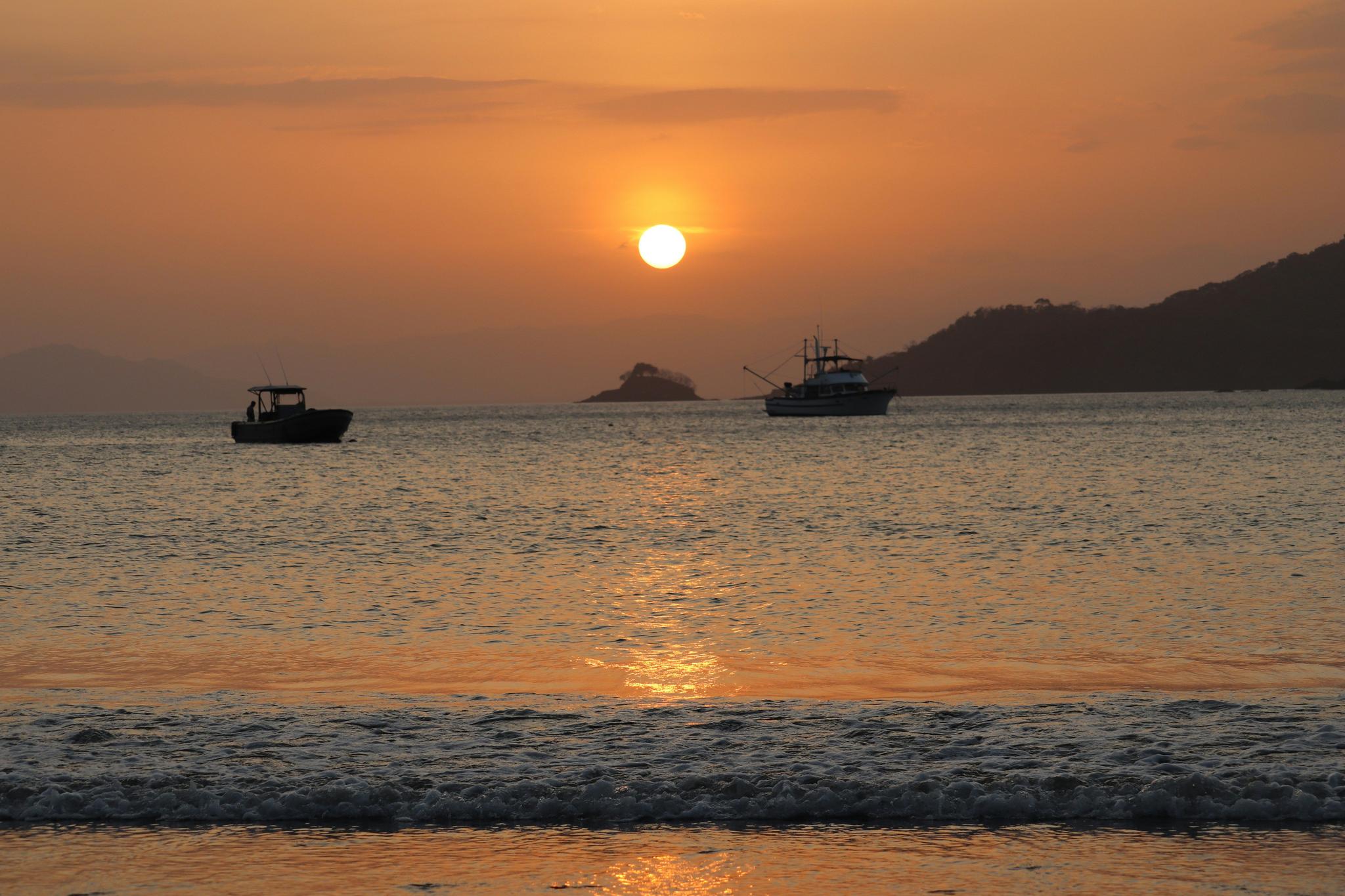
The Azuero Peninsula is Panama's folklore heartland and the region closest to the epicentre of the magnitude 7.7 earthquake (USGS) of 9 October 2026. Las Tablas is known for its Carnival, and La Villa de Los Santos marks the First Cry of Independence of 1821. Pedasí is about 5.5 hours from Panama City by shuttle, and the surf beach at Playa Venao is nearby. Olive ridley turtles nest on Isla de Cañas from June to December, sometimes in arribadas of up to 2,500. Some Playa Venao hotels were damaged, so check that your lodging is open after the October 2026 earthquake. We'd save Azuero for a second visit, unless you surf.
Panama itinerary ideas for your trip
Both routes below start and end in Panama City, because that's where the flights land. Copa's hub at Tocumen also makes Panama easy to pair with Colombia, and our two weeks in Colombia itinerary picks up where these leave off.
5 to 7 day Panama itinerary
- Day 1-2: Panama City, Casco Viejo, Panamá Viejo and the Miraflores locks.
- Day 3: Pipeline Road and Gamboa, or a Caribbean day in Portobelo.
- Day 4-5: Guna Yala, one or two nights in an island cabin.
- Day 6-7: Fly to Bocas del Toro, or stay near the city before your flight.
10 to 14 day Panama itinerary
- Day 1-3: Panama City, the canal and an early morning on Pipeline Road.
- Day 4-5: Guna Yala and its islands.
- Day 6: El Valle de Antón and the crater trails.
- Day 7-9: Boquete, a coffee farm and Volcán Barú.
- Day 10-12: Bocas del Toro (fly, or allow a long day by shuttle), then get around by water taxi.
- Day 13-14: Back to Panama City. Divers can swap Bocas for Santa Catalina and Coiba.
You can build either route, or adjust the days to fit your own plans, in the Guided trip planner.
Fun things to do in Panama
The best things to do in Panama mostly involve getting on the water or getting up very early. These are the five we'd plan a trip around.
Take a partial transit of the Panama Canal
Watching from Miraflores is good. Going through the locks yourself is better. A partial transit takes about six hours and carries you through the Miraflores and Pedro Miguel locks, with the water rising or falling around the boat. Expect to pay USD $115 to USD $165 with an operator such as Panama Marine Adventures.
Tour a coffee farm in Boquete
In August 2025, a washed Geisha from Hacienda La Esmeralda sold for USD $30,204 per kilo at the Best of Panama auction, a world record that still stands. Farm tours around Boquete cost USD $30 to USD $75, from about USD $45 at Cafeto Arábica to about USD $75 for a private tour with Don Pachi. We think one is worth it even if you only drink coffee now and then.
Dive at Coiba National Park
Coiba is the reason serious divers come to Panama. Whale sharks, hammerheads and silky sharks all turn up in the national park, and boats run out from Santa Catalina in about an hour. Snorkellers will find Bocas del Toro easier.
Watch humpback whales
Humpback whales are in Panama's Pacific waters from July to October. Boats go out around the Pearl Islands and from Pedasí, though Pedasí is in the earthquake area, so confirm your tour is running.
Hike Volcán Barú for sunrise
Starting a hike in the middle of the night sounds like a bad idea until you're standing 3,474 m up with the Pacific on one side and the Caribbean on the other. That view needs a clear day, so we'd keep a spare morning in Boquete and pick the one with the best forecast. The climb takes six hours or more.
When to go to Panama?
Panama has two seasons rather than four. The dry season, verano, runs from mid-December to April, with Panama City averaging 27 to 28.5 °C. The wet season, invierno, runs from May to November, with afternoon downpours that peak in October and November. Hurricanes are rare this far south, and only Martha, in 1969, has hit directly. A strong El Niño is expected to last until about June 2027, so the 2027 dry season should be longer and very hot, with a heat index of up to 43 to 45 °C in parts of the Pacific side from April to June. The canal stays open and visitable. If we had to pick one month, it would be January.
- Dry season: mid-December to April, sunny on the Pacific side and in the highlands, with peak prices over the holidays and at Carnival
- Wet season: May to November, afternoon downpours and lower prices, with humpback whales from July to October and turtle nesting from June to December
- Caribbean coast: rain all year in Bocas del Toro, but February to March and September to October are the driest spells, so the islands suit a wet-season trip
- Festival season: the Boquete flower and coffee fair (6-17 January 2027), Carnival (6-9 February 2027, going ahead in Panama City, undecided in some interior towns) and patriotic parades in November

Did you know you can create your own itinerary?
Now that you know what to see in Panama and where to stay, you can start creating your own trip. Do you want more nights in a Guna cabin on the Caribbean, or are you thinking more about coffee farms and cool mornings in the Boquete highlands? It's all up to you. You can easily create your own trip in the Guided app for free, or use trips shared by others.
Where to stay in Panama?
Casco Viejo or El Cangrejo? That's the first decision most visitors face. After that, it's mostly about picking island bases.
Panama City
Casco Viejo is the place for atmosphere, with boutique hotels and hostels in restored buildings, though weekends are noisy. Hotel San Felipe runs at USD $160 to USD $250 a night. El Cangrejo and Obarrio are cheaper and sit on Metro Line 1, at places like the Best Western Plus Zen (USD $115 to USD $175) or The Executive Hotel (USD $100 to USD $140). Punta Paitilla and Punta Pacífica have quieter bay-view towers but less Metro access.
Boquete
Stay downtown if you don't have a car. The centre is walkable, with guesthouses and tour pick-ups, while Alto Boquete is quieter but needs a car or taxi. Hotels average about USD $78 a night. Volcán and Cerro Punta are cooler still, and good for birding.
Bocas del Toro
Bocas Town has the hostels and the bars. Carenero is calmer and a few minutes away by water taxi, and Bastimentos has the Red Frog lodges. We'd take Carenero, close enough for dinner in town and quiet enough to sleep.
Santa Catalina
Expect hostels from about USD $38, mid-range rooms at USD $63 to USD $70 and boutique places at USD $120 to USD $200. Bring cash.
Getting around when visiting Panama
Panama is easy to cover without a car, as long as you accept that the long bus rides really are long. If you do hire one, mandatory insurance is added at the desk, so we'd budget USD $40 to USD $70 a day, and city tolls are paid electronically through Panapass.
Panama Metro and MiBus
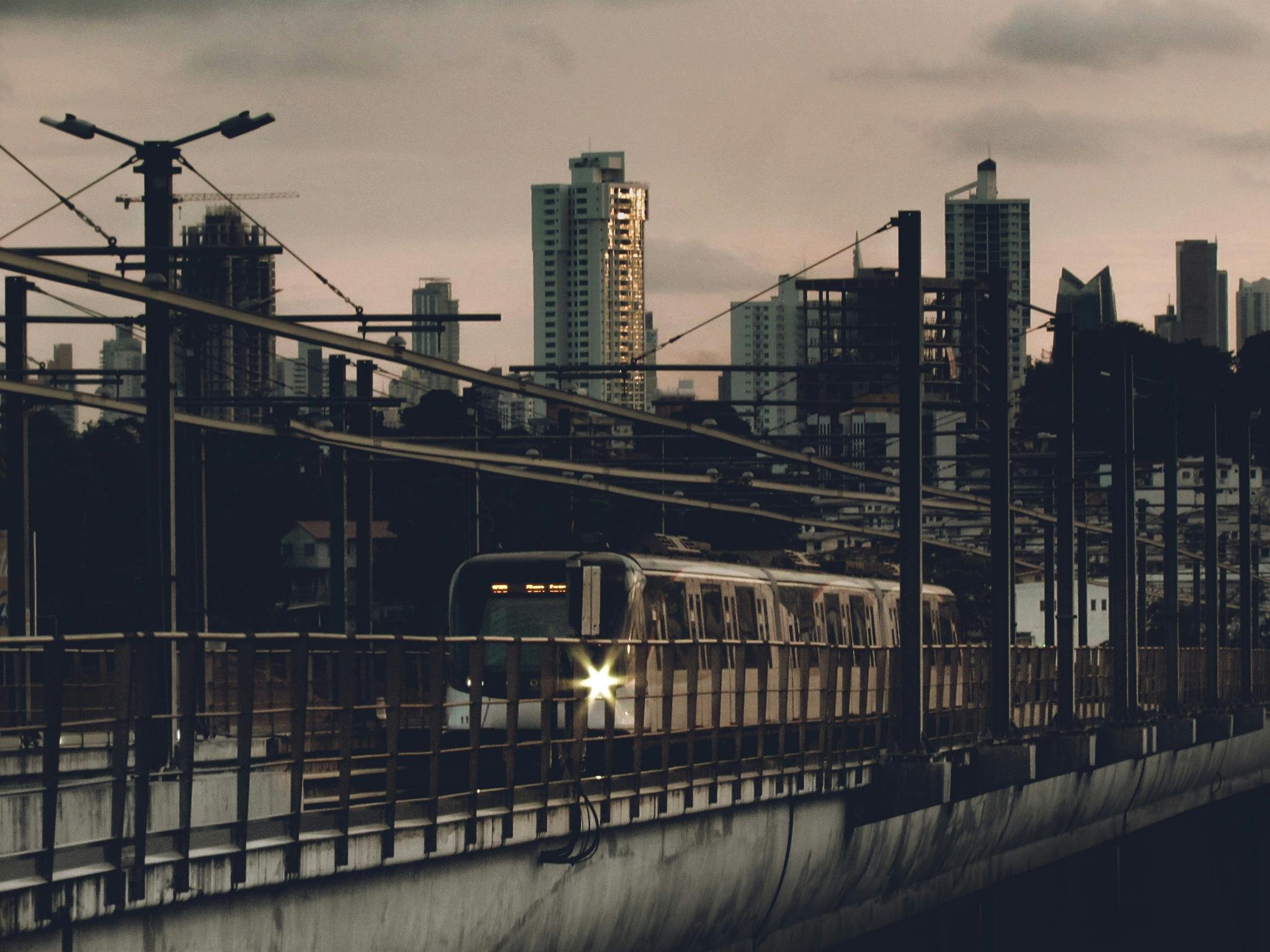
The Panama Metro costs USD $0.35 on Line 1 and USD $0.50 on Line 2. Tap in with a contactless bank card, or buy a rechargeable card that also works on MiBus city buses (USD $0.25, or USD $0.75 on corridor routes). A Line 2 branch runs to Aeropuerto station at Tocumen. Trains run from 5am (7am on Sundays) until 10pm or 11pm.
Uber, InDrive and taxis
Uber and InDrive both operate in Panama City and are the easiest way to get around after dark. Yellow taxis have no meters, so agree the fare first. A taxi from Tocumen to El Cangrejo or Paitilla costs about USD $25 to USD $35.
Long-distance buses from Albrook
Intercity buses leave the Gran Terminal Nacional de Transporte at Albrook, next to the Metro. Panachif runs hourly to David, about 6.5 hours for USD $20 to USD $22, and buses to Almirante for Bocas take 10 to 11 hours. Tica Bus goes on to San José in Costa Rica.
Air Panama flights and boats
Air Panama flies from Albrook's Marcos A. Gelabert airport to Bocas del Toro, David and the San Blas airstrips, and Copa flies from Tocumen to David. One-way fares swing from about USD $70 to USD $200.
Food and drinks you should try when visiting Panama
Panama's national dish is a hen soup, and most of what you'll eat here is just as unfussy.
Sancocho
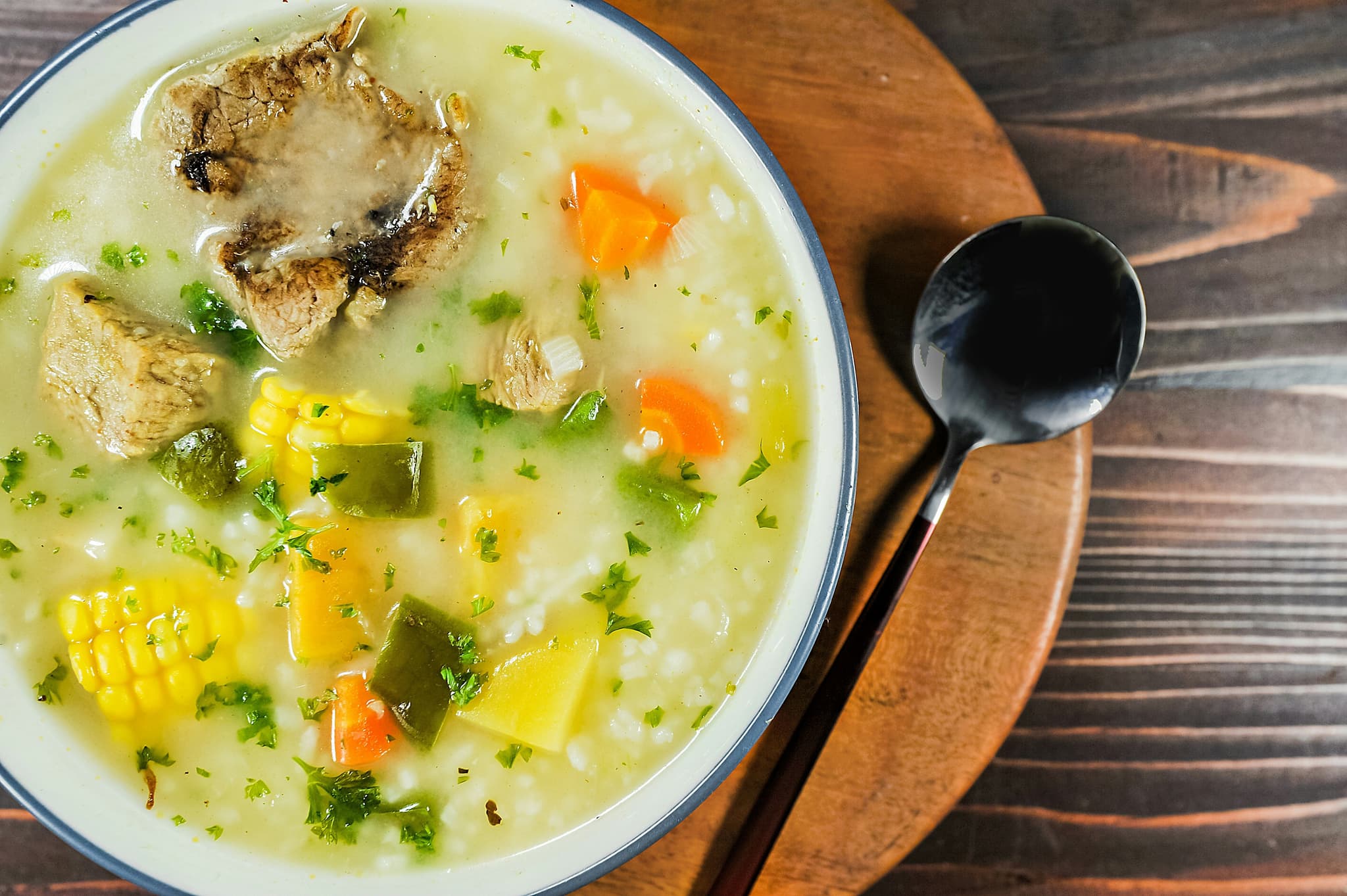
Sancocho is made with hen, ñame (a type of yam), culantro, water and salt, and comes with white rice. It sounds plain on paper, but Panamanians swear by it as a hangover cure, and we'd order it at least once.
Ceviche at the Mercado de Mariscos
The Mercado de Mariscos, the fish market at the entrance to Casco Viejo, sells corvina ceviche in small cups, and the restaurants upstairs cook fish you've bought below. It's the easiest lunch in the city to recommend.
Carimañolas and other fried snacks
Carimañolas are yuca fritters stuffed with beef. Look out too for hojaldras, a fried bread, and patacones, the fried plantain you'll see all over the country.
Rondón
On the Caribbean side, rondón is a fish and coconut soup that comes from the region's Afro-Caribbean cooking. Try it in Bocas Town or Old Bank on Bastimentos, along with Johnny cake and pan bon.
Seco Herrerano
Seco is a triple-distilled cane spirit of 35% ABV made by Varela Hermanos in Pesé, Herrera. Drink it straight, or as seco con leche, with milk. For beer, look for Atlas and Balboa.
Culture and local habits you'll notice when visiting Panama
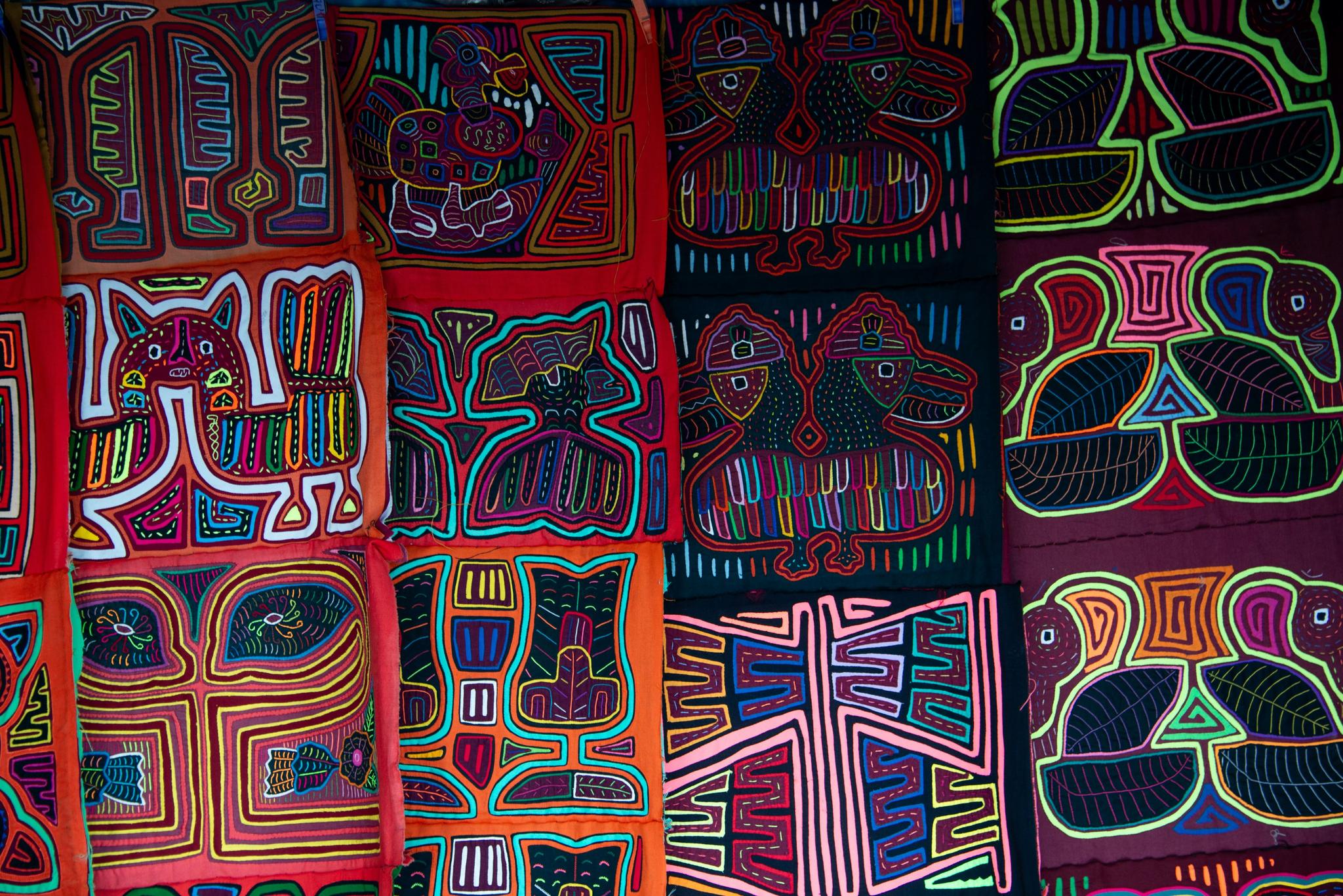
Where should you buy a mola? In Guna Yala if you can, directly from the woman who sewed it, or otherwise in Casco Viejo. The mola is a reverse-appliqué textile panel that Guna women make and wear on their blouses, and it's how most visitors meet Guna culture. Panama recognises seven Indigenous peoples, several with their own comarcas, including Guna Yala and Ngäbe-Buglé. The national festive dress is the pollera.
November is the month to notice national pride, with parades and marching bands for separation from Colombia (3 November) and independence from Spain (28 November). Spanish is the main language. Carry ID, though a printed copy of your passport is usually accepted, and don't smoke or vape in public places, where fines run from USD $25 to USD $100.
Looking for more unique places, trips and activities?
Subscribe to our Guided Newsletter for more travel inspiration.
Costs of a holiday to Panama
On Numbeo's 2026 cost-of-living index, Panama scores 46.5, about a fifth cheaper than Costa Rica (56.8) and close to Mexico (44.4) and Guatemala (45.4), while Colombia is noticeably cheaper at 35.6. That makes it mid-range for the region rather than a budget trip. Prices are in US dollars, because the balboa, Panama's currency, is fixed one to one with the dollar and the two are the same thing. Hotels and alcohol carry 10% tax, and many restaurants add a 10% service charge, so check the bill before tipping.
Food & Drink

Coffee
USD $2 – USD $5
Lunch
USD $5 – USD $9
Beer
USD $2 – USD $6
Accommodation

Hotels
USD $70 – USD $150
Airbnb
USD $100 – USD $160
Hostel dorm
USD $10 – USD $28
Transport
Intercity bus
USD $20 – USD $25
Public Transport
USD $0.25 – USD $0.50
Car Rental
USD $40 – USD $70
Attractions

Museums
USD $10 – USD $20
Big Attractions
USD $17 – USD $165
Cinema
USD $7 – USD $16
Practical tips for visiting Panama
Panama runs on US banknotes and US-style plugs, so North American visitors barely need to prepare. Everyone else should read these first.
✔ Check the entry rules for your passport before you fly
Many nationalities, including the UK, EU and US, can visit Panama without a visa, but the length of stay differs. US and Canadian citizens can stay up to 180 days, UK citizens up to three months, and most others, including EU citizens, 90 days. Six months of passport validity is the safe rule. You may be asked for an onward ticket and proof of funds (at least USD $500 or a credit card, and British visitors may be asked for USD $1,000), and you'll need a yellow fever certificate if you arrive from a country with yellow fever risk. Make sure your passport is stamped when you arrive. Check the UK government's entry requirements for Panama and Panama's Servicio Nacional de Migración (migracion.gob.pa) for the rules that apply to you.
✔ Carry small US notes and use bank or mall ATMs
Cards are widely accepted in the cities, but you'll need cash in Guna Yala and Santa Catalina. Foreign cards are often limited to about USD $250 per ATM withdrawal. Fake USD $50 and USD $100 notes circulate, so carry small notes.
✔ Agree taxi fares and check for a Panapass
Yellow taxis have no meters, so settle the fare before you get in, or use Uber or InDrive. If you hire a car, check it has a Panapass for the electronic tolls on the city's expressways.
✔ Keep away from protests and stay aware of aftershocks
The UK's FCDO doesn't advise against all or all-but-essential travel to any part of Panama, and the US State Department rates it Level 2, "Exercise Increased Caution". The US rates the Darién south of Yaviza and the Mosquito Gulf Level 4, "Do Not Travel", so leave both off your route. Street crime and ATM attacks happen in parts of Panama City and in Colón city. Protests can start at short notice and block roads, and there have been demonstrations in Panama City since mid-November 2026. Keep away, since the Australian government notes that foreigners may not take part. Aftershocks from the October 2026 earthquake were still being reported in late November 2026, so check that places in Azuero and the neighbouring provinces are open. The emergency number is 911.
✔ Pack repellent and check the water locally
Dengue is present, with 15,832 cases recorded in 2025, so use insect repellent. Tap water is generally fine in Panama City and the bigger towns, but not in Bocas del Toro. The Chilibre plant that serves the capital ran at reduced capacity after the earthquake, so ask locally and drink bottled water if you're unsure.
✔ Get a local SIM and set your watch
Power is 120 V and 60 Hz, with US-style type A and B plugs. Local SIMs are sold by +Móvil and Tigo. Panama is five hours behind UTC all year and one hour ahead of Costa Rica.
Fun facts about Panama
The hat is the one most people get wrong.
- The Panama Canal opened on 15 August 1914, with the SS Ancon making the first transit, and passed to Panama on 31 December 1999.
- Panama has used the US dollar since 1904, and its own balboa exists only as coins.
- The Panama hat is made in Ecuador, and Panama's own hat is the sombrero pinta'o, on UNESCO's list since 2017.
- The Pan-American Highway has one gap, about 106 km of Darién jungle between Yaviza and Colombia.
- Panama has about 1,000 bird species, and its national bird is the harpy eagle.
- Panama has one of the two largest ship registries in the world.
The Canal Railway covers just 76.6 km between Colón on the Caribbean and Balboa on the Pacific.
Ready to map out your trip to Panama?
We hope this Panama travel guide has given you a clear starting point for your trip. Stay tuned for more inspiration, itineraries and practical tips to help you shape your perfect holiday to Panama. And don't forget to check out our Guided app, where you can create your own trip or use trips shared by other travellers for free.
FAQS about visiting Panama
How many days do you need in Panama?
Five to seven days covers Panama City, the canal, a night or two in Guna Yala and one more region. With 10 to 14 days you can add El Valle de Antón, Boquete and Bocas del Toro at an easier pace. Inside the Guided app, you can create your own trip route and see how many places fit into your trip.
What is the best part of Panama to visit?
For a first trip, we'd combine Panama City and the canal with Guna Yala or Bocas del Toro and the Boquete highlands. Divers should add Coiba.
What is Panama known for?
The canal comes first, followed by Casco Viejo and the islands of Guna Yala. Coffee buyers know it for Geisha, which set a world auction record in 2025.
Can you travel around Panama without a car?
Yes. In the capital you can use the Metro and Uber or InDrive. Beyond it, buses leave from Albrook, Air Panama flies to Bocas and David, and shared 4x4s run to Cartí for Guna Yala.
Is Panama expensive?
It's mid-range for the region. On Numbeo's index it's about a fifth cheaper than Costa Rica and close to Mexico and Guatemala, but noticeably dearer than Colombia. Hotels carry 10% tax, which is often added to the quoted rate.
Is Panama safe to visit?
The UK government doesn't advise against all or all-but-essential travel to any part of Panama, and the US State Department rates it Level 2, "Exercise Increased Caution". Avoid the Darién beyond Yaviza and the Mosquito Gulf, take care in parts of Panama City and Colón, and keep away from protests. Check that places in Azuero are open after the October 2026 earthquake.
Do you need US dollars in Panama?
Yes. The US dollar is legal tender and prices are quoted in it. Bring small notes, since fake USD $50 and USD $100 notes circulate.
Can you visit the Panama Canal?
Yes. The Miraflores Visitor Center near Panama City is open daily and costs USD $17.22 for non-resident adults, and Agua Clara on the Atlantic side costs USD $10. A partial transit cruise goes through the locks themselves in about six hours.
Plan your trip to Panama in Guided.
Save the places you find, then let Guided lay out the days, the map and the details.
More in North America
All destinations BahamasThe Bahamas is a chain of Atlantic islands known for turquoise water and pink-sand beaches.
 CanadaCanada is known for vast national parks, epic road trips and lively, welcoming cities.
 CubaCuba is the Caribbean's largest island, known for Havana's streets, tobacco valleys and live music.
 Dominican RepublicThe Dominican Republic pairs Caribbean beaches and whale season with Santo Domingo's colonial streets.