

Canada
Canada Travel Guide: how to plan your ideal trip
Did you know Canada has the longest coastline of any country, stretching over 200,000 kilometres? National parks cover large parts of the country, including places like Banff and Jasper where wildlife like bears and elk are part of the environment. Seasons also shift strongly, with snowy winters and warm summers that completely change what you can do. There are routes that connect mountains, lakes and smaller towns all in one trip. This Canada travel guide helps you decide where to go in Canada and how to turn it into a trip that suits you.
5 reasons to visit Canada
In one trip, you can move between mountains, lakes, and waterfalls without crossing borders
Big mountain views and wide lakes are easy to access
You can spot wildlife like bears, moose and whales in natural habitats
Travel styles are flexible, with options like road trips, trains or staying in cities
You can combine cities like Vancouver and Toronto, with parks and lakes nearby
Where to Visit in Canada: Regional Highlights
Since there are so many different things to see in Canada, it makes more sense when you break it into regions.
Northern Canada: Wide Open Space and Arctic Adventure
When you go to Northern Canada it feels really vast and open. The Yukon and the Northwest Territories have long roads and small towns and the Northern Lights look amazing in winter. Churchill in Manitoba is a place to see animals like polar bears. Northern Canada is perfect for people who want to visit remote areas that are different from the city.
Eastern Canada: History, Food and Atlantic Coast
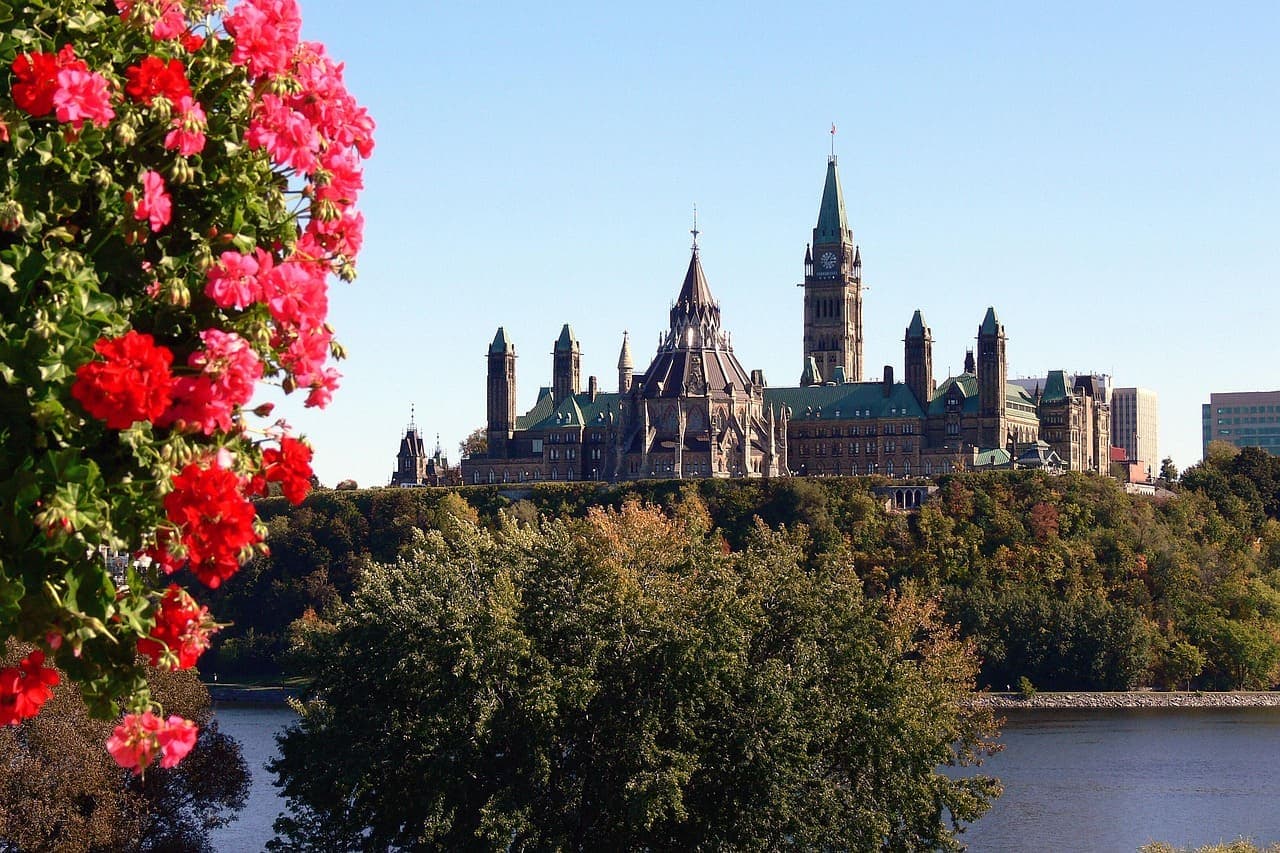
Eastern Canada gives you culture and easy travel distances in one region. Toronto sits close to Niagara Falls, which makes a simple and rewarding day trip. Montréal brings French heritage, food markets and strong café culture. Ottawa, the capital city, adds national museums and historic buildings to your route. Nova Scotia on the coast adds sea views, fishing towns and fresh seafood to balance your city days.
Southern Canada: Big Cities and Great Lakes
The cities in Southern Canada are really close to each other so you do not have to spend a lot of time traveling from one city to another. Southern Canada has a lot to offer, like the Great Lakes region, where you can visit parks, go to islands and take boat trips all without having to leave the city. There are also places like Niagara-on-the-Lake which's famous for its wine. If you are visiting Southern Canada, this is a great place to be because you can see all the best things without having to drive for a long time.
Western Canada: Mountains, Lakes and Island Life
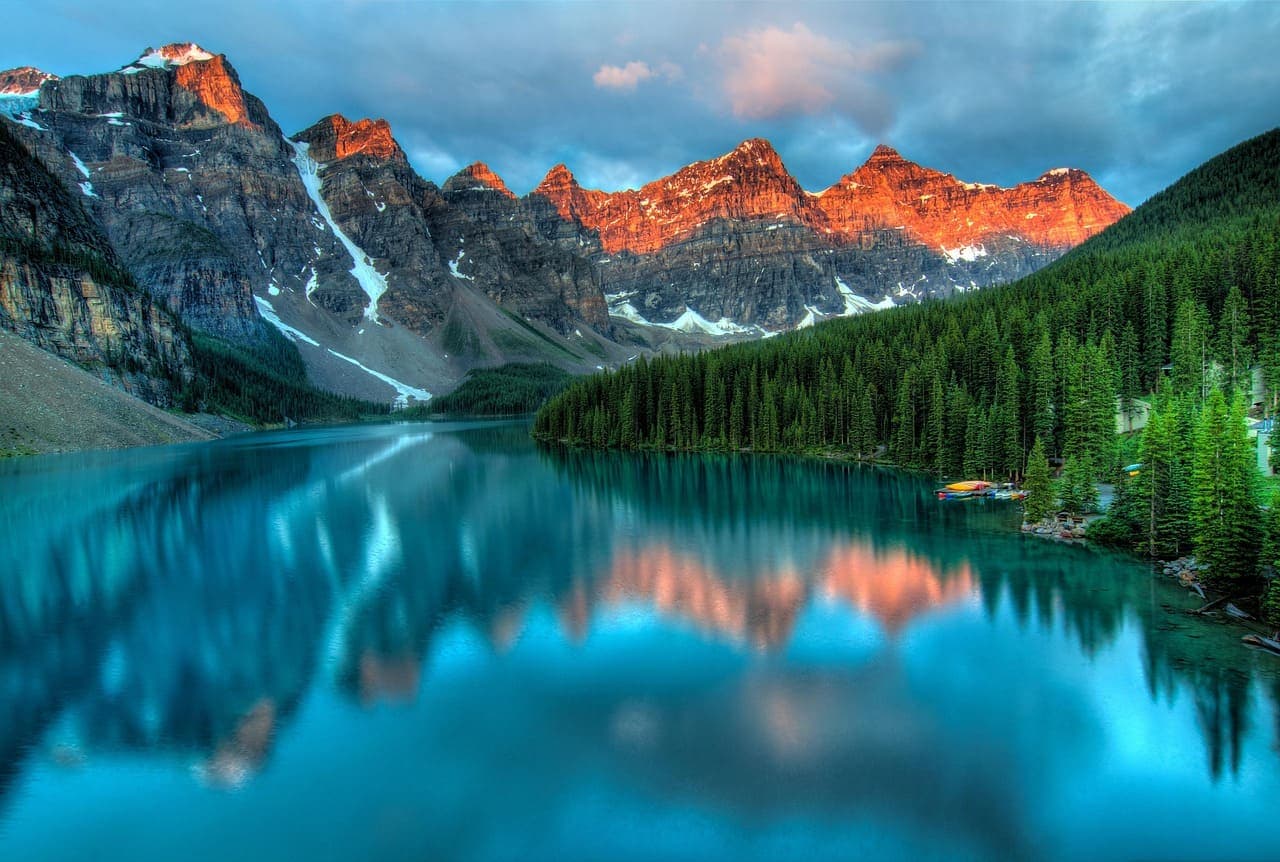
Western Canada has the rocky mountains and some of the most beautiful views in the country. You can find nice mountain towns near Banff National Park in Alberta. Alberta also has lakes like Lake Louise that're very blue. British Columbia has a lot of forests and a nice coastline. You can stay in Vancouver when you are in British Columbia. Western Canada also has Vancouver Island where you can go to the beach or walk on trails in the rainforest. You can even watch whales on Vancouver Island. Western Canada is a place to visit when you like mountains and spending time outside.
Best Places to Visit in Canada and Must See Attractions
You will quickly notice that Canada is full of headline sights that are easy to recognise. At the same time, there are plenty of stops that surprise you once you see them in real life. These are some of the best places in Canada to travel when you want proper highlights and not just something that looks good on Instagram.
Niagara Falls
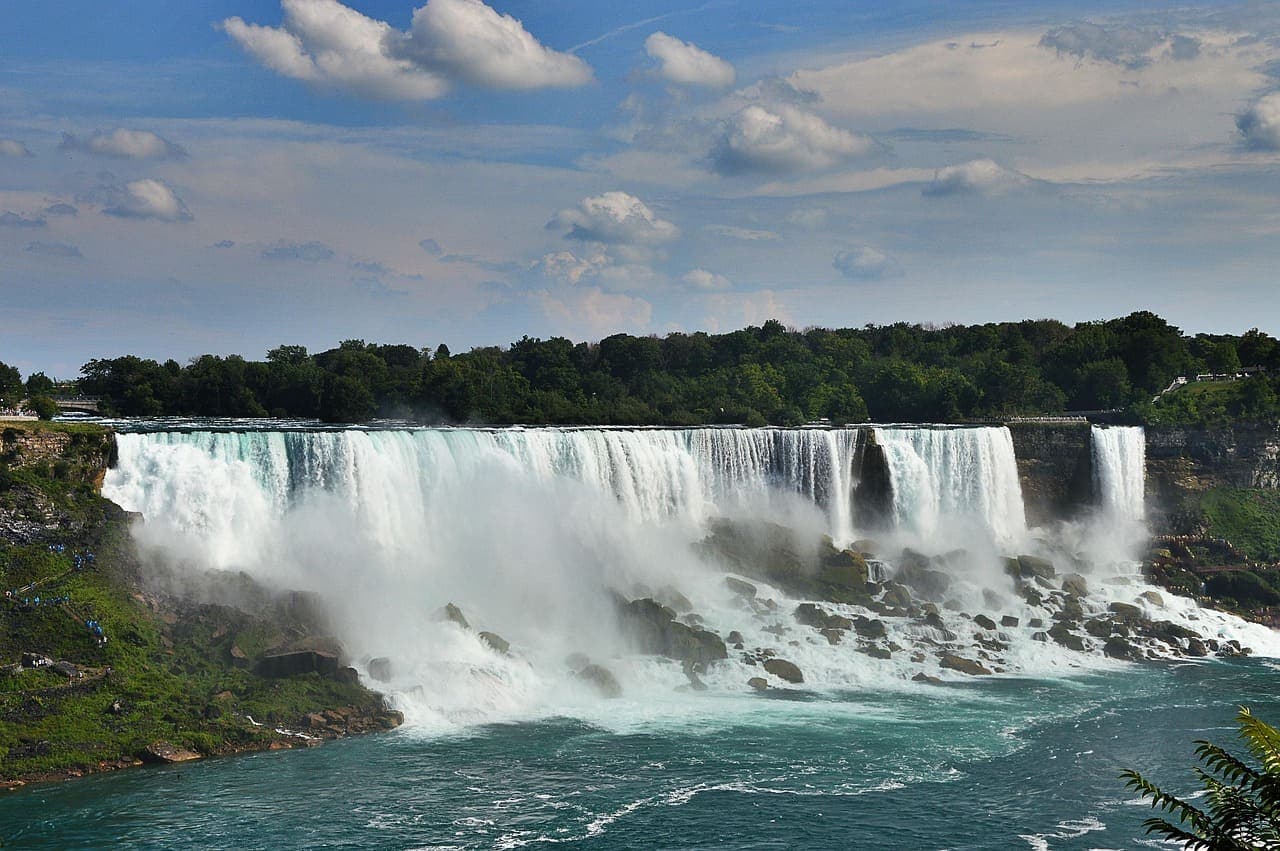
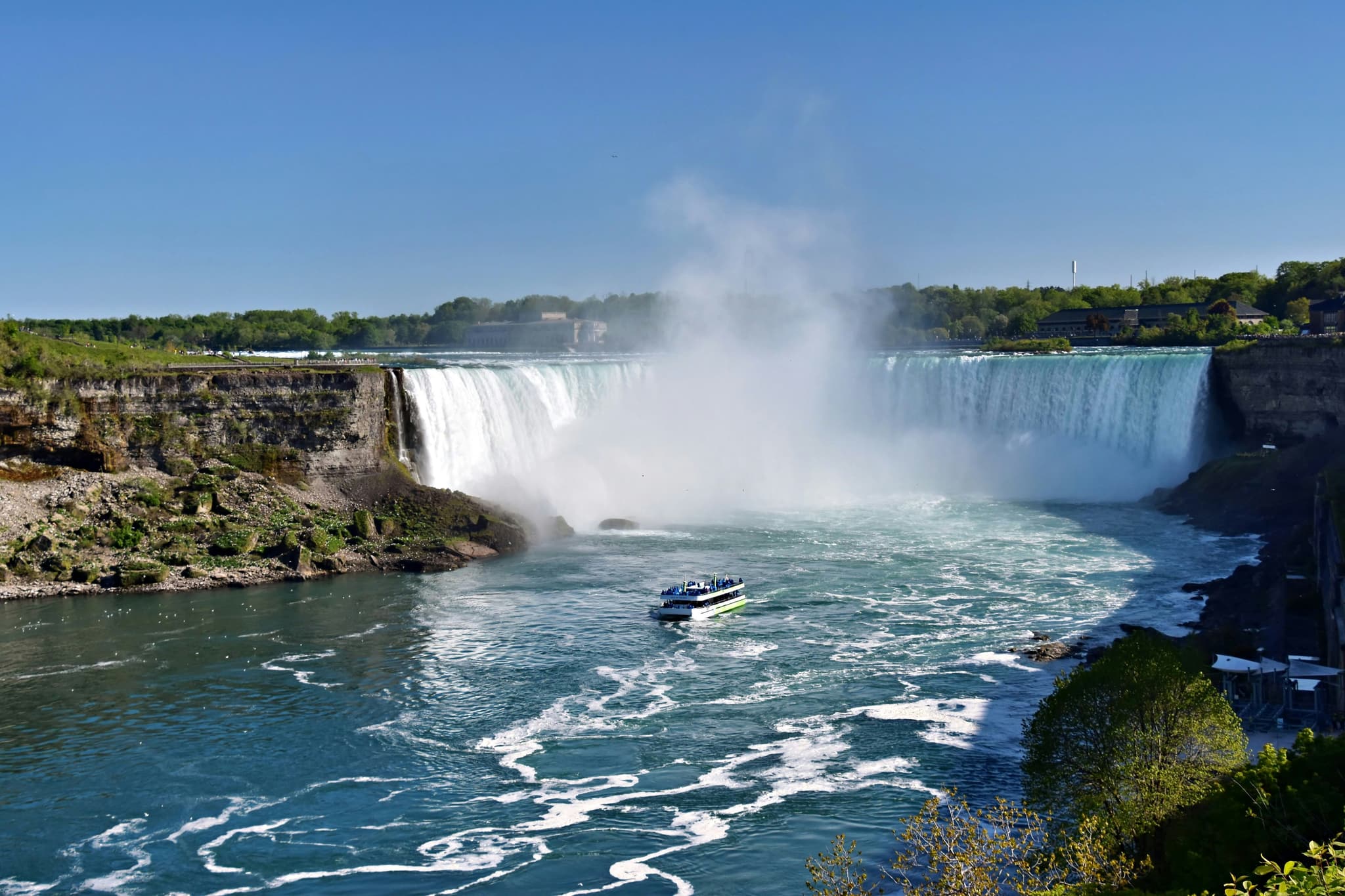
When you stand at Niagara Falls, the first thing that hits you is the sound. So much water moves over the edge every second that it almost feels unreal. A boat tour takes you right into the mist, and yes, you will get wet even with a poncho on. From the Canadian side you get the widest view, which is why it is one of the most photographed famous landmarks in Canada. Staying overnight gives you time to see the falls lit up in the evening, which changes the whole atmosphere.
The Canadian Rockies
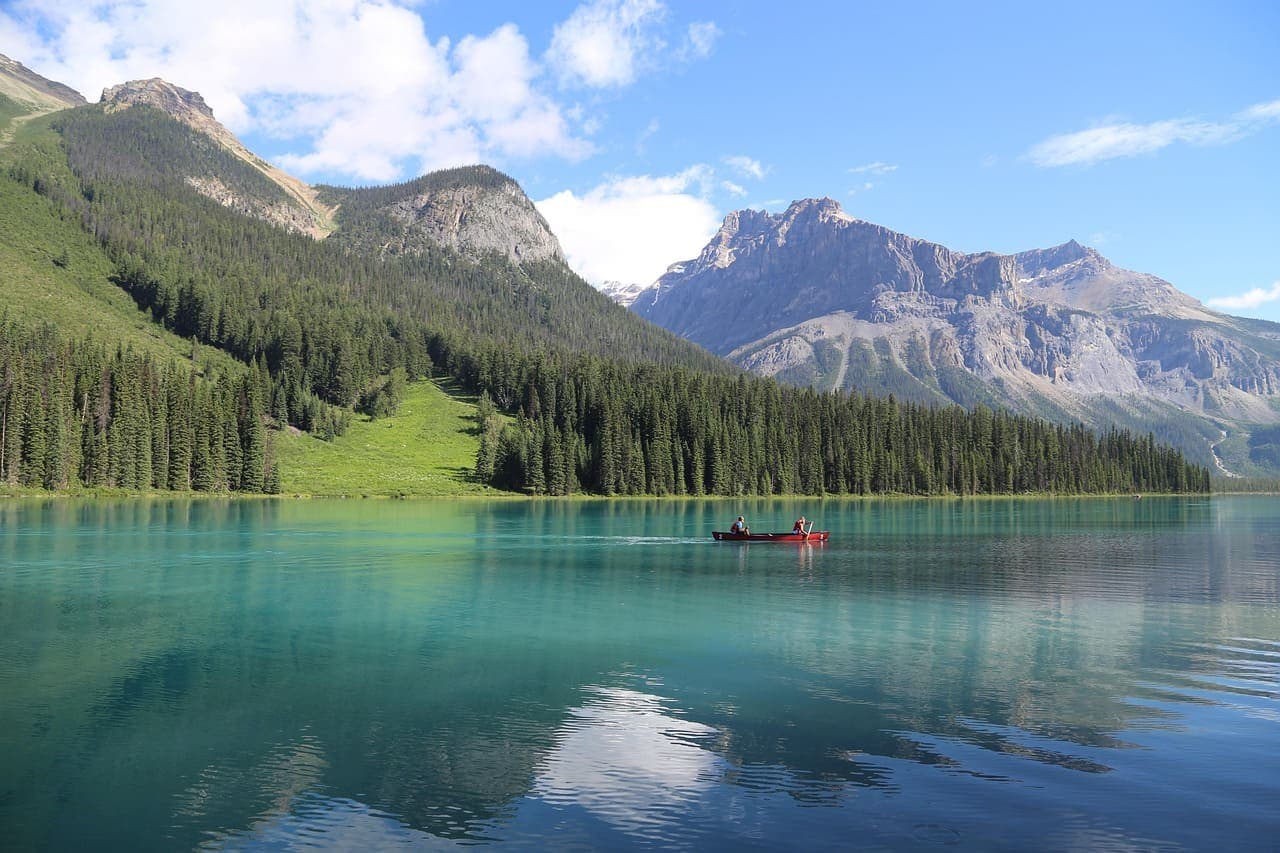
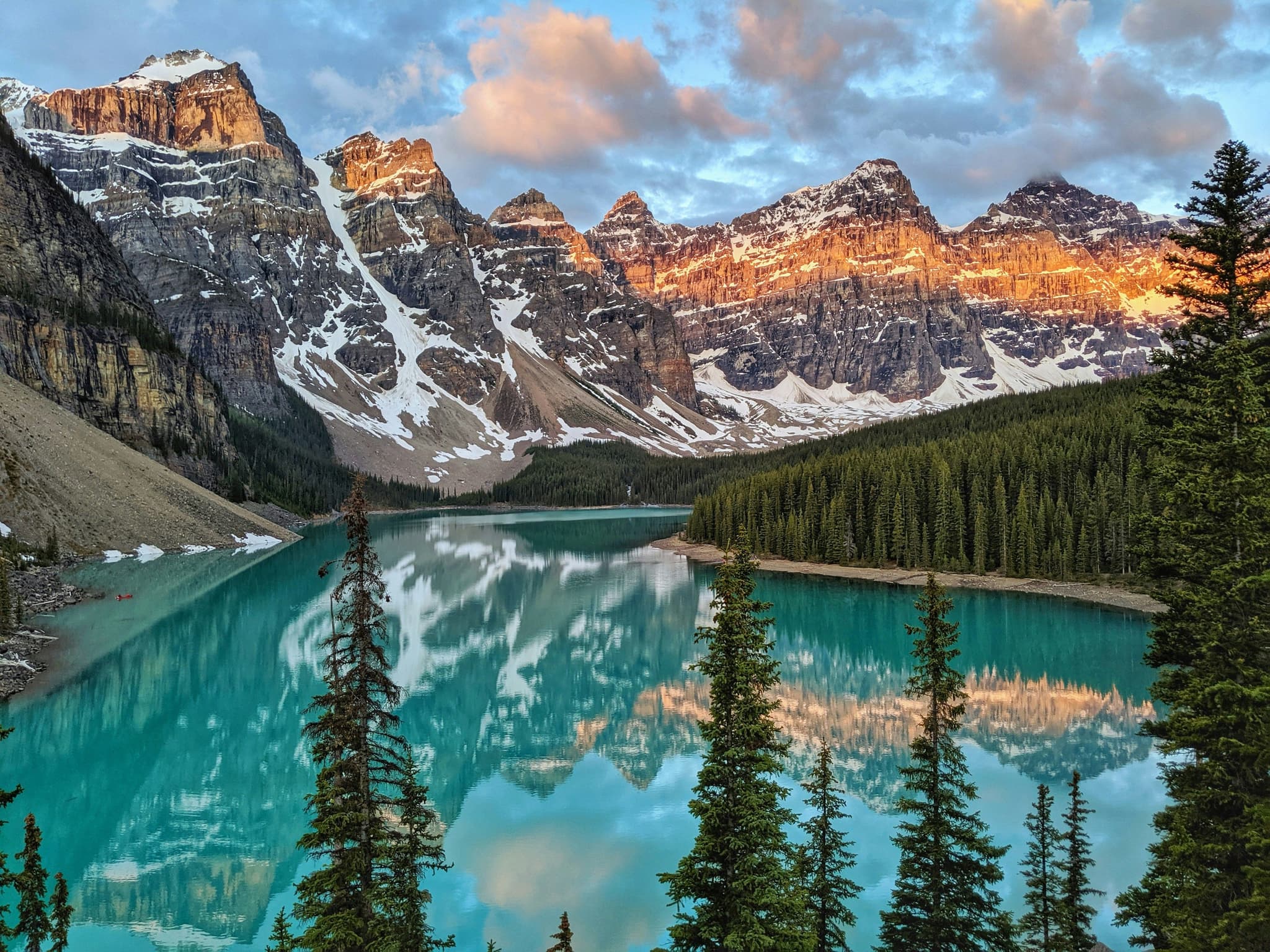
Out west the Canadian Rockies are really beautiful with mountain roads, glaciers and bright blue lakes, in Canada. These lakes look like they have been edited in a picture, but they’re not! Lake Louise gets its colour from tiny rock pieces in the water, which makes it look almost turquoise when the sun is shining. Inside Banff National Park you can stop your car near views and take short walks. After spending the day in the mountains you can unwind in the springs like the Banff Upper Hot Springs.
Visit a National Park like Pacific Rim or Gros Morne
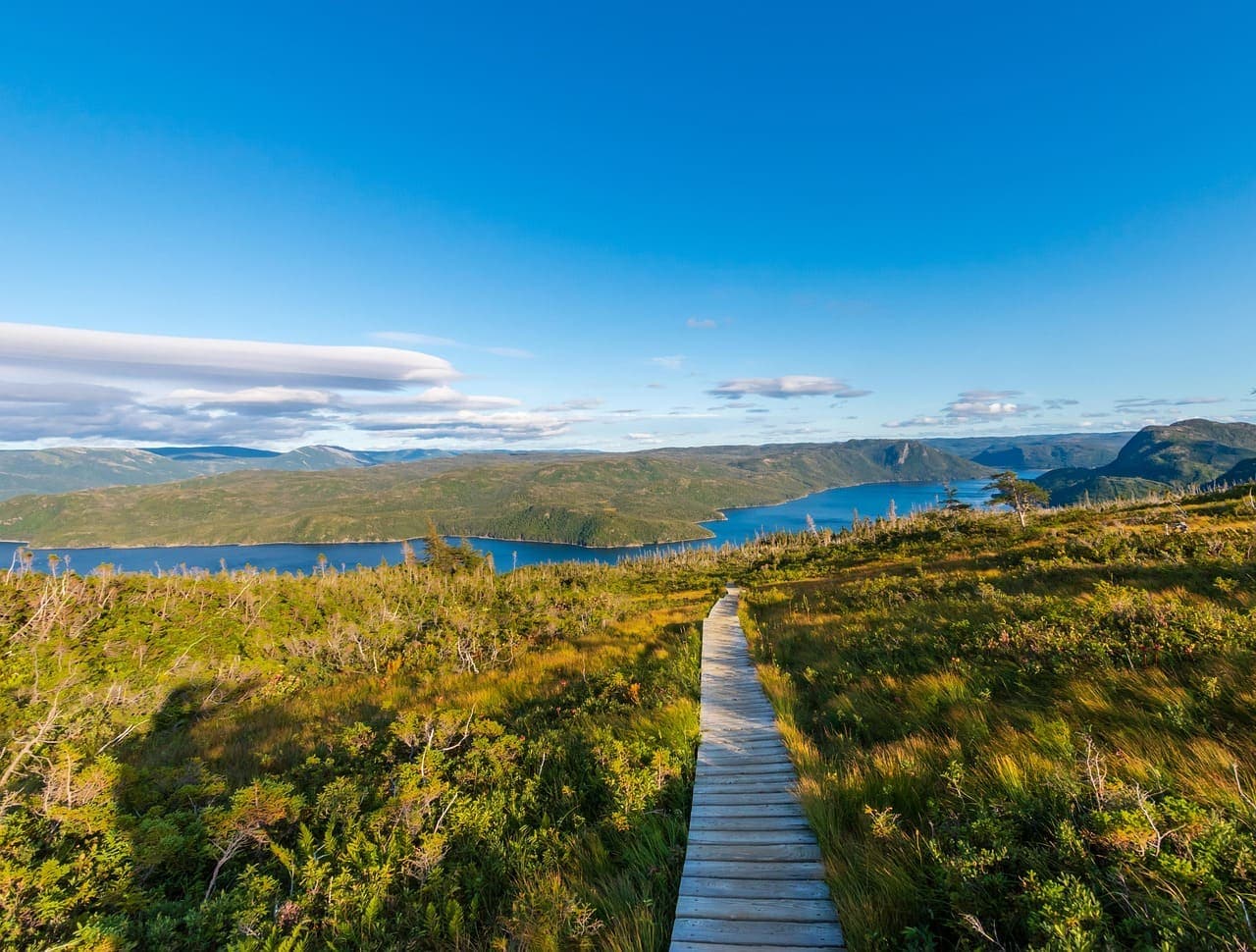
Across the country there are more than forty parks that protect Canadas forests, coastlines and wildlife habitats. You can visit places like Pacific Rim or Gros Morne. In these parks you can follow the marked trails. Stop at the clear viewpoints.
You have to pay to get into the parks. So it is a good idea to check if a multi day pass for the parks is cheaper. The visitor centres in the parks usually have maps. They can tell you about the current conditions of the trails.
Culture and History Across the Country
City stops add depth to your route. Ottawa, the capital city, has national museums that cover everything from art to military history. Large art gallery collections in Montréal and Toronto showcase Canadian artists alongside international names. Québec City stands out with its historic streets and old fortifications that still surround the centre. Indigenous heritage sites across the country tell stories that go back thousands of years.
We recommend spreading these highlights over several days rather than squeezing them into one packed schedule. Also, check seasonal opening hours before you go, as some attractions might close in winter.
Canada Itineraries: How to Plan Your Route
Even though distances in Canada look simple on a map, driving times can be longer than expected. Spacing out your stops makes the whole trip much easier once you’re there. We’ve put together a few Canada itineraries that connect the main areas in a logical way, so you’re not constantly figuring things out during your trip.
2 week Canada trip: mountains and west coast
Day 1–2: Calgary, arrive and prepare for your road trip
Day 3–5: Banff National Park, lakes, short hikes and viewpoints
Day 6–7: Drive to Jasper via Icefields Parkway, stop at glaciers and viewpoints
Day 8–10: Jasper, wildlife spotting and mountain landscapes
Day 11–13: Drive towards Vancouver, passing small towns along the way
Day 14: Vancouver, food, neighbourhood walks and departure
Long drives are part of the experience here, yet the views along the way make it worth it. Spreading stops like this keeps the route enjoyable.
7–10 day Canada trip: east coast cities and nature
Day 1–2: Toronto, explore the city and visit Niagara Falls
Day 3: Ottawa, short stop to explore the capital
Day 4–5: Montréal, neighbourhoods, food and culture
Day 6–7: Québec City, historic centre and old streets
Day 8–10: Optional extension to Nova Scotia for coastal drives
Travel days between these cities stay manageable, often under five hours. Train connections also make this route easy without needing a car.
10–14 day Canada trip: slow travel in one region
Day 1–3: Vancouver, city and nearby nature
Day 4–6: Vancouver Island, coastline and wildlife
Day 7–9: Return to mainland and explore smaller towns
Day 10–14: Continue exploring British Columbia at a slower pace
Planning a road trip? Read our blog about How to Plan a Road Trip in Canada.
Looking for more inspiration? Explore these trips:

Fun things to do in Canada
Now that you know where to go during your Canada trip, the next step is figuring out what you actually want to do once you’re there. We’ve gathered a few ideas to help you make the most of your time.
Drive the Icefields Parkway between Banff and Jasper
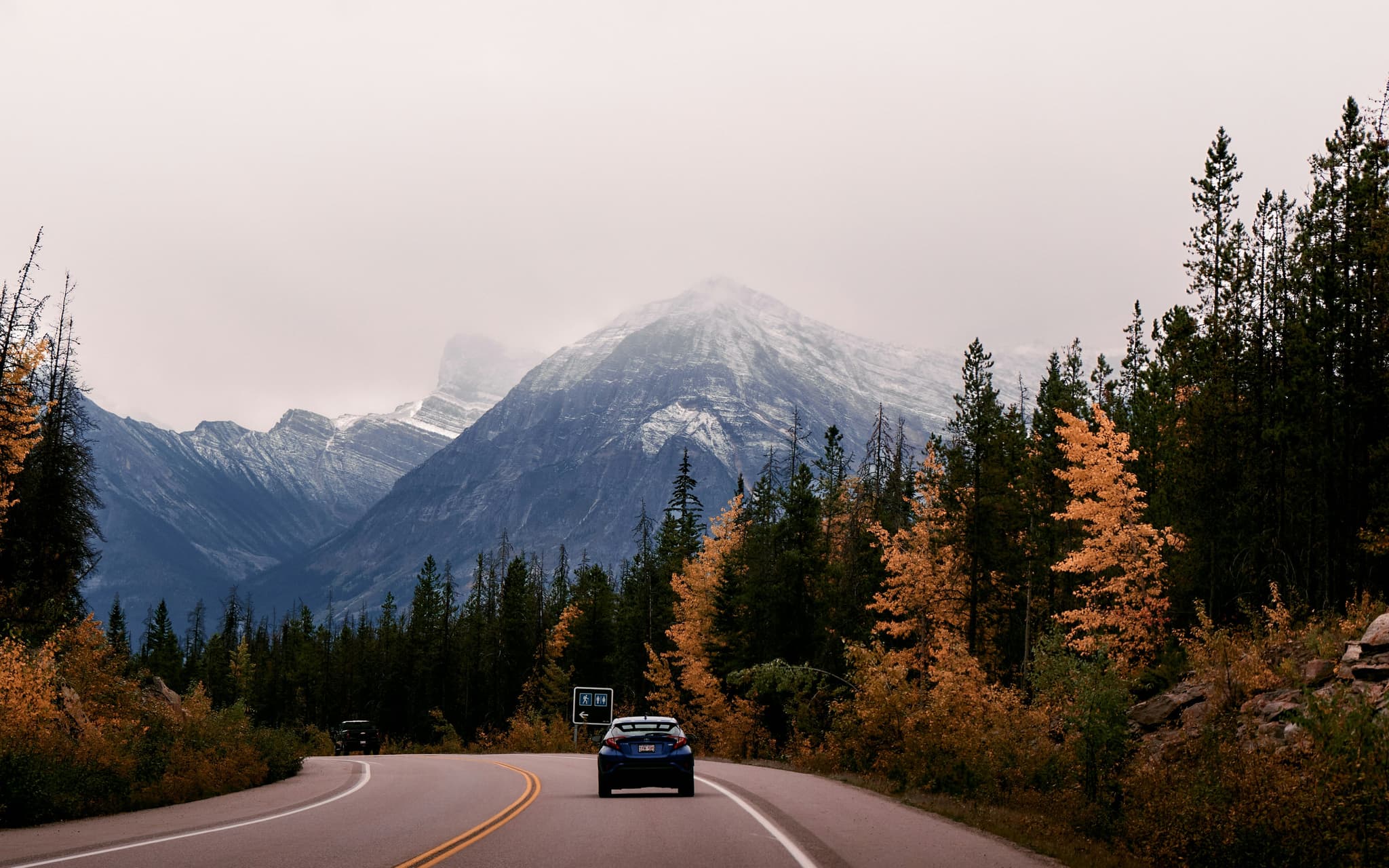
Between Banff and Jasper, the Icefields Parkway is one of the most well-known drives in Canada. The route takes around 3 to 5 hours without stops, though you’ll want to plan a full day. Along the way, you pass glaciers, lakes and viewpoints like Peyto Lake and Athabasca Glacier. Fuel stations are limited, so filling up before leaving helps. Early starts give you more time to stop along the way.
Take a boat tour at Niagara Falls from the Canadian side
At Niagara Falls, boat tours take you right up to the base of the falls. The experience lasts about 20 minutes, though waiting times can be longer in peak season. Waterproof ponchos are provided, since you will get wet. Morning visits tend to be less busy compared to midday. Viewing platforms nearby give you different angles if you want to stay longer.
Spot wildlife in Jasper National Park at sunrise or sunset
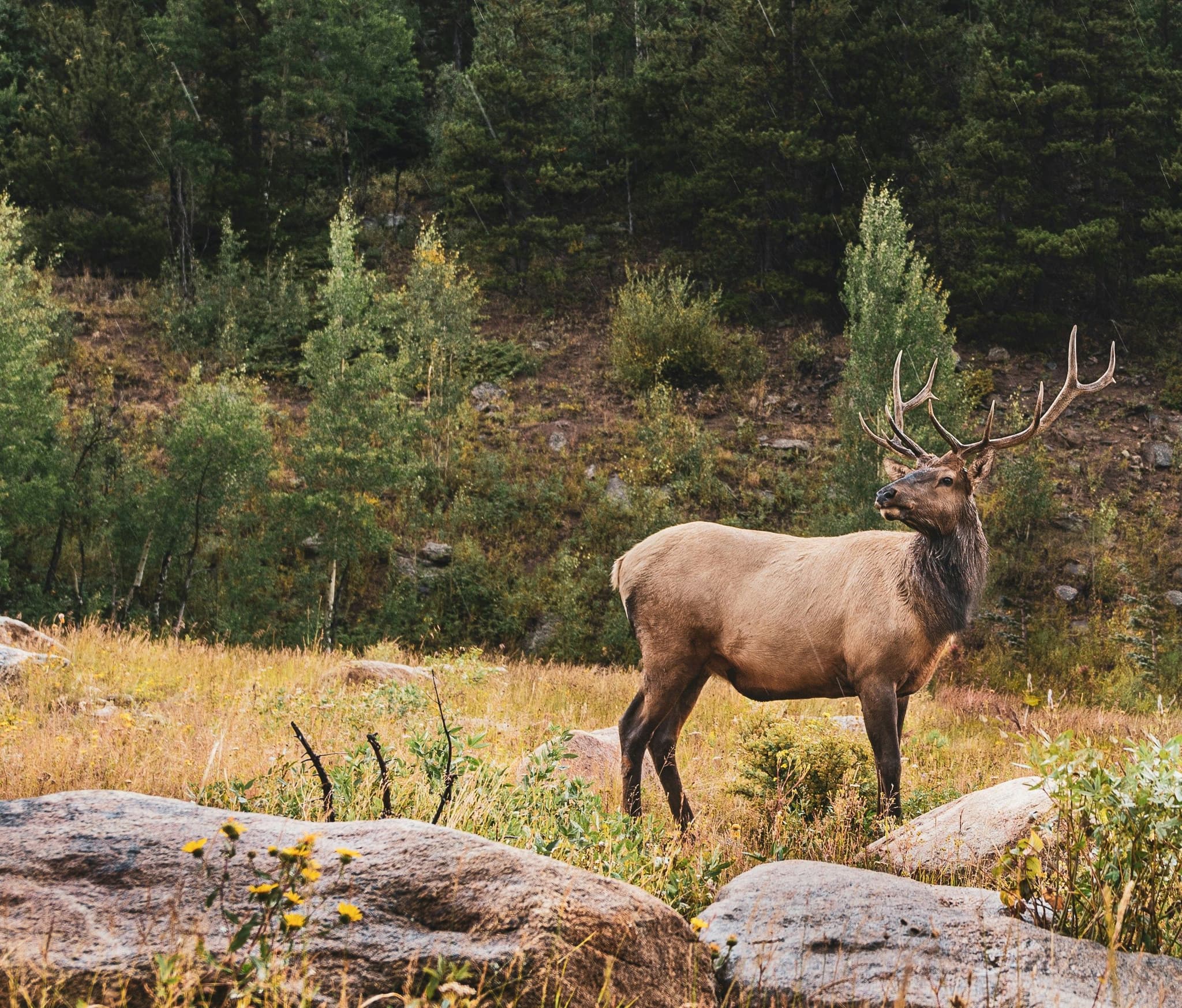
In Jasper National Park, wildlife sightings are more likely early in the morning or later in the evening. Areas along the main roads are where animals like elk and sometimes bears appear. Driving slowly and keeping distance is essential. Guided tours are also available if you want a better chance of spotting wildlife. Binoculars can be useful here.
Walk or cycle the Stanley Park seawall in Vancouver
In Vancouver, the Stanley Park seawall runs along the coast and is easy to follow. Walking or cycling the full loop takes around 2 to 3 hours. Rental bikes are available near the entrance of the park. Along the route, you’ll pass beaches, forest areas and views of the city skyline. It’s an easy way to combine nature and city in one go.
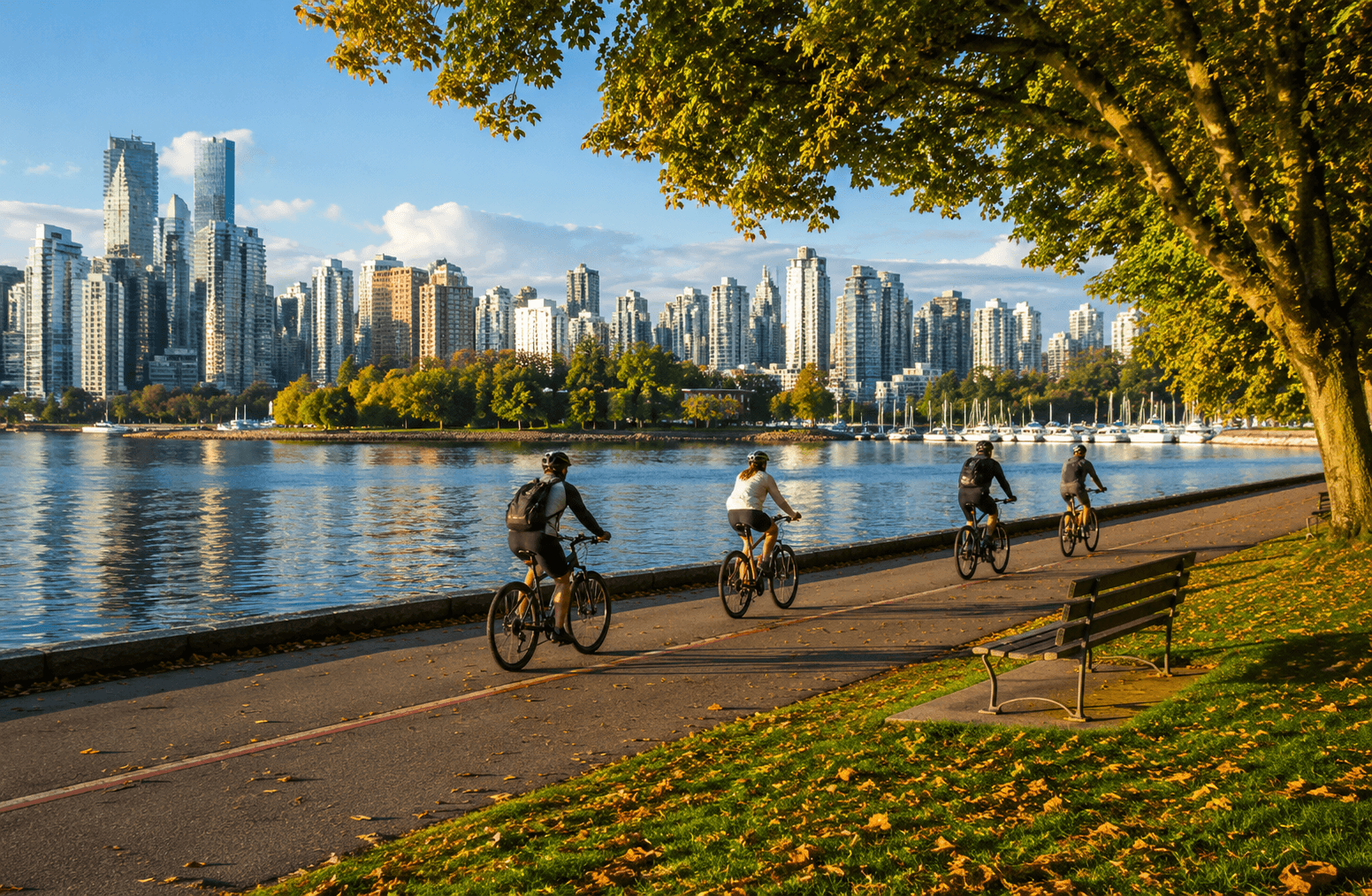
Take a ferry to Vancouver Island and explore Victoria
From Vancouver, ferries to Vancouver Island run multiple times a day. The crossing takes about 1.5 hours and gives you views over the water and surrounding islands. In Victoria, you can walk around the harbour, visit gardens and explore the city centre. Booking ferry tickets in advance helps during busy periods. Staying one or two nights gives you enough time to explore.
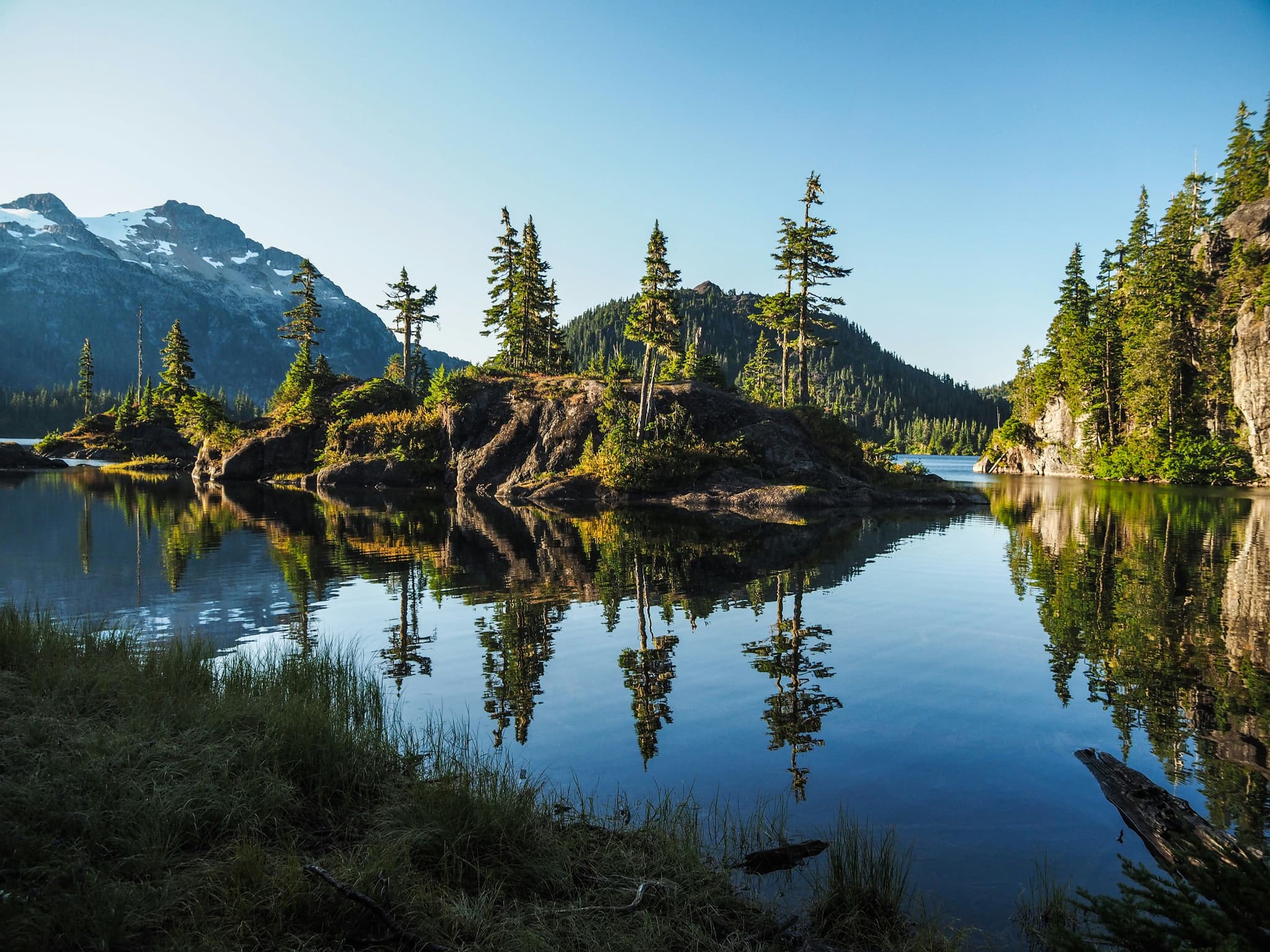
Visit Moraine Lake or Lake Louise early in the morning
In Banff National Park, Moraine Lake and Lake Louise are among the most visited spots. Access is limited during peak season, so shuttle buses are often required. Early morning is the best time to go, both for parking and for the light. Walking trails around the lakes give you different viewpoints. Spending a few hours here is usually enough before moving on.
Where to stay in Canada?
Where you sleep can shape your whole trip more than you think. A well chosen base cuts down travel time and keeps day trips simple.
Toronto as an Ontario Base
From Toronto, Niagara Falls is an easy outing and wine towns sit close by. Public transport covers much of the city, so you do not need a car every day. Ferries run to the Toronto Islands for skyline views and park space. Neighbourhoods like Kensington Market add variety to your evenings.
Montréal and Québec City Twin Stay
Only about three hours apart, Montréal and Québec City work very well together. Trains and highways connect them clearly and reliably. Montréal brings food markets and lively districts, Québec City brings historic streets and fortified walls
Halifax for the Atlantic Region
Halifax is the capital of Nova Scotia and a practical starting point for coastal drives. From here, Cape Breton and Prince Edward Island are within reach. Harbour walks and seafood restaurants fill your evenings. Longer stays reduce the need to move luggage every night.
Vancouver for the West Coast
Vancouver sits in British Columbia with easy routes to Whistler and the ferry to Vancouver Island. Nature sits close to the city centre, so you can switch between urban and outdoor time in one day. You can also spend time at Granville Island for food markets. Flights connect easily to Calgary when linking the coast and mountains. A few nights here balance city life with access to national parks.
Spending a few days in Vancouver? Read this 3-day Vancouver itinerary packed with beautiful gardens, great food and lively night markets.

Did you know you can create your own itinerary?
Now that you have a better idea of where to go in Canada and what to do there, you can start creating your own trip. Do you want to travel from east to west, or would you rather spend more time in one area and really get to know it? It’s all up to you. You can easily create your own trip in the Guided app for free, or use trips shared by others.
When to Visit Canada?
Another thing that helps your Canada trip run smoothly is picking the right season for your interests. You can read more about the best time to visit Canada in our blog for details on Canada weather and regional tips. Generally summer in Canada brings warmth and long days. Winter in Canada brings snow activities and Northern Lights opportunities.
Driving a Car in Canada and Getting Around
Canada’s roads and transport links are part of the adventure, and knowing where to find official info helps you move around with confidence.
Driving a Car in Canada
Road signs are clear and highways are easy to follow, which makes driving a car in Canada one of the simplest ways to cover distance. The Trans-Canada Highway runs from coast to coast, which makes it a good backbone for longer routes like cross-country days or road trips. In less populated regions you might go long stretches without services, so keeping your tank over half full is wise. Winter conditions can seriously affect travel, so check local traffic reports and road conditions before you drive, especially in September to April.
Trains and Domestic Travel
Train travel in Canada is more than transport, it can be an experience in itself, especially if you take one of the longer routes with VIA Rail. The national rail network links eight provinces and has routes between major cities as well as long coast-to-coast journeys you can enjoy over several days. One of the most famous is ‘The Canadian’, which runs between Vancouver and Toronto and takes you through forests, plains and mountain passes aboard a train with large windows for views. Other services like ‘The Ocean’ connect Montréal to Halifax, letting you see east coast Canada from a unique angle.
We recommend checking train times early, as some long-distance routes have limited departures each week.
Food and drinks to try when you visit Canada
Canada isn’t really known for one specific cuisine, and that’s exactly what makes it interesting once you’re there. Influences from different cultures show up in everyday food, and a lot of it is simple, filling and easy to find. Local diners, cafés and casual spots are usually where things get fun. Here are a few you really don’t want to miss:
Try poutine with fries, gravy and cheese curds in Québec
Poutine is one of the most well-known Canadian dishes, made with fries topped with gravy and soft cheese curds. The heat from the gravy slightly melts the cheese, which gives it a very specific texture. Around Québec, small diners and roadside spots usually serve some of the best versions.

Eat butter tarts from local bakeries in Ontario
Butter tarts are small pastries filled with a sweet mixture of butter, sugar and eggs. Some versions include raisins or nuts, depending on where you go. Bakeries across Ontario are known for them, especially in smaller towns.

Try fresh salmon on the west coast in British Columbia
Along the west coast, salmon is a big part of local food. Grilled, smoked or served in simple dishes, it shows up in many restaurants near the water. In places like Vancouver or Vancouver Island, seafood spots are easy to find.

Have pancakes with maple syrup in a local diner
Maple syrup is produced across Canada, especially in Québec. Pancakes are often served with it, sometimes with butter or bacon on the side. Diners and breakfast spots are the easiest places to try this. Morning is obviously the best time for it, though you’ll see it on menus all day.

Drink local craft beer in breweries or casual bars
Craft beer has grown a lot across Canada in recent years. Small breweries in cities like Toronto, Vancouver and Montréal offer a wide range of styles. Tasting flights are common if you want to try a few at once.

Culture you’ll notice during your trip to Canada
Did you know Canada’s culture is shaped by both Indigenous communities and waves of European settlers over the past few centuries? Around the 16th and 17th centuries, French and British influences started to shape parts of the country, which is still visible today, especially in places like Québec where French remains the main language. Over time, cities developed in very different ways depending on who settled there, which is why Montréal feels different from Toronto or Vancouver. Across the country, Indigenous traditions and history are still present, with museums, cultural centres and protected lands showing how communities lived long before modern cities appeared.
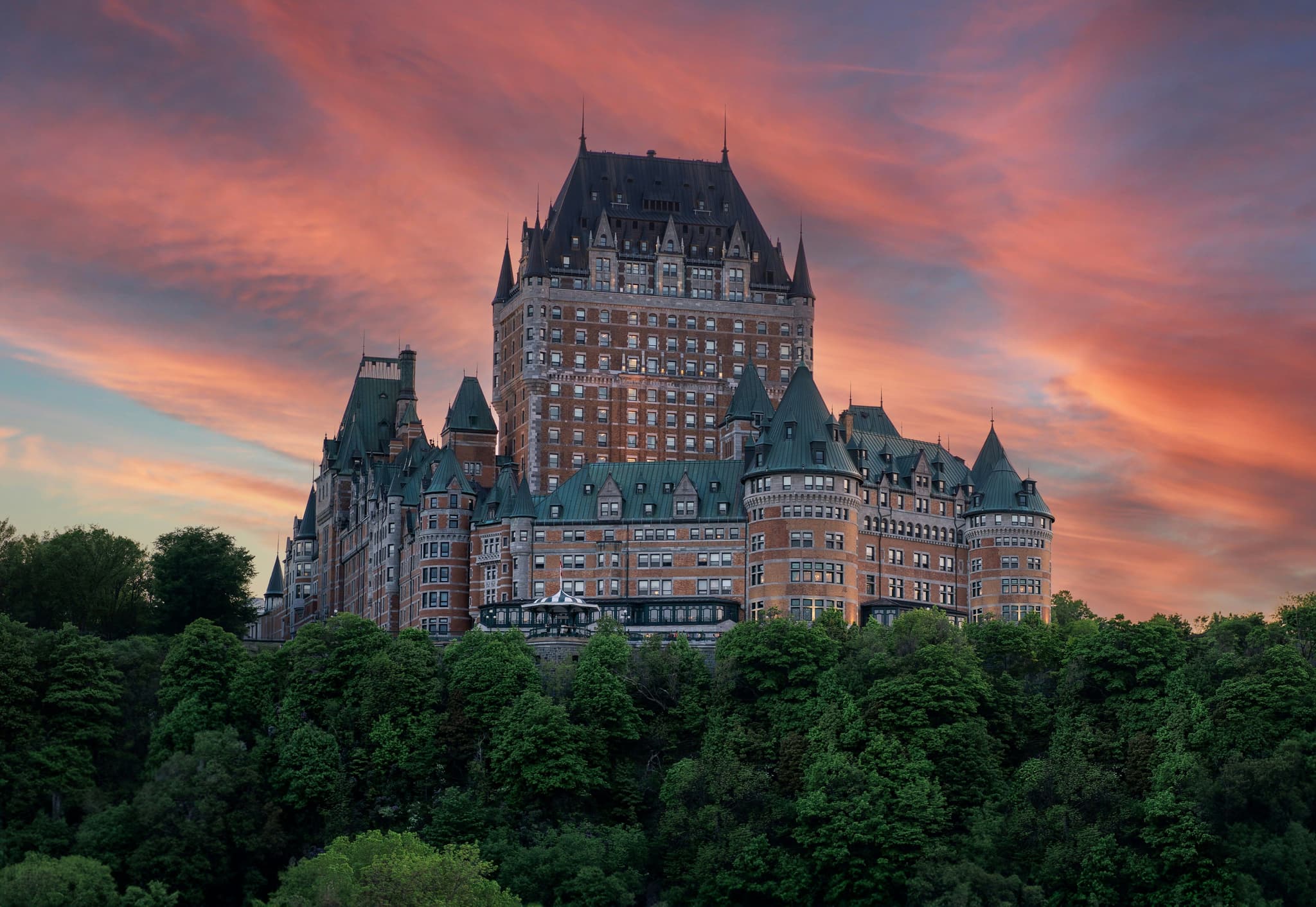
Also, food, neighbourhoods and even festivals change depending on the region you’re in. In Québec, menus and street signs are in French and dishes like poutine are everywhere, while in Vancouver, you’ll see more seafood and Asian influences in both food and neighbourhoods. Festivals shift too, from winter events like Carnaval de Québec to summer music festivals in cities like Montréal.
Looking for more unique places, trips and activities?
Subscribe to our Guided Newsletter for more travel inspiration.
Is Canada expensive? This is What Your Trip Could Cost
You’re probably wondering what this all means for your wallet. Let’s take a look at what everyday things actually cost, so you can picture your budget before you book anything.
Food & Drink

Coffee
3 – 6 CAD
Lunch
18 – 40 CAD
Beer
5 – 10 CAD
Accommodation

Hotels
120 – 300 CAD
Airbnb
75 – 160 CAD
Hostel dorm
20 – 40 CAD
Transport

Trains
50 – 150 CAD
Public Transport
3 – 6 CAD
Car Rental
50 – 100 CAD
Attractions

Museums
10 – 25 CAD
Big Attractions
80 – 120 CAD
Theatre
40 – 100 CAD
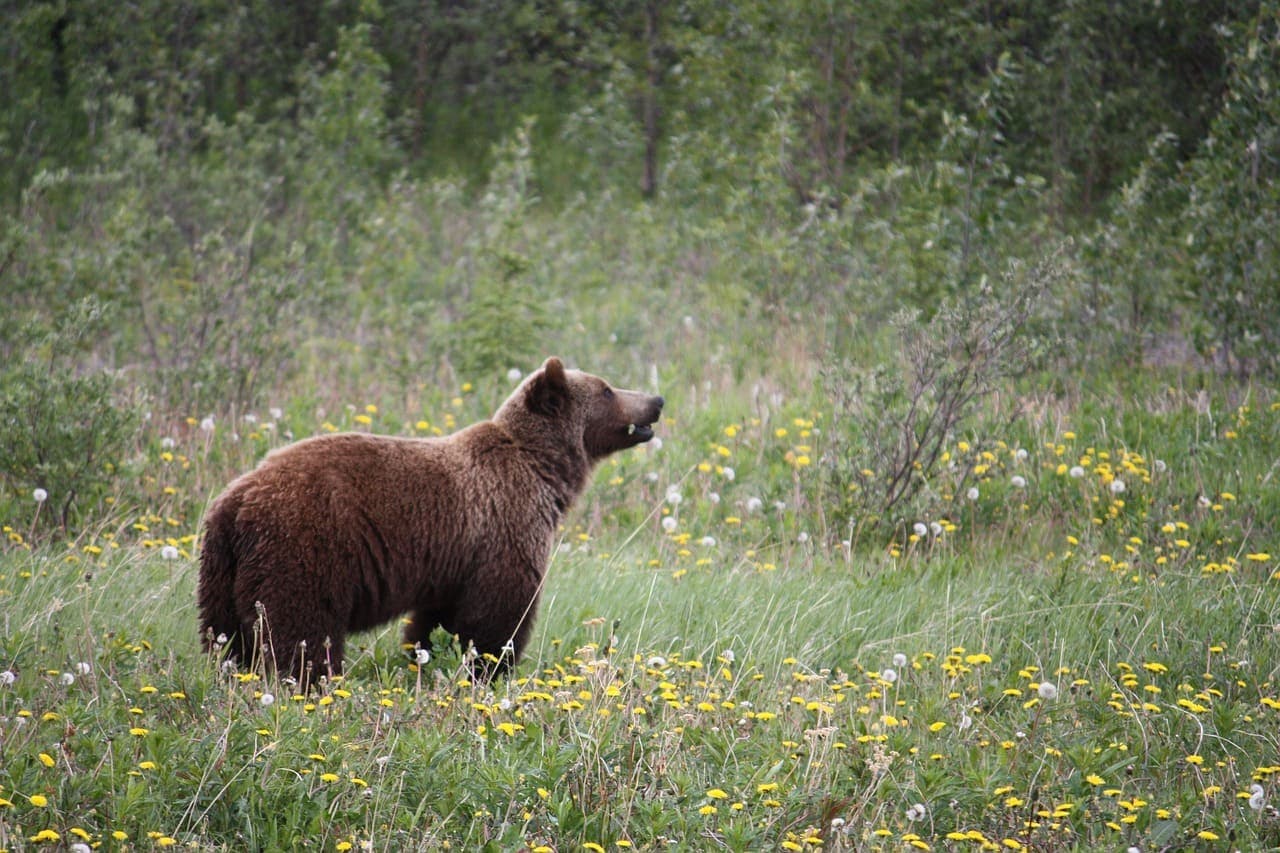
Canadian Wildlife: Do’s & Don’ts
Seeing animals is a big part of Canada travel. Yet you need to keep both yourself and Canada wildlife safe. Always:
Keep least thirty metres between you and large Canada animals like moose or elk
Stay least one hundred metres away from bears, wolves, coyotes or cougars in Canada
Never feed Canada wildlife as this encourages behaviour
Carry bear spray in Canada regions where bearsre common and listen to park guidance
Practical tips for visiting Canada
First time travelling to Canada, and wondering what you should sort before you go? We’ve gathered a few tips that will make your trip smoother from the moment you arrive.
✔ Expect long distances between places
Across Canada, distances are much bigger than they look on a map. A drive that seems short can easily take a full day once you include stops. Planning overnight stays in between makes everything more enjoyable. Leaving early in the day also helps you avoid driving in the dark, especially in remote areas.
✔ Book national park access and shuttles in advance
In places like Banff and Jasper, access to popular spots is often limited. Shuttle buses run to lakes like Moraine Lake, and tickets can sell out quickly. Booking a few days ahead avoids disappointment. Parking is very limited during peak season, so relying on shuttles is usually easier.
✔ Carry layers, even in summer
Weather changes quickly, especially in mountain regions. A warm jacket, even in summer, is something you’ll likely use. Mornings and evenings can be much colder than expected. Layering makes it easier to adjust throughout the day.
✔ Watch for wildlife when driving
On roads near national parks, animals like elk or deer often cross unexpectedly. Slowing down, especially around sunrise and sunset, reduces the risk. Warning signs are placed along many roads, so paying attention helps. Keeping distance is also important if you stop to look.
✔ Use apps for navigation and offline maps
Mobile signal can drop in more remote areas. Downloading offline maps in Google Maps before heading out makes navigation easier. Apps like Parks Canada also give useful updates for trails and conditions. Having directions ready saves time once you’re on the road.
✔ Tip in restaurants and bars
In Canada, tipping is expected in most places. Around 15–20 percent is standard in restaurants. Payment machines often suggest tip options automatically. Factoring this into your budget avoids surprises.
Fun facts about Canada
Mountains, lakes and wildlife are what most people think of when they picture Canada, but there are plenty of other things you might not expect. So let’s take a look at what makes it so unique:
More than half of the country is covered by forests
Polar bears can be seen in the wild in places like Churchill in Manitoba
Niagara Falls is not the tallest, but one of the most powerful waterfalls by volume
Canada has six different time zones across the country
Ice hockey is the national winter sport and deeply part of daily life
The country has more lakes than the rest of the world combined
One moment you’re driving past mountains and lakes, the next you’re sitting somewhere in a small town grabbing food and planning the next stop. In places like Vancouver, mornings can start with coffee in the city and end with a walk along the water or in the forest just outside it. In Canada, nature and city are simply so easy to combine. Canada is the place to go if you like lakes, wide open landscapes and are up for an adventure on the road.
Ready to map out your trip to Canada?
We hope this Canada travel guide has given you a clear starting point for your trip. Stay tuned for more inspiration, itineraries and practical tips to help you shape your perfect trip to Canada. And don’t forget to check out our Guided app, where you can create your own trip or use trips shared by other travellers for free.
FAQS about travelling to Canada
- What language is spoken in Canada?
Canada has two languages: English and French. You will find that English is spoken in parts of Canada and French is mostly spoken in Québec and some parts of eastern Canada. If you are in tourist areas you will not have any trouble talking to people in English.
- What side of the road do they drive in Canada?
In Canada, people drive their cars on the hand side of the road. The speed limits are given in kilometres per hour so you should remember this when you are used to driving on UK roads. The signs on the roads are very easy to understand and follow the standards used in North America.
- How long does a Canadian eTA last?
A Canadian eTA is usually good for up to five years. Until your passport expires, whichever comes first. The Canadian eTA lets you make short visits to Canada during that time. Each time you visit Canada you can stay for up to six months. This is decided by the border officials of Canada.
- When is summer in Canada?
Summer in Canada is usually from June to August. The weather is different in parts of Canada with warmer weather in the southern cities and cooler weather in the northern and mountain areas of Canada.
- Do you need a Visa to Travel to Canada?
Most passport holders do not need a visa for visits of up to six months to Canada, but make sure to check with your local authorities. You do need an electronic travel authorisation (eTA) before flying in to Canada. An eTA ties electronically to your passport. Is usually valid for up to five years. Make sure to check if you need a visa or an eTA for your Canada trip.