
Cuba

Cuba travel guide: Everything you need to know before visiting Cuba
Havana was founded in 1519, and its old town has been on UNESCO's World Heritage list since 1982. Add live son in a casa de la trova most nights, tobacco fields under the limestone mogotes of Viñales, and family homes called casas particulares, and you have a trip that feels different from anywhere else in the region. The Dominican Republic and Jamaica are mostly about beaches and resorts. Cuba's draw is its towns, its music and its history, with the beach as a side order. Mexico has more of everything, but less of the time-capsule feel.
Cuba in 2026 is also a hard place to travel. Fuel shortages linked to US sanctions and Cuba's economic crisis have brought long blackouts and closed many hotels, and flights and buses have been cut too. International arrivals fell by about 65% in the first nine months of the year, and the UK government advises against all but essential travel. A trip still suits experienced, flexible travellers who are happy to pay in cash and use private drivers, and it suits music lovers and return visitors best of all. We'd wait if this is your first Caribbean beach holiday, or if you need reliable medical care, card payments or a schedule with slack. This guide covers where to go and what to know before you book.
5 reasons to visit Cuba
These are the five we'd plan a trip around.
- Walk Old Havana's plazas, then the Malecón seafront at sunset.
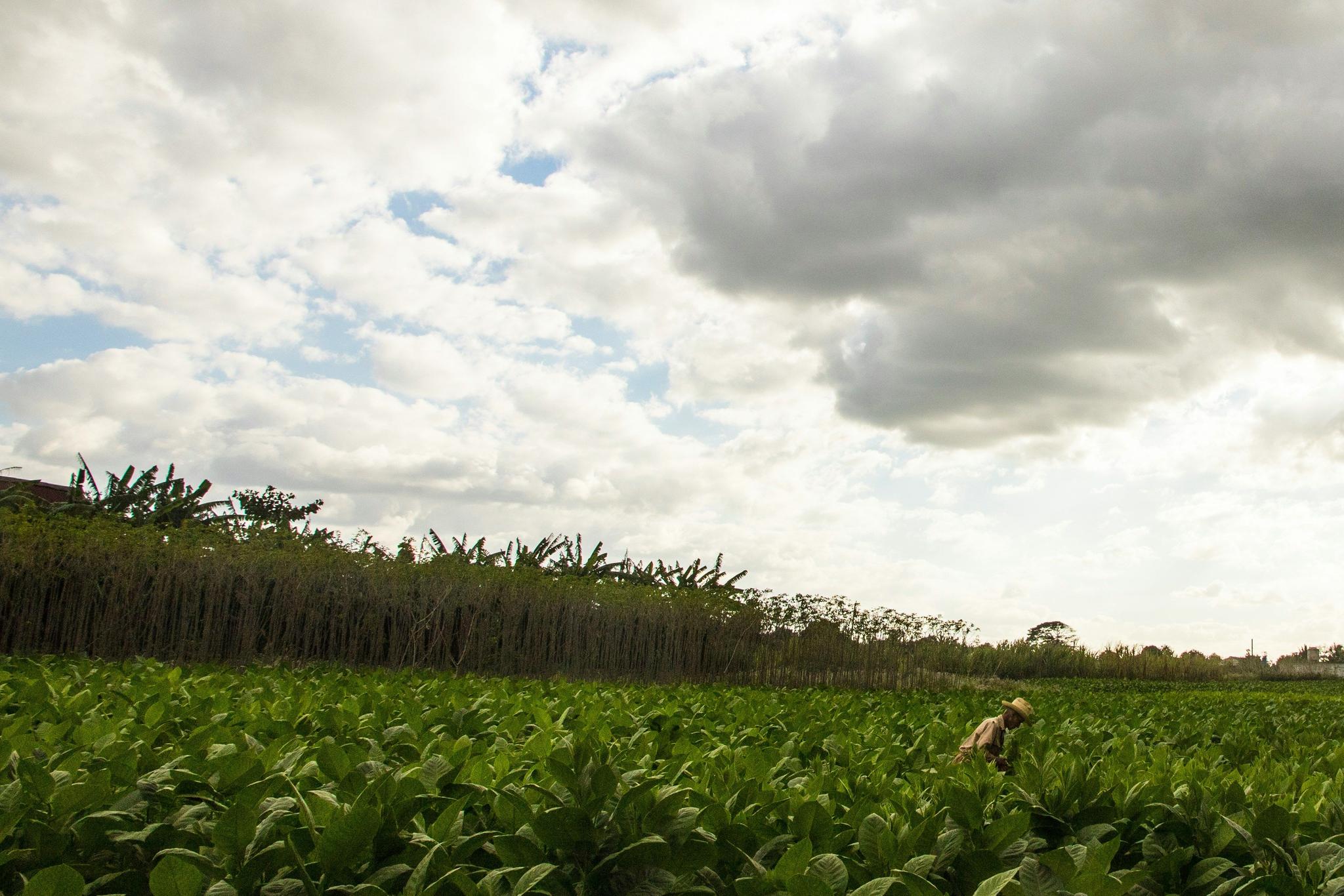
- Watch tobacco being grown and rolled on a farm in the Viñales Valley.
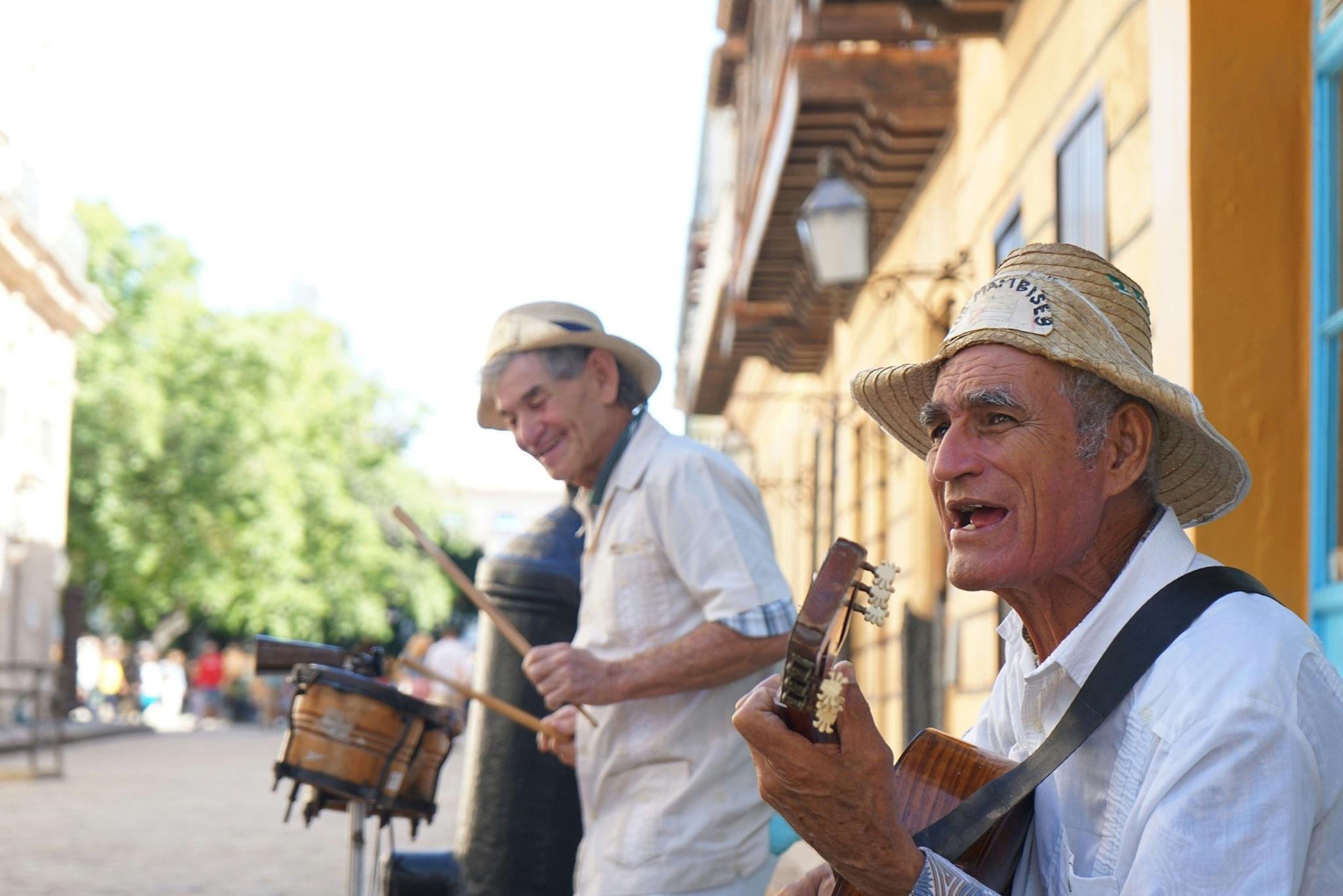
- Hear live son in a casa de la trova on almost any night of the week.
- Stay with a Cuban family in a casa particular and eat at private paladares.
- Snorkel off the Bay of Pigs, or look for the bee hummingbird in the Zapata Swamp.
Where to visit in Cuba?
Where should a first trip go in 2026? West and centre. Havana, Viñales, Trinidad and Cienfuegos are close enough to link by private driver, and the far east is much harder to reach this year.
Havana
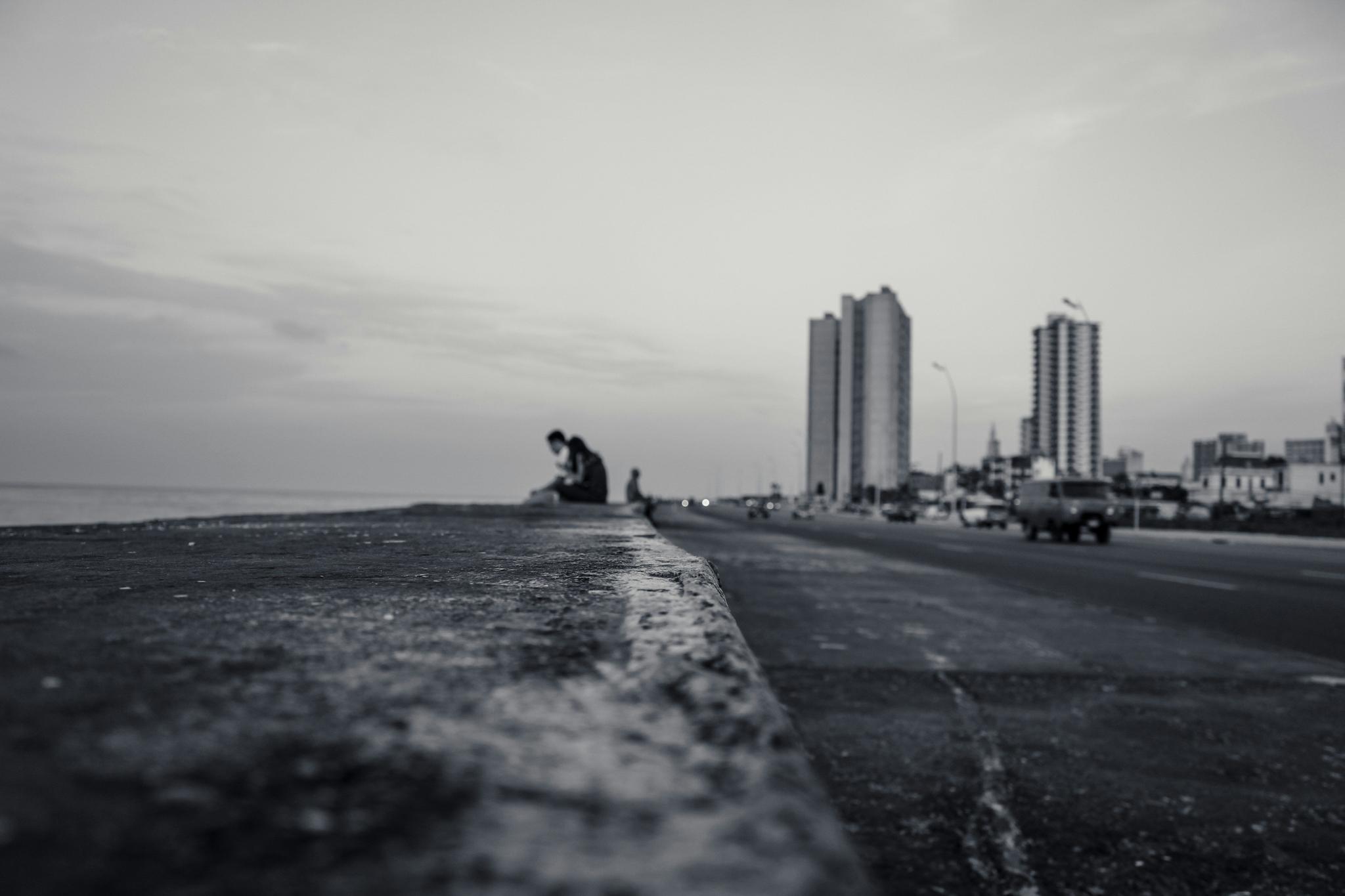
Give Havana three nights, more than anywhere else. Old Havana and its fortifications have been a UNESCO World Heritage Site since 1982, and its plazas are the reason most people come. Walk the Malecón, the seafront promenade that runs for about 8 km from Old Havana west to the Almendares River, late in the afternoon. Vedado has the 1950s hotels and the Plaza de la Revolución. Take a taxi about 16 km west to Jaimanitas for Fusterlandia, where the artist José Fuster has covered more than 80 houses in mosaic, and it's free to wander. At 9pm the cañonazo, a cannon ceremony, is fired at La Cabaña fortress, with tours from about USD $39.
Viñales Valley
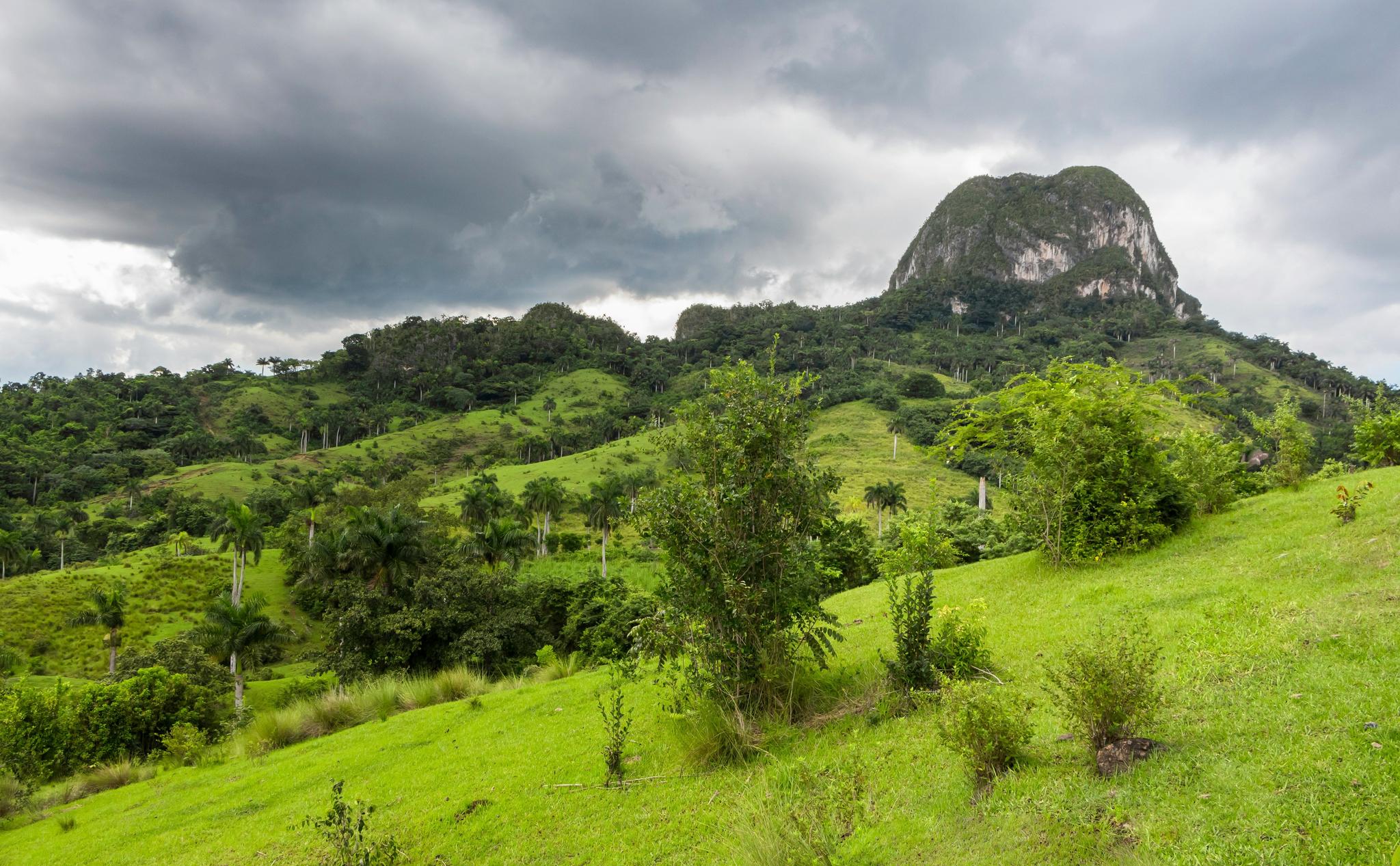
Skip the bus tour in Viñales. Walk or ride a horse out to a tobacco farm instead, and give the valley two nights. It has been a UNESCO cultural landscape since 1999, with limestone mogotes rising to about 300 m above fields where tobacco is still grown and cured by traditional methods. Farm visits are usually free, and the farmers sell cigars at the end. We'd also skip the Mural de la Prehistoria, a painting 120 m high and 160 m long on the side of the Pita mogote, and spend the time in the fields. Viñales is about two hours from Havana by car, or three and a half by Víazul bus.
Trinidad and the Valle de los Ingenios
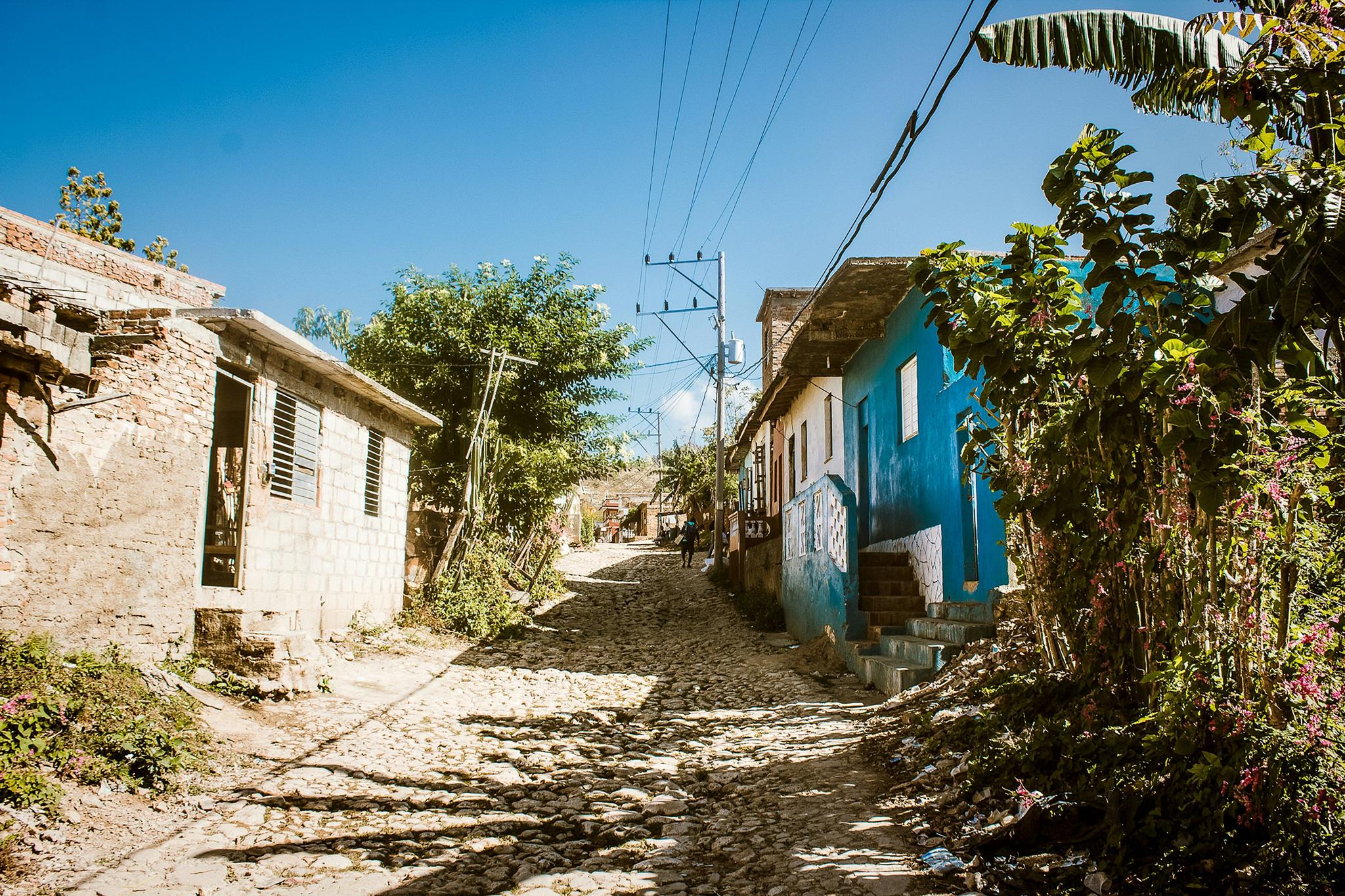
We'd call Trinidad the best-preserved colonial town in Cuba, and give it two nights at least. The town and the Valle de los Ingenios, the Valley of the Sugar Mills, have been a UNESCO site together since 1988. The valley starts about 12 km out of town and holds the remains of more than 70 sugar mills. Spend a morning there and climb the Manaca Iznaga tower, 45 m high and built around 1816, for the view over the old cane country. Trinidad is about four hours from Havana by car, or about six by Víazul, so break the journey in Cienfuegos.
Topes de Collantes
When Trinidad feels too hot, go up into the hills. Topes de Collantes is a park in the Escambray mountains, which rise to almost 1,000 m behind the town, and it's the best day out from Trinidad. The classic walk is the Caburní trail, 2.5 km each way and 2.5 to 3 hours there and back, ending at the Salto del Caburní, a waterfall 64 m high. Parque Guanayara, about an hour's drive from Trinidad, is the other option. Ask your casa to arrange a driver for the day.
Cienfuegos
Cienfuegos is a one-night stop, and a good one. French and Spanish settlers led by Louis de Clouet founded it on 22 April 1819, and its planned centre has been a UNESCO site since 2005. Start in Parque José Martí, with the cathedral and the Teatro Tomás Terry close by, then head out to the Castillo de Jagua on the bay. It's about two and a half hours from Havana, on the way to Trinidad. We prefer its planned centre and its bay to a fourth night in Havana.
Santa Clara
Is Santa Clara worth a stop? Yes, for half a day. Most visitors come for the Che Guevara memorial, inaugurated on 28 December 1988. The remains of Guevara and six other guerrillas were interred there on 17 October 1997, below a bronze statue about 7 m tall. El Mejunje is the city's cultural centre, and it was one of the venues for Jazz Plaza in 2026. Santa Clara is about three hours from Havana and about two from Trinidad, which makes it an easy stop between Trinidad and the north coast.
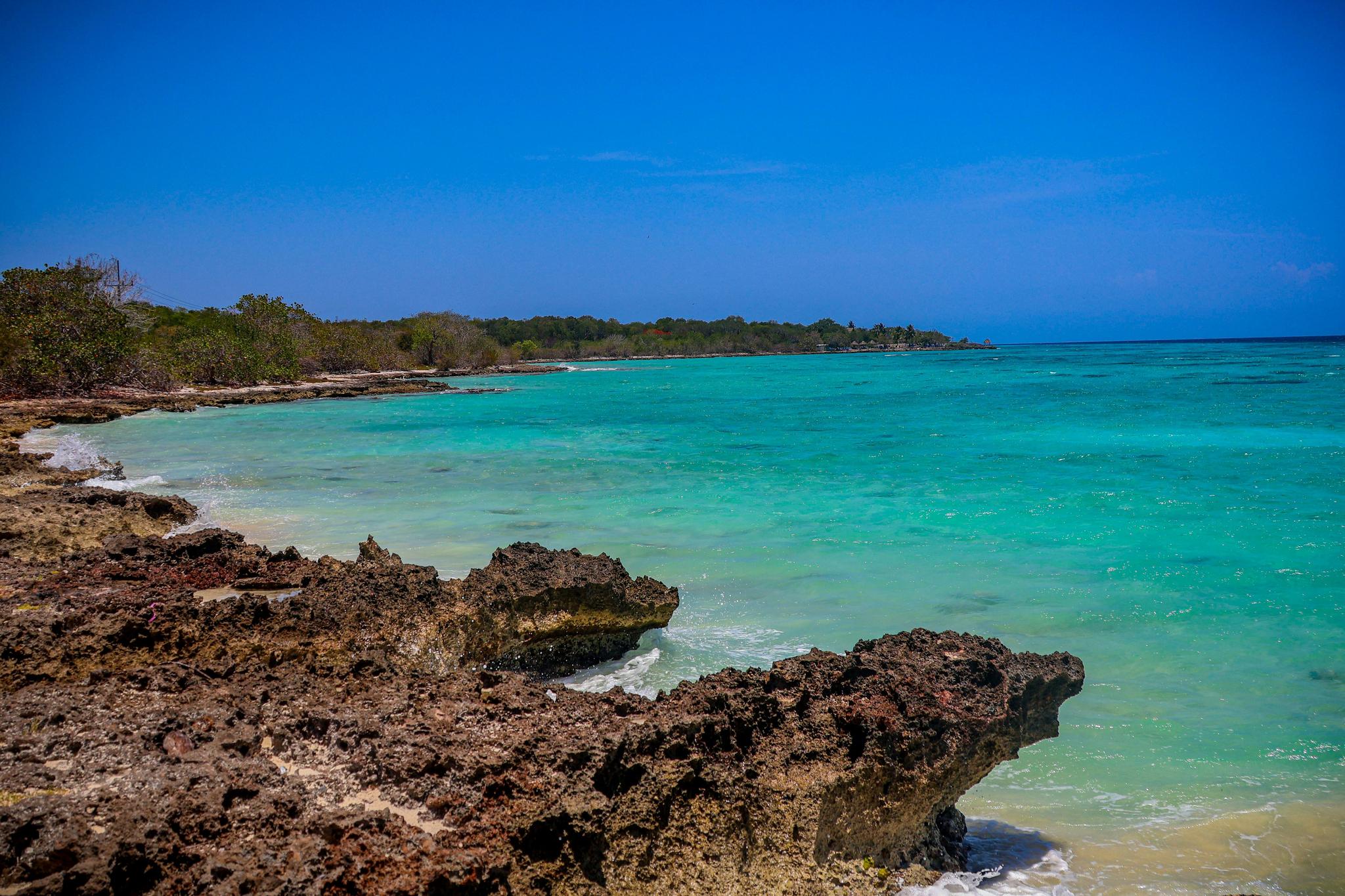
Bay of Pigs, Playa Girón and the Zapata Swamp
For snorkelling without a resort, this is the place we'd pick. The Zapata Swamp covers more than 4,000 km² and is the core of the largest protected area in the Caribbean. It's a Ramsar wetland and the place to look for the bee hummingbird and the endemic Cuban crocodile. On the coast, Punta Perdiz, about 10 km from Playa Girón, has shore snorkelling and a dive centre. The whole area is less than 150 km from Havana. Stay a night at Playa Larga or Playa Girón, then carry on to Cienfuegos the next morning.
Varadero
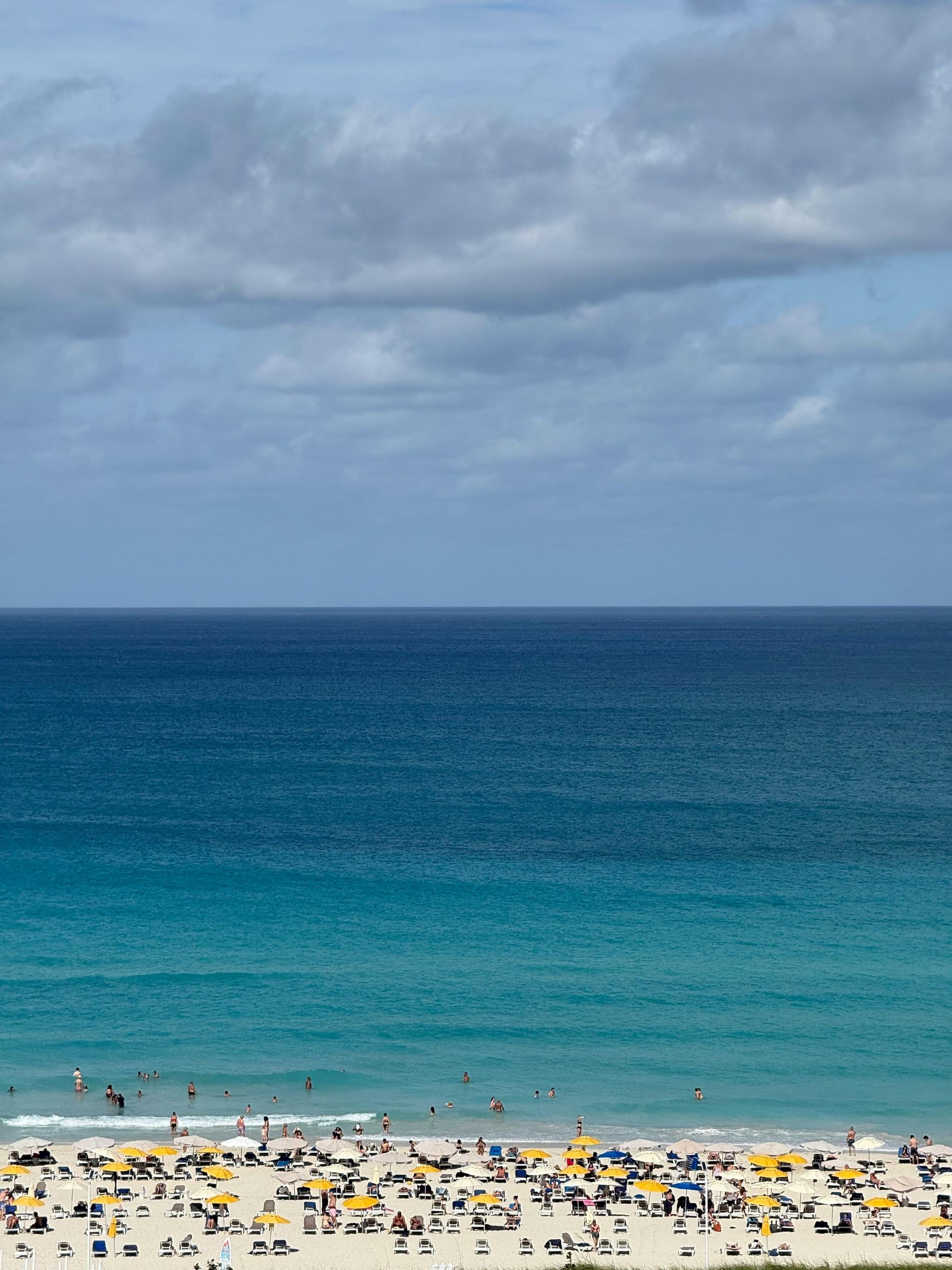
Varadero works for a beach end to a trip, as long as your hotel is actually open. The beach runs for more than 20 km along the Hicacos Peninsula, which is never more than 1.2 km wide, and the tip of the peninsula is the northernmost point of Cuba. Varadero still has international flights and is the resort area most likely to keep running. It's about 140 km, or two hours, from Havana. The cays of Jardines del Rey to the east were hit much harder, so only go there if your resort confirms it's open.
Camagüey
Camagüey is the quietest of the colonial cities, and we like it for that. Its historic centre has been a UNESCO site since 2008, and its streets follow a maze-like plan that's easy to get lost in on purpose. Look out for tinajones, the large clay jars once used to store water. Of the eastern provinces, Camagüey was the least affected by Hurricane Melissa. Use it as a night's break if you're heading east.
Santiago de Cuba
Santiago de Cuba is the home of son music, but in 2026 we'd only send travellers with spare days and a flexible plan. It's about 10 hours from Havana by car, and domestic flights are unreliable. The big sight is the Castillo de San Pedro de la Roca, known as El Morro, designed by Juan Bautista Antonelli and built between 1638 and 1700, about 10 km southwest of the centre. It has been a UNESCO site since 1997. Hurricane Melissa made landfall in the province in October 2025, and the UK government says the region's infrastructure remains severely affected. The El Cobre basilica was seriously damaged, and its reopening hasn't been confirmed. Baracoa and the Sierra Maestra are even harder to reach this year.
Cuba itinerary ideas for your trip
Buses from Havana to the provinces fell from 419 a day in 2025 to 11 a day in 2026, so both routes assume a private driver or colectivo booked through your casa.
5 to 7 day Cuba itinerary
- Day 1-3: Havana, with Old Havana, the Malecón, Vedado, Fusterlandia and the 9pm cañonazo
- Day 4-5: Viñales, for a tobacco farm and a walk through the valley
- Day 6-7: Trinidad by way of Cienfuegos, or back towards Havana with a night at the Bay of Pigs
10 to 14 day Cuba itinerary
- Day 1-3: Havana
- Day 4-5: Viñales
- Day 6: The Bay of Pigs and the Zapata Swamp
- Day 7: Cienfuegos
- Day 8-10: Trinidad, the Valle de los Ingenios and Topes de Collantes
- Day 11: Santa Clara
- Day 12-13: Varadero, if your hotel is confirmed open
- Day 14: Back to Havana for your flight
We'd put spare days into Trinidad rather than rushing east. Camagüey and Santiago de Cuba only fit with extra days and a plan that can bend. Swap Santa Clara for a third night in Trinidad, or add the east if you have the time, and map the result in the Guided trip planner.
Fun things to do in Cuba
Music is the reason we'd plan a trip to Cuba around, so start there and fit everything else around it.
Hear live music most nights
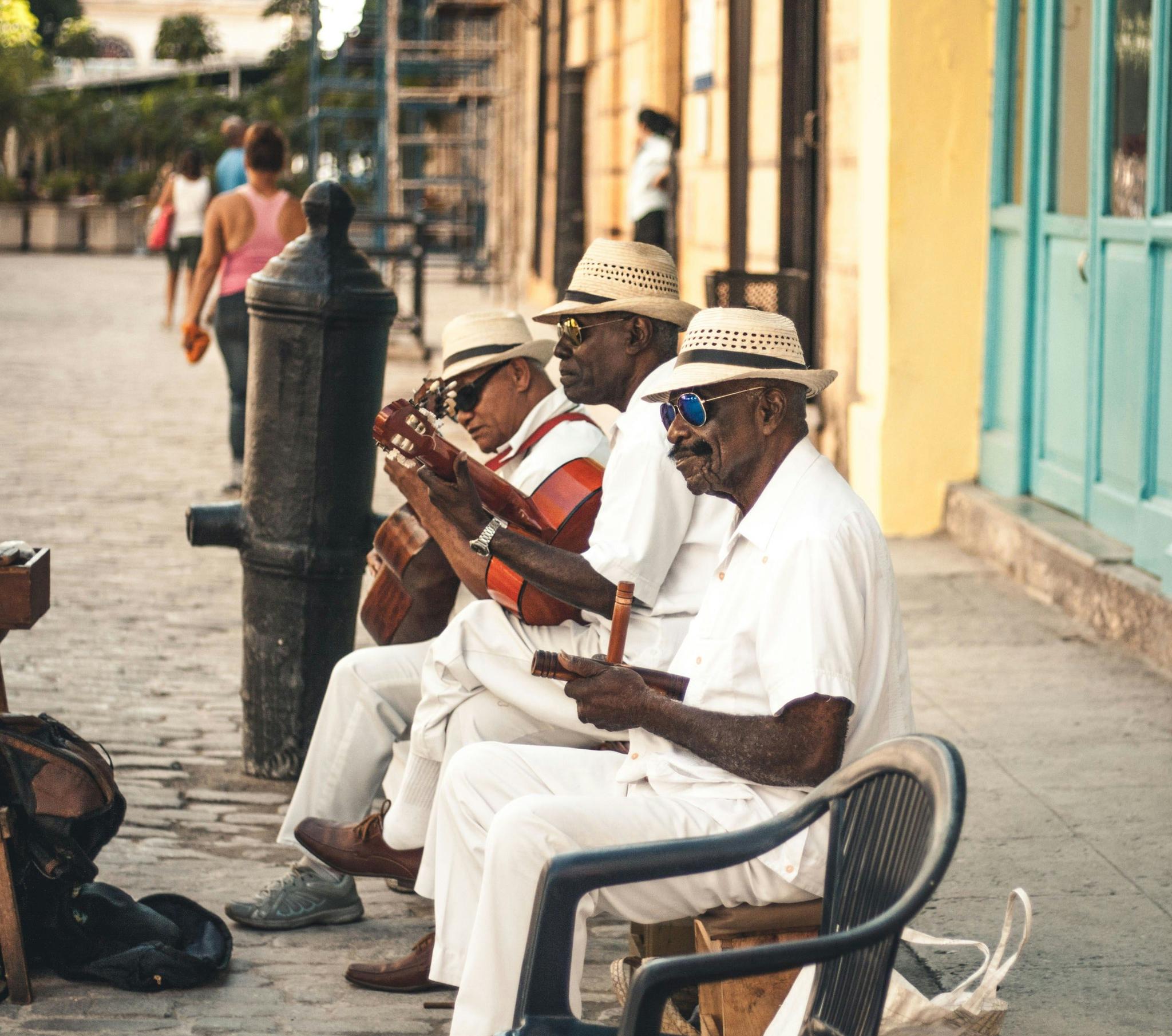
Casas de la trova put on live son most nights, and Havana's Casa de la Música is the other name to know. For a seated show in Havana, Legendarios del Guajirito plays in the Buena Vista Social Club style from 8pm, for about two and a half hours. Blackouts can stop a show at short notice, so ask your casa what's on that day before you head out.
Visit a tobacco farm in Viñales
This is the one tour we'd take outside Havana. Visits are usually free, and cigars are for sale at the end, so take small notes.
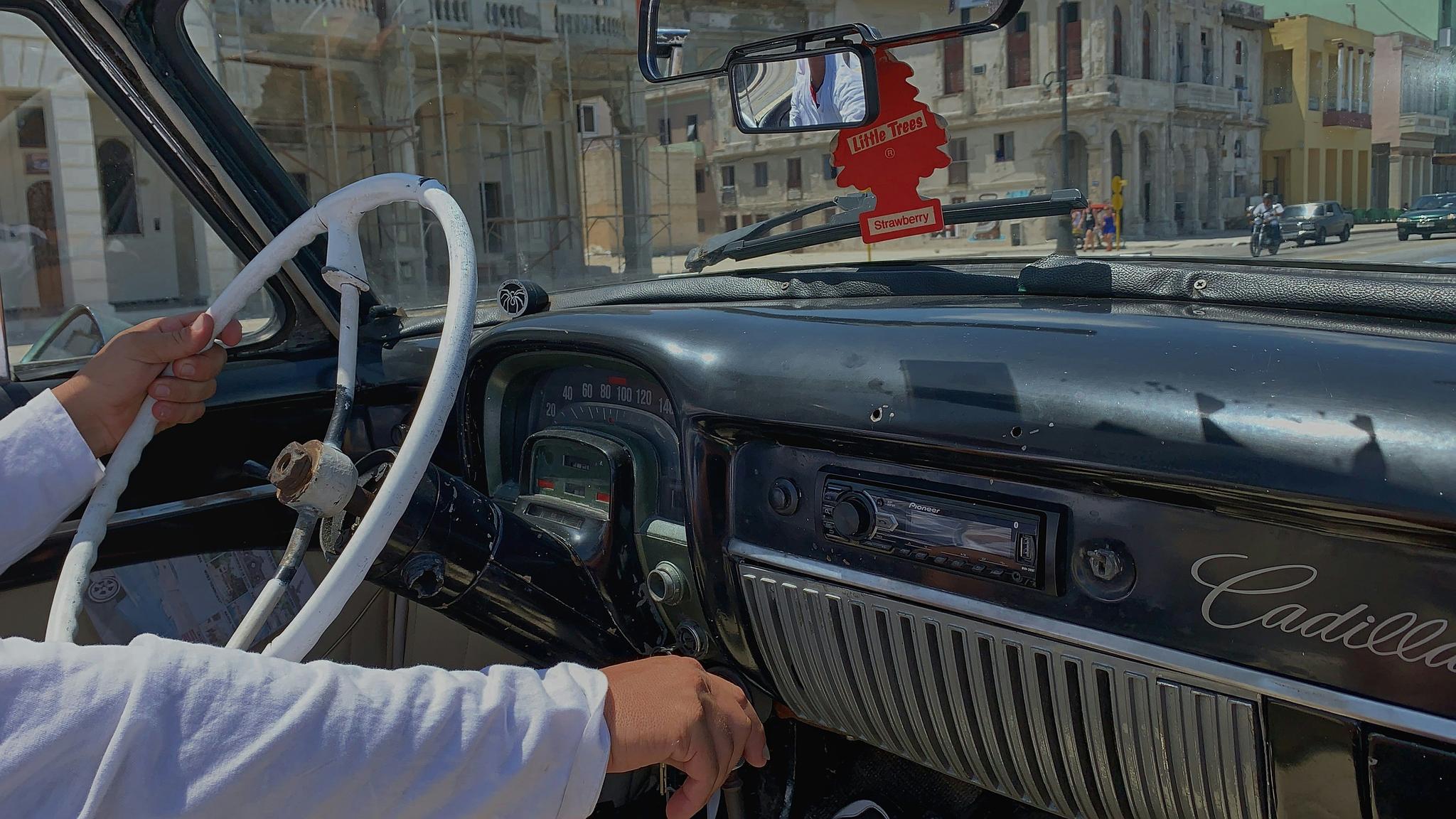
Ride in a classic car
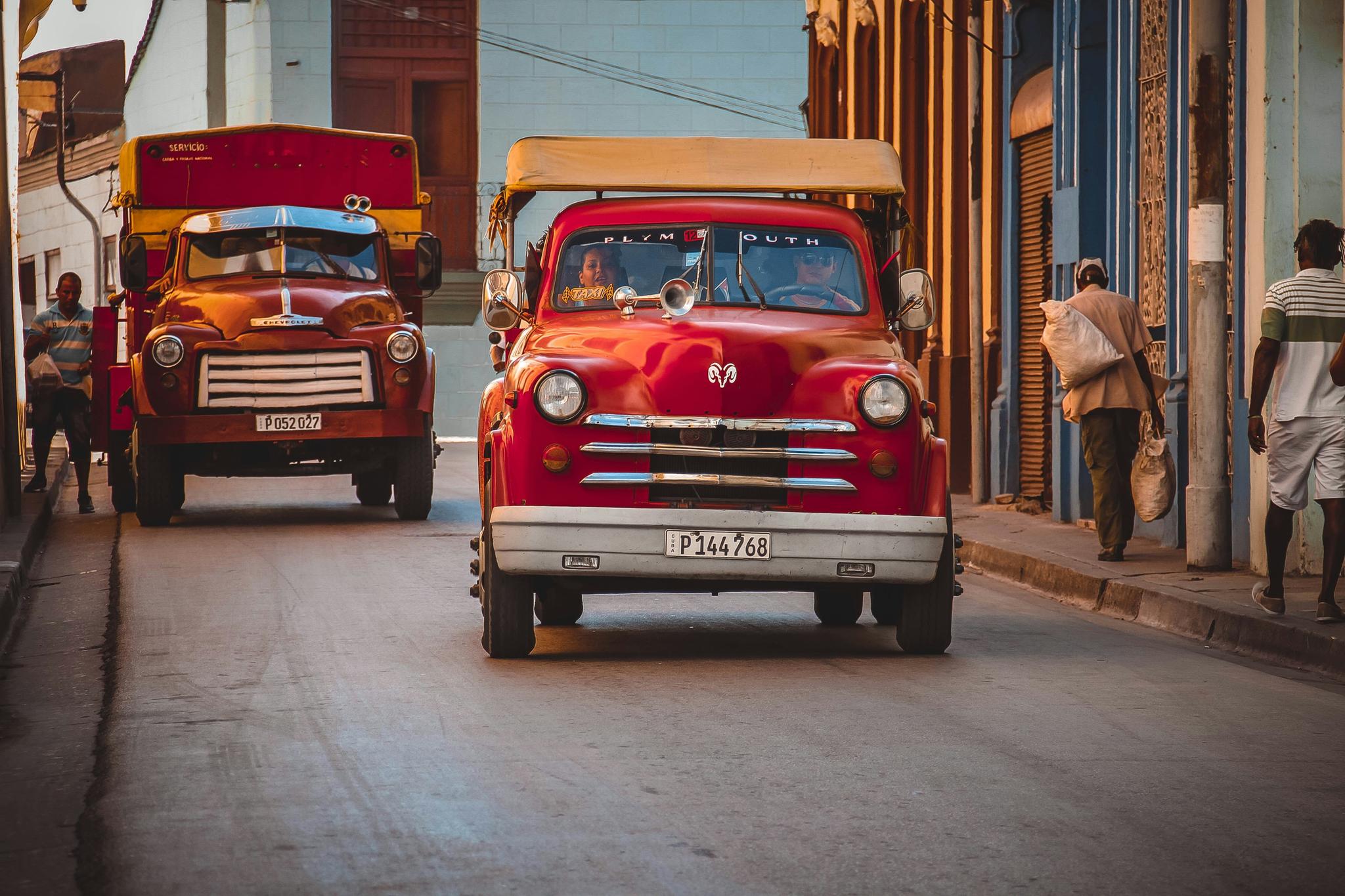
Classic American cars are still part of everyday Havana, many of them working as taxis. One Havana company lists private two-hour tours for two to four people at USD $95 a person. Whoever you book with, agree the price before you get in.
Snorkel and dive
Punta Perdiz is where we'd snorkel, straight off the shore. For serious divers, the Jardines de la Reina are another level. Avalon's liveaboards leave from Júcaro, about 5 hours by boat from the reefs, and cost from USD $2,795 for 5 nights or USD $3,950 for 7. Ask about 2026 departures before you plan around one.
Go to a baseball game
Baseball is the national sport, and a game is the evening out we'd pick in Havana. The 65th Serie Nacional began on 4 October 2026, and its regular phase runs until 22 December 2026, with 44 games per team. This season uses western and eastern zones to save fuel. In Havana, games are at the Estadio Latinoamericano.
When to go to Cuba?
When is the best time to visit Cuba? November to April, in the dry season, when there's less rain and Havana's highs sit at 26 to 28 °C. That's when we'd go. From May to October it's hotter, with Havana reaching 30 to 32 °C and the sea at 28 to 30 °C. Crowds aren't a concern in 2026, and some hotels have cut prices by up to 30%. The Havana Film Festival has been announced for 3 to 13 December 2026, and the Parrandas de Remedios take place on the night of 24 December, but check that both 2026 editions are going ahead.
- Dry season: November to April, the best months for touring the towns and the countryside.
- Wet season: May to October, hotter, with 9 to 13 rainy days a month and the sea at its warmest.
- Hurricane season: 1 June to 30 November, with the peak from August to October.
- Mosquito-borne disease risk: April to November, when dengue and chikungunya are most common.

Did you know you can create your own itinerary?
Now that you know what to see in Cuba and where to stay, you can start creating your own trip. Do you want more evenings of live son in Havana and Trinidad, or are you thinking more about tobacco farms in Viñales and snorkelling at the Bay of Pigs? It's all up to you. You can easily create your own trip in the Guided app for free, or use trips shared by others.
Where to stay in Cuba?
In July 2026 the government said about 73% of Cuba's hotels were closed, which makes casas particulares the most reliable place to sleep. Blue Diamond, Meliá, Iberostar and Barceló all stopped running hotels on the island in 2026. Some buildings have reopened under Cuban management, so confirm any hotel directly before you pay. Airbnb still works, with fewer listings than before, and Booking.com isn't available.
Old Havana or Vedado
Old Havana puts you among the sights. Vedado is quieter, with more of the music venues. We'd pick Old Havana for a short stay and Vedado for anything longer. A mid-range casa costs about USD $35 to USD $60 a night, and a budget one USD $20 to USD $35, with breakfast for another USD $3 to USD $6. Where hotels are open, a mid-range double costs USD $80 to USD $160.
A casa in Viñales or Trinidad
Stay in town, not out in the countryside, so you can walk to dinner and the music. Casas cost about USD $20 to USD $35 a night in Viñales and USD $22 to USD $40 in Trinidad. Many hosts also cook dinner, and they can often help find your next casa and driver.
Varadero, if your hotel is open
All-inclusives in Varadero cost from about USD $80 to USD $300 a night where they're operating. Several closed in 2026, so email the hotel itself to confirm it's open.
Getting around when visiting Cuba
Don't plan a Cuba trip around public transport this year. Island-wide bus routes fell from more than 100 to 21 in 2026. Long-distance trains run too rarely for travellers to use, and Cubana has so few aircraft that we wouldn't rely on a domestic flight. Cuban airports have had no jet fuel since February 2026, and many airlines, including all the Canadian ones, have suspended flights. Fly via Madrid, Panama, Mexico or the US, and check your airline's schedule close to departure.
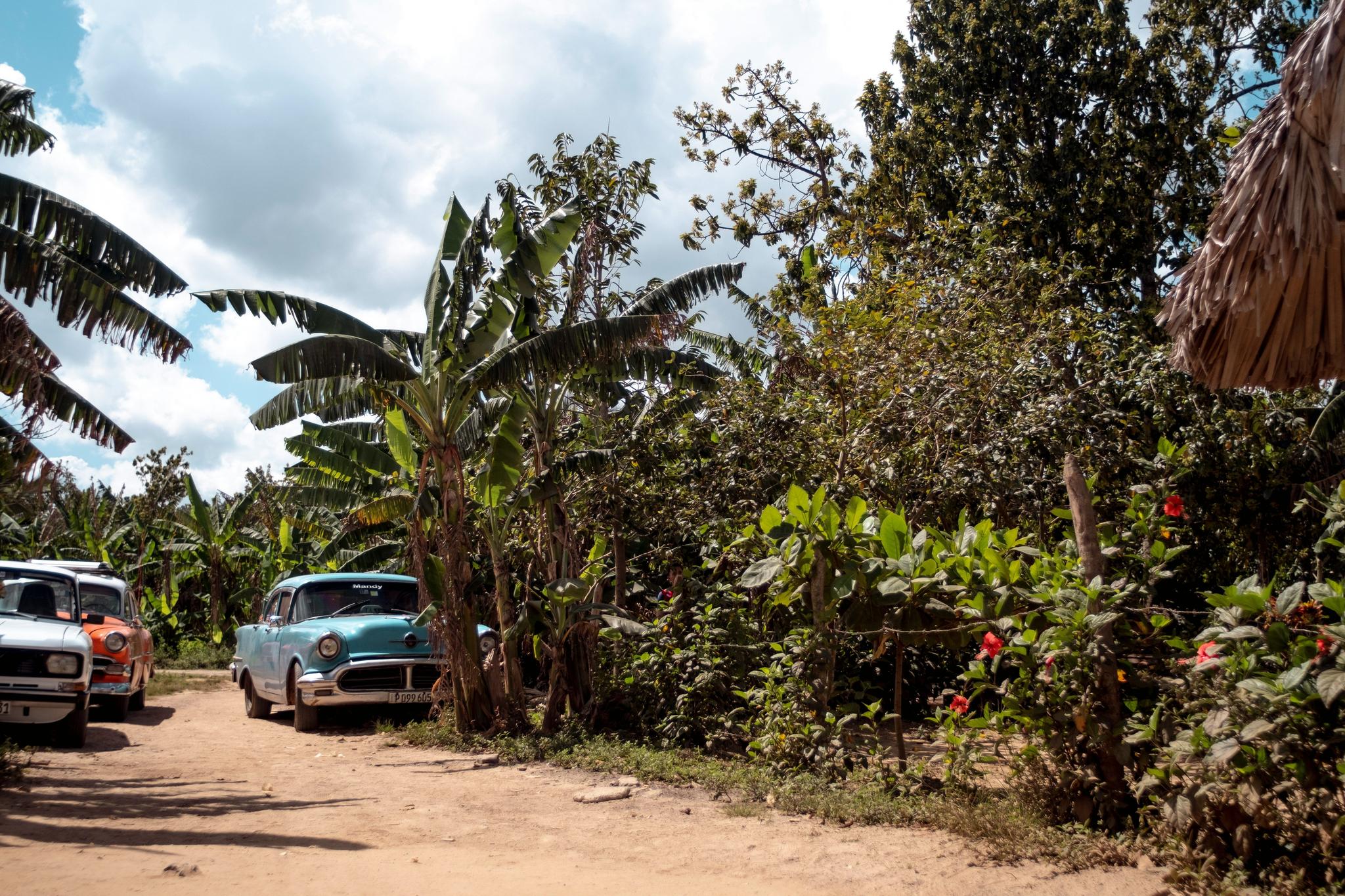
Víazul buses
Víazul runs the tourist buses between cities, and you can book online at viazul.wetransp.com with a card issued outside Cuba. One-way fares are €16 from Havana to Viñales, €15 to Varadero, €20 to Cienfuegos, €26 to Trinidad and €60 to Santiago de Cuba. Reduced timetables and delays have been reported in 2026, so build in a spare day.
Colectivos and private drivers
This is how we'd get around. Colectivos are shared taxis that charge per person in cash and leave when they're full. Havana to Viñales costs about USD $25, Havana to Cienfuegos about USD $20, and Havana to Varadero about USD $25. Havana to Trinidad is about USD $35, though sources give different figures. Prices are rising with the fuel shortage. Your casa host can usually book one for you, or a private car for your group.
Taxis and almendrones in Havana
Almendrones are shared classic cars on fixed routes, and a ride costs about USD $0.50. Registered yellow taxis are the safer option for a direct trip, and the airport to Old Havana costs USD $20 to USD $33. Uber and Cabify don't work in Cuba.
Car hire
We wouldn't hire a car in Cuba in 2026. Only state companies rent cars (Cubacar, Havanautos, Rex and Vía), at about USD $50 to USD $120 a day. Rental cars buy fuel in dollars, at about USD $1.30 to USD $2 a litre, and queues at Cupet fuel stations have lasted 24 to 30 hours. The UK government has also reported attacks on hire cars, including punctured tyres.
Food and drinks you should try when visiting Cuba
Where do you eat well in Cuba? In paladares, the private restaurants, more than anywhere else. Menus are priced in US dollars or pesos, dishes run out, and kitchens close early during blackouts. A tip of about 10% is normal.
Ropa vieja
Shredded beef stewed with tomato and peppers. It's the dish we'd order first at a paladar.
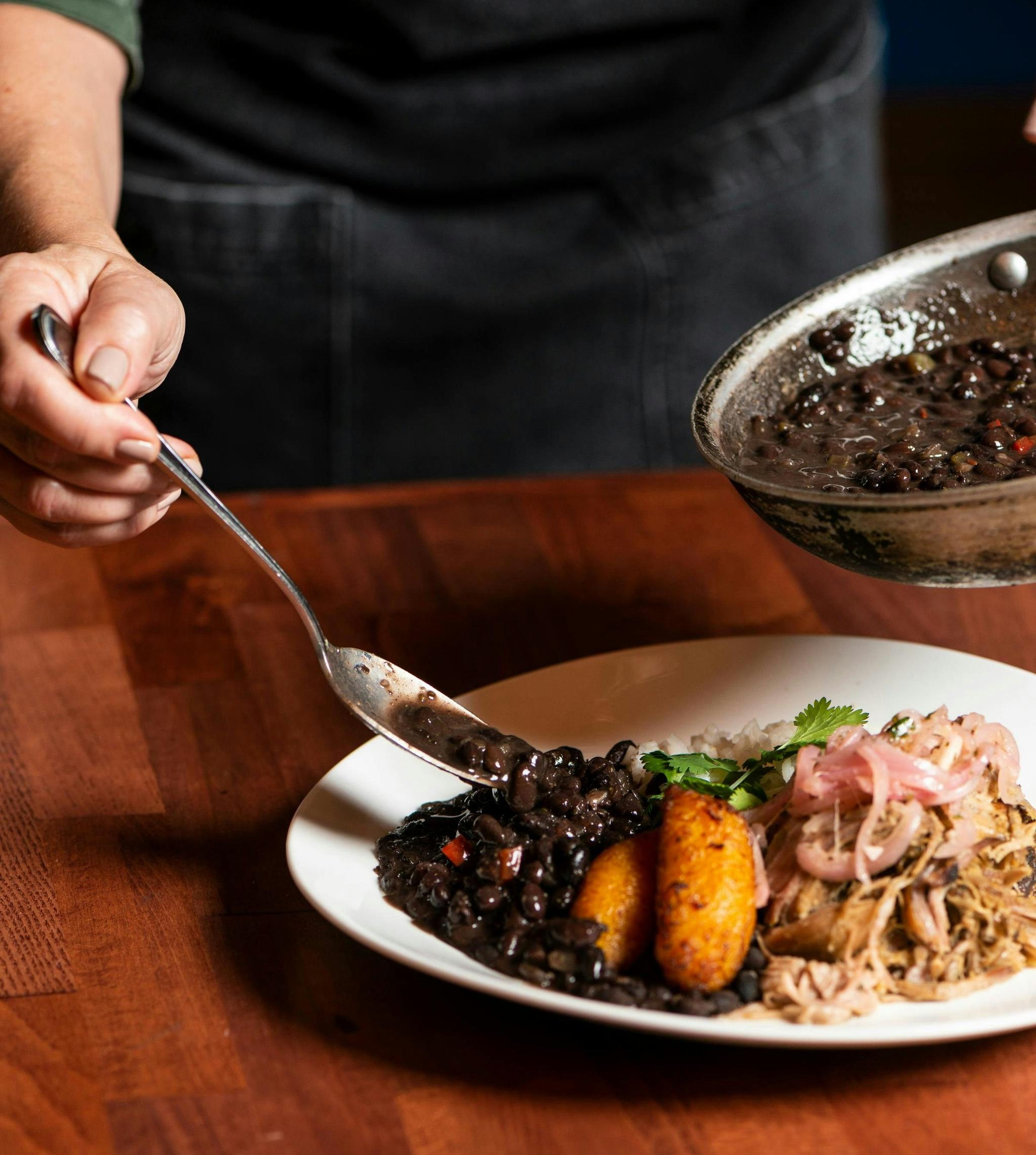
Moros y cristianos, lechón and yuca
Moros y cristianos is black beans cooked with rice. In the east you'll see congrí, made with red beans instead. It usually comes with lechón asado, slow-roast pork, and yuca con mojo, cassava with a garlic and citrus sauce. Add tostones, twice-fried plantain, on the side.
Cuban sandwich
Roast pork, ham, Swiss cheese, pickles and mustard, pressed hot on Cuban bread. You'll find versions in Havana, but Florida also claims it, and the earliest written descriptions come from cafés in Tampa around 1900.
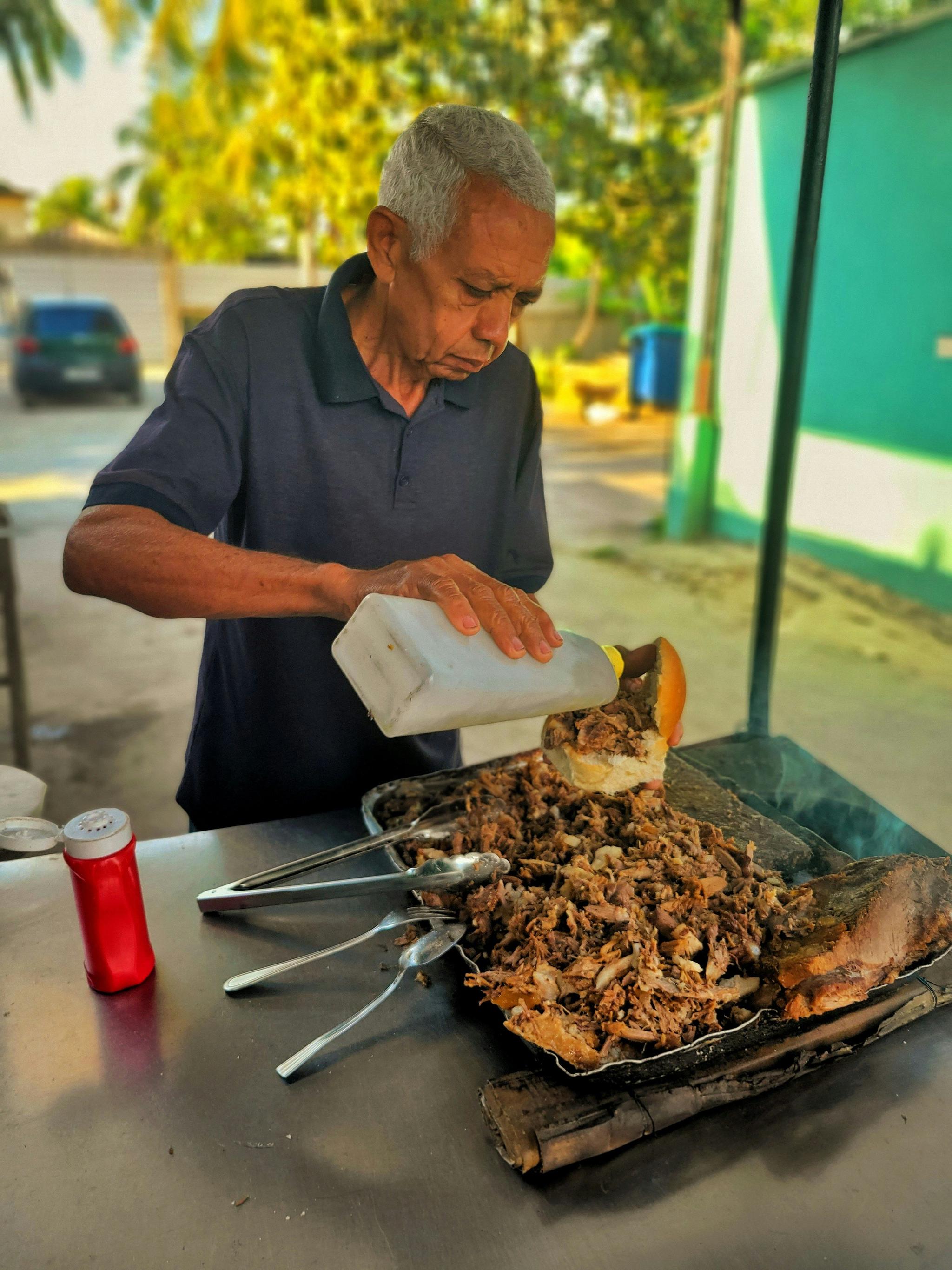
Mojito and daiquirí
El Floridita in Havana calls itself the cradle of the daiquirí, which its bartender Constantino Ribalaigua made famous in the 1930s. The mojito is linked to La Bodeguita del Medio, and the line "My mojito in La Bodeguita, my daiquirí in El Floridita" is attributed to Hemingway. We'd go to both for the history rather than the drinks. A Cuba libre with Havana Club is the simplest order.
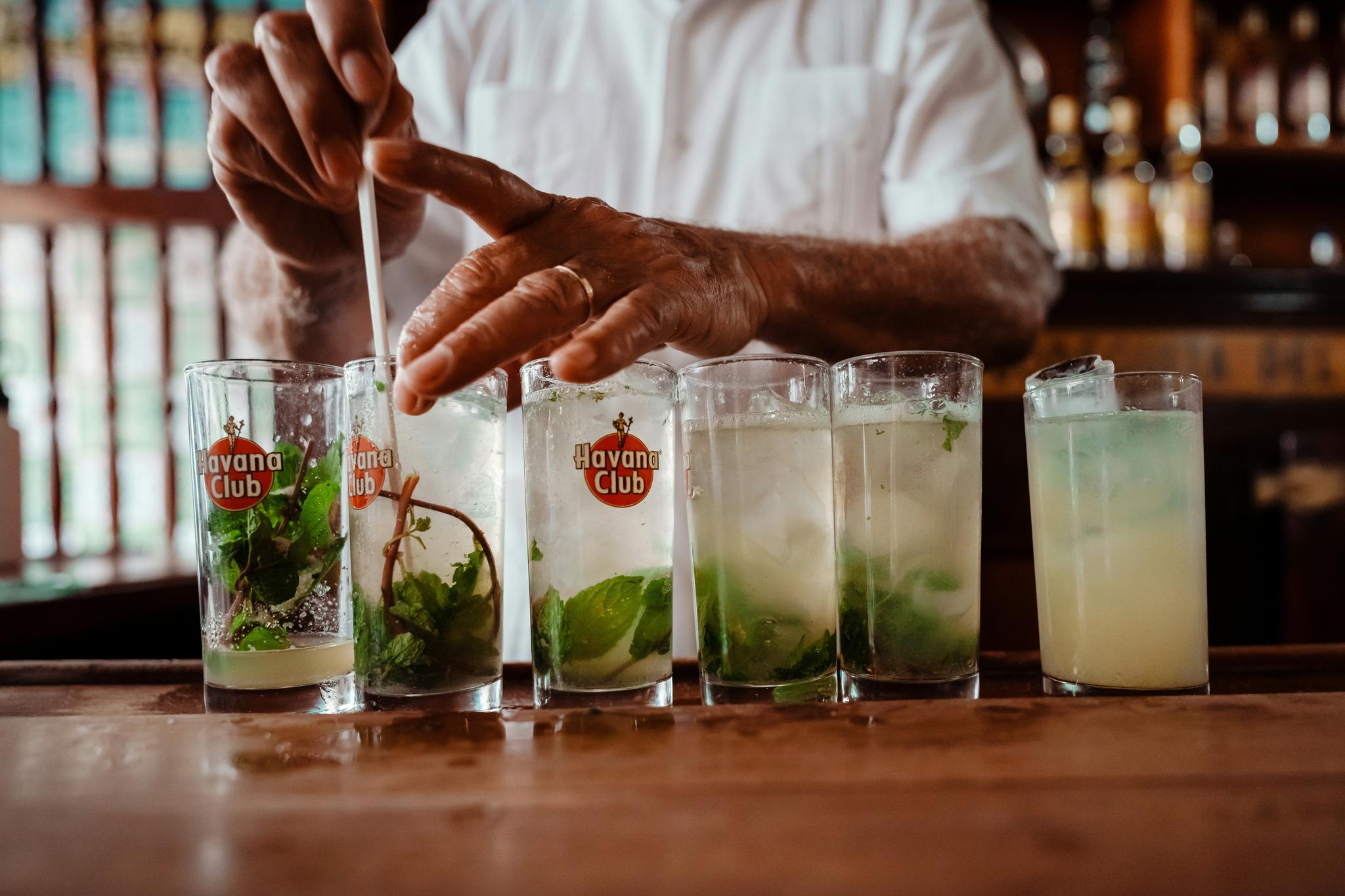
Cafecito, guarapo and Cuban beer
Cafecito is a small, very sweet espresso, and it's the coffee we'd drink all day. Guarapo is fresh sugarcane juice. For beer, order a Cristal or a Bucanero.
Culture and local habits you'll notice when visiting Cuba
Cuba's population fell from just over 10 million in 2023 to about 9.4 million at the end of 2025, after heavy emigration. Catholic heritage runs alongside Santería, an Afro-Cuban religion that blends Yoruba and Catholic traditions. Music is everywhere. UNESCO has added punto cubano (2017) and the bolero (2023, shared with Mexico) to its list of intangible heritage.
Tipping in cash is normal for guides and drivers, and we'd keep a stack of small notes for the bands in particular. Don't take photos of military zones or other restricted areas.
Looking for more unique places, trips and activities?
Subscribe to our Guided Newsletter for more travel inspiration.
Costs of a holiday to Cuba
Cuba isn't a bargain any more, even if a beer still costs a couple of dollars. On Numbeo's cost of living index in February 2026, day-to-day costs were similar to Mexico and a little above the Dominican Republic, and well below Jamaica and Costa Rica. Cash-only payments, scarce hotels and fuel-driven transport prices make a trip harder to budget, so bring more cash than you think you'll need.
Food & Drink

Coffee
USD $1 – USD $2
Lunch
USD $8 – USD $15
Beer
USD $1.50 – USD $3
Accommodation
Hotels
USD $80 – USD $160
Casa particular
USD $25 – USD $60
Hostel dorm
USD $5 – USD $12
Transport
Intercity bus
€15 – €26
Public Transport
USD $0.20 – USD $0.50
Car Rental
USD $50 – USD $120
Attractions

Museums
USD $5 – USD $8
Big Attractions
USD $39 – USD $75
Cabaret show
USD $75 – USD $125
Practical tips for visiting Cuba
What's changed most for visitors in 2026? Money and power, above all.
✔ Get your eVisa, D'Viajeros form and insurance
Most visitors need a tourist eVisa, including travellers from many nationalities such as the UK and EU countries. Apply through the official Cuban eVisa site, a Cuban consulate, your airline or a tour operator. Then enter the eVisa code in the D'Viajeros online form, which you complete in the 72 hours before you enter Cuba, and save the QR code it sends you. The UK government says your passport should be valid for six months after arrival, and you'll need proof of onward travel. Medical insurance is compulsory and is checked, and if you can't show it you'll have to buy Asistur cover on arrival. Rules and fees change, so check GOV.UK's Cuba entry requirements or your own government's advice before you fly.
✔ US travellers have extra rules
Tourist travel to Cuba is banned under US law, so US travellers must fit one of the OFAC travel categories. Since 30 September 2026 the people-to-people licence has gone, and "Support for the Cuban people" needs a full-time schedule and no dealings with businesses on the Cuba Restricted List, which includes hundreds of hotels. Visa Waiver Program travellers who have visited Cuba since 12 January 2021 can't use ESTA to enter the US and need a US visa instead. Check the official OFAC and State Department guidance before you plan.
✔ Bring all your money in cash
Visa and Mastercard stopped working in Cuban shops and ATMs on 6 June 2026, and American Express has never worked. UnionPay and Mir cards work in some places, but we wouldn't rely on them. Bring enough US dollars or euros for the whole stay, in small, clean notes, and avoid USD $100 notes. Change money only at a Cadeca exchange house or a bank. The rate moves every week. You must declare more than USD $5,000 on arrival.
✔ Plan for blackouts, water cuts and patchy internet
Power cuts can last a day or more, and in Havana some have lasted 40 to 72 hours. Pack a power bank and a torch, and drink bottled or treated water. For data, ETECSA's CubacelTur tourist SIM cost about USD $14 for 4 GB over 7 days at December 2024 prices, or you can use a foreign eSIM that roams on Cubacel. Mobile internet has been cut during protests. Plugs are types A, B, C and L, at 110 V and 60 Hz, though some hotels use 220 V.
✔ Pack your own medicines
Medicines and medical supplies are scarce, so bring your prescriptions in their original packaging and a basic first-aid kit. Dengue and chikungunya have spread widely since mid-2025, and Oropouche and Zika are present, so use strong insect repellent. Medical bills have to be paid in cash. Get insurance that includes medical evacuation.
✔ Check the travel advice and stay alert
The UK FCDO advises against all but essential travel to the whole of Cuba, Canada says to avoid non-essential travel, Australia says to reconsider your need to travel, and at the time of writing the US rates Cuba Level 2, "Exercise Increased Caution". Opportunistic crime is rising, including muggings in Havana and thefts from casas. Use registered yellow taxis, don't walk through unlit streets at night during blackouts, and stay away from demonstrations. In an emergency, call 106 for the police, 104 for an ambulance and 105 for the fire service. Check current advice before you book.
Fun facts about Cuba
Six facts we'd want to know before landing in Havana.
- Cuba is the largest island in the Caribbean, at about 109,900 km².
- It has nine UNESCO World Heritage Sites, from Old Havana to the Viñales Valley.
- The bee hummingbird, the world's smallest bird, lives only in Cuba.
- Rumba joined UNESCO's intangible heritage list in 2016.
- Cuba used two currencies until 2021, when the convertible peso was abolished.
- The tip of Varadero's peninsula is the northernmost point of the country.
The hummingbird is the one you can act on. It lives in the Zapata Swamp, right next to the snorkelling at the Bay of Pigs.
Ready to map out your trip to Cuba?
We hope this Cuba travel guide has given you a clear starting point for your trip. Stay tuned for more inspiration, itineraries and practical tips to help you shape your perfect holiday to Cuba. And don't forget to check out our Guided app, where you can create your own trip or use trips shared by other travellers for free.
FAQS about visiting Cuba
How many days do you need in Cuba?
Five to seven days covers Havana, Viñales and Trinidad. With 10 to 14 days you can add Cienfuegos, the Bay of Pigs, Santa Clara and a beach. Inside the Guided travel planning app, you can create your own trip route and find out how many places you can fit into your trip.
What is the best part of Cuba to visit?
Havana plus the west and centre of the island, meaning Viñales, Trinidad and Cienfuegos. The east, including Santiago de Cuba, is much harder to reach in 2026, with hurricane damage and unreliable domestic flights.
What is Cuba known for?
Old Havana, classic American cars, live music, cigars and rum. It also has nine UNESCO World Heritage Sites, and the bee hummingbird, the world's smallest bird, lives only here.
Can you travel around Cuba without a car?
Yes, and in 2026 we'd recommend it. Víazul tourist buses have been running on the main routes, with reported delays, and colectivos and private drivers booked through your casa fill the gaps. Public buses and trains have largely stopped running, so don't count on them.
Is Cuba expensive?
Day-to-day costs are similar to Mexico, with a beer from USD $1.50 and a paladar lunch for USD $8 to USD $15. Hotels, drivers and anything that needs fuel cost more than they used to.
Is Cuba safe to visit right now?
The UK FCDO advises against all but essential travel to the whole of Cuba, and Canada and Australia have similar warnings. At the time of writing the US rates it Level 2, "Exercise Increased Caution". The concerns include shortages, long blackouts, rising crime and protests that can escalate. Check current advice before you book, and check what your insurance covers.
Can you use credit cards in Cuba?
Not Visa or Mastercard. Both stopped working in shops and ATMs on 6 June 2026, and American Express never worked. Bring all your money in cash, in small US dollar or euro notes.
Can Americans travel to Cuba?
Not as tourists, because tourist travel is banned under US law. US travellers need to fit one of the OFAC travel categories, which were tightened from 30 September 2026, so check OFAC's guidance first.
Plan your trip to Cuba in Guided.
Save the places you find, then let Guided lay out the days, the map and the details.
More in North America
All destinations BahamasThe Bahamas is a chain of Atlantic islands known for turquoise water and pink-sand beaches.
 CanadaCanada is known for vast national parks, epic road trips and lively, welcoming cities.
 Dominican RepublicThe Dominican Republic pairs Caribbean beaches and whale season with Santo Domingo's colonial streets.
 JamaicaJamaica is a lush Caribbean island known for reggae, jerk cooking and white-sand beaches.