

Mexico
Mexico travel guide: everything you need to know before travelling to Mexico
There’s a place where ancient pyramids still align with the sun during equinox, where entire cities were built on water centuries ago, and where you can swim in natural sinkholes that don’t exist anywhere else in the same way. That combination makes Mexico far more than just a beach destination, since every region brings something completely different to your trip. You’ll notice quickly that a good plan matters here, because the way you connect places changes everything. This Mexico travel guide helps you decide what to visit in Mexico and how to connect those places into one smooth trip.
5 reasons to visit Mexico
You can visit mayan ruins and ancient archaeological sites like Chichen Itza and Palenque that are still easy to explore today.
You’ll see very different places in one trip, from white sand beaches in Tulum to busy streets in Mexico City and jungle areas in Chiapas.
Mexico has amazing local food like tacos, tamales and fresh market dishes that change in every region.
You can swim in cenotes, visit waterfalls in Chiapas and explore places like the copper canyon.
A trip to Mexico generally stays affordable, with low costs for food, transport and stays.
Best places to visit in Mexico
You’ll notice pretty quickly that every part of Mexico gives you a completely different kind of trip. That’s exactly why choosing the right places to visit in Mexico matters.
Explore Mexico City and its cultural highlights
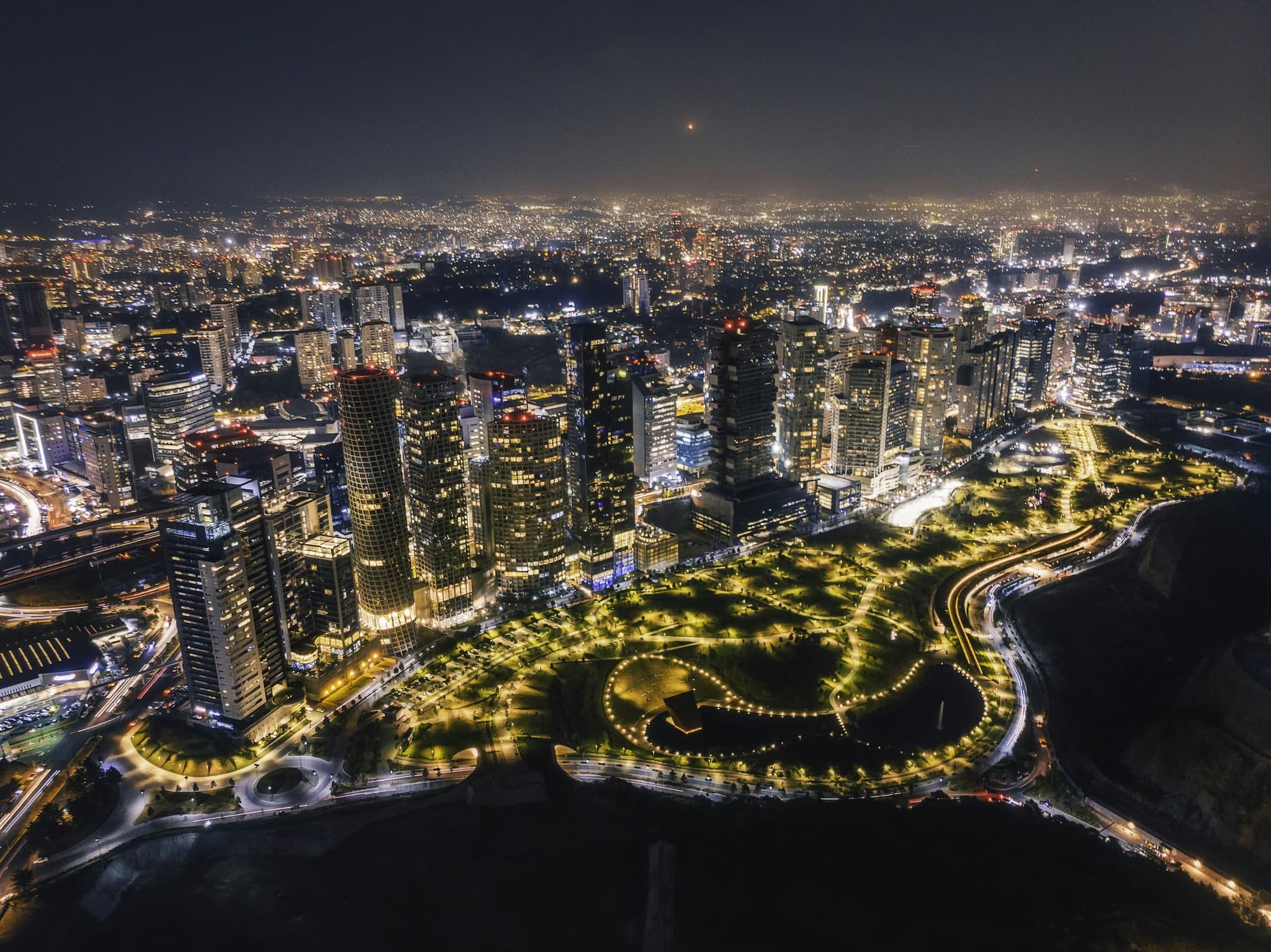
Right in the middle of the country, you get a city where something is always happening around you. Around palacio de bellas artes, it’s easy to walk straight into the historic centre and keep discovering new buildings and squares. In roma norte, you can walk to cafés, small shops and green parks where locals hang out. A walking tour is one of the best ways to explore, since you start to understand how everything connects. This is the kind of place where you don’t need a strict plan, just a bit of time to explore and see where you end up.
Discover the Yucatán Peninsula
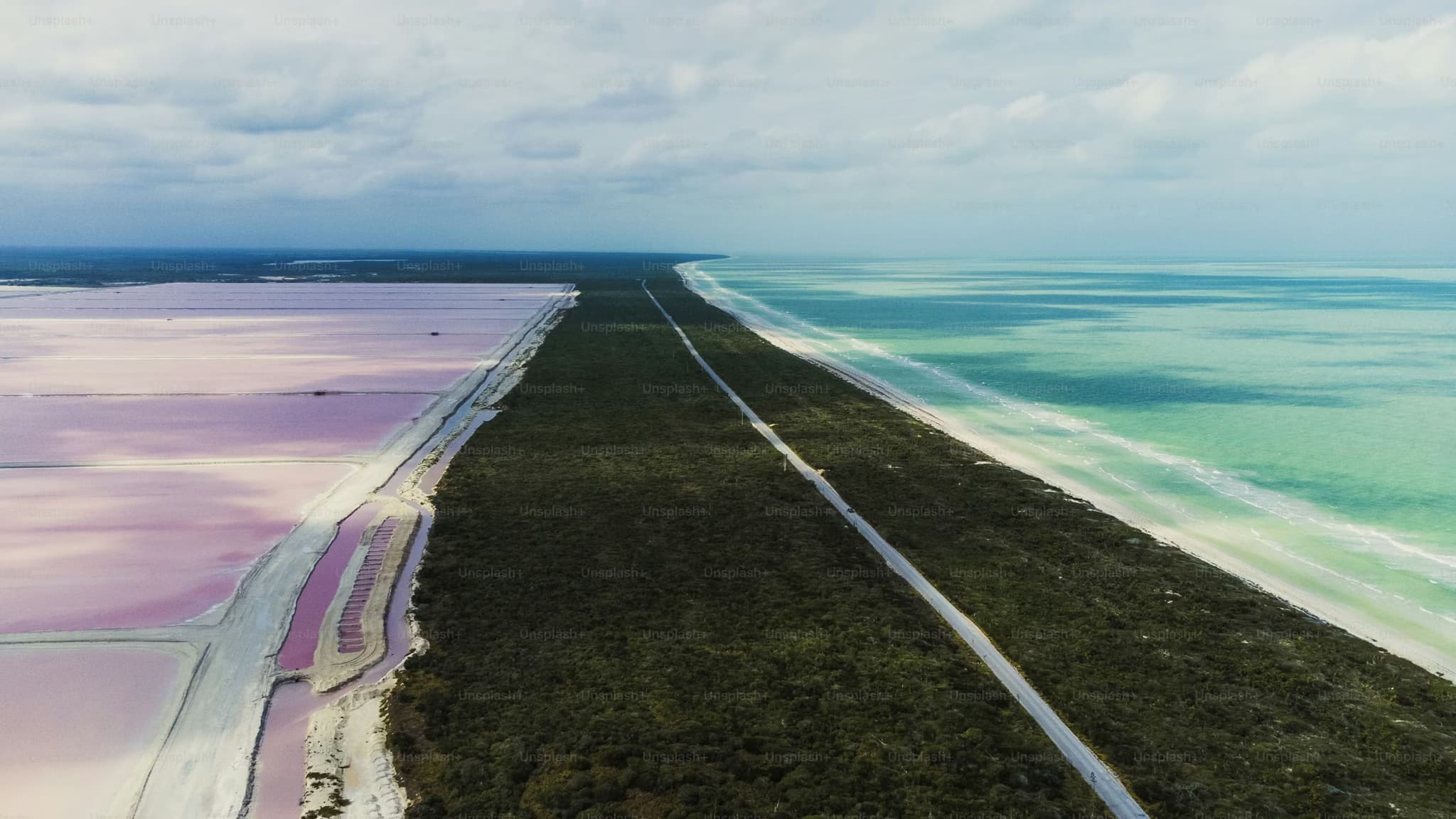
Over here, travel feels simple and everything sits close enough to combine in one day. Around the yucatán peninsula, you can visit places like chichen itza, then head to a cenote nearby to cool off. Those cenotes are something else, some open in the jungle, others hidden inside caves where light comes through small openings. Tulum is the kind of place where you can visit ruins, swim in a cenote and still have time to just hang out at the beach. It works well if you want a bit of everything without making your plan complicated.
Experience Oaxaca City and its traditions
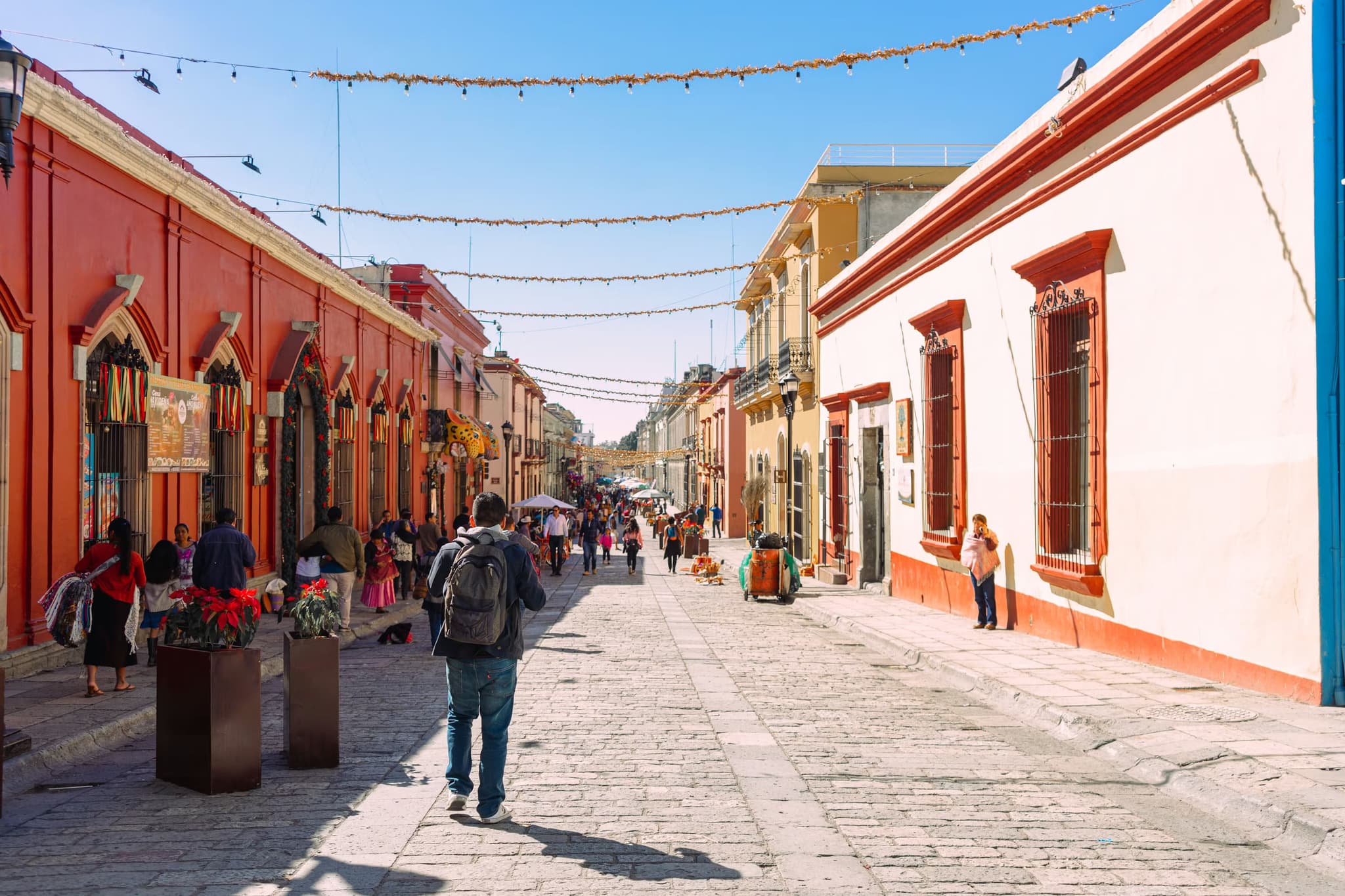
In this part of Mexico, you’ll notice everything feels a bit more local. Through the cobblestone streets, you’ll pass markets, small food stalls and people going about their day. In oaxaca city, you can try dishes like mole negro, tlayudas and fresh tamales straight from local markets, all made in a way that’s been passed down for generations. Around the main square, it’s easy to sit down and watch daily life, with street musicians, small performances and people gathering in the evenings. Traditions are still very present here, especially during festivals like Día de los Muertos and Guelaguetza, where the whole city fills with music, dance and local costumes. That mix of food and culture makes it a place where you’re not just looking around, you’re actually part of what’s happening.
Relax along the Pacific Coast
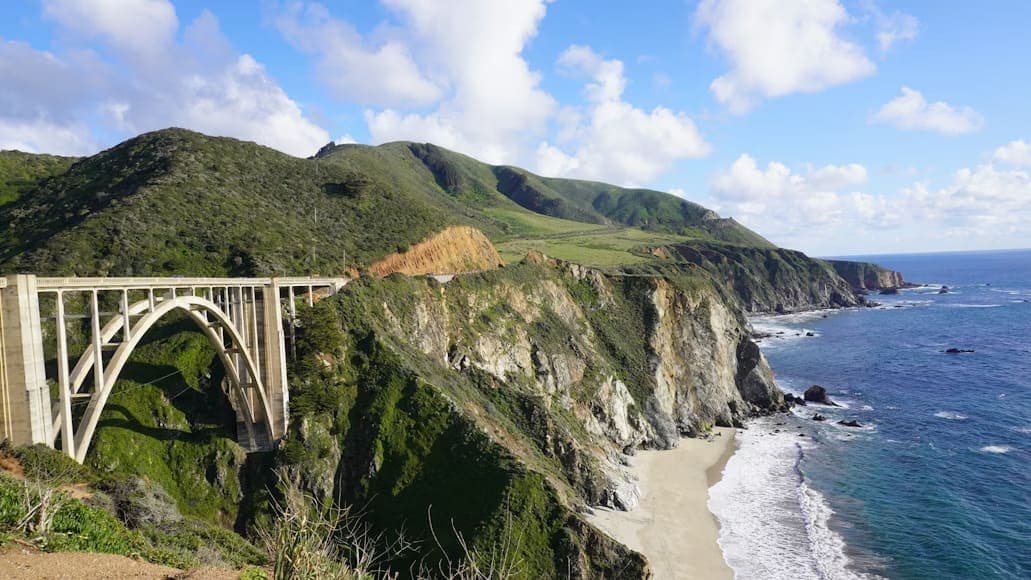
On the west side of Mexico, you get wide beaches, warm water and plenty of time outside near the ocean. Around the pacific coast, places like puerto vallarta are great for boat trips, snorkelling and walking along the promenade, while cabo san lucas is known for its rock formations, beach clubs and sunset cruises. Between beach days, you can go whale watching in season or try surfing in areas with steady waves. This part of the country works really well when you want easy days with enough options to keep things interesting.
Visit Isla Holbox for a quieter island experience
Around isla holbox, sandy roads replace traffic and most places are easy to reach on foot or by bike. Along the coast, stretches of white sand and shallow water make it nice to spend hours near the sea. During the dry season from November to April, you can spot flamingos in the shallow waters around the island. It’s one of the few places where you can combine easy beach days with unique wildlife experiences.
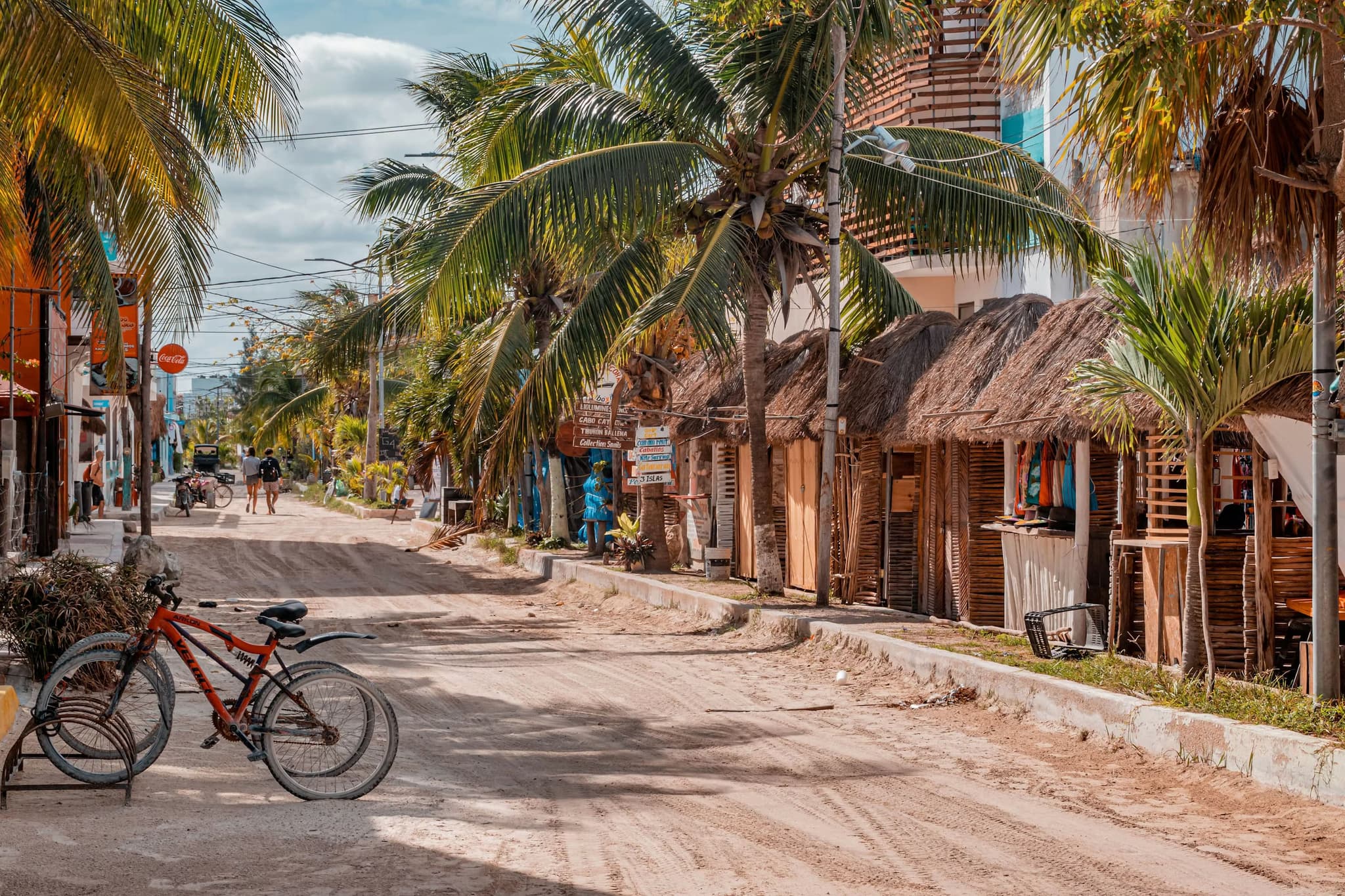
Explore Copper Canyon for a different side of Mexico
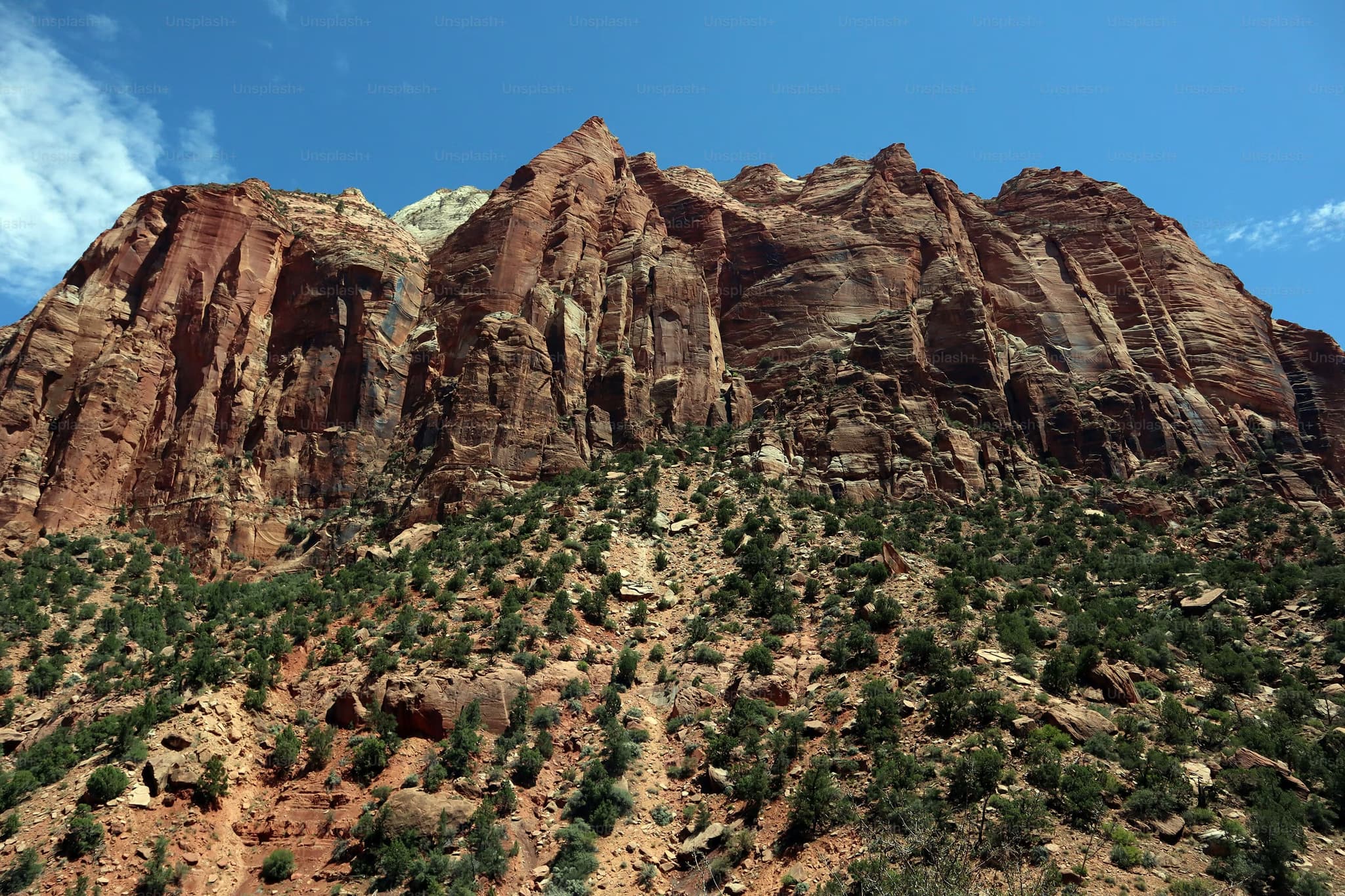
Further inland, you’ll experience a completely different landscape. Inside copper canyon, deep valleys and mountain views stretch out in a way that feels endless. Through train journeys, you pass small villages and remote areas that most people never reach. Along hiking trails, wildlife and open space make it a great place to spend time outdoors. This is a strong choice if you want to add something unique to your trip.
Ideas for your ideal Mexico itinerary
You’ve got quite a few options when it comes to planning your route through Mexico. Some places are easy to combine, others are better left for a separate trip, so it helps to think about what kind of experience you want first.
We’ve put together a few Mexico itineraries that connect the best places in a logical way, so you’re not spending your days moving between stops. Let’s take a look at what fits your time and how you can combine these places into one smooth trip.
10 day Mexico itinerary: culture and highlights
Day 1–3: Mexico City, explore the historic centre, visit museums and take a walking tour
Day 4–5: Puebla, visit colourful streets, local markets and nearby Cholula pyramids
Day 6–7: Oaxaca City, try local food and explore markets and squares
Day 8–10: Puerto Escondido, relax at the beach and try surfing or a boat tour
2 week Mexico itinerary: classic route
Day 1–3: Mexico City, explore neighbourhoods like Roma Norte and visit main highlights
Day 4–5: Valladolid, smaller town near Chichen Itza with cenotes nearby
Day 6: Chichen Itza, visit early in the morning as a day trip
Day 7–9: Tulum, combine ruins, cenotes and beach time
Day 10–11: Bacalar, swim in the lagoon and explore quieter surroundings
Day 12–14: Isla Holbox, relax, bike around the island and watch sunsets
3 week Mexico itinerary: full experience
Day 1–2: Mexico City, explore the historic centre, visit museums and walk through neighbourhoods like Roma Norte
Day 3–5: Oaxaca City, markets, local food and cultural highlights
Day 6–8: Puerto Escondido, beach days, surfing and boat trips
Day 9–11: Mérida, base yourself for cenotes and explore the city
Day 12: Chichen Itza, early morning day trip from Mérida
Day 13–15: Tulum, mix of beach time, ruins and nearby cenotes
Day 16–18: Bacalar, relax by the lagoon and enjoy quieter surroundings
Day 19–21: Isla Holbox, bike around the island, enjoy the beach and spot wildlife
Want more inspiration? Check out the following trips:


Fun things to do in Mexico
Your trip to Mexico really starts to come alive somewhere between your first taco from a random street stand and that moment you realise you’ve completely lost track of time walking around a new place. There are so many different experiences waiting around every corner. So let’s take a look at some fun things to do and sites to see in Mexico.
Visit ancient Mayan ruins like Chichen Itza
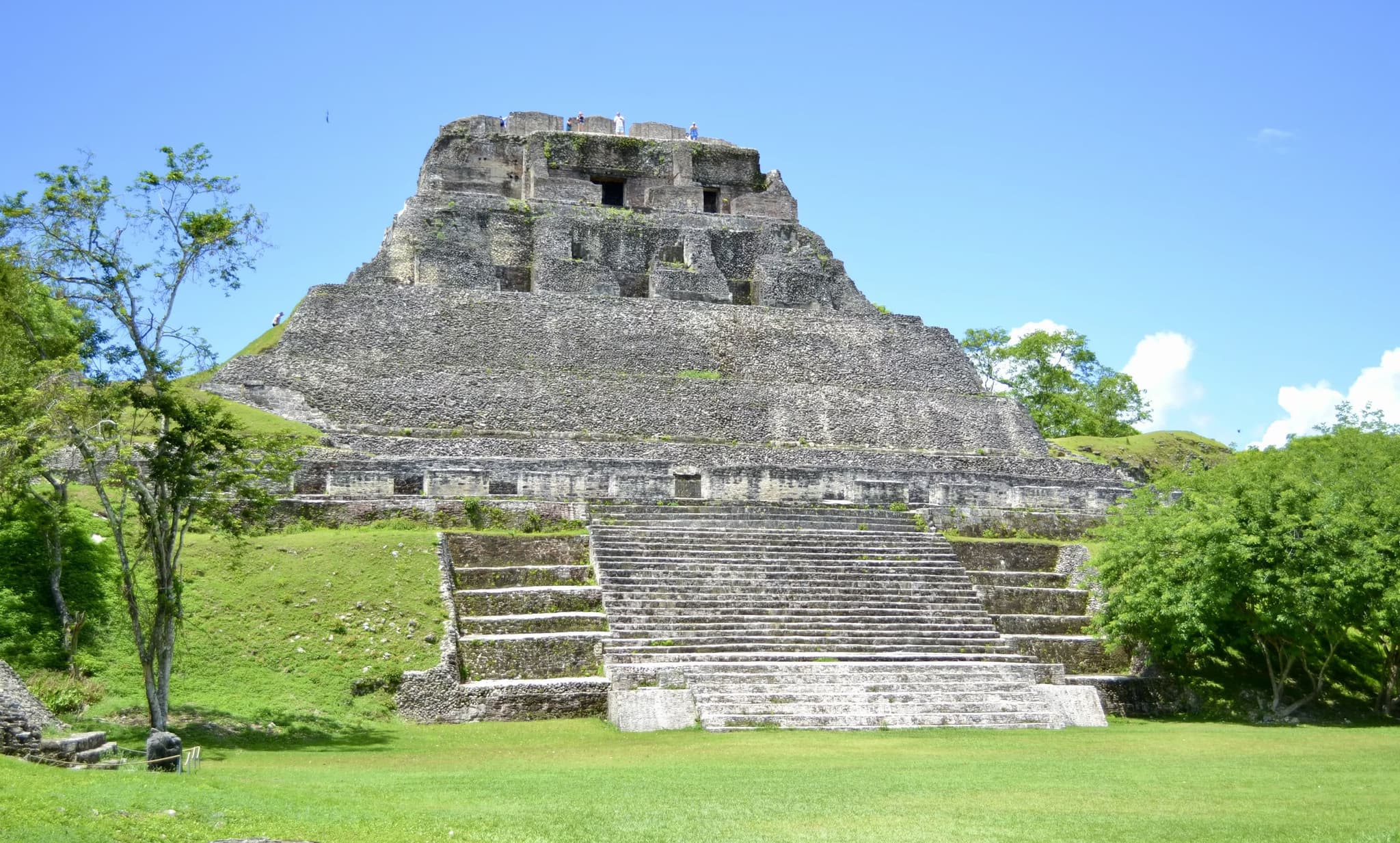
Nothing really prepares you for seeing Chichen Itza in real life. Towering stone structures rise straight out of the jungle, and knowing they’ve been there for centuries gives the whole place a completely different energy. From towns like Valladolid or Tulum, getting there is pretty easy with organised day trip options or by car.
Swim in cenotes across the Yucatán Peninsula
Spread across the Yucatán Peninsula, cenotes are natural sinkholes filled with clear blue water, and no two look the same. Some sit out in the open surrounded by greenery, others are hidden inside caves with light shining through from above.
Having a car makes it easier to visit a few in one day, especially around Valladolid. Between exploring towns or ruins, stopping at a cenote is one of those moments that resets your whole day.
Take a walking tour through Mexico City
When arriving in Mexico City, things can feel a bit overwhelming at first. Streets, neighbourhoods and landmarks don’t immediately connect until you start to see how everything fits together.
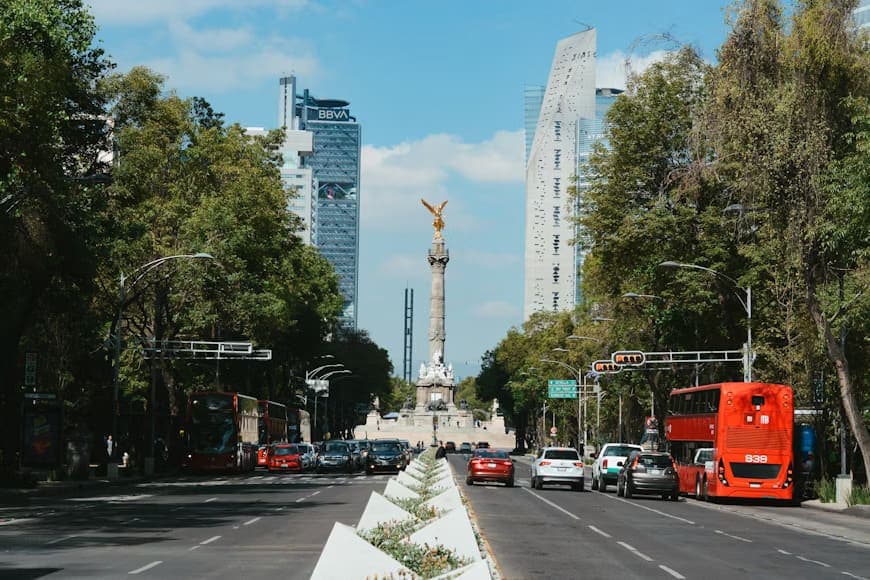
Joining a walking tour early on helps you understand the layout and history, especially around places like the Palacio de Bellas Artes and the Museo Nacional de Antropología area. After that, exploring on your own becomes much easier.
Explore colonial towns and local markets
Away from the bigger cities, towns with cobblestone streets give you a more everyday look at Mexico. Small squares, local shops and markets create a completely different atmosphere compared to the main tourist places in Mexico.
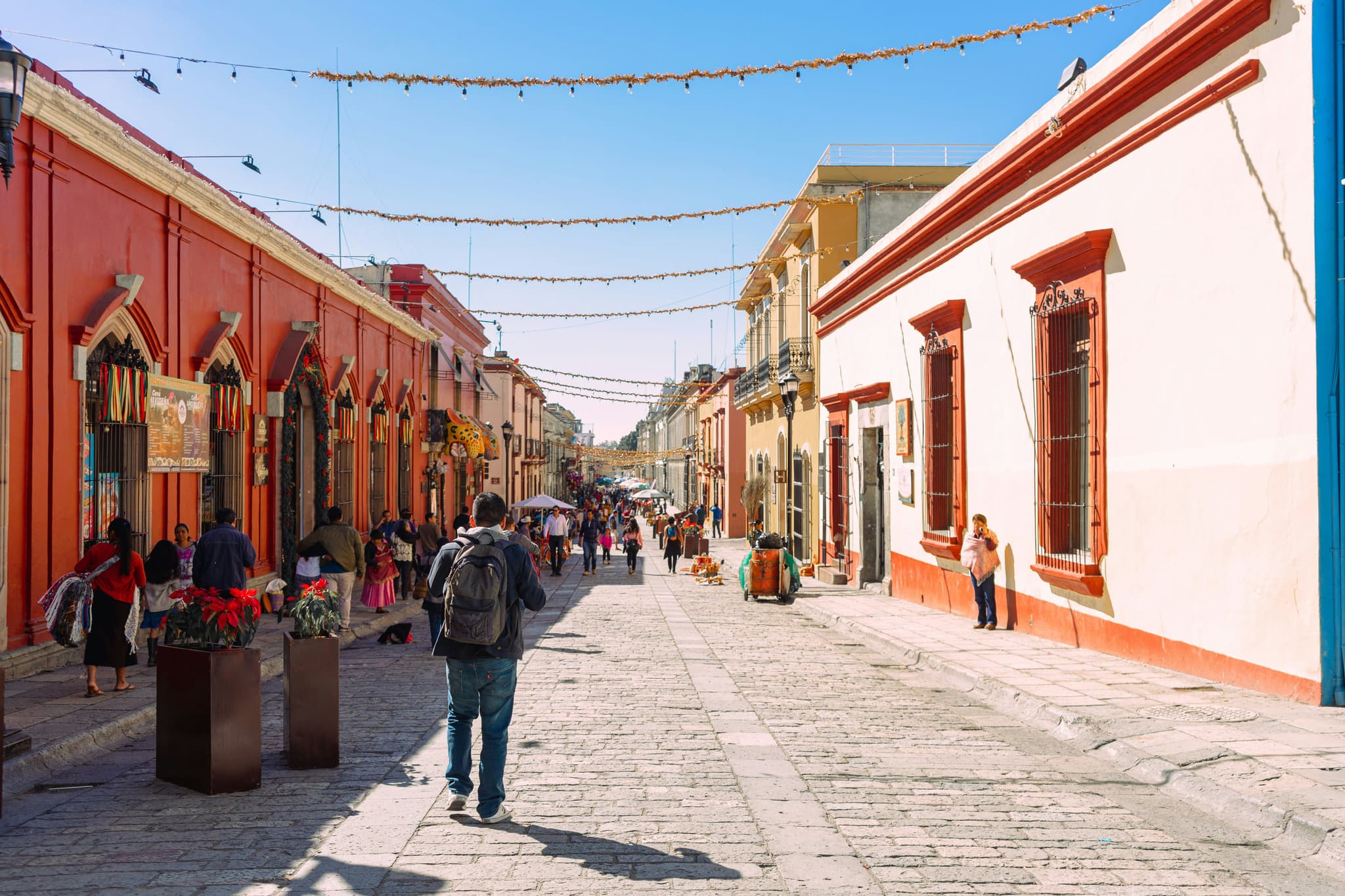
Spending some time in a market lets you see daily life up close, where you can try local snacks, chat with vendors and pick up handmade goods, which is a really nice way to connect with the culture.
Explore Copper Canyon and spot wildlife in remote landscapes
Further north, Copper Canyon shows a completely different side of the country. Deep canyon systems stretch out for miles, and the area is known for long train journeys through remote terrain, where you’ll see vast views, small villages along the tracks and stretches of nature that feel far removed from the more visited parts of Mexico.
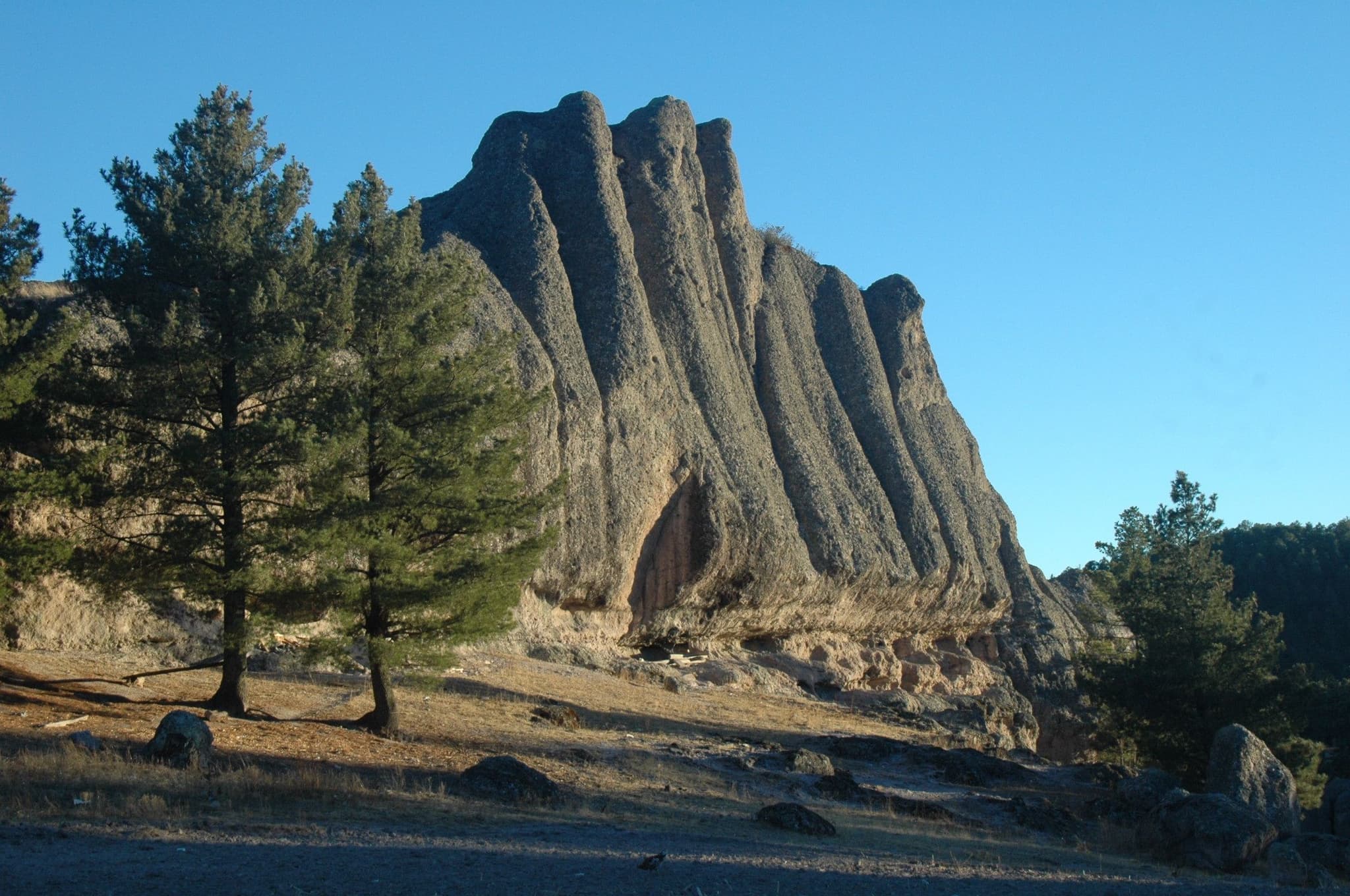
To get there, you can take the El Chepe train, which connects Los Mochis with Chihuahua. Along the way, you pass through remote canyon areas, with stops for hikes, viewpoints and wildlife spotting. This is one of the more adventurous things to do in Mexico.
When to visit Mexico
From our experience, the best time to visit Mexico depends less on one “perfect” month and more on which part of the country you’re heading to and what you want your days to look like. For example, beach days along the Caribbean coast come with different weather patterns than time spent exploring higher areas like Mexico City or Oaxaca, where temperatures stay much milder throughout the year.
November to April: Dry season with warm temperatures and easy travel conditions
May to October: Greener surroundings and lower prices, with short rain showers mainly later in the day
June to November: Hurricane season along the Caribbean coast
Higher vs coastal areas: Mexico City stays cooler, coastal regions are warmer and more humid
Not sure what month fits your trip best? Read our full guide on the best time to visit Mexico, with a full breakdown per region and what to expect each month.

Did you know you can create your own itinerary?
Now that you have a better idea of the places to see in Mexico and things to do there, you can start creating your own trip. Do you want to travel from north to south, or would you rather spend more time in one area and really get to know it? It’s all up to you. You can easily create your own trip in the Guided app for free, or use trips shared by others.
Where to stay in Mexico
Each region in Mexico offers something different, so picking the right base depends on what kind of trip you want to have. Let’s take a closer look at which areas fit you.
Base yourself in Mexico City if you want variety
For a mix of culture, food and day trips, staying in Mexico City works really well. Everything sits relatively close together, which makes it very easy to explore. Neighbourhoods like Roma Norte are great if you want to be near restaurants and local spots, while still having easy access to the main highlights, like the historic centre, Chapultepec Park and museums such as the Museo Nacional de Antropología.
Stay in the Yucatán Peninsula for beaches and ruins
Closer to the coast, the Yucatán Peninsula is a strong choice if you want beaches alongside mayan ruins and smaller towns. The distances between places are manageable, so it’s easy to get around. Valladolid works well if you prefer a central base, while Tulum puts you closer to the sea.
Stay along the Pacific Coast for relaxation
Heading west towards the Pacific Coast makes sense if you want to spend much time at the beach. You can stay in places like Puerto Vallarta and Cabo San Lucas, where you can enjoy slower days by the water. Staying a few nights in one place here gives you the chance to settle in and enjoy the view.
Choose Oaxaca City for culture and food
If a more local experience is what you’re after, Oaxaca City gives you that almost immediately. Think busy markets, traditional food and smaller streets that feel completely different from the bigger cities.
From here, you can easily head out to nearby villages and cultural spots, which makes it a great base if you want to explore a bit deeper beyond the main highlights.
Guided tip: Sticking to two or three bases keeps your trip smoother and gives you more time in each place.
Food and drinks to try when travelling to Mexico
Food is a big part of your time in Mexico. Mexico is known for tacos and street food and well… that’s what most people expect before they go. A little deeper into the country, and you start noticing that every region has its own dishes, ingredients and ways of cooking. While trying tacos is a must when travelling to Mexico, there’s a lot more to discover!
Taste mole negro in Oaxaca
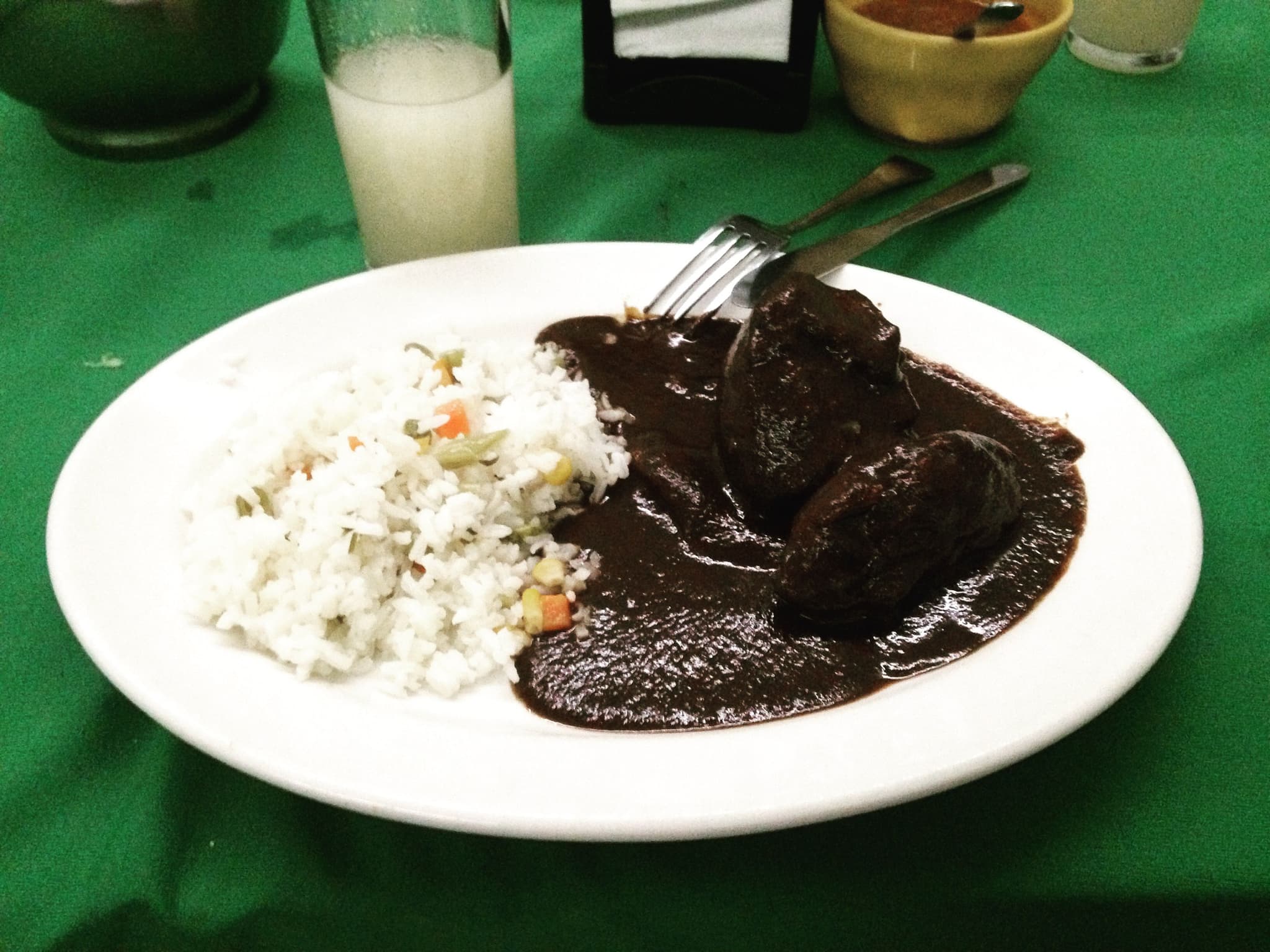
In this part of Mexico, dishes come with sauces that take hours to prepare. Mole negro is one of the most well-known, made with spices, chocolate and chillies that give it a deep flavour. Around Oaxaca City, you’ll find it served with chicken or rice in both small restaurants and local homes.
Eat tlayudas at local markets
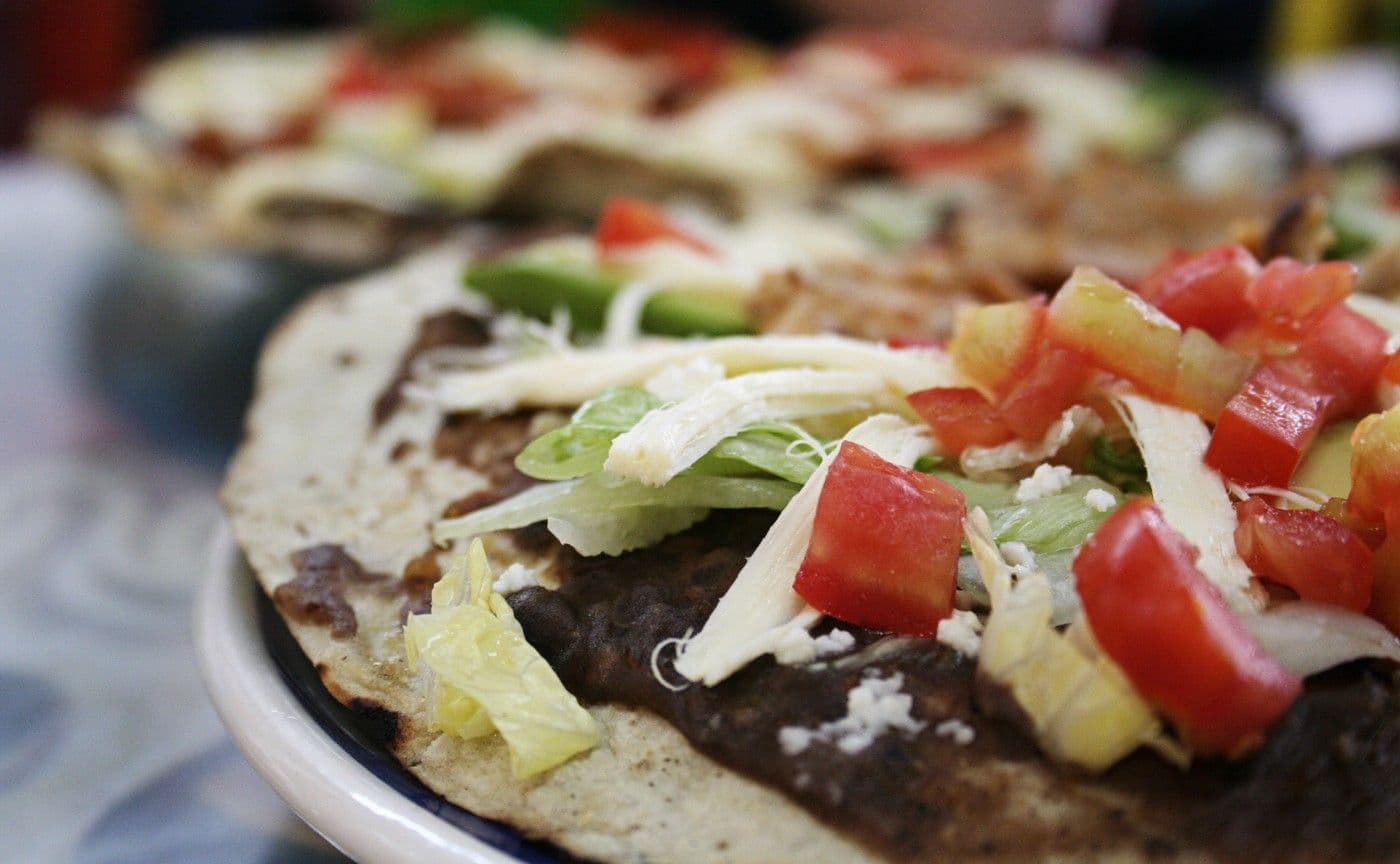
In the south, you’ll come across large tortillas topped with beans, cheese, meat and fresh ingredients. These are called tlayudas, and they’re usually made fresh at market stalls while you wait. Late in the day is a good time to try them, when markets start to fill up with people grabbing dinner. One is usually enough, since they’re quite filling.
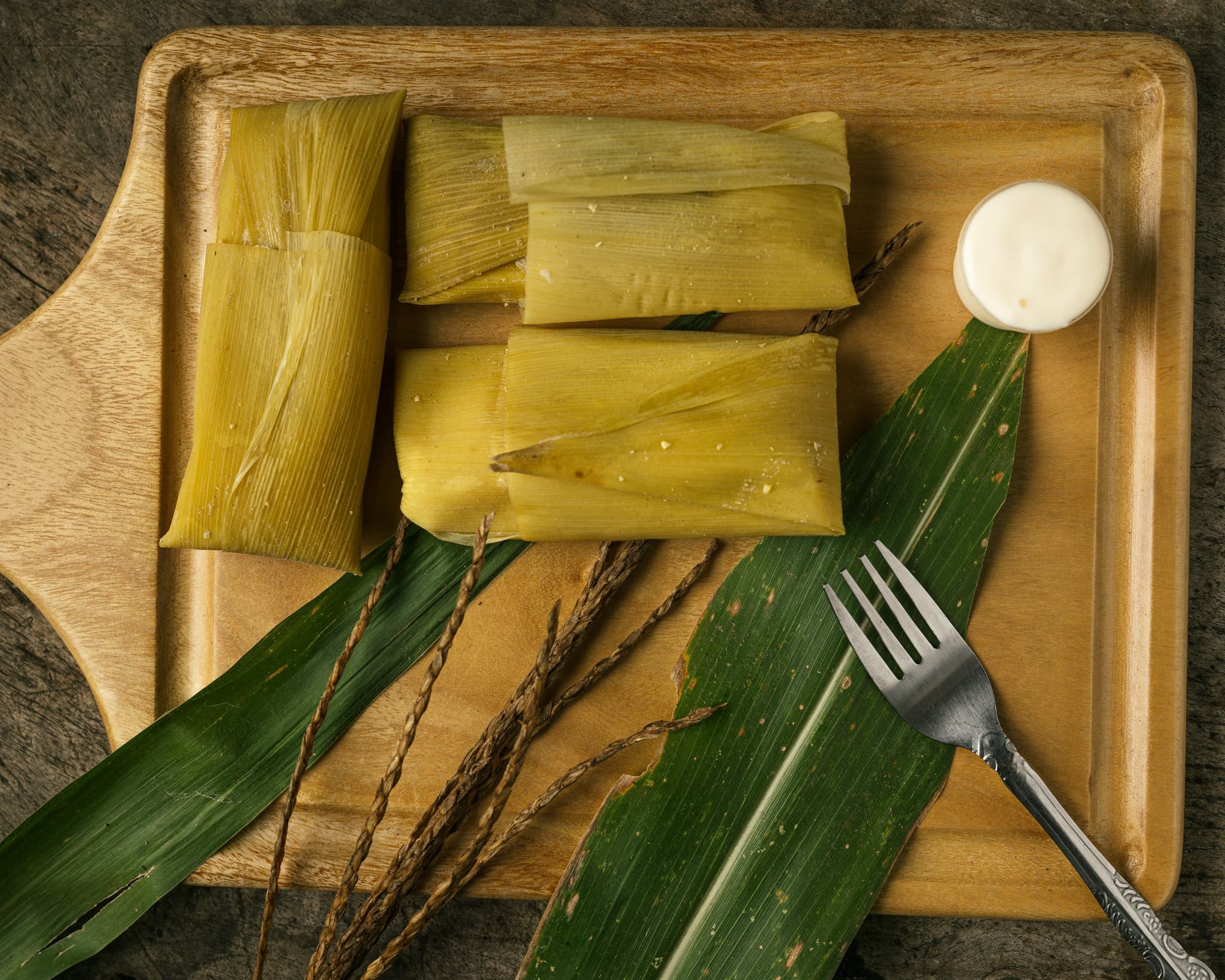
Try tamales wrapped in banana leaves or corn husks
Across the country, tamales show up in different versions depending on the region. Some are wrapped in corn husks, others in banana leaves, filled with meat, cheese or sweet ingredients. Early in the day, you’ll often see them sold from small carts or street corners.
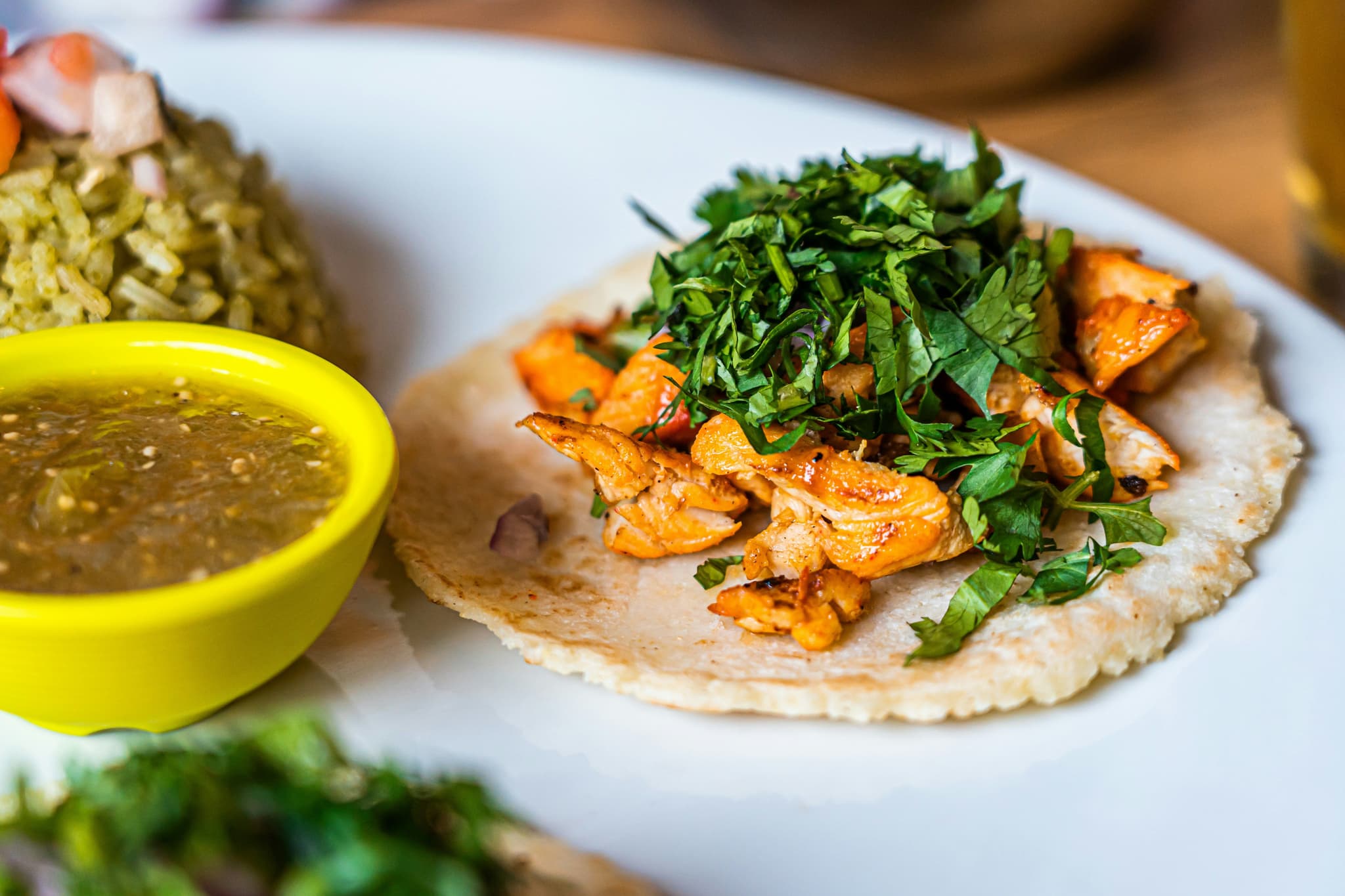
Try tacos al pastor from a local stand
You might come across spits of marinated pork turning slowly, sliced straight into fresh tortillas with pineapple on top. Around busy streets in the evening, these stands are where people grab something quick, and that’s usually a good sign it’s worth trying. You can add a few different toppings like onion, coriander and salsa.
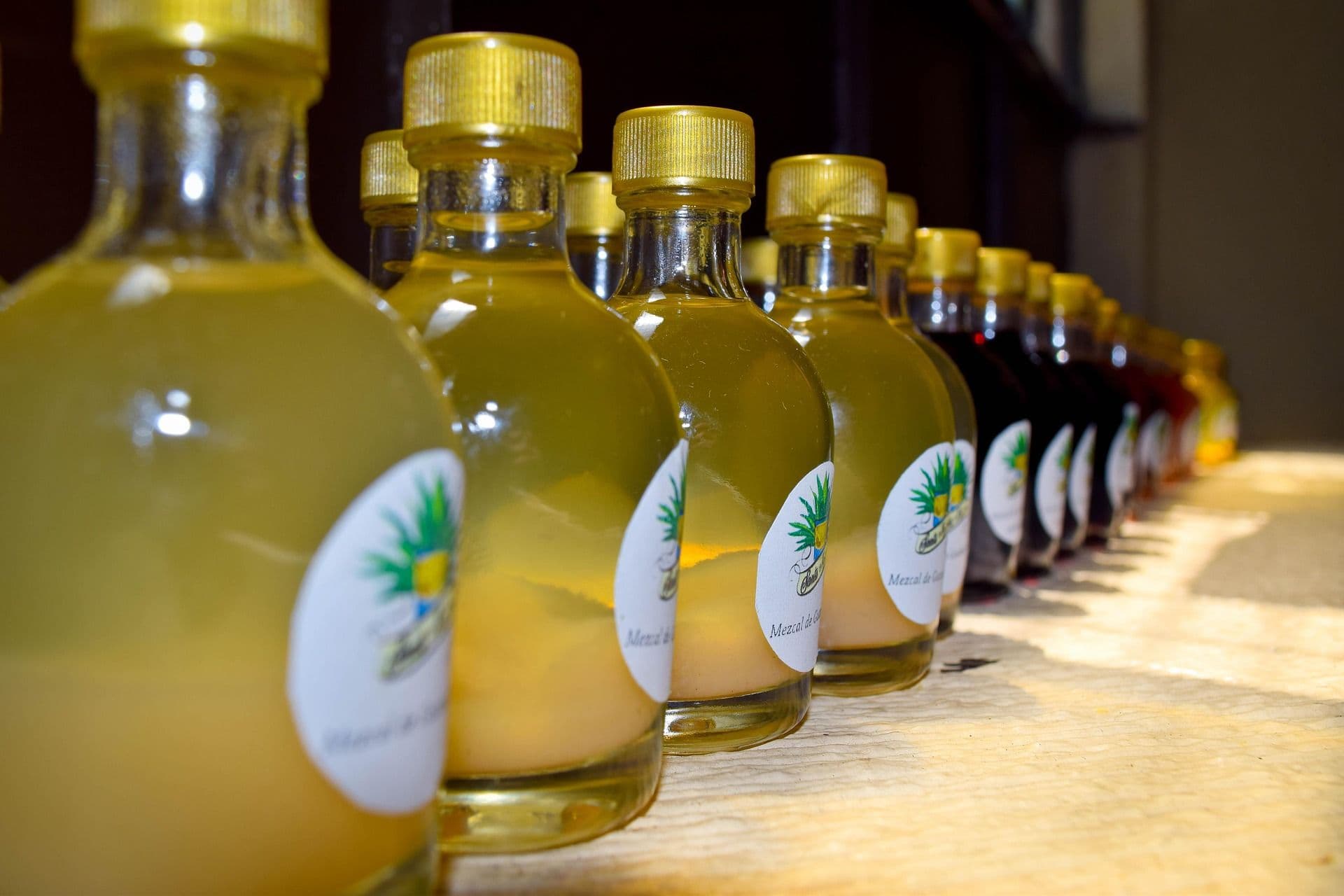
Drink mezcal and fresh juices
Mezcal is a traditional spirit made from agave, usually served in small glasses with orange slices and a bit of salt on the side. It’s stronger than tequila and has a smoky taste, since the agave is roasted before it’s distilled, so it might take a moment to get used to. If you’re not into strong drinks, going for a fruit smoothie or fresh juice is an easy and refreshing option instead. Around markets and street stalls, you’ll also find plenty of fresh juices made from fruits like mango, pineapple or watermelon, often blended right in front of you.
Culture in Mexico: from ancient civilisations to today
Somewhere around 2000 BCE, the first civilisations started to grow in what is now Mexico. Across regions like central Mexico and the Yucatán, groups like the Olmec, Maya and later the Aztec built cities, temples and strong belief systems. By around 100 to 600 CE, places like Teotihuacán had grown into one of the largest cities in the world. Life was closely connected to nature and the stars, with calendars and rituals guiding daily decisions. Even now, that connection is still visible through local ceremonies, farming traditions and the use of indigenous languages. After 1521, when the Spanish arrived and took over Tenochtitlán, churches and plazas were built, yet many older traditions stayed part of everyday life.
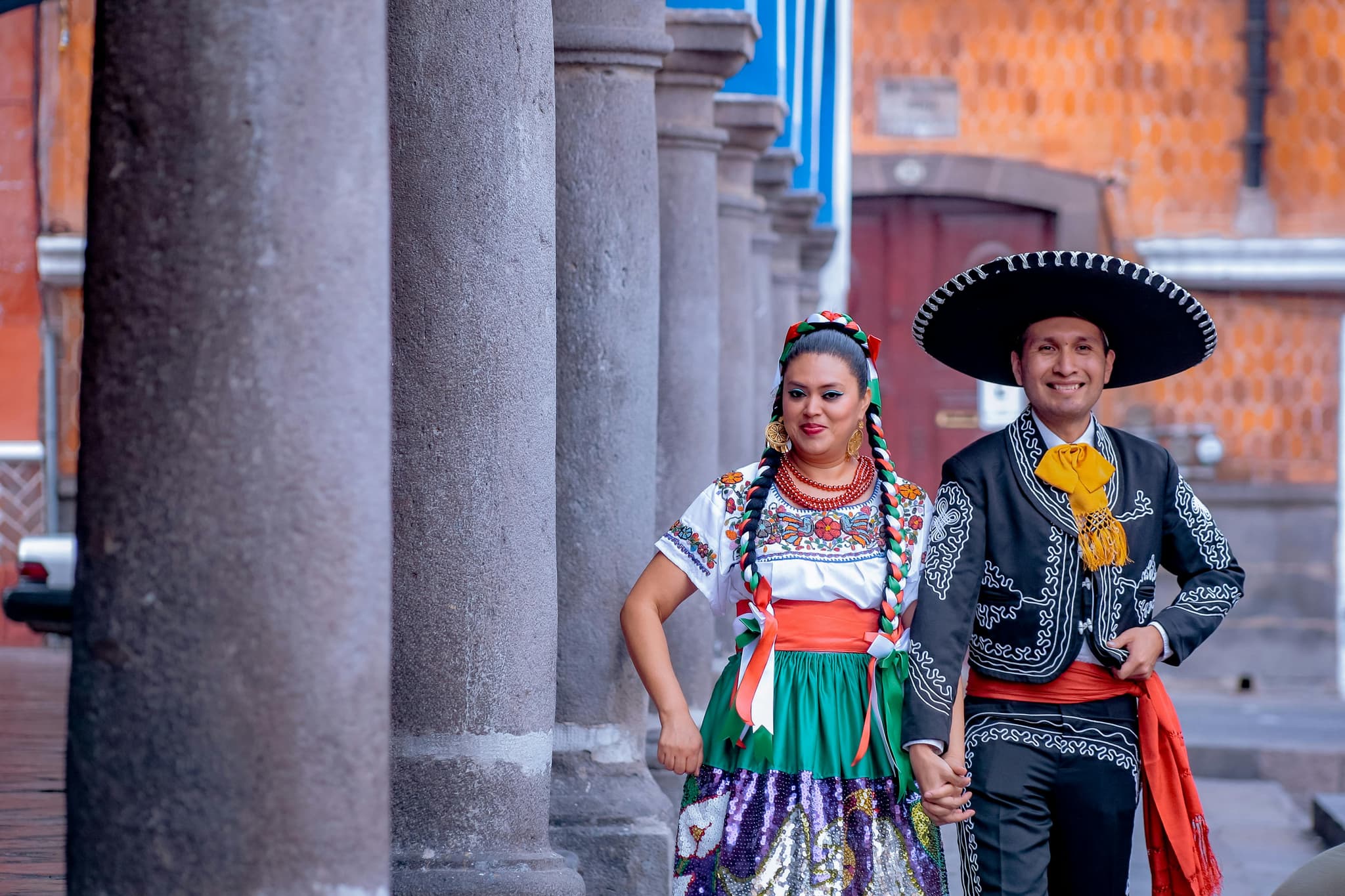
Over the centuries, those influences came together in a way you still notice when you travel through the country. During Día de los Muertos on November 1 and 2, families create altars with flowers, candles and food to remember loved ones. Dishes like pan de muerto, a soft sweet bread made for this moment, and tamales, made from corn dough and wrapped in leaves, are still prepared in the same way as generations ago. In markets and homes, meals like mole, a rich sauce with many ingredients, and pozole, a soup made with corn, are shared during special occasions. Across cities and smaller towns, these traditions are still part of daily life, which helps you understand how the past continues into the present.
Getting around during your trip to Mexico
You’ll notice pretty quickly that Mexico is a big country, stretching over more than 1,900,000 km². Once you start looking at the map, distances between the best places to visit in Mexico can easily be hundreds or even thousands of kilometres apart, so it really helps to know how you’re getting from one place to another.
Travel by bus across the country
You’ll probably end up using buses at least once, since they connect almost every major destination. Companies like ADO, ETN and Primera Plus run modern buses with air conditioning, reclining seats and onboard toilets, which makes longer journeys a bit more comfortable.
Taking trains in Mexico
You might expect trains to be a major option, but that’s not really the case here. Outside of a few routes, trains aren’t used for everyday travel between cities. One exception is the Copper Canyon train, also known as El Chepe, which runs through the canyon region. That journey is more about the experience itself rather than getting from A to B.
Using the metro and local transport
Getting around cities is much easier than you might think. In Mexico City, the metro system covers a huge part of the city and costs very little per ride.
You can also use Uber in most large cities, which makes getting around simple without having to negotiate prices.
Renting a car for flexibility
Having your own car gives you a lot more control over your trip. Regions like the Yucatán Peninsula are perfect for driving, with short distances between stops. You can rent a car through companies like Hertz or Europcar at airports or in major cities.
Domestic flights for long distances
You’ll usually fly in and out of airports like Mexico City, Cancún or Guadalajara, since those are the main hubs with the most connections. For longer routes across the country, that option saves you a lot of time compared to buses. Routes like Mexico City to Cancún, or Guadalajara to Cabo San Lucas are the ones where flying makes sense.
Looking for more unique places, trips and activities?
Subscribe to our Guided Newsletter for more travel inspiration.
Costs of a trip to Mexico
Curious what you’ll spend during your trip? Let’s take a look at the average prices for a trip to Mexico.
Food & Drink

Coffee
30 – 60 MXN
Lunch
80 – 180 MXN
Beer
40 – 80 MXN
Accommodation

Hotels
800 – 2,000 MXN
Airbnb
700 – 1,800 MXN
Hostel dorm
150 – 350 MXN
Transport

Trains
Not common
Public Transport
10 – 30 MXN
Car Rental
500 – 1,200 MXN
Attractions

Museums
50 – 150 MXN
Big Attractions
100 – 500 MXN
Theatre
200 – 800 MXN
Practical tips for travelling to Mexico
First time travelling to Mexico, and wondering what to sort out before you go? We’ve put together a few simple tips that help your trip to Mexico run smoother from the moment you arrive.
✔ Don’t drink tap water in Mexico
Across most of the country, tap water isn’t suitable for drinking. Bottled or filtered water is the better option during your stay.
✔ Learn basic Spanish phrases
Outside major cities, English isn’t always widely spoken. A few simple phrases already help with ordering food, asking directions and connecting with locals.
✔ Use cash in smaller towns
In many places, especially outside bigger cities, cash is still the standard. Payments are made in Mexican Peso, so having some local currency with you avoids hassle in markets, taxis and smaller shops.
✔ Plan distances carefully
Across the country, distances can be larger than expected. In regions like the Yucatán Peninsula, travel days can take up more time than you planned if you don’t check routes in advance.
✔ Book transport in advance
For longer journeys, booking ahead makes a big difference. Companies like ADO Bus Company run comfortable and reliable routes between major cities, and seats can sell out on popular connections.
Want to know if Mexico is safe enough before travelling? Check our full blog about travelling safely in Mexico.
Fun facts about Mexico
Mexico has a lot of small details you don’t always expect before arriving. Some of them you’ll notice straight away, others only once you’ve spent a bit more time there.
Mexico has over 30 UNESCO World Heritage Sites, one of the highest numbers in the world
Mexico City was built on top of an ancient lake and still slowly sinks each year
Chocolate was first developed by ancient civilisations in this region
There are more than 60 indigenous languages still spoken across the country
The Day of the Dead is celebrated with colourful altars, food and family gatherings
Mexico is one of the most biodiverse countries, with deserts, jungles and mountains
The copper canyon is actually larger than the Grand Canyon
Some of these things will probably become part of your own trip along the way. Mexico stands out in its own way, with days that can take you from ancient ruins like Chichen Itza to beaches or nature places like Copper Canyon. Each stop brings something different, from history to nature to local life. So Mexico suits you well if you like variety, ancient history, and beautiful nature.
Ready to map out your trip to Mexico?
We hope this Mexico vacation guide has given you a clear starting point for your trip. Stay tuned for more inspiration, itineraries and practical tips to help you shape your perfect trip to Mexico. And don’t forget to check out our Guided app, where you can create your own trip or use trips shared by other travellers for free.
FAQS about travelling to Mexico
- How do you plan a trip to Mexico?
You start by choosing one or two regions that fit well together, instead of trying to see everything at once. From there, you can build your route around a few key stops and add extra days where it makes sense. You can also read our example itineraries or build your own route in our app.
- How many days do you need in Mexico?
- Do you need a visa for Mexico?
- Is Mexico expensive to travel?
- What should you not miss in Mexico?