
Dominican Republic

Dominican Republic travel guide: Everything you need to know before visiting the Dominican Republic
The Cathedral of Santa María la Menor, in Santo Domingo, was consecrated in 1541, and it's the oldest surviving cathedral in the Americas. Most visitors to the Dominican Republic never see it, because they land in Punta Cana and stay there. The country covers the eastern five-eighths of Hispaniola, though, and holds far more than a resort strip. It has beaches on both the Caribbean and the Atlantic, the Caribbean's highest peak in Pico Duarte, and its lowest point at Lago Enriquillo, about 46 m below sea level.
Puerto Rico is a US territory and much smaller, and Jamaica is English-speaking. Mexico's Caribbean coast has Maya ruins but no high mountains. The Dominican Republic's edge is variety on one island, with Spanish colonial history and cool pine highlands a few hours from the beach. It also costs less day to day than most of its neighbours. Families and couples come for the all-inclusives, while divers head to Bayahibe, kitesurfers to Cabarete, hikers to Jarabacoa and history fans to Santo Domingo. This guide covers where to go, two itineraries, costs and the practical side of a trip.
5 reasons to visit the Dominican Republic
Five things that justify the flight.
- Walk Calle Las Damas in Santo Domingo, laid out in 1502 and the oldest paved street in the Americas.
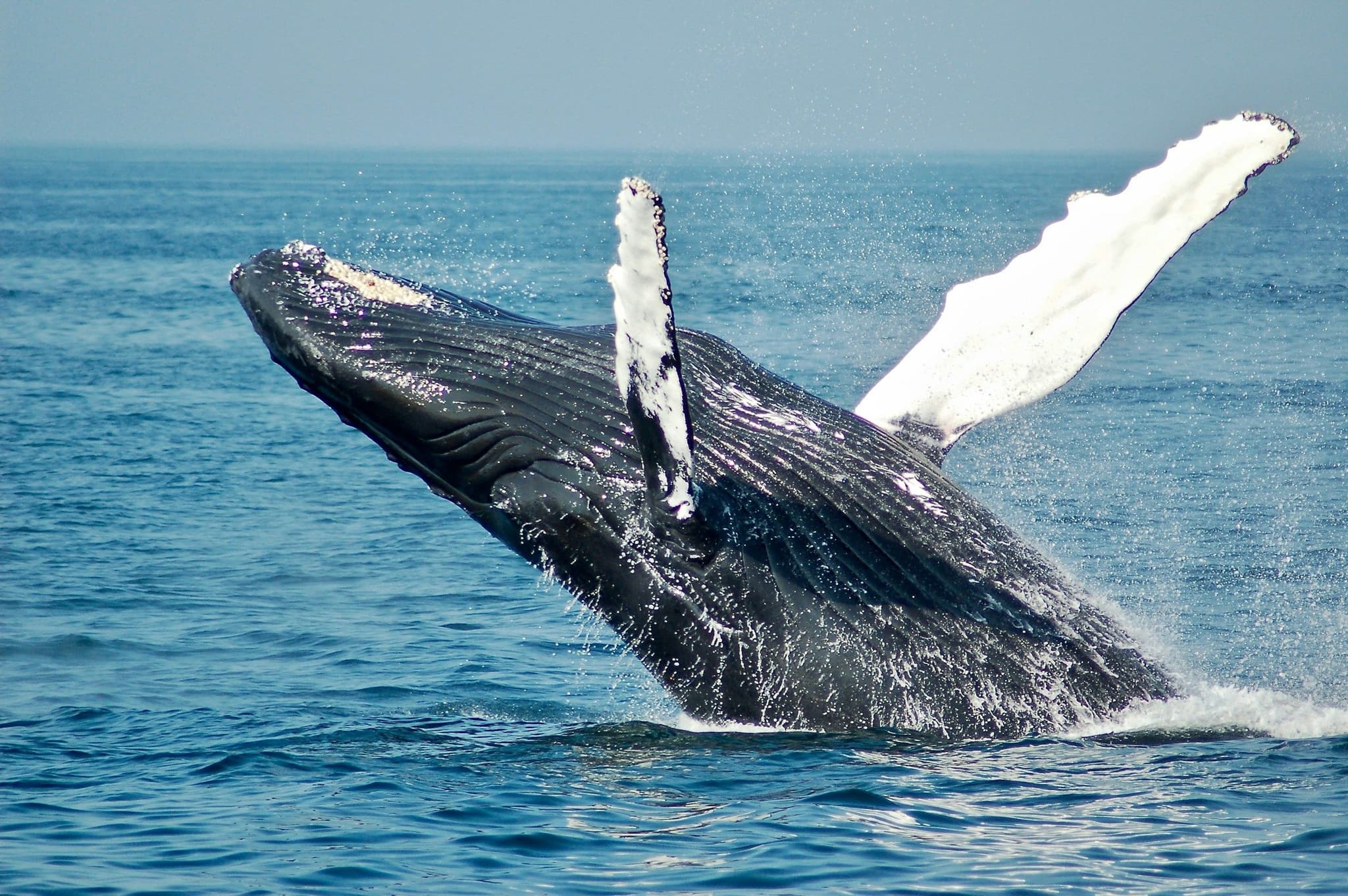
- Watch humpback whales breed and calve in Samaná Bay between mid-January and the end of March.
- Take a boat through the mangroves and limestone haystack hills of Los Haitises National Park.
- Climb Pico Duarte, at 3,087 m the highest mountain in the Caribbean.
- Catch a winter-league baseball game, where Licey and Escogido fans pack the stands from October.
Where to visit in the Dominican Republic?
How far should you stray from the beach? Further than most people do. If you only add one region to a resort stay, we'd make it Samaná.
Santo Domingo's Ciudad Colonial
Give the Ciudad Colonial two nights, and walk it early in the morning and again in the evening, when the heat drops. This walled core of about 106 hectares has been a UNESCO World Heritage Site since 1990. The Cathedral of Santa María la Menor, begun in 1512, is the oldest surviving cathedral in the Americas. Walk down Calle Las Damas to Fortaleza Ozama, often called the oldest fortress in the Americas, and on to the Alcázar de Colón, built in 1510 and recently reopened after restoration. The Faro a Colón, opened in 1992, claims to hold Columbus's remains. Seville disputes that, citing a 2006 DNA study. The airport is about 30 minutes away.
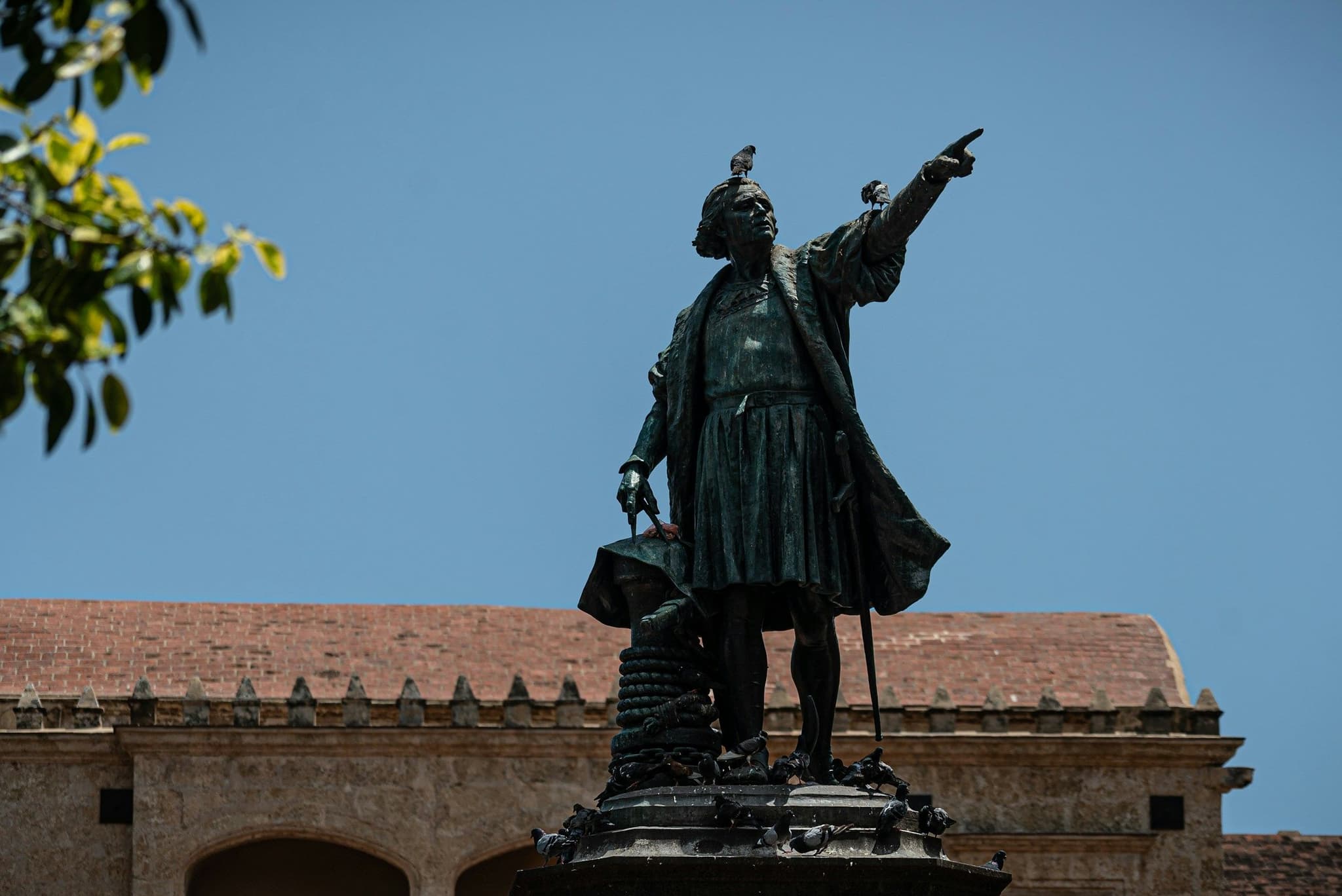
Punta Cana and Bávaro
Punta Cana is the easy way in. Its airport handles most of the country's international flights, and the coast north to Bávaro is lined with all-inclusive resorts. For a first trip, we'd pair a few resort days here with Santo Domingo or Samaná rather than spend the whole week inside one hotel. The capital is about 165 km away, two and a half to three hours by car. Uber works, though UberX can't drive into resort lobbies, so you walk to the gate. Seaweed (sargassum) can pile up on east and south-coast beaches, mostly between spring and autumn, so ask your hotel how it handles it before you book.
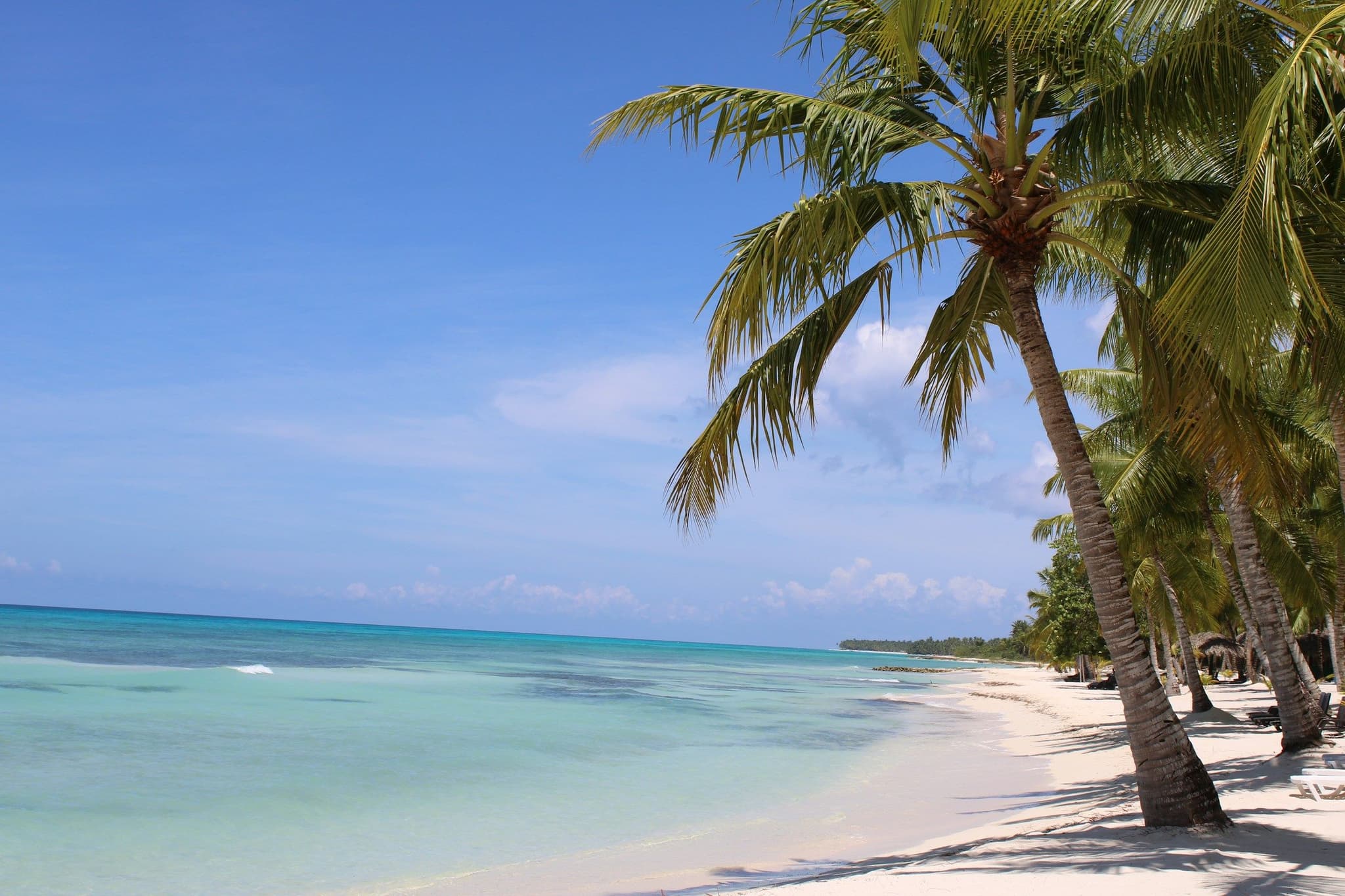
Bayahibe and Saona Island
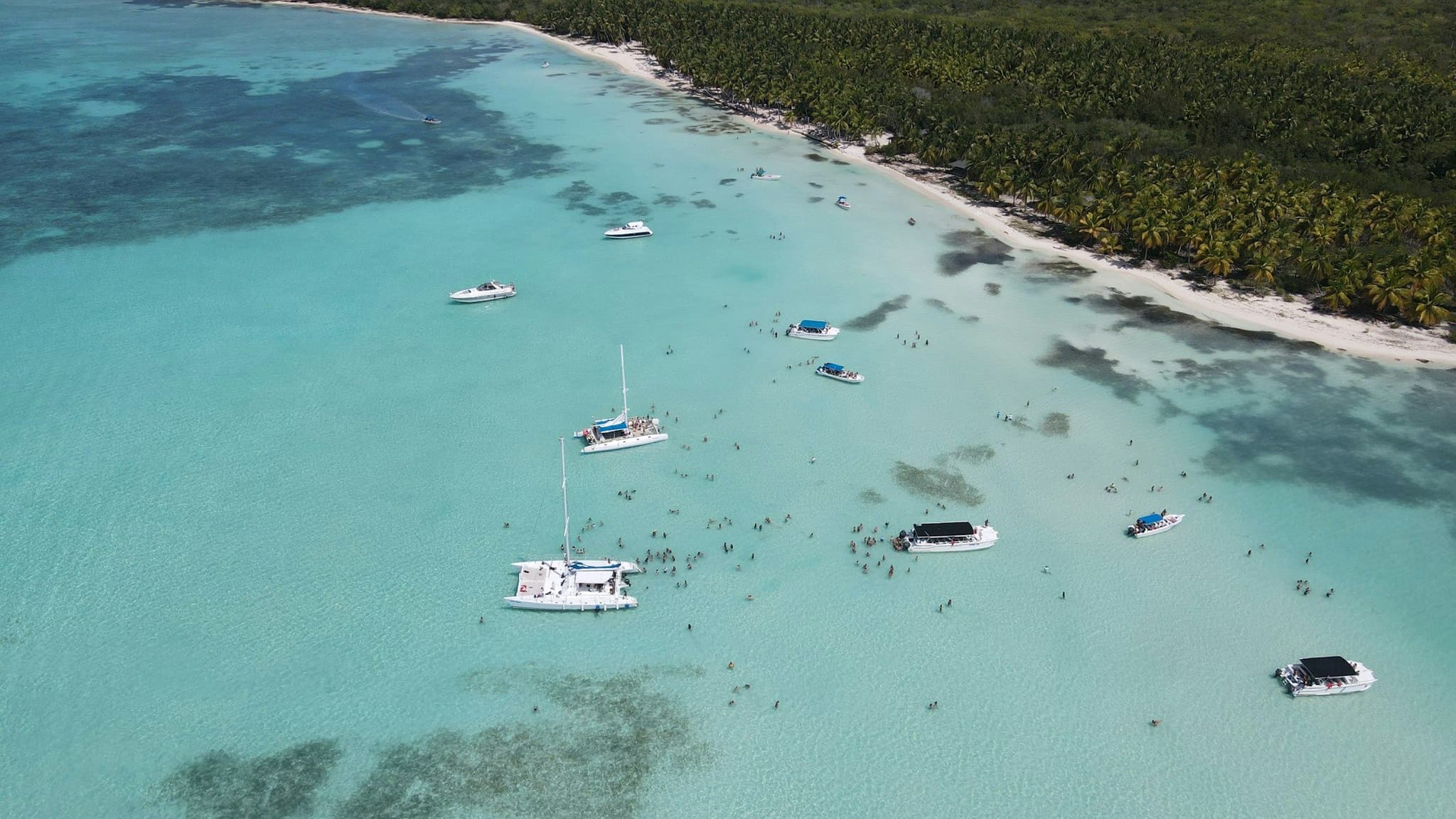
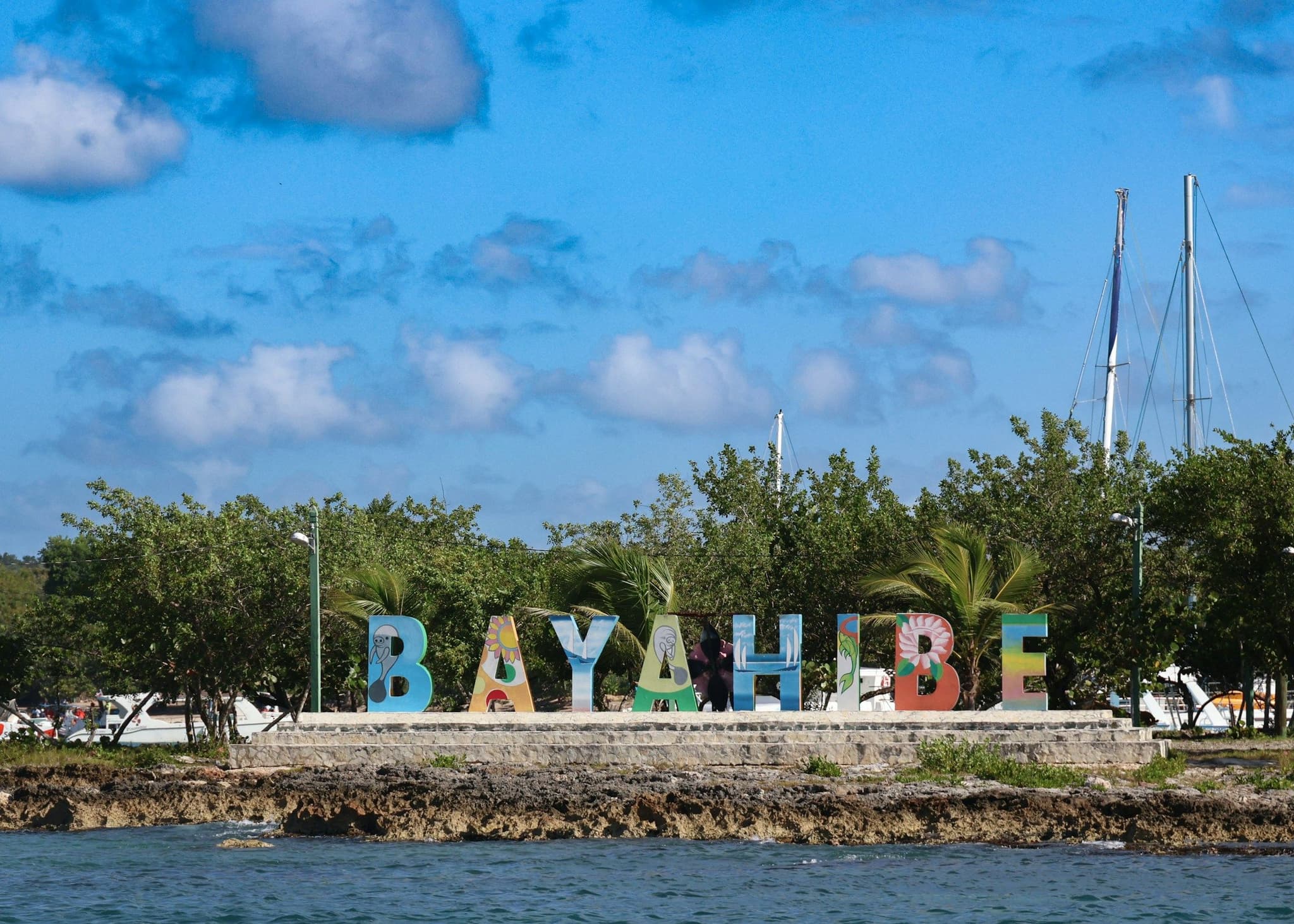
Sleep in Bayahibe and take an early boat to Saona. The big catamaran days from Punta Cana mean long transfers and crowded beaches by the time you arrive. Bayahibe is a small village about 16 km east of La Romana, and it's the main departure point for Saona, which sits about 2.4 km offshore inside Cotubanamá National Park (formerly Parque del Este). The island is the most important sea-turtle nesting site in the country. Day tours cost about US$60 to US$90. Altos de Chavón, a replica 16th-century Mediterranean village above the Chavón River, is close by. It's a film set rather than history, so give it an hour for the river view.
The Samaná Peninsula
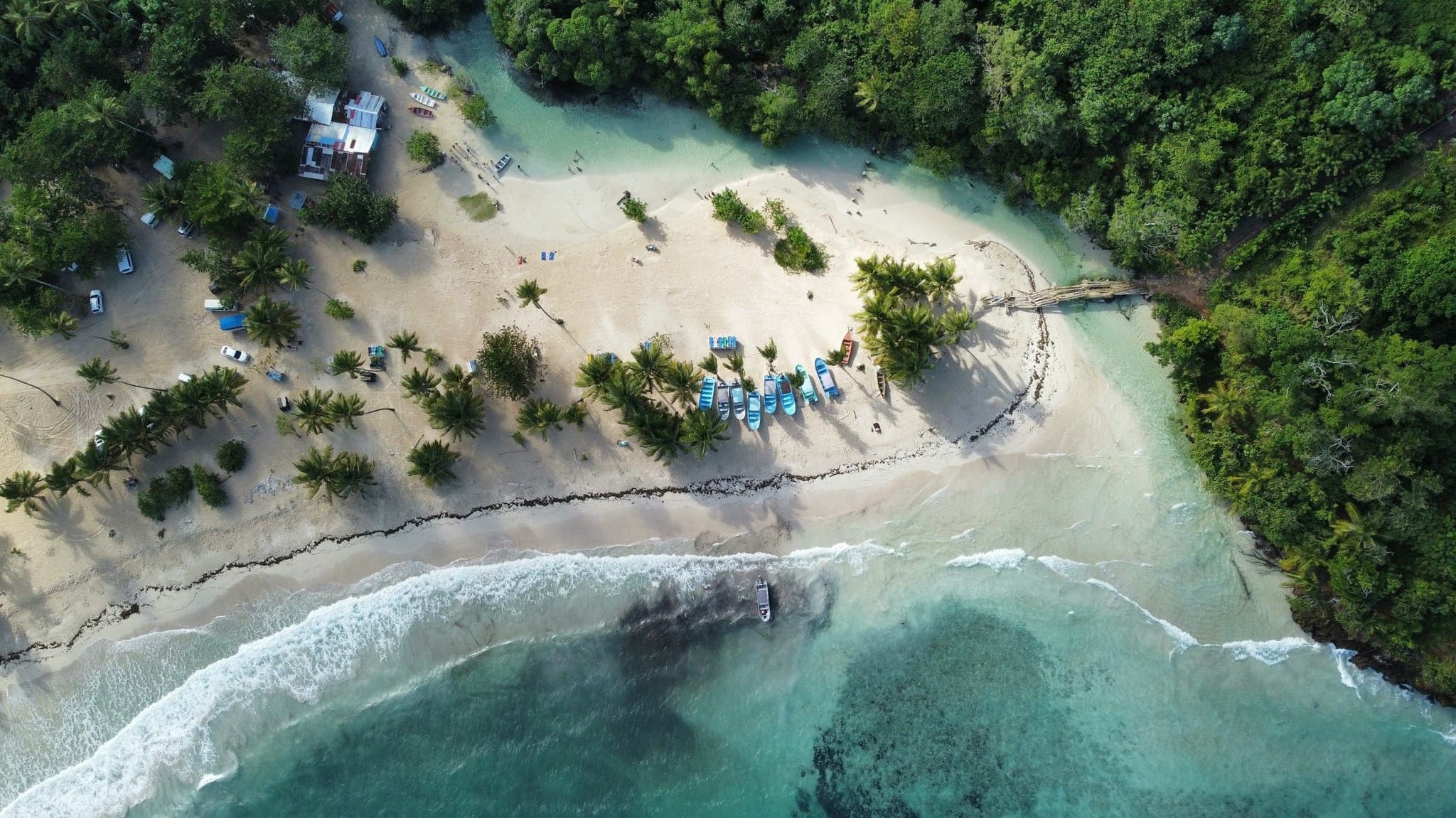
The DR-7 toll road cut the drive from Santo Domingo to Samaná to under two hours (about RD$500 each way), and it made this the best all-round region for independent travellers. Las Terrenas is the place for food and an evening out. Las Galeras, at the eastern tip, is small and quiet and suits doing nothing at all. From there, a rough road or a boat reaches Playa Rincón, about 4 km of white sand backed by coconut palms. From ranches near Las Terrenas, you can walk or ride to El Limón waterfall, about 52 m high, in about three hours there and back. Skip Cayo Levantado if you want a public beach. Two of its three beaches have been for resort guests only since 2023.
Los Haitises National Park
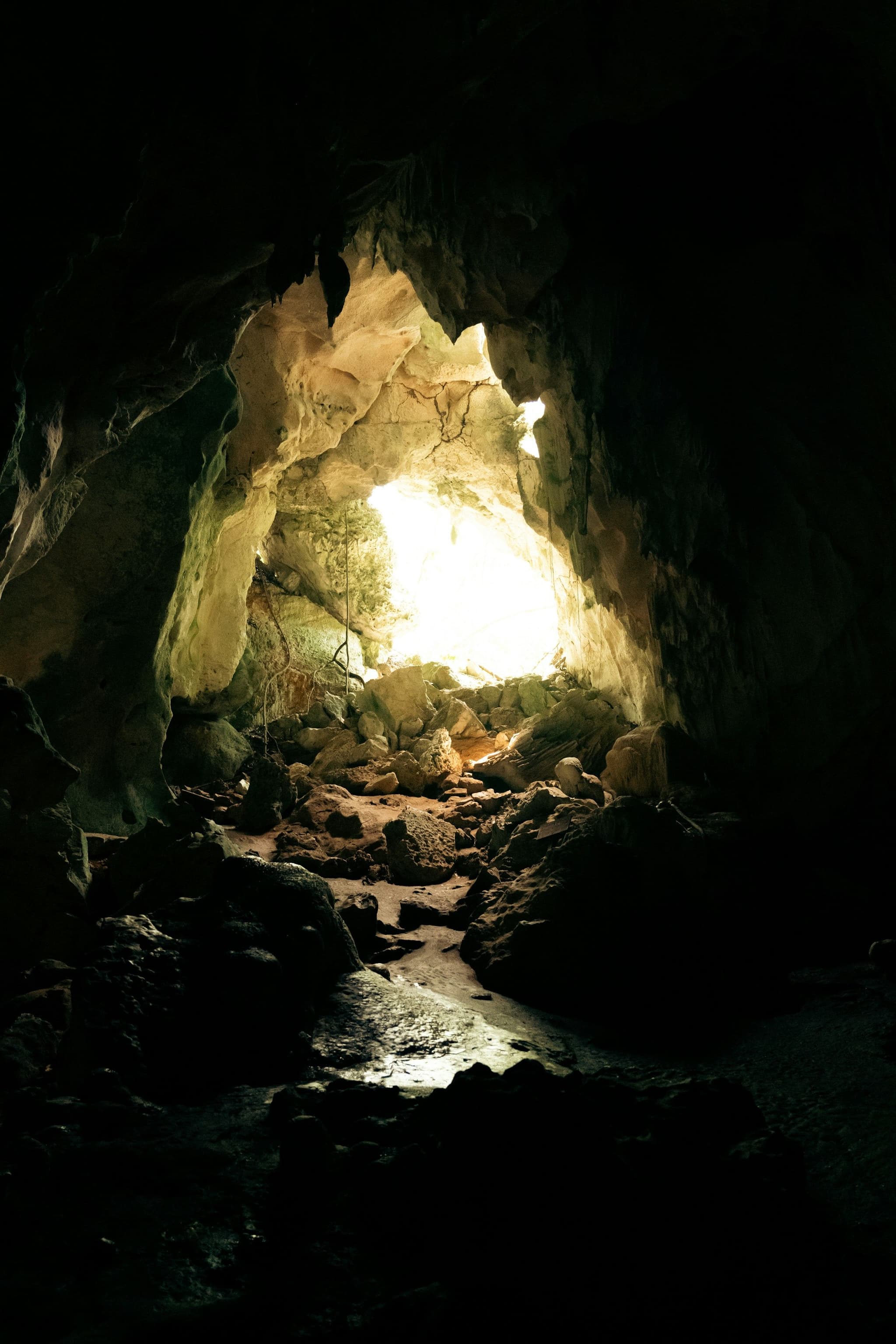
This is the best half-day boat trip in the country, and we'd do it from Samaná rather than as a long day from Punta Cana. The park was established in 1976 and covers about 826 km² of karst, with rounded limestone haystack hills above the mangroves. It holds the largest mangrove stands in the Caribbean, and caves along the shore have Taíno pictographs and petroglyphs. Keep an eye out for Ridgway's hawk overhead. Boats leave from Sabana de la Mar, Sánchez and Samaná, and visitor numbers are limited.
Jarabacoa and Constanza
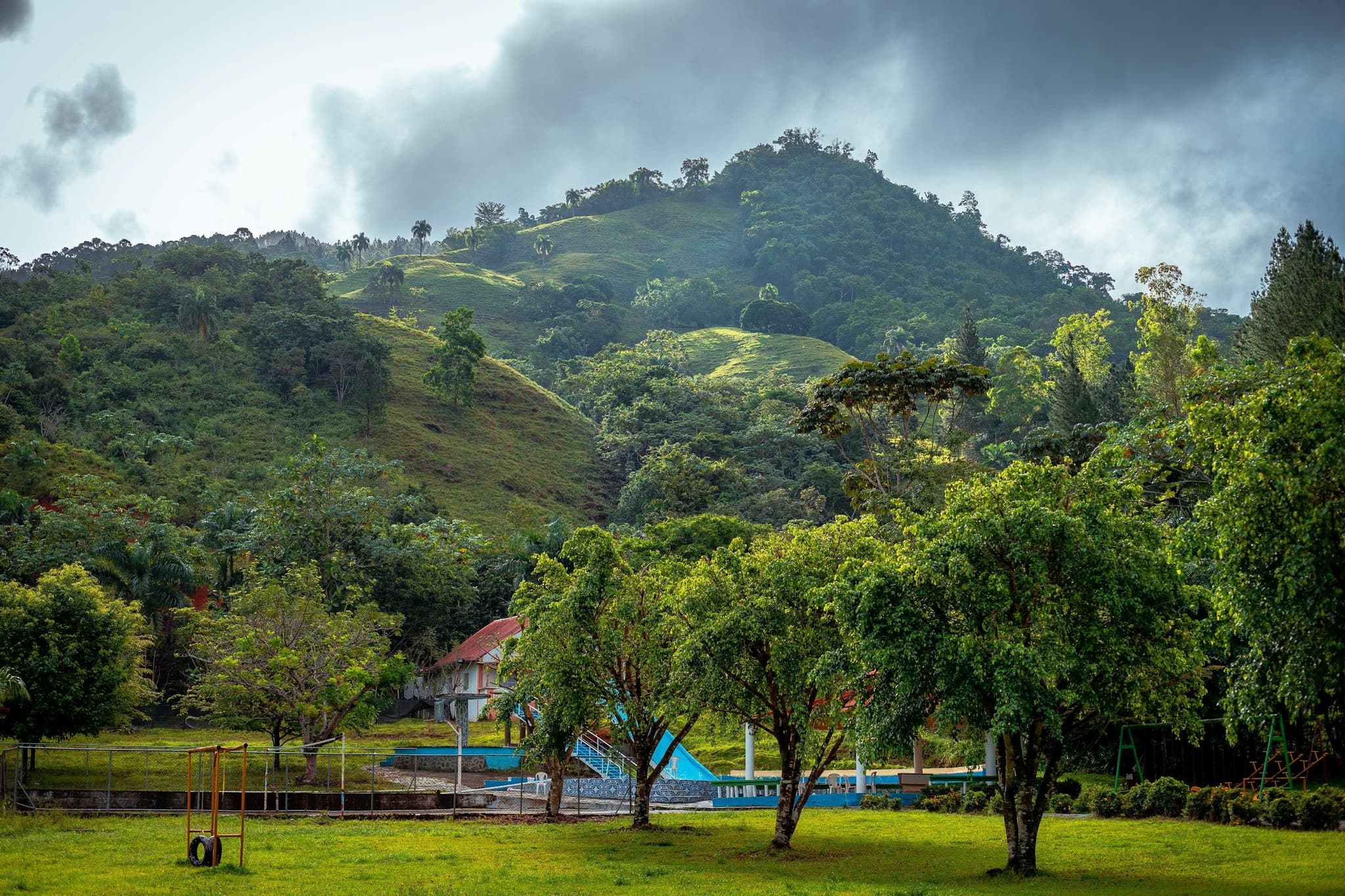
Jarabacoa sits at about 530 m, and it's the easiest way into the cool, pine-covered side of the country. It's about three hours from Santo Domingo, and Caribe Tours charges RD$550 for the trip. Rafting trips run on the Río Yaque del Norte, the country's longest river, and Salto Baiguate and Salto de Jimenoa are short trips out. Give it two nights at least. Constanza lies higher, at about 1,200 m, in a farming valley, and temperatures in nearby Valle Nuevo National Park can drop below freezing. Come here for cool-weather walks, and bring a jumper.
Pico Duarte
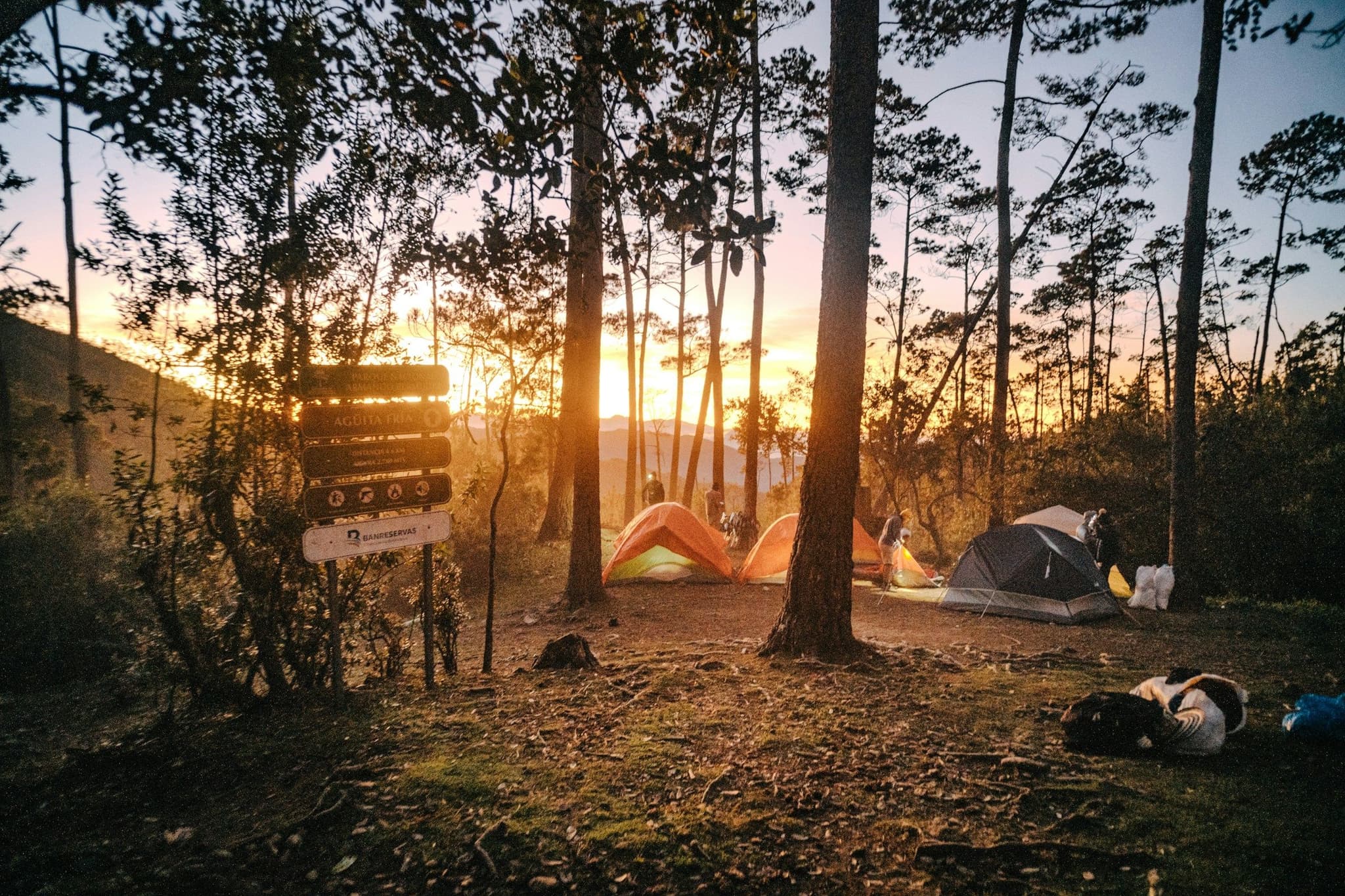
Most people climb Pico Duarte from La Ciénaga, near Jarabacoa, over two to three days. The official height is 3,087 m, though a 2021 survey measured 3,101 m. The route runs 23.1 km one way with about 2,000 m of climbing, and climbers sleep at the La Compartición huts, 5 km below the summit. A licensed guide and mules are compulsory, and both are arranged at La Ciénaga. The main season runs from December to February, when nights drop below freezing. Schomburgk made the first recorded ascent in 1851.
Puerto Plata
Puerto Plata is good for a day, but most travellers sleep in Cabarete, and so would we. Fortaleza San Felipe, completed in 1577 and the best reason to stop, is now a museum, and the town has an amber museum too. Brugal, the rum maker founded in 1888, is based here. Don't plan on the cable car up Mount Isabel de Torres, which is closed for rebuilding until about 2028. Santo Domingo is about three hours away, and Caribe Tours charges RD$650.
Cabarete
Cabarete is the north coast's best base for active travellers, and it's not a lie-on-the-beach resort. Kite season peaks from April to September, and the wind returns from December to March, giving well over 250 kiteable days in a good year. Kite Beach is the main spot, La Boca has flat water for learning, and surfers head to Encuentro. The town is mostly guesthouses and condos rather than big resorts, and Puerto Plata's airport is about 30 minutes away.
The 27 Charcos de Damajagua
Go expecting the seven-fall route. For most of the year, only the first seven waterfalls of the 27 Charcos are open, and the upper falls depend on water levels. You climb, jump and slide down the falls near Imbert with a compulsory guide, helmet and life jacket, and the site closes after heavy rain. Tours cost about US$50 to US$75 and the falls are about 30 minutes from Puerto Plata's cruise ports. The minimum age is about eight. It's the north coast's best half-day trip.
Bahía de las Águilas and Pedernales
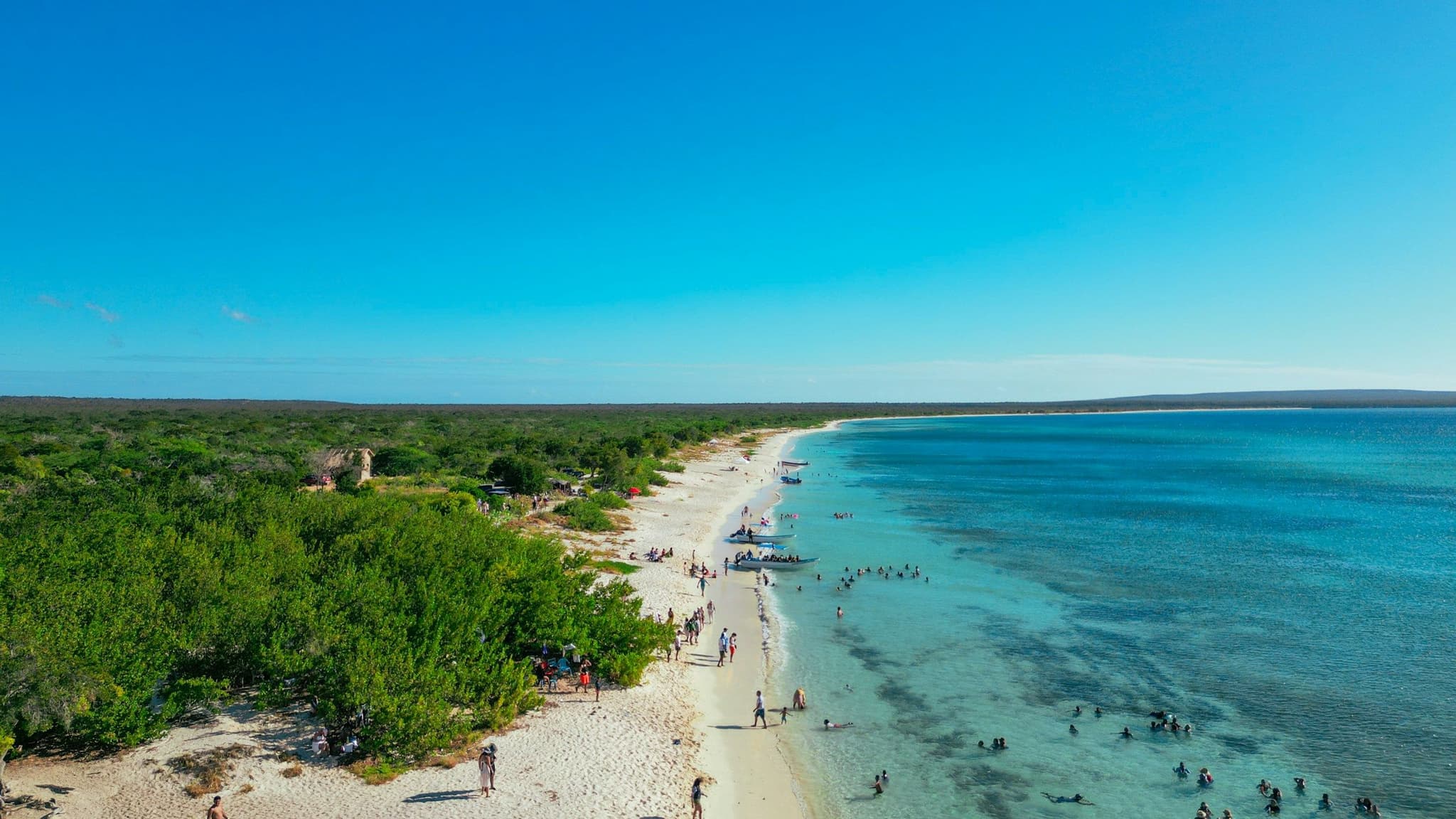
Bahía de las Águilas is the most spectacular empty beach in the country, about 8 km of sand inside Jaragua National Park, and we'd go before the next few years change the area. It's about 323 km from Santo Domingo, and you reach it by boat from La Cueva near Cabo Rojo or by 4x4. The southwest is being developed for tourism, with the first big hotels due from 2027. For now, you sleep in simple places in Pedernales town.
Lago Enriquillo
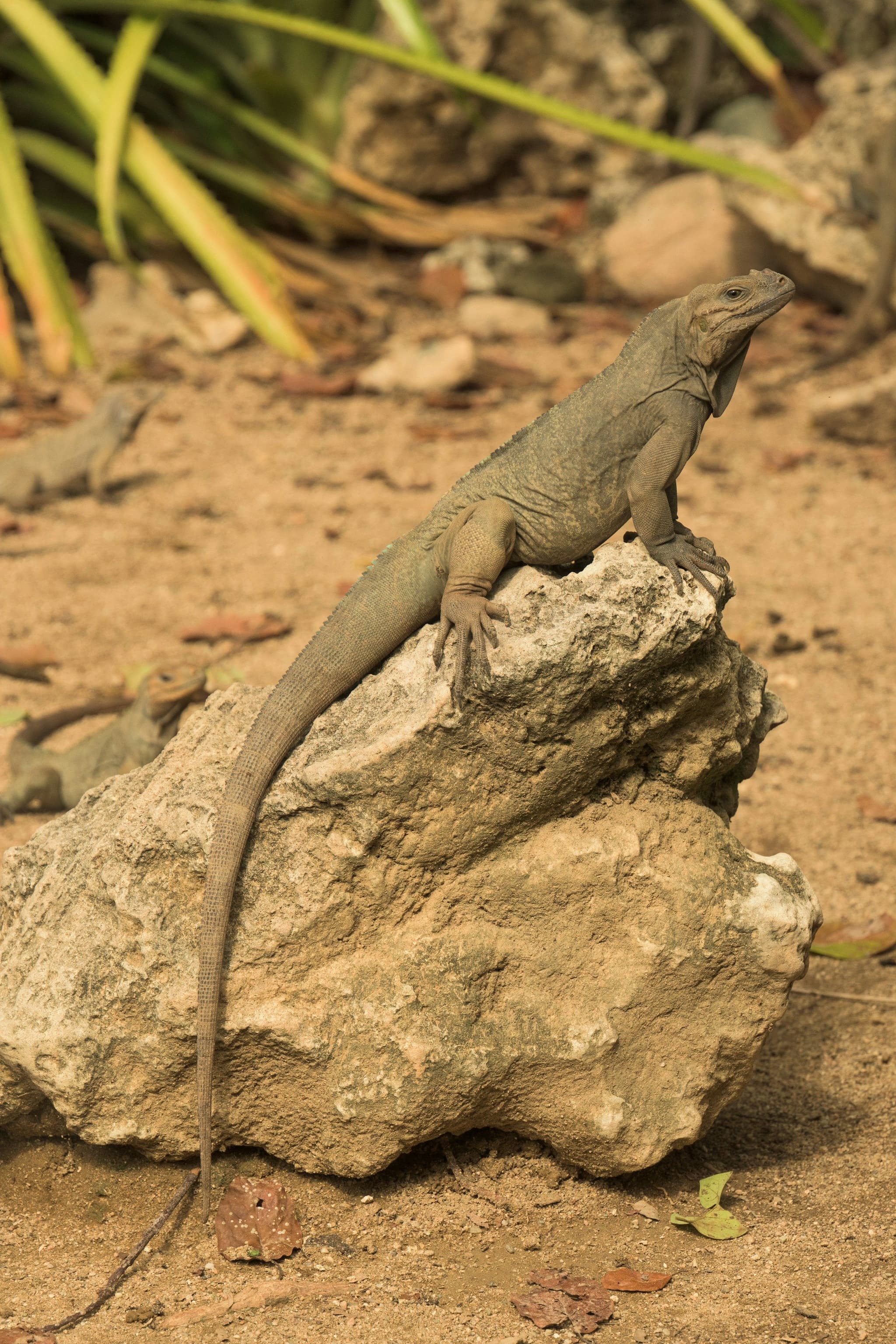
Lago Enriquillo lies about 46 m below sea level, the lowest point of any island country. The salty lake covers about 375 km² after roughly doubling in size between 2004 and 2011. It holds the largest population of American crocodiles in the Caribbean, along with rhinoceros and Ricord's iguanas and flamingos, and Isla Cabritos lies in the lake. We'd combine it with Barahona and Pedernales on a southwest road trip, and look for larimar, the blue stone mined near Barahona. The southwest is close to the closed Haiti border, so travel in daylight, expect police roadblocks, and read the GOV.UK regional risks page before you go.
Dominican Republic itinerary ideas for your trip
Santo Domingo to Samaná takes under two hours on the DR-7, but Samaná to Punta Cana's airport takes four to five. So on the shorter route, the Saona leg is the one to drop if time is short.
5 to 7 day Dominican Republic itinerary
Day 1-2: Santo Domingo's Ciudad Colonial, on foot, early and late in the day.
Day 3: Drive the DR-7 to Las Terrenas.
Day 4: A boat trip into Los Haitises from Samaná town, or whale watching in Samaná Bay from mid-January to March.
Day 5: El Limón waterfall, or a day on Playa Rincón from Las Galeras.
Day 6-7: Drive back through Santo Domingo to Bayahibe, and take an early boat to Saona on the last day if your flight is in the evening. Otherwise fly home from Santo Domingo.
10 to 14 day Dominican Republic itinerary
Day 1-2: Santo Domingo, as above.
Day 3-4: Jarabacoa for rafting and waterfalls. Add two or three days for Constanza or Pico Duarte.
Day 5-7: The north coast, with Cabarete, the 27 Charcos and the fort in Puerto Plata.
Day 8-10: Samaná, with Las Terrenas, Los Haitises and Las Galeras.
Day 11-12: Bayahibe for Saona and diving, with an hour at Altos de Chavón.
Day 13-14: Beach days in Punta Cana before flying out.
For a different second week, swap the north coast for three or four days in the southwest, with Barahona, Lago Enriquillo and Bahía de las Águilas. You can build or adjust either route in the Guided app.
Fun things to do in the Dominican Republic
Whale season is the one thing we'd plan a trip around. Cabarete's kites and the 27 Charcos are covered in the places above.
Watch humpback whales in Samaná Bay
Humpbacks arrive in Samaná Bay from about 15 January to 31 March. The rules are strict. Boats must stay 50 m from adult whales and 80 m from a mother and calf, and all boats are out of the water by 4 pm. Swimming with the whales isn't allowed in the bay. Tours from Samaná cost about US$75 to US$120. Day trips from Punta Cana cost US$115 to US$200 and spend far longer on the road, so we'd go from Samaná.
Catch a winter-league baseball game
The Dominican winter league, LIDOM, has six teams and runs from mid-October to late December, with the playoffs and final in January. In Santo Domingo, Licey and Escogido share Estadio Quisqueya Juan Marichal. The Águilas Cibaeñas play at Estadio Cibao in Santiago, and the Toros del Este at Estadio Francisco A. Micheli in La Romana. On 2026 Opening Day, 93 Dominican-born players were on Major League Baseball rosters, the most of any country outside the US. A Licey against Escogido game is the one to get tickets for.
Dive off Bayahibe
Beginners can dive the Atlantic Princess wreck at 12 m. Experienced divers go for the St George, a 73 m ship sunk as an artificial reef, with a maximum depth of 40 m. Catalina Wall drops to about 30 m. For diving, Bayahibe is the base we'd choose over Punta Cana.
Dance merengue and bachata
Merengue dates from the mid-19th century, and bachata grew up in the poor districts of Santo Domingo in the 20th. Learn a few basic steps before a night out and you'll enjoy it far more. UNESCO added merengue to its intangible heritage list in 2016 and bachata in 2019.
See the diablos cojuelos at Carnival
February is Carnival month. In La Vega, the parade runs every Sunday of the month, and in 2026 more than 230 groups of diablos cojuelos took part. The national parade on Santo Domingo's Malecón comes later (mid-March in 2026), and its date moves each year. La Vega is the one we'd travel for.
When to go to the Dominican Republic?
When is the Dominican Republic at its best? From mid-January to March, in our view, with December and April close behind. Santo Domingo's highs only move between about 30 °C in January and 32 °C in August, so rain matters far more than heat. Punta Cana is drier than the capital. The mountains around Jarabacoa and Constanza are much cooler, with frost possible on Pico Duarte and in Valle Nuevo in winter. Hurricane season runs from 1 June to 30 November, with the highest risk from August to October. Beaches get crowded in Semana Santa, the week before Easter.
- Dry season (December to April): the driest months, with 54 to 86 mm of rain a month in Santo Domingo and highs around 30 °C. Whale season and Carnival fall here, so prices peak.
- Early wet season (May to July): hotter, with highs of 31 to 32 °C and short afternoon downpours. Prices drop, though sargassum is possible on some beaches.
- Peak wet and hurricane season (August to October): the wettest months, at about 177 to 195 mm a month in Santo Domingo, with the lowest rates and a storm risk. Baseball starts in mid-October.
- November: a shoulder month, as the rain eases and hurricane season ends on 30 November.

Did you know you can create your own itinerary?
Now that you know what to see in the Dominican Republic and where to stay, you can start creating your own trip. Do you want two nights in Samaná for whale season, or a road trip through the southwest to Bahía de las Águilas? It's all up to you. You can easily create your own trip in the Guided app for free, or use trips shared by others.
Where to stay in the Dominican Republic?
Split a trip between two or three bases, matched to what you came for. In Santo Domingo's Ciudad Colonial, a mid-range double costs about US$55 to US$118 a night.
Ciudad Colonial, for history on your doorstep
Rooms at the Conde de Peñalba start from about US$55 and the Hodelpa Nicolás de Ovando costs about US$118. For something smarter, the Kimpton Santo Domingo opened in 2026, from about US$165. This is where we'd stay on any trip.
Punta Cana and Bávaro, for all-inclusive beach days
Families and anyone on a short trip are best served here, with the resorts and the main airport side by side.
Bayahibe, for divers and Saona
A quieter village on the Caribbean side, and the best base for the dive sites and an early boat to Saona.
Las Terrenas, for independent travellers in Samaná
Couples and road-trippers do best here. The food scene has a strong French influence, and the town works as a base for the whole peninsula.
Cabarete, for kite and surf
Guesthouses and condos line the beach, 30 minutes from Puerto Plata's airport.
Guided tip: Book beach towns well ahead for Semana Santa, the week before Easter.
Getting around when visiting the Dominican Republic
Take the bus between cities and don't drive yourself unless you're confident. The US State Department says the road death rate here is among the world's highest, and suggests hiring a driver.
Intercity buses with Caribe Tours, Metro Tours and Expreso Bávaro
Caribe Tours has the widest network. A ticket from Santo Domingo costs RD$450 to Santiago, RD$550 to Jarabacoa or Constanza and RD$650 to Puerto Plata or Sosúa. Metro Tours charges RD$475 to Santiago and RD$550 to Puerto Plata. Expreso Bávaro runs from Santo Domingo to Bávaro and Punta Cana in about three hours for RD$400 to RD$500. There's no public bus from Punta Cana's airport, so budget US$20 to US$40 for a taxi to the bus stop.
The metro and Uber in Santo Domingo
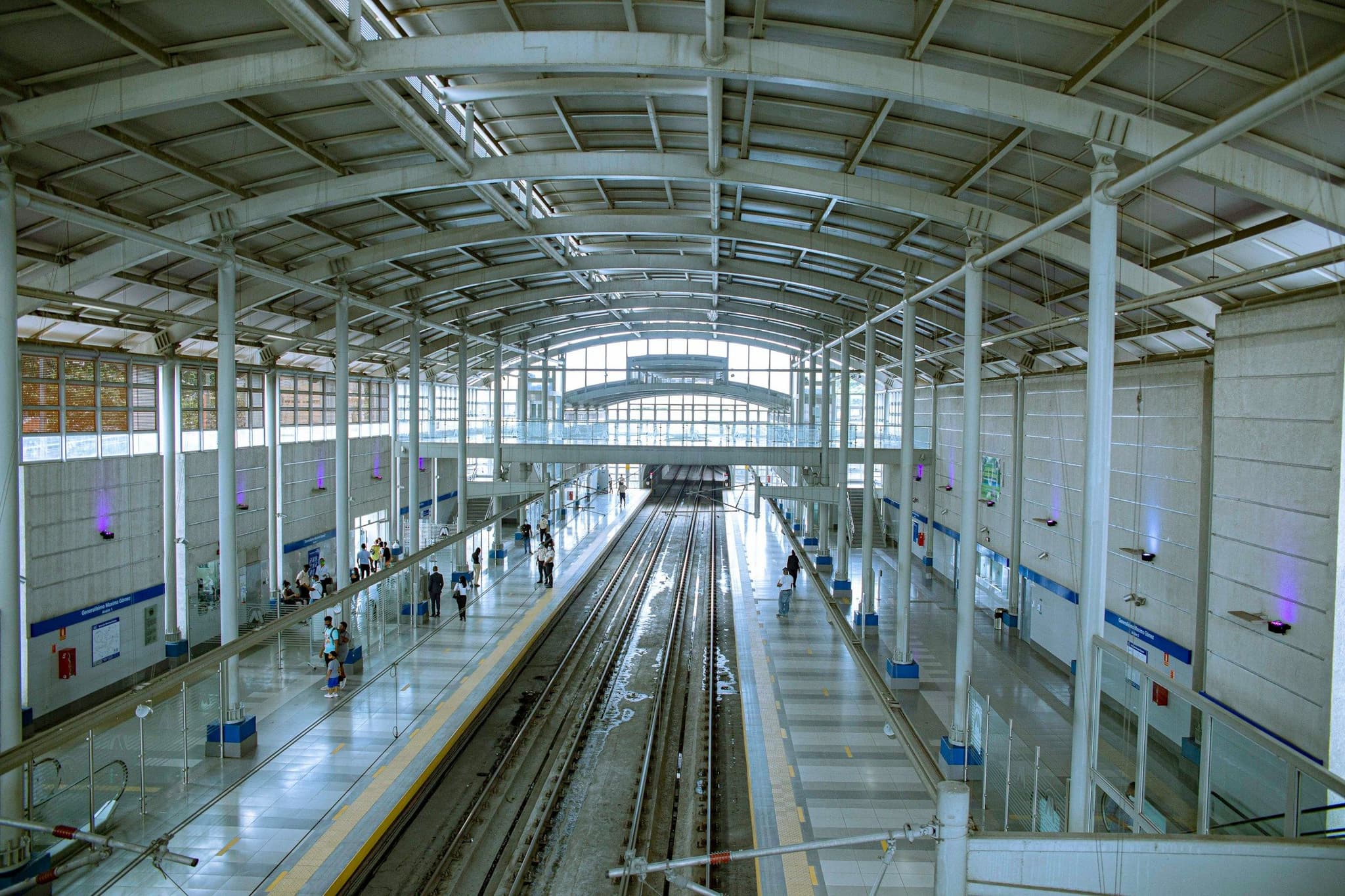
Santo Domingo's metro has two lines, and Line 2 now reaches Los Alcarrizos. A ride costs RD$20, or RD$35 with the Teleférico cable car and integrated buses. Uber is widely available in Santo Domingo and Santiago. In Punta Cana, an UberX from the airport to Bávaro costs about US$16, against about US$30 for a taxi.
Guaguas, motoconchos and rental cars
Guaguas are shared minibuses, and they go almost everywhere for very little. Skip the motoconchos, motorbike taxis whose drivers often don't carry helmets for passengers. An economy rental car costs from about US$20 to US$30 a day before insurance, and collision cover adds about US$31 a day. Tolls are paid in pesos. If someone is badly hurt in a crash, the drivers involved can be held in custody. Never pay a fine at the roadside. For long drives, we'd hire a driver.
Guided tip: Keep RD$100 and RD$200 notes handy for tolls, guaguas and colmados.
Food and drinks you should try when visiting the Dominican Republic
Breakfast is mangú and lunch is la bandera, and both taste better in a local place than at a hotel buffet.
La bandera dominicana
The classic lunch, "the Dominican flag", is white rice, red beans and stewed meat (carne guisada). It's the dish to order on your first day.
Mangú con los tres golpes
Mashed green plantain topped with pickled red onion, served with fried cheese, fried salami and egg. It's the national breakfast and is linked to West African fufu.
Sancocho
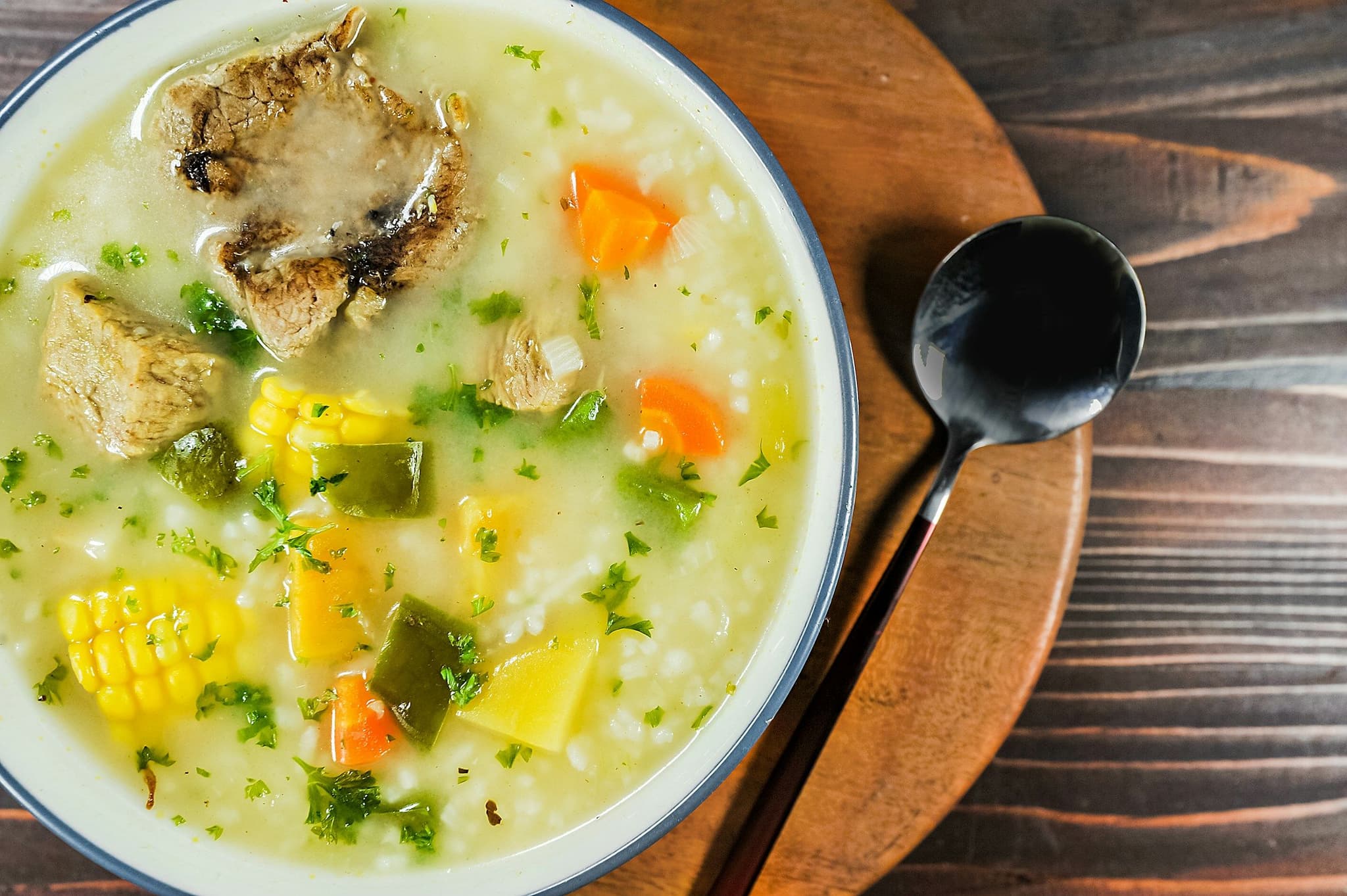
Sancocho is a thick stew of meat and root vegetables. The "seven-meat" version is kept for special occasions, and it's the one dish we'd go out of our way to find.
Presidente, rum and mamajuana
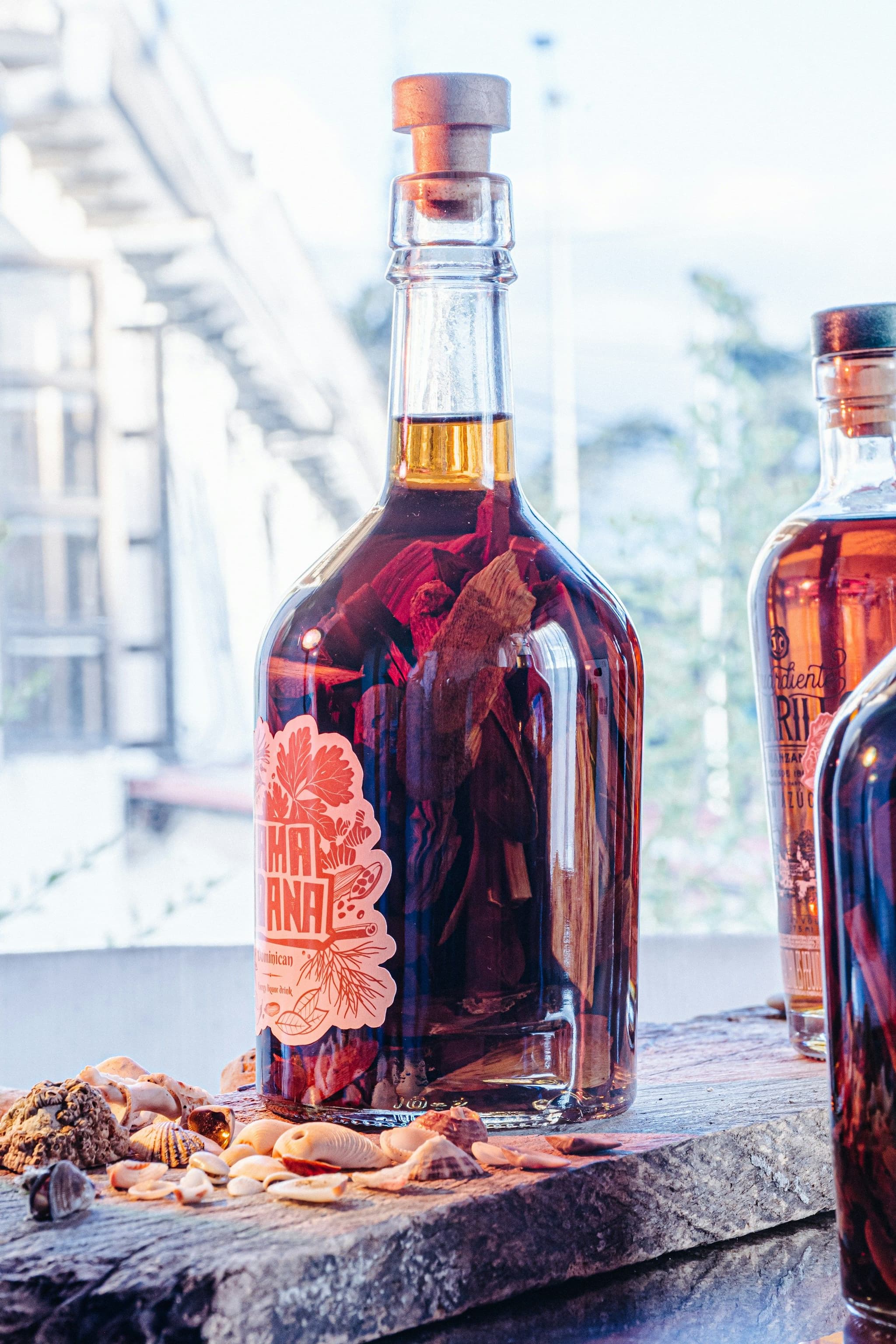
Presidente beer was launched in Santiago in 1935, and it's served ice cold, often in big bottles shared round the table. Rum here means the "three Bs", Brugal, Barceló and Bermúdez, with Brugal founded in 1888 and based in Puerto Plata. Mamajuana is rum, red wine and honey steeped with bark and herbs. For something without alcohol, try morir soñando, milk and orange juice.
Culture and local habits you'll notice when visiting the Dominican Republic
Spanish is the only official language. English is common in the tourist areas and rare elsewhere, so a few phrases go a long way. Greet people with buenos días or buenas tardes and a handshake, and use "usted" with anyone older. Friends kiss on the cheek. Family life comes first, and social life happens at the colmado, the corner shop where neighbours meet for music and dominoes over a cold beer. About half the country is Catholic, and it's polite to cover your shoulders and knees in churches. Expect social events to start late, which is the habit we'd plan around, though business runs closer to time.
Restaurant bills add 18% ITBIS tax and a 10% legal service charge, so you pay about 28% more than the menu price. Leave an extra 5 to 10% in cash if the service was good, and RD$100 to RD$150 a day for housekeeping.
Looking for more unique places, trips and activities?
Subscribe to our Guided Newsletter for more travel inspiration.
Costs of a holiday to the Dominican Republic
Day to day, the Dominican Republic is one of the cheaper trips in the region, and Punta Cana is the exception. Numbeo's 2026 cost of living index puts the country at 38.2, below Mexico (42.6), Costa Rica (52.9), Jamaica (54.5) and Puerto Rico (62.6). Resort holidays are priced in US dollars as packages, though, so Punta Cana costs more than local prices suggest. Excursions such as Saona and whale watching add up quickly, and so do restaurant bills once tax and service are added.
Food & Drink

Coffee
RD$100 – RD$200
Lunch
RD$300 – RD$650
Beer
RD$120 – RD$300
Accommodation

Hotels
RD$3,500 – RD$7,500
Airbnb
RD$4,000 – RD$10,000
Hostel dorm
RD$950 – RD$1,500
Transport

Intercity bus
RD$400 – RD$650
Public Transport
RD$20 – RD$85
Car Rental
RD$1,500 – RD$3,500
Attractions

Museums
RD$100 – RD$500
Big Attractions
RD$3,500 – RD$7,500
Theatre
RD$500 – RD$3,000
Practical tips for visiting the Dominican Republic
Every arrival and departure needs a free E-Ticket, and it's the first thing to sort before you fly.
✔ Fill in the E-Ticket and check your passport
Many nationalities, including the UK, EU and US, can visit without a visa for up to 30 days. The US$10 tourist card is included in airfares bought outside the country, and the departure tax is included in most airfares. Every traveller must complete the free E-Ticket for both arrival and departure at the official E-Ticket site, and you can fill it in up to seven days before travel. Carry a passport valid for at least six months to be safe, and check the current rule on GOV.UK's Dominican Republic entry requirements or your own government's advice before you book.
✔ Carry pesos in small notes
The currency is the Dominican peso (RD$). US dollars aren't legal tender, but resorts and tours price in them. Cards work in cities and resorts and less so in small towns, so carry RD$100 to RD$500 notes, and watch for card cloning.
✔ Keep your phone away from the roadside
The US rates the Dominican Republic Level 2, exercise increased caution, because of crime. Motorbike thieves snatch bags and phones, even through car windows at red lights, so keep both away from the road. Don't walk alone at night outside tourist areas, and watch your drink. The sea is dangerous in places and lifeguards are often absent, so don't swim alone. The emergency number is 911, and POLITUR, the tourist police, is on 809-222-2026. Carry a copy of your passport and entry stamp.
✔ Pack repellent and drink bottled water
Drink bottled water, and use mosquito repellent, because dengue is present and peaks in the rainy season. There's a malaria risk in some provinces, including La Altagracia, where Punta Cana is, so check malaria advice with a travel clinic. Avoid swimming in rivers and lakes after floods.
✔ Sort your plugs and SIM
Plugs are US-style types A and B, at 110 to 120 V. The country is on UTC-4 all year. Claro and Altice sell SIM cards (bring your passport), or use an eSIM. Drones of 250 g or more need registering with IDAC.
Fun facts about the Dominican Republic
Six things worth knowing before you land.
- The Dominican Republic won its independence from Haiti, not Spain, on 27 February 1844.
- Pico Duarte (3,087 m) is the highest point in the Caribbean, and Lago Enriquillo, about 46 m below sea level, is the lowest.
- Larimar, a blue stone, is found only in the Dominican Republic, and the man who rediscovered it in 1974 named it after his daughter Larissa and "mar", the Spanish for sea.
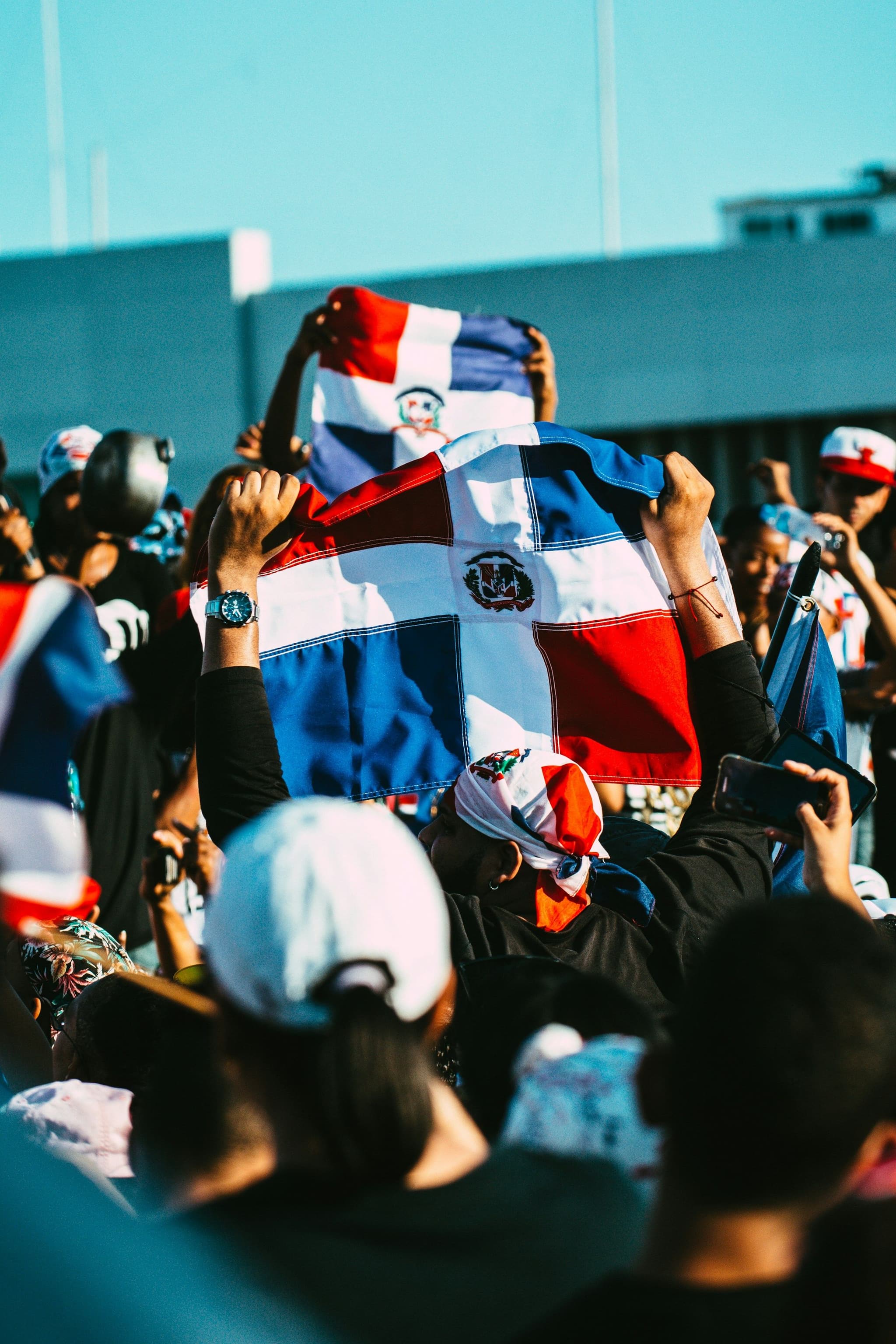
- The Dominican flag is one of the few in the world with a Bible on it, open at the Gospel of John, chapter 8, verse 32.
- Santo Domingo and Seville both claim to hold the remains of Christopher Columbus.
- The Dominican Republic is the most visited country in the Caribbean, with a record 11.7 million visitors in 2025.
With a week, split it between Santo Domingo and Samaná. With two weeks, head up into the pines of Jarabacoa and out to the empty beach at Bahía de las Águilas while the southwest is still quiet.
Ready to map out your trip to the Dominican Republic?
We hope this Dominican Republic travel guide has given you a clear starting point, whether you're spending a week between Santo Domingo's colonial streets and Samaná or adding the mountains and the southwest. And don't forget to check out the Guided trip planner, where you can create your own trip or use trips shared by other travellers for free.
FAQS about visiting the Dominican Republic
How many days do you need in the Dominican Republic?
Five to seven days covers Santo Domingo plus Samaná or Bayahibe. With 10 to 14 days, add Jarabacoa and the north coast, or the southwest. In the Guided travel planning app, you can build your own route and see how many places fit into your trip.
What is the best part of the Dominican Republic?
The Samaná Peninsula, for its mix of beaches, waterfalls, Los Haitises and whale season. Santo Domingo is the pick for history, and Jarabacoa for the mountains.
What is the Dominican Republic known for?
Its beaches and all-inclusive resorts, and Santo Domingo, the oldest European settlement still standing in the Americas. It's also known for baseball, and for merengue and bachata.
Can you travel around the Dominican Republic without a car?
Yes. Caribe Tours, Metro Tours and Expreso Bávaro connect the main towns, and Uber works in Santo Domingo and Santiago. For the southwest and Los Haitises, join a tour or hire a driver.
Is the Dominican Republic expensive?
Day to day it's cheaper than Mexico, Jamaica or Costa Rica, according to Numbeo. Resort packages and excursions are priced in US dollars, though, and restaurant bills add about 28% to menu prices.
Is the Dominican Republic safe to visit?
The US rates it Level 2, exercise increased caution, because of crime. The UK doesn't advise against travel to any part of the country, but it warns of roadblocks and robberies on roads near the closed Haiti border. Street robbery and the roads are the main risks elsewhere, so keep your phone out of reach of passing motorbikes, use Uber or a driver, and don't swim alone.
Do you need a visa for the Dominican Republic?
Many nationalities, including the UK, EU and US, can stay up to 30 days without a visa. Everyone must fill in the free E-Ticket for arrival and departure. Check the current rules with your government before you travel.
When is whale season in Samaná?
From about mid-January to the end of March, when humpbacks come to Samaná Bay to breed and calve. Go from Samaná itself rather than on a long day trip from Punta Cana.
Plan your trip to Dominican Republic in Guided.
Save the places you find, then let Guided lay out the days, the map and the details.
More in North America
All destinations CanadaPlan your trip to Canada with tips on routes, cities and nature. Discover national parks, road trips and how to organise your trip.
 MexicoAncient ruins, stunning beaches, and delicious cuisine.
 USAThe USA is a vast and diverse country with bustling cities, and iconic landmarks to breathtaking natural wonders.