
Latvia

Latvia travel guide: Everything you need to know before visiting Latvia
Riga's Central Market trades from five pavilions built on the frames of German Zeppelin hangars from the First World War, opened as a market in 1930. About a third of the buildings in central Riga are Art Nouveau, most of them put up between 1904 and 1914, and the city is often called the highest concentration of the style in the world. It's also the largest city in the Baltics, home to about a third of the country's population.
Then you leave the city, and the country empties out. Forest covers more than half of Latvia, and Jūrmala's beach, over 30 km of pale sand, is half an hour from Riga by train. Riga feels bigger and more like a working city than Tallinn, and Latvia costs less than Estonia. We think it suits city-breakers and architecture fans first, then anyone who likes beaches and slow summer drives through forest. If you want mountains or a reliably warm sea, look elsewhere. Below are twelve places worth your time, two routes, a price guide and the rules that catch visitors out.
5 reasons to visit Latvia
Riga alone would justify the flight, but our five reasons are spread right across the country.
- Walk Alberta iela and Elizabetes iela, the heart of what's often called the world's densest cluster of Art Nouveau buildings.
- Take a 30-minute train from Riga to more than 30 km of white sand at Jūrmala.
- Ride the cable car across the Gauja valley between Sigulda and Krimulda.
- Watch fish leap what's often called Europe's widest waterfall in Kuldīga each spring.
- Stay up all night at a Jāņi midsummer bonfire with caraway cheese and beer.
Where to visit in Latvia?
Where should a first trip start? In Riga, and for longer than most people plan. Sigulda, Cēsis, Jūrmala and Rundāle all work from the capital, while Kurzeme in the west and Latgale in the east reward a night or two away.
Wander Riga's Old Town
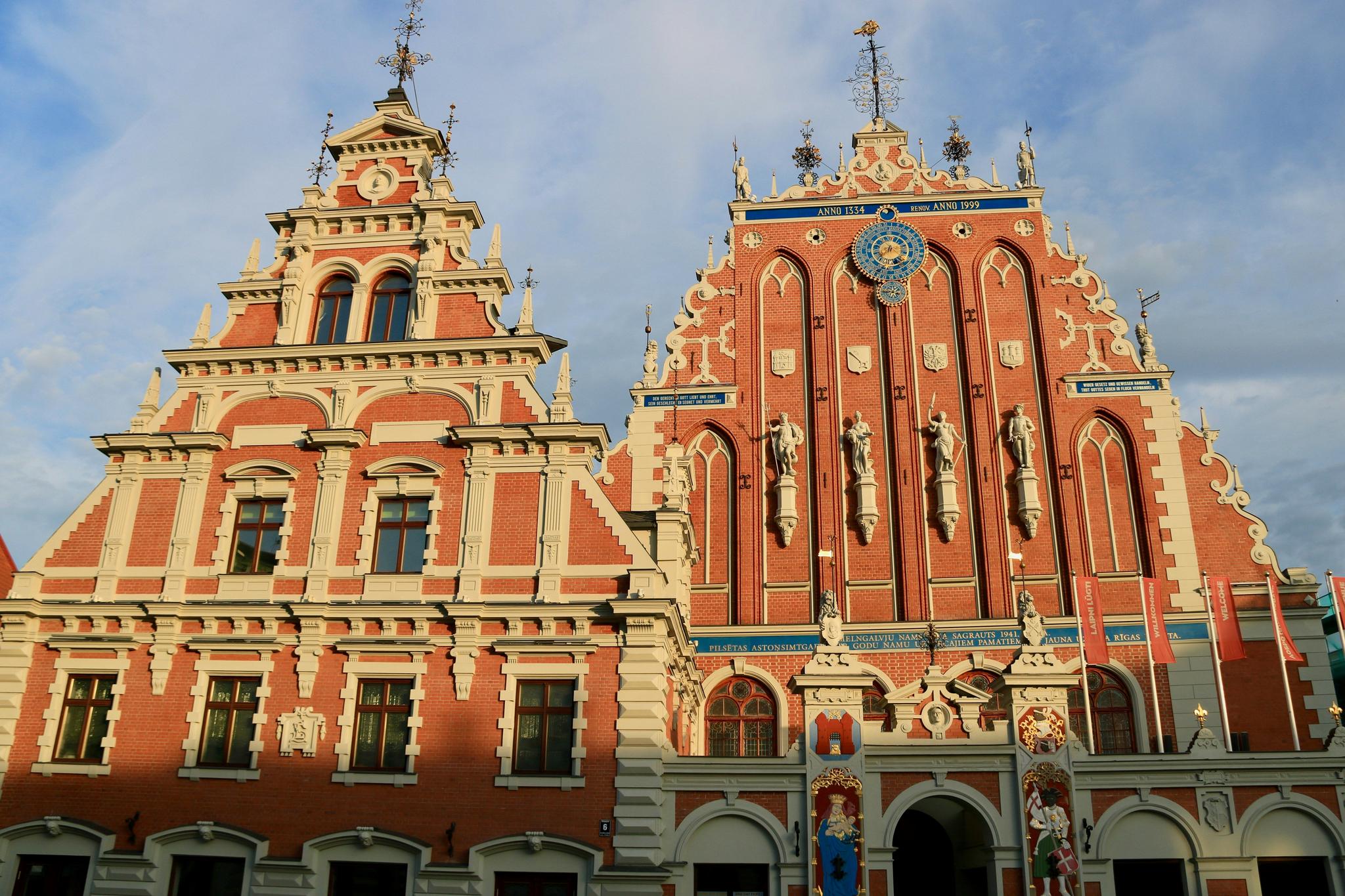
Riga Cathedral is the best €5 you'll spend in Vecrīga. Go at midday for the 20-minute organ concert on a Walcker organ from 1884, then decide whether St Peter's Church is worth about €9 for its lift to a gallery 72 m up. On a clear day, it is. The House of the Blackheads looks medieval, but it was bombed in 1941 and rebuilt between 1995 and 1999 (€10). A plaque nearby marks Riga's claim to the first decorated Christmas tree, in 1510. The Museum of the Occupation of Latvia costs €8, and the honour guard at the Freedom Monument changes on the hour during the day. Keep a hand on your bag in the busiest lanes, where pickpockets work.
Look up in the Art Nouveau quarter
Alberta iela is the street everyone photographs, and it's the least typical. Mikhail Eisenstein's facades there are flamboyant, while Eižens Laube's number 11, from 1908, shows the quieter National Romantic side of the style. For everyday Riga Art Nouveau, walk Elizabetes iela and Strēlnieku iela. The Art Nouveau Museum at Alberta iela 12 costs €9 and closes on Mondays. On Brīvības iela, the Corner House, the former KGB building, opened to the public in 2014, and its exhibition (about €15) is run by the Occupation Museum. It's the most sobering hour you'll spend in Riga.
Eat your way through the Central Market and the left bank
Riga Central Market's five pavilions, built between 1924 and 1930, joined the Historic Centre of Riga UNESCO listing in 1998, a year after the Old Town. It holds more than 3,000 stalls and is a known pickpocket spot. The Gastronomy Pavilion was renovated in 2019. Across the Daugava, Pārdaugava is the Riga that locals live in. Kalnciems Quarter has restored wooden houses and a Saturday market, and Āgenskalns Market reopened in 2022 after a €10 million renovation. Go to the Central Market for the spectacle and to Āgenskalns for lunch.
Take the train to Jūrmala and the Ķemeri bog
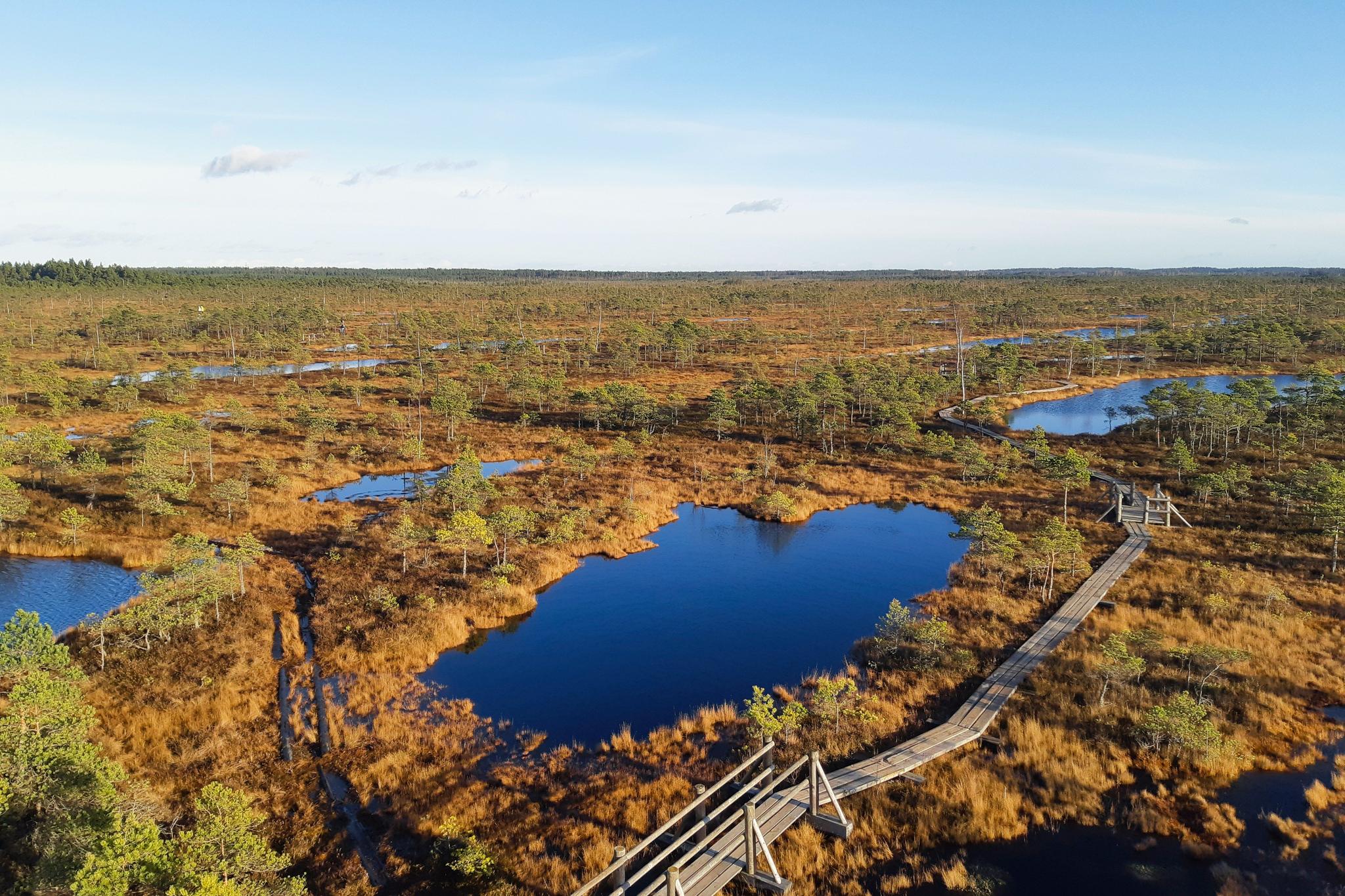
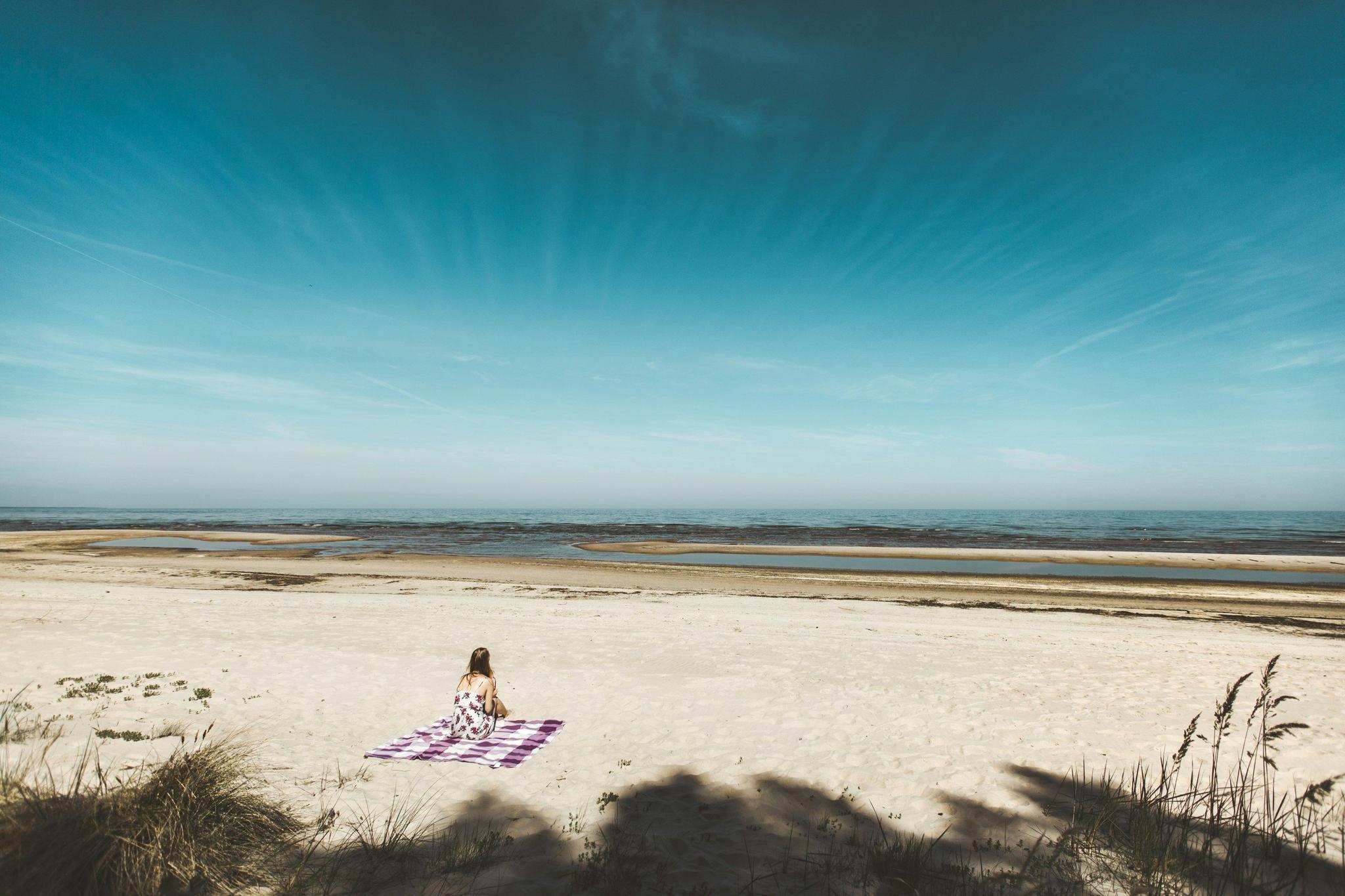
Leave the car in Riga. Drivers pay €5 a day to enter Jūrmala, all year round, while the train to Majori takes about 30 to 35 minutes and costs about €2. The beach runs for more than 30 km, and the stretch at Majori flies a Blue Flag. Further west, the Great Ķemeri Bog Boardwalk crosses a bog of about 5,000 hectares on two free loops, about 1.5 km and 3.5 km, the longer one with an observation tower. An express bus (number 5) runs out from June to August. Walk it at sunrise if you can. In winter the boards aren't cleared of snow.
Walk the castles of Sigulda and Turaida
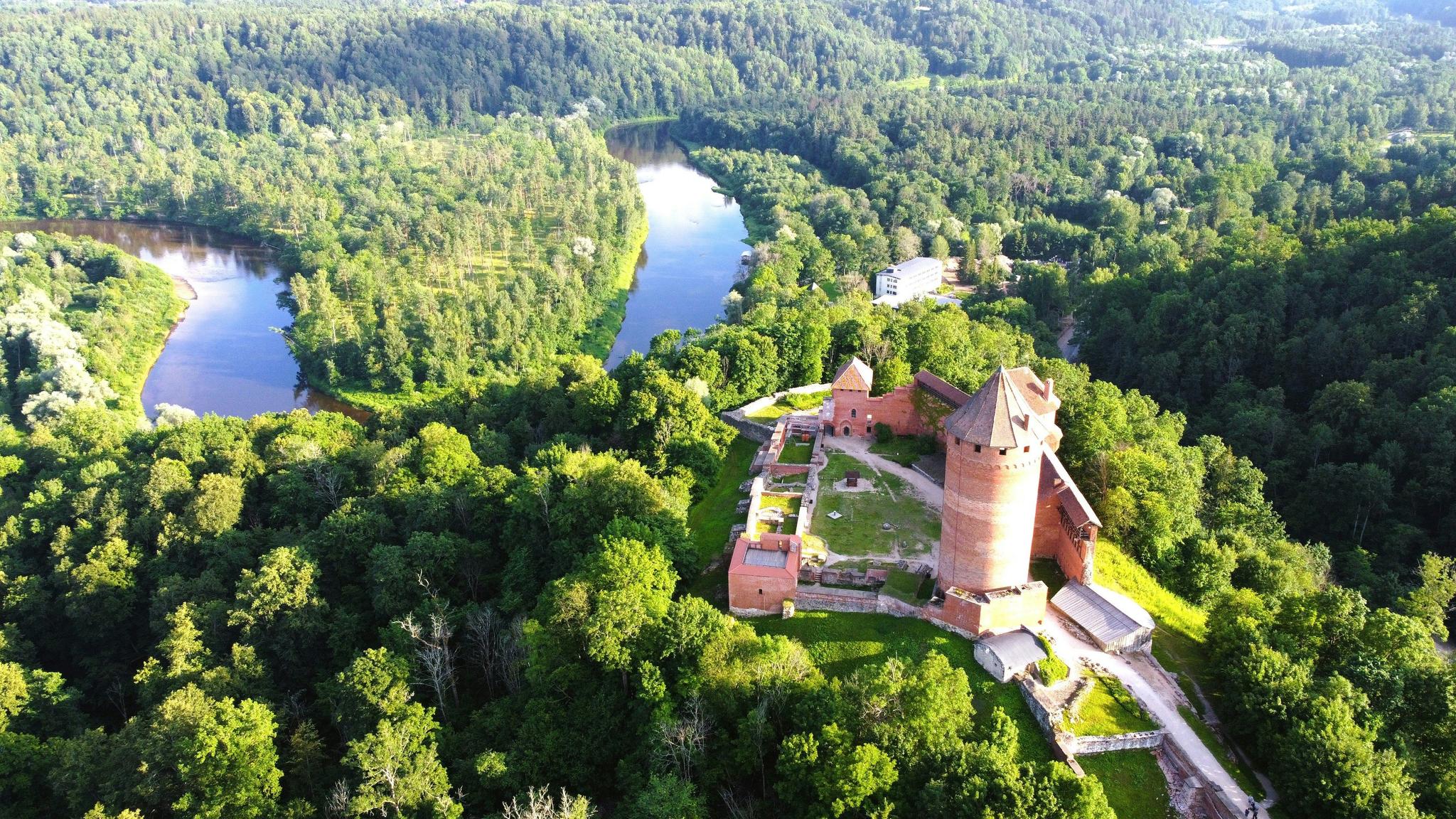
Sigulda is the easiest day trip from Riga, about 1 hour 5 minutes by train for €2.80. Walk between its sights rather than drive. Start at the Turaida Museum Reserve (€9), whose castle has brickwork dating from 1214, then follow the path down to Gūtmaņa Cave, the widest and highest cave in the Baltics, carved with 17th-century inscriptions and tied to the legend of the Rose of Turaida. Back in town, the Livonian Order's Sigulda Medieval Castle dates from the 13th century. The cable car crosses about 1 km of the Gauja valley to Krimulda, for about €15 one way.
Stay the night in Cēsis
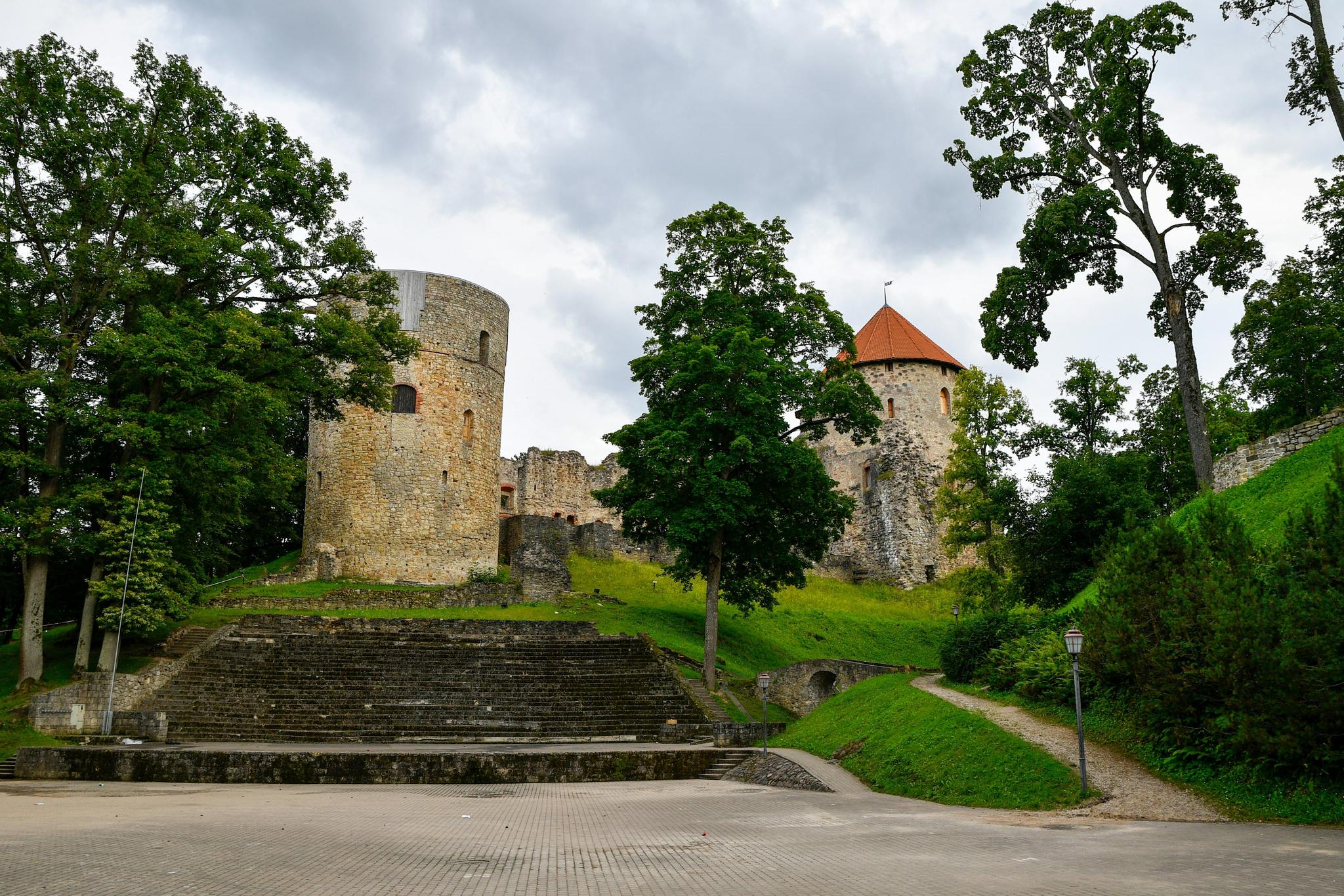
If you sleep in only one small town in the Gauja valley, make it Cēsis rather than Sigulda. The castle complex was a 13th-century Livonian Order stronghold, and you climb the Lademaher Tower by candle lantern. Tickets cost €12 from May to September and €6 the rest of the year, when the castle closes on Mondays. About 10 km away, Āraiši Lake Fortress recreates a Latgalian lake settlement of the 9th and 10th centuries (€5, closed Monday and Tuesday in winter). Trains from Riga take between 1 hour 20 minutes and 2 hours, and only about four run a day.
See Rastrelli's Baroque at Rundāle Palace
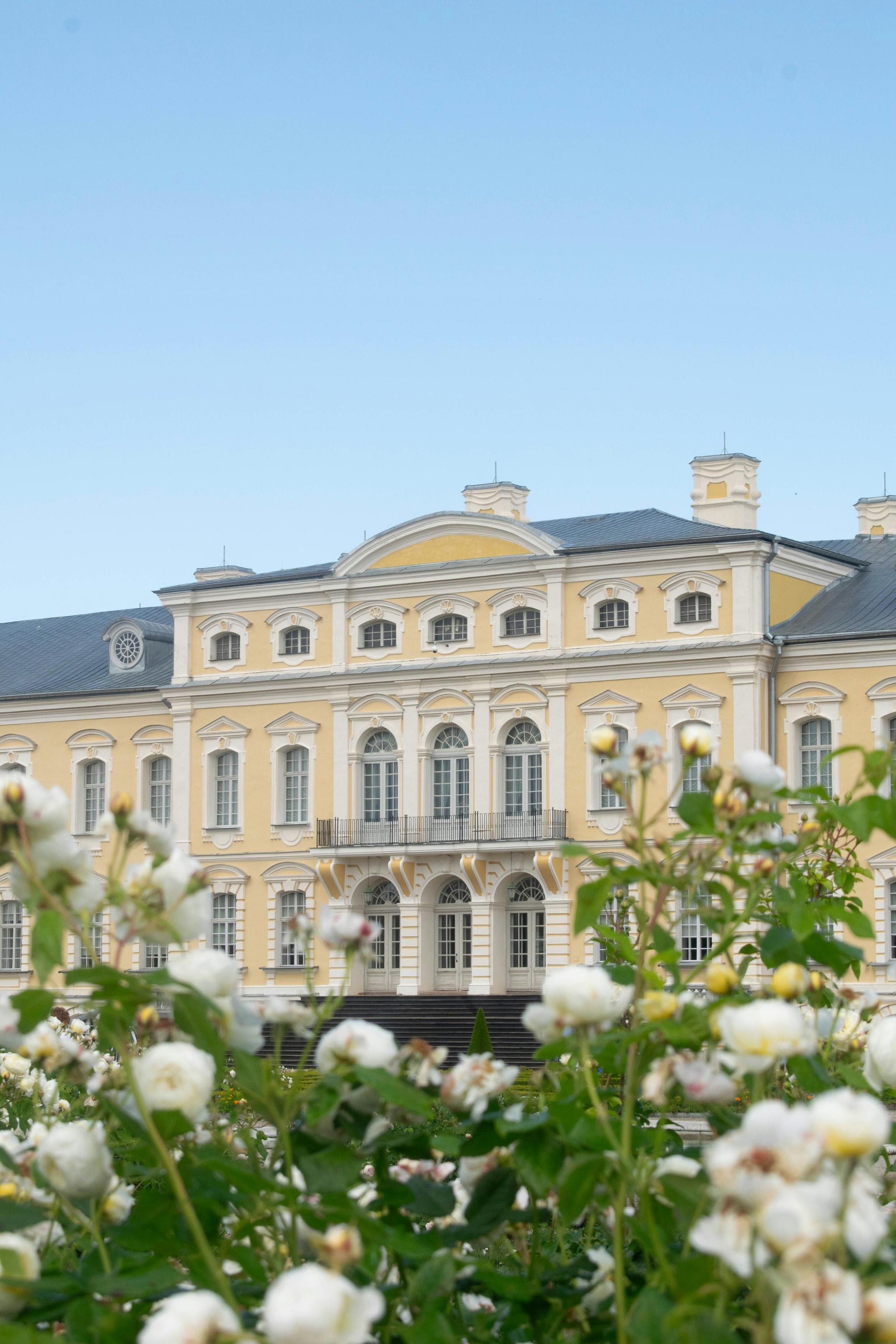
Rundāle Palace took from 1736 to 1768 to finish, and Bartolomeo Rastrelli designed it for Duke Ernst Johann von Biron. The main exhibition costs €12, the French garden €6 and both together €17. From November to March only the main exhibition is on sale, so come in summer, when the rose garden is at its best. The palace is about 79 km from Riga via Bauska. A direct bus runs from May to September; otherwise, take a bus to Bauska and a local bus for the last 12 km. Pair it with Bauska Castle (€9), where Livonian Order ruins stand beside a 16th-century ducal residence.
Watch the fish leap in Kuldīga
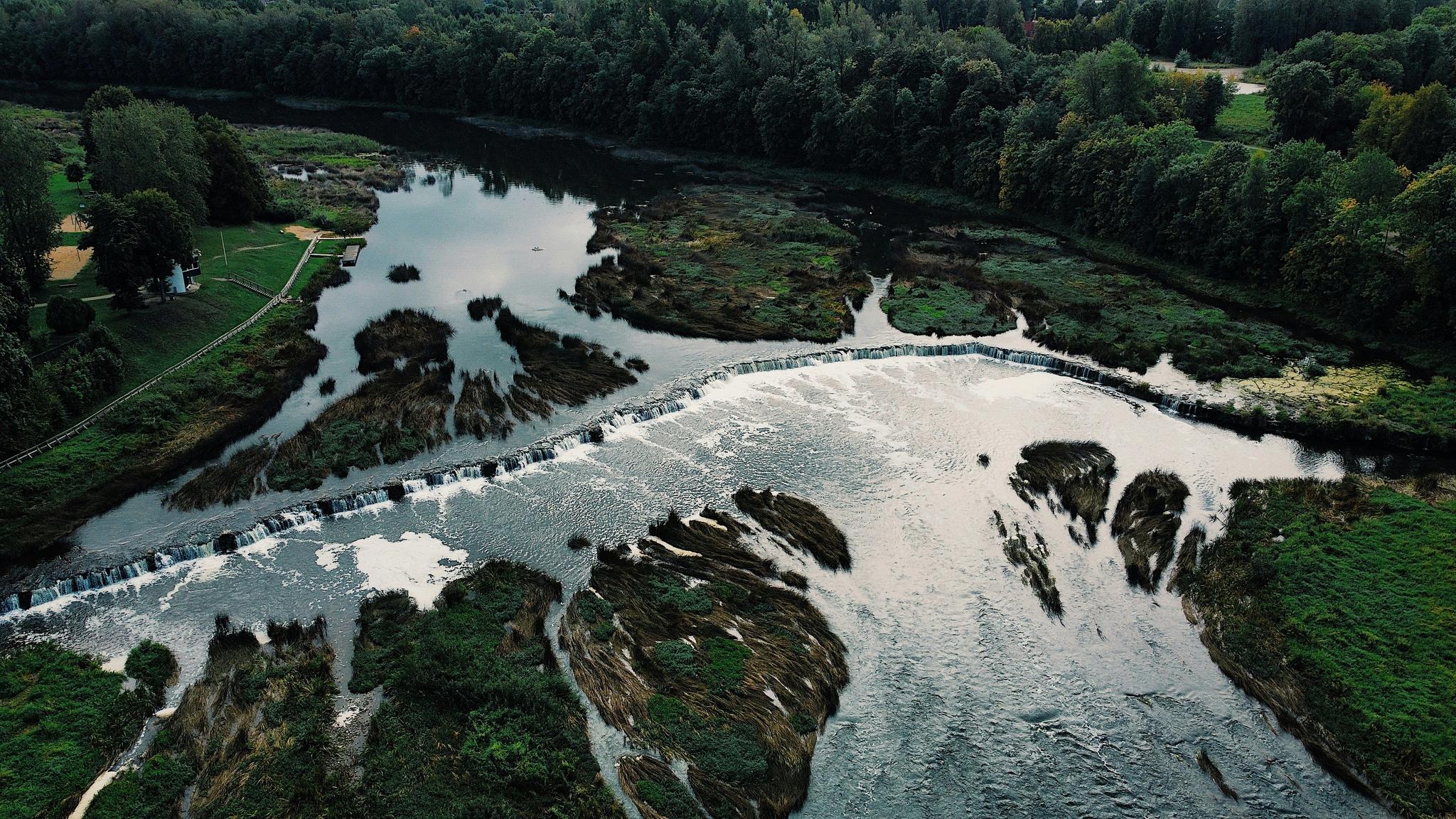
Kuldīga deserves a night, not a day trip. There's no train, and buses from Riga take 2 hours 30 minutes to 3 hours. The Venta Rapid, about 249 m wide, is often called Europe's widest waterfall, and from about late April vimba fish leap it. The brick bridge from 1874, 164 m long, is billed as the longest brick road bridge in Europe. The Alekšupīte stream runs right past the walls of houses, which is why Kuldīga gets called the Venice of Latvia, and UNESCO listed the town in 2023. Drivers can stop at the Pedvāle Open-Air Art Museum near Sabile, with more than 150 sculptures.
Explore Liepāja and the Karosta prison
Karosta, Liepāja's former Soviet naval base district, has a military prison you can tour with a guide, about 45 minutes for €8. You can also book a night in a cell, though we'd stick to the tour. From November to March it opens only Friday to Sunday, and in January only by booking. The rest of Liepāja is gentler, with a long beach and the Great Amber concert hall by Volker Giencke, opened in 2015. The city is a European Capital of Culture in 2027. Buses from Riga take about 3 hours 10 minutes to 3 hours 40 minutes.
Drive the Kurzeme coast to Cape Kolka
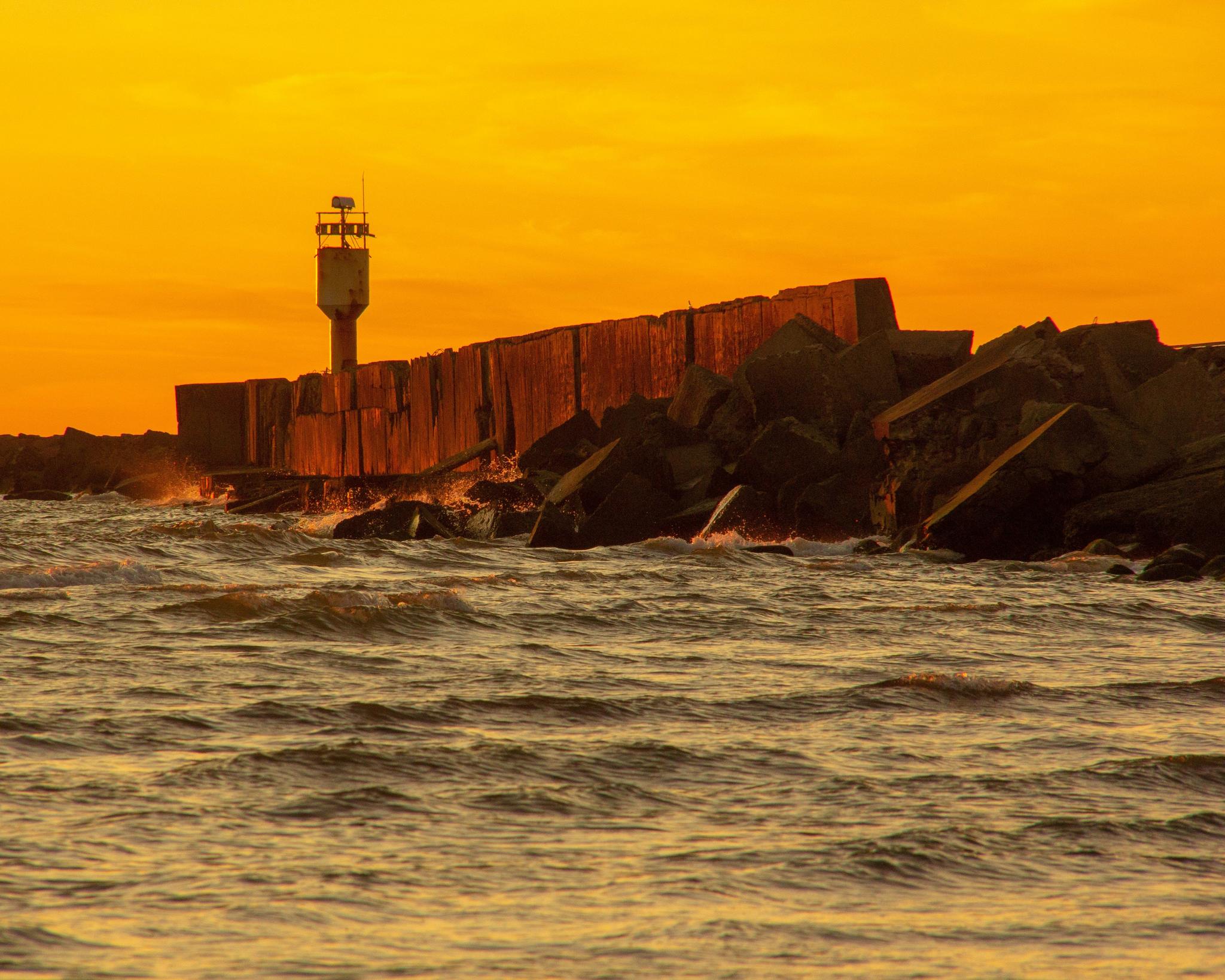
This is the emptiest coast in the Baltics, in our view, and the one part of Latvia where we'd hire a car. At Cape Kolka the Gulf of Riga meets the open Baltic, and a lighthouse from 1884 stands on an artificial island about 5 to 6 km offshore. Slītere National Park, around the cape, covers the Livonian coast, where villages such as Košrags and Sīkrags belong to the Livonians, a Finnic people. Further south, Ventspils has a Livonian Order castle and a Seaside Open-Air Museum with a narrow-gauge train. No passenger trains run to Ventspils, so it's a car or the bus.
See original Rothkos in Daugavpils
Mark Rothko was born in Dvinsk, now Daugavpils, in 1903. The Rothko Museum, in the arsenal of Daugavpils Fortress, shows about six of his original paintings, on loan from his children and rotated, with a new selection hung in April 2026. The fortress itself was begun in 1810 and finished in 1878, and it's described as the only early 19th-century fortress of its type in Northern Europe preserved without major changes. A combined ticket with Martinsons House costs €16. Trains from Riga take 3 to 4 hours and cost €9.90, with about four a day, so time your trip around the museum's Monday closure.
Find lake country in Latgale
Latgale feels less like Riga than anywhere else in Latvia. It's Catholic and full of lakes. Aglona Basilica, built between 1768 and 1780 with twin 60 m towers, draws pilgrims every 15 August for the Assumption, and Pope John Paul II visited in 1993. Lake Rāzna, about 57.6 km² and the country's second-largest lake by area, sits inside Rāzna National Park and is known as the Latgale Sea. Ludza, first mentioned in 1177, is often called Latvia's oldest town, with castle ruins and a craftsmen centre. Parts of eastern Latvia near the Belarus and Russian borders are restricted, so check current advice before you go. You'll want a car out here.
Latvia itinerary ideas for your trip
Vivi trains run from Riga to Jūrmala, Sigulda, Cēsis and Daugavpils, so the shorter route below works without a car, with buses filling the gaps. The longer route assumes you'll drive.
5 to 7 day Latvia itinerary
- Day 1-2: Riga, with the Old Town, the Art Nouveau quarter, the Central Market and the Occupation Museum (many museums close on Mondays).
- Day 3: Train to Sigulda (about 1 hour) for Turaida Castle and the walk down to Gūtmaņa Cave, then the cable car to Krimulda.
- Day 4: Train on to Cēsis for the castle and the old town, and stay the night (castle closed Mondays, October to April).
- Day 5: Back to Riga, then an afternoon train to Jūrmala, with the Ķemeri boardwalk from Ķemeri station or by the summer bus.
- Day 6: Rundāle Palace, by direct bus from May to September or via Bauska the rest of the year.
- Day 7: Bus to Kuldīga for an overnight stay, or train to Daugavpils for the Rothko Museum (closed on Mondays).
10 to 14 day Latvia itinerary
- Day 1-2: Riga.
- Day 3: Jūrmala and the Ķemeri bog, about 40 minutes' drive each way (budget €5 for the Jūrmala entry fee).
- Day 4: Sigulda, a pre-booked tour of the Līgatne bunker, then on to Cēsis.
- Day 5: Cēsis and Āraiši Lake Fortress.
- Day 6: Drive to Bauska and Rundāle Palace (about 2 hours 30 minutes).
- Day 7: Rundāle to Kuldīga via Pedvāle and Sabile (about 2 hours 30 minutes).
- Day 8: Kuldīga to Liepāja (about 1 hour 15 minutes) and Karosta.
- Day 9: Liepāja to Ventspils via Pāvilosta and the Jūrkalne cliffs (about 2 hours).
- Day 10: Cape Kolka and the Livonian villages, then back to Riga (about 2 hours 30 minutes from Kolka).
- Day 11: Drive to Daugavpils (about 3 hours) for the Rothko Museum, which is closed on Mondays.
- Day 12: Aglona and Lake Rāzna (about 45 minutes each).
- Day 13: Ludza, then back to Riga (about 3 hours 30 minutes). Parts of eastern Latvia near the borders are restricted, so check current advice first.
- Day 14: A spare day in Riga.
In winter, rural sights shorten their hours or close early in the week, and Karosta opens only Friday to Sunday. To move days around or add a night on the coast, build or adjust this route in the Guided trip planner.
Fun things to do in Latvia
We'd plan at least one day around a bog and another around the Gauja river.
Walk a bog boardwalk
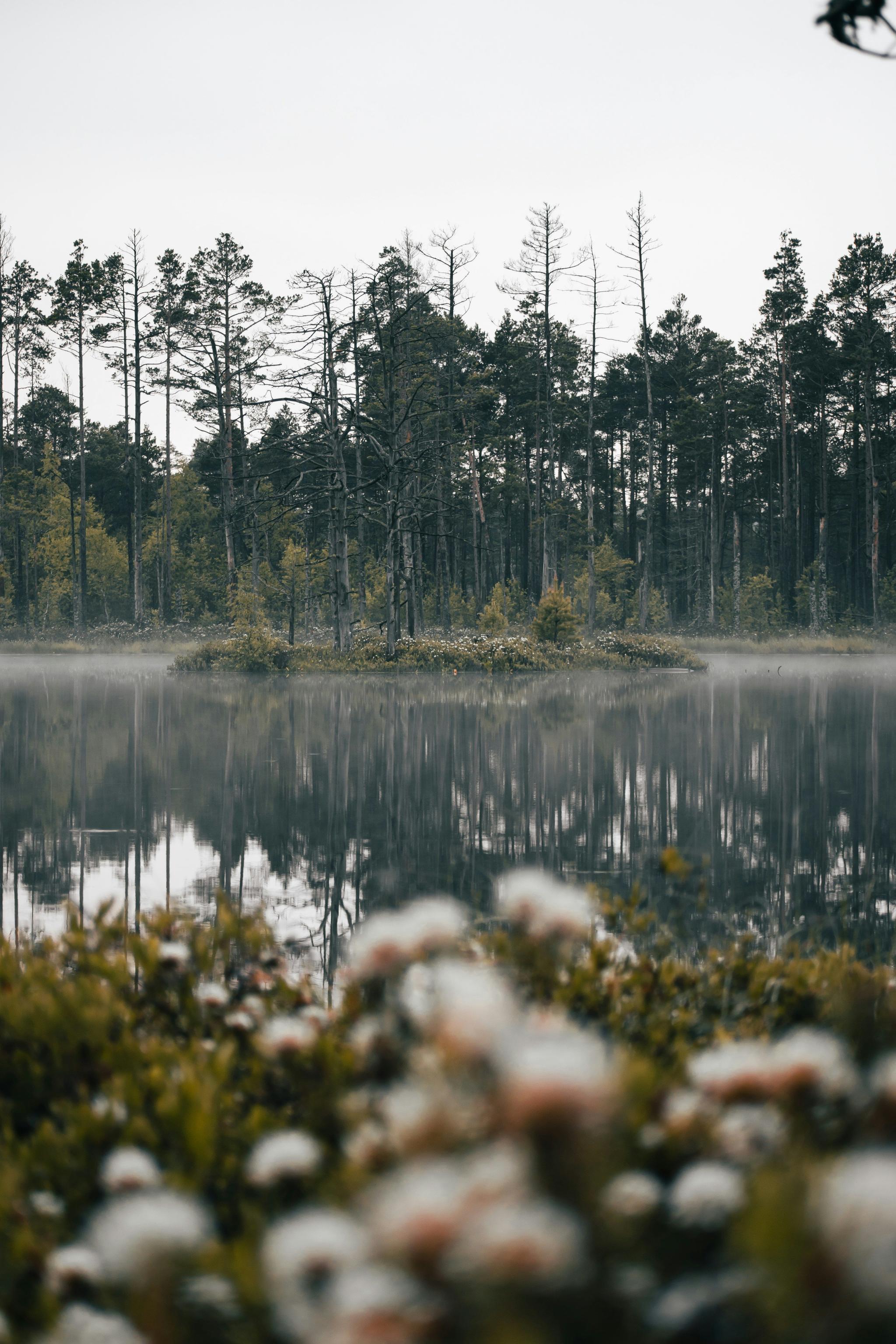
Bogs cover about 4 to 5% of Latvia, and the boardwalks across them are some of the best short walks in the country. Beyond Ķemeri, try Cena, about 5 km, or the longer Dunika trail at 5.5 km. Stiklu runs about 4 km and has a 6 m viewing platform.
Canoe the Gauja
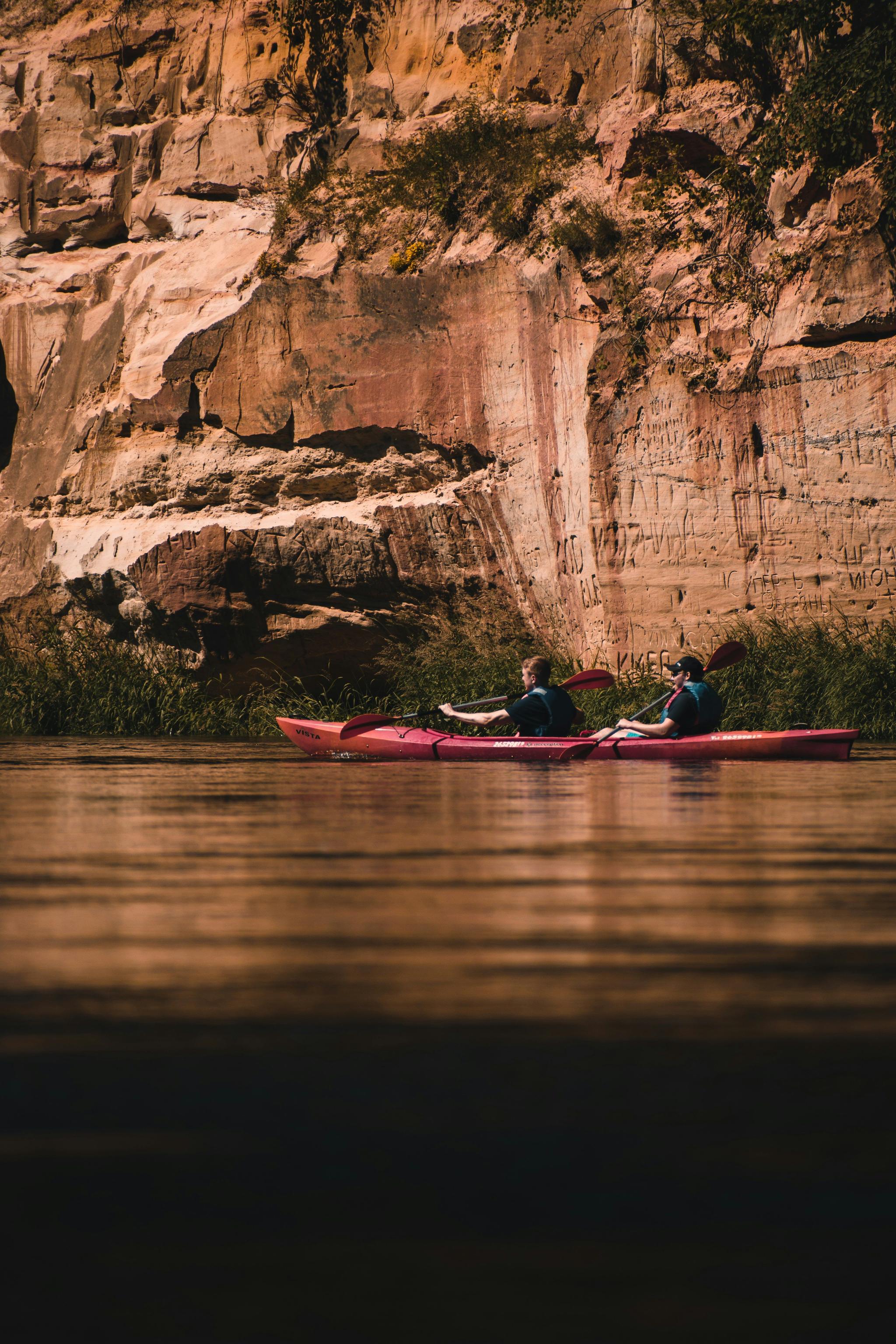
Canoe hire on the Gauja starts from about €45 per two-person canoe for a day trip, with transport back to your start included. Strenči to Valmiera is 24 km. Valmiera to Cēsis is 44 km and costs about €70, and only take that one on if you've paddled before.
Sweat it out in a pirts
A Latvian pirts takes three to five hours and is led by a sauna master, the pirtnieks. Expect herbal tea and a salt or honey scrub, then a whisking with bundles of birch, oak, linden or juniper, finished with a cold plunge or a roll in the snow. Book one in winter, when the snow does the cooling for you.
Go underground at the Līgatne bunker
Under a rehabilitation centre in Līgatne sits a Soviet bunker 9 m below ground, kept secret until 2003. You can see it only on a pre-booked guided tour, and a Soviet-style canteen meal goes with it. The price isn't published, so book ahead at bunkurs.lv. Tours run on weekdays and weekends in summer, and at weekends only in winter.
Shop the Riga Christmas market
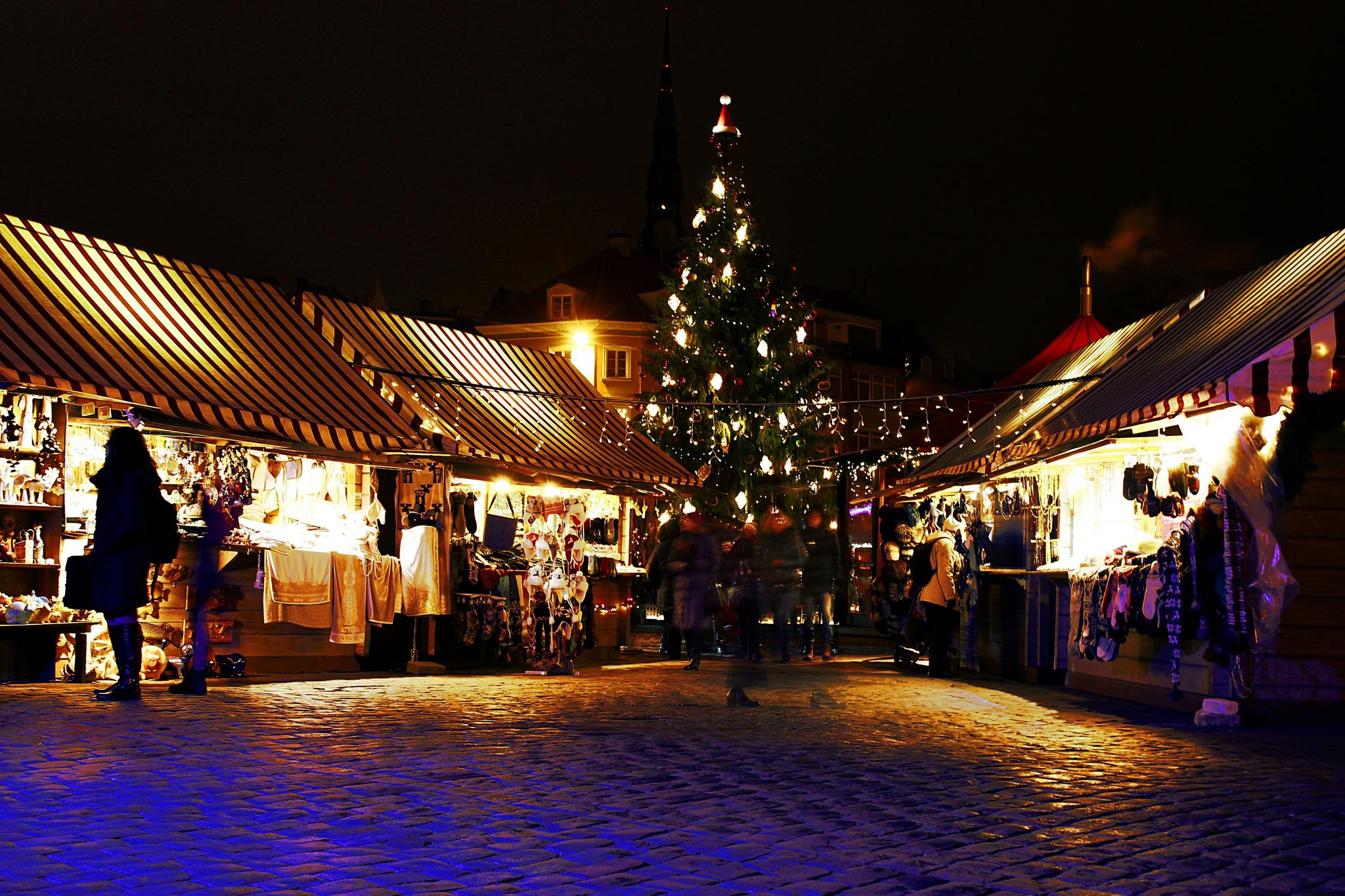
Riga's Christmas market fills Dome Square from late November into early January, and in November 2025 the Post Office's Christmas Markets Barometer ranked Riga second for value among 15 European cities. Come in mid-November for Staro Rīga, the light festival held around Independence Day on 18 November, or from late November for the market itself. For us it's the best reason to visit the Baltics in winter.
When to go to Latvia?
Latvia gets about 18 hours of daylight in late June and about 7 in December, and that swing shapes a trip more than the temperature does. Riga's January highs average -2 °C, and winter cold can reach -25 °C. July and August peak at about 21 °C, and they're also the wettest months. Jāņi, on 23 and 24 June, is the main midsummer festival. People keep bonfires going through the shortest night and search for the mythical fern flower, while Riga empties as everyone heads to the countryside. For a first visit we'd pick June for Jāņi and the light nights, or September for walking without the crowds.
- Spring: Birch sap season in March and April, then the vimba fish leap in Kuldīga from late April; cool and dry.
- Summer: Light nights and Jāņi; July and August are the warmest and wettest months, and the busiest and dearest in Riga and Jūrmala.
- Autumn: Our pick for walking, with fewer crowds and mushroom season, though ticks stay active until October.
- Winter: Staro Rīga in mid-November and the Christmas market from late November, then snow and very short days, with many rural sights on reduced hours.
Did you know you can create your own itinerary?
Now that you know what to see in Latvia and where to stay, you can start creating your own trip. Do you want long days on Jūrmala's beach and the trails of the Gauja valley, or are you more drawn to Riga's Art Nouveau streets and the small towns of Kurzeme? It's all up to you. You can easily create your own trip in the Guided app for free, or use trips shared by others.
Where to stay in Latvia?
Stay in Riga's Quiet Centre, not the Old Town. A mid-range hotel in Riga costs about €70 to €130 a night and an Airbnb averages about €70. Hostel beds start from €6 to €15 in the low season. February is usually the cheapest month and September the dearest.
The Quiet Centre, Riga
The Art Nouveau streets around Alberta and Elizabetes iela are calmer than the Old Town and full of good mid-range hotels, with Vecrīga an easy walk away. This is where we'd stay.
Vecrīga, Riga
Compact and handsome, but it's the priciest part of the city and gets noisy at weekends.
Āgenskalns and Miera iela
Across the river, Āgenskalns has wooden houses and lower prices than the centre. Miera iela is the street for cafés and Riga's creative scene, and the Labietis brewery taproom is there.
Jūrmala
Spa hotels in Majori and Dzintari make Jūrmala a beach base in summer. Remember the €5 daily entry fee if you drive in.
Cēsis and the Kurzeme towns
Cēsis has guesthouses and small hotels and makes the best overnight stop in the Gauja valley. Out west, Kuldīga and Liepāja are the natural bases for exploring Kurzeme.
Getting around when visiting Latvia
Do you need a car in Latvia? Not for Riga and the day trips around it, where trains do the work. For the Kurzeme coast and Latgale's lakes, a car saves hours. From Riga airport, bus 22 runs to the centre every 10 to 20 minutes and takes 30 to 40 minutes, and a Bolt ride costs about €11 to €16.
Trains with Vivi
Vivi, the state rail company, runs trains from Riga to Jūrmala, Sigulda, Cēsis and Daugavpils. Buy tickets on vivi.lv or in the Vivi Latvija app, because buying on board adds €1 where the station has a ticket office. Express trains carry a €1 supplement. Since January 2026 a direct train has run once a day from Riga to Tallinn via Tartu, leaving Riga at 07:38 and arriving at 13:57 (€29 to €32), and LTG Link runs one direct train a day to Vilnius in about 4 hours 40 minutes, from €9.60. The Vilnius train books out, so reserve early.
Buses
Buses go where the trains don't, including Kuldīga and Ventspils, which have no passenger trains. Search every domestic route on 1188.lv. Lux Express and FlixBus, among others, run to Tallinn in about 4 hours and Vilnius in about 3 hours 35 minutes to 4 hours 15 minutes, usually for €12 to €26. They're faster than the new direct trains and run all day.
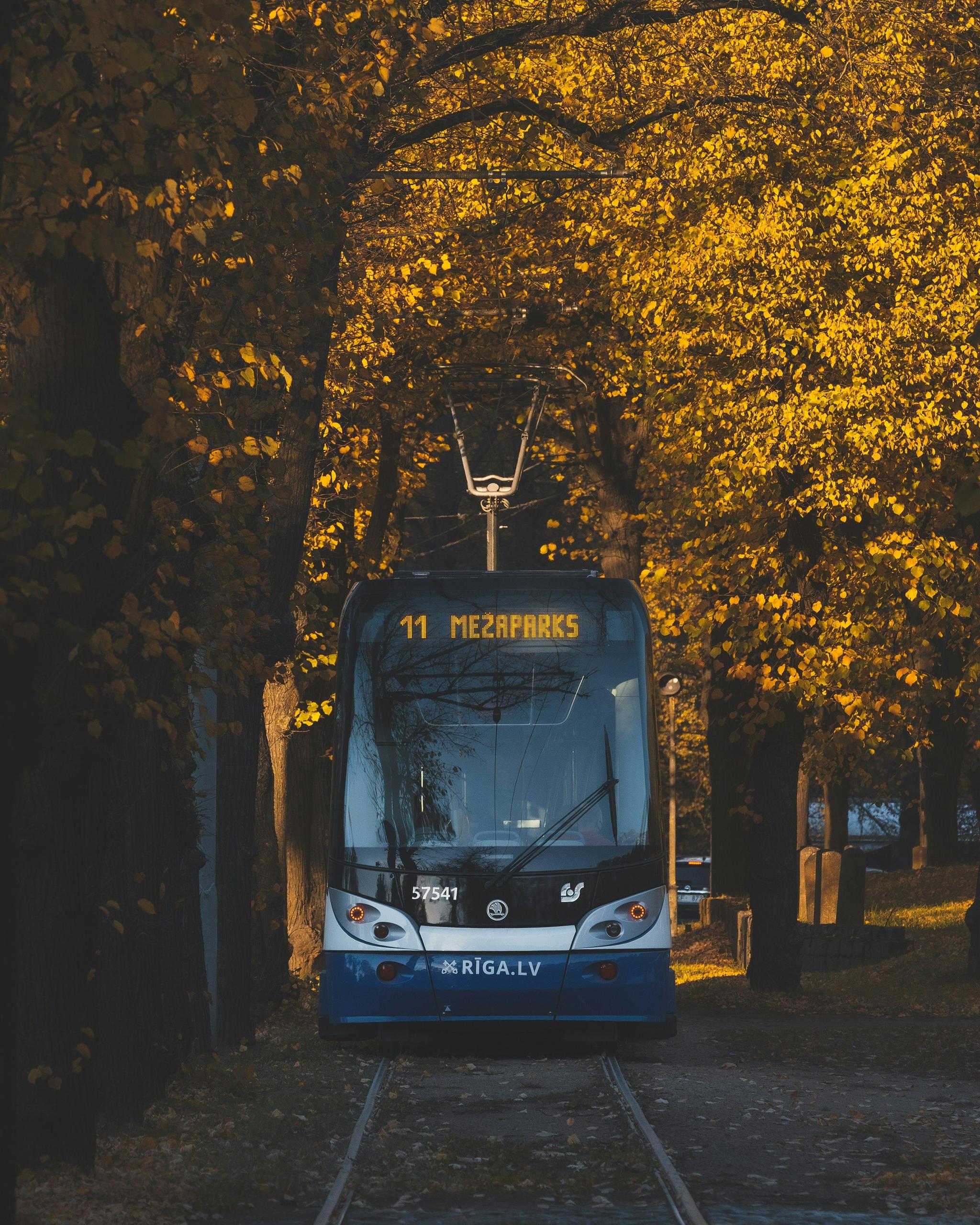
Riga trams, trolleybuses and buses
Rīgas satiksme runs the city network. A 90-minute ticket costs €1.50, and passes run from €5 for 24 hours to €10 for five days. Buy them at Narvesen kiosks or in the Mobilly app. A ticket from the driver costs €2 in cash. Bank cards work only on bus 22 (€1.81). Register your ticket every time you board, including transfers, because inspectors fine on the spot. Bolt and Forus are the ride-hailing apps; street taxis should have official yellow plates, and agree the fare first.
Car hire
A small hire car costs about €15 to €45 a day. Headlights stay on all year and winter tyres are compulsory from 1 December to 1 March. The alcohol limit is 0.5‰ (0.2‰ for new drivers). Speed limits are 50 km/h in towns and 90 km/h outside them, and many country roads are gravel. The car must carry a fire extinguisher along with a warning triangle and first-aid kit. Driving into Jūrmala costs €5 a day; buy the pass on visitjurmala.lv or in the Mobilly app.
Food and drinks you should try when visiting Latvia
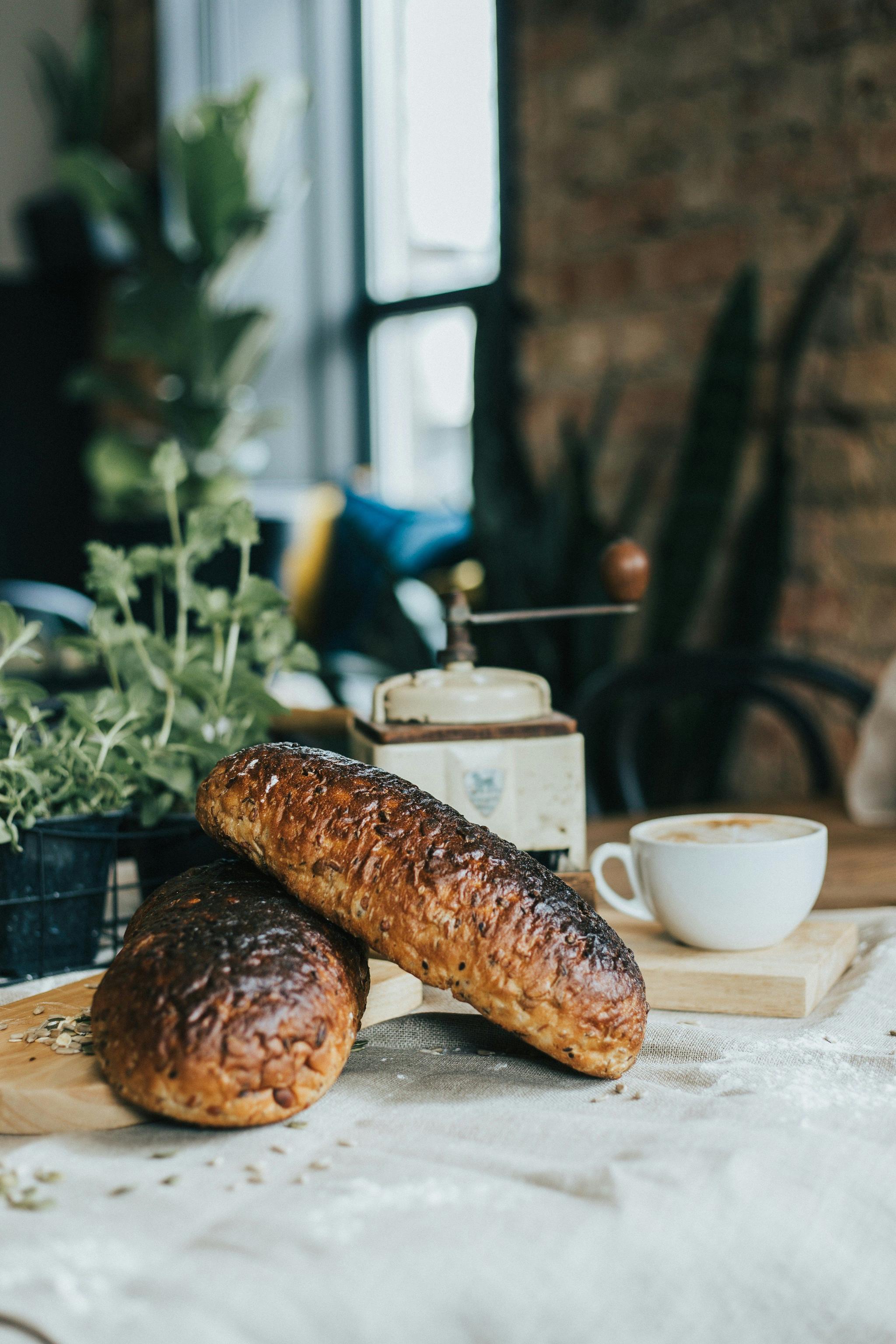
Sklandrausis was the first Latvian product to earn the EU's Traditional Speciality Guaranteed label, and like the bread and kvass, it's built on rye. An inexpensive meal in Riga costs about €15, and the Lido buffet chain is the cheap option. People round up the bill or leave about 10% for good service.
Grey peas with bacon
Pelēkie zirņi ar speķi, grey peas with bacon, is often called the national dish, usually served with a glass of kefir. Latvian large grey peas have EU protected status. It's heavy and very good, so order it first.
Rupjmaize and sklandrausis
Rupjmaize is dark rye bread flavoured with caraway, and we'd take a loaf home. Sklandrausis is a rye tart filled with potato and carrot, and the one to buy at markets.
Jāņu siers
This fresh caraway cheese is made for Jāņi, and its round shape stands for the sun. It has had EU Traditional Speciality Guaranteed status since 2015.
Smoked fish, lamprey and cold beetroot soup
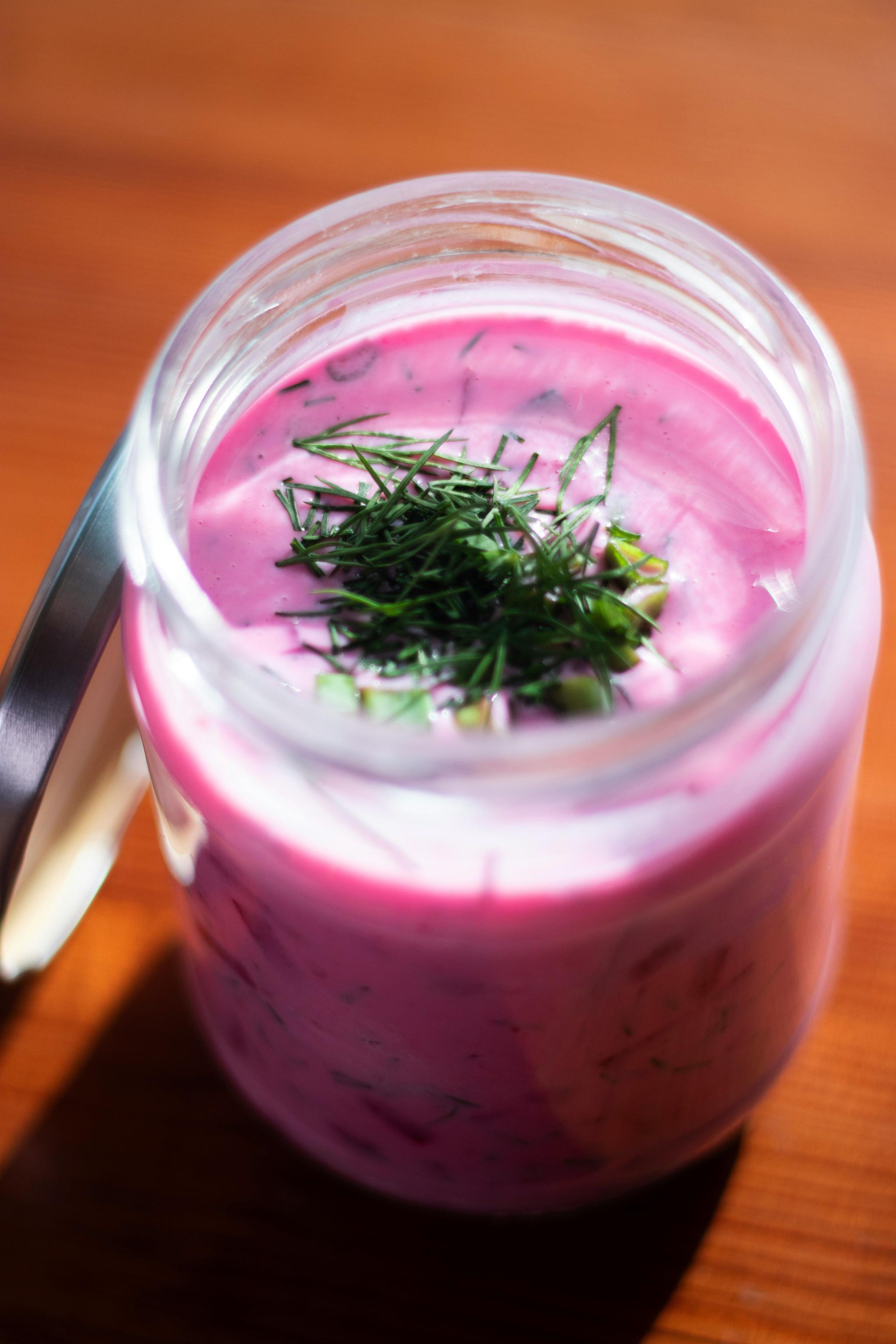
Smoked fish is sold all along the coast, and lamprey (nēģi) from Carnikava has had EU protected status since 2015. Look out too for aukstā zupa, a cold soup of beetroot and kefir with cucumber, egg and dill. It's at its best on a hot day.
Riga Black Balsam, kvass and birch sap
Riga apothecary Abraham Kunze created Riga Black Balsam in 1752, from 24 ingredients, and the classic version is 45% ABV. Kvass, a fermented rye-bread drink, has less than 1% alcohol, and bērzu sulas, birch sap, is tapped in March and April. For beer, skip the big-brand Aldaris and try the craft taprooms of Labietis and Valmiermuiža. A pint in Riga costs about €4 to €6.
Culture and local habits you'll notice when visiting Latvia
Open in English or Latvian, not Russian. Latvian is the only official language, and signs are in Latvian by law, even though about 23% of the 1.845 million people living here are ethnic Russians and most people in Latvia understand some Russian. English is widely spoken, especially in Riga. People can seem reserved at first and warm up once you know them. Name days are celebrated much like birthdays, and if you bring flowers, give an odd number, because even numbers are for funerals.
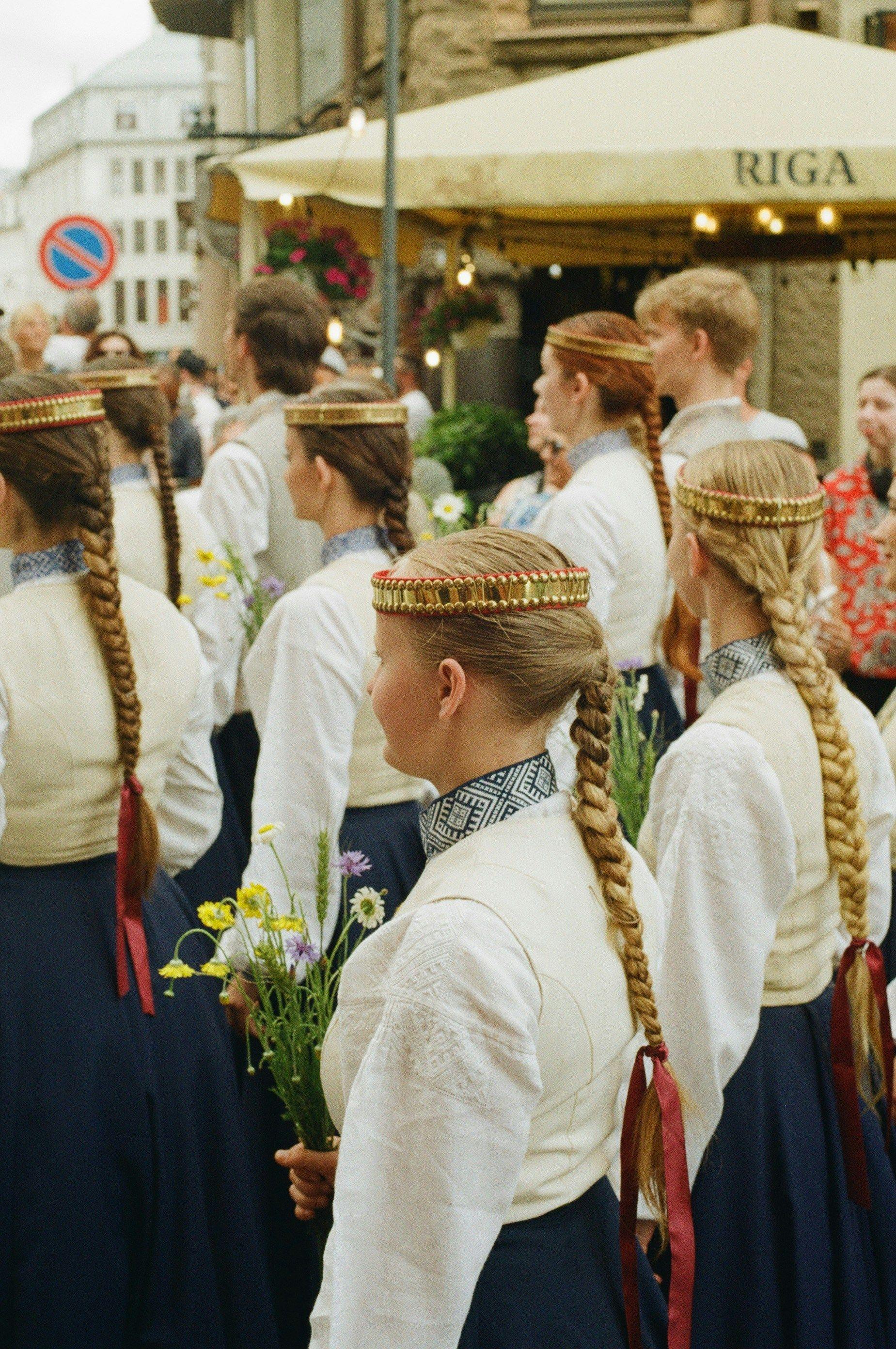
Latvians have recorded about 1.2 million folk song texts, counting variants. The Song and Dance Festival has run since 1873, about every five years; UNESCO listed the tradition in 2008, and the next festival runs from 30 June to 9 July 2028. Mushroom picking is close to a national pastime, and it's allowed in public forests, with August the peak.
Looking for more unique places, trips and activities?
Subscribe to our Guided Newsletter for more travel inspiration.
Costs of a holiday to Latvia
Latvia scores 52.3 on Numbeo's 2026 cost of living index, about a quarter below Finland (69.0) or Sweden (68.0). It's about 12% cheaper than Estonia (59.7) and level with Lithuania (51.2), while Poland (47.3) is a little cheaper again. In May 2025 the Post Office Travel Money report named Riga Europe's best-value short break, at about £253 for two nights. The Old Town is where your money goes fastest, and the regions cost noticeably less.
Food & Drink

Coffee
€2.50 – €4.50
Lunch
€8 – €15
Beer
€4 – €6
Accommodation
Hotels
€70 – €130
Airbnb
€55 – €90
Hostel dorm
€10 – €30
Transport
Trains
€2.80 – €10
Public Transport
€1.50 – €2
Car Rental
€15 – €45
Attractions

Museums
€7 – €9
Big Attractions
€9 – €17
Theatre
€15 – €90
Practical tips for visiting Latvia
Small rules trip people up in Latvia more than anything else, and these six tips cover them.
✔ Check entry rules and the EES before you travel
Latvia has been in the Schengen area since 2007. Many nationalities, including the UK, EU and US, can visit without a visa for up to 90 days in any 180-day period across the Schengen area. UK passports must have been issued less than 10 years before you arrive and be valid for 3 months after you leave. The EU's Entry/Exit System has registered fingerprints and photos at the external border since April 2026, so expect queues. ETIAS isn't running yet; check the EU's official site before you travel. Declare cash of €10,000 or more, and don't bring meat or milk from outside the EU. Read the latest GOV.UK entry requirements before you book.
✔ Pay by card, but keep some cash
Latvia has used the euro since 2014, and cards and contactless work almost everywhere. Keep a little cash for markets and the €2 driver ticket on Riga's buses, and use ATMs inside banks.
✔ Check the bill in Riga's bars
The UK Foreign Office doesn't advise against travel to any part of Latvia, and the US State Department rates it Level 1, exercise normal precautions. Pickpockets work the busiest spots, especially the Old Town and the Central Market. Some tourist bars overcharge, so check prices before you order and keep your card in sight. Drink spiking has been reported in Riga, so watch your glass. Drinking in streets and parks is illegal, and shops don't sell alcohol between 10pm and 8am. The emergency number is 112.
✔ Protect yourself against ticks
Latvia has one of the highest rates of tick-borne encephalitis in Europe, and ticks are active from April to October. If you plan to walk in forests, ask about the vaccine before you travel, and check yourself after every walk. Bring an EHIC or GHIC as well as travel insurance.
✔ Plan around Mondays and winter hours
Many museums close on Mondays, including the Rothko Museum and the Art Nouveau Museum. From November to March, rural sights cut their hours and Rundāle sells tickets for its main exhibition only. Bog boardwalks aren't cleared of snow either.
✔ Learn a few words of Latvian
Start with Labdien, then switch to English if you need to.
- Labdien: hello
- Paldies: thank you
- Lūdzu: please, or you're welcome
- Atvainojiet: excuse me
- Priekā: cheers
- Uz redzēšanos: goodbye
Fun facts about Latvia
These are the six facts about Latvia we bring up most, from basketball to folk songs.
- Krišjānis Barons's Cabinet of Folksongs holds 268,815 handwritten slips of Latvian folk songs, and UNESCO added it to its Memory of the World register in 2001.
- Latvia won the first EuroBasket, in Geneva in 1935.
- Flow, directed by Gints Zilbalodis, won Latvia's first Oscar, for Best Animated Feature, in March 2025.
- The Baltic Way of 23 August 1989 was a human chain of about 2 million people stretching about 675 km through Vilnius, Riga and Tallinn.
- After Latvia won bronze at the 2023 ice hockey World Championship, the government declared a public holiday.
- The Freedom Monument in Riga stands 42 m high and carries the words "Tēvzemei un Brīvībai", For Fatherland and Freedom.
On your first evening in Riga, walk from the Freedom Monument up into the Art Nouveau streets as the lights come on. It's the best free hour in the city.
Ready to map out your trip to Latvia?
We hope this Latvia travel guide has given you a clear starting point for your trip, whether you're heading for Riga's Art Nouveau streets or the beaches and forests beyond them. Stay tuned for more inspiration, itineraries and practical tips to help you shape your perfect holiday to Latvia. And don't forget to check out our Guided travel planning app, where you can create your own trip or use trips shared by other travellers for free.
FAQS about visiting Latvia
How many days do you need in Latvia?
Three or four days cover Riga, Jūrmala and Sigulda. With five to seven days you can add Cēsis and Rundāle, plus a night in Kuldīga, by train and bus, and 10 to 14 days with a car takes in the Kurzeme coast and Latgale. Inside the Guided app, you can create your own trip route and find out how many places you can fit into your trip.
What is the best part of Latvia to visit?
Riga, for its architecture and food. Beyond the capital, we'd pick the Gauja valley around Sigulda and Cēsis for castles and walks, then Kuldīga and the Kurzeme coast for small towns and empty beaches.
What is Latvia known for?
Riga's Art Nouveau buildings and Jūrmala's long beach, plus the forests and bogs that cover much of the country. It's also known for its folk songs, the Song and Dance Festival and Jāņi at midsummer.
Can you travel around Latvia without a car?
Yes, for most of a first trip. Trains reach Jūrmala, Sigulda, Cēsis and Daugavpils, and buses cover Kuldīga and the coast towns. Cape Kolka and Latgale's lakes are much easier by car.
Is Latvia expensive?
Not by Nordic standards. Numbeo puts Latvia at 52.3 on its cost of living index, against 69.0 for Finland and 59.7 for Estonia. Expect about €4 to €6 for a beer and €8 to €15 for lunch.
Is Latvia safe to visit?
Yes. The UK doesn't advise against travel to any part of Latvia, and the US rates it Level 1, exercise normal precautions. Pickpocketing and bar overcharging in Riga's Old Town are the main problems, and ticks are a risk in forests from April to October. Parts of eastern Latvia near the Belarus and Russian borders are restricted, so check current advice if you're heading that way.
Do people speak English in Latvia?
Yes, widely in Riga, and the 2025 EF English Proficiency Index rates Latvia's level as high. Many people also speak Russian, but Latvian is the only official language, so start in English or Latvian.
Should I visit Riga, Tallinn or Vilnius?
Riga is the biggest of the three, with the Art Nouveau quarter and a beach half an hour away. Tallinn has the more intact medieval old town and costs more, while Vilnius has a Baroque old town. Direct daily trains now link Riga with both, so it's easy to see two of them on one trip.
Plan your trip to Latvia in Guided.
Save the places you find, then let Guided lay out the days, the map and the details.
More in Europe
All destinations AlbaniaAlbania pairs a turquoise Ionian coast with Ottoman stone towns and wild mountains.
 AndorraAndorra is a tiny Pyrenean country known for ski slopes, Romanesque churches and hiking valleys.
 AustriaAustria is a beautiful alpine country known for its mountains, music, and imperial charm.
 BelgiumBelgium is known for medieval canal cities, beer, chocolate and the forested Ardennes.