

Poland
Poland travel guide: Everything you need to know before your Poland trip
Colourful old towns and castles are probably the first things that come to mind, yet across Poland you’ll also come across huge mountain ranges, beach towns along the Baltic Sea and forests where wild European bison still live today. Within just a few hours, you can move from Kraków’s medieval streets to the Tatra Mountains, or continue north towards Gdańsk where shipyards helped change the course of Europe during the Cold War period. Around the country, more than 17 UNESCO World Heritage Sites are spread between cities, salt mines and historic areas, so there is a lot to explore. A Poland trip works really well when you like history, food, mountains, lakes and cities that all connect together without spending entire days getting from one place to another. In this Poland travel guide we'll show you the best activities and places in Poland and how to connect them into a trip full of adventure, culture and fun.
5 reasons to visit Poland
Medieval cities, castles and rebuilt Old Towns bring centuries of history together in one trip.
You can visit mountains, coastline and forests all in one trip.
In Kraków and Warsaw, museums tell interesting stories connected to World War II.
Food, hotels and transport still stay fairly affordable here.
Cafés, local food spots and huge market squares keep evenings busy long after sunset.
Where to travel in Poland?
Not sure where to start when planning your Poland trip? Good news: most major destinations connect surprisingly well by train, which makes seeing multiple regions very easy. So if you’re wondering about the best places to go in Poland, these are the destinations you’ll probably want to look at first:
Explore Kraków and the historic heart of southern Poland
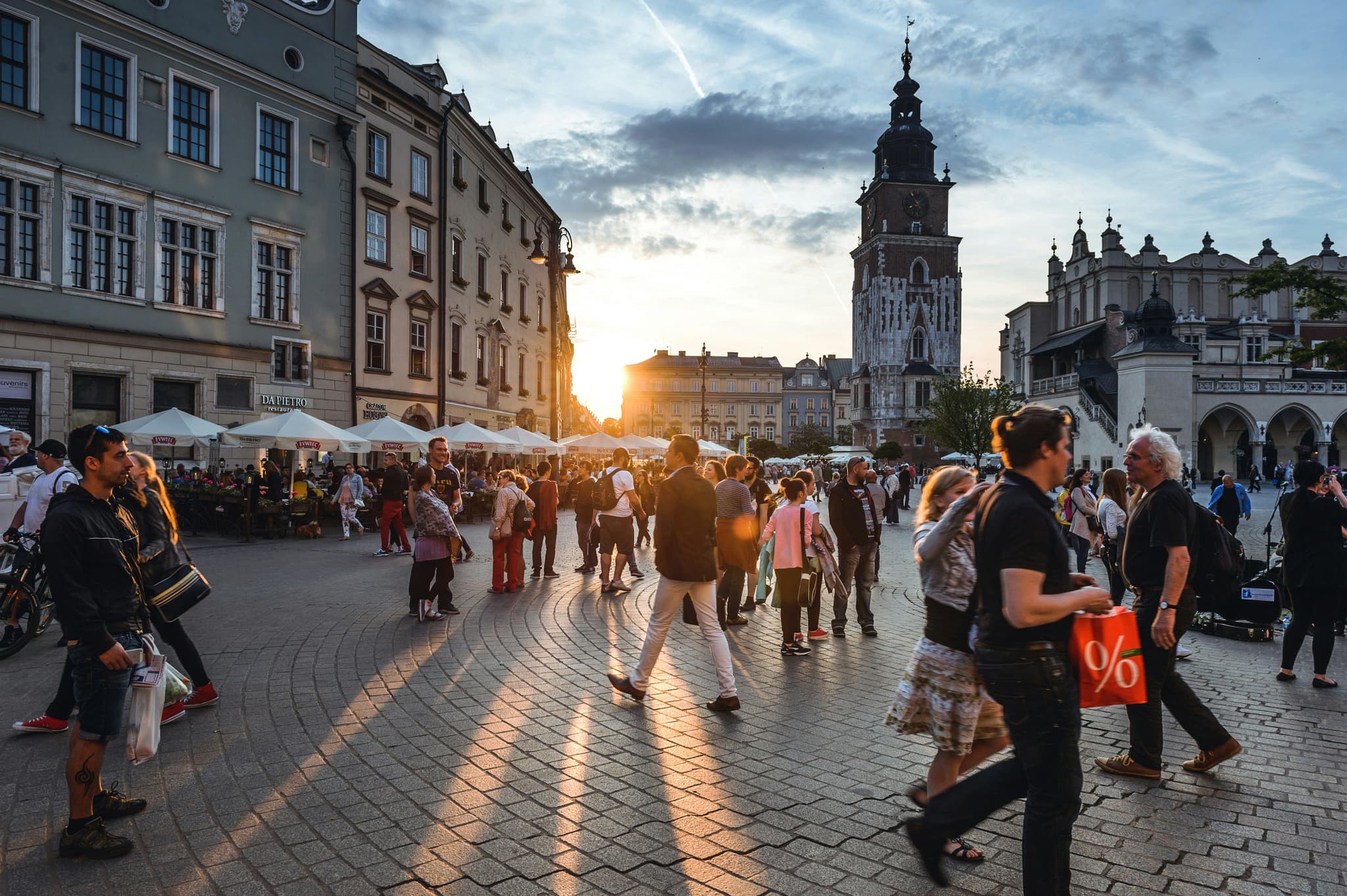
In Kraków, history is everywhere. Close to the Market Square, cafés and restaurants fill old buildings that date back hundreds of years, and just uphill from there, Wawel Cathedral and the old castle area overlook the river below. Through Kazimierz, former Jewish neighbourhoods now sit next to bars, galleries and smaller restaurants that stay busy late into the evening. Just outside the city, Auschwitz Birkenau and the famous salt mines are reachable within a couple of hours, which makes Kraków one of the easiest bases for day trips nearby.
Visit Warsaw for museums, food and modern city life
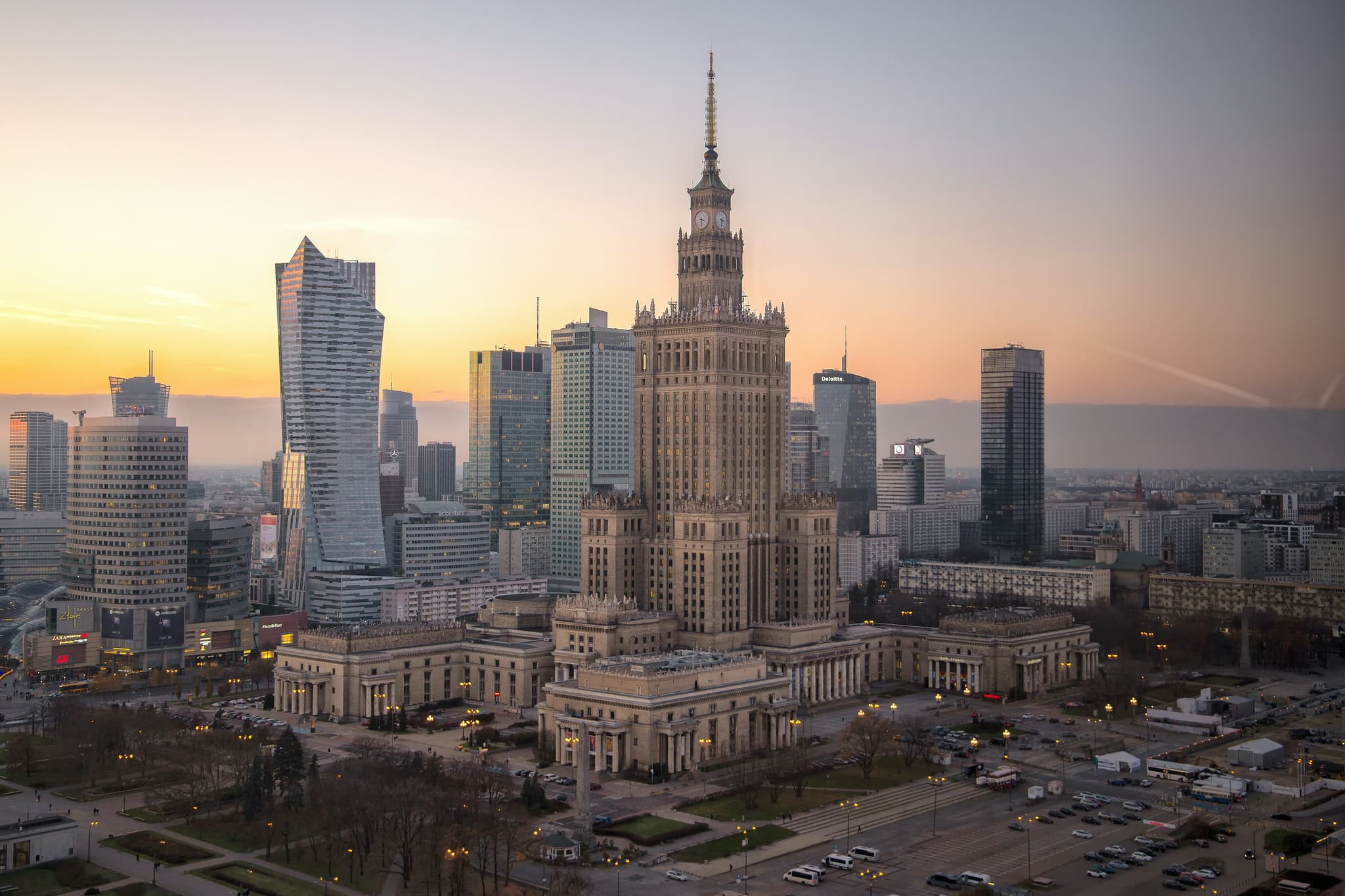
In Warsaw, modern buildings stand next to reconstructed streets that had to be rebuilt almost entirely after World War II. Near the centre, the huge Palace of Culture and Science still towers above the skyline, and around the riverbanks, restaurants and bars stretch along the water during warmer months. The city gives a completely different side of Poland compared to Kraków. Across many cities in Poland, nowhere changes quite as quickly from historic to modern within a few streets.
Head to Gdańsk for Baltic coast cities and colourful streets
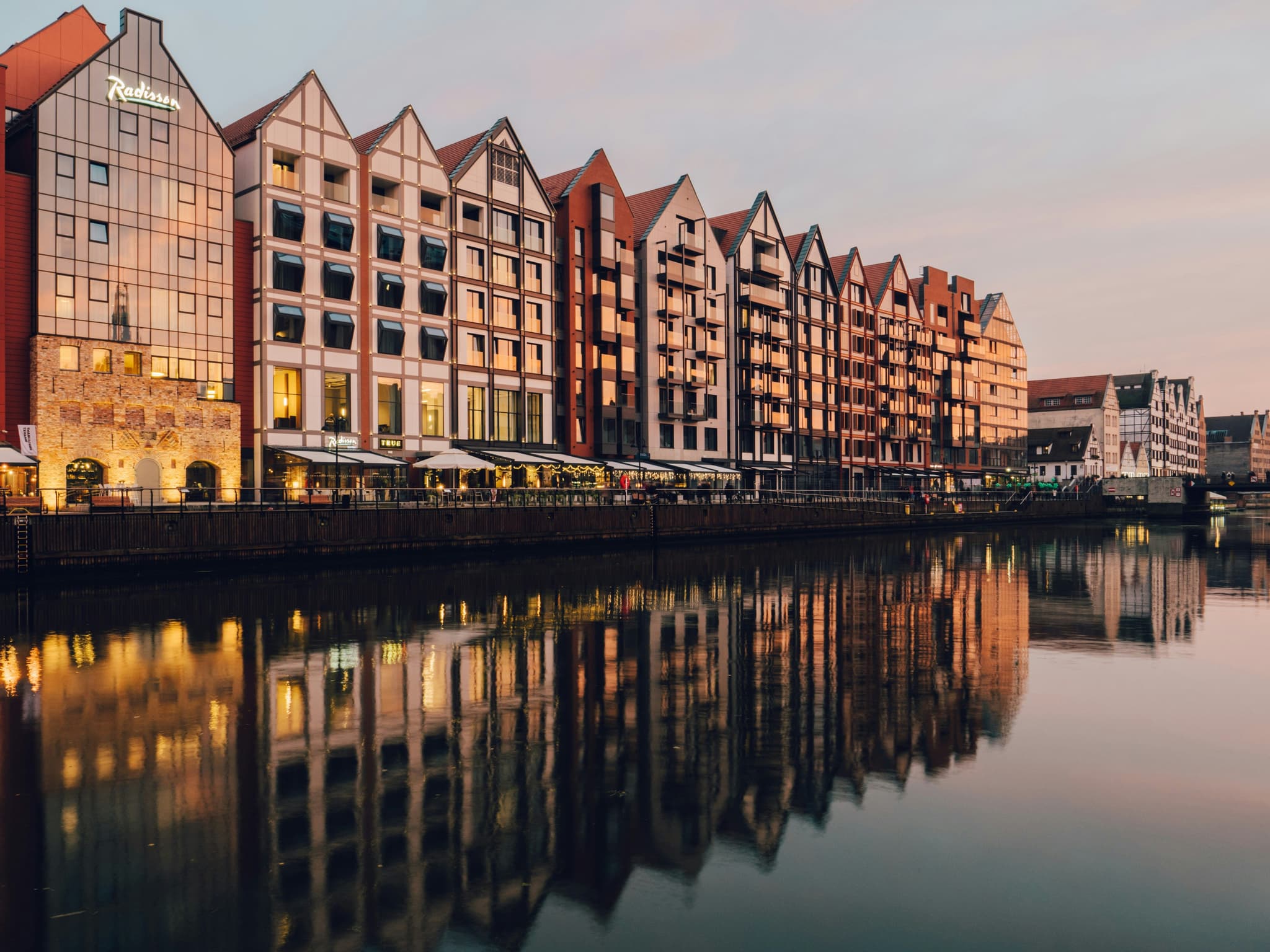
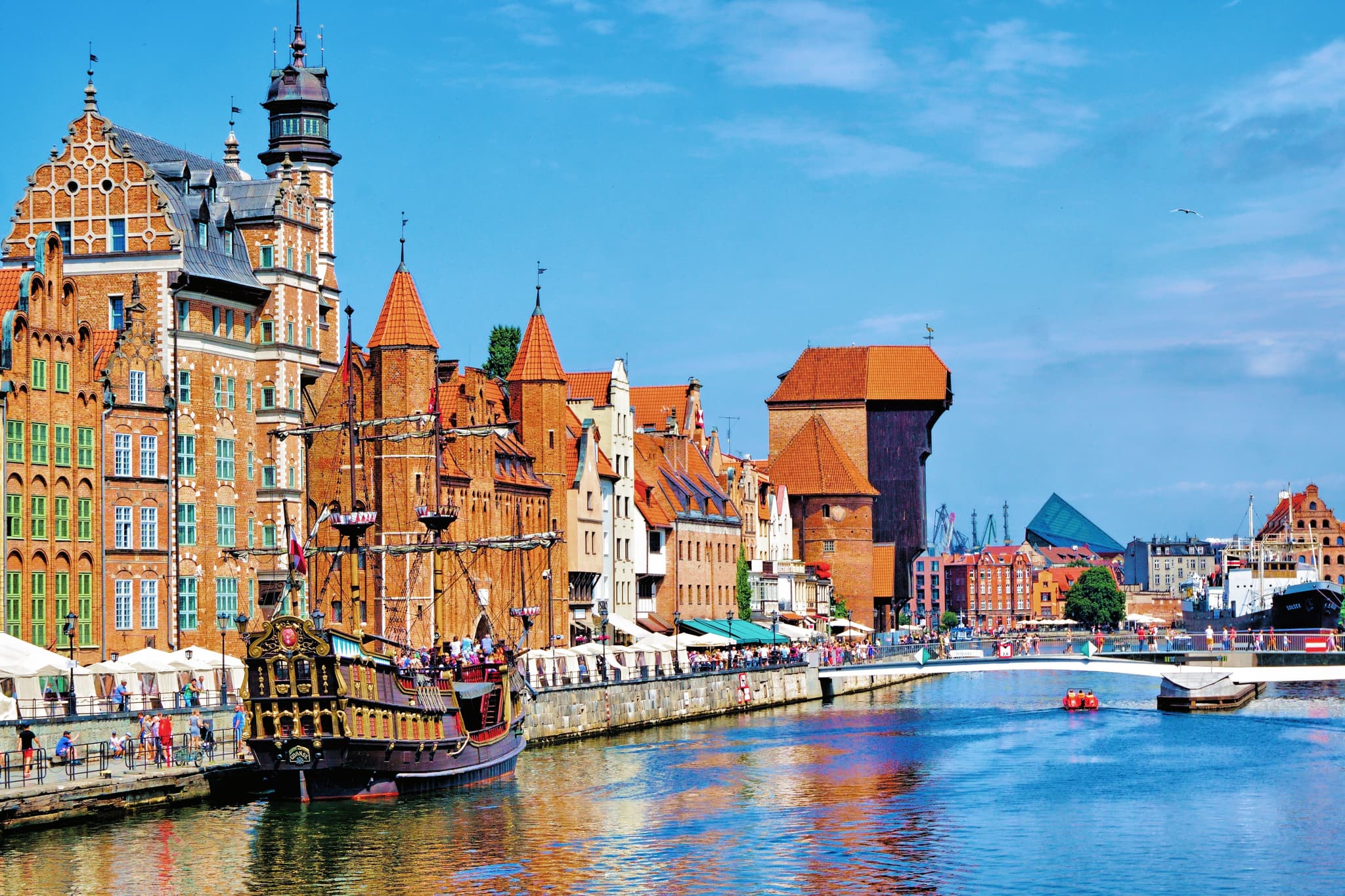
Along the north, Gdańsk brings together old merchant streets, shipyard history and beach towns all within the same area. Around the Motława River, colourful buildings reflect into the water beside old cranes and waterfront restaurants, and from there, trains connect easily to nearby Sopot for beach days by the sea. You can visit amber shops, historic streets and harbours. Just outside the city, long sandy stretches continue along the Baltic coast, making it easy to add beautiful sea views into your trip.
Discover Zakopane and the Polish mountains
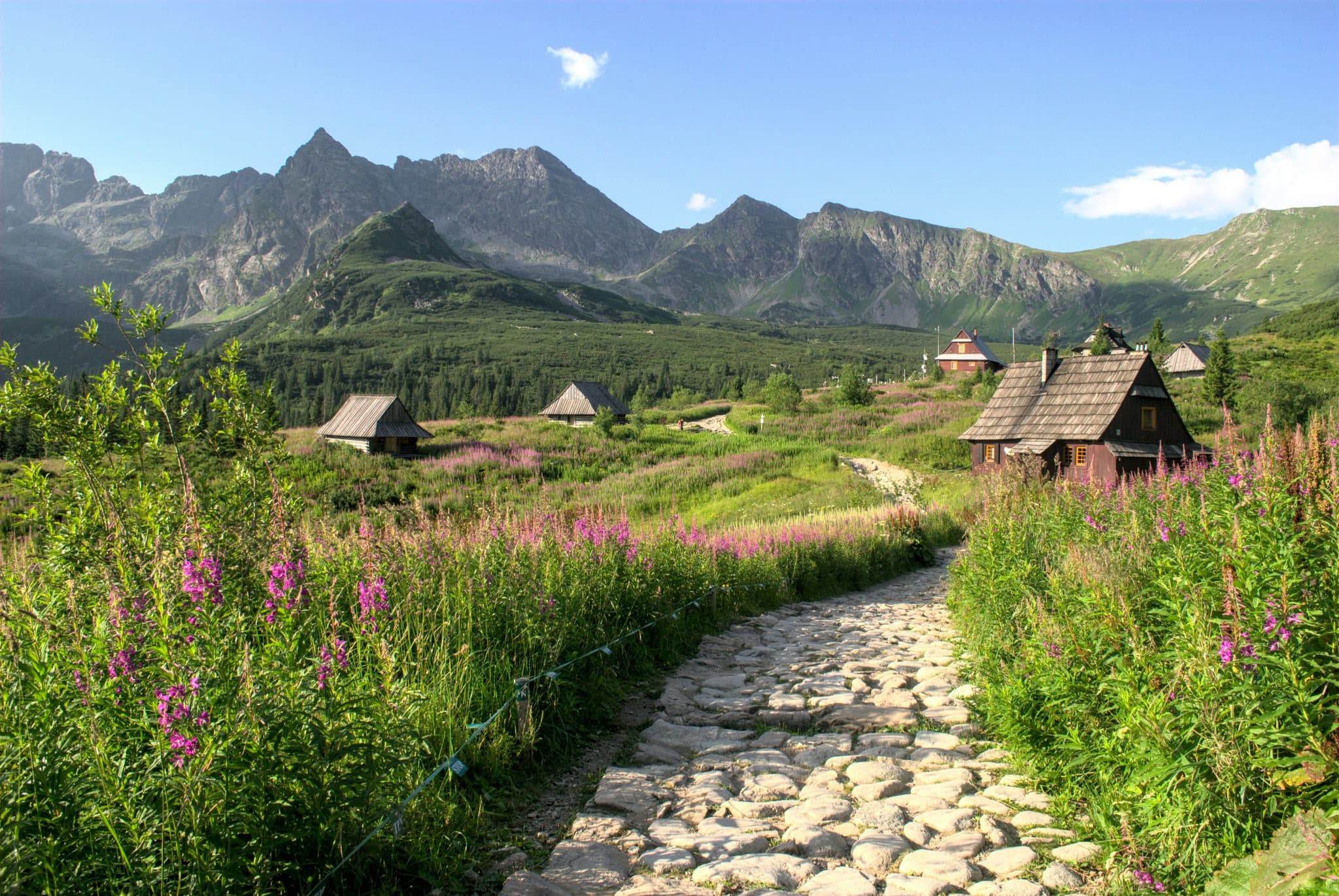
Down south near the Slovak border, mountain roads lead into wooden villages and hiking areas surrounded by the Tatra Mountains. Around Zakopane, traditional restaurants still serve smoked cheeses and mountain dishes that come from this region, and cable cars take you higher into the hills within just a few minutes. Zokopane has hiking trails, skiing areas and thermal baths, so the area works really well during both summer and winter. Just outside town, lakes and forest routes create some of the best outdoor areas anywhere in the country. This is the place to go if you like hiking, mountain views, thermal baths and spending long days outside surrounded by nature.
Spend a few days around the lakes of Poland
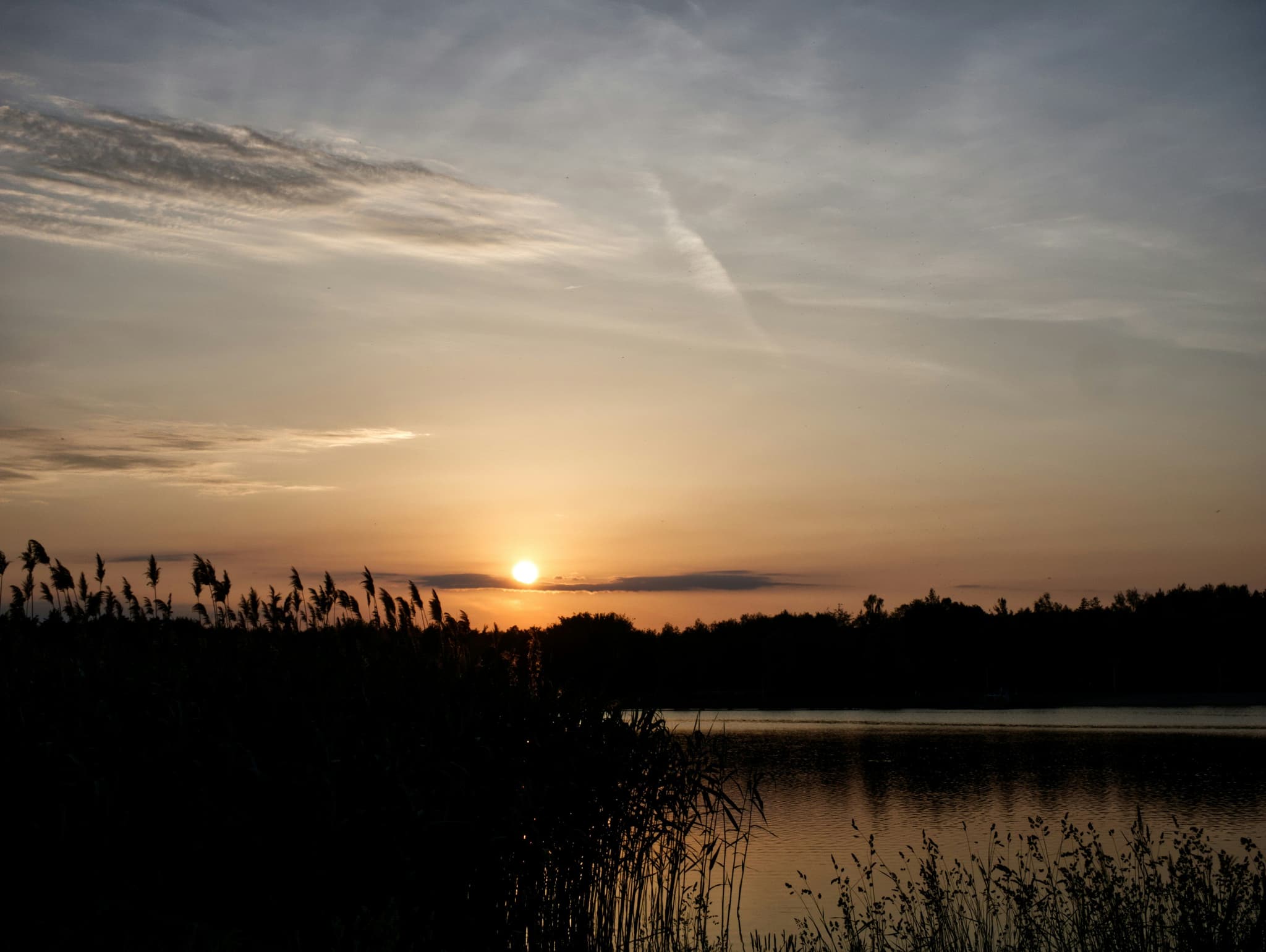
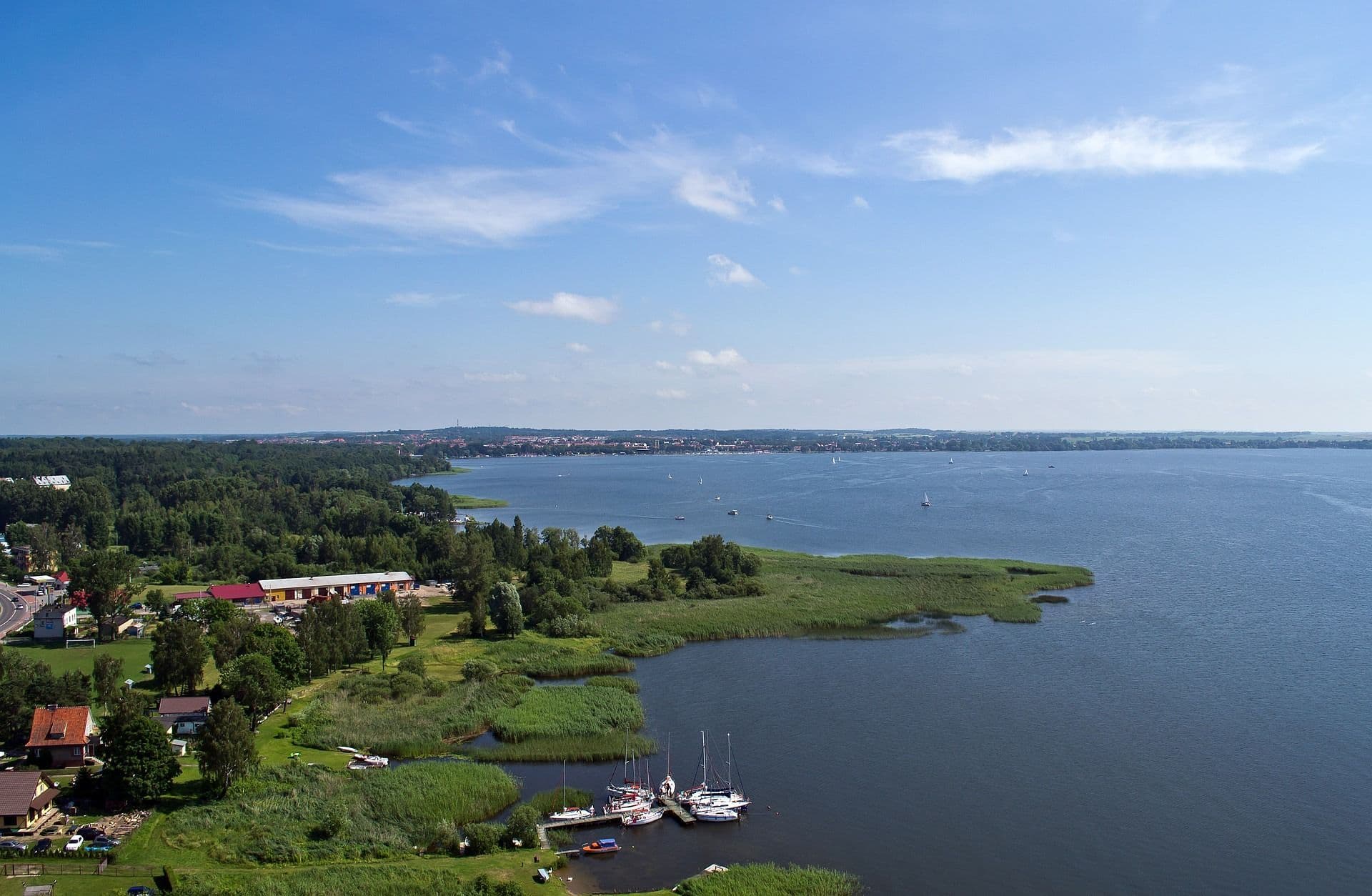
Up in the northeast, huge stretches of water and forests create a side of the country many people don’t know about before arriving in Poland. Across the Polish Lake District, you’ll probably spend much time outside, because everything sits around the water here, from small cabins and forest roads to little docks with boats tied up along the shore. During warmer months, you can go swimming, kayaking or relaxing outside near the lakes until late in the evening. Compared to Kraków or Warsaw, life slows down a lot more here, which makes this area really nice after a few busy city stops.
Poland itinerary ideas for your trip
Poland looks quite big on the map, however train connections between the main destinations make travelling between places much easier. So instead of spending entire days in transit, you can actually build a route where cities, mountains and coastline connect together pretty smoothly. We’ve put together a few itineraries that connect the best places:
One week Poland trip for first timers
Day 1 to 3: Kraków, explore the Old Town, Kazimierz and riverside cafés
Day 4: Auschwitz Birkenau and Wieliczka Salt Mine through organised tours.
Day 5 to 7: Warsaw, visit museums, food halls and nightlife areas around the river.
Between Kraków and Warsaw, train journeys are simple and direct, so you can spend more time actually exploring instead of losing full days getting around.
Two weeks through cities, mountains and coastline
Day 1 to 3: Kraków, spend time around the Old Town and nearby historic sites.
Day 4 to 5: Zakopane, head into the mountains for hiking trails and thermal baths.
Day 6 to 8: Warsaw, visit museums, historic districts and restaurants.
Day 9 to 12: Gdańsk and Sopot, walk along the waterfront and the Baltic Sea.
Day 13 to 14: Masurian Lakes, kayaking, forests and smaller villages.
Overnight stays in Zakopane or Gdańsk work much better than trying to visit them as quick day stops from somewhere else. And hiking trails and thermal baths break up the city sections nicely before heading north again. From the south all the way towards the sea, this route gives you mountains, bigger cities and beaches in one continuous trip.
Weekend in Poland: easy city break idea
Day 1 to 3: Kraków, perfect for history, food and nightlife
Day 1 to 3: Warsaw, great for museums, food spots and modern architecture.
Day 1 to 3: Gdańsk and Sopot, ideal for sea views, old streets and beach walks.
Looking for more inspiration? Explore these trips:

Fun things to do in Poland
Now that you know where to go during your trip, the next step is figuring out what you actually want to spend your time doing once you’re there. In Poland, things to do mostly revolve around castles, nature and food. We’ve gathered a few activities and experiences that are really worth adding to your route.
Walk through medieval squares and castle districts
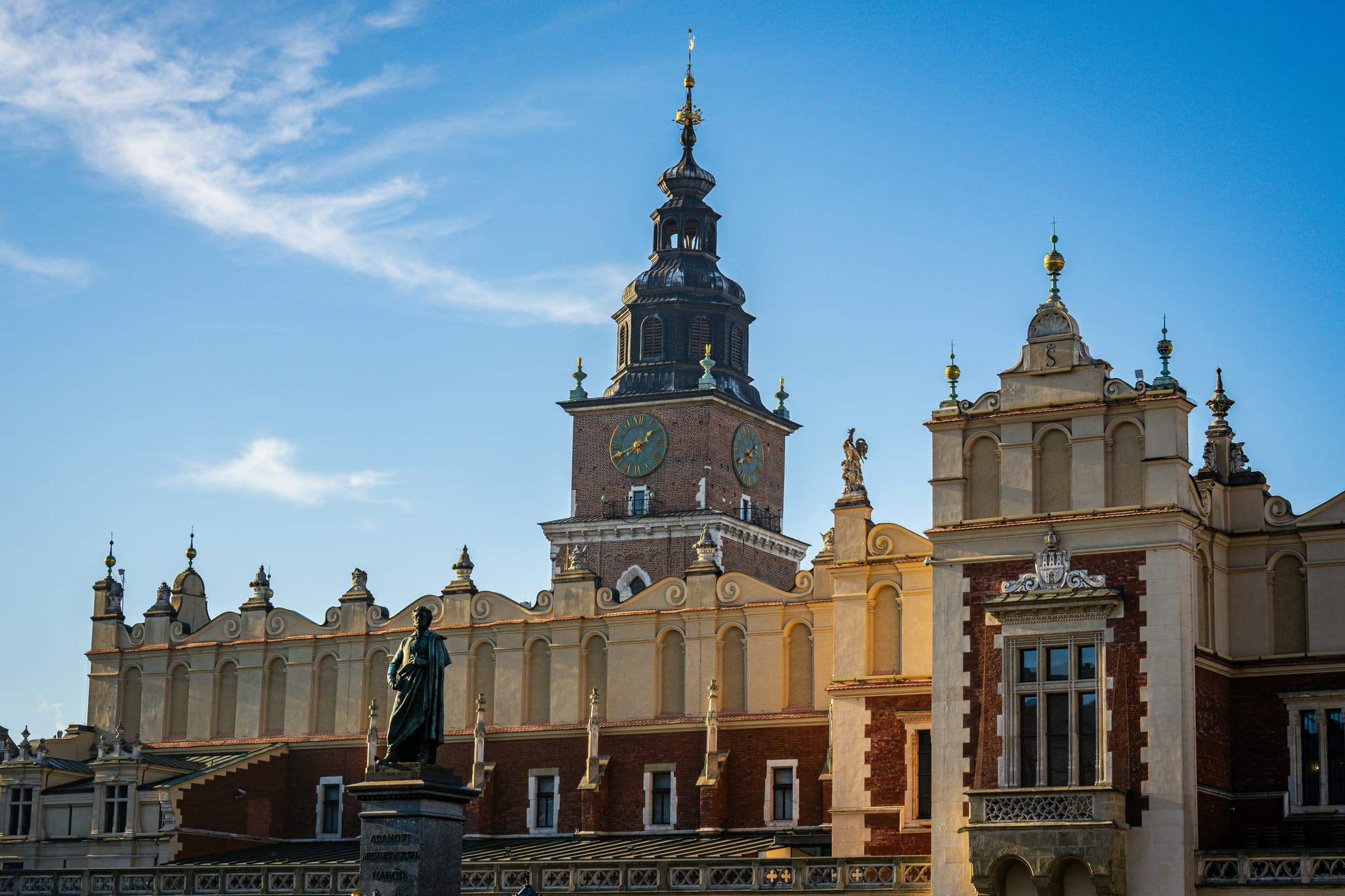
In cities like Kraków and Warsaw, places like Rynek Główny, Castle Square and the streets around the old castle districts still sit right in the middle of local life. During the evenings, you can sit outside near old churches, walk through side streets behind the main squares or stop for dinner inside buildings that date back hundreds of years. They are some of the best landmarks in Poland, where you don’t really need a strict plan because simply walking around already fills your afternoon.
Visit Auschwitz and learn more about Poland’s history
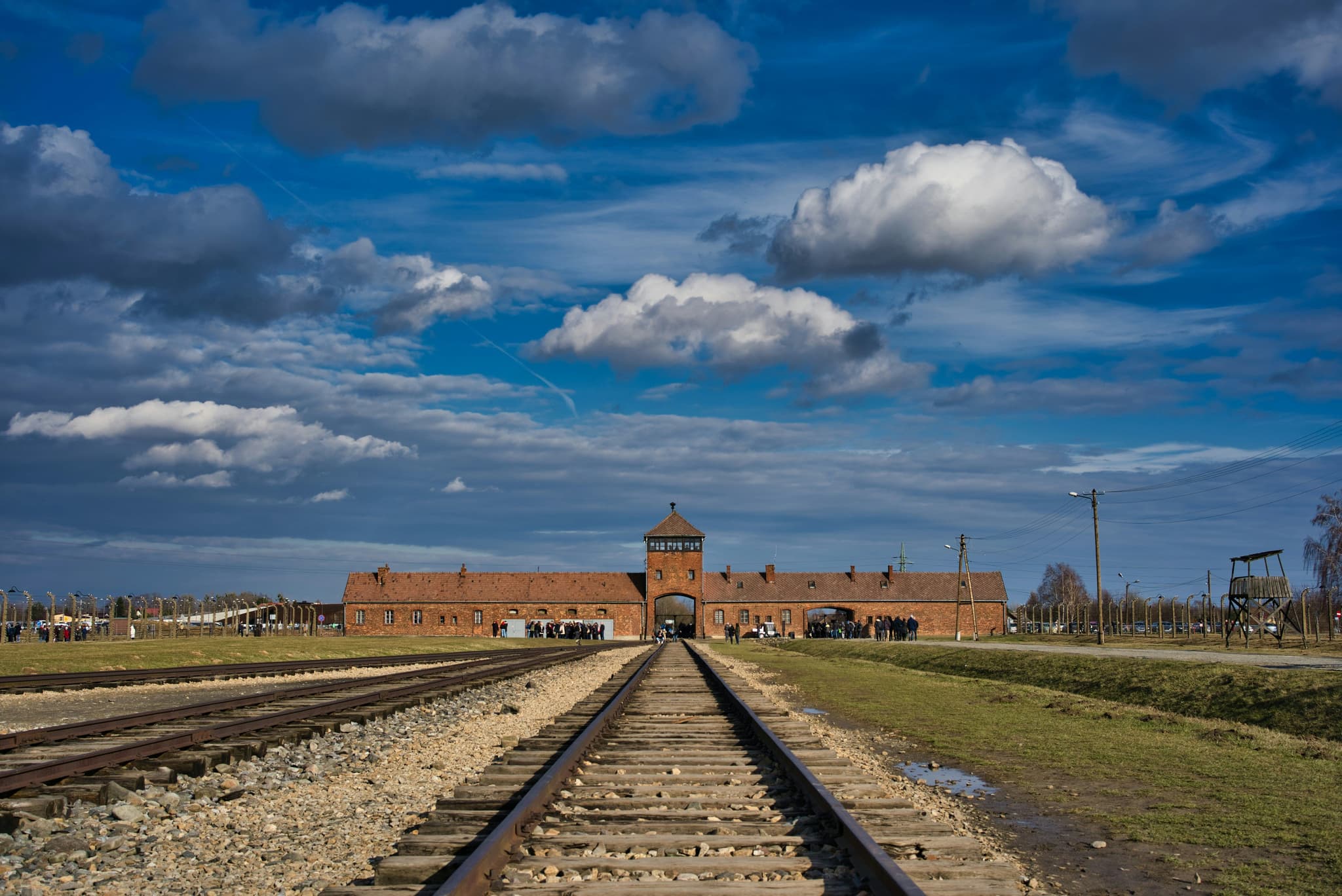
Just outside Kraków, Auschwitz is one of those places you’ll probably remember long after your trip ends. Inside the former camp grounds and museum areas, photographs, preserved buildings and personal belongings give you a much deeper understanding of what happened here during the war years. Alongside all the nightlife and beautiful Old Towns, this stop gives you a completely different perspective and really makes you think about how much freedom and peace you normally take for granted. Organised tours leave throughout the day, so you can easily visit without arranging transport yourself.
Go hiking and spend time in the mountains
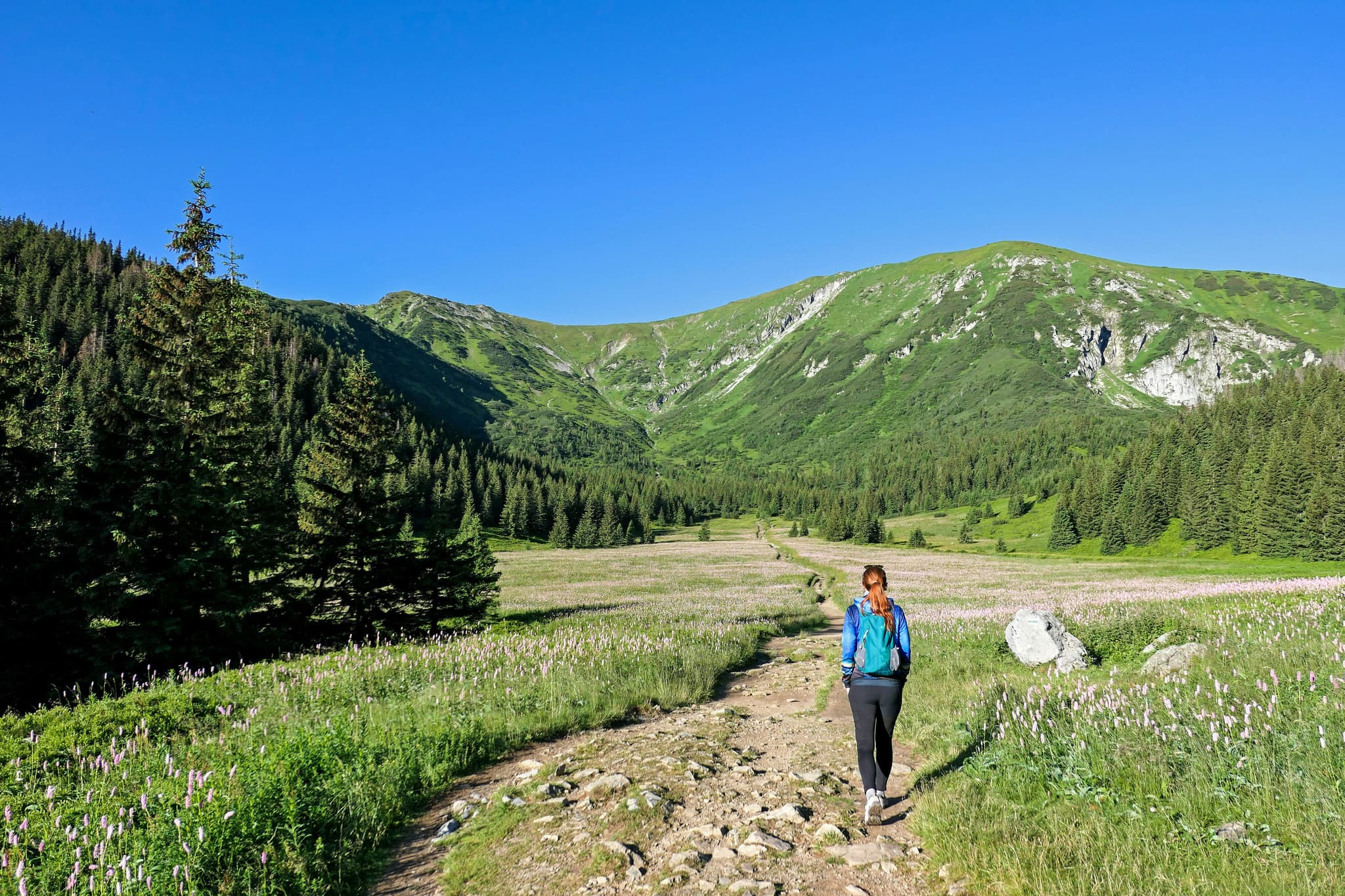
Down south near Zakopane, hiking paths and forest routes spread through huge mountain areas near the Slovak border. You can spend full days outside before heading back into town for thermal baths or mountain food later in the evening. Winter completely changes the area once ski season starts, and through summer, trails stay busy well into the afternoon. Out of all the Polish mountains regions, this one gives you some of the nicest outdoor days anywhere in the country.
Relax along the sea and beach towns
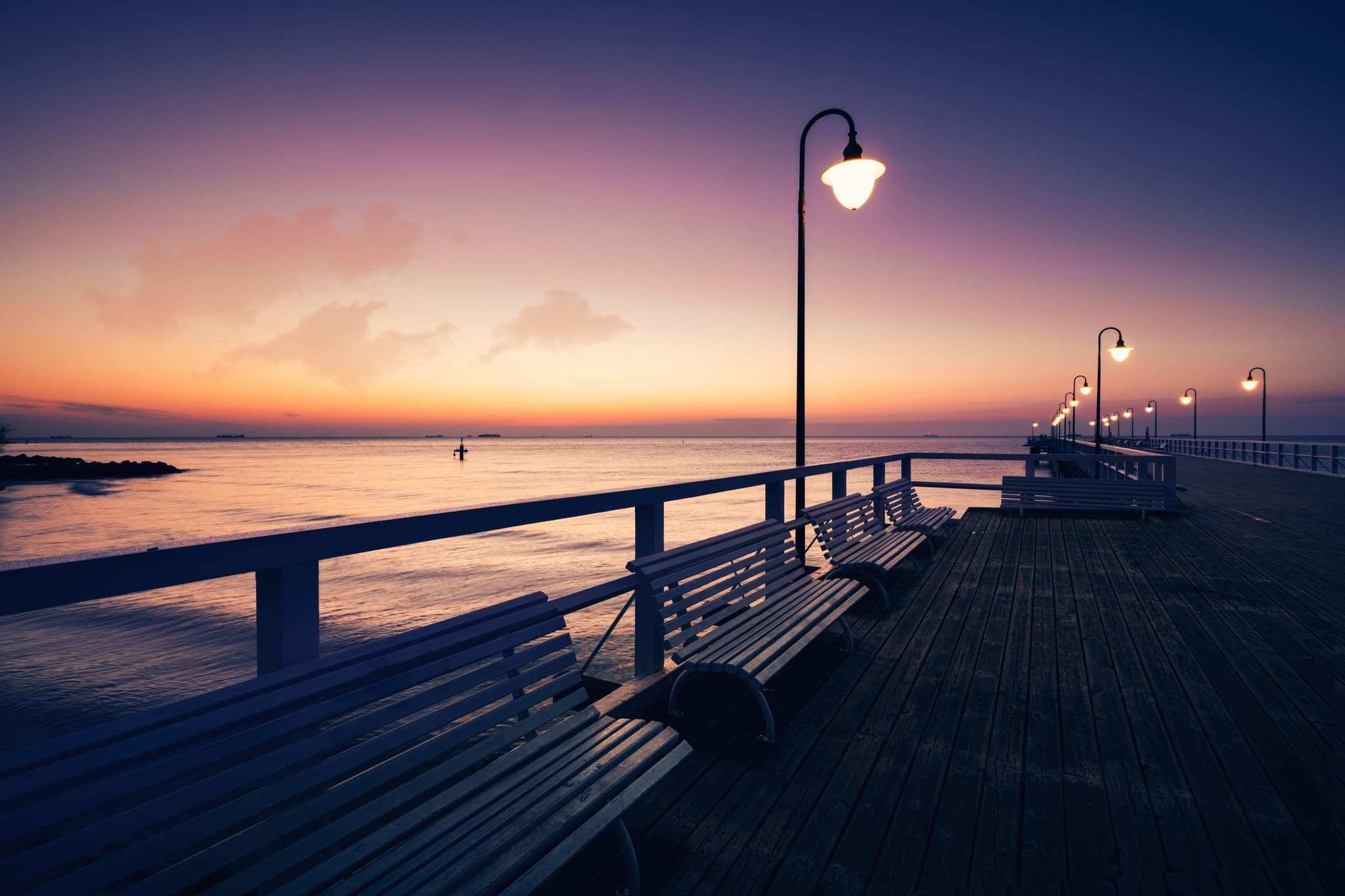
If you’re wondering about Poland’s beach destinations, Gdańsk and Sopot are some of the first places you’ll want to look at. Near these coastal cities, beach promenades and sandy stretches continue for kilometres beside the water. You can move from old city streets straight onto the beach within less than half an hour, which makes this area really nice after a few busier stops further south. Late evenings by the sea stay lively during summer, with people sitting outside near the waterfront long after dinner.
Explore forests, lakes and smaller villages
Most of Poland’s lake areas are found around the Masurian Lake District in northeastern Poland. Around the water, you can rent kayaks, stay in wooden cabins or spend your evenings outside near smaller villages like Mikołajki and Giżycko, both surrounded by forests and lakes. After a few days in places like Kraków or Warsaw, this region completely changes the atmosphere of your trip.
When to plan your Poland trip?
Different months can completely change your trip, so deciding first what kind of trip you want helps. Beach towns, snowy mountain villages and historic cities all work best during different parts of the year. Many Guided travellers plan their Poland trips around the season.
Spring: Great for city trips, castle areas and parks
Summer: Best for beach towns, lake regions and hiking around the south.
Autumn: Cooler temperatures and colourful forests
Winter: Snowy mountains, Christmas markets and thermal baths
Northern coastal areas and southern mountain regions can have very different weather at the same time, so checking regional temperatures before booking helps a lot.
Not sure when to go? Read our blog about the best time to visit Poland, where we break down exactly when to visit for beaches, mountains, city trips and winter travel.
Where to stay in Poland?
A lot of people end up staying in Kraków during their first trip to Poland, but there are quite a few other areas that can work just as well depending on what you want your days to look like. Let’s take a look at your options so you can decide what suits you best.
Stay in Kraków if you want history and nightlife together
Around the Old Town and Kazimierz, restaurants, bars and museums sit close enough together that you can explore most places on foot. Evenings usually continue much later here compared to smaller Polish cities, so nights out can be really fun. Near the river and castle area, terraces and cafés start filling up once it gets warmer during spring and summer. Most of Poland’s attractions, like Auschwitz, the Wieliczka Salt Mine and the old castle district, are close to the city, which makes Kraków a really easy base for several days.
Base yourself in Warsaw for museums and modern city life
Warsaw is one of the most modern cities in Poland, and you’ll probably notice that straight away once you arrive. Near the centre, hotels, nightlife areas and transport connections all sit fairly close together, so getting around stays pretty easy even during shorter stays. Around the riverbanks, you can spend your evenings outside at restaurants and bars during warmer months, and metro lines quickly connect you to other neighbourhoods across the city. Compared to Kraków, Warsaw gives you a very different side of Poland with wider streets, newer architecture and a much bigger city atmosphere.
Choose Zakopane for mountains and outdoor activities
Down south near the border, wooden houses and mountain roads surround the town from almost every direction. Near the centre, mountain restaurants, thermal bath resorts and hiking transport are all within short distances from one another. During winter, you can go skiing just outside town, and through summer, you can go hiking around the mountains and lakes once the weather gets warmer. It is one of the most beautiful landscapes Poland has to offer.
Stay near Gdańsk for beach towns and coastline trips
Poland’s coastline areas are found around the Baltic Sea, with Gdańsk, Sopot and Gdynia being some of the easiest places to start. Up north beside the sea, Gdańsk works really well as a base because nearby beach towns connect easily by train. Around Sopot and the surrounding coast, you can walk along long promenades, spend time on sandy beaches and stop at restaurants or cafés near the water. During summer, you can easily spend the afternoon by the sea before heading back into the city later in the evening for dinner or drinks.
Guided tip: Longer trips through Poland usually work much better when you split your stays between Kraków, Warsaw and Gdańsk.
Did you know you can create your own itinerary?
Now that you know what to see in Poland and where to stay, you can start creating your own trip. Do you want more time in historic cities and castle districts, or are you thinking about mountain hikes and beach days along the Baltic coast? It’s all up to you. You can easily create your own trip in the Guided app for free, or use trips shared by others.
Food and traditional dishes you should try in Poland
Long dinners, warm comfort dishes and local bars easily fill your evenings after full days exploring the cities and mountains in Poland. These are a few foods you can try during your trip.
Try pierogi in traditional milk bars
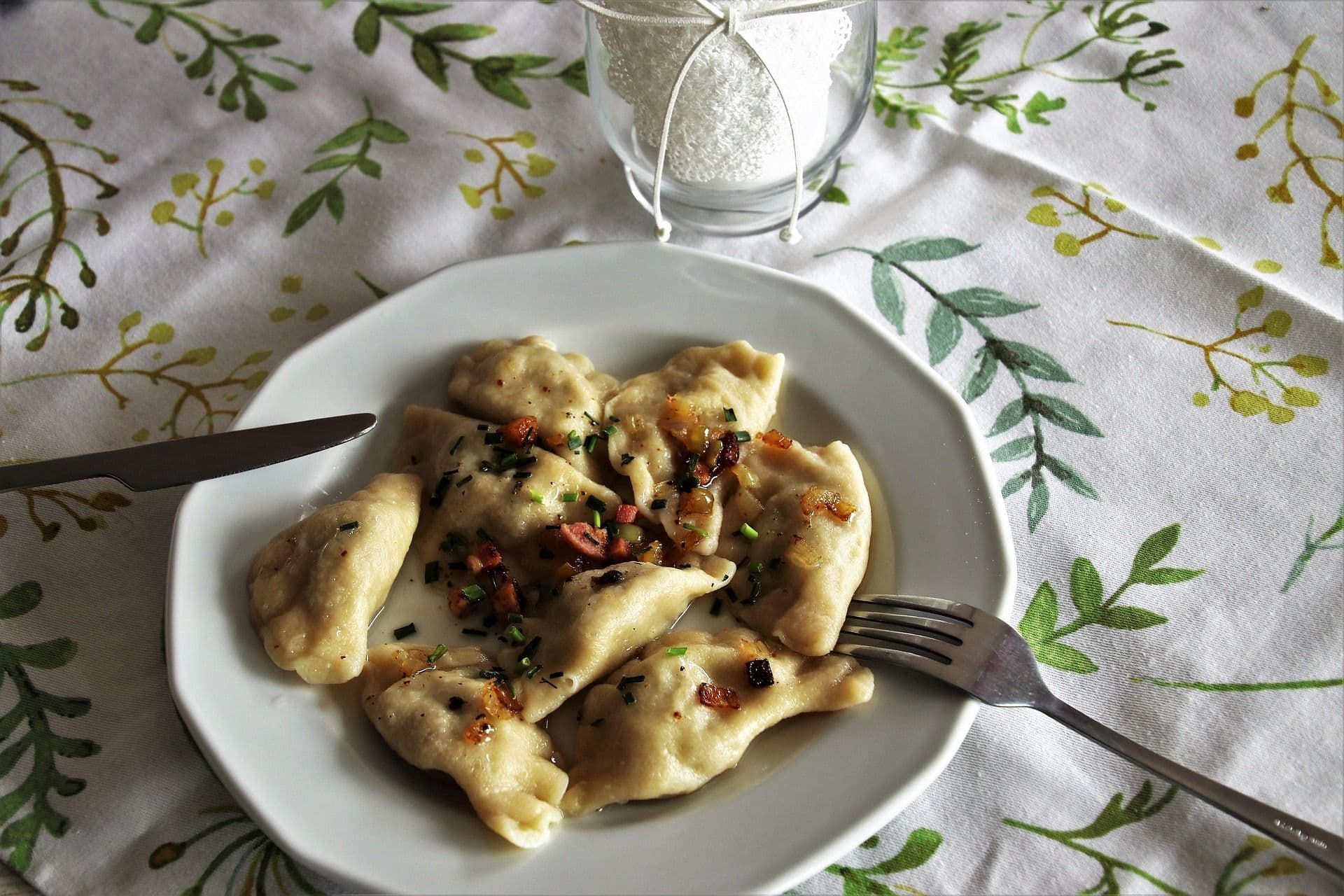
Around Kraków and Warsaw, small local restaurants called milk bars still serve homemade Polish dishes for very low prices. Inside, you can try different types of pierogi filled with potato, cheese, meat or mushrooms, usually served in huge portions that keep you full for hours afterwards.
Warm up with żurek and Polish soups
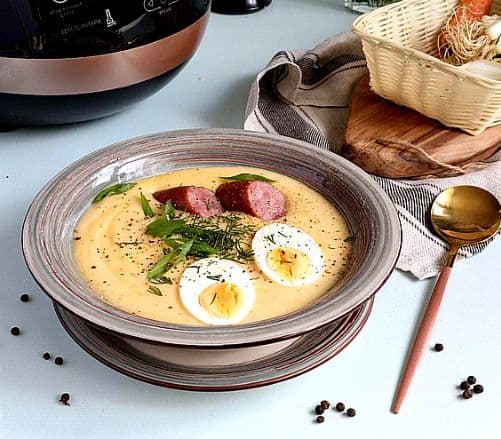
Cold weather and heavy soups go together really well in Poland, which is why dishes like żurek show up on menus almost everywhere. Served inside bread bowls in many restaurants, this sour rye soup usually comes with sausage, egg and potatoes that make it very filling. Around mountain towns, soups and stews become even heavier once local cheeses and smoked meats start appearing on the menu. After long days walking through cities or hiking outside, these are exactly the kind of meals you’ll want by the evening.
Taste vodka and local drinks across Poland
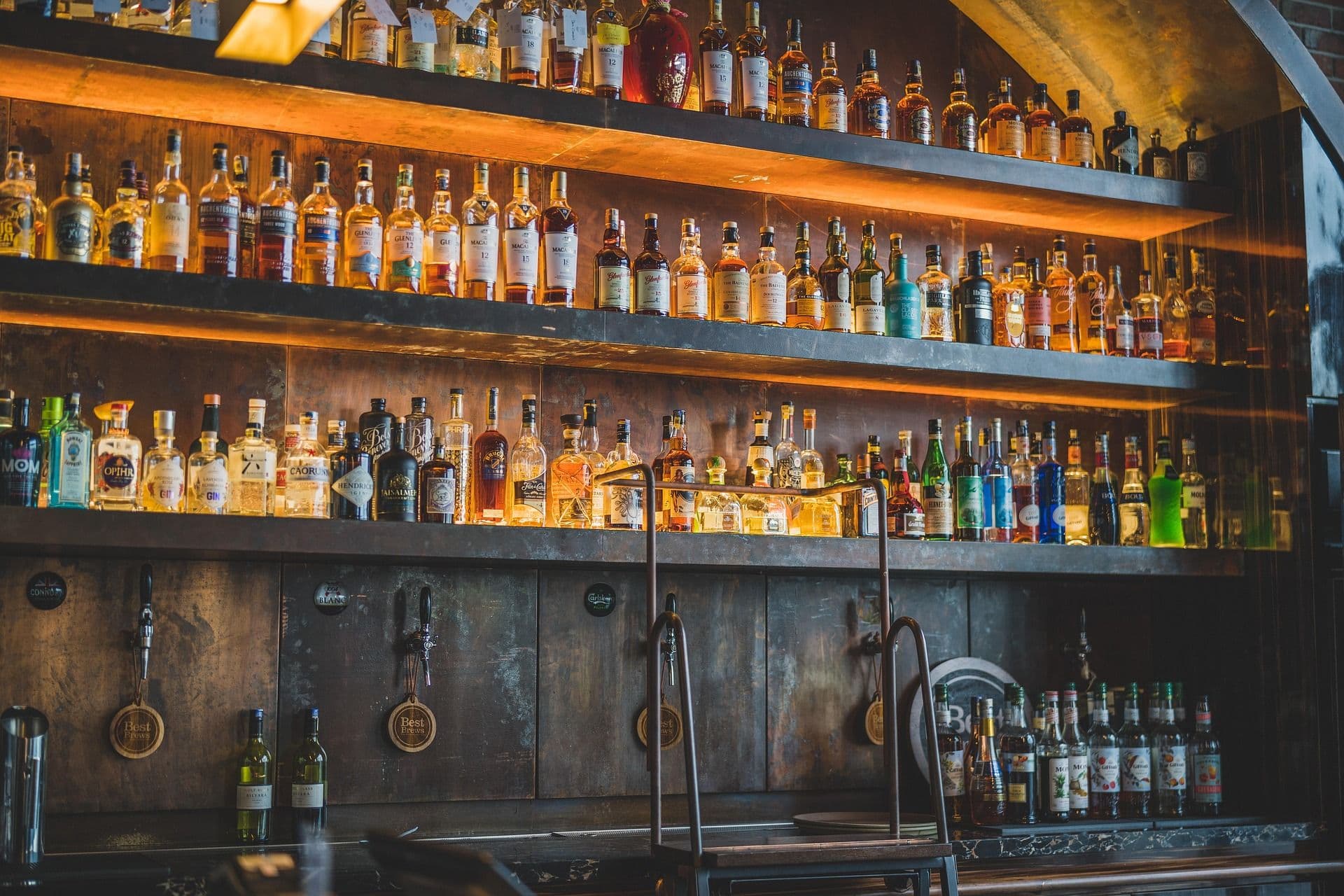
Hazelnut vodka, cherry vodka, herbal vodka, Polish people definitely know how to come up with unique flavours you probably haven’t tried before. In larger cities, vodka tastings are still one of the more fun things to add into your evenings here.
Culture you’ll experience during your Poland trip
Around cities like Kraków, Warsaw and Gdańsk, different periods of history still stay very visible once you walk through the streets. During World War II, huge parts of Warsaw were destroyed, and large sections of the city had to be rebuilt afterwards using old paintings, photographs and historical plans. Near the centre today, reconstructed Old Town streets stand next to modern skyscrapers and communist era buildings that still remind people of Poland’s Soviet period after the war. Around Kraków, much older architecture survived far better, which is why the city still looks very different compared to the capital. Through churches, castle districts and historic squares, religion and history still stay closely connected to everyday life in many parts of the country.
Outside the bigger cities, local traditions remain much more visible once you head towards the mountains, countryside and lake regions. Around southern mountain villages near Zakopane, wooden houses, smoked cheese stalls and horse carts still appear throughout daily life, and traditional music and clothing remain connected to local festivals and celebrations. Near the Masurian Lake District, long summer evenings outside by the water still bring families together around cabins, fishing spots and campfires during holidays. Compared to many western European countries, people in Poland can come across slightly more reserved at first, though conversations usually become much warmer once you spend more time somewhere.
Looking for more unique places, trips and activities?
Subscribe to our Guided Newsletter for more travel inspiration.
Costs of a Poland trip
Compared to many nearby countries in Europe, prices across Poland still stay fairly reasonable for food, hotels and transport. That’s one of the reasons many Guided travellers plan longer trips to Poland instead of limiting themselves to only a few days.
Food & Drink

Coffee
12 PLN – 18 PLN
Lunch
35 PLN – 70 PLN
Beer
15 PLN – 25
Accommodation
Hotels
250 PLN – 600 PLN
Airbnb
180 PLN – 500 PLN
Hostel dorm
55 PLN – 95 PLN
Transport
Trains
60 PLN – 160
Public Transport
4 PLN – 6
Car Rental
120 PLN – 300
Attractions

Museums
10 PLN – 40
Big Attractions
90 PLN – 220
Theatre
70 PLN – 250
Practical tips for your Poland trip
First time visiting Poland, and wondering what you should sort before you go? We’ve gathered a few tips that will make your trip much smoother once you arrive:
✔ Use trains between the major cities
Around Poland, train connections between Kraków, Warsaw, Gdańsk and Wrocław work much better than many people expect before arriving. PKP Intercity trains are comfortable, fairly affordable and save you from dealing with parking or long driving days between cities. Through the PKP Intercity website or app, you can book tickets fairly easily in advance, and routes between the biggest cities usually run multiple times per day.
✔ Keep some cash with you for smaller towns
Across larger cities, card payments work almost everywhere without any problems. Around mountain villages, local markets or smaller restaurants though, paying with cash still helps a lot sometimes. Poland uses the Polish złoty, usually written as PLN, so having some smaller notes or coins with you makes things much easier outside the bigger cities.
✔ Prepare for colder winters than you may expect
During winter, temperatures around southern Poland and mountain regions can easily drop below minus 10 degrees Celsius, and around Zakopane it sometimes gets even colder. So make sure to bring some warm shoes, gloves and waterproof jackets!
✔ Book Zakopane accommodation early during winter
Around Christmas, New Year and ski season, hotels and mountain cabins near Zakopane fill up pretty fast. Much better prices and nicer places are still available if you book several months ahead instead of waiting until the last minute.
✔ Download offline maps before road trips or hiking days
Near mountain regions and lake areas, your phone signal sometimes disappears once you leave towns. Downloading offline maps through Google Maps offline mode or apps like Maps.me help a lot once you start driving or hiking through more remote regions.
✔ Expect restaurants to stay busy quite late in bigger cities
Around Kraków and Warsaw, dinners and nightlife usually continue much later compared to northern Europe. And during weekends, restaurants and bars can stay packed well into the evening, especially around the main squares.
✔ Learn a few Polish words before arriving
English is spoken in many hotels, restaurants and larger cities, though smaller places and villages can sometimes be a bit more difficult. Learning a few Polish words still helps a lot once you arrive, and simple phrases like “Dzień dobry” for hello and “Dziękuję” for thank you are always appreciated in restaurants, shops and smaller towns.
✔ Use these apps for transport and planning
When getting around Poland, a few apps make things much easier. Jakdojade works really well for public transport inside cities, Google Maps helps for directions, and the PKP Intercity app is useful for train schedules and tickets. Uber also works in larger cities like Kraków and Warsaw, and prices usually stay cheaper compared to many western European countries.
Fun facts about Poland
Pierogi and historic Old Towns are usually the first things people associate with Poland, though there’s much more that surprises you once you arrive. Some facts connect back to history, others to nature, and a few are simply things you probably wouldn’t expect before your trip.
One of Europe’s largest brick castles can be found in Malbork
European bison still live in protected forests in eastern Poland
The Wieliczka Salt Mine has been operating since the 1200s
Warsaw’s Old Town had to be rebuilt almost entirely after World War II
Poland has more than 9,000 lakes across the country
Some mountain villages near Zakopane still use horse drawn transport
Pierogi come in sweet, savoury and seasonal versions depending on the region
Polish people drink huge amounts of tea and soup during colder months
After a few days in Poland, you’ll probably start noticing how quickly the country changes once you move between regions. Mountain villages, beach towns, rebuilt cities and lake regions all bring completely different atmospheres into the same trip. A Poland trip works really well for you if you like history, mountains, beach towns and routes where every few days look completely different from the last.
Ready to map out your trip to Poland?
We hope this Poland travel guide has given you a clear starting point for your trip. Stay tuned for more inspiration, itineraries and practical tips to help you shape your perfect Poland trip. And don’t forget to check out our Guided app, where you can create your own trip or use trips shared by other travellers for free.
FAQS about trips to Poland
- Where to travel in Poland?
A lot depends on what kind of trip you want once you arrive. Kraków works really well for history and nightlife, Gdańsk is great for beach towns and sea views, and Zakopane is the place to go for mountains and hiking. Through the Guided app, you can also look at routes shared by other Guided travellers to figure out what fits your trip best.
- What to see in Poland?
Castle districts, historic squares, mountain regions and beach towns are some of the biggest highlights once you start travelling around the country. Places like Kraków, Warsaw, Gdańsk and the Tatra region all bring something completely different into your trip. In this Poland travel guide, you’ll also find extra inspiration for lakes, smaller towns and road trip routes.
- How many days do you need in Poland?
Around 7 to 14 days usually gives you enough time to see cities, mountains and beach areas without needing to move too quickly. Shorter city breaks also work really well if you mainly want to visit Kraków, Warsaw or Gdańsk.
- What is Poland famous for?
Pierogi, vodka, medieval cities and World War II history are probably the things Poland is most known for internationally. Around the country, you’ll also come across mountain villages, beach towns and huge lake regions that many people don’t expect before arriving.
- Where is Warsaw in Europe?
Warsaw is found in central eastern Europe and sits roughly in the middle of Poland. From cities like Berlin, Prague or Vienna, getting there by flight or train is fairly easy. For many Guided travellers, Warsaw works really well as either a starting point or final stop during a Poland trip
- Is Warsaw worth visiting?
Warsaw surprises a lot of people once they actually spend time there. Around the city, modern skyscrapers, rebuilt Old Town streets, museums and riverside nightlife all create a very different atmosphere compared to Kraków. Through a few days in the capital, you’ll get a much broader view of Poland beyond the more historic areas.
- Is Kraków in Europe?
Kraków is a city in southern Poland in central Europe, close to the Slovak border and the Tatra Mountains. Around the city, you’ll find historic squares, castle districts and one of the country’s best nightlife areas. For many people, Kraków ends up becoming the highlight of their Poland trip.
- Where is Gdańsk Poland?
Gdańsk sits in northern Poland along the Baltic Sea coast. Around the city, beach towns like Sopot and Gdynia connect easily by train, which makes the whole region really easy to explore. Through summer, this area becomes one of the most popular seaside destinations in the country.
- Where is Katowice in Poland?
Katowice sits in southern Poland, roughly one hour from Kraków by train or car. Around the city, airports and train connections make it a useful arrival point for mountain trips further south. For shorter routes through southern Poland, Katowice can actually work pretty well as a transport base.