

Finland
Finland travel guide: Everything you need to know for your trip to Finland
Late at night in northern Finland, you can still sit outside with daylight hanging in the sky, enjoy a hot sauna in the middle of the forest and spend hours talking by the campfire. Around the Arctic Circle, you can take trains through snowy forests towards places like Rovaniemi, where you can enjoy the northern lights, sauna cabins and nights inside glass igloos. Down south, old harbour cities and Finnish islands sit along the Baltic Sea, with ferry routes connecting places many people completely miss during their first Finland trip. Between frozen lakes during winter, huge forests covering around 75% of the country and more than 180,000 lakes spread across Finland, your route can look completely different depending on which region and season you choose. Within one country, you can go from swimming in lakes during summer to walking across frozen rivers a few months later, which is exactly why Finland works so well when you want nature, cities and completely different seasons all in one route. In this Finland travel guide we’ll explore how to build your trip, what activities to do, and where to go in Finland.
5 reasons to visit Finland
When going on a trip to Finland, your days can look completely different depending on the season and region you choose. Nevertheless, there’s always plenty to see and do no matter what kind of route you decide to build.
Long snowy winters bring northern lights, frozen lakes and nights inside wooden cabins surrounded by forests.
You can swim, use a sauna and sit outside until late thanks to the midnight sun during summer.
Small towns, old harbours, cafés and local markets give you a very different side of Finnish travel.
Train routes and domestic flights connect cities, forests and remote regions surprisingly well.
Huge forests, hiking trails and wildlife create some of the most untouched landscapes in Finland.
Best places to visit in Finland
Planning a trip but don’t know where to start, what to do and where to visit in Finland? Across Finland, regions look and work completely differently from each other, so picking the right places already changes your whole trip. Many Guided travellers visit Finland because of the northern lights, but the country actually has a lot more to offer. So let’s take a look at the best places to go in Finland according to fellow Guided travellers.
Explore Helsinki for design, cafés and seaside culture
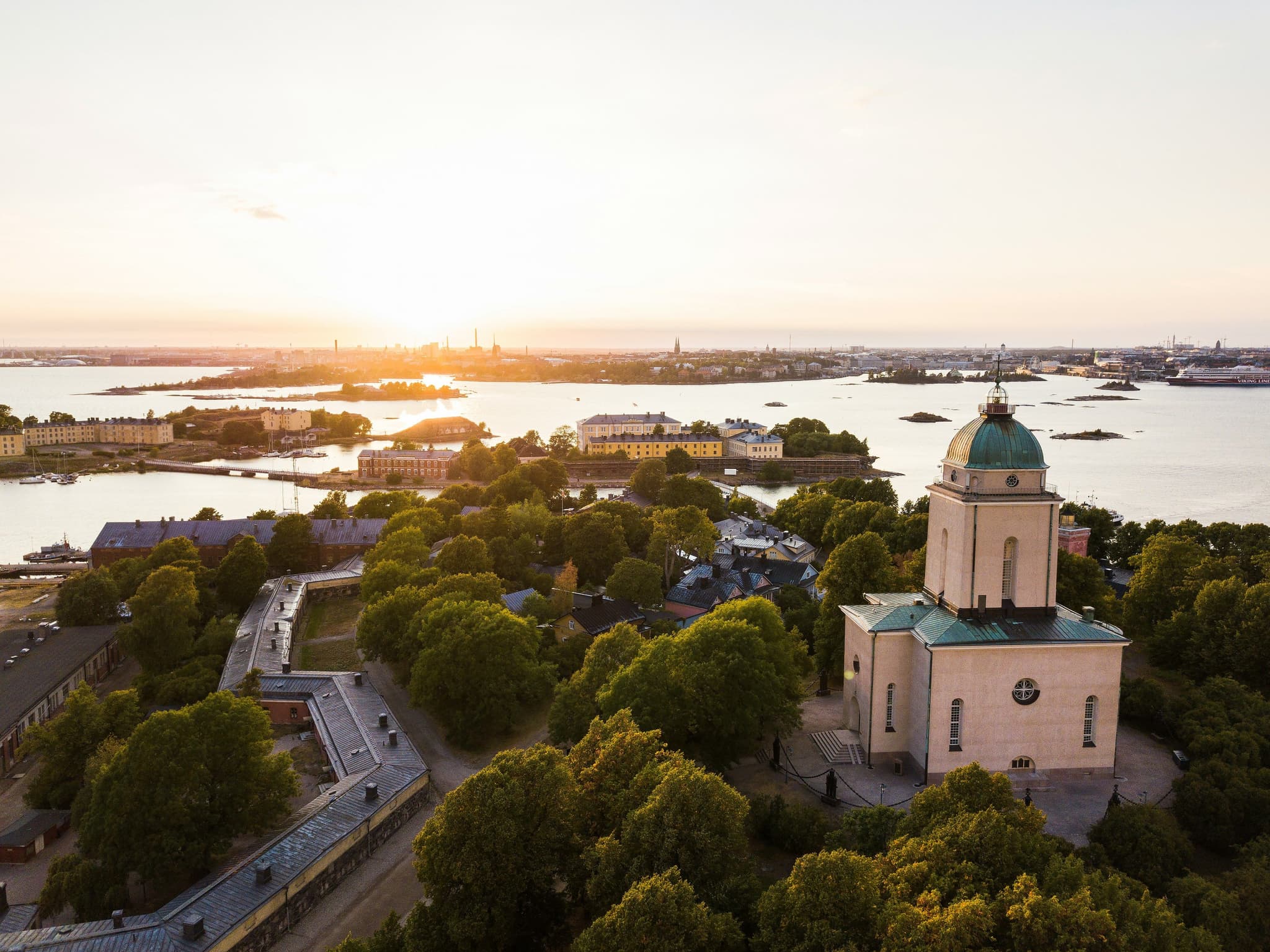
In Helsinki, ferries, cafés and harbour markets are all close together, which makes the city really easy to explore. Near the waterfront, old market halls sell salmon soup, cinnamon buns and local pastries that the locals eat during their lunch breaks. In the city centre, trams connect museums, shopping streets and smaller neighbourhoods within minutes. And just outside the harbour, Suomenlinna became one of Finland’s best known UNESCO World Heritage sites because of its sea fortress and military history dating back to the 18th century. Helsinki works really well as an easy starting point before heading north.
Head to Rovaniemi for Arctic experiences and snowy forests
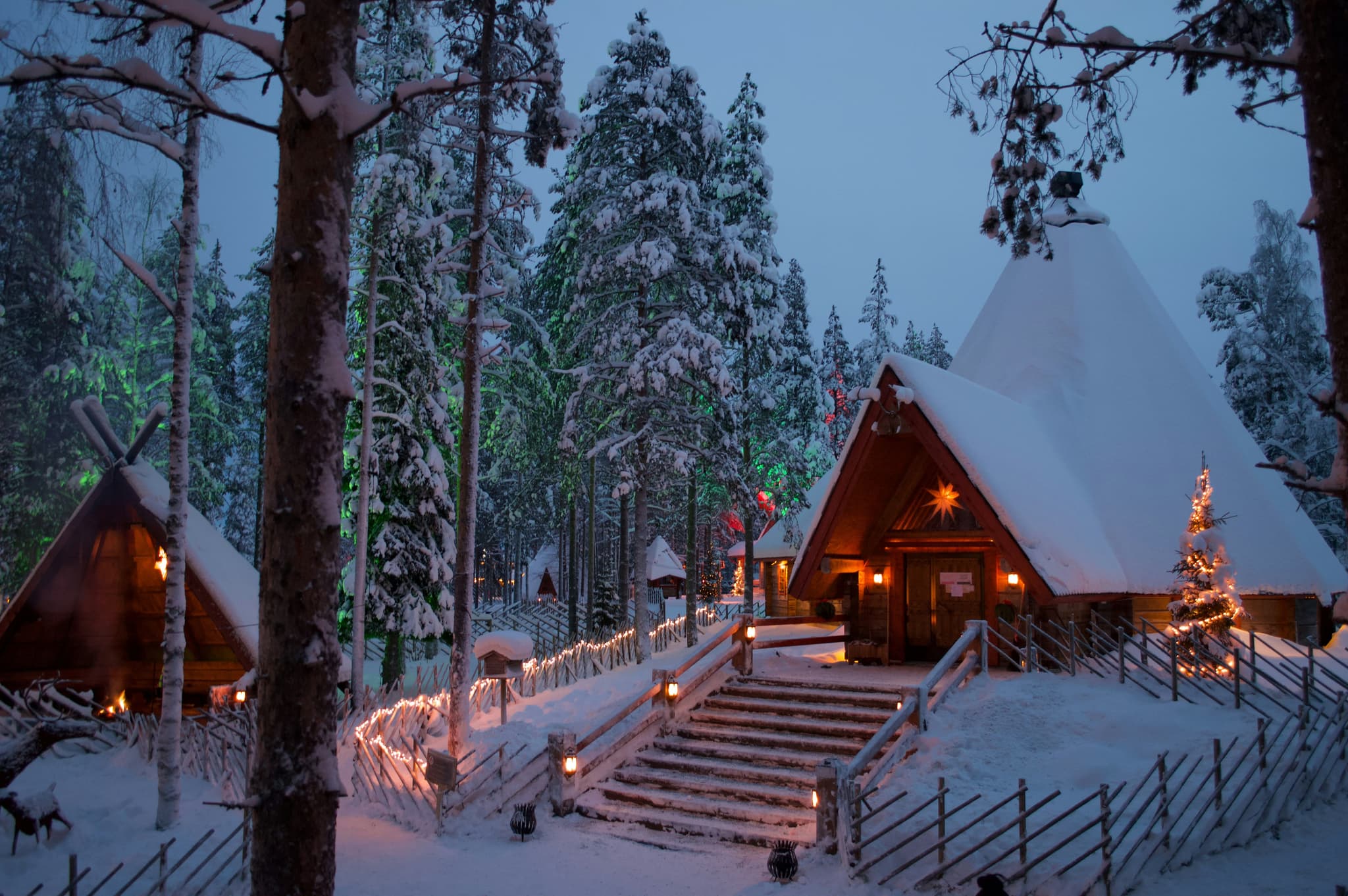
Up north in Rovaniemi, snowy roads, pine forests and frozen rivers completely change the atmosphere compared to southern Finland. Around December and January, temperatures regularly drop far below freezing, which is exactly why this region became famous for winter tourism. Near the city, Santa Claus Village sits directly on the Arctic Circle, where you can cross the line marking the far north. And in the surrounding forests, activities like snowmobiling and dog sledding continue deep into winter because snow usually stays here for months. During darker evenings, many people head outside hoping to catch the northern sky glowing green above the trees. It truly is a magical place.
Visit Levi and Ylläs for skiing and snowy mountain views
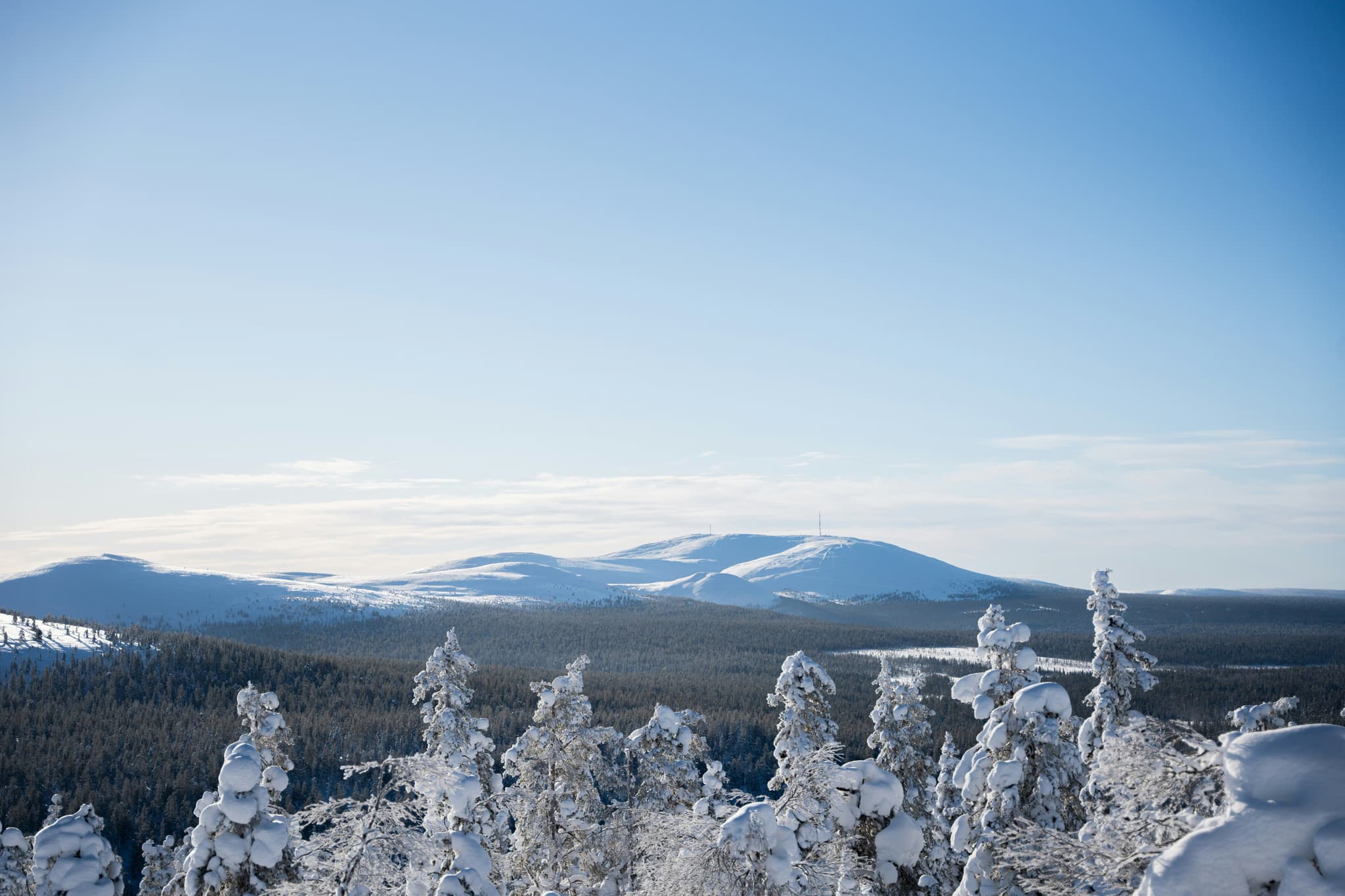
Further west, Levi and Ylläs bring some of the best winter conditions in the country. Around these areas, smaller hills create the closest thing Finland has to alpine scenery, even though the terrain looks softer compared to Norway or Austria. Near Levi, slopes stay active for months because snow arrives early and stays late into spring. Throughout the region, you’ll wake up surrounded by snowy forests, walk straight towards ski slopes or hiking routes, and end your evenings inside a warm cabin after hours outside in the snow, which is exactly why many Guided travellers stay here for a full winter week instead of constantly changing locations. Between the forests and open snowy areas, this part of the country easily creates that proper winter wonderland atmosphere.
Discover Finnish Lakeland around Savonlinna and Kuopio
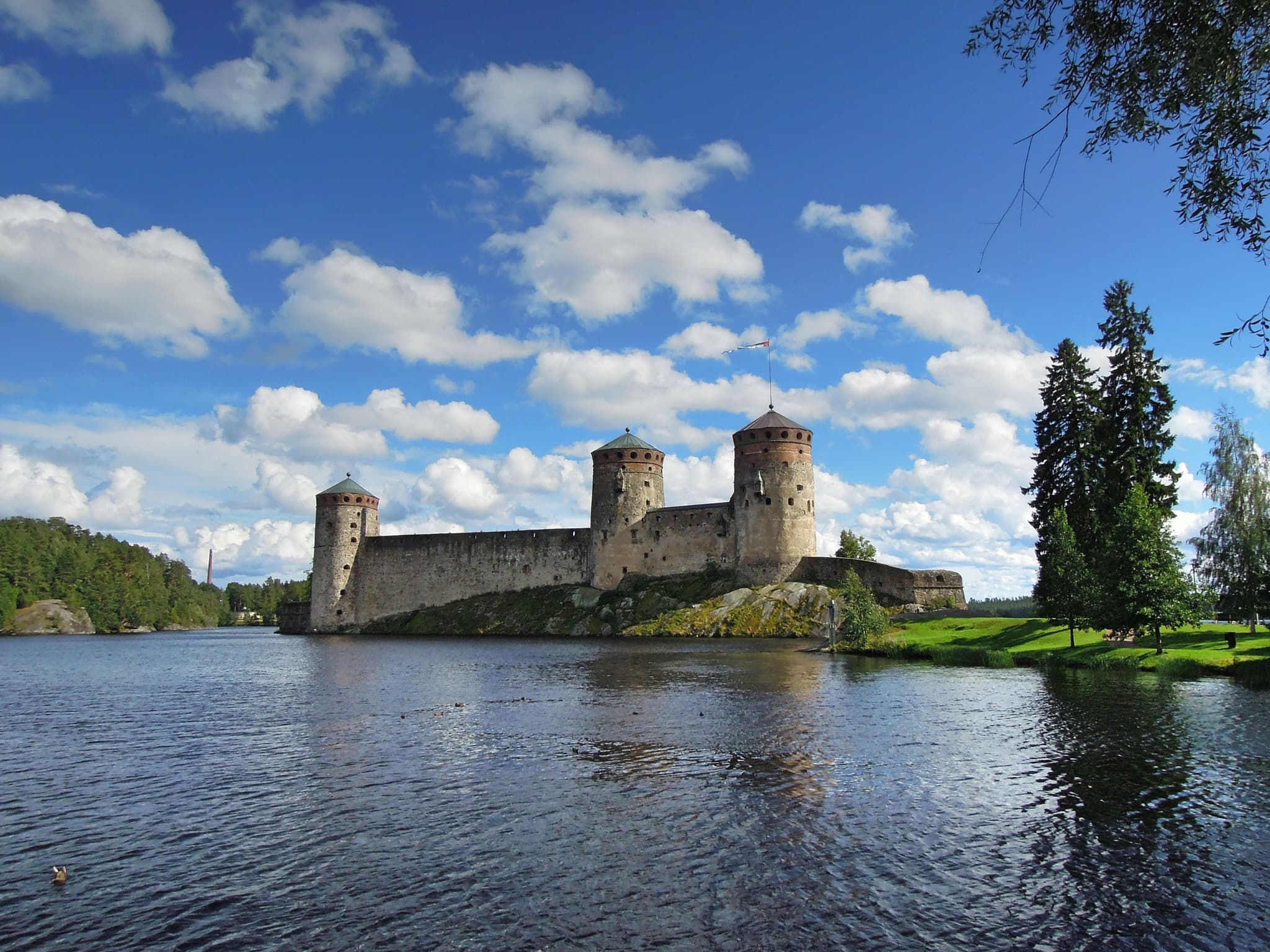
Down in the lake region, your Finland route starts looking completely different again. Between thousands of lakes, smaller roads and forest areas, your days quickly turn into swimming in cold water after a sauna, eating outside near the lake and taking small boats across the water during late summer evenings. Around Savonlinna, the huge stone structure of Olavinlinna Castle rises directly from the lake and dates back to the 1400s. Near smaller towns and wooden cabins, you’ll notice how strongly sauna culture is connected to everyday life because many families spend their summers at cottages beside the water. During warmer months, this part of Finland works really well when you want more nature, lake views and longer days outside.
Explore Oulanka National Park and the far north
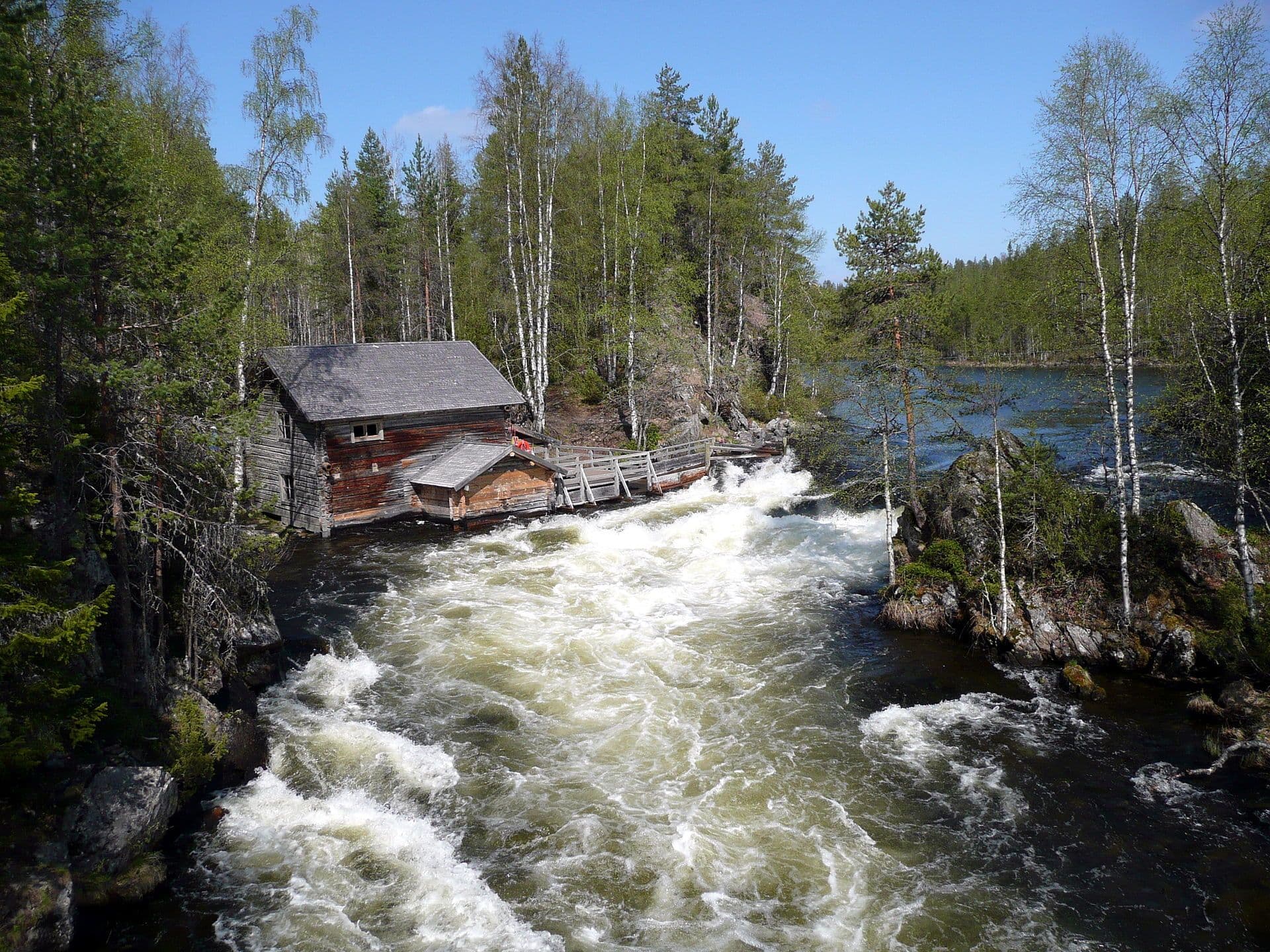
Closer to the Russian border, you can drive for long stretches without passing many towns, with forests, rivers and hiking areas taking over the entire route around you. Around Oulanka National Park, wooden bridges cross fast flowing rivers and hiking trails lead through deep forest areas where reindeer regularly appear beside the paths. And in summer, daylight stays around so long that your evening hikes can easily continue late into the night during June and July. Near the Karhunkierros trail, routes take you past waterfalls, rapids and rocky cliff edges that look completely different from southern Finland. Between autumn colours in September and thick snow during winter, this part of the country changes massively depending on the season you choose.
Visit the Finnish islands and coastal regions
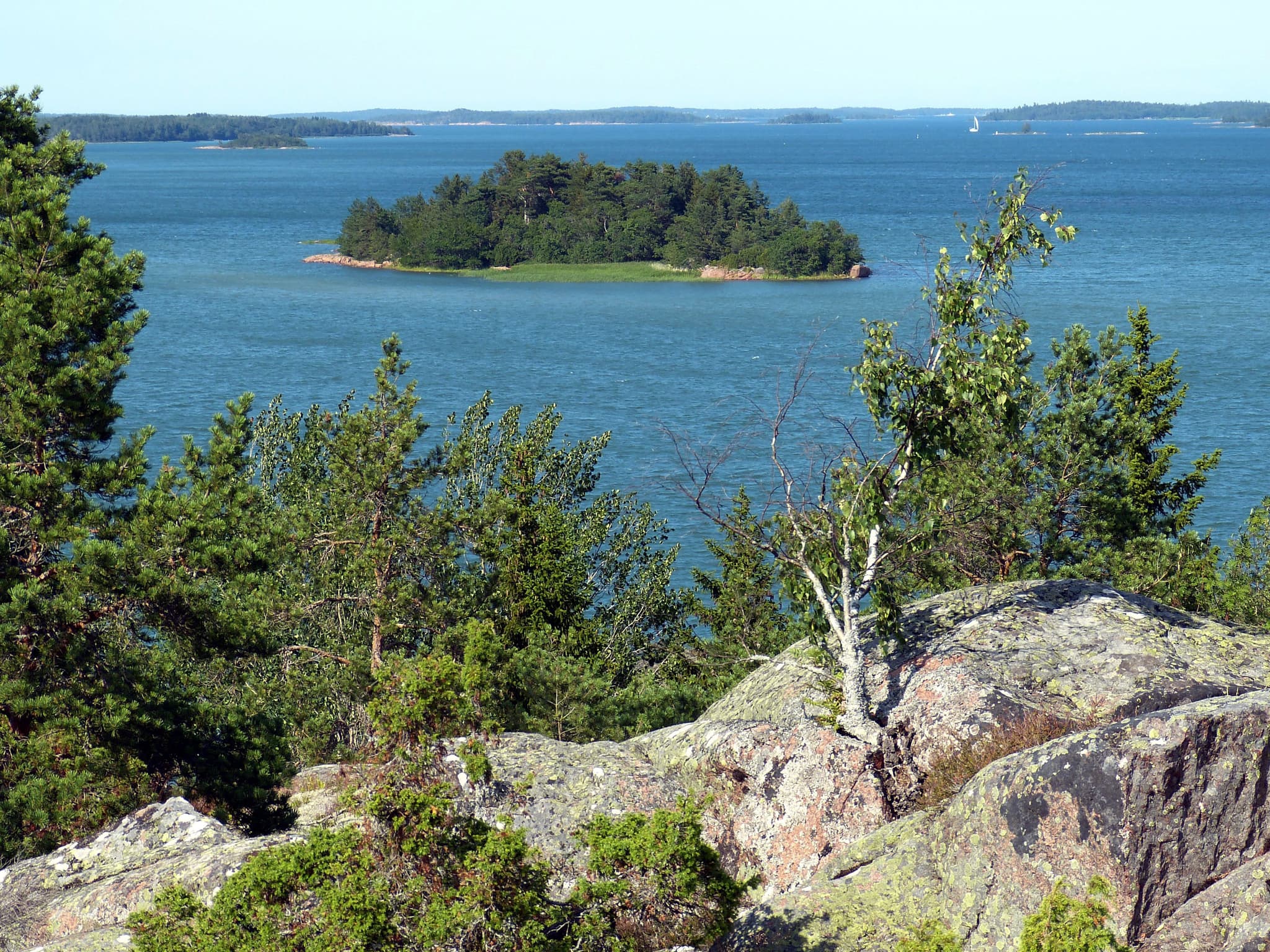
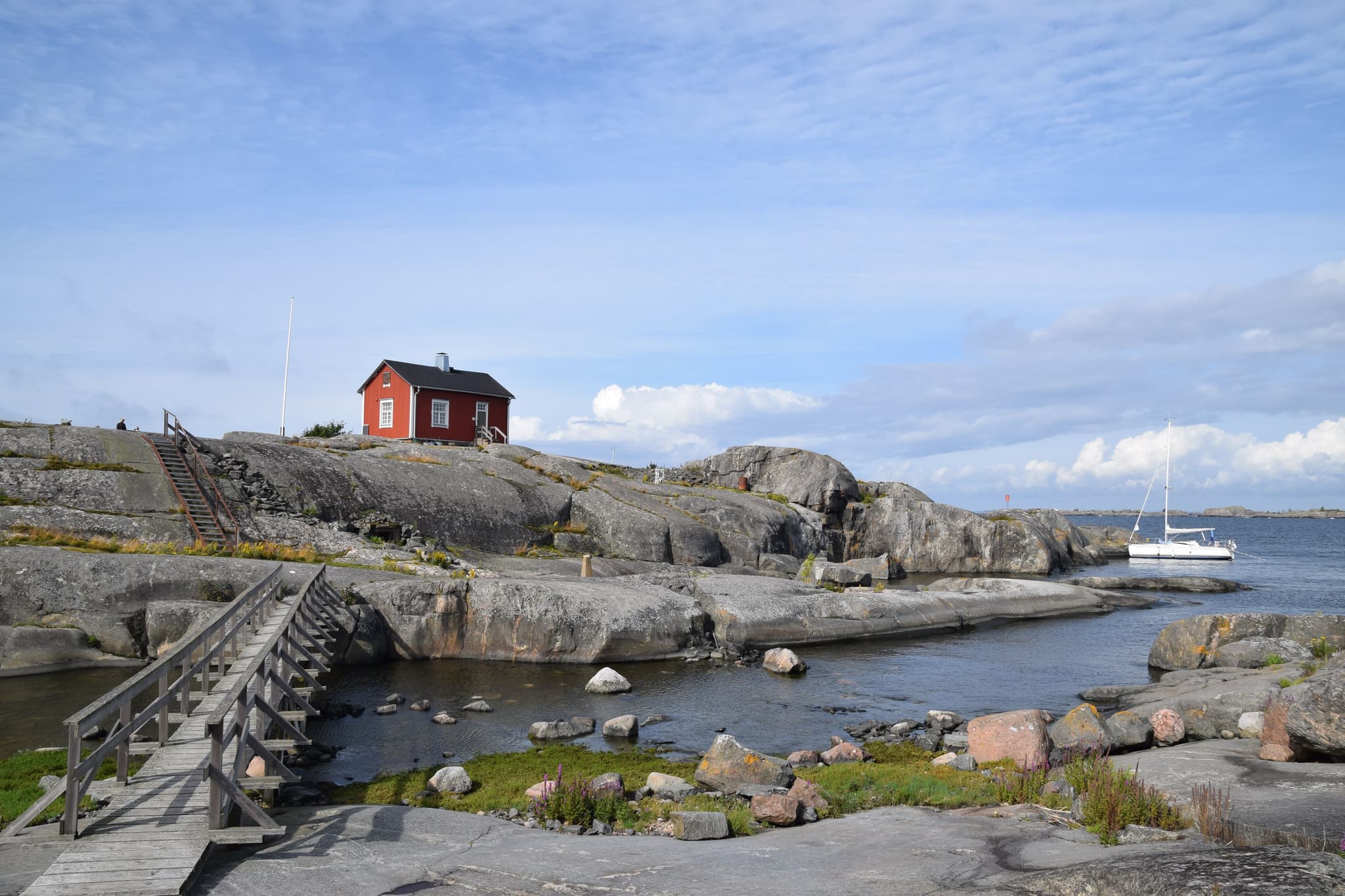
Out along the coast, ferries take you between smaller islands spread across the Baltic Sea, with many routes passing forests, tiny villages and old harbour towns along the way. Around the southwest, your days can easily move between boat rides, seafood lunches near the water and cycling through quiet island roads. Near the Åland region, ferry crossings and cycling routes connect surprisingly well during summer, so getting around is much easier than you’d think. Across the coastline, wooden houses, smaller harbours and long evenings near the sea create a completely different atmosphere compared to Helsinki or Lapland. During warmer months, this region works really well when you want coastal towns, island hopping and more time outside near the water.
Experience smaller Finnish cities beyond Helsinki
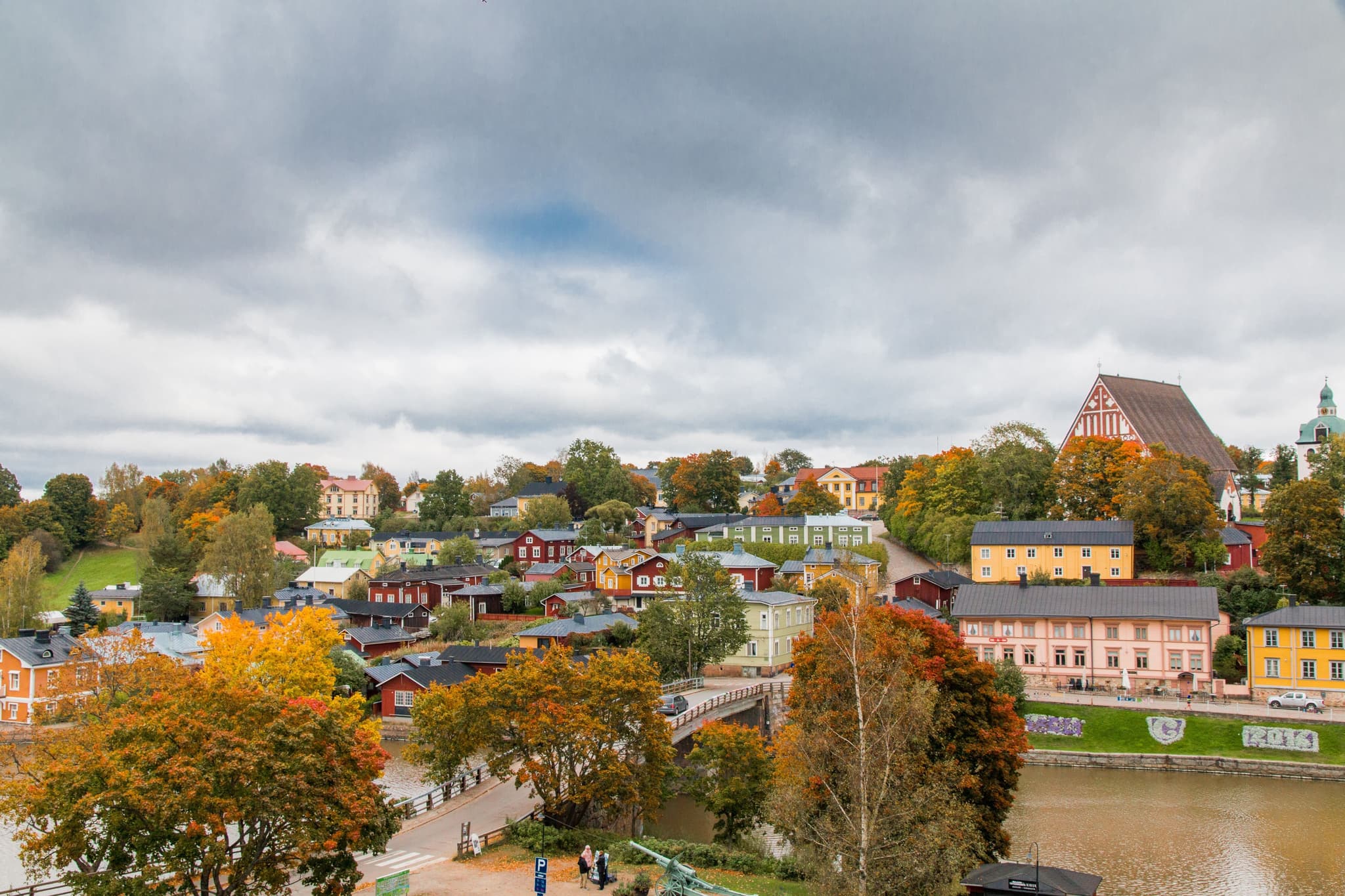
Beyond the capital, you’ll start seeing a more local side of the country that looks very different from Helsinki. Around Tampere, old factory buildings have been turned into cafés, museums and restaurants beside lakeside saunas where people still spend hours after work or during weekends. Near Turku, terraces near the river and older streets connect back to Finland’s earlier history from before Helsinki became the capital city. And in places like Porvoo, colourful wooden houses and smaller streets bring a much older atmosphere compared to newer Finnish cities further south. Between these regions, train connections make travelling around fairly simple without needing extra domestic flights.
Finland itinerary ideas for your trip
Across Finland, distances between regions can take much longer than it looks like on the map. Between overnight trains, domestic flights and forest roads, building a route in a logical order saves you loads of travel time once you arrive. We’ve put together three itineraries that connect the best places in Finland, combining both remote unique regions that many first time travellers miss, and the most fun tourist destinations in Finland.
7 day Finland trip: Helsinki and Lapland
Day 1: Arrive in Helsinki and explore the harbour area and city centre
Day 2: Visit museums, cafés and Suomenlinna in Helsinki
Day 3: Take the overnight Santa Claus Express from Helsinki to Rovaniemi
Day 4: Explore forests, sauna cabins around Rovaniemi
Day 5: Visit reindeer farms and nearby Arctic experiences near Rovaniemi
Day 6: Northern lights around Rovaniemi or Saariselkä
Day 7: Return south towards Helsinki
10 day Finland holiday through lakes and forests
Day 1 to 2: Explore Helsinki, Suomenlinna and the city’s harbour cafés
Day 3: Take the train from Helsinki to Tampere for saunas and museums
Day 4 to 5: Stay in the Finnish Lakeland region near Puumala or Lake Saimaa
Day 6: Visit Savonlinna and explore Olavinlinna Castle beside the lake
Day 7: Go hiking through forest areas and trails near Koli National Park
Day 8: Explore Kuopio, local markets and smaller Finnish towns in the lake region
Day 9 to 10: Return to Helsinki for museums, restaurants and the coast
2 week Finnish travel route from south to north
Day 1 to 2: Helsinki
Day 3: Turku and the southwest coast
Day 4 to 5: Ferry through the Turku Archipelago and the Åland Islands
Day 6 to 7: Finnish Lakeland
Day 8: Oulu
Day 9 to 11: Rovaniemi and Finnish Lapland
Day 12: Hiking near Urho Kekkonen National Park
Day 13: Sauna and hiking near Saariselkä in northern Finland
Day 14: Return south
Guided tip: In winter, overnight trains save you both hotel nights and daytime travel, which makes longer Finland routes much smoother.
Looking for more inspiration? Explore these trips:

What to do during your trip to Finland
Now that you know Finland’s sightseeing places and where your route might take you, the next step is figuring out what you actually want to do on your trip to Finland. We’ve gathered a few activities and experiences that are really worth adding to your route.
Learn about husky culture in northern Finland
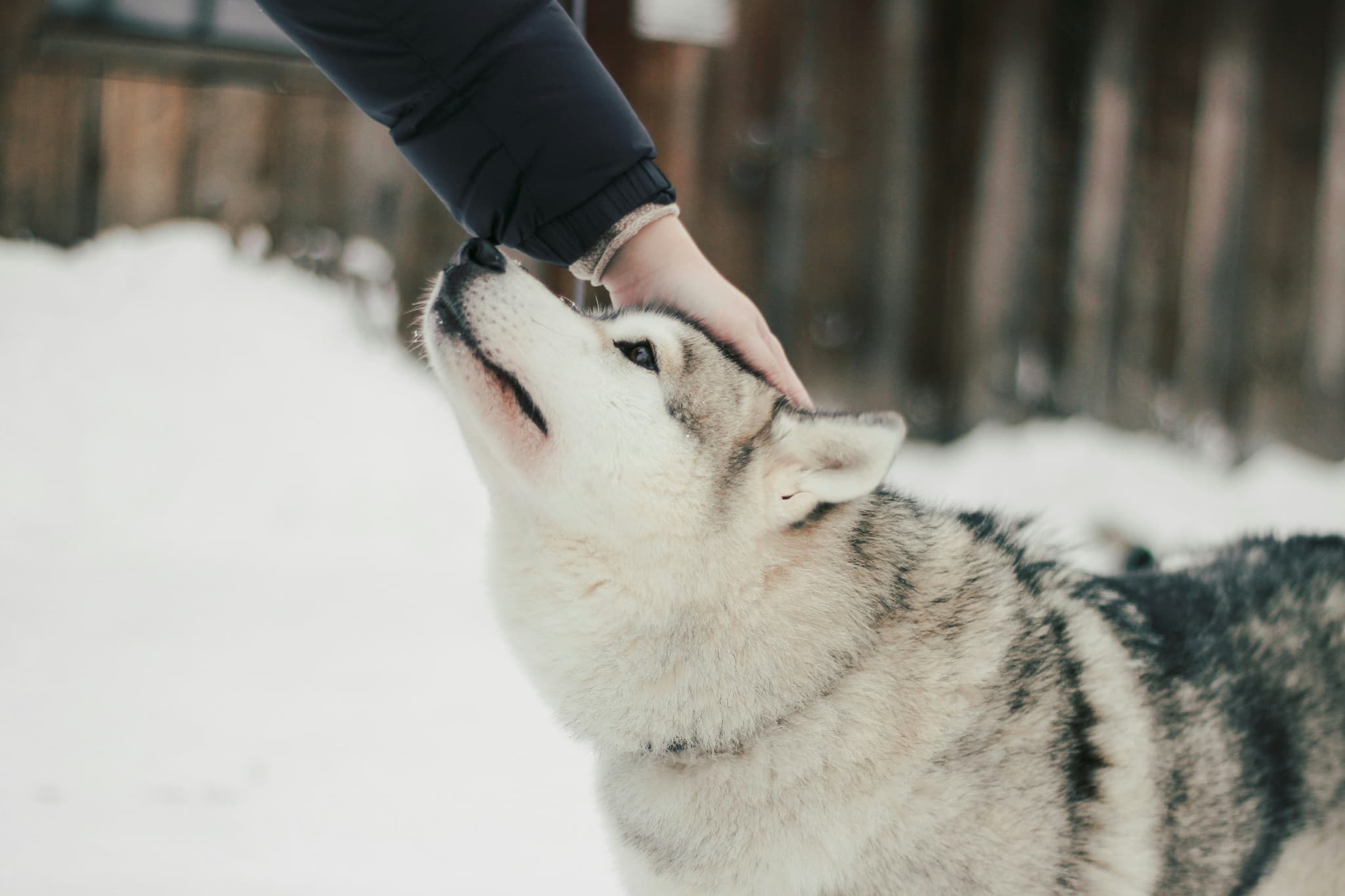
Across northern Finland, huskies have been part of life in snowy regions for a long time, and around smaller kennels you can learn much more about how people live and work with these dogs during winter. Some places focus on smaller groups and much better care for the animals, which is something we’d really recommend looking into before booking anything. Around Lapland, concerns about animal welfare and mass tourism have grown over the years, so taking a bit of extra time to research ethical kennels really matters here. In smaller family-run places, you’ll usually get a much more personal experience too, with more time to meet the dogs and understand how they’re cared for outside the tourist season.
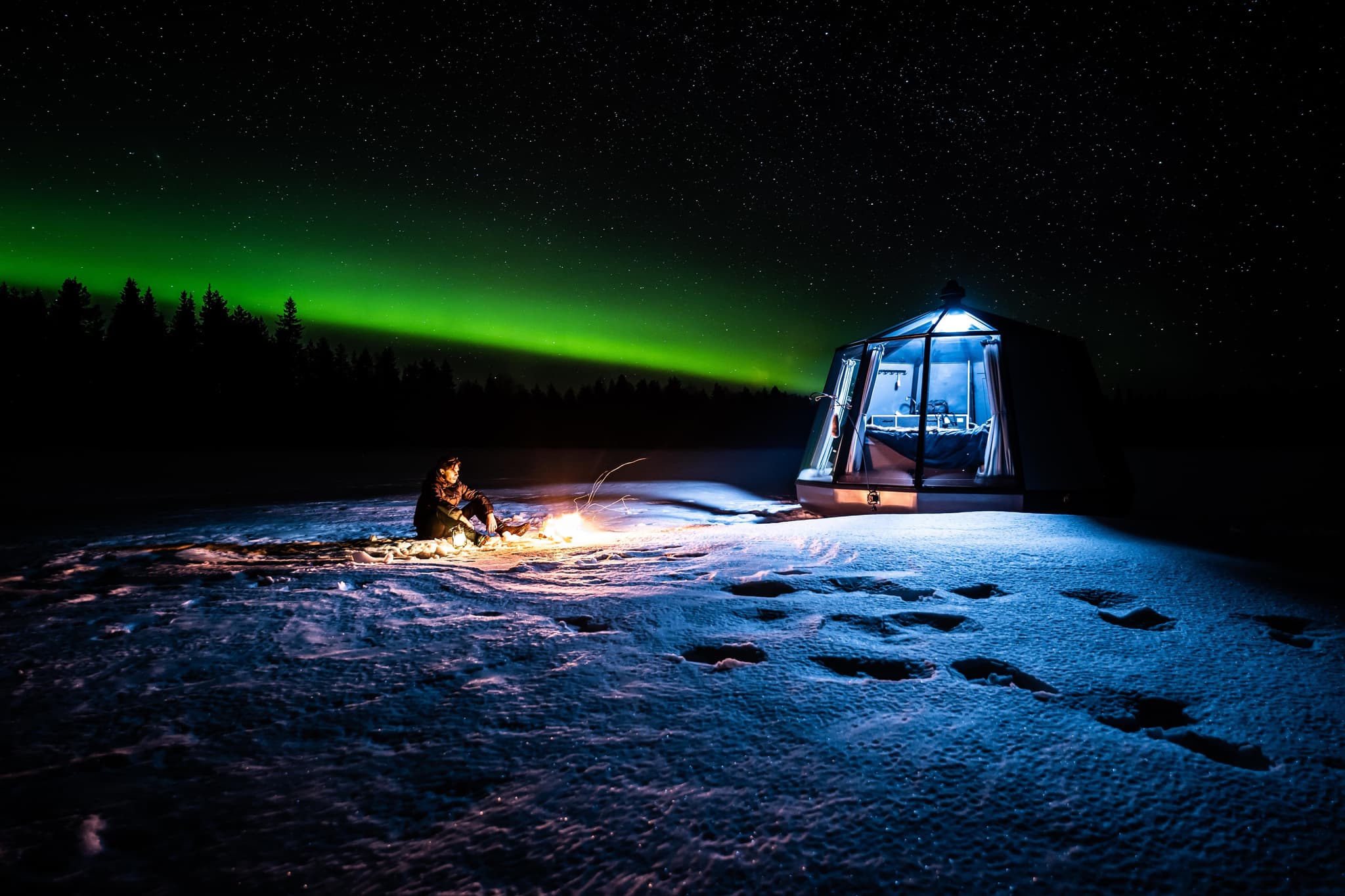
Stay in glass igloos under the northern sky
Up in Lapland, nights inside glass igloos are one of the most unique winter stays in Finland. Around places like Saariselkä and Levi, cabins with glass roofs let you watch the sky directly from your bed once darkness arrives outside. During colder months, snow builds up around the cabins for weeks, which makes it even more fun. And between autumn and spring, many people stay awake to wait for the northern lights to appear. These stays usually get booked very far ahead once winter season gets closer, so book we recommend booking early.
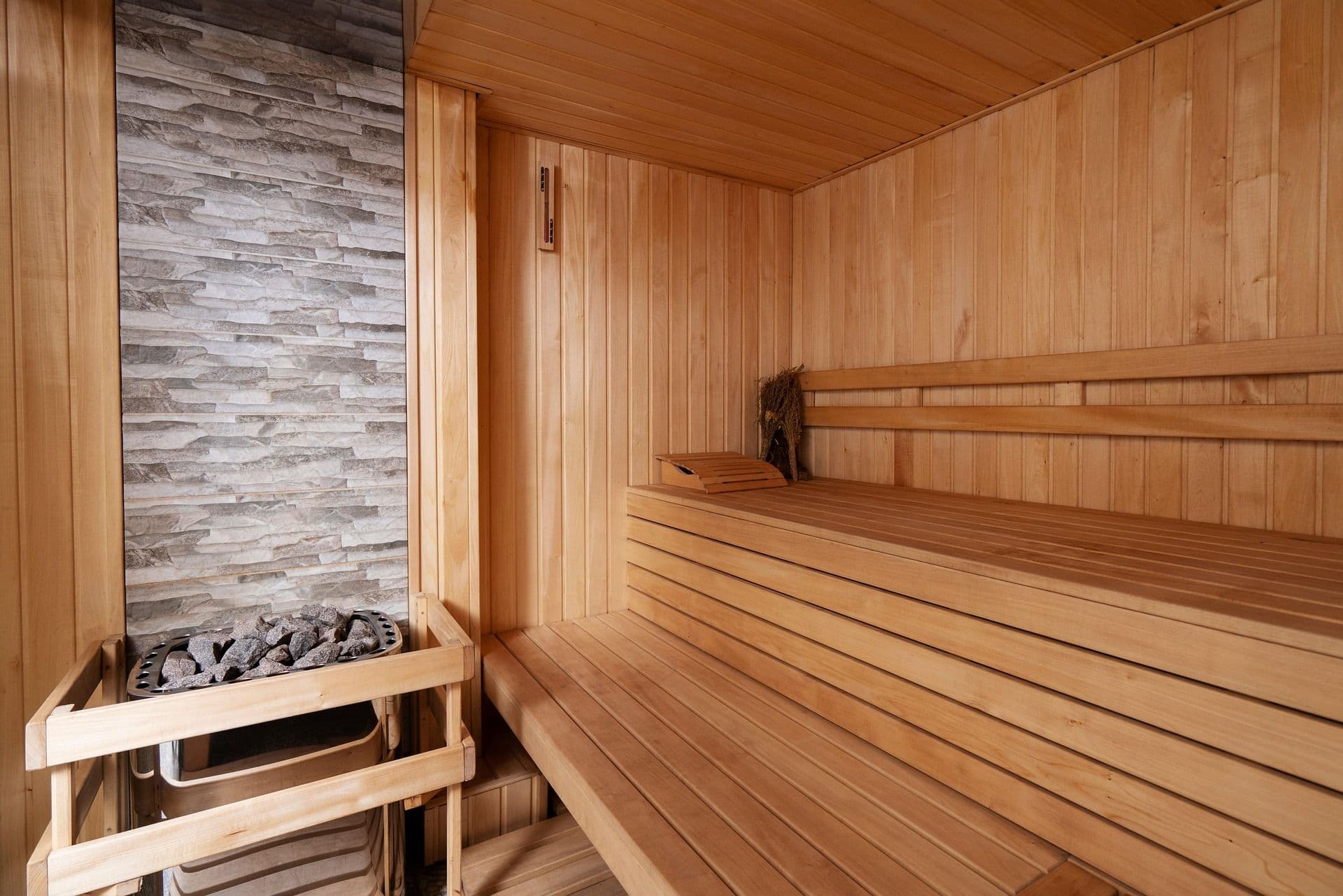
Experience Finnish sauna culture beside a frozen lake
Across Finland, people still jump into icy water or roll through snow directly after sitting inside extremely hot saunas. Around lake cabins during summer, evenings usually continue outdoors for hours after the sauna is finished. This tradition still stays deeply connected to everyday life in Finland. The contrast between freezing air and hot steam becomes something you’ll probably remember long after your trip to Finland ends.
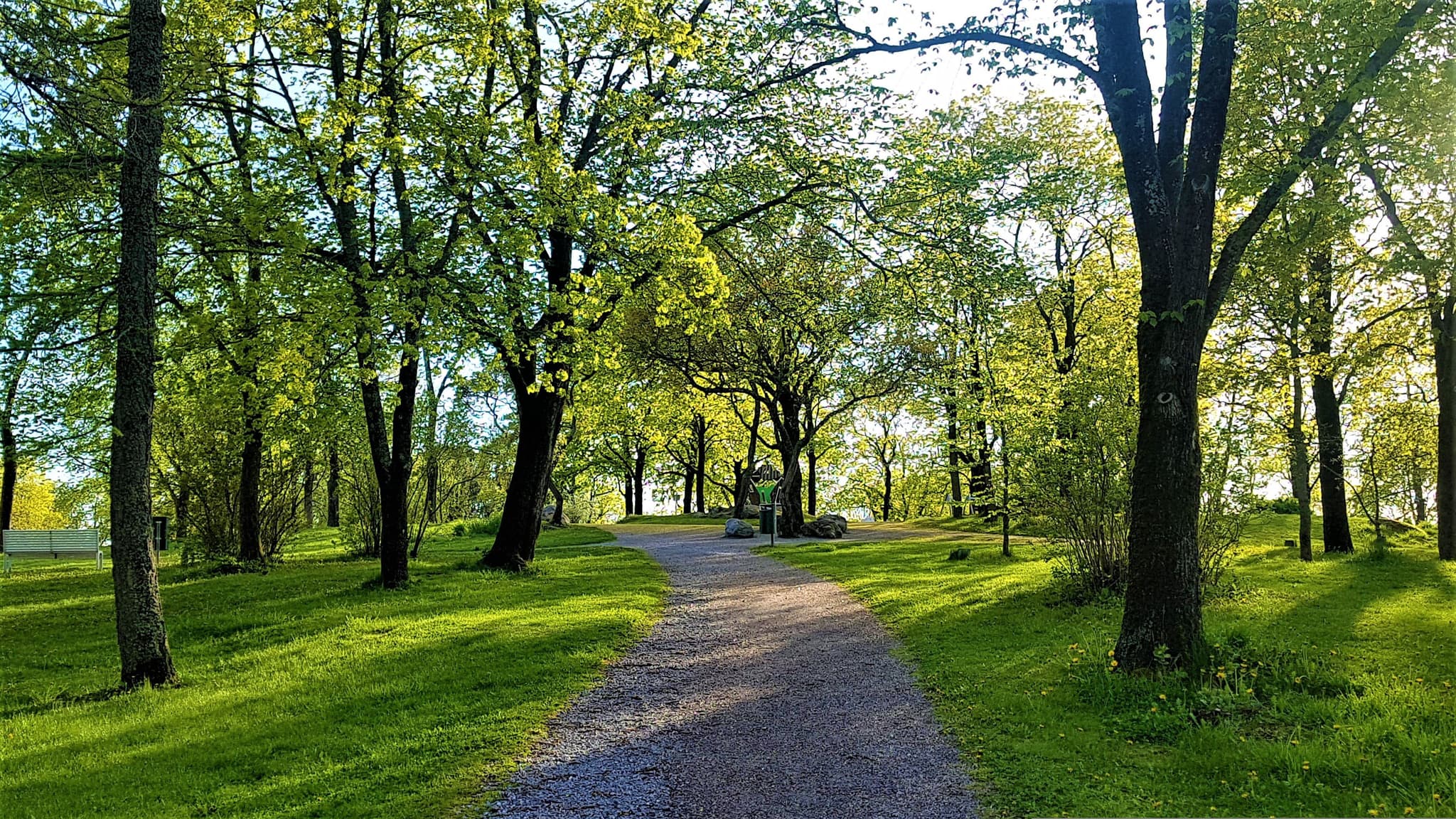
Go hiking in Finland’s national parks
Far north and closer to the eastern border, huge hiking areas stretch across forests, rivers and rocky trails. Around Urho Kekkonen National Park, you could continue for days through remote northern areas filled with reindeer and wooden shelters. Near Oulanka National Park, suspension bridges cross fast rivers surrounded by cliffs and thick forest areas. In summer, long daylight hours give you loads of extra hiking time since darkness barely arrives in the north. During winter though, the complete opposite happens, with only a few hours of daylight in some northern regions, which makes hiking routes and outdoor activities much harder to plan
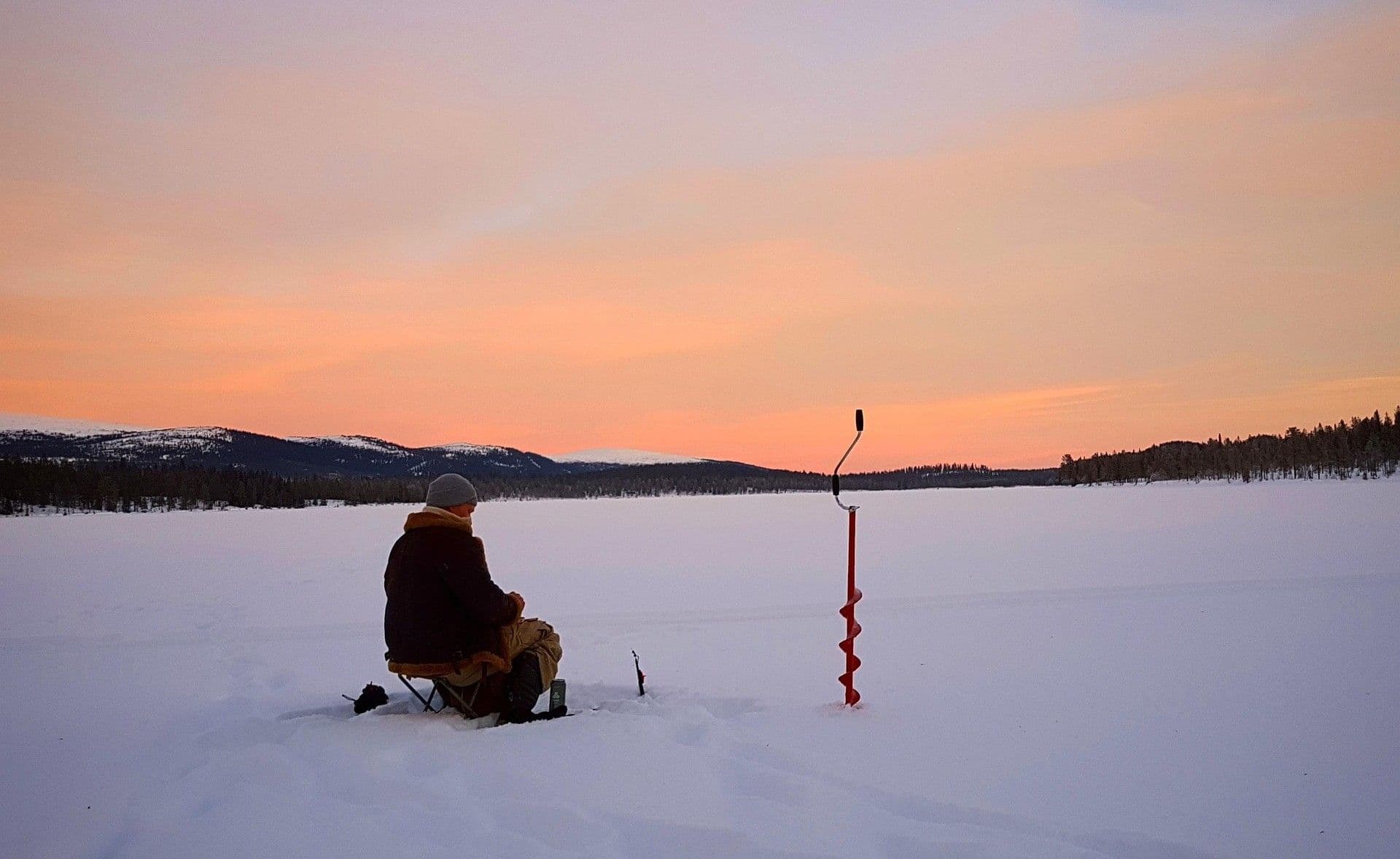
Try ice fishing during winter in the north
During winter, frozen lakes become gathering spots for locals. Around smaller towns and remote cabins, people drill holes through thick ice and spend hours waiting outside in the snow with warm drinks and heavy winter clothing. Between January and March, lake ice usually becomes thick enough for proper ice fishing tours far north of Helsinki. Near Lapland, guides sometimes take you onto lakes using snowmobiles before the fishing even starts. This still remains a very normal winter activity instead of something created only for tourism.
Explore the archipelago and coastal Finland
Out near the southwest coast, ferries connect hundreds of smaller islands spread across the sea around places like Turku, Nagu, Korpo and Houtskär. Around harbour towns and fishing villages, you will spend your days outside almost the whole time, cycling between smaller islands, taking short ferry rides and stopping somewhere near the water for seafood during the evening. And moving around is really easy because ferries connect many places throughout the day during summer. Even very late in the evening during June and July, you’ll still have daylight, so dinner outside at 10 or 11pm is completely normal here.
When to plan your trip to Finland?
In Finland, weather changes your route much more than in many other European countries. Snowy winters, endless summer daylight and colourful autumn forests, every season gives you a completely different version of the country.
Spring: quieter months, melting snow and cheaper prices
Summer: lake trips, hiking routes and warmer temperatures
Autumn: yellow and orange forests, cooler weather and fewer people in northern Finland
Winter: snowy forests, frozen lakes and long nights
Closer to summer, daylight hours become much longer than many people expect, particularly in the north where the sun barely sets around June. During winter, darkness arrives very early in Lapland, which completely changes how you plan your days once you head north.
Not sure which month works best for your Finland trip? Read our guide about the best time to visit Finland, where you’ll find exactly when to go for northern lights, lake trips, and hiking routes.
Where to stay during a trip to Finland
The region you choose changes your whole route and daily plans. Some areas work much better for winter trips and others make far more sense during summer. Let’s take a look at your options so you can decide what suits you.
Stay in Helsinki for museums, cafés and shorter city breaks
In Helsinki, ferries, museums and cafés all stay fairly close together, so getting around remains simple without needing a car. Near the city centre, trains and trams connect most neighbourhoods within minutes, which helps a lot during shorter stays. In the evenings, restaurants and bars stay active much later compared to smaller towns elsewhere in Finland. Especially during a shorter finland holiday, Helsinki works really well as your starting point before travelling north.
Base yourself in Rovaniemi for first time Lapland experiences
Further north, Rovaniemi gives you easy connections towards snowy activities and winter tours. Around the city, many hotels organise excursions directly from the accommodation, which saves loads of planning once you arrive. Near the centre, trains and flights also connect fairly well with southern Finland. Though, in winter, this region becomes one of the busiest areas in northern Finland.
Stay near Saariselkä for snowy cabins and northern skies
Up in the far north, Saariselkä gives you a much smaller and more remote atmosphere compared to Rovaniemi. It is also less busy in winter. Around the village, cabins and hotels spread out between forests and snowy walking trails instead of busy streets. Near the village, you’ll also find routes leading deeper into northern Finland and towards hiking areas further north.
Choose Lakeland for cabins, lakes and sauna evenings
Down in central Finland, lake regions completely change the atmosphere of your route again. Around the water, cabins, forests and smaller villages create a much calmer setting compared to Lapland or Helsinki. During summer, you can swim in the lakes, go boating during the day and end your evenings in a sauna near the water. This area works really well when you want less travel and more time outdoors.
Guided tip: During summer, lake cabins get booked very quickly by local families too, so reserving your stay early saves you loads of stress later on.
Stay near Levi if skiing is high on your list
Out west in Lapland, Levi became one of Finland’s biggest winter destinations because of its snowy conditions and larger slopes. Around the village, cabins, hotels and restaurants spread out close to the main ski resort, so reaching the slopes stays fairly easy without needing much transport. Between December and April, snow conditions usually stay very reliable here. Near Levi, smaller hills and snowy forests create some of the best winter views in the country, even though the mountains of Finland stay lower compared to Norway. Across one full winter week, this area gives you loads to do without needing to move locations constantly.

Did you know you can create your own itinerary?
Now that you know the best places to visit in Finland, you can start creating your own trip. Do you want more time in snowy forests and sauna cabins, or are you thinking about lakes, hiking and long summer evenings outside? It’s all up to you. You can easily create your own trip in the Guided app for free, or use trips shared by others.
Finnish cuisine: food to try on a trip to Finland
Finnish cuisine stays closely connected to forests, lakes and colder seasons. And this is reflected on the menu in cafes and restaurants. These are a few things you can try during your trip.
Try salmon soup in Helsinki markets
At Helsinki’s harbour markets, creamy salmon soup is one of those meals you’ll see everywhere around you. During colder days, sitting inside one of the old market halls with warm soup and dark rye bread works really well after walking around outside for hours.

Taste cinnamon buns and Finnish coffee
Throughout Finland, coffee breaks happen constantly during the day, and cinnamon buns usually come with them. Around cafés in Helsinki, Tampere and smaller towns, people spend long afternoons talking over coffee and pastries. Smaller bakeries usually make the best versions instead of the larger chains.

Try local pastries in smaller Finnish towns
Outside the bigger cities, bakeries and cafés start selling more regional pastries and snacks. Karelian pies filled with rice or mashed potato are one of the most common snacks you’ll come across. During longer drives through Finland, stopping at smaller bakeries is one of the nicest parts of the route.

Discover traditional dishes in Lapland restaurants
Further north, menus start looking very different from southern Finland because ingredients mainly come from forests, rivers and lakes nearby. Around Lapland, restaurants use berries, mushrooms and fish caught in northern waters throughout the year. Near ski villages and smaller northern towns, meals also stay much heavier because of the colder temperatures outside.
Culture you’ll experience during a trip to Finland
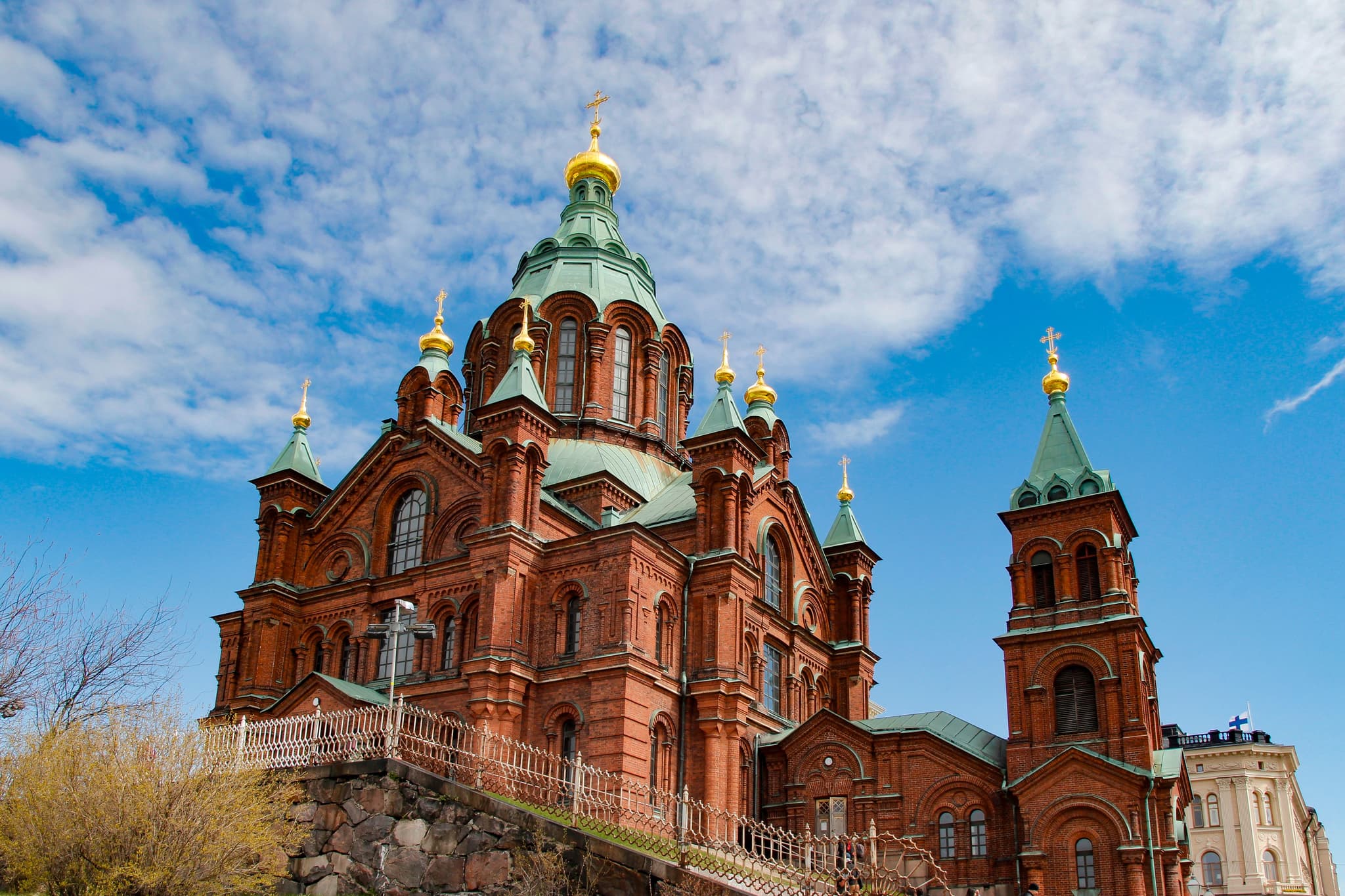
Around southern Finland, Swedish rule influenced the country for centuries before Finland later became part of the Russian Empire during the 1800s. Near older cities like Turku and Porvoo, colourful wooden houses, churches and fortress areas still connect back to those earlier periods. Between 1917 and today, Finland developed into an independent country with its own language and identity, though Swedish still remains an official language in many coastal regions. And across Helsinki, you can still see Russian influence in large cathedral domes, wide boulevards and pastel coloured buildings near the centre that date back to the period when Finland was ruled by the Russian Empire.
Beyond the cities, nature stays deeply connected to everyday life. Around summer cottages and lakes, many families still spend large parts of their holidays fishing, swimming and using the sauna together. People learned to live very closely with nature for generations, and you still notice that once you travel outside the cities. Near smaller towns, silence and personal space also matter much more socially compared to southern Europe, so conversations and interactions usually stay calmer.
Looking for more unique places, trips and activities?
Subscribe to our Guided Newsletter for more travel inspiration.
Costs of a trip to Finland
You might wonder what things cost during a trip to Finland, since prices can change quite a bit depending on the season and region you visit. Compared to countries like Spain, Portugal or many parts of Eastern Europe, Finland is definitely more expensive, particularly once you head north towards Lapland during winter. So let’s take a look at the average prices for a trip to Finland.
Food & Drink

Coffee
€3 – €5
Lunch
€12 – €19
Beer
€6 – €10
Accommodation
Hotels
€150 – €240
Airbnb
€80 – €150
Hostel dorm
€24 – €40
Transport
Trains
€15 – €40
Public Transport
€3 – €5
Car Rental
€40 – €100
Attractions

Museums
€10 – €22
Big Attractions
€75 – €200+
Theatre
€30 – €60
Practical tips for visiting Finland
First time travelling to Finland, and wondering what you should sort before you go? We’ve gathered a few tips that will make your route smoother once you arrive, particularly once you start heading further north.
✔ Book Lapland accommodation early
Around winter, cabins and hotels in northern Finland can sell out surprisingly fast, particularly near Rovaniemi and Levi. During December and school holiday periods, prices also rise pretty quickly, so booking months ahead usually gives you much better options.
✔ Prepare properly for winter temperatures
Up north, winter temperatures can drop far below freezing for long periods. With thermal clothing, waterproof boots and proper gloves, you’ll stay outside much longer and enjoy the activities far more once the snow and cold fully kick in.
✔ Use overnight trains for longer routes
Across Finland, travel distances are much bigger than many Guided travellers expect before arriving. Overnight sleeper trains between Helsinki and Lapland save you loads of daytime travel, and waking up surrounded by snowy forests will be one of the nicest parts of the route itself.
✔ Download offline maps before heading into nature
Around national parks and remote northern regions, phone signal can disappear fairly quickly once you leave towns behind. So download offline maps on Google Maps or Maps.me beforehand, so you’ll have a much easier time once you start hiking or driving through forest regions.
✔ Expect supermarkets and restaurants to close earlier outside cities
Beyond Helsinki and larger towns, opening hours can be much shorter compared to southern Europe. On Sundays and in smaller villages, you might suddenly notice supermarkets, cafés and restaurants already closing much earlier than you expected.
✔ English is spoken almost everywhere
Throughout Finland, speaking English usually isn’t a problem at all. Around train stations, cafés, hotels and restaurants, you can ask questions very easily without needing to worry about your Finnish skills.
✔ Keep an eye on daylight hours before your trip
During summer, daylight continues almost all night in northern Finland. Across winter though, you’ll sometimes only get a few hours of daylight each day, which completely changes how you plan activities and travel days once you’re up north.
✔ Use these apps for transport and weather updates
When getting around Finland, a few apps make things much easier. The VR app helps with train schedules and tickets, Google Maps works well for directions, and Yr or Foreca are really useful if you want to check snow, rain or temperatures.
Guided tip: During winter, leaving a bit of extra space in your schedule usually helps a lot because snow, weather and darkness can slow things down.
Fun facts about Finland
Northern lights and snowy forests are usually what people picture first when thinking about Finland, but there are plenty of other things that make the country surprisingly unique:
Finland has around 188,000 lakes spread across the country
Reindeer actually outnumber people in some regions
Finnish people drink more coffee than almost anywhere else in Europe
There are more than 3 million saunas across the country
Ice swimming remains popular even during freezing winter temperatures
Winter temperatures in Lapland can drop below minus 30 degrees Celsius
Heavy metal music is surprisingly popular across Finland
After a few days in Finland, you’ll probably start noticing how closely everything connects back to nature, from lake cabins and saunas to forests surrounding entire towns. During summer, daylight keeps you outside until very late during the evening, and across winter, snowy forests and frozen lakes completely change the atmosphere around you. Finland works really well if you like colder climates, outdoor activities and routes that look completely different depending on the season you choose.
Ready to map out your trip to Finland?
We hope this Finland travel guide has given you a clear starting point for your trip. Stay tuned for more inspiration, itineraries and practical tips to help you shape your perfect trip to Finland. And don’t forget to check out our Guided app, where you can create your own trip or use trips shared by other travellers for free.
FAQS about trips to Finland
- How many days do you need for a Finland trip?
Around 7 to 14 days usually works really well for a Finland route. During shorter trips, most people focus on Helsinki and Lapland, and with more time you can also add lake regions, hiking areas and coastal Finland. In the Guided app, you’ll find routes that help you connect these regions in a much more logical way.
- Can you see the northern lights in Finland?
Yes, northern lights are visible across northern Finland during the darker months of the year. Around Lapland, chances become much higher because towns are smaller and skies stay much darker once you leave the main roads behind. Many Guided travellers stay in cabins or glass roof accommodation so they can keep watching the sky during the evening.
- Should you rent a car in Finland?
During summer, renting a car works really well for lake regions, coastal areas and smaller villages across the country. Around winter though, snowy roads and icy conditions can make driving much harder once you head north. Many Finland routes work perfectly fine with trains and local tours instead of driving yourself the whole way.
- What is Finland’s capital?
Helsinki is the capital city of Finland and also the country’s largest city. Around the harbour area, you’ll find markets, cafés, museums and ferry connections towards nearby islands and coastal regions. Most Finland trips start here before heading north towards Lapland or east towards the lake regions.
- Where is Helsinki in Europe?
Helsinki sits in Northern Europe along the southern coast of Finland near the Baltic Sea. Across the water, Estonia and Tallinn are actually much closer than many people expect before looking at the map.
- Is Lapland in Europe?
Yes, Lapland is part of Northern Europe and stretches across Finland, Sweden, Norway and part of Russia. Around Finnish Lapland, snowy forests, ski villages and Arctic activities attract people from all over the world during winter. Many Guided travellers visit this region for northern lights and winter cabins surrounded by snow.
- Where is Lapland in Finland?
Lapland is the northernmost region of Finland and stretches far above the Arctic Circle. Around places like Rovaniemi, Levi and Saariselkä, you’ll find snowy forests, winter activities and northern lights during the colder months. Many Guided travellers combine Lapland with Helsinki so you can experience both city life and Arctic nature during the same route.
- How to get to Lapland?
From Helsinki, you can reach Lapland by domestic flight, overnight train or long distance bus. Around winter, the Santa Claus Express sleeper train becomes one of the most popular options because you travel overnight and wake up further north the next morning.